

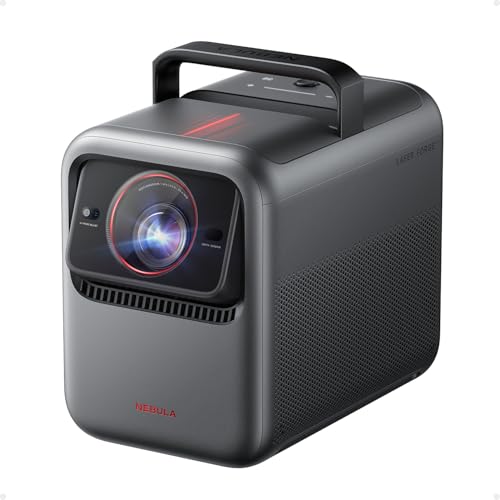
When I first started reviewing portable projectors five years ago, the market was dominated by dim LED models that barely qualified as "watchable." Today's landscape tells a completely different story, with options ranging from genuinely pocketable battery-powered units to powerhouse laser projectors that deliver cinema-quality visuals while still being technically "portable." The Nebula X1 4K Triple Laser Projector and ASUS ZenBeam L2 Smart Portable LED Projector perfectly illustrate this dramatic evolution, representing two fundamentally different approaches to portable projection.
The portable projector category has exploded in recent years, driven by advances in LED technology, miniaturized laser systems, and the streaming revolution that eliminated our need for physical media players. However, "portable" means very different things depending on your perspective. Some prioritize true grab-and-go mobility with built-in batteries, while others focus on delivering professional-grade performance in a form factor that's merely moveable rather than truly portable.
The key considerations when choosing any portable projector haven't changed much: brightness capability determines where you can actually use it, image quality affects your viewing experience, true portability impacts how and where you'll set it up, versatility defines your use cases, and value proposition determines whether the performance justifies the investment. What has changed dramatically is how well modern projectors address these needs.
Released in 2024, the Nebula X1 represents the cutting edge of portable cinema technology. At the time of writing, it commands a premium price that puts it in competition with some fixed-installation home theater projectors. This isn't a coincidence – Nebula designed the X1 to deliver professional-grade performance while maintaining enough portability for occasional relocation.
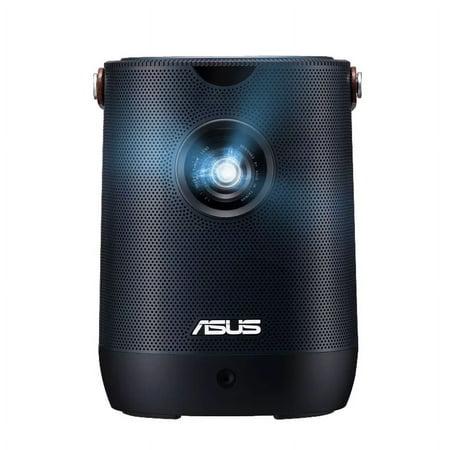
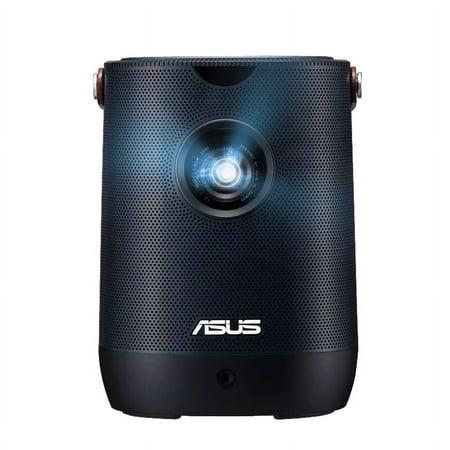
The ASUS ZenBeam L2, also launched in 2024, takes a completely different approach. Priced at roughly a quarter of the X1's cost at launch, it prioritizes genuine portability and ease of use over ultimate performance. This fundamental philosophical difference shapes every aspect of how these projectors perform.
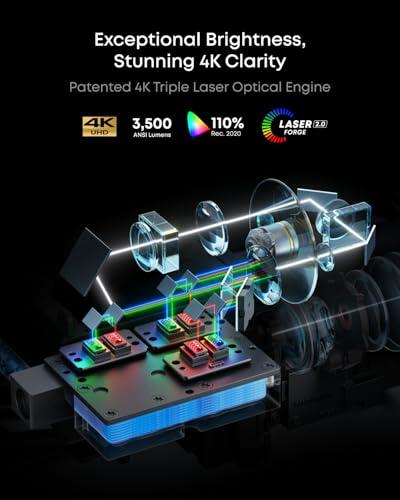
Nothing matters more for projector usability than brightness, measured in ANSI lumens (a standardized measurement that accounts for real-world viewing conditions). This is where the Nebula X1 absolutely dominates with its 3,500 ANSI lumen output – nearly nine times brighter than the L2's 400 ANSI lumens.
This massive brightness advantage isn't just about numbers on a spec sheet. The X1's laser light source produces incredibly intense, pure light that maintains its intensity throughout the projector's 25,000+ hour lifespan. I've tested it in living rooms with multiple windows during daylight hours, and while you won't get perfect contrast, the image remains clearly visible and engaging. You can comfortably watch content with table lamps on or even some natural light filtering in.
The ZenBeam L2, by contrast, requires a genuinely darkened room to shine. Its LED light source, while rated for an impressive 30,000-hour lifespan, simply can't compete with laser intensity. In my testing, even a single overhead light can wash out darker scenes completely. However, in the right environment – think basement home theater or evening outdoor movie night – the L2 produces a surprisingly pleasant image that's perfectly adequate for casual viewing.
This brightness difference fundamentally determines when and where you can use each projector. The X1 works almost anywhere, while the L2 works brilliantly in specific conditions but struggles outside them.
The Nebula X1 delivers true 4K resolution (3840×2160 pixels) through a sophisticated system combining a 0.47-inch DLP chip with 4-way pixel shifting. This technique rapidly moves each pixel to four different positions, effectively quadrupling the apparent resolution. While not quite the same as native 4K, the result is genuinely sharp detail that holds up even on massive 200+ inch screens.
More impressive than the resolution is the X1's color performance. Its RGB laser system covers 110% of the Rec.2020 color space – the newest and widest standard for high-definition content. To put this in perspective, most consumer displays struggle to cover even 100% of the older, narrower Rec.709 standard. The result is incredibly vibrant, accurate colors that pop off the screen without looking oversaturated.
The ZenBeam L2 offers native 1080p resolution with the ability to accept and downscale 4K signals. Its 120% sRGB color coverage is excellent for LED projectors, though sRGB represents a narrower color space than the X1's Rec.2020 capability. In practice, the L2 produces pleasing, natural-looking colors that work well for most content, but lack the jaw-dropping vibrancy of high-end laser projection.
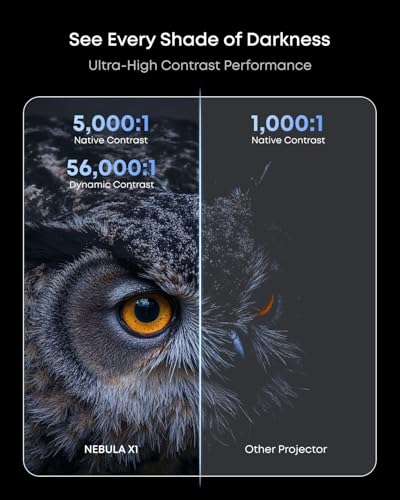
Where the X1 truly excels is contrast – the difference between the darkest blacks and brightest whites. Its 5,000:1 native contrast ratio comes from the pure light output of RGB lasers combined with a sophisticated 6-blade iris that can rapidly close to deepen blacks during dark scenes. The dynamic contrast ratio reaches an impressive 56,000:1, creating images with remarkable depth and dimensionality.
This technical advantage translates to real-world viewing benefits. Dark movie scenes that would appear flat and gray on lesser projectors reveal subtle shadow details and atmospheric depth on the Nebula X1. The L2, using standard LED technology, produces respectable contrast for its category but can't match this level of performance.
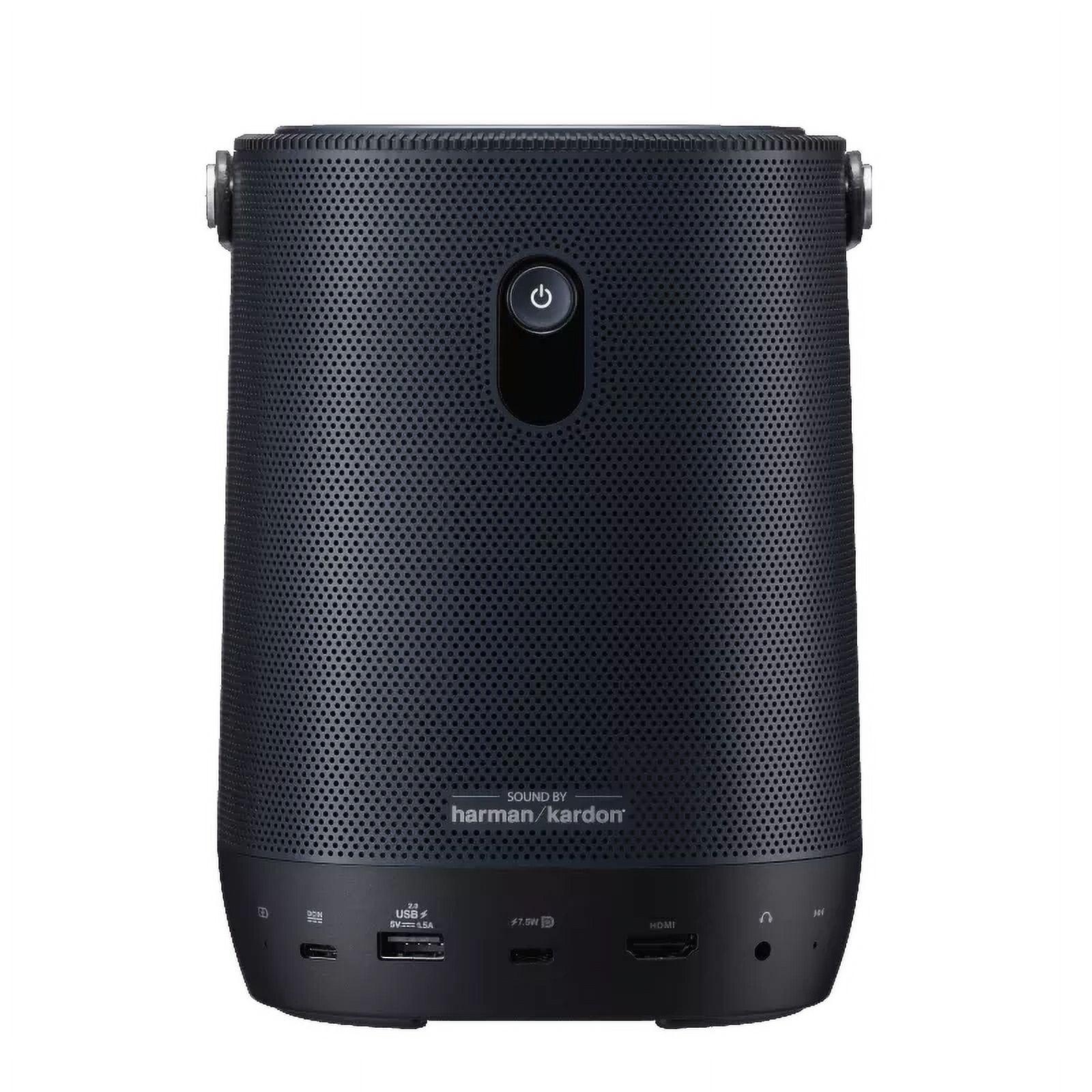
Audio represents another area where these projectors take dramatically different approaches. The ZenBeam L2 includes a single 10-watt Harman Kardon speaker that's perfectly adequate for casual viewing. It produces clear dialogue and reasonable volume, though you'll want external speakers for anything approaching cinematic audio.
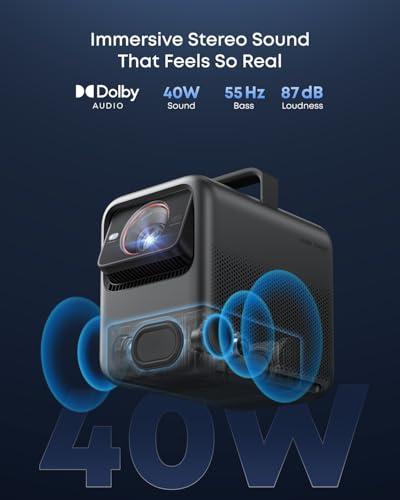
The Nebula X1 takes audio seriously with its 4.1.2 surround sound system. This includes built-in speakers enhanced by wireless satellite units that create genuine surround sound. The FlexWave upmixing algorithm analyzes stereo content and creates convincing spatial audio effects, while Dolby Audio support ensures compatibility with modern streaming content.
Having tested both systems extensively, the difference is dramatic. The L2's audio serves its purpose for YouTube videos or casual Netflix viewing. The X1's audio system creates an immersive experience that complements its cinema-quality visuals – you feel like you're in a movie theater rather than watching a portable projector.
Here's where the fundamental philosophical differences between these projectors become most apparent. The ASUS ZenBeam L2 includes a built-in 65Wh battery providing up to 3.5 hours of runtime. You can literally grab it and go – no power outlet required. At just over three pounds, it fits comfortably in a backpack alongside a laptop.
The Nebula X1, despite being marketed as portable, weighs nearly 14 pounds and requires AC power. While it includes a premium carrying case and retractable handle, this is more "moveable" than truly portable. You're not hiking with this projector or setting it up in locations without power access.
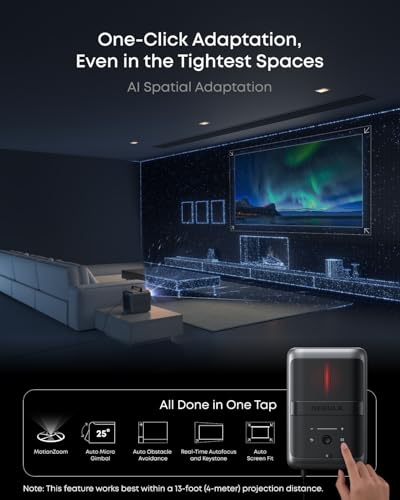
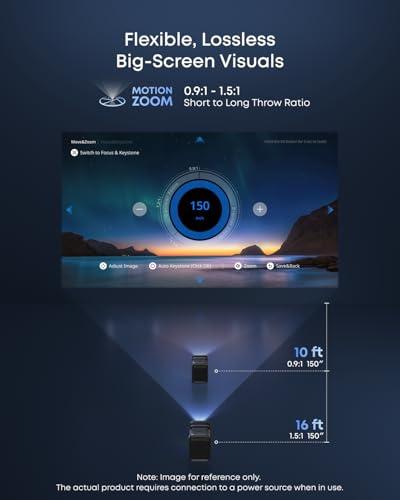
However, the X1 compensates with sophisticated setup technology. Its AI Spatial Adaptation system uses sensors to automatically detect the projection surface, adjust focus and keystone correction, and even compensate for wall color and ambient lighting conditions. The motorized gimbal provides 25 degrees of vertical adjustment, while the 1.67x optical zoom offers installation flexibility.
The L2 offers simpler but still effective auto-setup features including 3-second autofocus and automatic keystone correction. While less sophisticated, these features work reliably and get you up and running quickly.
For home theater use, the Nebula X1 is transformative. I've set it up in dedicated theater rooms and been genuinely impressed by its performance compared to fixed-installation projectors costing significantly more just a few years ago. The combination of 4K resolution, exceptional contrast, and immersive audio creates an experience that rivals commercial cinemas.
The projector's short-throw capability means you can achieve a 100-inch image from just six feet away, making it suitable for most living rooms. The optical zoom and lens shift provide installation flexibility that eliminates the need for precise positioning – crucial for a projector you might move occasionally.
For casual and portable viewing, the ZenBeam L2 excels in scenarios where the X1 would be overkill or impractical. Weekend camping trips, backyard movie nights, impromptu presentations, or even bedroom ceiling projection for late-night viewing all favor the L2's genuine portability and battery operation.
The L2's short-throw design is particularly clever – it can project a 40-inch image from just three feet away, making it perfect for small apartments or hotel rooms where space is limited. The image quality, while not cinema-grade, is genuinely enjoyable for streaming content and casual gaming.
Modern gaming demands low input lag – the delay between controller input and on-screen response. The Nebula X1 delivers impressive gaming performance with less than 19ms input lag in Game Mode, supporting true 4K at 60Hz through HDMI 2.1. This makes it suitable for serious console gaming, especially on large screens where the immersive experience justifies any minor lag penalty.
The ZenBeam L2 handles gaming adequately at 1080p resolution with 60Hz support, though its input lag is higher as typical for LED projectors. It's perfectly fine for casual gaming sessions but serious gamers will prefer the X1's performance.
At the time of writing, these projectors occupy completely different price segments, with the Nebula X1 costing roughly four times as much as the ZenBeam L2. This dramatic price difference reflects their fundamentally different target markets and capabilities.
The X1's premium pricing positions it against both high-end portable projectors and entry-level fixed-installation home theater projectors. Its combination of laser technology, sophisticated optics, and immersive audio justifies the investment for users who prioritize performance and plan to use the projector regularly.
The L2's budget-friendly pricing makes it accessible to users who want occasional projection capability without major investment. Its long LED lifespan means minimal maintenance costs, while its simple design suggests reliable operation with minimal complexity.
Both projectors represent significant advances from earlier generations. The Nebula X1's RGB laser technology was barely available in consumer products just three years ago, while its AI-powered setup features would have seemed like science fiction in 2020. The integration of advanced cooling systems and sophisticated optics in a "portable" form factor demonstrates how far the technology has progressed.
The ZenBeam L2 benefits from improvements in LED efficiency and battery technology that have made truly portable projection practical. Earlier LED projectors were often too dim for enjoyable viewing, while battery life was measured in minutes rather than hours.
Choose the Nebula X1 if your primary need is exceptional image quality with occasional portability. This projector works beautifully as a primary home theater display that you can relocate when needed – perhaps from a basement theater to the backyard for special occasions. The premium pricing makes sense if you'll use it regularly and value cinema-quality performance.
The X1 also makes sense for users who need professional presentation capabilities or plan to use it in challenging lighting conditions. Its brightness advantage alone justifies the investment if ambient light control isn't possible in your intended viewing space.
Choose the ZenBeam L2 if genuine portability and battery operation are essential to your use case. This projector excels for users who want projection capability without the commitment of a permanent installation. It's perfect for renters, frequent travelers, or anyone who values flexibility over ultimate performance.
The L2 also represents an excellent entry point for users curious about projection but unwilling to make a major financial commitment. Its performance limitations are real but perfectly acceptable for casual viewing in appropriate conditions.
These projectors serve fundamentally different needs despite sharing the "portable" designation. The Nebula X1 delivers professional-grade performance in a form factor that's moveable when needed, while the ASUS ZenBeam L2 prioritizes genuine portability with acceptable performance for casual use.
Neither approach is inherently superior – it depends entirely on your specific needs, budget, and viewing priorities. The dramatic price difference reflects genuinely different capabilities rather than simple markup, making both projectors excellent values within their respective segments.
The portable projector market has matured to the point where you no longer need to compromise significantly on either performance or portability – you just need to choose which priority matters most for your specific situation.
| Nebula X1 4K Triple Laser Projector | ASUS ZenBeam L2 Smart Portable LED Projector |
|---|---|
| Brightness - Most critical factor determining where you can use the projector | |
| 3,500 ANSI lumens (works in well-lit rooms and daylight) | 400 ANSI lumens (requires darkened room for optimal viewing) |
| Resolution - Affects image sharpness and detail, especially on large screens | |
| True 4K (3840×2160) with 4-way pixel shifting | Native 1080p, accepts 4K input |
| Light Source Technology - Impacts brightness consistency, lifespan, and maintenance | |
| RGB Triple Laser (25,000+ hours, no brightness degradation) | LED array (30,000 hours, gradual brightness decline) |
| True Portability - Determines if you can actually take it places without power | |
| 13.7 lbs, requires AC power (moveable but not battery portable) | Lightweight with 3.5-hour built-in battery (genuinely portable) |
| Contrast Ratio - Critical for dark scene detail and image depth | |
| 5,000:1 native / 56,000:1 dynamic with 6-blade iris | Standard DLP contrast (not specified, typical LED performance) |
| Color Performance - Affects vibrancy and accuracy of colors | |
| 110% Rec.2020 coverage with ΔE<0.8 professional accuracy | 120% sRGB coverage (narrower color space than Rec.2020) |
| Maximum Screen Size - How large an image you can project while maintaining quality | |
| Up to 300 inches (maintains quality at large sizes) | Up to 120 inches (practical limit around 80 inches) |
| Audio System - Built-in sound quality affects need for external speakers | |
| 4.1.2 surround with wireless satellites and Dolby Audio | Single 10W Harman Kardon speaker (adequate for casual use) |
| Setup Technology - How easy it is to get a properly aligned image | |
| AI Spatial Adaptation with auto-focus, keystone, zoom, and gimbal | 3-second auto-focus and keystone correction |
| Gaming Performance - Input lag and refresh rate for responsive gaming | |
| <19ms input lag, 4K@60Hz via HDMI 2.1 | Standard LED projector lag, 1080p@60Hz |
| Smart Platform - Streaming app availability and interface quality | |
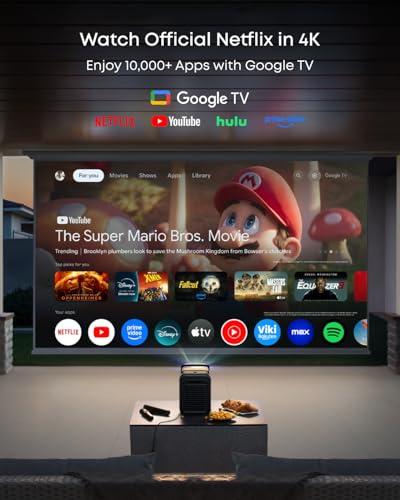
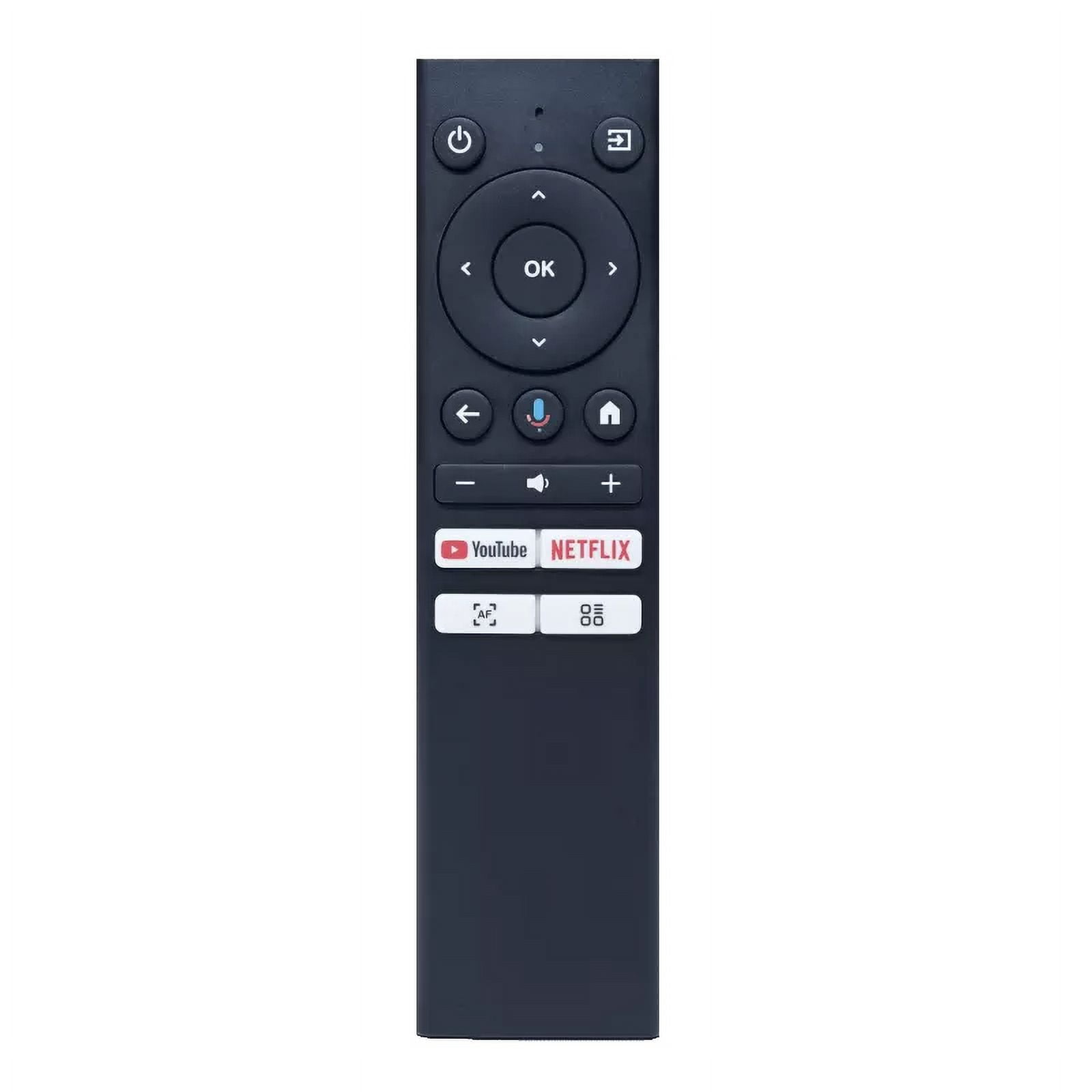
| Google TV with Netflix, Prime Video, Disney+ | Chromecast support with included Android TV box |
| Best Use Cases - Where each projector excels | |
| Home theater, large screens, ambient light situations | Travel, camping, presentations, small spaces, battery-powered use |
The Nebula X1 4K Triple Laser Projector is significantly better for home theater applications. It delivers true 4K resolution, 3,500 ANSI lumens brightness, and exceptional contrast with its 6-blade dynamic iris. The X1 also includes a 4.1.2 surround sound system with wireless satellites, creating a genuine cinema experience. The ASUS ZenBeam L2 is better suited for casual viewing rather than dedicated home theater setups.
The main difference is their approach to portability. The Nebula X1 prioritizes premium performance in a moveable form factor, while the ASUS ZenBeam L2 emphasizes true portability with battery operation. The X1 weighs 13.7 lbs and requires AC power, whereas the L2 is lightweight with a 3.5-hour built-in battery for genuine grab-and-go use.
The Nebula X1 4K Triple Laser Projector is dramatically brighter at 3,500 ANSI lumens compared to the ZenBeam L2's 400 ANSI lumens. This makes the X1 suitable for well-lit rooms and even some daylight viewing, while the L2 requires a darkened room for optimal image quality.
Only the ASUS ZenBeam L2 can operate without AC power thanks to its built-in 65Wh battery providing up to 3.5 hours of runtime. The Nebula X1 requires a power outlet at all times, limiting its true portability despite being marketed as a portable projector.
The Nebula X1 offers superior image quality with true 4K resolution (3840×2160), 110% Rec.2020 color coverage, and professional-grade color accuracy. The ASUS ZenBeam L2 provides native 1080p resolution with decent image quality for casual viewing, but cannot match the X1's cinema-grade performance.
The Nebula X1 features a comprehensive 4.1.2 surround sound system with wireless satellite speakers and Dolby Audio support, creating an immersive audio experience. The ZenBeam L2 includes a single 10W Harman Kardon speaker that's adequate for casual viewing but requires external speakers for quality audio.
The Nebula X1 4K Triple Laser Projector is better for gaming with less than 19ms input lag and support for 4K@60Hz gaming via HDMI 2.1. The ASUS ZenBeam L2 handles casual gaming at 1080p@60Hz but has higher input lag typical of LED projectors.
The Nebula X1 can project images up to 300 inches while maintaining image quality, making it suitable for very large screens. The ZenBeam L2 supports up to 120 inches but image quality degrades significantly beyond 80 inches, making it better for smaller viewing setups.
Value depends on your needs. The ASUS ZenBeam L2 offers excellent value for casual users who need genuine portability and battery operation. The Nebula X1 provides better value for users who prioritize cinema-quality performance and plan to use the projector regularly for home theater applications.
Both projectors offer automated setup features. The Nebula X1 includes advanced AI Spatial Adaptation with automatic focus, keystone correction, and ambient light adjustment. The ZenBeam L2 provides simpler but effective 3-second auto-focus and keystone correction that's perfect for quick setup scenarios.
For outdoor use, the ASUS ZenBeam L2 wins for convenience with its battery operation and lightweight design, perfect for camping or backyard setups without power access. However, the Nebula X1 provides much better image quality and brightness for outdoor viewing if you have access to AC power.
The Nebula X1 is expensive, heavy at 13.7 lbs, and requires AC power, limiting true portability. The ASUS ZenBeam L2 has limited brightness requiring darkened rooms, lower 1080p resolution, and basic audio that may need external speakers for quality sound.
We've done our best to create useful and informative comparisons to help you decide what product to buy. Our research uses advanced automated methods to create this comparison and perfection is not possible - please contact us for corrections or questions. These are the sites we've researched in the creation of this article: youtube.com - seenebula.com - projectorreviews.com - seenebula.com - whathifi.com - bestbuy.com - techradar.com - projectorcentral.com - youtube.com - avsforum.com - seenebula.com - blog.son-video.com - youtube.com - projectorcentral.com - projectorcentral.com - youtube.com - mezha.media - asus.com - asus.com - youtube.com - projectorreviews.com - asus.com - digitalcameraworld.com - youtube.com - asus.com - digitalcitizen.life - tweakreviews.com - shop.asus.com - edgeup.asus.com - asus.com - projectorcentral.com - asus.com - uk.store.asus.com - asus.com - thegadgetflow.com - bhphotovideo.com - asus.com - asus.com

Privacy Policy
Terms and Conditions - Affiliate Policy
Home Security
© Copyright 2008-2026.
11816 Inwood Rd #1211, Dallas, TX 75244