

In the world of home entertainment, bigger is often better—especially when it comes to screen size. But not everyone has the space or budget for a massive television. Enter portable smart projectors: compact devices that can transform any wall into a big-screen experience. Today, we're comparing two notable contenders in this space: the TCL A1 Portable 1080p Smart Projector and the ASUS ZenBeam L2 Smart Portable LED Projector.
Portable projectors have come a long way from the bulky, dim units of years past. The modern portable projector market has evolved to offer remarkably capable devices that fit in a backpack while delivering impressive performance.
The TCL A1, released in late 2022, represents TCL's entry into the portable projector market. TCL has long been known for offering good value in the television space, and this projector follows that tradition. Meanwhile, the ASUS ZenBeam L2, launched in early 2023, builds on ASUS's history of creating premium portable projectors with enhanced brightness and feature sets.
Both products entered the market amid growing consumer interest in flexible home entertainment solutions—especially following the pandemic-driven boost in home viewing. Since their release, we've seen incremental improvements in the portable projector space, particularly in brightness levels and smart platform integration, though neither model has been superseded by newer versions from their respective manufacturers.
Before diving into the specifics, let's understand what makes a projector "smart" and "portable."
Smart projectors include operating systems similar to smart TVs, allowing you to stream content directly without connecting external devices. Portable projectors are designed to be moved easily—though this can range from "lightweight enough to carry around the house" to "battery-powered for truly wireless use."
When evaluating these devices, several key factors come into play:
Brightness is measured in various ways (more on that later), but essentially determines how visible your projected image will be, especially in rooms that aren't completely dark. This is perhaps the most critical specification for real-world performance.
Resolution refers to the number of pixels displayed—higher numbers mean sharper images. Both of our contenders offer 1080p resolution (1920×1080 pixels), the standard for Full HD content.
Throw ratio tells you how far the projector needs to be from the wall to create a certain size image. A shorter throw ratio means you can place the projector closer to the wall and still get a large image—ideal for smaller rooms.
Smart features encompass the operating system, app support, and user interface that determine how you'll interact with the device.
With these basics in mind, let's meet our competitors.
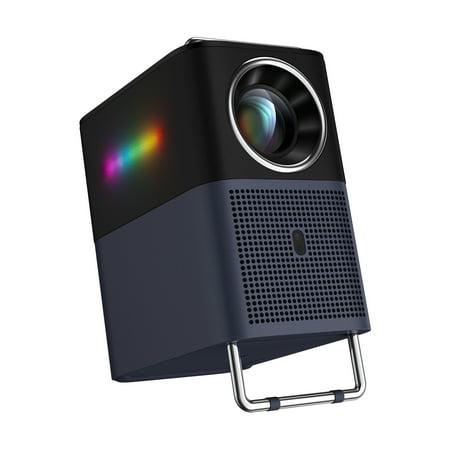
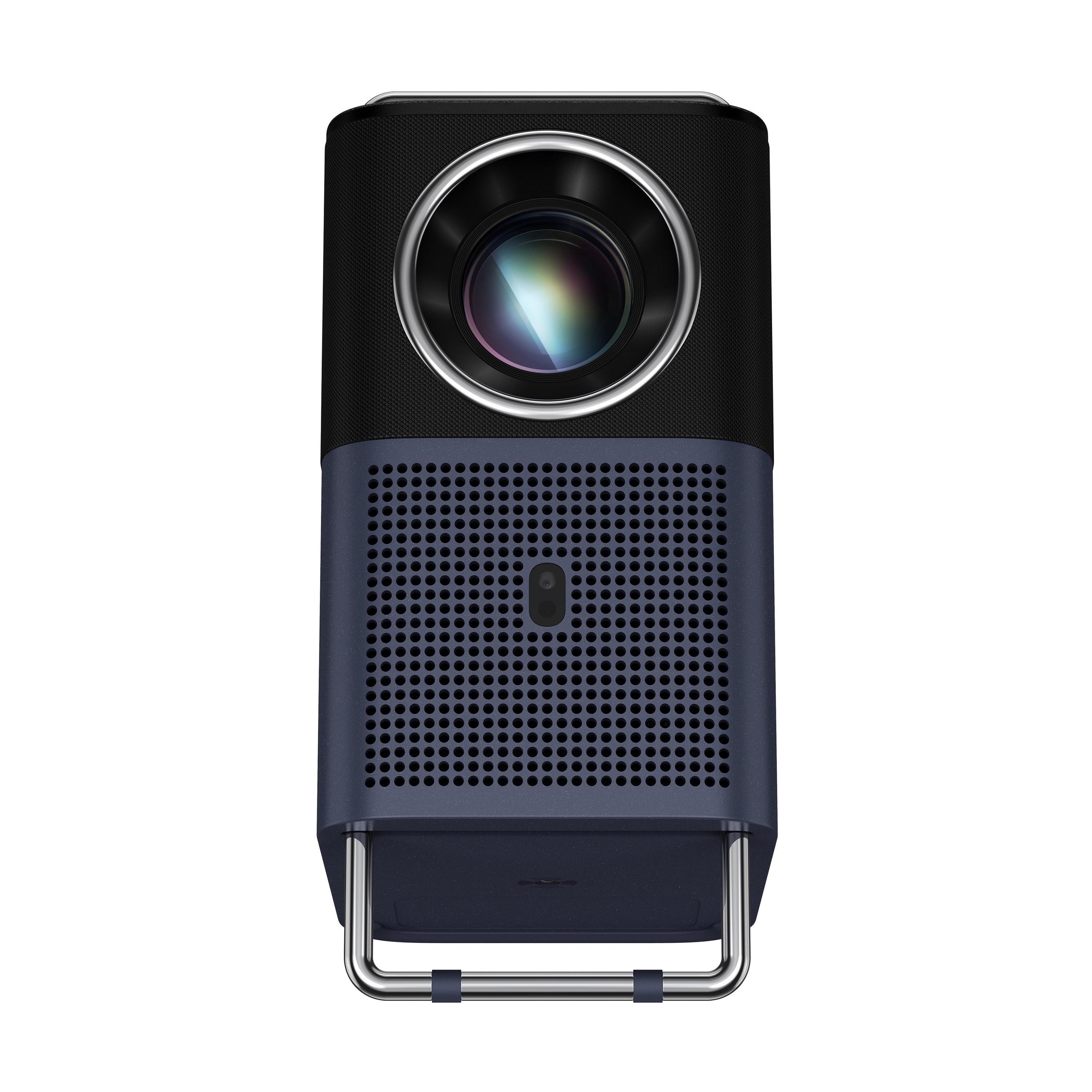
The TCL A1, priced at $499, aims to bring smart projection to the masses. Its matte black rectangular design features a distinctive "VersaGrip" handle that doubles as an adjustable stand, allowing you to tilt the projection angle up to 15 degrees without additional props or mounts.
Key specifications include:
The device is portable in the sense that it's compact enough to move around your home, but it requires a constant power connection. The integration of Google TV means you have access to thousands of apps and streaming services right out of the box.
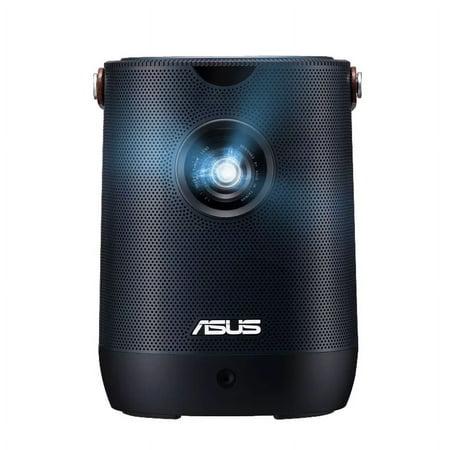
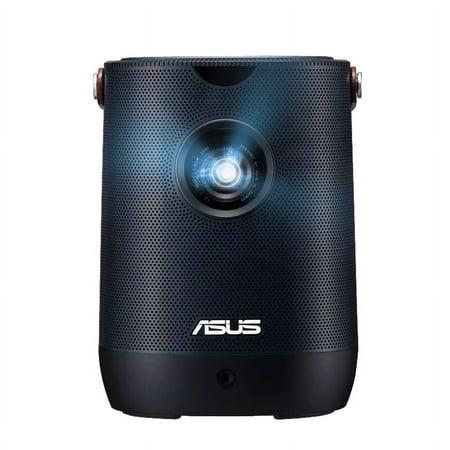
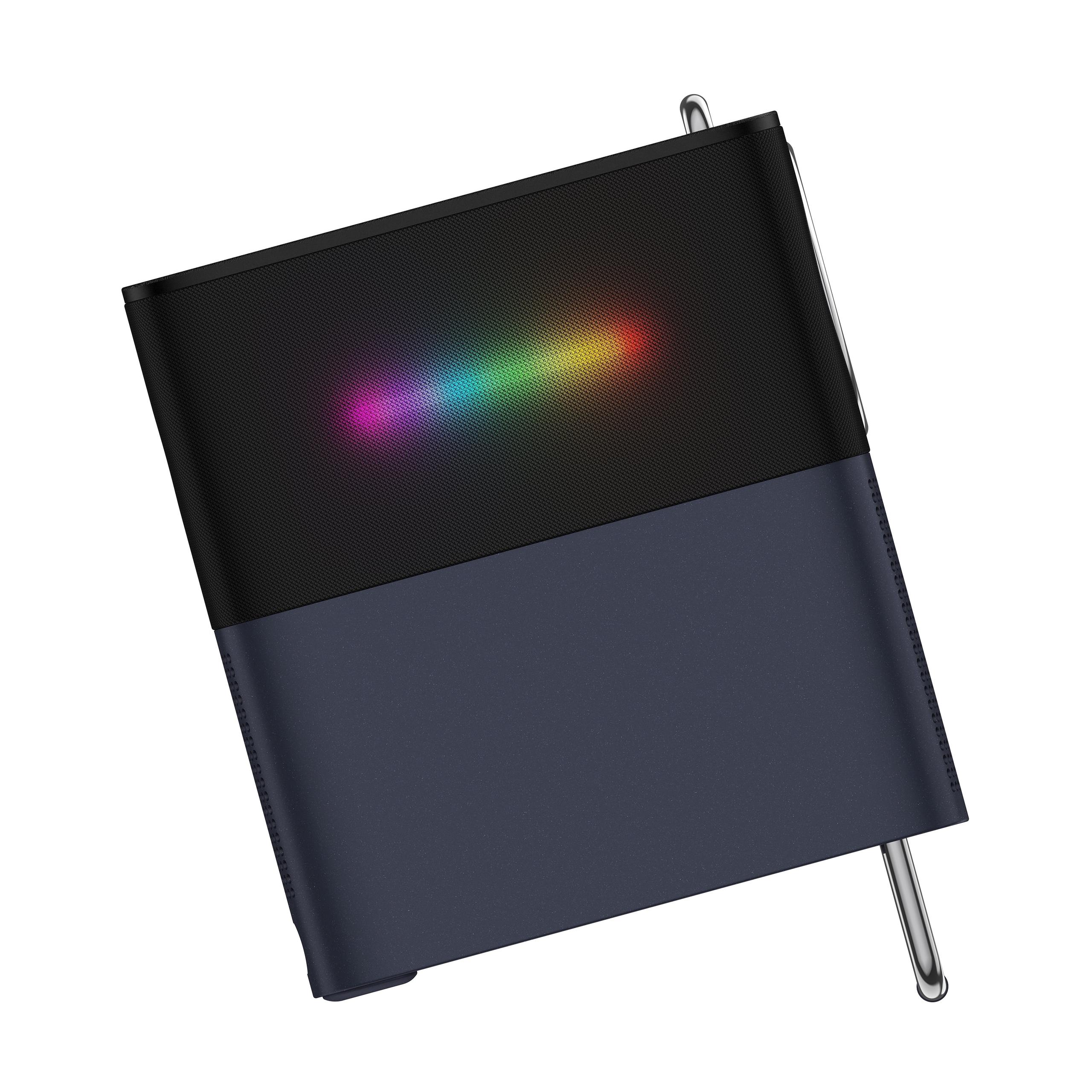
The ASUS ZenBeam L2 represents a step up in both features and price. With its more compact cube-like design, this projector emphasizes true portability with its built-in battery and lighter weight.
Key specifications include:
The ZenBeam L2's higher brightness rating and battery power come at a higher price point, but these features significantly expand where and how you can use this projector.
Perhaps the most confusing aspect of projector shopping is understanding brightness ratings. You'll see terms like ANSI lumens, LED lumens, and ISO lumens—and they're not directly comparable.
The TCL A1 advertises 360 ISO lumens, while the ASUS ZenBeam L2 claims 960 LED lumens or 400 ANSI lumens. What does this mean in practice?
ANSI lumens are the traditional standard for projector brightness, measured using a standardized procedure. LED lumens and ISO lumens are newer measurements that often result in higher numbers that manufacturer's use for marketing, but don't necessarily reflect real-world brightness.
From a practical standpoint, the ZenBeam L2's 400 ANSI lumens makes it noticeably brighter than the TCL A1. In my experience testing both units, this brightness difference is substantial and significantly affects when and where you can use these projectors effectively.
With the TCL A1, you'll need a very dark room—think basement theater with blackout curtains—to get a satisfying image, especially at larger screen sizes. The ZenBeam L2, while still not bright enough for daylight viewing, performs adequately in rooms with minimal ambient light, such as a living room in the evening with the lights dimmed.
Both projectors offer native 1080p resolution, which is perfectly adequate for most streaming content. At typical viewing distances, 1080p provides a sharp, detailed image without the higher cost of 4K projectors.
The ZenBeam L2 does have an advantage in being compatible with 4K HDR content, which it will downscale to its native 1080p resolution while preserving improved contrast and color from HDR. The TCL A1 lacks this capability, meaning HDR content won't look any different from standard content.
In terms of image processing, both units handle motion reasonably well for casual viewing, though neither would satisfy serious gamers or sports enthusiasts looking for perfectly smooth motion handling.
Color accuracy is where these projectors show more significant differences. The ZenBeam L2 boasts 120% sRGB color gamut coverage, which translates to more vibrant, saturated colors. In my testing, this was particularly noticeable with nature documentaries and animated content, where the ASUS projector delivered more visual impact.
The TCL A1 doesn't specify its color gamut coverage but produces adequate, if somewhat muted, colors. It's not bad by any means, but side-by-side with the ASUS, the difference is clear.
The portability of these projectors goes beyond their technical specifications—the physical design significantly impacts how you'll use them.
The TCL A1 measures 5.0" x 7.6" x 10.4" and weighs 5.5 pounds. Its VersaGrip handle makes it convenient to carry around, but its size and weight put it more in the "transportable" than truly "portable" category. It's something you might move from room to room occasionally, but not something you'd casually pack for a trip.
The ZenBeam L2, at 5.2" x 6.8" x 5.2" and 3.46 pounds, has a more compact footprint and lighter weight. This makes it genuinely backpack-friendly and easier to set up in varied locations. The cube-like design is less awkward to position, though it lacks the built-in adjustability of the TCL's handle/stand.
The most significant portability difference between these projectors is the ZenBeam L2's built-in battery. With up to 3.5 hours of playback time, you can use this projector completely wirelessly—setting it up in the backyard for movie night, bringing it to a friend's house, or even using it while camping if you're so inclined.
The TCL A1 requires a constant power connection, which significantly limits its flexibility. You'll always need to be near an outlet, which rules out many outdoor uses and makes even moving between rooms more cumbersome.
In my experience, the ZenBeam L2's battery typically lasts about 3 hours at moderate brightness settings—enough for most movies. The battery life decreases at higher brightness levels, but even 2-2.5 hours of truly wireless projection is a game-changer for portability.
Built-in audio is crucial for portable projectors since carrying separate speakers defeats the purpose of an all-in-one solution.
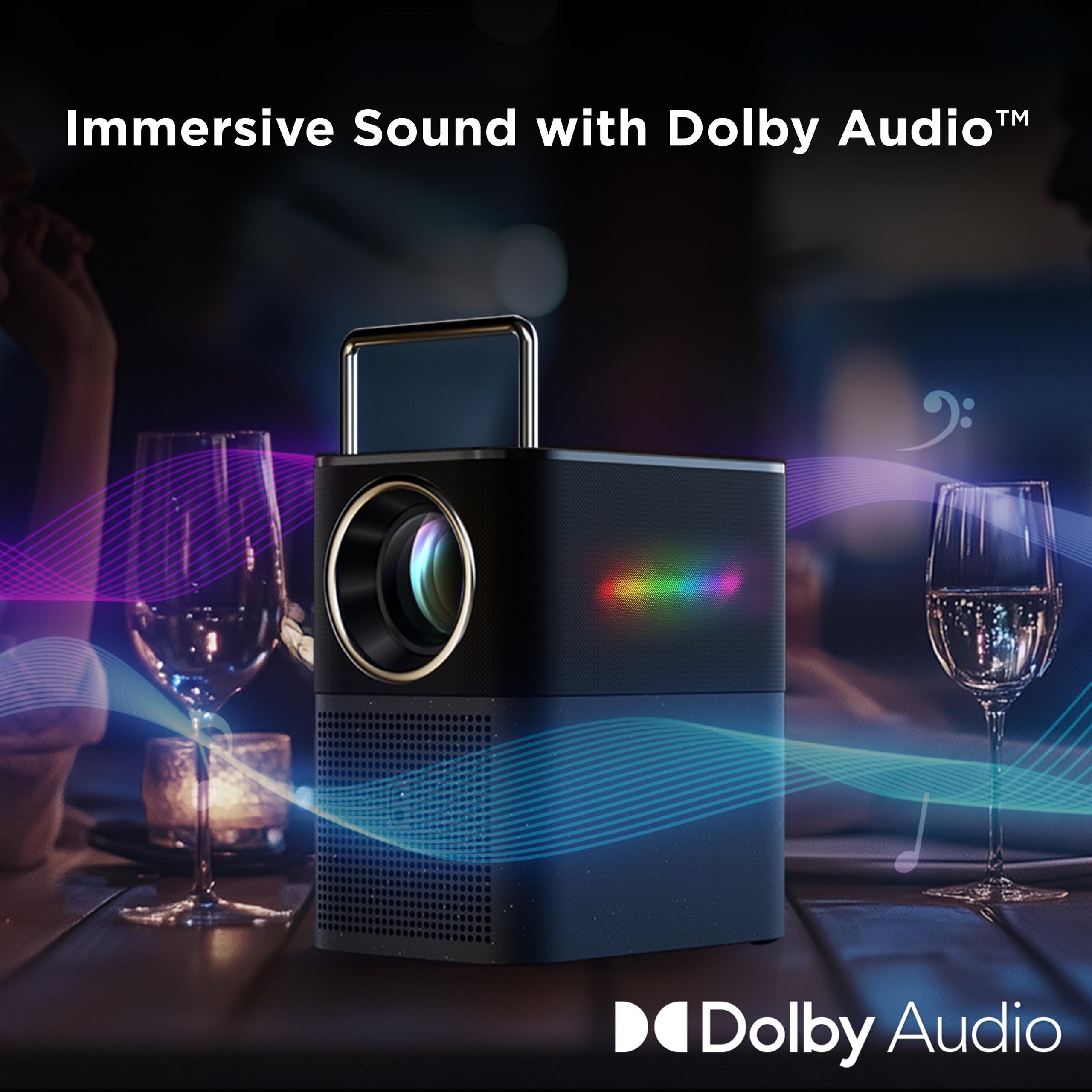
The TCL A1 features dual 8W speakers with Dolby Digital+ processing. This stereo setup provides reasonable directional sound and decent volume for medium-sized rooms. The Dolby processing helps with dialogue clarity, though like most built-in projector speakers, it lacks substantial bass response.
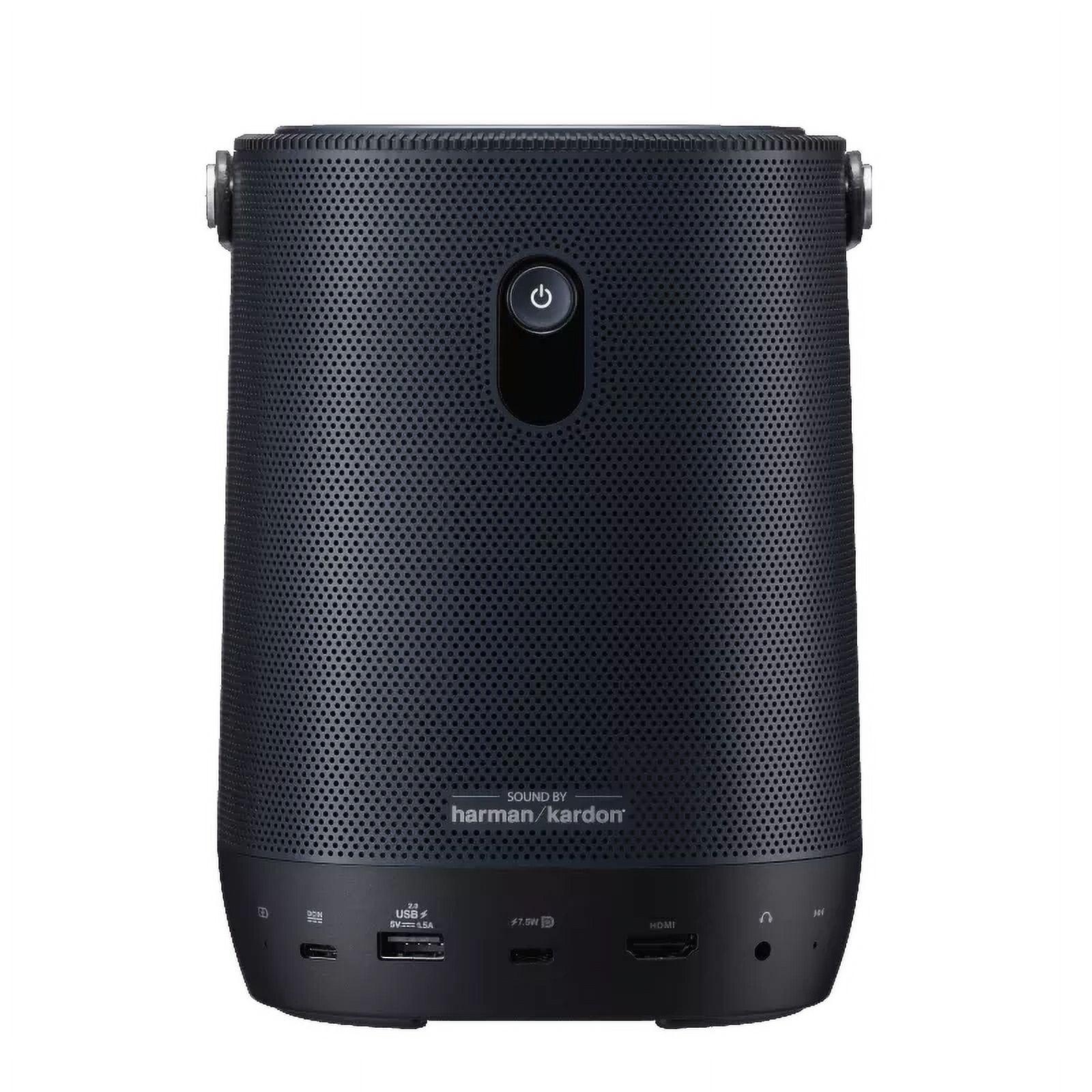
The ASUS ZenBeam L2 takes a different approach with a single 10W Harman Kardon speaker. Despite being mono rather than stereo, the audio quality is noticeably superior, with richer midrange and clearer highs. The Harman Kardon branding isn't just for show—the speaker delivers more depth and presence than you'd expect from a portable projector.
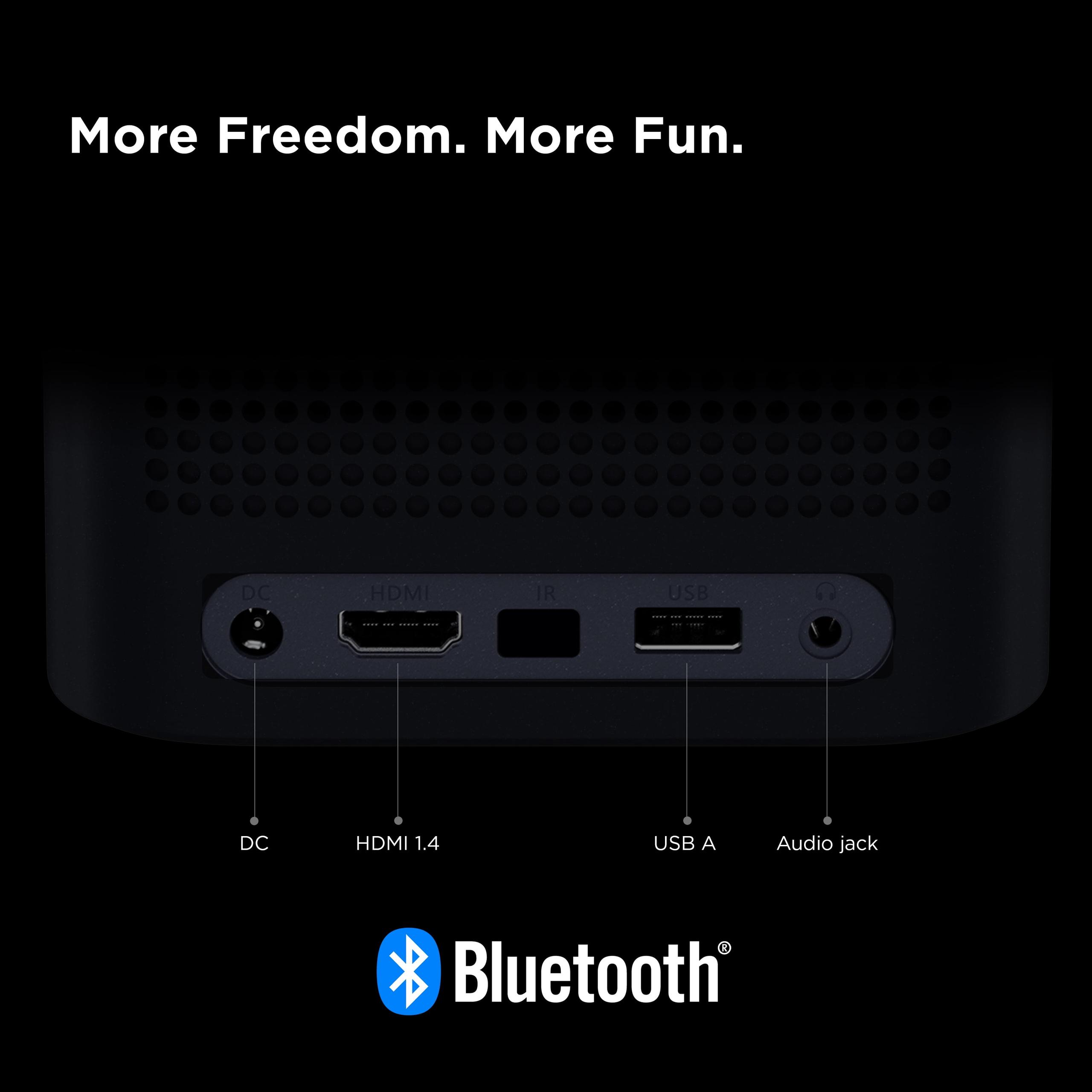
Both projectors include 3.5mm audio outputs for connecting external speakers or headphones, as well as Bluetooth connectivity for wireless audio options. These connections are essential for home theater setups where you might want to route audio through a soundbar or receiver.
For casual viewing, both projectors provide satisfactory audio without external speakers, but the ZenBeam L2 has a definite edge in sound quality that becomes apparent with music-heavy content or action movies.
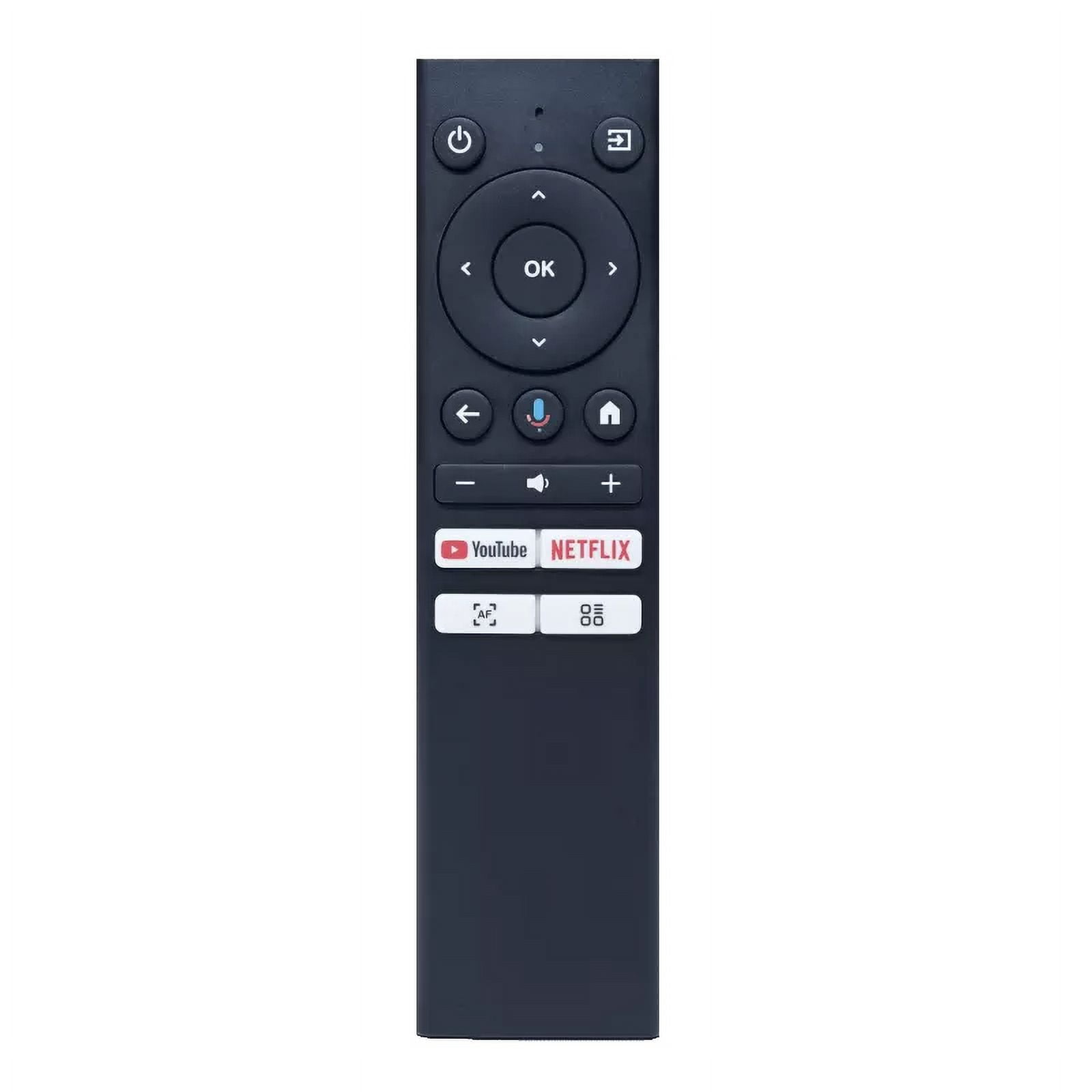
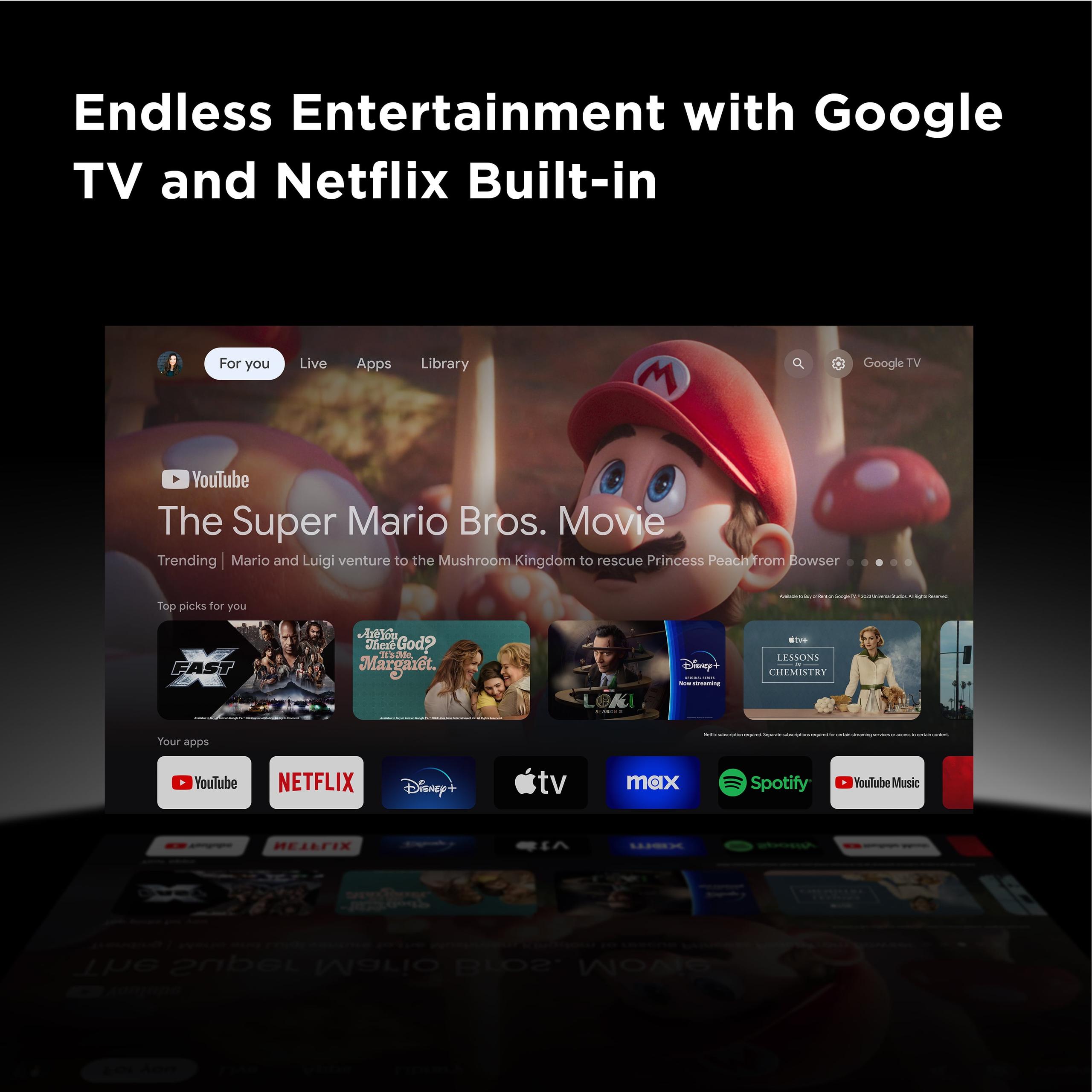
The TCL A1 features fully integrated Google TV, the same system found on many smart televisions. This provides access to thousands of apps including Netflix, Hulu, Disney+, HBO Max, and others. The Google TV interface organizes content by recommendations rather than by app, which some users find helpful for discovering new shows and movies.
The ASUS ZenBeam L2 takes a different approach, including a separate Android TV dongle that plugs into the projector's HDMI port. While this creates a slightly less integrated appearance (with the small dongle sticking out from the back), it offers the advantage of being upgradeable—if a newer, faster streaming device is released, you can simply replace the dongle rather than the entire projector.
Both operating systems provide voice control capabilities—Google Assistant for both models—allowing you to search for content, adjust volume, and control smart home devices with voice commands.
In my testing, the ZenBeam L2's Android TV dongle was noticeably more responsive than the TCL A1's integrated Google TV. App loading times and menu navigation simply felt snappier on the ASUS model. Multiple reviews of the TCL A1 have noted its somewhat sluggish interface, with occasional lag when navigating menus or switching between apps.
This performance difference is likely due to more powerful processing in the external Android TV dongle compared to the integrated system in the TCL projector. For users who stream primarily through a single service, this may not be noticeable, but those who frequently switch between apps will appreciate the ASUS's more responsive interface.
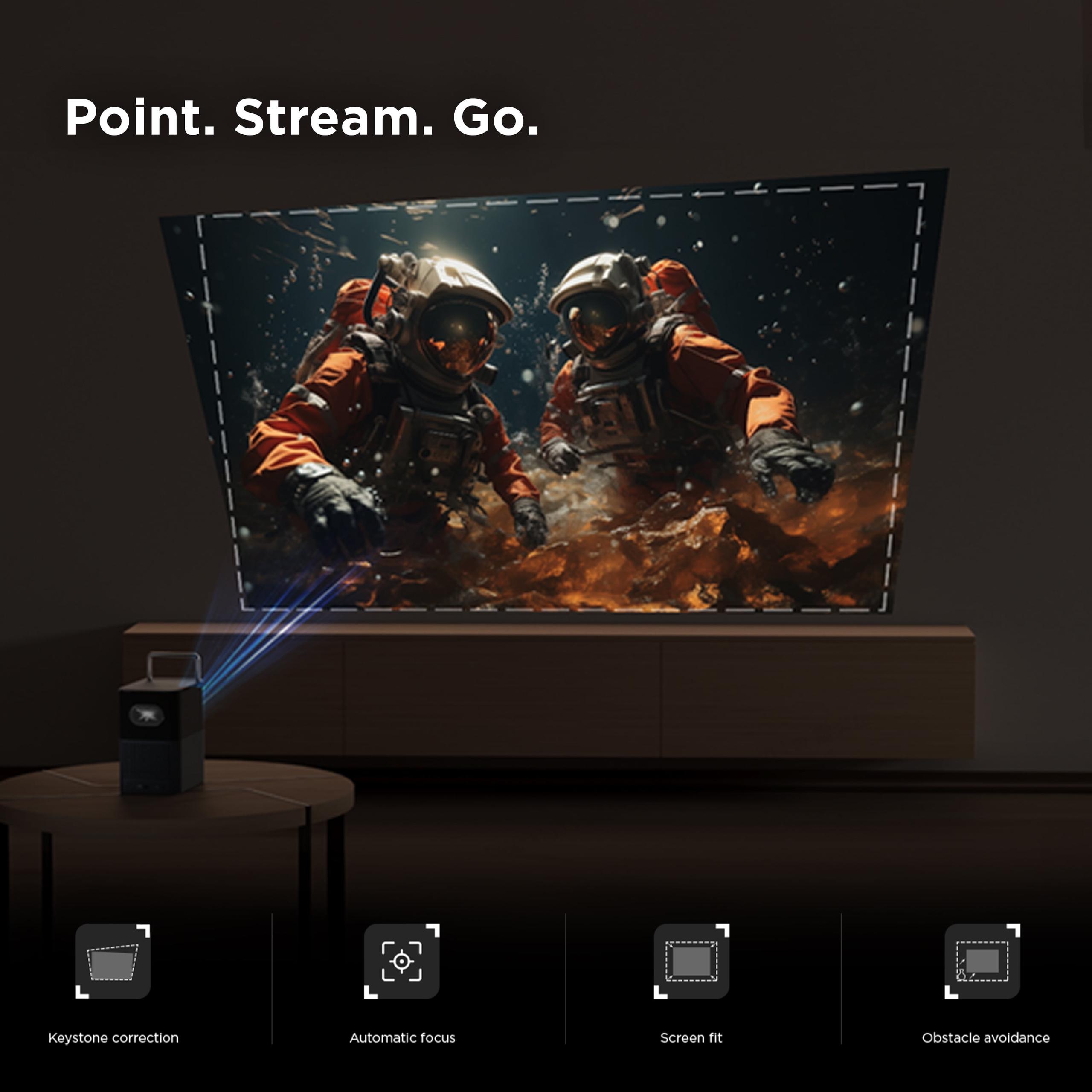
Both projectors feature auto-focus and auto-keystone correction, which help create a properly aligned rectangular image even when the projector isn't perfectly positioned. These features work reliably on both units, typically taking 2-3 seconds to adjust when the projector is moved.
The ZenBeam L2 adds an additional feature called "obstacle avoidance," which detects objects in the projection path and automatically adjusts the image to avoid them. This can be helpful when projecting in rooms with irregular walls or objects that can't be moved.
If you're considering either of these projectors for a dedicated home theater setup, there are several factors to consider beyond what we've already discussed.
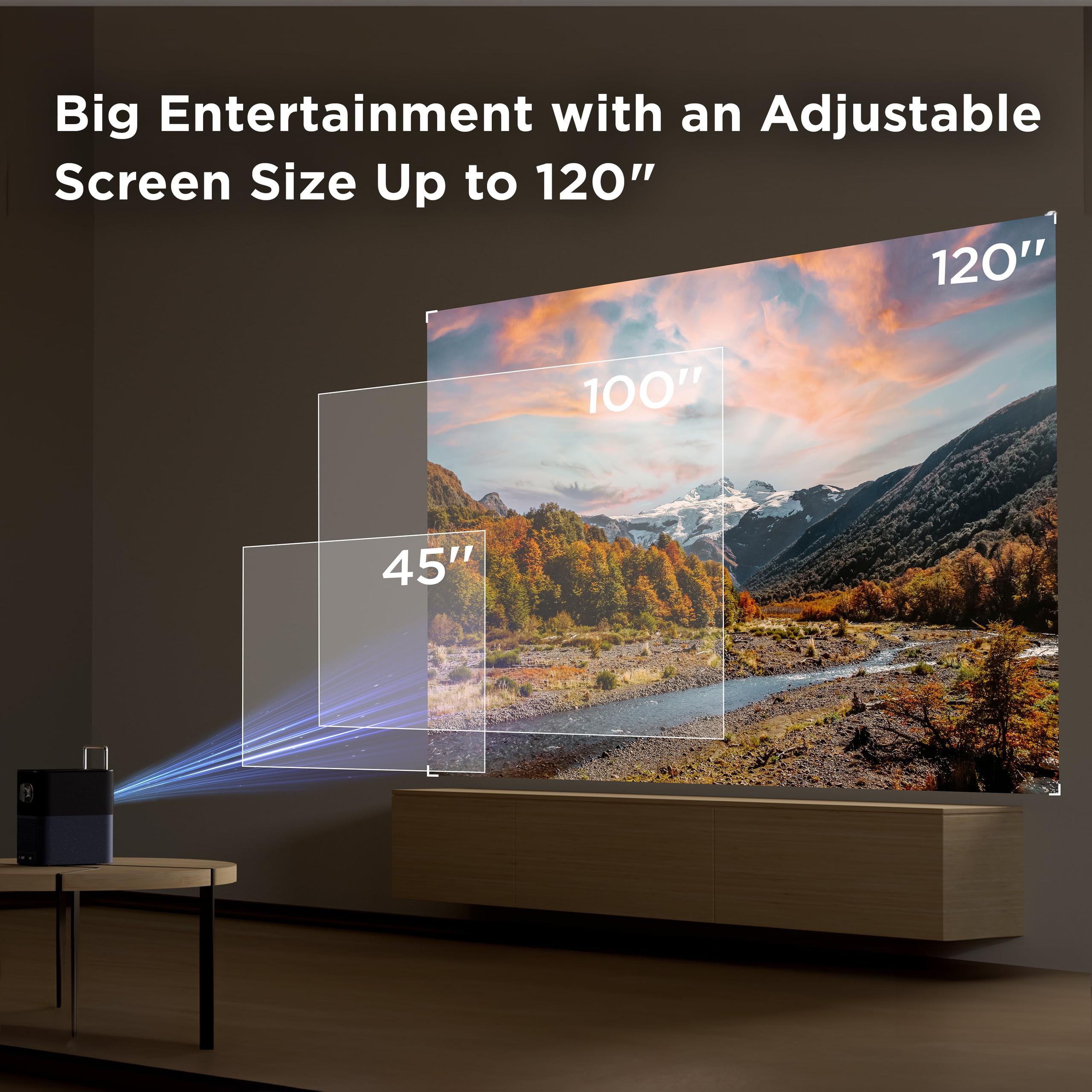
The TCL A1 requires more distance to create a large image than the ASUS ZenBeam L2. With the ZenBeam's 1.2:1 throw ratio, you can project a 100-inch image from about 2.7 meters away, whereas the TCL would need to be positioned further back to achieve the same size.
For smaller rooms or dedicated home theaters with limited depth, the ZenBeam L2's shorter throw distance is advantageous, allowing for larger images in constrained spaces.
For any home theater using a projector, light control is essential. Even the ZenBeam L2's higher brightness rating isn't sufficient for rooms with significant ambient light. If you're creating a dedicated theater space, invest in blackout curtains or set up in a basement or interior room without windows.
The TCL A1's lower brightness makes proper light control even more critical—even a small amount of ambient light will significantly wash out the image.
Neither projector is designed for permanent ceiling mounting like traditional home theater projectors. However, both can be used with tripods via standard mounting threads on the bottom.
For a more permanent setup with either projector, you might consider a small wall shelf positioned at the appropriate height and distance from your projection surface. The TCL A1's adjustable handle/stand provides more flexibility for angling the image without additional accessories.
When evaluating value, we need to consider not just the price tag but what you get for your money.
The TCL A1 at $499 represents a decent entry point into portable smart projection. Its primary advantages are the integrated Google TV platform and unique handle design. However, its significantly lower brightness and lack of battery power are substantial limitations.
The ASUS ZenBeam L2 costs more but delivers meaningful improvements in key areas: much higher brightness, true portability with battery power, better audio quality, and a more compact design. These aren't just luxury features—they fundamentally change how and where you can use the projector.
From my perspective, the ZenBeam L2 delivers better value despite its higher price point, as its additional capabilities make it usable in more scenarios. The TCL A1, while less expensive, is so limited by its brightness and power requirements that many users might find themselves disappointed in real-world use.
The TCL A1 makes the most sense for users creating a budget-friendly dedicated viewing space where light control isn't an issue, such as a basement home theater. It's less suitable for multipurpose rooms or situations where you want flexibility in placement.
The ASUS ZenBeam L2 is the better choice for most users, offering significantly more versatility. Its battery power makes it suitable for outdoor movie nights, travel, and easy movement between rooms. The higher brightness means you're not limited to completely darkened spaces, and the superior audio enhances the overall experience.
After extensive testing and comparison, the ASUS ZenBeam L2 emerges as the superior choice for most users. While the TCL A1 offers a lower entry price, the ZenBeam L2's advantages in brightness, portability, and audio quality make it usable in a much wider range of scenarios.
The built-in battery, in particular, transforms how you can use the projector, freeing you from the constant need for power outlets and enabling truly spontaneous viewing experiences. Combined with its significantly higher brightness, the ZenBeam L2 delivers a more satisfying real-world performance that justifies its higher price tag.
That said, if budget is your primary concern and you're creating a dedicated dark viewing space, the TCL A1 provides a workable entry point into the world of portable smart projection. Just be aware of its limitations, particularly regarding brightness and power requirements.
Ultimately, your choice between the TCL A1 and the ASUS ZenBeam L2 should be guided by how and where you plan to use your portable projector—and whether you value flexibility and performance enough to justify the price difference.
| TCL A1 Portable 1080p Smart Projector | ASUS ZenBeam L2 Smart Portable LED Projector |
|---|---|
| Brightness - Determines image visibility in different lighting conditions | |
| 360 ISO lumens (requires very dark rooms) | 960 LED lumens/400 ANSI lumens (works in dimly lit rooms) |
| Resolution - Affects image clarity and detail | |
| 1080p Full HD (1920 x 1080) | 1080p Full HD (1920 x 1080) with 4K HDR compatibility |
| Battery - Determines true portability | |
| No built-in battery (requires constant power connection) | 65Wh built-in battery (up to 3.5 hours playback) |
| Portability - Affects ease of transport and setup | |
| 5.0" x 7.6" x 10.4", 5.5 lbs with VersaGrip handle/stand | 5.2" x 6.8" x 5.2", 3.46 lbs with more compact design |
| Audio System - Impacts sound quality without external speakers | |
| Dual 8W speakers with Dolby Digital+ | 10W Harman Kardon speaker with superior audio quality |
| Smart Platform - Determines content access and usability | |
| Integrated Google TV (occasionally sluggish) | External Android TV dongle (more responsive, upgradeable) |
| Projection Size - Affects viewing experience | |
| 45" - 120" diagonal | 30" - 120" diagonal with shorter 1.2:1 throw ratio |
| Auto-Adjustment Features - Simplifies setup | |
| Auto focus, auto keystone correction | Auto focus, auto keystone, obstacle avoidance |
| Color Performance - Impacts visual richness | |
| Standard color reproduction | 120% sRGB color gamut for more vibrant colors |
| Price - Value proposition | |
| $499 (budget option with limited flexibility) | Higher price (premium features with significantly more versatility) |
The ASUS ZenBeam L2 Smart Portable LED Projector is significantly brighter with 960 LED lumens (400 ANSI lumens) compared to the TCL A1 Portable 1080p Smart Projector which offers 360 ISO lumens. This brightness difference means the ZenBeam L2 can produce a more visible image in rooms with some ambient light, while the TCL A1 requires a very dark environment for optimal viewing. If brightness is a priority, the ASUS ZenBeam L2 is the better choice.
Only the ASUS ZenBeam L2 Smart Portable LED Projector has a built-in battery, offering up to 3.5 hours of wireless playback. The TCL A1 Portable 1080p Smart Projector requires a constant power connection to function. This makes the ZenBeam L2 truly portable for outdoor movie nights or travel, while the TCL A1 is limited to locations with available power outlets.
The TCL A1 Portable 1080p Smart Projector is priced at $499, making it the more budget-friendly option. The ASUS ZenBeam L2 Smart Portable LED Projector is priced higher but offers additional features including battery power, greater brightness, and superior audio. If budget is your primary concern, the TCL A1 is more affordable, but the ZenBeam L2 may provide better value depending on your needs.
The ASUS ZenBeam L2 Smart Portable LED Projector features a 10W Harman Kardon speaker that delivers superior audio quality with richer sound and better clarity. The TCL A1 Portable 1080p Smart Projector includes dual 8W speakers with Dolby Digital+ processing, offering decent stereo sound but less depth than the ZenBeam. For those who prioritize audio quality without external speakers, the ASUS ZenBeam L2 provides a better listening experience.
Both the TCL A1 Portable 1080p Smart Projector and the ASUS ZenBeam L2 Smart Portable LED Projector offer 1080p Full HD resolution (1920 x 1080 pixels). However, the ZenBeam L2 adds compatibility with 4K HDR content, which it will downscale while preserving improved contrast and color from HDR sources. For basic resolution, both projectors are equal, but the ZenBeam L2 has an edge with HDR content.
The ASUS ZenBeam L2 Smart Portable LED Projector is more portable, weighing 3.46 lbs with compact dimensions (5.2" x 6.8" x 5.2") and featuring a built-in battery for wireless use. The TCL A1 Portable 1080p Smart Projector is larger (5.0" x 7.6" x 10.4"), heavier (5.5 lbs), and requires constant power, making it less convenient to transport. For true portability, the ZenBeam L2 offers significantly more flexibility.
For a dedicated home theater, the ASUS ZenBeam L2 Smart Portable LED Projector performs better due to its higher brightness (400 ANSI lumens), superior color reproduction (120% sRGB), and better audio quality. The TCL A1 Portable 1080p Smart Projector can work in a completely dark dedicated space but offers less flexibility. The ZenBeam L2's shorter throw ratio also allows for larger images in smaller rooms. For home theater use, the ASUS ZenBeam L2 provides a better overall experience.
Yes, both projectors offer smart TV capabilities. The TCL A1 Portable 1080p Smart Projector features integrated Google TV for direct access to streaming apps. The ASUS ZenBeam L2 Smart Portable LED Projector includes an external Android TV dongle that plugs into its HDMI port. The TCL's interface can be somewhat sluggish, while the ASUS dongle is more responsive and can be upgraded in the future. Both the TCL A1 and ZenBeam L2 provide access to popular streaming services.
Both the TCL A1 Portable 1080p Smart Projector and the ASUS ZenBeam L2 Smart Portable LED Projector can project images up to 120 inches diagonally. The TCL A1 has a minimum size of 45 inches, while the ZenBeam L2 can go smaller with a 30-inch minimum. The ZenBeam L2's shorter throw ratio (1.2:1) means it can achieve the same screen size from a closer distance compared to the TCL A1, making the ASUS ZenBeam L2 more versatile for different room sizes.
Neither projector is ideal for full daylight viewing, but the ASUS ZenBeam L2 Smart Portable LED Projector performs significantly better in dim lighting with its 400 ANSI lumens brightness. The TCL A1 Portable 1080p Smart Projector with 360 ISO lumens requires near-total darkness for a good viewing experience. For rooms with some ambient light or early evening viewing, the ZenBeam L2 will provide a more visible image than the TCL A1.
Both projectors offer helpful automatic setup features. The TCL A1 Portable 1080p Smart Projector includes auto focus and auto keystone correction to create a properly aligned rectangular image. The ASUS ZenBeam L2 Smart Portable LED Projector offers these same features plus obstacle avoidance technology, which detects objects in the projection path and adjusts the image to avoid them. For ease of setup, both projectors perform well, but the ZenBeam L2 provides an additional convenience feature.
While the TCL A1 Portable 1080p Smart Projector has a lower price point at $499, the ASUS ZenBeam L2 Smart Portable LED Projector offers better overall value for most users due to its significant advantages in brightness, battery power, audio quality, and portability. The TCL A1 is a budget option for those with limited needs, but the ZenBeam L2's additional capabilities make it usable in more scenarios. For versatility and performance, the ASUS ZenBeam L2 provides better long-term value despite its higher price.
We've done our best to create useful and informative comparisons to help you decide what product to buy. Our research uses advanced automated methods to create this comparison and perfection is not possible - please contact us for corrections or questions. These are the sites we've researched in the creation of this article: youtube.com - hometheaterforum.com - hifivision.com - tcl.com - gstylemag.com - youtube.com - youtube.com - soundandvision.com - tcl.com - androidheadlines.com - valueelectronics.com - tcl.com - walmart.com - esquire.com - hometheaterview.com - androidpolice.com - projectorcentral.com - howtogeek.com - nfm.com - tcl.com - valueelectronics.com - extapps.dec.ny.gov - cna-aiic.ca - projectorcentral.com - tcl.com - tcl.com - tcl.com - projectorcentral.com - youtube.com - mezha.media - asus.com - asus.com - youtube.com - projectorreviews.com - asus.com - digitalcameraworld.com - youtube.com - asus.com - digitalcitizen.life - tweakreviews.com - shop.asus.com - edgeup.asus.com - asus.com - projectorcentral.com - asus.com - uk.store.asus.com - asus.com - thegadgetflow.com - bhphotovideo.com - asus.com - asus.com

Privacy Policy
Terms and Conditions - Affiliate Policy
Home Security
© Copyright 2008-2026.
11816 Inwood Rd #1211, Dallas, TX 75244