

The world of home entertainment has shifted dramatically since streaming became king, and smart projectors have evolved right alongside it. Gone are the days of juggling multiple HDMI cables, streaming sticks, and complex setups. Today's smart projectors pack Netflix, Disney+, and YouTube directly inside, turning any wall into an instant entertainment center.
But here's where things get interesting: the smart projector market has split into two distinct philosophies. On one side, you have powerhouse units like the HAPPRUN Google TV Smart Projector that maximize performance and features while staying plugged into the wall. On the other, portable champions like the ASUS ZenBeam L2 prioritize true mobility with built-in batteries and premium design.
Both approaches have merit, but choosing between them requires understanding what you're really buying and how you'll actually use it.
Before diving into our comparison, let's establish what makes a projector "smart" and why it matters. A smart projector eliminates the need for external streaming devices by running apps directly on the projector itself. Think of it as a TV that projects instead of displaying on a fixed screen.
The most critical performance metric for any projector is brightness, measured in ANSI lumens. This standardized measurement tells you how much light the projector actually throws at your screen. More lumens mean you can watch in brighter rooms, but there's a catch—brightness comes at the cost of battery life, heat generation, and often price.
Contrast ratio represents the difference between the darkest blacks and brightest whites the projector can display. A higher contrast ratio means more dramatic, cinema-like images with better shadow detail. However, these numbers can be misleading, as manufacturers sometimes inflate them using different measurement methods.
Resolution determines image sharpness, with native 1080p being the sweet spot for most users in 2024. While 4K projectors exist, they're significantly more expensive, and the difference becomes less noticeable on smaller screen sizes or from typical viewing distances.
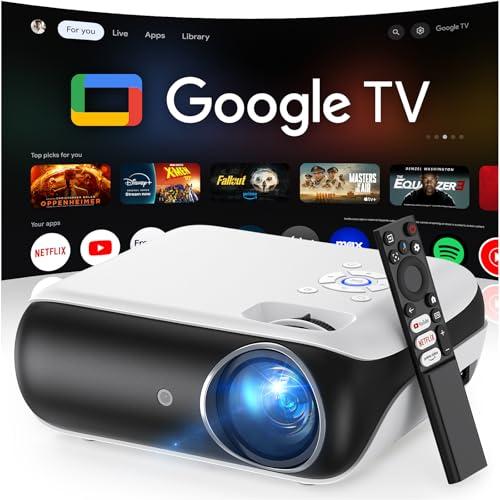
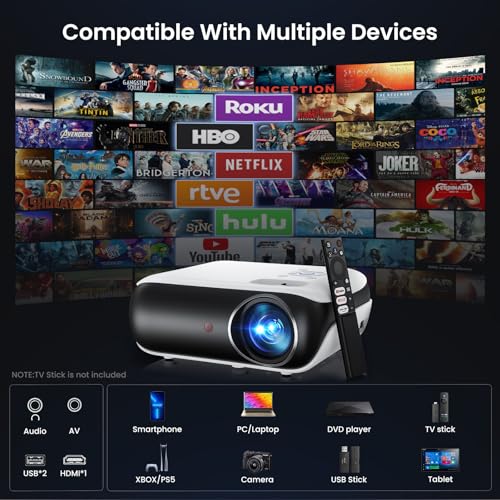
Released in 2023, the HAPPRUN Google TV Smart Projector represents what happens when manufacturers focus purely on performance per dollar. This projector doesn't try to be portable—instead, it channels every engineering effort into delivering the best possible image quality and smart features at a budget-friendly price point.
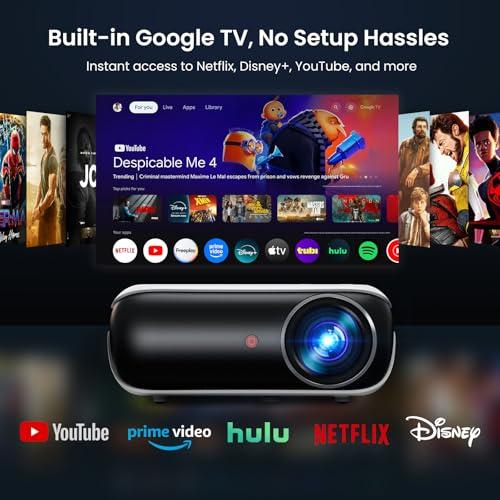
The standout feature here is the integrated Google TV 11.0 system. Unlike many competitors that require external streaming sticks or dongles, the HAPPRUN runs Netflix, Prime Video, Disney+, and YouTube directly from its internal processor. This isn't just convenience—it's a fundamental design philosophy that reduces cable clutter and simplifies setup.
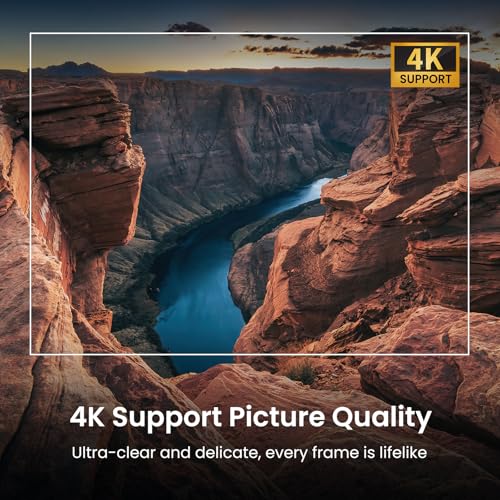
The HAPPRUN delivers native 1080p resolution with support for 4K input decoding. This means while it can't actually display 4K pixels, it can accept 4K signals from your devices and intelligently downscale them to 1080p. The result is often sharper than standard 1080p content because the projector has more image data to work with during the conversion process.
Where this projector truly shines is contrast performance. The claimed 20,000:1 contrast ratio—while potentially optimistic in marketing terms—suggests sophisticated image processing that creates deeper blacks and more dramatic shadow detail. In practical terms, this means better performance when watching movies with dark scenes, from superhero films to atmospheric dramas.
The 350 ANSI lumens brightness positions the HAPPRUN firmly in the "dark room" category. While this might sound limiting, it's actually appropriate for its intended use case. Most home theaters benefit from controlled lighting anyway, and the trade-off allows for better contrast performance and lower heat generation.
Google TV integration sets the HAPPRUN apart from many competitors still relying on basic Android or requiring external streaming devices. Google TV provides a unified interface that aggregates content from multiple streaming services, making it easier to find what to watch across different platforms.
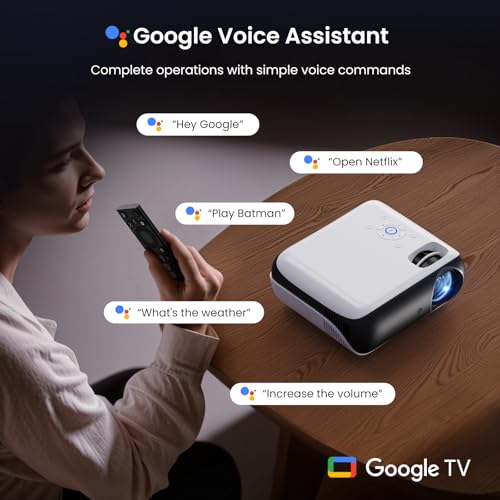
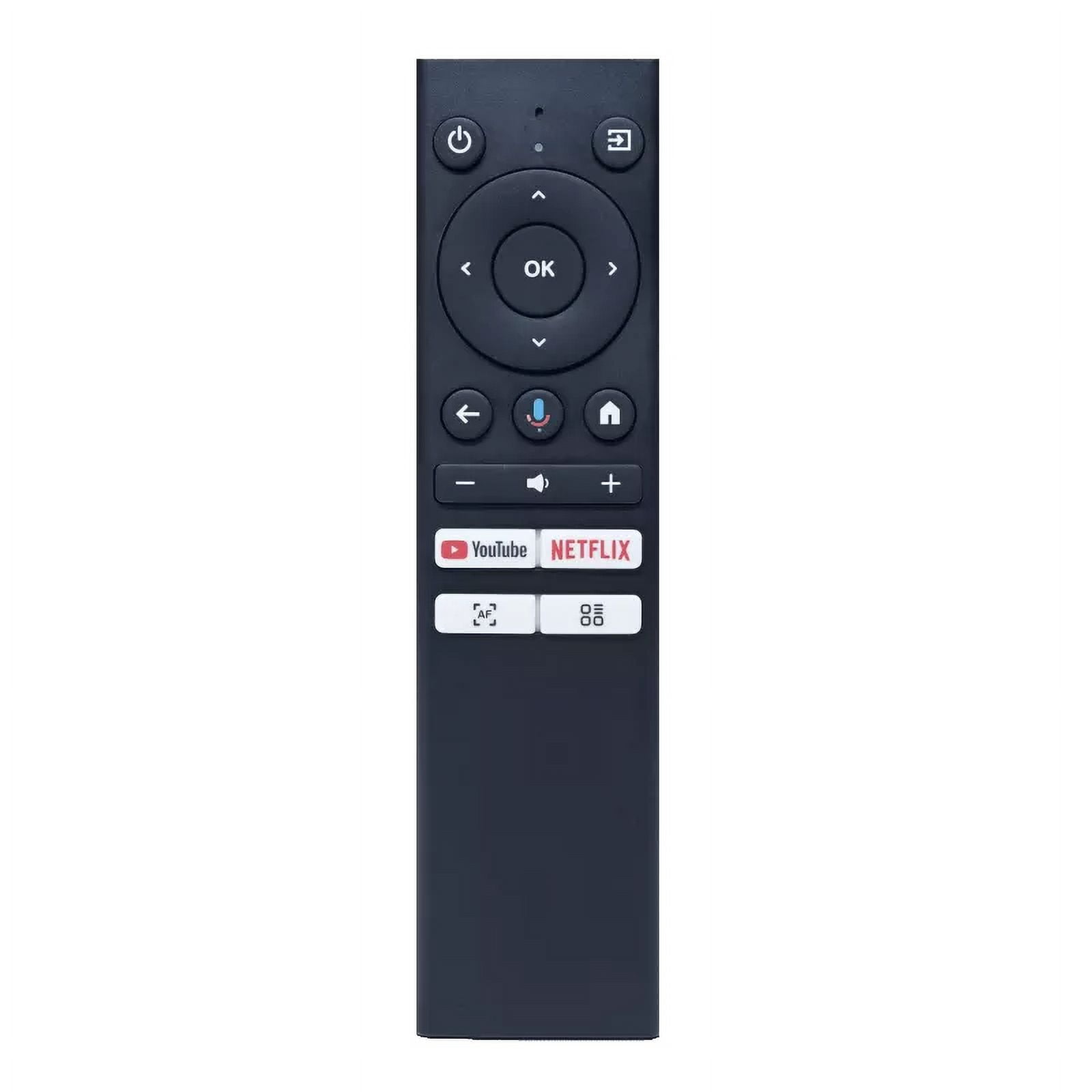
The inclusion of Google Assistant voice control adds genuine convenience. Instead of navigating menus with a remote, you can simply say "Play The Mandalorian" or "Show me action movies" and the system responds accordingly. This feature becomes particularly valuable when the projector is ceiling-mounted and the remote isn't immediately accessible.
Chromecast and AirPlay support mean seamless casting from smartphones and tablets. Based on user feedback and expert reviews, this wireless connectivity performs reliably without the buffering or disconnection issues that plague cheaper projectors.
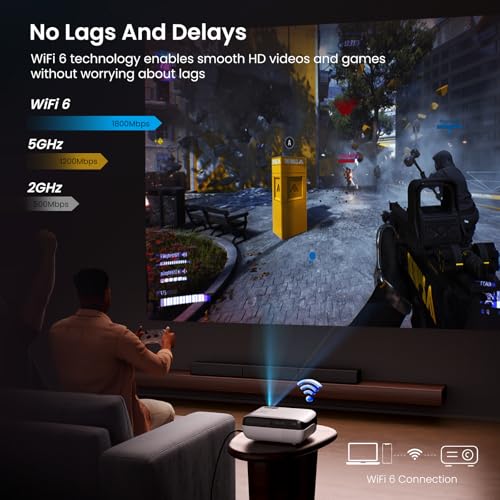
The HAPPRUN includes dual-band WiFi with support for both 2.4GHz and 5GHz networks, plus WiFi 6 capability in newer units. This matters more than you might think—projector streaming requires sustained bandwidth, and the ability to connect to less congested 5GHz networks often means smoother 4K streaming and faster app loading.
Physical connectivity includes HDMI, AV, two USB ports, and a headphone jack. This comprehensive selection means you can connect gaming consoles, older DVD players, USB drives, and external audio systems without adapters or dongles.
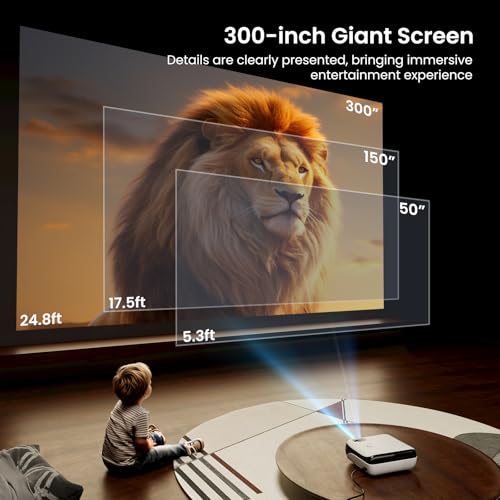
The projector supports projection sizes from 40 to 200 inches, with some configurations pushing even larger. For home theater enthusiasts, this flexibility is crucial. You can start with a modest 80-inch setup and later expand to a massive 150-inch screen simply by adjusting the projector distance.
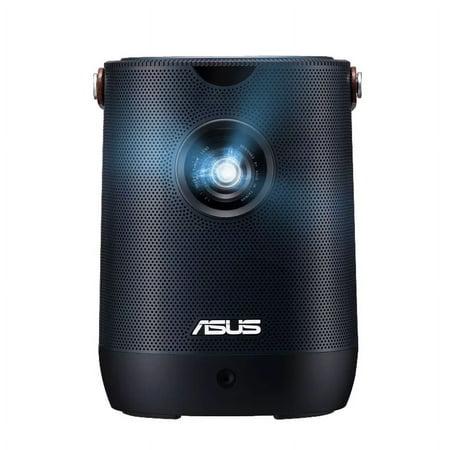
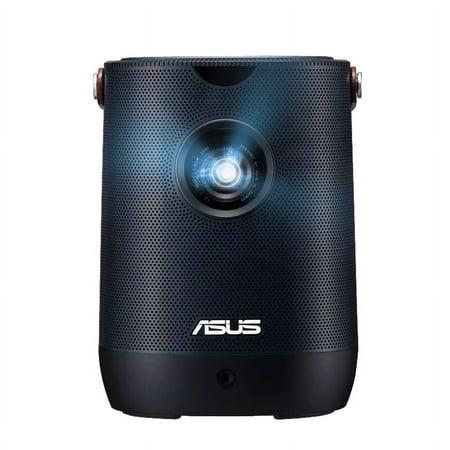
The ASUS ZenBeam L2, launched in late 2023, takes an entirely different approach. Rather than maximizing performance for stationary use, ASUS engineered genuine portability with premium build quality and convenience features that justify its higher price point.
The defining feature of the ZenBeam L2 is its built-in 65Wh battery providing 3.5 hours of continuous playback. This isn't just "portable" in the sense of being lightweight—it's genuinely cord-free operation that enables use anywhere from backyard movie nights to camping trips.
Battery capacity might seem like a simple specification, but it represents significant engineering challenges. Batteries add weight, generate heat, and require sophisticated power management systems. The fact that ASUS achieved 3.5 hours of bright projection in a compact form factor demonstrates serious technical achievement.
The leather carrying handle isn't just aesthetic—it signals ASUS's commitment to making this projector something you actually want to carry around. Too many "portable" projectors feel cheap or purely utilitarian, but the ZenBeam L2 maintains premium aesthetics even in portable form.
While both projectors offer 1080p resolution, the ZenBeam L2 takes a different approach to image quality. With 120% sRGB color gamut coverage, it produces more accurate and vibrant colors than typical budget projectors. This matters particularly for animated content, nature documentaries, or any media where color accuracy enhances the viewing experience.
The DLP (Digital Light Processing) technology used in the ZenBeam L2 creates sharper pixel boundaries compared to LCD-based systems. This results in text that appears crisper and reduces the "screen door effect" that can make individual pixels visible on larger screens.
Auto-focus and automatic keystone correction represent significant convenience upgrades. Traditional projectors require manual focusing and geometric adjustments every time you move them. The ZenBeam L2 handles these adjustments automatically within seconds, making it practical for frequent repositioning.
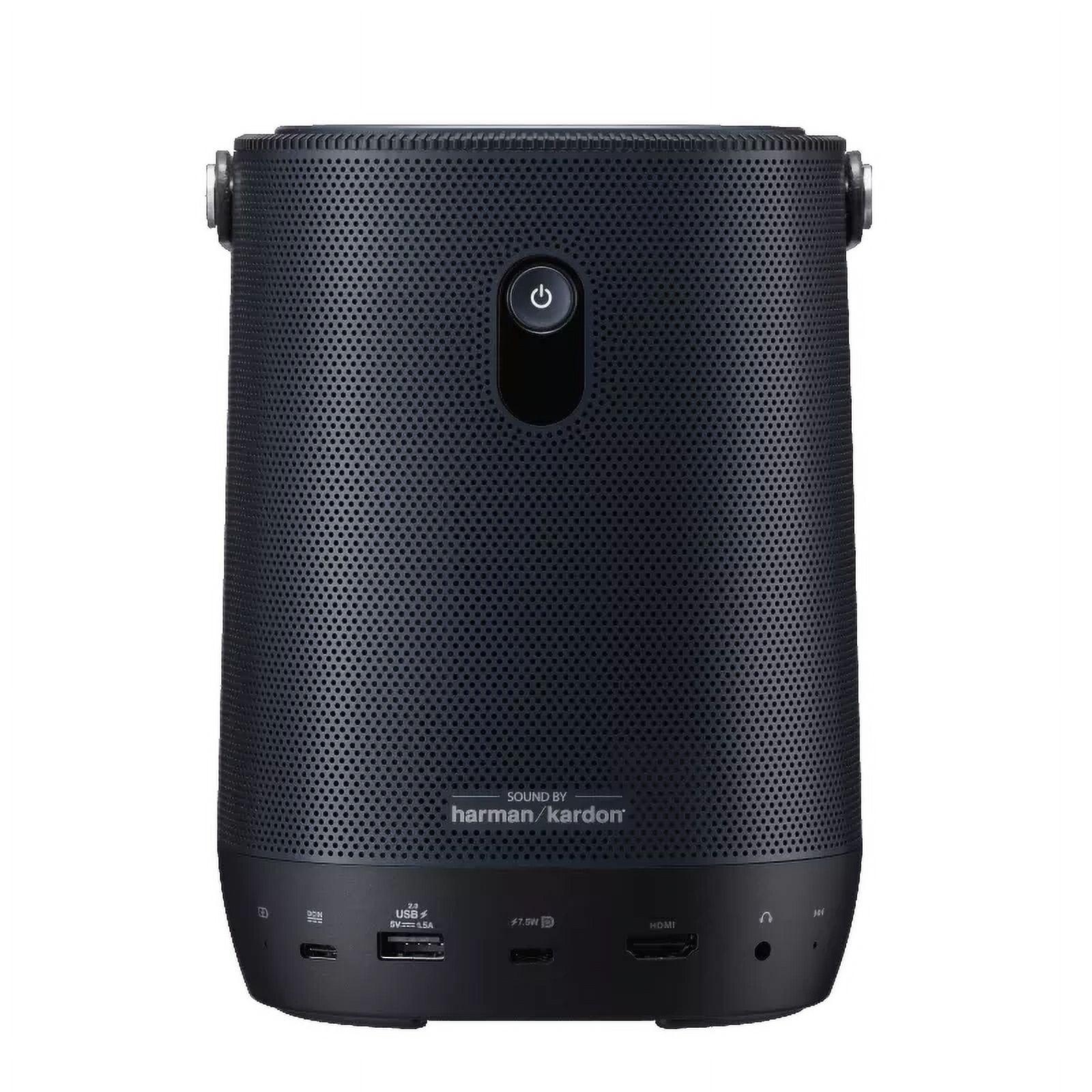
The 10W Harman Kardon speaker system in the ZenBeam L2 deserves special attention. Harman Kardon's involvement isn't just badge engineering—it represents genuine audio tuning and component selection that produces notably better sound than typical projector speakers.
While no built-in projector speaker can match a dedicated sound system, the ZenBeam L2 performs well enough for casual viewing scenarios where external speakers aren't practical. This becomes particularly valuable in portable use cases where you might not have access to additional audio equipment.
Both projectors fall into the 350-400 ANSI lumen range, making them suitable primarily for dark or dimly lit environments. However, their brightness characteristics differ in important ways.
The HAPPRUN optimizes its 350 lumens for high contrast performance. This means deeper blacks and more dramatic shadow detail, which particularly benefits movie watching in dedicated home theater setups with controlled lighting.
The ZenBeam L2 distributes its 400 lumens more evenly across the image, creating consistent brightness that works better in varied lighting conditions you might encounter when using it portably.
Neither projector excels in bright ambient light—attempting to use either in a sunlit room or under bright indoor lighting will result in washed-out images. This limitation is physics, not poor design. Projectors that can overcome ambient light typically cost several times more and sacrifice battery life or portability.
Both projectors support 60 FPS gaming, but they serve different gaming scenarios. The HAPPRUN works better for dedicated gaming setups where you want large screen sizes and don't need to move the projector frequently. Its stationary nature means you can optimize cable management and positioning for your gaming console.
The ZenBeam L2 enables portable gaming setups—imagine taking your Nintendo Switch to a friend's house and instantly creating a 80-inch gaming screen. The auto-focus feature becomes particularly valuable here, as you don't need to manually adjust anything when setting up in different locations.
Input lag—the delay between controller input and on-screen response—isn't extensively documented for either projector, but user reports suggest both perform adequately for casual gaming. Competitive gamers should stick with dedicated gaming monitors or high-end gaming projectors.
The HAPPRUN integrates Google TV directly into its processor, creating a seamless experience where streaming apps launch quickly and navigate smoothly. This integrated approach means fewer failure points and simpler troubleshooting.
The ZenBeam L2 includes a separate Android TV box that connects to the projector. While this adds complexity, it also provides upgrade flexibility—you could potentially replace the TV box with newer hardware as streaming standards evolve.
Both approaches have merit, but the HAPPRUN's integrated solution feels more polished for users who want simplicity.
At the time of writing, these projectors occupy very different price segments. The HAPPRUN positions itself in the budget-conscious smart projector category, typically priced significantly lower than premium alternatives while delivering integrated Google TV and solid 1080p performance.
The ZenBeam L2 commands premium pricing that reflects its battery technology, premium build quality, and Harman Kardon audio engineering. You're paying for genuine portability and convenience features that aren't available in budget alternatives.
LED light sources in both projectors are rated for 20,000-30,000 hours, essentially making them lifetime components under normal use. This eliminates the ongoing lamp replacement costs associated with traditional projectors.
The HAPPRUN offers excellent long-term value for stationary installations. Its extensive connectivity and integrated smart platform should remain relevant for years, and the lack of battery means no degradation concerns.
The ZenBeam L2 faces the reality that all battery-powered devices eventually need battery service. After 2-3 years of regular use, expect reduced battery life, though the projector will continue working when plugged in.
For dedicated home theater use, the choice becomes clearer when you consider how each projector fits into a complete entertainment system.
The HAPPRUN excels as the centerpiece of a fixed home theater setup. Its larger projection capability (up to 200 inches) enables truly cinematic experiences that rival commercial theaters. The high contrast ratio produces the dramatic lighting effects that make movies feel immersive.
When ceiling-mounted in a dedicated theater room, the HAPPRUN becomes essentially invisible while providing consistently excellent performance. The integrated Google TV means you can control everything with voice commands or the included remote, without juggling multiple devices.
The ZenBeam L2 serves better as a supplementary or occasional-use theater solution. Its portability means you could set up outdoor movie nights, take it to vacation rentals, or create temporary theater experiences in different rooms.
You're building a dedicated home theater or media room where the projector will stay in one location. The stationary nature isn't a limitation—it's an optimization for maximum performance. You want the largest possible screen size and don't mind controlling room lighting for optimal image quality.
You prioritize value and want integrated smart features without additional purchases. The built-in Google TV eliminates streaming stick costs and cable complexity. You appreciate the extensive connectivity options for gaming consoles, sound systems, and various media sources.
Your viewing habits center around movies and TV shows where contrast performance enhances the experience. The deeper blacks and shadow detail make dramatic content more engaging.
Portability isn't just a nice feature—it's essential to how you plan to use the projector. You want the freedom to create entertainment anywhere, from backyard gatherings to hotel rooms during travel.
You value premium build quality and are willing to pay more for refined engineering. The Harman Kardon audio, auto-focus, and automatic keystone correction represent convenience features that justify higher costs through time savings and easier operation.
Your usage patterns include frequently moving or repositioning the projector. The battery operation and automatic adjustments make setup quick and hassle-free in various locations.
These projectors represent fundamentally different approaches to the same basic need: creating large-screen entertainment. Your choice should align with how you actually plan to use the device, not just its impressive specification sheet.
Consider where you'll primarily use the projector. If it's going in a dedicated room or fixed location, the HAPPRUN delivers better performance per dollar. If you envision moving it regularly or using it in locations without convenient power access, the ZenBeam L2 justifies its premium through genuine convenience.
Think about your long-term entertainment plans. Are you building toward a serious home theater setup? The HAPPRUN grows with your ambitions, supporting larger screens and more complex audio systems. Planning to maintain flexibility for different living situations? The ZenBeam L2 adapts to changing needs.
Both projectors excel within their intended use cases. The key is honest assessment of whether you're buying a stationary entertainment centerpiece or a portable entertainment solution. Choose the one that matches your actual usage patterns, and you'll be satisfied with either option.
| HAPPRUN Google TV Smart Projector | ASUS ZenBeam L2 Smart Portable LED Projector |
|---|---|
| Brightness - Critical for determining where you can use the projector | |
| 350 ANSI lumens (dark room required) | 400 ANSI lumens (dark room required) |
| Portability - Determines if you can take it anywhere | |
| AC power only, stationary use | Built-in 65Wh battery, 3.5 hours runtime |
| Display Resolution - Image sharpness and detail | |
| Native 1080p, 4K upscaling | Native 1080p with DLP technology |
| Contrast Ratio - How dramatic blacks and whites appear | |
| 20,000:1 (excellent shadow detail) | 400:1 (typical for portable projectors) |
| Projection Size Range - How big your screen can be | |
| 40-200+ inches (true home theater scale) | 30-120 inches (limited by portability focus) |
| Smart Platform Integration - Streaming without extra devices | |
| Built-in Google TV 11.0 with official Netflix | Separate Android TV box included |
| Audio Quality - Built-in speaker performance | |
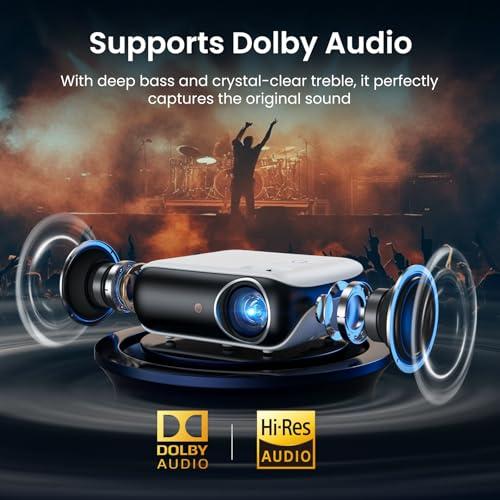
| 8W Dolby Audio speaker | 10W Harman Kardon speaker with Smart Amp |
| Color Performance - How vibrant and accurate colors appear | |
| Standard color gamut with HDR10+ | 120% sRGB coverage for superior color accuracy |
| Setup Convenience - How easy it is to get a perfect image | |
| Manual focus and keystone adjustment | Auto-focus and automatic keystone correction |
| Connectivity Options - What devices you can connect | |
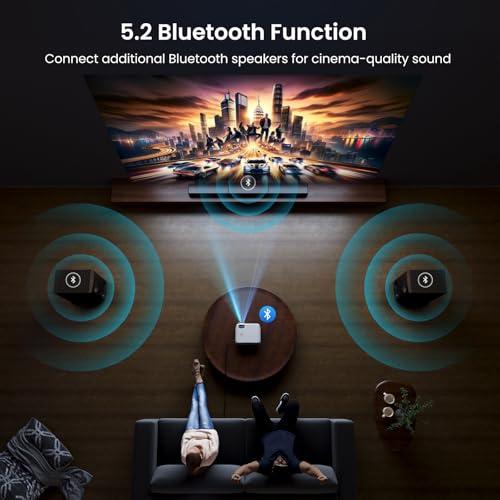
| WiFi 6, Bluetooth 5.2, HDMI, 2x USB, AV input | Standard WiFi, USB-C DisplayPort, HDMI, USB-A |
| Light Source Lifespan - How long before needing service | |
| 30,000+ hour LED (essentially lifetime) | 30,000 hour RGB LED (essentially lifetime) |
| Voice Control - Hands-free operation capability | |
| Google Assistant with Chromecast/AirPlay | Standard Android TV voice features |
| Build Quality Focus - What the design prioritizes | |
| Utilitarian design, multiple mounting options | Premium materials with leather carrying handle |
The HAPPRUN Google TV Smart Projector is better suited for dedicated home theater setups. It offers larger projection sizes up to 200+ inches, superior contrast ratio (20,000:1), and integrated Google TV without needing external devices. The ASUS ZenBeam L2 works better as a secondary or occasional-use theater solution due to its portability but is limited to 120-inch maximum projection size.
Both the HAPPRUN Google TV Smart Projector and ASUS ZenBeam L2 require dark or dimly lit environments for optimal viewing. With brightness levels around 350-400 ANSI lumens, neither performs well in bright ambient light or daylight conditions. You'll need to control room lighting or wait until evening for the best image quality.
The ASUS ZenBeam L2 features superior audio with its 10W Harman Kardon speaker system and Smart Amp technology. While the HAPPRUN Google TV Smart Projector includes an 8W Dolby Audio speaker, the Harman Kardon engineering in the ZenBeam L2 provides better balanced sound and audio clarity.
The HAPPRUN Google TV Smart Projector has Google TV 11.0 built directly into the projector, eliminating the need for external streaming devices. The ASUS ZenBeam L2 includes a separate Android TV box that must be connected to access streaming apps like Netflix and YouTube.
The ASUS ZenBeam L2 offers genuine portability with its built-in 65Wh battery providing 3.5 hours of cordless operation. The HAPPRUN Google TV Smart Projector requires constant AC power and is designed for stationary use, making it unsuitable for outdoor events or locations without power outlets.
Both projectors have native 1080p resolution. The HAPPRUN Google TV Smart Projector supports 4K input with downscaling, while the ASUS ZenBeam L2 can accept 4K signals through its Android TV box. Neither displays true native 4K—they convert 4K content to 1080p for projection.
The HAPPRUN Google TV Smart Projector offers more comprehensive connectivity with WiFi 6, Bluetooth 5.2, HDMI, dual USB ports, and AV input. The ASUS ZenBeam L2 provides standard connectivity through its TV box including USB-C DisplayPort, HDMI, and USB-A ports.
Both the HAPPRUN Google TV Smart Projector and ASUS ZenBeam L2 support 60 FPS gaming for casual use. The HAPPRUN works better for dedicated gaming setups with larger screen sizes, while the ZenBeam L2 enables portable gaming experiences with its battery power and auto-focus features.
Both projectors use LED light sources rated for 30,000 hours, essentially making them lifetime components under normal use. The main difference is that the ASUS ZenBeam L2 has a battery that will degrade over 2-3 years, while the HAPPRUN Google TV Smart Projector has no battery degradation concerns.
The HAPPRUN Google TV Smart Projector provides exceptional value in the budget segment with integrated Google TV, extensive connectivity, and larger projection capabilities. The ASUS ZenBeam L2 commands premium pricing justified by genuine portability, premium build quality, and Harman Kardon audio engineering.
The HAPPRUN Google TV Smart Projector supports multiple mounting options including ceiling, wall, tabletop, and tripod mounting, making it ideal for permanent installations. The ASUS ZenBeam L2 is designed for portable use and works best on tabletops or temporary surfaces rather than permanent mounting.
The ASUS ZenBeam L2 offers easier setup with auto-focus and automatic keystone correction that adjusts the image within seconds. The HAPPRUN Google TV Smart Projector requires manual focus and geometric adjustments but provides a simpler overall experience once installed due to its integrated smart platform.
We've done our best to create useful and informative comparisons to help you decide what product to buy. Our research uses advanced automated methods to create this comparison and perfection is not possible - please contact us for corrections or questions. These are the sites we've researched in the creation of this article: youtube.com - topvisiontec.com - youtube.com - happrunprojector.com - youtube.com - happrunprojector.com - youtube.com - business.walmart.com - youtube.com - walmart.com - cordcuttersnews.com - nexpow.com - projectorcentral.com - youtube.com - mezha.media - asus.com - asus.com - youtube.com - projectorreviews.com - asus.com - digitalcameraworld.com - youtube.com - asus.com - digitalcitizen.life - tweakreviews.com - shop.asus.com - edgeup.asus.com - asus.com - projectorcentral.com - asus.com - uk.store.asus.com - asus.com - thegadgetflow.com - bhphotovideo.com - asus.com - asus.com

Privacy Policy
Terms and Conditions - Affiliate Policy
Home Security
© Copyright 2008-2026.
11816 Inwood Rd #1211, Dallas, TX 75244