

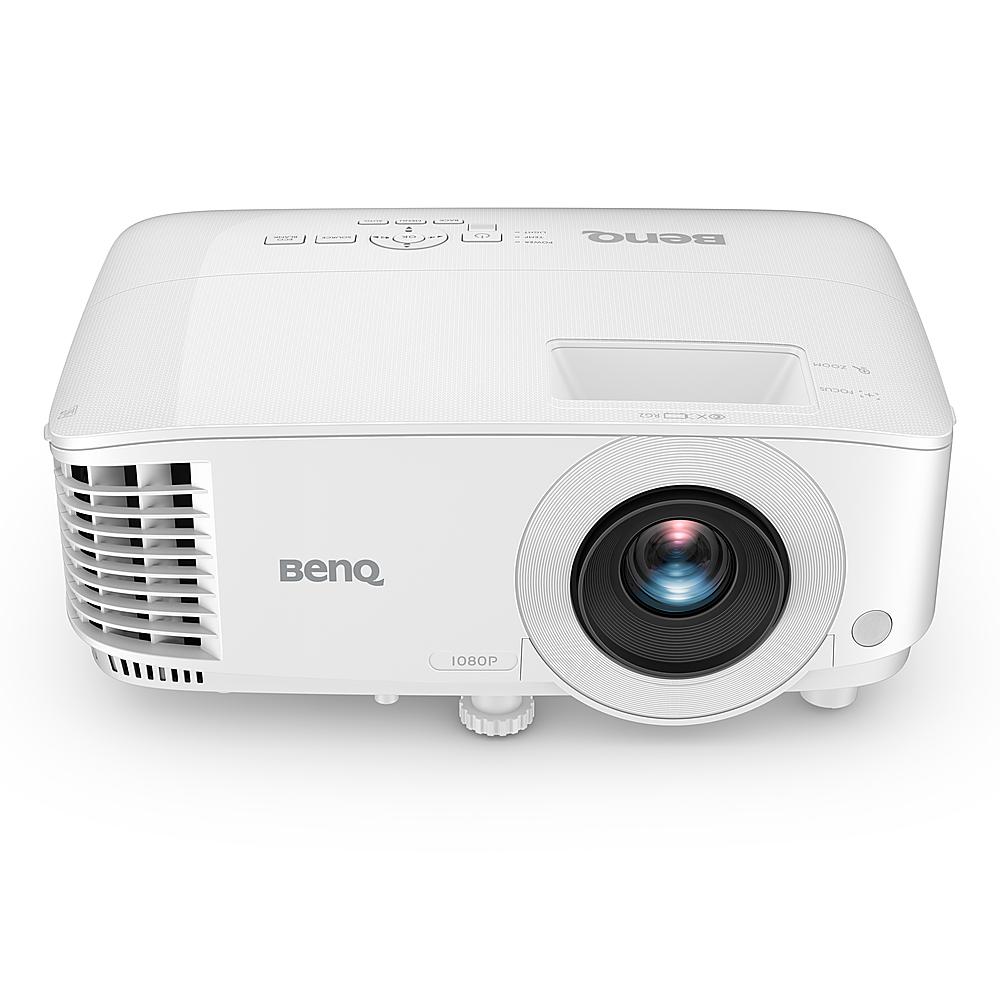
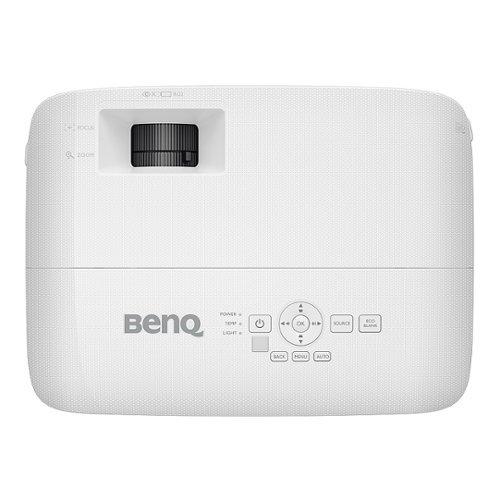
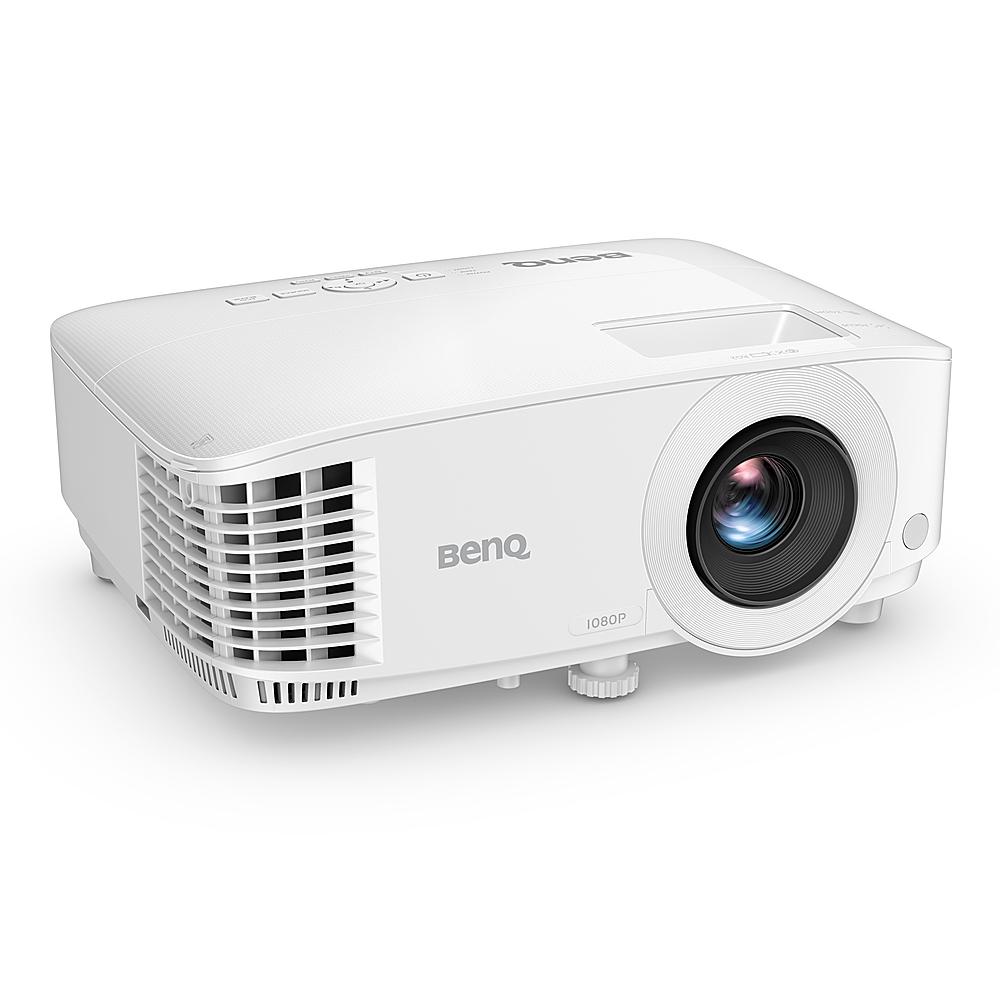
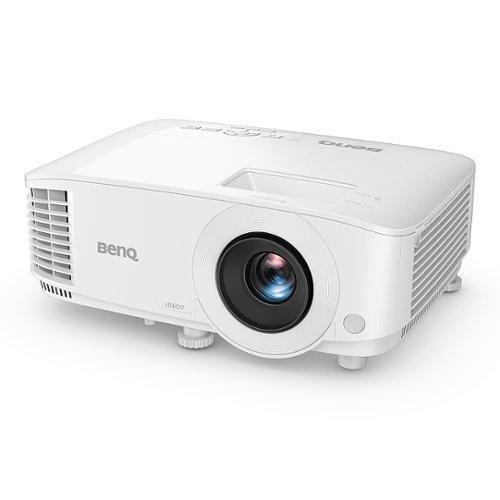
Remember when projectors were bulky devices that belonged exclusively in classrooms and conference rooms? Those days are long gone. The projector market has undergone a remarkable transformation in recent years, expanding into diverse niches that cater to specific user needs. Today, we're comparing two distinct approaches to projection technology: the ASUS ZenBeam L2 Smart Portable LED Projector and the BenQ TH575 1080p Gaming Projector.
Released in 2022, the ASUS ZenBeam L2 represents the growing portable projector segment that emphasizes flexibility and convenience. Meanwhile, the BenQ TH575, launched in 2021, exemplifies the specialized gaming projector category that prioritizes response time and image performance for interactive entertainment.
This evolution reflects broader technological trends: miniaturization has enabled truly portable projectors with built-in batteries, while gaming-specific devices have emerged to satisfy the demanding requirements of interactive entertainment. Both approaches have their merits, but they serve fundamentally different use cases—understanding these differences is crucial to making the right purchase decision.
Before diving into specifics, let's clarify some key projector terminology that will help frame our comparison:
ANSI lumens measures the actual brightness output of a projector, following standardized testing by the American National Standards Institute. This is more reliable than marketing terms like "LED lumens," which often inflate perceived brightness numbers.
Input lag refers to the delay between your device sending a signal and the projector displaying it—critical for gaming where timing matters.
Throw ratio determines how far the projector needs to be from the screen to create a specific image size. A lower throw ratio means the projector can be placed closer to the screen while maintaining the same image size.
With these concepts in mind, let's examine how these two projectors approach their respective design goals.
The ASUS ZenBeam L2 ($699) and BenQ TH575 ($649) represent two distinct philosophies in projector design, despite a similar price point.
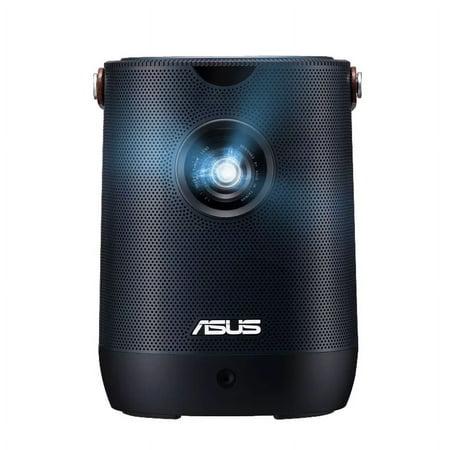
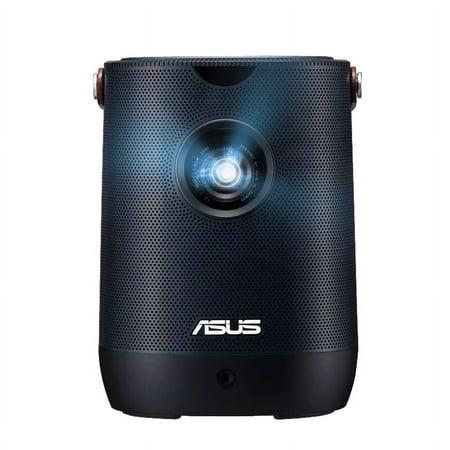
The ZenBeam L2 embraces portability with its compact form factor (132 x 172 x 132 mm) and built-in battery. Weighing just 1.57 kg, it's designed to move between rooms or locations with minimal hassle. ASUS has positioned this as a lifestyle product that adapts to your environment, rather than requiring you to adapt your environment to it.
In contrast, the TH575 commits fully to gaming performance in a fixed-position setup. At 5.5 lbs (about 2.5 kg) and no battery, it's designed to be installed semi-permanently in a gaming or home theater environment. BenQ has prioritized image brightness and responsiveness over portability, reflecting its focus on delivering an optimal gaming experience.
These fundamental design differences cascade through every aspect of these projectors' performance and features.
When it comes to brightness, there's no contest—the BenQ TH575 delivers a substantial 3800 ANSI lumens, compared to the ASUS ZenBeam L2's 400 ANSI lumens (or 960 "LED lumens" in ASUS marketing).
This nearly 10x difference in brightness has significant practical implications. The TH575 can produce a vibrant image even with some ambient light in the room. I've used similar brightness projectors in living rooms during daytime with curtains drawn, and while the image isn't as punchy as in complete darkness, it remains entirely watchable.
The ZenBeam L2, by contrast, demands more controlled lighting conditions. In a completely dark room, its 400 ANSI lumens are sufficient for a pleasant viewing experience, but even modest ambient light will wash out the image. This limitation is a direct consequence of its portable design—the power requirements for higher brightness would sacrifice battery life and increase heat generation in a compact form factor.
This brightness difference highlights an unavoidable trade-off: true portability versus ambient light performance. Since the TH575 launched in 2021, gaming projectors have generally continued to prioritize brightness, with some newer models pushing beyond 4000 ANSI lumens. The portable segment, meanwhile, has seen more modest brightness improvements as manufacturers balance visibility against battery life and thermal constraints.
Interestingly, both projectors offer the same native 1920x1080 (Full HD) resolution. While 4K projectors have become more common since these models launched, 1080p remains a sweet spot for price-to-performance ratio, especially at screen sizes below 100 inches where the difference between 1080p and 4K becomes less noticeable.
However, resolution is just one aspect of image quality, and these projectors diverge significantly in other areas:
The BenQ TH575 boasts a 15,000:1 contrast ratio, which contributes to deeper blacks and more detailed shadows—critical for both gaming and movie watching. This high contrast helps reveal details in dark game scenes, potentially giving gamers a competitive advantage by spotting enemies lurking in shadows.
The ASUS ZenBeam L2 offers a more modest 400:1 contrast ratio but counters with 120% sRGB color gamut coverage. This means that while its blacks aren't as deep, it can display a wider range of colors with greater vibrancy. For content like animated films or colorful games, this expanded color reproduction can create a visually striking image despite the lower contrast.
The ZenBeam L2 features a short-throw lens with a 1.2:1 throw ratio, allowing it to project a 40-inch image from just 1 meter away. This short-throw capability is particularly valuable for portable use, where you might set up in spaces with limited depth. It can project images ranging from 30 to 120 inches, though at maximum size, the 400 ANSI lumens will be spread thin, resulting in a dimmer image.
The TH575 uses a more traditional 1.49-1.64:1 throw ratio with a slight 1.1x manual zoom capability, offering greater flexibility in placement distance. It can project much larger images—up to 300 inches—though practical limitations of brightness and room size mean most users will likely stay in the 100-150 inch range for optimal performance.
If you're primarily interested in gaming, the difference between these projectors becomes even more pronounced.
The BenQ TH575 was engineered specifically for gaming, with an incredibly low 16.7ms input lag at 1080p/60Hz. For context, most people can't perceive input lag below about 20ms, putting the TH575 well within the territory of "imperceptible delay" for most gamers. This responsiveness is crucial for competitive gaming or fast-paced titles where split-second reactions matter.
Additionally, the TH575 includes a dedicated Game Mode that enhances visibility in dark scenes without washing out the overall image—a feature called Black Detail Enhancement. This can be genuinely advantageous in games where spotting enemies in shadows can mean the difference between virtual life and death.
The ASUS ZenBeam L2 makes no specific claims about input lag, suggesting it's not optimized for gaming. While it will certainly work for casual gaming and likely provides an acceptable experience for non-competitive play, serious gamers would find its response time lacking compared to the purpose-built TH575.
Since these projectors were released, the emphasis on low input lag has intensified in the gaming projector market, with some newer models pushing below 10ms. However, the TH575's 16.7ms performance remains competitive even by today's standards for most gaming scenarios.
The most dramatic difference between these projectors lies in their approach to setup and portability.
The ASUS ZenBeam L2 embraces a "set it and forget it" philosophy with its automated setup features:
These features, combined with its built-in 65Wh battery providing up to 3.5 hours of playback, make the ZenBeam L2 remarkably flexible. You can place it on a coffee table, point it at a wall, and within seconds have a properly configured image without manual adjustments.
The BenQ TH575 takes a more traditional approach, requiring manual focus and zoom adjustments. It does offer vertical keystone correction of ±40°, but lacks the comprehensive auto-setup features of the ZenBeam. This reflects its design philosophy—it's intended to be set up once in a dedicated position rather than frequently moved.
Since these products launched, auto-setup features have become increasingly sophisticated in the portable projector segment, while gaming projectors have maintained their focus on image quality over convenience features. This divergence reflects the fundamentally different use cases these projector categories serve.
The connectivity approaches of these projectors further highlight their different design philosophies.
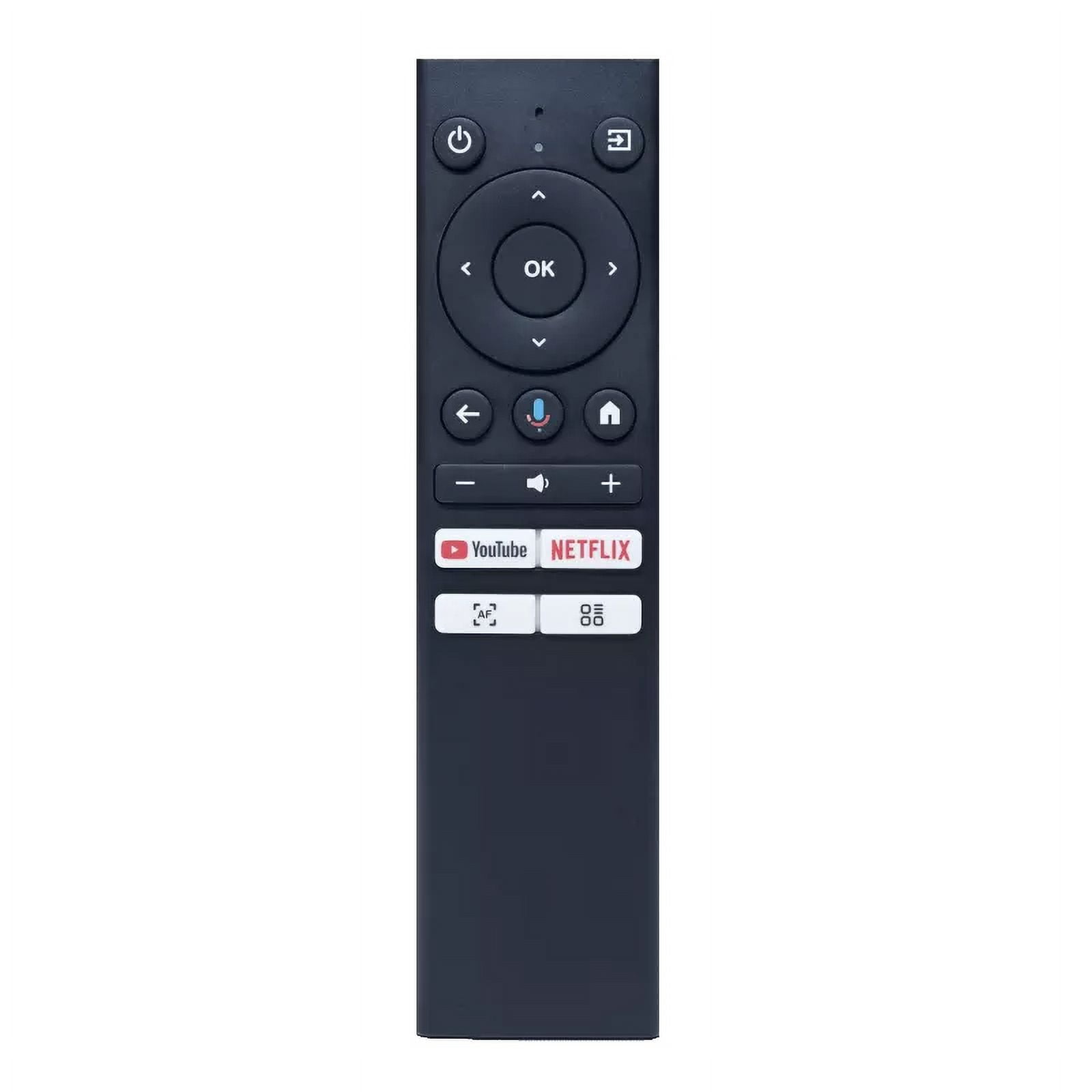
The ASUS ZenBeam L2 comes bundled with an Android TV box that provides access to popular streaming services. This integration turns the projector into a complete entertainment system without requiring additional devices. It also features the unique ASUS Light Wall function with 26 cinegraph options—essentially animated backgrounds that can create ambient lighting effects when you're not watching content.
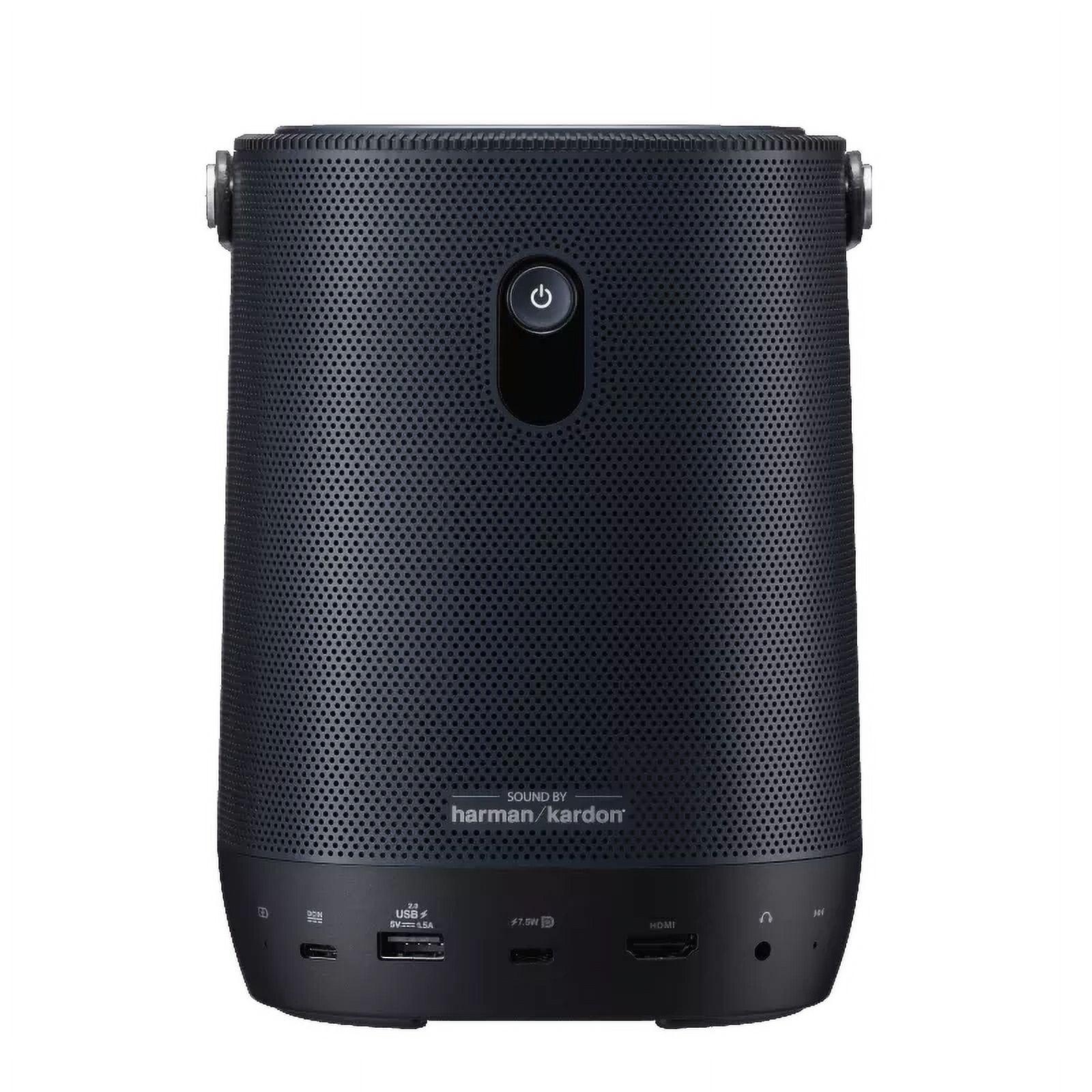
Connection options include HDMI, USB-C with DisplayPort Alt mode (allowing direct connection to compatible laptops and phones), USB-A for media playback, and a 3.5mm audio output. This versatility supports a wide range of content sources, emphasizing the ZenBeam's role as an all-in-one entertainment solution.
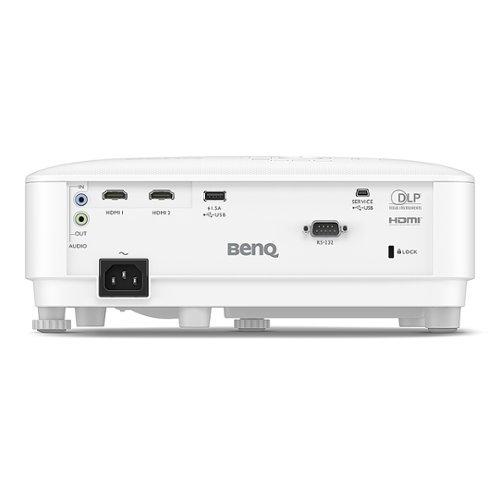
The BenQ TH575 focuses on core connectivity for gaming and media consumption with dual HDMI inputs, USB ports, and 3.5mm audio connections. It lacks built-in streaming capabilities, assuming users will connect gaming consoles, PCs, or external streaming devices. This streamlined approach prioritizes performance over convenience features, reflecting its specialized gaming focus.
In the years since these projectors launched, we've seen increased integration of streaming platforms directly into projectors, though gaming-focused models still tend to emphasize performance over smart features.
Audio is often an afterthought in projectors, but both models make respectable efforts in this department.
The ASUS ZenBeam L2 includes a 10W Harman Kardon speaker with Smart Amp technology, delivering impressive audio quality for a portable device. This premium audio implementation means you can enjoy content without external speakers in many scenarios—perfect for spontaneous movie nights or presentations where setting up a separate audio system would be impractical.
The BenQ TH575 also includes a 10W mono speaker, but without the premium branding or audio enhancements of the ZenBeam. While adequate for casual use, serious gamers or movie enthusiasts will likely want to connect external speakers or headphones for a more immersive audio experience.
The ZenBeam's superior audio implementation is particularly valuable given its portable nature—when you're setting up in different environments, having decent built-in audio eliminates the need to transport and configure separate speakers.
The projection technologies used in these devices have significant implications for long-term ownership costs and maintenance.
The BenQ TH575 uses a traditional lamp-based projection system with a rated lamp life of 6,000 hours in normal mode and up to 15,000 hours in eco mode. This means that with heavy use (say, 4 hours daily), you might need to replace the lamp in approximately 4-10 years, depending on your usage mode. Replacement lamps typically cost between $100-200, representing an additional long-term ownership cost.
The ASUS ZenBeam L2 employs an LED light source rated for 30,000 hours—effectively the lifetime of the product for most users. This maintenance-free lighting system is a significant advantage for those who want to "set it and forget it." However, the ZenBeam's built-in battery will inevitably degrade over time, potentially requiring service if you want to maintain its portable functionality beyond a few years of regular use.
Since these products were launched, we've seen a continued industry shift toward solid-state light sources (LED and laser) and away from traditional lamps, particularly in portable projectors where maintenance expectations are lower. However, lamp-based systems still dominate in the high-brightness, performance-oriented segments due to their cost-effectiveness at higher light outputs.
If you're considering either of these projectors for a home theater setup, your room characteristics and viewing habits should heavily influence your decision.
The BenQ TH575 is well-suited for a dedicated home theater room where you can control ambient light. Its high brightness and contrast ratio will deliver impressive movie experiences, particularly for action films, sports, and content with dark scenes where its superior contrast becomes evident. The ability to project larger images (up to 300 inches) also creates opportunities for truly cinematic experiences, though practical limitations of typical home spaces mean most users will likely settle in the 100-150 inch range.
The ASUS ZenBeam L2 offers a different approach to home entertainment—one that emphasizes flexibility over dedicated performance. It might not deliver the same level of image quality in ideal conditions, but its ability to move between rooms, set up quickly, and operate without power for short periods opens up new use cases. Impromptu movie nights in different rooms, backyard screenings (where power is available for recharging between uses), or even taking your home theater experience to a friend's house become possible.
At similar price points—BenQ TH575 at $649 and ASUS ZenBeam L2 at $699—these projectors offer different types of value.
The TH575 delivers maximum performance for dedicated gaming and home theater use. Its superior brightness, contrast, and responsiveness represent excellent value for those with specific performance needs in a fixed location. If you're creating a permanent gaming or movie setup, the TH575 offers more raw projection performance per dollar.
The ZenBeam L2 commands a slight premium for its versatility and convenience features. The built-in battery, auto-setup capabilities, quality audio, and included Android TV functionality justify its higher price for users who value flexibility. If you'll use your projector in multiple settings or need portability, the ZenBeam's adaptability represents good value despite its higher price and lower raw performance metrics.
After exploring all these aspects, the decision comes down to your specific needs and usage patterns:
Choose the BenQ TH575 if:
Choose the ASUS ZenBeam L2 if:
Both projectors excel in their intended use cases while making necessary compromises to achieve their design goals. The BenQ TH575 delivers exceptional brightness, low input lag, and impressive contrast for dedicated gaming and home theater applications. The ASUS ZenBeam L2 offers unmatched portability and convenience for users who need flexibility across multiple environments.
Your ideal choice depends on whether you value maximum performance in a fixed location or flexibility to adapt to different environments and use cases. By understanding these fundamental differences, you can select the projector that will best serve your specific needs for years to come.
| ASUS ZenBeam L2 Smart Portable LED Projector | BenQ TH575 1080p Gaming Projector |
|---|---|
| Price - Your initial investment | |
| $699 | $649 |
| Brightness - Determines visibility in ambient light conditions | |
| 400 ANSI lumens (requires dark room) | 3800 ANSI lumens (works well in rooms with some light) |
| Resolution - Affects image clarity and detail | |
| 1920x1080 (Full HD) | 1920x1080 (Full HD) |
| Contrast Ratio - Impacts depth of blacks and overall picture dimension | |
| 400:1 (decent for portable projector) | 15,000:1 (excellent for movie/gaming contrast) |
| Color Performance - Influences vibrancy and realism | |
| 120% sRGB color gamut (vibrant colors) | 1.07 billion colors (30-bit) (accurate color reproduction) |
| Portability - Affects where and how you can use it | |
| 1.57 kg with battery (highly portable) | 5.5 lbs/2.5kg (designed for fixed installation) |
| Battery - Enables cord-free usage | |
| Built-in 65Wh battery, up to 3.5 hours playback | No battery (requires constant power) |
| Input Lag - Critical for gaming response time | |
| Not specified (not optimized for gaming) | 16.7ms at 1080p/60Hz (excellent for competitive gaming) |
| Light Source - Affects maintenance and lifespan | |
| LED with 30,000-hour lifespan (no replacement needed) | 203W lamp with 6,000-15,000 hour lifespan (will need replacement) |
| Image Size Range - Determines your screen size flexibility | |
| 30"-120" (good for most home settings) | 30"-300" (supports cinema-sized projection) |
| Throw Ratio - Determines placement distance from screen | |
| 1.2:1 (shorter throw requires less room depth) | 1.49-1.64:1 (requires more distance for same image size) |
| Setup Features - Affects ease of installation | |
| Auto focus, auto keystone, obstacle avoidance | Manual focus, manual zoom, vertical keystone ±40° |
| Smart Features - Determines standalone capabilities | |
| Includes Android TV box with streaming apps | No built-in smart features (requires external devices) |
| Audio - Impacts need for external speakers | |
| 10W Harman Kardon speaker (premium audio) | 10W mono speaker (basic audio) |
| Connectivity - Affects compatibility with devices | |
| HDMI, USB-C DisplayPort, USB-A, 3.5mm audio | 2x HDMI, 2x USB, 3.5mm audio |
| 3D Support - For specialized content viewing | |
| Not specified | Yes (supports Full HD 3D) |
| Best For - Ideal use case summary | |
| Portable entertainment, multi-room use, travel | Dedicated gaming setup, permanent home theater |
The BenQ TH575 Gaming Projector is significantly better for bright rooms with its 3800 ANSI lumens compared to the ASUS ZenBeam L2's 400 ANSI lumens. The BenQ's brightness allows it to produce clear, visible images even with some ambient light present, while the ZenBeam L2 requires a darkened room for optimal viewing. If you're planning to use your projector in a living room with windows or other light sources, the BenQ TH575 is the more practical choice.
The ASUS ZenBeam L2 is significantly more portable than the BenQ TH575. Weighing just 1.57kg with compact dimensions (132 x 172 x 132mm), the ZenBeam L2 also features a built-in battery providing up to 3.5 hours of playback. In contrast, the BenQ TH575 weighs 5.5 lbs (2.5kg), has no battery, and requires a constant power connection. If you need to move your projector between rooms or take it to different locations, the ASUS ZenBeam L2 is designed specifically for portable use.
The BenQ TH575 is significantly better for gaming with its 16.7ms input lag at 1080p/60Hz and dedicated Game Mode with black detail enhancement. The ASUS ZenBeam L2 makes no specific claims about input lag, indicating it's not optimized for gaming. Serious gamers, especially those playing competitive or fast-paced games, will notice the responsiveness difference between these projectors. The BenQ TH575 was specifically designed for gaming performance, making it the clear choice for this use case.
The ASUS ZenBeam L2 is priced at approximately $699, while the BenQ TH575 costs around $649. Despite being $50 less expensive, the BenQ offers higher brightness and better gaming performance, making it better value for fixed installations. However, the ZenBeam L2's higher price includes portability features like a built-in battery and auto-setup capabilities that justify the premium for users needing those features. Your specific needs will determine which projector represents better value for your situation.
The ASUS ZenBeam L2 offers significantly easier setup with its auto-focus, auto keystone correction, and obstacle avoidance features. These technologies automatically adjust the image for optimal clarity and rectangular shape regardless of positioning. The BenQ TH575 requires manual focus and zoom adjustments, though it does offer vertical keystone correction of ±40°. If you value quick, hassle-free setup or plan to reposition your projector frequently, the ASUS ZenBeam L2 provides a much more convenient user experience.
The BenQ TH575 generally offers better overall image quality with its 15,000:1 contrast ratio compared to the ASUS ZenBeam L2's 400:1 ratio. This results in deeper blacks and more detailed shadows in the BenQ. However, the ZenBeam L2 features 120% sRGB color gamut coverage, providing vibrant colors. For most home theater applications, especially those involving movies with dark scenes, the BenQ TH575 will produce a more impressive image, particularly in properly darkened rooms.
The ASUS ZenBeam L2 is better suited for outdoor use thanks to its battery operation and portability, but with significant limitations. Its 400 ANSI lumens means you'll need complete darkness for acceptable viewing. The BenQ TH575 has much higher brightness (3800 ANSI lumens) for better visibility, but requires power and is less portable. For occasional backyard movies, the ZenBeam L2 offers more flexibility if used after dark, while the BenQ provides a brighter, more visible image but needs an extension cord and more setup effort. Neither projector is ideal for regular outdoor use without appropriate protection.
The ASUS ZenBeam L2 features a 10W Harman Kardon speaker with Smart Amp technology, providing superior audio quality compared to the BenQ TH575's basic 10W mono speaker. The premium audio implementation in the ZenBeam L2 delivers richer sound with better clarity and depth, making it more suitable for use without external speakers. If built-in audio quality is important for your setup, particularly if you want to avoid the additional cost and complexity of external speakers, the ASUS ZenBeam L2 offers a noticeably better listening experience.
The BenQ TH575 is better for a dedicated home theater room due to its superior brightness (3800 ANSI lumens), excellent contrast ratio (15,000:1), and larger maximum image size capability (up to 300"). These specifications allow for a more cinema-like experience, especially in controlled lighting conditions. The ASUS ZenBeam L2 is limited to 120" maximum screen size and requires a completely darkened room. For a permanent installation where performance matters more than portability, the BenQ TH575 delivers a more impressive home theater experience.
The ASUS ZenBeam L2 will likely last longer before needing maintenance with its LED light source rated for 30,000 hours—essentially the lifetime of the product for most users. The BenQ TH575 uses a traditional lamp with 6,000-15,000 hours of life (depending on mode), which will eventually require replacement at additional cost. However, the ZenBeam's built-in battery will degrade over time and may need service to maintain portable functionality. For maintenance-free projection, the ASUS ZenBeam L2 has a clear advantage in light source longevity.
Both projectors support external streaming devices through HDMI connections. The ASUS ZenBeam L2 includes an Android TV box, providing built-in streaming capabilities without additional purchases. It also offers USB-C with DisplayPort Alt mode, allowing direct connection to compatible laptops and phones. The BenQ TH575 features dual HDMI inputs but no built-in streaming. If you want an all-in-one solution, the ZenBeam L2 offers more convenience, while the BenQ provides standard connectivity that works with any HDMI streaming device. Both projectors will connect to modern gaming consoles, streaming sticks, and computers.
The BenQ TH575 at $649 offers better value for those prioritizing brightness, contrast, and gaming performance in a fixed location. Its significantly higher brightness (3800 vs 400 ANSI lumens) and gaming-optimized features deliver more performance per dollar for dedicated setups. The ASUS ZenBeam L2 at $699 provides better value for those needing portability, battery operation, and auto-setup features. Your specific use case determines which represents better value—if you need a bright, responsive gaming or home theater projector, the BenQ is more cost-effective. If flexibility and convenience matter most, the ASUS ZenBeam L2 justifies its premium despite lower raw performance.
We've done our best to create useful and informative comparisons to help you decide what product to buy. Our research uses advanced automated methods to create this comparison and perfection is not possible - please contact us for corrections or questions. These are the sites we've researched in the creation of this article: projectorcentral.com - youtube.com - mezha.media - asus.com - asus.com - youtube.com - projectorreviews.com - asus.com - digitalcameraworld.com - youtube.com - asus.com - digitalcitizen.life - tweakreviews.com - shop.asus.com - edgeup.asus.com - asus.com - projectorcentral.com - asus.com - uk.store.asus.com - asus.com - thegadgetflow.com - bhphotovideo.com - asus.com - asus.com - lifeisxbox.eu - ai-techreport.com - electronics.woot.com - ai-techreport.com - laurentwillen.com - bestbuy.com - bestbuy.com - projectorcentral.com - tvsbook.com - shidirect.com - blog.richersounds.com - memoryexpress.com - versus.com - adorama.com - avsforum.com - shi.com - bestbuy.com - bhphotovideo.com - cdw.com - insight.com - shi.ca - projectorcentral.com - insight.com - specsradar.com - touchboards.com

Privacy Policy
Terms and Conditions - Affiliate Policy
Home Security
© Copyright 2008-2026.
11816 Inwood Rd #1211, Dallas, TX 75244