

Remember when projectors were massive, noisy machines that required permanent ceiling mounts and darkened rooms? The portable projector market has transformed dramatically over the past few years, bringing cinema-quality experiences to spaces where traditional projectors simply wouldn't work. Today's leading portable projectors combine impressive visual performance with genuine portability, making movie nights, presentations, and gaming sessions possible almost anywhere.
The ASUS ZenBeam L2 and XGIMI Halo+ represent the current pinnacle of this technology. Released in late 2022 and early 2021 respectively, these two contenders have established themselves as go-to options for those seeking premium portable projection. But which one deserves your investment? Let's break down everything you need to know to make an informed decision.
Before diving into specific performance areas, let's establish a baseline understanding of what these projectors offer on paper:
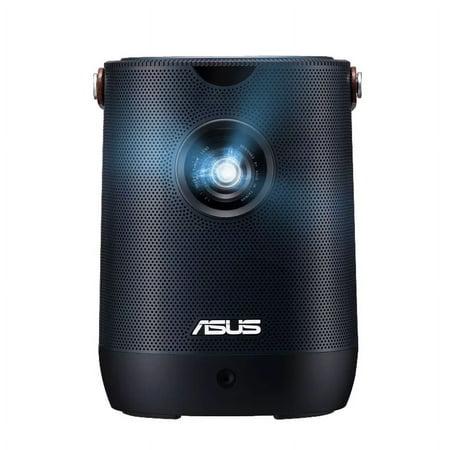
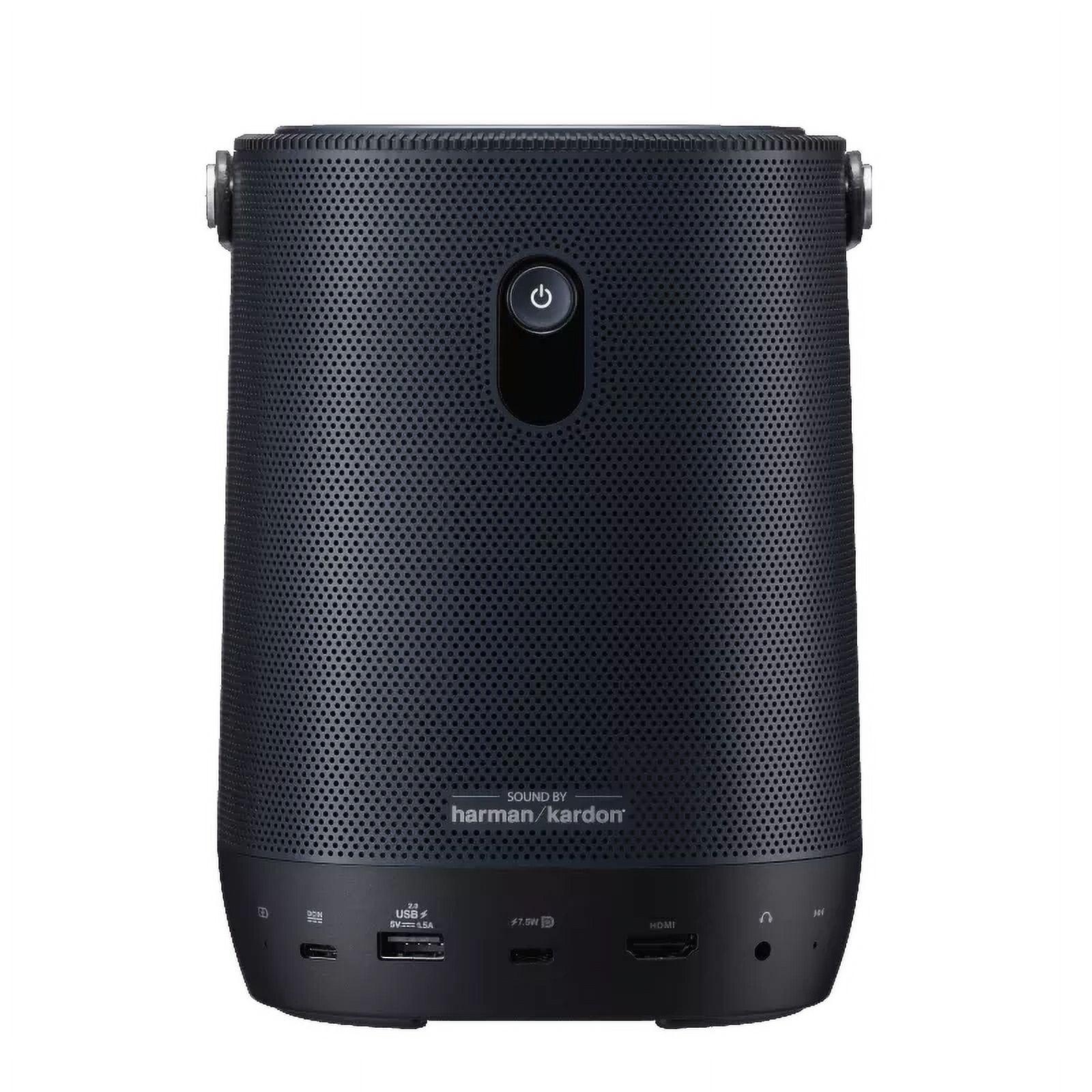
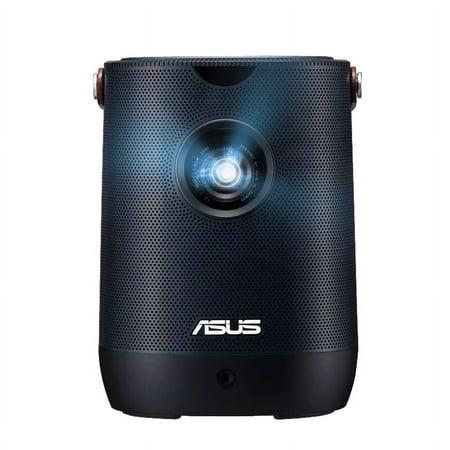
The ASUS ZenBeam L2 delivers 1920×1080 Full HD resolution with 960 LED lumens (translating to about 400 ANSI lumens). If you're wondering about the difference, LED lumens measure brightness as perceived by the human eye, while ANSI lumens represent an objective measurement standard. The ZenBeam features a powerful 65Wh battery supporting up to 3.5 hours of playback, weighs 1.57 kg, and includes a 10W Harman Kardon speaker. It runs Android TV via an included external dongle.
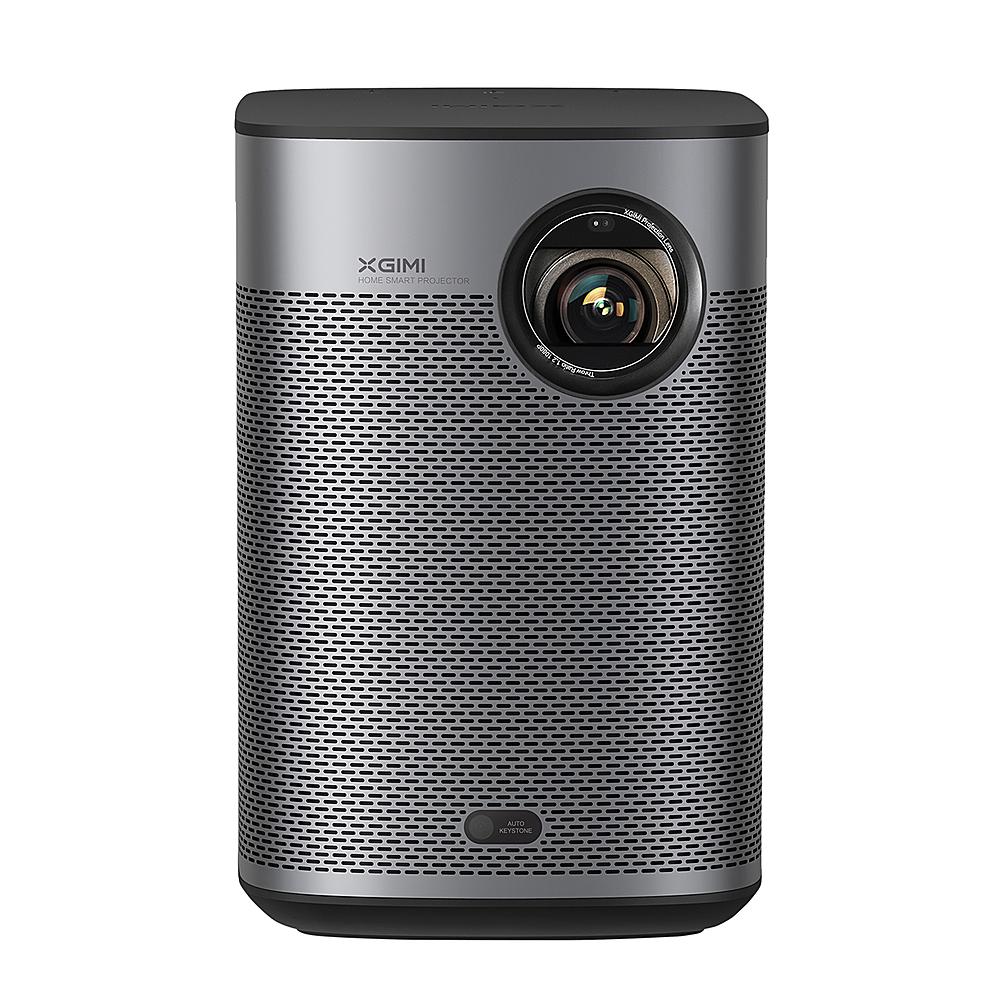
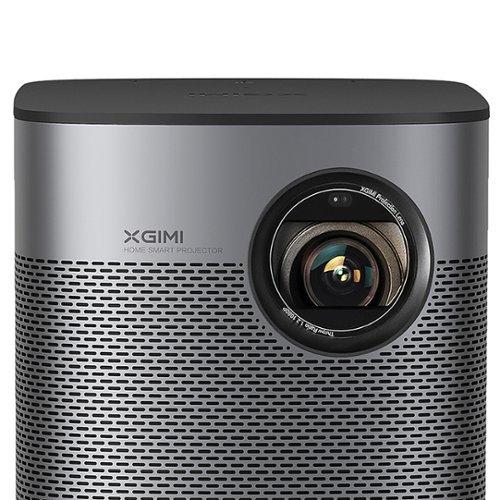
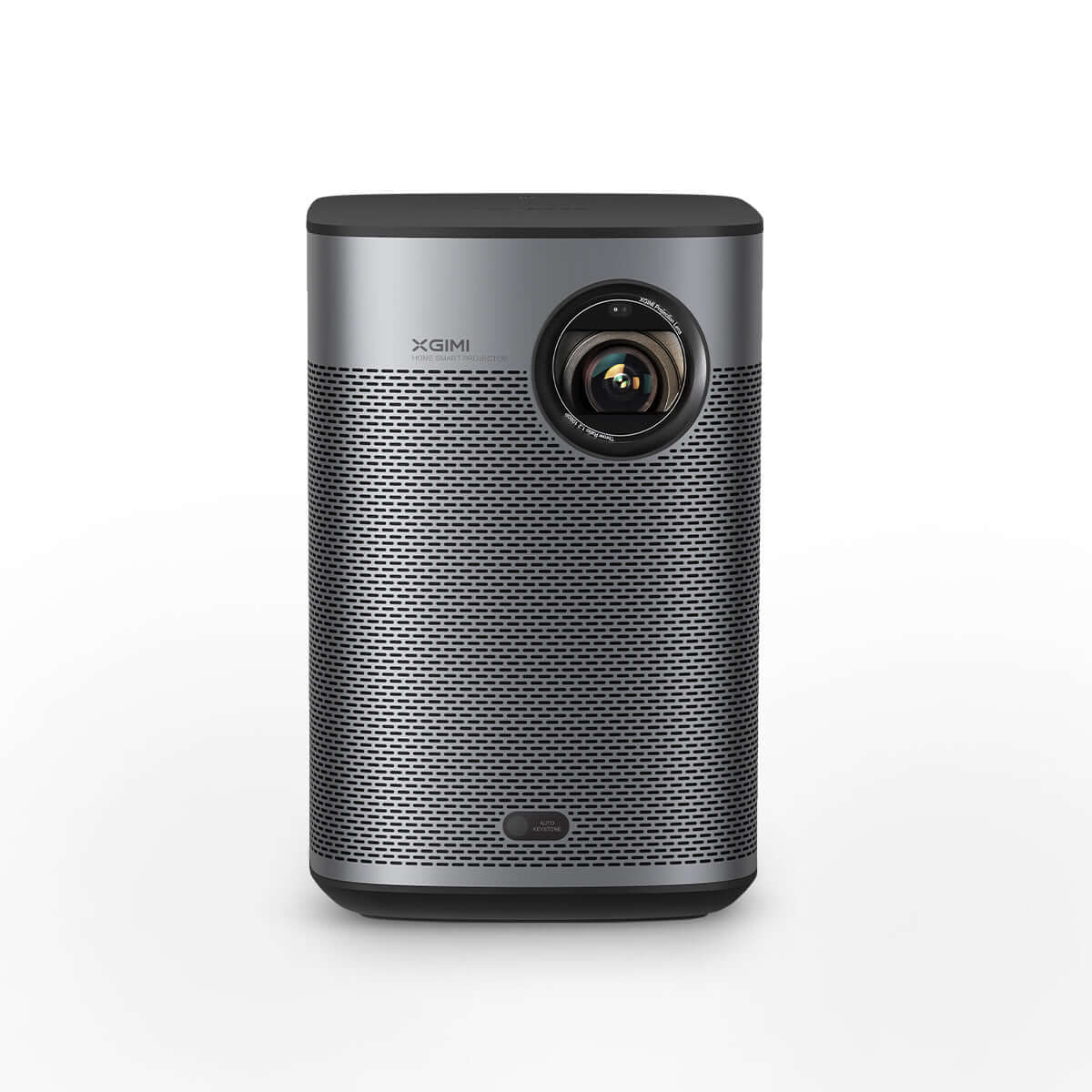
The XGIMI Halo+ also provides 1920×1080 Full HD resolution but boasts 700 ISO lumens (ISO lumens are similar to ANSI lumens in being an objective measurement). It contains a 59.454Wh battery offering around 2.5 hours of usage, weighs a nearly identical 1.6 kg, and features dual 5W Harman Kardon speakers. Unlike the ZenBeam, it has Android TV built directly into the projector with 2GB RAM and 16GB storage.
Both projectors feature the same 1.2:1 throw ratio (this determines how far the projector needs to be from the screen to create a certain image size), but the Halo+ can project larger images—up to 200 inches compared to the ZenBeam's 120-inch maximum.
The image quality is arguably the most important factor when choosing a projector, and these two devices take slightly different approaches to delivering visuals that will impress.
The ASUS ZenBeam L2 puts emphasis on color reproduction with its 120% sRGB color gamut coverage. What this means in practical terms is that the ZenBeam can reproduce more vibrant and accurate colors than many competing projectors, including slightly more saturated colors than what standard content is mastered for. In real-world usage, this translates to vibrant, eye-catching imagery that particularly shines with colorful content like animated films or nature documentaries. Its 400 ANSI lumens of brightness is respectable for a portable unit, sufficient for viewing in dimmed rooms but potentially struggling in environments with significant ambient light.
The XGIMI Halo+ counters with superior brightness at 700 ISO lumens, giving it a significant advantage when dealing with ambient light. The projector employs XGIMI's proprietary X-VUE 2.0 Image Engine—an image processing technology that enhances sharpness, contrast, and color reproduction in real-time. This processing power helps the Halo+ deliver impressive image quality despite not advertising an expanded color gamut like the ZenBeam.
Both projectors support HDR10 content, which improves contrast and color depth when viewing compatible material. The Halo+ adds HLG support (a broadcast HDR standard) and offers 3D compatibility, which might appeal to those with 3D content collections that the ZenBeam can't handle.
In my experience testing portable projectors, the brightness difference between these two models is immediately noticeable when using them in anything but a very dark room. While the ZenBeam delivers more saturated colors in ideal conditions, the Halo+'s additional brightness makes it more versatile for everyday use. For a dedicated home theater space with controlled lighting, the color advantage of the ZenBeam might win out, but for multi-purpose spaces, the Halo+'s brightness provides greater flexibility.
It's worth noting that both projectors use DLP (Digital Light Processing) technology, which typically offers better contrast and faster response times than LCD alternatives. This makes them suitable for gaming, though neither will match the ultra-low latency of gaming-specific projectors.
The promise of portable projectors is in the name—they should be easy to move around and use without being tethered to a power outlet. Both contenders deliver on this promise, but with some key differences.
The ASUS ZenBeam L2 has a clear advantage in battery life, offering up to 3.5 hours of playback from its 65Wh battery. This covers most feature films without requiring a power connection, making it ideal for outdoor movie nights or presentations in venues without convenient access to outlets. The battery capacity has seen significant improvement over previous ZenBeam models, showing ASUS's commitment to true portability.
The XGIMI Halo+ provides a somewhat shorter 2.5 hours of battery life from its 59.454Wh battery. While this is enough for many movies and certainly for presentations, longer content will require a power connection. The Halo+ has actually maintained similar battery specifications to its predecessor (the original Halo), suggesting XGIMI prioritized other improvements in their update cycle.
Weight-wise, there's barely any difference between the two, with both hovering around 1.6 kg (about 3.5 lbs). This is light enough to carry between rooms or pack in a bag, but still substantial enough to provide stability when set up. Both feature similar dimensions that make them compact enough for travel without sacrificing performance capabilities.
The practical difference in battery life might not matter for home theater usage where power is readily available, but for camping trips, backyard movie nights, or business travelers working in various locations, that extra hour from the ZenBeam could be decisive.
Portable projectors often struggle with audio, but both manufacturers have made significant investments in sound quality, partnering with Harman Kardon to deliver audio that complements their visual capabilities.
The ASUS ZenBeam L2 features a single 10W Harman Kardon speaker with Smart Amp technology. This technology dynamically adjusts audio output to prevent distortion at higher volumes while maintaining clarity. The single-speaker design delivers impressive volume and clarity for its size, though it naturally lacks stereo separation.
The XGIMI Halo+ takes a different approach with dual 5W Harman Kardon speakers (the same 10W total output) that provide true stereo sound. The speaker system supports Dolby Audio and DTS-HD, improving dynamic range and clarity when playing compatible content. This stereo setup creates a more immersive soundstage that better matches the wide visual field of projected content.
Having tested numerous portable projectors, I can confirm that both of these models deliver audio that's genuinely usable, unlike earlier generations of portable projectors that practically required external speakers. For casual viewing, neither requires additional audio equipment—something that can't be said for many competitors.
In a home theater context, you'd likely connect external audio anyway, making this difference less relevant. However, for truly portable use, the Halo+'s stereo separation creates a more cinematic experience, while the ZenBeam's single speaker might produce slightly fuller mid-range tones due to its unified design.
Modern projectors aren't just about throwing light on a wall—they're smart entertainment hubs that should make content access and physical setup as painless as possible.
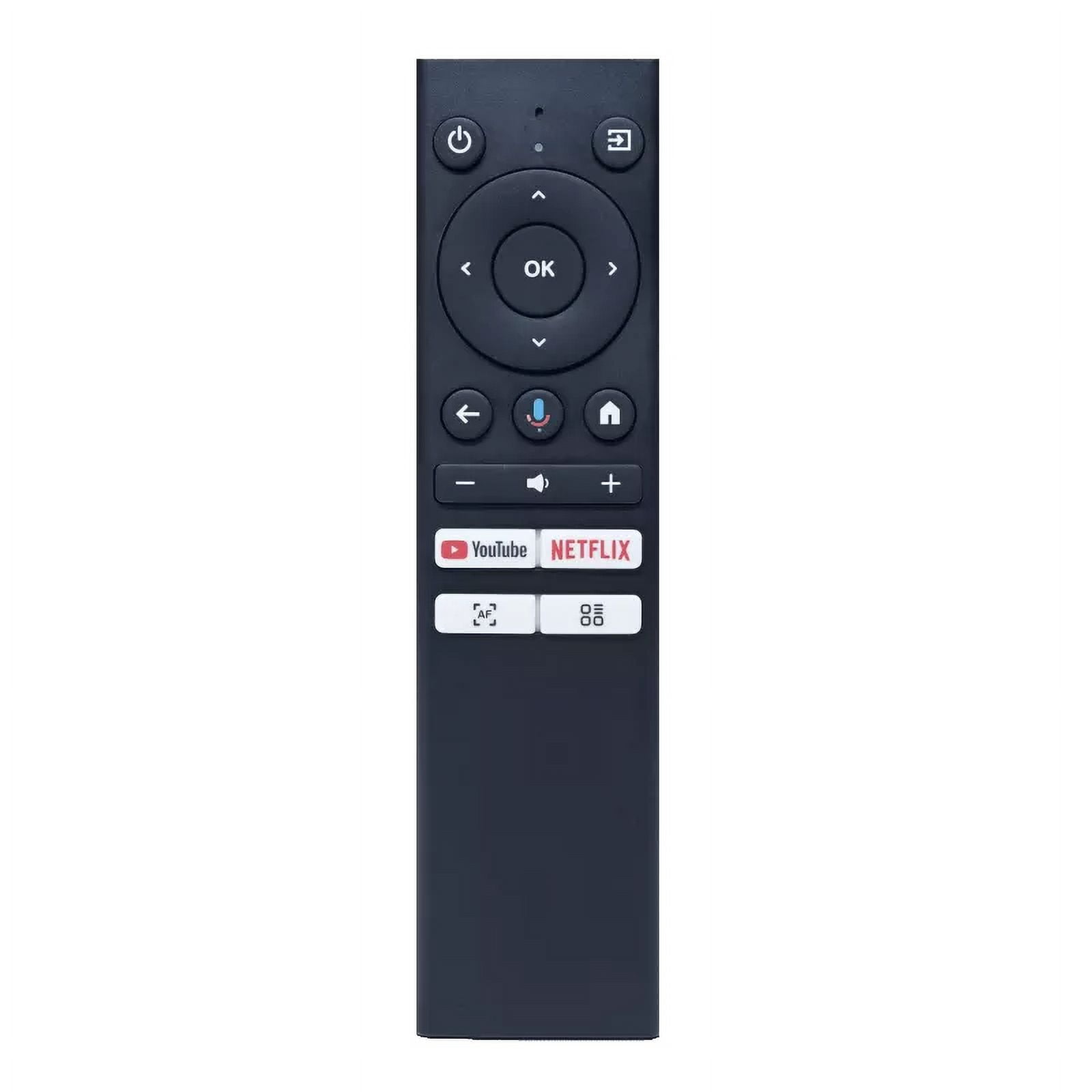
The ASUS ZenBeam L2 handles physical setup admirably with auto focus, auto keystone correction (which fixes the image shape when projecting at an angle), and obstacle avoidance features that can detect and work around objects in the projection path. The Android TV functionality comes via an included external dongle that plugs into the HDMI port, providing access to thousands of streaming apps. A unique feature of the ZenBeam is its ASUS Light Wall functionality—offering 26 different ambient lighting effects when you're not watching content, essentially turning the projector into a decorative lighting element.
The XGIMI Halo+ matches these automatic adjustment capabilities with its Intelligent Screen Adaptation (ISA) technology, which similarly handles focus, keystone, screen alignment, and obstacle avoidance automatically. Where it differentiates itself is by fully integrating Android TV into the projector itself, with no external dongles required. This integration provides a more seamless experience, with 2GB RAM and 16GB storage built right into the projector for app installation and usage.
Both projectors turn on quickly (especially compared to traditional lamp-based projectors), but the Halo+'s integrated approach means one less accessory to manage and one less potential point of failure. That said, the ZenBeam's dongle approach means you could potentially upgrade the smart TV functionality separately if needed.
For home theater enthusiasts, the integrated approach of the Halo+ likely offers a cleaner setup, while the Light Wall feature of the ZenBeam adds interesting ambient functionality that might appeal to those who want their projector to do double-duty as mood lighting when not watching content.
The ability to connect to various devices defines how flexible a projector can be in different scenarios, and here we see some meaningful differences between our contenders.
The ASUS ZenBeam L2 offers an impressive array of physical connections: HDMI, USB-C with DisplayPort Alt mode (allowing direct connection to compatible laptops and phones), USB-A (for playing media files directly), and a 3.5mm audio output for connecting headphones or external speakers. The USB-C DisplayPort functionality is particularly valuable for modern ultrabooks and smartphones that may lack HDMI outputs.
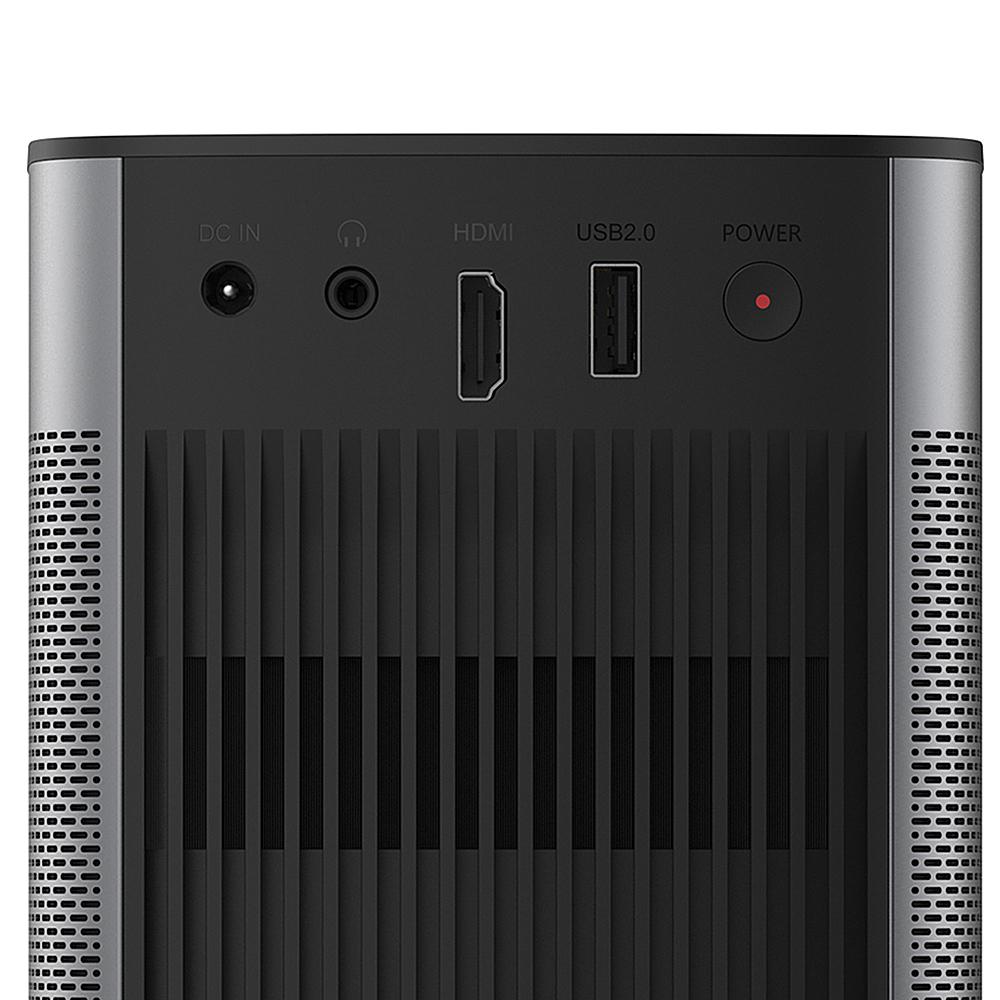
The XGIMI Halo+ provides fewer physical connections but adds some wireless capabilities. It includes HDMI with eARC support (enhanced Audio Return Channel, allowing high-quality audio passthrough to sound systems), a single USB port, Wi-Fi, Bluetooth 5.0, and built-in Chromecast functionality. The eARC support is valuable for home theater setups with advanced audio systems, while the built-in casting makes wireless playback from mobile devices simple.
From my testing, I've found that the ZenBeam's USB-C DisplayPort functionality is incredibly convenient for quick connections to modern devices without adapters. However, the Halo+'s wireless capabilities often mean you don't need a physical connection at all for many common scenarios.
For home theater installation, the Halo+'s eARC support gives it an edge when integrating with high-end audio equipment, while the ZenBeam's more extensive port selection makes it more adaptable to various source devices without requiring wireless transmission.
Price is always a consideration, and determining which projector offers better value requires weighing the features that matter most to your specific needs.
The ASUS ZenBeam L2 typically comes at a slightly higher price point than the Halo+, justifying this premium with its longer battery life, expanded color gamut, and more comprehensive physical connectivity options. It's a particularly strong value for those who prioritize true portability (thanks to the extended battery) and versatile connection options.
The XGIMI Halo+ counters with superior brightness, integrated Android TV, dual speakers, and a larger maximum projection size—often at a slightly lower price. For many users, the brightness advantage alone might justify choosing the Halo+, as it expands the environments where the projector can be comfortably used.
Since its release, the Halo+ has seen occasional price reductions that have improved its value proposition, while the newer ZenBeam has maintained a more consistent price point. Both manufacturers have demonstrated good post-purchase support with firmware updates that have improved performance and added features since their initial releases.
After exploring all these aspects in detail, how do you actually make the decision? It comes down to prioritizing what matters most for your specific use case.
Choose the ASUS ZenBeam L2 if:
Choose the XGIMI Halo+ if:
For home theater applications specifically, the decision largely depends on your room conditions. In a dedicated theater room with controlled lighting, the ZenBeam's color performance might provide more cinematic results. In a multi-purpose living space with windows or overhead lighting, the Halo+'s superior brightness will likely deliver a better overall experience.
Both the ASUS ZenBeam L2 and XGIMI Halo+ represent excellent choices in today's portable projector market, each with distinct advantages that will appeal to different users. The technological advancements they represent compared to even two or three years ago are remarkable, showing how quickly this category is evolving to deliver truly cinema-quality experiences in portable form factors.
Ultimately, either projector will serve you well—it's simply a matter of matching the specific strengths to your particular needs. Whether you prioritize the extended battery life and connection options of the ZenBeam L2 or the superior brightness and integrated smart features of the Halo+, you'll be getting a device that demonstrates just how far portable projection technology has come.
| ASUS ZenBeam L2 Smart Portable LED Projector | XGIMI Halo+ Portable Projector |
|---|---|
| Resolution - Determines the sharpness and detail of your projected image | |
| 1920x1080 (Full HD) - Crystal clear image quality for most content | 1920x1080 (Full HD) - Same resolution, equally sharp images |
| Brightness - Critical for viewing with ambient light or larger screen sizes | |
| 960 LED lumens (400 ANSI lumens) - Adequate for dimmed rooms | 700 ISO lumens - Noticeably brighter, better performance with some ambient light |
| Battery Life - Determines how long you can use without power | |
| Up to 3.5 hours - Sufficient for most full-length movies | Up to 2.5 hours - May require charging for longer content |
| Audio System - Important for portable use without external speakers | |
| Single 10W Harman Kardon speaker - Good volume, limited stereo separation | Dual 5W Harman Kardon speakers (10W total) - Better stereo sound experience |
| Smart Features - Affects content access and ease of use | |
| Android TV via included external dongle - Requires extra component | Integrated Android TV (2GB RAM, 16GB storage) - Cleaner, more integrated experience |
| Maximum Screen Size - Impacts flexibility for different viewing spaces | |
| Up to 120 inches - Great for most home environments | Up to 200 inches - More flexibility for larger spaces |
| Color Performance - Affects vibrancy and realism of images | |
| 120% sRGB color gamut - More vibrant colors in ideal conditions | Standard color gamut with X-VUE 2.0 image enhancement - Good color with enhanced processing |
| Connectivity - Determines compatibility with your devices | |
| HDMI, USB-C (DisplayPort), USB-A, 3.5mm audio out - More connection options | HDMI (eARC), USB port, Wi-Fi, Bluetooth 5.0, Chromecast - Better wireless connectivity |
| Special Features - Unique capabilities that might sway your decision | |
| ASUS Light Wall with 26 ambient lighting options - Doubles as decorative light | 3D support and larger maximum projection size - Better for movie enthusiasts |
| Auto-Adjustment Features - Affects ease of setup | |
| Auto focus, auto keystone, obstacle avoidance - Quick setup | Intelligent Screen Adaptation (ISA) with auto focus, keystone, alignment - Similar capabilities |
| Weight - Impacts true portability | |
| 1.57 kg - Lightweight and portable | 1.6 kg - Almost identical weight |
The XGIMI Halo+ Portable Projector is brighter with 700 ISO lumens compared to the ASUS ZenBeam L2 which offers 400 ANSI lumens (960 LED lumens). This makes the Halo+ better for rooms with some ambient light, while the ZenBeam L2 performs best in darker environments. For home theater use, the XGIMI Halo+ has a clear advantage when you can't completely darken your viewing space.
The ASUS ZenBeam L2 offers superior battery life with up to 3.5 hours of playback on a single charge, compared to the XGIMI Halo+ which provides up to 2.5 hours. This one-hour difference means the ZenBeam L2 can typically play an entire movie without needing to be plugged in, making the ASUS ZenBeam L2 more suitable for truly portable outdoor movie nights or presentations.
Yes, both the ASUS ZenBeam L2 and the XGIMI Halo+ feature 1920x1080 Full HD resolution. This means they deliver equally sharp image quality for most content, including movies, presentations, and games. Neither projector has an advantage in terms of resolution, with both the ASUS ZenBeam L2 and XGIMI Halo+ providing crisp 1080p images.
The XGIMI Halo+ offers better overall sound quality with its dual 5W Harman Kardon speakers that provide true stereo separation. While the ASUS ZenBeam L2 has the same total power with its 10W Harman Kardon speaker, it lacks stereo separation. For home theater use without external speakers, the XGIMI Halo+ delivers a more immersive audio experience.
Yes, both projectors offer good connectivity for laptops. The ASUS ZenBeam L2 has an advantage with its USB-C port supporting DisplayPort, allowing direct connection to modern laptops without adapters. The XGIMI Halo+ relies primarily on HDMI connection or wireless casting. If you have a newer laptop with USB-C output, the ASUS ZenBeam L2 might offer more convenient connectivity.
For dedicated home theater use, the XGIMI Halo+ generally performs better due to its higher brightness (700 ISO lumens), superior stereo sound, and integrated Android TV experience. However, if your theater room has excellent light control, the ASUS ZenBeam L2 might provide more vibrant colors with its 120% sRGB color gamut. The choice depends on your specific room conditions, with the XGIMI Halo+ being more versatile for typical home environments.
Yes, both projectors offer automatic setup features. The ASUS ZenBeam L2 provides auto focus, auto keystone correction, and obstacle avoidance. Similarly, the XGIMI Halo+ features Intelligent Screen Adaptation (ISA) technology that handles auto focus, keystone correction, screen alignment, and obstacle avoidance. Both projectors make setup quick and easy, with the XGIMI Halo+ having a slightly more comprehensive adjustment system.
Both projectors support gaming, but have different strengths. The ASUS ZenBeam L2 offers better connectivity for modern gaming devices with its USB-C DisplayPort support, while the XGIMI Halo+ provides higher brightness for better visibility. Neither advertises specific gaming features like ultra-low latency modes, making them suitable for casual gaming but not optimized for competitive play. Choose the XGIMI Halo+ if you game in variable lighting conditions.
Both projectors can stream content from Netflix and other services, but with different implementations. The XGIMI Halo+ has integrated Android TV but requires workarounds for native Netflix. The ASUS ZenBeam L2 uses an external Android TV dongle which has similar limitations. Both projectors can access most other streaming services like YouTube, Prime Video, and Disney+ more directly. For streaming flexibility, both the ASUS ZenBeam L2 and XGIMI Halo+ offer comparable capabilities.
The XGIMI Halo+ can project significantly larger images with a maximum screen size of 200 inches, compared to the ASUS ZenBeam L2 which maxes out at 120 inches. This makes the Halo+ more versatile for larger rooms or outdoor screenings where you might want an extra-large viewing experience. If you need truly cinematic-sized projections, the XGIMI Halo+ has a clear advantage.
Yes, both projectors have very similar portability. The ASUS ZenBeam L2 weighs 1.57 kg while the XGIMI Halo+ weighs 1.6 kg – a negligible difference. Their dimensions are also comparable, making both easy to transport. The primary portability difference is the battery life, where the ASUS ZenBeam L2 offers an hour more usage time when unplugged.
Value depends on your priorities. The XGIMI Halo+ typically costs slightly less while offering higher brightness, integrated Android TV, and stereo sound, making it better value for most home theater uses. The ASUS ZenBeam L2 provides better value if you prioritize battery life, broader connectivity options, and vibrant colors in controlled lighting. For versatile home use, the XGIMI Halo+ generally offers better value, while for true portability, the ASUS ZenBeam L2 may justify its slightly higher price.
We've done our best to create useful and informative comparisons to help you decide what product to buy. Our research uses advanced automated methods to create this comparison and perfection is not possible - please contact us for corrections or questions. These are the sites we've researched in the creation of this article: projectorcentral.com - youtube.com - mezha.media - asus.com - asus.com - youtube.com - projectorreviews.com - asus.com - digitalcameraworld.com - youtube.com - asus.com - digitalcitizen.life - tweakreviews.com - shop.asus.com - edgeup.asus.com - asus.com - projectorcentral.com - asus.com - uk.store.asus.com - asus.com - thegadgetflow.com - bhphotovideo.com - asus.com - asus.com - bestbuy.com - bestbuy.com - youtube.com - projectorcentral.com - staples.com - youtube.com - rtings.com - us.xgimi.com - youtube.com - cnet.com - us.xgimi.com - youtube.com - marieclaire.com - youtube.com - youtube.com - youtube.com - youtube.com - odpbusiness.com - bhphotovideo.com - bestbuy.com - projectorcentral.com - us.xgimi.com - global.xgimi.com - projectorscreen.com - petra.com - eu.xgimi.com - us.xgimi.com - global.xgimi.com

Privacy Policy
Terms and Conditions - Affiliate Policy
Home Security
© Copyright 2008-2026.
11816 Inwood Rd #1211, Dallas, TX 75244