

In today's increasingly flexible entertainment landscape, portable smart projectors have become an exciting alternative to traditional TVs and home theater systems. These versatile devices let you create big-screen experiences virtually anywhere, from backyard movie nights to impromptu gaming sessions at a friend's house. But with numerous options on the market, choosing the right projector can be challenging.
Today, we're comparing two popular portable smart projectors: the ASUS ZenBeam L2 and the Epson EpiqVision Flex CO-FH02. Both promise big-screen entertainment in a compact package, but they take distinctly different approaches to achieve this goal. Let's dive deep into what makes each projector unique and help you determine which one might better suit your needs.
Before we jump into comparing these specific models, it's worth understanding what makes today's portable projectors different from the bulky, complicated projectors of the past.
Modern portable projectors have evolved dramatically over the last few years. They're no longer just scaled-down versions of full-sized projectors but purpose-built devices designed for flexibility. They incorporate smart TV platforms, automatic setup features, and improved brightness in increasingly compact packages.
The ASUS ZenBeam L2 represents the newer generation of these devices, released in late 2022, while the Epson EpiqVision Flex CO-FH02 hit the market in early 2022. Both incorporate the lessons learned from earlier portable projector generations but with different priorities in mind.
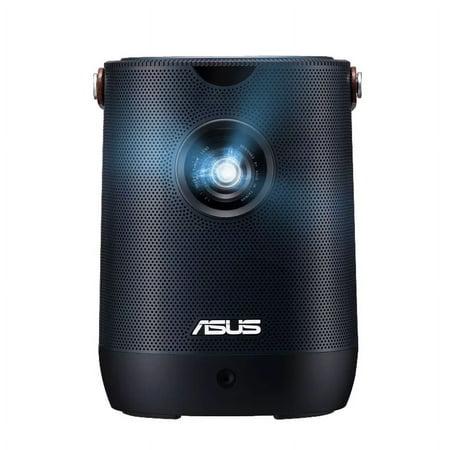
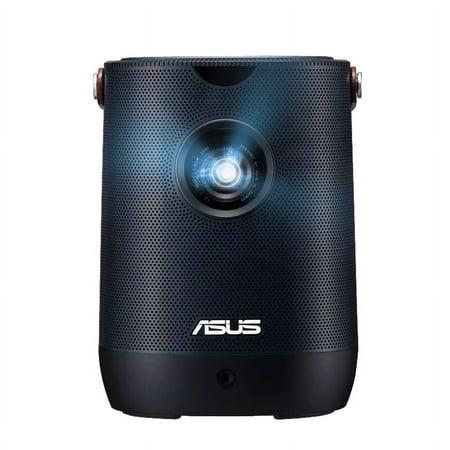
The ASUS ZenBeam L2 embraces true portability with its compact cube-like design measuring just 132 x 172 x 132 mm and weighing a modest 1.57 kg (3.46 lbs). This compact form factor makes it genuinely backpack-friendly, unlike many "portable" projectors that are merely smaller versions of home units.
What truly sets the ZenBeam L2 apart in the portability department is its built-in 65Wh battery providing up to 3.5 hours of projection time. This is enough for most feature films without needing an outlet, making it ideal for outdoor movie nights, camping trips, or presentations in venues without convenient power access.
The design itself is sleek and modern, with a fabric covering that gives it a living room-friendly aesthetic rather than the typical institutional look of many projectors. ASUS has clearly designed this with both portability and visual appeal in mind.
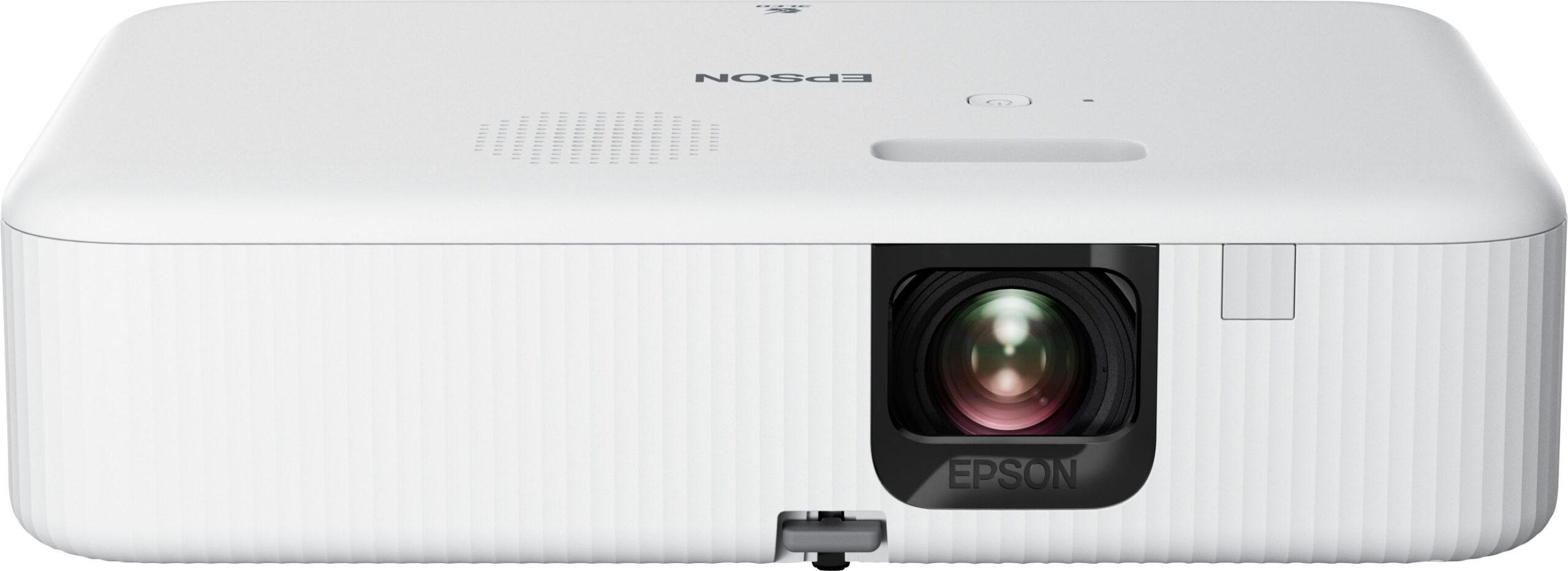
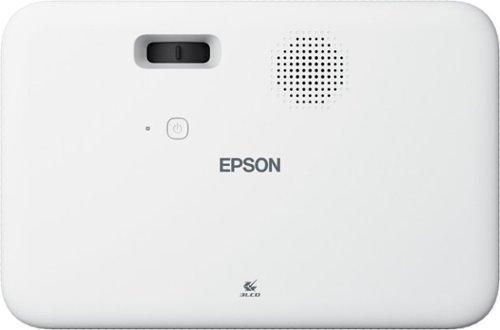
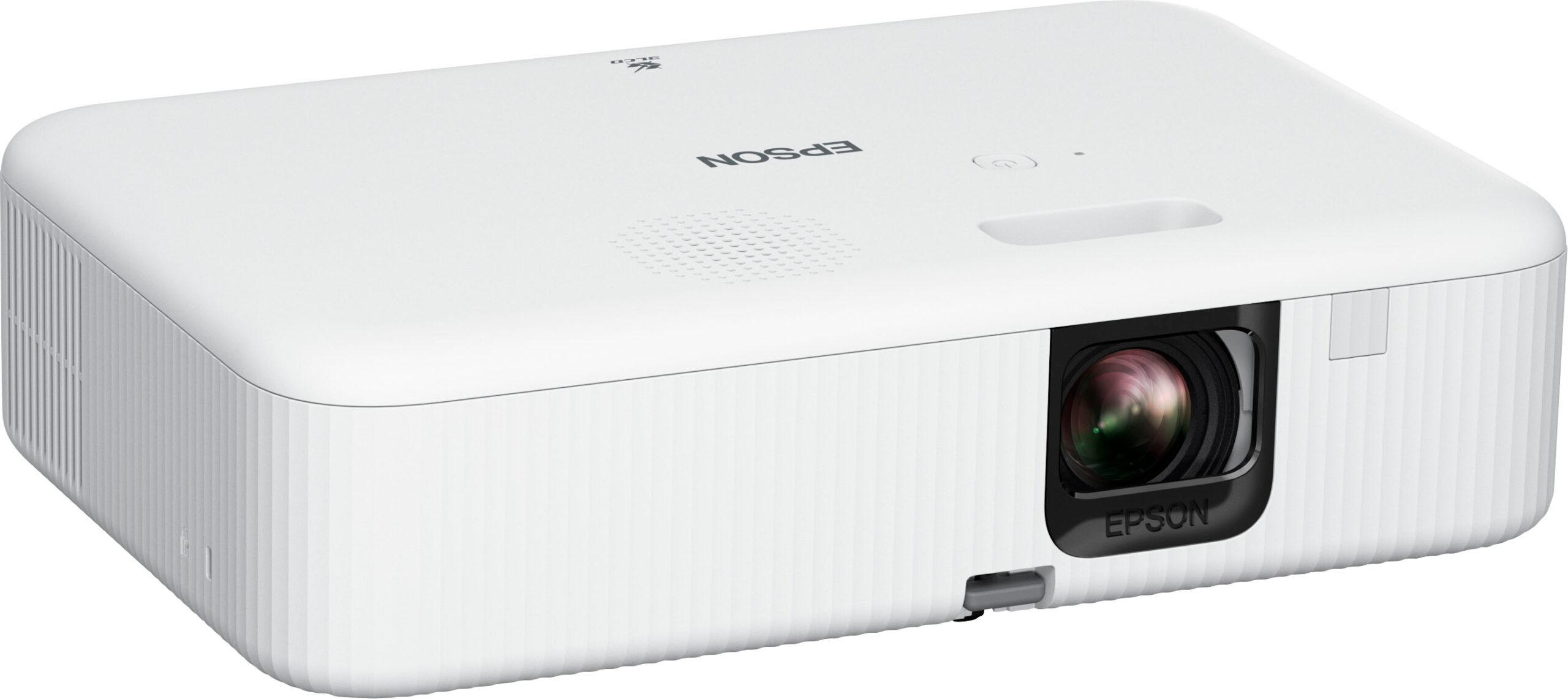
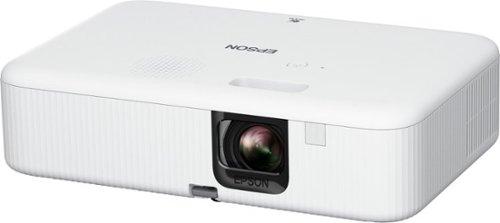
The Epson takes a different approach to portability. At 12.5" x 8.3" x 3.4" and weighing 5.7 lbs, it's significantly larger and heavier than the ASUS. It also lacks a built-in battery, requiring constant connection to a power outlet.
However, what the Epson sacrifices in true portability, it makes up for in raw power. Its larger size accommodates more powerful projection components and cooling systems necessary for its much higher brightness output.
The Epson's design is more utilitarian and resembles a traditional projector, albeit in a more compact form. It's clearly designed for users who prioritize image quality and brightness over the ability to use the projector completely untethered.
The most striking difference between these projectors is their brightness levels. The Epson CO-FH02 boasts an impressive 3,000 lumens (a measurement of light output) for both white and color brightness. This is exceptionally bright for a portable projector and can produce visible images even in rooms with moderate ambient lighting.
The ASUS ZenBeam L2, meanwhile, offers 400 ANSI lumens (equivalent to about 960 LED lumens). ANSI lumens is the industry standard measurement for brightness, while some manufacturers use "LED lumens," which typically produces higher numbers that aren't directly comparable to ANSI measurements.
This significant brightness difference stems from their different technologies. The Epson uses traditional lamp technology, which can produce more light but generates more heat and consumes more power. The ASUS employs LED technology, which is more energy-efficient and longer-lasting but typically less bright.
In practical terms, the Epson can comfortably project in living rooms with some ambient light, while the ASUS performs best in dimmed or darkened environments. For home theater setups where light control is possible, the ASUS's brightness is adequate, but for versatility across different lighting conditions, the Epson has a clear advantage.
Both projectors offer Full HD 1080p resolution (1920 x 1080 pixels), which remains the sweet spot for most content today. While 4K projectors exist, they typically come with significant price premiums and often require more controlled viewing environments to appreciate the difference.
Where they differ dramatically is in maximum image size. The ASUS can project images up to 120 inches diagonally, which is impressive for a portable unit. However, the Epson can go significantly larger, projecting images up to 300 inches diagonally—that's 25 feet of screen real estate, larger than many commercial cinema screens!
The projectors also differ in their throw ratios—how far the projector needs to be from the screen to produce an image of a given size. The ASUS has a 1.2:1 throw ratio, meaning it needs to be placed at a distance roughly 1.2 times the width of the desired image. The Epson offers more flexibility with a 1.19-1.61 throw ratio, allowing for more placement options.
Beyond brightness and resolution, image quality depends heavily on how projectors reproduce colors. Here, the two projectors employ fundamentally different technologies.
The ASUS ZenBeam L2 uses DLP (Digital Light Processing) technology with an RGB LED light source. DLP works by reflecting light off thousands of microscopic mirrors on a digital micromirror device (DMD) chip. The ASUS boasts 120% coverage of the sRGB color gamut and compatibility with HDR10 (High Dynamic Range) content, which allows for greater contrast between the brightest and darkest parts of an image.
The Epson EpiqVision Flex CO-FH02 utilizes 3LCD technology, which splits light through three separate LCD panels—one each for red, green, and blue colors—before recombining them. This approach typically provides more accurate color reproduction without the "rainbow effect" (momentary color separation visible to some viewers) that can occur with single-chip DLP projectors. The Epson also features 10-bit color processing, allowing for smoother color gradients with less banding.
In practice, the Epson typically produces more accurate and consistent colors, particularly in brighter scenes, while the ASUS may have an edge in contrast and black levels when viewed in optimal (darkened) conditions. For home theater enthusiasts who can control their viewing environment, either projector can produce satisfying image quality, but the Epson's brightness gives it more versatility across different content types and viewing conditions.
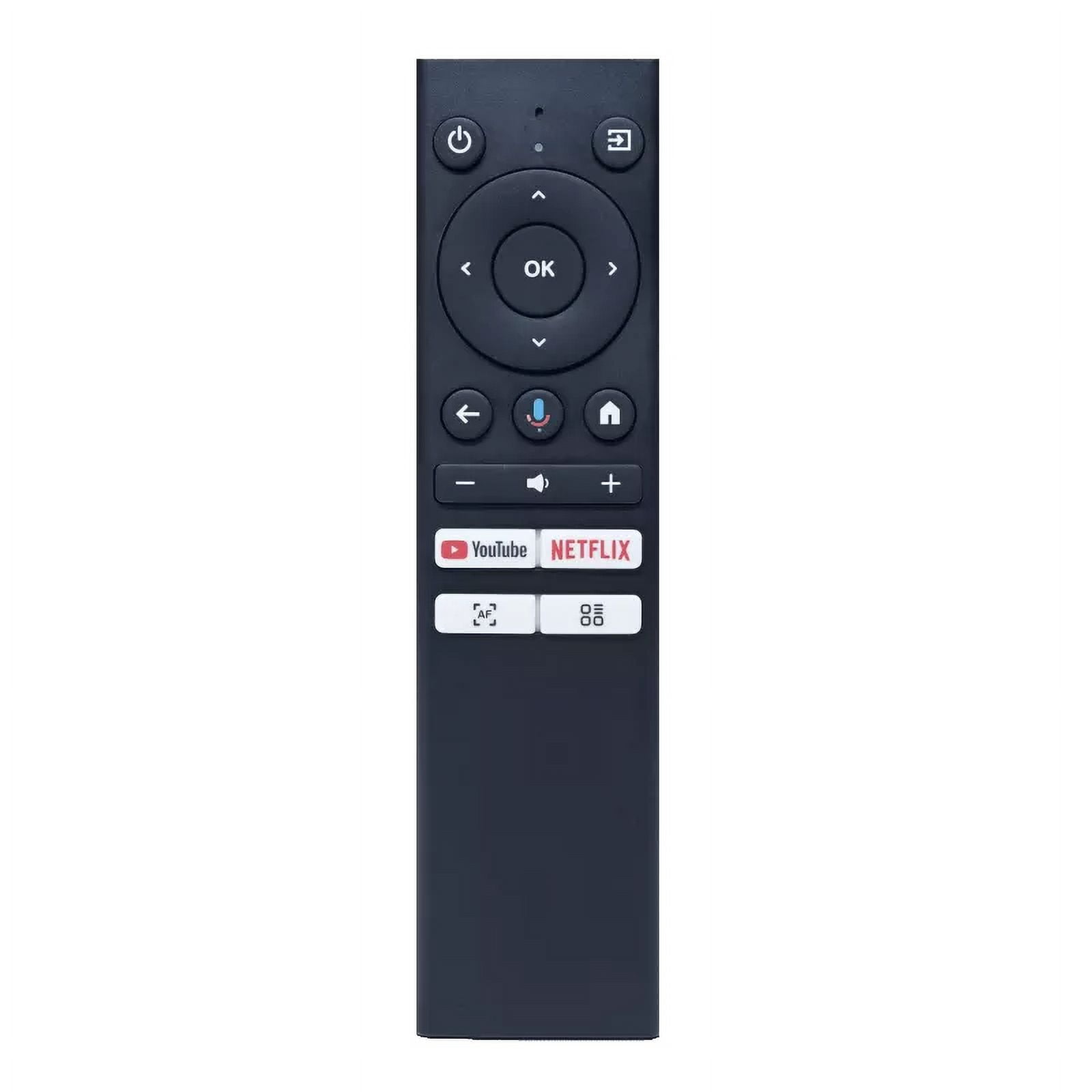
Both projectors offer Android TV functionality, giving users access to thousands of apps including Netflix, Disney+, HBO Max, and YouTube. However, they implement this differently.
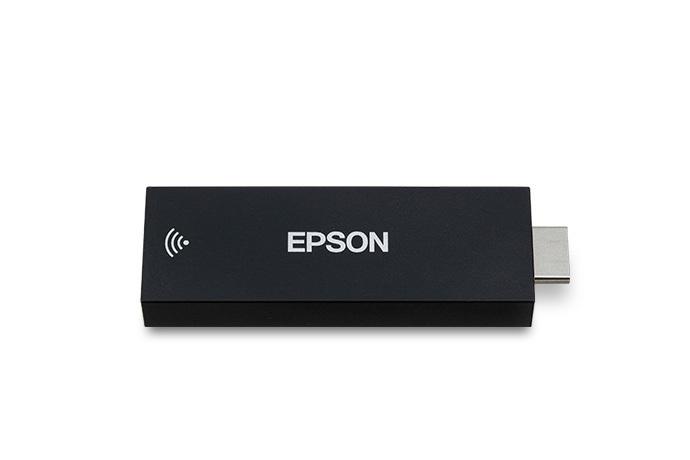
The ASUS ZenBeam L2 comes with an external Android TV dongle that connects to one of its HDMI ports. This approach offers flexibility—you can use the dongle with other displays or replace it with different streaming devices like a Roku or Apple TV. The downside is that it occupies one of your HDMI inputs and requires separate power.
The Epson EpiqVision Flex CO-FH02 has Android TV built directly into the projector, creating a more integrated experience without additional dongles or cables. Both support voice search via Google Assistant through their respective remotes.
A significant advantage of newer projector generations is their ability to automatically adjust the image for optimal viewing—a feature area where the ASUS particularly shines.
The ZenBeam L2 features an impressive array of automatic setup technologies:
These features work together to provide a nearly instant setup experience—place the projector roughly where you want it, power it on, and within about 3 seconds, it adjusts itself for optimal viewing.
The Epson offers more basic automatic adjustments with automatic vertical keystone correction (±30 degrees) but requires manual horizontal keystone adjustment. While functional, it lacks the comprehensive auto-setup smarts of the ASUS.
Both projectors provide standard connectivity options like HDMI and USB ports, but with some notable differences.
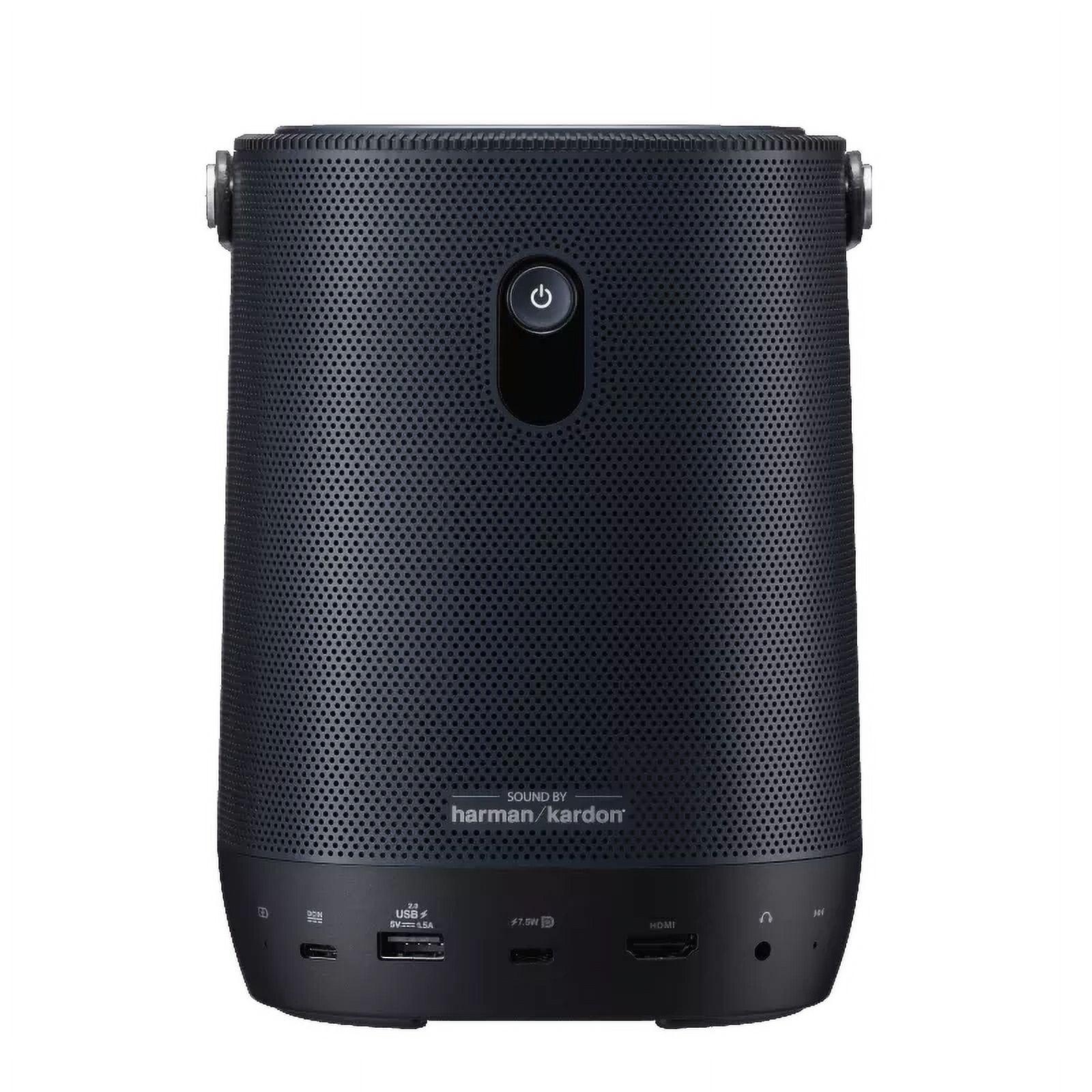
The ASUS includes:
The Epson offers:
The ASUS's inclusion of USB-C with DisplayPort Alt Mode is particularly useful for modern laptops, allowing both video signal and power through a single cable. This simplifies connections significantly compared to traditional HDMI setups.
Portable projectors often need to function as complete entertainment systems, making built-in audio quality important for true portability.
The ASUS ZenBeam L2 features a surprisingly powerful 10W Harman Kardon speaker system with Smart Amp technology. This audio system outperforms what you'd typically expect from a portable projector, providing clear dialogue and reasonable bass response for its size. While it won't replace a dedicated sound system, it's entirely adequate for casual viewing in smaller spaces.
The Epson EpiqVision Flex CO-FH02 includes a 5W bass reflex speaker system that produces acceptable sound but lacks the power and clarity of the ASUS system. For quiet dialogue-driven content, it's sufficient, but action sequences or music-heavy content will highlight its limitations.
Both projectors support Bluetooth audio output, allowing connection to external speakers or headphones for improved sound when available. This feature is particularly useful in shared spaces where maintaining moderate volume is important.
One crucial difference between these projectors is their light source technology, which affects both their lifespan and maintenance requirements.
The ASUS ZenBeam L2 uses an LED light source rated for approximately 30,000 hours of use. To put this in perspective, even if you watched movies for 4 hours every day, the LED would theoretically last over 20 years. LEDs also maintain their brightness more consistently throughout their lifespan compared to traditional lamps.
The Epson EpiqVision Flex CO-FH02 uses a more traditional projector lamp that's rated for 6,000 hours in normal mode and up to 12,000 hours in ECO mode (which reduces brightness to extend lamp life). This means you'll likely need to replace the lamp every few years with regular use, adding to the total cost of ownership.
LED technology also tends to be more energy-efficient and generates less heat, contributing to the ASUS's ability to run on battery power. The lamp-based Epson requires more robust cooling systems and consumes more electricity, but delivers significantly more brightness as a trade-off.
The Epson EpiqVision Flex CO-FH02 typically retails between $599-699, while the ASUS ZenBeam L2 comes in slightly higher at around $699-799. Given this relatively close pricing, the decision comes down to which features you value most.
The Epson offers exceptional brightness-per-dollar value. At 3,000 lumens, it's among the brightest projectors in its price range and can handle a wider variety of lighting conditions. If raw projection power and maximum screen size are your priorities, the Epson presents compelling value.
The ASUS justifies its higher price with its battery portability, superior sound quality, and advanced auto-adjustment features. The inclusion of the battery alone represents significant value for users who need true portability, as comparable battery-powered projectors often cost considerably more.
For home theater use specifically, the value equation depends on your setup. If you have a dedicated, light-controlled space, the ASUS offers sufficient brightness while providing longer life expectancy without lamp replacements. If your viewing area has ambient light or serves multiple purposes, the Epson's brightness advantage may be worth the eventual lamp replacement cost.
For dedicated home theater use, both projectors have distinct advantages worth considering.
The Epson's significantly higher brightness means it can project larger images that remain visible even with some ambient light. This makes it more versatile for multi-purpose rooms that aren't completely dark. Its 3LCD technology also tends to produce more accurate colors out of the box, potentially requiring less calibration for film enthusiasts.
The ASUS, while requiring more controlled lighting, offers advantages for dedicated theater spaces. Its LED light source produces less heat and operates more quietly than lamp-based projectors, creating a more pleasant viewing environment for longer sessions. The auto-setup features also make it easier to adjust for different content aspects ratios or temporarily move the projector for special occasions.
For permanent home theater installations, the Epson's lack of battery is irrelevant since it would be consistently powered. However, the ASUS's battery capability means it can easily transition from permanent installation to portable use when desired—perfect for movie enthusiasts who occasionally want outdoor movie nights.
After examining both projectors in detail, the decision comes down to your specific needs and usage patterns. Here's a simplified decision framework:
Choose the ASUS ZenBeam L2 if:
Choose the Epson EpiqVision Flex CO-FH02 if:
For most home users, the decision often hinges on the brightness versus battery portability trade-off. The Epson excels in brightness and image size for home entertainment across various lighting conditions, while the ASUS offers true go-anywhere portability with its battery and more compact size.
If you're creating a dedicated home theater in a light-controlled room, either projector can serve you well, with the ASUS offering quieter operation and the Epson providing more headroom for larger screen sizes. If you're looking for a hybrid solution that works both at home and on the go, the ASUS's battery gives it a decisive advantage despite its lower brightness.
In the end, both the ASUS ZenBeam L2 and Epson EpiqVision Flex CO-FH02 represent excellent options in the portable projector space, each optimized for slightly different use cases. By matching their strengths to your specific viewing habits and environments, you'll find a projector that transforms your viewing experience without breaking the bank.
| ASUS ZenBeam L2 Smart Portable LED Projector | Epson EpiqVision Flex CO-FH02 Smart Portable Projector |
|---|---|
| Price - What you'll pay for each projector | |
| $699-799 | $599-699 |
| Brightness - Determines visibility in different lighting conditions | |
| 400 ANSI lumens (960 LED lumens) - Best for darkened rooms | 3,000 lumens - Works well even with ambient light |
| Portability - How easy it is to move and set up anywhere | |
| 1.57 kg (3.46 lbs) with 3.5-hour built-in battery - True go-anywhere design | 5.7 lbs, no battery (requires power outlet) - Portable but needs power source |
| Display Technology - Impacts color accuracy and image quality | |
| DLP with RGB LED light source (30,000 hour lifespan) | 3LCD with lamp (6,000-12,000 hour lifespan) |
| Maximum Screen Size - How large an image you can project | |
| Up to 120 inches | Up to 300 inches |
| Resolution - Affects image clarity and detail | |
| 1920 x 1080 (Full HD) with HDR10 support | 1920 x 1080 (Full HD) with 10-bit color processing |
| Smart Features - Built-in streaming and convenience | |
| Android TV (external dongle included) | Android TV (built-in) |
| Auto-Adjustment - How easily the projector sets up the perfect image | |
| Advanced auto-focus, auto keystone, and obstacle avoidance (3-second adjustment) | Automatic vertical keystone correction only |
| Audio Quality - How good the built-in sound system is | |
| 10W Harman Kardon speaker with Smart Amp technology | 5W bass reflex speaker |
| Connectivity - Ways to connect devices | |
| HDMI, USB-C with DisplayPort Alt Mode, USB-A, 3.5mm audio out | HDMI, USB-A, USB-B, Wi-Fi |
| Best Use Case - Who should buy each projector | |
| Perfect for travelers, outdoor movie nights, and dark-room home theaters where portability matters more than brightness | Ideal for living rooms with some ambient light, larger viewing spaces, and situations where maximum brightness is critical |
The Epson EpiqVision Flex CO-FH02 is significantly brighter with 3,000 lumens compared to the ASUS ZenBeam L2's 400 ANSI lumens (960 LED lumens). This makes the Epson much better for rooms with ambient light, while the ASUS requires dimmer conditions for optimal viewing. If brightness is your top priority, the Epson EpiqVision Flex has a clear advantage.
Only the ASUS ZenBeam L2 has a built-in battery, providing up to 3.5 hours of playback time. The Epson EpiqVision Flex requires a constant power connection. This makes the ASUS ZenBeam L2 better for truly portable applications like outdoor movie nights or presentations in locations without convenient power outlets.
For dedicated home theaters with controlled lighting, both can work well. The ASUS ZenBeam L2 offers quieter operation and longer light source life, while the Epson EpiqVision Flex provides much higher brightness and can project larger images (up to 300" vs 120"). If your home theater has ambient light, the Epson is superior. For dark, dedicated rooms, either will work well depending on whether you prioritize portability or screen size.
The ASUS ZenBeam L2 can project images up to 120 inches diagonally, while the Epson EpiqVision Flex CO-FH02 can go much larger with projections up to 300 inches diagonally. If you're looking to create a truly immersive, large-screen experience, the Epson offers significantly more flexibility in this regard.
The ASUS ZenBeam L2 features a superior 10W Harman Kardon speaker with Smart Amp technology that provides fuller sound. The Epson EpiqVision Flex has a more basic 5W bass reflex speaker. For watching content without external speakers, the ASUS ZenBeam L2 delivers noticeably better audio quality.
The ASUS ZenBeam L2 is significantly more portable at 1.57 kg (3.46 lbs) with compact dimensions (132 x 172 x 132 mm). The Epson EpiqVision Flex weighs 5.7 lbs and is larger at 12.5" x 8.3" x 3.4". Combined with its battery power, the ASUS is the superior option for true portability.
Yes, both the ASUS ZenBeam L2 and Epson EpiqVision Flex CO-FH02 offer Android TV for streaming services like Netflix, Disney+, and YouTube. The ASUS includes an external Android TV dongle, while the Epson has Android TV built directly into the projector. Both support voice search through Google Assistant on their remotes.
The ASUS ZenBeam L2 uses an LED light source rated for 30,000 hours, while the Epson EpiqVision Flex uses a traditional lamp rated for 6,000 hours in normal mode and up to 12,000 hours in ECO mode. This means the ASUS should last significantly longer without requiring any light source replacement, reducing long-term maintenance costs.
The Epson EpiqVision Flex CO-FH02 is much better for rooms with ambient light due to its 3,000 lumens brightness. The ASUS ZenBeam L2 with 400 ANSI lumens requires dimmer conditions to achieve good image quality. If you'll be projecting in living rooms or spaces where complete darkness isn't possible, the Epson is the superior choice.
The ASUS ZenBeam L2 offers more comprehensive auto-setup with auto-focus, auto keystone correction, and obstacle avoidance that work together to adjust the image within 3 seconds. The Epson EpiqVision Flex only offers automatic vertical keystone correction (±30°). For quick, hassle-free setup, the ASUS provides superior convenience.
Both projectors offer HDMI and USB ports, but the ASUS ZenBeam L2 adds USB-C with DisplayPort Alt Mode, allowing single-cable connection to modern laptops for both video and power. The Epson EpiqVision Flex has standard HDMI, USB-A and USB-B ports. If you use newer devices with USB-C, the ASUS offers more modern connectivity options.
The Epson EpiqVision Flex CO-FH02 typically costs $599-699 and offers exceptional brightness for the price. The ASUS ZenBeam L2 is priced slightly higher at $699-799 but includes battery power, better sound, and auto-setup features. The better value depends on your priorities: if maximum brightness per dollar is most important, choose the Epson. If portability and convenience features matter more, the ASUS offers better value despite its higher price.
We've done our best to create useful and informative comparisons to help you decide what product to buy. Our research uses advanced automated methods to create this comparison and perfection is not possible - please contact us for corrections or questions. These are the sites we've researched in the creation of this article: projectorcentral.com - youtube.com - mezha.media - asus.com - asus.com - youtube.com - projectorreviews.com - asus.com - digitalcameraworld.com - youtube.com - asus.com - digitalcitizen.life - tweakreviews.com - shop.asus.com - edgeup.asus.com - asus.com - projectorcentral.com - asus.com - uk.store.asus.com - asus.com - thegadgetflow.com - bhphotovideo.com - asus.com - asus.com - expertreviews.co.uk - projectorcentral.com - youtube.com - bestbuy.com - specsradar.com - techwalls.com - cnet.com - epson.com - youtube.com - projectorreviews.com - epson.com - abt.com - youtube.com - cnet.com - techgearlab.com - staples.com - bestbuy.com - bestbuy.com - projectorcentral.com - bhphotovideo.com - dell.com - latin.epson.com - specsradar.com - projectorcentral.com - officedepot.com - files.support.epson.com - walmart.com - adorama.com - epson.com

Privacy Policy
Terms and Conditions - Affiliate Policy
Home Security
© Copyright 2008-2026.
11816 Inwood Rd #1211, Dallas, TX 75244