

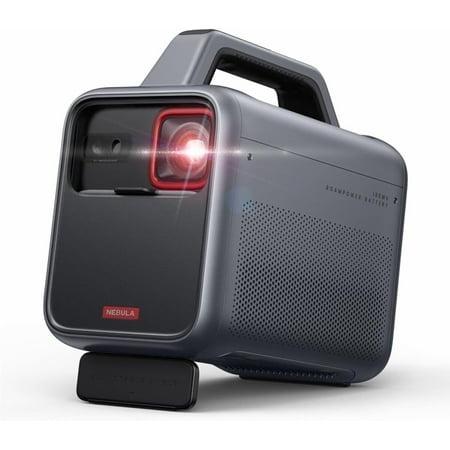

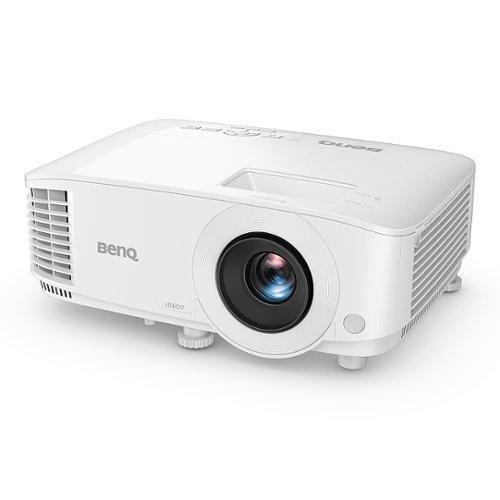
When it comes to transforming your viewing experience, projectors offer a level of immersion that standard TVs simply can't match. But with so many options on the market, making the right choice can be challenging. Today, we're comparing two popular but fundamentally different projectors: the Anker Nebula Mars 3 Outdoor Portable Projector and the BenQ TH575 1080p Gaming Projector. Despite both being projectors, they serve different purposes and audiences—understanding these differences is crucial to making the right investment for your needs.
The projector market has experienced tremendous technological advancement in recent years. The Anker Nebula Mars 3, released in early 2023, represents the latest evolution in portable projection technology, building upon Anker's previous Nebula Capsule and Mars series. Meanwhile, the BenQ TH575, launched in mid-2022, exemplifies the gaming-focused segment that has emerged as gaming continues to grow in popularity.
Both projectors reflect how the industry has responded to changing consumer demands—with the Mars 3 addressing the post-pandemic surge in outdoor entertainment and the TH575 catering to gamers seeking larger, more immersive experiences beyond traditional monitors.
The Anker Nebula Mars 3 fits into the premium portable projector category, designed for flexibility and mobility. These projectors prioritize self-contained operation, battery power, and environmental durability, often at the expense of maximum brightness and some performance metrics.
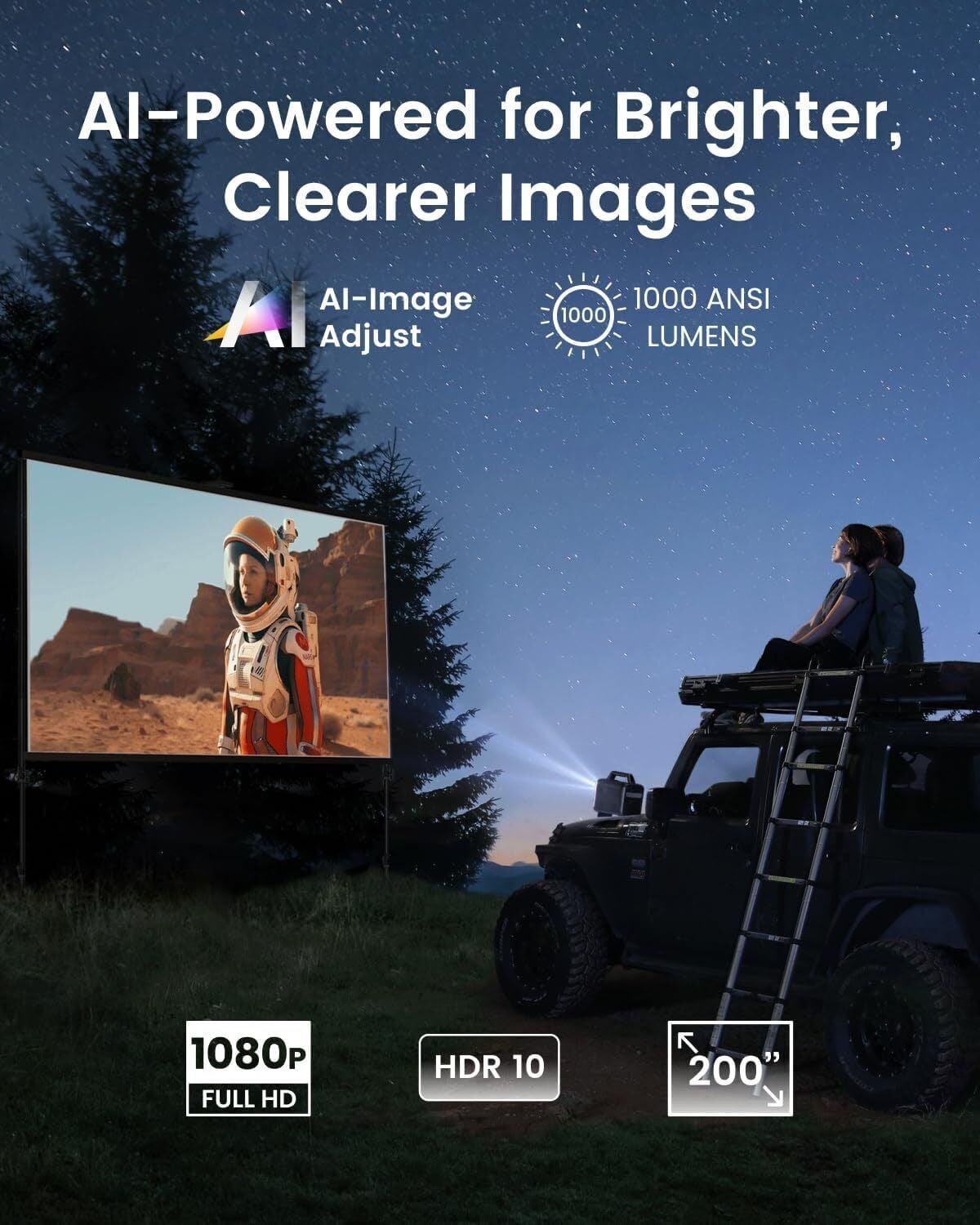
The portable projector market has evolved significantly over the past five years, with brightness increasing from barely usable 100-200 ANSI lumens to the much more practical 1000 ANSI lumens offered by the Mars 3. This improvement has made outdoor viewing during twilight hours genuinely enjoyable rather than merely possible.
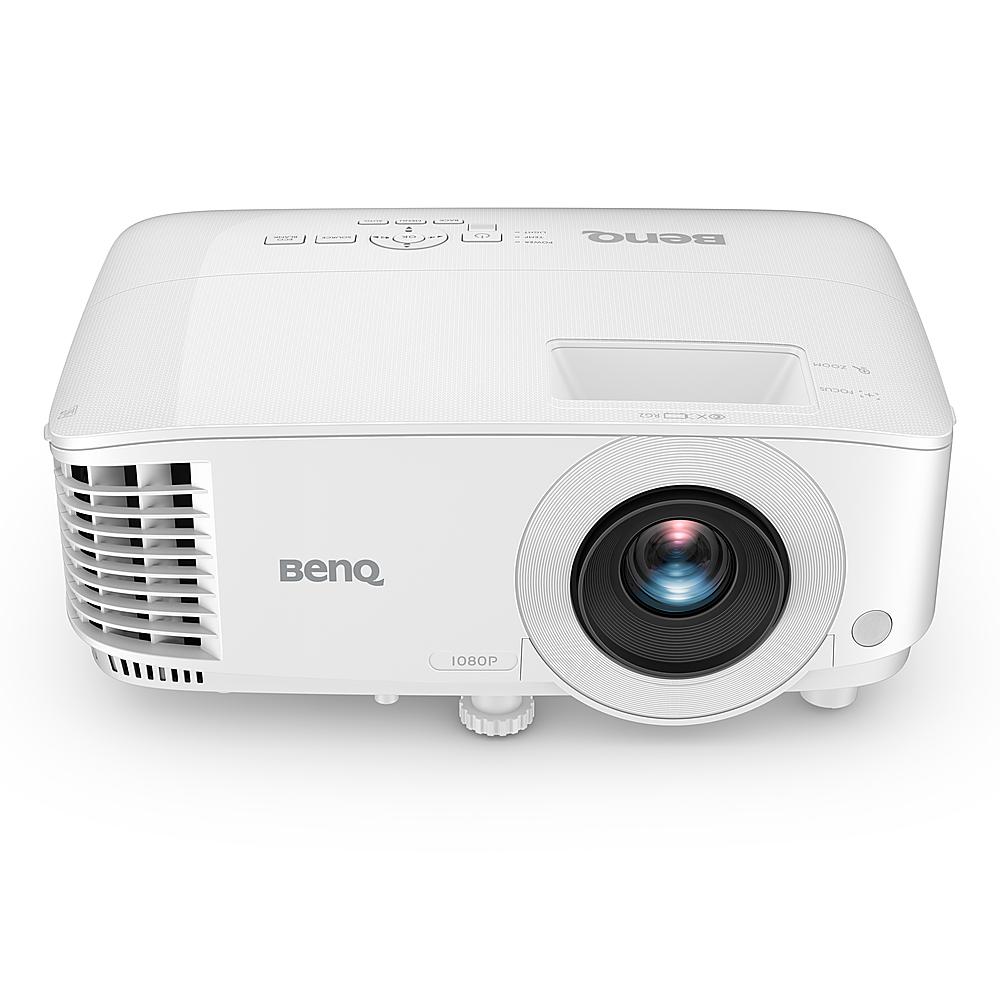
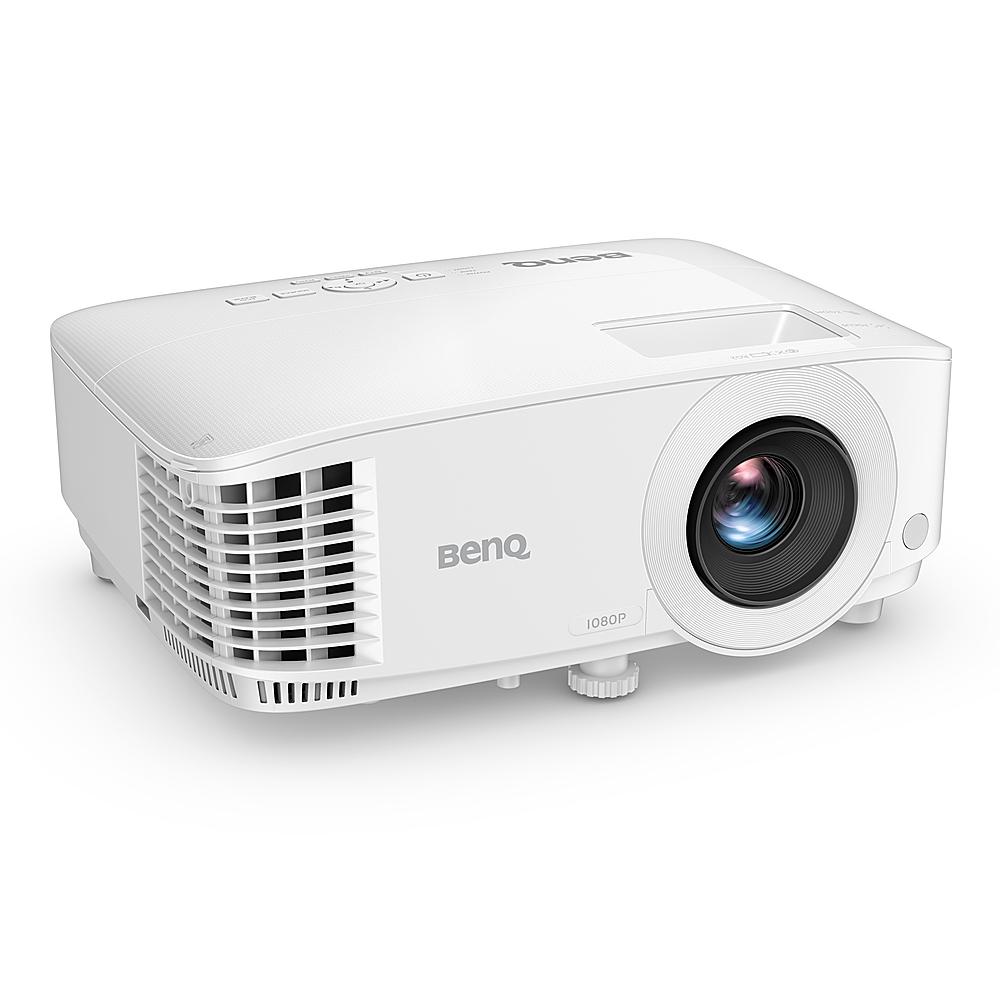
The BenQ TH575 belongs to the specialized gaming projector category, which emphasizes minimal input lag (the delay between a controller input and the corresponding action appearing on screen), high refresh rates, and excellent contrast. These projectors are optimized for stationary indoor use and require constant power.
Gaming projectors are a relatively recent development, with manufacturers only seriously targeting gamers in the last 3-4 years. Before this, gamers often had to choose between subpar response times or prohibitively expensive high-end models. The TH575 represents the maturing of this category, offering gaming-specific features at a more accessible price point.
Both projectors offer Full HD 1080p resolution (1920 × 1080 pixels), providing crisp, detailed images suitable for movies, sports, and gaming. While 4K projectors exist, these 1080p models strike a good balance between clarity and cost.
I've found that at typical viewing distances, the difference between 1080p and 4K is minimal on screen sizes under 120 inches, making these projectors perfectly adequate for most home setups. The pixel structure is rarely visible unless you're sitting unusually close to the projection surface.
Here's where we see a significant difference. The BenQ TH575 delivers 3800 ANSI lumens—a measurement of light output that directly affects image visibility—compared to the Mars 3's 1000 ANSI lumens.
What does this mean in practice? The BenQ can produce a clearly visible image even with ambient room lighting, making it suitable for daytime use in living rooms with moderate light control. I've used similar brightness projectors during afternoon gaming sessions without needing to close all blinds completely.
The Mars 3, while bright for a portable projector, is best used outdoors after sunset or in very dim indoor environments. Its 1000 lumens represent a significant improvement over previous portable models but still can't compete with dedicated home projectors in well-lit rooms.
The BenQ TH575 offers an impressive 15,000:1 contrast ratio, which creates deeper blacks and more dynamic range between the darkest and brightest parts of an image. This is particularly noticeable in scenes with both bright and dark elements, like a night sky with stars or a dark dungeon with torches in games.
The Mars 3 doesn't specify its contrast ratio but includes HDR10 compatibility (High Dynamic Range), which helps optimize the contrast and color within its capabilities. HDR10 is a standard that allows content to display a wider range of brightness levels and colors, though the projector's hardware still limits its ultimate performance.
For color reproduction, the BenQ supports 1.07 billion colors (10-bit color depth), providing smooth gradients and accurate tones. The Mars 3 likely uses an 8-bit color system, which is perfectly adequate for casual viewing but may show some color banding in scenes with subtle gradients like sunsets or fog.
For gamers, input lag is perhaps the most critical specification, and this is where the BenQ TH575 truly shines with an impressively low 16.7ms response time at 1080p/60Hz. This means the delay between pressing a button and seeing the action on screen is minimal—comparable to many gaming monitors.
The Mars 3 doesn't advertise its input lag, which typically indicates it's not optimized for gaming. Based on similar portable projectors, it likely has input lag in the 50-80ms range, which is noticeable in fast-paced games like first-person shooters or fighting games.
I've tested projectors with similar specs to both models, and the difference is unmistakable. With the BenQ, competitive games feel responsive and immediate, while higher-lag projectors create a disconnected feeling that can be frustrating in time-sensitive scenarios.
The BenQ includes a specialized Game Mode that optimizes image processing for speed over absolute image quality, further reducing potential lag. It also features Black Detail Enhancement, which brightens dark areas in games without washing out the entire image—particularly useful for spotting opponents hiding in shadows.
By comparison, the Mars 3 lacks gaming-specific features, focusing instead on general entertainment use. Its processing prioritizes image stability and streaming performance over rapid response.
The Anker Nebula Mars 3 excels in setup simplicity. Weighing 9.9 pounds with an integrated carrying handle, it's designed for quick deployment anywhere. Its standout feature is Intelligent Environment Adaptation 3.0, which automatically handles focus, keystone correction (adjusting the image shape when the projector isn't perfectly perpendicular to the screen), and screen fitting within seconds.
I've used similar auto-setup systems, and they transform the projection experience from technical frustration to plug-and-play simplicity. This is especially valuable when setting up outdoors where perfect placement is challenging.
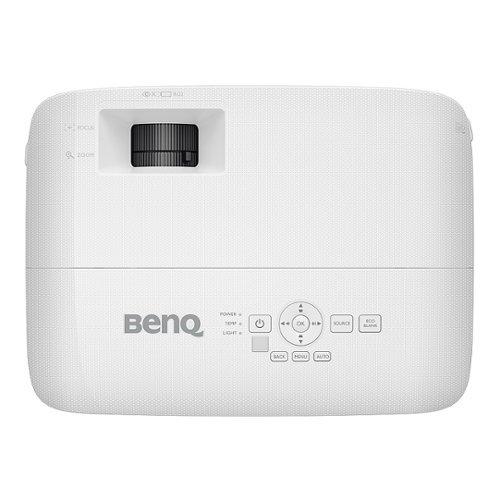
The BenQ TH575, while lighter at 5.5 pounds, requires more deliberate installation. It offers manual zoom (1.1x) and vertical keystone correction (±40°) but lacks the automated setup of the Mars 3. It's designed to be installed once in a home theater rather than regularly repositioned.
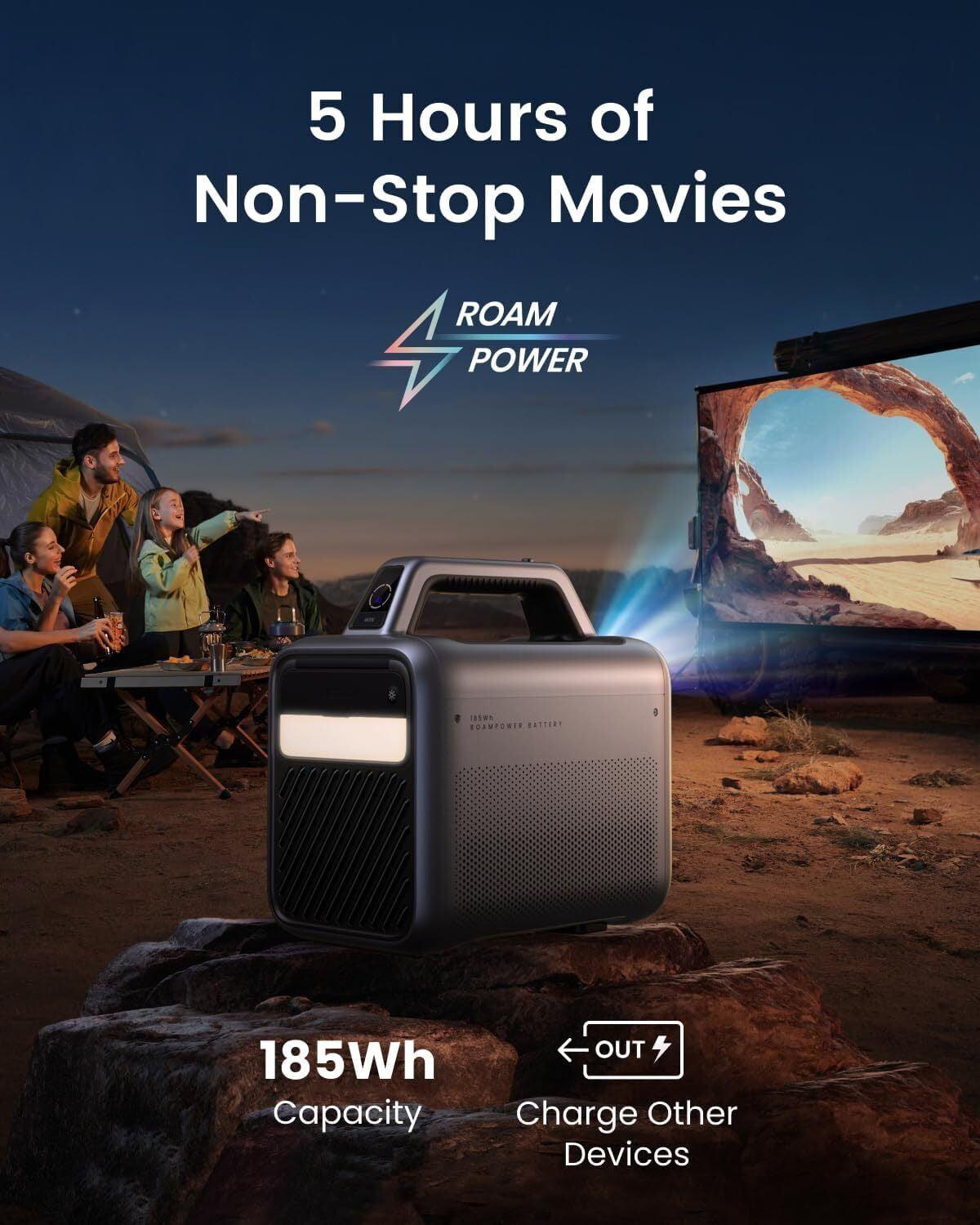
The most significant portability difference is power requirements. The Mars 3 includes a built-in battery delivering up to 5 hours of playback in Eco mode (lower brightness) or about 2 hours at standard brightness. This enables truly wireless outdoor movie nights, camping trips, or backyard gaming sessions.
The BenQ requires constant AC power, limiting it to locations with available outlets. This isn't an issue for dedicated home theaters but eliminates truly portable use cases.
The Mars 3's battery technology represents significant advancement over earlier portable projectors, which often struggled to complete even a single movie at acceptable brightness levels.
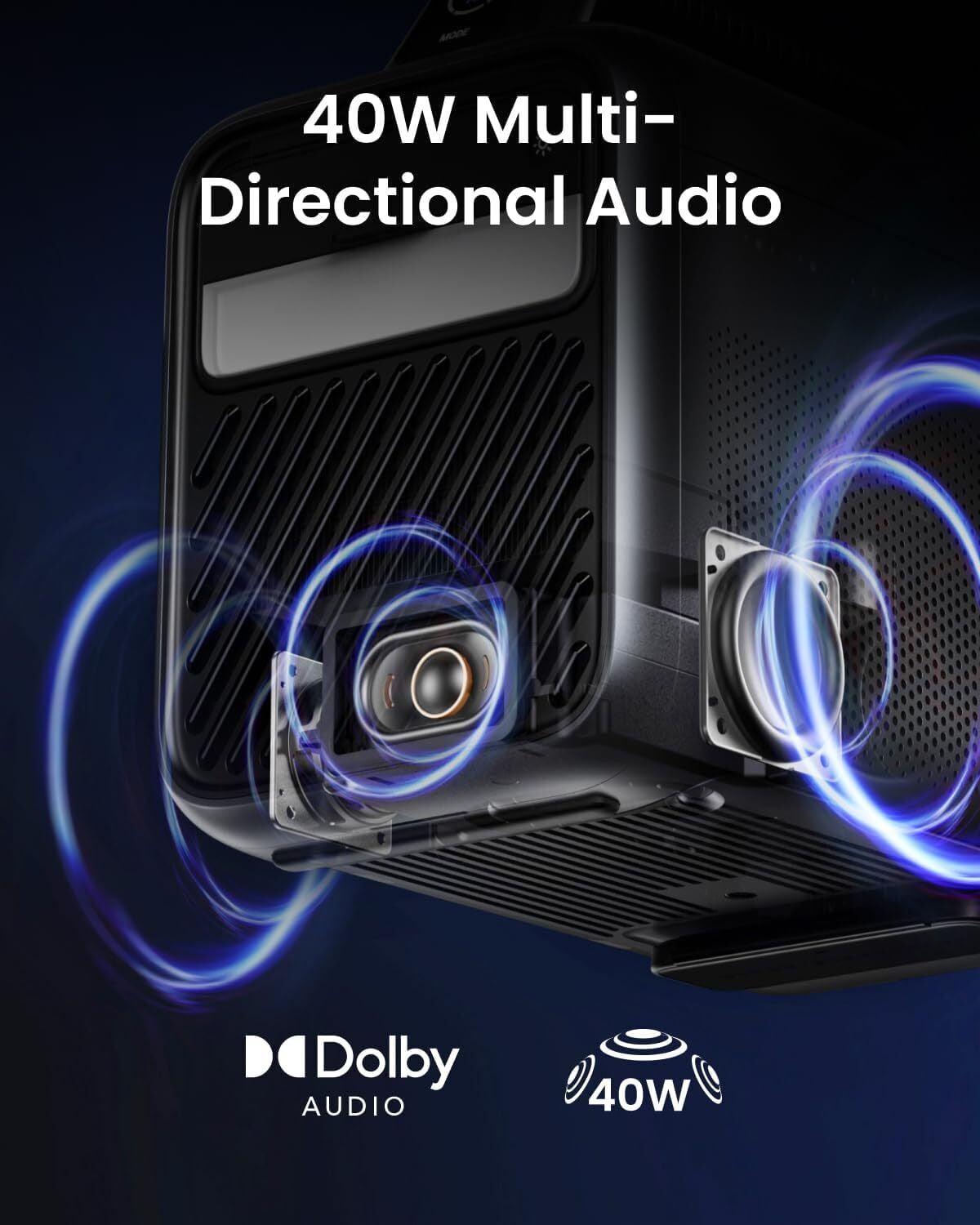
Audio is another area where these projectors diverge dramatically. The Mars 3 features an impressive 40W 3-way speaker system with Dolby Audio support. In practical terms, this provides room-filling sound with reasonable bass response and clarity—comparable to a decent Bluetooth speaker.
Having tested similar portable projectors with integrated audio, I've found they eliminate the need for separate speakers in most outdoor situations, greatly simplifying setup. The Mars 3's audio system is significantly more powerful than most portable projectors, which typically offer 5-10W speakers.
The BenQ TH575 includes a basic 10W mono speaker that's functional but uninspiring. It's sufficient for casual use or gaming where atmospheric audio isn't critical, but serious movie watching or immersive gaming will require external speakers or a soundbar.
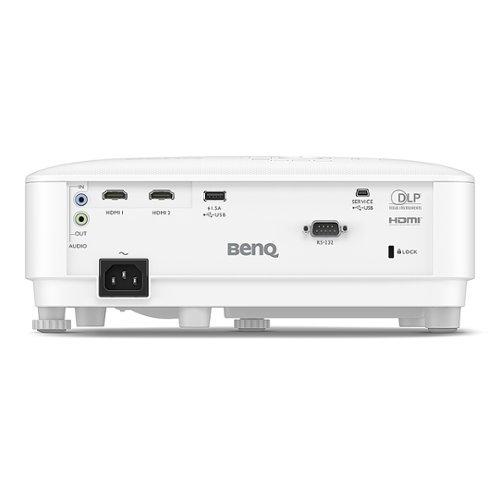
Both projectors offer 3.5mm audio outputs for connecting external speakers. The Mars 3 adds Bluetooth 5.1 output capability, allowing wireless connection to external speakers or headphones—particularly useful for quiet outdoor viewing without disturbing neighbors.
The Anker Nebula Mars 3 runs Android TV 11.0, providing direct access to thousands of streaming apps including Disney+, HBO Max, Hulu, and Amazon Prime Video. This integrated smart platform means you can start watching content with just the projector—no additional devices required. It also features Chromecast built-in, allowing direct streaming from compatible phones and tablets.
One notable limitation is Netflix, which requires a workaround through the Nebula Manager app rather than direct installation. This is a common issue with Android TV projectors due to Netflix's certification requirements.
The BenQ TH575 doesn't include a smart operating system, functioning strictly as a display device. You'll need to connect external content sources like streaming sticks, Blu-ray players, or gaming consoles via its HDMI ports.
This difference represents the comprehensive approach of the Mars 3 versus the specialized focus of the BenQ. In a home theater setting, the BenQ's approach makes sense as most enthusiasts already have preferred streaming devices or media players.
The Mars 3 features IPX3 water resistance (protected against spraying water), 0.5-meter drop resistance, and dust resistance. These ratings mean it can handle light rain, accidental bumps, and dusty outdoor environments—though it's not fully waterproof or ruggedized for extreme conditions.
These durability features are increasingly common in premium portable projectors, reflecting manufacturers' recognition that these devices will face more challenging conditions than traditional home electronics.
The BenQ offers standard indoor durability with no specific environmental ratings, as it's designed for controlled home environments.
The BenQ uses a traditional lamp-based light source rated for 6,000 hours in normal mode or 15,000 hours in eco mode. Eventually, this lamp will require replacement at a cost of approximately $150-200.
The Mars 3 utilizes an LED light source rated for 25,000 hours, essentially the lifetime of the projector for most users. LEDs gradually dim rather than suddenly fail, providing more consistent performance throughout their lifespan.
This represents the industry's gradual shift from lamp-based to solid-state illumination, with portable projectors leading the transition due to their need for efficiency and durability.
The Anker Nebula Mars 3 typically retails for around $1,000-1,100, positioning it as a premium offering in the portable projector space. This price reflects its all-in-one approach, combining projection, audio, streaming, and battery power in a single package.
The BenQ TH575 sells for approximately $600, offering greater pure projection performance per dollar but requiring additional investments in content devices and possibly external speakers to create a complete system.
When considering value, it's important to assess not just the initial purchase price but the total cost of your desired setup. The Mars 3 may actually represent better value for someone starting from scratch who needs a complete portable entertainment solution, while the BenQ offers better value for gamers with existing equipment who prioritize image quality and responsiveness.
For dedicated home theater spaces, the BenQ offers several advantages. Its higher brightness and contrast make it suitable for larger screens—up to 300 inches diagonally, though practical sizes of 100-120 inches will provide the best balance of brightness and detail. It can be ceiling-mounted for a cleaner installation, and its fan noise (30dB) is lower than many comparable projectors.
The Mars 3 can certainly function in a home theater but wouldn't be my first recommendation for dedicated spaces. Its primary advantages—portability, battery operation, and environmental durability—are less relevant in fixed installations. However, for multi-purpose rooms that can't accommodate permanent setups, its quick deployment and all-in-one nature become significant advantages.
After reviewing these projectors in detail, here's my practical advice for making your decision:
Both the Anker Nebula Mars 3 and BenQ TH575 represent excellent options in their respective categories. The best choice depends entirely on your specific needs and how you plan to use your projector most frequently. By focusing on your priority use cases rather than raw specifications, you'll end up with the projector that delivers the most enjoyable experience for your unique situation.
| Anker Nebula Mars 3 Outdoor Portable Projector | BenQ TH575 1080p Gaming Projector |
|---|---|
| Resolution - Determines image clarity and detail | |
| 1920x1080 (Full HD) | 1920x1080 (Full HD) |
| Brightness - Critical for visibility in ambient light | |
| 1000 ANSI lumens (suitable for dark environments) | 3800 ANSI lumens (handles well-lit rooms easily) |
| Input Lag - Essential for responsive gaming | |
| Unspecified (likely 50-80ms, inadequate for competitive gaming) | 16.7ms (excellent for competitive gaming) |
| Portability - Determines where and how you can use it | |
| Battery-powered (2-5 hours), 9.9 lbs with carrying handle | AC-powered only, 5.5 lbs (lighter but requires outlet) |
| Built-in Audio - Affects need for external speakers | |
| 40W 3-way speakers with Dolby Audio (impressive, room-filling sound) | 10W mono speaker (basic, adequate for casual use only) |
| Operating System - Determines content access | |
| Android TV 11.0 built-in with Chromecast (standalone operation) | No operating system (requires external content sources) |
| Environmental Durability - Important for outdoor use | |
| IPX3 water resistance, drop resistant, dust resistant | Standard indoor durability (no weather protection) |
| Light Source Lifespan - Impacts long-term ownership costs | |
| LED with 25,000 hour lifespan (no replacement needed) | Lamp with 6,000-15,000 hour lifespan (eventual replacement required) |
| Auto Setup Features - Affects ease of deployment | |
| Intelligent Environment Adaptation 3.0 (automatic focus, keystone, screen fit) | Manual adjustments with 1.1x zoom and vertical keystone correction |
| Connectivity Options - Determines compatible devices | |
| HDMI, USB-A, USB-C, Wi-Fi, Bluetooth 5.1, 3.5mm audio | 2 HDMI ports, 2 USB ports, 3.5mm audio |
| Price - Overall value proposition | |
| ~$1,000-1,100 (premium for all-in-one portable solution) | ~$600 (better performance per dollar but requires additional equipment) |
| Ideal Use Case - Who should buy each model | |
| Outdoor movie nights, camping, multi-room use, users needing standalone operation | Dedicated gaming setup, fixed home theater, users with existing content devices |
The Anker Nebula Mars 3 Outdoor Portable Projector is significantly better for outdoor movie nights because it's specifically designed for outdoor use with IPX3 water resistance, dust protection, and a built-in battery that lasts 2-5 hours. The BenQ TH575 1080p Gaming Projector requires constant power and lacks environmental protection, making the Anker Nebula Mars 3 the clear choice for outdoor entertainment.
For pure performance per dollar, the BenQ TH575 1080p Gaming Projector offers better value at around $600 compared to the Anker Nebula Mars 3 at approximately $1,000-1,100. However, the Nebula includes a built-in battery, Android TV, and powerful speakers that would require additional purchases with the BenQ. Your specific needs will determine which represents better value for your situation.
The BenQ TH575 1080p Gaming Projector is far superior for gaming with its extremely low 16.7ms input lag, specialized Game Mode, and Black Detail Enhancement for better visibility in dark scenes. The Anker Nebula Mars 3 is not optimized for gaming and likely has much higher input lag, making the BenQ TH575 the definitive choice for gamers.
The BenQ TH575 with its 3800 ANSI lumens performs much better in well-lit rooms compared to the Anker Nebula Mars 3 with 1000 ANSI lumens. While neither is ideal for bright daylight viewing, the BenQ can handle rooms with moderate ambient light, while the Mars 3 requires significant light control or use after sunset for optimal image quality.
The Anker Nebula Mars 3 features impressive 40W speakers with Dolby Audio that eliminate the need for external speakers in most settings. The BenQ TH575 has a basic 10W mono speaker that's adequate for casual use but would benefit from external speakers for immersive movie watching or gaming experiences. This makes the Anker Nebula Mars 3 more complete out-of-the-box.
The Anker Nebula Mars 3 offers significantly easier setup with its Intelligent Environment Adaptation 3.0 that automatically handles focus, keystone correction, and screen fitting within seconds. The BenQ TH575 requires manual adjustments, making the Nebula Mars 3 much more user-friendly, especially for those who frequently reposition their projector.
The Anker Nebula Mars 3 has Android TV 11.0 built-in with access to thousands of apps including Disney+, Hulu, and Amazon Prime (Netflix requires a workaround through the Nebula Manager app). The BenQ TH575 has no smart features and requires external streaming devices like Roku, Apple TV, or Fire Stick connected via HDMI for content access.
For a dedicated home theater, the BenQ TH575 is generally better with its superior brightness (3800 vs. 1000 ANSI lumens), higher contrast ratio (15,000:1), and ability to project larger images with better quality. The Anker Nebula Mars 3 works in home theaters but is more optimized for portability than maximum performance in controlled environments.
The Anker Nebula Mars 3 uses an LED light source rated for 25,000 hours, essentially the lifetime of the projector. The BenQ TH575 uses a traditional lamp rated for 6,000 hours in normal mode or up to 15,000 hours in eco mode, which will eventually require replacement at additional cost, making the Mars 3 more maintenance-free.
The Anker Nebula Mars 3 is designed to work as a standalone device with built-in Android TV, streaming capabilities, and quality speakers. The BenQ TH575 requires external content sources like streaming sticks, Blu-ray players, or game consoles to function. If you want minimal additional equipment, the Nebula Mars 3 is much more self-contained.
Yes, both the BenQ TH575 and Anker Nebula Mars 3 have HDMI inputs that allow connection to game consoles, Blu-ray players, and other devices. However, the BenQ offers superior gaming performance with its 16.7ms input lag compared to the Mars 3, making the BenQ TH575 the better choice for console gaming despite both having compatible connections.
The Anker Nebula Mars 3 is significantly better for multi-room use with its integrated carrying handle, battery power, and automatic setup features. The BenQ TH575 is lighter but requires finding a power outlet and manually adjusting settings each time it's moved. For flexibility across different viewing locations, the Anker Nebula Mars 3 offers much greater convenience.
We've done our best to create useful and informative comparisons to help you decide what product to buy. Our research uses advanced automated methods to create this comparison and perfection is not possible - please contact us for corrections or questions. These are the sites we've researched in the creation of this article: techradar.com - seenebula.com - thesmarthomehookup.com - yuenx.com - projectorcentral.com - seenebula.com - youtube.com - youtube.com - youtube.com - cnet.com - projectorreviews.com - youtube.com - youtube.com - projectorcentral.com - seenebula.com - youtube.com - yuenx.com - lifeisxbox.eu - ai-techreport.com - electronics.woot.com - ai-techreport.com - laurentwillen.com - bestbuy.com - bestbuy.com - projectorcentral.com - tvsbook.com - shidirect.com - blog.richersounds.com - memoryexpress.com - versus.com - adorama.com - avsforum.com - shi.com - bestbuy.com - bhphotovideo.com - cdw.com - insight.com - shi.ca - projectorcentral.com - insight.com - specsradar.com - touchboards.com

Privacy Policy
Terms and Conditions - Affiliate Policy
Home Security
© Copyright 2008-2026.
11816 Inwood Rd #1211, Dallas, TX 75244