

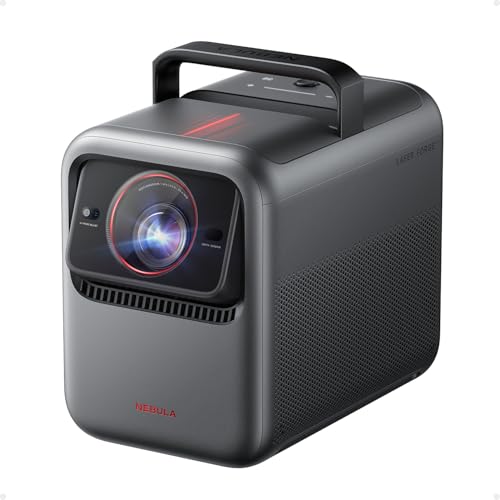
When you're shopping for a portable projector, you'll quickly discover there are two very different philosophies at play. Some manufacturers prioritize absolute image quality and advanced features, while others focus on durability and true go-anywhere portability. The Nebula X1 4K Triple Laser Projector and Anker Nebula Mars 3 Outdoor Portable Projector perfectly represent these competing approaches, and understanding their differences will help you choose the right one for your needs.
Before diving into these specific models, it's worth understanding what separates good portable projectors from mediocre ones. The biggest challenge in this category is balancing performance with portability—it's a constant trade-off between weight, power consumption, heat management, and image quality.
Brightness is arguably the most critical specification. Measured in ANSI lumens (a standardized measurement of how much light a projector outputs), brightness determines whether you can watch comfortably in rooms with ambient light or need complete darkness. For context, a typical living room with curtains drawn might have enough ambient light to wash out a 500-lumen projector, while a 2,000+ lumen unit can hold its own even with some lights on.
Resolution matters too, but not always in the way you'd expect. Many projectors use pixel-shifting technology, where a native 1080p chip rapidly moves pixels to create the appearance of 4K. This isn't "fake" 4K—when done well, it delivers genuinely sharper images than native 1080p, though purists argue it doesn't match true native 4K panels.
Color accuracy and contrast separate good projectors from great ones. Wide color gamuts (like the Rec. 2020 standard) mean the projector can display more vivid, lifelike colors. Dynamic contrast ratios, while often inflated by marketing, indicate how well a projector can differentiate between bright whites and deep blacks in the same scene.
Released in 2024, the Nebula X1 represents Anker's most ambitious projector to date. At the time of writing, it commands a premium price—roughly three times what you'd pay for most portable projectors—but the engineering justifies the cost.
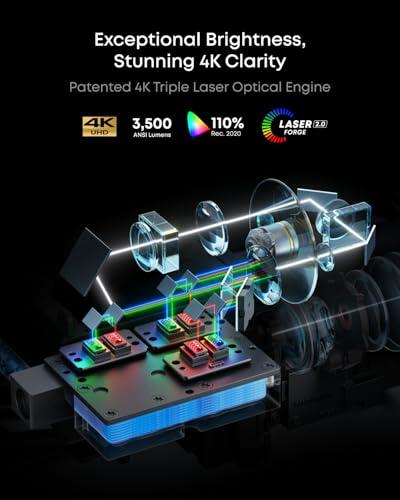
The X1's triple laser system is genuinely revolutionary for a portable projector. Most budget and mid-range projectors use LED light sources, which are efficient but limited in brightness and color reproduction. Laser projectors have traditionally been expensive, room-sized beasts found in commercial installations.
The X1 uses separate red, green, and blue lasers combined in a patented U-shaped optical path. This approach delivers several advantages: dramatically higher brightness (3,500 ANSI lumens), wider color gamut coverage (110% of the Rec. 2020 standard), and exceptional color accuracy with a Delta E rating below 0.8. Delta E measures color accuracy—anything below 1.0 is considered professional-grade accuracy that most people can't distinguish from perfect.
What does this mean practically? The X1 can fill a 120-inch screen in a moderately lit room and still deliver vibrant, accurate colors. Most portable projectors require darkness for screens larger than 80 inches.
Perhaps more impressive is the X1's 14-element all-glass lens system. Most projectors in this category use plastic lenses or simple glass designs. The X1's lens includes aspherical elements (specially shaped to reduce distortion) and extra-low dispersion glass (which minimizes color fringing). This level of optical sophistication is typically found in high-end cinema projectors costing tens of thousands of dollars.
The result is consistently sharp focus across the entire image, minimal color aberrations, and thermal stability—the image won't drift out of focus as the projector heats up during long viewing sessions.
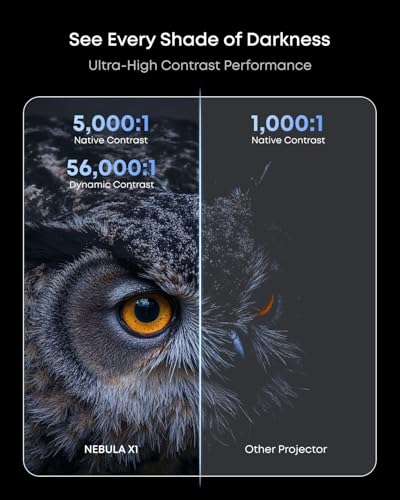
The X1 includes a 6-blade dynamic iris, which is unusual for DLP projectors, especially portable ones. This mechanical aperture rapidly opens and closes to optimize contrast for each scene. Combined with the NebulaMaster 2.0 processing algorithm, it achieves a dynamic contrast ratio of 56,000:1.
In practical terms, this means dark scenes in movies retain shadow detail without appearing washed out, while bright scenes don't blow out highlights. Watching something like "The Batman" or "Blade Runner 2049"—films known for challenging dark cinematography—the difference is immediately apparent compared to standard portable projectors.
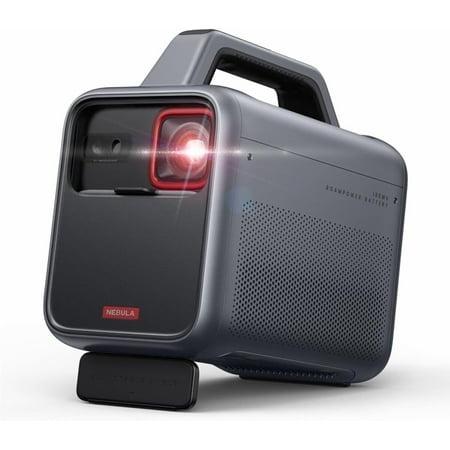
The Anker Nebula Mars 3, released in 2023, takes a completely different approach. Rather than pushing the boundaries of portable projection technology, it focuses on solving real-world problems for outdoor entertainment.
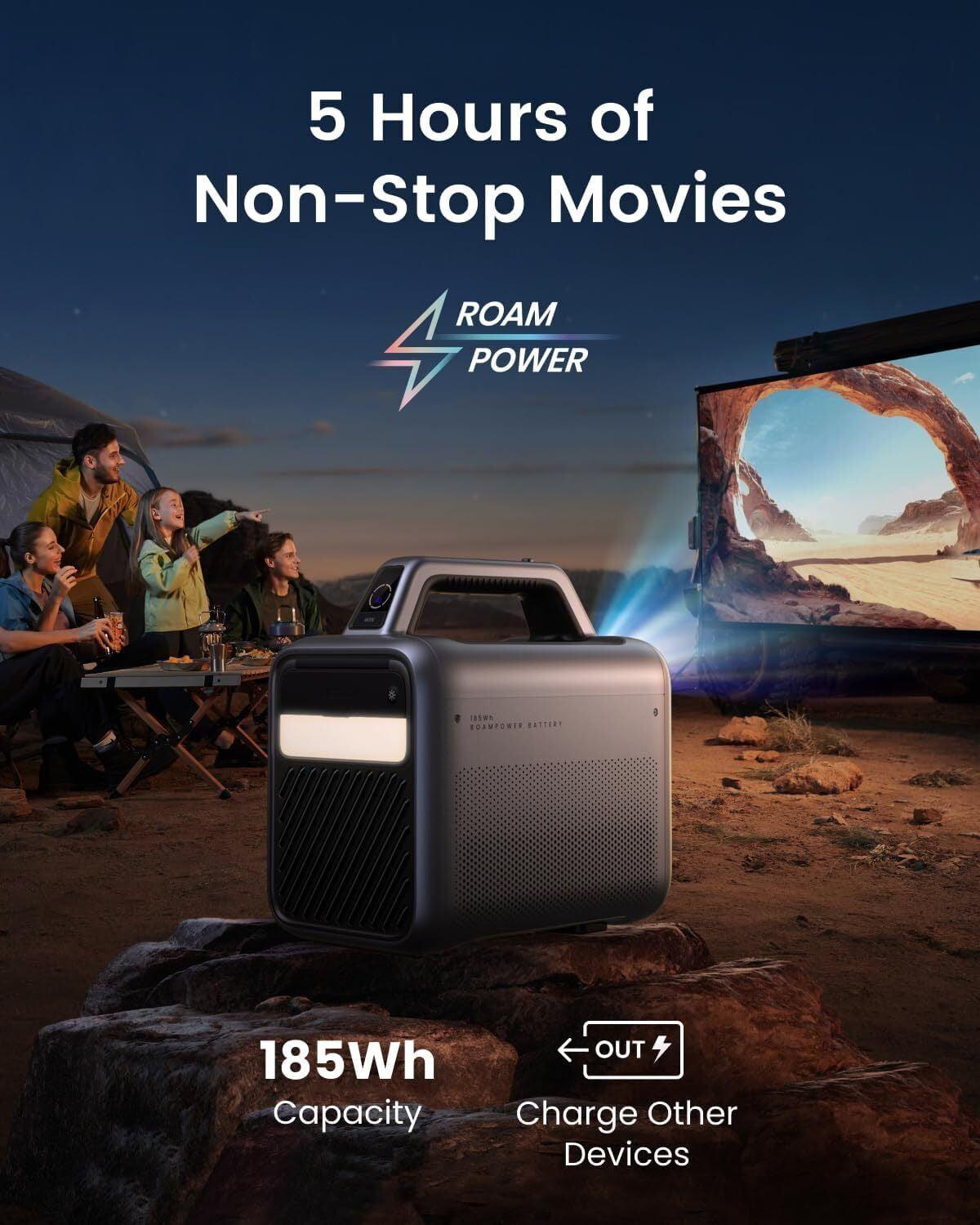
The Mars 3's biggest advantage is its 185Wh battery, providing 2-5 hours of runtime depending on brightness settings. This might not sound revolutionary, but consider the physics: displaying bright, moving images requires substantial power. Most "portable" projectors with impressive specifications require wall power, limiting where you can use them.
The battery isn't just about convenience—it enables use cases impossible with AC-powered projectors. Beach movie nights, camping trips, tailgate parties, or backyard gatherings where running extension cords isn't practical become viable entertainment venues.
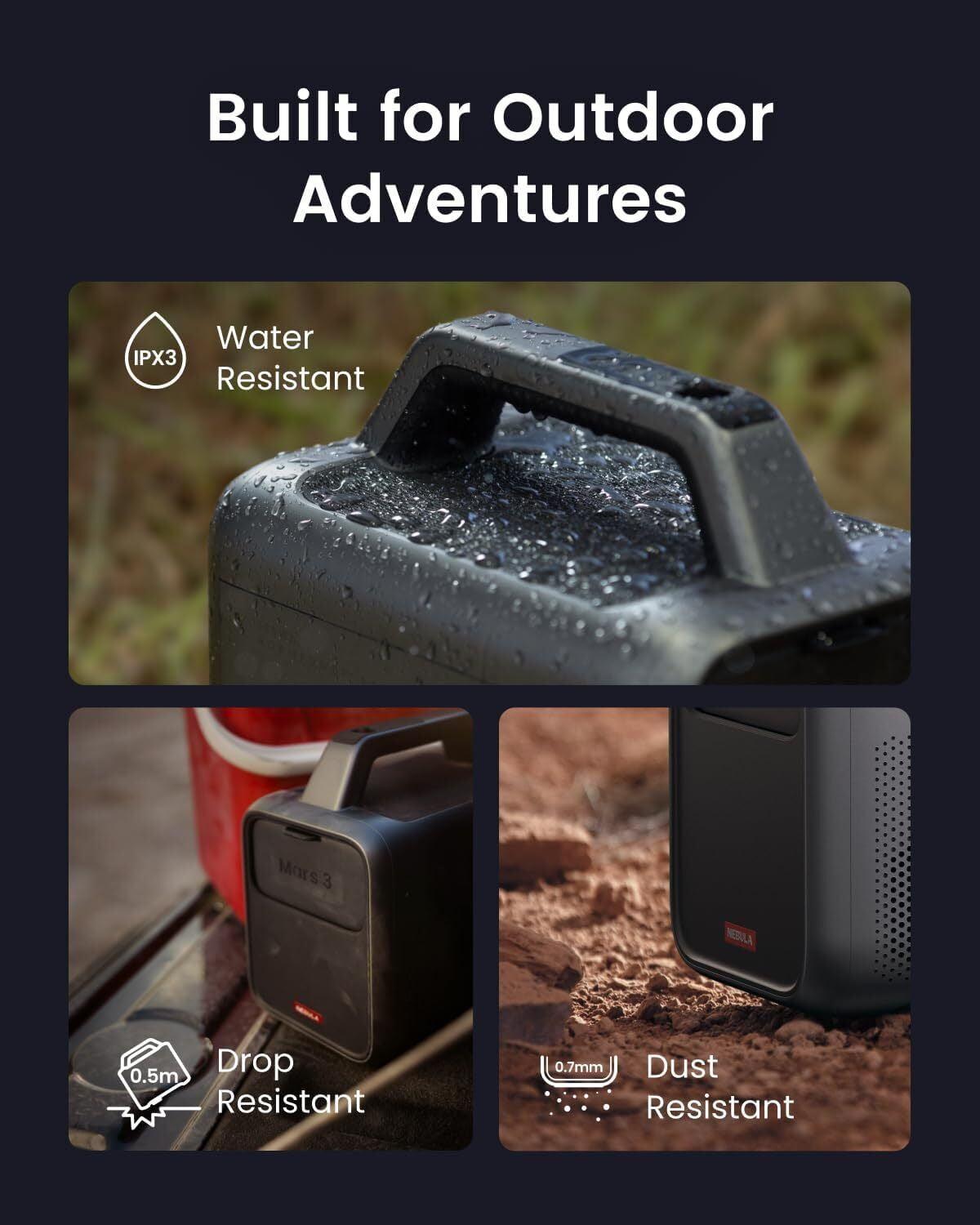
The Mars 3 includes IPX3 water resistance, meaning it can handle light rain or splashing water. The 0.5-meter drop resistance and dust protection (rated at 0.7mm) make it suitable for rougher handling than typical electronics.
These specifications might seem modest, but they represent careful engineering compromises. Adding serious weather protection usually means larger enclosures, heavier weight, and reduced performance—exactly what you don't want in a portable device.
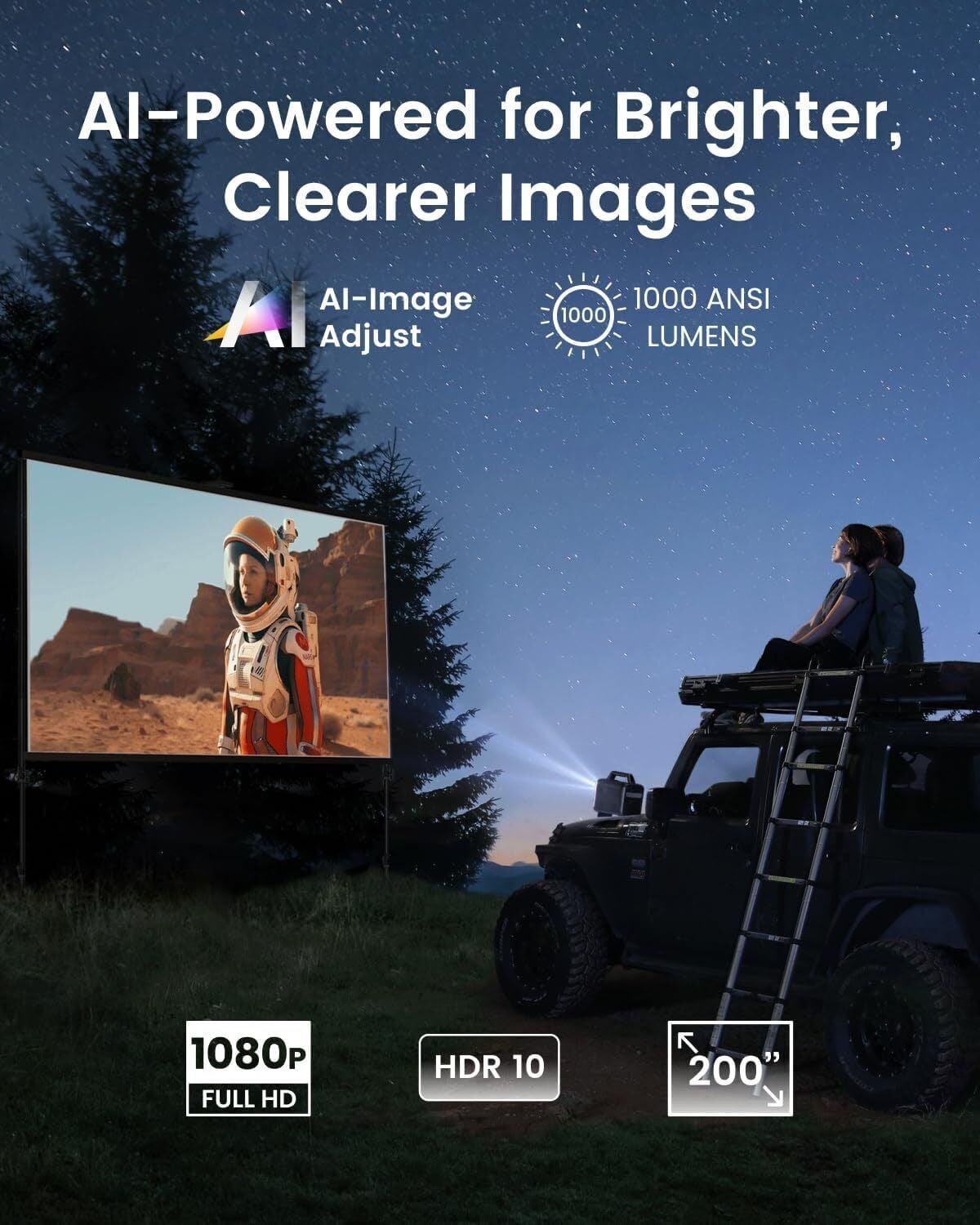
At 1,000 ANSI lumens, the Mars 3 isn't trying to compete with premium models in brightness. Instead, it's optimized for its intended use case: outdoor viewing after sunset or in shaded areas during the day. For a 100-inch screen in typical backyard conditions after dark, 1,000 lumens provides a perfectly enjoyable viewing experience.
The 1080p native resolution might seem limiting in 2024, but for most outdoor viewing distances and screen sizes, the difference between 1080p and 4K becomes less noticeable. Your eye's ability to resolve fine detail decreases with viewing distance, making 1080p adequate for most outdoor scenarios.
The brightness difference between these projectors is substantial—the X1 outputs roughly 3.5 times more light than the Mars 3. This translates to dramatically different use cases.
With the X1, you can comfortably watch in a living room with some ambient light, project massive 200+ inch images, or use it outdoors during golden hour. The Mars 3 requires darker conditions but still performs admirably for evening outdoor use or darkened indoor spaces.
For home theater use, the X1's brightness advantage is significant. Most dedicated home theater spaces have some ambient light from equipment LEDs, emergency lighting, or light leakage from adjacent rooms. The extra brightness provides headroom for these real-world conditions.
The color performance gap is even more dramatic than brightness. The X1's wide color gamut means it can display colors that simply don't exist in the Mars 3's range. Think of the difference between a basic computer monitor and a professional photo editing display—both show images, but one reveals details and subtleties the other can't reproduce.
For critical viewing—watching cinematically ambitious films, nature documentaries, or any content where color accuracy matters—the X1 operates in a different league. The Mars 3 provides perfectly adequate color for entertainment viewing but won't satisfy users who prioritize visual fidelity.
Both projectors include capable audio systems, but they serve different needs. The X1's 4.1.2 surround sound system with optional wireless satellites can create genuine surround sound experiences suitable for home theater use. The FlexWave upmixing algorithm processes stereo content to create spatial audio effects.
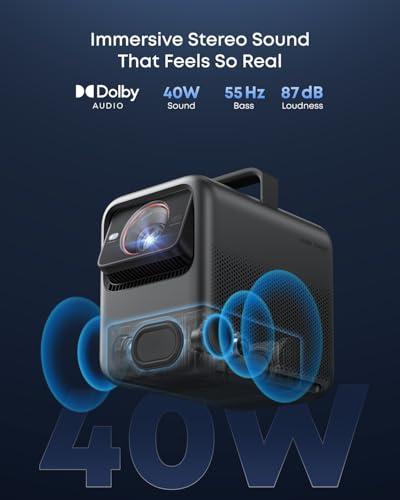
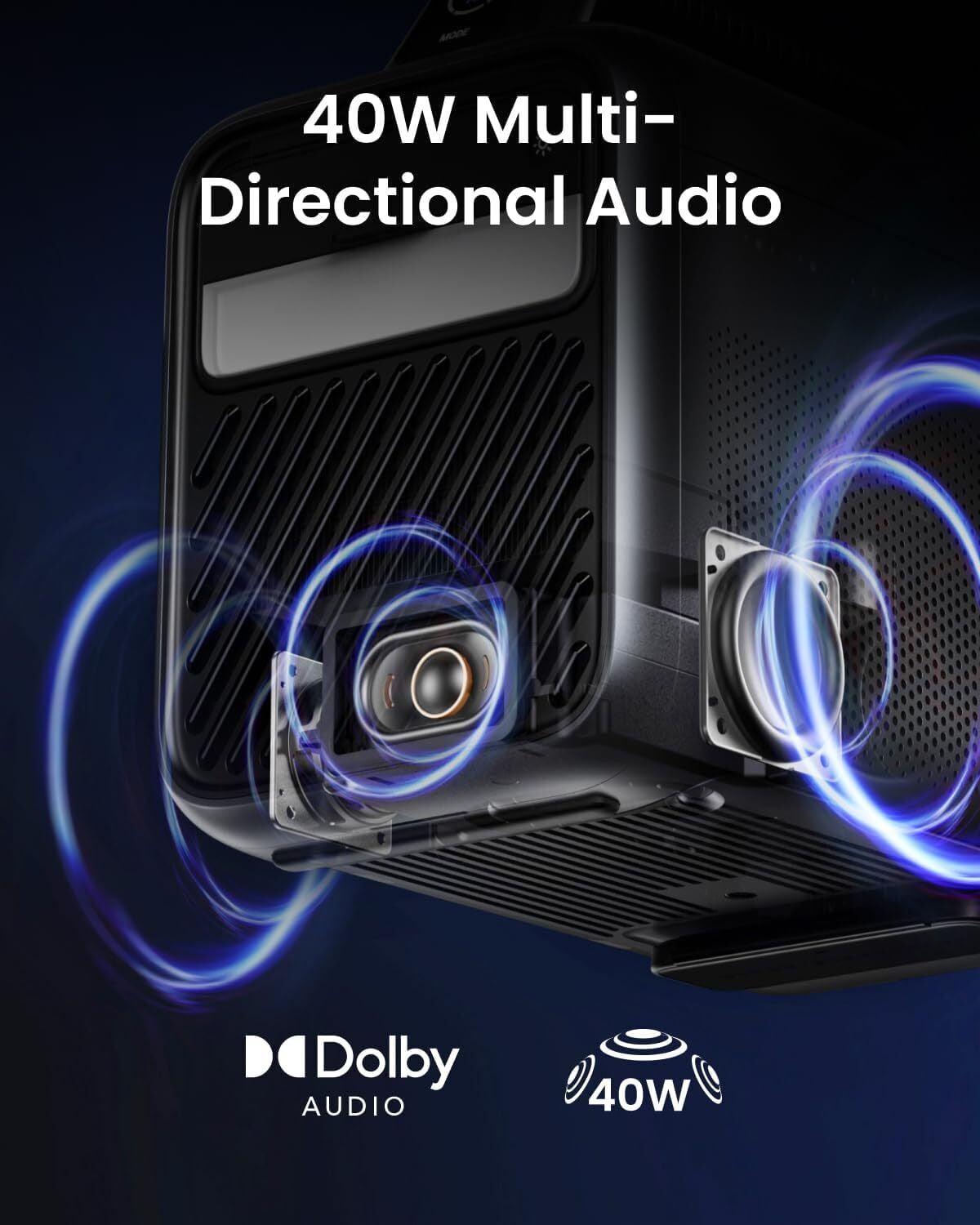
The Mars 3's 40W speaker system is optimized for outdoor use—it's designed to fill open spaces and compete with ambient noise. While it won't match a dedicated sound system, it eliminates the need for separate speakers in most outdoor scenarios.
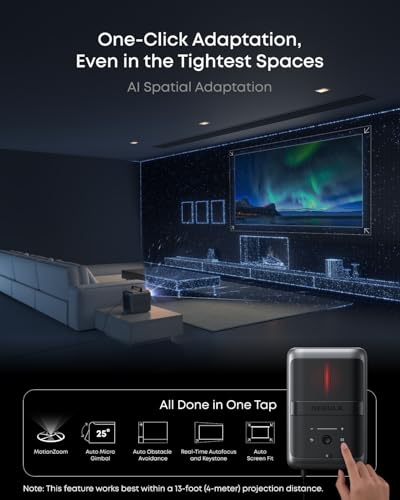
For dedicated home theater use, the X1 is clearly superior. Its combination of brightness, color accuracy, and contrast performance approaches what you'd expect from a fixed installation projector costing similar money. The AI spatial adaptation makes setup effortless, while the advanced optics ensure consistent performance.
The liquid cooling system—a first in portable projectors—keeps the X1 quiet during operation (26dB), which is crucial for home theater applications where fan noise can be distracting.
The Mars 3 excels in truly outdoor scenarios. Its battery operation, weather resistance, and optimized brightness for dark outdoor conditions make it ideal for camping, tailgating, or backyard movie nights. The built-in handle and compact size (9.9 lbs vs. the X1's 13.7 lbs) make transport easier.
The X1 can work outdoors if you have power access, and its superior brightness makes it viable in more challenging lighting conditions. However, its lack of weather protection and need for AC power limit its outdoor versatility.
Both projectors work well for semi-permanent setups—think a finished basement, covered patio, or guest room where you want projection capability without permanent installation. The X1's performance advantage shines in these applications, while the Mars 3's portability makes it easy to store when not in use.
At the time of writing, the X1 commands a significant premium—roughly three times the Mars 3's price. This puts it in competition with dedicated home theater projectors rather than other portable models.
The price difference reflects fundamentally different target markets. The Mars 3 competes with other portable projectors and streaming devices, emphasizing convenience and adequate performance. The X1 targets serious enthusiasts willing to pay for premium performance in a portable package.
For most users, the Mars 3 provides better value—it solves the core portable projection problem (movies anywhere) at a reasonable price. The X1 justifies its premium only if you regularly use the advanced features and superior image quality it provides.
The portable projector market has evolved rapidly since 2020. LED brightness has improved dramatically, battery technology has advanced, and smart features have become standard. Both projectors represent current state-of-the-art in their respective categories.
The X1's triple laser system and advanced optics push portable projectors into territory previously reserved for fixed installations. Its innovations—particularly the liquid cooling and precision gimbal system—will likely influence future portable projector designs.
The Mars 3 represents the maturation of battery-powered projectors, offering genuinely useful runtime and durability without major compromises in core functionality.
Choose the Nebula X1 if you prioritize image quality above all else and have access to power outlets where you'll use it. It's ideal for users who want the best possible portable projection experience and plan to use it regularly enough to justify the premium price. Home theater enthusiasts, professionals who need color accuracy, and users who frequently project in challenging lighting conditions will appreciate the X1's capabilities.
Choose the Mars 3 if true portability and outdoor use are priorities. It's perfect for camping enthusiasts, families who want backyard movie nights, or anyone who values the freedom to set up anywhere without worrying about power access or weather. The significant price savings make it accessible to users who want good projection performance without premium pricing.
The decision ultimately comes down to your specific needs and budget. Both projectors excel in their intended roles—the X1 as a premium portable home theater solution, the Mars 3 as a practical outdoor entertainment device. Understanding these different philosophies will help you choose the projector that best matches your viewing habits and expectations.
| Nebula X1 4K Triple Laser Projector | Anker Nebula Mars 3 Outdoor Portable Projector |
|---|---|
| Brightness - Critical for ambient light performance and screen size | |
| 3,500 ANSI lumens (exceptional for daytime viewing and large screens) | 1,000 ANSI lumens (good for dark outdoor conditions) |
| Resolution - Affects image sharpness and detail | |
| 4K with pixel shifting from 1080p native (significantly sharper than standard 1080p) | Native 1080p (adequate for most outdoor viewing distances) |
| Light Source Technology - Impacts brightness, color, and lifespan | |
| RGB Triple Laser with 30,000 hour lifespan (premium technology with superior color) | LED with 25,000 hour lifespan (reliable and efficient for portable use) |
| Power Requirements - Determines true portability | |
| AC powered only (requires outlet access) | Built-in 185Wh battery (2-5 hours runtime, true cordless operation) |
| Color Performance - Important for accurate, vibrant images | |
| 110% Rec.2020 color gamut, Delta E <0.8 accuracy (professional-grade color) | Standard color reproduction with HDR10 support (good for entertainment) |
| Contrast Ratio - Affects dark scene detail and overall image depth | |
| 56,000:1 dynamic with 6-blade iris (exceptional dark scene performance) | Standard DLP contrast (adequate for most content) |
| Lens System - Impacts image sharpness and thermal stability | |
| 14-element all-glass with aspherical elements (cinema-grade optics) | Standard projection lens (sufficient for portable use) |
| Weight and Portability - Key factor for transport and setup | |
| 13.7 lbs with retractable handle (portable but substantial) | 9.9 lbs with compact design (lighter and more portable) |
| Weather Resistance - Critical for outdoor use | |
| Indoor/covered outdoor use only (not weather resistant) | IPX3 water resistance, drop and dust protection (true outdoor capability) |
| Audio System - Determines if external speakers are needed | |
| Built-in 4.1.2 surround with optional wireless satellites (home theater quality) | 40W 3-way speakers with Dolby Audio (optimized for outdoor use) |
| Setup Features - Affects ease of use in different environments | |
| AI Spatial Adaptation with motorized gimbal and auto-everything (premium convenience) | Intelligent Environment Adaptation 3.0 with 3-second setup (practical automation) |
| Maximum Screen Size - Determines viewing experience scale | |
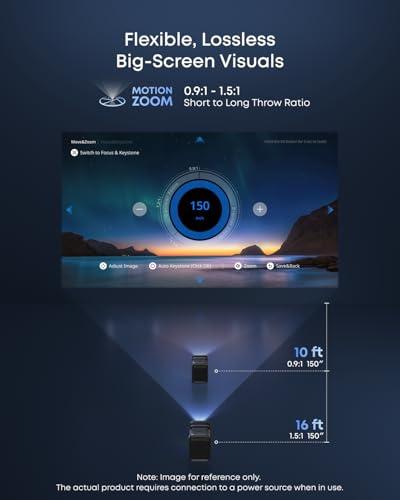
| Up to 300 inches (massive screens possible with high brightness) | Up to 200 inches (large but brightness-limited in ambient light) |
| Smart Platform - Affects available streaming apps and updates | |
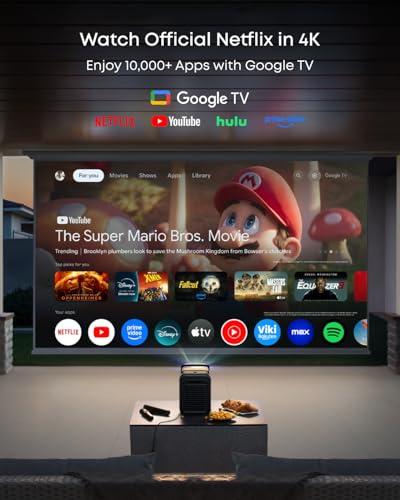
| Google TV with Netflix, Prime Video, YouTube (full smart TV experience) | Android TV 11.0 with Chromecast built-in (comprehensive streaming support) |
| Connectivity Options - Important for device compatibility | |
| HDMI 2.1 with eARC, USB-A, USB-C, optical audio (advanced home theater connections) | HDMI, USB-A, USB-C, 3.5mm audio, can charge other devices (practical outdoor connectivity) |
| Operating Noise - Critical for quiet environments | |
| 26 dB with liquid cooling system (whisper quiet for home theater) | Standard fan cooling (acceptable for outdoor use) |
The Nebula X1 4K Triple Laser Projector is significantly brighter at 3,500 ANSI lumens compared to the Anker Nebula Mars 3 at 1,000 ANSI lumens. This makes the X1 much better for rooms with ambient light or daytime outdoor viewing, while the Mars 3 works best in darker conditions.
Only the Anker Nebula Mars 3 Outdoor Portable Projector has a built-in battery, providing 2-5 hours of cordless operation. The Nebula X1 requires AC power and must be plugged into an outlet, limiting its portability to locations with available power sources.
The Nebula X1 4K Triple Laser Projector delivers superior image quality with 4K resolution, professional-grade color accuracy (Delta E <0.8), and advanced contrast management. The Mars 3 offers 1080p resolution which is adequate for most viewing but doesn't match the X1's cinema-quality performance.
The Anker Nebula Mars 3 features IPX3 water resistance and dust protection, making it suitable for outdoor use in light rain or dusty conditions. The Nebula X1 is not weather resistant and should only be used indoors or in covered outdoor areas.
The Nebula X1 can project up to 300 inches due to its high brightness, while the Anker Nebula Mars 3 is limited to about 200 inches. However, the Mars 3's effective screen size is smaller in ambient light conditions due to its lower brightness output.
The Anker Nebula Mars 3 Outdoor Portable Projector is specifically designed for outdoor adventures with its battery power, weather resistance, and lighter weight (9.9 lbs vs 13.7 lbs). The X1 requires wall power and isn't weather resistant, making it unsuitable for true camping scenarios.
Both projectors include capable built-in audio systems. The Nebula X1 features a 4.1.2 surround sound system with optional wireless satellites for home theater use, while the Mars 3 has 40W speakers optimized for outdoor environments. External speakers aren't necessary but can enhance the experience.
The Anker Nebula Mars 3 typically offers better value for most users, providing good image quality and unique outdoor capabilities at a much lower price point. The Nebula X1 commands a significant premium but justifies it with professional-grade performance and advanced features.
The Nebula X1 4K Triple Laser Projector is significantly quieter at 26 dB thanks to its innovative liquid cooling system, making it ideal for quiet home theater environments. The Anker Nebula Mars 3 uses standard fan cooling which produces more noise but is acceptable for outdoor use.
For a dedicated home theater, the Nebula X1 4K Triple Laser Projector is the clear choice with its superior brightness, 4K resolution, professional color accuracy, quiet operation, and advanced audio system. The Anker Nebula Mars 3 is better suited for casual viewing and outdoor entertainment rather than serious home theater applications.
We've done our best to create useful and informative comparisons to help you decide what product to buy. Our research uses advanced automated methods to create this comparison and perfection is not possible - please contact us for corrections or questions. These are the sites we've researched in the creation of this article: youtube.com - seenebula.com - projectorreviews.com - seenebula.com - whathifi.com - bestbuy.com - techradar.com - projectorcentral.com - youtube.com - avsforum.com - seenebula.com - blog.son-video.com - youtube.com - projectorcentral.com - techradar.com - seenebula.com - thesmarthomehookup.com - yuenx.com - projectorcentral.com - seenebula.com - youtube.com - youtube.com - youtube.com - cnet.com - projectorreviews.com - youtube.com - youtube.com - projectorcentral.com - seenebula.com - youtube.com - yuenx.com

Privacy Policy
Terms and Conditions - Affiliate Policy
Home Security
© Copyright 2008-2026.
11816 Inwood Rd #1211, Dallas, TX 75244