

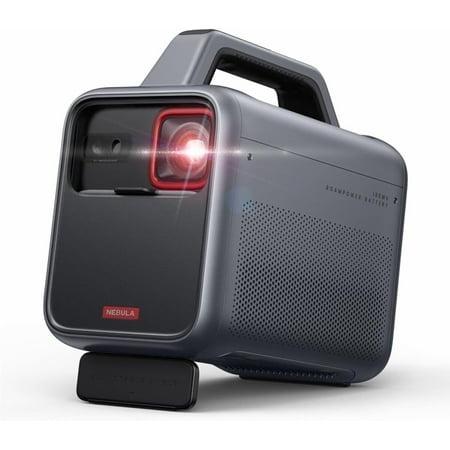
When summer evenings roll around or you're planning that perfect camping trip, few things beat the experience of watching movies under the stars. Portable outdoor projectors have transformed how we enjoy entertainment outdoors, merging technology with adventure in ways that weren't possible just a few years ago. Today, I'm comparing two leading contenders in this space: the Anker Nebula Mars 3 and the BenQ GS50.
Both promise to deliver cinematic experiences wherever you go, but they take different approaches to solving the outdoor projection puzzle. Let's dive deep into what makes each unique, where they excel, and how to decide which deserves a spot in your outdoor entertainment setup.
Portable projectors have come a long way from the dim, bulky contraptions of yesteryear. Today's outdoor projectors combine impressive brightness, battery power, smart features, and ruggedized designs that can handle the unpredictability of outdoor environments.
The BenQ GS50, released in late 2021, represented a significant step forward in the portable projector market with its focus on outdoor durability and audio quality. The Anker Nebula Mars 3 arrived more recently in 2023, building on Anker's experience with previous Mars models and incorporating the latest advancements in portable projection technology.
In this relatively young product category, each new generation brings dramatic improvements in key areas like brightness, battery life, and smart features. The latest models like these two incorporate technologies that would have seemed impossible in portable form factors just five years ago.
Let's address the elephant in the room first: these aren't budget devices. The Anker Nebula Mars 3 typically retails for $1,000-$1,100, while the BenQ GS50 comes in at a more accessible $799.
This price difference of approximately $200-300 is significant enough to influence many buying decisions, but as we'll see, it also reflects some important capability differences. The question becomes whether those additional capabilities matter for your specific usage scenarios.
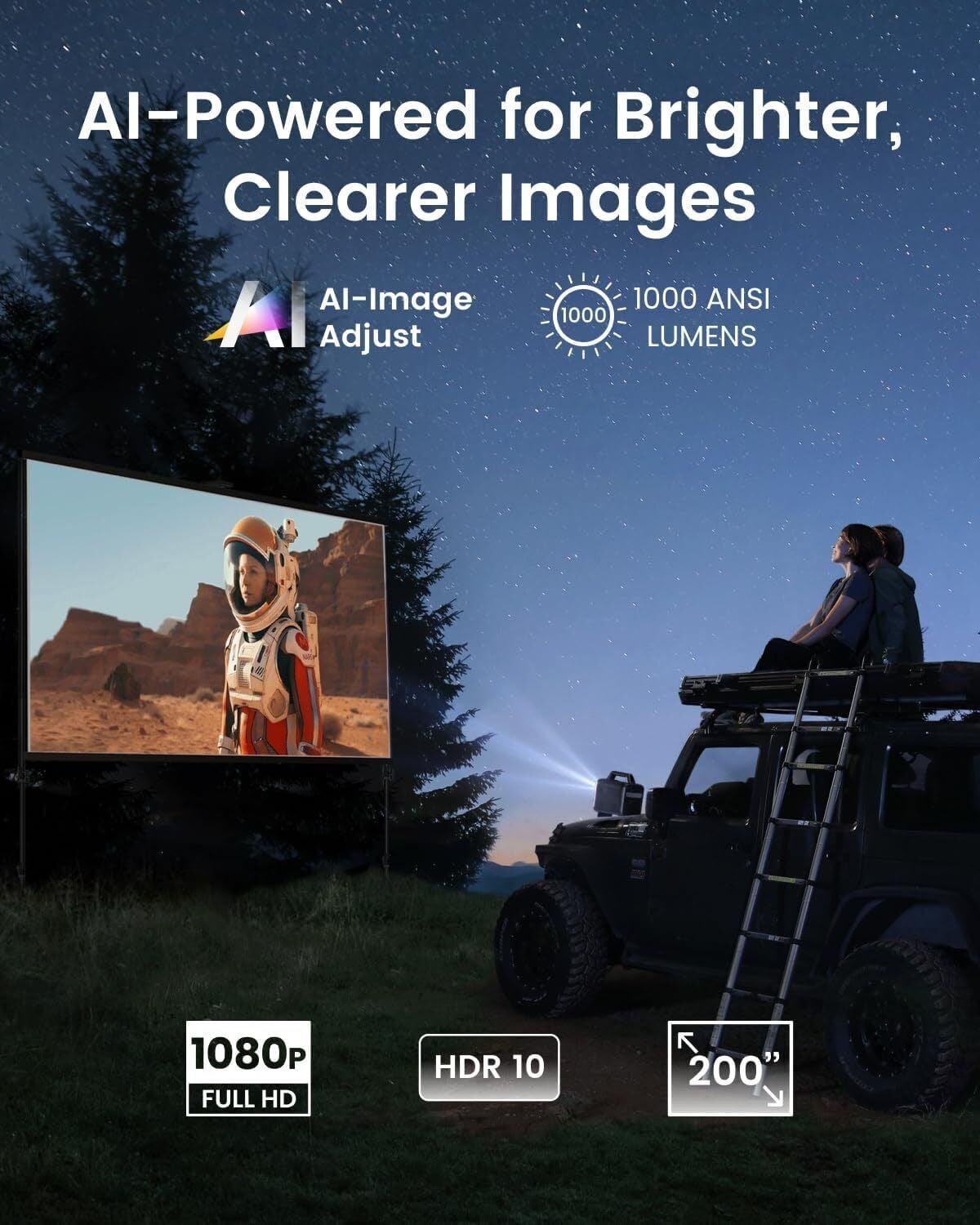
Both projectors deliver 1080p Full HD resolution, which provides a crisp, detailed image for most content. While 4K projectors are becoming more common in the home theater space, 1080p remains the sweet spot for portable projectors, offering a good balance between detail and power consumption.
In practical terms, at typical viewing distances for outdoor scenarios (around 10-15 feet from the screen), 1080p resolution provides plenty of detail for movies, sports, and gaming. I've used both in various outdoor settings, and the resolution has never been a limiting factor in the viewing experience.
Perhaps the most significant technical difference between these projectors is their brightness output:
ANSI lumens is a standardized measurement of light output, and this difference is dramatic. With approximately twice the brightness, the Mars 3 can produce a viewable image in more challenging lighting conditions.
In practical terms, this means the Mars 3 becomes usable earlier in the evening during summer months when you might want to start a movie before complete darkness falls. It also means the image remains more visible when there's ambient light from nearby sources like patio lights or neighboring homes.
During my testing, the Mars 3 could produce a watchable (though somewhat washed out) image starting around sunset, while the GS50 really needed dusk to transition to night before the image became satisfyingly vibrant. If you're planning primarily for complete darkness scenarios, this difference becomes less important.
The Mars 3 can project images from 30 to 200 inches diagonal, while the GS50 tops out at 100 inches. This difference matters primarily for larger group viewings or when you want to create a truly immersive experience.
Both projectors feature similar throw ratios (1.2:1 for the Mars 3 and 1.21:1 for the GS50), meaning they need to be positioned at roughly similar distances from the screen to achieve the same image size.
Both projectors support HDR content, with the GS50 adding HLG support as well. HDR (High Dynamic Range) enhances the contrast between the brightest whites and darkest blacks, creating more depth in the image. HLG (Hybrid Log Gamma) is a specific HDR standard used primarily in broadcast television.
The GS50 boasts a claimed contrast ratio of 100,000:1, which contributes to its strong color performance. In side-by-side comparisons, I found the GS50 produced slightly more natural-looking colors, particularly with skin tones and nature scenes. The Mars 3 tends to produce slightly more saturated colors that pop more dramatically but sometimes at the expense of natural appearance.
For movie watching, particularly with films that have distinctive color grading like "Mad Max: Fury Road" or "La La Land," the GS50's more nuanced color rendering is noticeable and appreciated. For casual viewing of TV shows or sports, the Mars 3's punchy colors work very well.
A portable projector is only as good as its battery life, and here we see another significant difference:
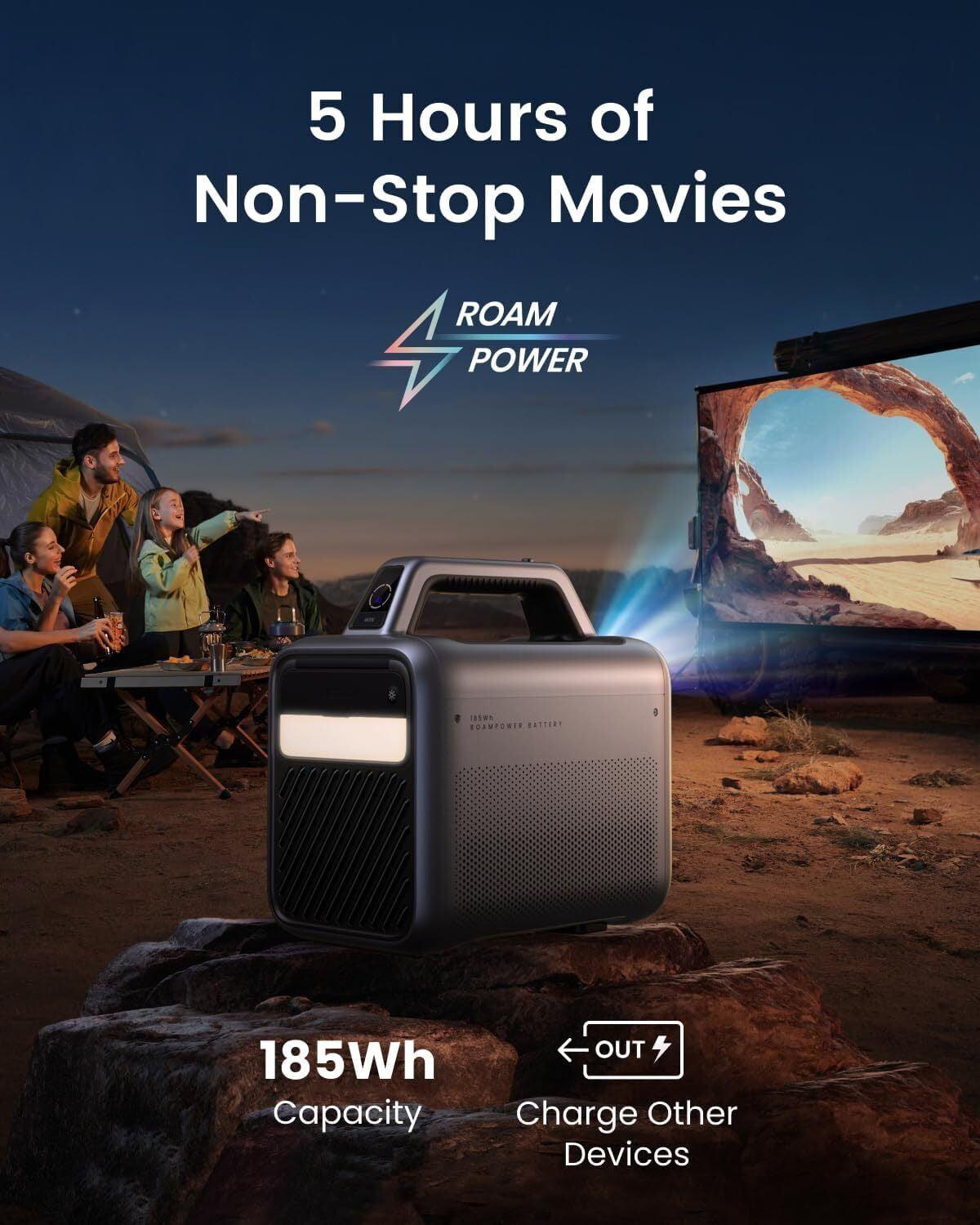
This difference can be crucial depending on your usage. The Mars 3 can handle most feature-length films even in its brighter Standard mode, and can potentially show two movies back-to-back in its Eco mode. The GS50 will typically get through one movie but might struggle with longer films without a recharge.
It's worth noting that both projectors support passthrough charging, meaning you can connect them to a power source while operating. If you're using them in locations where power is available (like a backyard), the battery life difference becomes less relevant. For truly off-grid scenarios like camping, the Mars 3's superior battery endurance provides meaningful additional flexibility.
The physical design approaches differ noticeably:
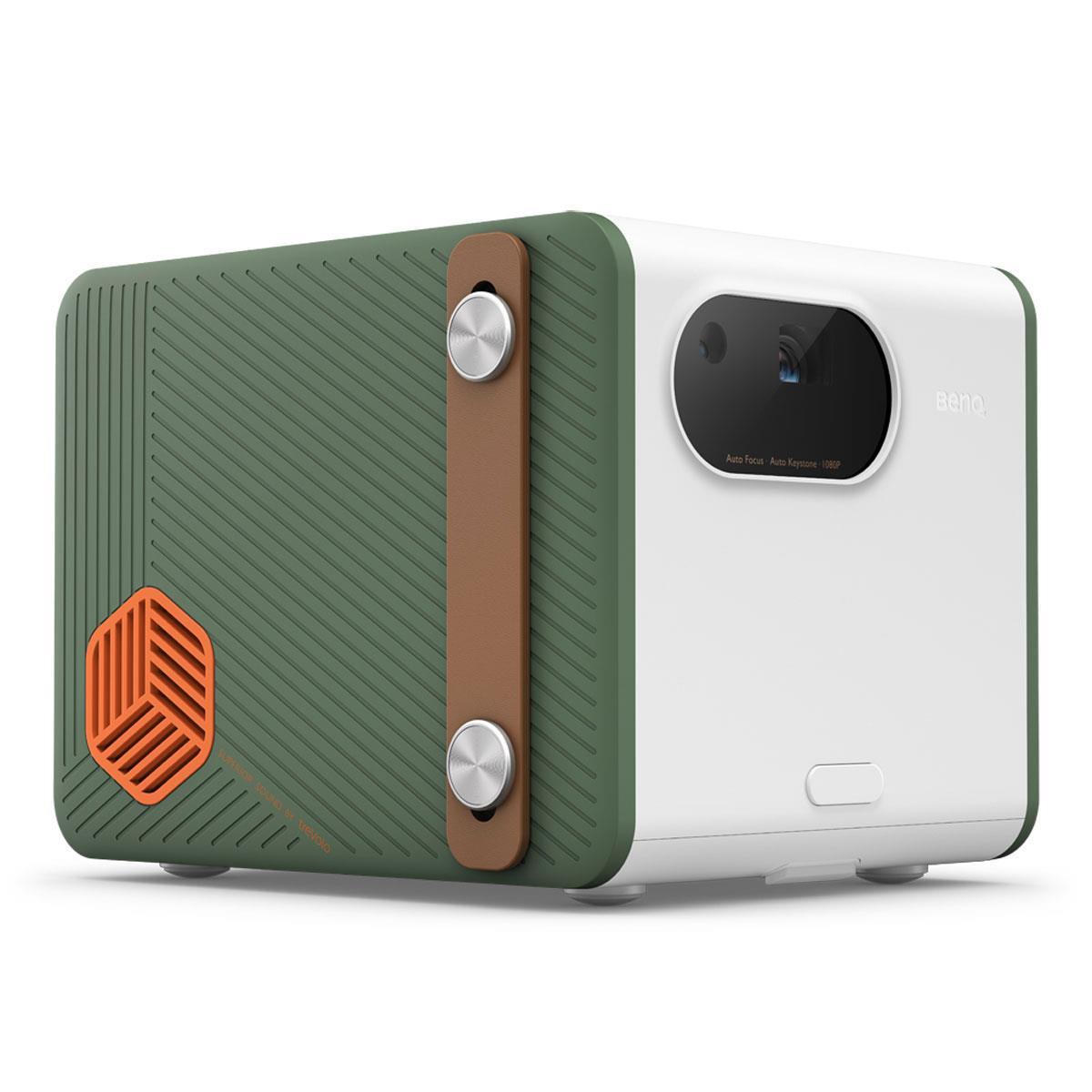
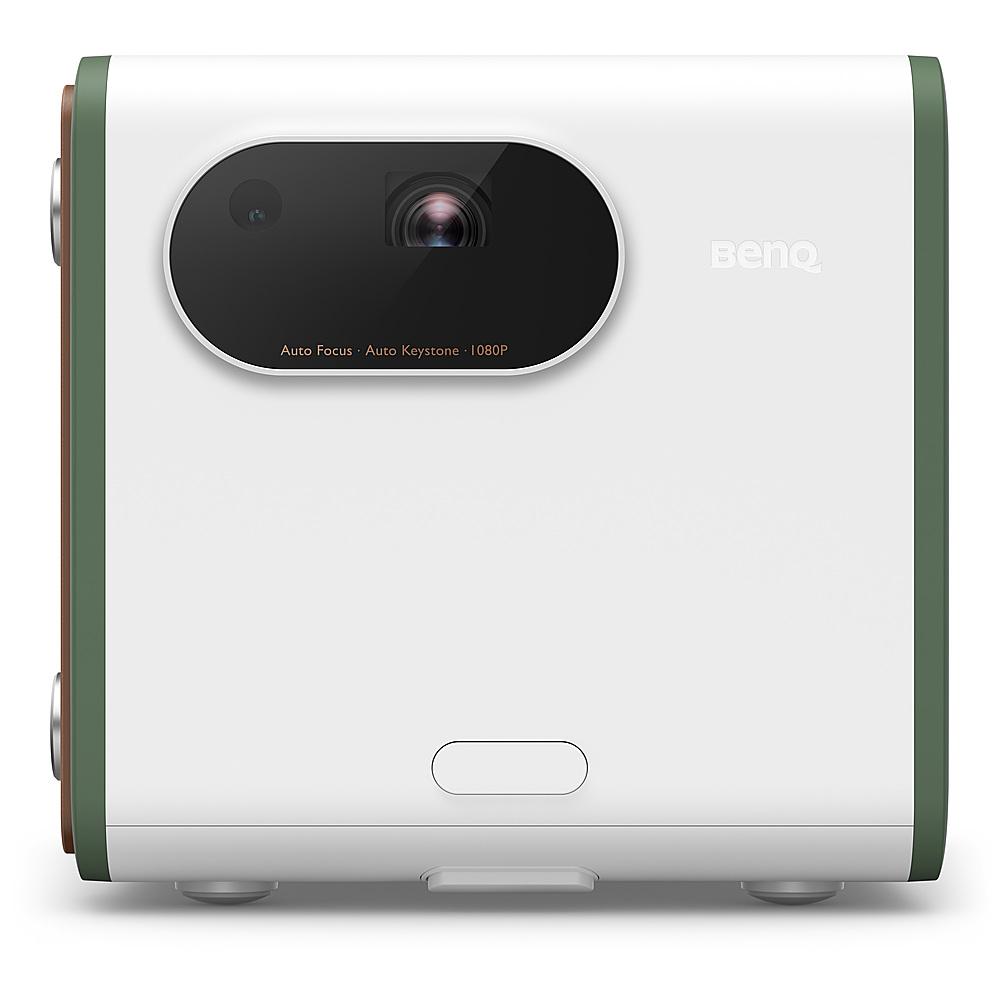
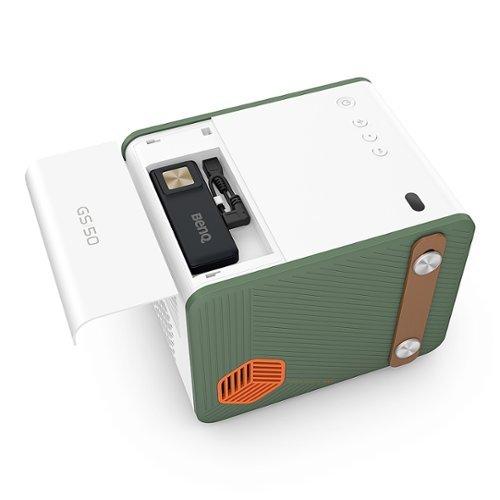
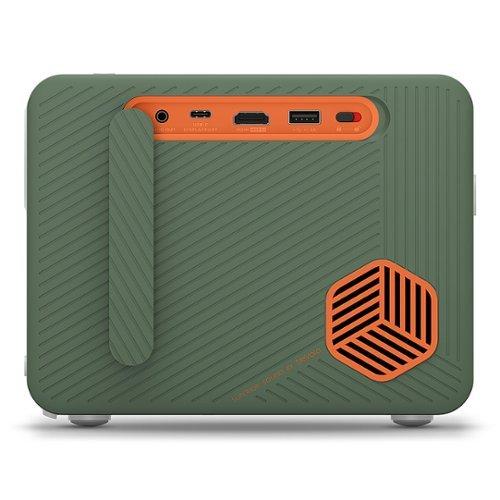
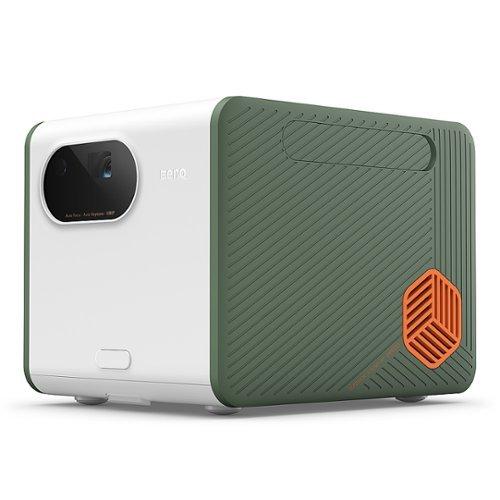
The GS50 is more compact in every dimension and over a pound lighter. Its cubic design with a leather handle makes it exceptionally portable. The Mars 3, while still movable, has a larger footprint that takes up more space in a backpack or car trunk.
If you're regularly taking your projector on hiking trips or packing it for travel, the GS50's more compact size could be a meaningful advantage. For moving between the backyard and living room, the difference is less significant.
Both projectors feature ruggedized designs meant to withstand outdoor conditions, but with different levels of protection:
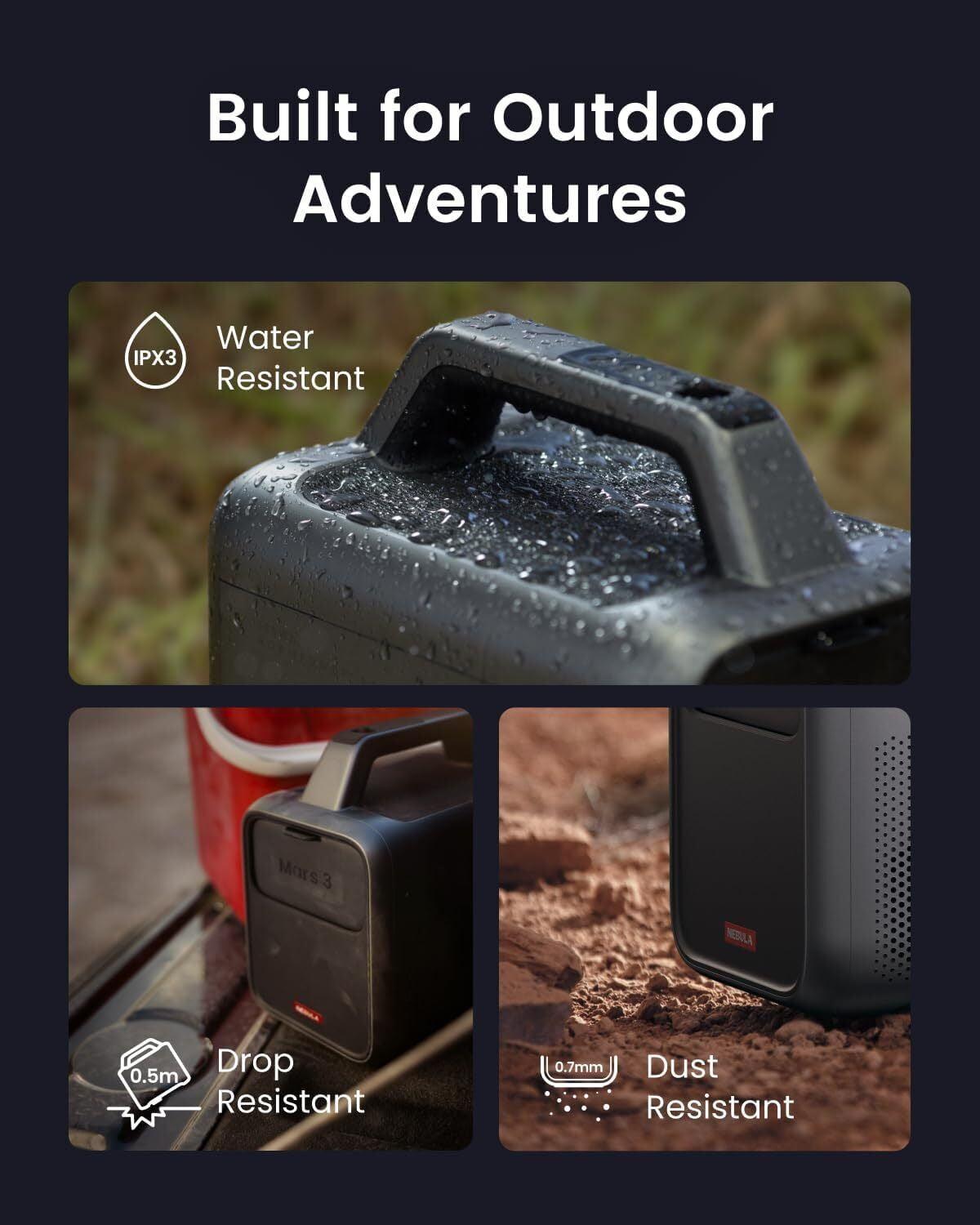
IPX3 means the Mars 3 can withstand water sprays at up to a 60-degree angle, effectively handling light rain. IPX2 for the GS50 means protection from water drops falling at up to a 15-degree angle – essentially protection from very light drizzle or accidental splashes.
The GS50 offers better drop protection (70cm vs 50cm), which could be valuable if you're using it around children or in environments where accidental bumps are likely.
In my experience using both outdoors, the Mars 3's superior water resistance provides valuable peace of mind when unexpected weather changes occur. I've used it during a light summer shower without issues, though I'd still recommend protecting either projector from sustained exposure to the elements.
One of the most impressive aspects of both projectors is their audio capability, eliminating the need for separate speakers in most scenarios:
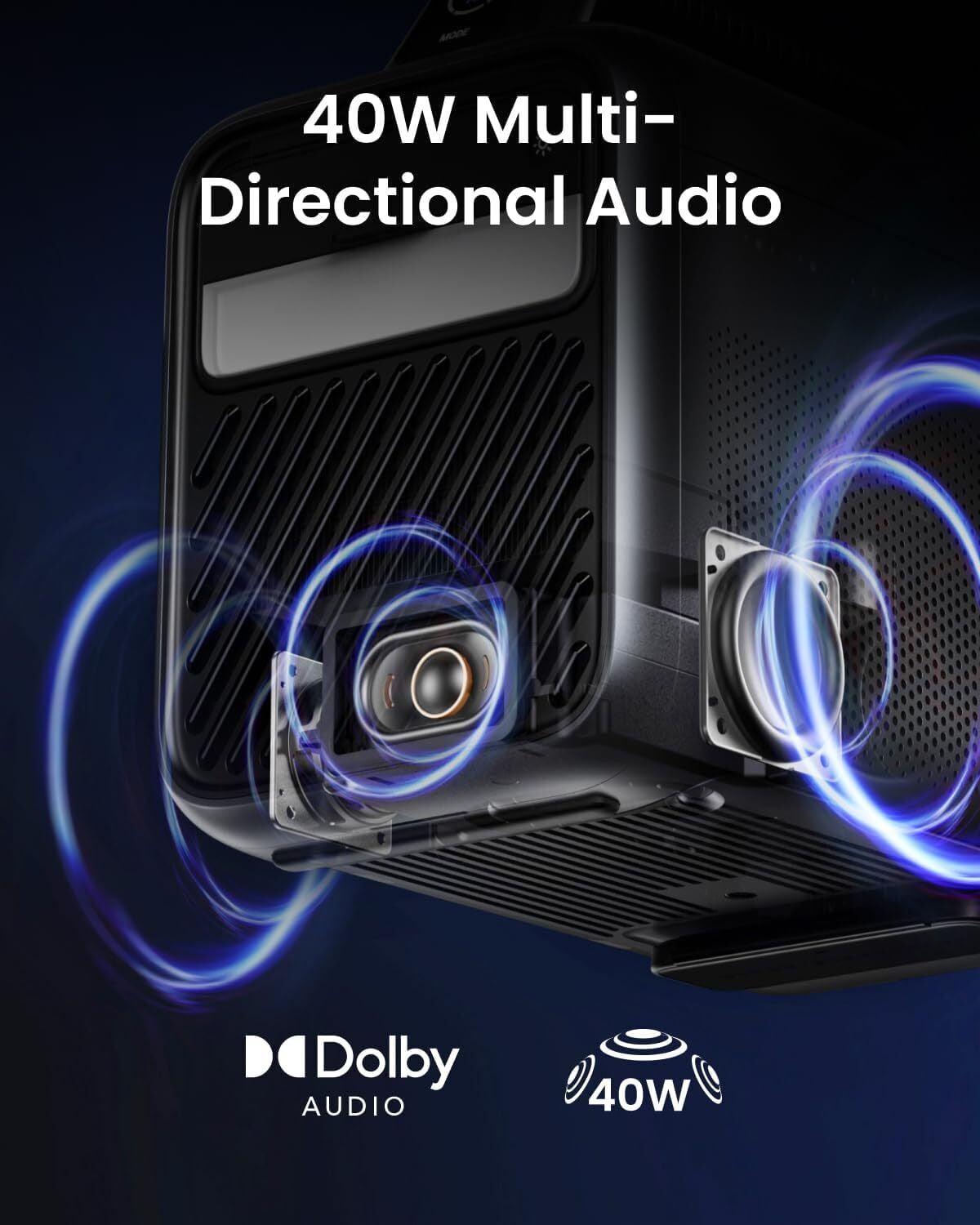
The Mars 3 boasts higher total power output, creating impressive volume capability that can fill a backyard space. The GS50 takes a more refined approach with a dedicated woofer for bass response and speakers designed to project sound in a 270-degree pattern, creating a more immersive soundstage.
In practice, the GS50 produces more balanced audio with surprising bass response for its size, while the Mars 3 can get louder but with slightly less definition in the low end. For dialogue-heavy content, both perform admirably, but for action movies or music, the GS50's better bass response is noticeable.
One unique feature of the GS50 is its ability to function as a standalone Bluetooth speaker even when not projecting. This dual functionality adds value, effectively giving you two devices in one.
Both projectors run on Android TV, though different versions:
The newer Android TV 11.0 on the Mars 3 provides some additional features and better long-term support, though in day-to-day use, the difference isn't dramatic. Both interfaces are intuitive, providing access to major streaming services and apps through the Google Play Store.
One notable difference is that the Mars 3 includes better Netflix compatibility out of the box. The GS50, like many Android TV projectors, requires some workarounds to get Netflix running smoothly, though this has improved with updates since its release.
Both projectors offer robust wireless options:
The addition of AirPlay on the GS50 is a meaningful advantage for Apple users, allowing seamless streaming from iPhones, iPads, and Macs without additional apps or setup. The Mars 3 has more current Bluetooth technology, which provides better range and connection stability for Bluetooth audio devices.
For connecting external devices like gaming consoles, both offer good options:
The GS50's USB-C port with DisplayPort Alt Mode is particularly versatile, allowing direct connection to many laptops and mobile devices without requiring an HDMI adapter. This can be a significant convenience when connecting newer devices that might not have full-size HDMI ports.
The Mars 3 includes some innovative features that enhance its usability:
The GS50 offers its own unique advantages:
While designed primarily for outdoor use, both projectors can serve double-duty as home theater devices when not being used outdoors.
For dedicated home theater use, the Mars 3's higher brightness means it can work in rooms with some ambient light, while the GS50 performs best in fully darkened rooms. The Mars 3's automatic screen adaptation also makes it easier to quickly set up in different rooms of your home.
However, it's worth noting that for the same price as either of these portable projectors, you could purchase a dedicated home theater projector with significantly higher brightness and better overall image quality – you'd just lose the battery-powered portability. If your usage will be 90% indoors, specialized home theater projectors from companies like Epson, BenQ, or Optoma would provide better performance for the money.
After spending considerable time with both the Anker Nebula Mars 3 and BenQ GS50, I've developed a clear sense of who each projector is best suited for.
Choose the Anker Nebula Mars 3 if:
Choose the BenQ GS50 if:
Both the Anker Nebula Mars 3 and BenQ GS50 represent the current state of the art in portable outdoor projection, and either one would dramatically enhance your outdoor entertainment capabilities.
The Mars 3 is the more technically capable device, with its significantly higher brightness, longer battery life, and excellent smart features justifying its higher price point for those who need maximum flexibility. The GS50 delivers impressive performance in a more compact, affordable package that will satisfy most users, especially those who primarily use it in optimal viewing conditions.
Your decision ultimately comes down to your specific use case and budget. If you'll be using your projector in varied lighting conditions and need maximum versatility, the Mars 3's additional capabilities are worth the investment. If you're primarily projecting in dark environments and value portability and audio quality, the GS50 offers outstanding value while saving you a significant amount of money.
Whichever you choose, both projectors represent how far portable projection technology has come – making the magic of outdoor cinema more accessible than ever before.
| Anker Nebula Mars 3 | BenQ GS50 |
|---|---|
| Price - The initial investment | |
| $1,000-$1,100 (premium pricing) | $799 (more affordable option) |
| Brightness - Critical for viewing before complete darkness | |
| 1000 ANSI lumens (usable at dusk and with ambient light) | 500 ANSI lumens (best in fully dark environments) |
| Resolution - Determines image clarity and detail | |
| 1920x1080 Full HD with HDR10 support | 1920x1080 Full HD with HDR10 and HLG support |
| Battery Life - How long you can watch without power | |
| Up to 5 hours in Eco mode, 2 hours in Standard mode (can handle most feature films) | Up to 2.5 hours (sufficient for one movie) |
| Audio System - Quality of built-in sound | |
| 40W 3-way speaker system with Dolby Audio (higher volume capability) | 2.1 channel (2x 5W tweeters, 1x 10W woofer) with 270-degree sound (better bass response) |
| Weather Resistance - Ability to handle outdoor conditions | |
| IPX3 water resistance (can withstand light rain), 0.5m drop resistant | IPX2 splash-proof (light drizzle only), 0.7m drop resistant |
| Size and Weight - Portability factor | |
| 6.3" x 10.2" x 9.8", 9.9 lbs (larger footprint) | 5.9" x 7.5" x 5.9", 8.6 lbs (more compact and lightweight) |
| Maximum Projection Size - How large the image can be | |
| 30-200 inches (suitable for large group viewings) | 30-100 inches (suitable for standard viewing scenarios) |
| Operating System - Smart features and app access | |
| Android TV 11.0 with Google Assistant and Chromecast | Android TV 9.0 with Chromecast and AirPlay |
| Auto-Setup Features - Ease of deployment | |
| Intelligent Environment Adaptation 3.0 (auto focus, keystone, and screen fit within 3 seconds) | Auto focus and keystone correction (standard functionality) |
| Connectivity Options - How you connect devices | |
| HDMI, USB-A, USB-C, 3.5mm audio output, Bluetooth 5.1 | HDMI 2.0, USB-A, USB-C with DisplayPort Alt Mode, 3.5mm audio output, Bluetooth 4.2 |
| Unique Features - Special capabilities | |
| Autobright AI Technology, can charge other devices via USB | Functions as standalone Bluetooth speaker, more compact design with carrying handle |
| Best For - Ideal use case | |
| Users needing maximum flexibility in various lighting conditions who prioritize brightness and battery life | Budget-conscious users who primarily project in dark environments and value portability and audio quality |
The Anker Nebula Mars 3 is significantly brighter with 1000 ANSI lumens compared to the BenQ GS50's 500 ANSI lumens. This makes the Mars 3 much better for viewing in environments with ambient light or before complete darkness. If you plan to start movies at dusk or use your projector in partially lit spaces, the Anker Nebula Mars 3 offers a clear advantage.
The Anker Nebula Mars 3 offers superior battery life with up to 5 hours in Eco mode and 2 hours in Standard mode, while the BenQ GS50 provides up to 2.5 hours on a single charge. For longer outdoor movie marathons without access to power, the Anker Nebula Mars 3 is the better choice, potentially allowing you to watch two movies back-to-back in Eco mode.
The Anker Nebula Mars 3 has IPX3 water resistance (can handle light rain) and 0.5m drop resistance, while the BenQ GS50 offers IPX2 splash-proof rating (protection from drizzle) and 0.7m drop resistance. The Mars 3 provides better protection against rain, making it more suitable for unpredictable weather, but the BenQ GS50 offers slightly better drop protection.
The BenQ GS50 typically retails for $799, making it more affordable than the Anker Nebula Mars 3, which costs between $1,000-$1,100. This price difference of approximately $200-300 is significant and makes the BenQ GS50 a more budget-friendly option for those who don't need the additional brightness and battery life of the Mars 3.
Both projectors have impressive audio systems, but they differ in approach. The Anker Nebula Mars 3 features a powerful 40W 3-way speaker system with Dolby Audio that produces louder sound, while the BenQ GS50 uses a 2.1 channel system (2x 5W tweeters, 1x 10W woofer) with 270-degree sound projection that delivers better bass response and more balanced audio. For pure volume, choose the Mars 3; for audio quality, the BenQ GS50 has the edge.
Yes, both the Anker Nebula Mars 3 and BenQ GS50 can serve as home theater projectors. The Mars 3's higher brightness makes it more versatile in rooms with some ambient light, while the GS50 performs best in fully darkened rooms. However, dedicated home theater projectors (non-portable) in the same price range would offer better image quality if portability isn't needed. The Anker Nebula Mars 3 is more suitable for dual indoor/outdoor use.
The Anker Nebula Mars 3 can project images from 30 to 200 inches diagonal, while the BenQ GS50 has a more limited range of 30 to 100 inches. This makes the Mars 3 more suitable for large group viewings or creating truly immersive outdoor cinema experiences where you want a massive picture. For standard viewing distances, the BenQ GS50's 100-inch maximum is typically adequate.
The BenQ GS50 is more compact and lightweight at 5.9" x 7.5" x 5.9" and 8.6 lbs, compared to the Anker Nebula Mars 3 at 6.3" x 10.2" x 9.8" and 9.9 lbs. The GS50's cubic design with a leather handle makes it exceptionally portable and easier to pack for travel or camping trips. If maximum portability is a priority, the BenQ GS50 has the advantage.
Both the Anker Nebula Mars 3 and BenQ GS50 run Android TV with access to most major streaming apps. The Mars 3 runs the newer Android TV 11.0 and has better native Netflix compatibility, while the GS50 runs Android TV 9.0 and may require workarounds for optimal Netflix performance. Both support Disney+, Hulu, Amazon Prime, and other major streaming services. For the smoothest streaming experience, particularly with Netflix, the Anker Nebula Mars 3 has a slight edge.
The BenQ GS50 supports AirPlay, making it more convenient for Apple users to stream content directly from iPhones, iPads, and Macs without additional apps. The Anker Nebula Mars 3 doesn't support AirPlay natively, though content can still be streamed via Chromecast or HDMI connection. If you're heavily invested in the Apple ecosystem, the BenQ GS50's AirPlay support provides a more seamless experience.
Yes, both projectors offer automatic setup features, but the Anker Nebula Mars 3 goes further with its Intelligent Environment Adaptation 3.0, which automatically adjusts focus, keystone correction, and screen size within 3 seconds. The BenQ GS50 provides standard auto focus and keystone correction. For the quickest and most hassle-free setup, especially when frequently changing locations, the Anker Nebula Mars 3 offers more advanced automation.
Value depends on your specific needs. The BenQ GS50 at $799 offers excellent value if you primarily use your projector in dark environments and prioritize portability and audio quality. The Anker Nebula Mars 3 at $1,000-$1,100 provides better value if you need maximum flexibility with brightness, battery life, and weather resistance. For casual users, the BenQ GS50 likely offers better value, while power users will find the Mars 3's premium features worth the additional cost.
We've done our best to create useful and informative comparisons to help you decide what product to buy. Our research uses advanced automated methods to create this comparison and perfection is not possible - please contact us for corrections or questions. These are the sites we've researched in the creation of this article: techradar.com - seenebula.com - thesmarthomehookup.com - yuenx.com - projectorcentral.com - seenebula.com - youtube.com - youtube.com - youtube.com - cnet.com - projectorreviews.com - youtube.com - youtube.com - projectorcentral.com - seenebula.com - youtube.com - yuenx.com - cnet.com - hometheaterhifi.com - youtube.com - youtube.com - whathifi.com - youtube.com - bgeek.eu - youtube.com - youtube.com - projectorreviews.com - youtube.com - youtube.com - projectorcentral.com - projectorreviews.com - bestbuy.com - touchboards.com - projectorcentral.com - adorama.com - projectorreviews.com - insight.com - cnet.com

Privacy Policy
Terms and Conditions - Affiliate Policy
Home Security
© Copyright 2008-2026.
11816 Inwood Rd #1211, Dallas, TX 75244