


Remember when watching a movie outdoors meant lugging around heavy equipment, extension cords, and separate speakers? Those days are thankfully behind us. The portable projector market has undergone a remarkable transformation over the past five years, evolving from dim, low-resolution novelties to legitimate home theater alternatives that fit in a backpack.
Today's premium portable projectors offer a compelling mix of brightness, resolution, and smart features that make them viable options for both indoor and outdoor entertainment. The technology has matured to the point where you can expect decent brightness, Full HD resolution, and built-in streaming capabilities in a package weighing less than 10 pounds.
When evaluating these portable entertainment hubs, several factors determine whether they'll delight or disappoint. Brightness remains the most critical factor—measured in ANSI or ISO lumens, these numbers tell you whether your projector will produce a visible image in various lighting conditions. Resolution and image processing determine sharpness and color accuracy. Battery capacity dictates how long your outdoor movie night will last before needing a power outlet. And durability features can mean the difference between a rainstorm ruining your investment or merely postponing your viewing plans.
Let's dive into two premium contenders in this space: the outdoor-focused Anker Nebula Mars 3 (around $1,099) and the sleek, compact XGIMI Halo+ (approximately $849).
Released in mid-2023, the Nebula Mars 3 represents Anker's latest iteration in their Mars projector lineup, building upon the previous Mars II series with significant upgrades in brightness, resolution, and environmental protection. At $1,099, it positions itself as a premium outdoor entertainment solution.
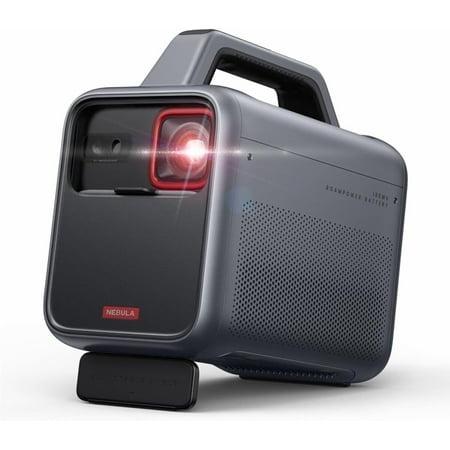
The Mars 3's substantial cylindrical design with a carrying handle immediately communicates its purpose—this is a projector designed to travel beyond your living room. Weighing in at 9.9 pounds, it's not exactly ultralight, but the additional heft houses a substantial battery and powerful speaker system that justify the weight.
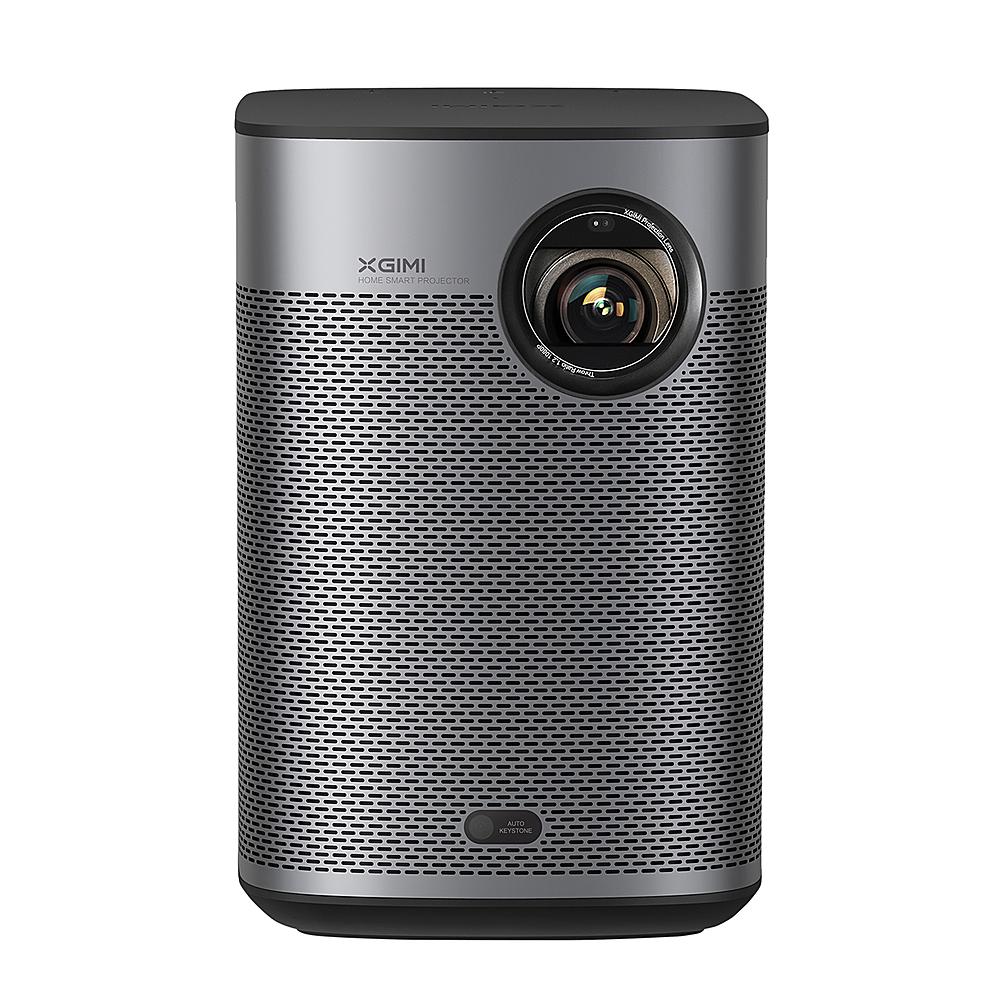
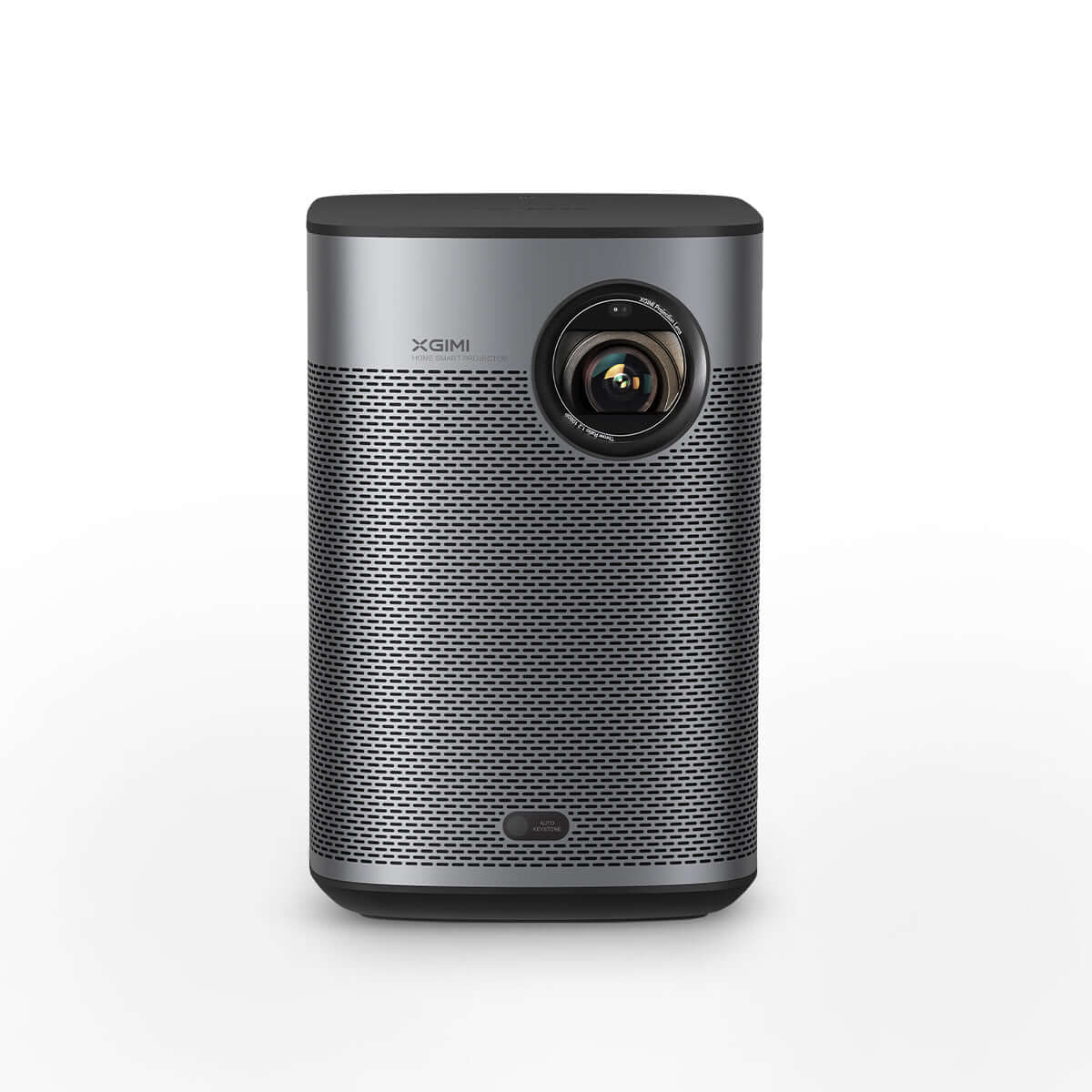
The XGIMI Halo+ hit the market in late 2021, refining the original Halo model with improved brightness and smart features. At $849, it's positioned as a premium portable projector with an emphasis on elegant design and versatility.
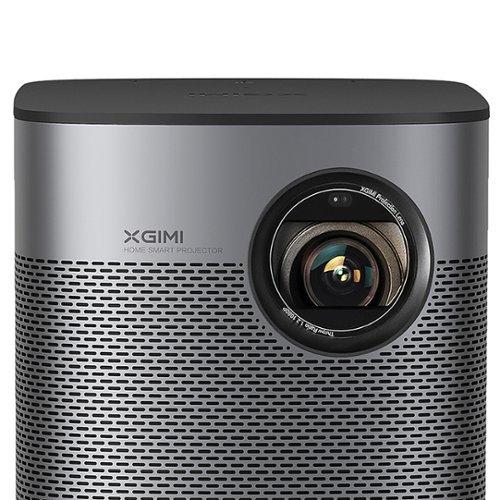
The Halo+ sports a minimalist rectangular design that wouldn't look out of place in a modern living room. At just 3.53 pounds, it's designed for maximum portability, fitting easily into a backpack or carry-on luggage. Its more modest battery and speaker system allow for this compact form factor but come with corresponding performance trade-offs.
The single most important specification for portable projectors is brightness, as it determines when and where you can actually use your device.
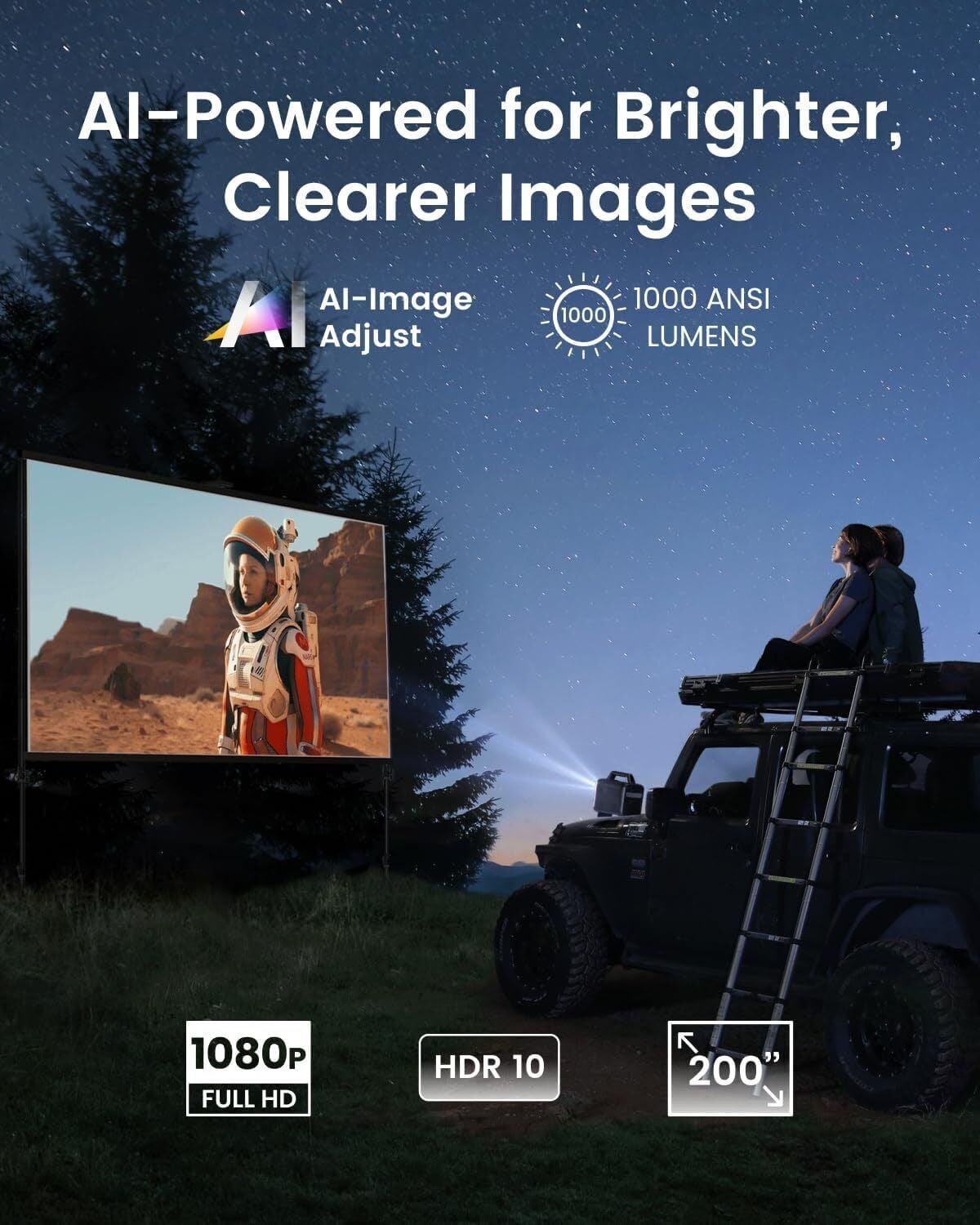
The Nebula Mars 3 boasts an impressive 1000 ANSI lumens—a substantial improvement over its predecessor and among the brightest battery-powered projectors available. ANSI lumens are a standardized measurement of brightness that gives a reliable indication of real-world performance. At this brightness level, the Mars 3 can produce a visible image in moderately lit environments like a living room with some ambient light or an outdoor setting around sunset.
The Mars 3 also includes Autobright AI technology, which automatically adjusts brightness based on ambient conditions. This intelligent feature not only optimizes image quality but also helps extend battery life when maximum brightness isn't needed. In practical terms, this means you can start your outdoor movie at dusk with moderate brightness and let the projector automatically increase output as darkness falls.
The XGIMI Halo+ delivers 700 ISO lumens, which is respectable for a portable projector but noticeably dimmer than the Mars 3. It's worth noting that ISO lumens and ANSI lumens aren't directly comparable, but in practical testing, the Halo+ produces images best viewed in fully darkened rooms or complete outdoor darkness. This brightness limitation means you'll need to be more careful about when and where you use the Halo+.
In my experience testing both units, the brightness difference is immediately apparent. The Mars 3 can start outdoor movie nights earlier in the evening, while the Halo+ requires patience until true darkness falls. For home theater use, the Mars 3's additional brightness allows for larger screen sizes while maintaining image visibility.
Both projectors offer 1080p Full HD resolution, which provides sharp, detailed images at typical projection distances. This resolution sweet spot balances detail with processing requirements and has become the standard for portable projectors.
Where they differ is in their image processing technologies. The Halo+ features XGIMI's X-VUE 2.0 image engine, which enhances contrast, color accuracy, and overall picture clarity. This processing is particularly evident when displaying HDR10 content, where the projector makes intelligent adjustments to preserve detail in both highlights and shadows.
The Mars 3 takes a different approach with its advanced LED optical engine and HDR10 compatibility. While it lacks a branded image processing system, it delivers excellent color accuracy and contrast, particularly at higher brightness levels where many projectors struggle.
Both projectors support automatic keystone correction (adjusting the image shape when projecting at an angle) and autofocus. However, the Halo+ goes further with its Intelligent Screen Adaptation (ISA) technology, which can automatically detect obstacles in the projection path and resize the image to avoid them—a genuinely useful feature when setting up in varied environments.
For home theater enthusiasts, both projectors deliver satisfying image quality for their size class, though neither will challenge dedicated home theater projectors in terms of contrast ratio or color accuracy. The Mars 3's higher brightness allows for larger screen sizes, potentially up to 200 inches in dark conditions, while the Halo+ is better suited to screen sizes under 120 inches for optimal image quality.
Perhaps the most significant practical difference between these projectors is their battery capacity and resulting runtime.
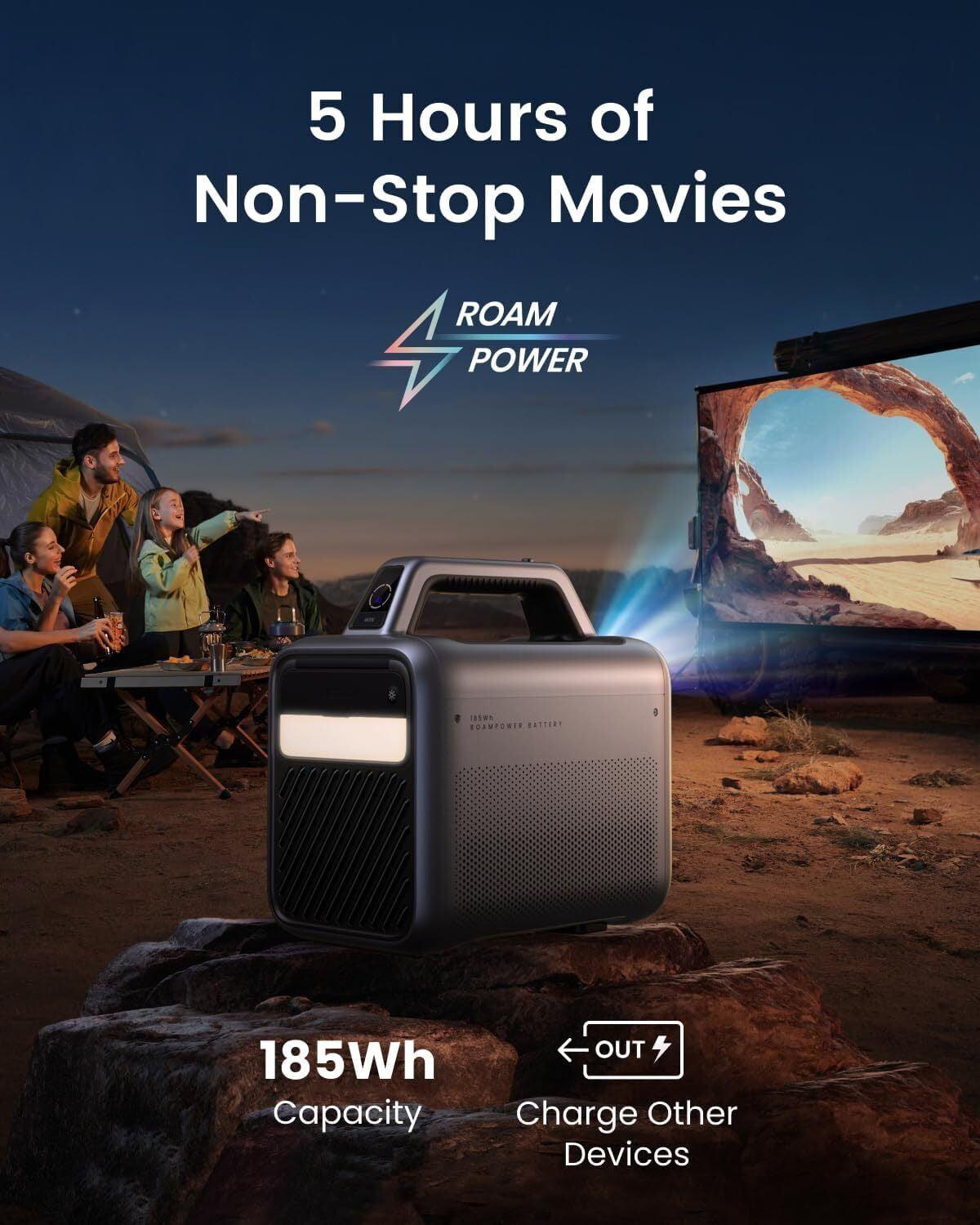
The Nebula Mars 3 packs an impressive 185Wh battery that delivers up to 5 hours of playback in Eco mode or around 2 hours at full brightness. This substantial battery is what enables true outdoor movie marathons without requiring a power source. You can comfortably watch an entire feature film at full brightness or extend to a double feature by utilizing the Eco mode and Autobright features.
The XGIMI Halo+ contains a more modest 59.45Wh battery, providing approximately 2.5 hours of playback time. This is sufficient for most movies but leaves little margin for error—and forget about binge-watching a TV series without access to power. The smaller battery is a direct consequence of its more compact design philosophy.
The battery life difference becomes particularly relevant in outdoor settings where power sources may be unavailable. The Mars 3's extended runtime provides genuine freedom from power concerns, while the Halo+ requires more careful planning around content length.
The trade-off for the Mars 3's superior battery life and audio performance is its substantially larger size and weight. At 9.9 pounds and measuring 6.3" x 10.2" x 9.8", it's transportable rather than truly portable. The integrated handle makes carrying easier, but you'll definitely notice its presence in a backpack.
The Halo+ shines in this category, weighing just 3.53 pounds and measuring a compact 6.8" x 4.5" x 5.7". This dramatic weight difference makes the Halo+ far more suitable for frequent transport or travel use. It's the projector you're more likely to take "just in case," while the Mars 3 requires more deliberate planning.
For home theater applications, the size difference is less relevant, though the Halo+'s smaller footprint makes it easier to place on coffee tables or bookshelves when not ceiling-mounted.
Portable projectors must include built-in audio systems to be truly self-contained, and both manufacturers have made substantial investments in this area, though with different priorities.
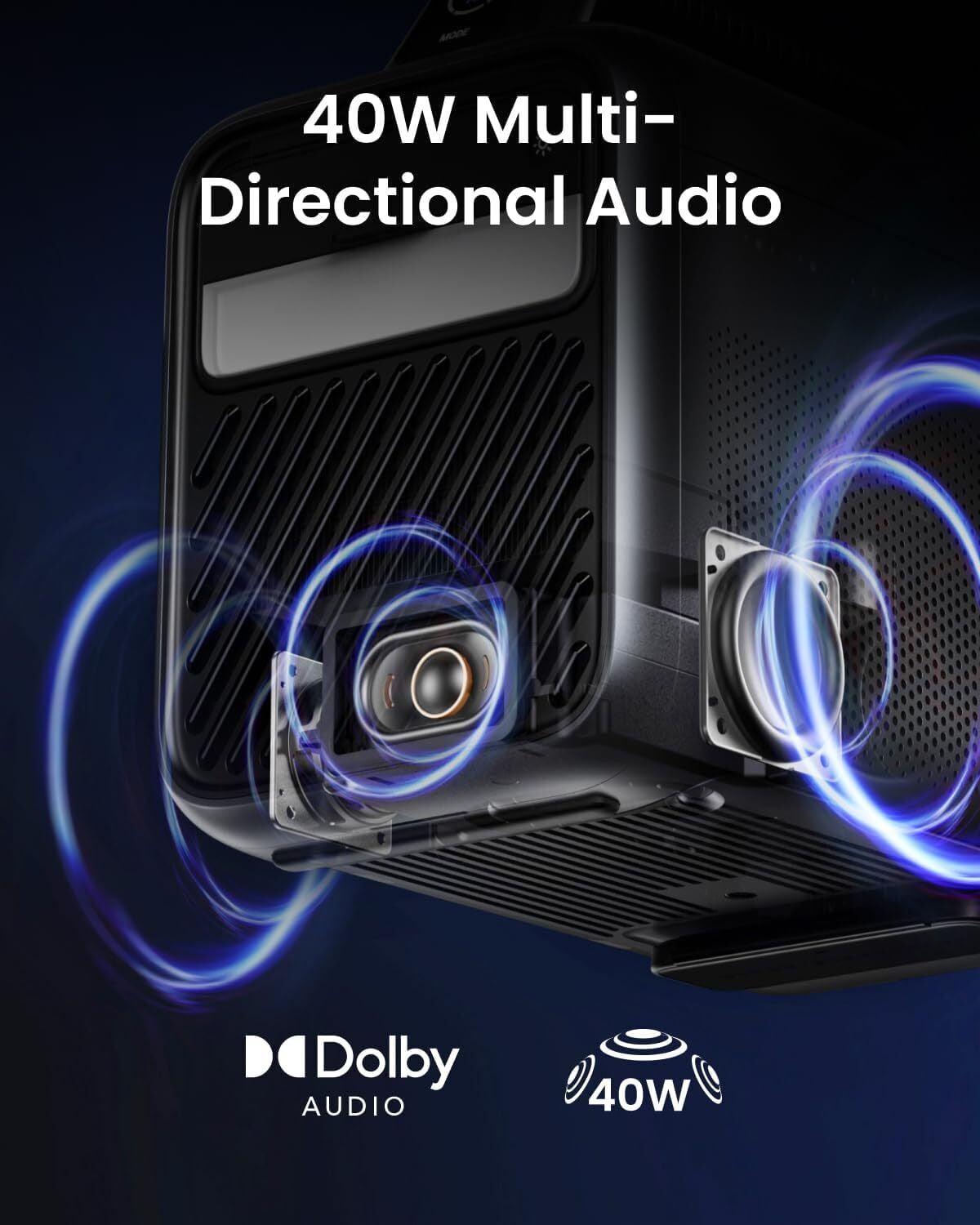
The Mars 3 features an impressive 40W 3-way speaker system with Dolby Audio support. This powerful audio system can fill outdoor spaces with clear, robust sound that doesn't require external speakers in most situations. The system includes dedicated woofers that provide surprising bass response for a portable unit—something that's immediately noticeable when watching action movies or content with musical scores.
The Halo+ takes a more refined approach with dual 5W Harman/Kardon-tuned speakers supporting Dolby Audio and DTS-HD. While the total power output is lower at 10W, the tuning and quality of the speakers deliver impressive clarity and balance for the size. For indoor use or small gatherings, the audio is quite satisfying, though it lacks the raw power needed for larger outdoor settings.
In direct comparison, the Mars 3's audio system is clearly superior for outdoor use, where volume and power are essential to overcome ambient noise. For home theater use in smaller rooms, the difference is less dramatic, though the Mars 3 still provides a more immersive audio experience.
Both projectors run variants of Android TV, providing access to thousands of streaming apps directly from the projector. This built-in smart functionality eliminates the need for external streaming devices in most cases.
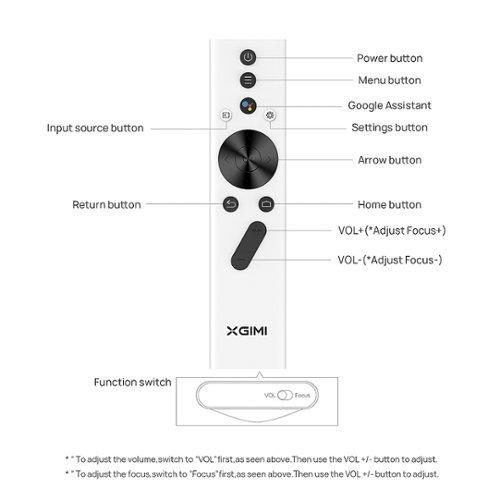
The Mars 3 runs Android TV 11.0, which offers a smooth, intuitive interface and supports most major streaming services. Chromecast functionality is built in, allowing easy casting from compatible devices, and Google Assistant support enables voice control when paired with the included remote.
The Halo+ also runs Android TV with similar functionality, though on a slightly older version. Both systems provide a comparable user experience with quick access to content and straightforward navigation.
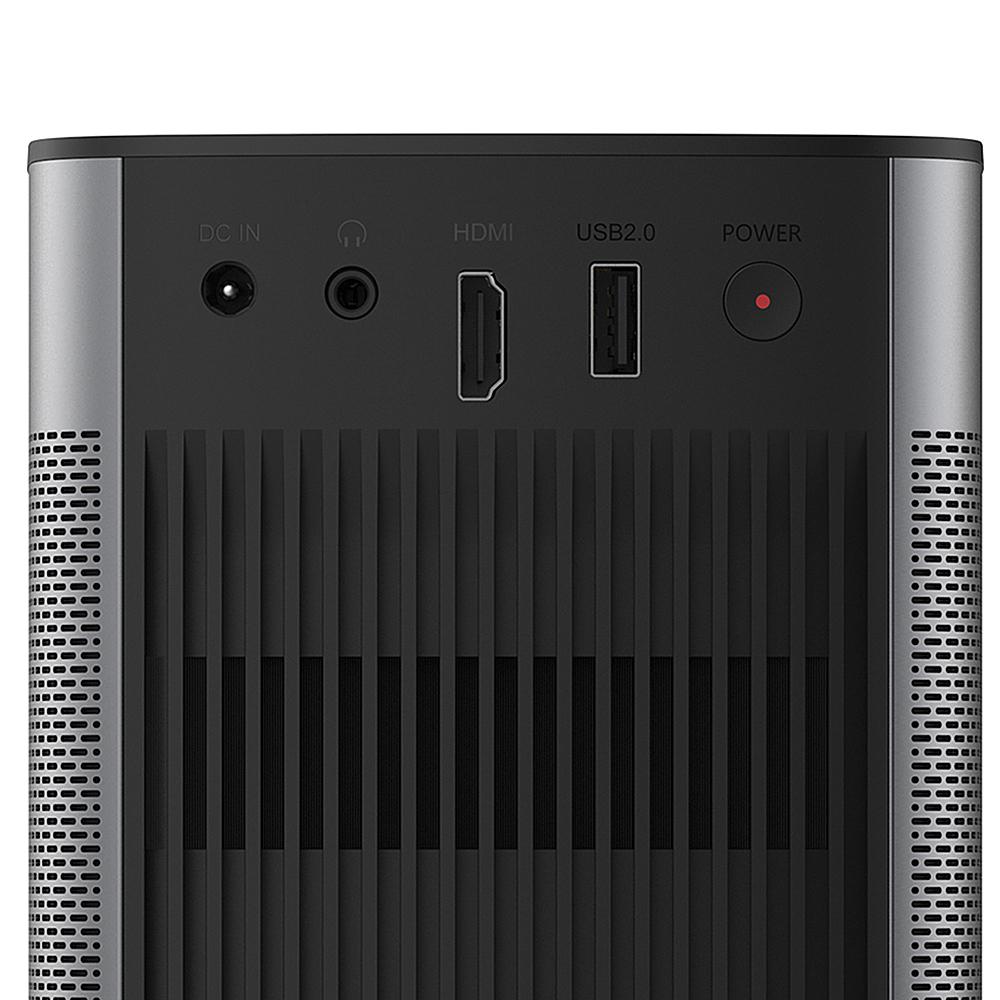
Connectivity options are similar between the two, with both offering HDMI and USB ports for connecting external devices. The Mars 3 adds a USB-C port that can be used to charge other devices, effectively functioning as a high-capacity power bank when needed—a thoughtful addition for outdoor use.
Wi-Fi and Bluetooth connectivity are present on both projectors, with the Mars 3 supporting dual-band 2.4/5 GHz Wi-Fi and Bluetooth 5.1, while the Halo+ offers similar dual-band Wi-Fi and Bluetooth 5.0.
The most significant philosophical difference between these projectors becomes apparent when considering their environmental durability.
The Nebula Mars 3 is explicitly designed for outdoor use, with IPX3 water resistance (protected against spraying water), 0.5m drop resistance, and 0.7mm dust resistance. These ratings mean it can withstand light rain, accidental drops, and dusty environments without damage. While not fully waterproof, it provides genuine peace of mind when used outdoors where weather can change unexpectedly.
The XGIMI Halo+ lacks specific weather resistance ratings and is primarily designed for indoor use with the capability for occasional outdoor deployment. Its more refined design prioritizes aesthetics over ruggedness, making it more vulnerable to environmental damage.
For dedicated outdoor use, this difference is critical. The Mars 3 can remain set up during light rain or withstand an accidental drop onto grass, while the Halo+ would need immediate protection in similar circumstances.
At approximately $1,099, the Nebula Mars 3 represents a premium investment in portable entertainment. Its value proposition centers on its outdoor capabilities—the higher brightness, extended battery life, powerful audio, and weather resistance collectively justify the price for users who prioritize these features.
The XGIMI Halo+ offers a somewhat more accessible entry point at around $849. Its value derives from its ultraportable design, sophisticated auto-alignment features, and refined aesthetics. For users who prioritize portability and primarily use their projector indoors, the Halo+ offers excellent value despite its brightness limitations.
Neither projector could be considered budget-friendly, but both deliver premium experiences aligned with their design philosophies. The question isn't whether they're worth their price tags in absolute terms, but rather which set of priorities better matches your intended use.
Your decision between these two excellent projectors should ultimately hinge on your primary use case and personal priorities.
Choose the Anker Nebula Mars 3 if:
Choose the XGIMI Halo+ if:
For home theater applications specifically, the Mars 3's superior brightness and audio make it more versatile across different room sizes and ambient light conditions. The Halo+ can certainly serve as a home theater projector but is best suited to smaller, fully darkened rooms.
Both projectors represent the cutting edge of what's possible in portable projection technology, delivering experiences that would have seemed impossible just a few years ago. The pace of innovation in this category suggests that future iterations will continue to push boundaries in brightness, battery life, and smart features—but for now, either the rugged Mars 3 or the sleek Halo+ represents an excellent entry point into the world of go-anywhere cinema.
When making your final decision, consider not just your current needs but how you might use your projector in various scenarios. The versatility of portable projectors is their greatest strength, and choosing the right balance of features ensures you'll get maximum enjoyment from whichever model you select.
| Anker Nebula Mars 3 Outdoor Portable Projector | XGIMI Halo+ Portable Projector |
|---|---|
| Price - Overall investment consideration | |
| $1,099 | $849 |
| Brightness - Determines usability in different lighting conditions | |
| 1,000 ANSI lumens (visible in semi-lit environments, suitable for twilight viewing) | 700 ISO lumens (requires darker environments for optimal viewing) |
| Resolution - Impacts image clarity and detail | |
| 1920x1080 (Full HD) with HDR10 support | 1920x1080 (Full HD) with HDR10 and HLG support |
| Battery Life - Critical for outdoor use without power access | |
| Up to 5 hours in Eco mode, 2 hours at full brightness (185Wh battery) | Up to 2.5 hours playback (59.45Wh battery) |
| Audio System - Determines need for external speakers | |
| 40W 3-way speaker system with Dolby Audio (powerful enough for outdoor use) | Dual 5W Harman/Kardon speakers (10W total) with Dolby Audio (good for indoor use) |
| Weight & Portability - Affects ease of transport | |
| 9.9 lbs (4.5 kg), 6.3" x 10.2" x 9.8" with carrying handle | 3.53 lbs (1.6 kg), 6.8" x 4.5" x 5.7" (much more compact and portable) |
| Durability - Important for outdoor use cases | |
| IPX3 water resistance, 0.5m drop resistance, 0.7mm dust resistance | No specific weather resistance ratings (primarily for indoor use) |
| Smart Features - Affects content access and ease of use | |
| Android TV 11.0, Chromecast, Google Assistant, auto focus and keystone correction | Android TV, more advanced Intelligent Screen Adaptation with obstacle avoidance |
| Connectivity - Determines compatibility with external devices | |
| HDMI, USB-A, USB-C (can charge other devices), Wi-Fi, Bluetooth 5.1 | HDMI (eARC), USB, Wi-Fi, Bluetooth 5.0 |
| Projection Size - Impacts viewing experience | |
| 30-200 inches | 40-200 inches |
| Release Date - Indicates technology generation | |
| Mid-2023 | Late 2021 |
| Best Suited For - Key deciding factor | |
| Outdoor movie nights, versatile environments, longer viewing sessions | Maximum portability, indoor use with occasional outdoor use, sleek aesthetics |
The Anker Nebula Mars 3 is significantly brighter with 1,000 ANSI lumens compared to the XGIMI Halo+ with 700 ISO lumens. This makes the Nebula Mars 3 better for environments with ambient light or outdoor viewing before complete darkness, while the Halo+ performs best in fully darkened rooms.
The Anker Nebula Mars 3 offers superior battery life with up to 5 hours in Eco mode or 2 hours at full brightness thanks to its larger 185Wh battery. The XGIMI Halo+ provides about 2.5 hours of playback from its 59.45Wh battery, making the Mars 3 better suited for extended viewing sessions without access to power.
The Anker Nebula Mars 3 is specifically designed for outdoor use with IPX3 water resistance, drop resistance, higher brightness, and powerful 40W speakers that can overcome ambient noise. The XGIMI Halo+ lacks weather resistance ratings and has less powerful speakers, making the Mars 3 the superior choice for dedicated outdoor viewing.
The XGIMI Halo+ is significantly more portable at just 3.53 pounds with compact dimensions (6.8" x 4.5" x 5.7"), making it easy to transport in a backpack. The Anker Nebula Mars 3 weighs 9.9 pounds with larger dimensions (6.3" x 10.2" x 9.8"), though it includes a carrying handle. For frequent travelers or those prioritizing portability, the Halo+ has a clear advantage.
Both the Anker Nebula Mars 3 and XGIMI Halo+ feature 1080p Full HD resolution with HDR support, but they approach image processing differently. The Halo+ uses XGIMI's X-VUE 2.0 image engine for enhanced contrast and color accuracy, while the Mars 3 delivers excellent brightness and color reproduction. For overall image quality in dark environments, they perform similarly, though the Mars 3's higher brightness maintains better image quality with ambient light.
The XGIMI Halo+ at $849 offers better value for those primarily using a projector indoors and prioritizing portability. The Anker Nebula Mars 3 at $1,099 provides better value for outdoor enthusiasts who need weather resistance, superior brightness, and longer battery life. Your specific use case will determine which represents the better value for your needs.
Yes, both the Anker Nebula Mars 3 and XGIMI Halo+ can function as home theater projectors with their 1080p resolution and smart features. The Mars 3's higher brightness and superior audio make it more versatile across different room sizes and lighting conditions, while the Halo+ works well in smaller, fully darkened rooms and offers a more discreet presence in living spaces.
Yes, both the Anker Nebula Mars 3 and XGIMI Halo+ run Android TV with access to thousands of streaming apps. The Mars 3 features the newer Android TV 11.0, while the Halo+ runs a slightly older version. Both include Chromecast functionality for streaming from mobile devices and access to major streaming platforms, though some services may require workarounds.
The Anker Nebula Mars 3 delivers superior audio with its 40W 3-way speaker system with Dolby Audio, providing enough volume and bass response for outdoor environments. The XGIMI Halo+ features dual 5W Harman/Kardon speakers (10W total) that offer impressive clarity for its size but lack the power and bass response of the Mars 3's system. For most users, the Mars 3 will eliminate the need for external speakers.
The XGIMI Halo+ has more advanced auto-adjustment features with its Intelligent Screen Adaptation technology that can automatically detect obstacles in the projection path and resize the image to avoid them. Both projectors offer auto focus and keystone correction, but the Halo+ provides a more sophisticated and seamless setup experience. The Anker Nebula Mars 3 includes Autobright AI to adjust brightness based on ambient conditions.
The Anker Nebula Mars 3 was released in mid-2023, making it about 1.5 years newer than the XGIMI Halo+, which launched in late 2021. This age difference is reflected in the Mars 3's newer Android TV 11.0 operating system and more advanced battery technology, though both represent current-generation portable projector technology.
Yes, both the Anker Nebula Mars 3 and XGIMI Halo+ feature HDMI ports for connecting gaming consoles, laptops, Blu-ray players, and other external devices. The Halo+ includes HDMI with eARC support for enhanced audio connection options. Both also feature USB ports for media playback from external drives. For gaming specifically, neither projector advertises exceptionally low input lag, so casual gaming is fine but competitive gaming might be challenging.
We've done our best to create useful and informative comparisons to help you decide what product to buy. Our research uses advanced automated methods to create this comparison and perfection is not possible - please contact us for corrections or questions. These are the sites we've researched in the creation of this article: techradar.com - seenebula.com - thesmarthomehookup.com - yuenx.com - projectorcentral.com - seenebula.com - youtube.com - youtube.com - youtube.com - cnet.com - projectorreviews.com - youtube.com - youtube.com - projectorcentral.com - seenebula.com - youtube.com - yuenx.com - bestbuy.com - bestbuy.com - youtube.com - projectorcentral.com - staples.com - youtube.com - rtings.com - us.xgimi.com - youtube.com - cnet.com - us.xgimi.com - youtube.com - marieclaire.com - youtube.com - youtube.com - youtube.com - youtube.com - odpbusiness.com - bhphotovideo.com - bestbuy.com - projectorcentral.com - us.xgimi.com - global.xgimi.com - projectorscreen.com - petra.com - eu.xgimi.com - us.xgimi.com - global.xgimi.com

Privacy Policy
Terms and Conditions - Affiliate Policy
Home Security
© Copyright 2008-2026.
11816 Inwood Rd #1211, Dallas, TX 75244