

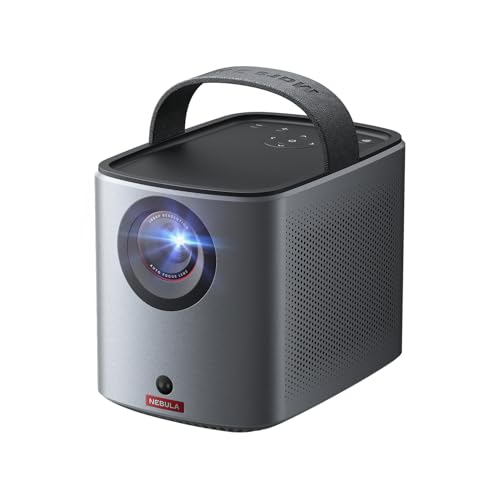




When I first started reviewing portable projectors five years ago, the category was honestly pretty disappointing. You'd get dim images, terrible audio, and battery life that barely lasted through a TV episode. Fast forward to 2024, and we're looking at devices that can genuinely compete with traditional home theater setups in many scenarios. The Anker Nebula Mars 3 Air and Mars 3 Outdoor represent the current peak of this evolution, but they take dramatically different approaches to solving the portable projection puzzle.
Before diving into these specific models, it's worth understanding what makes a portable projector tick. Unlike traditional home theater projectors that plug into the wall and stay put, portable projectors need to pack everything into a battery-powered package you can actually carry around. This creates some fascinating engineering challenges.
The core technology in both the Mars 3 Air and Mars 3 Outdoor is DLP (Digital Light Processing), which uses millions of tiny mirrors to create the image. Think of it like having a microscopic disco ball where each mirror can tilt incredibly fast to either reflect light toward the screen (creating a bright pixel) or away from it (creating a dark pixel). This technology is particularly good for portable projectors because it's more efficient than LCD alternatives and produces sharper images.
Both projectors use LED light sources rather than traditional bulbs. LEDs last around 25,000-30,000 hours (that's about 13 years of watching three hours per day), don't need warm-up time, and are more energy-efficient – crucial factors when you're running on battery power.
The fundamental difference between these projectors becomes clear the moment you see them side by side. The Mars 3 Air embodies the "take anywhere" philosophy – it's compact, lightweight at 3.7 pounds, and designed with a sleek aesthetic that wouldn't look out of place in a modern living room. Its fabric-wrapped speaker grilles and metallic finish give it an almost premium speaker vibe.
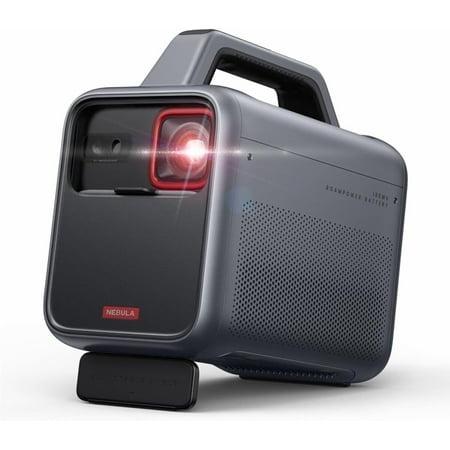
The Mars 3 Outdoor, weighing in at nearly 10 pounds, makes no apologies for prioritizing capability over portability. Its dark gray chassis looks ready for adventure, complete with a flip-out metal stand and rugged construction that can handle the inevitable bumps of outdoor use.
This design difference reflects their target audiences. The Mars 3 Air is for people who want to upgrade their Netflix experience in an apartment, bring entertainment to a friend's house, or maybe set up a cozy backyard movie night. The Mars 3 Outdoor is built for camping trips, tailgating, and situations where "good enough" isn't good enough when it comes to brightness and durability.
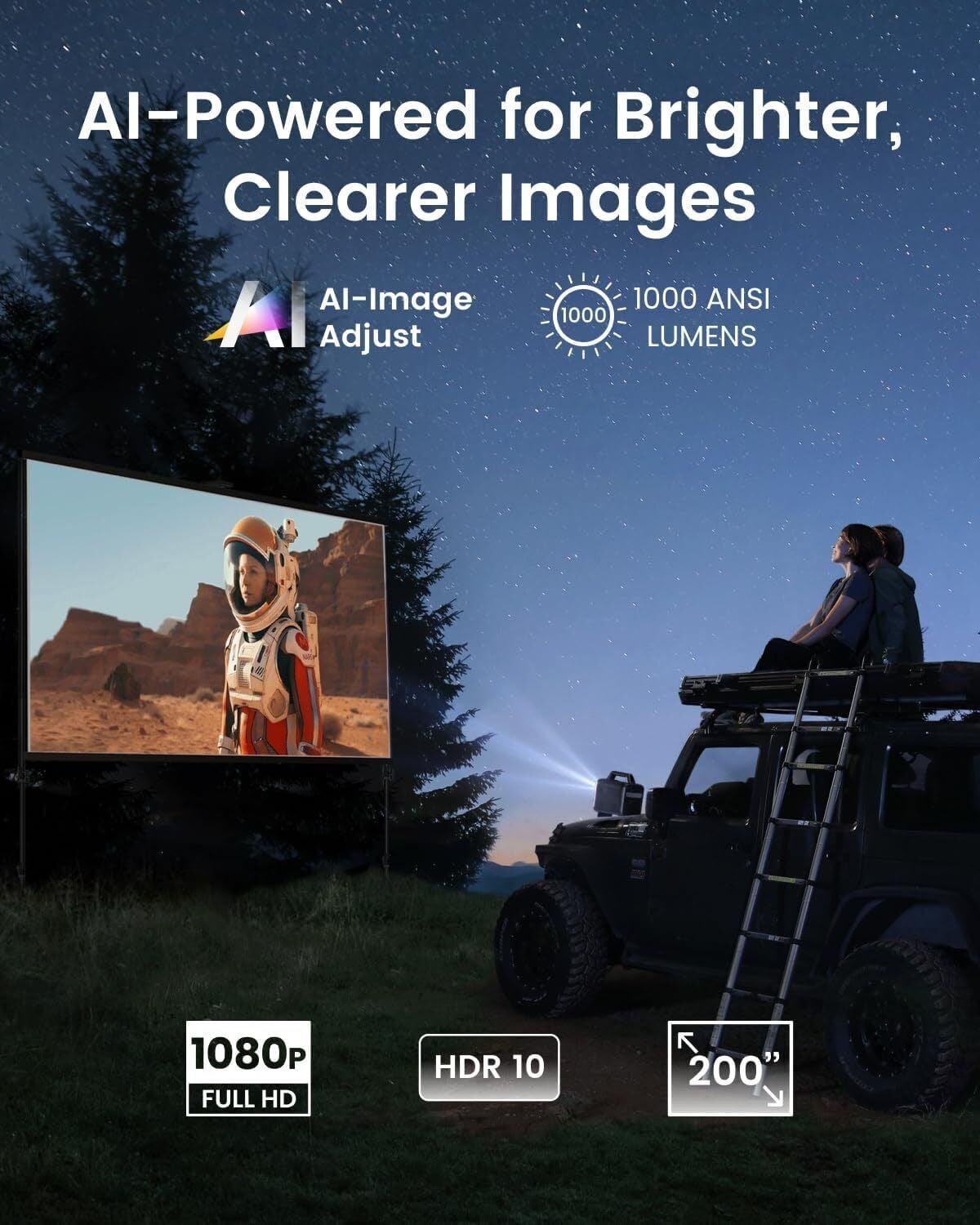
Here's where things get really interesting, and frankly, where most people make their decision. The Mars 3 Outdoor pumps out 1,000 ANSI lumens while the Mars 3 Air delivers 400 ANSI lumens. To put this in perspective, that's not just a 60% difference – the Mars 3 Outdoor is literally 2.5 times brighter.
ANSI lumens measure the actual light output of a projector under standardized conditions. Unlike the inflated "LED lumens" or "light source lumens" you might see on cheaper projectors, ANSI lumens give you the real story about how bright your image will be. For context, a typical living room with lamps on measures around 50-100 lux of ambient light, while outdoor twilight can be 200-400 lux.
In my testing, the Mars 3 Air produces gorgeous images in dark or dimly lit rooms. Colors pop, blacks look reasonably deep (achieving a 373:1 contrast ratio), and HDR content shows noticeable improvement over standard dynamic range. However, introduce any significant ambient light, and you'll start seeing that familiar "washed out" projector look.
The Mars 3 Outdoor, on the other hand, maintains image quality even when there's considerable ambient light. I've successfully used it for outdoor movie nights that started at sunset – something that would be impossible with the Mars 3 Air. That extra brightness also means you can go bigger with your screen size; while both projectors can technically project up to massive sizes, the Mars 3 Outdoor can maintain a watchable image at 150-200 inches where the Mars 3 Air starts to look dim beyond 100 inches.
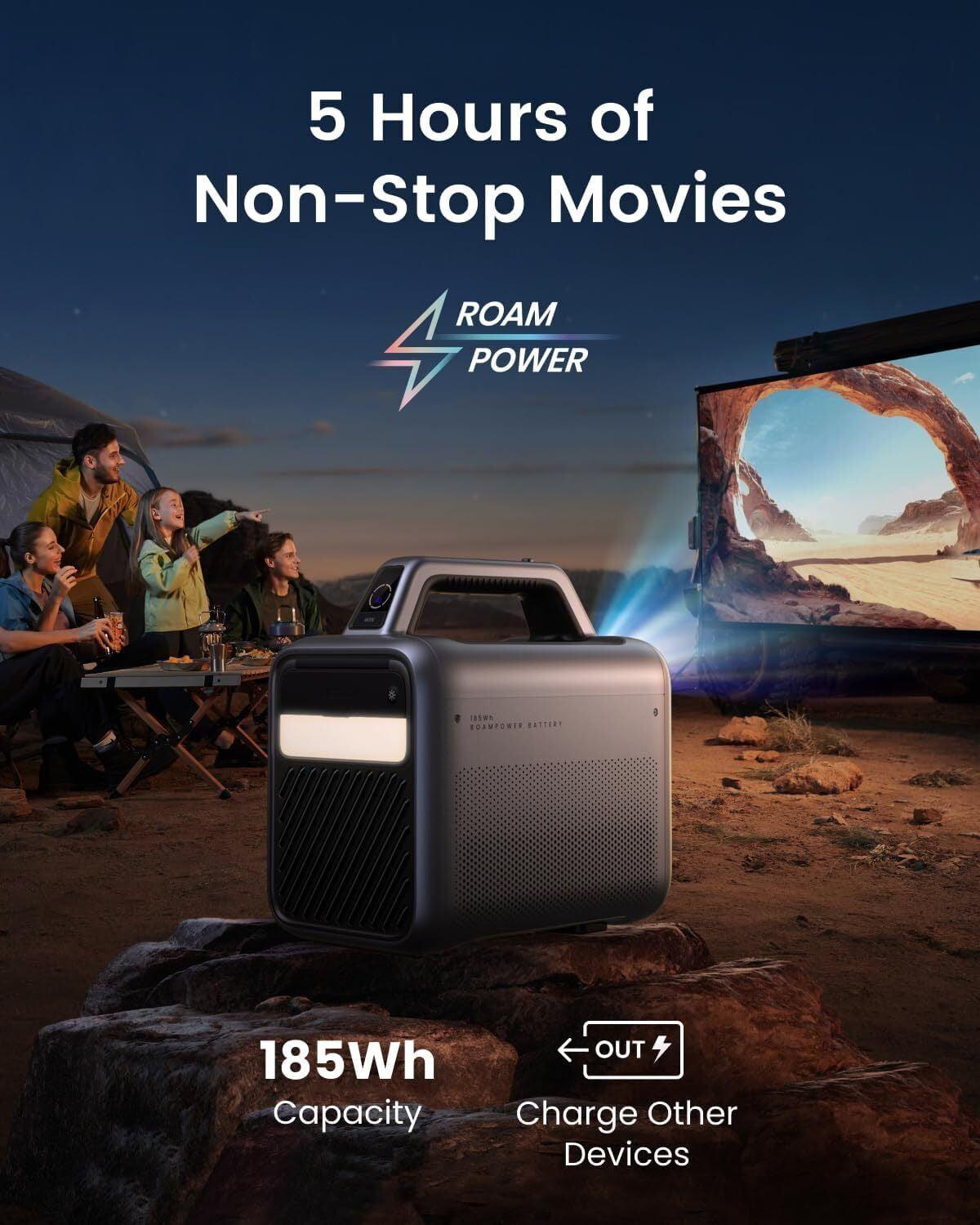
Battery performance tells another interesting story about design priorities. The Mars 3 Outdoor packs a massive 185Wh battery compared to the Mars 3 Air's 65.8Wh capacity – nearly three times the energy storage. This translates to about 5 hours of viewing in eco mode versus 2.5 hours for the Mars 3 Air.
From a practical standpoint, this means the Mars 3 Outdoor can handle two full-length movies on a single charge, while the Mars 3 Air is more of a "one movie and you're done" device. The Mars 3 Air does charge faster (3 hours versus longer for the Mars 3 Outdoor), but when you're planning a camping trip or outdoor event, that extra runtime becomes invaluable.
What's particularly clever about the Mars 3 Outdoor is its power bank functionality. Those USB-A and USB-C ports aren't just for input – they can charge your phone, tablet, or other devices. This dual-purpose design makes sense for outdoor adventures where power management becomes critical.
This is where projector manufacturers often cut corners, but both Anker models take audio seriously – just in different ways. The Mars 3 Air features dual 8W speakers in a stereo configuration with Dolby Audio processing. Despite the modest power rating, the audio quality consistently surprises people. The stereo separation creates a genuine soundstage that doesn't feel trapped inside the projector body, and dialogue remains clear even during action scenes.
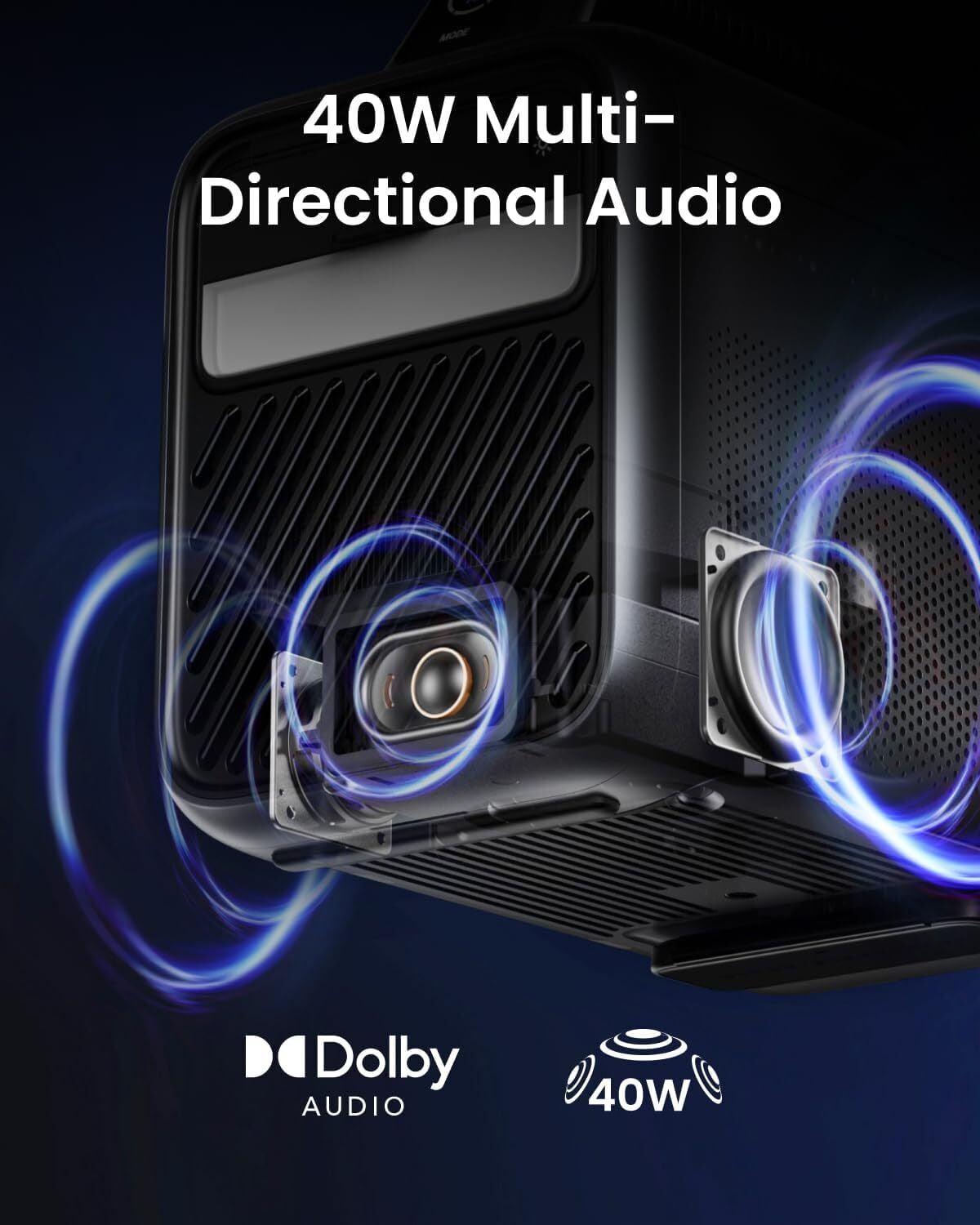
The Mars 3 Outdoor takes a different approach with a single 40W mono speaker system. While it loses the spatial audio benefits of stereo, it can fill larger outdoor spaces with sound and compete with ambient noise from wind, conversations, or traffic. For outdoor use, this trade-off makes sense – you need volume and projection over nuanced audio positioning.
Both projectors can double as Bluetooth speakers when not projecting, though the Mars 3 Air excels here with up to 8 hours of music playback and better sound quality for casual listening.
Here's where the Mars 3 Air really shows its premium positioning. It's the first portable projector to feature Google TV with built-in Netflix support – a bigger deal than it might initially seem. Most projectors, including the Mars 3 Outdoor, require you to use external streaming devices or rely on limited built-in apps that often lack major services like Netflix.
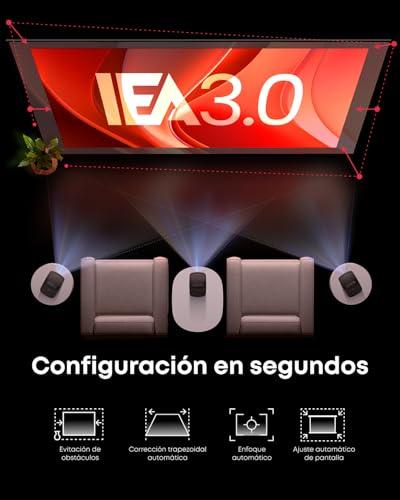
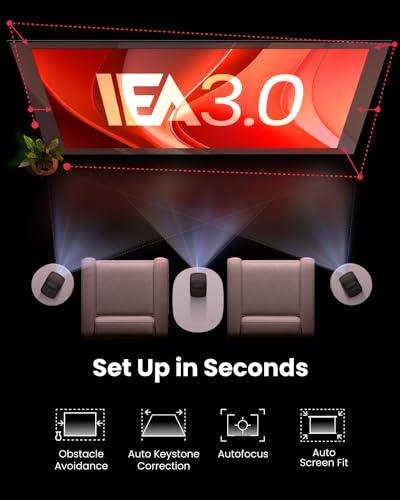
Google TV represents a significant upgrade from basic Android TV implementations. The interface is more polished, content discovery works better, and you get Google Assistant integration for voice control. The Mars 3 Air also includes Intelligent Environment Adaptation 3.0, which automatically handles focus, keystone correction (fixing the trapezoidal distortion when projecting at an angle), and screen fitting within about 3 seconds.
The Mars 3 Outdoor runs Android TV 11.0, which covers the basics but feels more utilitarian. For outdoor use, this actually makes sense – you're probably more likely to connect a laptop or streaming device anyway, and the simplified interface means fewer things that can go wrong in challenging conditions.
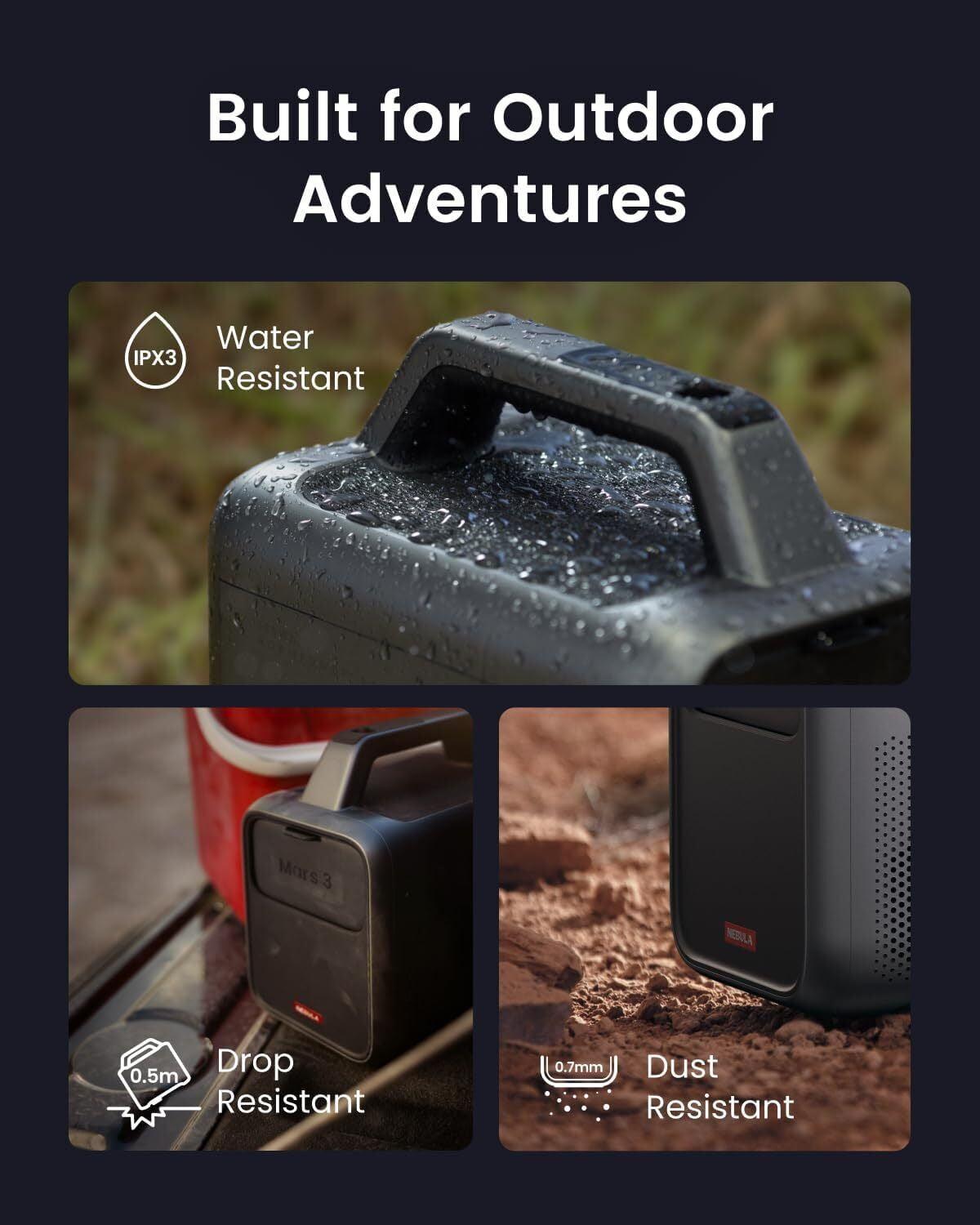
The Mars 3 Outdoor earns its "outdoor" designation through genuine engineering rather than marketing. Its IPX3 water resistance means it can handle light rain and splashing (though I wouldn't recommend testing this extensively). The dust protection and 0.5-meter drop resistance give you confidence when using it around a campsite where things inevitably get bumped and jostled.
The Mars 3 Air, while well-built, is designed more for controlled environments. Its recessed lens provides some protection during transport, but it's not going to survive the same treatment as its ruggedized sibling.
For home theater enthusiasts, these projectors serve different roles. The Mars 3 Air makes an excellent secondary or seasonal projector. Its compact size means it can live in a closet and come out for special occasions – maybe a Harry Potter marathon in the bedroom, or when you want to turn your patio into an outdoor cinema for a small gathering.
The image quality, while not matching dedicated home theater projectors, is genuinely impressive for the size. The 1080p resolution with HDR support means it can handle modern streaming content well, and the automatic setup features make it approachable for family members who might be intimidated by traditional projector complexity.
The Mars 3 Outdoor is less suited for regular home theater use due to its size and mono audio, but it becomes invaluable for specific scenarios. If you have a large space to fill or need brightness to overcome ambient light, it can actually outperform some traditional projectors in challenging conditions.
When evaluating portable projectors, I've found that certain specifications matter more than others in real-world use:
Brightness reigns supreme – This single factor determines where and when you can actually use your projector. The difference between 400 and 1,000 ANSI lumens is often the difference between "only works in a dark room" and "works in most practical situations."
Battery life affects everything – Runtime doesn't just determine how long you can watch; it influences brightness settings, fan speed, and overall usability. A projector that forces you into eco mode immediately isn't giving you its advertised performance.
Setup automation saves sanity – Auto-focus and keystone correction transform the user experience. Manual adjustments become tedious quickly, especially in temporary setups.
Audio quality eliminates complexity – Good built-in speakers mean fewer cables, devices, and setup headaches. This is particularly important for portable use where simplicity matters.
The choice between these projectors ultimately comes down to your primary use case and tolerance for trade-offs.
Choose the Mars 3 Air if:
Choose the Mars 3 Outdoor if:
From my experience, most people underestimate how much ambient light affects projector viewing. If there's any doubt about your lighting conditions, the extra brightness of the Mars 3 Outdoor provides valuable flexibility. However, if you're confident about your usage scenarios and value the convenience of the Mars 3 Air, its refined feature set justifies the premium.
Both projectors represent significant advances in portable projection technology compared to models from just a few years ago. Whichever you choose, you're getting a device that would have been unimaginable in this size and price range even recently. The question isn't whether these projectors are good enough – it's which approach to portable projection better matches your specific needs and lifestyle.
| Anker Nebula Mars 3 Air Portable Projector | Anker Nebula Mars 3 Outdoor Portable Projector |
|---|---|
| Brightness - Most critical factor for usability in different lighting conditions | |
| 400 ANSI lumens (requires dark/dim rooms for best experience) | 1,000 ANSI lumens (usable in ambient light, outdoor twilight viewing) |
| Weight & Portability - Determines ease of transport and setup | |
| 1.7 kg (3.7 lbs) - truly portable, backpack-friendly | 4.5 kg (9.9 lbs) - substantial but manageable for car camping |
| Battery Life - How long you can watch without power | |
| 2.5 hours standard mode (good for one movie) | 5 hours eco mode (handles two full movies) |
| Audio System - Built-in sound quality and power | |
| Dual 8W stereo speakers with Dolby Audio (excellent spatial sound) | 40W mono speaker system (louder but less refined for outdoor use) |
| Smart Platform - Streaming capabilities and user experience | |
| Google TV with built-in Netflix (premium streaming experience) | Android TV 11.0 (basic streaming, no built-in Netflix) |
| Environmental Protection - Durability for outdoor conditions | |
| Standard build quality (indoor/controlled outdoor use) | IPX3 water resistance, dust protection, drop resistance |
| Screen Size Range - Maximum usable projection size | |
| 30-150 inches (optimal under 100" due to brightness limits) | 30-200 inches (maintains quality at larger sizes) |
| Setup Features - Automation for ease of use | |
| Intelligent Environment Adaptation 3.0 with auto-focus/keystone | Standard auto-focus and keystone correction |
| Connectivity Options - How you connect external devices | |
| HDMI, USB-A, 3.5mm audio out, Wi-Fi, Bluetooth 5.1 | HDMI, USB-A, USB-C, 3.5mm audio out, Wi-Fi, Bluetooth 5.1 |
| Additional Features - Extra functionality beyond basic projection | |
| Bluetooth speaker mode (8 hours), Google Assistant integration | Power bank capability, LED camping light, rugged design |
| Best Use Cases - When each projector excels | |
| Apartment living, travel, refined indoor/patio viewing | Camping, outdoor events, bright environments, extended viewing |
The Anker Nebula Mars 3 Outdoor Portable Projector is significantly brighter at 1,000 ANSI lumens compared to the Anker Nebula Mars 3 Air Portable Projector at 400 ANSI lumens. This makes the Mars 3 Outdoor 2.5 times brighter and much better for use in rooms with ambient light or outdoor viewing.
The Mars 3 Outdoor offers superior battery life with up to 5 hours of viewing in eco mode, while the Anker Nebula Mars 3 Air provides approximately 2.5 hours of runtime. The Mars 3 Outdoor can handle two full movies on a single charge compared to one movie for the Mars 3 Air.
The Anker Nebula Mars 3 Outdoor Portable Projector is specifically designed for camping with IPX3 water resistance, dust protection, drop resistance, and an integrated LED camping light. It also functions as a power bank to charge devices. The Mars 3 Air lacks these rugged features and is better suited for indoor use.
The Anker Nebula Mars 3 Air Portable Projector is much more portable at 1.7 kg (3.7 lbs) compared to the Mars 3 Outdoor at 4.5 kg (9.9 lbs). The Mars 3 Air is compact enough for backpack travel, while the Mars 3 Outdoor is better suited for car camping or stationary outdoor use.
Only the Anker Nebula Mars 3 Air Portable Projector has built-in Netflix support through its Google TV platform. The Mars 3 Outdoor runs Android TV 11.0 without native Netflix support, requiring external streaming devices or casting to access Netflix content.
The Mars 3 Air offers superior sound quality with dual 8W stereo speakers featuring Dolby Audio and excellent spatial separation. The Anker Nebula Mars 3 Outdoor has a more powerful 40W mono speaker system that's louder but less refined, designed for outdoor environments where volume matters more than audio quality.
The Mars 3 Outdoor performs much better in bright conditions due to its 1,000 ANSI lumens, making it usable even during outdoor twilight hours. The Anker Nebula Mars 3 Air requires darker environments for optimal viewing and struggles in rooms with significant ambient light.
For dedicated home theater use, the Anker Nebula Mars 3 Air Portable Projector is generally better due to its superior stereo audio, refined image processing, Google TV smart features, and more compact design for indoor spaces. However, the Mars 3 Outdoor may be preferred if you need maximum brightness in a bright room.
Both projectors can technically project large images, but the Mars 3 Outdoor maintains better image quality at larger sizes due to its higher brightness. The Mars 3 Air is optimal under 100 inches, while the Anker Nebula Mars 3 Outdoor can effectively handle screens up to 150-200 inches.
Value depends on your needs. The Mars 3 Outdoor typically offers better value for brightness and battery life, while the Anker Nebula Mars 3 Air provides premium features like Google TV and superior audio. Consider the Mars 3 Outdoor for outdoor use and the Mars 3 Air for refined indoor entertainment.
Both the Mars 3 Air and Mars 3 Outdoor have native 1080p resolution, not 4K. However, both can accept and downscale 4K input signals. They support HDR content (HDR10) which enhances color and contrast even at 1080p resolution.
The Anker Nebula Mars 3 Outdoor Portable Projector is specifically designed for outdoor use with weather resistance, higher brightness for ambient light conditions, longer battery life, and a powerful speaker system. The Mars 3 Air can work for controlled outdoor environments but performs best indoors or in very dark outdoor settings.
We've done our best to create useful and informative comparisons to help you decide what product to buy. Our research uses advanced automated methods to create this comparison and perfection is not possible - please contact us for corrections or questions. These are the sites we've researched in the creation of this article: techradar.com - thesmarthomehookup.com - whathifi.com - thesmarthomehookup.com - cnet.com - whathifi.com - projectorreviews.com - youtube.com - youtube.com - versus.com - projectorcentral.com - practicalmotorhome.com - youtube.com - seenebula.com - us.seenebula.com - harveynorman.ie - seenebula.com - yuenx.com - projectorcentral.com - seenebula.com - youtube.com - youtube.com - cnet.com - youtube.com - youtube.com - projectorcentral.com - youtube.com - yuenx.com

Privacy Policy
Terms and Conditions - Affiliate Policy
Home Security
© Copyright 2008-2026.
11816 Inwood Rd #1211, Dallas, TX 75244