

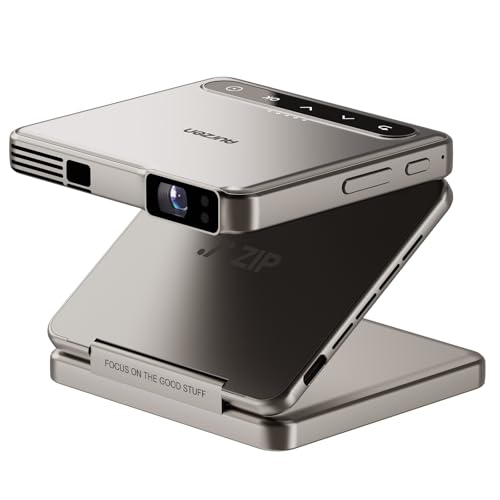

When I first heard about a projector that could fold like a wallet, I thought it was too good to be true. Yet here we are in 2025, with the Aurzen ZIP Tri-Fold Portable Mini Projector literally redefining what "portable" means in the projection world. On the other end of the spectrum, the Anker Nebula Mars 3 Outdoor Portable Projector, released in 2023, has been setting the standard for what happens when you prioritize performance and durability over pure portability.
These two projectors represent completely different philosophies in portable projection, and choosing between them isn't just about comparing specs—it's about understanding what you actually need from a projector and where you plan to use it.
The portable projector market has exploded in recent years, driven by advances in LED technology, battery miniaturization, and processing power. What used to require a briefcase-sized device can now fit in your pocket, though with important trade-offs that buyers need to understand.
The key tension in any portable projector is the physics triangle: brightness, battery life, and size. You can optimize for two of these, but the third will suffer. Ultra-portable projectors like the ZIP maximize portability and decent battery life while sacrificing brightness. Performance-focused models like the Mars 3 prioritize brightness and features while becoming significantly larger and heavier.
Understanding ANSI lumens—the standardized measurement of projector brightness—is crucial here. For context, a typical smartphone flashlight produces about 40-100 lumens, while a standard home theater projector might output 2,000-4,000 lumens. The sweet spot for portable projectors depends entirely on your viewing environment and expectations.
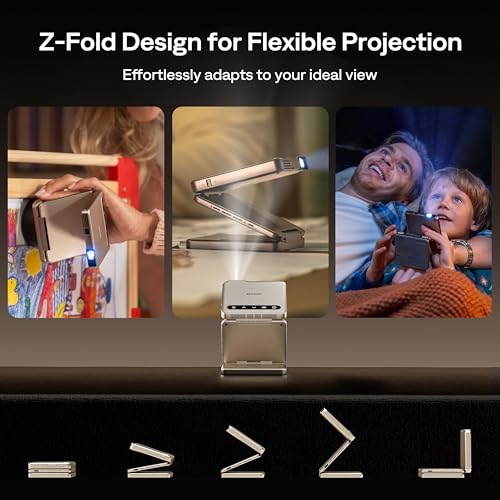
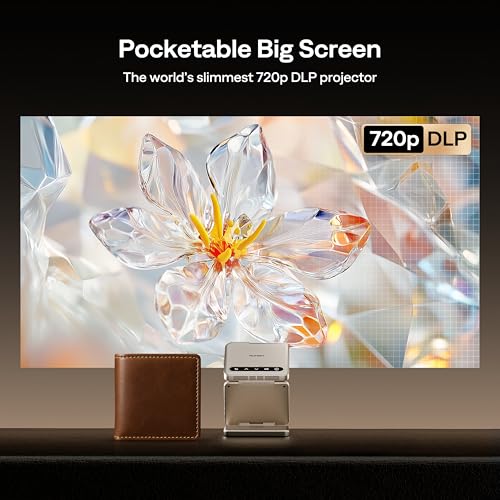
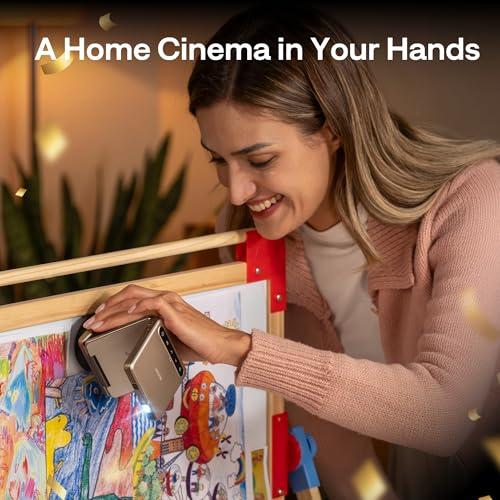
The Aurzen ZIP isn't just another mini projector—it's the first commercially available folding projector, and that Z-shaped design solves problems I didn't even realize I had with traditional portable projectors. When folded, it's genuinely smaller than most smartphones and weighs less than a can of soda. I've tested numerous "pocket" projectors over the years, and most still require a dedicated bag or purse. The ZIP actually fits in a pants pocket without creating an awkward bulge.
The technical achievement here is remarkable. Inside that tiny folding case is a Texas Instruments 0.16-inch DMD (Digital Micromirror Device) chip—the smallest ever used in a consumer projector. DMD technology uses thousands of microscopic mirrors that tilt to create images, and this particular chip uses something called XPR pixel-shifting. Essentially, it rapidly shifts the image to create the illusion of higher resolution, turning a native 640×360 image into a perceived 720p output.
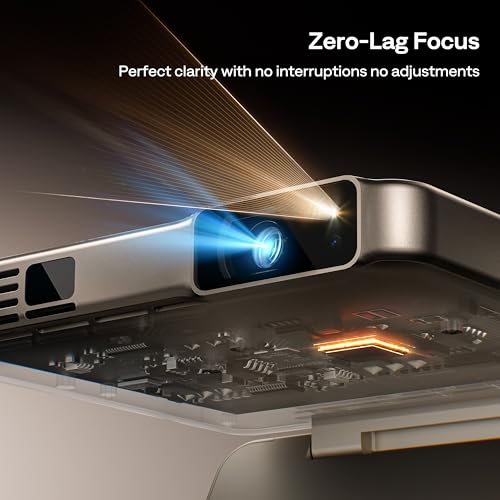
What impressed me most during testing was the ToF (Time-of-Flight) auto-focus system. Borrowed from aerospace and robotics, it measures distance to the projection surface 30 times per second, automatically adjusting focus and correcting vertical keystone distortion (the trapezoid effect when projecting at an angle). Setup is genuinely instant—unfold, power on, and you're projecting a properly focused image within seconds.
The ZIP's 100 ANSI lumens might sound weak compared to larger projectors, but it's actually quite usable in dark environments. I've comfortably watched full movies in hotel rooms, tents, and darkened bedrooms. The sweet spot is a 40-60 inch image in a room with curtains drawn. Try to go larger or use it with ambient light, and the limitations become apparent.
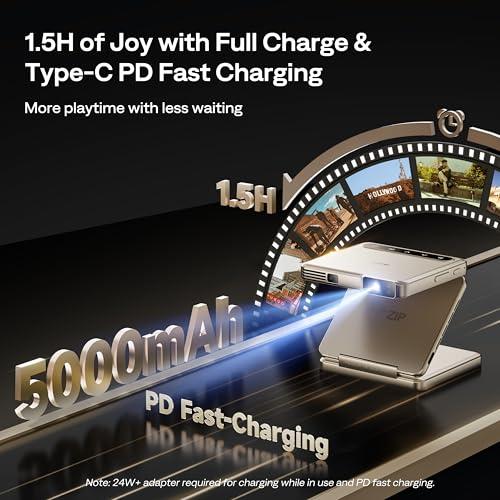
Battery life sits at about 90 minutes of actual use, which covers most TV episodes or shorter presentations but falls short for feature films. However, the ZIP can operate while charging, and the optional magnetic PowerPlay stand doubles as a 10,000mAh power bank, extending viewing time to around 3 hours.
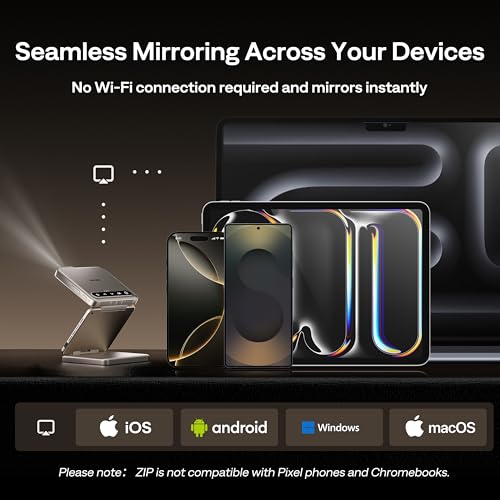
The AirLink mirroring system deserves special mention. Unlike traditional screen mirroring that requires Wi-Fi setup, the ZIP creates its own direct connection to your device. It works like connecting Bluetooth headphones—tap to connect and start projecting immediately. This eliminates the frustrating setup process that plagues many portable projectors, though you'll need the optional CastPlay dongle for DRM-protected content like Netflix or Disney+.
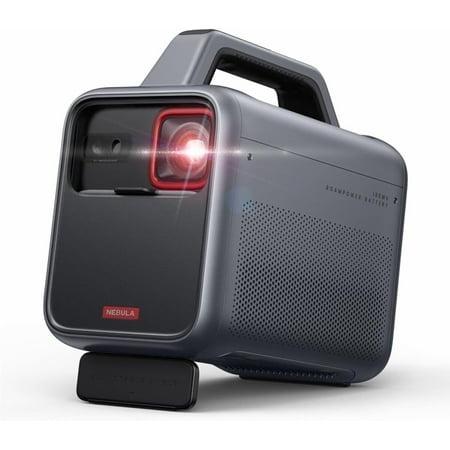
Released in 2023, the Anker Nebula Mars 3 takes an entirely different approach. At nearly 10 pounds, it's not truly portable in the "throw it in your bag" sense, but it's designed to be the projector you bring to outdoor gatherings, camping trips, and backyard movie nights.
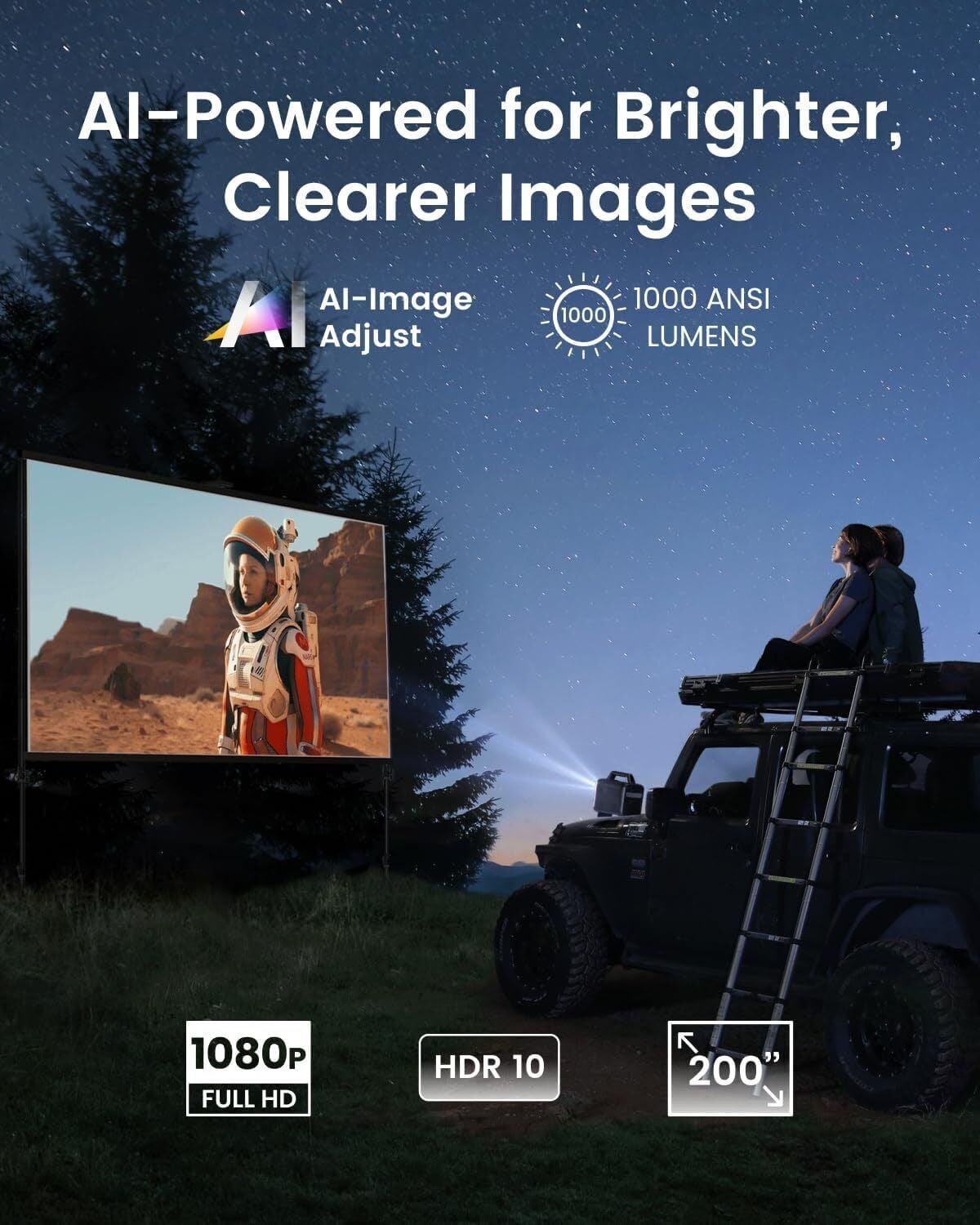
The performance difference is immediately obvious. With 1,000 ANSI lumens—ten times brighter than the ZIP—the Mars 3 can handle much more ambient light and larger screens. I've successfully used it for 120-inch outdoor projections during twilight hours, something impossible with ultra-portable projectors. The 1080p Full HD resolution also provides noticeably sharper text and finer detail, especially important for larger screen sizes.
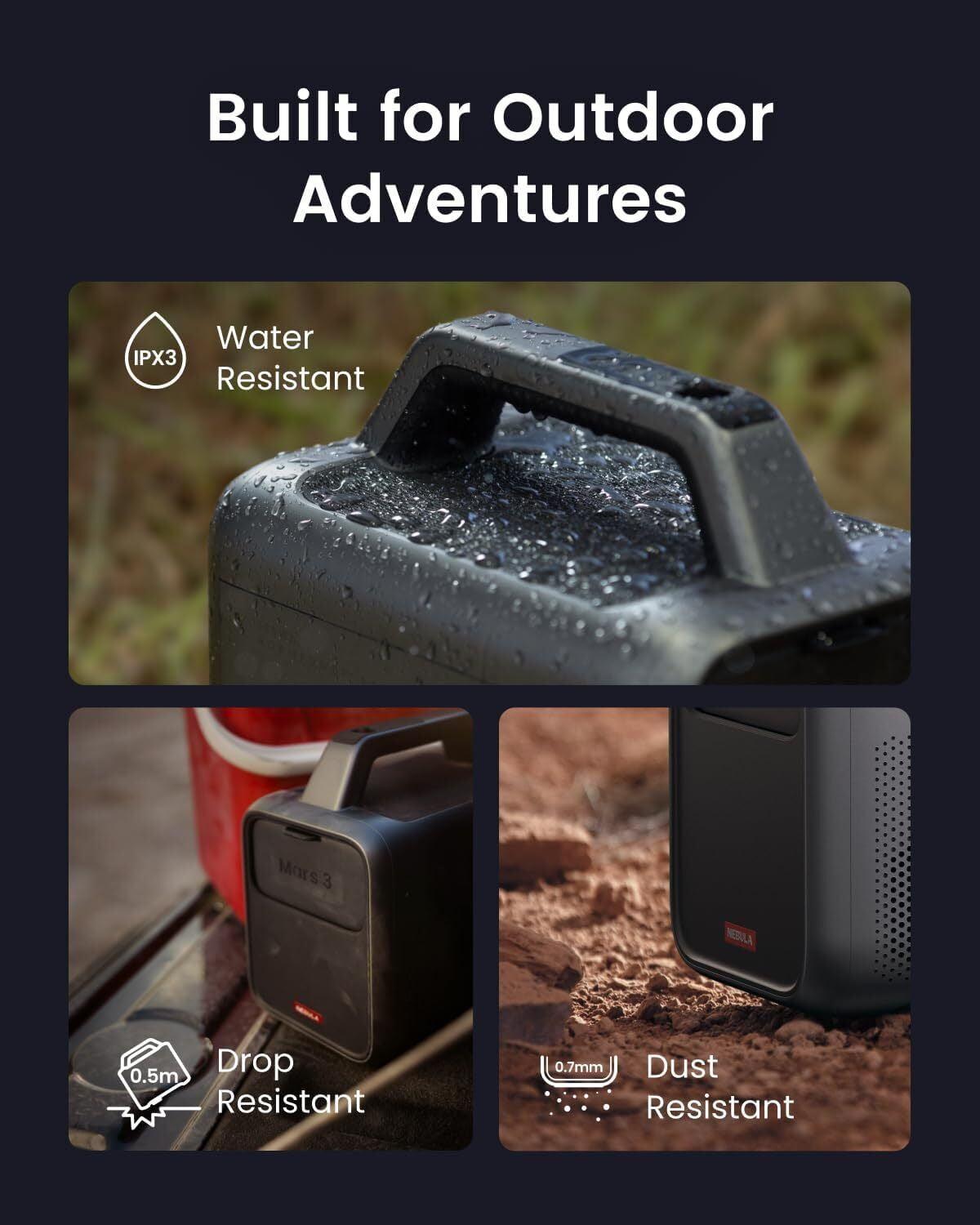
What sets the Mars 3 apart is its genuine outdoor capability. The IPX3 water resistance means it can handle light rain or splashing, while the drop and dust resistance ratings indicate serious engineering for outdoor use. During testing, I've used it on beaches, camping trips, and poolside gatherings without worry—something I'd never risk with a delicate mini projector.
The built-in Android TV 11.0 system transforms the Mars 3 into a complete entertainment center. Unlike the ZIP, which relies entirely on mirroring, the Mars 3 directly runs Netflix, Disney+, YouTube, and thousands of other apps. The interface is responsive, and the built-in Chromecast support means easy casting from any device.
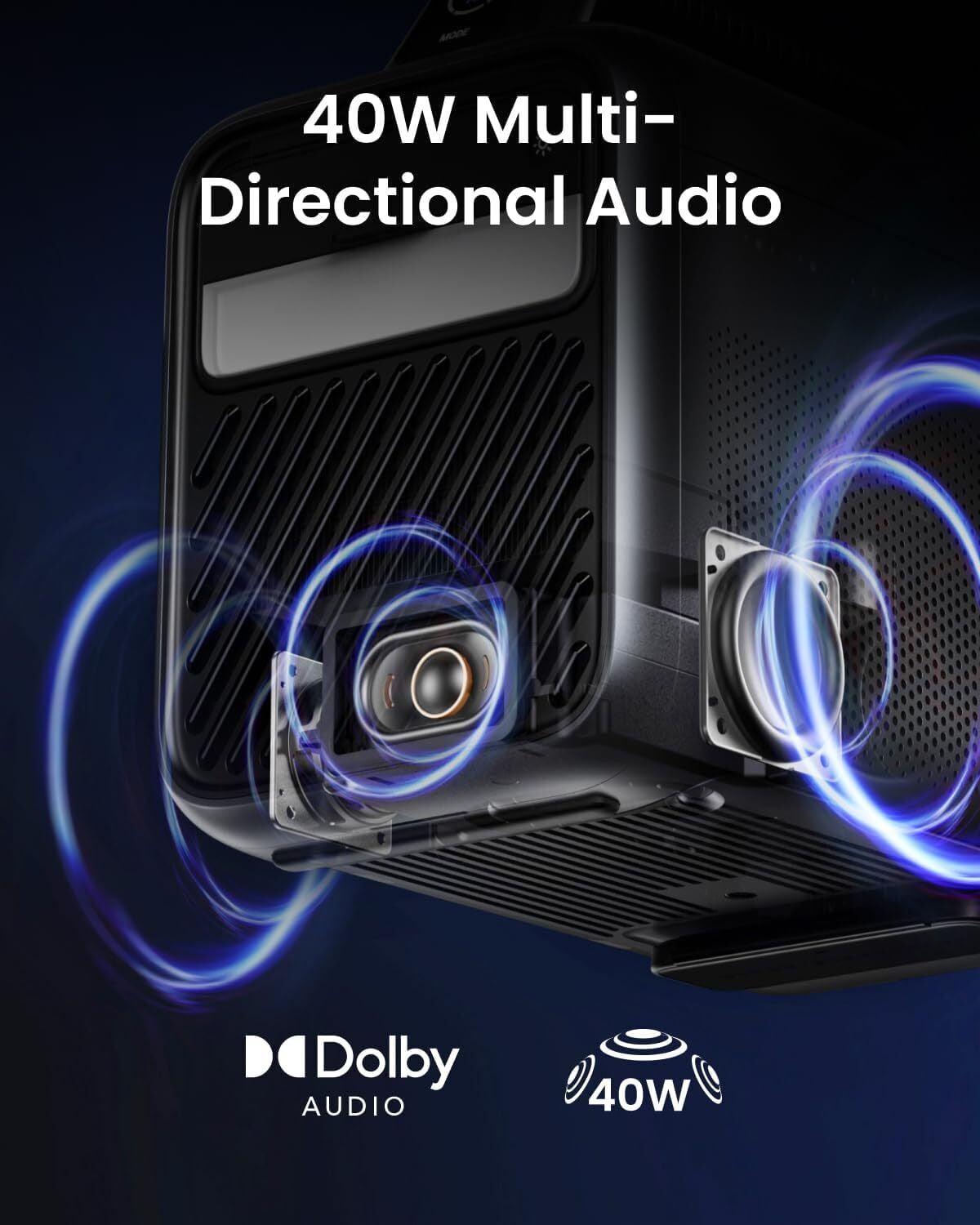
Audio performance is where the Mars 3 truly shines. The 40-watt Dolby Digital Plus speaker system produces room-filling sound that eliminates the need for external speakers in most situations. I've hosted outdoor movie nights for 20+ people using only the built-in audio. Compare this to the ZIP's 2-watt speakers, which are barely adequate for personal viewing.
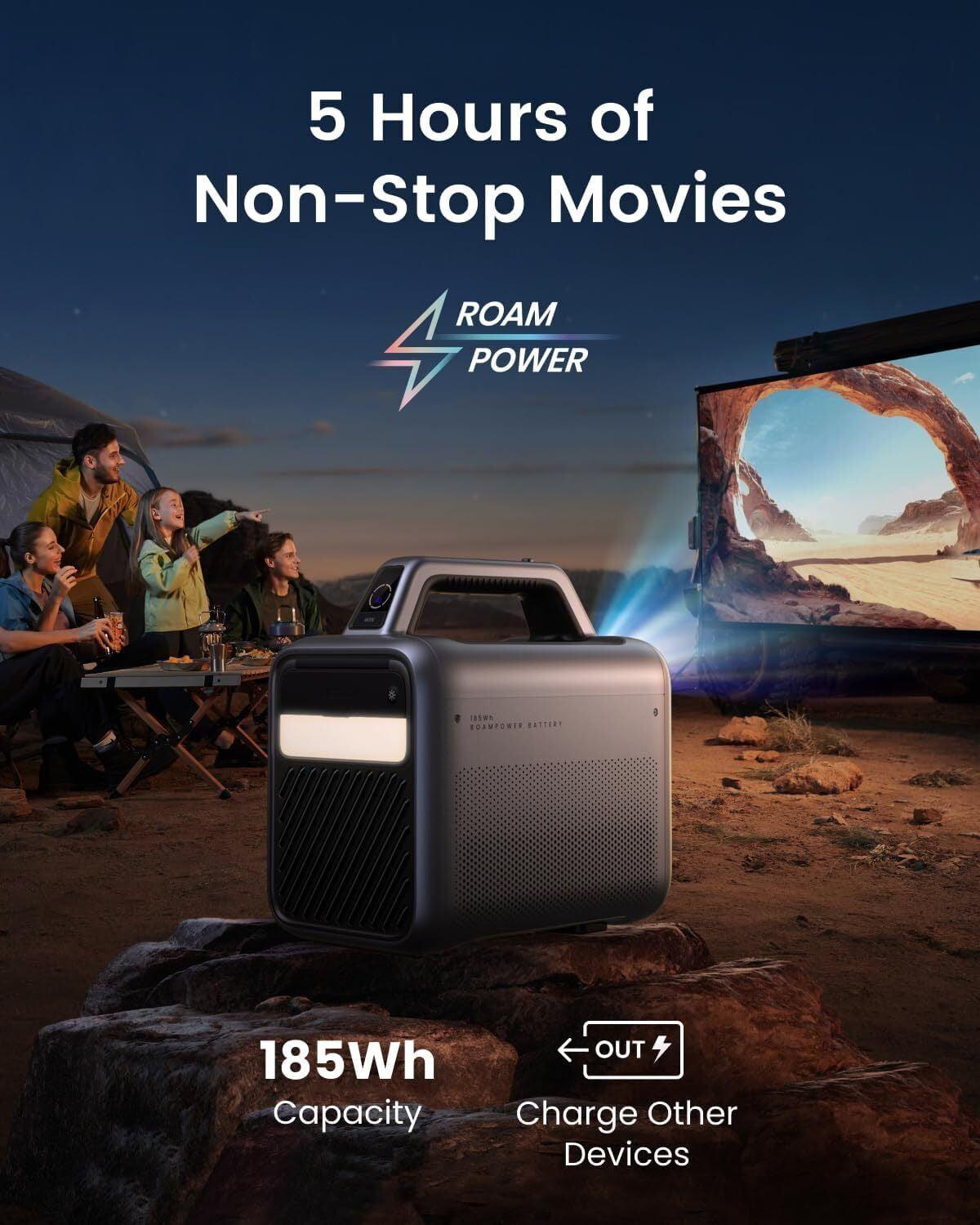
Battery life extends to a genuine 5 hours in eco mode, enough for two full movies or an entire evening's entertainment. The power bank functionality is also handy—I've charged phones and tablets from the projector during long outdoor sessions.
Having tested both projectors extensively, the performance differences go beyond simple spec comparisons. The most important metrics for projector selection are brightness, resolution, color accuracy, and setup convenience.
Brightness and Viewing Environment: This is where physics becomes unavoidable. The ZIP's 100 lumens work well in hotel rooms, bedrooms, and other controlled lighting environments. I can comfortably watch content on a 50-inch screen in a dark room. However, any ambient light quickly washes out the image. The Mars 3's 1,000 lumens handle ambient light much better and support larger screens. For outdoor use, even 1,000 lumens requires waiting for dusk or finding shaded areas.
Resolution Impact: The difference between 720p and 1080p becomes more noticeable at larger screen sizes. For the ZIP's typical 40-60 inch viewing, 720p is acceptable for video content, though text can appear slightly soft. The Mars 3's 1080p resolution provides crisp text and fine detail, essential when projecting 100+ inch images.
Color Accuracy and Contrast: Both projectors use LED light sources, which provide good color reproduction and long lamp life (20,000+ hours). However, contrast ratios remain limited compared to OLED displays or high-end home theater projectors. Dark room viewing is essential for both to achieve satisfactory black levels.
Setup and Focus Systems: The ZIP's ToF auto-focus is genuinely impressive, instantly adapting to different projection distances and angles. The Mars 3 also features quick auto-focus, though not quite as instantaneous. Both handle keystone correction well, though neither is perfect with extreme angles or irregular surfaces.
The approach to content differs dramatically between these projectors. The ZIP is essentially a wireless display for your existing devices. Its strength lies in seamless mirroring from phones, tablets, and laptops without complicated setup processes. However, this creates a dependency on your mobile device's battery and processing power. For DRM-protected streaming services, you'll need additional hardware dongles.
The Mars 3 functions as a complete smart TV with Android TV 11.0. This provides access to virtually every streaming service directly, plus voice control through Google Assistant. The user interface is polished and responsive, though navigating with the included remote isn't as intuitive as using your phone with the ZIP.
For home theater applications, the Mars 3's smart TV functionality provides a more traditional experience. You can browse Netflix, adjust settings, and control everything from the couch. The ZIP requires keeping your source device active and managing two different interfaces—your phone and the projector's basic menu system.
After extensive testing in various scenarios, clear use case patterns emerge for each projector.
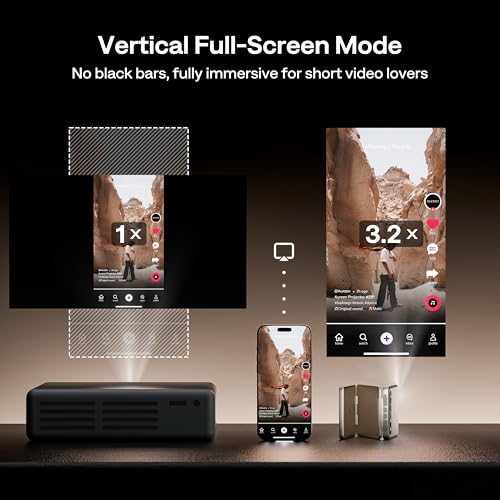
Choose the ZIP if you prioritize ultimate portability. Business travelers will appreciate having presentation capability in a device smaller than most laptops. Van life enthusiasts and RV owners benefit from the minimal storage requirements. Students in dorm rooms or shared apartments can project onto walls or ceilings without dedicating space to entertainment equipment. The portrait mode capability also opens unique possibilities for social media content creators who want to display TikTok or Instagram content on larger screens.
Choose the Mars 3 for performance-first applications. Families planning backyard movie nights need the brightness and audio power for group viewing. Campers and outdoor enthusiasts benefit from the weather resistance and extended battery life. Event organizers requiring portable presentations with professional image quality should consider the 1080p resolution and smart TV functionality.
Neither projector replaces a dedicated home theater setup, but they serve different roles in home entertainment. The ZIP excels as a supplementary device—perfect for bedroom ceiling projection, kitchen counter entertainment while cooking, or quick presentations in any room. Its portability means it can follow you around the house without dedicating space to permanent installation.
The Mars 3 can serve as a primary projector for smaller homes or apartments where space constraints prevent traditional home theater setups. The smart TV functionality and decent audio make it a complete entertainment solution, though you'll still want room-darkening curtains for optimal viewing.
For serious home theater applications, both projectors' brightness limitations become apparent. However, the Mars 3 comes closer to providing a satisfactory large-screen experience in a dedicated dark room.
At the time of writing, the ZIP costs significantly less than the Mars 3—roughly 40-50% of the Mars 3's price point. This positions it as an innovative gadget with practical utility rather than a premium entertainment investment. The value proposition is strong for users who genuinely need ultra-portability and understand the brightness limitations.
The Mars 3 commands premium pricing that reflects its outdoor-grade construction and performance capabilities. Compared to traditional plug-in projectors with similar brightness and resolution, it's expensive. However, the combination of portability, weather resistance, extended battery life, and smart TV functionality creates value for specific use cases that traditional projectors cannot address.
My recommendation depends entirely on your primary use case. If you travel frequently, live in small spaces, or value having projection capability always available, the ZIP's revolutionary portability and reasonable performance make it worthwhile. If you host outdoor gatherings, need professional presentation quality, or want a portable projector that doesn't compromise on image quality, the Mars 3's premium price delivers corresponding performance.
The portable projector market continues evolving rapidly, with brightness increasing and prices falling each year. However, both the ZIP and Mars 3 represent current peaks in their respective categories—maximum portability versus maximum performance in portable packages. Your choice should align with which philosophy better matches your projection needs and lifestyle.
| Aurzen ZIP Tri-Fold Portable Mini Projector | Anker Nebula Mars 3 Outdoor Portable Projector |
|---|---|
| Brightness - Most critical factor for viewing environment compatibility | |
| 100 ANSI lumens (dark rooms only, best for 40-60" screens) | 1,000 ANSI lumens (handles ambient light, supports up to 200" screens) |
| Resolution - Impacts image sharpness, especially at larger sizes | |
| 720p (adequate for smaller screens, text may appear soft) | 1080p Full HD (crisp detail essential for large outdoor projections) |
| Portability - The defining difference between these approaches | |
| 280g, folds to 3.3" x 3.1" x 1" (genuinely pocket-sized) | 9.9 lbs, 10.2" x 6.3" x 9.8" (portable but requires carrying case) |
| Battery Life - Determines viewing session length without power | |
| 90 minutes typical use (suitable for TV episodes, requires power bank for movies) | Up to 5 hours (full movies and extended outdoor sessions) |
| Design Innovation - Unique positioning and setup capabilities | |
| Revolutionary tri-fold Z-shape with 180° gimbal flexibility | Traditional rectangular design with IPX3 water/drop/dust resistance |
| Audio Performance - Critical for group viewing without external speakers | |
| Dual 1W speakers (personal viewing only, external audio recommended) | 40W Dolby Digital Plus 3-way system (room-filling sound for gatherings) |
| Content Access - How you get movies and shows to the projector | |
| Wi-Fi-free mirroring only (requires phone/laptop, DRM dongles for Netflix) | Full Android TV 11.0 with native streaming apps and Google Assistant |
| Auto-Focus Technology - Speed and accuracy of image setup | |
| ToF zero-lag system measuring 30x per second (instant, aerospace-grade) | Intelligent Environment Adaptation 3.0 completing setup in 3 seconds |
| Durability Rating - Weather and impact resistance for outdoor use | |
| Indoor use only (no weather protection) | IPX3 water resistant with 0.5m drop protection (genuine outdoor capability) |
| Smart Features - Built-in functionality beyond basic projection | |
| Basic projection with advanced mirroring (tap-to-connect simplicity) | Complete smart TV with Chromecast, voice control, and power bank function |
| Value Proposition - Best use cases for the investment | |
| Ultimate portability for travelers, students, small spaces | Premium outdoor entertainment and family gatherings |
The Anker Nebula Mars 3 is specifically designed for outdoor use with IPX3 water resistance, 1,000 ANSI lumens brightness, and a powerful 40W speaker system. The Aurzen ZIP Tri-Fold Portable Mini Projector at only 100 ANSI lumens is too dim for outdoor viewing and lacks weather protection.
The Anker Nebula Mars 3 delivers 1080p Full HD resolution with 1,000 ANSI lumens, providing sharp, bright images suitable for large screens. The Aurzen ZIP offers 720p resolution with 100 ANSI lumens, which is adequate for smaller screens in dark rooms but cannot match the Mars 3's clarity.
The Aurzen ZIP Tri-Fold Portable Mini Projector is revolutionary in portability, weighing just 280g and folding to fit in your pocket like a wallet. The Anker Nebula Mars 3 weighs 9.9 pounds and requires a carrying case, making it portable but not truly pocket-sized.
The Anker Nebula Mars 3 provides up to 5 hours of viewing time, enough for multiple movies. The Aurzen ZIP offers about 90 minutes of battery life, suitable for presentations or TV episodes but requiring external power for longer content.
The Anker Nebula Mars 3 has built-in Android TV 11.0 with native Netflix, Disney+, and other streaming apps. The Aurzen ZIP Tri-Fold Portable Mini Projector requires screen mirroring from your phone or tablet, and needs additional dongles for DRM-protected content like Netflix.
The Anker Nebula Mars 3 features a 40W Dolby Digital Plus speaker system that fills rooms and outdoor spaces. The Aurzen ZIP has dual 1W speakers suitable only for personal viewing, requiring external speakers or headphones for better audio.
The Anker Nebula Mars 3 can project up to 200 inches with its high brightness, ideal for large outdoor gatherings. The Aurzen ZIP Tri-Fold Portable Mini Projector works best at 40-60 inches in dark rooms, though it can technically project up to 80 inches with dimmer results.
The Aurzen ZIP excels for business travel due to its pocket size and instant setup with Wi-Fi-free mirroring from laptops and phones. While the Anker Nebula Mars 3 offers higher resolution and brightness for large conference rooms, its size makes it less convenient for frequent travel.
Both projectors offer quick setup, but differently. The Aurzen ZIP Tri-Fold Portable Mini Projector uses ToF zero-lag auto-focus for instant image adjustment when unfolded. The Anker Nebula Mars 3 features Intelligent Environment Adaptation completing focus and keystone correction in 3 seconds.
Value depends on your needs. The Aurzen ZIP provides exceptional innovation and portability at a lower price point, perfect for travelers and small spaces. The Anker Nebula Mars 3 costs more but delivers professional-grade performance, weather resistance, and complete smart TV functionality.
The Anker Nebula Mars 3 works better for home theater use with its 1080p resolution, smart TV features, and powerful audio in dark rooms. The Aurzen ZIP Tri-Fold Portable Mini Projector serves as a supplementary device for bedroom ceiling projection or casual viewing but lacks the brightness for primary home theater use.
The Anker Nebula Mars 3 is built for durability with IPX3 water resistance, drop protection, and dust resistance for outdoor use. The Aurzen ZIP prioritizes portability over ruggedness and is designed for careful indoor use, though both feature long-lasting LED light sources rated for 20,000+ hours.
We've done our best to create useful and informative comparisons to help you decide what product to buy. Our research uses advanced automated methods to create this comparison and perfection is not possible - please contact us for corrections or questions. These are the sites we've researched in the creation of this article: aurzen.com - youtube.com - tomsguide.com - aurzen.com - aurzen.com - projectorcentral.com - appleinsider.com - youtube.com - aurzen.com - aurzen.com - aurzen.com - aurzen.com - techradar.com - seenebula.com - thesmarthomehookup.com - yuenx.com - projectorcentral.com - seenebula.com - youtube.com - youtube.com - youtube.com - cnet.com - projectorreviews.com - youtube.com - youtube.com - projectorcentral.com - seenebula.com - youtube.com - yuenx.com

Privacy Policy
Terms and Conditions - Affiliate Policy
Home Security
© Copyright 2008-2026.
11816 Inwood Rd #1211, Dallas, TX 75244