

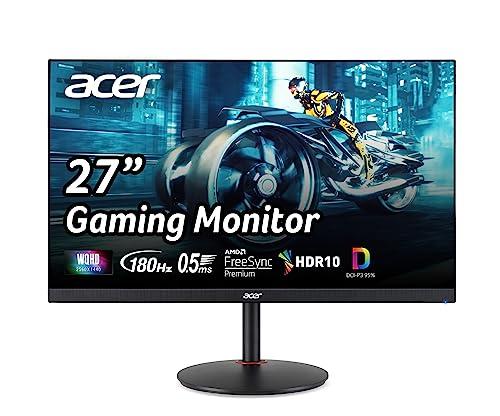
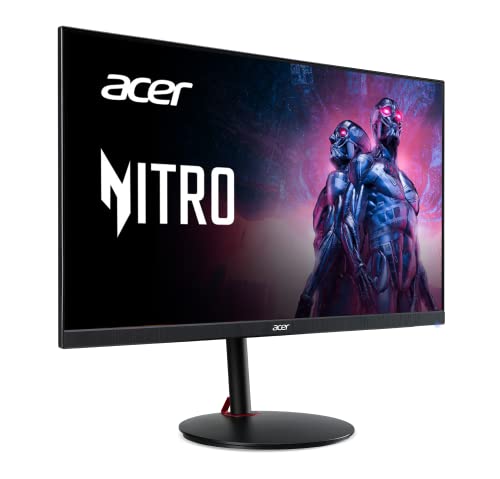
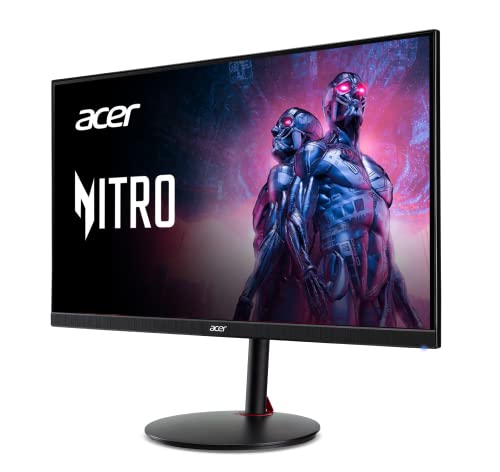
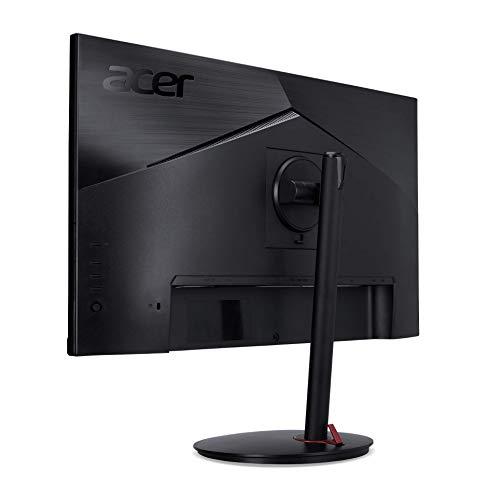
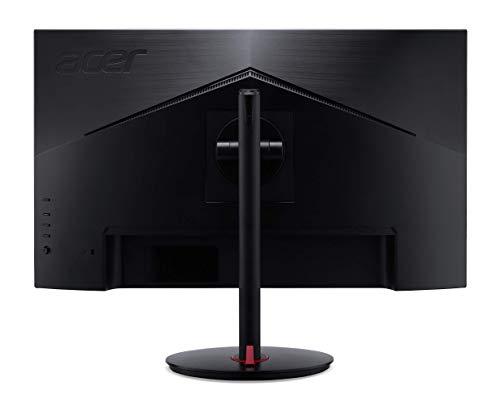
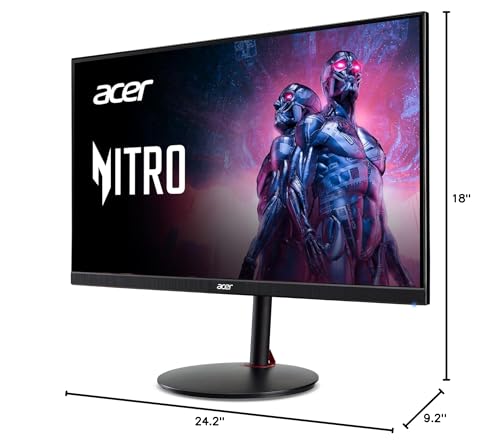
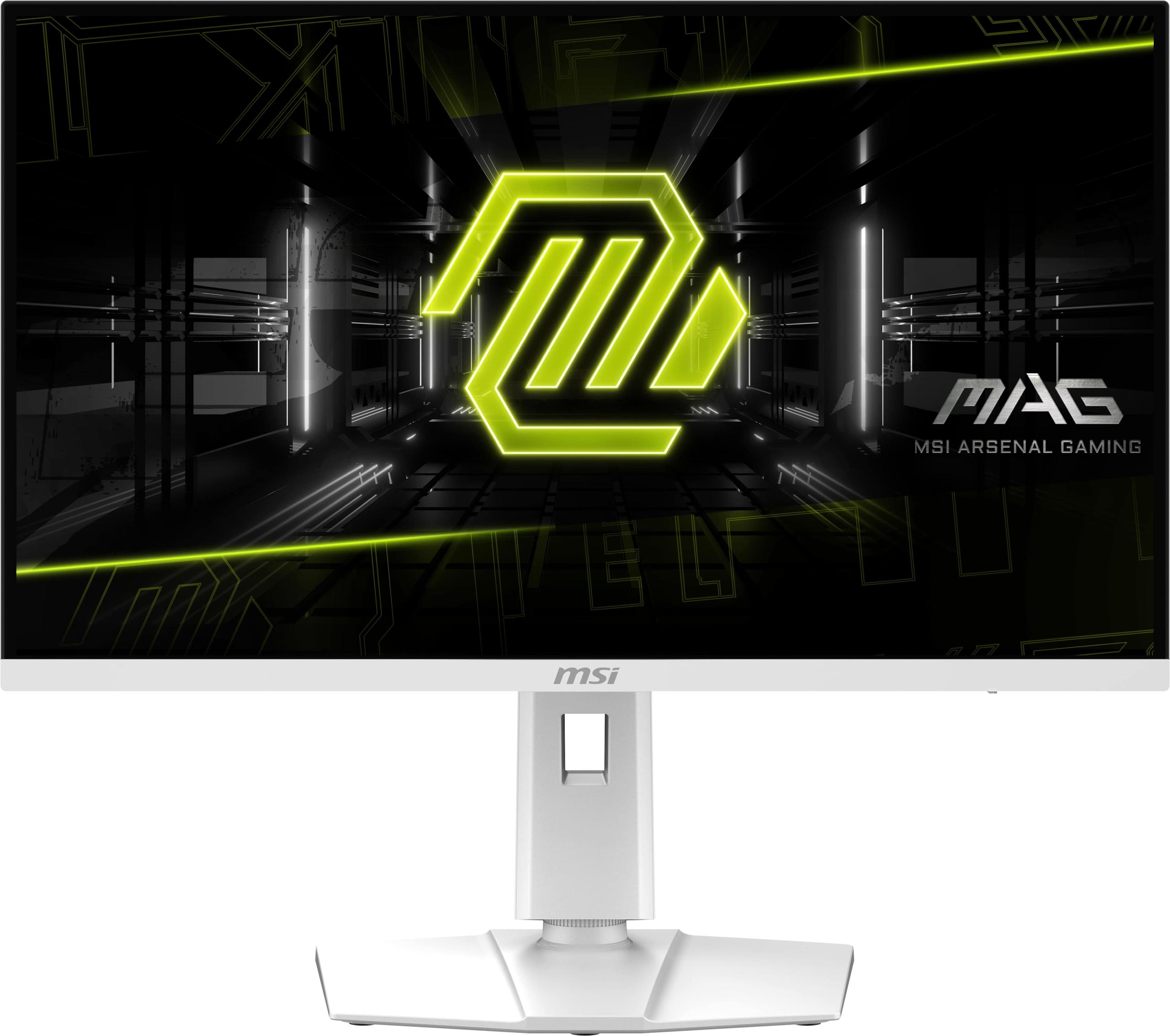
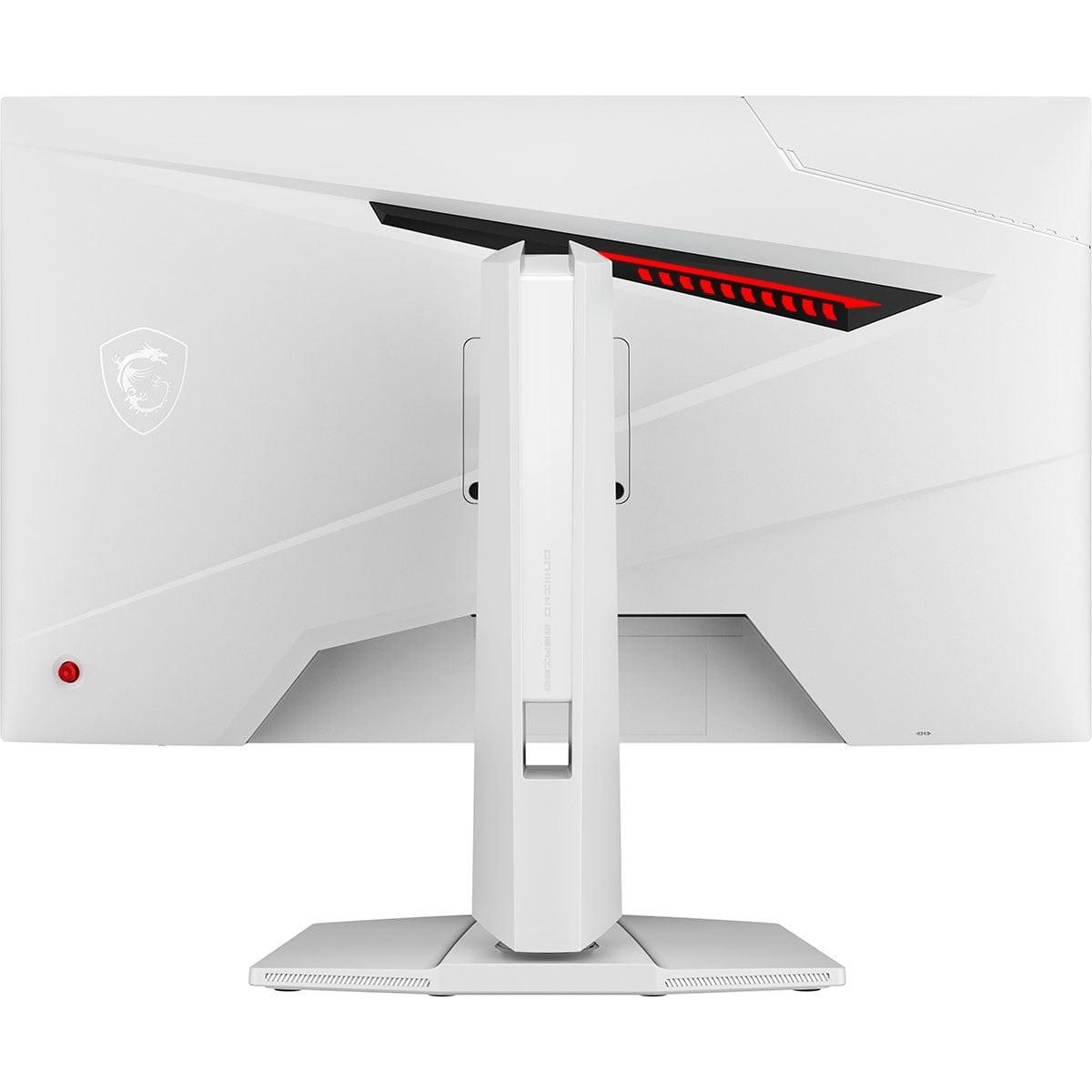
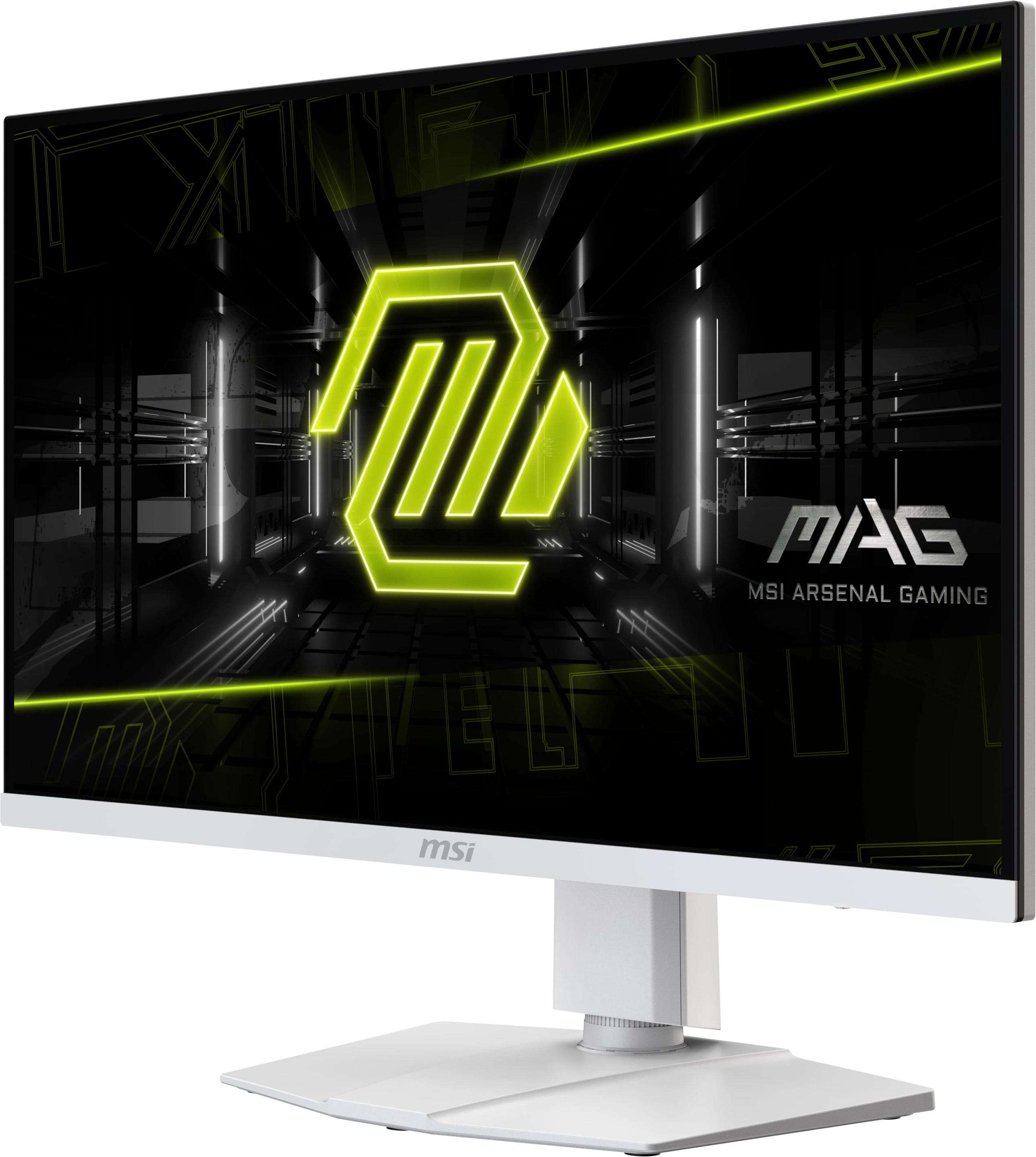
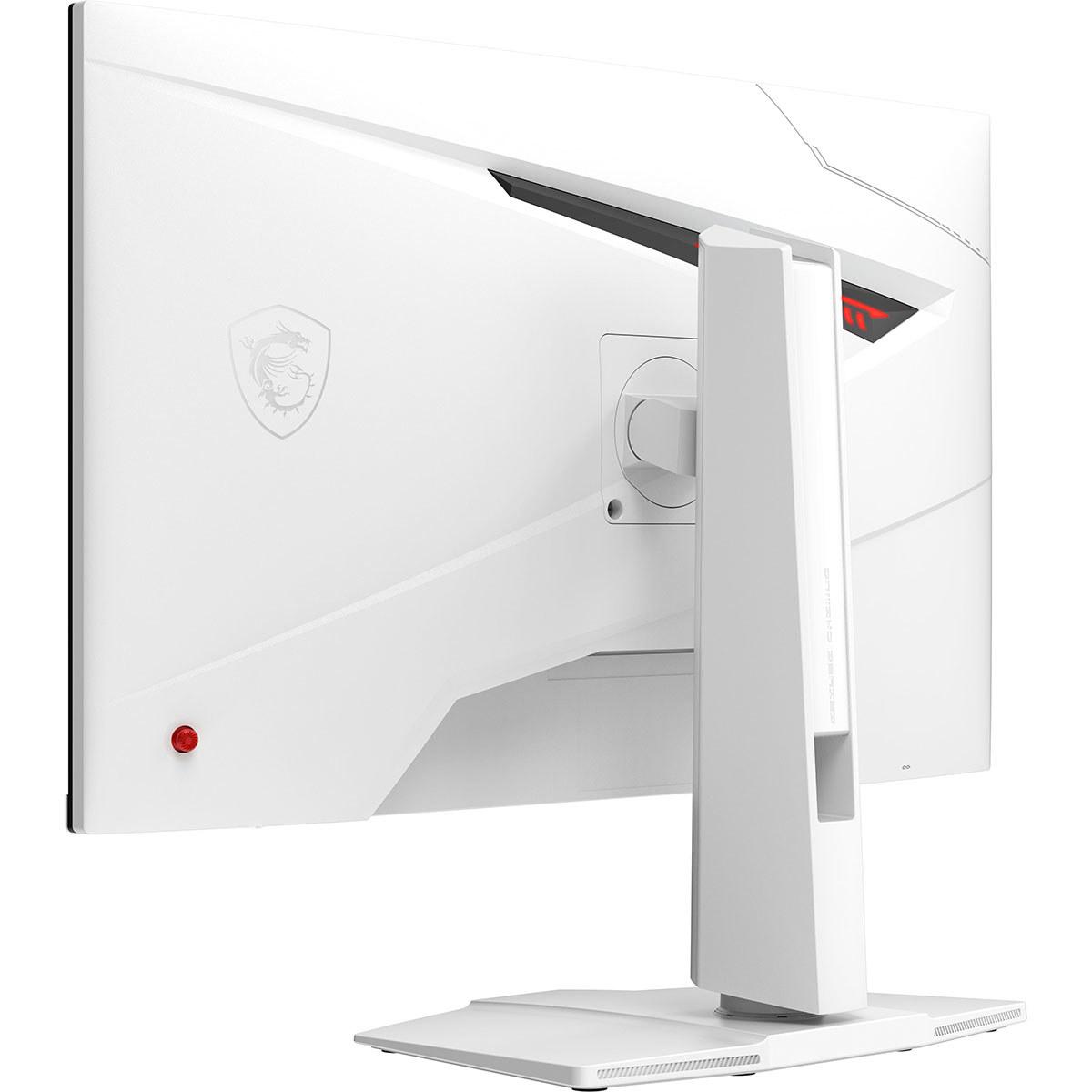
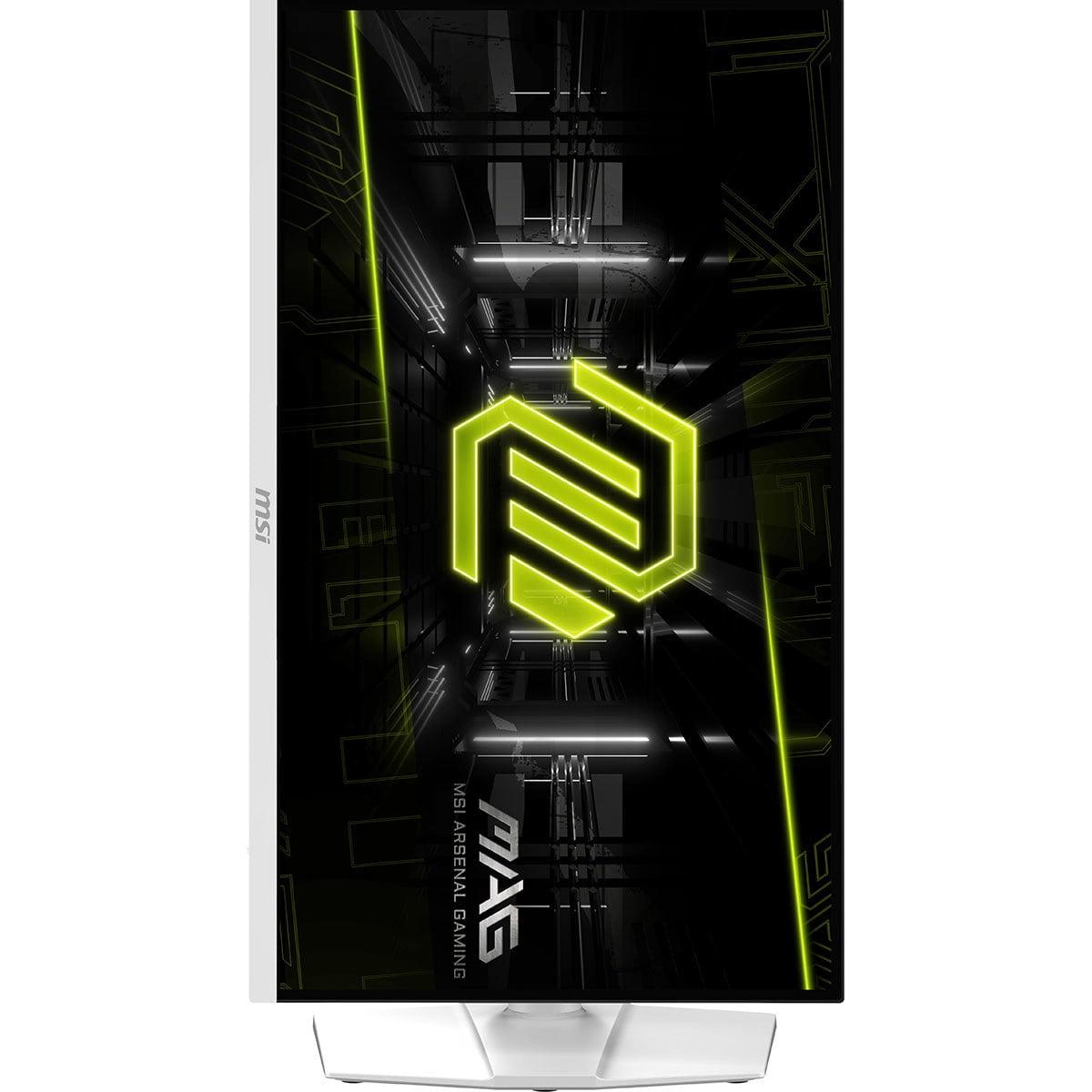
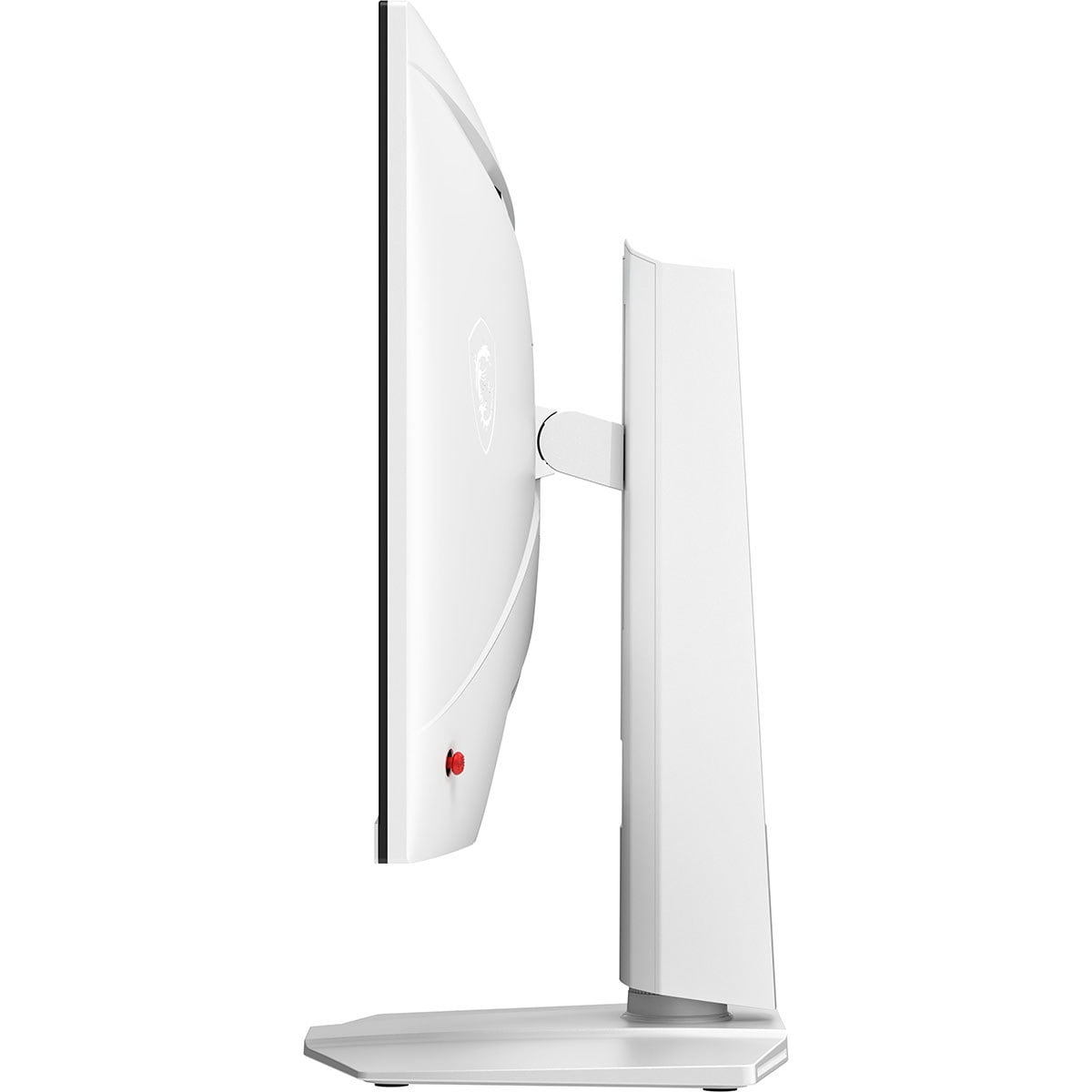
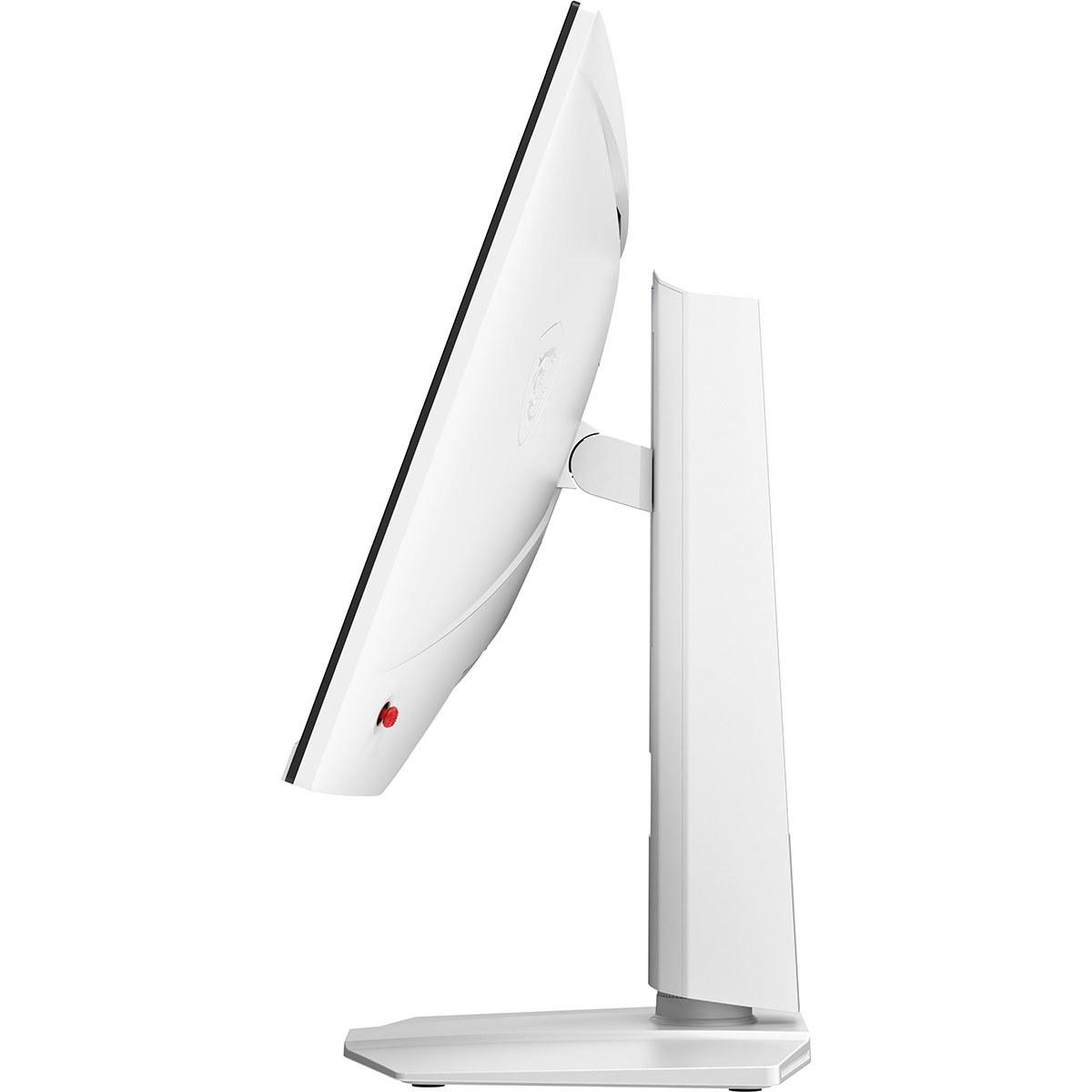
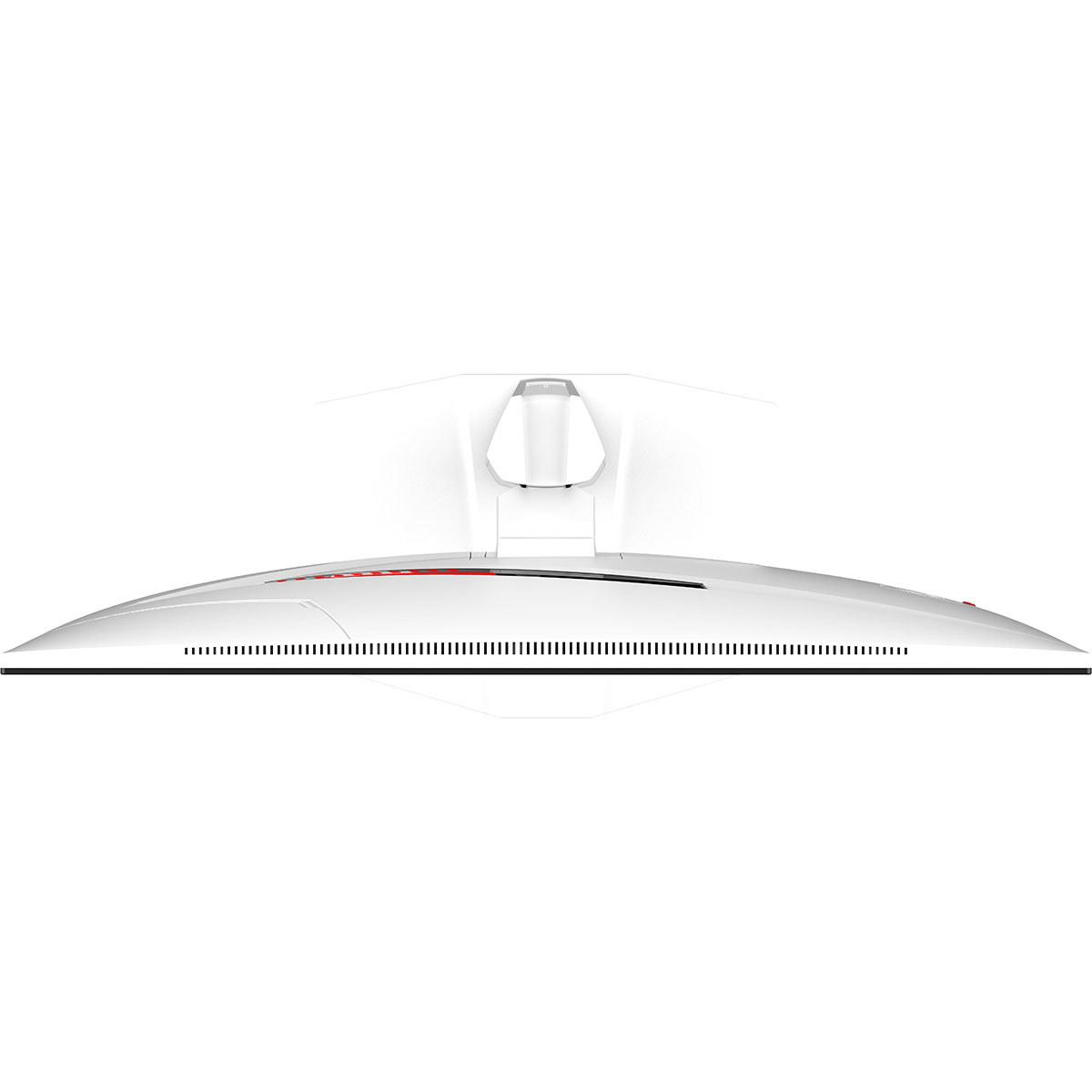
When shopping for a gaming monitor, you're faced with a fundamental choice that will shape your entire gaming experience: do you prioritize buttery-smooth motion or crystal-clear visuals? The Acer Nitro XV1 27" WQHD 180Hz IPS Gaming Monitor and MSI MAG 274URFW 27" 4K 160Hz Gaming Monitor represent two distinct philosophies in modern gaming display technology, and understanding their differences is crucial for making the right choice.
Gaming monitors have evolved dramatically since 2020, when 1440p high-refresh displays became mainstream and 4K gaming finally became accessible to enthusiasts. Today's monitors must juggle multiple competing demands: resolution affects how sharp your games look, refresh rate determines how smooth motion appears, and panel technology impacts everything from color accuracy to input lag (the delay between your mouse click and seeing the result on screen).
The relationship between these factors is more complex than it initially appears. Higher resolutions like 4K demand significantly more processing power from your graphics card, which can actually reduce your frame rate and make high refresh rates harder to achieve. Meanwhile, panel technologies like IPS (In-Plane Switching) offer superior color accuracy and viewing angles compared to older TN (Twisted Nematic) panels, but traditionally came with slightly higher input lag—though modern IPS panels have largely closed this gap.
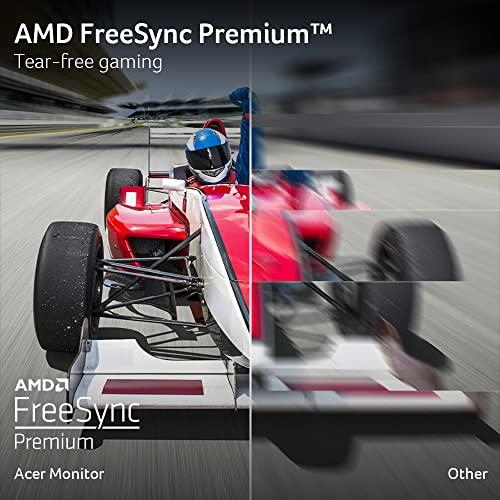
Adaptive sync technology has become essential, with both AMD FreeSync and NVIDIA G-SYNC eliminating screen tearing (the visual artifact where parts of different frames appear simultaneously) by synchronizing your monitor's refresh rate with your graphics card's output. This creates smoother gameplay even when frame rates fluctuate.
The Acer Nitro XV1, released in 2023, represents the "high refresh rate" philosophy. At 27 inches with a 2560x1440 resolution running at 180Hz, it prioritizes smooth motion over absolute visual fidelity. This monitor targets competitive gamers and budget-conscious users who want premium gaming performance without breaking the bank.
The MSI MAG 274URFW, also from 2023, takes the "resolution-first" approach with its 3840x2160 4K display running at 160Hz. It's designed for enthusiast gamers and content creators who want maximum visual quality while maintaining solid gaming performance.
At the time of writing, the pricing reflects these different target markets, with the Acer XV1 positioned as a budget-friendly option and the MSI MAG commanding a premium for its 4K capabilities—though both offer excellent value within their respective categories.
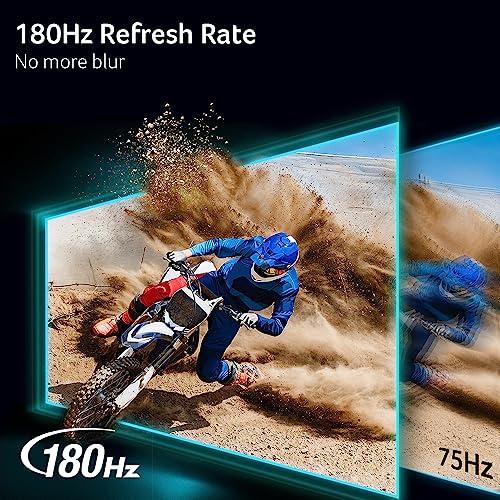
The Acer XV1's 180Hz refresh rate provides a tangible advantage in fast-paced gaming scenarios. To understand why this matters, imagine watching a car drive across your screen: at 60Hz, you see 60 individual positions per second, but at 180Hz, you see 180 positions, creating much smoother apparent motion. This difference is particularly noticeable in competitive first-person shooters like Counter-Strike or Valorant, where tracking fast-moving targets is crucial.
The MSI MAG's 160Hz is still excellent—the difference between 160Hz and 180Hz is much smaller than the jump from 60Hz to 120Hz—but competitive players often notice even these marginal improvements. However, the real question isn't just about the monitor's capability, but whether your graphics card can actually deliver those frame rates.
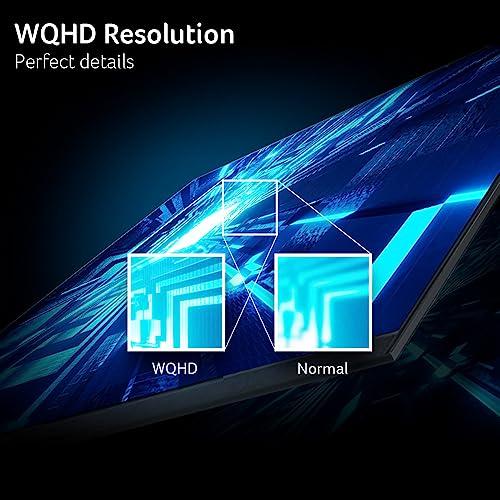
This is where the fundamental trade-off becomes clear. The Acer XV1's 1440p resolution contains about 3.7 million pixels, while the MSI MAG's 4K display pushes over 8.3 million pixels—more than double the workload for your graphics card. In practical terms, a graphics card that delivers 180 frames per second at 1440p might only achieve 80-100 fps at 4K in the same game.
For users with mid-range graphics cards like an RTX 4060 or RTX 4070, the Acer XV1 allows you to actually utilize that 180Hz refresh rate in most games. With the MSI MAG, you'd need a high-end card like an RTX 4080 or better to approach 160fps in demanding titles. This isn't just about bragging rights—if you can't hit high frame rates, you're not getting the full benefit of a high refresh rate monitor.
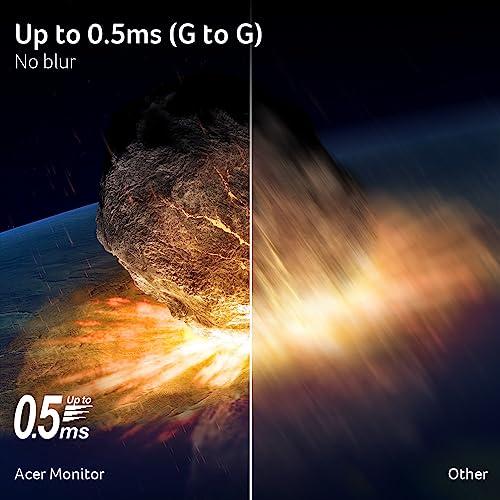
Both monitors excel in responsiveness, but with subtle differences. The MSI MAG's 0.5ms response time (the time it takes for a pixel to change from one color to another) is technically faster than the Acer XV1's 1ms specification. In practice, both are fast enough that ghosting (trailing artifacts behind moving objects) is minimal.
Input lag—the total delay from your mouse click to seeing the action on screen—is excellent on both displays, typically measuring under 5 milliseconds. This puts both monitors in the "imperceptible" category for gaming, even for professional esports players who are sensitive to the slightest delays.
The resolution difference between these monitors is immediately apparent when you sit down to use them. The MSI MAG's 4K resolution provides exceptional clarity for both gaming and productivity work. Text is razor-sharp, fine details in games are more visible, and you can fit more content on screen simultaneously.
However, the Acer XV1's 1440p resolution shouldn't be dismissed. At 27 inches, it provides 109 pixels per inch (PPI), which is still quite sharp—comparable to many premium laptops. The sweet spot for many gamers lies in this balance between visual clarity and performance accessibility.
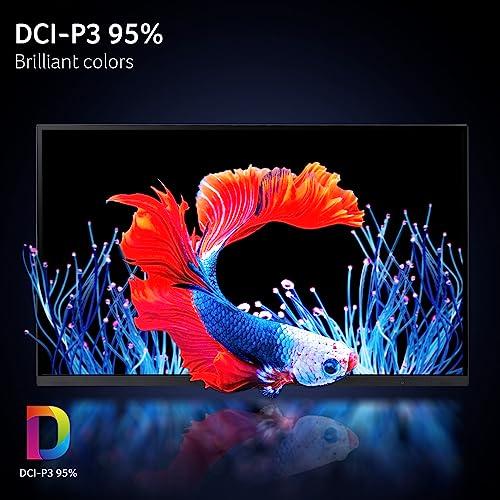
The MSI MAG takes a clear lead in color reproduction, covering 98% of the DCI-P3 color space (a wide color gamut used in digital cinema) compared to the Acer XV1's 95% coverage. More importantly, the MSI includes 10-bit color depth, supporting over 1 billion colors compared to the Acer's 8-bit panel with Frame Rate Control (FRC) dithering to approximate additional colors.
For content creators working with photo editing, video production, or graphic design, this difference is meaningful. The smoother color gradients and wider color gamut of the MSI MAG make it suitable for color-critical work, while the Acer XV1 is primarily optimized for gaming.
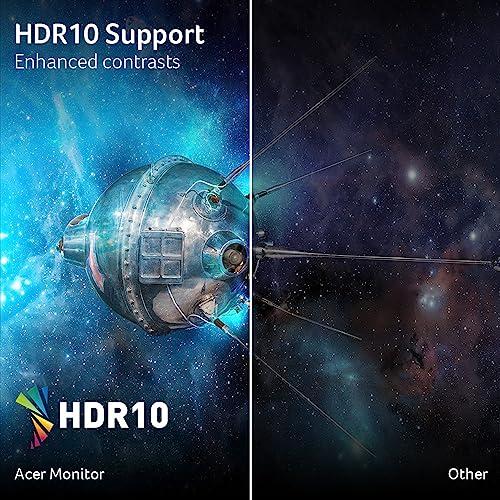
Both monitors support HDR (High Dynamic Range), but their implementations reveal the limitations of current mainstream monitor technology. The Acer XV1 includes HDR10 support but peaks at just 250 nits of brightness—well below the 400 nits minimum that provides noticeable HDR impact. The MSI MAG meets VESA DisplayHDR 400 certification with its 400-nit peak brightness, providing more convincing HDR visuals.
However, both lack local dimming (the ability to independently control backlight zones), so true HDR performance remains limited. The improved color gamut and brightness make HDR content look better than standard dynamic range, but don't expect the dramatic contrast improvements you'd see with premium HDR displays or OLED panels.
The MSI MAG offers superior connectivity with HDMI 2.1 ports that support full 4K 120Hz for PlayStation 5 and Xbox Series X gaming, plus a USB-C port with DisplayPort Alt Mode. This makes it excellent for users who game across multiple platforms or need to connect laptops for work.
The Acer XV1 includes HDMI 2.0 and DisplayPort 1.2, which is adequate for PC gaming but limits console gaming to 4K 60Hz or 1440p 120Hz on newer consoles.
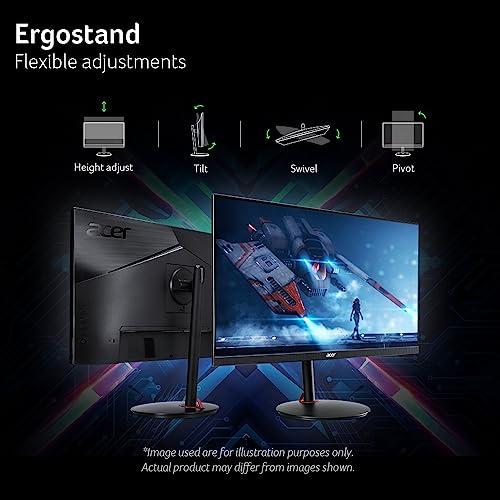
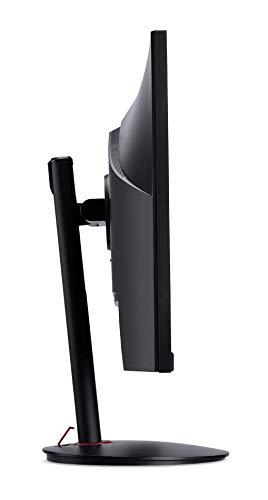
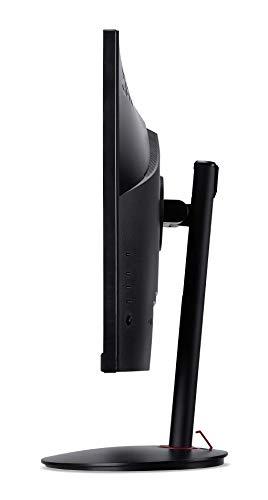
Both monitors include fully adjustable stands with height, tilt, swivel, and pivot adjustments, though user reports suggest the MSI MAG's stand feels more premium and stable. Both support VESA mounting for aftermarket monitor arms.
The MSI MAG includes RGB lighting and AI Vision technology that intelligently adjusts image settings based on content, while the Acer XV1 focuses on core gaming features like crosshair overlays and refresh rate displays.
For users considering these monitors as part of a home theater setup, the MSI MAG is the clear winner. Its 4K resolution properly displays Ultra HD content without scaling, and its higher brightness makes it suitable for rooms with ambient lighting. The larger color gamut also improves movie and streaming content quality.
The Acer XV1 can certainly handle media consumption well, but 1440p means upscaling 4K content, which can introduce slight softness compared to native resolution display.
You're a competitive gamer who plays esports titles like CS2, Valorant, or Overwatch 2. The higher refresh rate provides a legitimate advantage in tracking moving targets and reducing motion blur. Every professional esports setup prioritizes refresh rate over resolution for good reason.
You have a mid-range gaming PC with graphics cards in the RTX 4060 to RTX 4070 range. These cards can drive 1440p at high frame rates but struggle with 4K gaming. The Acer XV1 lets you maximize your hardware investment.
Budget is a primary concern but you refuse to compromise on gaming performance. This monitor delivers 90% of premium gaming monitor performance at a significantly lower price point, leaving budget for other system upgrades.
Your room has moderate lighting. The 250-nit peak brightness is adequate for normal indoor lighting but may struggle in very bright rooms or with direct sunlight.
You have a high-end graphics card (RTX 4080 or better) and want to showcase its capabilities. 4K gaming at high refresh rates is demanding, but incredibly impressive when your hardware can deliver.
You do professional creative work alongside gaming. Photo editing, video production, and graphic design all benefit from the higher resolution and superior color accuracy.
Visual fidelity is your priority and you primarily play single-player, story-driven games where maximum frame rates matter less than beautiful visuals. Games like Cyberpunk 2077 or Microsoft Flight Simulator shine at 4K resolution.
You want a monitor for multiple uses including productivity work, media consumption, and gaming. The 4K resolution makes this monitor excellent for everyday computing tasks.
You game in a bright room where the higher brightness will be appreciated for visibility and HDR content.
Both monitors excel in their intended roles, making this less about one being "better" than the other and more about matching the right tool to your specific needs and hardware setup.
The Acer Nitro XV1 represents exceptional value for competitive gaming, delivering smooth, responsive gameplay at a price point that leaves budget for other system upgrades. Its 180Hz refresh rate and 1ms response time provide everything serious gamers need for competitive play.
The MSI MAG 274URFW caters to users who want maximum visual fidelity and have the hardware to support it. Its 4K resolution and superior color performance make it suitable for both gaming and professional work, justifying the higher price for users who need that versatility.
Consider your graphics card, your gaming preferences, and your budget. If you're unsure, the Acer XV1 offers broader compatibility with mid-range hardware and exceptional gaming performance, while the MSI MAG provides a more premium experience for users with high-end systems and diverse computing needs.
The gaming monitor landscape continues evolving, with OLED panels and mini-LED backlighting pushing the boundaries of what's possible. But for most gamers in 2024, both of these monitors deliver exactly what their target audiences need: smooth, responsive gaming with excellent image quality at reasonable prices for their respective feature sets.
| Acer Nitro XV1 27" WQHD 180Hz IPS Gaming Monitor | MSI MAG 274URFW 27" 4K 160Hz Gaming Monitor |
|---|---|
| Display Resolution - Higher resolution means sharper visuals but requires more GPU power | |
| 2560 x 1440 (1440p/WQHD) - Sweet spot for performance | 3840 x 2160 (4K/UHD) - Maximum clarity, needs high-end GPU |
| Refresh Rate - Higher Hz provides smoother motion in fast games | |
| 180Hz - Excellent for competitive gaming | 160Hz - Still very smooth, minimal difference from 180Hz |
| Response Time - Lower is better for reducing motion blur | |
| 1ms (GtG) - Fast enough for all gaming scenarios | 0.5ms (GtG) - Marginally faster, imperceptible difference |
| Panel Technology - Affects colors, viewing angles, and response | |
| IPS with good color accuracy and wide viewing angles | Rapid IPS with enhanced speed and color performance |
| Peak Brightness - Higher nits better for bright rooms and HDR | |
| 250 nits - Adequate for normal lighting, limited HDR impact | 400 nits - 60% brighter, better HDR and daylight visibility |
| Color Gamut Coverage - Wider gamut means more vibrant, accurate colors | |
| 95% DCI-P3 - Good for gaming, adequate for content work | 98% DCI-P3, 93% Adobe RGB - Excellent for professional work |
| Color Depth - More bits mean smoother gradients | |
| 8-bit + FRC - Standard gaming color depth | 10-bit - Superior gradients, better for creative work |
| HDR Support - Enhanced contrast and color range | |
| HDR10 - Basic HDR, limited by low brightness | VESA DisplayHDR 400 - More convincing HDR experience |
| Adaptive Sync Technology - Eliminates screen tearing | |
| AMD FreeSync Premium (40-180Hz range) | AMD FreeSync Premium with wider compatibility |
| Connectivity Options - More ports offer greater flexibility | |
| 2x HDMI 2.0, 1x DisplayPort 1.2 | 2x HDMI 2.1, 1x DisplayPort 1.4, USB-C with power delivery |
| Console Gaming Support - Important for PS5/Xbox Series X users | |
| Limited to 1440p 120Hz or 4K 60Hz on consoles | Full 4K 120Hz support for next-gen consoles |
| Target GPU Requirement - What graphics card you need for optimal performance | |
| RTX 4060-4070 class can hit 180fps in most games | RTX 4080+ needed for 4K gaming at high refresh rates |
| Best Use Cases - Who should choose this monitor | |
| Competitive gaming, budget builds, esports players | Content creators, high-end gaming rigs, productivity users |
| Ergonomic Features - Adjustability for comfortable viewing | |
| Full adjustment: height, tilt, swivel, pivot | Premium stand with full adjustment and better stability |
| Value Proposition - What you get for your money | |
| Exceptional gaming performance per dollar | Premium features justify higher cost for versatile users |
The Acer Nitro XV1 is better for competitive gaming due to its higher 180Hz refresh rate, which provides smoother motion tracking and reduced input lag compared to the MSI MAG 274URFW's 160Hz. The lower 1440p resolution also allows mid-range graphics cards to maintain consistently high frame rates, ensuring you get the full benefit of the high refresh rate in esports titles like CS2 and Valorant.
The Acer Nitro XV1 uses 1440p (2560x1440) resolution with about 3.7 million pixels, while the MSI MAG 274URFW features 4K (3840x2160) with over 8.3 million pixels. 4K provides significantly sharper text and game visuals but requires much more graphics processing power. For 27-inch monitors, 1440p still looks very sharp while being much easier to drive at high frame rates.
For the Acer Nitro XV1, mid-range cards like RTX 4060 or RTX 4070 can achieve 180fps in most games at 1440p. The MSI MAG 274URFW requires high-end graphics cards like RTX 4080 or better to reach 160fps at 4K resolution. If you have a mid-range GPU, the Acer will provide better gaming performance.
Yes, both work with consoles, but the MSI MAG 274URFW offers better console compatibility with HDMI 2.1 ports supporting full 4K 120Hz gaming. The Acer Nitro XV1 is limited to either 4K 60Hz or 1440p 120Hz on next-generation consoles due to its HDMI 2.0 ports.
The MSI MAG 274URFW is superior for content creation with its 4K resolution, 10-bit color depth, and wider color gamut covering 98% DCI-P3 and 93% Adobe RGB. The higher resolution provides more workspace and sharper detail for photo/video editing, while the Acer Nitro XV1 is primarily optimized for gaming rather than professional color work.
The brightness difference is significant for certain use cases. The MSI MAG 274URFW at 400 nits is 60% brighter than the Acer Nitro XV1's 250 nits, making it better for bright rooms and providing more convincing HDR performance. If you game in a well-lit room or near windows, the MSI's higher brightness will improve visibility and reduce glare.
Value depends on your needs and hardware. The Acer Nitro XV1 offers exceptional value for competitive gaming and mid-range PCs, delivering premium gaming performance at a budget-friendly price. The MSI MAG 274URFW provides better value for users with high-end graphics cards who want 4K gaming plus content creation capabilities in one monitor.
The difference between 160Hz and 180Hz is minimal in practice - both provide smooth gaming well beyond standard 60Hz or 144Hz displays. The MSI MAG 274URFW's 160Hz is still excellent for gaming, and most users won't notice the 20Hz difference. The 4K resolution and better color accuracy often matter more than the slight refresh rate advantage of the Acer Nitro XV1.
The MSI MAG 274URFW excels for single-player games where visual fidelity matters more than maximum frame rates. The 4K resolution showcases beautiful game worlds with exceptional detail, while the wider color gamut and HDR support enhance the visual experience in story-driven titles like Cyberpunk 2077 or Red Dead Redemption 2.
Both monitors have excellent response times with the MSI MAG 274URFW at 0.5ms and Acer Nitro XV1 at 1ms. This 0.5ms difference is imperceptible during gaming - both eliminate ghosting and provide responsive controls. Input lag is similarly excellent on both displays, making either suitable for competitive gaming from a responsiveness standpoint.
The MSI MAG 274URFW is superior for productivity due to its 4K resolution providing more screen real estate and sharper text rendering. You can fit more windows comfortably on screen and enjoy crisp text for long work sessions. The Acer Nitro XV1 is adequate for productivity but primarily designed for gaming performance rather than workspace efficiency.
Consider both current hardware and upgrade plans. If you have a mid-range GPU now, the Acer Nitro XV1 maximizes current performance and leaves budget for other upgrades. If you plan to upgrade to a high-end graphics card soon or do professional work, the MSI MAG 274URFW offers longer-term relevance with its 4K resolution and superior color capabilities.
We've done our best to create useful and informative comparisons to help you decide what product to buy. Our research uses advanced automated methods to create this comparison and perfection is not possible - please contact us for corrections or questions. These are the sites we've researched in the creation of this article: bestbuy.com - tomshardware.com - displayninja.com - youtube.com - youtube.com - youtube.com - store.acer.com - manuals.plus - displayspecifications.com - pangoly.com - pcpartpicker.com - casariolab.art - store.acer.com - versus.com - youtube.com - youtube.com - bestbuy.com - rtings.com - youtube.com - guru3d.com - youtube.com - newegg.com - bhphotovideo.com - bestbuy.com - storage-asset.msi.com - shi.com - neweggbusiness.com - files.bbystatic.com - us-store.msi.com - msi.com - storage-asset.msi.com - storage-asset.msi.com

Privacy Policy
Terms and Conditions - Affiliate Policy
Home Security
© Copyright 2008-2026.
11816 Inwood Rd #1211, Dallas, TX 75244