

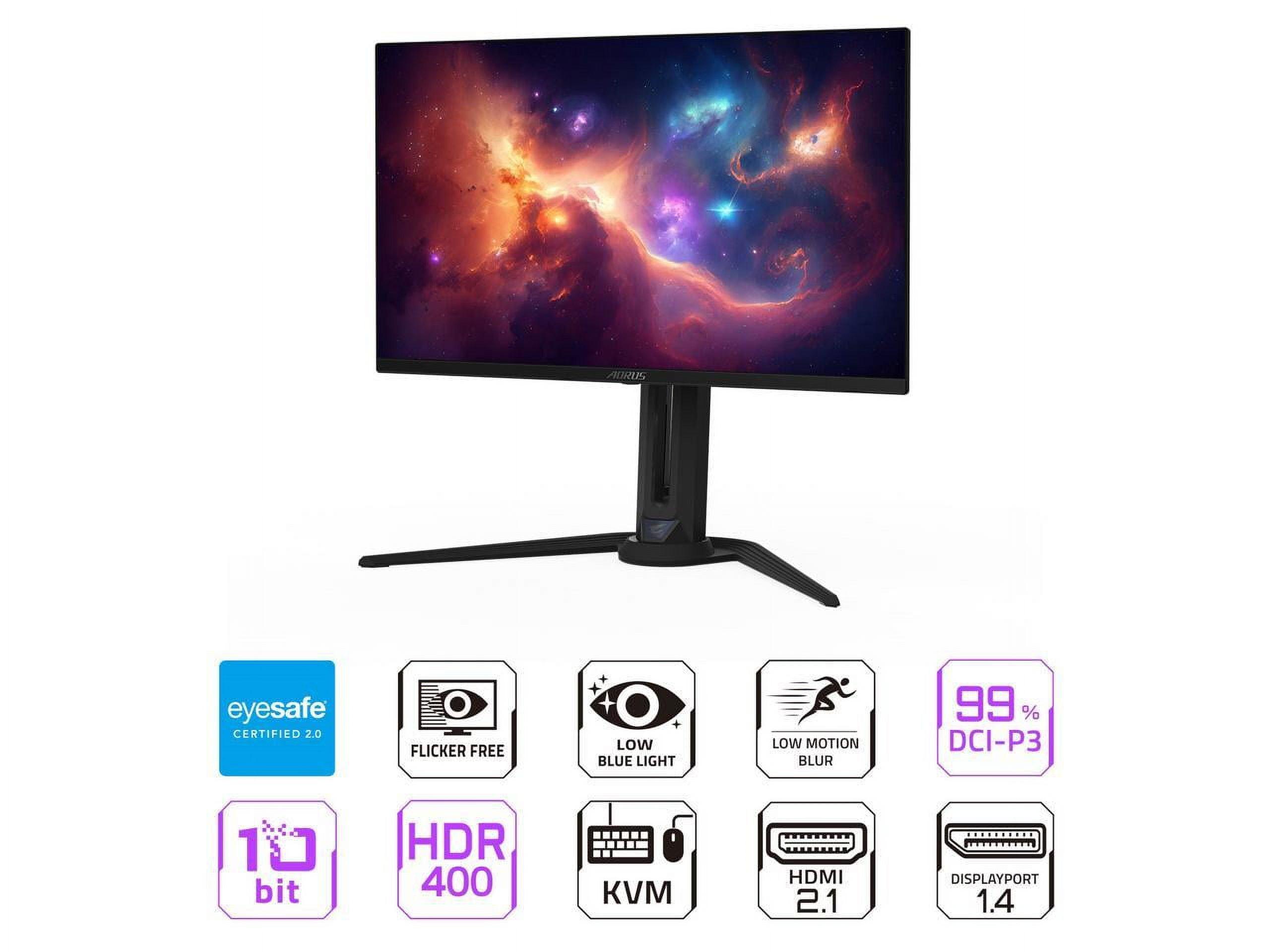
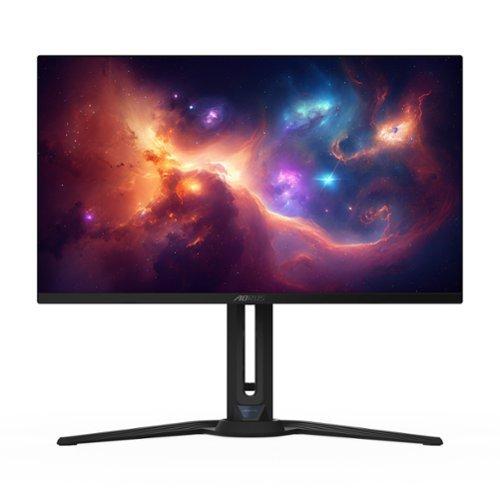
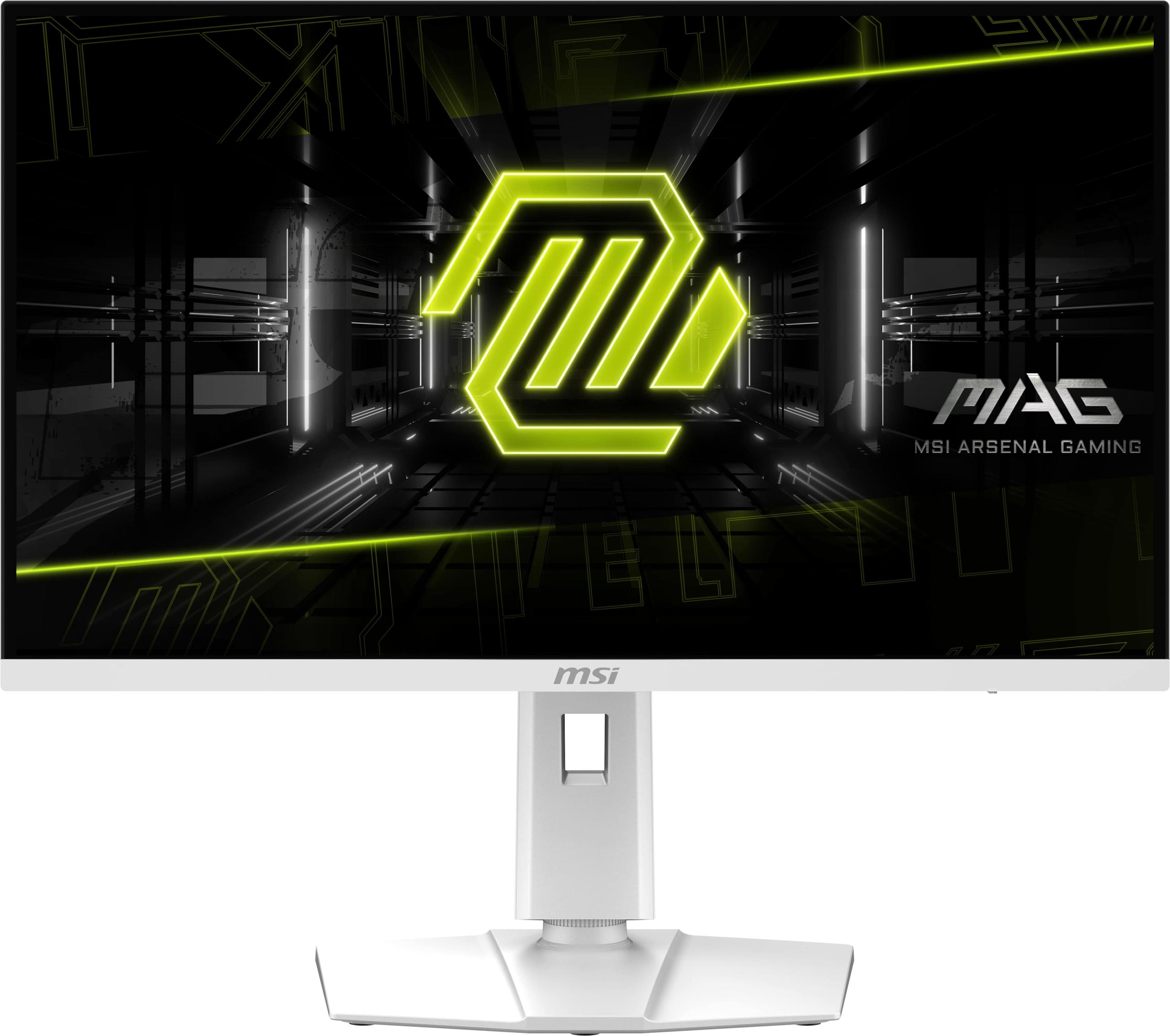
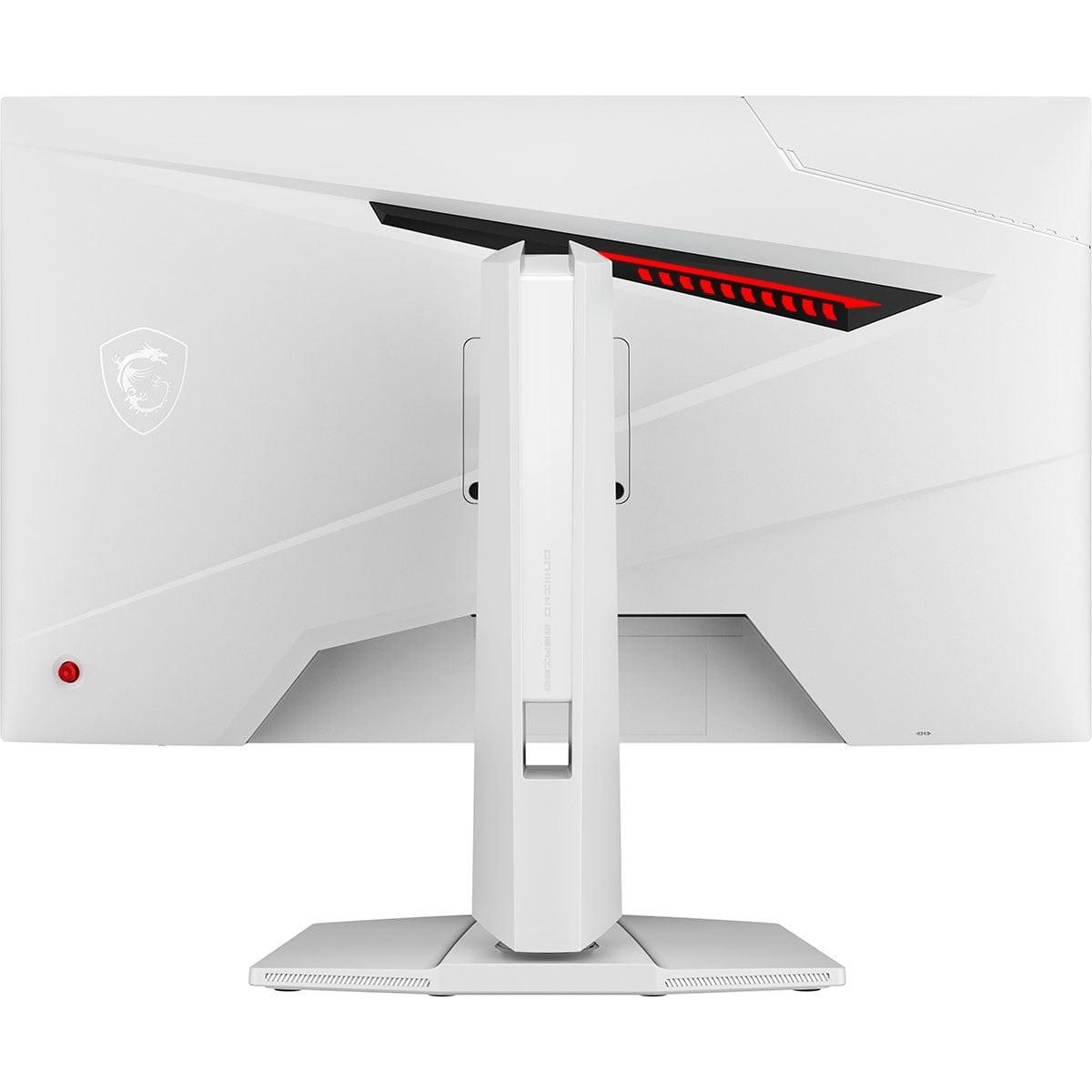
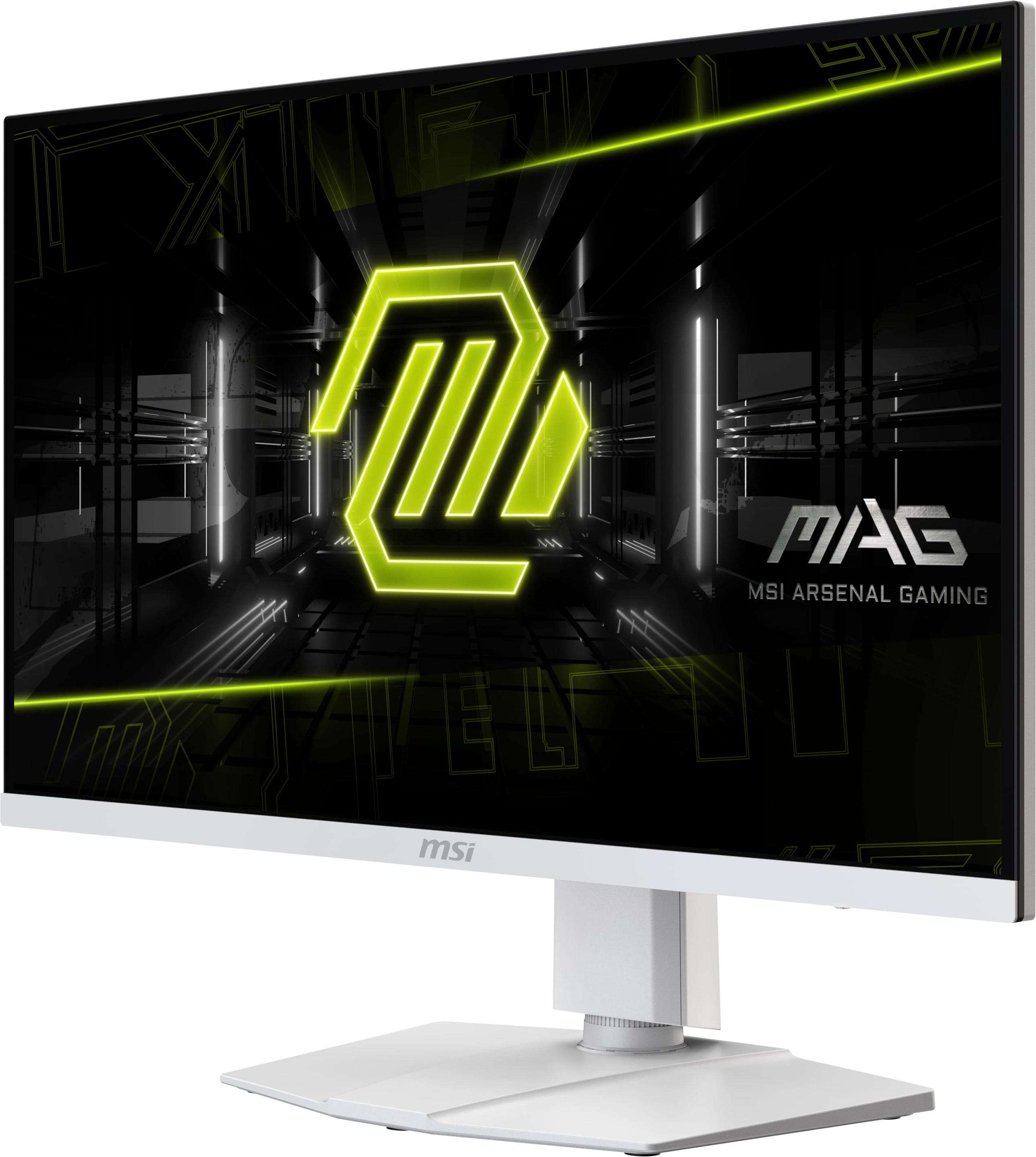
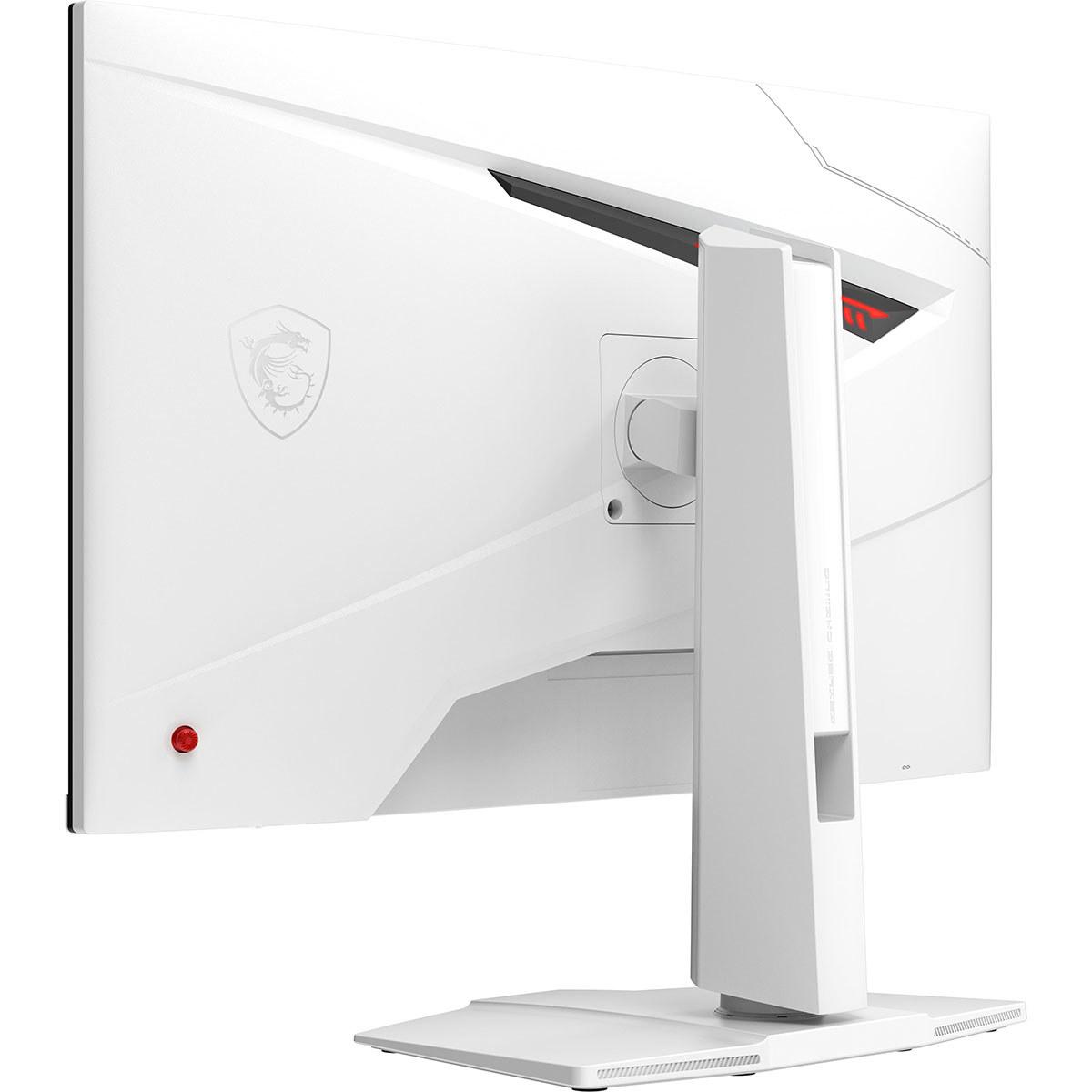
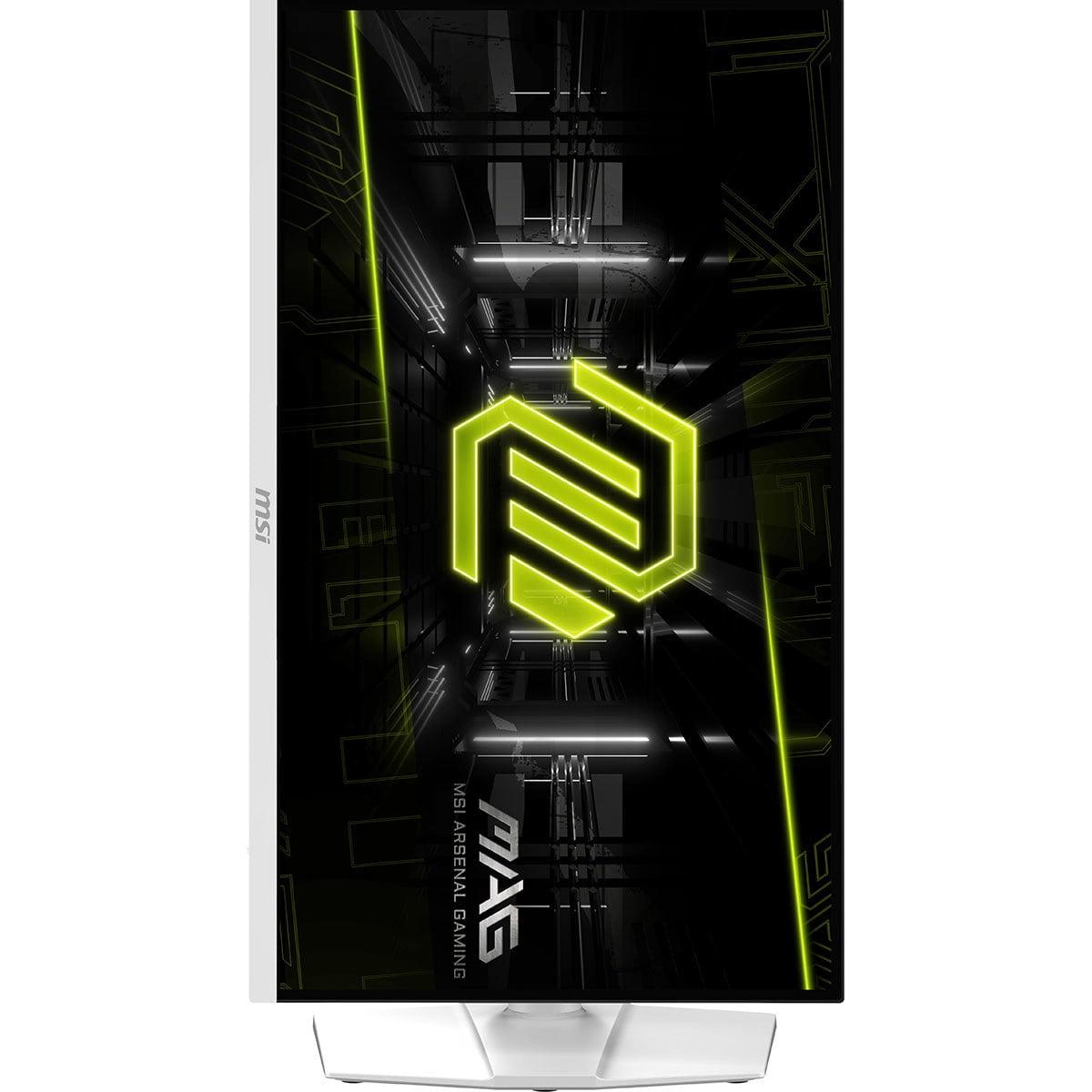
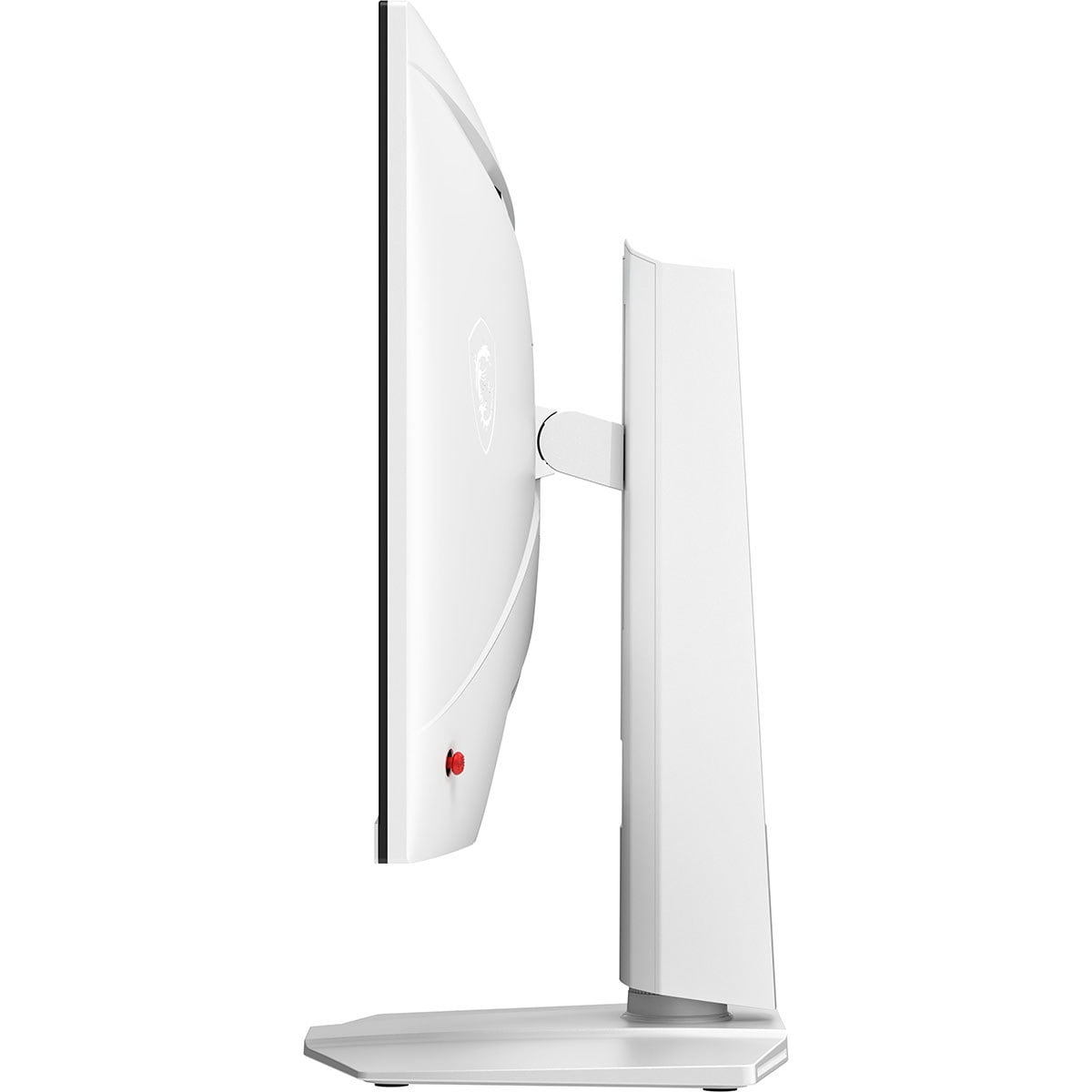
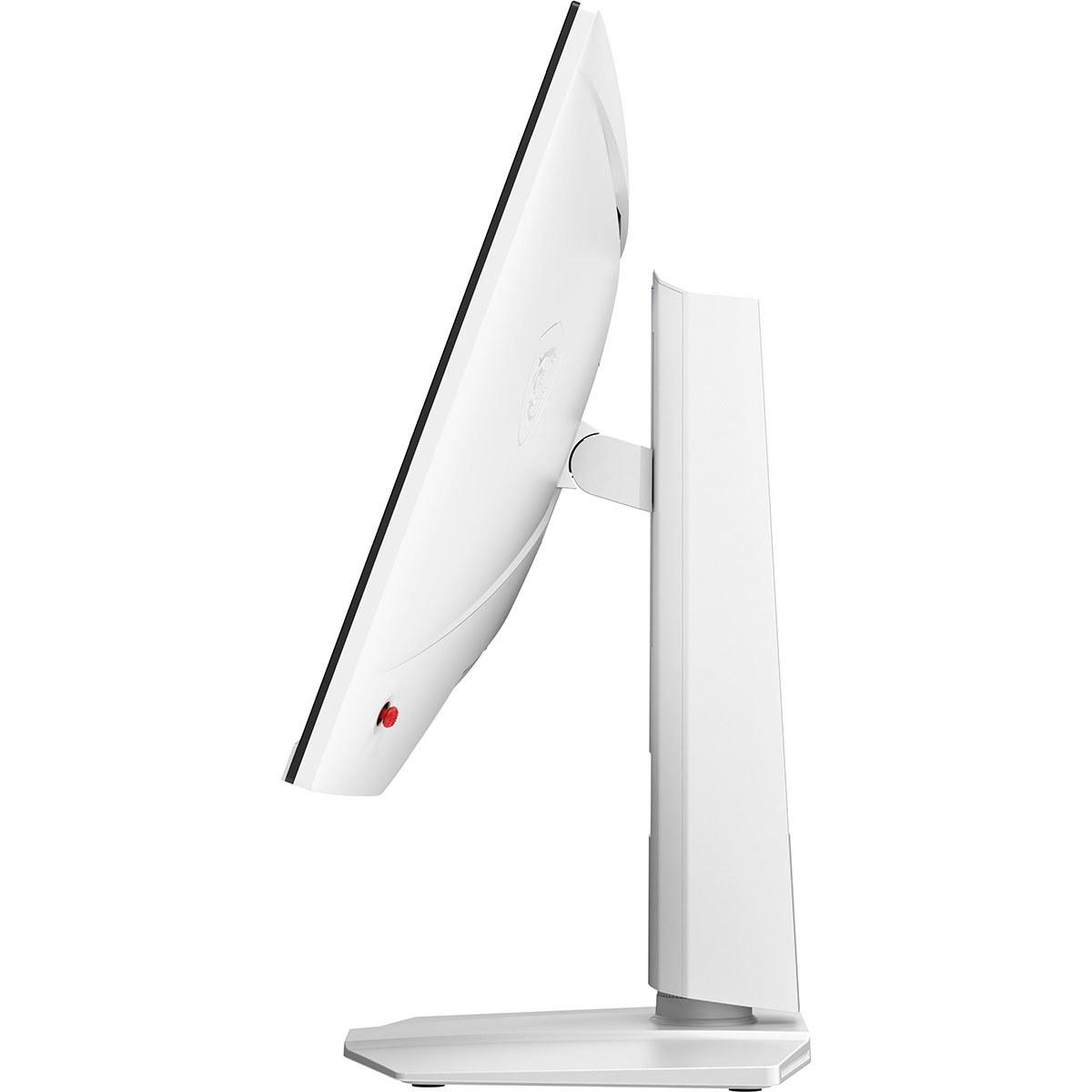
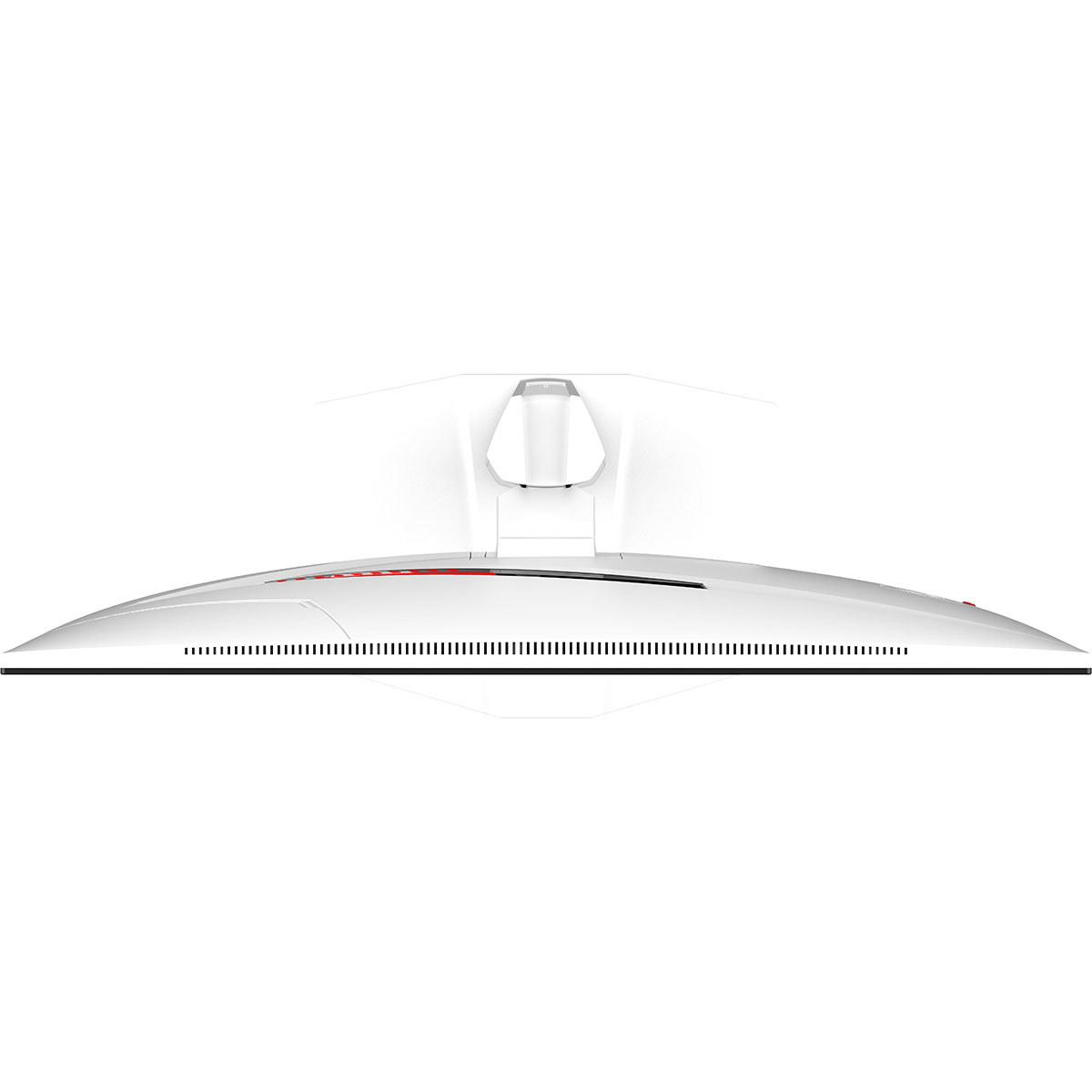
When you're shopping for a new gaming monitor, you'll quickly discover that the landscape has become incredibly diverse. Gone are the days when your biggest decision was choosing between 24" or 27" screens. Today's market offers fundamentally different display technologies, each with their own strengths and trade-offs. The Gigabyte AORUS FO27Q2 and MSI MAG 274URFW perfectly illustrate this evolution—they're both 27-inch gaming monitors released in 2024, but they take completely different approaches to delivering great gaming experiences.
Before diving into these specific monitors, it's crucial to understand what makes them tick. The display panel is the heart of any monitor, and the technology used dramatically affects everything from how games look to how much the monitor costs.
QD-OLED Technology (found in the Gigabyte FO27Q2) represents the cutting edge of display technology. QD stands for "Quantum Dot," which are microscopic particles that emit pure colors when hit by light. OLED means "Organic Light Emitting Diode"—essentially, each pixel produces its own light and can turn completely off to create true black. When you combine these technologies, you get incredibly vibrant colors and infinite contrast ratios. Think of it like having millions of tiny, perfect flashlights that can display any color and turn completely off when needed.
Rapid IPS Technology (found in the MSI MAG 274URFW) is an evolution of traditional LCD technology. IPS stands for "In-Plane Switching," referring to how the liquid crystals rotate to control light passage. The "Rapid" designation means MSI has optimized the crystals to change positions faster, reducing response times. Unlike OLED, IPS panels use a backlight that's always on, with crystals acting like shutters to block or allow light through.
These fundamental differences create a fascinating contrast in how each monitor handles different scenarios.
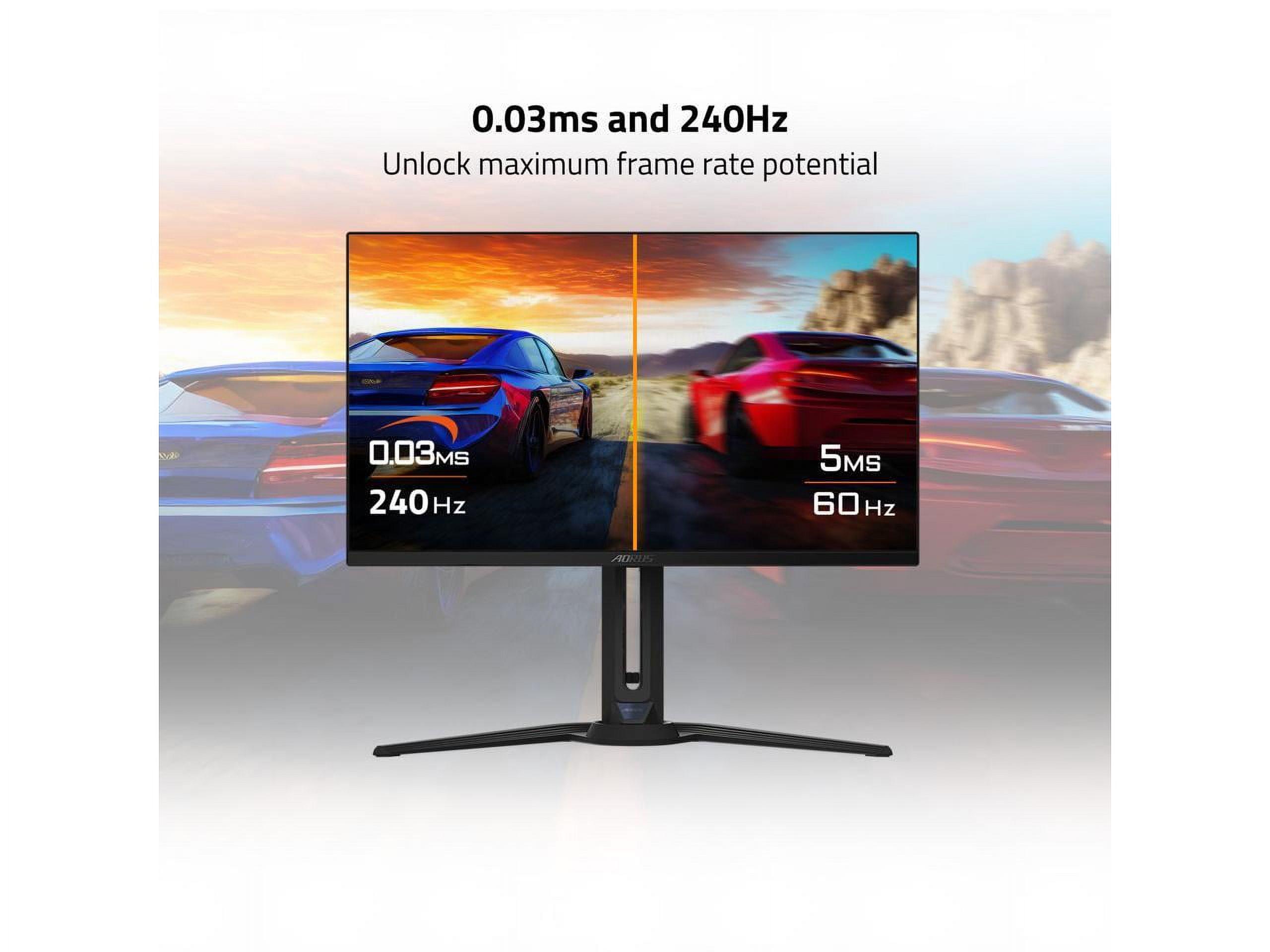
The Gigabyte FO27Q2 absolutely dominates in response time with its 0.03ms specification. To put this in perspective, that's thirty-three times faster than the MSI MAG 274URFW's 0.5ms response time. In practical terms, this means the OLED panel can change from one color to another almost instantaneously.
Why does this matter? When you're playing fast-paced games like Counter-Strike or Valorant, every millisecond counts. Slower response times create ghosting—a trailing effect behind moving objects that can make it harder to track enemies or aim precisely. I've noticed this difference particularly in first-person shooters where rapid camera movements are common. The FO27Q2 delivers motion that's so crisp it almost feels unnatural at first.
The refresh rate difference is equally significant. The Gigabyte monitor pushes 240Hz compared to the MSI's 160Hz. Higher refresh rates mean more frames displayed per second, creating smoother motion. However, there's a diminishing returns effect here—while the jump from 60Hz to 144Hz is immediately noticeable, the difference between 160Hz and 240Hz is more subtle and primarily benefits competitive players who can actually utilize those frame rates.
Here's where things get interesting. The MSI MAG 274URFW offers true 4K resolution (3840 x 2160 pixels), while the Gigabyte FO27Q2 maxes out at 1440p (2560 x 1440 pixels). This isn't just a numbers game—it fundamentally changes how you'll use each monitor.
4K on a 27-inch screen provides incredibly sharp text and detailed imagery. If you've ever used a high-resolution phone or tablet, you know that satisfying feeling of perfectly crisp text that looks almost printed on the screen. The MAG 274URFW delivers this experience on your desktop, making it excellent for productivity work, photo editing, or any task involving fine details.
However, there's a performance cost. Driving 4K at high frame rates requires significantly more graphics processing power. Even high-end graphics cards can struggle to maintain 160fps at 4K in demanding games. The FO27Q2's 1440p resolution is much more achievable for high-refresh gaming, making it easier to actually utilize that 240Hz capability.
This is where the technology differences become most apparent. The Gigabyte FO27Q2 supports VESA DisplayHDR True Black 400, which sounds technical but delivers a genuinely transformative experience. Because OLED pixels can turn completely off, you get true blacks—something that's impossible with traditional LCD technology.
I've spent considerable time with both types of displays, and the difference is striking. In games like Cyberpunk 2077 or any title with dramatic lighting, the OLED's ability to display pure black alongside bright highlights creates an almost three-dimensional depth to the image. Neon signs pop against dark city streets in ways that LCD panels simply cannot replicate.
The MSI monitor offers DisplayHDR 400 certification, which provides better contrast and color than standard displays, but it can't match OLED's infinite contrast ratio. The IPS panel's blacks appear more like dark gray when viewed in a dim room, though this is less noticeable in well-lit environments.
Both monitors excel in color reproduction, but in different ways. The FO27Q2 covers 99% of the DCI-P3 color space, which is the standard used in digital cinema. This means colors appear incredibly vibrant and saturated—sometimes almost unnaturally so if you're used to standard monitors.
The MAG 274URFW covers 133% of the sRGB color space and 98% of DCI-P3, making it versatile for both standard computer use and professional content creation. The wider sRGB coverage means some colors might appear oversaturated in standard applications, but this can usually be corrected through color profiles.
For content creators, both monitors offer factory calibration. The Gigabyte model even includes a calibration report showing measured color accuracy values. This attention to color accuracy makes both suitable for photo editing, though the MSI's 4K resolution provides more screen real estate for detailed work.
For games like League of Legends, CS:GO, or Valorant, the Gigabyte FO27Q2 is clearly superior. The combination of 240Hz refresh rate and near-zero response time provides a tangible competitive advantage. Professional esports players often use 1440p monitors specifically because they're easier to drive at high frame rates, and the FO27Q2 represents the pinnacle of this approach.
The monitor's "Tactical Switch" feature allows instant resolution changes—for example, switching to a 24-inch mode that concentrates the image for better focus during competitive play. This kind of specialized gaming feature reflects the monitor's target audience.
For games like Red Dead Redemption 2, The Witcher 3, or Microsoft Flight Simulator, the MSI MAG 274URFW's 4K resolution becomes more valuable. These games benefit from the increased detail that higher resolution provides, and the slightly lower refresh rate is less critical since competitive timing isn't a factor.
However, the FO27Q2's superior contrast ratio makes dark scenes in games like Resident Evil or horror titles significantly more immersive. The true blacks create genuine shadows that can actually hide details, adding to the atmospheric tension.
Both monitors support HDMI 2.1, making them compatible with PlayStation 5 and Xbox Series X. The MSI monitor can display true 4K from these consoles, which is becoming increasingly important as more games support this resolution. The Gigabyte monitor will upscale console output to fit its 1440p resolution, which still looks excellent but doesn't utilize the console's full 4K capabilities.
At the time of writing, the MSI MAG 274URFW costs roughly half as much as the Gigabyte FO27Q2, making it one of the most compelling value propositions in 4K gaming. This price difference reflects the maturity of IPS technology versus the premium nature of QD-OLED.
However, total cost of ownership involves more than initial purchase price. OLED panels have historically been susceptible to burn-in, where static images can permanently mark the screen. Gigabyte addresses this concern with AI-based OLED Care features and includes burn-in coverage in their warranty, but it remains a consideration for long-term use.
IPS panels like the one in the MAG 274URFW don't suffer from burn-in and typically maintain their image quality for many years with minimal degradation. For users who plan to keep their monitor for five or more years, this reliability factor becomes increasingly important.
Both monitors can serve double duty as displays for movie watching and streaming, though they excel in different scenarios. The Gigabyte FO27Q2's OLED technology provides a genuine cinematic experience with its perfect blacks and vibrant colors. HDR movies look spectacular, with shadow detail that rivals dedicated OLED TVs.
The MSI monitor's 4K resolution makes it better for detailed content like documentaries or visually rich films where you want to see every detail. However, the IPS panel's contrast limitations mean dark movie scenes won't have the same impact as on the OLED.
For mixed media consumption, the FO27Q2 provides a more engaging experience, while the MAG 274URFW offers more versatility with its higher resolution and lower cost.
Choose the Gigabyte AORUS FO27Q2 if you're a serious competitive gamer who values every millisecond of advantage, or if you're someone who prioritizes image quality and doesn't mind paying premium prices for cutting-edge technology. The OLED technology provides an undeniably superior visual experience, particularly for HDR content and dark scene performance. It's also the better choice if you primarily game and don't need 4K resolution for productivity work.
The MSI MAG 274URFW makes more sense for users who want excellent gaming performance without the premium price tag, or those who need 4K resolution for productivity alongside gaming. It's particularly compelling for console gamers who want to take full advantage of their PlayStation 5 or Xbox Series X's 4K capabilities. The proven reliability of IPS technology also makes it a safer long-term investment.
Both monitors represent excellent choices within their respective categories, but they serve different needs and priorities. The key is understanding whether you value specialized gaming performance and visual quality (FO27Q2) or versatile 4K capability and exceptional value (MAG 274URFW). Either choice will provide years of excellent gaming experiences—they just take different paths to get there.
| Gigabyte AORUS FO27Q2 | MSI MAG 274URFW |
|---|---|
| Display Technology - Core technology determining image quality and performance characteristics | |
| QD-OLED (Quantum Dot + OLED) | Rapid IPS LCD |
| Resolution - Higher numbers mean sharper images but require more GPU power | |
| 2560 x 1440 (QHD) - 109 PPI | 3840 x 2160 (4K UHD) - 163 PPI |
| Refresh Rate - Higher rates provide smoother motion, crucial for competitive gaming | |
| 240Hz (excellent for esports) | 160Hz (great for most gaming) |
| Response Time - Lower is better for motion clarity and reducing ghosting | |
| 0.03ms (industry-leading, virtually zero blur) | 0.5ms (excellent for IPS technology) |
| Contrast Ratio - Higher ratios mean better distinction between dark and bright areas | |
| 1,500,000:1 (infinite, true blacks) | 1,000:1 (typical for IPS, greyish blacks) |
| Peak Brightness - Higher brightness improves HDR performance and visibility | |
| 1,000 nits (3% window) exceptional HDR | 400 nits typical (good but limited HDR) |
| Color Coverage - Wider gamuts display more vibrant, accurate colors | |
| 99% DCI-P3 (cinema-grade colors) | 98% DCI-P3, 133% sRGB (versatile coverage) |
| HDR Support - Better HDR provides more realistic lighting and contrast | |
| DisplayHDR True Black 400 (premium OLED HDR) | DisplayHDR 400 (entry-level HDR) |
| Adaptive Sync - Eliminates screen tearing for smoother gameplay | |
| AMD FreeSync Premium Pro | AMD FreeSync Premium |
| Connectivity - More ports provide better device compatibility | |
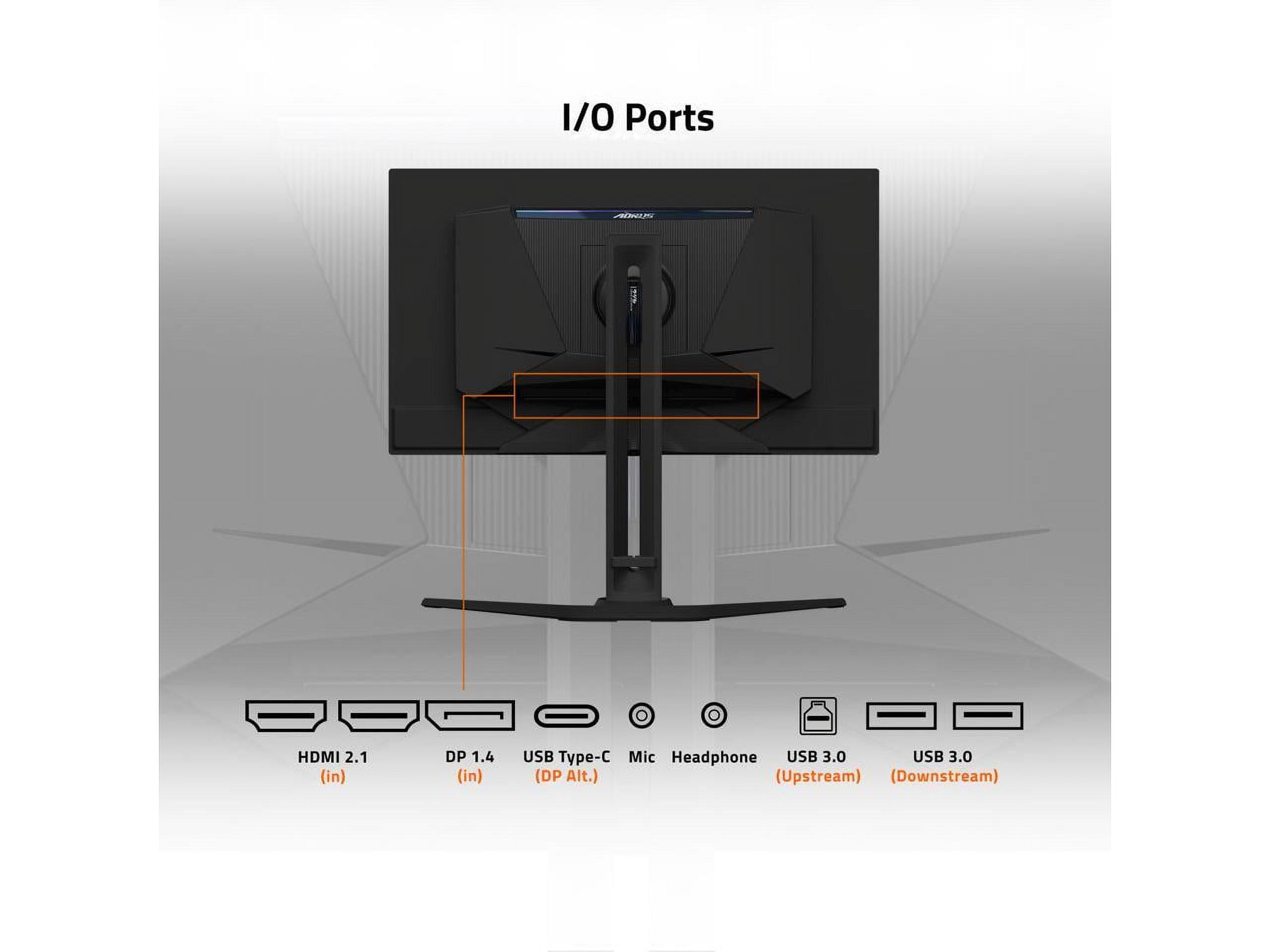
| 2x HDMI 2.1, 1x DP 1.4, USB-C with KVM | 2x HDMI 2.1, 1x DP 1.4a, USB-C (15W PD) |
| Built-in Audio - Convenience feature for users without external speakers | |
| Yes (stereo speakers included) | No (headphone jack only) |
| Warranty Coverage - Important protection for premium display technology | |
| 3 years including burn-in coverage | 3 years standard LCD warranty |
| Target Use Case - Best suited for these specific scenarios | |
| Competitive gaming, HDR content, premium experience | 4K gaming, productivity, value-conscious buyers |
| OLED Considerations - Unique aspects of OLED technology | |
| Potential burn-in risk, AI care features included | No burn-in concerns, proven longevity |
The Gigabyte AORUS FO27Q2 is significantly better for competitive gaming. It offers a 240Hz refresh rate compared to the MSI MAG 274URFW's 160Hz, and has an ultra-fast 0.03ms response time versus 0.5ms. This combination provides smoother motion and virtually eliminates ghosting, giving competitive players a real advantage in fast-paced games like CS:GO or Valorant.
QD-OLED technology in the Gigabyte FO27Q2 produces perfect blacks and infinite contrast because each pixel can turn completely off, while the IPS panel in the MSI MAG 274URFW uses a backlight that's always on, resulting in grayish blacks but no burn-in risk. QD-OLED offers superior image quality but costs more and has potential longevity concerns.
The MSI MAG 274URFW has superior resolution for productivity with its 4K (3840x2160) display compared to the Gigabyte FO27Q2's 1440p resolution. The higher pixel density makes text sharper and provides more screen real estate for multitasking, photo editing, and detailed work applications.
Both monitors support HDMI 2.1 for next-gen consoles, but the MSI MAG 274URFW is better for console gaming because it can display true 4K from PlayStation 5 and Xbox Series X. The Gigabyte FO27Q2 will upscale console output to its 1440p resolution, which still looks great but doesn't utilize the console's full 4K capabilities.
The MSI MAG 274URFW offers significantly better value, typically costing about half as much as the Gigabyte FO27Q2 while providing 4K resolution and solid gaming performance. However, the FO27Q2 justifies its premium price with cutting-edge OLED technology and superior gaming specifications for enthusiasts.
Only the Gigabyte AORUS FO27Q2 has potential burn-in concerns due to its OLED technology, though Gigabyte includes AI-based OLED care features and covers burn-in under warranty. The MSI MAG 274URFW uses traditional IPS technology that doesn't suffer from burn-in, making it more suitable for static desktop use and long-term reliability.
The Gigabyte FO27Q2 provides a superior HDR experience with its VESA DisplayHDR True Black 400 certification, perfect blacks, and higher peak brightness. This creates more dramatic contrast and cinematic quality compared to the MSI MAG 274URFW's standard DisplayHDR 400, which offers decent HDR but can't match OLED's contrast capabilities.
Yes, but with different strengths. The Gigabyte FO27Q2 excels at high refresh rate gaming with its 240Hz capability and is easier to drive at high frame rates due to its 1440p resolution. The MSI MAG 274URFW offers 160Hz gaming but requires more powerful graphics cards to achieve high frame rates at 4K resolution.
Both monitors offer excellent color accuracy, but serve different needs. The Gigabyte FO27Q2 covers 99% DCI-P3 with incredibly vibrant, cinema-grade colors perfect for gaming and HDR content. The MSI MAG 274URFW covers 133% sRGB and 98% DCI-P3, making it more versatile for both standard computer use and professional color work.
Both monitors provide comprehensive connectivity including dual HDMI 2.1 ports and DisplayPort. The Gigabyte FO27Q2 includes USB-C with KVM switching functionality and built-in speakers, while the MSI MAG 274URFW offers USB-C with 15W power delivery but no built-in audio beyond a headphone jack.
The MSI MAG 274URFW is generally better for long-term use due to IPS technology's proven reliability and resistance to image retention. The Gigabyte FO27Q2 offers superior image quality but OLED panels may degrade over time, though Gigabyte provides comprehensive warranty coverage including burn-in protection.
This depends on your gaming preferences and hardware. Choose the MSI MAG 274URFW if you want detailed 4K visuals and have a powerful graphics card, or prefer single-player games where resolution matters more than speed. Choose the Gigabyte FO27Q2 if you prioritize competitive gaming, prefer higher frame rates, or want the best possible motion clarity and contrast.
We've done our best to create useful and informative comparisons to help you decide what product to buy. Our research uses advanced automated methods to create this comparison and perfection is not possible - please contact us for corrections or questions. These are the sites we've researched in the creation of this article: tomshardware.com - pangoly.com - youtube.com - pangoly.com - rtings.com - displayninja.com - gigabyte.com - youtube.com - creativebloq.com - techpowerup.com - newegg.com - gigabyte.com - icecat.in - microcenter.com - aorus.com - bhphotovideo.com - provantage.com - bestbuy.com - displayspecifications.com - tomshardware.com - gigabyte.com - computronicsmultivision.com - gigabyte.com - youtube.com - bestbuy.com - rtings.com - youtube.com - guru3d.com - youtube.com - newegg.com - bhphotovideo.com - bestbuy.com - storage-asset.msi.com - shi.com - neweggbusiness.com - files.bbystatic.com - us-store.msi.com - msi.com - storage-asset.msi.com - storage-asset.msi.com

Privacy Policy
Terms and Conditions - Affiliate Policy
Home Security
© Copyright 2008-2026.
11816 Inwood Rd #1211, Dallas, TX 75244