

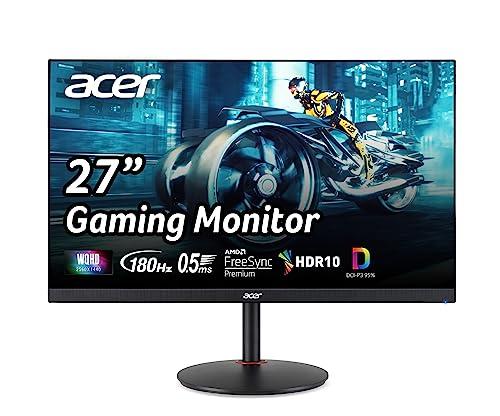
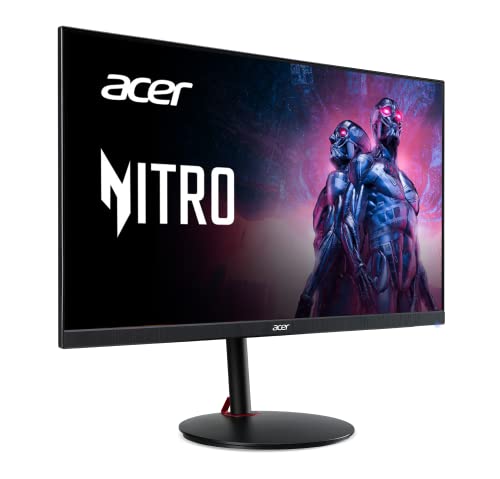
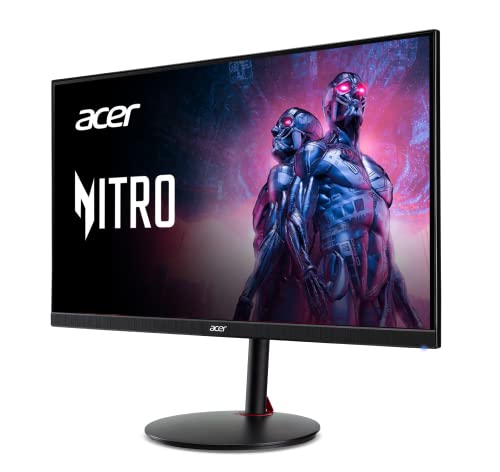
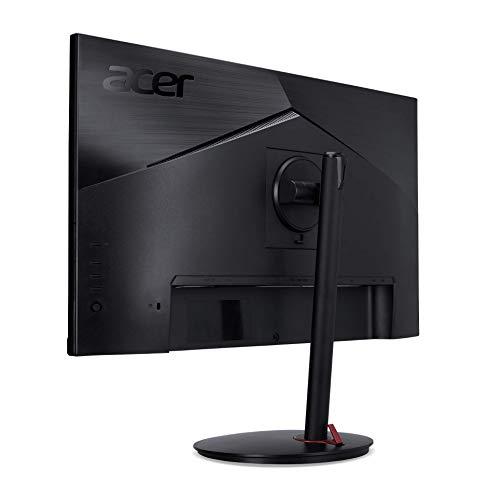
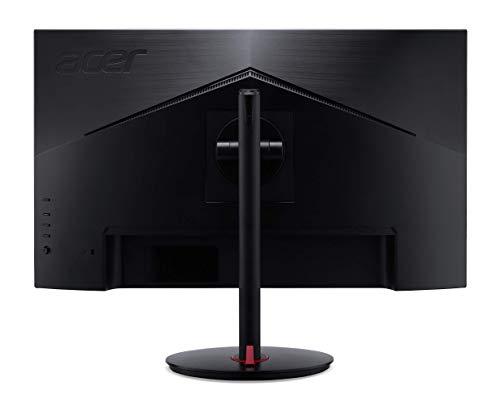
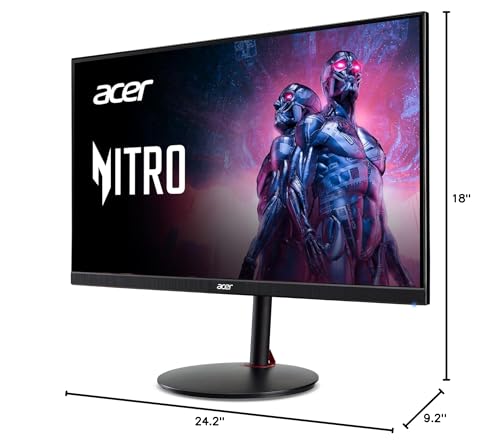
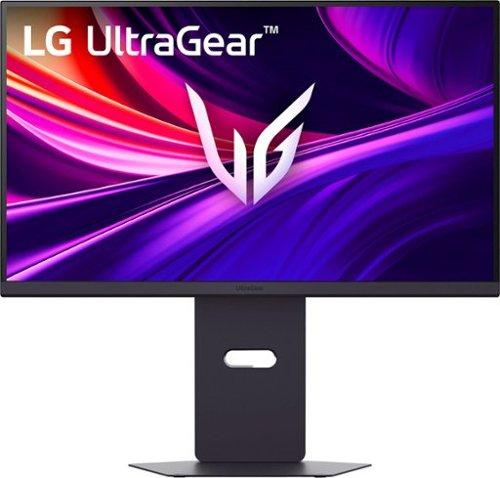
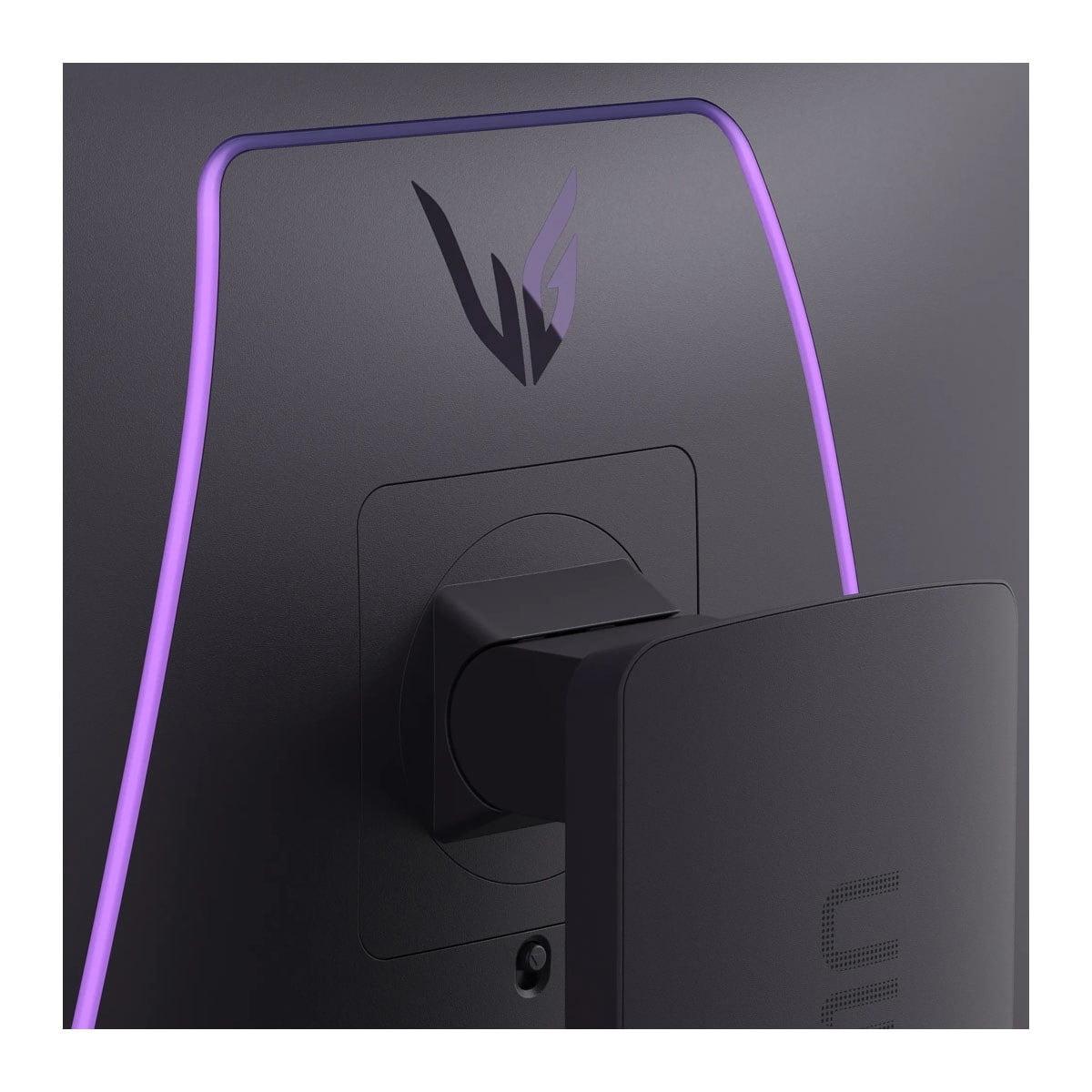
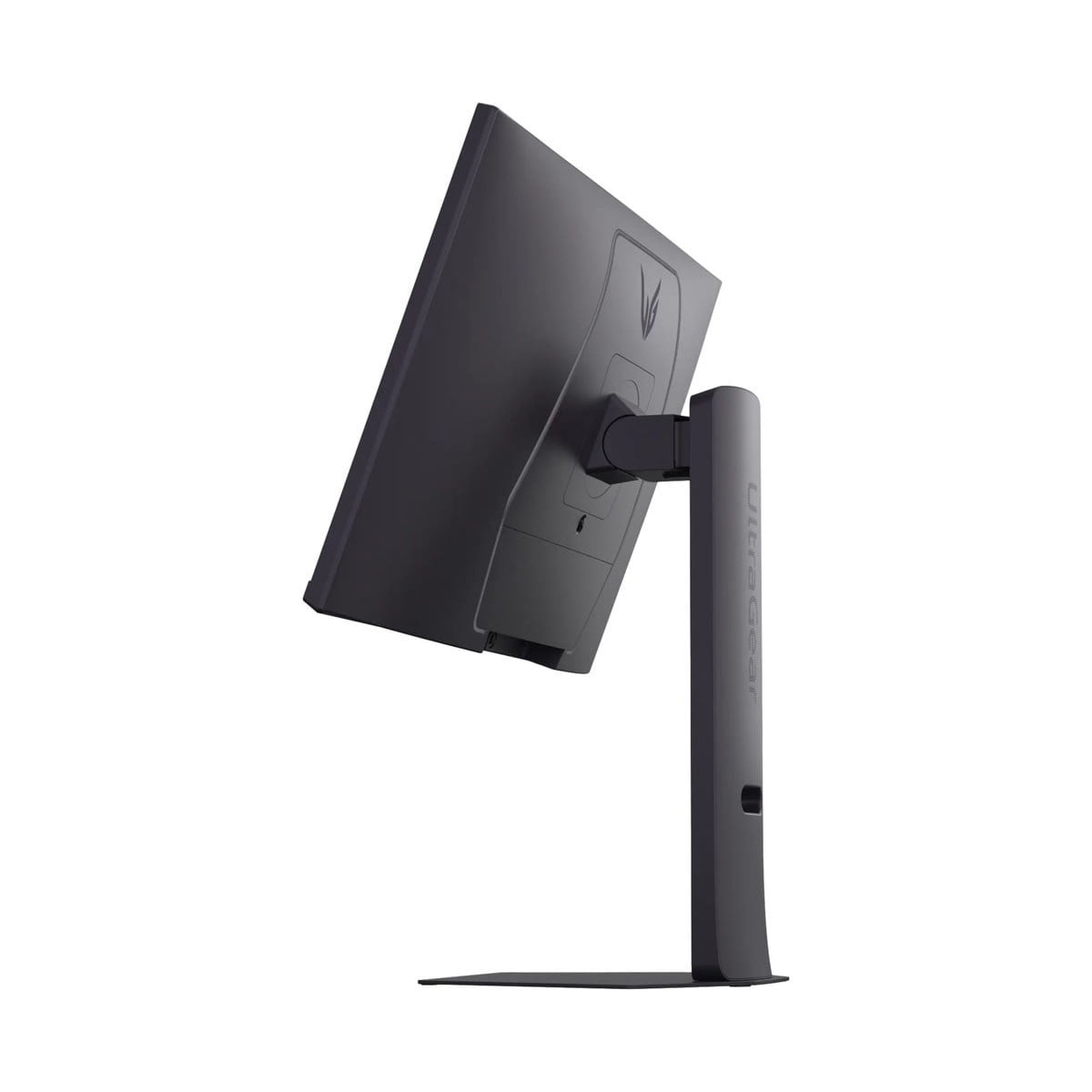
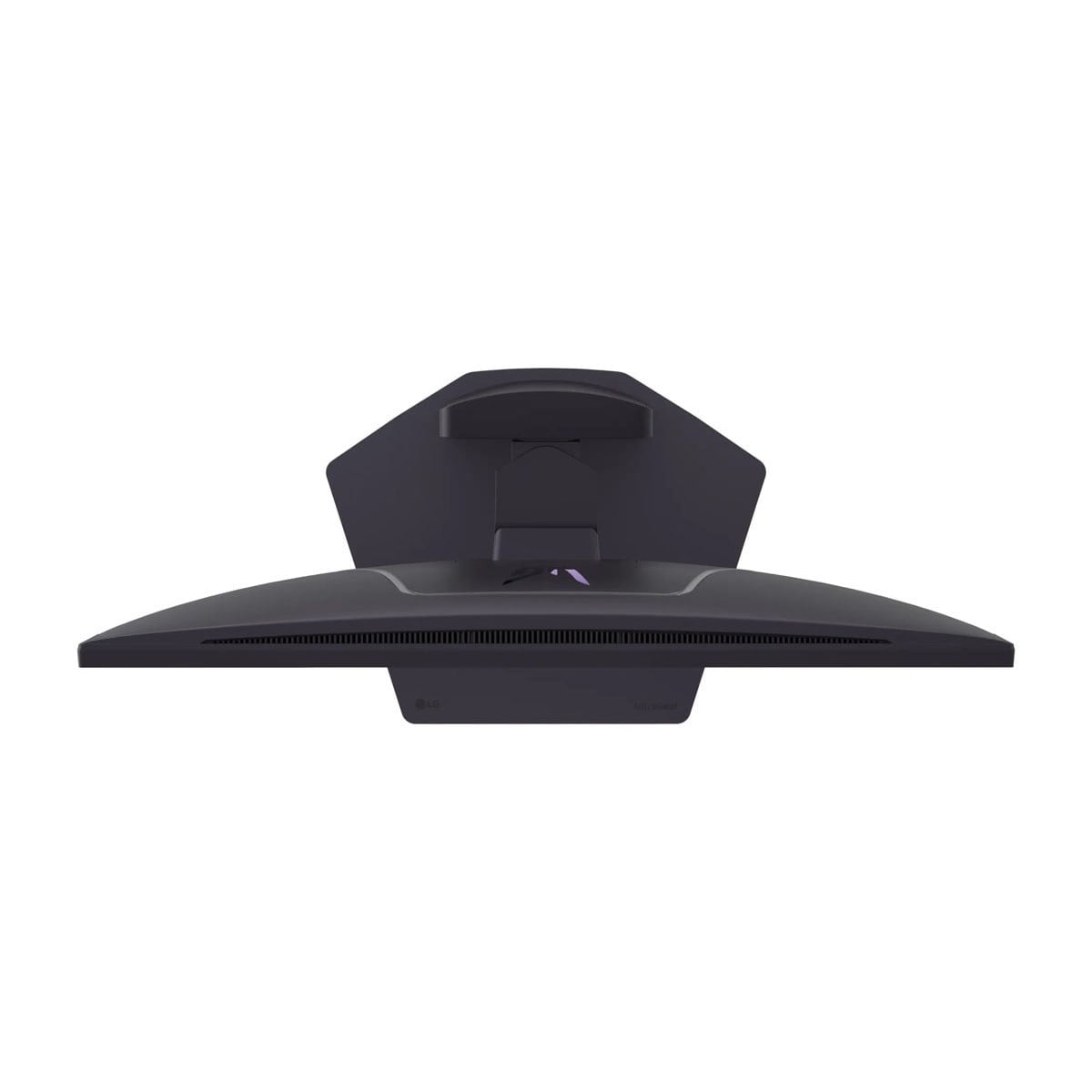
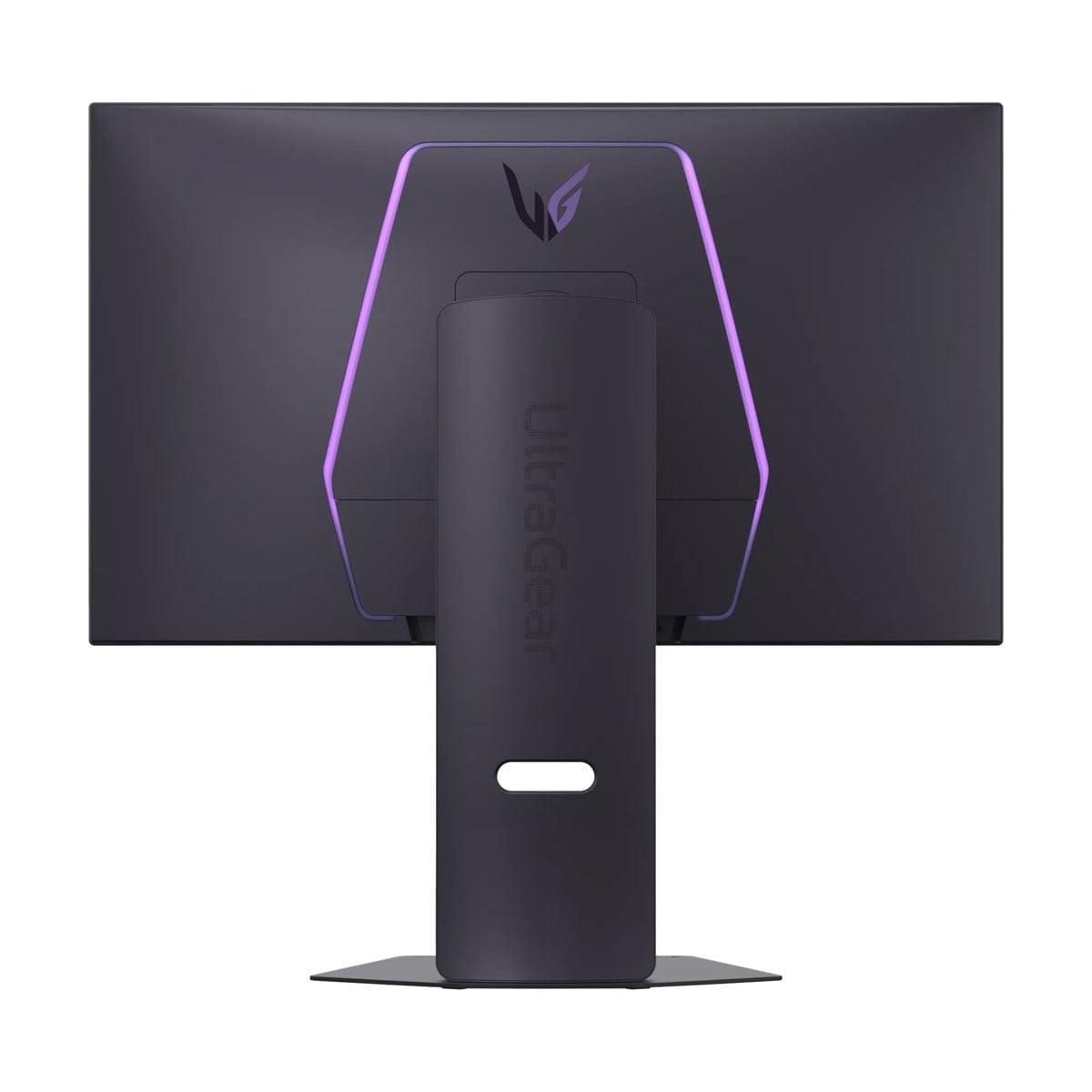

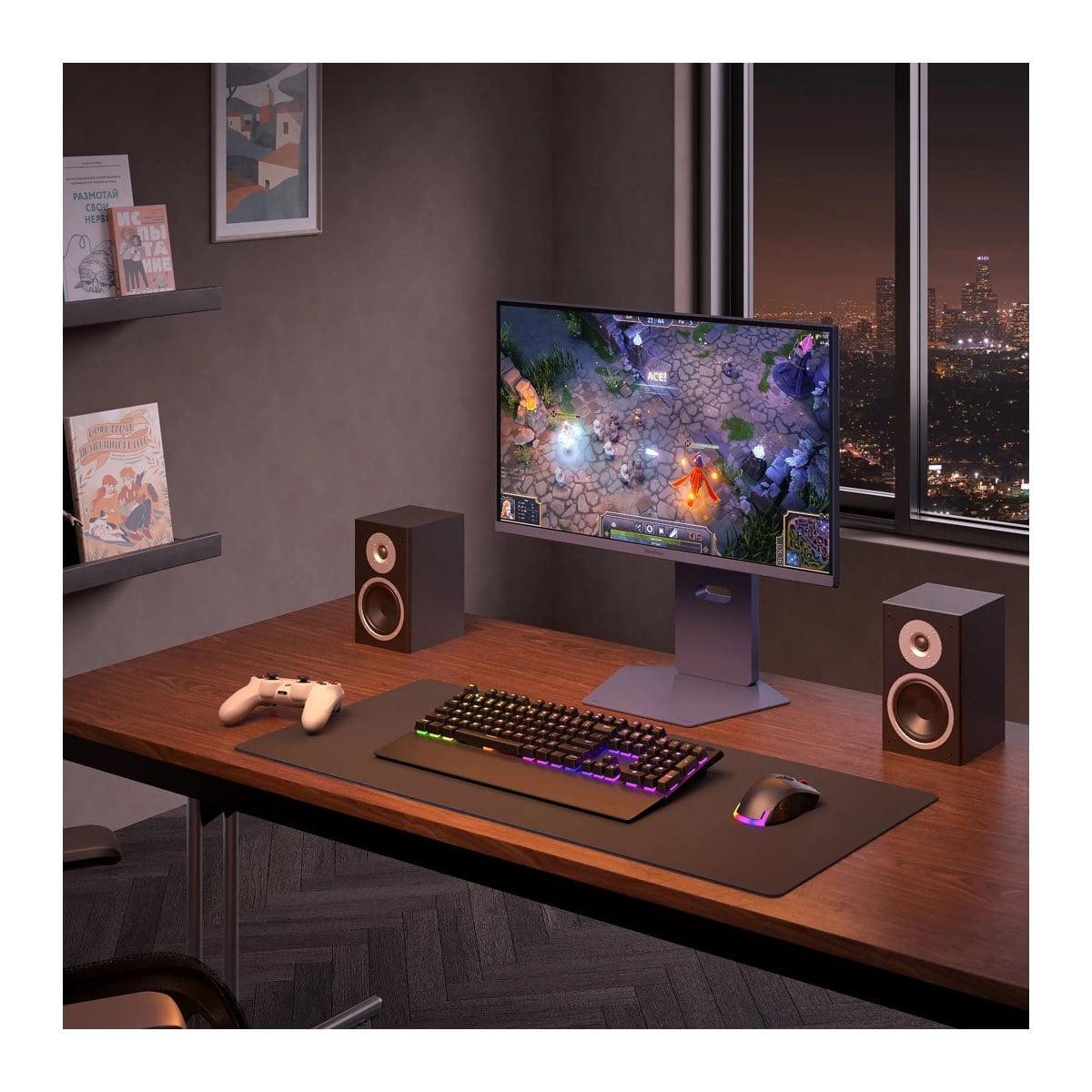
When it comes to choosing a gaming monitor in 2024, you're facing one of the most exciting yet challenging decisions in PC gaming. The monitor market has exploded with options, but two standouts represent completely different philosophies: the budget-friendly Acer Nitro XV1 27" WQHD 180Hz IPS Gaming Monitor and the premium LG UltraGear 27" 4K 240Hz Dual Mode Gaming Monitor.
Think of it this way: one is the reliable Honda Civic of gaming monitors—affordable, practical, and gets the job done brilliantly. The other is more like a cutting-edge Tesla—packed with innovative technology but requiring a serious investment. Both have their place, and understanding which fits your needs and budget will save you from buyer's remorse down the road.
Before diving into specifics, let's establish what makes a great gaming monitor in 2024. The 27-inch size has become the sweet spot for most gamers—large enough to be immersive without overwhelming your desk or requiring you to turn your head constantly. At this size, the real decisions come down to resolution (how sharp the image looks), refresh rate (how smooth motion appears), and color quality.
Gaming monitors have evolved dramatically over the past few years. Back in 2020, finding a 27-inch monitor with both high refresh rates and good color accuracy meant compromising somewhere or paying premium prices. The Acer Nitro XV1, released in 2022, represented the maturation of affordable high-refresh gaming, while the LG UltraGear, launched in 2024, pushes the absolute boundaries of what's technically possible.
The key considerations when shopping in this category include the eternal trade-off between resolution and refresh rate, panel technology (which affects color accuracy and viewing angles), adaptive sync compatibility (essential for smooth gameplay), HDR implementation (which varies wildly in quality), and build quality for long-term use.
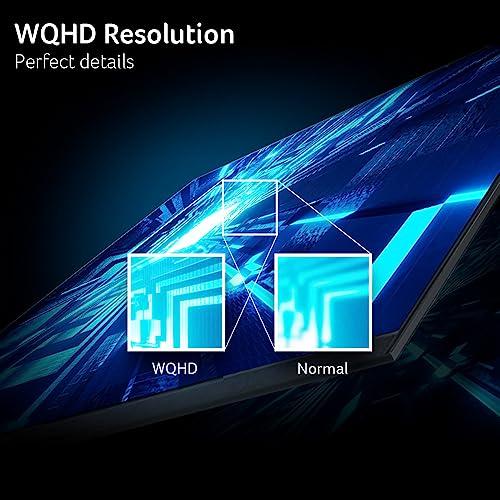
Here's where these monitors diverge most dramatically. The Acer Nitro XV1 uses WQHD resolution—that's 2560×1440 pixels, often called 1440p. This resolution hits a sweet spot for gaming: it's significantly sharper than 1080p without being as demanding as 4K. At 27 inches, this works out to about 109 pixels per inch (PPI), which means text is crisp and game details are clear without requiring a magnifying glass to read interface elements.
The LG UltraGear, however, jumps straight to 4K—3840×2160 pixels. At 163 PPI, the difference in sharpness is immediately noticeable. Text looks razor-sharp, and fine details in games pop with clarity that's simply impossible at lower resolutions. But this comes with a significant catch: your graphics card needs to push nearly twice as many pixels for every frame.
Based on our research into user experiences, the 1440p resolution of the Acer Nitro XV1 proves ideal for most gaming scenarios. It provides the detail improvement you want over 1080p while remaining achievable for mid-range graphics cards. A GeForce RTX 4060 Ti or Radeon RX 7700 XT can comfortably drive most games at 1440p with high settings, making it accessible to builders with $1,200-1,500 total system budgets.
The 4K resolution on the LG UltraGear is genuinely stunning but demands serious GPU muscle. You'll want at least an RTX 4080 or RX 7900 XT to maintain high frame rates in demanding games. This pushes the total system investment well into premium territory—we're talking $2,000+ just for the graphics card at the time of writing.
Refresh rate measures how many times per second your monitor can display a new image, measured in hertz (Hz). Higher refresh rates translate to smoother motion, reduced blur, and in competitive games, a genuine advantage in reaction time and tracking moving targets.
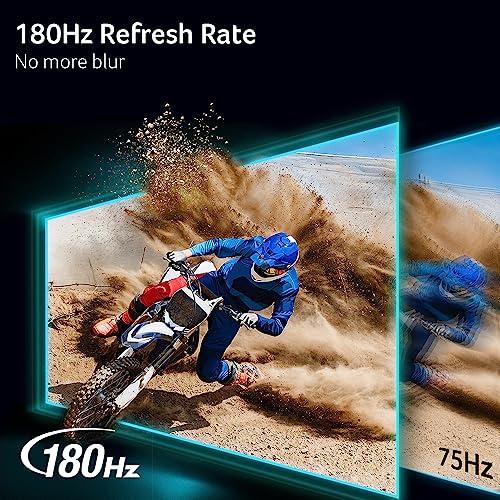
The Acer Nitro XV1 delivers 180Hz through DisplayPort connections—a solid step up from the standard 144Hz that dominated the market for years. In practice, this means games feel noticeably smoother than traditional 60Hz displays, with reduced motion blur and more responsive input. The monitor supports variable refresh rate (VRR) from 40Hz to 180Hz, which means it can synchronize with your graphics card's output to eliminate screen tearing across a wide range of frame rates.
But the LG UltraGear represents something entirely different: it's the world's first 27-inch monitor to combine 4K resolution with 240Hz refresh rate. Even more impressively, it features "Dual Mode" technology that lets you switch to 1080p resolution at an astounding 480Hz. This isn't just marketing—it fundamentally changes how the monitor can be used.
The 240Hz at 4K mode targets enthusiast gamers with top-tier systems who want both maximum visual quality and smooth motion. The 480Hz at 1080p mode specifically serves competitive esports players who prioritize the absolute lowest input lag and smoothest motion tracking over visual fidelity. Based on professional reviews and competitive player feedback, the difference between 240Hz and 480Hz is subtle but measurable in fast-paced games like Counter-Strike or Valorant.
Both monitors use IPS (In-Plane Switching) technology, but with crucial differences. IPS panels are favored for gaming because they offer excellent color accuracy and wide viewing angles without the response time penalties that older IPS displays suffered from.
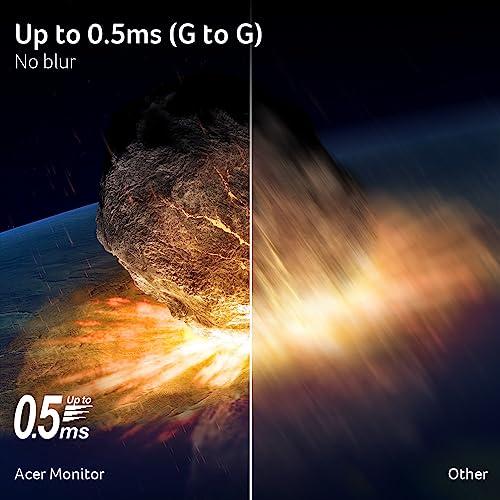
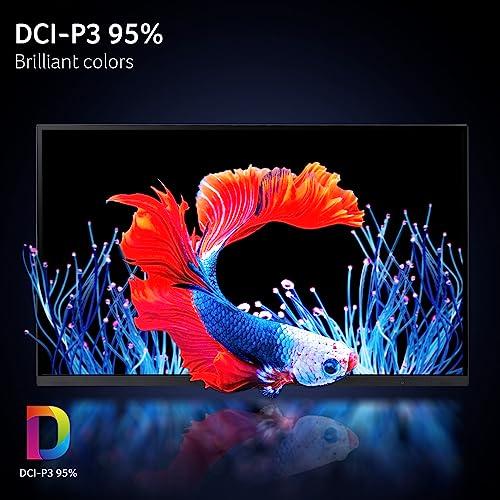
The Acer Nitro XV1 uses a standard IPS panel with impressive color coverage—95% of the DCI-P3 color space, which is the standard used in digital cinema and modern gaming. This translates to vibrant, accurate colors that make games look as developers intended. The panel achieves a 1ms grey-to-grey (GtG) response time, which measures how quickly pixels can change from one shade of grey to another—crucial for reducing motion blur in fast-moving scenes.
The LG UltraGear employs "Nano IPS Black" technology, a significant advancement over standard IPS. This technology achieves a 2000:1 contrast ratio compared to the typical 1000:1 found in standard IPS panels, including the Acer Nitro XV1. Higher contrast ratios mean deeper blacks and brighter whites, creating more realistic images with better depth. The color coverage is exceptional—99% DCI-P3 and 94% Adobe RGB, making it suitable for professional photo editing alongside gaming.
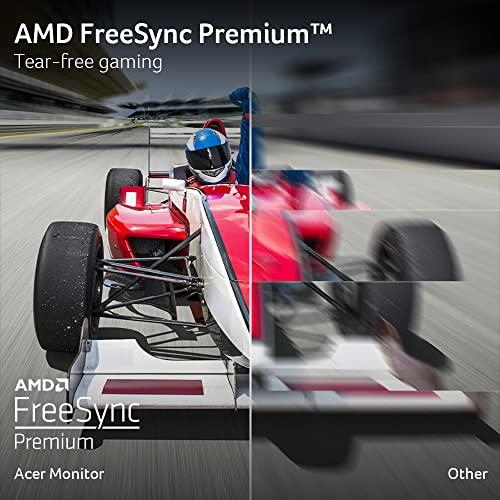
Both monitors feature AMD FreeSync Premium technology, ensuring smooth gameplay by synchronizing the monitor's refresh rate with your graphics card's frame output. They're also compatible with NVIDIA's G-SYNC, though not officially certified. This adaptive sync technology eliminates screen tearing and stuttering, creating fluid gameplay even when frame rates fluctuate.
HDR (High Dynamic Range) promises more realistic lighting with brighter highlights and deeper shadows. However, HDR implementation varies dramatically across price points, and it's worth understanding what you're actually getting.
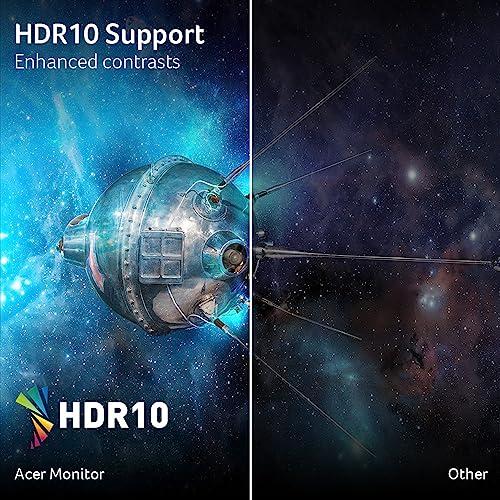
The Acer Nitro XV1 includes basic HDR10 support, but with a peak brightness of only 250 nits (a measure of brightness), the HDR experience is quite limited. Most content will look similar to standard dynamic range, with only subtle improvements in color depth. This is typical for budget-oriented monitors—HDR is present as a checkbox feature rather than a meaningful visual upgrade.
The LG UltraGear takes HDR more seriously with VESA DisplayHDR 600 certification. It can hit 450 nits in standard mode and up to 670 nits in HDR content, supported by edge-lit local dimming zones that can brighten or darken different areas of the screen independently. While not as impressive as full-array local dimming or OLED technology, it provides a noticeably improved HDR experience with better contrast and highlight detail.
From our analysis of user reviews, the HDR on the Acer Nitro XV1 is best left disabled for gaming, as it can introduce input lag and doesn't provide meaningful visual benefits. The LG UltraGear's HDR implementation is genuinely useful, particularly in single-player games with dramatic lighting, though it still falls short of premium HDR displays.
Response time and input lag are critical for competitive gaming. Response time measures how quickly pixels can change colors, while input lag measures the delay between your input and seeing the result on screen. Both monitors excel here, with 1ms GtG response times that eliminate ghosting and blur behind fast-moving objects.
The Acer Nitro XV1 provides consistent performance across its entire refresh rate range, with minimal overshoot (unwanted artifacts from aggressive response time tuning). User reports consistently praise its motion clarity in fast-paced games, with clean pixel transitions that don't introduce distracting halos or inverse ghosting.
The LG UltraGear pushes performance even further with sub-millisecond input lag in both 240Hz and 480Hz modes. Professional esports players and reviewers note the immediate responsiveness, particularly beneficial in reaction-time dependent games. The dual mode capability lets you optimize for different game types—use 4K 240Hz for immersive single-player games, then switch to 1080p 480Hz for competitive matches.
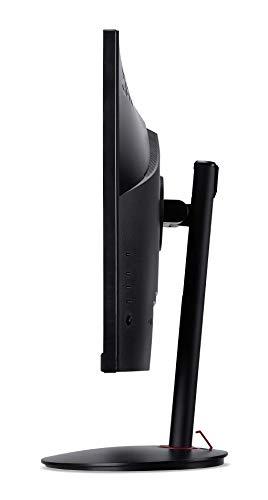
Connectivity reveals another significant difference between these monitors. The Acer Nitro XV1 includes DisplayPort 1.2 and dual HDMI 2.0 ports—adequate for current gaming but with limitations. HDMI 2.0 caps out at 144Hz, so console gamers using PlayStation 5 or Xbox Series X won't access the full 180Hz capability.
The LG UltraGear features DisplayPort 2.1 and dual HDMI 2.1 ports, representing the latest standards. HDMI 2.1 supports the full feature set for next-generation consoles, including 4K at 120Hz with VRR. DisplayPort 2.1 provides the massive bandwidth needed for 4K at 240Hz, something impossible with older standards.
This connectivity difference has real implications for longevity. As graphics cards and consoles continue evolving, the LG UltraGear will remain compatible with future features, while the Acer Nitro XV1 may face limitations.
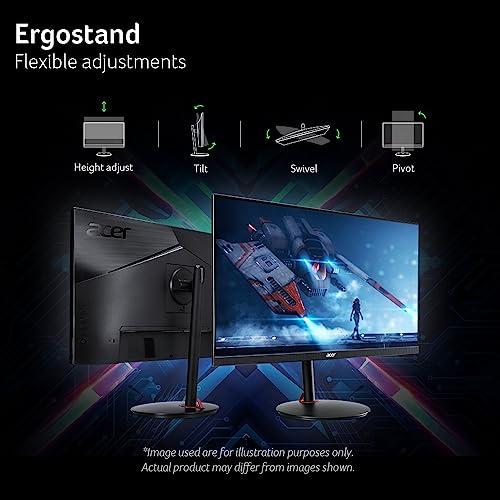
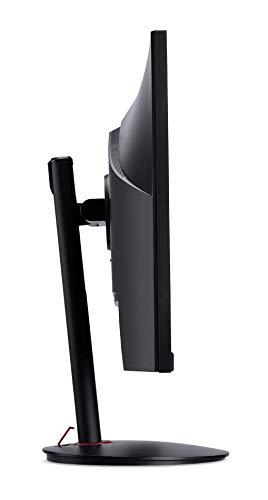
Both monitors include fully adjustable stands—height, tilt, swivel, and pivot—essential for finding comfortable viewing positions during long gaming sessions. However, the execution differs significantly.
The Acer Nitro XV1 provides solid ergonomic adjustability with smooth, reliable mechanisms. The stand feels appropriately sturdy for the price point, though some users report preferring VESA mount alternatives for premium desk setups.
The LG UltraGear delivers premium build quality with smooth adjustment mechanisms, premium materials, and RGB accent lighting that integrates with gaming setups. The construction justifies the premium positioning, with attention to details like cable management and aesthetic finishing.
For those considering these monitors in living room or home theater setups, several factors come into play. The LG UltraGear's 4K resolution and improved HDR make it more suitable for mixed media consumption, particularly for streaming 4K content or console gaming on a larger screen. The enhanced brightness and contrast provide better performance in varied lighting conditions.
The Acer Nitro XV1 works well for dedicated gaming setups but may feel limited for general media consumption due to its lower resolution and modest HDR capabilities. However, its color accuracy ensures movies and shows still look natural and vibrant.
At the time of writing, these monitors occupy completely different value segments. The Acer Nitro XV1 typically costs under $300, making it an exceptional value for 1440p high-refresh gaming. When you factor in the total system cost—monitor, GPU, and supporting components—it enables capable gaming setups in the $1,200-1,500 range.
The LG UltraGear commands premium pricing, typically $800-1,000, reflecting its cutting-edge technology. However, the total system investment required to utilize its capabilities pushes the overall cost significantly higher due to GPU requirements.
The value equation depends entirely on your priorities and budget. For most gamers, the Acer Nitro XV1 provides 85% of the visual experience at roughly 30% of the total system cost. For enthusiasts seeking the absolute best available technology and willing to invest accordingly, the LG UltraGear delivers genuinely unique capabilities.
Choose the Acer Nitro XV1 if you're building a capable gaming system without breaking the bank. It excels for competitive gaming, provides excellent color accuracy for mixed use, and pairs perfectly with mid-range graphics cards. The 180Hz refresh rate feels significantly smoother than standard monitors while remaining achievable with reasonable hardware.
Opt for the LG UltraGear if you're building a premium system and want access to cutting-edge display technology. The dual mode functionality genuinely changes how you can use the monitor, 4K gaming provides stunning visual quality, and the future-proof connectivity ensures longevity. However, budget for a high-end graphics card to unlock its potential.
Consider your gaming priorities: if you primarily play competitive multiplayer games where performance matters most, the Acer Nitro XV1 provides everything you need. If you enjoy visually stunning single-player games and have the budget for a premium system, the LG UltraGear offers an unmatched experience.
Both monitors represent excellent choices within their respective market segments. The Acer Nitro XV1 proves that great gaming performance doesn't require premium pricing, while the LG UltraGear showcases what's possible when technology and budget align. Your choice should reflect your gaming priorities, system budget, and long-term plans—either way, you'll end up with a monitor that significantly enhances your gaming experience.
| Acer Nitro XV1 27" WQHD 180Hz IPS Gaming Monitor | LG UltraGear 27" 4K 240Hz Dual Mode Gaming Monitor |
|---|---|
| Resolution - Determines image sharpness and GPU requirements | |
| 2560×1440 (WQHD) - Great balance of clarity and performance | 3840×2160 (4K) - Maximum detail but needs high-end GPU |
| Maximum Refresh Rate - Higher rates mean smoother motion | |
| 180Hz (DisplayPort), 144Hz (HDMI) - Excellent for most gaming | 240Hz at 4K or 480Hz at 1080p - Industry-leading smoothness |
| Panel Technology - Affects color accuracy and contrast | |
| Standard IPS with 1000:1 contrast - Good colors, typical IPS blacks | Nano IPS Black with 2000:1 contrast - Superior color depth |
| Response Time - Lower is better for reducing motion blur | |
| 1ms GtG - Eliminates ghosting in fast-paced games | Sub-1ms GtG - Virtually instant pixel response |
| Color Gamut - Wider coverage means more vibrant colors | |
| 95% DCI-P3 - Vibrant, accurate gaming colors | 99% DCI-P3, 94% Adobe RGB - Professional-grade color accuracy |
| HDR Support - Better contrast and brightness range | |
| HDR10 with 250 nits peak - Basic HDR, limited impact | VESA DisplayHDR 600 with 670 nits - Meaningful HDR experience |
| Adaptive Sync - Eliminates screen tearing | |
| AMD FreeSync Premium, G-SYNC Compatible | AMD FreeSync Premium Pro, G-SYNC Compatible |
| Connectivity - Future-proofing and device compatibility | |
| DisplayPort 1.2, 2×HDMI 2.0 - Current standard ports | DisplayPort 2.1, 2×HDMI 2.1 - Next-gen console ready |
| Ergonomics - Comfort for long gaming sessions | |
| Full adjustment (height, tilt, swivel, pivot) | Full adjustment plus premium build quality |
| Special Features - Unique capabilities that set them apart | |
| VisionCare eye strain reduction, solid value proposition | Dual Mode technology, hardware calibration support |
| Target GPU Requirement - What graphics card you need | |
| RTX 4060 Ti / RX 7700 XT minimum for optimal performance | RTX 4080 / RX 7900 XT minimum for 4K gaming |
| Best For - Who should choose this monitor | |
| Budget-conscious gamers wanting 1440p high-refresh gaming | Enthusiasts with premium systems seeking cutting-edge tech |
The LG UltraGear 27" 4K 240Hz Dual Mode Gaming Monitor offers superior gaming performance with higher refresh rates (240Hz at 4K, 480Hz at 1080p) and better color accuracy. However, the Acer Nitro XV1 27" WQHD 180Hz IPS Gaming Monitor provides excellent gaming performance at 1440p resolution with 180Hz refresh rate, making it ideal for most gamers who don't need cutting-edge specs.
The LG UltraGear delivers sharper 4K resolution (3840×2160) with 99% DCI-P3 color coverage and 2000:1 contrast ratio using Nano IPS Black technology. The Acer Nitro XV1 offers solid WQHD resolution (2560×1440) with 95% DCI-P3 coverage and standard 1000:1 contrast. The LG provides noticeably sharper text and more vibrant colors.
The LG UltraGear 27" 4K 240Hz Dual Mode Gaming Monitor requires at least an RTX 4080 or RX 7900 XT for optimal 4K gaming performance. The Acer Nitro XV1 works well with mid-range cards like RTX 4060 Ti or RX 7700 XT, making it more accessible for budget-conscious builders.
Both excel for competitive gaming, but serve different needs. The Acer Nitro XV1 offers 180Hz refresh rate with 1ms response time, perfect for most competitive players. The LG UltraGear provides 480Hz at 1080p in dual mode, offering the ultimate competitive advantage for professional esports players.
The Acer Nitro XV1 27" WQHD 180Hz IPS Gaming Monitor provides exceptional value, delivering high-refresh 1440p gaming at a budget-friendly price point. The LG UltraGear costs significantly more but justifies the premium with cutting-edge 4K 240Hz technology and professional-grade features.
The LG UltraGear 27" 4K 240Hz Dual Mode Gaming Monitor is better for console gaming with HDMI 2.1 ports supporting 4K at 120Hz for PS5 and Xbox Series X. The Acer Nitro XV1 works with consoles but is limited to 144Hz over HDMI 2.0 connections.
The LG UltraGear offers superior HDR with VESA DisplayHDR 600 certification, 670 nits peak brightness, and edge-lit local dimming. The Acer Nitro XV1 includes basic HDR10 support with 250 nits brightness, providing limited HDR benefits compared to standard content.
The LG UltraGear 27" 4K 240Hz Dual Mode Gaming Monitor excels for creative work with 99% DCI-P3, 94% Adobe RGB coverage, and hardware calibration support. The Acer Nitro XV1 offers decent color accuracy for casual editing but lacks the professional color space coverage needed for serious creative work.
The LG UltraGear provides a better media experience with 4K resolution, improved HDR performance, and higher brightness levels. The Acer Nitro XV1 27" WQHD 180Hz IPS Gaming Monitor still delivers good image quality for media consumption but with lower resolution and basic HDR capabilities.
The LG UltraGear 27" 4K 240Hz Dual Mode Gaming Monitor features next-generation connectivity with DisplayPort 2.1 and dual HDMI 2.1 ports for future-proofing. The Acer Nitro XV1 includes DisplayPort 1.2 and dual HDMI 2.0 ports, which are adequate for current devices but may limit future compatibility.
Both monitors offer full ergonomic adjustability, but the LG UltraGear provides premium build quality with superior materials and RGB accent lighting. The Acer Nitro XV1 27" WQHD 180Hz IPS Gaming Monitor offers solid construction appropriate for its price point with reliable adjustment mechanisms.
Choose the Acer Nitro XV1 with 1440p if you want high refresh rate gaming with mid-range hardware and excellent value. Select the LG UltraGear 27" 4K 240Hz Dual Mode Gaming Monitor with 4K if you have a premium system, want maximum visual quality, and can invest in high-end graphics cards for optimal performance.
We've done our best to create useful and informative comparisons to help you decide what product to buy. Our research uses advanced automated methods to create this comparison and perfection is not possible - please contact us for corrections or questions. These are the sites we've researched in the creation of this article: bestbuy.com - tomshardware.com - displayninja.com - youtube.com - youtube.com - youtube.com - store.acer.com - manuals.plus - displayspecifications.com - pangoly.com - pcpartpicker.com - casariolab.art - store.acer.com - versus.com - youtube.com - bestbuy.com - displayninja.com - rtings.com - youtube.com - lg.com - rtings.com - tftcentral.co.uk - bestbuy.com - techpowerup.com - lg.com - lg.com - lg.com

Privacy Policy
Terms and Conditions - Affiliate Policy
Home Security
© Copyright 2008-2026.
11816 Inwood Rd #1211, Dallas, TX 75244