

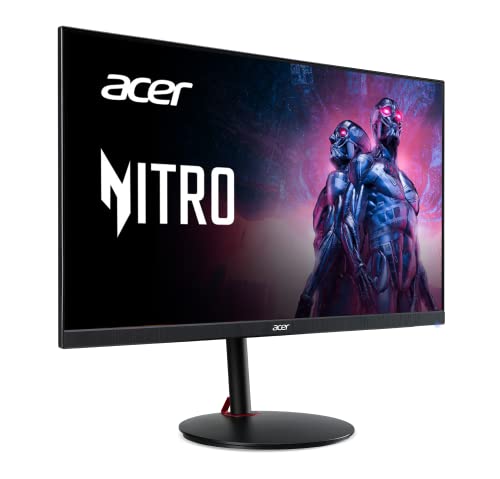
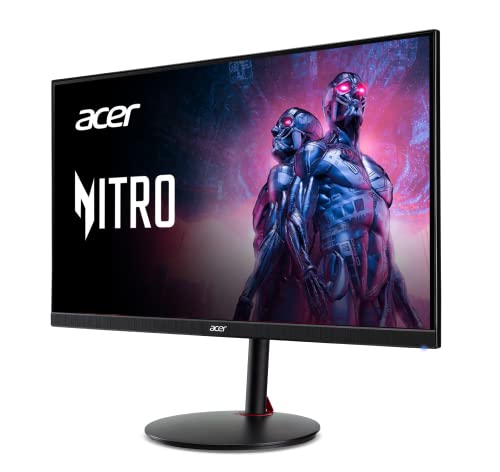
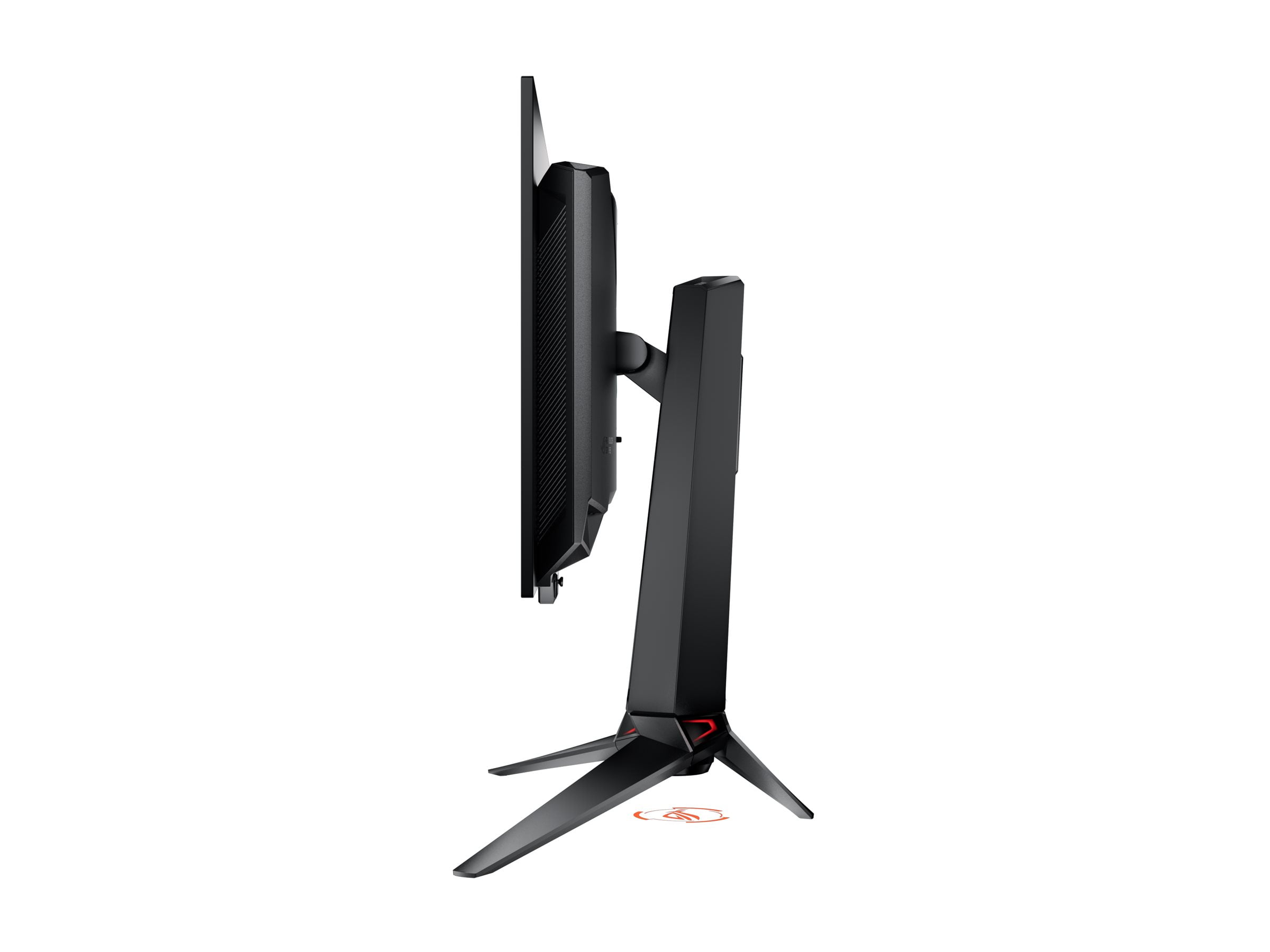
Gaming monitors have transformed dramatically over the past few years, with 2024 and 2025 bringing unprecedented performance options at every price point. Two monitors perfectly illustrate this evolution: the Acer Nitro XV1, a budget-friendly workhorse that delivers serious gaming performance without breaking the bank, and the ASUS ROG Swift OLED PG27UCDM, a premium flagship that pushes the boundaries of what's possible in a 27-inch display.
At the time of writing, these monitors represent vastly different value propositions—the Acer XV1 costs roughly one-sixth the price of the ASUS OLED, yet both target serious gamers who demand smooth, responsive gameplay. Understanding which makes sense for your setup requires diving deep into what actually matters for gaming performance.
Modern gaming monitors center around several critical factors that directly impact your gaming experience. Refresh rate measures how many times per second your monitor can display a new image—higher numbers mean smoother motion and less blur during fast action. Response time indicates how quickly pixels can change colors, with faster times reducing ghosting (those annoying trails behind moving objects). Input lag represents the delay between your mouse click and seeing the result on screen, crucial for competitive gaming.
Panel technology fundamentally shapes everything else. Traditional LCD panels use a backlight shining through liquid crystals, while OLED (Organic Light-Emitting Diode) panels have each pixel generate its own light. This difference creates dramatically different contrast ratios—LCD panels typically achieve 1,000:1 contrast, meaning whites are 1,000 times brighter than blacks, while OLED achieves infinite contrast by turning pixels completely off for true black.
HDR (High Dynamic Range) promises better contrast and more vivid colors, but implementation varies wildly. Many budget monitors include HDR support that's essentially marketing—without sufficient brightness and contrast, HDR content often looks worse than standard content.
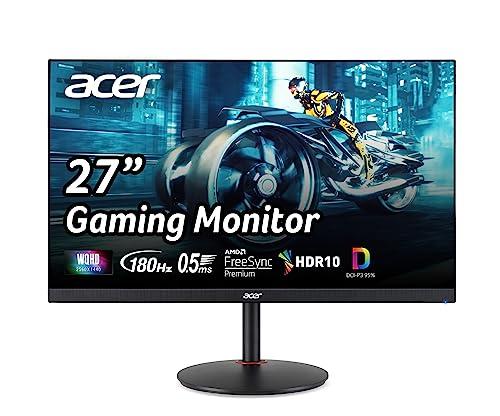
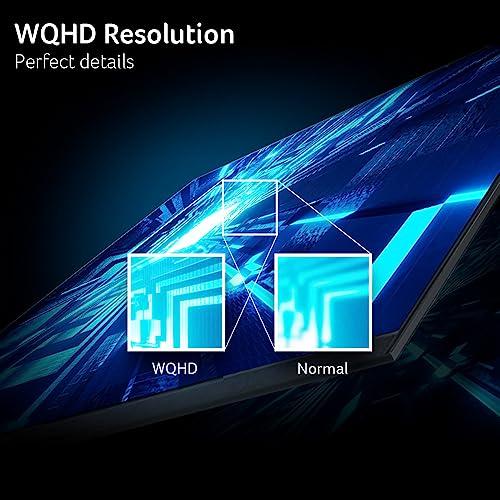
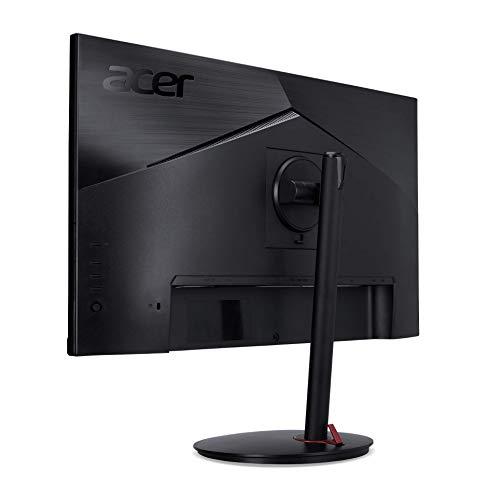
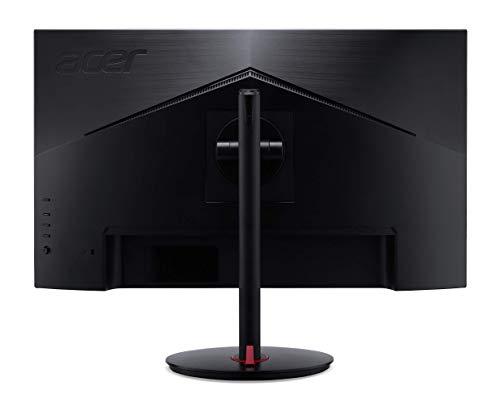
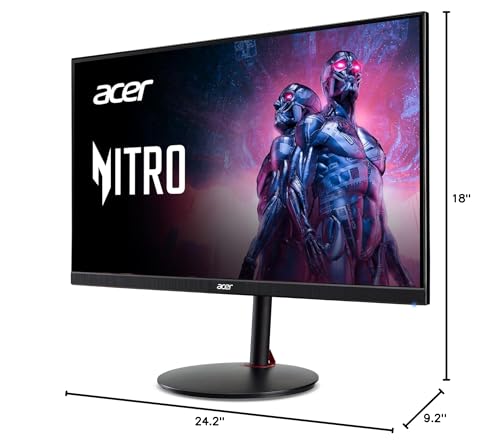
Released in 2024, the Acer Nitro XV1 represents the sweet spot where legitimate high-refresh gaming becomes accessible. This monitor delivers 1440p resolution (2560×1440 pixels) at 180Hz refresh rates, targeting the massive market of gamers who want smooth performance without premium pricing.
The XV1 uses an IPS (In-Plane Switching) panel, a mature LCD technology that balances color accuracy with wide viewing angles. IPS panels don't achieve the deep blacks of OLED or VA panels, but they offer consistent performance across different viewing positions and lighting conditions. This makes the Acer XV1 versatile for various room setups and usage patterns.
At 1440p resolution, the XV1 hits an important performance sweet spot. Modern mid-range graphics cards like the RTX 4060 Ti can comfortably drive 1440p gaming at high settings, while 4K often requires significant compromises. The resolution provides substantially sharper visuals than 1080p—particularly noticeable for text and UI elements—while maintaining reasonable GPU requirements.
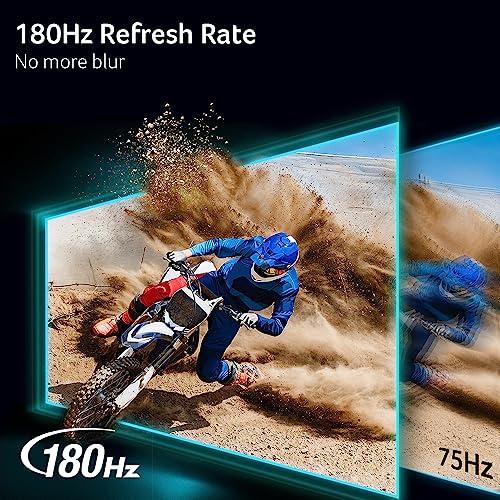
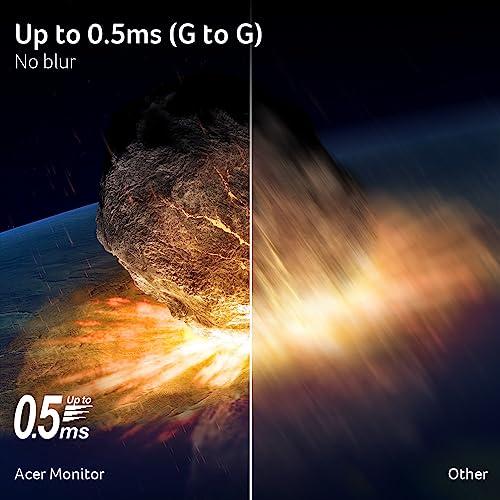
The 180Hz refresh rate deserves special attention. While 144Hz became the standard for smooth gaming, 180Hz provides a meaningful improvement in motion clarity and responsiveness. The difference becomes most apparent in fast-paced competitive games where every millisecond matters. Combined with the 1ms gray-to-gray response time, the XV1 delivers motion performance that rivals much more expensive displays.
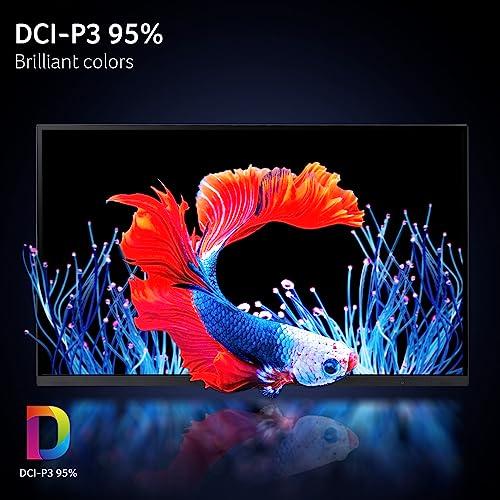
Color performance surprises for the price point. The monitor covers 95% of the DCI-P3 color space, which exceeds standard sRGB and approaches professional display territory. Factory calibration ensures accurate colors out of the box, making the Acer XV1 suitable for both gaming and basic content creation work.
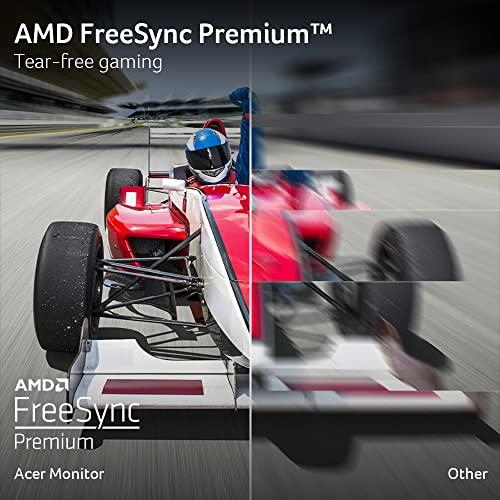
AMD FreeSync Premium support provides variable refresh rate technology, synchronizing the monitor's refresh rate with your graphics card's frame output. This eliminates screen tearing (horizontal lines that appear when frame rates don't match refresh rates) and reduces stuttering. The 40-180Hz VRR range covers most gaming scenarios effectively.
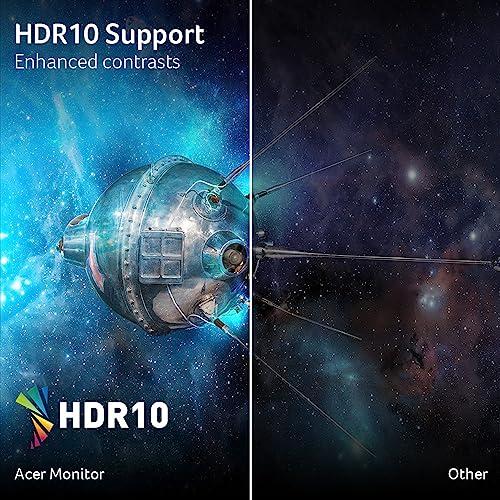
However, the XV1 shows its budget origins in brightness and contrast. Peak brightness of 250 nits feels dim in bright rooms and severely limits HDR effectiveness. While the monitor technically supports HDR10, the experience feels more like a checkbox feature than a meaningful visual upgrade. The 1,000:1 contrast ratio typical of IPS panels means blacks appear grayish rather than truly dark, particularly noticeable when gaming in dark rooms.
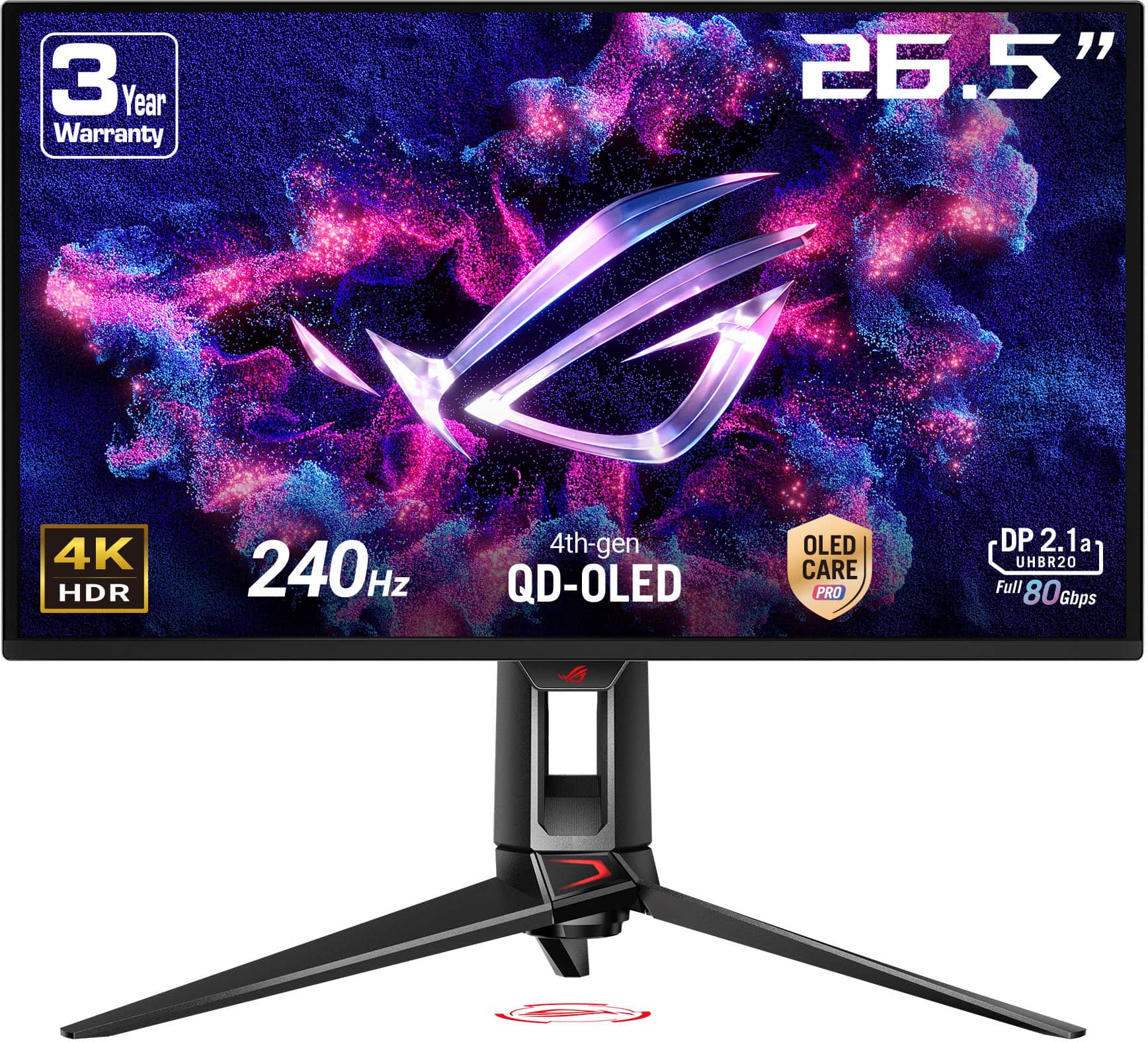
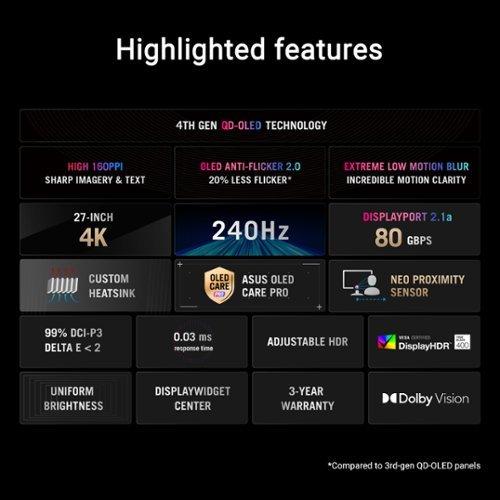
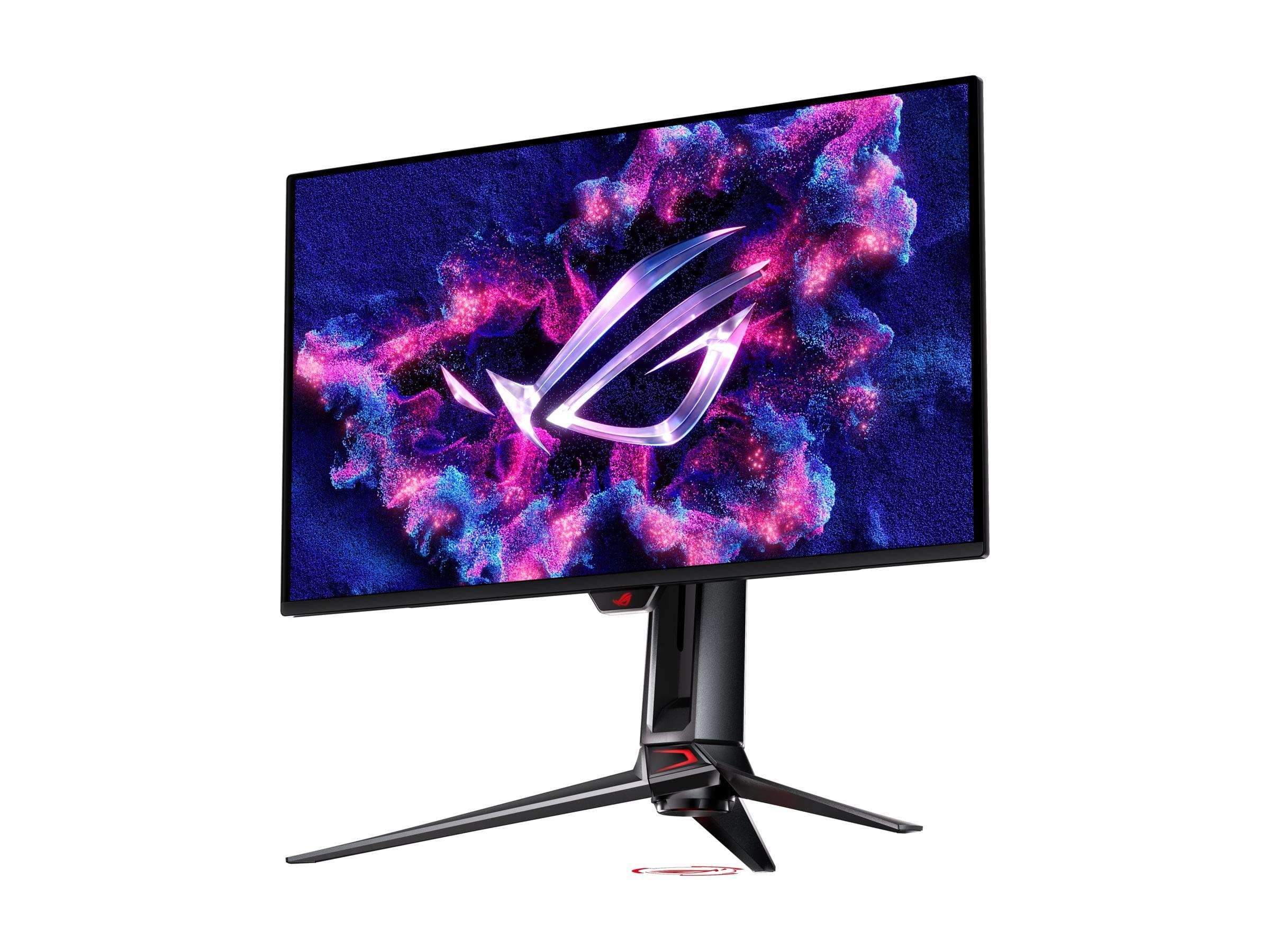
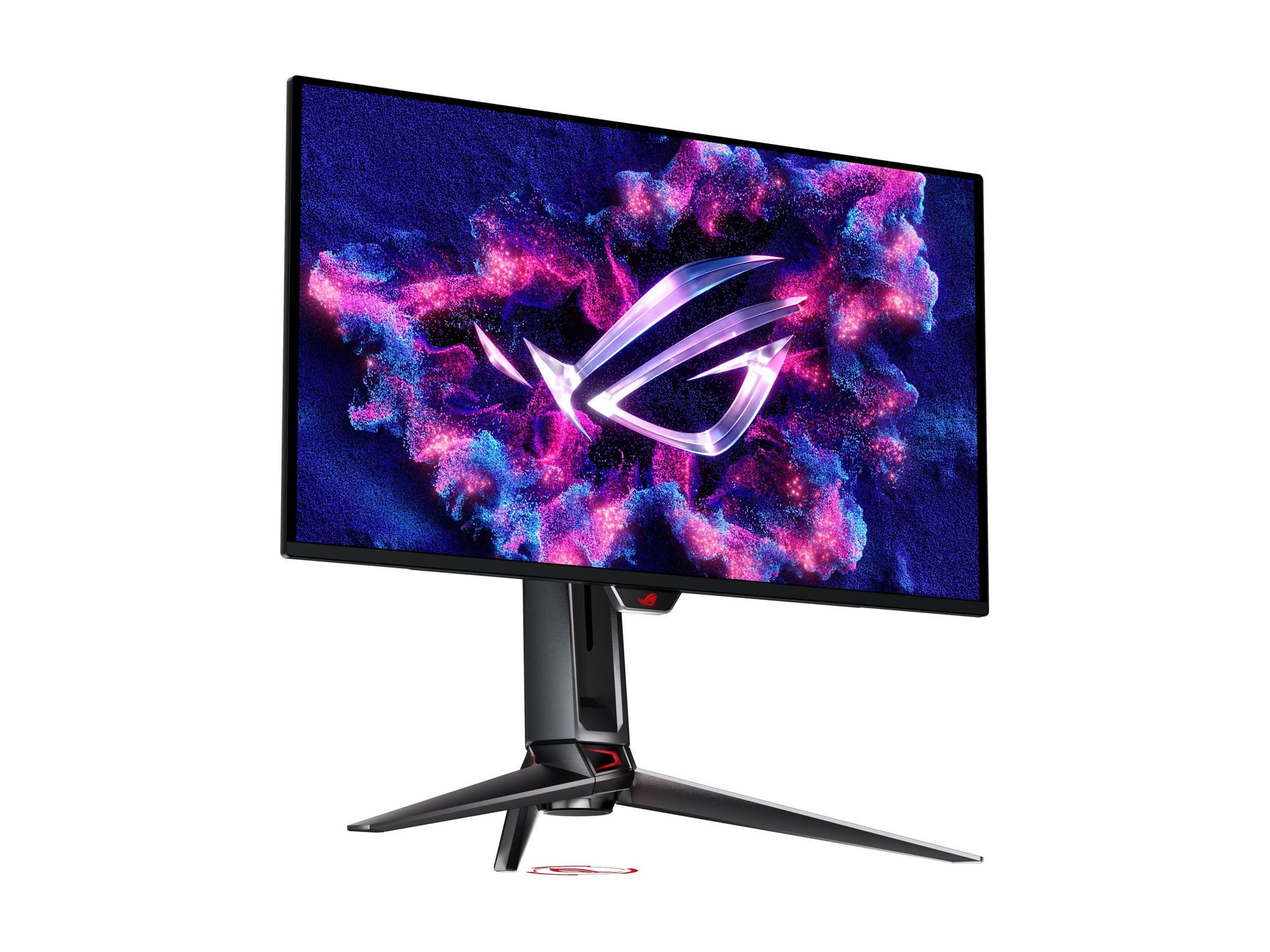
The ASUS ROG Swift OLED, launched in early 2025, represents the cutting edge of gaming monitor technology. This display combines 4K resolution with 240Hz refresh rates in a QD-OLED (Quantum Dot OLED) panel, achieving specifications that seemed impossible just a few years ago.
QD-OLED technology, developed by Samsung, represents a significant advancement over traditional OLED. The quantum dot layer enhances color purity and brightness while maintaining OLED's signature infinite contrast ratio. Each pixel can turn completely off for perfect blacks or shine brilliantly for highlights, creating visual pop that LCD technology simply cannot match.
The 4K resolution (3840×2160) at 27 inches delivers exceptional pixel density—163 pixels per inch compared to the XV1's 109 PPI. This difference becomes immediately apparent in text sharpness and fine detail rendering. For competitive gaming, higher pixel density can provide tactical advantages by making distant enemies more visible and UI elements clearer.
Perhaps most impressive is the 0.03ms response time—roughly 33 times faster than the already-quick Acer XV1. This virtually eliminates motion blur even during the fastest action sequences. Combined with 240Hz refresh rates, the ASUS OLED delivers motion clarity that approaches real-world responsiveness.
The monitor supports DisplayPort 2.1 with full 80Gbps bandwidth, enabling uncompressed 4K at 240Hz. This matters because previous generation connections required Display Stream Compression (DSC) for such high bandwidth signals, potentially introducing visual artifacts. The ASUS OLED can display every pixel without compromise.
HDR implementation finally lives up to its promise. Supporting both HDR10 and Dolby Vision with true 10-bit color depth, the monitor can display over one billion colors compared to the XV1's 16.7 million. More importantly, OLED's infinite contrast ratio makes HDR content genuinely impactful—bright highlights against perfect blacks create the visual drama HDR was designed to deliver.
ASUS includes thoughtful features addressing OLED's traditional weaknesses. The Neo Proximity Sensor detects when you step away and automatically switches to a black screen, reducing burn-in risk. Various pixel refresh cycles and screen savers help maintain panel longevity. These features reflect growing OLED maturity, though burn-in remains a consideration for users who display static images for extended periods.
When it comes to actual gaming performance, both monitors excel in their respective categories, but serve different priorities. The Acer XV1 optimizes for competitive gaming scenarios where frame rates matter more than visual fidelity. At 1440p resolution, modern graphics cards can easily push frame rates above 180fps in esports titles, fully utilizing the monitor's capabilities.
For competitive gaming, the XV1's 1440p resolution actually provides advantages. Lower resolution means higher frame rates, and many professional players prefer the performance headroom. The IPS panel's consistent viewing angles help during long gaming sessions, and the anti-glare coating reduces distractions from room lighting.
The ASUS OLED targets a different gaming philosophy—maximum visual impact combined with ultimate responsiveness. The 4K resolution demands high-end graphics hardware, but rewards players with stunning visual detail. AAA single-player games benefit enormously from both the resolution and OLED's contrast capabilities. Dark scenes in games like horror titles or atmospheric adventures gain dramatic impact from perfect blacks.
Response time differences become most apparent in competitive scenarios. While 1ms feels instantaneous, the ASUS OLED's 0.03ms response creates an almost telepathic connection between input and visual response. Professional esports players often prefer OLED displays specifically for this characteristic, though the benefit diminishes for casual gaming.
Input lag measurements show both monitors performing excellently, with sub-5ms figures that feel instant during gameplay. The ASUS OLED maintains slight advantages, but the differences fall within ranges that most players won't consciously notice.
Variable refresh rate performance differs notably. The Acer XV1 provides solid FreeSync implementation across its 40-180Hz range, effectively eliminating tearing in most scenarios. The ASUS OLED supports multiple VRR standards and performs flawlessly, though OLED panels can exhibit VRR flicker in dark scenes—a trade-off for the superior contrast performance.
The monitors serve different secondary purposes beyond pure gaming. The Acer XV1 works well as a general-purpose display, handling office work, web browsing, and media consumption effectively. Its color accuracy makes it suitable for photo editing and basic content creation, while the reasonable brightness works in various lighting conditions.
For home theater use, the XV1 provides a decent experience for casual movie watching, though the limited contrast and brightness prevent it from truly excelling with HDR content. The built-in speakers offer basic functionality but won't replace a proper audio setup.
The ASUS OLED transforms into a premium home theater display when needed. Movies and TV shows benefit enormously from OLED's infinite contrast and accurate colors. Dolby Vision support ensures compatibility with the latest streaming content, while the 4K resolution handles upscaled content beautifully. However, the lack of built-in speakers means external audio solutions are essential.
Content creators will find the ASUS OLED particularly appealing. The 10-bit color depth and professional-grade accuracy make it suitable for serious photo and video work. The high resolution provides ample screen real estate for editing timelines and detailed work, while the fast response times ensure smooth scrubbing through footage.
At the time of writing, these monitors occupy completely different market segments. The Acer XV1 typically costs around what you might spend on a nice dinner for two, while the ASUS OLED approaches the price of a decent used car. This six-fold price difference fundamentally changes how we evaluate their value propositions.
The XV1 delivers exceptional value by focusing on core gaming performance without expensive premium features. For the price, you get legitimate high-refresh gaming, accurate colors, and solid build quality. The monitor doesn't include cutting-edge technology, but it executes its core mission extremely well.
The ASUS OLED justifies its premium pricing through technological advancement and future-proofing. The QD-OLED panel, advanced connectivity, and comprehensive feature set target enthusiasts who demand the absolute best. However, the law of diminishing returns applies—while the OLED provides superior performance, the improvement may not justify the cost increase for many users.
Room environment significantly impacts monitor choice. The Acer XV1 works well in various lighting conditions thanks to its anti-glare coating and reasonable brightness. It handles bright offices, naturally lit rooms, and darker gaming setups with equal competence.
The ASUS OLED demands more careful environmental consideration. OLED panels lack the polarizing filters found in LCD displays, causing blacks to appear purple-ish in bright environments. For optimal performance, the OLED requires controlled lighting—ideally a dedicated gaming room with minimal ambient light. This environmental sensitivity may influence monitor placement and room design decisions.
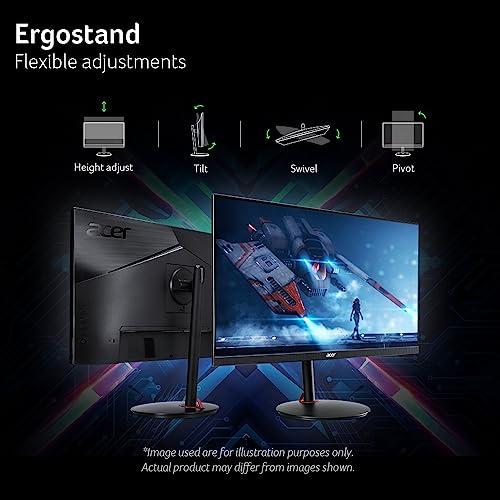
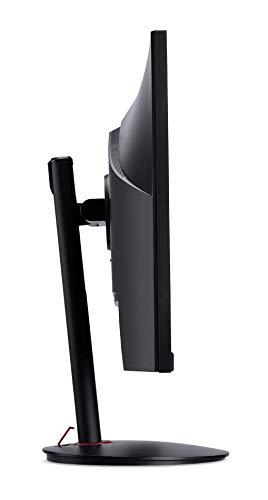
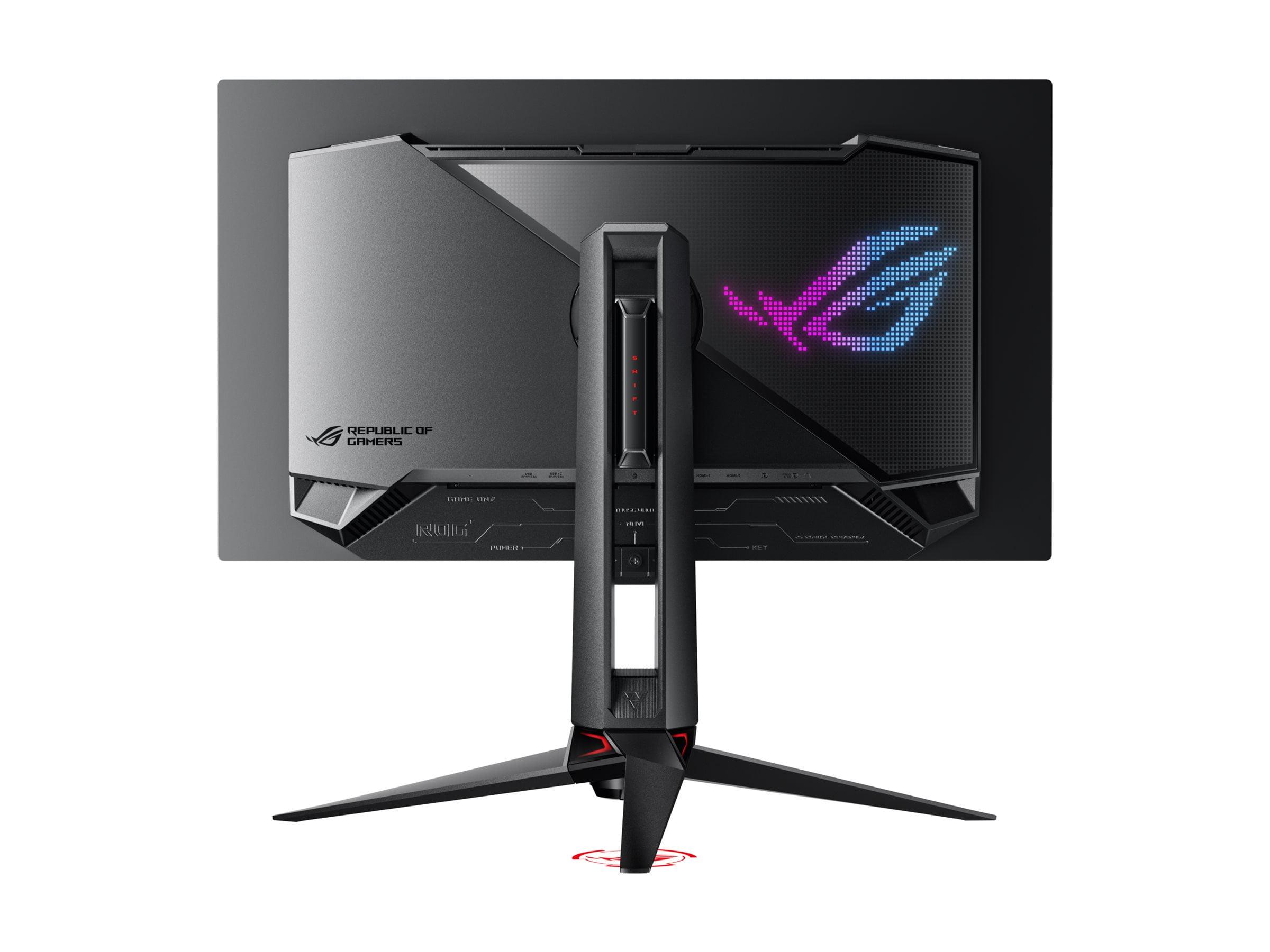
Both monitors include comprehensive ergonomic adjustments, but the ASUS OLED adds premium touches like RGB lighting and additional USB connectivity. The proximity sensor feature actively helps preserve panel longevity by detecting when users step away.
The decision between these monitors ultimately depends on your priorities, budget, and gaming setup. The Acer XV1 makes sense for the majority of gamers who want smooth, competitive performance without premium pricing. It's particularly appealing for:
The ASUS ROG Swift OLED targets a more specific audience willing to pay premium prices for cutting-edge technology:
For most people, the Acer XV1 provides the sweet spot of performance and value. The 1440p resolution paired with 180Hz refresh rates delivers the core benefits of high-refresh gaming without requiring premium graphics hardware or premium pricing. The monitor's versatility makes it suitable for various use cases beyond gaming.
However, if budget isn't a constraint and you have the hardware to drive 4K gaming, the ASUS OLED represents the current pinnacle of gaming monitor technology. The visual quality, responsiveness, and feature set create an experience that genuinely feels like a generational leap forward.
The gaming monitor market continues evolving rapidly, with new panel technologies and features emerging regularly. Both monitors represent their respective market segments excellently, but choosing between them comes down to balancing performance desires against budget realities and practical considerations like room setup and hardware capabilities.
| Acer Nitro XV1 27" WQHD 180Hz IPS Gaming Monitor | ASUS ROG Swift OLED PG27UCDM 27" 4K 240Hz Gaming Monitor |
|---|---|
| Resolution - Determines sharpness and GPU requirements | |
| 2560 x 1440 (WQHD) - Sweet spot for mid-range GPUs | 3840 x 2160 (4K) - Exceptional detail but demands high-end hardware |
| Refresh Rate - Critical for smooth motion and competitive gaming | |
| 180Hz via DisplayPort - Excellent for esports and fast-paced games | 240Hz via DisplayPort 2.1 - Maximum smoothness for ultimate performance |
| Response Time - Reduces motion blur and ghosting | |
| 1ms (GtG) - Fast enough for competitive gaming | 0.03ms - Virtually eliminates all motion blur, 33x faster |
| Panel Type - Affects contrast, colors, and viewing angles | |
| IPS - Consistent colors and wide viewing angles, works in any lighting | QD-OLED - Perfect blacks and infinite contrast, best in dark rooms |
| Peak Brightness - Important for HDR and bright room visibility | |
| 250 nits - Adequate for gaming but limits HDR effectiveness | 1,000 nits peak (HDR) - True HDR experience with bright highlights |
| Contrast Ratio - Determines black depth and image pop | |
| 1,000:1 static - Typical LCD performance with grayish blacks | Infinite contrast - Perfect blacks that truly turn off |
| Color Coverage - Affects color accuracy and vibrancy | |
| 95% DCI-P3 - Excellent color accuracy for gaming and basic content work | 99% DCI-P3 with 10-bit depth - Professional-grade color for creators |
| HDR Support - Enhanced contrast and color in supported content | |
| HDR10 (limited by brightness) - Checkbox feature with minimal benefit | Dolby Vision + HDR10 - Meaningful HDR with dramatic visual impact |
| Variable Refresh Rate - Eliminates screen tearing | |
| AMD FreeSync Premium (40-180Hz) - Solid tear-free gaming experience | G-SYNC + FreeSync + HDMI VRR - Universal compatibility across all platforms |
| Connectivity - Determines maximum performance and device support | |
| DisplayPort 1.2, 2x HDMI 2.0 - Standard connections for most setups | DisplayPort 2.1 (80Gbps), HDMI 2.1, USB-C 90W - Future-proof with uncompressed 4K 240Hz |
| Build Quality & Features - Overall user experience and longevity | |
| Fully adjustable stand, basic gaming features - Solid fundamentals | Premium build with KVM switch, proximity sensor, RGB lighting - Flagship feature set |
| Burn-in Risk - Long-term reliability consideration | |
| None - LCD technology is immune to permanent image retention | Potential risk - OLED requires careful usage patterns despite protection features |
| Best For - Target user scenarios | |
| Budget-conscious gamers, competitive esports, versatile daily use | Enthusiasts with high-end PCs, content creators, premium gaming experiences |
The Acer Nitro XV1 excels for competitive gaming due to its 1440p resolution allowing higher frame rates with mid-range GPUs, while the ASUS ROG Swift OLED offers superior response times at 0.03ms versus 1ms. For esports titles, the Acer XV1 provides excellent value, but professional gamers may prefer the ASUS OLED's instantaneous pixel response and 240Hz refresh rate.
The Acer Nitro XV1 uses IPS technology with consistent performance in any lighting condition and wide viewing angles, but limited contrast at 1,000:1. The ASUS ROG Swift OLED features OLED technology with infinite contrast and perfect blacks, but performs best in dark rooms since blacks appear purple in bright lighting.
The Acer Nitro XV1 delivers exceptional value by providing 180Hz gaming performance at a budget-friendly price point. The ASUS ROG Swift OLED costs significantly more but offers cutting-edge technology. For most gamers, the XV1 provides 85% of the gaming benefits at a fraction of the cost.
The Acer XV1 handles casual movie watching adequately but HDR content is limited by its 250-nit brightness. The ASUS ROG Swift OLED excels as a home theater display with true HDR support, Dolby Vision compatibility, and infinite contrast that makes movies look stunning, though it lacks built-in speakers.
The ASUS ROG Swift OLED is superior for professional content creation with 10-bit color depth, Delta E < 2 color accuracy, and 4K resolution providing detailed workspace. The Acer Nitro XV1 works well for basic photo editing and content work with its 95% DCI-P3 coverage but lacks the professional-grade specifications.
The Acer Nitro XV1 pairs well with mid-range cards like RTX 4060 Ti or RX 7600 XT for high-refresh 1440p gaming. The ASUS ROG Swift OLED requires high-end GPUs like RTX 4080 or RX 7900 XTX to effectively drive 4K gaming at high frame rates.
The ASUS ROG Swift OLED delivers meaningful HDR with 1,000-nit peak brightness, infinite contrast, and Dolby Vision support. The Acer XV1 includes HDR10 support but the 250-nit brightness severely limits the HDR experience, making it more of a checkbox feature than a visual upgrade.
The Acer Nitro XV1 has no burn-in risk as LCD technology is immune to permanent image retention. The ASUS ROG Swift OLED has potential OLED burn-in risk, though it includes protection features like a proximity sensor and pixel refresh cycles to minimize this concern.
The ASUS ROG Swift OLED excels in dark environments with perfect blacks and infinite contrast creating dramatic visual impact. The Acer XV1 shows typical IPS limitations in dark rooms with grayish blacks and some IPS glow, though it remains perfectly usable for gaming.
Both monitors work with consoles, but the Acer XV1 is limited to 120Hz at 1080p from PS5/Xbox Series X. The ASUS ROG Swift OLED supports 4K 120Hz from modern consoles via HDMI 2.1, making it better suited for console gaming with its higher resolution and HDMI capabilities.
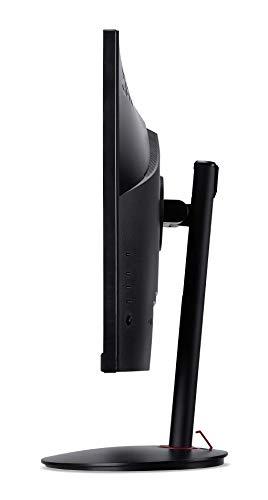
The ASUS ROG Swift OLED provides superior connectivity with DisplayPort 2.1, HDMI 2.1, USB-C with 90W power delivery, and a KVM switch for multiple devices. The Acer XV1 offers standard connectivity with DisplayPort 1.2 and dual HDMI 2.0 ports, adequate for most gaming setups.
The Acer XV1 delivers excellent 180Hz performance that provides noticeable improvements over 144Hz displays. The ASUS ROG Swift OLED reaches 240Hz for maximum smoothness, though the difference between 180Hz and 240Hz is less dramatic than the jump from 60Hz to high refresh rates.
We've done our best to create useful and informative comparisons to help you decide what product to buy. Our research uses advanced automated methods to create this comparison and perfection is not possible - please contact us for corrections or questions. These are the sites we've researched in the creation of this article: bestbuy.com - tomshardware.com - displayninja.com - youtube.com - youtube.com - youtube.com - store.acer.com - manuals.plus - displayspecifications.com - pangoly.com - pcpartpicker.com - casariolab.art - store.acer.com - versus.com - youtube.com - tomshardware.com - thepcenthusiast.com - rtings.com - youtube.com - rtings.com - rog.asus.com - tweaktown.com - youtube.com - youtube.com - versus.com - rog.asus.com - rog.asus.com - newegg.com - rog.asus.com - cdw.com - pcmonitors.info - displayspecifications.com - rog.asus.com - bhphotovideo.com - techpowerup.com - shi.com - bhphotovideo.com

Privacy Policy
Terms and Conditions - Affiliate Policy
Home Security
© Copyright 2008-2026.
11816 Inwood Rd #1211, Dallas, TX 75244