

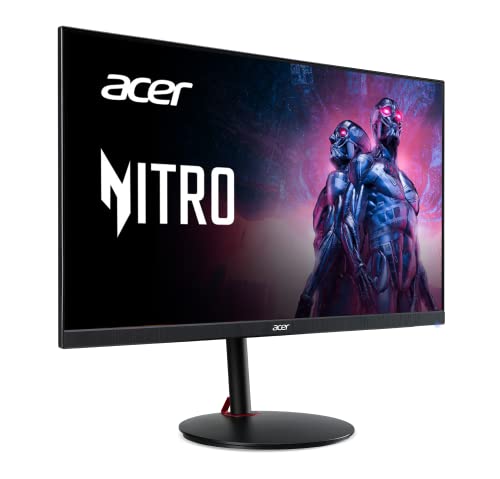
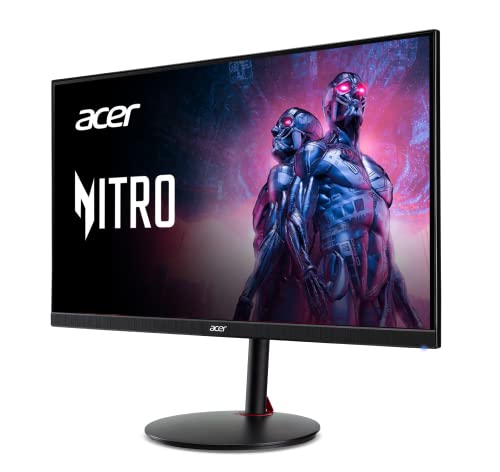

When you're shopping for a new gaming monitor in 2025, you'll quickly discover that 27-inch 1440p displays have become the gaming sweet spot. They offer crisp visuals without the GPU-melting demands of 4K, while providing more screen real estate than 1080p monitors. But choosing between different panel technologies can feel overwhelming, especially when you're comparing budget-friendly IPS options against premium OLED displays.
Today we're examining two monitors that represent opposite ends of the 27-inch 1440p spectrum: the Acer Nitro XV1 and the Samsung Odyssey OLED G6. At the time of writing, these monitors are separated by roughly $300-350 in price, which immediately tells you they're targeting very different audiences. The question isn't just which one performs better—it's which one delivers the right performance for your specific gaming needs and budget.
Before diving into specifics, let's establish what actually matters when choosing a gaming monitor. The most critical factors are refresh rate, response time, color accuracy, contrast ratio, and panel technology. Each of these elements directly impacts your gaming experience in different ways.
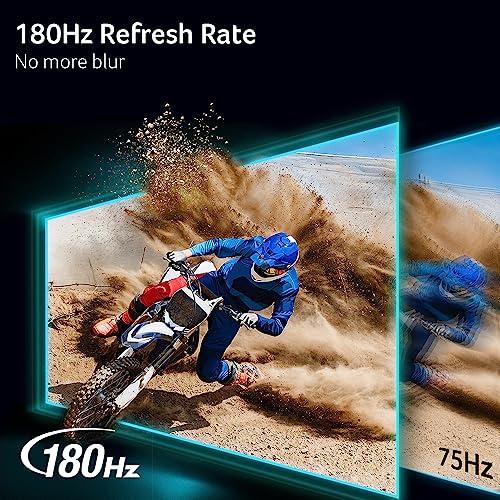
Refresh rate measures how many times per second your monitor can display new images. Higher refresh rates create smoother motion, which is particularly noticeable in fast-paced games. Think of it like the difference between a flipbook with 60 pages versus one with 180 pages—the higher count creates more fluid animation.
Response time indicates how quickly pixels can change colors, measured in milliseconds. Lower response times reduce motion blur and ghosting (those annoying trails behind moving objects). This becomes crucial in competitive gaming where spotting enemies quickly can determine victory or defeat.
Panel technology fundamentally determines how your monitor creates images. IPS (In-Plane Switching) panels use a backlight that shines through liquid crystal layers, while OLED (Organic Light-Emitting Diode) panels have individual pixels that emit their own light. This difference affects everything from color reproduction to power consumption.
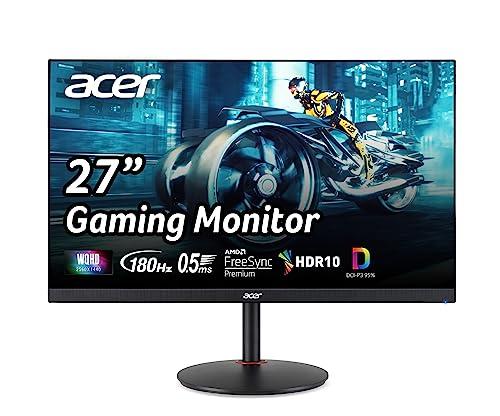
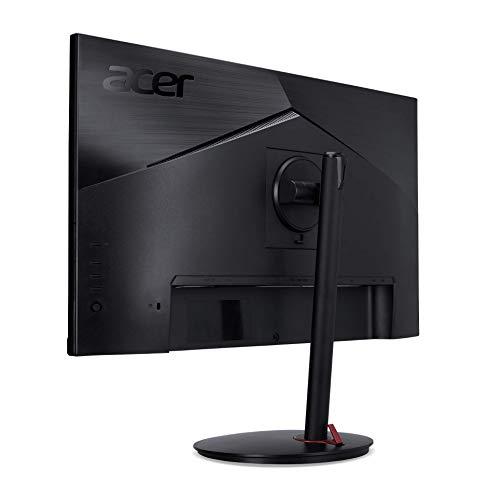
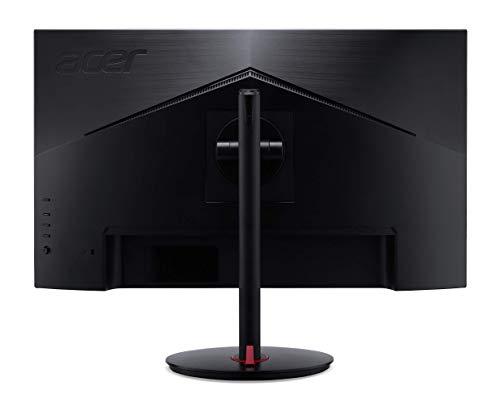
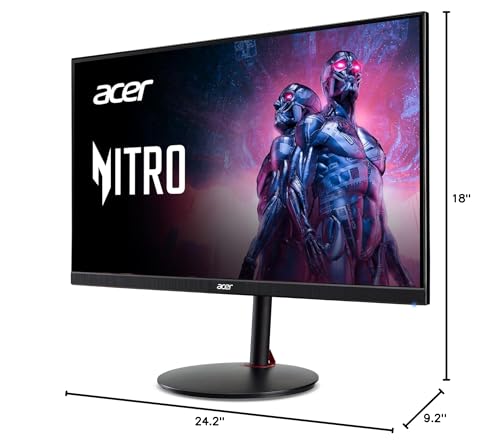
The Acer Nitro XV1 launched in 2024 as Acer's answer to the growing demand for affordable high-refresh gaming monitors. When budget monitors previously maxed out at 144Hz, Acer pushed the envelope with 180Hz while maintaining competitive pricing. This monitor represents the maturation of IPS technology—delivering features that were premium just a few years ago at increasingly accessible price points.
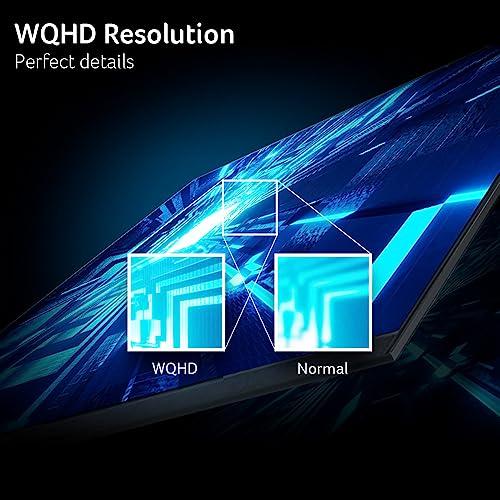
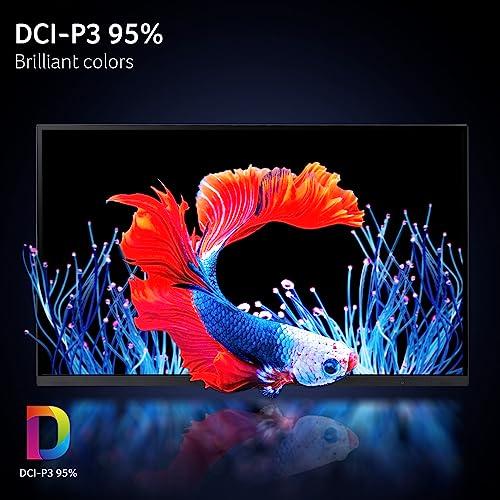
The XV1 uses a 27-inch IPS panel running at 2560×1440 resolution with a 180Hz refresh rate via DisplayPort (144Hz through HDMI). The IPS technology provides excellent color accuracy right out of the box, covering 95% of the DCI-P3 color space—that's the digital cinema standard used in movie theaters. For context, this means the Acer Nitro XV1 can display more vibrant colors than many monitors costing twice as much just a few years ago.
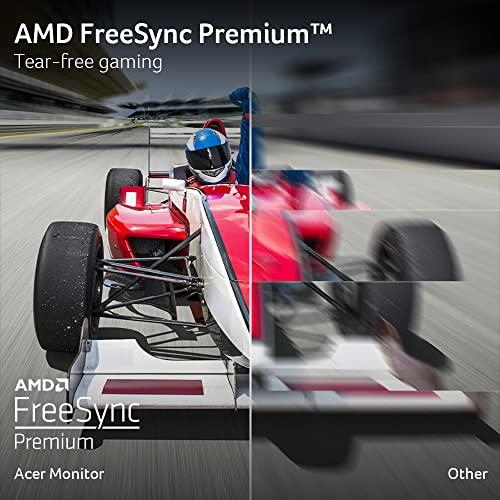
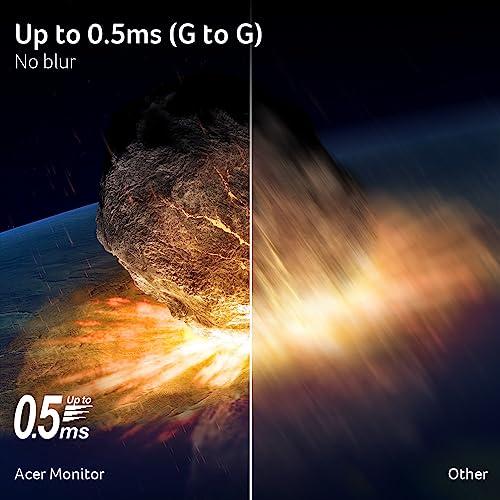
What makes this monitor particularly compelling is its 1ms gray-to-gray response time. While not as fast as OLED alternatives, this response time eliminates noticeable ghosting for the vast majority of gaming scenarios. The monitor also supports AMD FreeSync Premium across its 40-180Hz range, which synchronizes your graphics card's output with the display to eliminate screen tearing—those horizontal lines that appear when your GPU and monitor get out of sync.
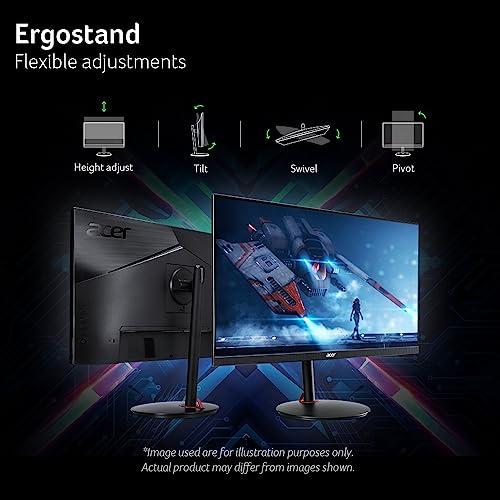
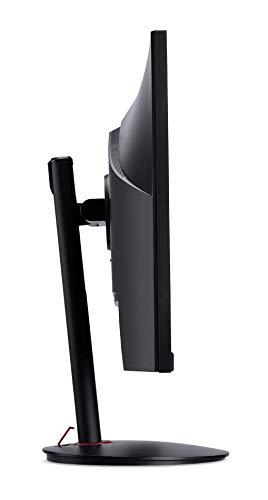
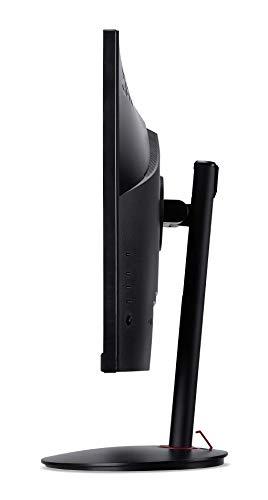
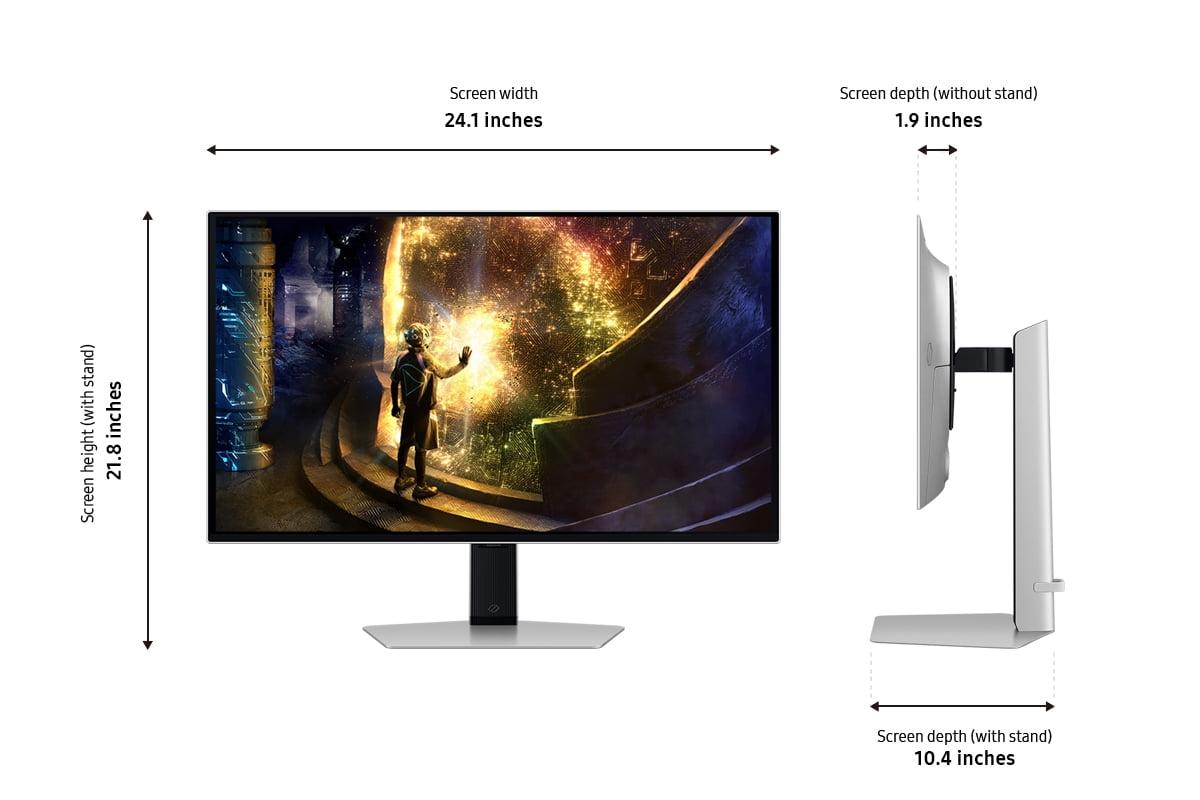
The Acer Nitro XV1 includes thoughtful features like Visual Response Boost (backlight strobing to further reduce motion blur) and comprehensive ergonomic adjustments. The stand offers height adjustment up to 4.7 inches, full 360-degree swivel, tilt adjustment, and even pivot for portrait orientation. These features were typically reserved for premium monitors, making their inclusion at this price point particularly noteworthy.
However, IPS technology does have inherent limitations. The contrast ratio tops out at 1000:1, meaning the darkest blacks appear more like dark gray when viewed in dim rooms. You'll also notice IPS glow—a subtle brightness increase at screen edges when viewing dark content. These characteristics won't ruin your gaming experience, but they prevent IPS monitors from achieving the cinematic depth that OLED displays can deliver.
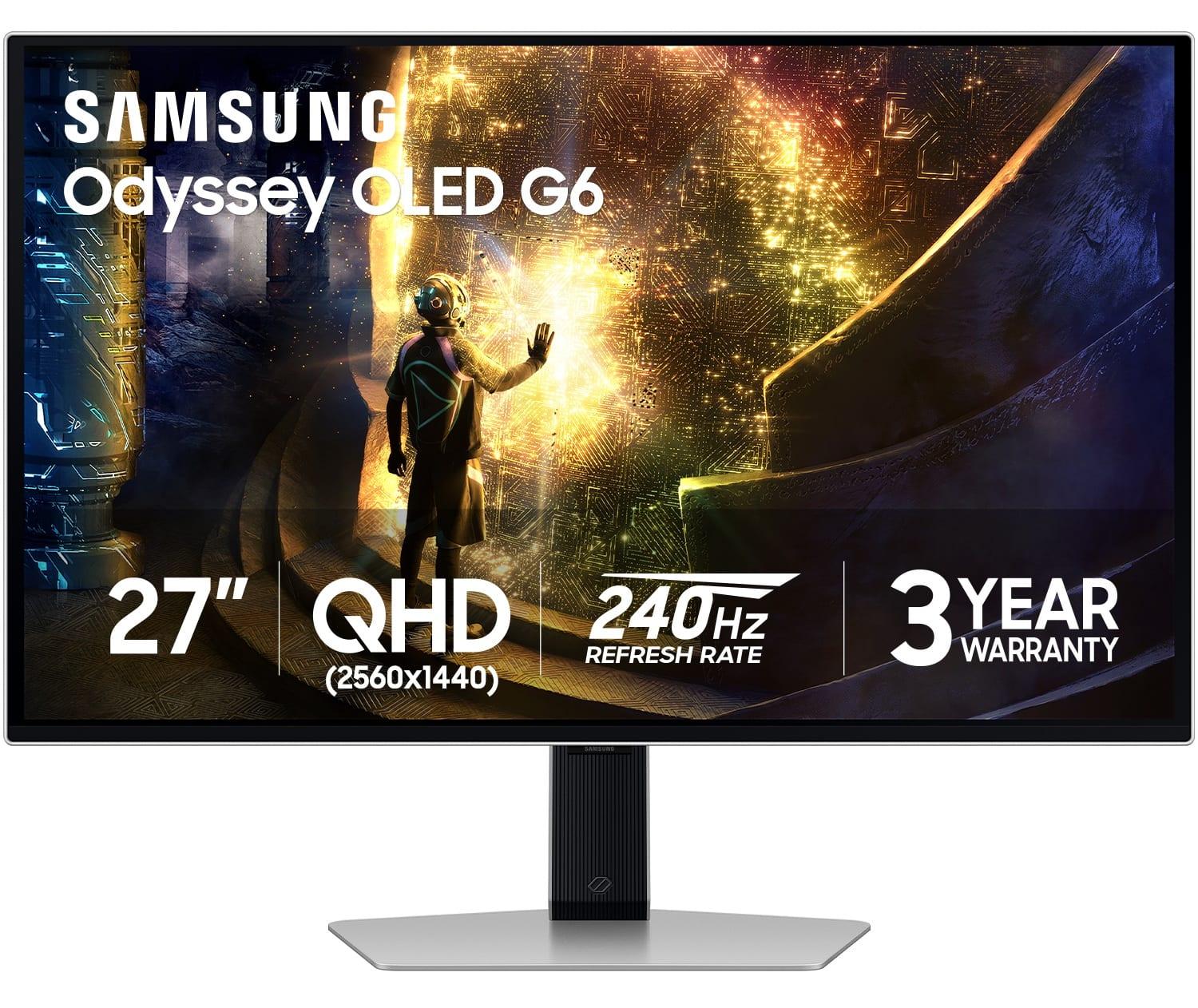
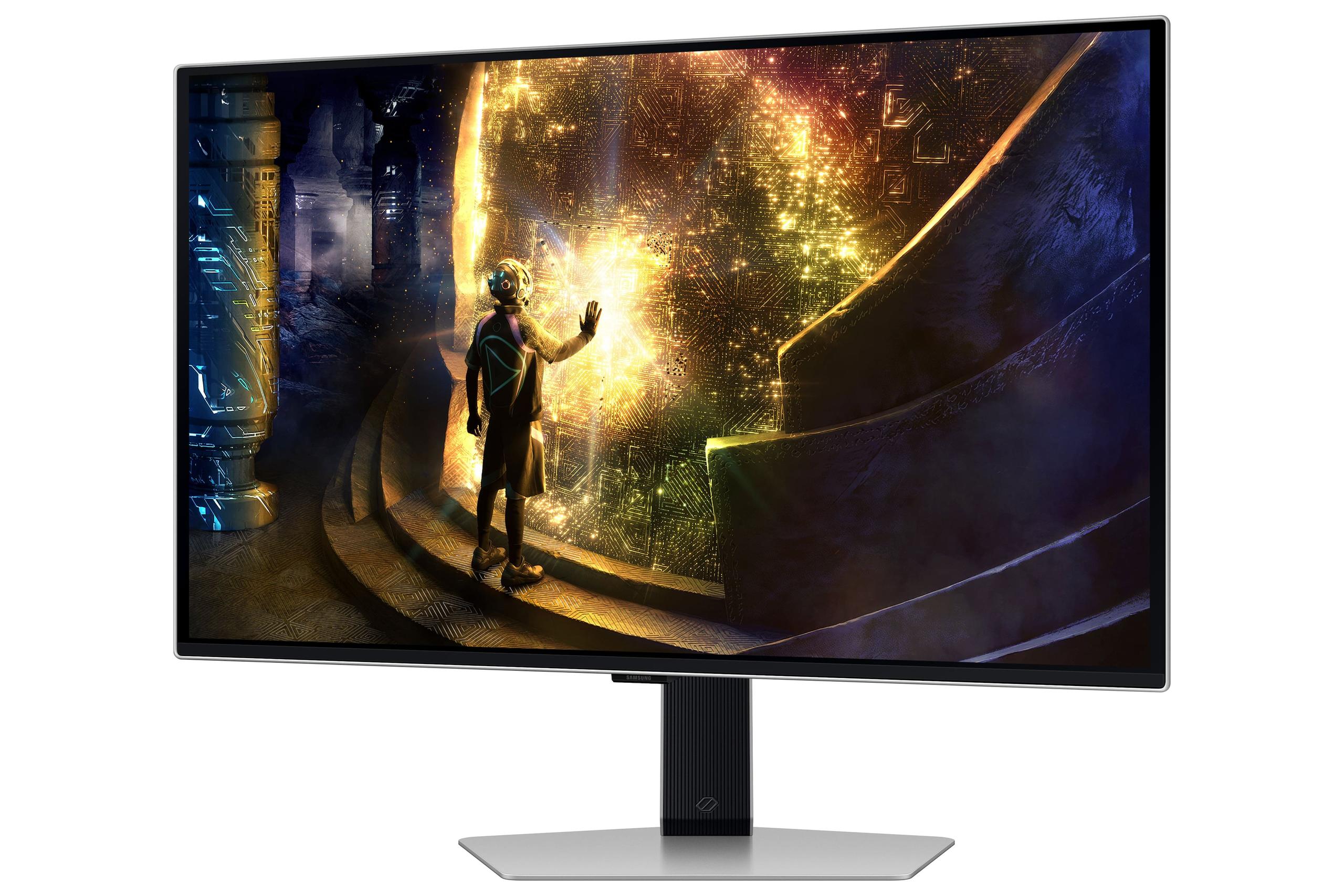
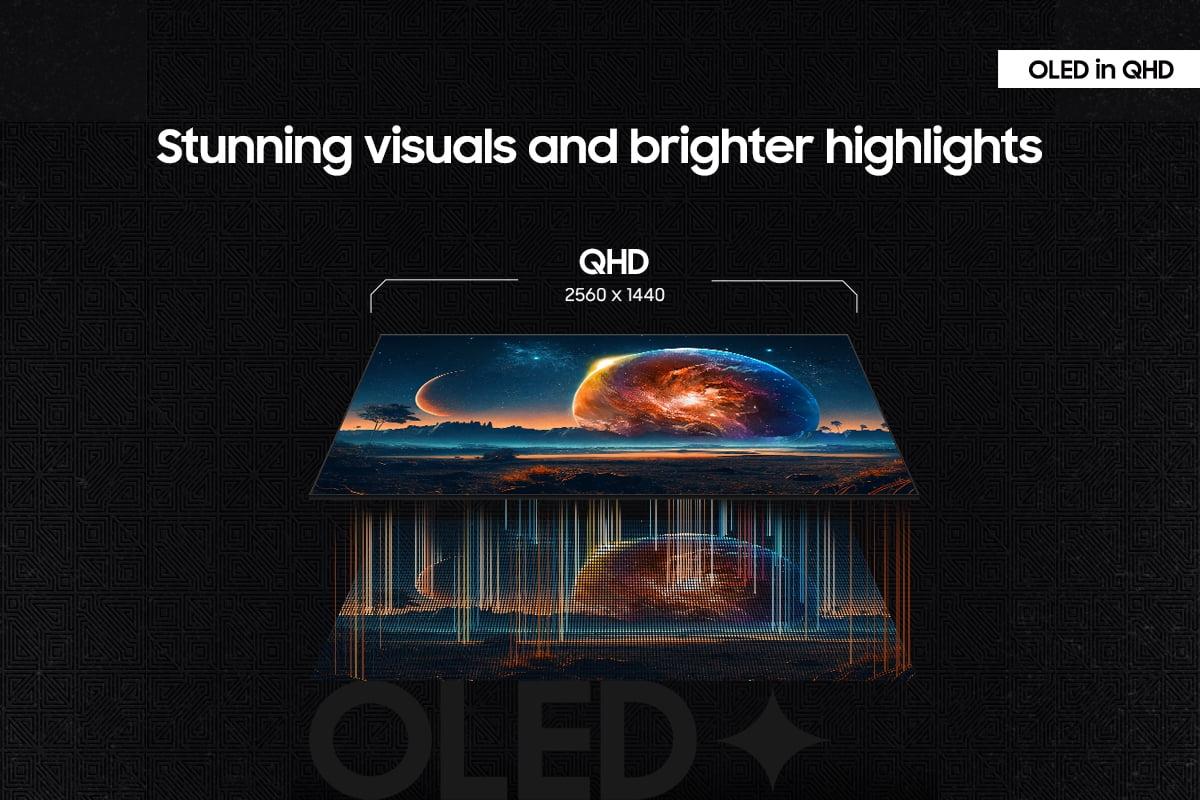
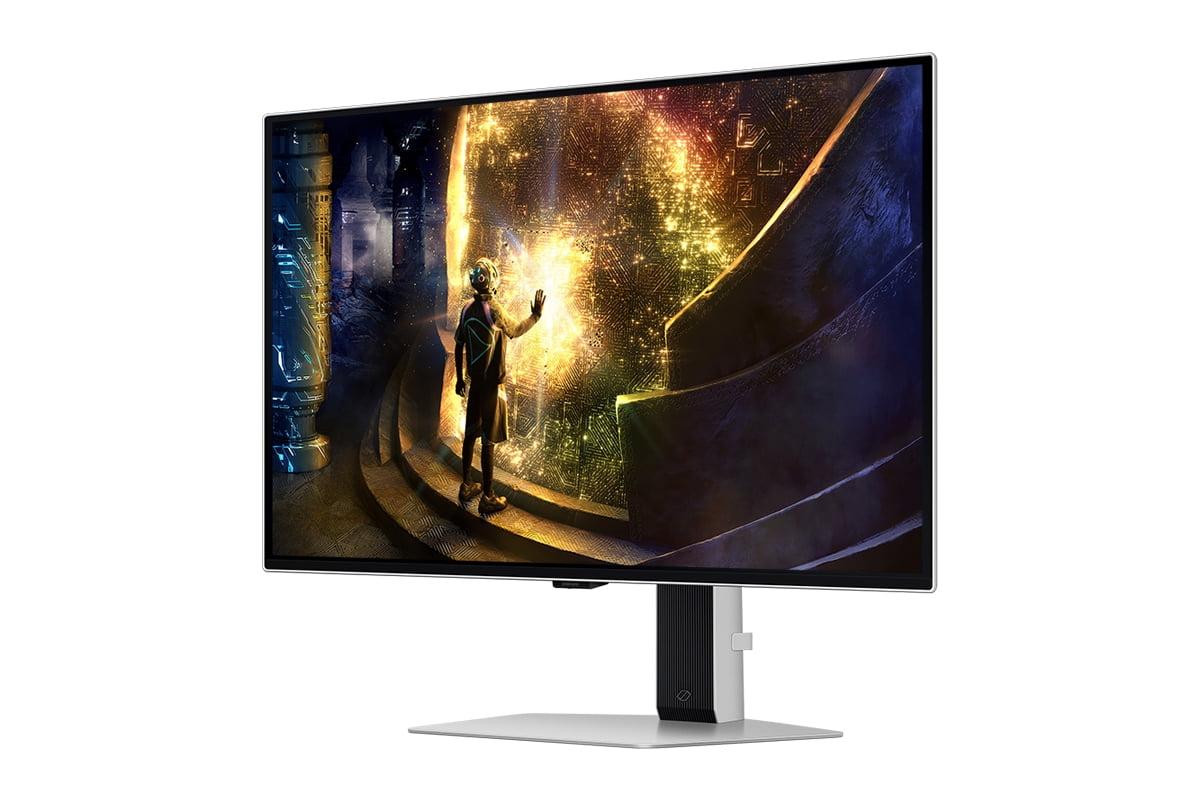
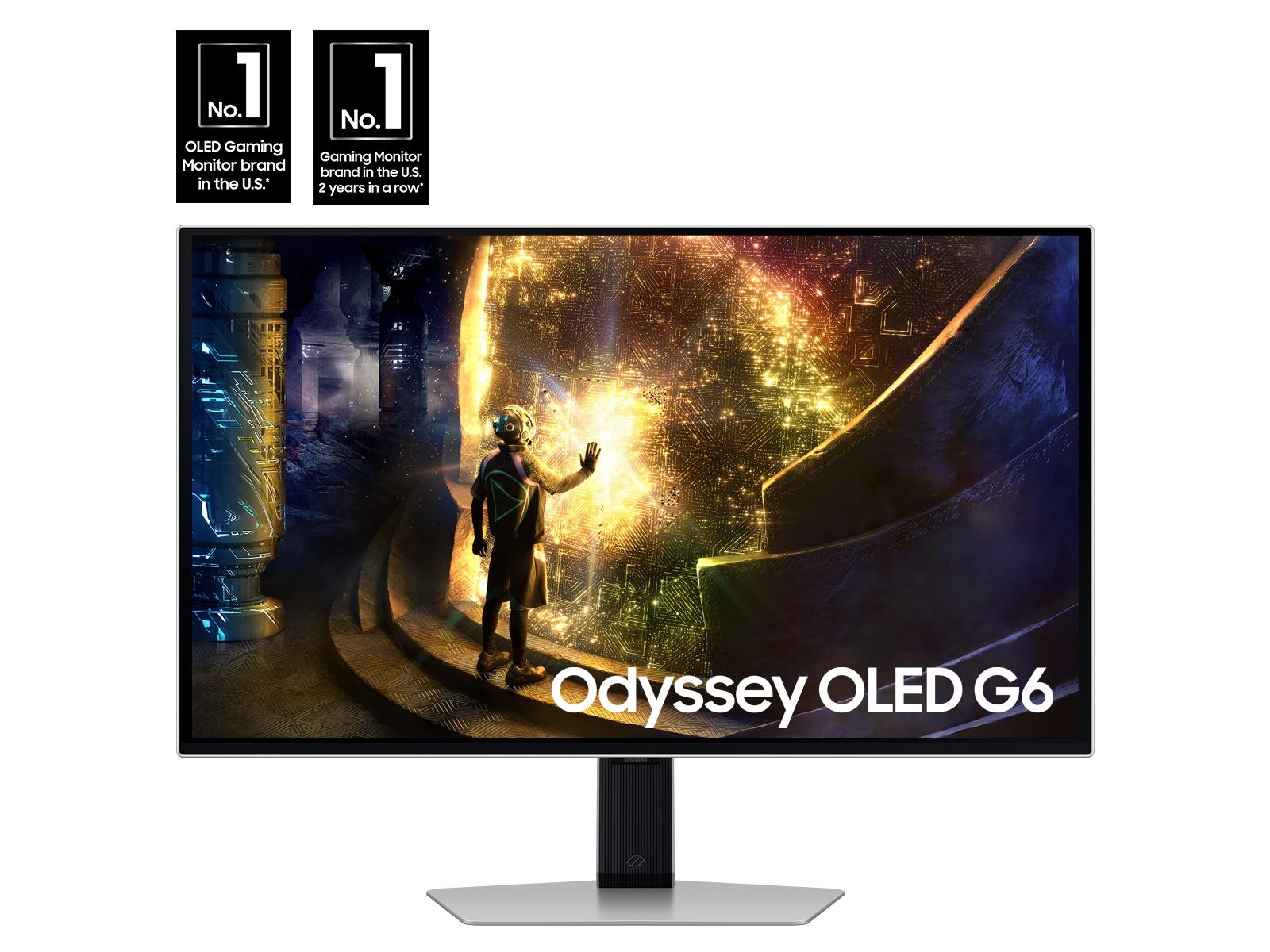
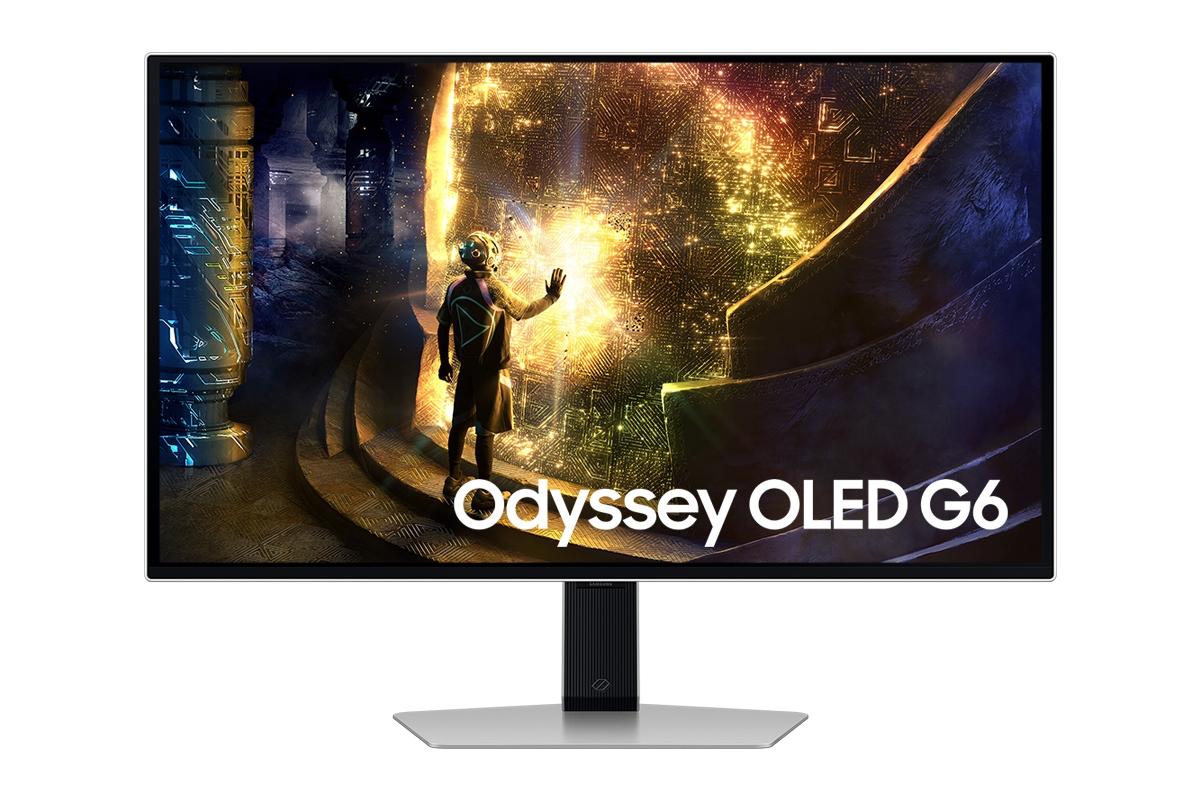
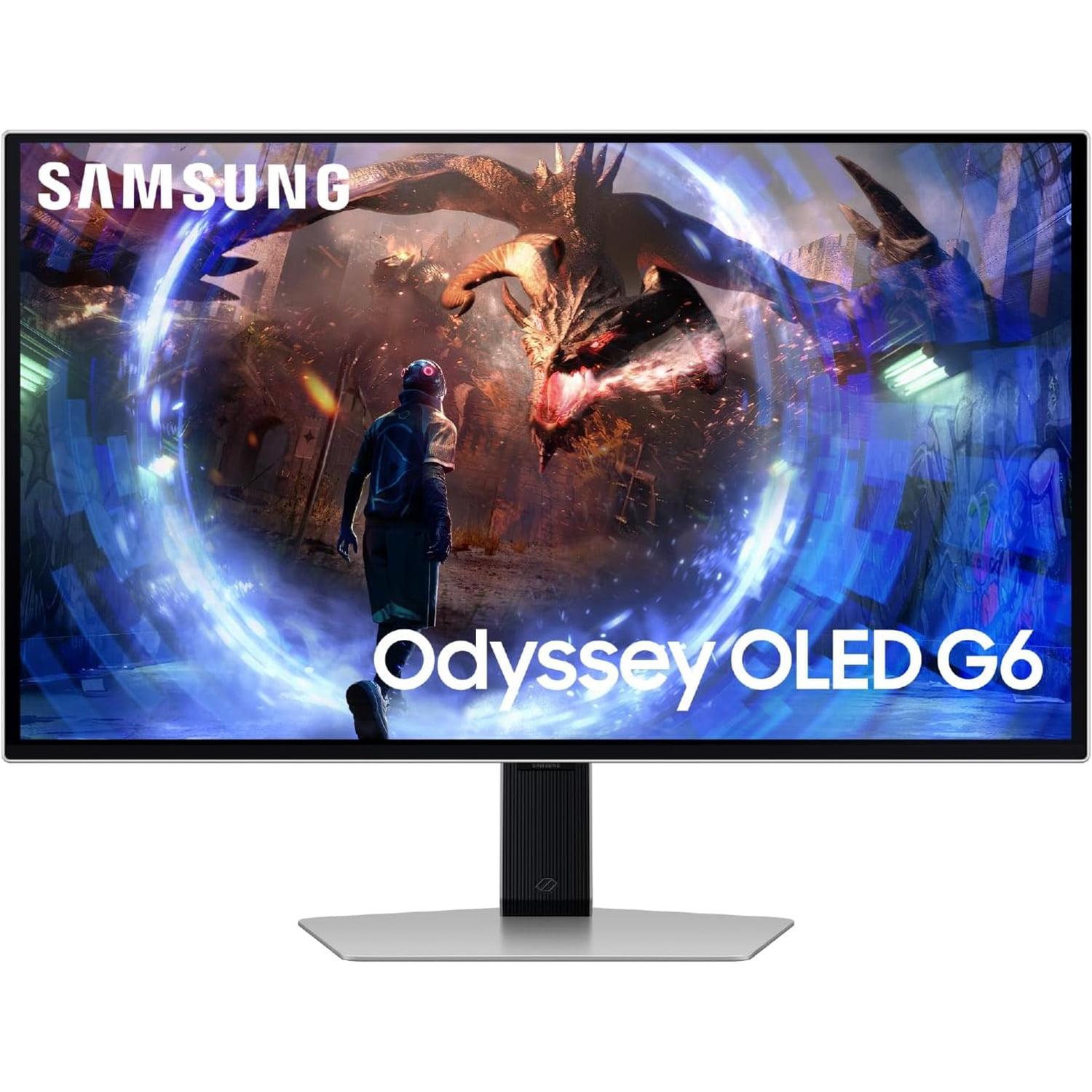
Samsung entered the OLED gaming monitor market relatively recently, with the Samsung Odyssey OLED G6 representing their 2024 push into high-refresh OLED territory. This monitor showcases how rapidly OLED technology has evolved—what seemed impossible just a few years ago (360Hz OLED panels) is now commercially available.
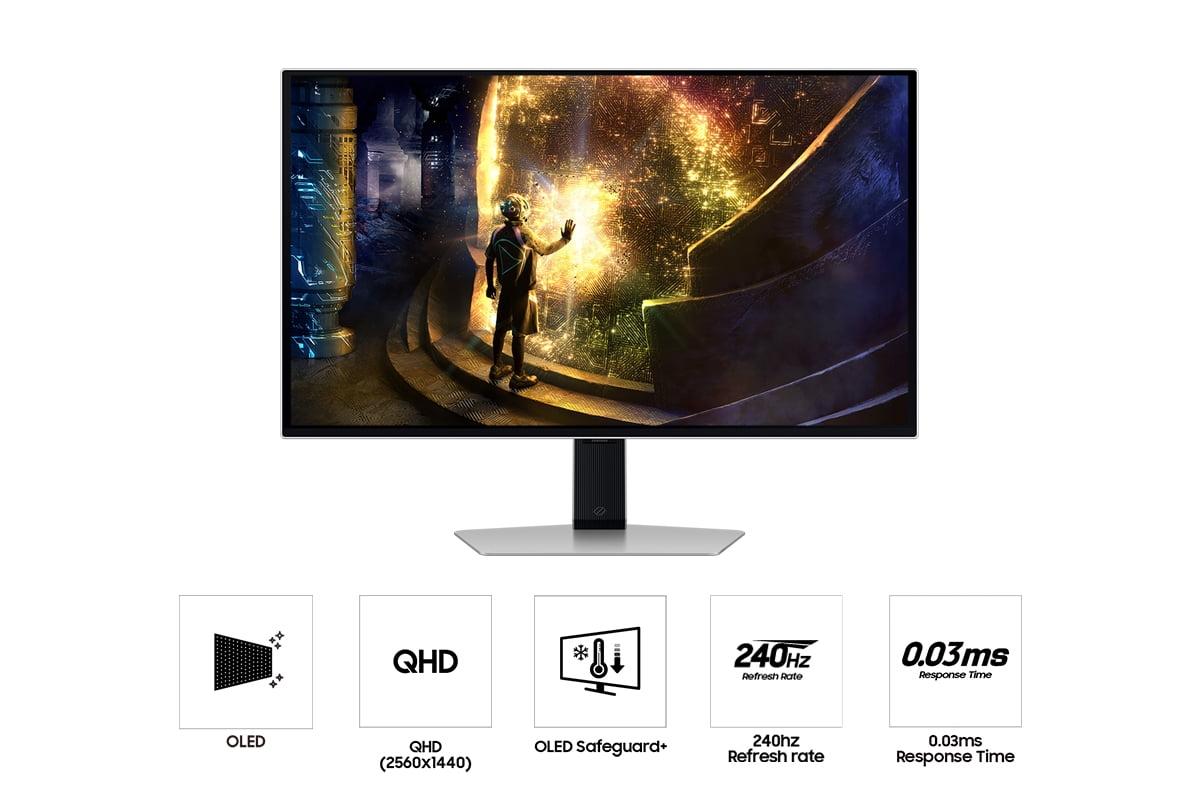
The technical specifications immediately reveal this monitor's competitive gaming focus. The 360Hz refresh rate paired with a 0.03ms response time creates motion clarity that's virtually indistinguishable from real life. To put this in perspective, the response time is 33 times faster than the Acer Nitro XV1. When you're tracking fast-moving targets in games like Valorant or CS2, this difference becomes tangible.
OLED technology provides perfect blacks because individual pixels turn completely off rather than trying to block a backlight. This creates an infinite contrast ratio—literally infinite, since you're dividing any brightness value by zero darkness. The practical result is that dark scenes in games like horror titles or space simulations appear genuinely dark, with bright elements popping against true black backgrounds.
The Samsung Odyssey OLED G6 also excels at HDR (High Dynamic Range) content. While the Acer Nitro XV1 supports HDR10 with its 250 nits of brightness, the Samsung can hit over 1000 nits in small areas while maintaining those perfect blacks. This creates the dramatic lighting contrasts that HDR was designed to showcase—think sunlight streaming through windows in a dark room, or the glow of neon signs in a cyberpunk cityscape.
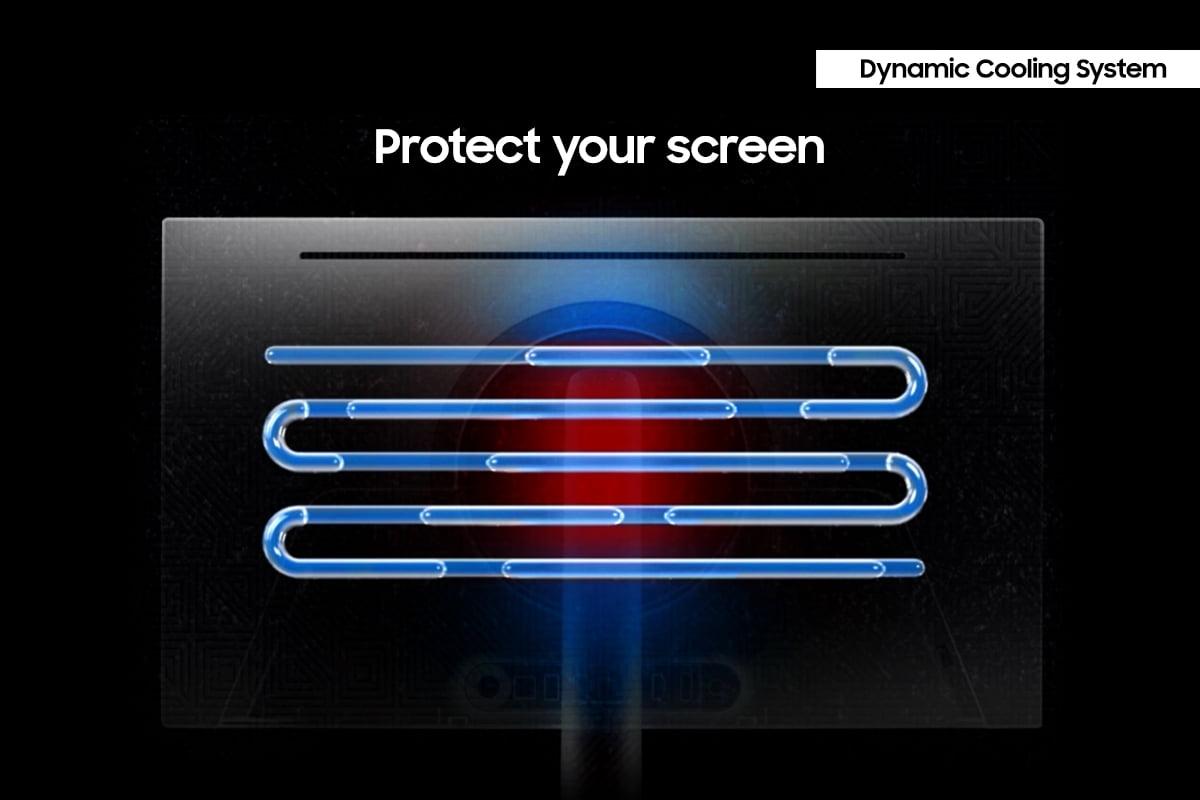
Samsung has also addressed OLED's traditional weakness: burn-in susceptibility. The monitor includes OLED Safeguard+ technology with a dynamic cooling system featuring heat pipes and thermal modulation algorithms. These systems monitor panel temperature and automatically adjust brightness to prevent permanent image retention. While burn-in remains a theoretical concern with any OLED panel, Samsung's protection measures have significantly reduced real-world issues.
For competitive gaming, motion clarity reigns supreme. The Samsung Odyssey OLED G6 delivers objectively superior performance here. The combination of 360Hz refresh rate and 0.03ms response time creates motion that appears almost supernatural in its smoothness. When you're flicking between targets in Apex Legends or tracking enemies through smoke in CS2, the Samsung provides a clarity advantage that can impact your performance.
However, the Acer Nitro XV1's 180Hz and 1ms response time shouldn't be dismissed. For most gaming scenarios, including competitive play, these specifications provide excellent performance. The difference becomes meaningful primarily at the highest levels of competitive play, where every millisecond advantage matters.
From our research into user experiences, the jump from 144Hz to 180Hz on the Acer Nitro XV1 is quite noticeable, while the leap from 180Hz to 360Hz on the Samsung shows diminishing returns unless you're consistently achieving 300+ frames per second.
The visual quality comparison reveals the fundamental differences between these panel technologies. The Samsung Odyssey OLED G6 excels in atmospheric and cinematic games where contrast and color depth enhance immersion. Games like Cyberpunk 2077, Assassin's Creed titles, or any horror game benefit enormously from OLED's perfect blacks and vibrant colors.
The Acer Nitro XV1, while lacking OLED's dramatic contrast, provides consistently accurate colors across all content types. The IPS panel's wide viewing angles mean colors remain stable whether you're sitting directly in front of the monitor or viewing from the side. This consistency makes it better suited for productivity work alongside gaming.
Color accuracy testing from professional reviewers consistently shows the Acer Nitro XV1 delivering excellent out-of-box calibration, often requiring minimal adjustment for color-critical work. The Samsung Odyssey OLED G6 produces more vivid, saturated colors that are visually striking but may require calibration for accurate color reproduction in professional applications.
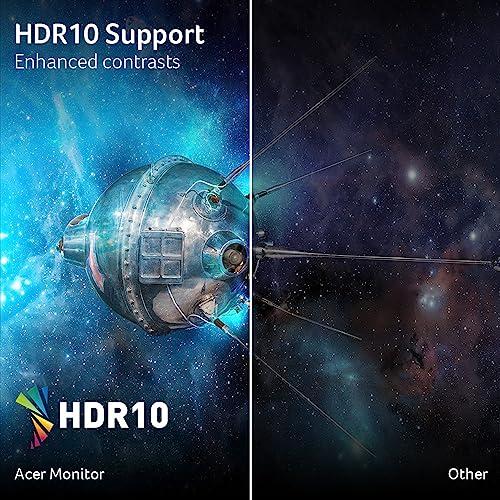
HDR represents perhaps the biggest performance gap between these monitors. The Acer Nitro XV1's HDR10 support with 250 nits peak brightness provides a subtle enhancement over standard dynamic range content, but it's more of a checkbox feature than a transformative experience.
The Samsung Odyssey OLED G6 delivers true HDR performance that fundamentally changes how games look and feel. The combination of perfect blacks and 1000+ nit peak brightness creates the dramatic lighting contrasts that HDR was designed to showcase. Bright explosions, car headlights, or sunlit environments appear genuinely brilliant while dark areas maintain detail without becoming washed out gray.
At the time of writing, the price gap between these monitors reflects their different market positions. The Acer Nitro XV1 provides exceptional value, delivering roughly 90% of the gaming performance at about 40% of the cost. This makes it an obvious choice for budget-conscious gamers or those building their first high-refresh gaming setup.
The Samsung Odyssey OLED G6 commands a significant premium that's only justified if you can fully utilize its capabilities. This means having a high-end graphics card (RTX 4080 class or better) capable of driving games at 300+ frames per second, and primarily playing competitive titles where the motion clarity advantage translates to better performance.
Long-term ownership considerations also matter. IPS panels like the Acer Nitro XV1 are essentially bulletproof—they'll perform consistently for years without degradation concerns. OLED panels, while much improved, still require more thoughtful usage patterns. Static elements like taskbars, game HUDs, or desktop icons can potentially cause permanent image retention if displayed for extended periods.
Power consumption differs significantly too. The Acer Nitro XV1 typically draws 40-60 watts during operation, while the Samsung Odyssey OLED G6 can consume 80-120 watts depending on content brightness. Over years of use, this difference adds up in electricity costs.
If you're seriously competing in games like CS2, Valorant, or Rocket League, the Samsung Odyssey OLED G6 provides tangible advantages. The 360Hz refresh rate and near-instantaneous response time create motion clarity that can improve your ability to track fast-moving targets and react to quick movements. Professional esports players have gravitated toward high-refresh OLED monitors specifically for these advantages.
However, you need the hardware to back it up. Running competitive games at 300+ fps requires a high-end GPU, and you should be playing at low-to-medium settings to achieve these frame rates consistently.
The Acer Nitro XV1 excels in story-driven games, RPGs, and cooperative experiences where visual consistency and color accuracy matter more than ultimate motion clarity. The 180Hz refresh rate provides smooth gameplay while the excellent color reproduction enhances the visual storytelling in games like The Witcher 3, Red Dead Redemption 2, or Baldur's Gate 3.
The budget savings also allow you to invest more in your graphics card, potentially enabling higher settings or better performance in demanding single-player titles.
Anyone who creates content alongside gaming should strongly consider the Acer Nitro XV1. The color accuracy, wide viewing angles, and lack of burn-in risk make it ideal for photo editing, video work, or graphic design. The ergonomic stand supports long working sessions, and the consistent performance across all content types eliminates workflow disruptions.
The Samsung Odyssey OLED G6, while visually stunning, requires careful management when displaying static interfaces for extended periods.
Both monitors work well with gaming consoles, but they serve different purposes. The Samsung Odyssey OLED G6 with its HDMI 2.1 support and superior HDR performance creates a more cinematic experience for story-driven console games. The perfect blacks and vibrant colors enhance atmospheric titles like The Last of Us Part II or Ghost of Tsushima.
The Acer Nitro XV1 provides excellent console compatibility and consistent performance, though it's limited to 144Hz over HDMI and has more modest HDR capabilities.
Choose the Acer Nitro XV1 if you want the best value in 27-inch 1440p gaming monitors. It delivers excellent performance for the vast majority of gaming scenarios while providing features and build quality that rival monitors costing significantly more. This monitor makes sense for first-time high-refresh buyers, budget-conscious gamers, content creators, and anyone who wants reliable, long-term performance without premium pricing.
Choose the Samsung Odyssey OLED G6 if you're a serious competitive gamer with the hardware to match, or if visual quality is your absolute priority. The motion clarity advantages are real and meaningful for competitive play, while the OLED visual experience transforms atmospheric and cinematic games. However, you're paying a significant premium for these benefits, and you need to accept the additional complexity of OLED ownership.
The bottom line: the Acer Nitro XV1 represents the sweet spot for most gamers, delivering exceptional performance per dollar. The Samsung Odyssey OLED G6 pushes the boundaries of what's possible in gaming monitors, but at a cost that's only justified for specific use cases and users who can fully appreciate and utilize its capabilities.
Both monitors excel in their intended roles, but the Acer Nitro XV1's combination of performance, features, and value makes it the more universally appealing choice for the broader gaming community.
| Acer Nitro XV1 27" WQHD 180Hz IPS Gaming Monitor | Samsung Odyssey OLED G6 QHD 360Hz Gaming Monitor |
|---|---|
| Panel Technology - Determines color accuracy, contrast, and longevity | |
| IPS (In-Plane Switching) with LED backlight | QD-OLED (Quantum Dot Organic Light-Emitting Diode) |
| Refresh Rate - Higher rates create smoother motion in fast games | |
| 180Hz (DisplayPort), 144Hz (HDMI) | 360Hz (competitive gaming advantage) |
| Response Time - Lower means less motion blur and ghosting | |
| 1ms GTG (excellent for most gaming) | 0.03ms (virtually eliminates all motion blur) |
| Resolution - Both offer sharp 1440p gaming sweet spot | |
| 2560 x 1440 (WQHD) | 2560 x 1440 (QHD) |
| Contrast Ratio - Affects depth and realism in dark scenes | |
| 1000:1 static (typical IPS limitation) | Infinite (perfect blacks, OLED advantage) |
| Color Coverage - Wider gamuts display more vibrant colors | |
| 95% DCI-P3 (excellent accuracy) | Superior OLED color vibrancy |
| HDR Support - Enhances brightness range in compatible games | |
| HDR10 with 250 nits peak brightness | HDR10/HDR10+ Gaming with 1000+ nits peak |
| Adaptive Sync - Eliminates screen tearing | |
| AMD FreeSync Premium (40-180Hz range) | AMD FreeSync Premium Pro |
| Burn-in Risk - Permanent image retention with static content | |
| None (IPS panels immune to burn-in) | Potential risk despite Samsung's protection features |
| Stand Adjustability - Important for ergonomic comfort | |
| Full adjustability: height, tilt, swivel, pivot | Height, tilt, swivel adjustments |
| Connectivity - Affects compatibility with PCs and consoles | |
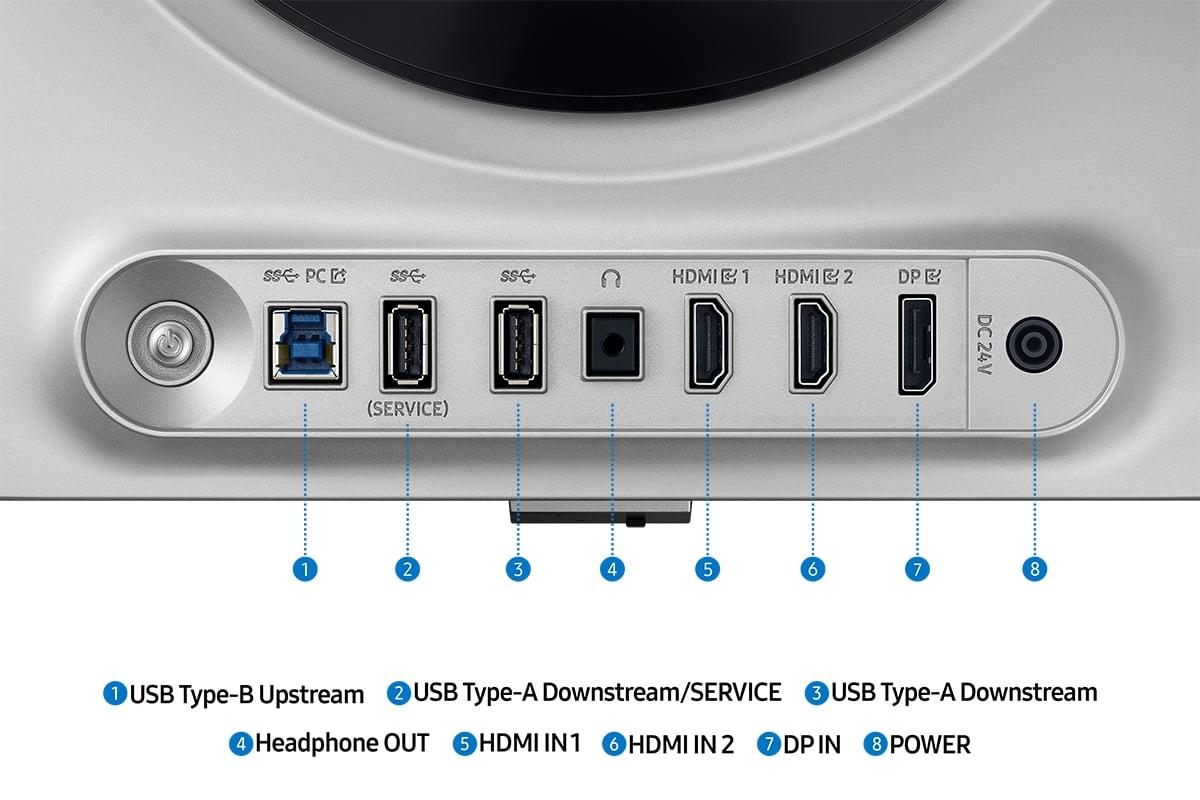
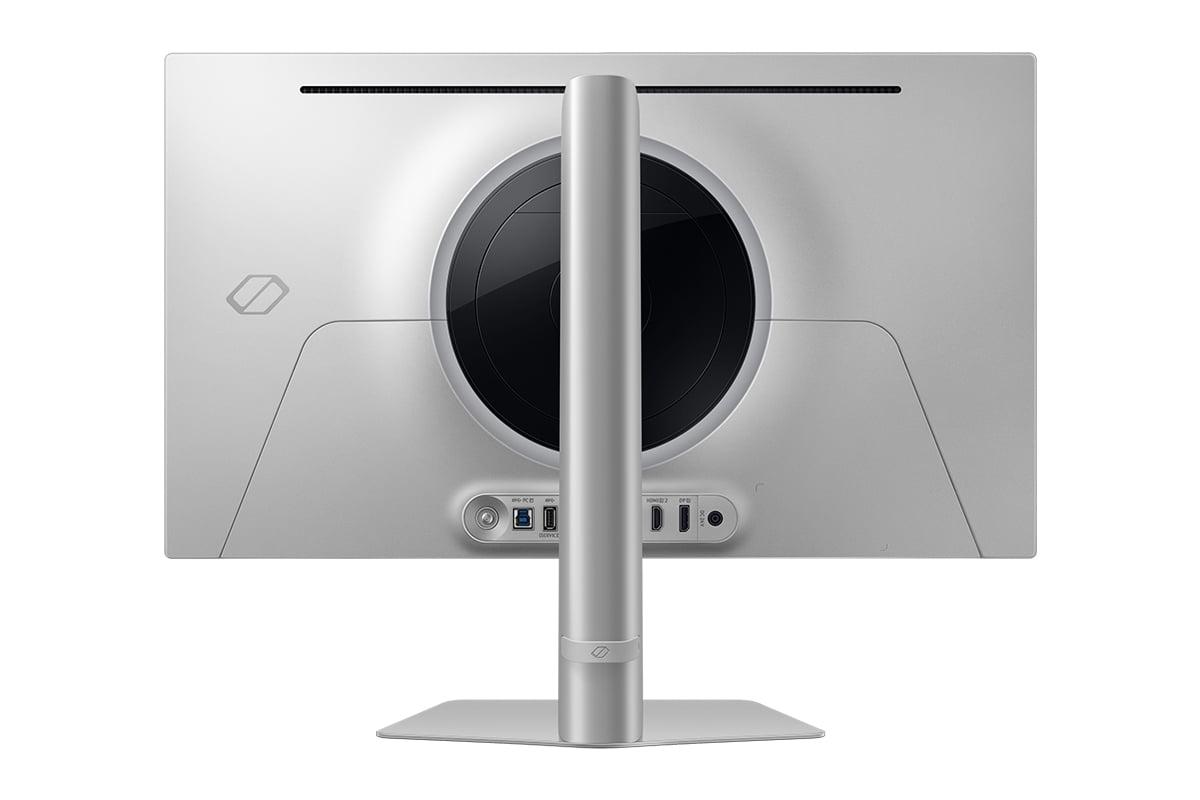
| 1x DisplayPort 1.2, 2x HDMI 2.0 | 1x DisplayPort 1.4, 2x HDMI 2.1 |
| Power Consumption - Ongoing electricity costs | |
| 40-60W typical operation | 80-120W depending on content brightness |
| Best For - Primary use case recommendation | |
| Budget-conscious gamers, content creators, reliable daily use | Competitive esports players, premium visual experience seekers |
The Samsung Odyssey OLED G6 is superior for competitive gaming due to its 360Hz refresh rate and 0.03ms response time, which virtually eliminates motion blur and provides the smoothest possible gameplay. However, the Acer Nitro XV1 with its 180Hz refresh rate and 1ms response time still delivers excellent competitive performance at a much lower cost, making it suitable for most competitive players who don't need the absolute fastest specs.
IPS monitors like the Acer Nitro XV1 use a backlight system that provides consistent colors and wide viewing angles but cannot achieve true blacks. OLED monitors like the Samsung Odyssey OLED G6 have self-emitting pixels that can turn completely off, creating perfect blacks and infinite contrast ratios for more dramatic visuals, but cost significantly more and have potential burn-in risks.
The Acer Nitro XV1 provides exceptional value, delivering about 90% of the gaming performance of premium monitors while costing significantly less. The Samsung Odyssey OLED G6 offers cutting-edge performance but commands a premium price that's only justified for serious competitive gamers or those who prioritize the absolute best visual quality.
Both monitors work with gaming consoles, but the Samsung Odyssey OLED G6 offers better console compatibility with HDMI 2.1 ports and superior HDR performance for cinematic games. The Acer Nitro XV1 is limited to 144Hz over HDMI but still provides excellent console gaming performance with good color accuracy for story-driven titles.
The Acer Nitro XV1 is better suited for content creation due to its accurate color reproduction, wide viewing angles, and no burn-in risk when displaying static interfaces for extended periods. The IPS panel provides consistent performance for photo editing, video work, and graphic design alongside gaming.
The Acer Nitro XV1 works well with mid-range graphics cards (RTX 4060 Ti/4070 class) to achieve 120-180 fps in most games. The Samsung Odyssey OLED G6 requires high-end hardware (RTX 4080/4090 class) to fully utilize its 360Hz capability, as you need to consistently achieve 300+ fps to see the benefits.
The Samsung Odyssey OLED G6 delivers true HDR with perfect blacks and over 1000 nits peak brightness, creating dramatic lighting contrasts in compatible games. The Acer Nitro XV1 supports HDR10 but with limited 250 nits brightness, providing only subtle HDR enhancement compared to the transformative OLED HDR experience.
The Acer Nitro XV1 uses proven IPS technology that's highly durable with no degradation concerns over years of use. The Samsung Odyssey OLED G6 has potential burn-in risks with static content, though Samsung includes protection features. OLED panels require more careful usage patterns to maintain optimal performance long-term.
For single-player gaming, the choice depends on your priorities. The Samsung Odyssey OLED G6 provides stunning visuals with perfect blacks and vibrant colors that enhance atmospheric games. The Acer Nitro XV1 offers excellent color accuracy and smooth 180Hz gameplay while allowing you to invest saved money in a better graphics card for higher settings.
The Acer Nitro XV1's 180Hz provides noticeably smoother motion than standard 144Hz monitors and is easily achievable with mid-range hardware. The Samsung Odyssey OLED G6's 360Hz offers the ultimate in motion smoothness but requires very high frame rates to fully utilize, making the improvement most noticeable in competitive esports titles.
The Samsung Odyssey OLED G6 offers superior connectivity with DisplayPort 1.4 and dual HDMI 2.1 ports, providing better bandwidth for high refresh rates and console compatibility. The Acer Nitro XV1 includes DisplayPort 1.2 and dual HDMI 2.0 ports, which are adequate for most gaming setups but with some bandwidth limitations.
The Acer Nitro XV1 is more energy-efficient, typically consuming 40-60 watts during operation due to its LED backlight system. The Samsung Odyssey OLED G6 uses 80-120 watts depending on content brightness, as OLED pixels require more power for bright scenes, resulting in higher long-term electricity costs.
We've done our best to create useful and informative comparisons to help you decide what product to buy. Our research uses advanced automated methods to create this comparison and perfection is not possible - please contact us for corrections or questions. These are the sites we've researched in the creation of this article: bestbuy.com - tomshardware.com - displayninja.com - youtube.com - youtube.com - youtube.com - store.acer.com - manuals.plus - displayspecifications.com - pangoly.com - pcpartpicker.com - casariolab.art - store.acer.com - versus.com - youtube.com - bestbuy.com - gamesradar.com - gamesradar.com - versus.com - lowyat.net - youtube.com - player2.net.au - versus.com - rtings.com - youtube.com - samsung.com - files.bbystatic.com - bestbuy.com - samsung.com - samsung.com - bestbuy.com - de.shi.com - bhphotovideo.com - pangoly.com - youtube.com

Privacy Policy
Terms and Conditions - Affiliate Policy
Home Security
© Copyright 2008-2026.
11816 Inwood Rd #1211, Dallas, TX 75244