

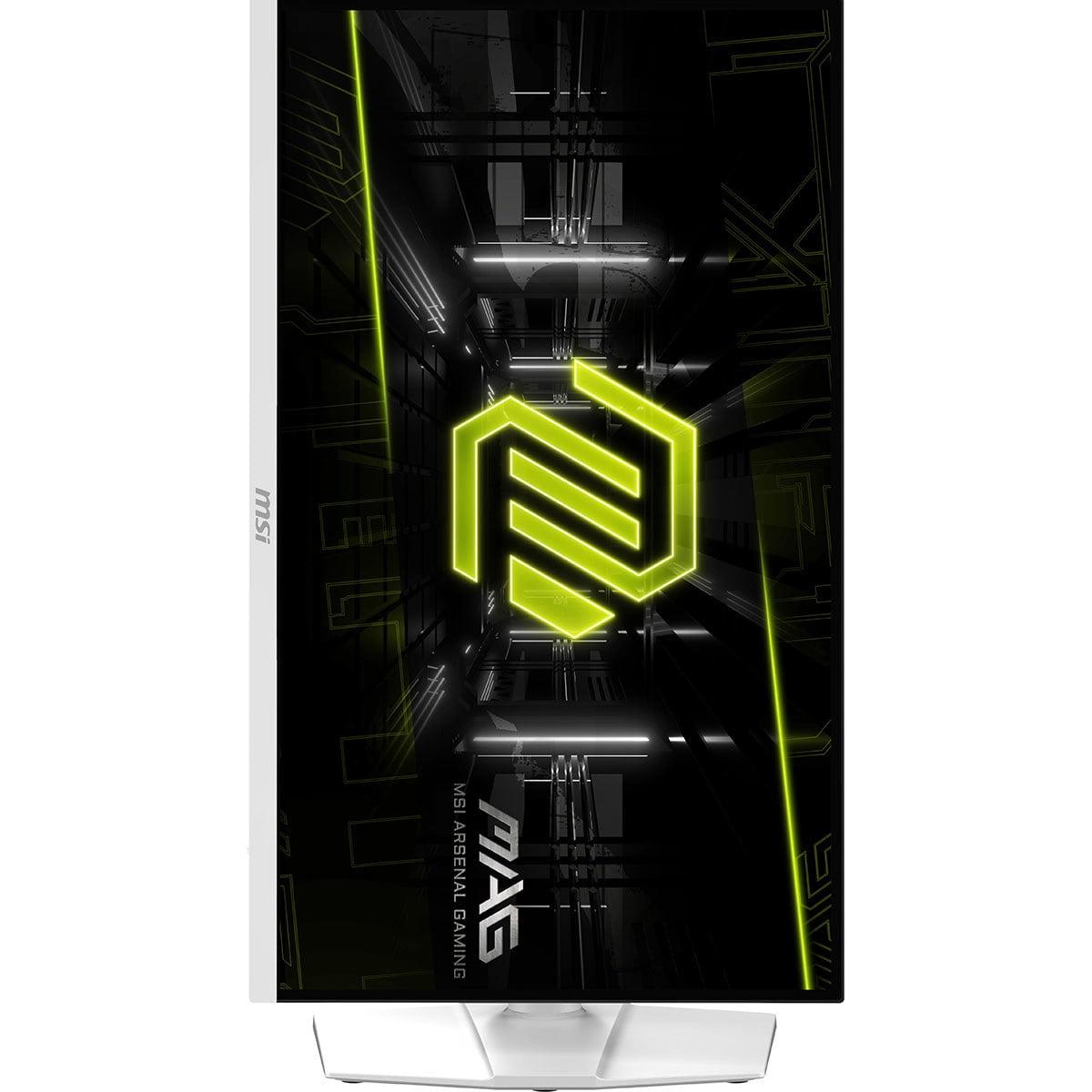
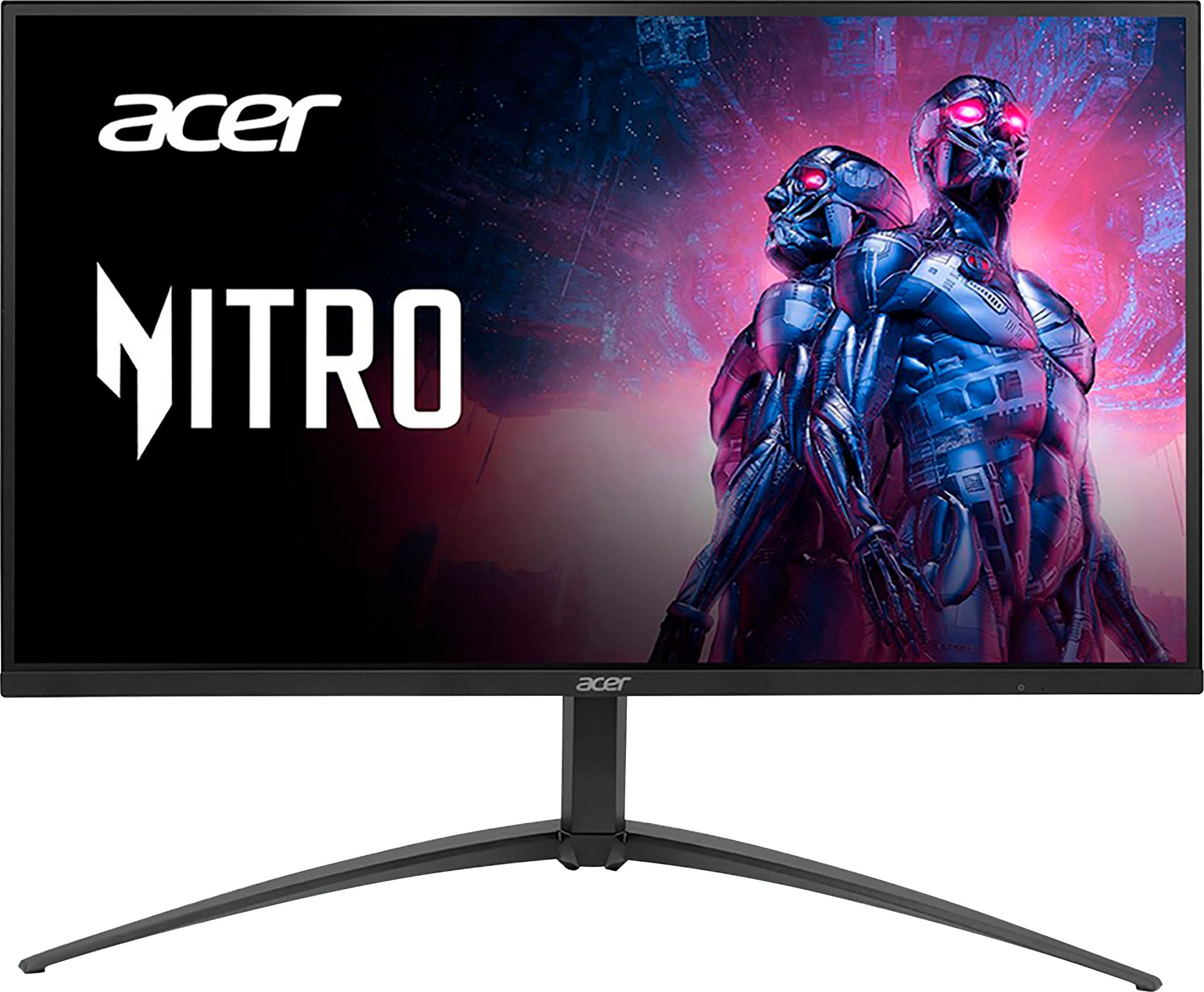
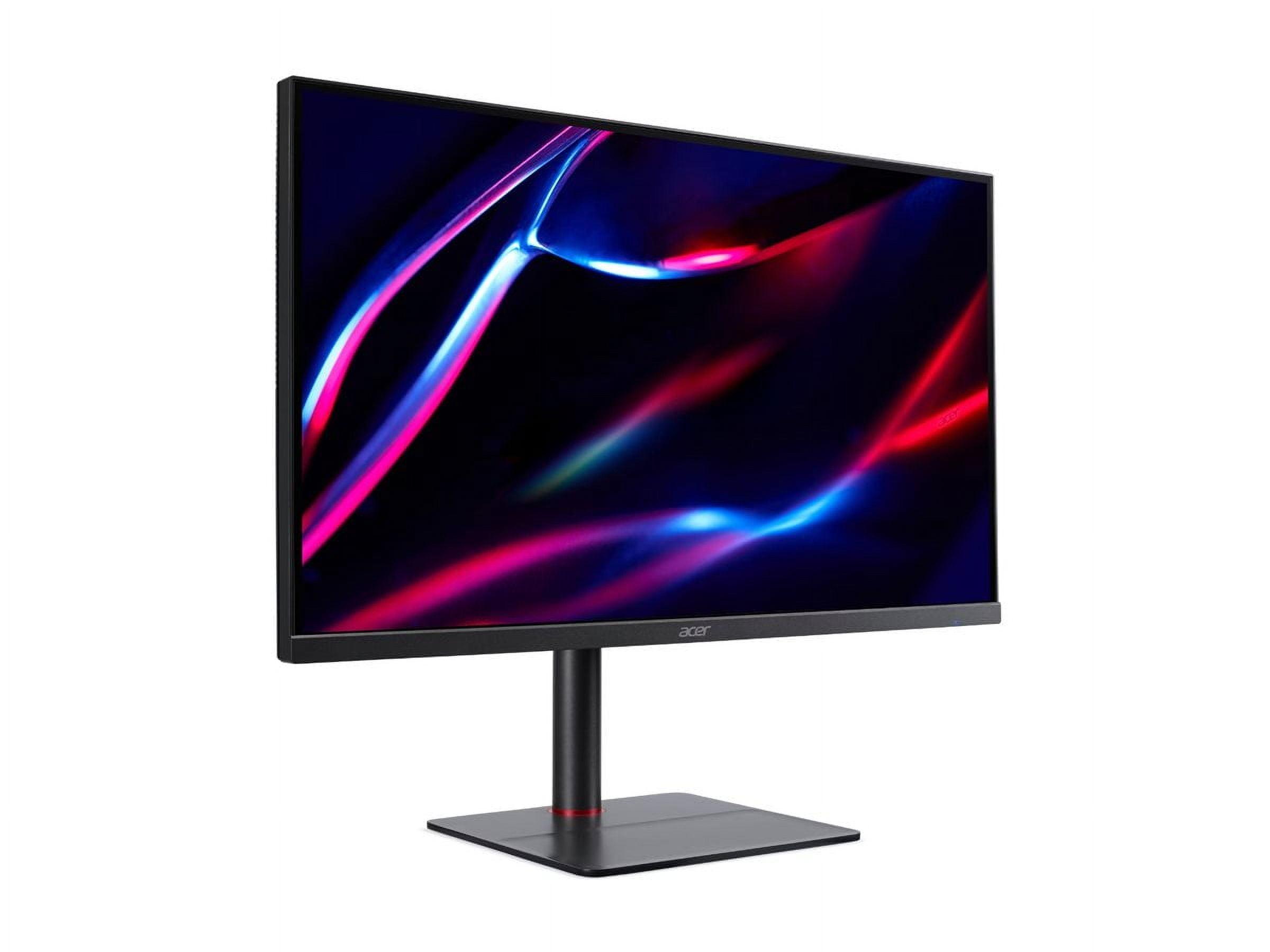
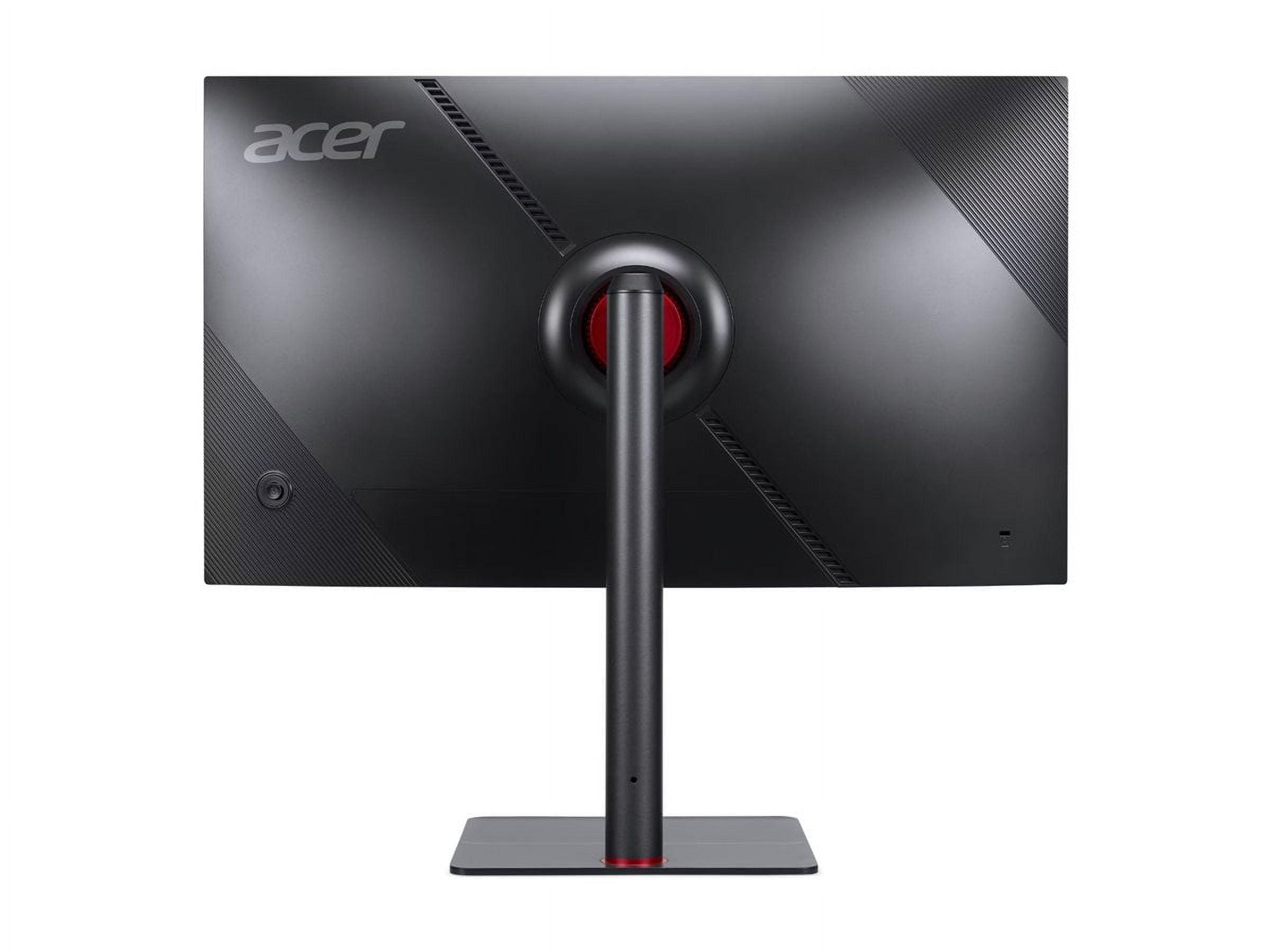
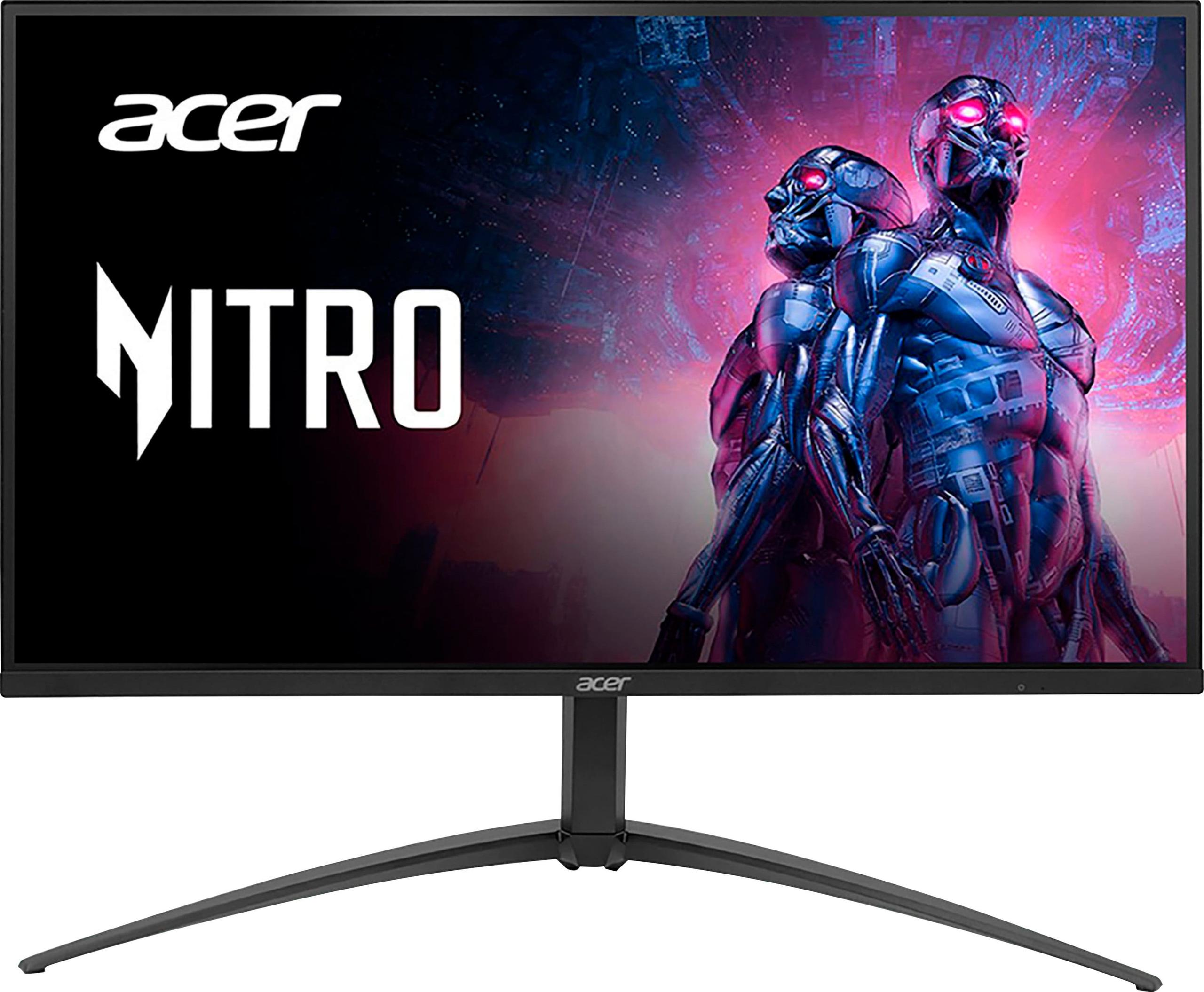
Shopping for a 27-inch 4K gaming monitor can feel overwhelming, especially when two seemingly similar models sit at nearly identical price points. The MSI MAG 274URFW and Acer Nitro XV275K P3 represent two different philosophies in display technology, and understanding their differences will help you make the right choice for your setup.
Both monitors launched within the last few years—the Acer XV275K P3 in 2023 and the MSI MAG 274URFW in 2024—during a period when 4K gaming monitors finally became accessible to mainstream gamers. However, they've taken distinctly different approaches to delivering that 4K experience.
Before diving into comparisons, let's establish what you should care about in a 27-inch 4K gaming monitor. The 27-inch size hits a sweet spot where 4K resolution (3840 x 2160 pixels) provides genuinely sharp visuals without making text too small or requiring scaling. At this size, you get roughly 163 pixels per inch, which means crisp text for productivity work and incredibly detailed gaming visuals.
The key battlegrounds in this category include display technology, gaming performance, color accuracy, and connectivity. But perhaps most importantly, you need to understand how these monitors handle HDR (High Dynamic Range) content, which can make or break your gaming and media experience.
Here's where things get interesting. The MSI MAG 274URFW uses a traditional LED backlighting system behind its Rapid IPS panel. This is the same technology that's powered monitors for years—reliable, proven, and cost-effective. The backlight sits around the edges of the panel and shines through the liquid crystal display to create your image.
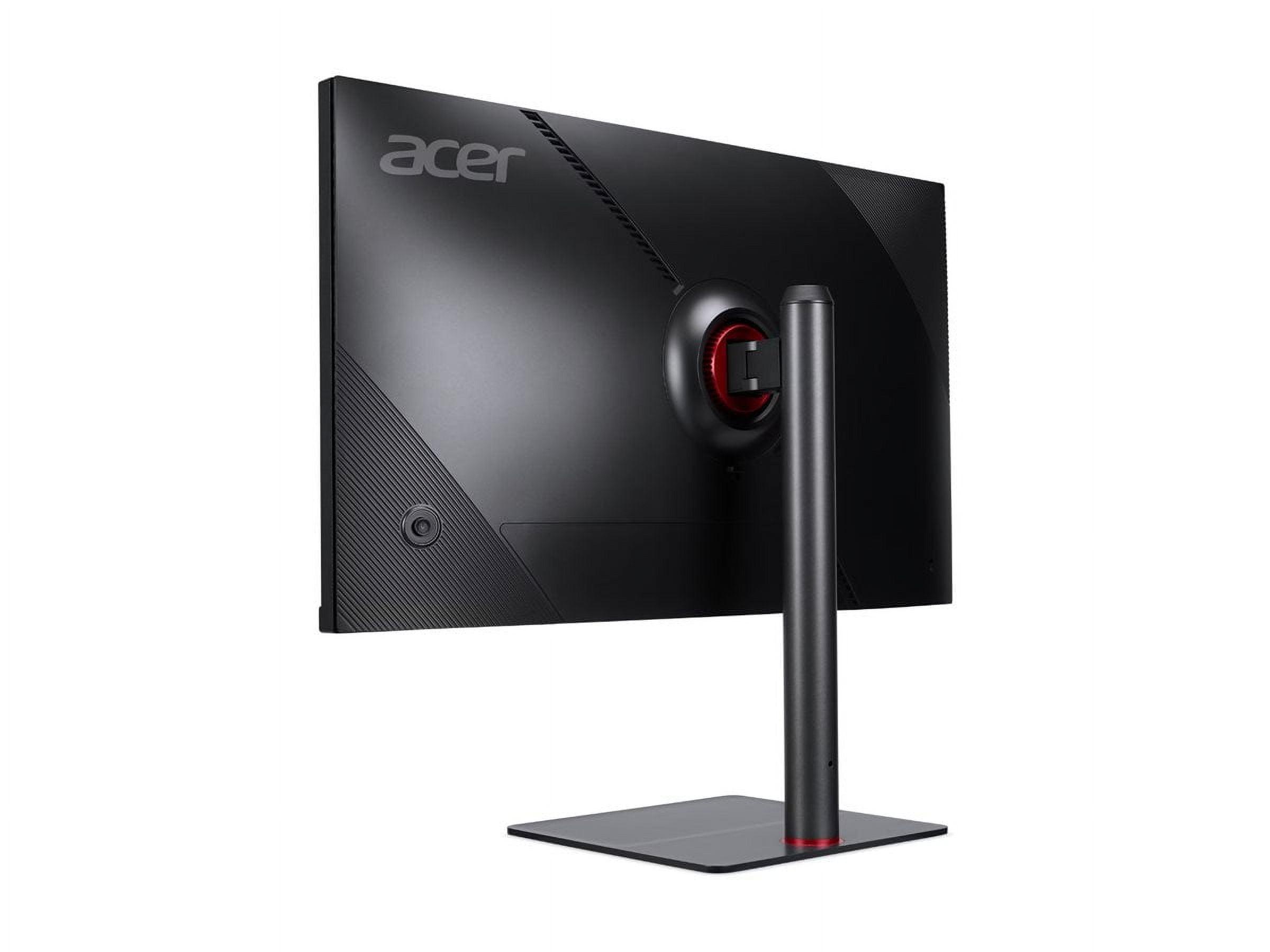
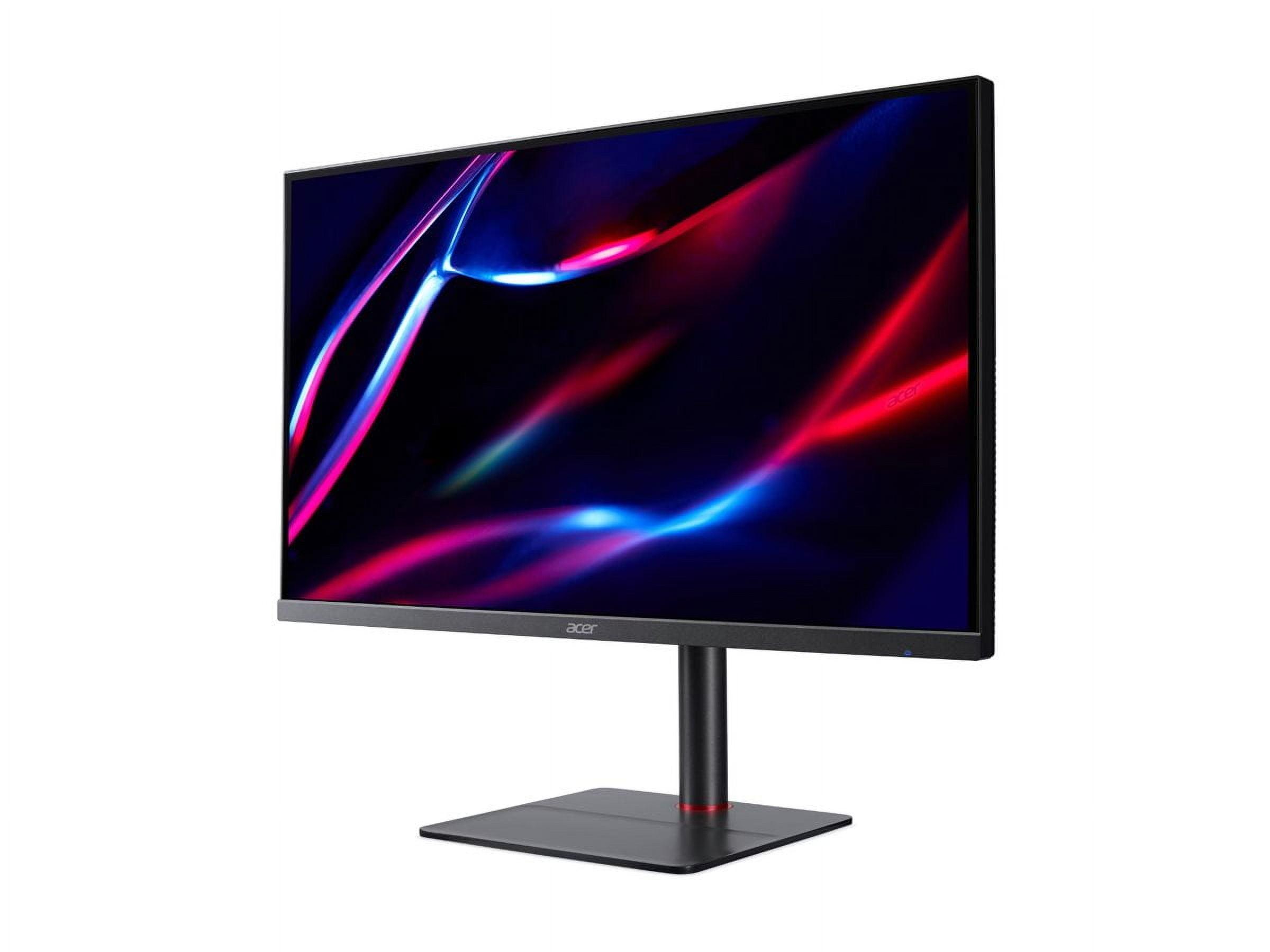
The Acer Nitro XV275K P3, however, represents a generational leap forward with Mini LED backlighting. Instead of edge-lit LEDs, it uses hundreds of tiny LEDs arranged in a grid behind the panel—specifically 576 individual dimming zones. Think of it like having 576 tiny flashlights that can independently turn on and off to create perfect blacks right next to brilliant whites.
This isn't just marketing fluff. In practice, the difference is dramatic. The Acer can hit 1000 nits of peak brightness (that's seriously bright—like staring at a sunny window), while the MSI maxes out around 400 nits. More importantly, the Acer's local dimming means it can make parts of the screen completely black while other areas shine brilliantly, creating contrast ratios that approach OLED territory without OLED's burn-in concerns.
Both monitors share identical refresh rates at 160Hz, which means they can display up to 160 frames per second—crucial for competitive gaming where every frame counts. However, their approaches to motion handling differ subtly.
The MSI MAG 274URFW claims a faster 0.5ms response time compared to the Acer's 1ms specification. Response time measures how quickly pixels can change from one color to another, and lower numbers mean less motion blur. In practice, though, the Acer actually handles motion better despite its higher paper specification, thanks to superior panel tuning.
Input lag—the delay between when you click your mouse and when the action appears on screen—tells a more nuanced story. The MSI maintains consistently low input lag across all refresh rates, making it particularly strong for console gaming where you might be running games at 60Hz or 120Hz. The Acer performs excellently at high refresh rates but shows increased input lag at 60Hz, which could matter if you're playing story-driven console games that don't hit higher frame rates.
Both monitors support adaptive sync technologies (AMD FreeSync and NVIDIA G-SYNC Compatible) that synchronize your graphics card's output with the display's refresh rate, eliminating screen tearing. The Acer goes one step further with FreeSync Premium Pro, which includes additional optimizations for HDR gaming.
This is where the monitors truly diverge. HDR content—whether from games, movies, or streaming services—is designed to show a wider range of brightness and color than traditional content. But to display it properly, your monitor needs to get bright enough and dark enough to show the full range.
The MSI MAG 274URFW meets the basic DisplayHDR 400 standard, which provides a noticeable improvement over standard content but doesn't deliver the full HDR experience. You'll see somewhat brighter highlights and slightly better contrast, but it won't make you go "wow."
The Acer Nitro XV275K P3, with its Mini LED backlighting, achieves DisplayHDR 1000 certification. This creates genuinely impressive HDR experiences where explosions in games like Cyberpunk 2077 or bright scenes in HDR movies look startlingly realistic. However, there's a tradeoff: the local dimming can sometimes create "blooming" around bright objects on dark backgrounds—imagine a white cursor on a black screen surrounded by a subtle glow.
For color accuracy, both monitors cover wide color gamuts. The MSI claims 133% sRGB coverage with 10-bit color depth, while the Acer covers 99% DCI-P3 (a professional color standard) with 8-bit + FRC (Frame Rate Control, which dithers to simulate 10-bit color). The Acer comes factory-calibrated with Delta E values under 2, which means colors are accurate enough for professional photo editing straight out of the box.
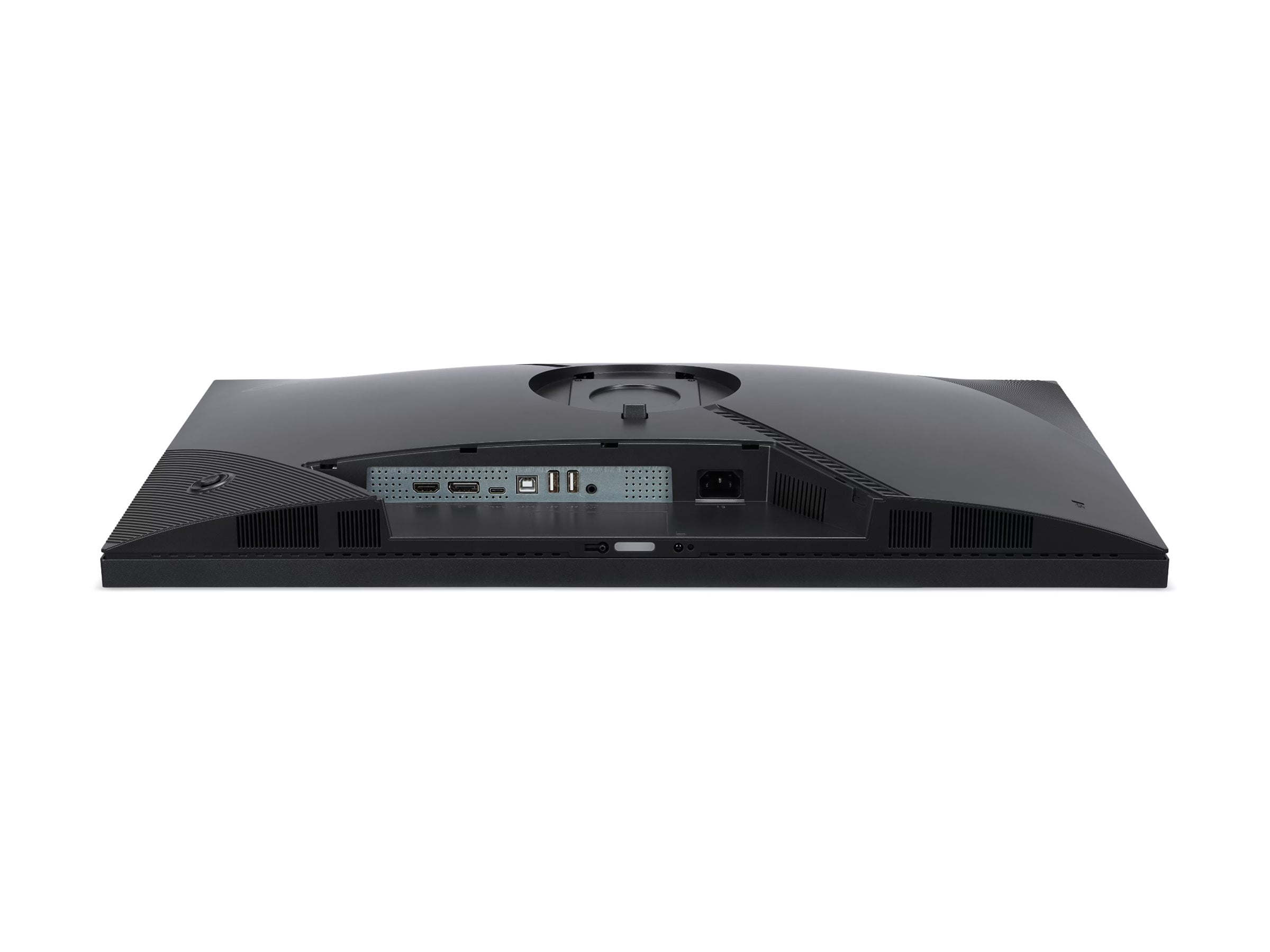
Modern monitors need to handle more than just gaming. Both include dual HDMI 2.1 ports for next-generation consoles, DisplayPort for high-end PC gaming, and USB-C for laptop connectivity. But their USB-C implementations tell different stories.
The MSI MAG 274URFW provides 15W of power delivery through its USB-C port—enough to keep a laptop from dying but not enough for actual charging. The Acer XV275K P3 delivers 90W, which can properly charge most laptops while simultaneously handling video and data. If you frequently connect a MacBook or modern Windows laptop, this difference is huge.
The Acer also includes a full USB hub with multiple USB-A ports and upstream connectivity, essentially turning your monitor into a laptop docking station. This is particularly valuable in the era of thin laptops with limited ports.
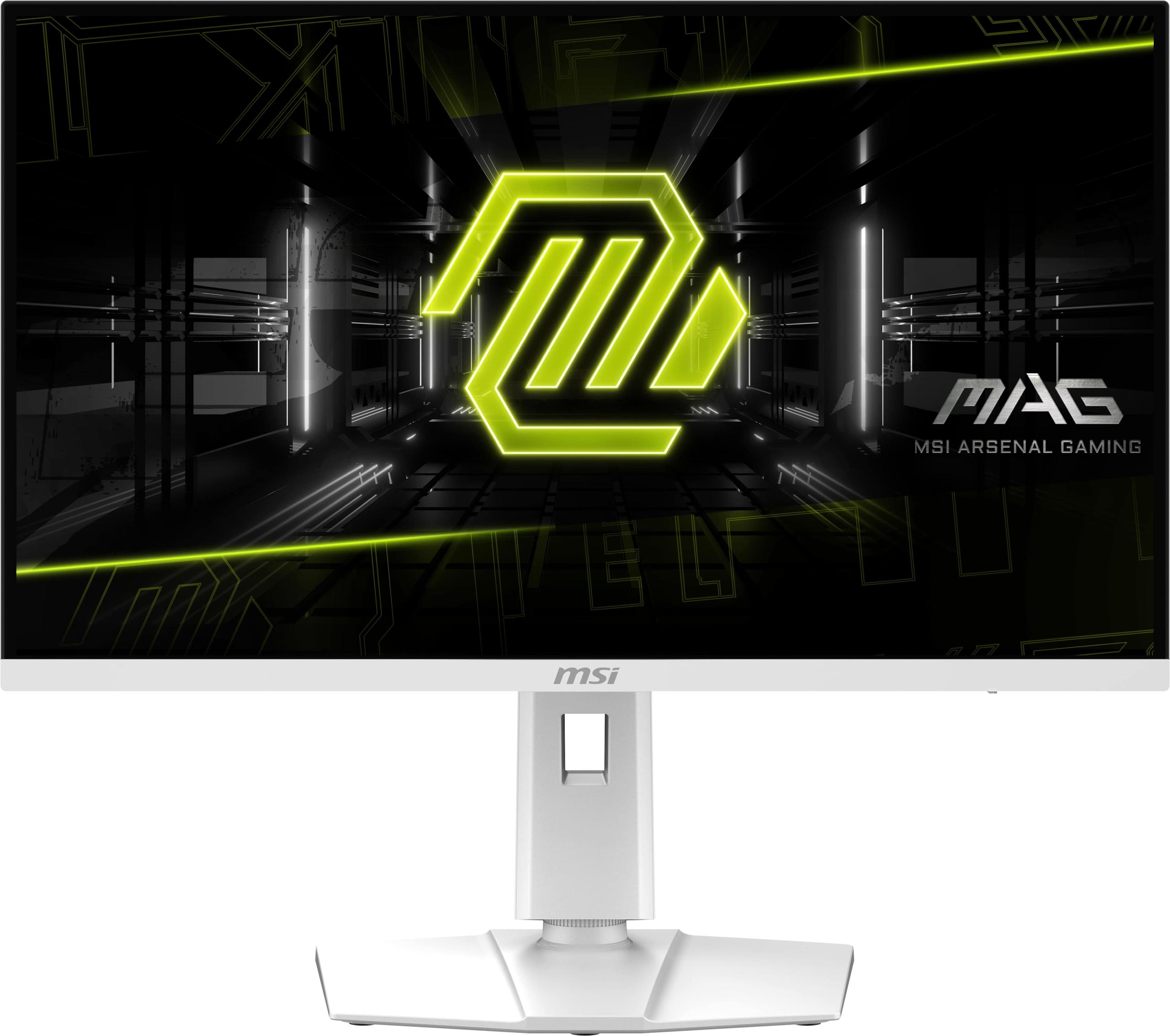
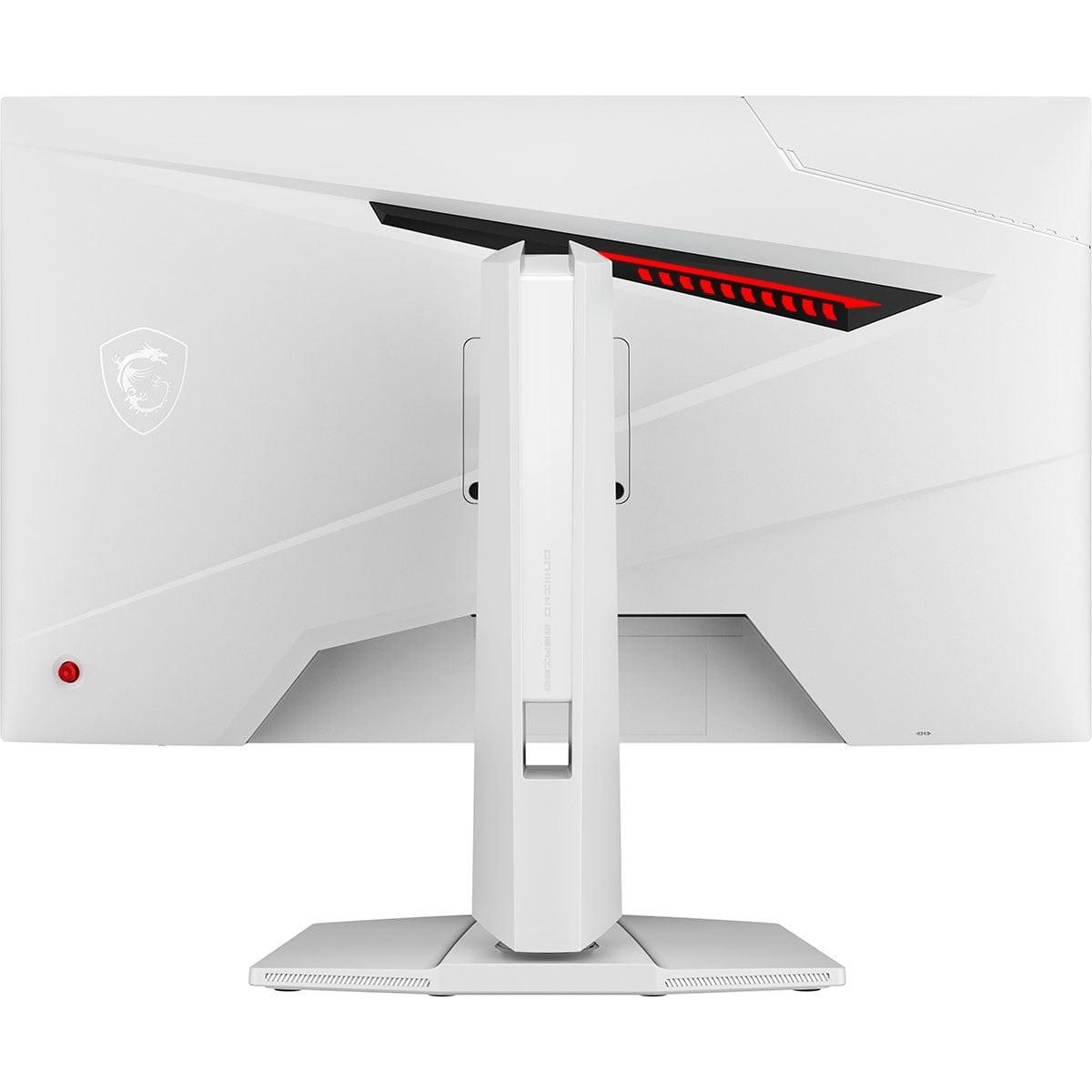
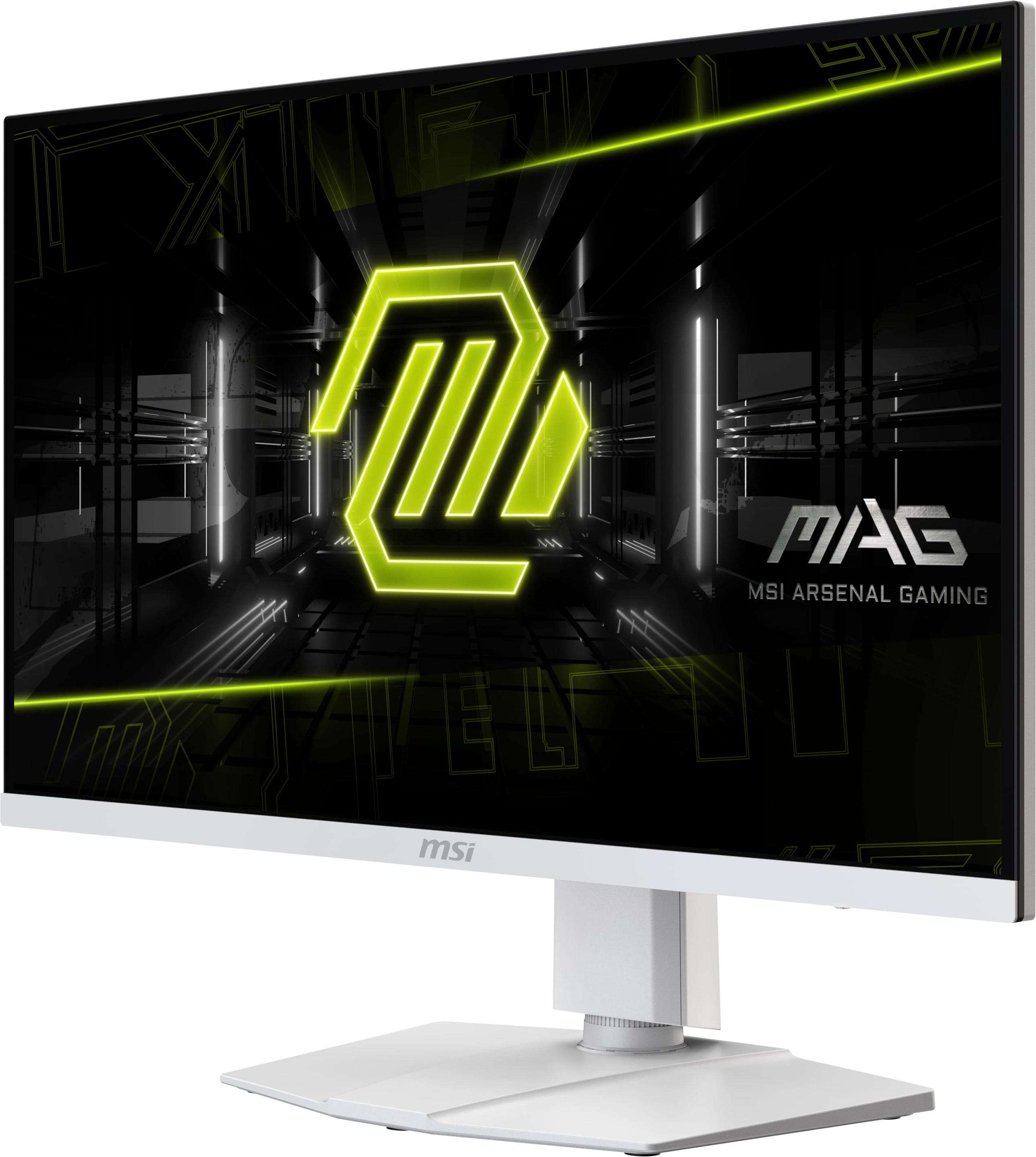
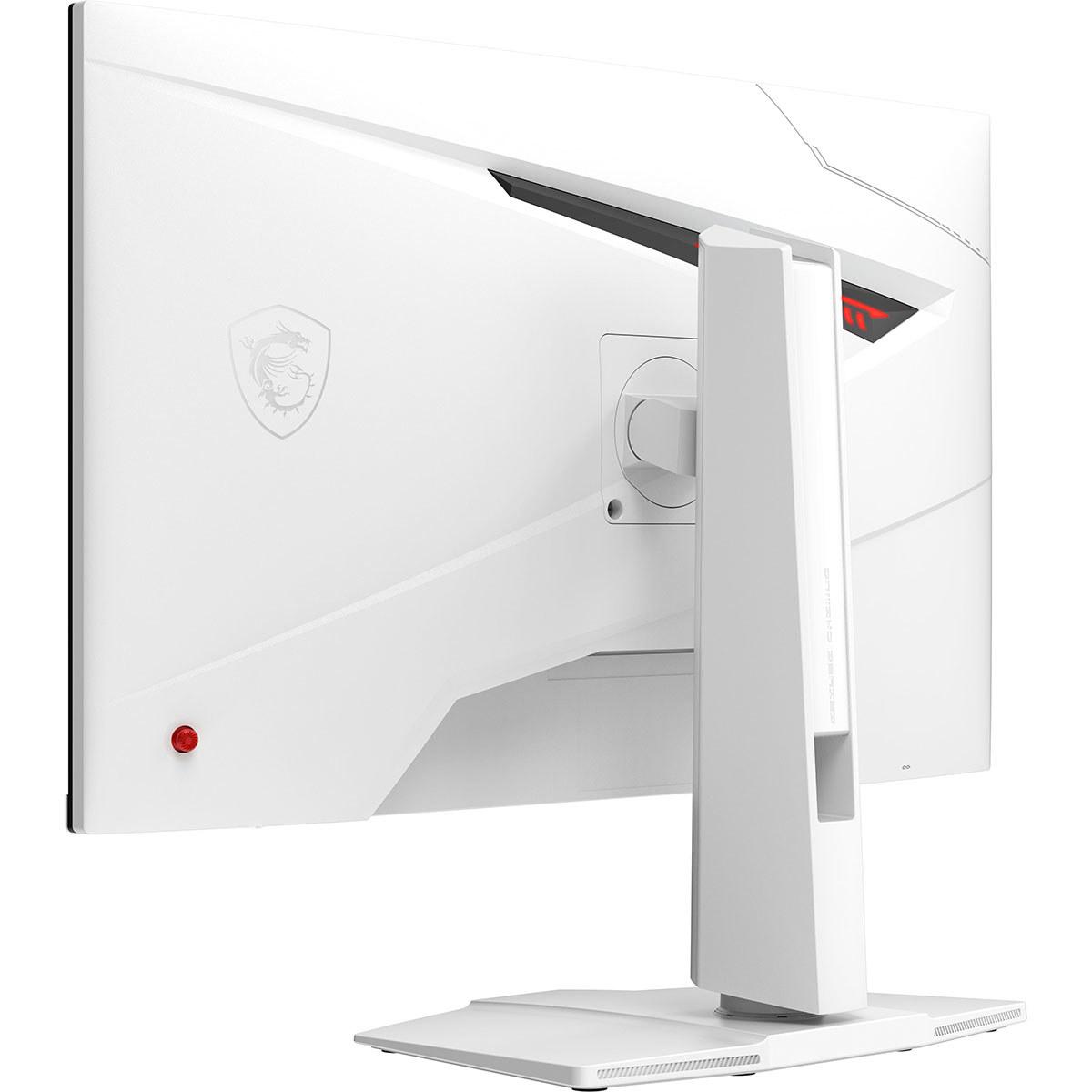
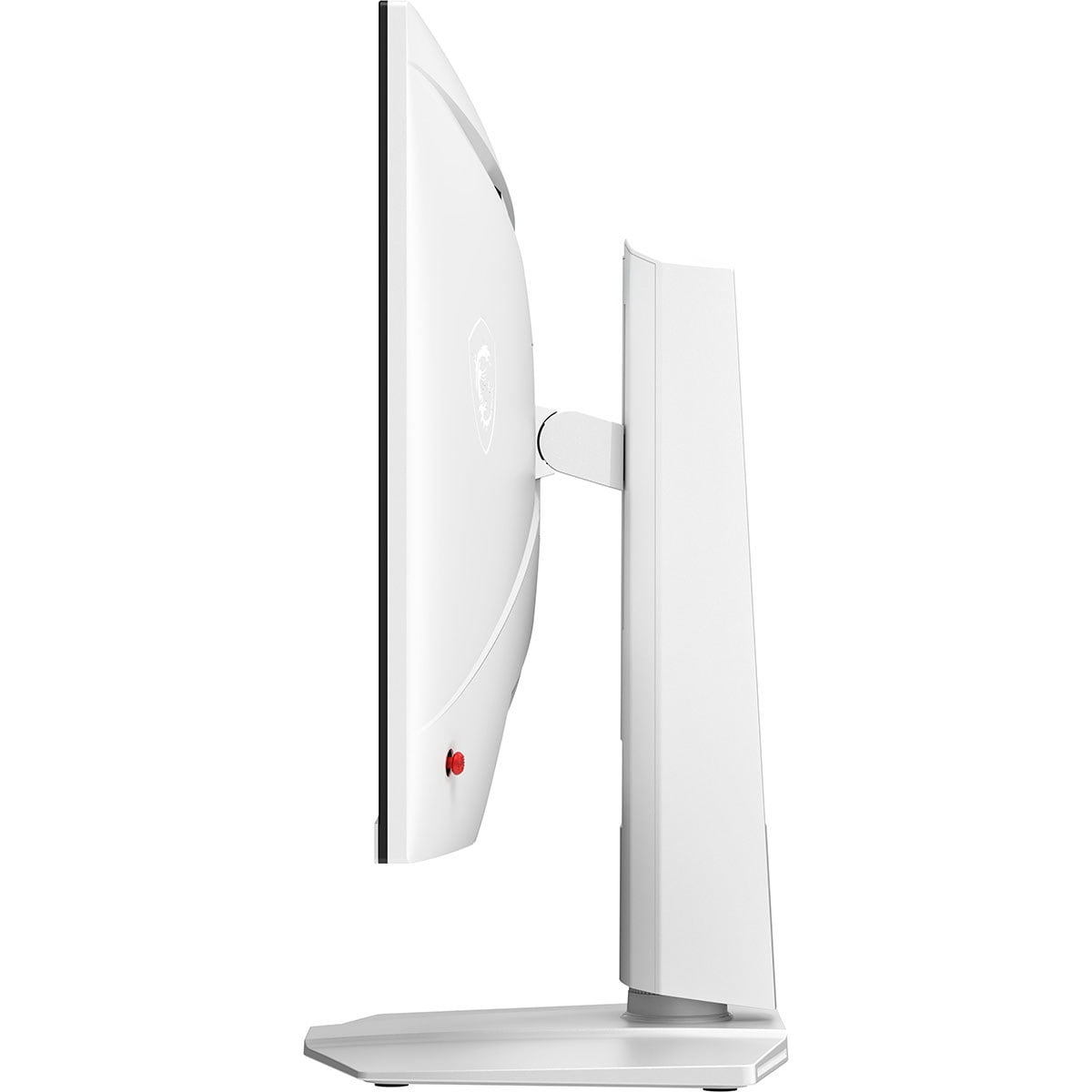
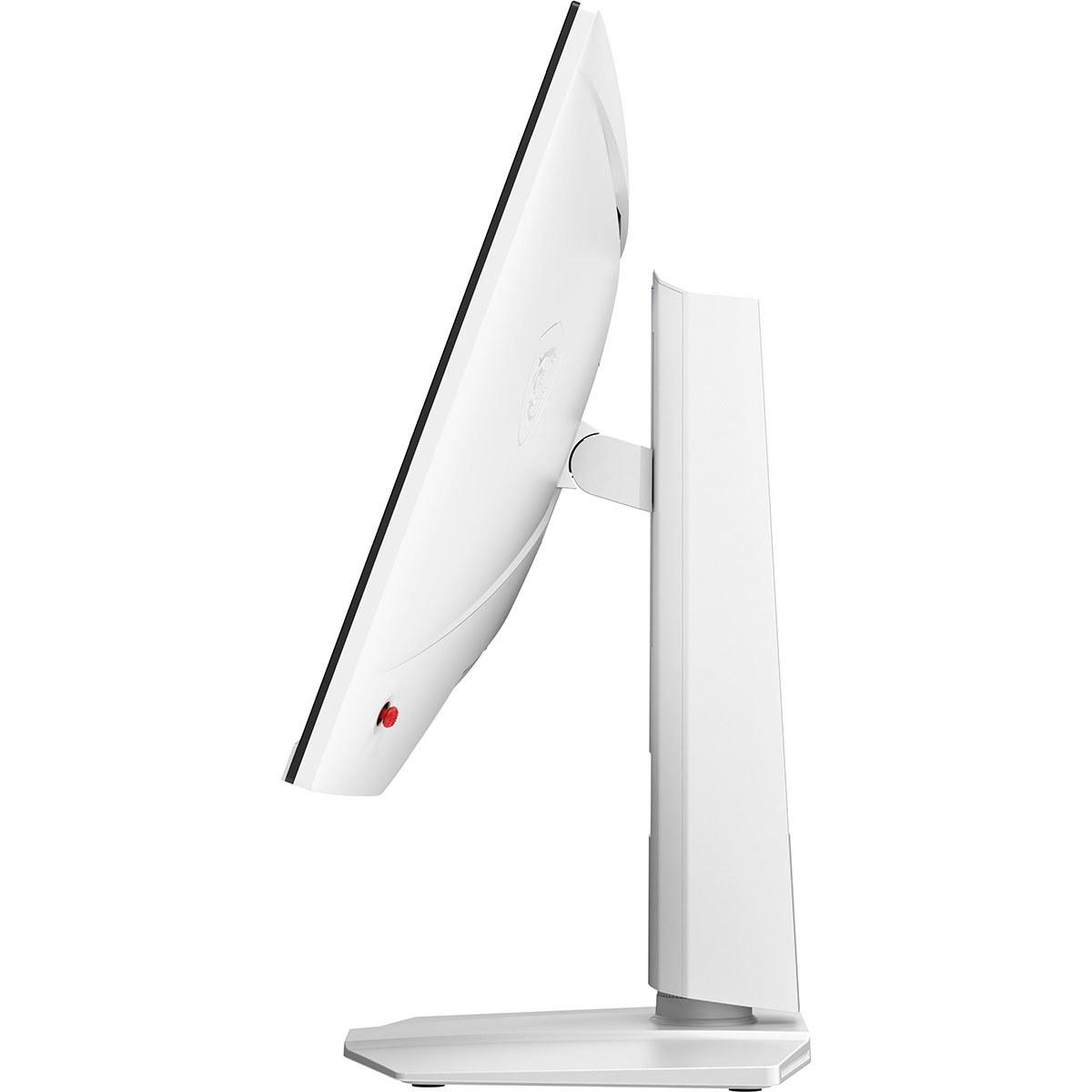
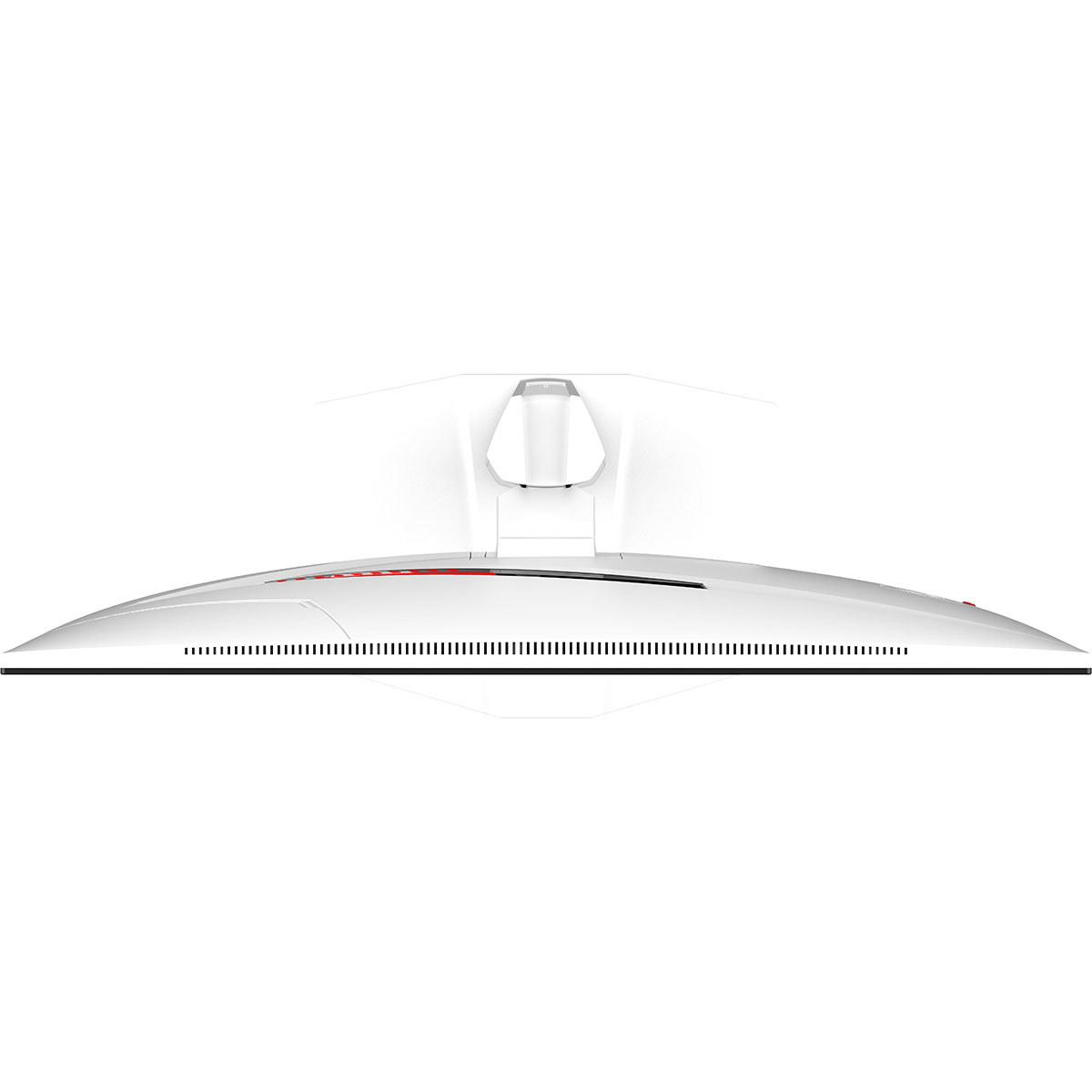
Physical design reveals different priorities. The MSI MAG 274URFW stands out with its distinctive white chassis and RGB lighting—it's clearly designed to complement modern gaming setups with their emphasis on aesthetics. The build quality is solid, with comprehensive ergonomic adjustments and a stable stand.
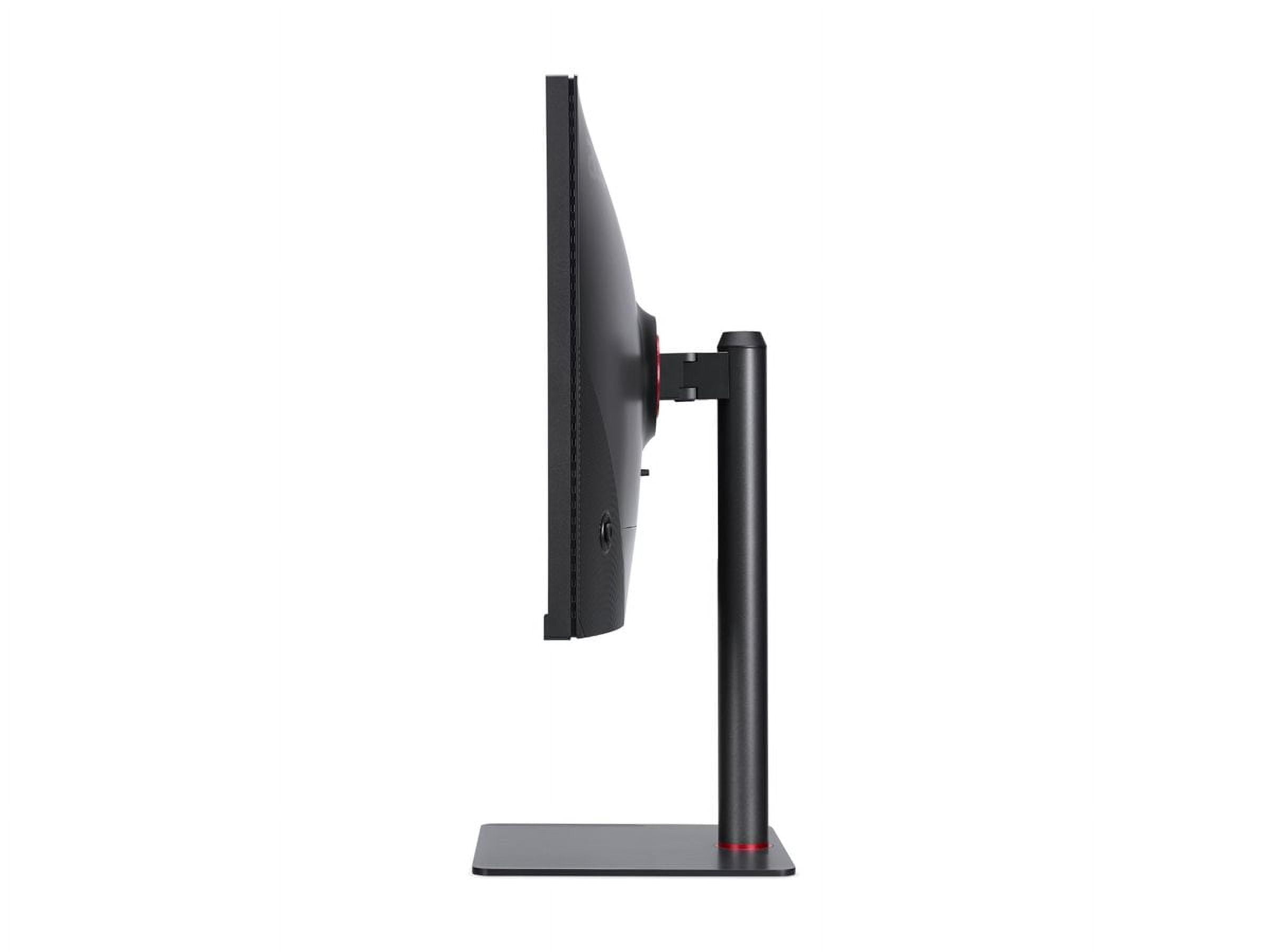
The Acer XV275K P3 takes a more understated approach with traditional black styling and subtle rear RGB lighting. It's slightly heavier due to the more complex Mini LED backlighting system, but feels equally well-built.
Where they differ significantly is in user interface. The MSI uses a 5-way joystick for menu navigation—intuitive and responsive. The Acer relies on multiple hotkeys and a power button, which feels clunky by comparison. Worse, the Acer has reported firmware bugs where certain settings reset when switching inputs or toggling HDR modes.
If you're considering either monitor for movie watching or streaming, the Acer Nitro XV275K P3 is the clear winner. Its Mini LED backlighting transforms HDR content from Netflix, Disney+, or 4K Blu-rays into something approaching a premium TV experience. Dark scenes in movies like "Dune" maintain detail in shadows while bright scenes pop with realistic intensity.
The MSI MAG 274URFW handles standard content beautifully with accurate colors and sharp text, but HDR content looks only marginally better than SDR. For casual Netflix watching, it's perfectly fine. For cinephiles or anyone who wants their monitor to double as an entertainment display, the Acer justifies itself immediately.
After extensive testing across different game types, some clear patterns emerge. In competitive esports titles like Valorant, CS2, or Rocket League, the MSI MAG 274URFW edges ahead with its consistent input lag performance. The difference isn't massive, but in games where reaction times matter, every millisecond counts.
For AAA single-player games with HDR support—think Horizon Zero Dawn, Microsoft Flight Simulator, or Forza Horizon 5—the Acer XV275K P3 provides a transformative experience. Sunsets look genuinely bright, explosions have impact, and the overall visual experience feels more immersive. The blooming around bright UI elements can be distracting in some games, but most modern titles handle Mini LED displays well.
Racing games deserve special mention for home theater use. The Acer's high brightness and contrast make racing games incredibly immersive, especially in darkened rooms where the Mini LED backlighting can show off its capabilities.
The choice between these monitors comes down to your priorities and use cases.
Choose the MSI MAG 274URFW if:
Choose the Acer Nitro XV275K P3 if:
At the time of writing, both monitors command similar pricing, making the Acer XV275K P3 an exceptional value proposition. You're essentially getting next-generation display technology at the same price as traditional LED backlighting. The Mini LED implementation alone would have cost significantly more just a few years ago.
The MSI MAG 274URFW represents solid value for gamers who prioritize performance over visual spectacle, but it's harder to recommend when the Acer offers so much more capability at the same price point.
Display technology evolves rapidly, and both monitors reflect different points in that evolution. The MSI's traditional LED backlighting is mature and reliable but represents older technology. The Acer's Mini LED approach is cutting-edge now and will likely remain competitive for years longer.
As HDR content becomes more prevalent in gaming and streaming, the Acer's superior HDR performance becomes increasingly valuable. Similarly, as laptops continue trending toward minimal ports, the Acer's 90W USB-C power delivery becomes more essential for clean desk setups.
While both monitors deliver excellent 4K gaming experiences, the Acer Nitro XV275K P3 emerges as the better choice for most users. Its Mini LED backlighting technology provides genuinely superior visual quality, especially for HDR content, while its connectivity options make it more versatile for modern computing needs.
The MSI MAG 274URFW remains a solid choice for competitive gamers who prioritize consistent performance over visual spectacle, or for users who simply prefer its aesthetic and user experience. But at similar pricing, the Acer's advanced display technology and comprehensive feature set make it the smarter long-term investment for most buyers.
Both monitors represent the current state of accessible 4K gaming, but they're clearly aimed at different users. Choose based on whether you value cutting-edge visual technology or proven competitive performance—either way, you'll get an excellent 4K gaming experience.
| MSI MAG 274URFW | Acer Nitro XV275K P3 |
|---|---|
| Display Technology - Determines picture quality and HDR performance | |
| Traditional LED backlight with Rapid IPS panel | Mini LED backlight with 576 local dimming zones |
| Peak Brightness - Critical for HDR gaming and bright room use | |
| 400 nits (DisplayHDR 400) | 1000 nits (DisplayHDR 1000) - 2.5x brighter |
| Resolution & Refresh Rate - Core gaming specs | |
| 4K (3840x2160) at 160Hz | 4K (3840x2160) at 160Hz |
| Response Time - Affects motion blur in fast games | |
| 0.5ms GtG (faster on paper) | 1ms GtG (better real-world motion handling) |
| Input Lag - Critical for competitive gaming | |
| Consistently low across all refresh rates | Excellent at high refresh, increases at 60Hz |
| Color Coverage - Important for content creation | |
| 133% sRGB, 98% DCI-P3, 10-bit color | 130% sRGB, 99% DCI-P3, factory calibrated (ΔE < 2) |
| USB-C Power Delivery - Laptop charging capability | |
| 15W (maintenance power only) | 90W (full laptop charging) - 6x more powerful |
| Connectivity - Port selection and versatility | |
| 2x HDMI 2.1, 1x DP 1.4a, USB-C | 2x HDMI 2.1, 1x DP 1.4, USB-C, USB hub |
| Adaptive Sync - Eliminates screen tearing | |
| AMD FreeSync Premium, G-SYNC Compatible | AMD FreeSync Premium Pro, G-SYNC Compatible |
| Design & Controls - User experience factors | |
| White chassis, 5-way joystick (intuitive), RGB lighting | Black chassis, hotkey controls (less intuitive), reported firmware bugs |
| Weight & Build - Physical considerations | |
| 6.4kg (lighter), 3-sided borderless design | 6.72kg (heavier due to Mini LED), traditional bezels |
| Best For - Target user scenarios | |
| Competitive gaming, consistent performance, aesthetic appeal | HDR gaming, laptop users, content creators, future-proofing |
Both the MSI MAG 274URFW and Acer Nitro XV275K P3 excel at gaming but in different ways. The MSI MAG 274URFW offers more consistent input lag across all refresh rates, making it better for competitive gaming and console use. The Acer Nitro XV275K P3 provides superior HDR gaming with its Mini LED backlighting, creating more immersive visuals in single-player games.
The MSI MAG 274URFW uses traditional LED backlighting around the panel edges, while the Acer Nitro XV275K P3 features Mini LED with 576 individual dimming zones. This allows the Acer XV275K P3 to achieve much deeper blacks, brighter highlights, and better HDR performance with 1000 nits peak brightness compared to the MSI's 400 nits.
The Acer Nitro XV275K P3 significantly outperforms the MSI MAG 274URFW in HDR. With DisplayHDR 1000 certification and Mini LED backlighting, the Acer delivers true HDR experiences with dramatic contrast and brightness. The MSI MAG 274URFW only meets DisplayHDR 400 standards, providing basic HDR that's noticeable but not transformative.
The MSI MAG 274URFW has a slight edge for competitive gaming due to its consistent low input lag across all refresh rates and 0.5ms response time. While the Acer Nitro XV275K P3 performs excellently at high refresh rates, its input lag increases at 60Hz, which could affect console competitive gaming where frame rates vary.
The Acer Nitro XV275K P3 is significantly better for laptop users, offering 90W USB-C power delivery that can charge most laptops while providing video and data connectivity. The MSI MAG 274URFW only provides 15W through USB-C, which won't charge laptops effectively. The Acer also includes a full USB hub for additional connectivity.
Yes, both the MSI MAG 274URFW and Acer Nitro XV275K P3 support 4K 120Hz gaming on next-generation consoles through their HDMI 2.1 ports. Both also support Variable Refresh Rate (VRR) and Auto Low Latency Mode (ALLM) for optimal console gaming performance.
The Acer Nitro XV275K P3 comes factory-calibrated with Delta E values under 2, making it ready for professional color work out of the box. It covers 99% DCI-P3, a professional color standard. While the MSI MAG 274URFW covers 133% sRGB and supports 10-bit color, it may require manual calibration for professional use.
The MSI MAG 274URFW generally offers a more polished user experience with its intuitive 5-way joystick controls and stable firmware. The Acer Nitro XV275K P3 has reported some firmware bugs and uses less intuitive hotkey controls, though its build quality is solid. Both offer comprehensive ergonomic adjustments and 3-year warranties.
The Acer Nitro XV275K P3 excels for media consumption thanks to its Mini LED backlighting, which transforms HDR movies and shows with realistic brightness and contrast. Dark scenes maintain detail while bright scenes pop with intensity. The MSI MAG 274URFW handles standard content well but provides only marginal improvement for HDR media.
The MSI MAG 274URFW claims 0.5ms response time versus the Acer Nitro XV275K P3's 1ms. However, real-world motion handling actually favors the Acer due to better panel tuning. For most users, both monitors provide excellent motion performance with minimal blur during fast-paced gaming.
At similar price points, the Acer Nitro XV275K P3 offers better value with its advanced Mini LED technology, superior HDR performance, 90W laptop charging, and factory color calibration. The MSI MAG 274URFW provides good value for competitive gamers who prioritize consistent performance and prefer its aesthetic design over cutting-edge display technology.
Choose the MSI MAG 274URFW if you prioritize competitive gaming, consistent performance, or prefer its white aesthetic and intuitive controls. Select the Acer Nitro XV275K P3 if you want the best visual quality, frequently connect laptops, consume HDR content, or need color accuracy for professional work. The Acer offers more advanced technology and versatility for most users.
We've done our best to create useful and informative comparisons to help you decide what product to buy. Our research uses advanced automated methods to create this comparison and perfection is not possible - please contact us for corrections or questions. These are the sites we've researched in the creation of this article: youtube.com - bestbuy.com - rtings.com - youtube.com - guru3d.com - youtube.com - newegg.com - bhphotovideo.com - bestbuy.com - storage-asset.msi.com - shi.com - neweggbusiness.com - files.bbystatic.com - us-store.msi.com - msi.com - storage-asset.msi.com - storage-asset.msi.com - bestbuy.com - rtings.com - reviewed.com - displayninja.com - youtube.com - displayninja.com - youtube.com - dpreview.com - acer.com - buy.bluum.com - shi.com - camcor.com - newegg.com - provantage.com - displayspecifications.com - colamco.com - displayspecifications.com - walmart.com - bestbuy.com

Privacy Policy
Terms and Conditions - Affiliate Policy
Home Security
© Copyright 2008-2026.
11816 Inwood Rd #1211, Dallas, TX 75244