

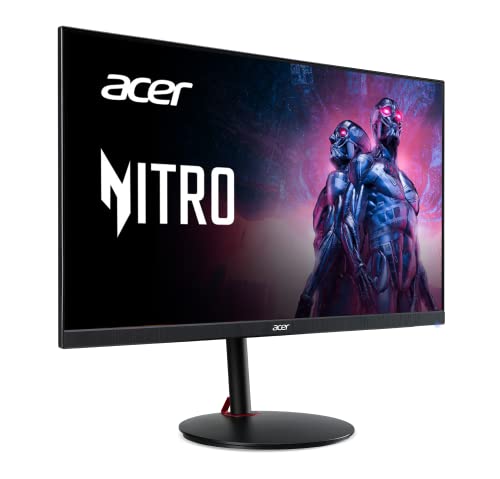
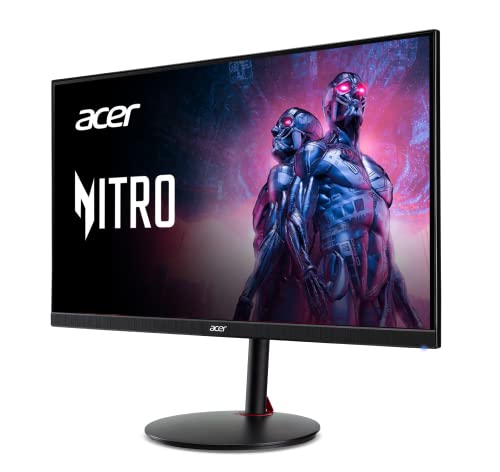
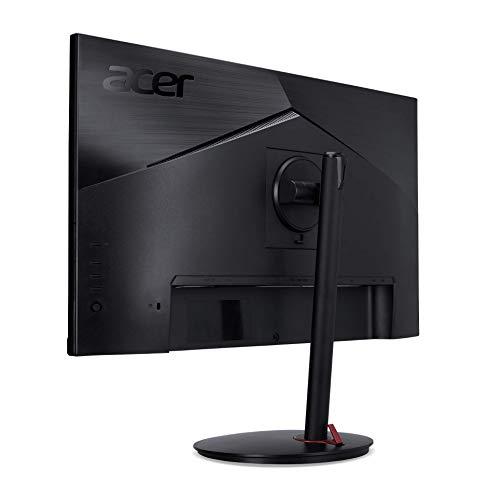
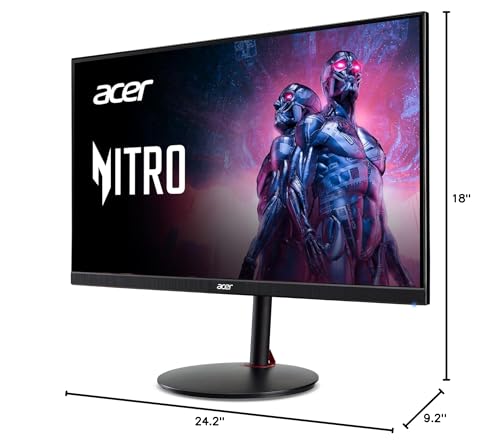
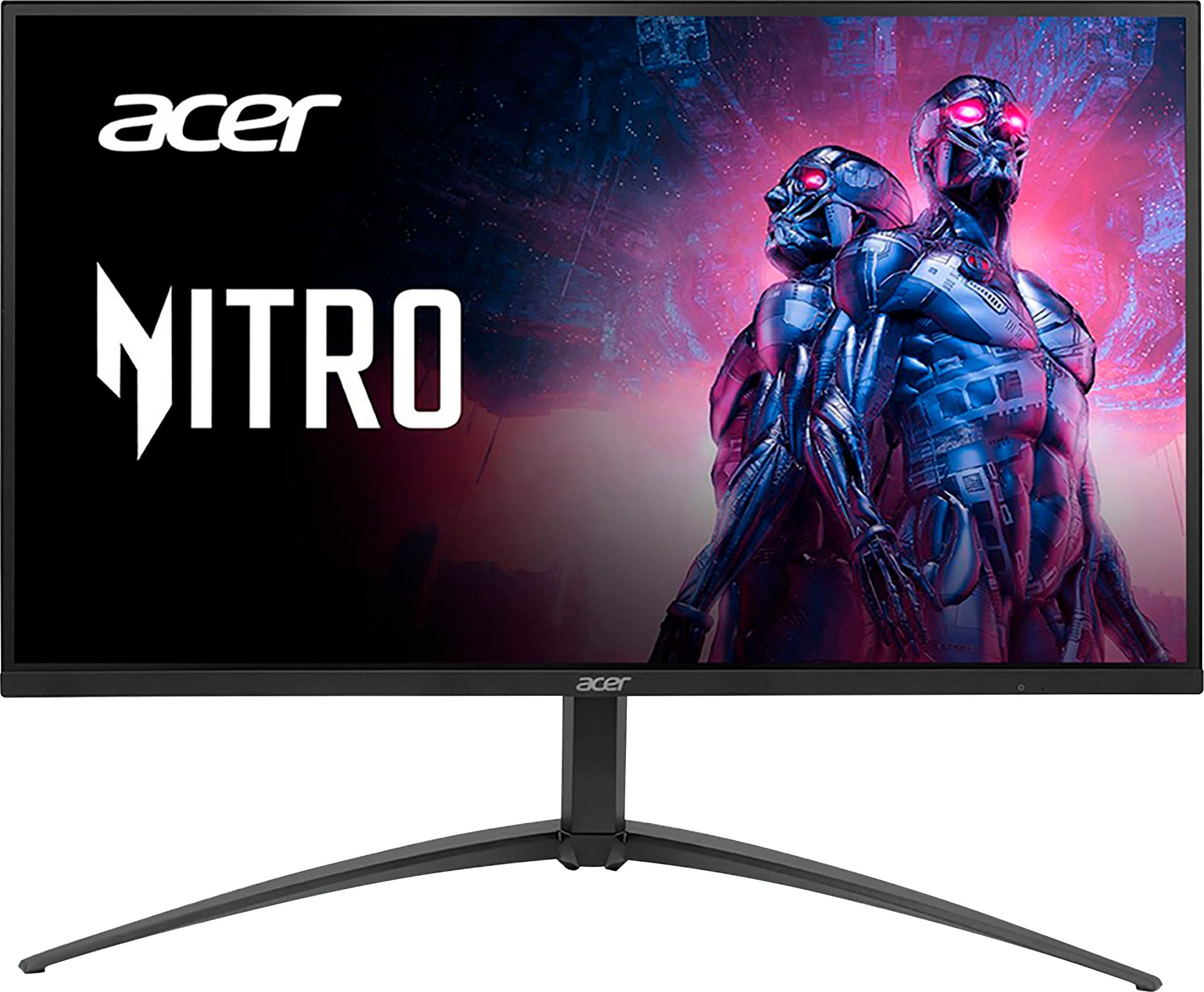
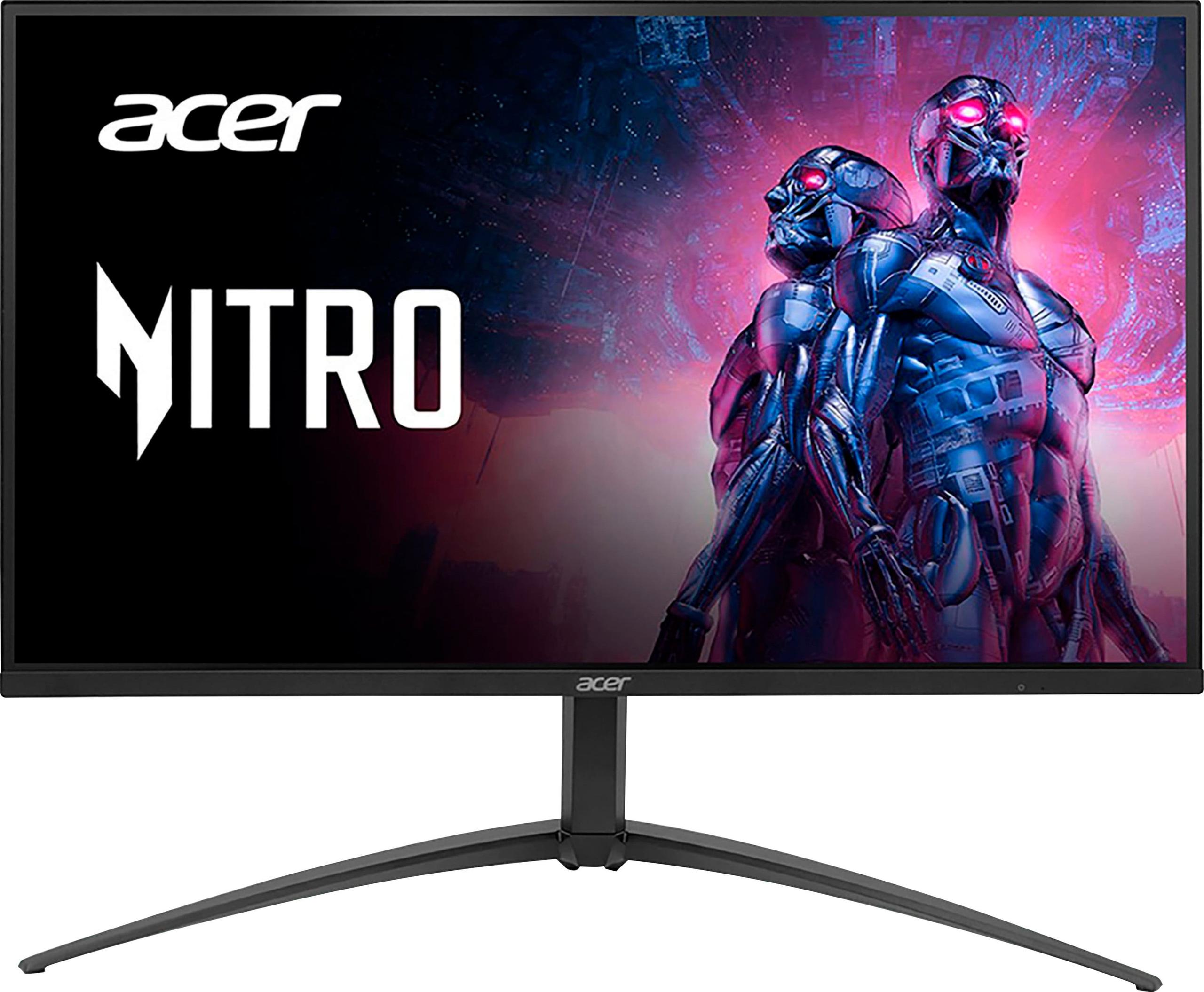
Choosing the right gaming monitor feels overwhelming these days. Walk into any electronics store or browse online, and you'll face dozens of options with confusing specs and marketing buzzwords. Today, we're breaking down two popular Acer gaming monitors that represent very different approaches to the same goal: delivering great gaming experiences without breaking the bank.
The Acer Nitro XV1 and Acer Nitro XV275K P3 both launched in 2023, but they target completely different needs. At the time of writing, the XV1 sits in budget territory while the XV275K P3 commands a significant premium – roughly 50% more – for advanced display technology. The question isn't which monitor is "better" overall, but which one makes sense for your specific gaming setup and budget.
Twenty-seven inches has become the goldilocks size for gaming monitors – not too big, not too small, just right for most setups. At a typical viewing distance of 2-3 feet, you get enough screen real estate for immersive gaming without needing to turn your head constantly. Both monitors we're examining hit this target perfectly, but they take radically different approaches to what should fill those 27 inches.
Modern gaming monitors need to juggle several competing priorities. You want sharp visuals, but higher resolutions demand more from your graphics card. You want smooth motion, but higher refresh rates often mean compromises elsewhere. You want vibrant colors and contrast, but advanced display technology costs money. Understanding these trade-offs helps explain why these two monitors exist in the same product lineup yet serve completely different audiences.
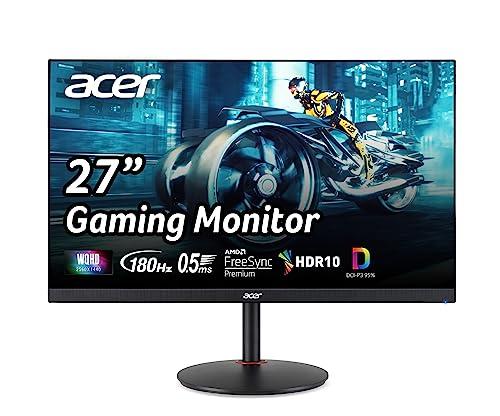
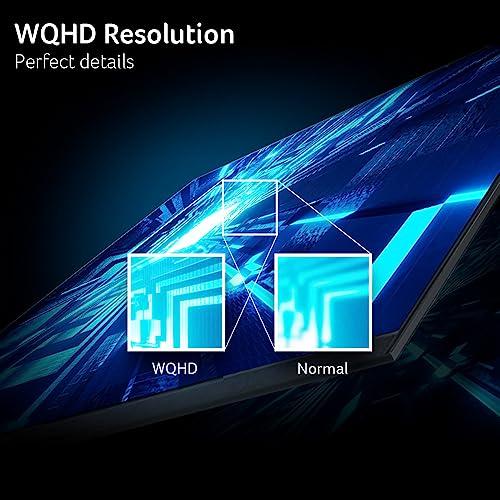
Here's where our two contenders diverge dramatically. The Acer Nitro XV1 uses WQHD resolution – that's 2560×1440 pixels, also called 1440p or "2K." Meanwhile, the Acer Nitro XV275K P3 jumps to full 4K UHD at 3840×2160 pixels.
This difference is more significant than the numbers suggest. Pixel density – measured in pixels per inch (PPI) – determines how sharp text and images appear. The XV1's 109 PPI delivers crisp visuals that represent a meaningful upgrade from standard 1080p monitors. Text is readable, game details are clear, and the overall experience feels modern without being demanding on your graphics card.
The XV275K P3's 163 PPI, however, enters different territory entirely. Individual pixels become nearly invisible at normal viewing distances. Text looks razor-sharp – almost print-quality. Game textures reveal details you'd miss at lower resolutions. User interface elements scale beautifully. The difference becomes immediately obvious when switching between the two.
But this sharpness comes with a catch: your graphics card needs to push 78% more pixels with 4K compared to 1440p. That's not a trivial increase. A graphics card that comfortably runs games at 1440p might struggle to maintain decent frame rates at 4K with the same settings.
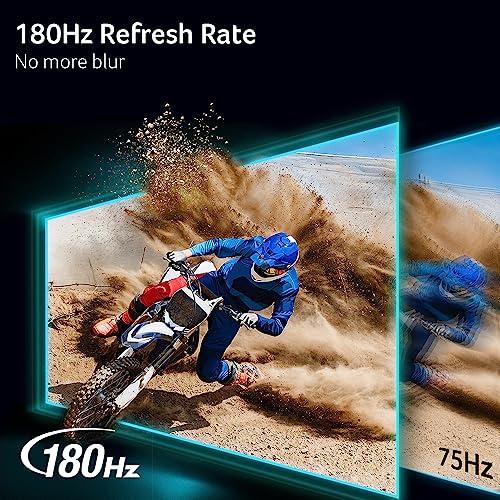
Both monitors prioritize smooth gaming, but they achieve it differently. The Acer Nitro XV1 reaches 180Hz – meaning it can display up to 180 frames per second. The XV275K P3 tops out at 160Hz. Those 20 extra hertz might seem minor, but they matter in competitive gaming scenarios.
Higher refresh rates reduce motion blur and provide more responsive controls. The difference between 60Hz and 120Hz is dramatic and immediately noticeable. Going from 120Hz to 180Hz offers diminishing returns, but competitive gamers often appreciate every advantage they can get.
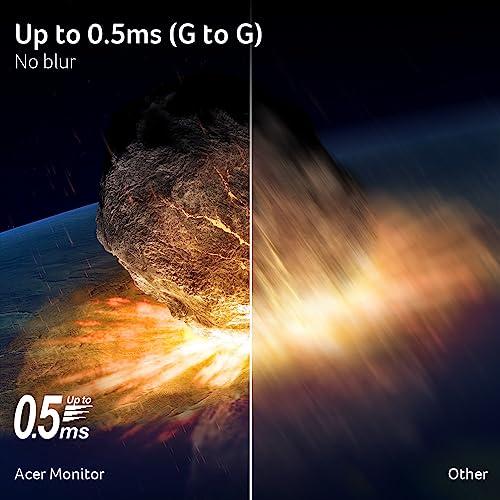
Response time – how quickly pixels change color – affects motion clarity too. Both monitors claim 1ms gray-to-gray (GtG) response times, which means minimal ghosting behind moving objects. In practice, this translates to sharp, clear motion whether you're tracking enemies in a shooter or following fast action in racing games.
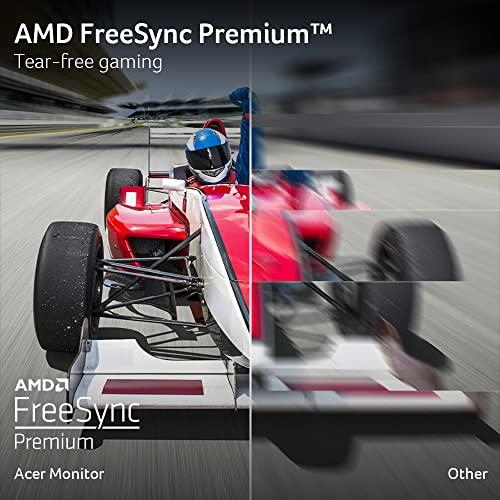
Variable refresh rate technology eliminates screen tearing (when the monitor displays parts of multiple frames simultaneously) and stuttering (when frame rates fluctuate). Both monitors support AMD FreeSync, and work compatibly with NVIDIA graphics cards despite lacking official G-SYNC certification. This compatibility has become standard, so you don't need to worry about graphics card brand when choosing.
High Dynamic Range (HDR) represents one of the biggest advances in display technology over the past decade, but not all HDR implementations are created equal. This is where the Acer Nitro XV275K P3 truly separates itself from the XV1.
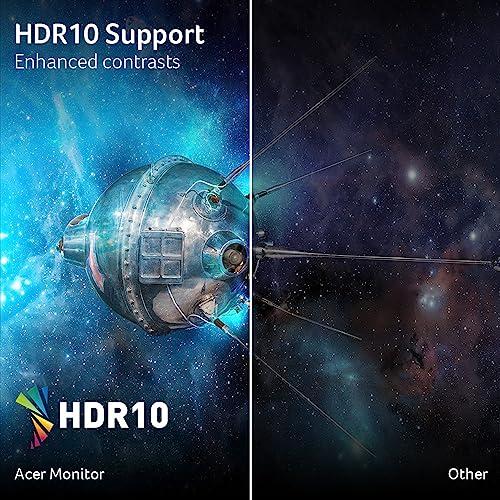
The XV1 includes HDR10 support, but it's essentially HDR in name only. With just 250 nits of peak brightness – about what you'd get from a decent laptop screen – it lacks the luminance needed for HDR to make a visual impact. Real HDR requires bright highlights (ideally 600+ nits) and deep blacks to create the contrast that makes images pop.
The XV275K P3 attacks this challenge with Mini LED backlighting and 576 local dimming zones. Let me break this down: instead of a few LED lights around the screen's edges (edge-lit), Mini LED uses hundreds of tiny LEDs directly behind the screen (full-array). Each group of LEDs can be controlled independently – that's what "local dimming zones" means.
This technology enables the XV275K P3 to hit 1000 nits peak brightness while simultaneously dimming dark areas of the screen. When you're exploring a dark cave with bright sunlight streaming through an opening, the sunlight can be genuinely bright while the shadows remain deep black. The contrast creates depth and realism that standard monitors simply can't match.
The XV275K P3 earns VESA DisplayHDR 1000 certification, indicating it meets strict standards for HDR performance. In practice, this means HDR games and movies look dramatically more impactful than on standard monitors. However, this advanced backlighting isn't perfect – you might notice "blooming" where bright objects create subtle halos in dark areas. It's a minor trade-off for significantly better overall HDR performance.
Gaming monitors increasingly need to handle more than just games. Content creation, photo editing, and professional work all benefit from accurate colors, and this is another area where the two monitors diverge significantly.
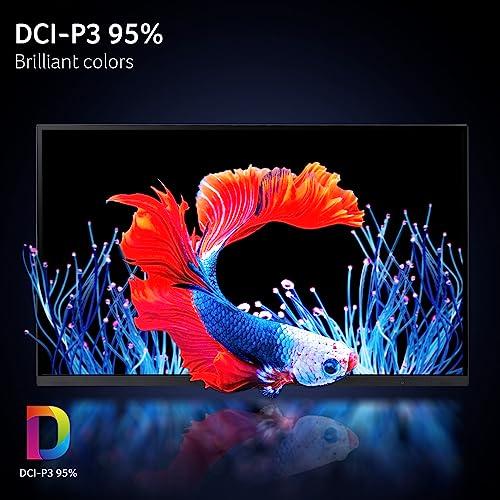
The Acer Nitro XV1 covers 95% of the DCI-P3 color space – that's the standard used for digital cinema and modern games. For gaming, this coverage is excellent and provides vibrant, engaging visuals. Most users will find the color quality perfectly satisfactory for entertainment and general use.
The XV275K P3 steps into professional territory with 99% Adobe RGB coverage and factory calibration achieving Delta E < 2 accuracy. Adobe RGB is the color space used for print work and professional photography, while Delta E measures color accuracy – values under 2 are considered excellent for professional applications.
What does this mean practically? If you edit photos, create digital art, or work with color-critical applications, the XV275K P3 can serve double duty as both a gaming monitor and professional display. The XV1 remains focused on gaming and general entertainment.
When it comes to actual gaming performance, both monitors excel in their intended roles, but those roles differ significantly. The Acer Nitro XV1 shines with mid-range graphics cards (think RTX 4060 Ti or RX 7700 XT level) that can consistently push high frame rates at 1440p resolution. You can enable high or ultra settings in most games while maintaining 120+ fps – perfect for taking advantage of that 180Hz refresh rate.
The XV275K P3 demands more powerful hardware to realize its potential. At 4K resolution, even high-end graphics cards like the RTX 4070 Super sometimes require settings compromises to maintain smooth frame rates. However, when you have the GPU power to drive it, 4K gaming offers unmatched visual fidelity. Text in strategy games becomes crystal clear, distant objects in open-world games show remarkable detail, and the overall experience feels genuinely next-generation.
One important consideration: the XV275K P3 has higher input lag at 60Hz compared to higher refresh rates. If your PC can't maintain high frame rates consistently, competitive gaming might feel less responsive than on the XV1.
Console compatibility tells an interesting story about these monitors' target audiences. The Acer Nitro XV1 includes HDMI 2.0 ports, which limit PlayStation 5 and Xbox Series X|S to either 4K at 60Hz or 1440p at 120Hz. For a 1440p monitor, this works perfectly – you get the full 120Hz experience the XV1 was designed for.
The XV275K P3 includes HDMI 2.1 ports that support the full 4K/120Hz capability of modern consoles. Combined with meaningful HDR support, console games look spectacular. The Mini LED backlighting makes HDR games like Horizon Forbidden West or Halo Infinite truly shine with realistic lighting and contrast.
For home theater use, the XV275K P3 becomes particularly compelling. Its HDR performance and 4K resolution make it suitable for movie watching, while the USB-C connectivity with 90W power delivery means you can connect a laptop with a single cable for work during the day and gaming at night.
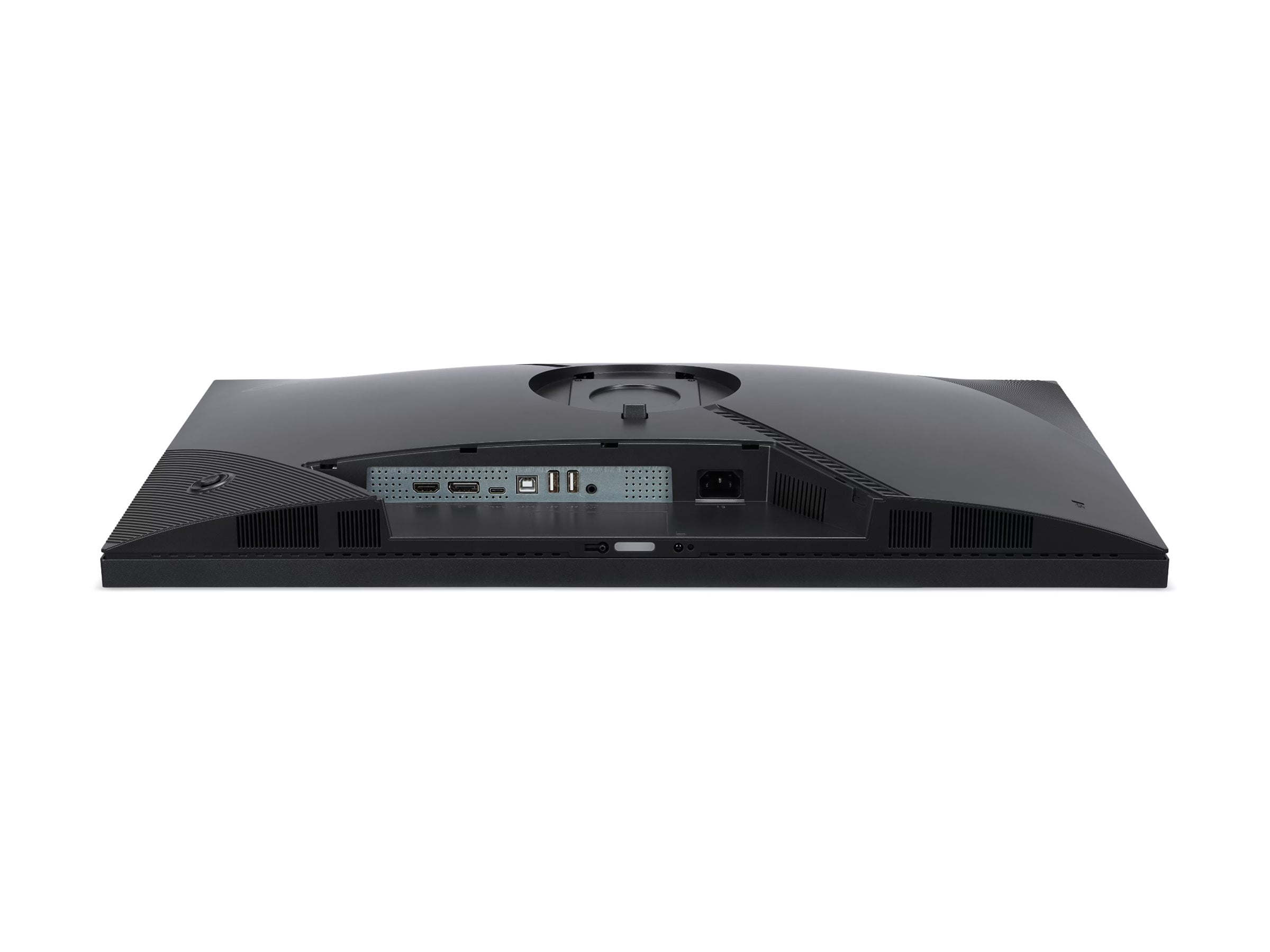
Modern monitors need to connect to more than just gaming PCs, and here the XV275K P3 offers significantly more versatility. Its USB-C port with 90W power delivery transforms it into a complete workstation hub. Connect a modern laptop with one cable, and you get video, audio, data transfer, and laptop charging simultaneously. The additional USB-A ports handle peripherals like keyboards and mice.
The XV1 focuses on basic display connectivity with HDMI and DisplayPort options. It's perfectly adequate for dedicated gaming setups but lacks the flexibility for multi-device workflows.
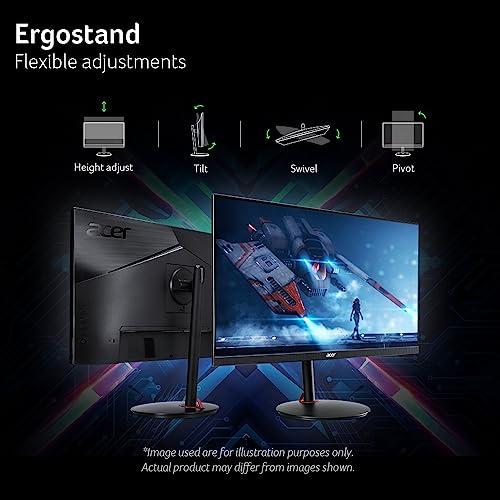
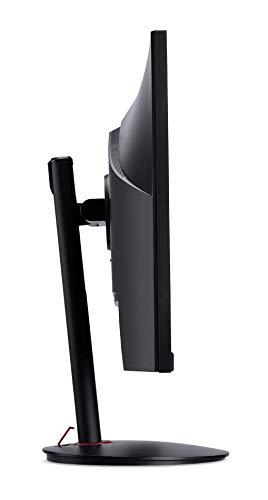
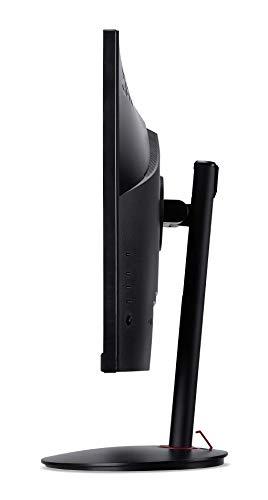
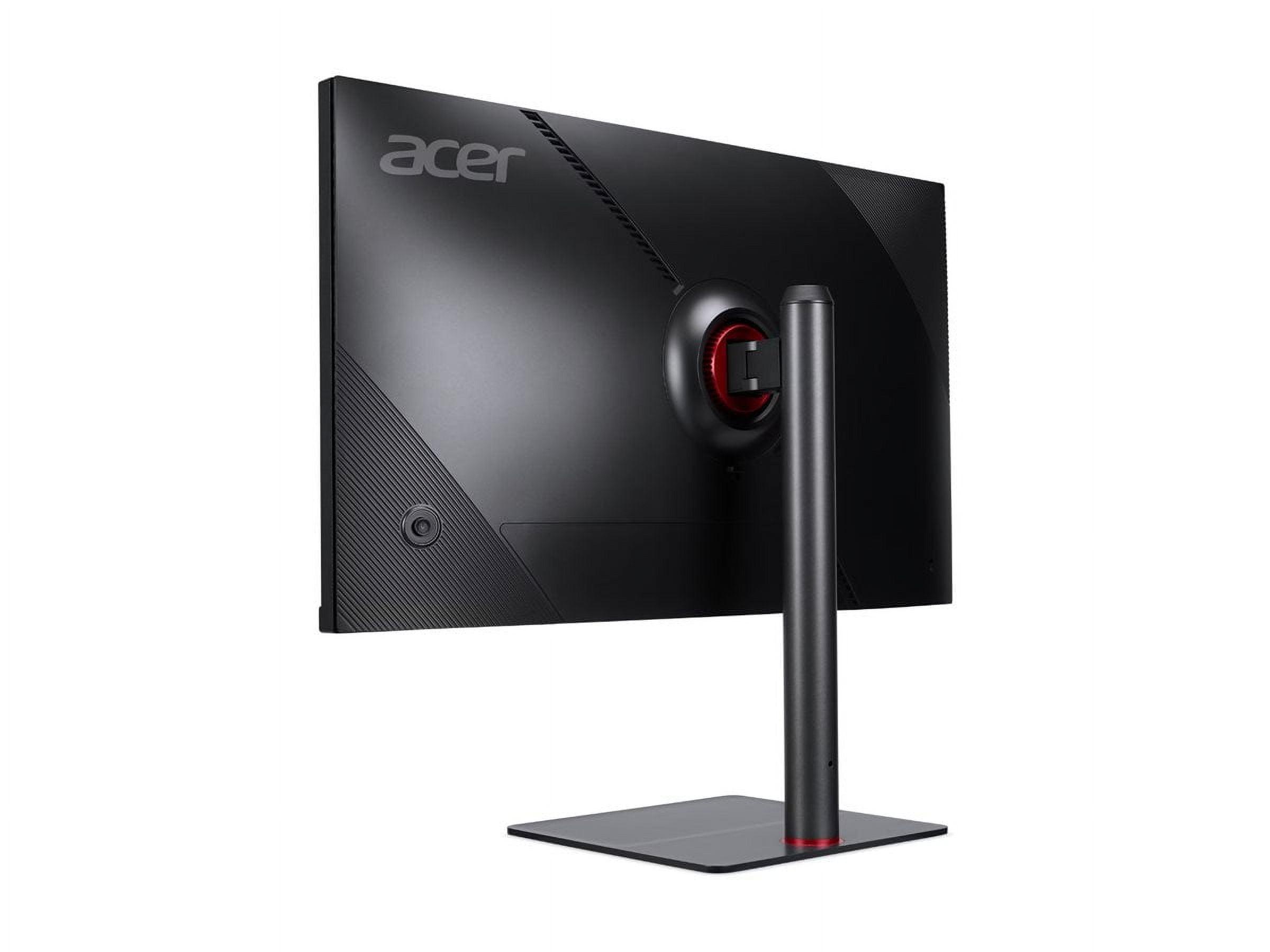
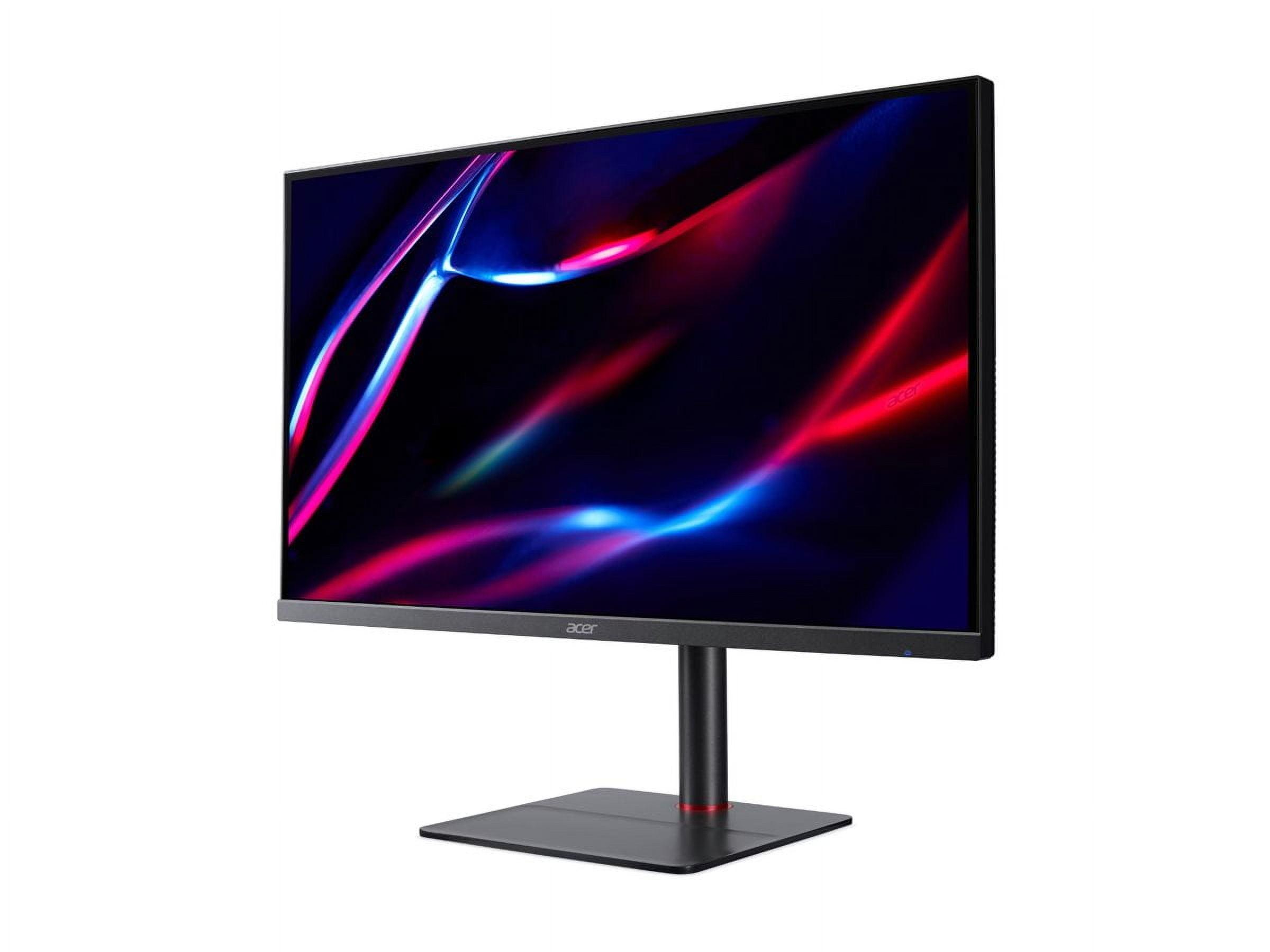
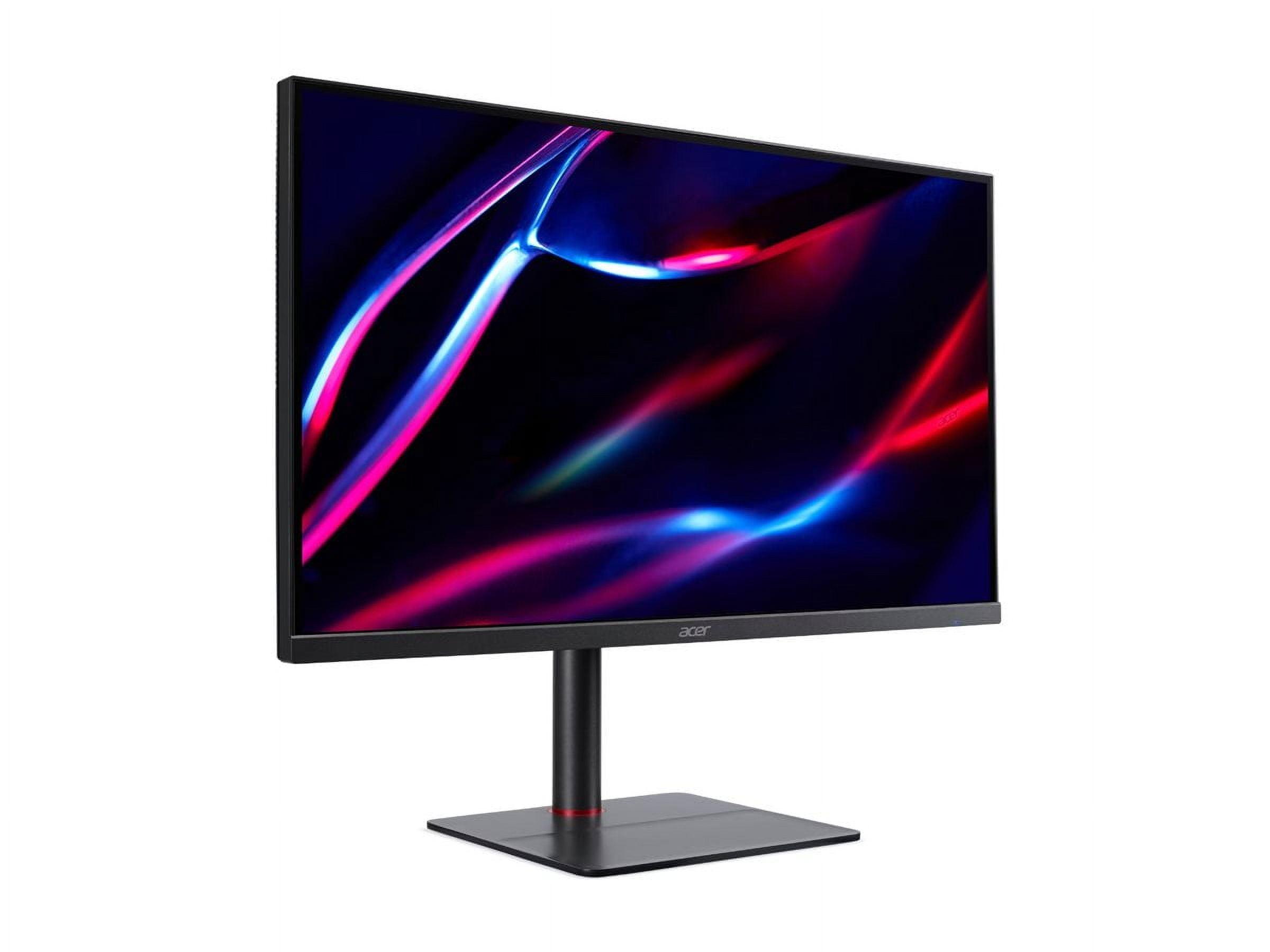
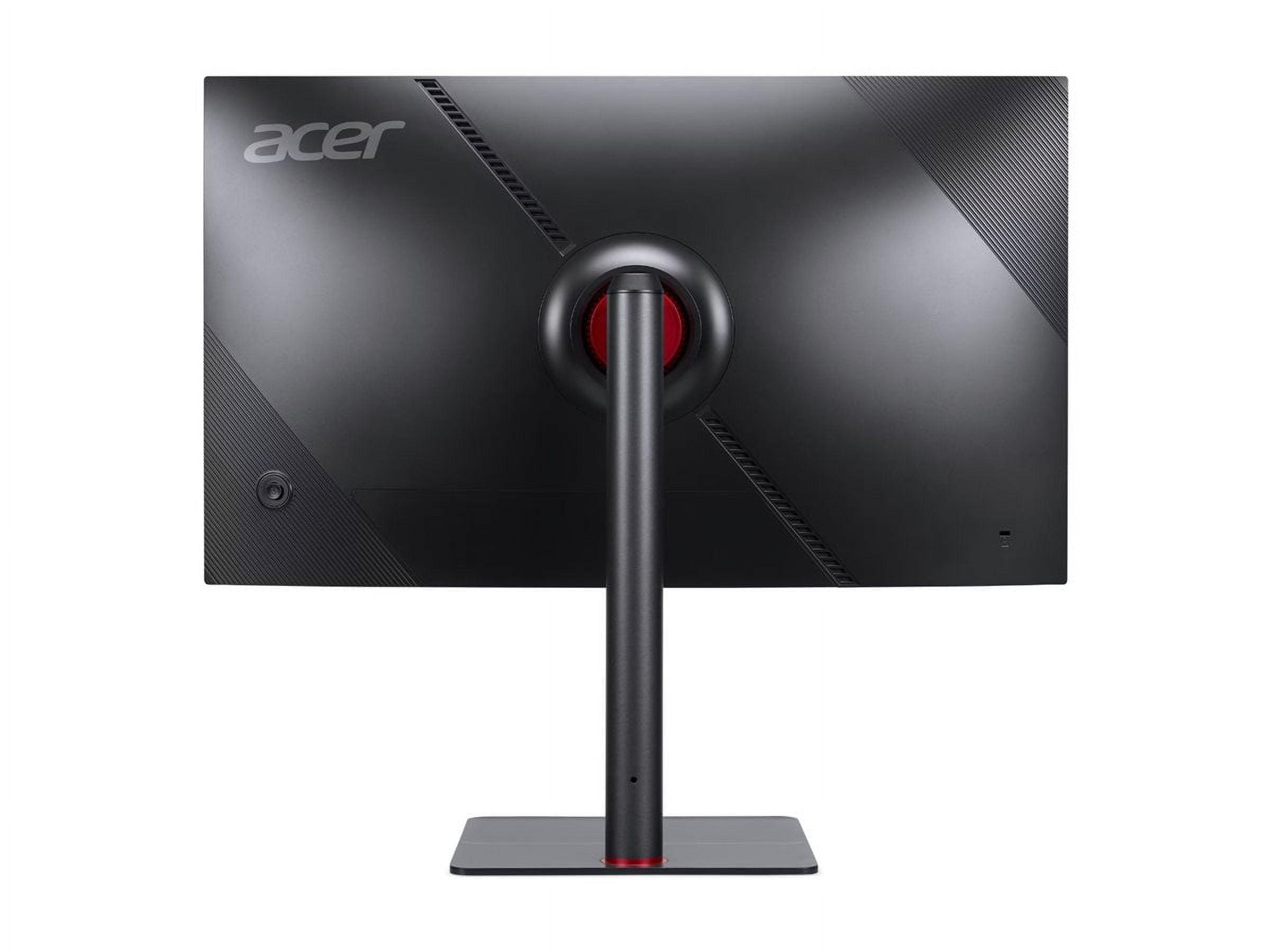
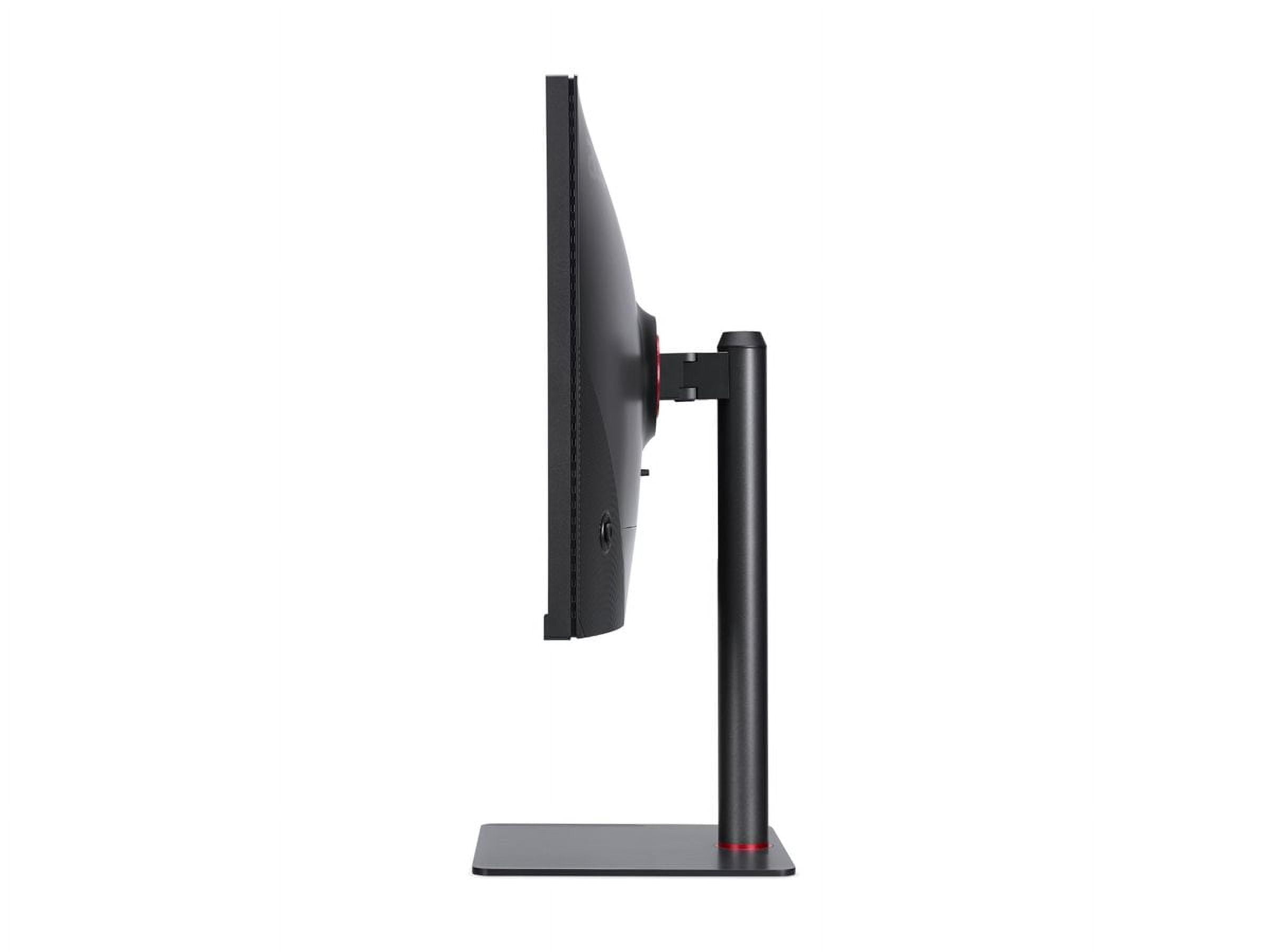
Both monitors include fully adjustable stands with height, tilt, swivel, and pivot adjustments. The stands feel solid enough for daily use, though some users prefer VESA mounting for ultimate flexibility – both monitors support standard mounting brackets.
The XV275K P3 adds RGB backlighting that creates ambient lighting effects behind the monitor. It's not essential for performance, but it adds visual flair to gaming setups and can reduce eye strain in dark rooms by providing subtle background illumination.
After extensive research into user experiences and expert evaluations, clear usage patterns emerge for each monitor.
Choose the Acer Nitro XV1 if you're building a focused gaming setup on a budget. It excels when paired with mid-range graphics cards that can consistently drive high frame rates at 1440p. Competitive gamers who prioritize maximum refresh rates over visual fidelity will appreciate the 180Hz capability. The lower resolution means your graphics card investment goes toward frame rates rather than pixel pushing.
The XV275K P3 makes sense for users who want a versatile display that handles gaming, work, and entertainment equally well. The 4K resolution and accurate colors make it suitable for photo editing or content creation during the day, then the HDR capability and high refresh rate deliver excellent gaming experiences at night. If you frequently connect laptops or value console gaming, the advanced connectivity becomes essential.
The roughly 50% price difference (at the time of writing) between these monitors represents more than incremental improvements – it's a technology generation gap. The XV275K P3's Mini LED backlighting typically appears in monitors costing significantly more, making it genuinely competitive with displays that cost twice as much.
However, that premium only makes sense if you'll use the advanced features. For pure 1440p gaming, the XV1 delivers 95% of the gaming experience at a much lower cost. The math changes dramatically if you need 4K resolution for work, want meaningful HDR for console gaming, or require the connectivity flexibility for multi-device setups.
Both monitors succeed in their intended roles. The Acer Nitro XV1 proves that excellent gaming monitors don't require premium pricing – it delivers smooth, responsive gaming with good color quality at a budget-friendly price point. The XV275K P3 demonstrates how advanced display technology can transform the entire computing experience, serving as both a high-performance gaming monitor and professional-quality display.
Your choice ultimately depends on your specific needs and budget constraints. If gaming is your primary focus and budget matters, the XV1 offers outstanding value. If you want a single monitor that excels across multiple use cases and can justify the premium for advanced technology, the XV275K P3 delivers features typically found in much more expensive displays.
Either way, you're getting a solid gaming monitor from a reputable manufacturer. The question isn't which one is objectively better, but which one fits better into your specific setup and usage patterns.
| Acer Nitro XV1 27" WQHD 180Hz IPS Gaming Monitor | Acer Nitro XV275K P3 27" Mini LED 4K UHD Gaming Monitor |
|---|---|
| Resolution - Foundation of image sharpness and detail | |
| 2560×1440 (WQHD) - Great balance of sharpness and performance | 3840×2160 (4K UHD) - Premium sharpness, demands powerful GPU |
| Pixel Density - How crisp text and images appear | |
| 109 PPI - Clean, modern visuals without being demanding | 163 PPI - Nearly print-quality sharpness, ideal for productivity |
| Refresh Rate - How smooth motion appears in games | |
| 180Hz - Excellent for competitive gaming with high-end feel | 160Hz - Still premium smooth, slight edge to XV1 for esports |
| HDR Performance - Contrast and brightness for realistic visuals | |
| HDR10 basic support, 250 nits - Limited real HDR impact | VESA DisplayHDR 1000, 1000 nits - True HDR with meaningful contrast |
| Backlighting Technology - What enables deep blacks and bright highlights | |
| Standard LED backlighting - Good for gaming, limited contrast | 576-zone Mini LED - Professional-grade local dimming with excellent blacks |
| Color Accuracy - Important for content creation and professional work | |
| 95% DCI-P3 - Excellent for gaming and entertainment | 99% Adobe RGB, factory calibrated - Professional-grade color for creators |
| Gaming Performance - Response time and motion clarity | |
| 1ms GtG, optimized for high frame rates at 1440p | 1ms GtG, but higher input lag at 60Hz - Best with consistent high fps |
| Console Compatibility - Next-gen PlayStation and Xbox support | |
| HDMI 2.0 - Limited to 1440p/120Hz or 4K/60Hz | HDMI 2.1 - Full 4K/120Hz support with proper HDR experience |
| Connectivity Options - How many devices you can connect easily | |
| Basic - 2× HDMI 2.0, 1× DisplayPort 1.2 | Comprehensive - 2× HDMI 2.1, 1× DisplayPort 1.4, USB-C with 90W power delivery |
| Productivity Features - Usefulness beyond gaming | |
| Gaming-focused with basic ergonomics | Multi-purpose with USB hub, laptop charging, professional color spaces |
| GPU Requirements - What graphics card power you need | |
| Mid-range friendly - RTX 4060 Ti / RX 7700 XT level performs excellently | High-end preferred - RTX 4070 Super+ recommended for full 4K gaming |
| Best Use Case - Who should choose this monitor | |
| Budget-conscious gamers prioritizing high refresh rates at 1440p | Versatile users wanting premium gaming, work, and content creation in one display |
Both the Acer Nitro XV1 and Acer Nitro XV275K P3 are excellent gaming monitors, but they serve different needs. The XV1 offers a higher 180Hz refresh rate that's ideal for competitive gaming at 1440p resolution. The XV275K P3 provides superior visual quality with 4K resolution and true HDR support, making it better for immersive single-player games and console gaming.
The Acer Nitro XV1 uses 1440p (2560×1440) resolution, while the XV275K P3 features 4K (3840×2160). The 4K display shows 78% more pixels, resulting in much sharper text and game details. However, 4K requires a more powerful graphics card to maintain high frame rates compared to 1440p gaming.
The Acer Nitro XV275K P3 has significantly better HDR with its 1000-nit brightness and 576-zone Mini LED backlighting, earning VESA DisplayHDR 1000 certification. The XV1 only offers basic HDR10 support with 250 nits brightness, which provides minimal HDR impact in real-world use.
The Acer Nitro XV1 works excellently with mid-range graphics cards like RTX 4060 Ti or RX 7700 XT for high refresh rate 1440p gaming. The XV275K P3 requires more powerful hardware like RTX 4070 Super or better to fully utilize its 4K resolution at high frame rates.
The Acer Nitro XV275K P3 is superior for console gaming with its HDMI 2.1 ports supporting full 4K/120Hz from PlayStation 5 and Xbox Series X|S, plus meaningful HDR for enhanced visuals. The XV1 has HDMI 2.0 ports that limit consoles to either 4K/60Hz or 1440p/120Hz.
The XV275K P3 excels for productivity with its sharp 4K resolution, professional color accuracy (99% Adobe RGB), and USB-C connectivity with 90W laptop charging. The Acer Nitro XV1 is primarily gaming-focused but adequate for basic productivity tasks at 1440p resolution.
The Acer Nitro XV275K P3 uses Mini LED backlighting with 576 local dimming zones, allowing precise control over brightness and darkness across the screen. This creates deeper blacks and brighter highlights compared to the standard LED backlighting in the XV1, resulting in superior contrast and HDR performance.
The Acer Nitro XV1 provides excellent value for budget-conscious gamers focused on high refresh rate 1440p gaming. The XV275K P3 offers premium features like 4K resolution, Mini LED backlighting, and professional color accuracy that justify its higher cost for users needing versatility beyond gaming.
The Acer Nitro XV275K P3 is excellent for movies with its 4K resolution, true HDR support, and accurate colors creating a cinematic experience. The XV1 is adequate for casual movie watching but lacks the resolution and HDR performance for a premium home theater experience.
The XV275K P3 offers comprehensive connectivity with 2× HDMI 2.1, DisplayPort 1.4, USB-C with 90W power delivery, and USB hub functionality. The Acer Nitro XV1 provides basic connectivity with 2× HDMI 2.0 and DisplayPort 1.2, suitable for dedicated gaming setups.
The Acer Nitro XV1 has a higher 180Hz refresh rate compared to the XV275K P3's 160Hz. While both offer smooth gaming, the extra 20Hz can provide a slight advantage in competitive gaming scenarios, though the difference is less noticeable than jumping from 60Hz to 120Hz+.
Choose the Acer Nitro XV1 if you prioritize competitive gaming performance and have a mid-range GPU that excels at 1440p. Select the XV275K P3 if you want the best visual quality for immersive gaming, content creation, or multi-purpose use, and have a high-end graphics card capable of 4K gaming.
We've done our best to create useful and informative comparisons to help you decide what product to buy. Our research uses advanced automated methods to create this comparison and perfection is not possible - please contact us for corrections or questions. These are the sites we've researched in the creation of this article: bestbuy.com - tomshardware.com - displayninja.com - youtube.com - youtube.com - youtube.com - store.acer.com - manuals.plus - displayspecifications.com - pangoly.com - pcpartpicker.com - casariolab.art - store.acer.com - versus.com - youtube.com - bestbuy.com - rtings.com - reviewed.com - displayninja.com - youtube.com - displayninja.com - youtube.com - dpreview.com - acer.com - buy.bluum.com - shi.com - camcor.com - newegg.com - provantage.com - displayspecifications.com - colamco.com - displayspecifications.com - walmart.com - bestbuy.com

Privacy Policy
Terms and Conditions - Affiliate Policy
Home Security
© Copyright 2008-2026.
11816 Inwood Rd #1211, Dallas, TX 75244