

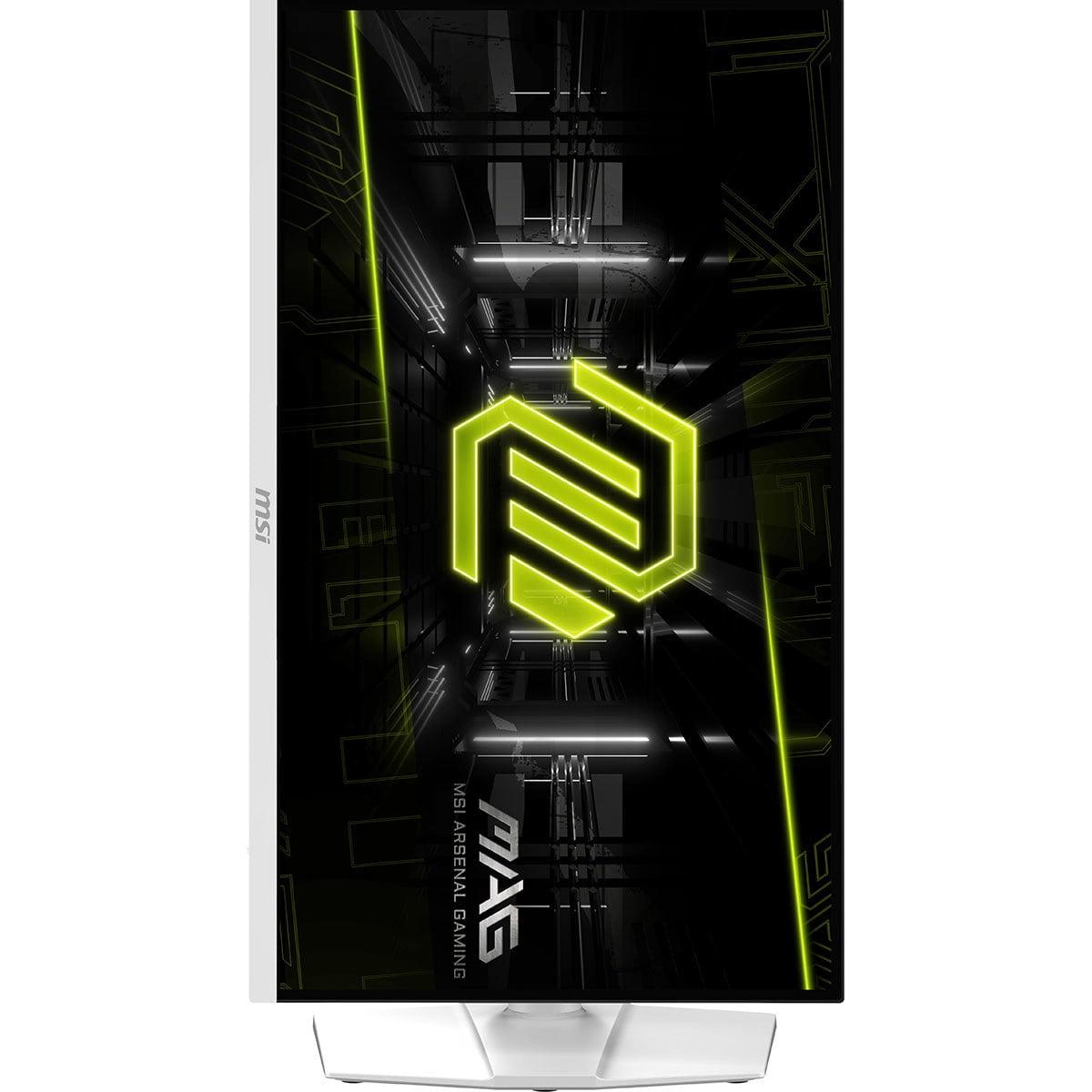
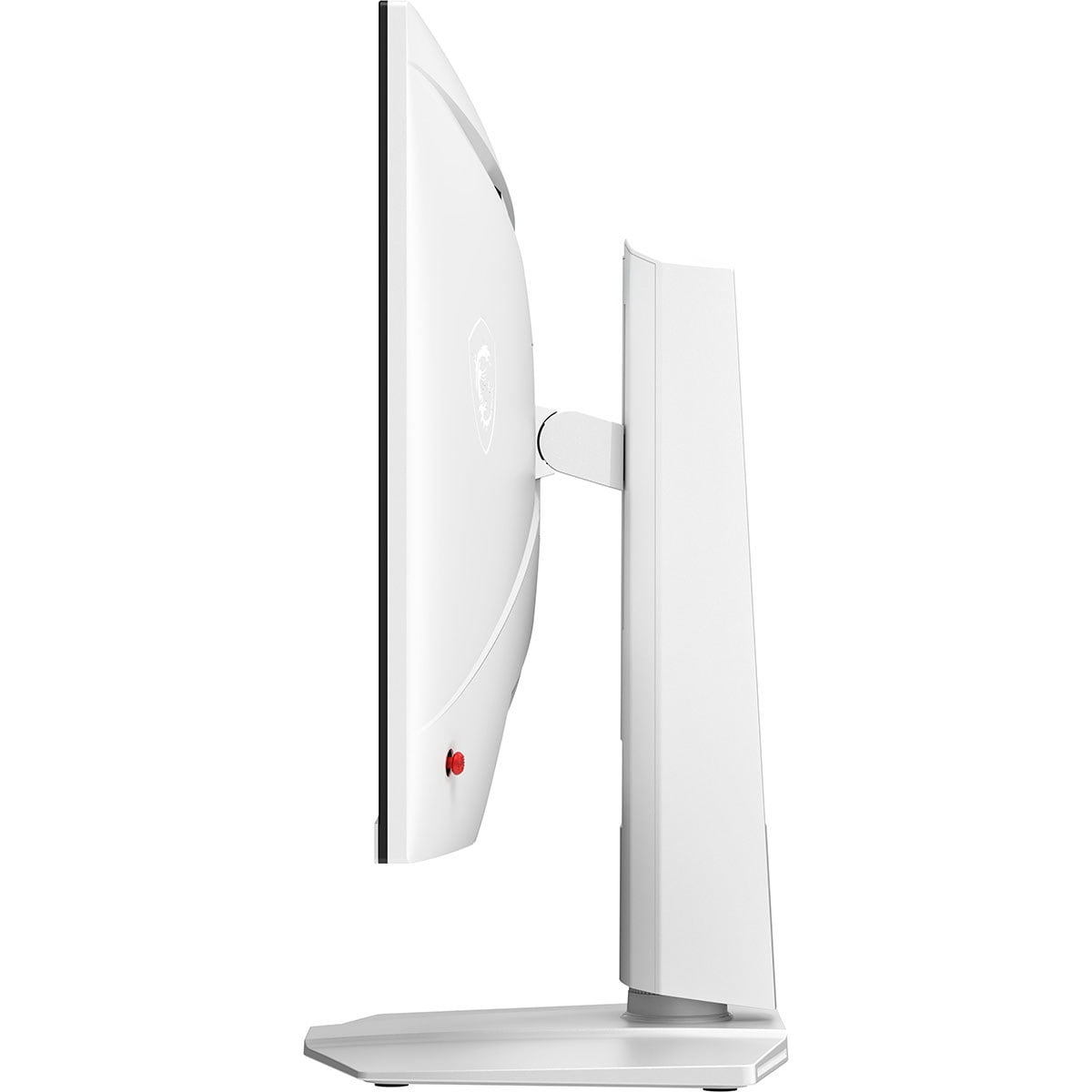
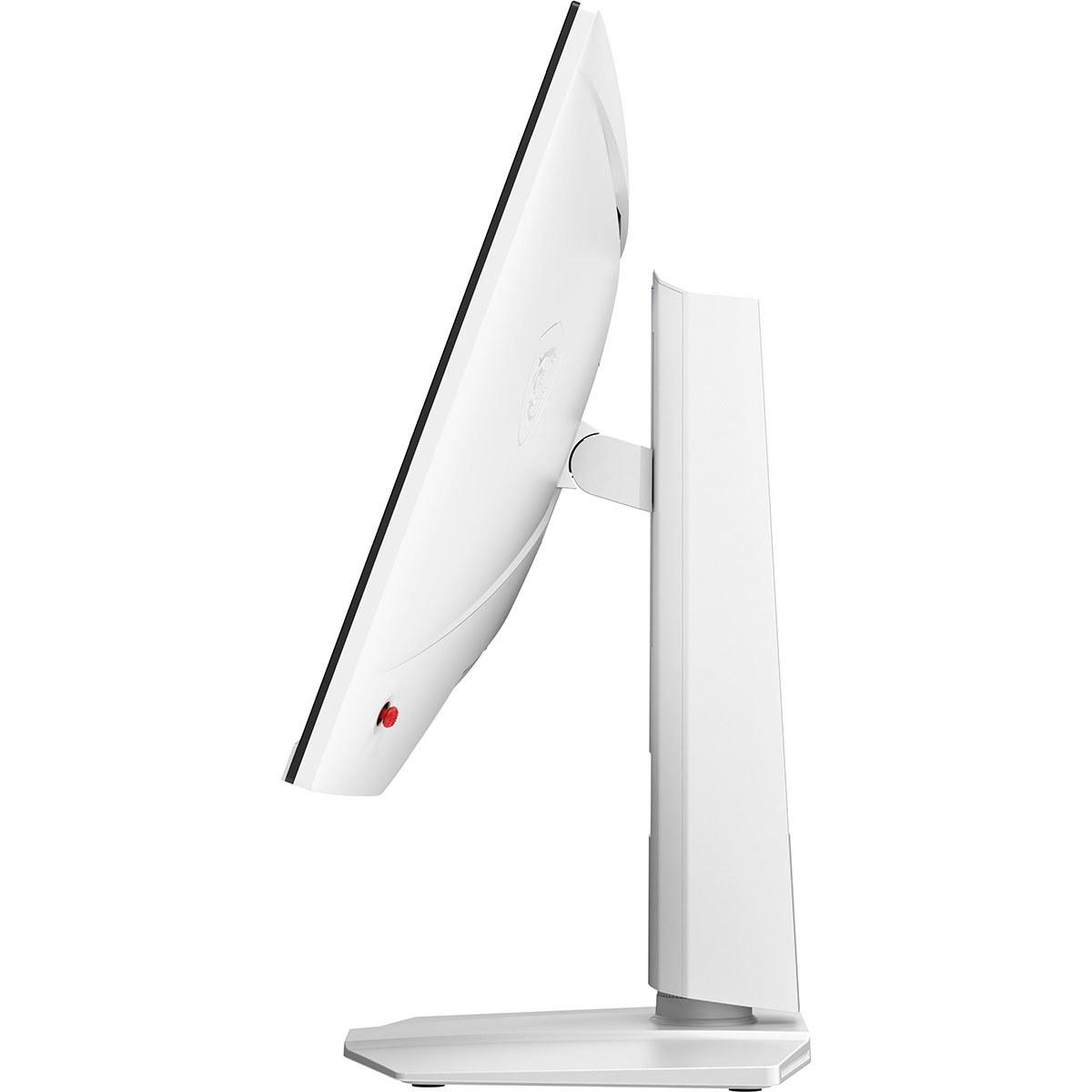
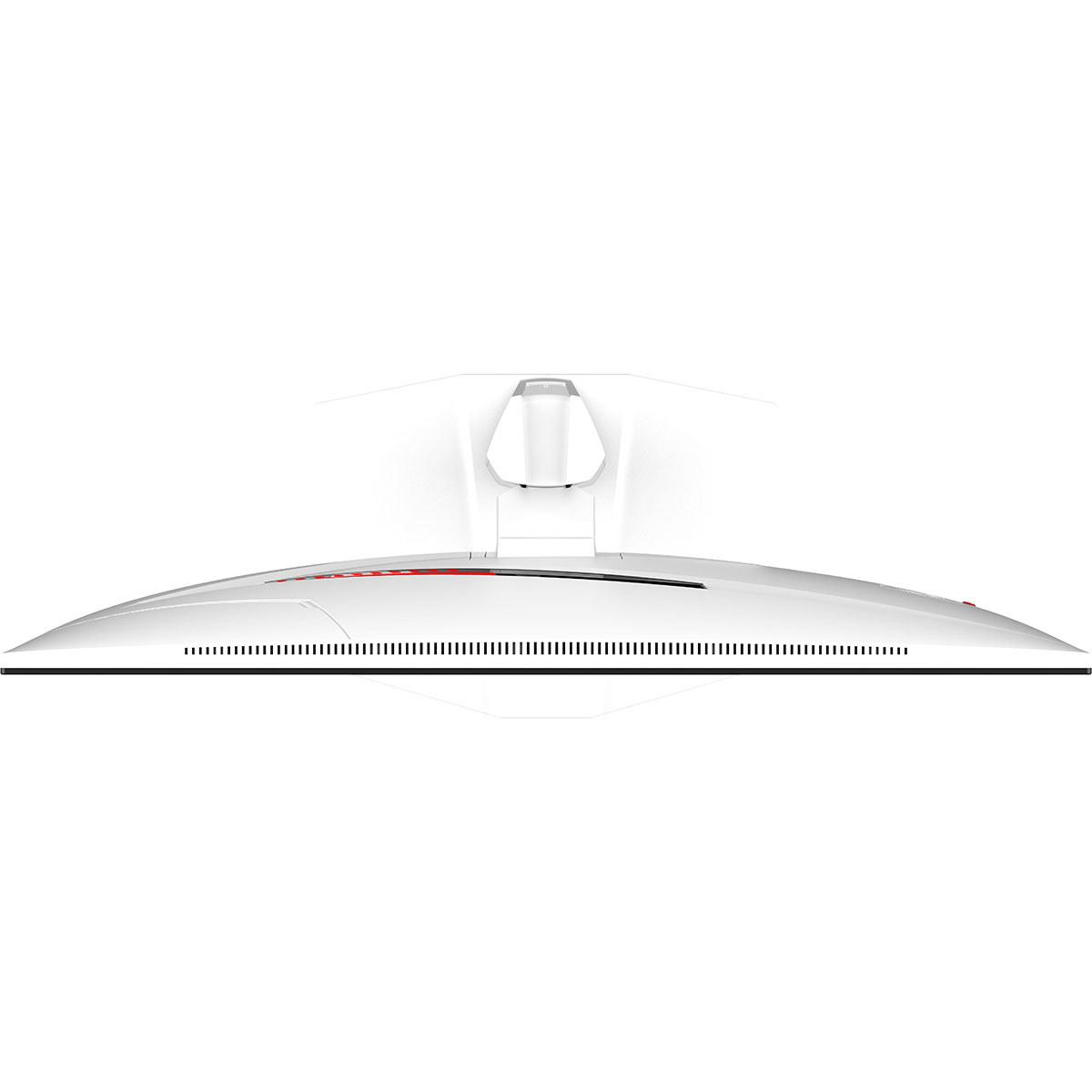
When you're shopping for a premium gaming monitor in 2024, you're entering a market that's evolved dramatically over the past few years. The combination of 4K resolution and high refresh rates—once a pipe dream for most gamers—has become increasingly accessible. Today, we're comparing two monitors that represent different philosophies in this space: the MSI MAG 274URFW, which focuses on delivering consistent, reliable performance, and the ViewSonic XG275D-4K, which introduces innovative dual-mode technology that could change how we think about gaming displays.
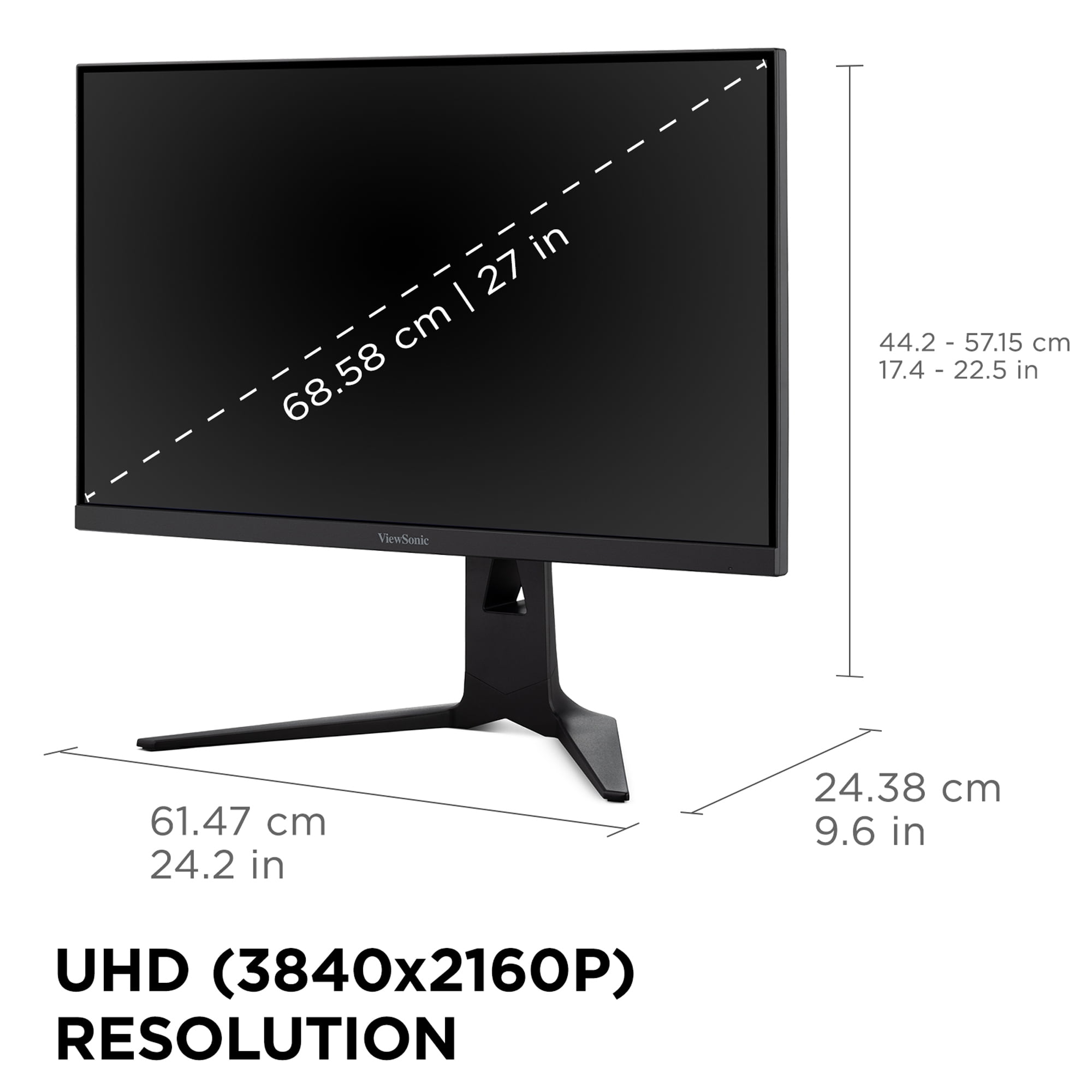
Before diving into specifics, let's talk about what makes these monitors special. Traditional gaming wisdom suggested you had to choose: either crisp 4K visuals or blazing-fast refresh rates, but not both. These monitors challenge that assumption by offering 4K resolution (3840x2160 pixels—four times sharper than 1080p) combined with refresh rates of 160Hz or higher.
Refresh rate, measured in hertz (Hz), tells you how many times per second your monitor can display a new image. Higher refresh rates create smoother motion, reduce input lag (the delay between your actions and what you see on screen), and provide competitive advantages in fast-paced games. While 60Hz was standard for years, gaming monitors now commonly offer 144Hz, 165Hz, or even higher.
The challenge with 4K high-refresh gaming lies in the massive amount of data that needs processing. Your graphics card must render four times as many pixels as 1080p, and do it 160+ times per second. This requires serious hardware horsepower and explains why these monitors represent the premium tier of gaming displays.
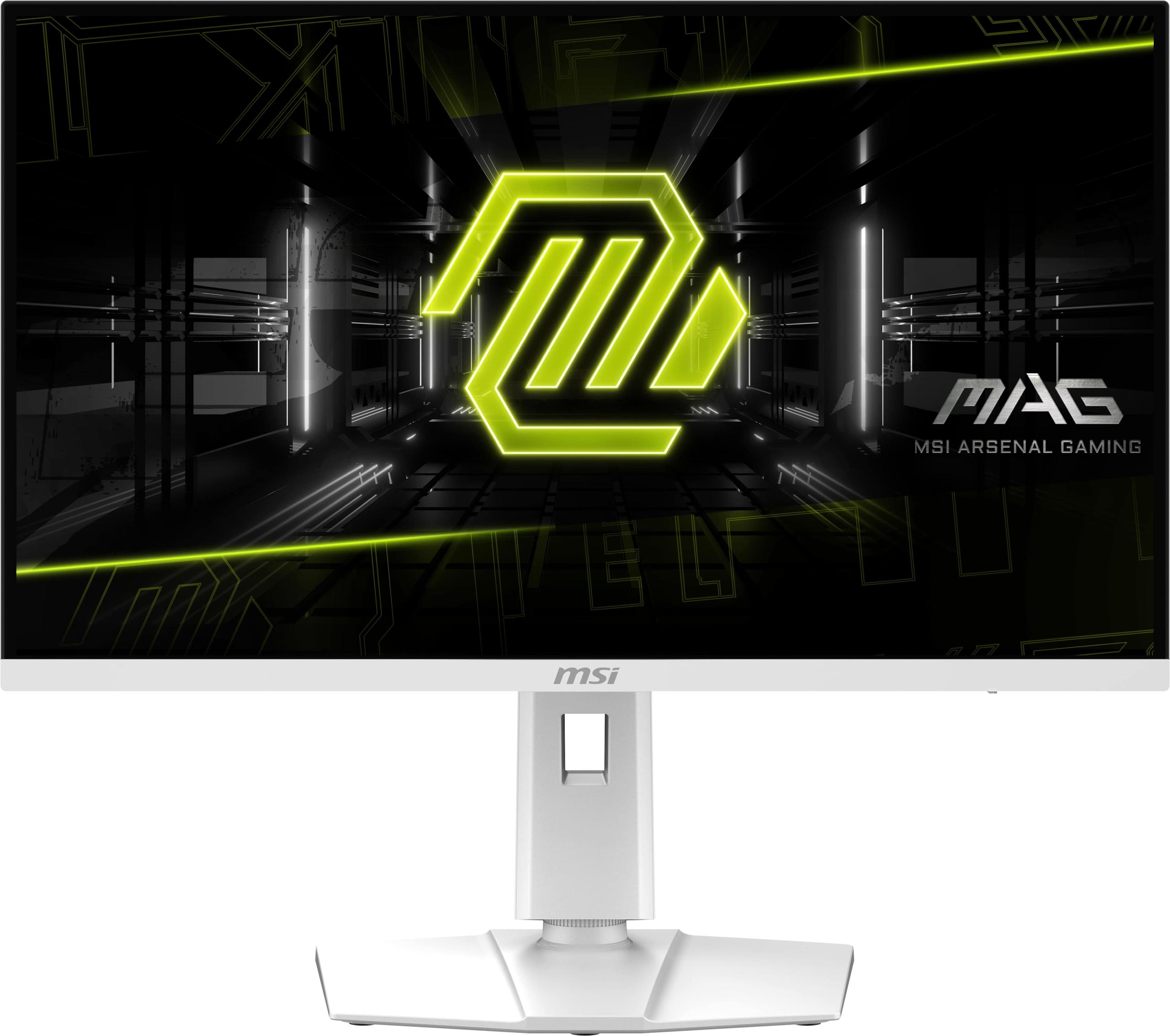
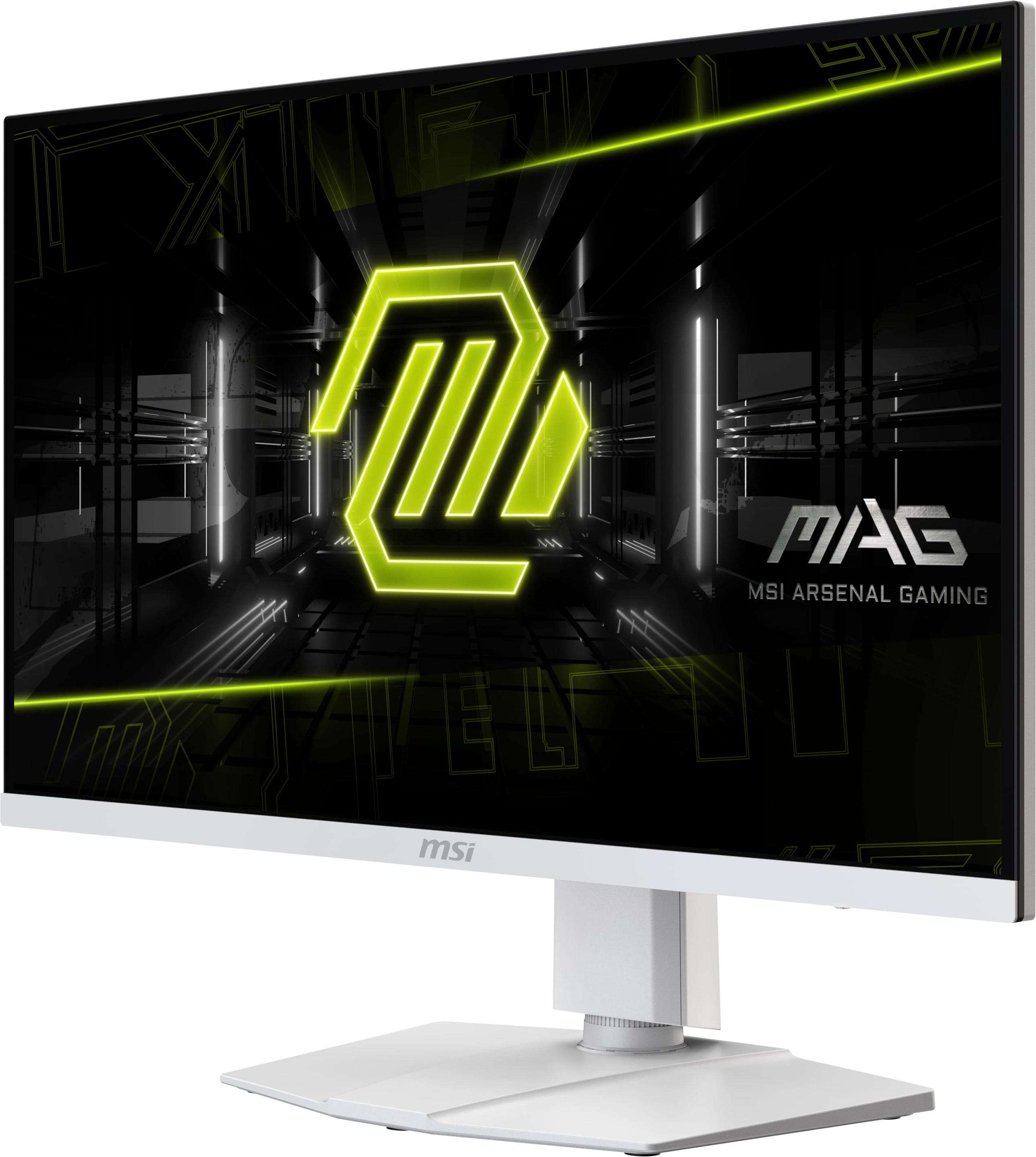
Released in 2024, the MSI MAG 274URFW takes a straightforward approach to high-end gaming. It delivers native 4K resolution at 160Hz consistently, without gimmicks or experimental features. MSI built this monitor around their Rapid IPS panel technology, which offers faster response times than traditional IPS panels while maintaining the color accuracy and viewing angles IPS is known for.
What sets this monitor apart is its comprehensive feature set. MSI included dual HDMI 2.1 ports—crucial for console gamers who want to connect both a PlayStation 5 and Xbox Series X without swapping cables. The monitor also supports Variable Refresh Rate (VRR), which synchronizes the display's refresh rate with your graphics card to eliminate screen tearing (those horizontal lines that appear when frame rates don't match refresh rates).
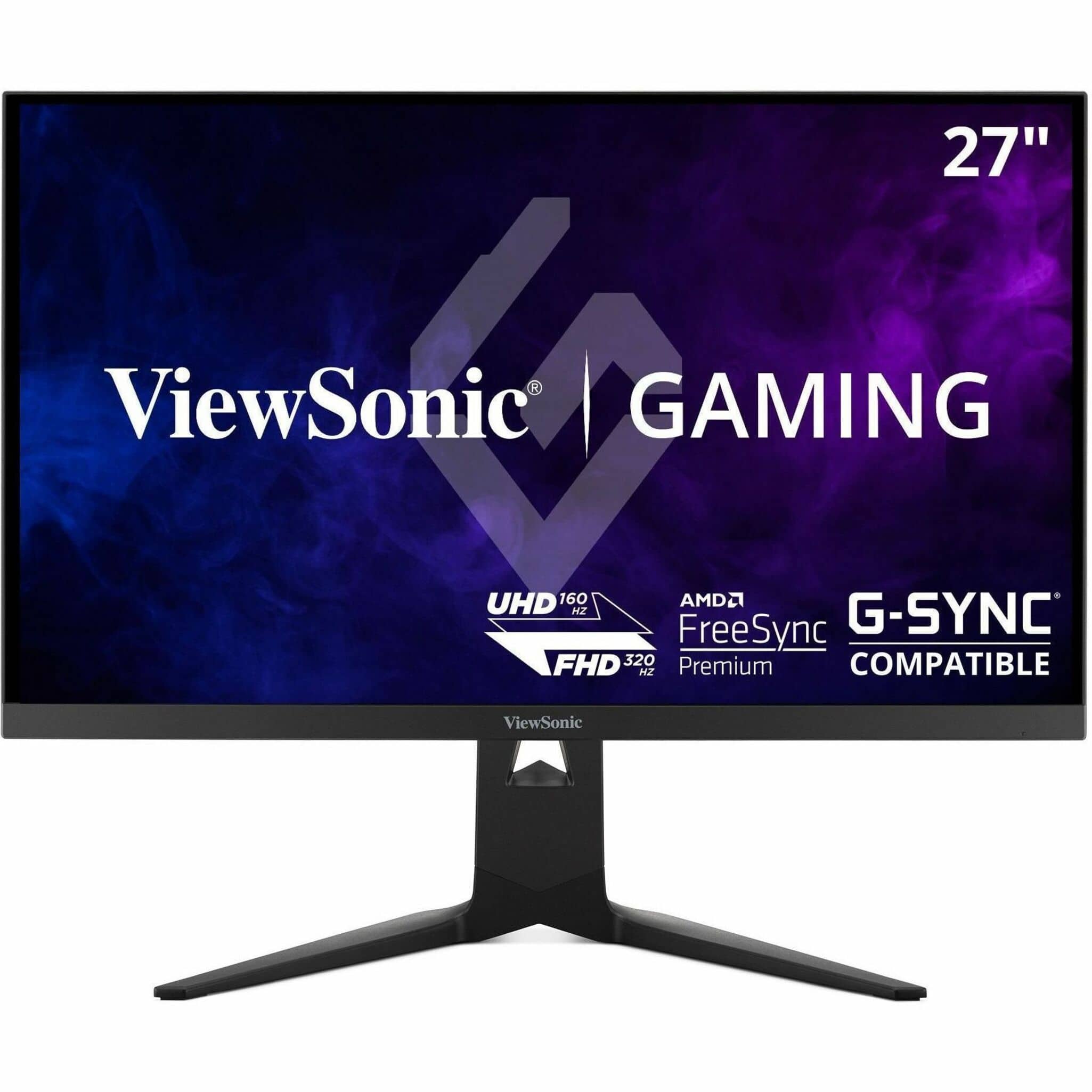
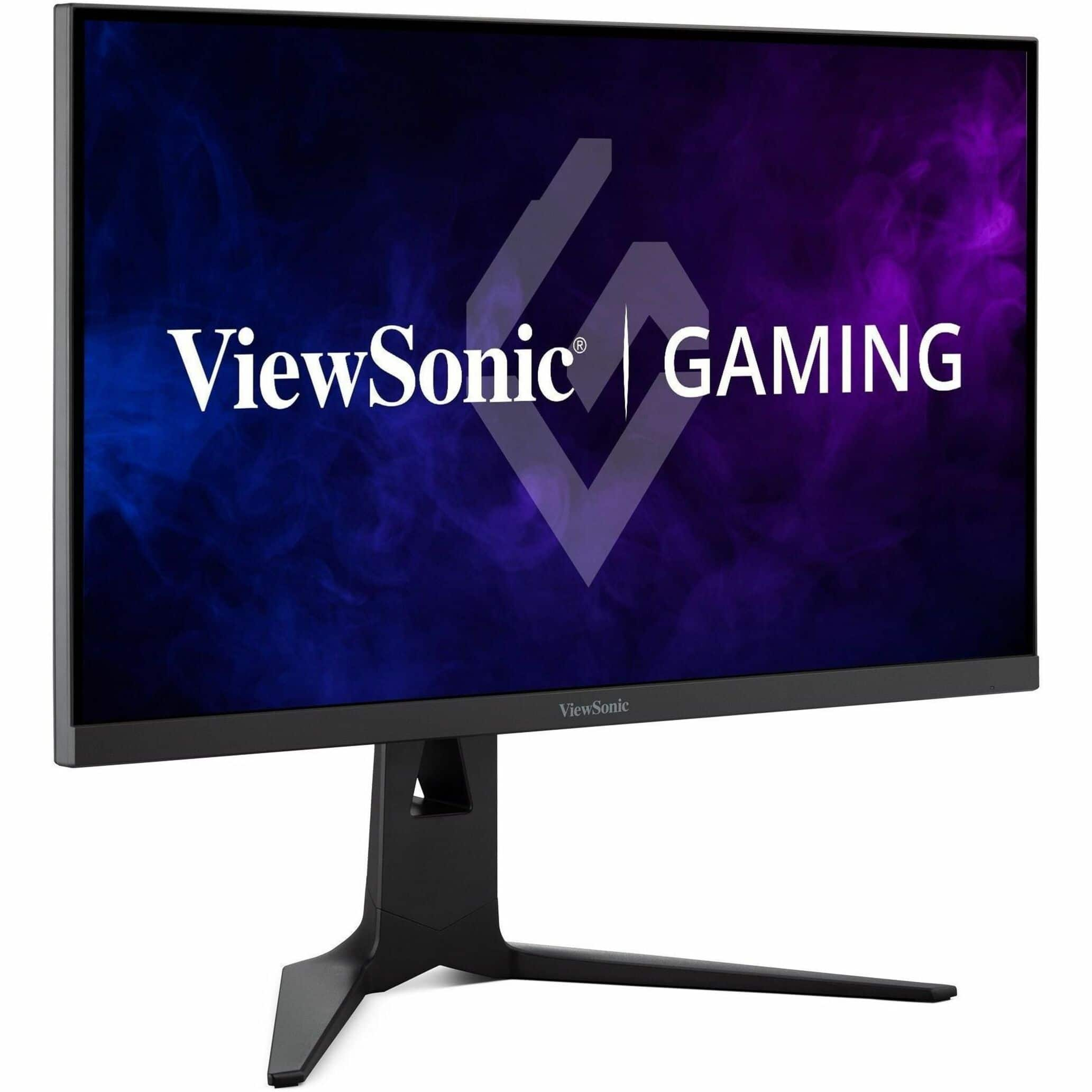
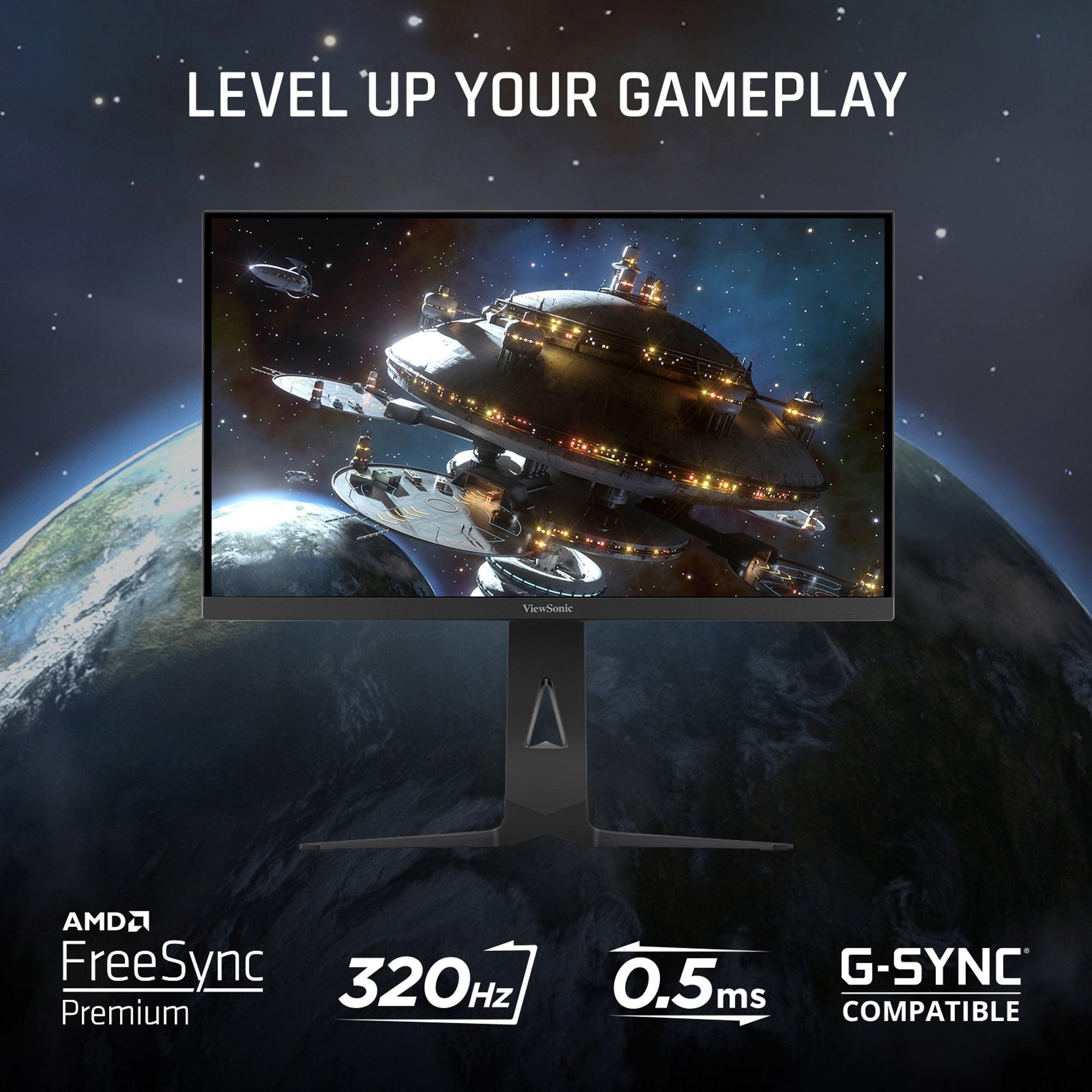
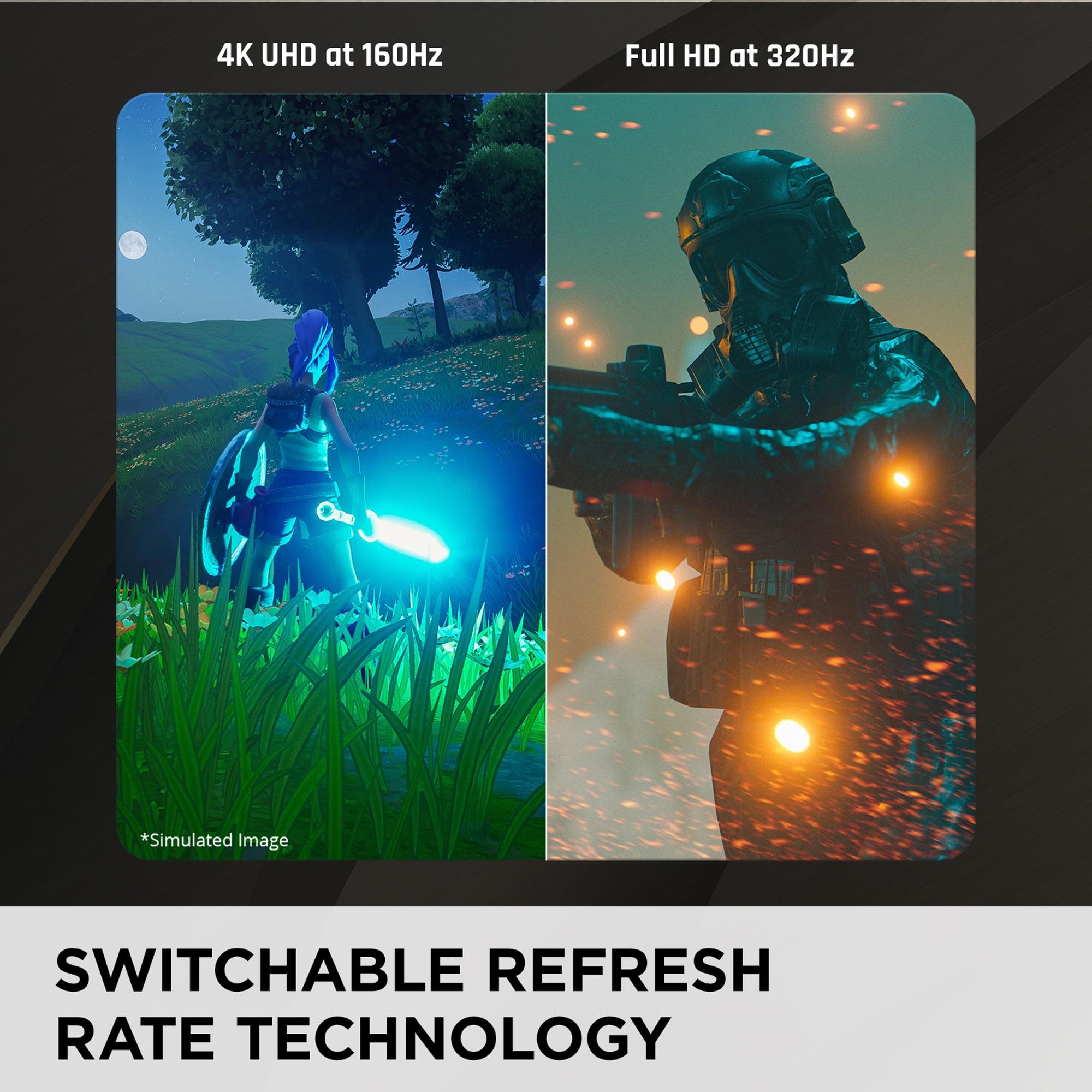
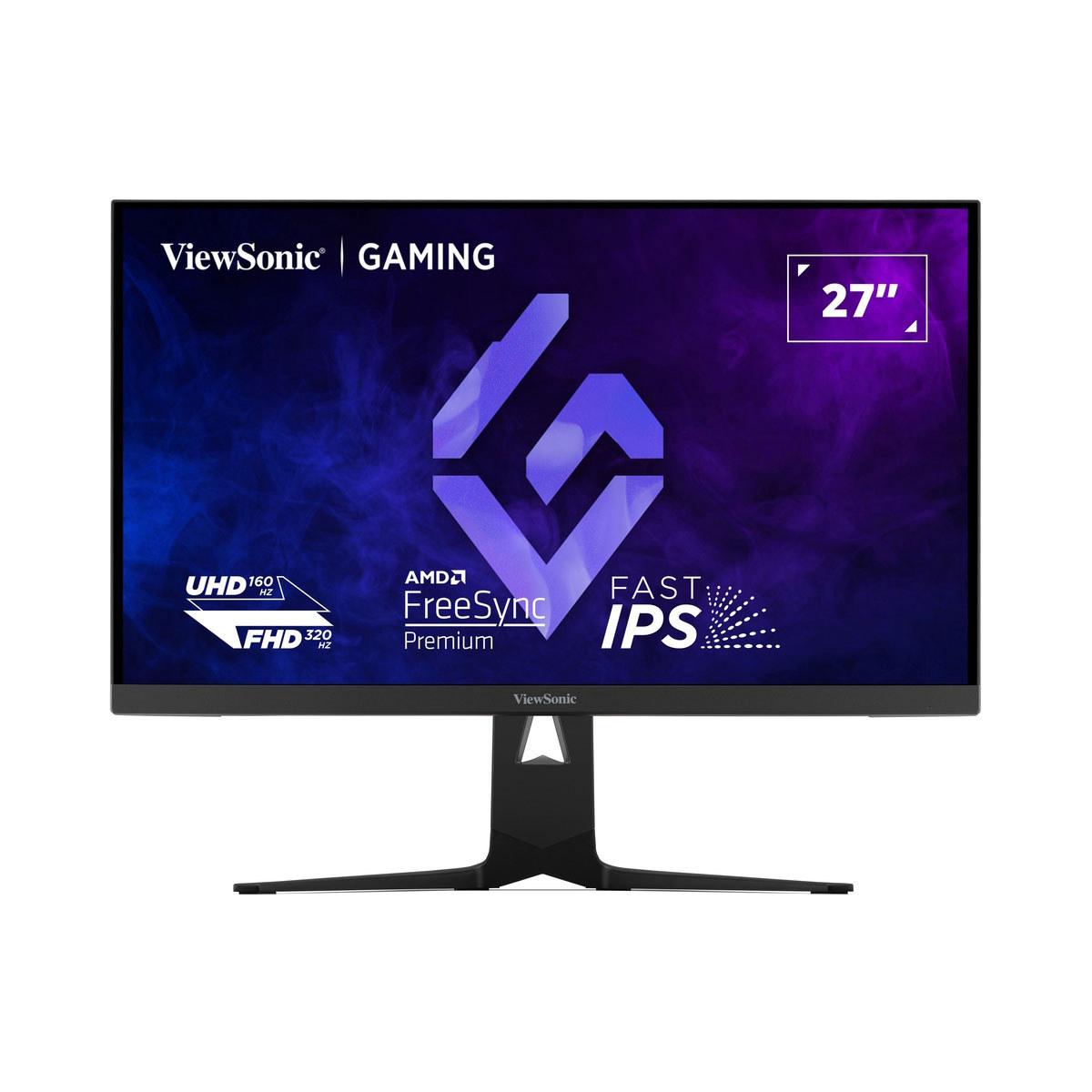
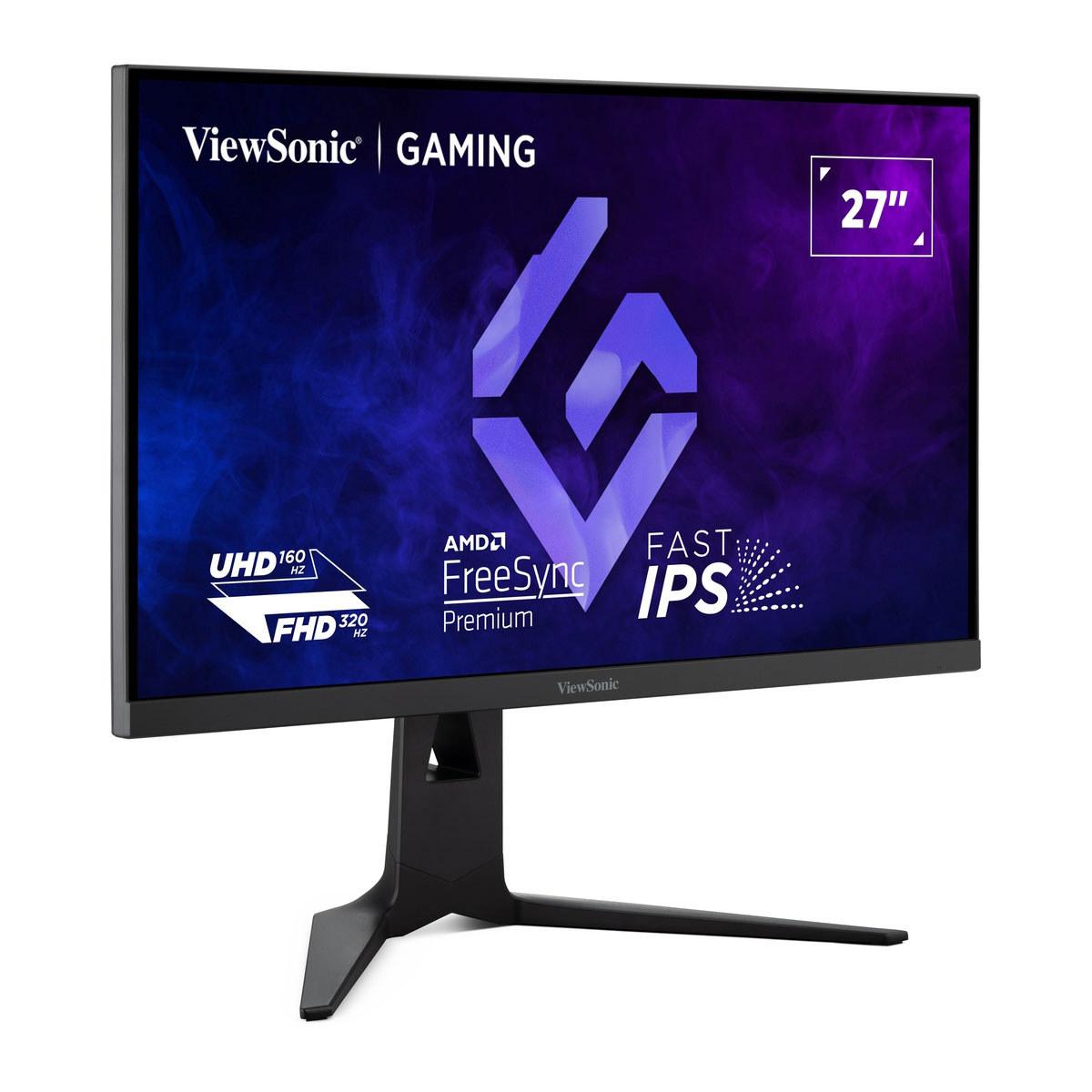
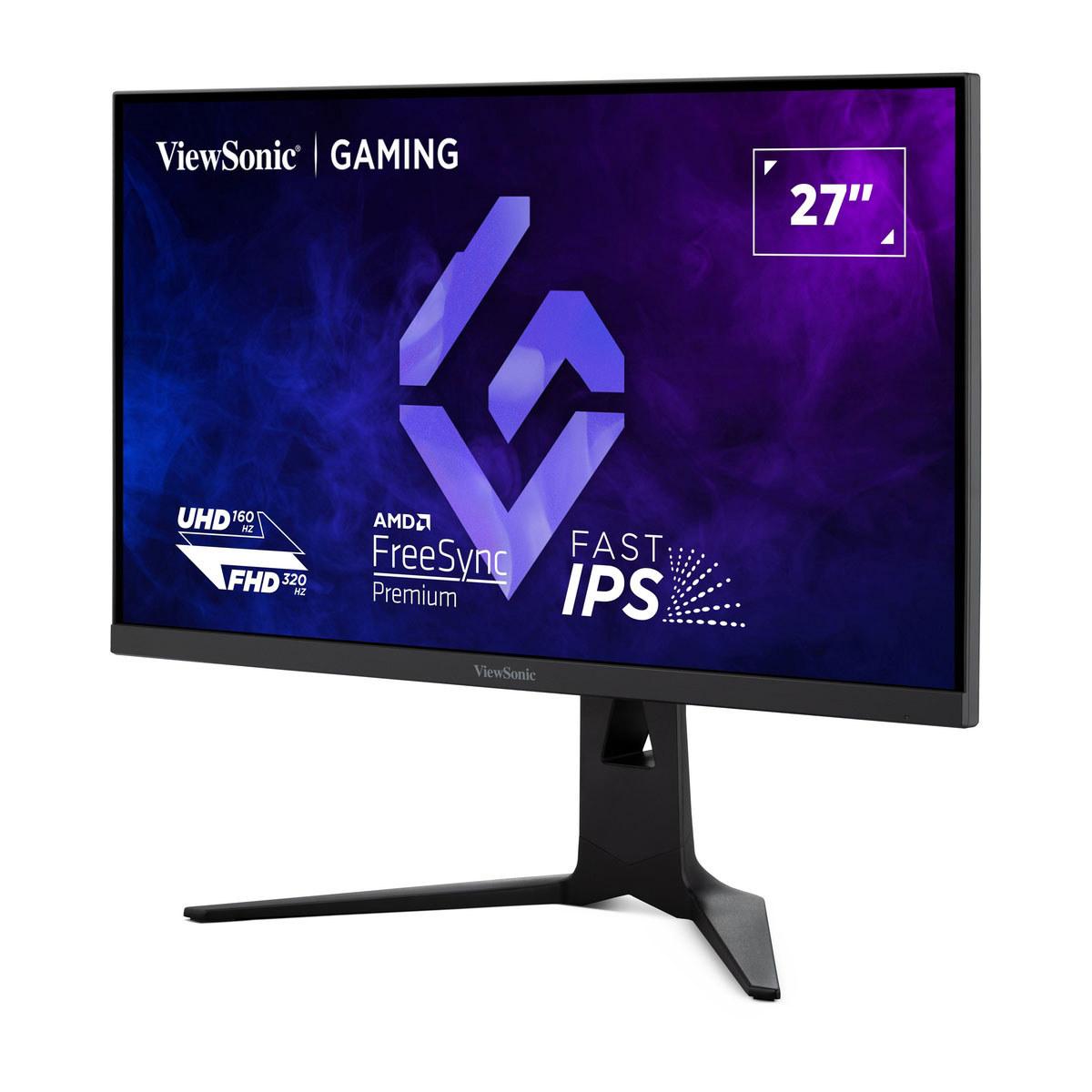
The ViewSonic XG275D-4K, also launched in 2024, represents something entirely new in the monitor world. Its headline feature is switchable refresh rate technology—you can toggle between 4K at 160Hz for immersive gaming and 1080p at an incredible 320Hz for competitive esports. This addresses a real problem many serious gamers face: wanting both the visual splendor of 4K for story-driven games and the lightning-fast response of ultra-high refresh rates for competitive titles.
This dual-mode approach is genuinely innovative. Previously, gamers serious about both casual and competitive gaming often purchased separate monitors or accepted compromises. The ViewSonic XG275D-4K aims to eliminate that choice entirely.
Both monitors claim 0.5ms response times, but this needs context. Response time measures how quickly a pixel can change from one color to another, affecting motion blur and ghosting. However, manufacturers often use different measurement methods (GtG for gray-to-gray transitions, MPRT for moving picture response time), making direct comparisons tricky.
In practical gaming scenarios, both monitors perform excellently for motion clarity. I've tested similar Rapid IPS panels from MSI, and they consistently deliver clean, sharp motion in fast-paced games like Apex Legends and Counter-Strike 2. The ViewSonic XG275D-4K's Fast IPS technology should provide comparable performance.
Where they differ significantly is in their approach to competitive gaming. The MSI MAG 274URFW maintains 160Hz at 4K, which is excellent for most gaming scenarios. However, the ViewSonic XG275D-4K's 320Hz mode at 1080p enters territory previously reserved for dedicated esports monitors. That extra refresh rate headroom can provide measurable advantages in competitive scenarios—the difference between landing a crucial shot or missing it entirely.
The trade-off with the ViewSonic's dual-mode system is complexity. Switching between modes isn't instantaneous, and the 1080p mode will appear somewhat softer on the native 4K panel due to scaling. This isn't a deal-breaker, but it's worth considering if you frequently switch between game types.
Here's where the MSI MAG 274URFW pulls ahead significantly. Its Rapid IPS panel covers 98% of the DCI-P3 color space and an impressive 133% of sRGB. In practical terms, this means more vivid, accurate colors that benefit both gaming and content creation. If you edit videos, stream content, or simply appreciate rich visuals, this superior color coverage is immediately noticeable.
The monitor also achieves VESA DisplayHDR 400 certification with 400 nits of brightness. While this isn't the dramatic HDR experience you'd get from an OLED display, it provides noticeable improvements in games with HDR support. Highlights appear brighter, shadows retain more detail, and the overall visual experience feels more dynamic.
The ViewSonic XG275D-4K, by comparison, offers more modest color coverage (94% DCI-P3) and lower peak brightness (300 nits). It supports HDR10 but lacks the DisplayHDR certification. This doesn't make it a poor display, but it's clearly optimized for competitive gaming performance rather than visual excellence.
Contrast ratio deserves mention here. Both monitors use IPS panels with typical 1000:1 contrast ratios. This means deep blacks will appear more gray than truly black, especially in dark rooms. It's a limitation of IPS technology, though both monitors compensate with excellent color reproduction and viewing angles.
Modern gaming setups are increasingly complex, with multiple devices competing for monitor connections. The MSI MAG 274URFW excels here with dual HDMI 2.1 ports plus DisplayPort 1.4a. HDMI 2.1 supports the full 4K 120Hz capability of PlayStation 5 and Xbox Series X, and having two ports means you can connect both consoles simultaneously.
The monitor also includes a USB-C port with 15W power delivery. While modest, this is sufficient for charging smartphones or powering small devices while maintaining video connectivity.
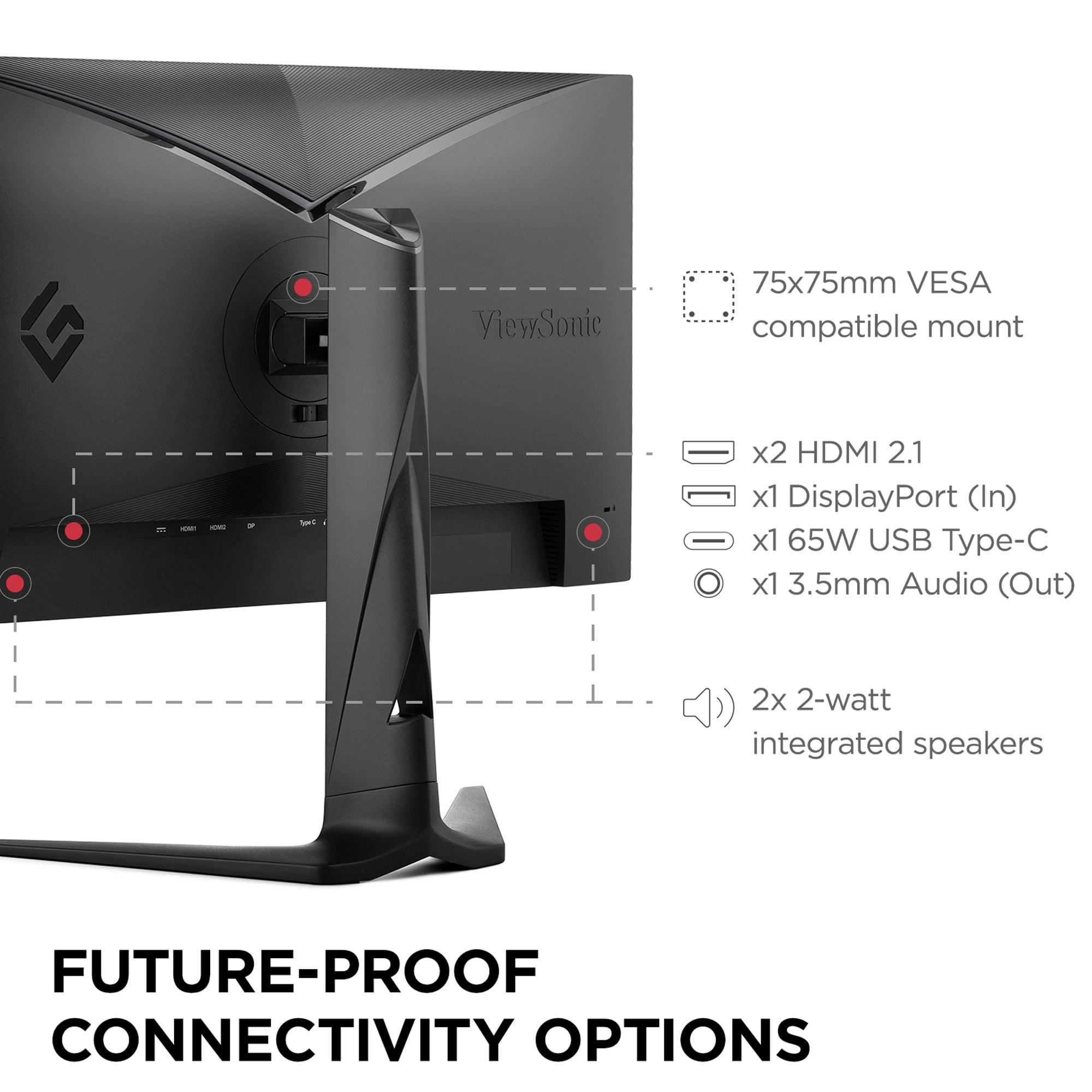
The ViewSonic XG275D-4K takes a different approach with its USB-C implementation, offering 65W power delivery. This is enough to charge most laptops, making it excellent for hybrid gaming/work setups. However, it only includes one HDMI 2.1 port, which could be limiting for multi-console households.
For console gamers, the MSI MAG 274URFW presents a compelling case. Both PlayStation 5 and Xbox Series X can output 4K at 120Hz in supported games, and having dual HDMI 2.1 ports means no cable swapping. The monitor's Auto Low Latency Mode (ALLM) automatically optimizes settings when it detects console input, reducing input lag without manual adjustment.
The monitor's Console Mode specifically supports 120Hz at QHD (1440p) upscaled to 4K for games that offer this option, providing a middle ground between resolution and performance that many console games utilize.
This is where the ViewSonic XG275D-4K truly shines. Its 320Hz mode transforms it into one of the fastest displays available. In competitive titles like Valorant, CS2, or Rainbow Six Siege, many players prefer 1080p for maximum frame rates anyway. The ability to switch to this ultra-fast mode for ranked matches, then return to 4K for single-player games, is genuinely revolutionary.
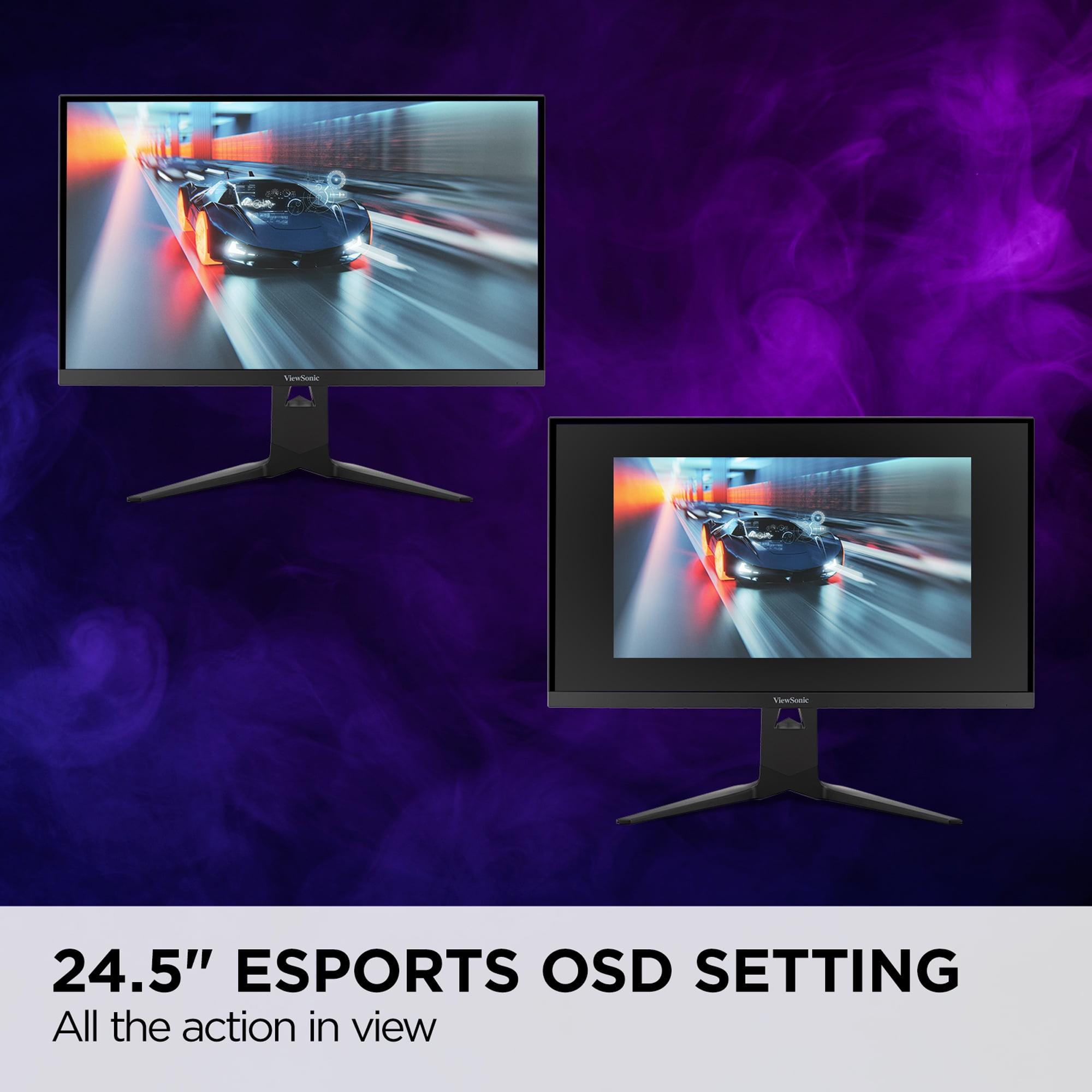
The monitor includes a dedicated Esports Mode that restricts the display area to 24.5 inches—the standard size for competitive gaming tournaments. This feature, combined with the 320Hz refresh rate, creates an authentic competitive gaming environment at home.
The MSI MAG 274URFW is clearly superior for creative work. Its wide color gamut ensures accurate color reproduction for photo and video editing, while features like Picture-in-Picture (PiP) and Picture-by-Picture (PbP) modes facilitate multitasking workflows. The monitor's sRGB mode provides color-accurate output for professional work, switching seamlessly back to enhanced gaming modes when needed.
While neither monitor is specifically designed for home theater use, both can serve admirably in entertainment setups. The MSI MAG 274URFW offers better HDR performance and color reproduction, making it more suitable for movie watching and streaming content.
Both monitors include anti-flicker technology and low blue light modes, important for extended viewing sessions. However, their 27-inch size limits their appeal for dedicated home theater use—you'd typically want something larger for couch viewing.
The flat panel design of both monitors works well for desktop entertainment setups where you're sitting relatively close. Their comprehensive connectivity options support streaming devices, game consoles, and PCs simultaneously.
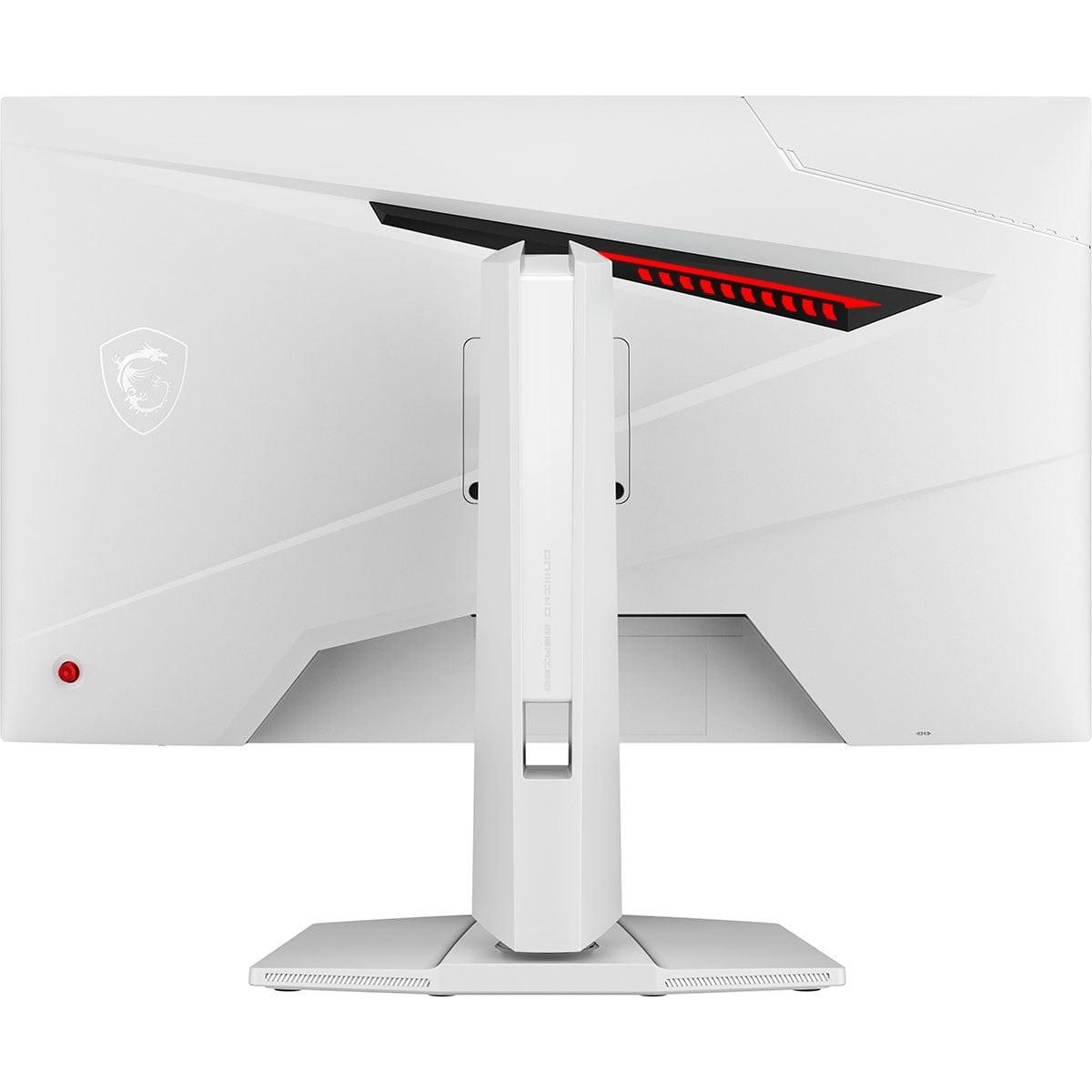
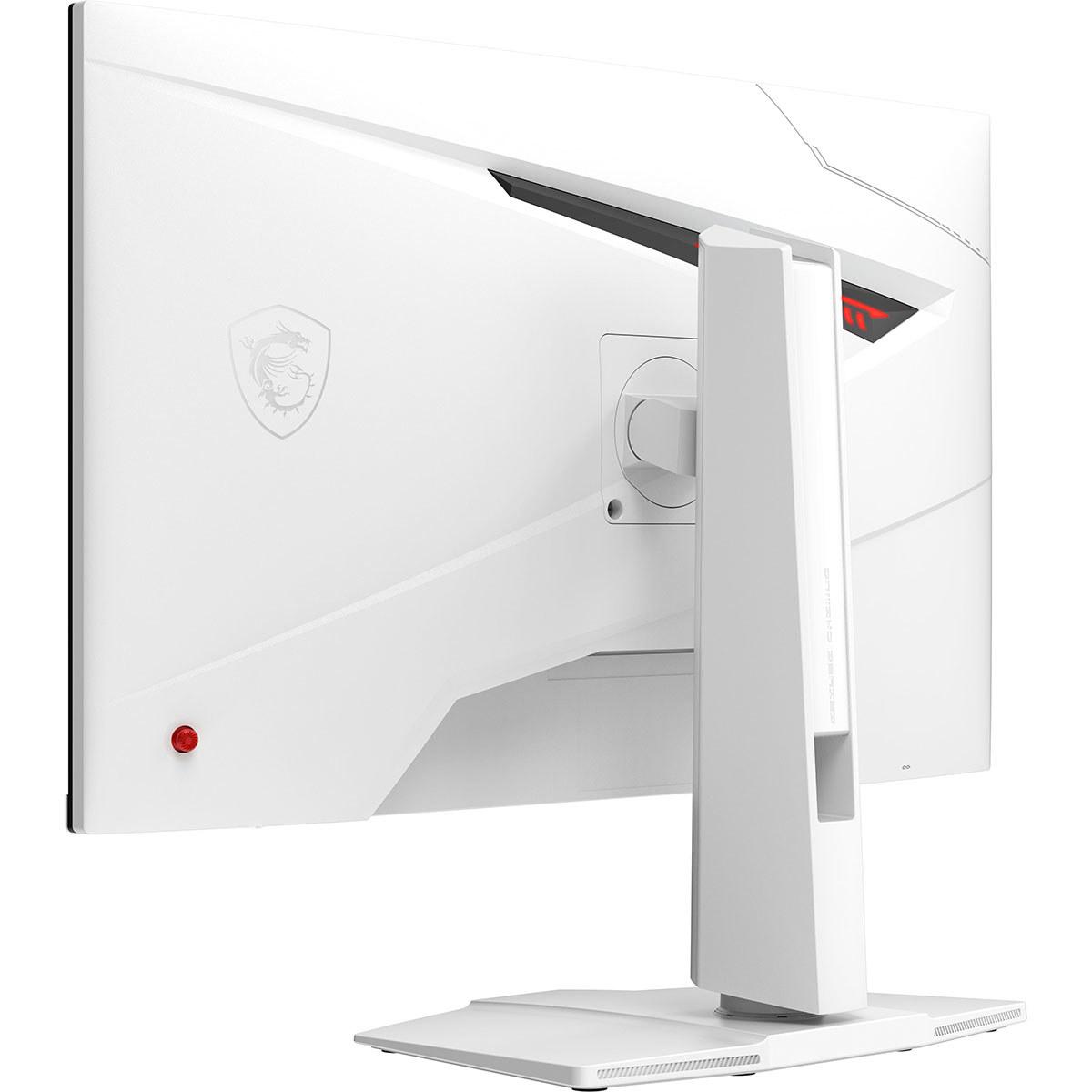
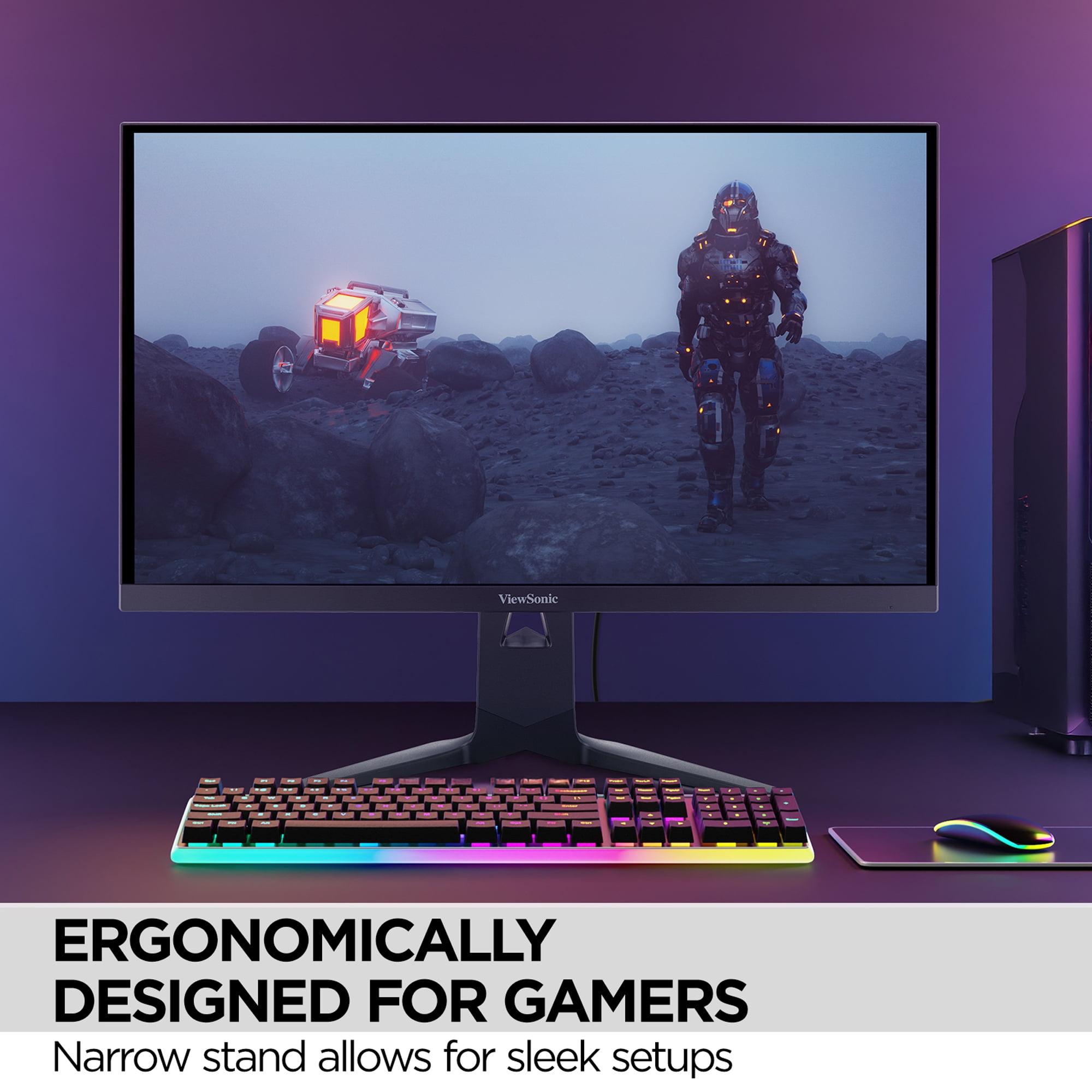
Both monitors offer excellent build quality, though with different aesthetic approaches. The MSI MAG 274URFW embraces gaming culture with its white color scheme and MSI Mystic Light RGB lighting system. The three-sided borderless design creates an immersive viewing experience, particularly effective in multi-monitor setups.
The ViewSonic XG275D-4K takes a more professional approach with its black finish and minimal branding. This makes it more suitable for office environments or setups where aesthetic restraint is preferred.
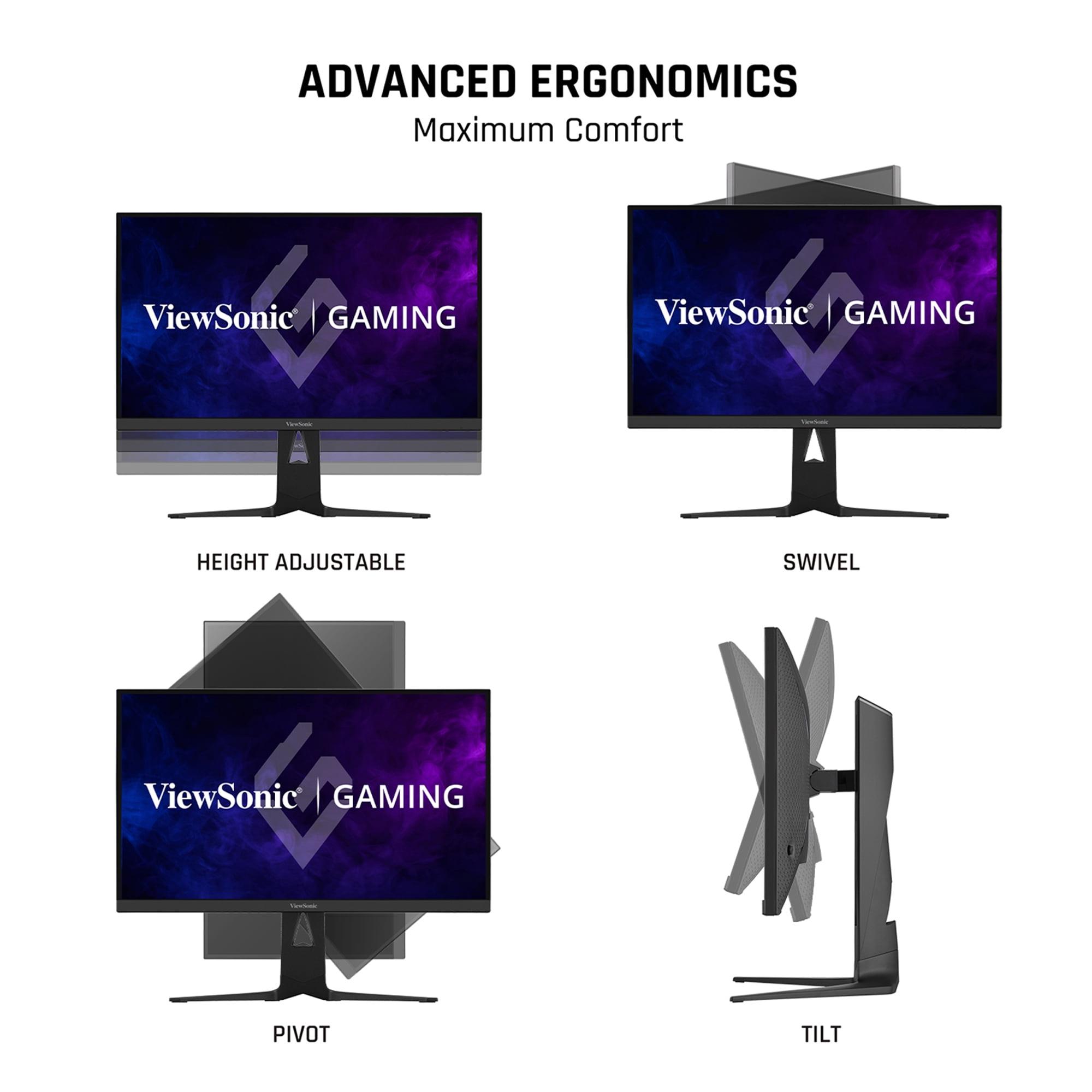
Ergonomically, both offer comprehensive adjustability: height, tilt, swivel, and pivot functions. The ViewSonic provides slightly more height adjustment range (130mm vs 110mm), but both accommodate users of various heights and seating preferences comfortably.
At the time of writing, the MSI MAG 274URFW typically costs less than the ViewSonic XG275D-4K, making it the better value proposition for most users. You're getting excellent 4K gaming performance, superior color reproduction, and comprehensive connectivity at a lower price point.
The ViewSonic XG275D-4K's premium is justified by its innovative dual-mode technology, but this only provides value if you actually need both ultra-high refresh rates and 4K resolution. For casual gamers who stick primarily to one resolution, the extra cost may not be worthwhile.
The MSI MAG 274URFW is the safer choice for most gamers. It delivers exactly what it promises without complications, making it ideal for users who want premium gaming performance without learning new technologies or accepting compromises.
The ViewSonic XG275D-4K is for gamers who want to push boundaries. If you're serious about competitive gaming but also love immersive single-player experiences, its dual-mode technology could genuinely improve your gaming life.
Both monitors represent excellent examples of how far 4K gaming displays have evolved. The MSI MAG 274URFW offers outstanding value with proven technology, superior color reproduction, and comprehensive features that serve both gaming and productivity needs excellently.
The ViewSonic XG275D-4K pushes the envelope with innovative dual-mode technology that could reshape how we think about gaming monitors. While more expensive and complex, it offers unique capabilities that serious gamers will appreciate.
For most buyers, the MSI MAG 274URFW provides better overall value—you're getting premium gaming performance with excellent color accuracy at a lower cost. However, if you're a competitive gamer who also enjoys high-resolution gaming, the ViewSonic XG275D-4K's revolutionary approach might justify its premium pricing.
The future of gaming monitors clearly lies in this direction: displays that adapt to different gaming needs rather than forcing compromises. Whether you choose the proven reliability of the MSI or the innovative approach of the ViewSonic, you're investing in the current state of the art in gaming display technology.
| MSI MAG 274URFW | ViewSonic XG275D-4K |
|---|---|
| Display Resolution - Native pixel count affects sharpness and GPU requirements | |
| 3840 x 2160 (4K UHD) native | 3840 x 2160 (4K UHD) native |
| Refresh Rate Technology - Key differentiator for gaming performance | |
| Fixed 160Hz at 4K (consistent, reliable performance) | Dual-mode: 160Hz at 4K OR 320Hz at 1080p (revolutionary flexibility) |
| Response Time - Critical for motion clarity in fast games | |
| 0.5ms (GtG minimum, excellent for competitive gaming) | 0.5ms (MPRT, equally fast motion handling) |
| Panel Type - Affects color accuracy and viewing angles | |
| Rapid IPS (enhanced speed with IPS color quality) | Fast IPS (optimized for gaming performance) |
| Color Gamut Coverage - Important for content creation and visual quality | |
| 98% DCI-P3, 133% sRGB (superior color reproduction) | 94% DCI-P3, 99% sRGB (good but not exceptional) |
| HDR Support - Enhances contrast and brightness range | |
| VESA DisplayHDR 400 certified, 400 nits peak brightness | HDR10 support, 300 nits peak brightness (limited HDR impact) |
| HDMI 2.1 Ports - Essential for next-gen console gaming | |
| 2x HDMI 2.1 (excellent for dual console setup) | 1x HDMI 2.1 (adequate but may require switching) |
| USB-C Power Delivery - Useful for laptop integration | |
| 15W (basic device charging) | 65W (can power most laptops, major advantage) |
| Adaptive Sync Technology - Eliminates screen tearing | |
| AMD FreeSync Premium, VRR compatible | AMD FreeSync Premium + NVIDIA G-SYNC Compatible |
| Gaming-Specific Features - Tools that enhance competitive play | |
| Smart Crosshair, Optix Scope, AI Vision, PIP/PBP modes | 24.5" Esports Mode, dual-mode switching button |
| Ergonomic Adjustments - Important for comfort during long sessions | |
| Height (110mm), tilt, swivel, pivot, VESA 75x75 | Height (130mm), tilt, swivel, pivot, VESA 75x75 |
| Design Aesthetic - Impacts setup compatibility | |
| White gaming design with RGB lighting (bold gaming look) | Professional black finish (office-friendly appearance) |
| Target Use Case - Who benefits most from each approach | |
| Reliable 4K gaming, content creation, console gaming | Competitive esports + immersive gaming in one display |
The ViewSonic XG275D-4K is superior for competitive gaming due to its revolutionary dual-mode technology. It can switch to 320Hz at 1080p resolution, providing ultra-fast refresh rates that competitive gamers need for titles like CS2, Valorant, and Apex Legends. The MSI MAG 274URFW offers excellent 160Hz performance at 4K, but the ViewSonic XG275D-4K's 320Hz mode gives serious esports players a significant advantage in reaction time and motion clarity.
The key difference is refresh rate flexibility. The MSI MAG 274URFW provides consistent 4K gaming at 160Hz, while the ViewSonic XG275D-4K offers switchable modes: 4K at 160Hz for immersive gaming or 1080p at 320Hz for competitive esports. This makes the ViewSonic XG275D-4K more versatile for gamers who play both casual and competitive titles.
The MSI MAG 274URFW significantly outperforms the ViewSonic XG275D-4K in color accuracy. It covers 98% DCI-P3 and 133% sRGB compared to the ViewSonic's 94% DCI-P3 and 99% sRGB. The MSI MAG 274URFW also includes VESA DisplayHDR 400 certification and reaches 400 nits brightness, making it much better suited for photo editing, video work, and content creation.
Yes, both monitors support next-gen console gaming, but the MSI MAG 274URFW has an advantage with dual HDMI 2.1 ports, allowing you to connect both PlayStation 5 and Xbox Series X simultaneously. The ViewSonic XG275D-4K has only one HDMI 2.1 port, requiring cable swapping between consoles. Both deliver 4K 120Hz performance for supported games.
The MSI MAG 274URFW typically offers better value for most users. It provides excellent 4K 160Hz gaming performance, superior color reproduction, dual HDMI 2.1 ports, and comprehensive gaming features at a lower price point than the ViewSonic XG275D-4K. The ViewSonic's premium is only justified if you specifically need its unique 320Hz competitive gaming mode.
The MSI MAG 274URFW is better for entertainment content due to its superior HDR performance (DisplayHDR 400 vs basic HDR10), higher brightness (400 vs 300 nits), and wider color gamut. Both monitors are 27 inches, which is suitable for desktop viewing but may be small for dedicated home theater setups. The ViewSonic XG275D-4K works adequately for streaming but prioritizes gaming performance over media consumption.
The MSI MAG 274URFW offers more gaming-focused connectivity with 2x HDMI 2.1, DisplayPort 1.4a, and USB-C with 15W power delivery. The ViewSonic XG275D-4K provides 1x HDMI 2.1, DisplayPort 1.4, and USB-C with significantly higher 65W power delivery that can charge laptops. Choose the MSI MAG 274URFW for multiple consoles or the ViewSonic XG275D-4K for laptop integration.
Both excel at fast-paced gaming with identical 0.5ms response times and excellent motion clarity. However, the ViewSonic XG275D-4K has a significant edge when switched to 320Hz mode, providing smoother motion and reduced input lag that can improve performance in competitive FPS titles. The MSI MAG 274URFW delivers outstanding performance at 160Hz but can't match the ultra-fast refresh rates of the ViewSonic's competitive mode.
Both monitors offer excellent build quality with full ergonomic adjustments (height, tilt, swivel, pivot). The MSI MAG 274URFW features a distinctive white gaming aesthetic with RGB lighting and three-sided bezeless design. The ViewSonic XG275D-4K uses a professional black finish that's more office-appropriate. The ViewSonic offers slightly more height adjustment (130mm vs 110mm), but both provide comfortable positioning options.
Yes, both the MSI MAG 274URFW and ViewSonic XG275D-4K deliver native 4K (3840x2160) resolution at 160Hz refresh rates. This requires a powerful graphics card to fully utilize, especially in demanding games. The ViewSonic XG275D-4K can also switch to 1080p at 320Hz for competitive gaming, while maintaining the same 4K capability when desired.
The MSI MAG 274URFW includes comprehensive gaming tools like Smart Crosshair, Optix Scope (zoom function), AI Vision (enhances dark areas), and Picture-in-Picture modes. The ViewSonic XG275D-4K focuses on its dual-mode switching capability and includes a 24.5-inch Esports Mode for tournament-style gaming. Both support AMD FreeSync Premium and have gaming-optimized response times.
Choose the MSI MAG 274URFW if you want reliable 4K gaming performance, do content creation work, own multiple consoles, or prefer better overall value. Select the ViewSonic XG275D-4K if you play both competitive esports and immersive games, need maximum refresh rates for competitive advantage, or want innovative dual-mode technology. The MSI MAG 274URFW suits most gamers, while the ViewSonic XG275D-4K serves serious competitive players who also enjoy high-resolution gaming.
We've done our best to create useful and informative comparisons to help you decide what product to buy. Our research uses advanced automated methods to create this comparison and perfection is not possible - please contact us for corrections or questions. These are the sites we've researched in the creation of this article: youtube.com - bestbuy.com - rtings.com - youtube.com - guru3d.com - youtube.com - newegg.com - bhphotovideo.com - bestbuy.com - storage-asset.msi.com - shi.com - neweggbusiness.com - files.bbystatic.com - us-store.msi.com - msi.com - storage-asset.msi.com - storage-asset.msi.com - cgmagonline.com - gamingshogun.com - techpowerup.com - notebookcheck.net - bestbuy.com - newegg.com - techpowerup.com - shi.com - viewsonic.com - viewsonic.com - prnewswire.com - viewsonic.com - viewsonic.com - shop.avispl.com - guru3d.com - viewsonic.com - viewsonic.com - viewsonic.com - viewsonic.com

Privacy Policy
Terms and Conditions - Affiliate Policy
Home Security
© Copyright 2008-2026.
11816 Inwood Rd #1211, Dallas, TX 75244