

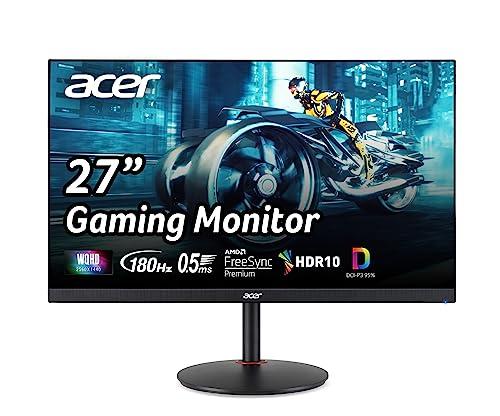
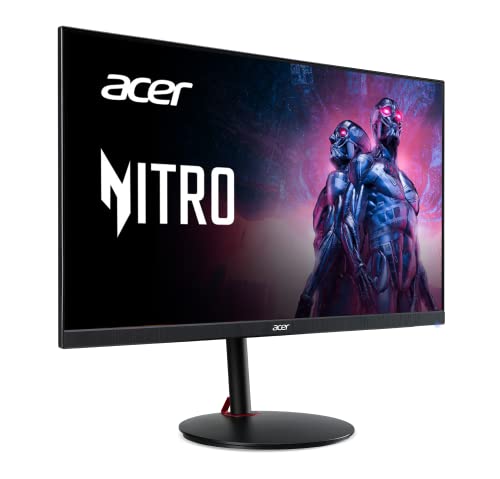
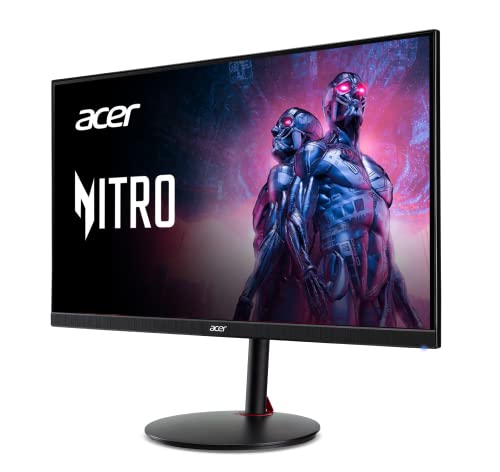
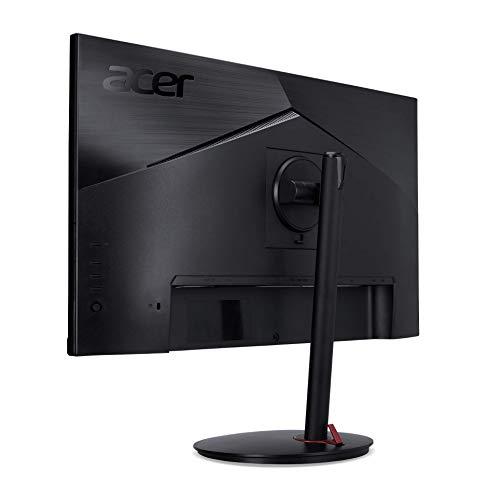
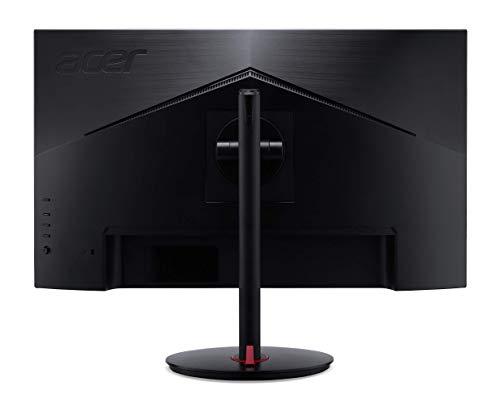
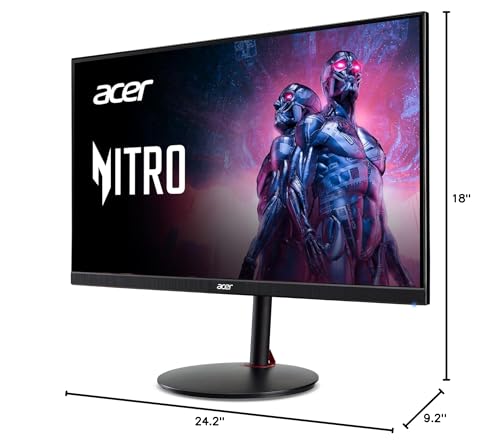
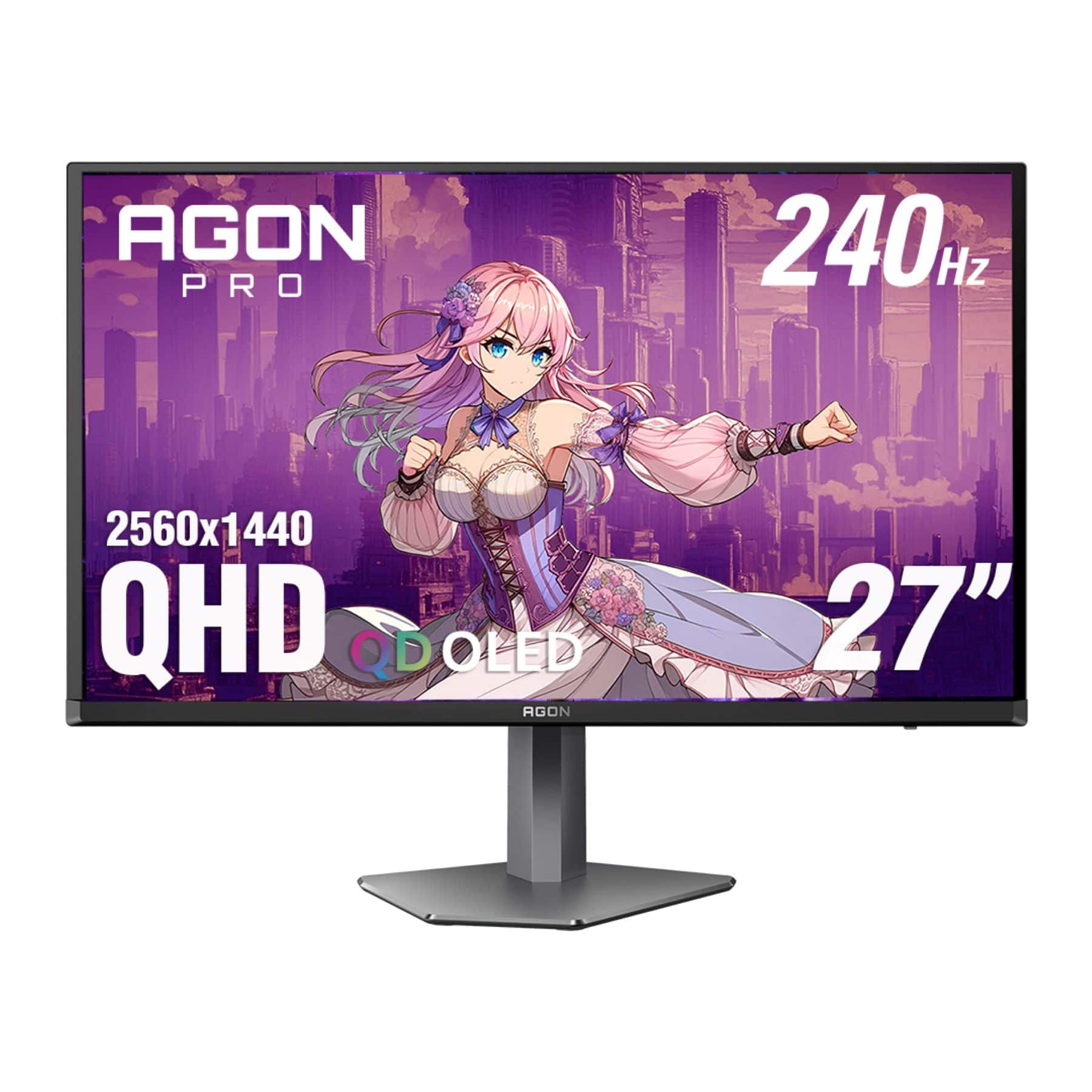
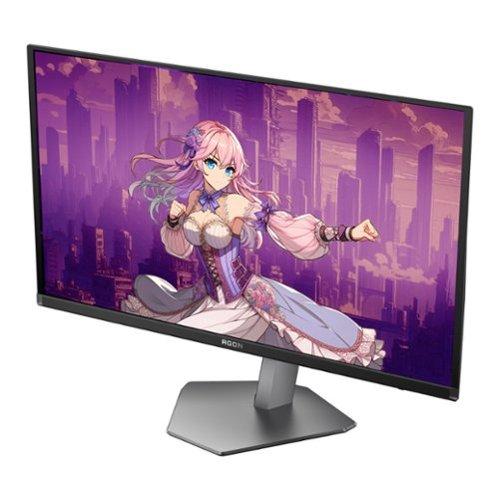
Gaming monitors have evolved dramatically over the past few years, transforming from simple displays into sophisticated pieces of technology that can make or break your gaming experience. Today, we're comparing two monitors that represent very different philosophies: the Acer Nitro XV1 27" WQHD 180Hz IPS Gaming Monitor and the AOC Agon Pro 27" QD-OLED 240Hz Gaming Monitor. One prioritizes incredible value, while the other pushes the boundaries of display technology.
Before diving into these specific models, it's crucial to understand what makes a gaming monitor great. The core considerations include panel technology (how the screen creates images), refresh rate (how many times per second the image updates), response time (how quickly pixels can change colors), resolution (image sharpness), and color accuracy. Each of these factors directly impacts your gaming experience, whether you're playing competitive esports titles or immersive single-player adventures.
The Acer Nitro XV1, released in 2024, represents the current generation of budget gaming excellence. At the time of writing, it offers exceptional value in the sub-$250 category, making high refresh rate gaming accessible to mainstream audiences. The AOC Agon Pro, also from 2024, showcases cutting-edge QD-OLED technology in the premium segment, typically priced three to four times higher than the Acer.
The most significant difference between these monitors lies in their fundamental display technology. The Acer Nitro XV1 uses an IPS (In-Plane Switching) panel, while the AOC Agon Pro features QD-OLED (Quantum Dot Organic Light Emitting Diode) technology.
IPS panels work by using liquid crystals that rotate in plane when electricity is applied, allowing light from a backlight to pass through. This creates consistent colors and excellent viewing angles – you can look at the screen from the side and still see accurate colors. However, IPS panels struggle with deep blacks because the backlight is always on, creating a slight glow even in dark scenes. The Acer Nitro XV1 achieves a 1000:1 contrast ratio, which is typical for IPS panels but means blacks appear more like dark gray.
QD-OLED technology in the AOC Agon Pro works completely differently. Each pixel is individually lit by organic compounds that emit light when electricity passes through them. This means true blacks – when a pixel is supposed to be black, it's completely off, producing infinite contrast. The "QD" part refers to quantum dots, which are tiny semiconductor crystals that enhance color purity and brightness compared to traditional OLED panels.
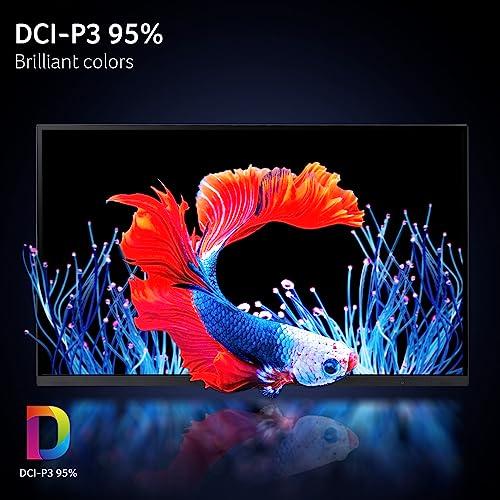
From our research into user experiences and professional reviews, this fundamental difference creates dramatically different viewing experiences. The Acer Nitro XV1 delivers excellent color consistency and wide viewing angles typical of quality IPS panels, with 95% DCI-P3 color coverage. However, users consistently note the grayish blacks and visible IPS glow in dark rooms – that slight brightening you see in the corners when viewing dark content.
The AOC Agon Pro provides what reviewers describe as a transformative visual experience. The perfect blacks and infinite contrast create depth and immersion that LCD technology simply cannot match. Colors appear more vibrant and lifelike, with 99% DCI-P3 and 98% Adobe RGB coverage. However, this comes with OLED-specific considerations like potential burn-in (permanent image retention) with prolonged static content display.
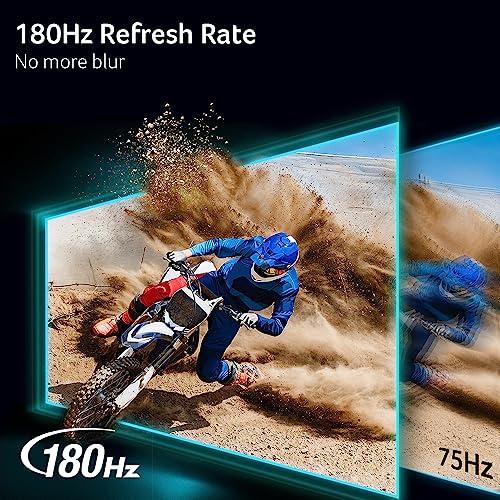
Refresh rate measures how many times per second your monitor updates the image, expressed in Hertz (Hz). Higher refresh rates create smoother motion, which is particularly beneficial in fast-paced games and provides competitive advantages in esports titles.
The Acer Nitro XV1 offers 180Hz via DisplayPort and 144Hz through HDMI connections. This represents excellent performance for the price category – most budget monitors still hover around 144Hz maximum. The difference between 60Hz and 180Hz is immediately noticeable; camera pans in games appear fluid rather than choppy, and tracking moving targets becomes significantly easier.
The AOC Agon Pro pushes this further with 240Hz native refresh rate. While the jump from 180Hz to 240Hz isn't as dramatic as 60Hz to 180Hz, competitive gamers and those with high-end graphics cards will appreciate the additional smoothness. Based on user feedback, the improvement is most noticeable in fast-paced competitive titles like Counter-Strike or Valorant.
Response time measures how quickly pixels can change from one color to another, typically measured in gray-to-gray transitions. Lower response times reduce motion blur and ghosting – that trailing effect you sometimes see behind fast-moving objects.
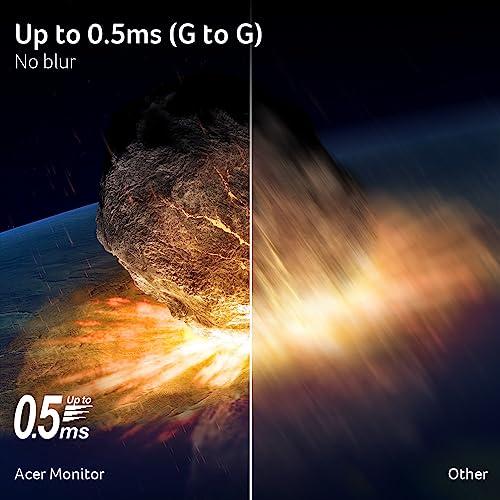
The Acer Nitro XV1 achieves 1ms gray-to-gray response time, with an even faster 0.5ms available through Visual Response Boost (VRB) mode. VRB works by strobing the backlight, reducing perceived motion blur but at the cost of brightness. For most gaming scenarios, the standard 1ms response is excellent and creates sharp, clear motion without visible trailing.
The AOC Agon Pro delivers an almost instantaneous 0.03ms response time – a specification that's nearly impossible to achieve with LCD technology. This near-zero response time, combined with the high refresh rate, creates exceptionally sharp motion clarity that professional reviewers consistently praise as superior to even the best LCD gaming monitors.
Input lag – the delay between your mouse click or keyboard press and the corresponding action on screen – is critical for competitive gaming. Both monitors excel here, with the Acer Nitro XV1 maintaining consistent ~4ms input lag across all refresh rates. The AOC Agon Pro achieves even lower input lag at maximum refresh rate, though it increases at lower refresh rates like 60Hz and 120Hz, which affects console gaming performance.
Color accuracy and coverage determine how vibrant and realistic images appear. The color gamut refers to the range of colors a display can reproduce, typically compared to standards like sRGB (standard web colors) or DCI-P3 (digital cinema colors).
The Acer Nitro XV1 covers 95% of the DCI-P3 color space, which translates to approximately 130% sRGB coverage. This wide gamut creates vibrant, saturated colors that make games pop visually. However, this can make standard web content appear oversaturated, though the monitor includes an sRGB mode to address this. Based on user reports, the color consistency across the screen is excellent, with minimal variation from center to edges.
The AOC Agon Pro achieves even wider color coverage at 99% DCI-P3 and 98% Adobe RGB, making it suitable for content creation beyond gaming. The quantum dot enhancement creates exceptionally pure colors with remarkable vibrancy. Users consistently report that the color reproduction appears more natural and lifelike compared to traditional displays, particularly in dark scenes where the perfect blacks enhance color contrast.
HDR (High Dynamic Range) enables displays to show a wider range of brightness levels and colors, creating more realistic images with brighter highlights and deeper shadows. However, HDR implementation varies dramatically between monitors.
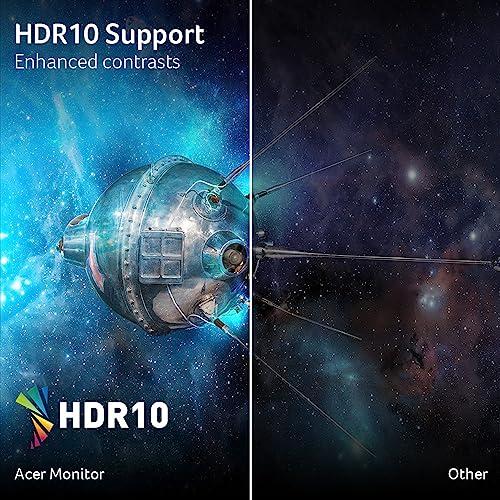
The Acer Nitro XV1 supports HDR10 but with significant limitations. Its 250 nits maximum brightness and lack of local dimming (the ability to selectively dim parts of the screen) mean HDR content doesn't look dramatically different from standard content. Based on user feedback, enabling HDR often makes content appear darker without the intended benefits. This monitor is best used for standard dynamic range (SDR) gaming.
The AOC Agon Pro provides genuine HDR performance with VESA DisplayHDR True Black 400 certification. The combination of perfect blacks and bright highlights creates the dramatic contrast HDR is designed to deliver. Users report that HDR games and movies appear significantly more immersive, with details visible in both dark shadows and bright highlights simultaneously. However, some reviews note that the HDR color volume is narrower compared to the absolute best QD-OLED monitors in the market.
At the time of writing, these monitors occupy very different market segments, and their value propositions reflect distinct priorities.
The Acer Nitro XV1 delivers exceptional performance-per-dollar in the budget category. For gamers building mid-range systems with graphics cards like the RTX 4060 or RX 7600, this monitor provides the high refresh rate experience without creating a bottleneck. The 180Hz capability means you can fully utilize these cards' performance at 1440p resolution in most games. Based on our research, users consistently praise the monitor for delivering "90% of the premium experience at 30% of the cost."
The AOC Agon Pro targets enthusiast gamers with high-end systems capable of driving 240fps at 1440p resolution. Cards like the RTX 4080 or RX 7800 XT can take full advantage of this monitor's capabilities in competitive titles. The premium pricing is justified by the cutting-edge panel technology and superior gaming experience, particularly for those who prioritize image quality alongside performance.
For mixed-use scenarios including movie watching and streaming, the display technology differences become even more pronounced. The Acer Nitro XV1 handles standard video content well, with good color accuracy for movies and shows. However, the IPS glow becomes more noticeable in dark room movie watching, and the limited HDR capability means streaming HDR content won't look dramatically different.
The AOC Agon Pro excels as a home theater display. The perfect blacks create an experience similar to high-end OLED TVs, making it excellent for dark room movie watching. HDR content from Netflix, Prime Video, and other streaming services displays with the intended dramatic contrast and vibrant colors. However, potential burn-in concerns mean avoiding static content like news tickers or desktop elements for extended periods.
Console gaming presents unique considerations. The Acer Nitro XV1 maintains consistent input lag across all refresh rates, making it excellent for PlayStation 5 and Xbox Series X gaming. It supports 120Hz over HDMI for console games that offer high refresh rate modes, and the consistent performance means no surprises when switching between game modes.
The AOC Agon Pro has some console limitations. The input lag increases at 60Hz and 120Hz refresh rates, potentially affecting response in console games. Additionally, it cannot downscale 4K 120Hz signals, limiting HDR use at high refresh rates on Xbox consoles. For primarily PC gaming with occasional console use, this isn't a major concern, but console-focused gamers might prefer the Acer Nitro XV1.
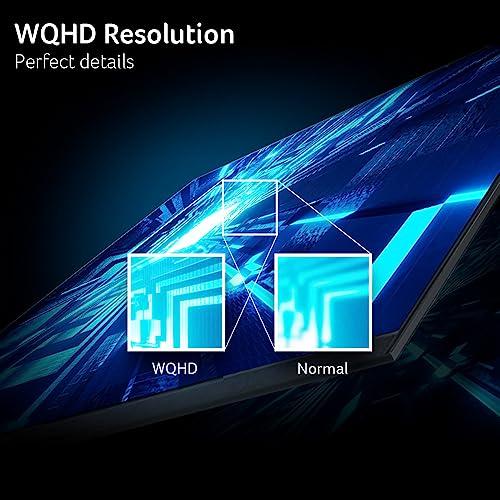
Both monitors offer 27-inch 1440p resolution, providing ample screen real estate for productivity tasks. The Acer Nitro XV1 delivers sharp text and good color accuracy for general productivity, photo editing, and content creation at an accessible price point.
The AOC Agon Pro provides professional-grade color accuracy with wide gamut coverage suitable for serious content creation. The deep blacks and accurate colors benefit photo editing, while the wide color gamut supports video editing workflows. However, the glossy finish may create reflections in bright office environments.
Gaming monitor technology has advanced rapidly since 2020. We've seen the introduction of QD-OLED panels, higher refresh rates becoming mainstream, and HDR implementation improving across all price categories. The Acer Nitro XV1 represents the current state of budget gaming monitors – features that were premium in 2020 are now accessible at mainstream prices.
The AOC Agon Pro showcases where the technology is heading. QD-OLED combines the best aspects of OLED contrast with quantum dot color enhancement, creating displays that approach the quality of professional reference monitors. The 3-year burn-in warranty addresses traditional OLED concerns, making the technology more viable for mixed-use scenarios.
Looking forward, expect continued improvements in HDR implementation across all price categories, wider adoption of QD-OLED technology as manufacturing scales up, and even higher refresh rates becoming accessible in budget segments.
Choose the Acer Nitro XV1 if you're building or upgrading a gaming system with a budget under $1500 total, using mid-range graphics cards, or primarily gaming on consoles. It delivers excellent gaming performance with high refresh rates and good color accuracy at an accessible price. The proven IPS technology means reliability without burn-in concerns, making it ideal for mixed gaming and productivity use.
Choose the AOC Agon Pro if you're building a high-end gaming system, prioritize image quality alongside performance, or engage in content creation requiring wide color gamuts. The superior contrast, perfect blacks, and exceptional motion clarity create a premium gaming experience that justifies the investment for enthusiast users. However, be prepared for OLED care considerations and ensure your graphics card can drive high frame rates at 1440p to fully utilize the 240Hz capability.
The choice ultimately depends on your budget, system specifications, and priorities. The Acer Nitro XV1 provides outstanding value and performance for mainstream gamers, while the AOC Agon Pro offers a glimpse into the future of gaming displays for those willing to invest in cutting-edge technology.
| Acer Nitro XV1 27" WQHD 180Hz IPS Gaming Monitor | AOC Agon Pro 27" QD-OLED 240Hz Gaming Monitor |
|---|---|
| Panel Technology - Determines image quality, contrast, and viewing experience | |
| IPS with LED backlight (excellent viewing angles, consistent colors, some IPS glow) | QD-OLED (perfect blacks, infinite contrast, premium visual quality) |
| Refresh Rate - Higher rates provide smoother motion and competitive advantages | |
| 180Hz (DisplayPort), 144Hz (HDMI) - excellent for most gaming scenarios | 240Hz native - ideal for competitive gaming and high-end GPUs |
| Response Time - Lower times reduce motion blur and ghosting | |
| 1ms G2G, 0.5ms with VRB (very good motion clarity) | 0.03ms G2G (near-instantaneous, eliminates motion blur) |
| Resolution & Screen Size - Balances sharpness with performance demands | |
| 27" 2560x1440 (WQHD) - sweet spot for gaming performance | 27" 2560x1440 (WQHD) - same resolution, same performance requirements |
| Contrast Ratio - Affects depth and realism, especially in dark scenes | |
| 1000:1 static (typical IPS, blacks appear grayish) | Infinite contrast (true blacks, exceptional depth and immersion) |
| Color Coverage - Determines vibrancy and accuracy of colors | |
| 95% DCI-P3 (vibrant gaming colors, good for content creation) | 99% DCI-P3, 98% Adobe RGB (professional-grade color accuracy) |
| HDR Performance - Enhanced contrast and color range for supported content | |
| HDR10 support, 250 nits brightness (limited HDR benefits) | HDR10, VESA DisplayHDR True Black 400 (genuine HDR experience) |
| Adaptive Sync - Eliminates screen tearing for smoother gameplay | |
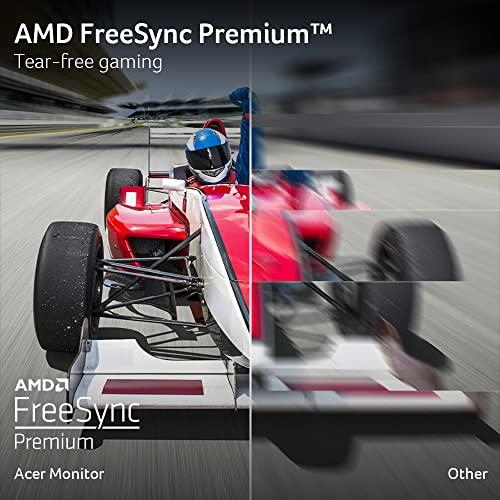
| AMD FreeSync Premium, G-SYNC Compatible (40-180Hz range) | G-SYNC Compatible, AMD FreeSync (wide VRR range, excellent sync performance) |
| Input Lag - Critical for competitive gaming responsiveness | |
| ~4ms consistent across all refresh rates (excellent for console gaming) | Ultra-low at 240Hz, higher at 60Hz/120Hz (PC-focused performance) |
| Ergonomics - Comfort and adjustability for extended gaming sessions | |
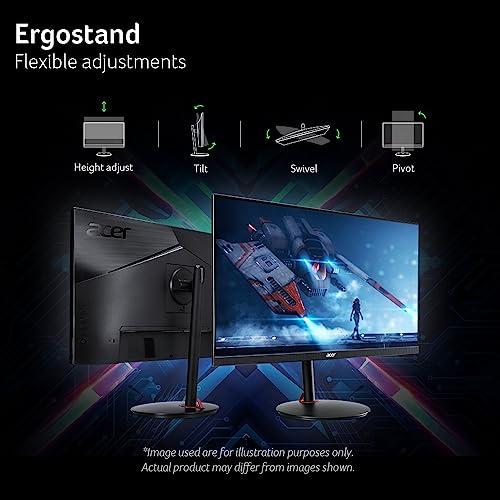
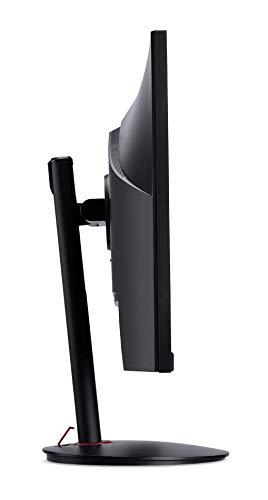
| Full adjustment: height, tilt, swivel, pivot (excellent ergonomics for the price) | Height, tilt, swivel, pivot with premium build quality |
| Connectivity - Determines compatibility with various devices | |
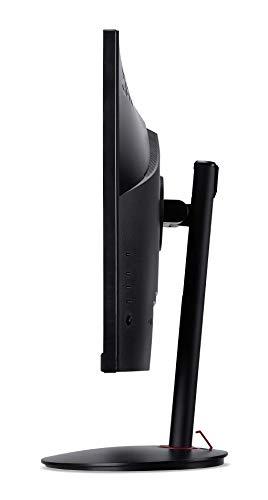
| 2x HDMI 2.0, 1x DisplayPort 1.2, 3.5mm audio (standard gaming connectivity) | 2x HDMI 2.0, 2x DisplayPort 1.4, USB hub, 3.5mm audio (enhanced connectivity) |
| Build Quality & Warranty - Long-term reliability and support | |
| Standard warranty, proven IPS reliability (no burn-in concerns) | 3-year warranty including burn-in coverage (premium but requires OLED care) |
| Value Proposition - Performance relative to investment | |
| Exceptional budget performance (90% of premium experience at 30% of cost) | Premium technology justifies higher cost (cutting-edge display for enthusiasts) |
The AOC Agon Pro 27" QD-OLED 240Hz Gaming Monitor offers superior gaming performance with its 240Hz refresh rate and 0.03ms response time, providing exceptionally smooth motion and minimal input lag. However, the Acer Nitro XV1 27" WQHD 180Hz IPS Gaming Monitor delivers excellent gaming performance at 180Hz with 1ms response time, which is more than sufficient for most gamers and offers better value.
The Acer Nitro XV1 uses IPS technology, which provides consistent colors and wide viewing angles but has limited contrast with grayish blacks. The AOC Agon Pro features QD-OLED technology, offering perfect blacks, infinite contrast, and more vibrant colors, but at a significantly higher cost and with potential burn-in concerns.
The Acer Nitro XV1 27" WQHD 180Hz IPS Gaming Monitor is better suited for console gaming due to its consistent input lag across all refresh rates. The AOC Agon Pro has higher input lag at 60Hz and 120Hz, which can affect console gaming performance, making it more PC-focused.
For home theater use, the AOC Agon Pro 27" QD-OLED 240Hz Gaming Monitor provides a superior experience with perfect blacks and genuine HDR performance, similar to high-end OLED TVs. The Acer Nitro XV1 handles video content well but has limited HDR capabilities and may show IPS glow in dark room viewing.
The Acer Nitro XV1 27" WQHD 180Hz IPS Gaming Monitor offers exceptional value, delivering high-refresh gaming at a budget-friendly price point. The AOC Agon Pro provides premium performance but costs significantly more, making it worthwhile only for enthusiasts with high-end systems.
The Acer Nitro XV1 works well with mid-range cards like RTX 4060 or RX 7600 to achieve high frame rates at 1440p. The AOC Agon Pro 27" QD-OLED 240Hz Gaming Monitor requires high-end cards like RTX 4080 or RX 7800 XT to fully utilize its 240Hz capability.
The Acer Nitro XV1 27" WQHD 180Hz IPS Gaming Monitor uses proven IPS technology with no burn-in risks, making it reliable for mixed use. The AOC Agon Pro comes with a 3-year burn-in warranty but requires careful usage to avoid permanent image retention from static content.
The AOC Agon Pro 27" QD-OLED 240Hz Gaming Monitor provides advantages for competitive gaming with its 240Hz refresh rate and near-instantaneous response time. However, the Acer Nitro XV1 offers excellent competitive performance at 180Hz for a fraction of the cost, making it accessible to more players.
The AOC Agon Pro offers genuine HDR performance with VESA DisplayHDR True Black 400 certification, providing dramatic contrast and vibrant colors. The Acer Nitro XV1 27" WQHD 180Hz IPS Gaming Monitor supports HDR10 but with limited brightness and no local dimming, resulting in minimal HDR benefits.
The AOC Agon Pro 27" QD-OLED 240Hz Gaming Monitor excels for content creation with 99% DCI-P3 and 98% Adobe RGB color coverage, plus accurate colors for professional work. The Acer Nitro XV1 provides good color accuracy for basic content creation and productivity tasks at a more accessible price point.
Both monitors include HDMI and DisplayPort connections. The Acer Nitro XV1 27" WQHD 180Hz IPS Gaming Monitor offers 2x HDMI 2.0 and 1x DisplayPort 1.2 with basic connectivity. The AOC Agon Pro provides enhanced connectivity with 2x HDMI 2.0, 2x DisplayPort 1.4, and a built-in USB hub for additional peripherals.
Choose the Acer Nitro XV1 27" WQHD 180Hz IPS Gaming Monitor if you have a mid-range gaming system, prefer proven reliability, or want excellent performance without premium pricing. Select the AOC Agon Pro 27" QD-OLED 240Hz Gaming Monitor if you have a high-end gaming system, prioritize image quality, and want cutting-edge display technology despite the higher investment.
We've done our best to create useful and informative comparisons to help you decide what product to buy. Our research uses advanced automated methods to create this comparison and perfection is not possible - please contact us for corrections or questions. These are the sites we've researched in the creation of this article: bestbuy.com - tomshardware.com - displayninja.com - youtube.com - youtube.com - youtube.com - store.acer.com - manuals.plus - displayspecifications.com - pangoly.com - pcpartpicker.com - casariolab.art - store.acer.com - versus.com - youtube.com - tomshardware.com - techpowerup.com - tomshardware.com - aoc.com - tftcentral.co.uk - aoc.com - rtings.com - bestbuy.com - youtube.com - displayspecifications.com - aoc.com - microcenter.com - guru3d.com

Privacy Policy
Terms and Conditions - Affiliate Policy
Home Security
© Copyright 2008-2026.
11816 Inwood Rd #1211, Dallas, TX 75244