

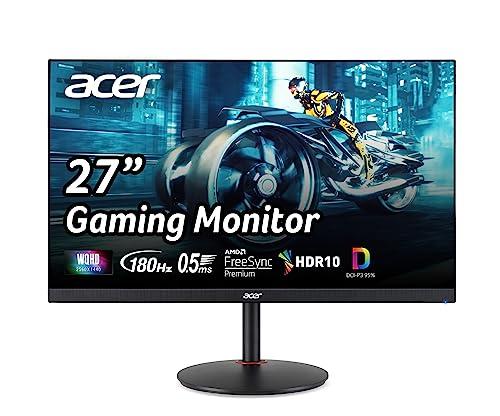
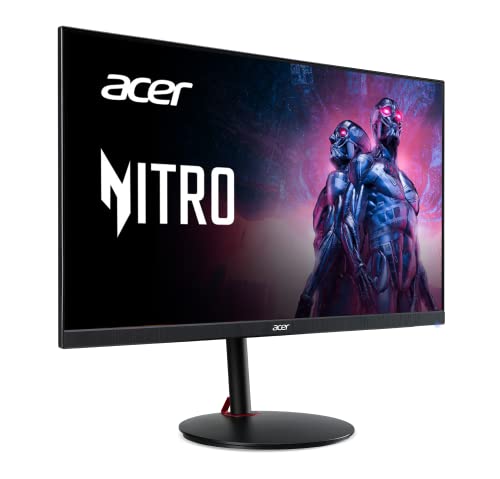
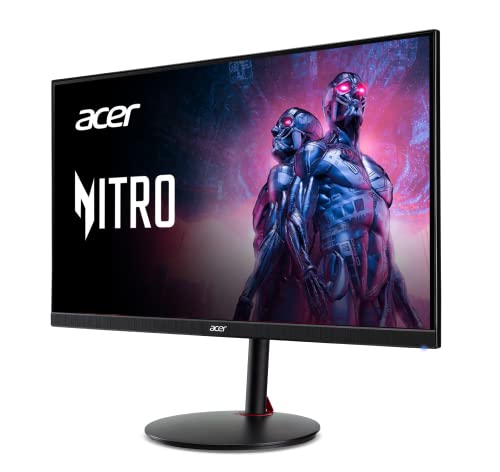
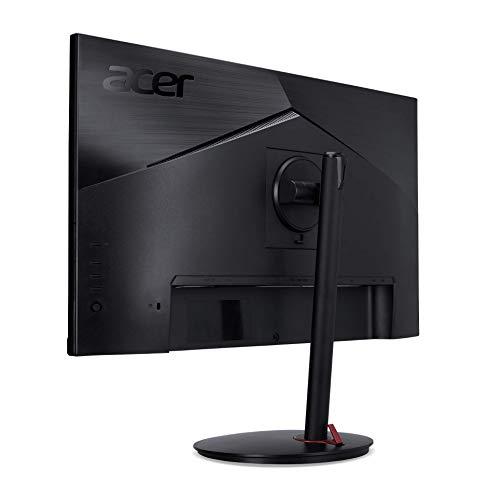
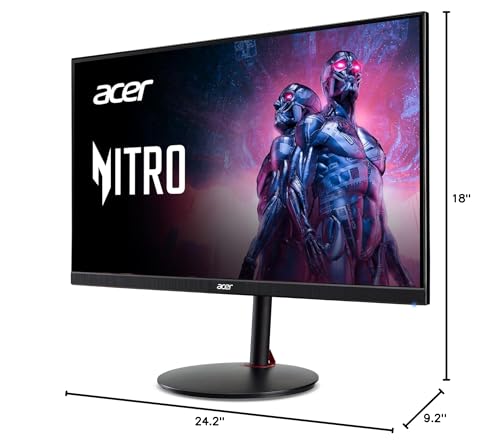

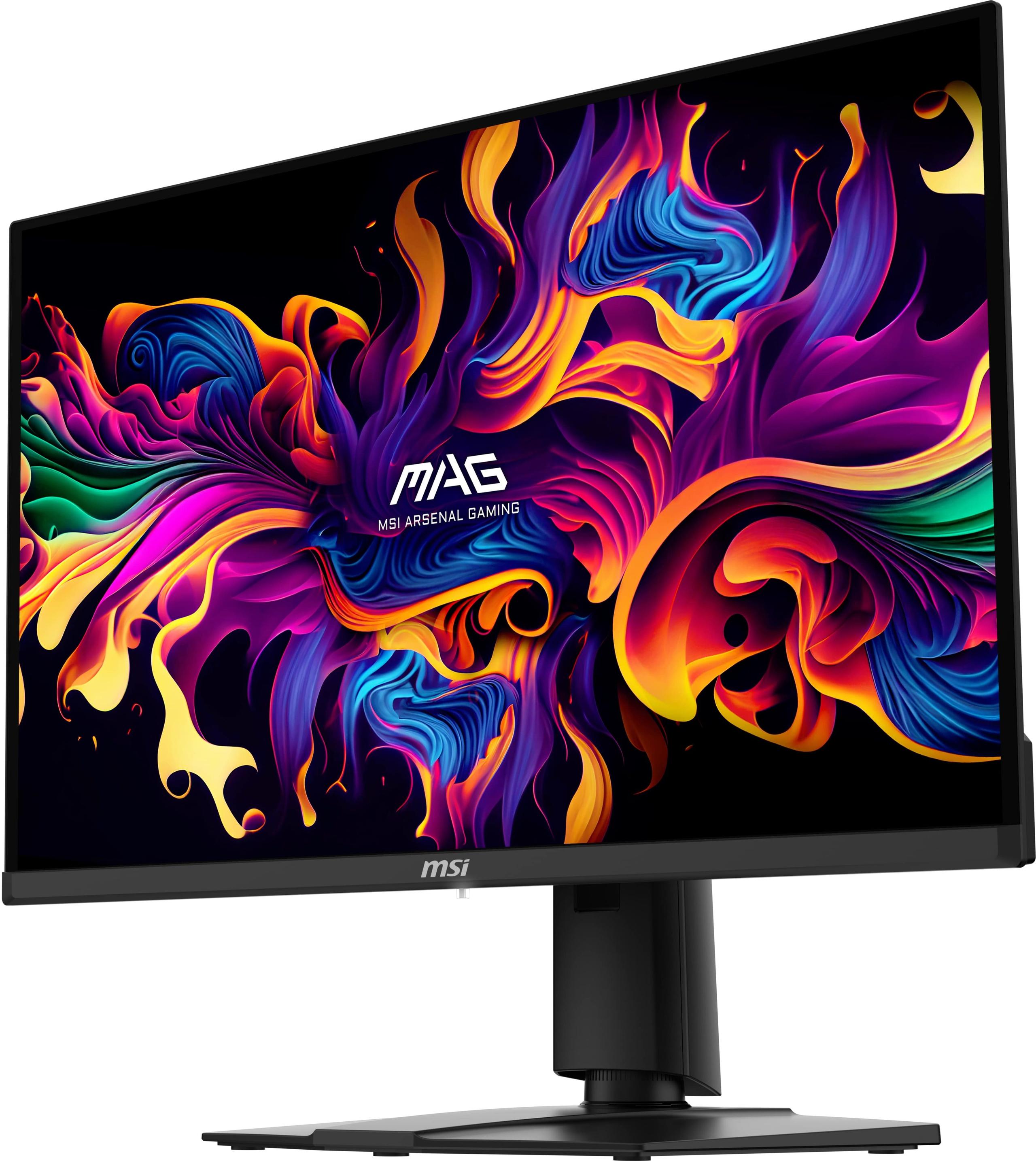
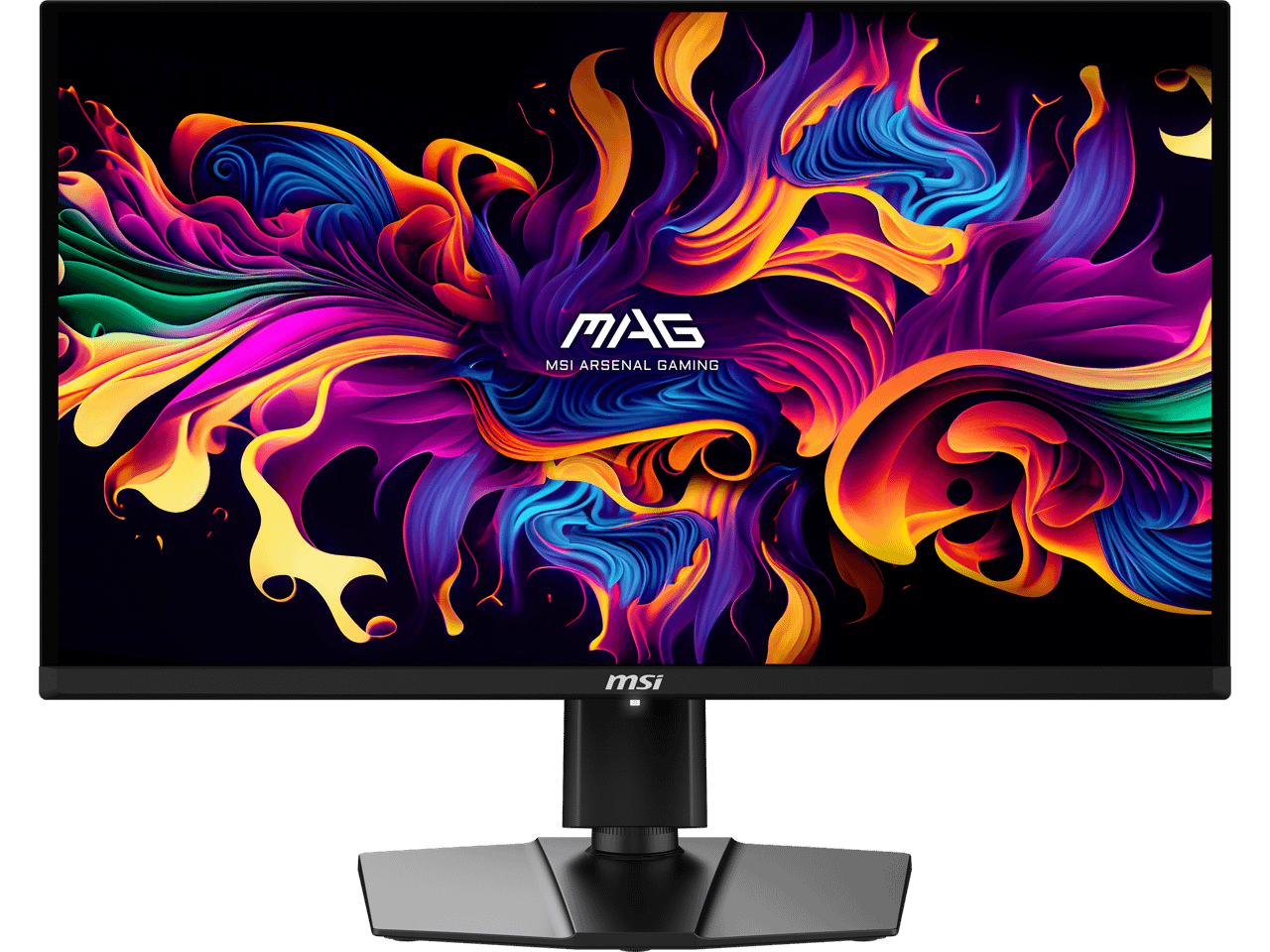
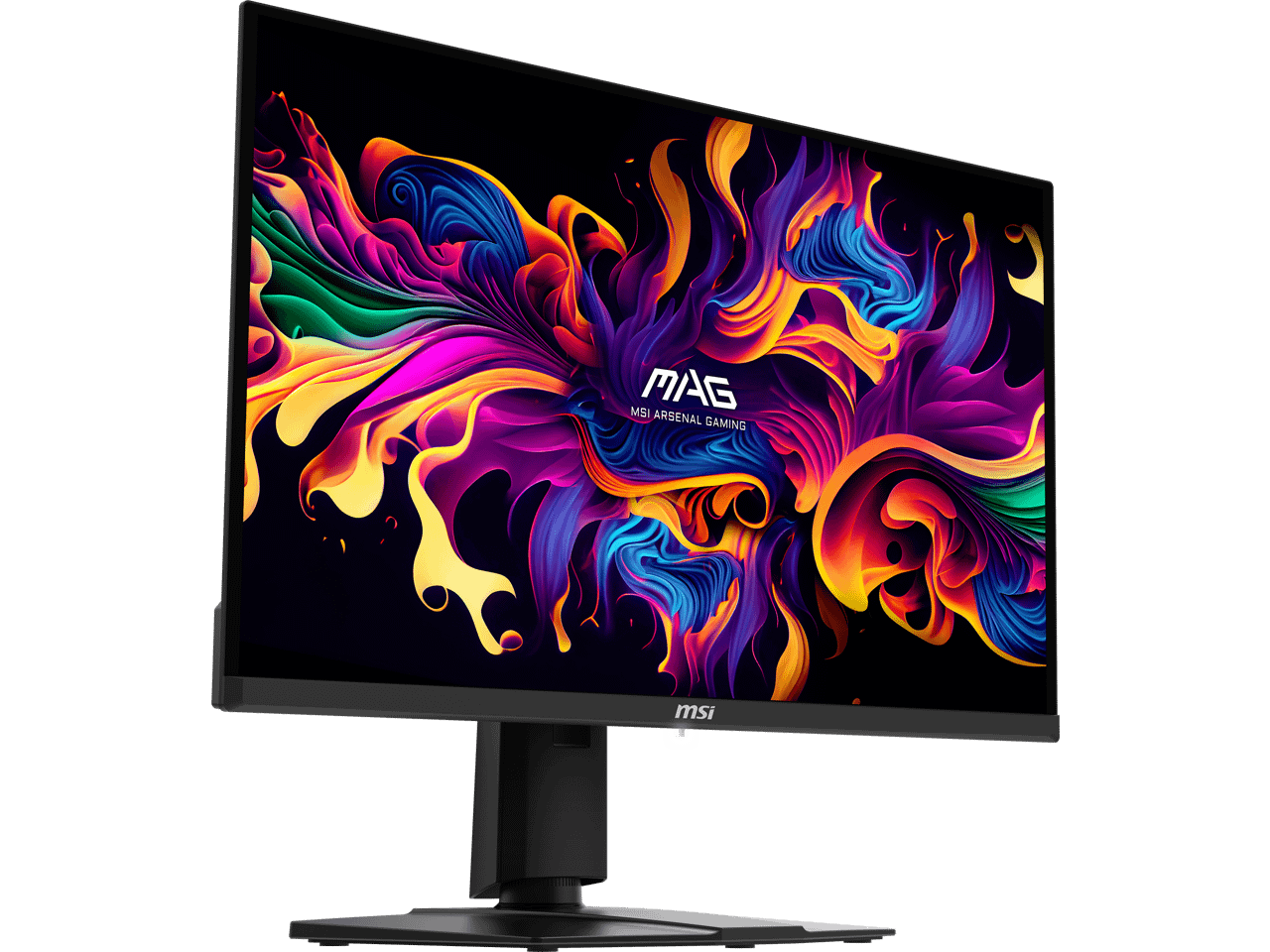
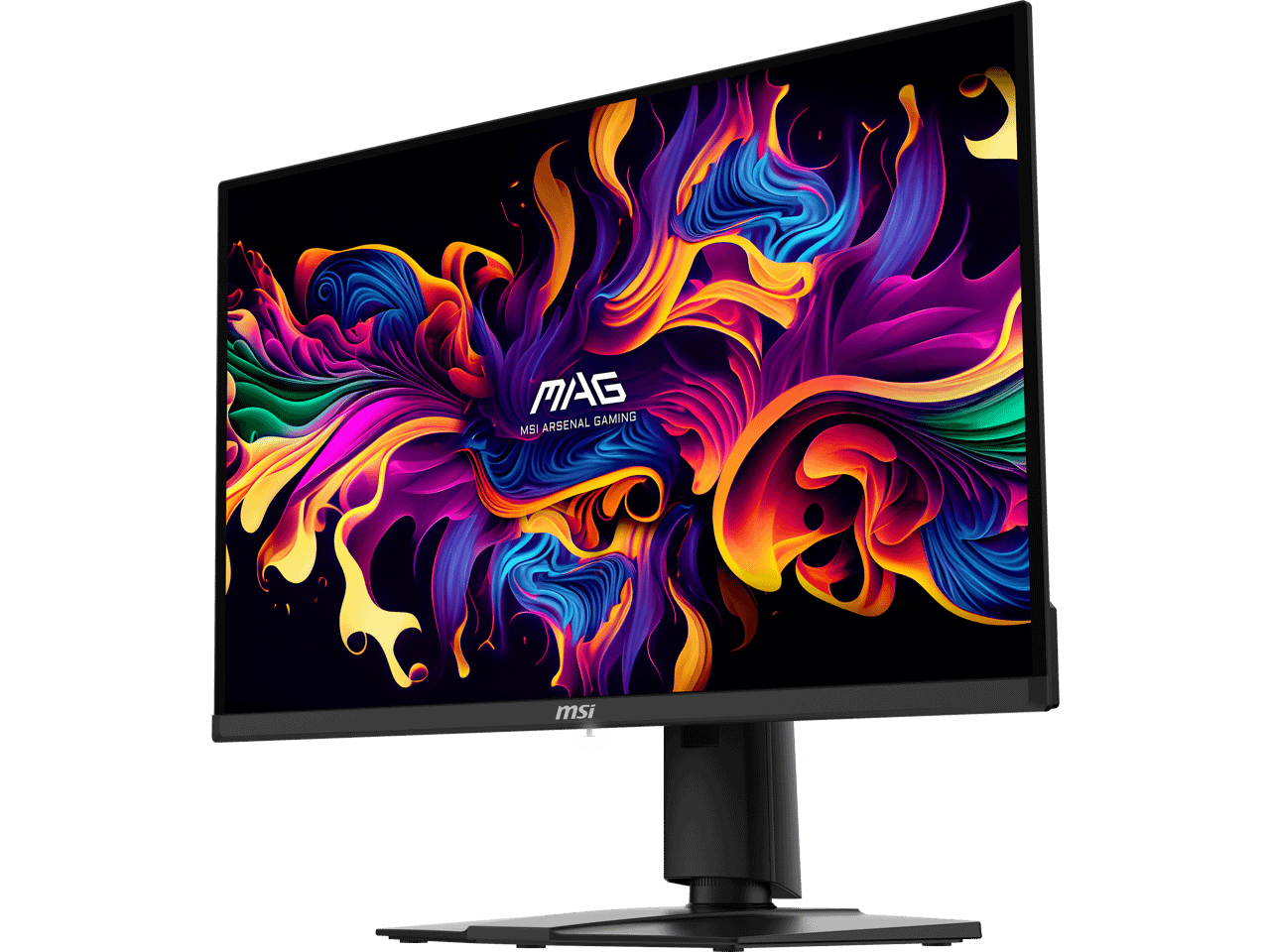
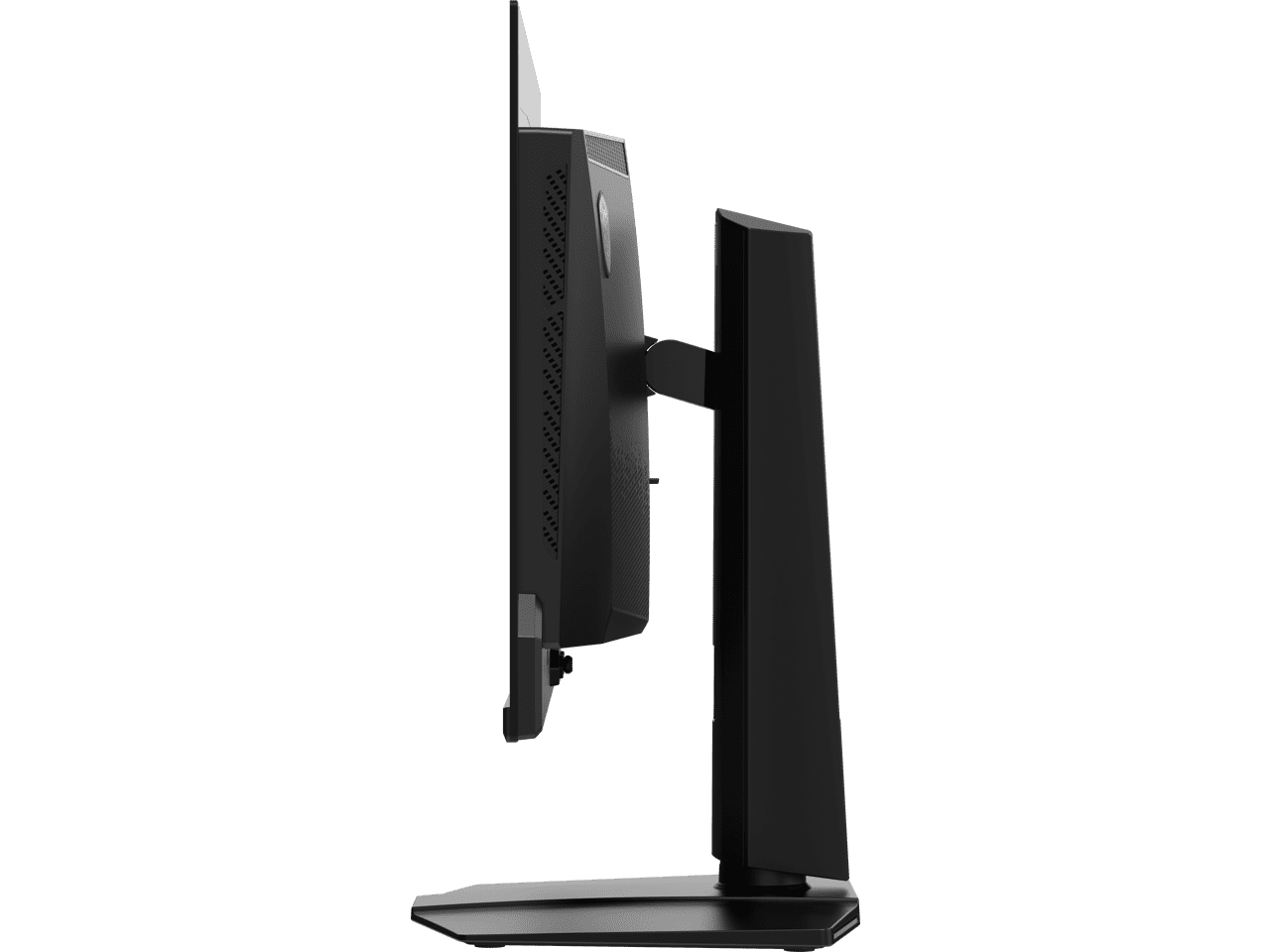

Choosing the right gaming monitor in 2025 has become more complex than ever. Two fundamentally different approaches dominate the market: affordable IPS LCD panels that deliver solid performance, and premium OLED displays that push visual quality to new heights. The Acer Nitro XV1 27" WQHD 180Hz IPS Gaming Monitor and MSI MAG 271QP QD-OLED X24 27" QHD 240Hz Gaming Monitor represent these competing philosophies perfectly.
At the time of writing, these monitors sit in different price brackets—the Acer targets budget-conscious gamers while the MSI costs roughly twice as much. This price gap reflects a genuine technology divide that affects everything from motion clarity to color reproduction. Understanding these differences is crucial for making the right choice for your gaming setup.
The gaming monitor landscape has evolved dramatically since 2020. Back then, most gamers were satisfied with 144Hz refresh rates and basic color accuracy. Today's monitors push refresh rates to 240Hz and beyond, while panel technologies like QD-OLED (Quantum Dot OLED) have revolutionized what's possible in terms of contrast and response times.
IPS (In-Plane Switching) panels, like the one in the Acer Nitro XV1, have been the workhorses of gaming monitors for years. They offer consistent colors across wide viewing angles and reasonable response times. However, they're fundamentally limited by their backlighting system—LED lights shine through liquid crystal layers, creating inherent contrast limitations since the backlight can never be completely turned off.
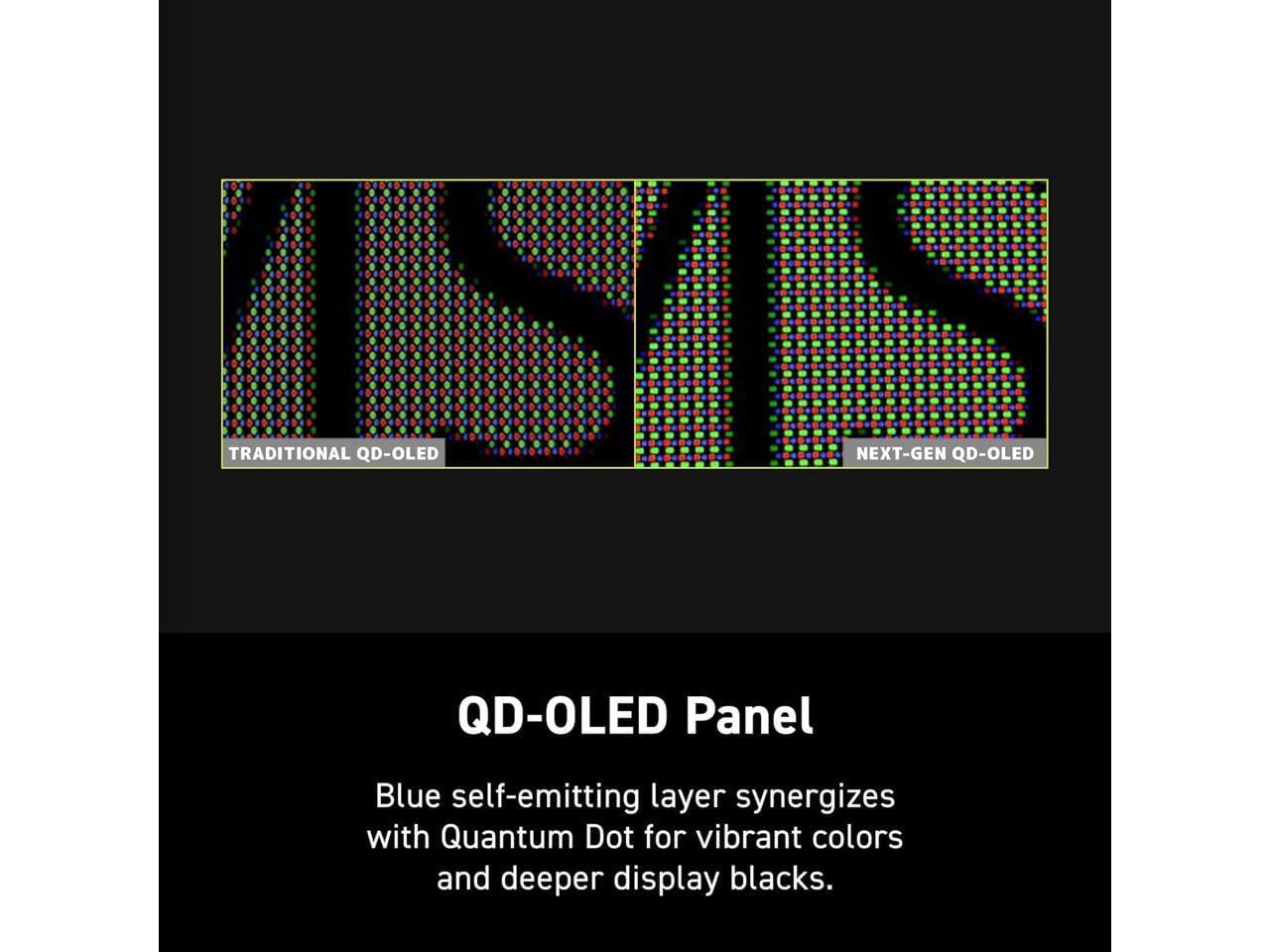
QD-OLED technology in the MSI MAG 271QP represents a newer approach that emerged commercially around 2022. Each pixel generates its own light, allowing for true blacks when pixels are turned off completely. The quantum dot layer enhances color purity and brightness, combining OLED's infinite contrast with improved color volume compared to traditional OLED panels.
These technological differences create distinct performance characteristics that matter enormously for gaming. Response time—how quickly pixels can change from one color to another—directly affects motion blur. Refresh rate determines how many times per second the screen updates. Contrast ratio affects how well you can distinguish details in dark game scenes. Understanding these metrics helps you evaluate which monitor serves your gaming style better.
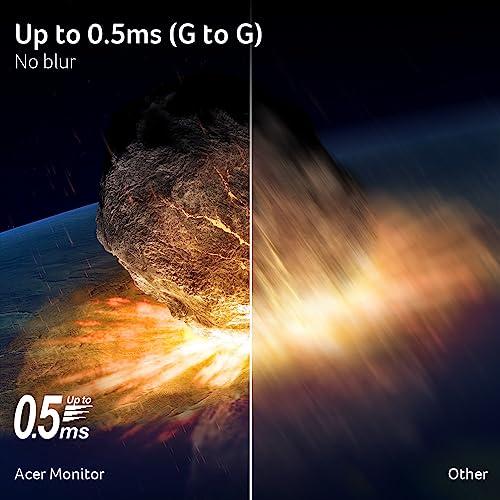
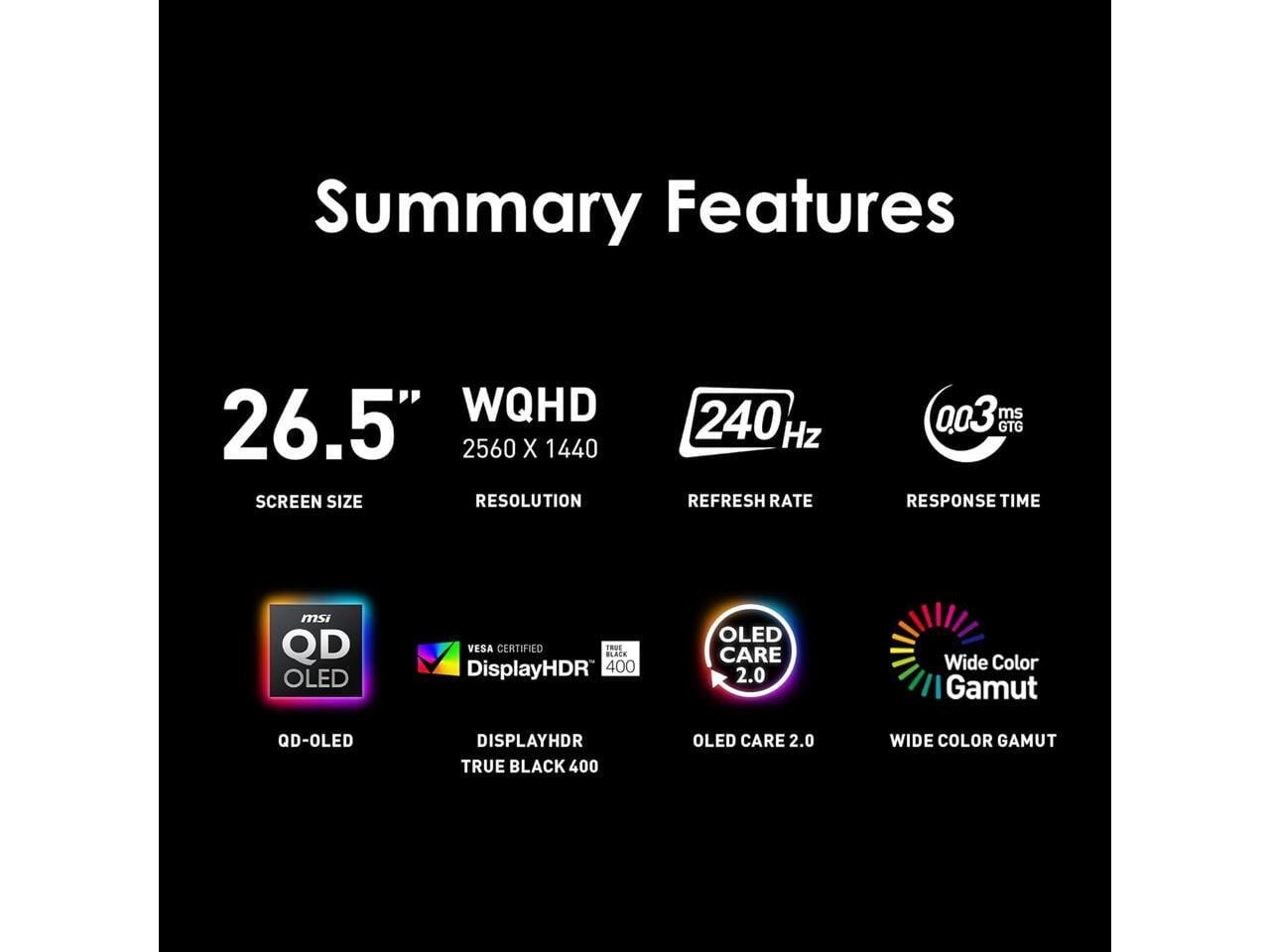
Response time might be the most critical specification for competitive gaming, and here the technology gap becomes immediately apparent. The Acer Nitro XV1 delivers a respectable 1-millisecond gray-to-gray (GtG) response time, which represents how quickly a pixel transitions between different shades of gray. This specification has been considered excellent for LCD panels and eliminates most ghosting artifacts in fast-moving scenes.
The MSI MAG 271QP, however, achieves a staggering 0.03-millisecond response time—roughly 33 times faster than the Acer. This isn't just a numbers game; this difference is visually apparent when tracking fast-moving objects in games like Overwatch or Valorant. OLED pixels can change states almost instantaneously because they don't rely on liquid crystals physically rotating to block or allow light passage.
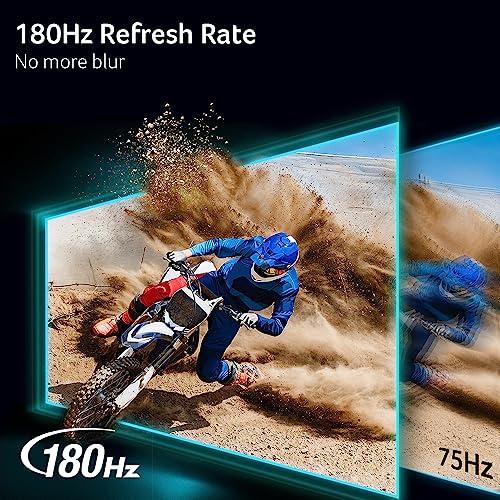
Refresh rate tells a similar story. The Acer's 180Hz refresh rate updates the screen 180 times per second, providing smooth motion that's a significant upgrade from standard 60Hz displays. The MSI's 240Hz refresh rate pushes this further, updating 240 times per second. While the difference between 180Hz and 240Hz isn't as dramatic as going from 60Hz to 144Hz, competitive players often notice improved target tracking and reduced input lag.
From our research into user experiences, the motion clarity difference becomes most apparent in fast-paced first-person shooters. Players report easier target acquisition and reduced eye strain during extended gaming sessions with the higher refresh rate and faster response times of the MSI monitor. However, many users find the Acer's 180Hz performance perfectly adequate for most gaming scenarios, especially single-player adventures or strategy games where split-second reactions matter less.
The visual quality difference between these monitors represents the most significant gap between budget and premium gaming displays. The Acer Nitro XV1 uses a traditional IPS panel with LED backlighting, achieving a respectable 5000:1 contrast ratio. This means the brightest whites are 5000 times brighter than the darkest blacks the panel can produce. For an LCD, this represents solid performance with good color accuracy and viewing angles.
The MSI MAG 271QP fundamentally changes this equation. OLED pixels can turn completely off, creating true blacks with theoretically infinite contrast ratios. In practice, this translates to contrast ratios exceeding 1,000,000:1. The visual impact is immediately noticeable—shadows in games like The Witcher 3 or Cyberpunk 2077 reveal details that simply disappear into gray washes on LCD panels.
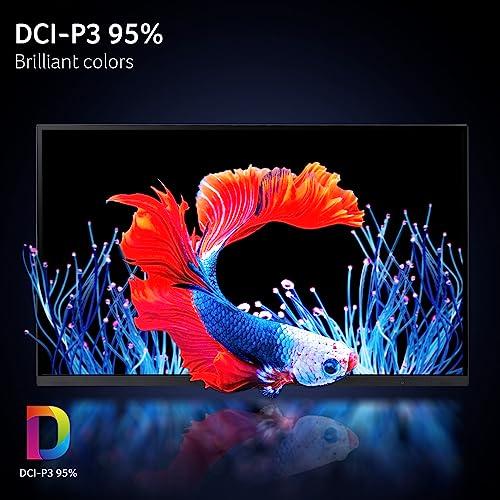
Color reproduction shows similar disparities. The Acer supports 8-bit color depth with Frame Rate Control (FRC), displaying approximately 16.7 million colors with reasonable accuracy. It covers standard sRGB color space adequately for gaming, though it can't match wider color gamuts required for HDR content.
The MSI monitor operates with true 10-bit color depth, displaying over one billion colors naturally. It covers wider color gamuts including 99% DCI-P3 and 98% Adobe RGB, making colors appear more saturated and lifelike. This wider color range becomes particularly noticeable in vibrant game environments or HDR content where the expanded color palette creates more realistic lighting effects.
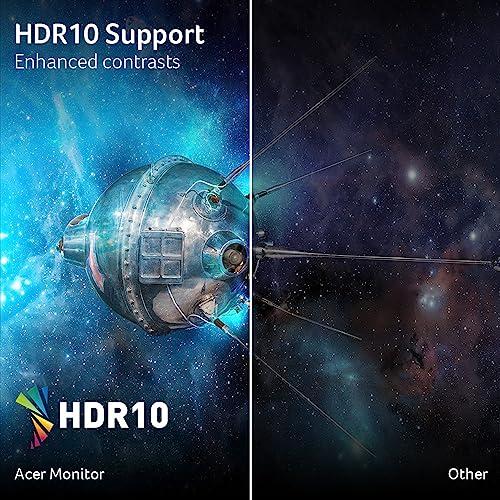
HDR (High Dynamic Range) performance represents another major distinction. The Acer's modest 250-nit peak brightness limits its HDR capabilities—while it technically supports HDR10, the experience feels more like enhanced color mapping rather than true HDR. The MSI achieves DisplayHDR TrueBlack 400 certification, with peak brightness reaching 1000 nits in small highlight areas. This creates genuine HDR impact with bright specular highlights against true black backgrounds.
These technical differences translate into distinct gaming experiences. In competitive multiplayer games, the MSI's combination of 240Hz refresh rate and 0.03ms response time provides measurable advantages. Players report improved hit registration in games like Apex Legends and better tracking of fast-moving targets in Rocket League. The difference isn't just theoretical—it's often the margin between landing a crucial shot or missing it entirely.
However, the Acer Nitro XV1 shouldn't be dismissed for competitive gaming. Its 180Hz refresh rate and 1ms response time still provide excellent performance that surpasses most players' reaction times. Many professional esports players competed successfully on similar specifications for years. The difference matters most at the highest skill levels where every advantage counts.
For single-player gaming, the visual quality advantages of the MSI monitor become more prominent than pure speed. Games like Red Dead Redemption 2, Horizon Zero Dawn, or any title with dramatic lighting benefit enormously from OLED's infinite contrast. Campfire scenes, cave exploration, or space combat reveal detail and atmosphere that LCD backlighting simply cannot match.
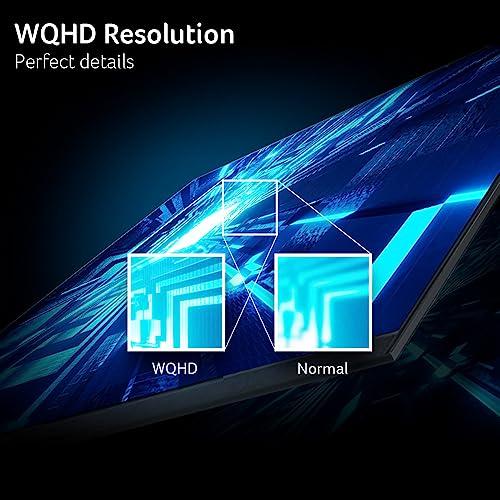
Both monitors handle 1440p resolution equally well, providing a sweet spot between visual detail and GPU performance requirements. This resolution works excellently with mid-range to high-end graphics cards, offering sharper imagery than 1080p without the extreme hardware demands of 4K gaming.
Modern gaming extends beyond PC platforms, and connectivity options reflect this reality. The Acer Nitro XV1 includes standard connectivity with DisplayPort 1.2 and two HDMI 2.0 ports. This setup works well for PC gaming and provides adequate console support, though next-gen consoles are limited to 120Hz over HDMI rather than the monitor's full 180Hz capability.
The MSI MAG 271QP includes more advanced connectivity with DisplayPort 1.4a and dual HDMI 2.1 ports. HDMI 2.1 enables full 240Hz gaming with PlayStation 5 and Xbox Series X, along with Variable Refresh Rate (VRR) and Auto Low Latency Mode (ALLM) for optimized console gaming. This future-proofs the display for console gaming scenarios where the Acer might show limitations.
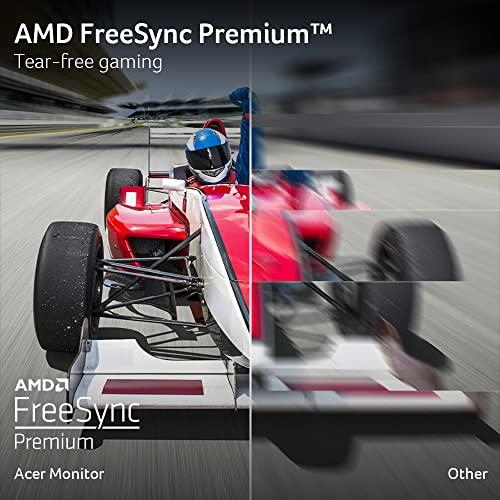
Both monitors support adaptive sync technologies—the Acer focuses on AMD FreeSync Premium while the MSI supports both FreeSync and G-Sync compatibility. This broader compatibility makes the MSI monitor more flexible for users who might switch between AMD and NVIDIA graphics cards.
At the time of writing, the price difference between these monitors reflects their technological gap. The Acer Nitro XV1 typically costs roughly half the price of the MSI MAG 271QP, making it an exceptional value for budget-conscious gamers seeking modern refresh rates and decent color accuracy.
The MSI monitor's premium pricing reflects the OLED technology costs and manufacturing complexity. However, QD-OLED prices have decreased significantly since their introduction in 2022, making premium gaming monitors more accessible than ever before.
This pricing dynamic creates interesting value considerations. The Acer delivers perhaps 70-80% of the gaming performance at 50% of the cost, making it exceptional value for price-sensitive buyers. The MSI charges a premium for that final 20-30% performance improvement and significantly enhanced visual quality.
For many gamers, the question becomes whether superior motion clarity and OLED's visual advantages justify doubling their monitor budget. This decision often depends on gaming priorities, room lighting conditions, and overall system budget allocation.
Gaming monitors increasingly serve double duty as entertainment displays, and here the differences become more pronounced. The MSI MAG 271QP's superior contrast and HDR performance make it excellent for movie watching and streaming content. OLED's infinite contrast creates cinematic experiences that LCD technology cannot match, especially in darkened rooms.
However, the Acer Nitro XV1 offers advantages for mixed-use scenarios. IPS panels maintain consistent brightness and color accuracy across various lighting conditions, making them better suited for daytime productivity work or bright room gaming. OLED panels can appear washed out in bright ambient lighting, reducing their visual impact.
Burn-in considerations also favor the Acer for mixed-use applications. Static desktop elements, taskbars, and productivity applications can potentially cause permanent image retention on OLED panels. While the MSI monitor includes comprehensive burn-in protection features and warranty coverage, LCD panels remain virtually immune to this concern.
The maturity difference between these technologies affects long-term ownership experiences. IPS LCD panels like the Acer's represent decades of refinement with well-understood reliability characteristics. They typically maintain consistent performance for many years without degradation concerns.
QD-OLED technology in the MSI monitor is newer, with long-term reliability data still accumulating. However, MSI addresses these concerns with comprehensive OLED Care 2.0 features including pixel shifting, static screen detection, and automatic panel refresh cycles. The included three-year warranty specifically covers burn-in, providing peace of mind for this premium investment.
Power consumption also differs significantly. The Acer draws consistent power for its LED backlighting regardless of image content. The MSI uses power proportionally to image brightness—dark scenes consume minimal power while bright HDR content draws more. This variable consumption pattern can result in lower average power usage for typical gaming content.
The decision between the Acer Nitro XV1 and MSI MAG 271QP QD-OLED X24 ultimately depends on your gaming priorities and budget flexibility.
Choose the Acer Nitro XV1 if you're building a complete gaming setup on a budget, prioritize reliability over cutting-edge performance, game primarily in bright rooms, or use your monitor for mixed productivity and gaming applications. It delivers excellent 1440p gaming performance at an accessible price point, making it ideal for students, casual gamers, or anyone seeking modern refresh rates without premium technology costs.
The MSI MAG 271QP makes sense for serious gamers who prioritize visual quality and competitive performance, primarily game in darkened environments, want the latest display technology, or appreciate cinematic experiences for both games and entertainment content. The superior motion clarity and infinite contrast justify the premium for users who consider their monitor a long-term investment in their gaming experience.
Both monitors represent solid choices within their respective market segments. The Acer proves that excellent gaming performance doesn't require premium pricing, while the MSI demonstrates why OLED technology commands enthusiast attention despite its higher costs. Your choice should align with your gaming style, budget constraints, and performance priorities rather than following generic recommendations.
| Acer Nitro XV1 27" WQHD 180Hz IPS Gaming Monitor | MSI MAG 271QP QD-OLED X24 27" QHD 240Hz Gaming Monitor |
|---|---|
| Panel Technology - Fundamentally affects contrast, colors, and motion performance | |
| IPS LCD with LED backlighting (reliable, consistent brightness) | QD-OLED (true blacks, infinite contrast, superior colors) |
| Refresh Rate - Higher rates provide smoother motion in fast games | |
| 180Hz (excellent for most gaming, significant upgrade over 144Hz) | 240Hz (top-tier competitive gaming performance) |
| Response Time - Lower is better for eliminating motion blur and ghosting | |
| 1ms GtG (very good for LCD, minimal ghosting in most scenarios) | 0.03ms GtG (virtually eliminates all motion blur, 33x faster) |
| Contrast Ratio - Higher ratios reveal more detail in dark game scenes | |
| 5,000:1 (typical for IPS, adequate shadow detail) | 1,000,000:1+ (infinite OLED contrast, dramatic shadow detail) |
| Peak Brightness - Affects HDR performance and bright room visibility | |
| 250 nits (adequate for indoor use, limited HDR impact) | Variable HDR up to 1,000 nits (genuine HDR performance, DisplayHDR TrueBlack 400) |
| Color Depth and Gamut - More colors create more realistic visuals | |
| 8-bit + FRC, standard sRGB coverage (good for gaming, basic color accuracy) | 10-bit native, 99% DCI-P3, 98% Adobe RGB (exceptional color volume and accuracy) |
| Connectivity - Affects console compatibility and future-proofing | |
| DisplayPort 1.2, 2x HDMI 2.0 (good PC support, limited console refresh rates) | DisplayPort 1.4a, 2x HDMI 2.1 (full 240Hz console support, VRR, ALLM) |
| Adaptive Sync Technology - Eliminates screen tearing for smoother gameplay | |
| AMD FreeSync Premium (40-180Hz range, excellent with AMD GPUs) | G-Sync Compatible + FreeSync (broader GPU compatibility) |
| Burn-in Risk and Warranty - Important for long-term reliability | |
| No burn-in risk (LCD technology immune to permanent image retention) | OLED burn-in possible, but 3-year warranty covers burn-in damage |
| Best Use Cases - Who should buy each monitor | |
| Budget gamers, bright rooms, mixed productivity/gaming, burn-in concerns | Competitive esports, dark room gaming, visual quality priority, home theater use |
The MSI MAG 271QP QD-OLED X24 is superior for competitive gaming due to its 240Hz refresh rate and 0.03ms response time, compared to the Acer Nitro XV1's 180Hz and 1ms response time. The faster response eliminates motion blur and ghosting, giving competitive players a clear advantage in fast-paced games like Valorant and Overwatch.
The Acer Nitro XV1 uses IPS LCD technology with LED backlighting, providing consistent colors but limited contrast. The MSI MAG 271QP features QD-OLED technology where each pixel produces its own light, creating true blacks and infinite contrast ratios. This results in dramatically better shadow detail and more vibrant colors on the MSI monitor.
The Acer Nitro XV1 provides exceptional value for budget-conscious gamers, delivering solid 1440p 180Hz performance at roughly half the cost. The MSI MAG 271QP costs significantly more but offers premium OLED technology with superior motion clarity and visual quality. Value depends on whether you prioritize affordability or cutting-edge performance.
The MSI MAG 271QP QD-OLED X24 excels for movies and streaming due to its infinite contrast ratio and true blacks, creating a cinematic experience especially in dark rooms. The Acer Nitro XV1 provides decent movie watching but cannot match OLED's dramatic contrast for film content.
The Acer Nitro XV1 performs better in bright rooms due to its consistent LED backlighting and anti-glare coating. The MSI MAG 271QP can appear washed out in bright ambient lighting, making it better suited for dimmer gaming environments where its OLED technology can shine.
The MSI MAG 271QP QD-OLED X24 offers superior console support with dual HDMI 2.1 ports enabling full 240Hz gaming, VRR, and ALLM with PlayStation 5 and Xbox Series X. The Acer Nitro XV1 uses HDMI 2.0 ports, limiting console refresh rates to 120Hz rather than the monitor's full 180Hz capability.
The MSI MAG 271QP provides superior color accuracy with 10-bit color depth, 99% DCI-P3 coverage, and factory calibration. The Acer Nitro XV1 offers basic color accuracy suitable for gaming but cannot match the MSI's wide color gamut and precision for professional content creation work.
The Acer Nitro XV1 has no burn-in risk as LCD technology is immune to permanent image retention. The MSI MAG 271QP QD-OLED X24 can potentially experience OLED burn-in from static images, but includes comprehensive protection features and a 3-year warranty that specifically covers burn-in damage.
The Acer Nitro XV1 is better suited for mixed use due to its consistent brightness, no burn-in risk from static desktop elements, and reliable performance across different lighting conditions. The MSI MAG 271QP requires more careful usage patterns to prevent burn-in from productivity applications with static interfaces.
Both monitors offer smooth gaming experiences, but the MSI MAG 271QP's 240Hz provides noticeably smoother motion compared to the Acer Nitro XV1's 180Hz, especially in competitive scenarios. The 60Hz difference becomes most apparent when tracking fast-moving objects or during rapid camera movements in first-person shooters.
The MSI MAG 271QP QD-OLED X24 delivers genuine HDR with DisplayHDR TrueBlack 400 certification, peak brightness up to 1000 nits, and true blacks. The Acer Nitro XV1 supports HDR10 but with limited 250-nit brightness, resulting in more basic HDR enhancement rather than true high dynamic range performance.
The Acer Nitro XV1 offers proven long-term reliability with mature IPS LCD technology that maintains consistent performance for years. The MSI MAG 271QP uses newer QD-OLED technology with less long-term data, but includes advanced protective features and comprehensive warranty coverage to address potential OLED-specific concerns.
We've done our best to create useful and informative comparisons to help you decide what product to buy. Our research uses advanced automated methods to create this comparison and perfection is not possible - please contact us for corrections or questions. These are the sites we've researched in the creation of this article: bestbuy.com - tomshardware.com - displayninja.com - youtube.com - youtube.com - youtube.com - store.acer.com - manuals.plus - displayspecifications.com - pangoly.com - pcpartpicker.com - casariolab.art - store.acer.com - versus.com - youtube.com - bestbuy.com - youtube.com - xda-developers.com - newegg.com - notebookcheck.net - displayninja.com - ign.com - rtings.com - cdw.com - microcenter.com - bestbuy.com - us.msi.com - colamco.com - msi.com - msi.com - displayspecifications.com - msi.com - storage-asset.msi.com - msi.com - us.msi.com - displayspecifications.com

Privacy Policy
Terms and Conditions - Affiliate Policy
Home Security
© Copyright 2008-2026.
11816 Inwood Rd #1211, Dallas, TX 75244