

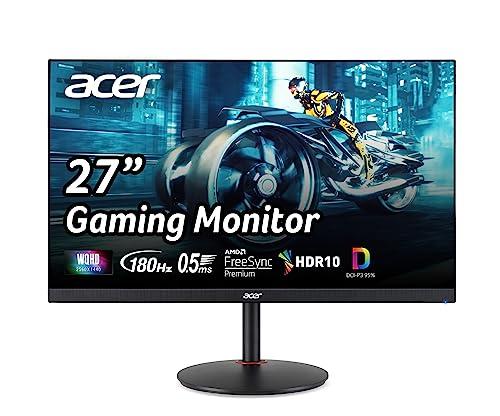
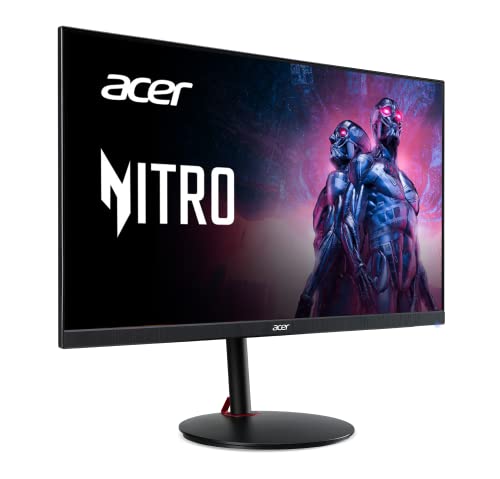
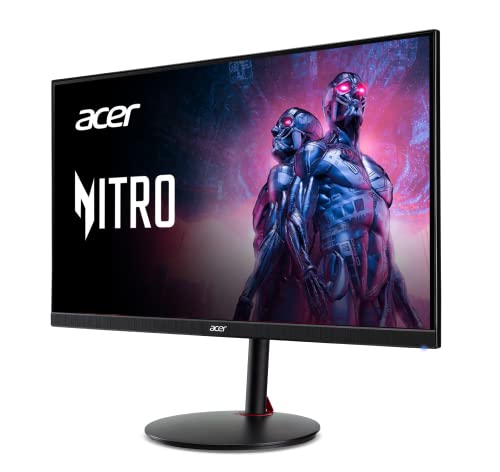
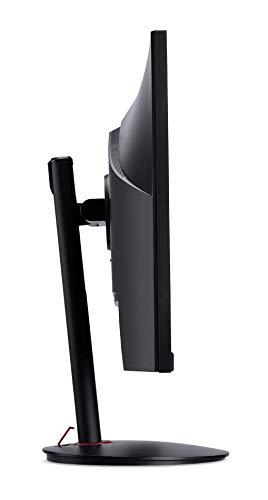
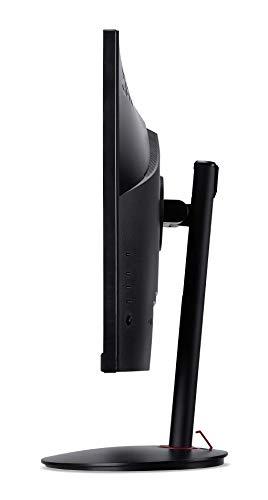
Gaming monitors have become increasingly complex over the past few years, with manufacturers pushing both affordability and cutting-edge technology in different directions. The choice between a budget-friendly IPS display and a premium OLED panel perfectly illustrates this divide. Today, we're comparing two 27-inch, 1440p gaming monitors that represent opposite ends of the spectrum: the Acer Nitro XV1 and the GIGABYTE MO27Q2.
At the time of writing, these monitors are separated by roughly $400, with the Acer Nitro XV1 positioned as an exceptional budget option while the GIGABYTE MO27Q2 commands premium pricing for its advanced QD-OLED technology. This price gap isn't just about brand positioning—it reflects fundamentally different display technologies and target audiences.
Before diving into specifics, let's establish what makes a gaming monitor different from a regular display. Gaming monitors prioritize three key performance metrics: input lag (the delay between your action and seeing it on screen), motion clarity (how sharp moving objects appear), and refresh rate (how many times per second the image updates).
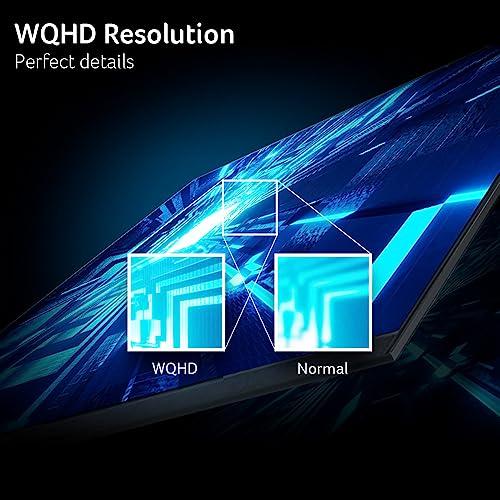
The sweet spot for resolution has largely settled on 1440p for 27-inch displays. This resolution, also called QHD (Quad High Definition), provides 2560×1440 pixels—77% more detail than 1080p without the GPU performance demands of 4K. Both monitors we're examining use this resolution, making them directly comparable in terms of sharpness and system requirements.
Panel technology forms the foundation of any display's capabilities. Traditional LCD panels use a backlight shining through liquid crystals, while OLED panels feature pixels that emit their own light. This fundamental difference affects everything from contrast ratios to response times, creating distinct advantages for each approach.
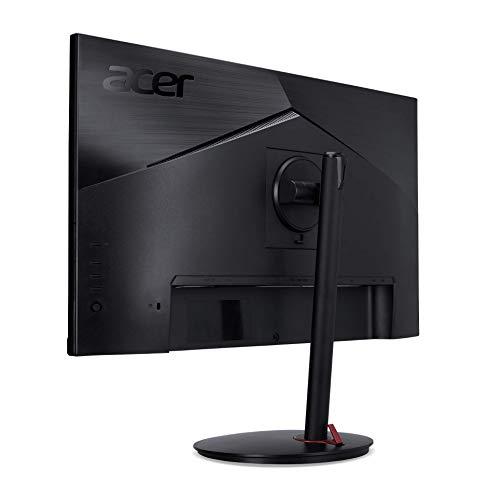
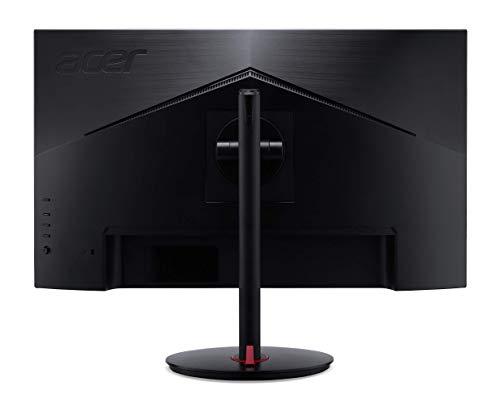
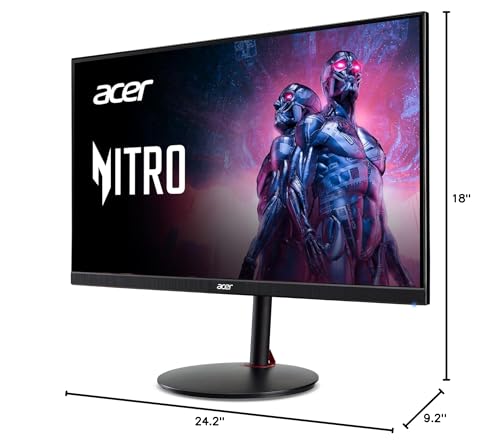
The Acer Nitro XV1, released in 2023, represents the maturation of IPS gaming monitor technology at accessible pricing. IPS (In-Plane Switching) panels have long been favored for their color accuracy and viewing angles, but historically suffered from slower response times compared to TN (Twisted Nematic) panels preferred by competitive gamers.
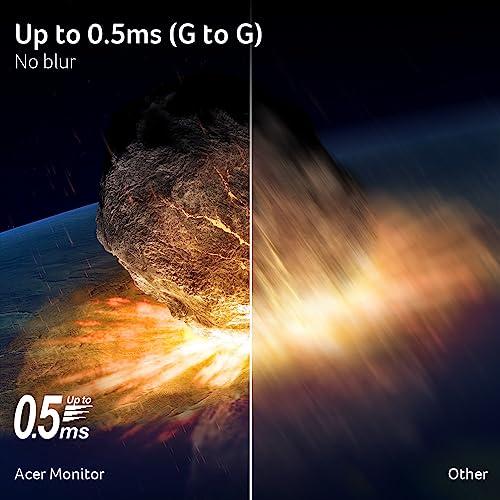
Modern IPS panels like the one in the Acer Nitro XV1 have largely solved these response time issues. The monitor achieves a 1ms gray-to-gray response time, which measures how quickly pixels can change from one shade of gray to another. This metric is crucial because slow pixel transitions create ghosting—trailing artifacts behind moving objects that can obscure details in fast-paced games.
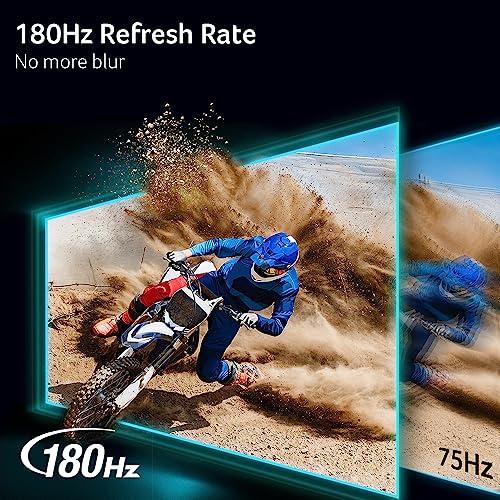
The 180Hz refresh rate via DisplayPort (144Hz through HDMI) puts this monitor well above the 60Hz standard that dominated gaming for decades. Higher refresh rates provide smoother motion and can offer competitive advantages in fast-paced games. The difference between 60Hz and 180Hz is immediately noticeable, while the jump from 144Hz to 180Hz provides more subtle improvements.
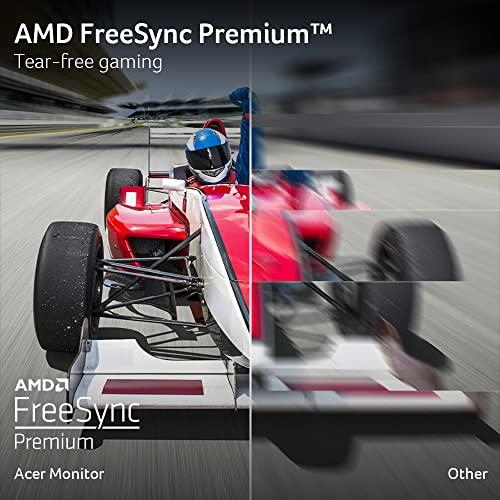
AMD FreeSync Premium support ensures the monitor can synchronize its refresh rate with compatible graphics cards, eliminating screen tearing (visible horizontal lines that appear when the GPU and monitor fall out of sync). The Acer Nitro XV1 supports FreeSync across a 40-180Hz range, providing adaptive sync benefits even when frame rates drop significantly.
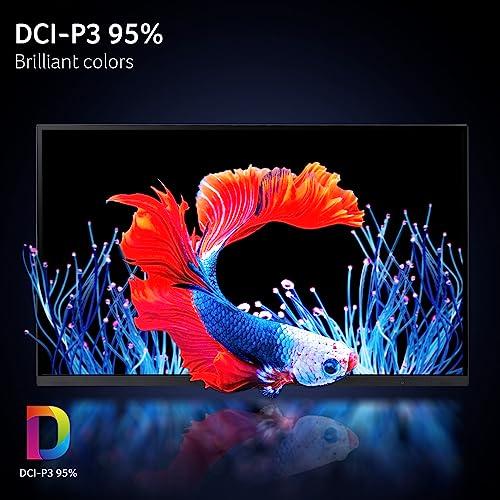
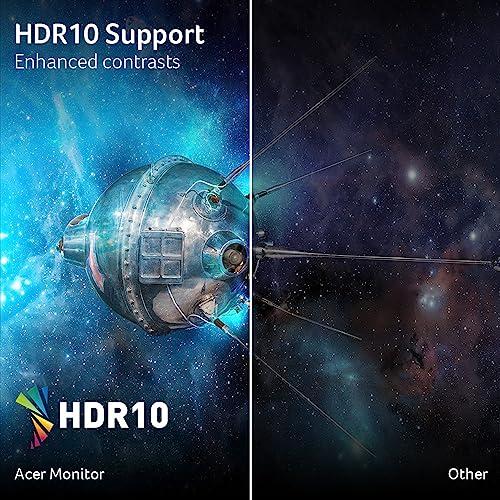
Color performance on the Acer Nitro XV1 covers approximately 95% of the DCI-P3 color space, which is the standard used for digital cinema. This wide color coverage ensures vibrant, accurate colors in games and media content. The monitor also includes HDR10 support, though with limited brightness capabilities typical of budget displays.
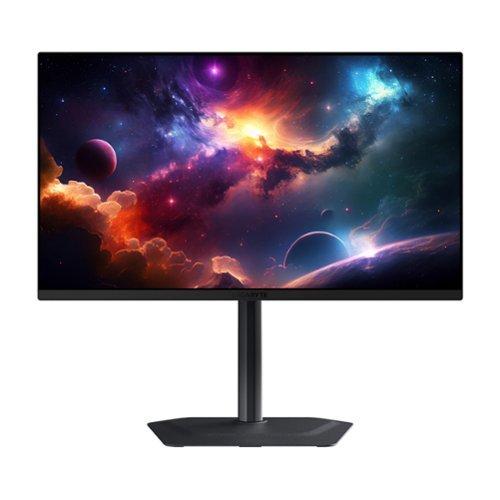
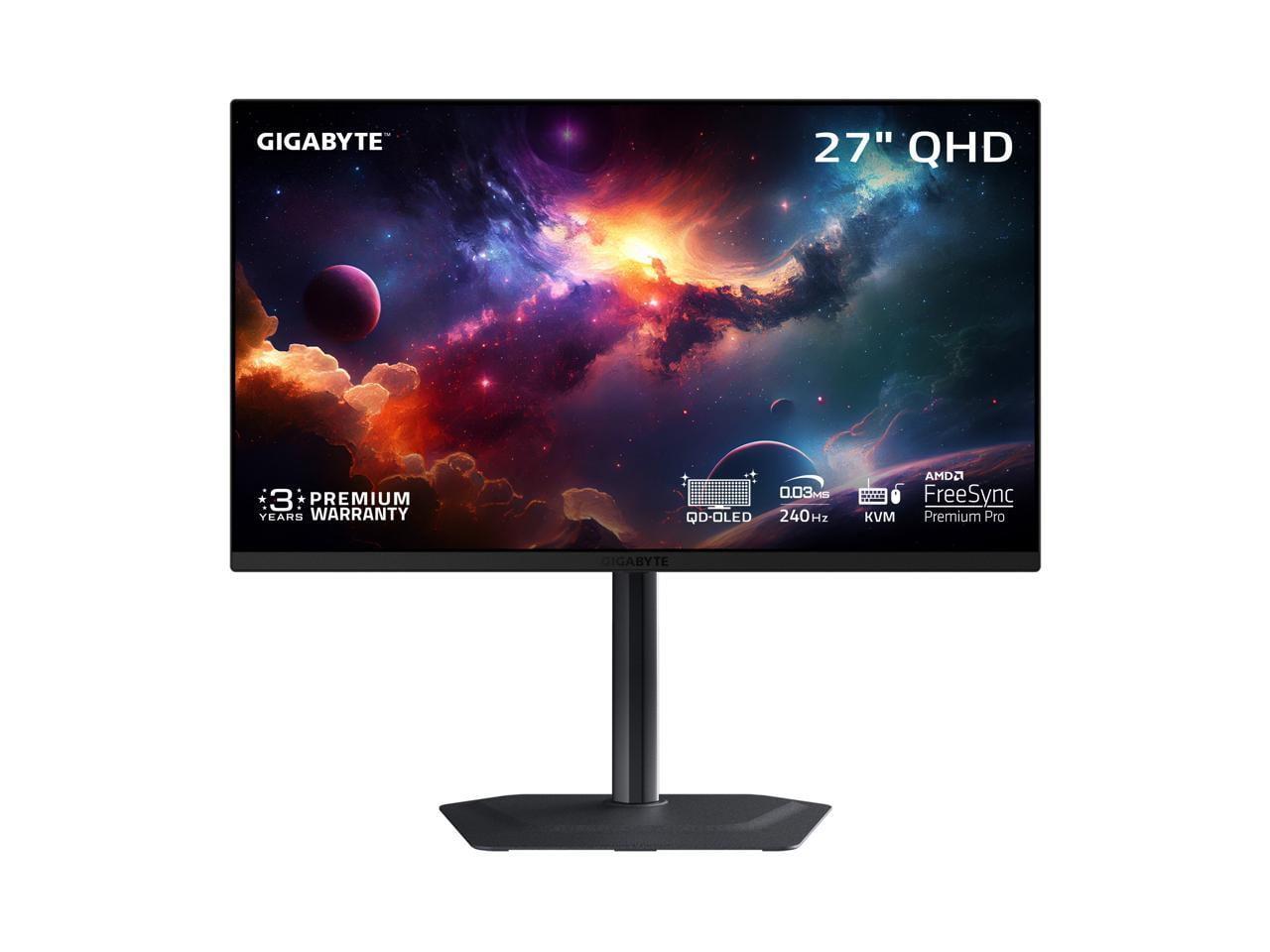
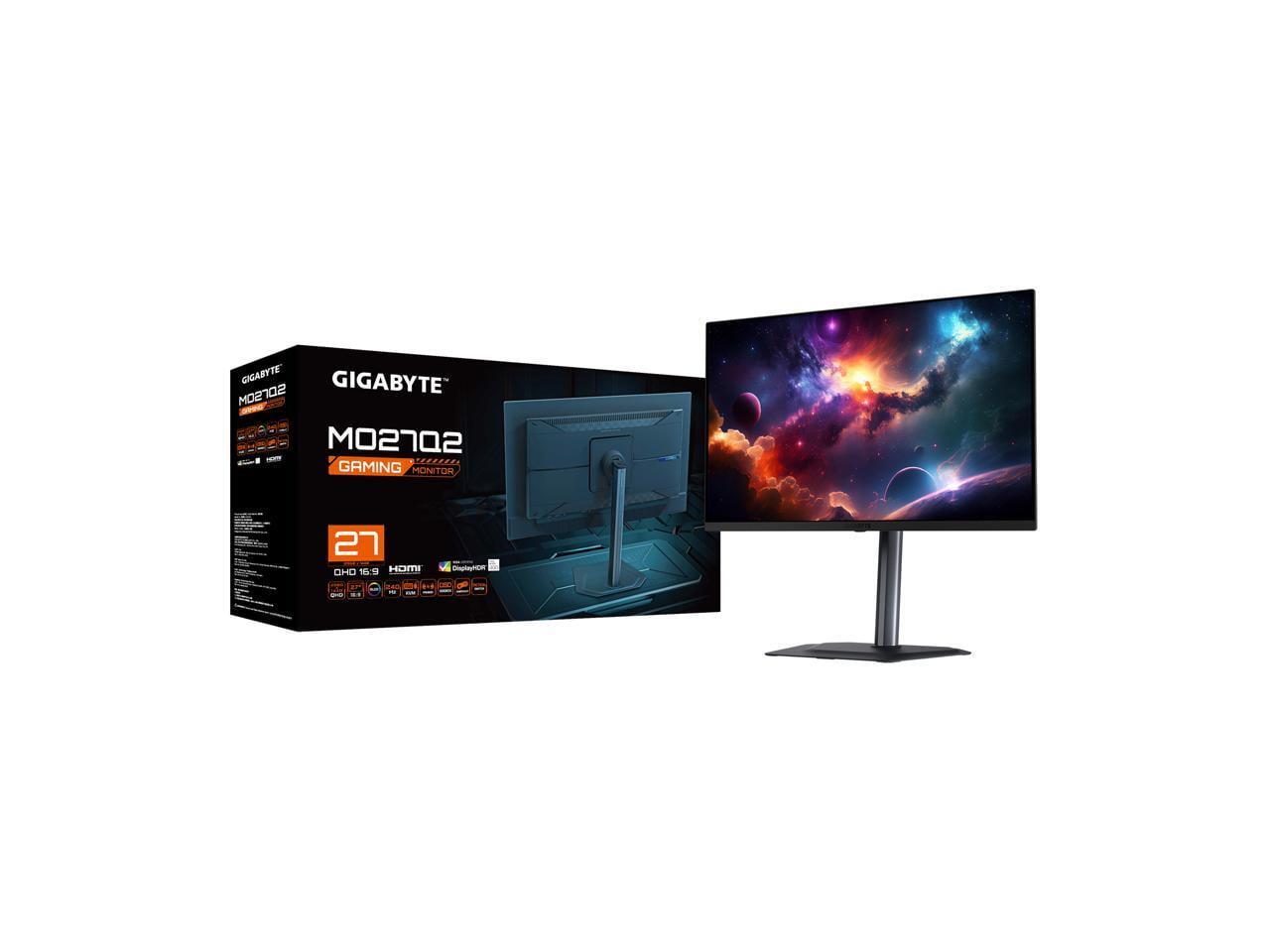
The GIGABYTE MO27Q2, released in 2024, represents the latest evolution in gaming monitor technology through its QD-OLED panel. QD-OLED combines quantum dot technology with OLED's self-emissive pixels, creating a display that can produce both perfect blacks and exceptionally vibrant colors.
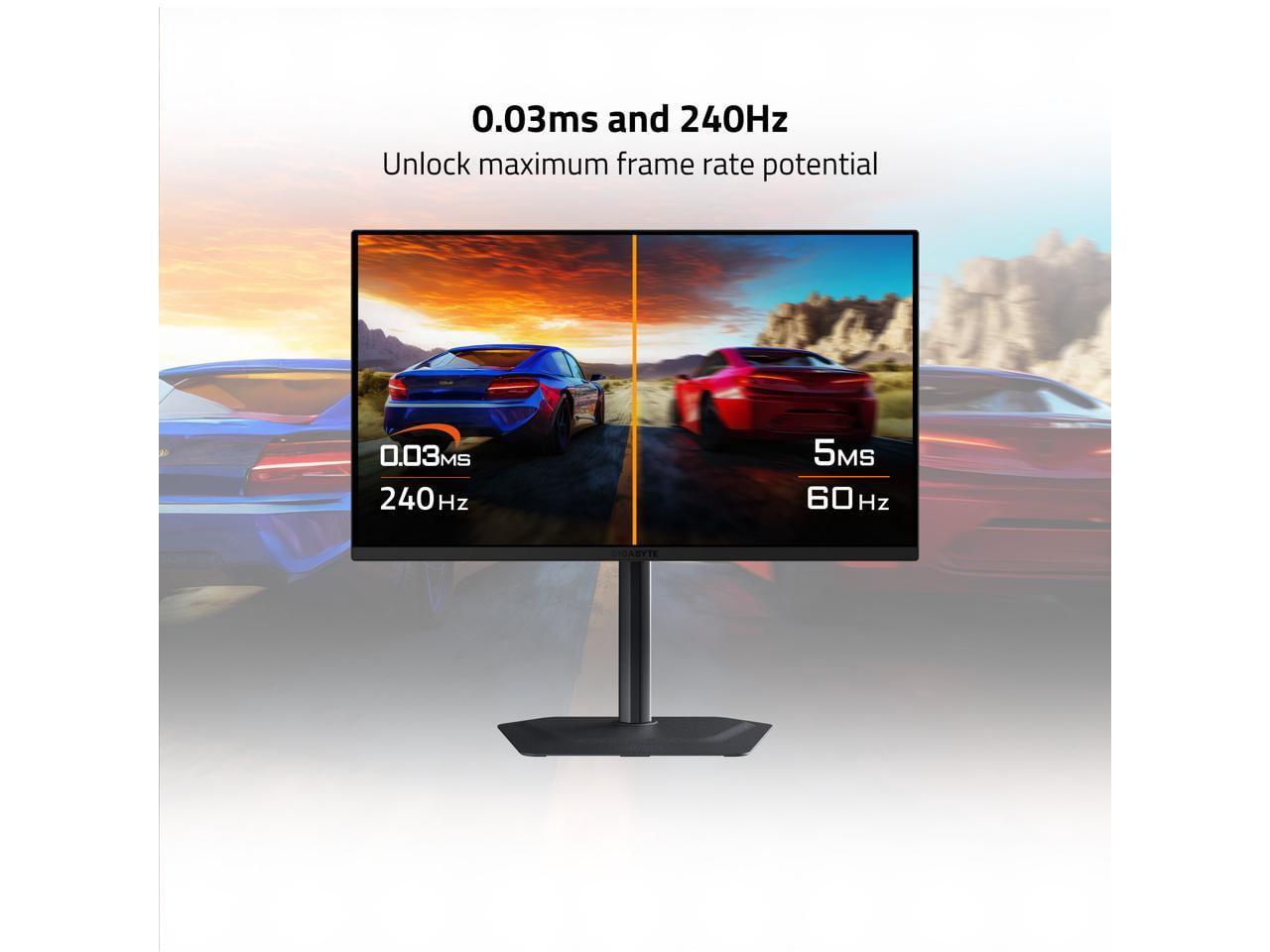
The technological advantage of OLED becomes apparent in the response time specification: 0.03ms gray-to-gray. This isn't marketing exaggeration—OLED pixels can change states almost instantaneously because they don't rely on liquid crystals physically rotating. This near-zero response time eliminates motion blur more effectively than any LCD technology.
At 240Hz, the GIGABYTE MO27Q2 provides 60Hz more refresh capability than the Acer Nitro XV1. While diminishing returns apply at higher refresh rates, the jump from 180Hz to 240Hz remains noticeable in competitive gaming scenarios. Professional esports players often cite the smoother tracking and reduced input lag as meaningful advantages.
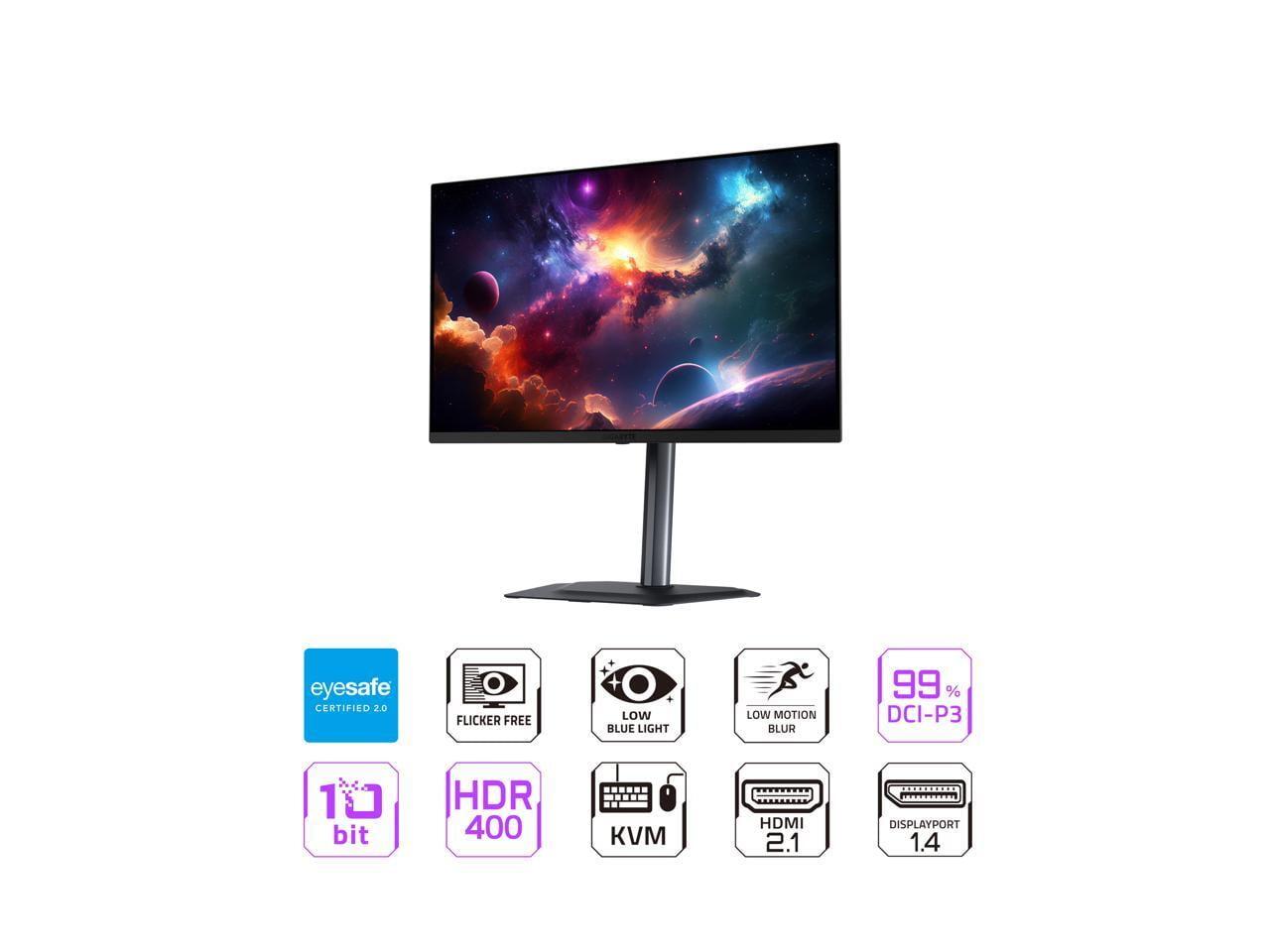
The QD-OLED panel delivers a contrast ratio of 1,500,000:1—essentially infinite contrast since individual pixels can turn completely off. This creates true blacks that make dark game scenes more immersive and highlights appear more brilliant. The quantum dot layer enables 99% DCI-P3 color coverage with exceptional color volume, meaning the monitor can display vibrant colors at various brightness levels.
HDR performance represents a significant upgrade over budget alternatives. The GIGABYTE MO27Q2 achieves DisplayHDR True Black 400 certification, with peak brightness capabilities reaching 1000 nits in small windows. This enables genuine HDR experiences where bright highlights coexist with deep shadows, as game developers intended.
Motion clarity often determines gaming monitor quality more than resolution or color accuracy. Fast-moving objects in games can appear blurred or create distracting artifacts if the display can't keep up with the action.
The GIGABYTE MO27Q2's OLED technology provides inherent advantages here. Since pixels emit their own light, they can transition between states without the physical limitations of liquid crystals. Combined with the 240Hz refresh rate, motion appears exceptionally smooth and sharp. Competitive FPS players particularly benefit from this clarity when tracking enemies across the screen.
The Acer Nitro XV1 delivers respectable motion performance for its price range. The 1ms response time handles most gaming scenarios effectively, though some minor ghosting may appear in extreme motion sequences. The 180Hz refresh rate provides substantial smoothness improvements over standard displays, making it perfectly capable for casual to serious gaming.
Input lag—the delay between pressing a button and seeing the result—remains low on both monitors. Gaming-focused displays typically achieve input lag under 10 milliseconds, well below human perception thresholds. Neither monitor presents disadvantages in competitive gaming from an input lag perspective.
The visual experience gap between these monitors is substantial, primarily due to their different panel technologies. OLED's ability to achieve perfect blacks transforms dark game scenes. Areas that appear grayish on LCD displays become truly black on the GIGABYTE MO27Q2, creating more immersive environments in games like horror titles or space sims.
Color reproduction also favors the OLED approach. While the Acer Nitro XV1 produces accurate colors within its capabilities, the GIGABYTE MO27Q2 displays more vibrant, lifelike colors with better saturation consistency across brightness levels. This advantage becomes particularly apparent in HDR content, where the OLED can display bright highlights without washing out colors.
Viewing angles represent another OLED strength. The Acer Nitro XV1, like most IPS panels, maintains good color accuracy when viewed off-center, but the GIGABYTE MO27Q2 provides consistent image quality from virtually any angle without color shifting or contrast reduction.
Modern gaming monitors include specialized features beyond basic display capabilities. The GIGABYTE MO27Q2 leads in this area with its Tactical Switch—a dedicated button that instantly switches between full 27-inch display and a centered 24-inch mode. This feature caters to esports players who prefer smaller screen areas for better focus and reduced eye movement.
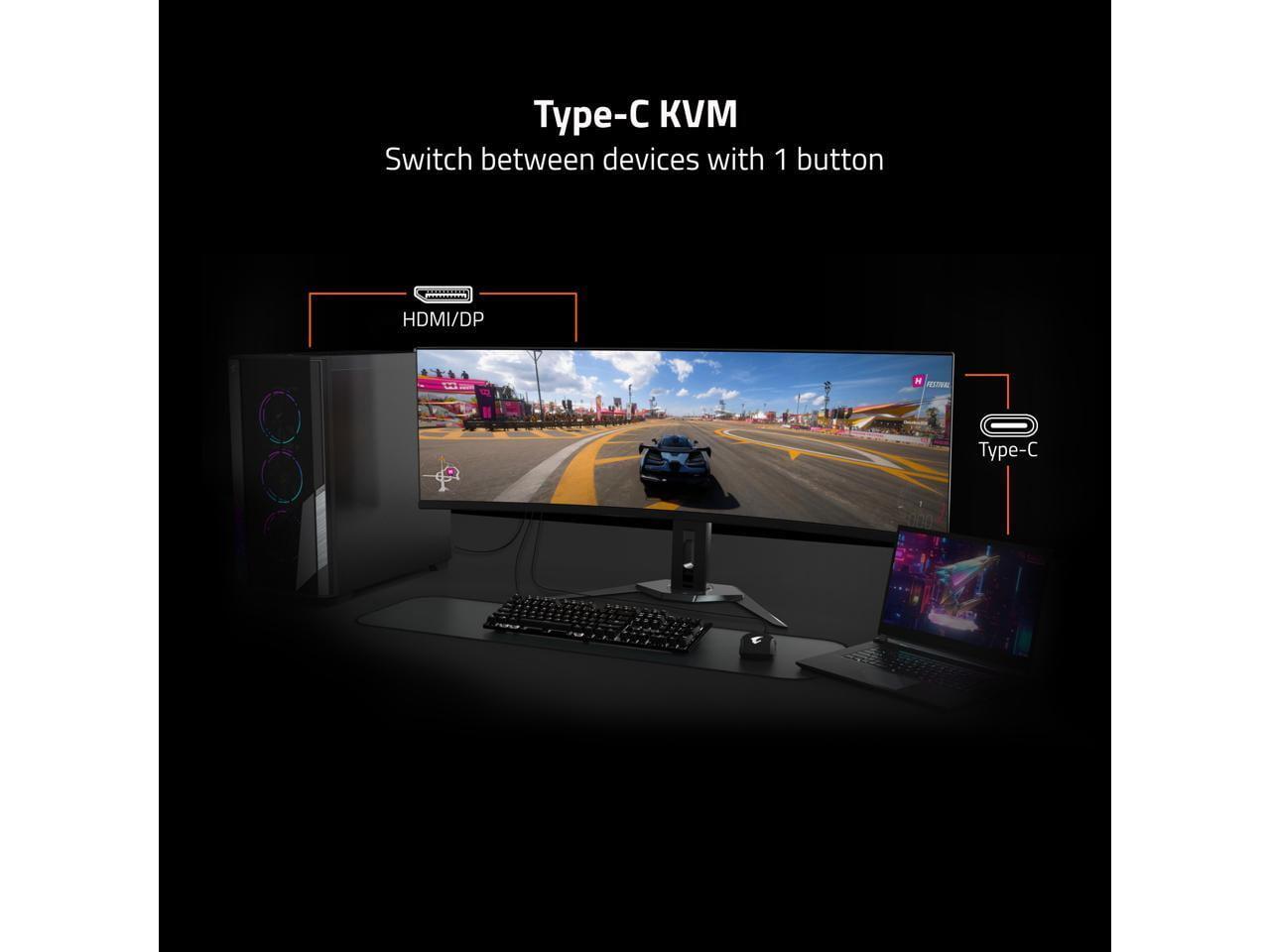
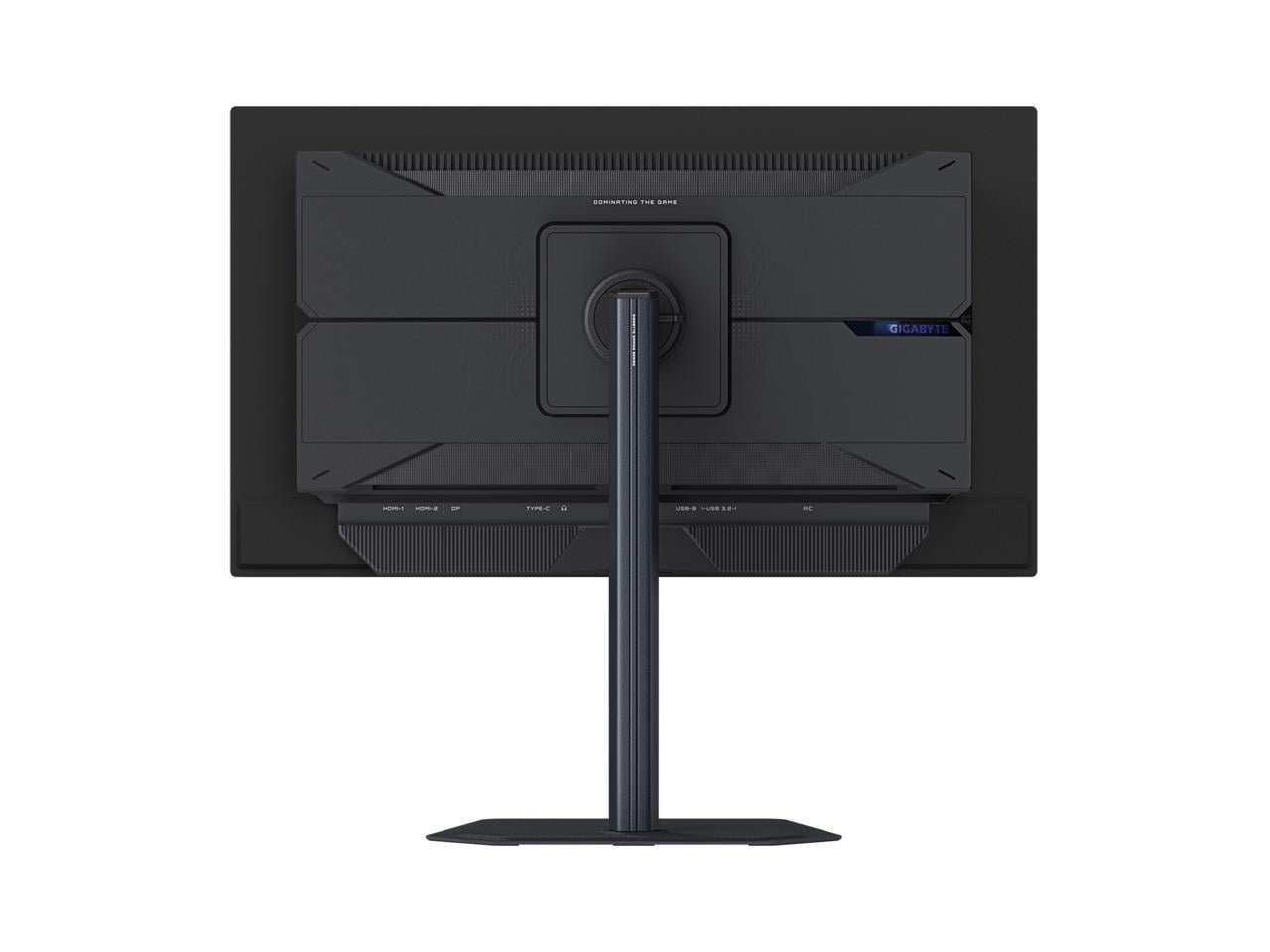
The KVM (Keyboard, Video, Mouse) switch functionality allows users to control multiple devices with a single keyboard and mouse setup. Combined with USB-C connectivity supporting DisplayPort Alt Mode and power delivery, the GIGABYTE MO27Q2 can serve as a hub for both gaming PCs and laptops.
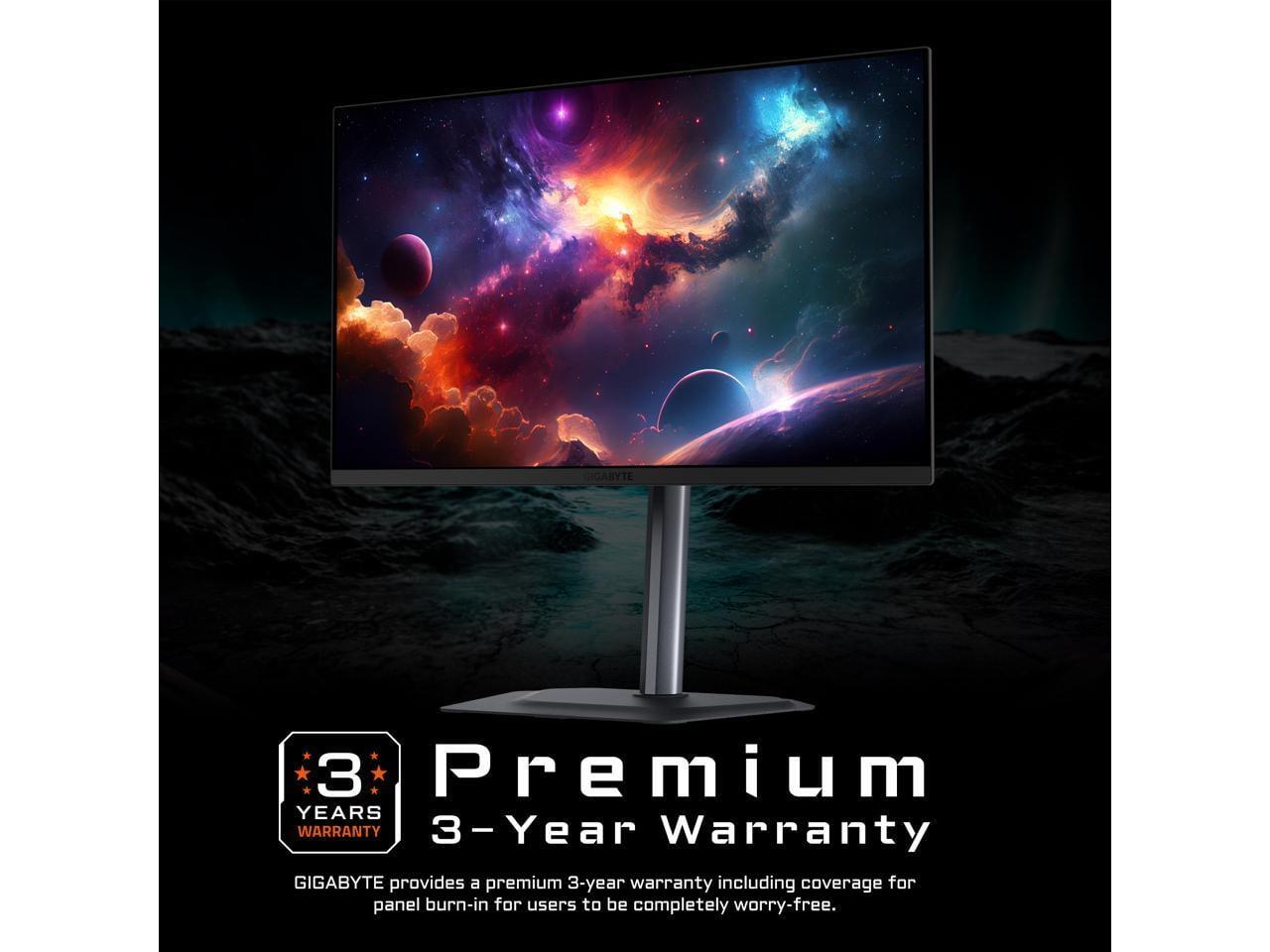
AI-based OLED Care represents GIGABYTE's approach to addressing burn-in concerns. This system automatically manages pixel wear patterns and includes warranty coverage for burn-in issues—addressing the primary long-term concern with OLED technology.
The Acer Nitro XV1 includes essential gaming features like customizable crosshairs, refresh rate displays, and various preset modes, but lacks the advanced functionality of its premium counterpart. For users focused purely on gaming performance rather than additional features, this streamlined approach may actually be preferable.
Both monitors can serve double duty for media consumption, though with different strengths. The GIGABYTE MO27Q2's superior contrast and HDR capabilities make it exceptional for movie watching. True blacks enhance dark scenes in films, while the wide color gamut reproduces cinematic content as intended.
The glossy finish on the GIGABYTE MO27Q2 enhances perceived contrast but can create reflections in bright rooms. The Acer Nitro XV1 uses an anti-glare coating that reduces reflections but slightly impacts color vibrancy. Room lighting conditions should influence this consideration.
For streaming content, both monitors handle standard 1440p material effectively. The GIGABYTE MO27Q2 provides better upscaling of lower-resolution content thanks to its superior processing capabilities, while both handle high refresh rate content from gaming consoles effectively.
The Acer Nitro XV1 delivers exceptional value for budget-conscious gamers. At roughly one-third the cost of premium alternatives, it provides 90% of the gaming performance that most users will notice. The IPS panel ensures reliable, consistent performance without burn-in concerns, making it ideal for users who want capable 1440p gaming without complexity.
This monitor suits gamers who primarily play single-player adventures, casual multiplayer games, or competitive titles where the difference between 180Hz and 240Hz won't determine outcomes. Students, budget builders, or anyone seeking reliable performance over cutting-edge features will find excellent value here.
The GIGABYTE MO27Q2 targets enthusiasts willing to pay premium prices for superior technology. The visual quality improvement over budget alternatives is significant, particularly in HDR content and dark scenes. Competitive esports players may find meaningful advantages in the 240Hz refresh rate and superior motion clarity.
This monitor suits users who prioritize image quality, play visually demanding games, or need advanced connectivity features. Content creators, professional gamers, or anyone seeking the best possible visual experience will appreciate the premium capabilities.
The Acer Nitro XV1 faces limitations inherent to budget displays. HDR performance remains basic due to brightness constraints, and the stand lacks the premium feel of higher-end alternatives. Color accuracy, while good, doesn't match professional-grade displays. However, these compromises are reasonable given the price positioning.
The GIGABYTE MO27Q2 introduces OLED-specific concerns. Burn-in risk, while mitigated by modern protections, requires users to avoid static elements displayed for extended periods. The premium pricing may not provide proportional value for casual users who won't utilize advanced features.
Text clarity on QD-OLED panels can suffer from color fringing due to the subpixel arrangement, potentially affecting productivity work. The glossy finish, while enhancing image quality, may prove problematic in bright environments.
Choose the Acer Nitro XV1 if you want excellent 1440p gaming performance without premium pricing. This monitor provides reliable, high-refresh gaming with good color accuracy and proven IPS technology. It's perfect for budget-conscious gamers who prioritize value and don't need cutting-edge features.
Select the GIGABYTE MO27Q2 if visual quality takes priority over budget considerations. The OLED technology delivers transformative improvements in contrast, color, and motion clarity that justify premium pricing for serious gamers. Advanced features like KVM switching and comprehensive connectivity add value for multi-device setups.
The gap between these monitors reflects the current state of gaming display technology—mature, affordable IPS panels offering great value, while emerging OLED technology provides premium experiences at premium prices. Your choice should align with both your budget and how much the visual quality improvements matter for your specific gaming preferences.
At the time of writing, both monitors represent strong values within their respective market segments, making the decision primarily about whether the OLED advantages justify the significant price premium for your specific use case.
| Acer Nitro XV1 27" WQHD 180Hz IPS Gaming Monitor | GIGABYTE MO27Q2 27" QD-OLED QHD 240Hz Gaming Monitor |
|---|---|
| Panel Technology - Determines contrast, colors, and response characteristics | |
| IPS LCD with LED backlight (proven reliability, no burn-in risk) | QD-OLED with quantum dots (perfect blacks, infinite contrast, burn-in risk) |
| Refresh Rate - Higher rates provide smoother motion and competitive advantages | |
| 180Hz via DisplayPort, 144Hz via HDMI (excellent for most gaming) | 240Hz on all ports (noticeable improvement for competitive esports) |
| Response Time - Lower times reduce motion blur and ghosting | |
| 1ms G2G (very good for IPS, handles fast gaming well) | 0.03ms G2G (virtually instant, eliminates all motion blur) |
| Contrast Ratio - Affects depth and realism in dark scenes | |
| 1,000:1 static (typical IPS with some backlight glow) | 1,500,000:1 (perfect blacks make dark games dramatically more immersive) |
| HDR Support - Enhanced brightness and color range for compatible content | |
| Basic HDR10 with limited brightness impact | DisplayHDR True Black 400 with 1000 nit peaks (genuine HDR experience) |
| Color Coverage - Wider gamuts display more vibrant, accurate colors | |
| 95% DCI-P3 (good color reproduction for gaming and media) | 99% DCI-P3 with quantum dot enhancement (exceptional color vibrancy) |
| Connectivity - Determines device compatibility and feature access | |
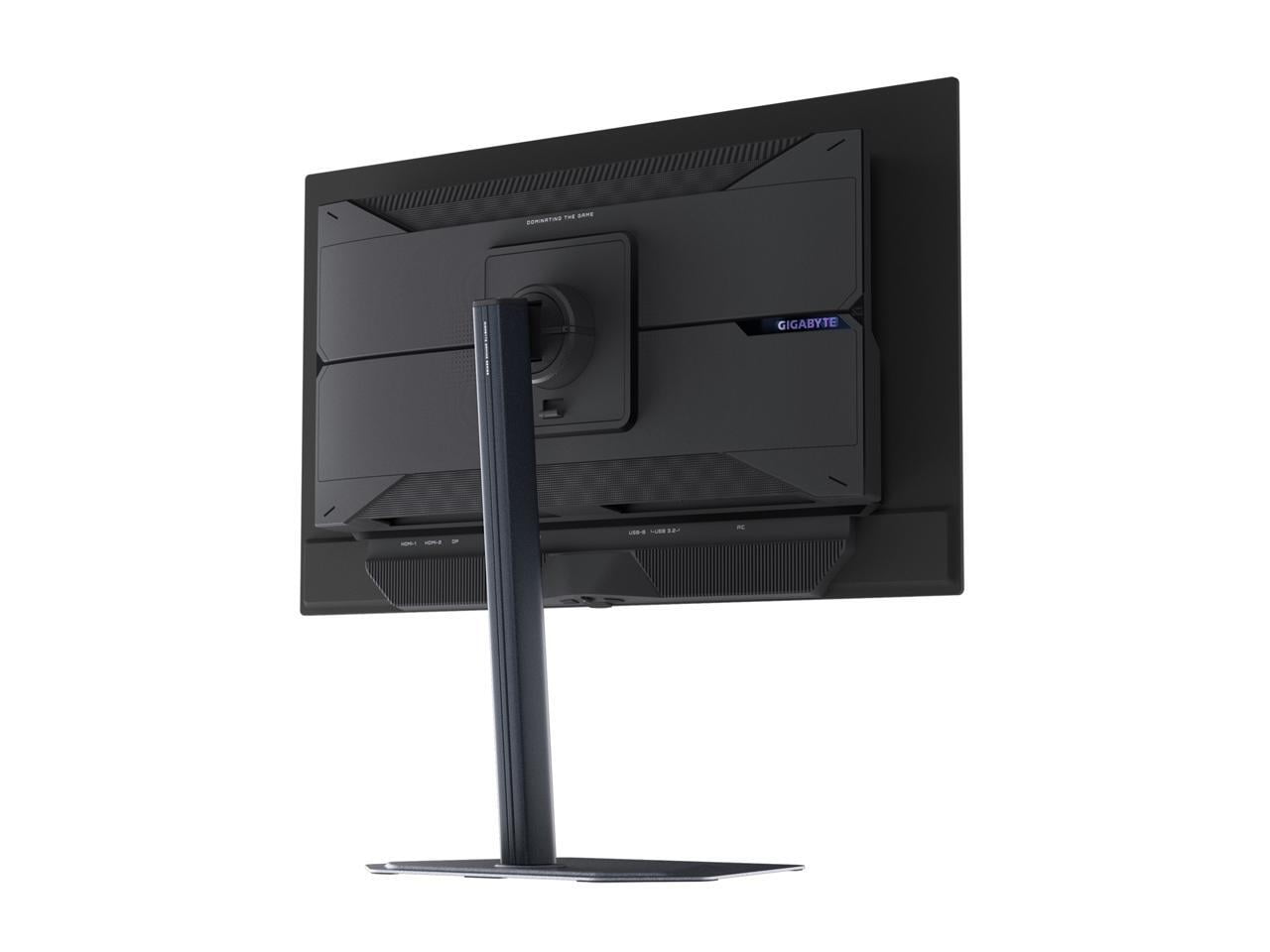
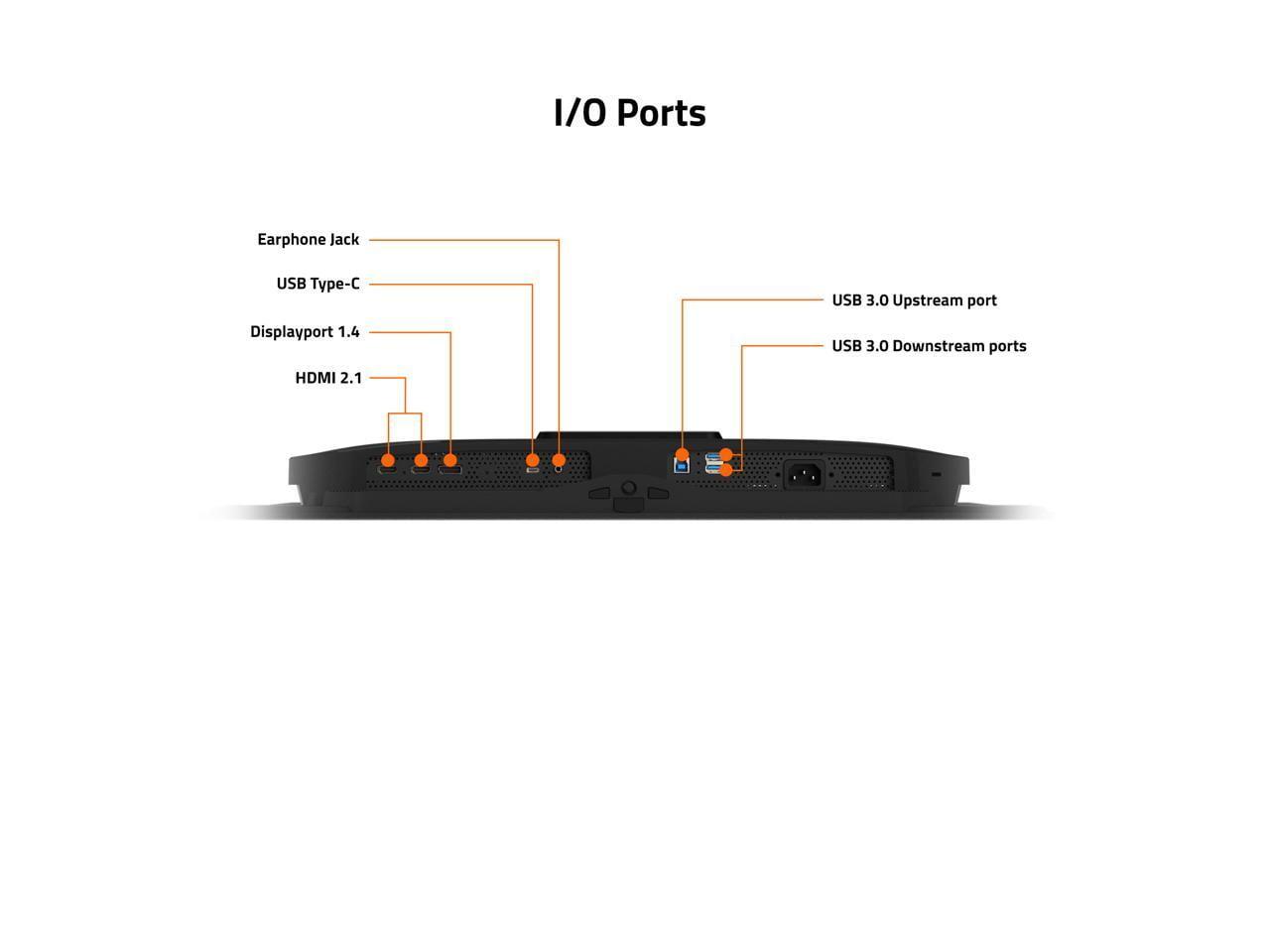
| 2x HDMI 2.0, 1x DisplayPort 1.2, headphone jack | 2x HDMI 2.1, 1x DP 1.4, USB-C with 18W PD, USB hub, KVM switch |
| Adaptive Sync - Eliminates screen tearing for smoother gameplay | |
| AMD FreeSync Premium (40-180Hz range, G-SYNC compatible) | AMD FreeSync Premium Pro + G-SYNC compatible (40-240Hz range) |
| Build Quality and Ergonomics - Affects long-term comfort and durability | |
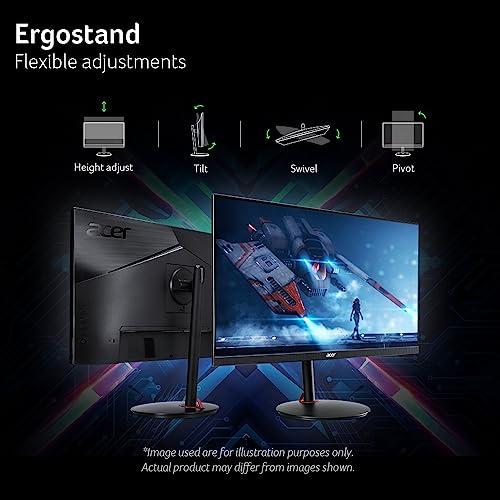
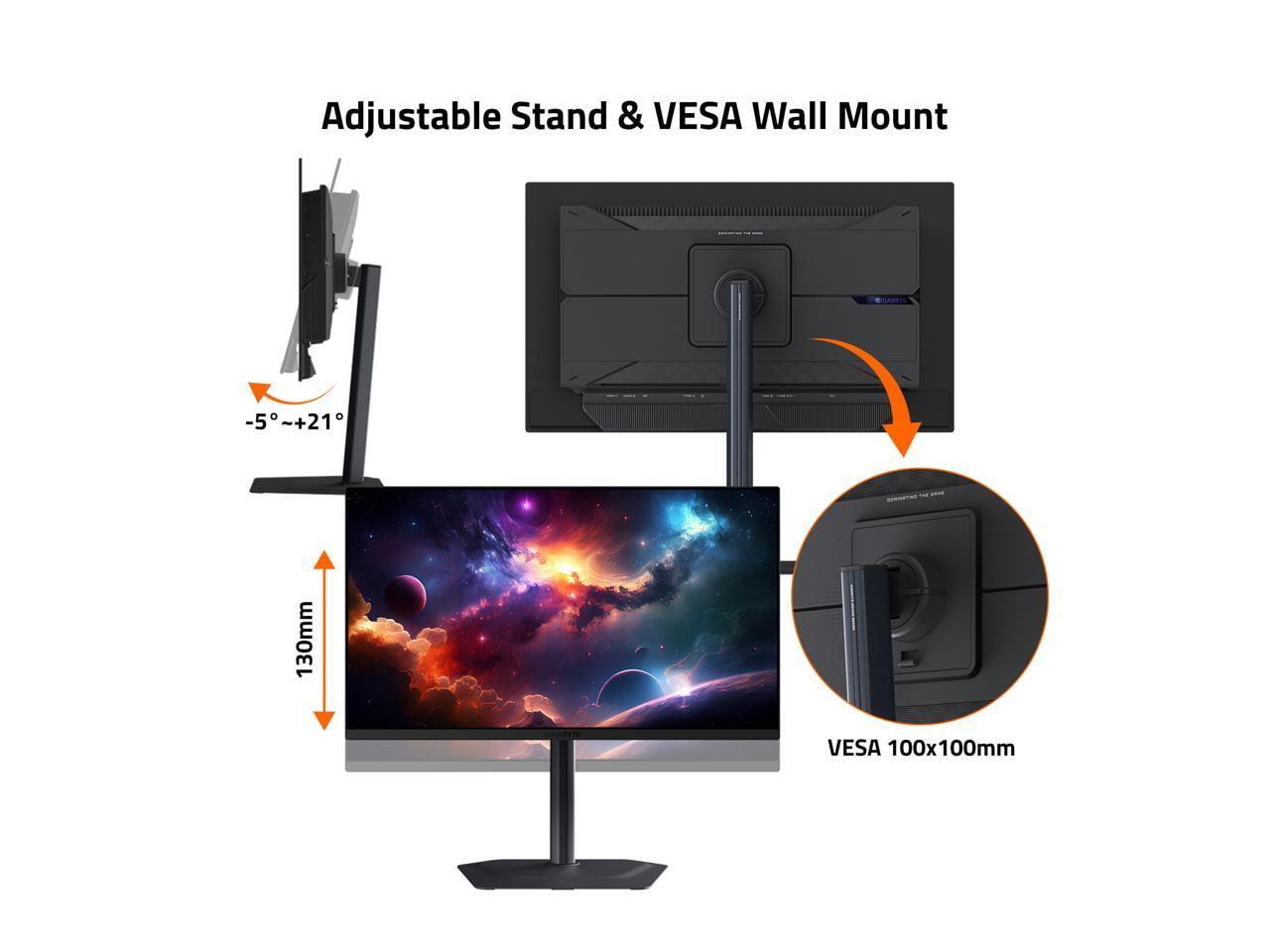
| Plastic construction, full adjustability, VESA mount support | Premium metal construction, advanced stand, tactical gaming features |
| Brightness - Important for HDR and bright room visibility | |
| 250 cd/m² typical (adequate for most environments) | 250 cd/m² typical, 1000 cd/m² peak HDR (better for bright highlights) |
| Value Positioning - Who should consider each option | |
| Exceptional budget choice for reliable 1440p high-refresh gaming | Premium option for enthusiasts wanting best-in-class image quality |
The GIGABYTE MO27Q2 has advantages for competitive gaming with its 240Hz refresh rate and 0.03ms response time compared to the Acer Nitro XV1's 180Hz and 1ms response time. The higher refresh rate provides smoother motion tracking, while the near-instantaneous OLED response eliminates motion blur. However, the Acer Nitro XV1 still delivers excellent competitive performance at a much lower cost, making it suitable for most players who won't notice the difference.
The Acer Nitro XV1 uses IPS LCD technology with a backlight, while the GIGABYTE MO27Q2 features QD-OLED where pixels emit their own light. This gives the GIGABYTE MO27Q2 perfect blacks, infinite contrast, and more vibrant colors, but also introduces potential burn-in risks. The Acer Nitro XV1 offers reliable performance without burn-in concerns but can't match OLED's contrast and color quality.
The Acer Nitro XV1 provides exceptional value, delivering high-quality 1440p gaming at a budget-friendly price point. While the GIGABYTE MO27Q2 offers superior image quality and features, it costs significantly more. For most gamers, the Acer Nitro XV1 delivers 90% of the performance at roughly one-third the cost, making it the better value choice unless you specifically need OLED's advantages.
Yes, both monitors support HDR, but with different capabilities. The Acer Nitro XV1 offers basic HDR10 support with limited brightness enhancement. The GIGABYTE MO27Q2 provides DisplayHDR True Black 400 certification with genuine HDR performance, reaching up to 1000 nits peak brightness. For meaningful HDR gaming experiences, the GIGABYTE MO27Q2 is significantly superior.
The GIGABYTE MO27Q2 excels for movie watching due to its perfect blacks, superior contrast, and genuine HDR capabilities. Dark movie scenes appear truly black rather than grayish, creating a more cinematic experience. The Acer Nitro XV1 provides decent movie viewing with good color accuracy, but cannot match the OLED's contrast performance for dramatic content.
The Acer Nitro XV1 uses proven IPS technology with no burn-in risks, making it extremely reliable long-term. The GIGABYTE MO27Q2 introduces OLED burn-in potential, though it includes AI-based protection features and warranty coverage for burn-in issues. With proper care and varied content usage, both monitors should provide years of reliable service.
The GIGABYTE MO27Q2 offers superior connectivity with two HDMI 2.1 ports, DisplayPort 1.4, USB-C with power delivery, and a built-in KVM switch for multi-device setups. The Acer Nitro XV1 provides essential connectivity with two HDMI 2.0 ports and one DisplayPort 1.2, which is adequate for basic gaming setups but lacks advanced features.
Both monitors work with modern gaming consoles, but the GIGABYTE MO27Q2 is better suited with its HDMI 2.1 ports supporting higher bandwidth. The Acer Nitro XV1 works well with consoles but may be limited to lower refresh rates depending on the specific console and game. Both support 1440p resolution that consoles can output effectively.
For professional work requiring color accuracy, both monitors perform well, though the GIGABYTE MO27Q2 offers wider color coverage and better contrast. However, the Acer Nitro XV1's matte finish reduces reflections for office environments, while the GIGABYTE MO27Q2's glossy screen may cause glare issues. Text clarity can be slightly better on the Acer Nitro XV1 due to its traditional RGB subpixel layout.
Yes, both monitors support AMD FreeSync technology to eliminate screen tearing. The Acer Nitro XV1 features FreeSync Premium with a 40-180Hz range, while the GIGABYTE MO27Q2 offers FreeSync Premium Pro across 40-240Hz. Both are also compatible with NVIDIA G-SYNC when properly configured, ensuring smooth gameplay across different graphics card brands.
The GIGABYTE MO27Q2 dramatically outperforms the Acer Nitro XV1 in dark environments due to its perfect blacks and infinite contrast ratio. Horror games, space simulators, and other dark content appear much more immersive on the OLED panel. The Acer Nitro XV1 shows some backlight glow in dark rooms, which is typical for IPS panels but less ideal for atmospheric gaming.
Choose the Acer Nitro XV1 if you want excellent 1440p gaming performance without premium pricing, don't mind slightly lower refresh rates, and prefer proven reliability. Select the GIGABYTE MO27Q2 if you prioritize the best possible image quality, play competitive esports where 240Hz matters, need advanced connectivity features, or want a premium viewing experience that justifies the higher investment.
We've done our best to create useful and informative comparisons to help you decide what product to buy. Our research uses advanced automated methods to create this comparison and perfection is not possible - please contact us for corrections or questions. These are the sites we've researched in the creation of this article: bestbuy.com - tomshardware.com - displayninja.com - youtube.com - youtube.com - youtube.com - store.acer.com - manuals.plus - displayspecifications.com - pangoly.com - pcpartpicker.com - casariolab.art - store.acer.com - versus.com - youtube.com - gigabyte.com - youtube.com - newegg.com - mezha.media - tech-critter.com - gigabyte.com - forum.pcmonitors.info - techspot.com - aorus.com - saltynewsnetwork.com - infiniarc.com - gigabyte.com - bestbuy.com - youtube.com - gigabyte.com - gigabyte.com - displayspecifications.com - aorus.com - gigabyte.com - gigabyte.com

Privacy Policy
Terms and Conditions - Affiliate Policy
Home Security
© Copyright 2008-2026.
11816 Inwood Rd #1211, Dallas, TX 75244