

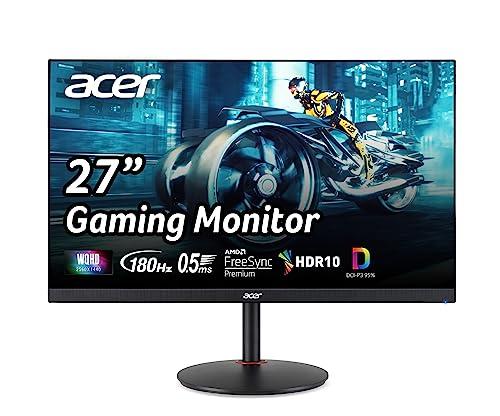
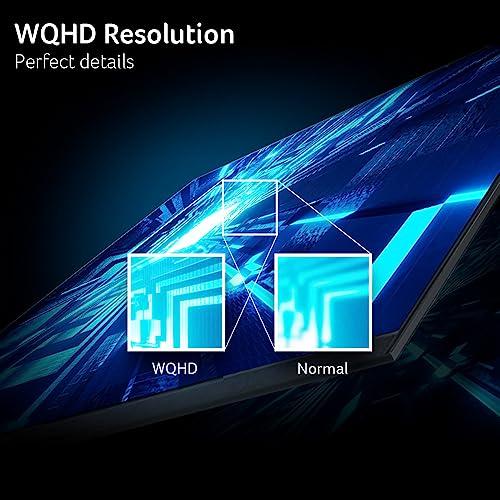
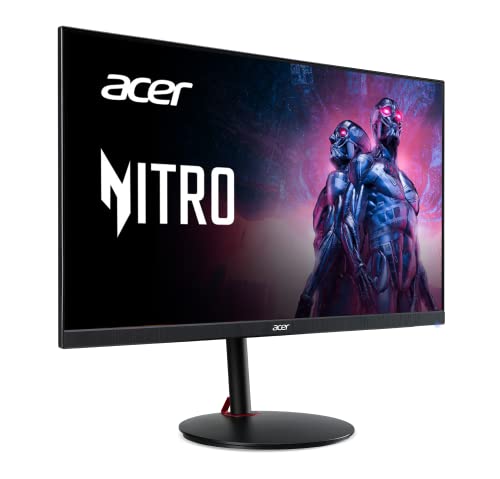
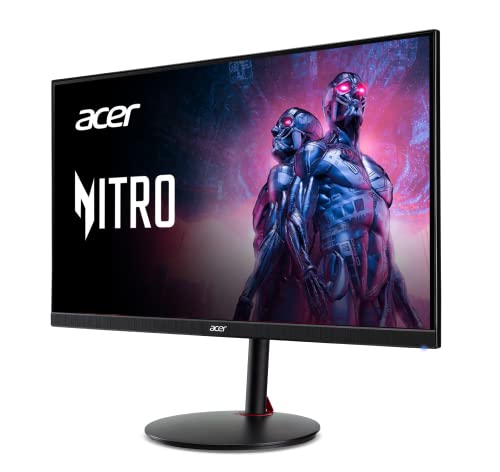
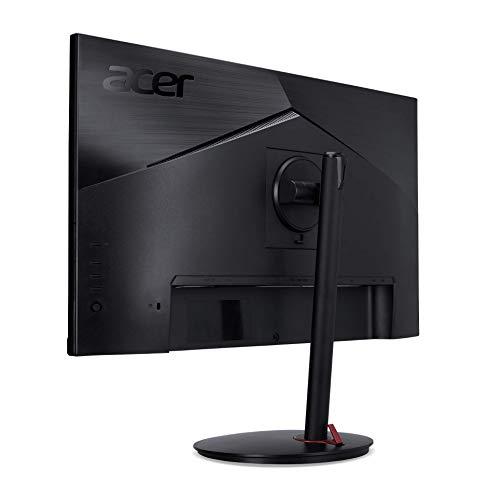
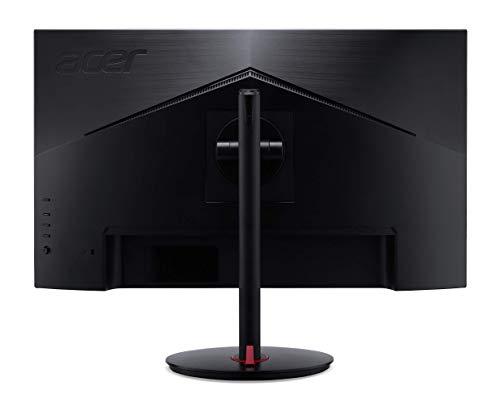
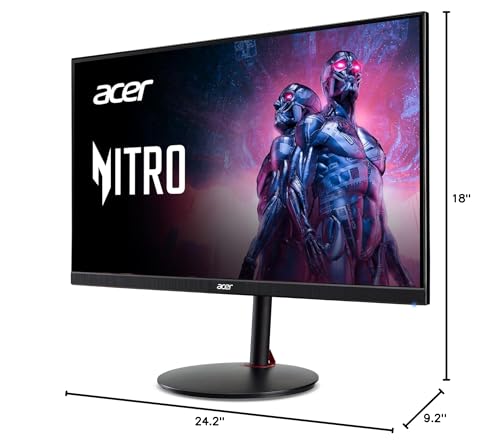
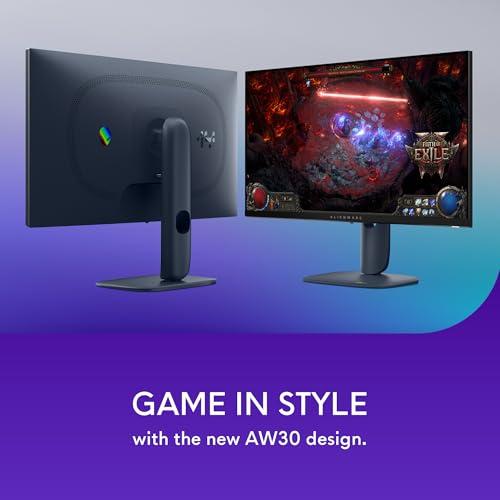
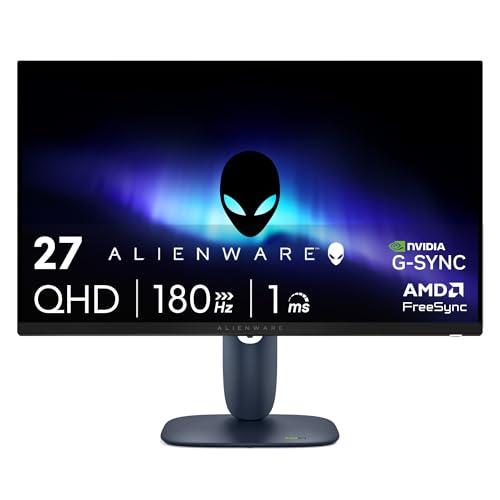
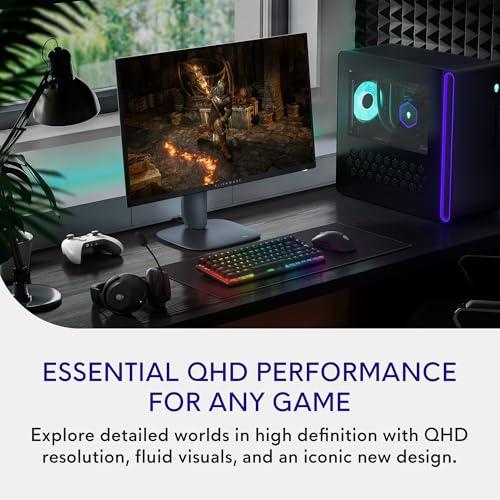


When you're hunting for a new gaming monitor, the 27-inch 1440p category hits the sweet spot for most gamers. It's big enough to feel immersive without overwhelming your desk, sharp enough to make games look crisp, and fast enough for competitive play. Two monitors that frequently pop up in this space are the Acer Nitro XV1 27" WQHD 180Hz IPS Gaming Monitor and the Alienware 27 QHD 180Hz Gaming Monitor.
Both launched in recent years as manufacturers pushed higher refresh rates down to more affordable price points. The Acer Nitro XV1 represents the brand's effort to democratize high-refresh gaming, while the Alienware 27 brings Dell's premium gaming focus to the mainstream 27-inch market. Since their releases, we've seen the entire gaming monitor landscape shift toward higher refresh rates becoming standard rather than luxury features.
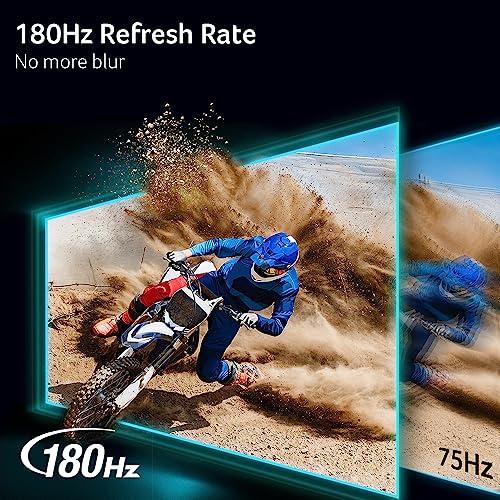
Before diving into specifics, let's establish what matters most in a gaming monitor. Refresh rate measures how many times per second your screen can display a new image – 180Hz means 180 new frames every second. Response time indicates how quickly pixels can change colors, typically measured in milliseconds (ms). Lower response times mean less motion blur when things move quickly on screen.
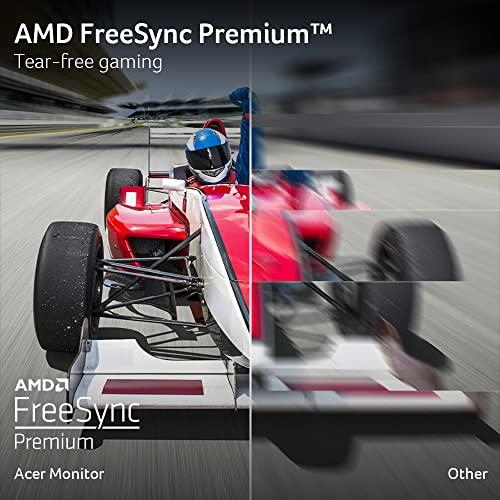
Adaptive sync technologies like AMD FreeSync and NVIDIA G-Sync synchronize your monitor's refresh rate with your graphics card's frame output, eliminating the stuttering and screen tearing that happens when they're out of sync. Panel technology determines color quality, viewing angles, and contrast – IPS panels generally offer the best colors and viewing angles, though they sacrifice some contrast compared to VA panels.
Color gamut refers to the range of colors a monitor can display. DCI-P3 is a wider color space than the standard sRGB, covering more vivid colors that make games and movies look more lifelike. HDR (High Dynamic Range) expands the range between the brightest and darkest parts of an image, but it requires sufficient brightness to work properly.
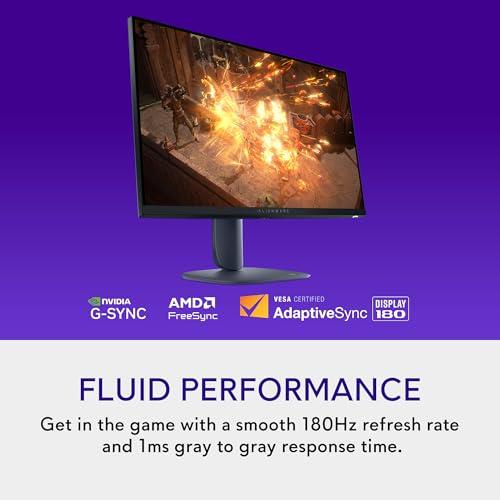
Both the Acer Nitro XV1 and Alienware 27 deliver 180Hz refresh rates over DisplayPort connections, dropping to 144Hz when using HDMI. This puts them in the high-performance tier without reaching the extreme (and expensive) 240Hz+ territory.
From our research into user experiences, the jump from 144Hz to 180Hz is noticeable but not revolutionary. You'll see smoother motion in fast-paced games like first-person shooters or racing games, and the difference becomes more apparent when you switch back to a slower monitor. Both monitors handle this refresh rate well, but the Alienware 27 has a slight edge with its official VESA AdaptiveSync Display certification, which ensures consistent performance across the entire refresh rate range.
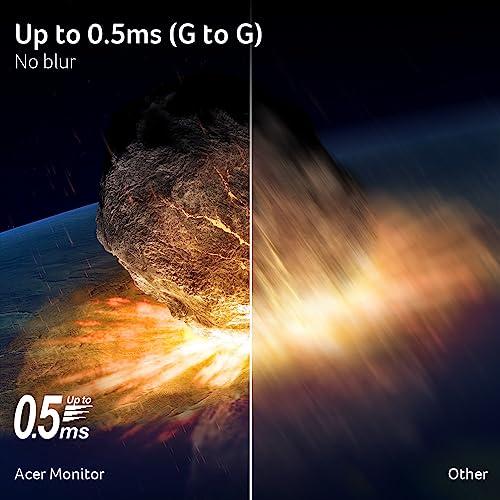
Here's where things get interesting. The Acer Nitro XV1 offers a 1ms grey-to-grey response time with its Visual Response Boost (VRB) backlight strobing technology. VRB works by briefly turning off the backlight between frames, reducing motion blur but also dimming the overall image. It's like the difference between watching a car drive by in sunlight versus under a strobe light – the strobe makes motion clearer but everything looks darker.
The Alienware 27 takes a different approach with multiple response time modes: 4ms Fast mode for optimal image quality, 2ms Super Fast for balanced performance, and 1ms Extreme mode for maximum speed. This flexibility is valuable because the fastest setting often introduces overshoot artifacts – those annoying halos that follow moving objects. Having multiple options lets you find the sweet spot for your specific games and preferences.
Based on professional reviews and user feedback, the Acer delivers slightly better motion clarity when VRB is enabled, but the Alienware offers more consistent performance across different scenarios without needing to toggle special modes.
Both monitors support variable refresh rate technologies, but with different levels of certification. The Acer Nitro XV1 carries AMD FreeSync Premium certification with a 40-180Hz range, plus unofficial NVIDIA G-Sync compatibility. The Alienware 27 goes further with official G-Sync Compatible certification, FreeSync Premium Pro, and full VESA AdaptiveSync support.
In practical terms, both work well with modern graphics cards from AMD and NVIDIA. However, the Alienware's broader certification means you're less likely to encounter compatibility quirks or need to manually enable G-Sync compatibility in NVIDIA's control panel.
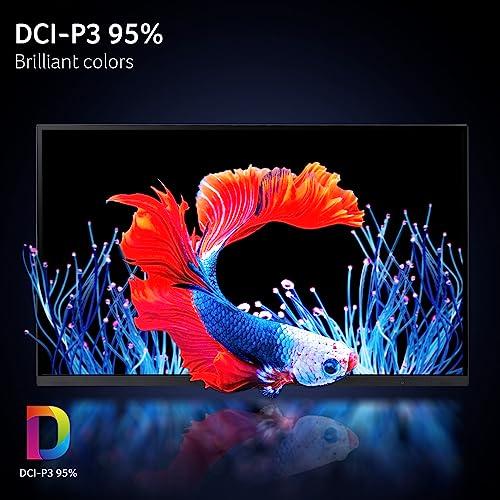
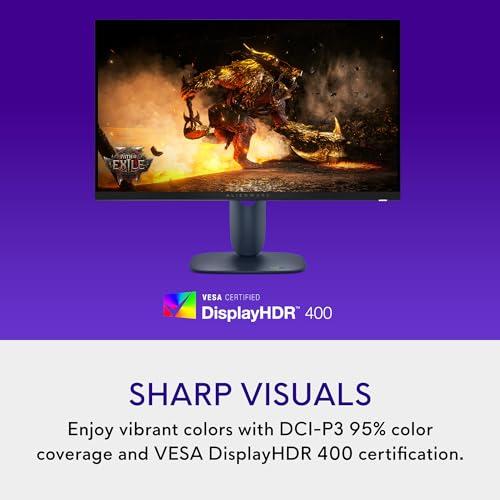
This is where both monitors genuinely impress. The Acer Nitro XV1 covers 95% of the DCI-P3 color space, which translates to roughly 130% of the standard sRGB color space most content is designed for. Colors look vibrant and saturated, though you can switch to sRGB mode for more accurate web browsing and content creation.
The Alienware 27 matches this with 95% DCI-P3 coverage and claims up to 99% sRGB accuracy. Both monitors use IPS panels, so you get excellent viewing angles – colors and brightness remain consistent even when you're not sitting directly in front of the screen.
For content creators or anyone who cares about color accuracy, both monitors come well-calibrated out of the box. The Acer includes professional color space presets like Rec.709 for video work and DCI-P3 for digital cinema standards. The Alienware focuses more on gaming-optimized color modes but still delivers accurate colors for creative work.
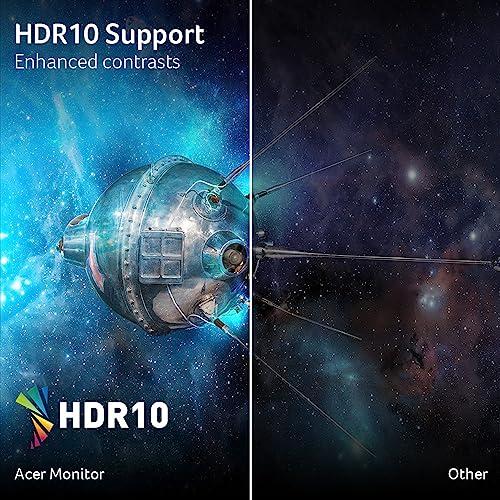
Here's where the monitors diverge significantly. The Acer Nitro XV1 supports HDR10 but with only 250 nits of peak brightness – barely brighter than a typical laptop screen. This severely limits its HDR capabilities. HDR content will display, but you won't get the dramatic brightness peaks that make HDR worthwhile.
The Alienware 27 earns VESA DisplayHDR 400 certification with 400 nits typical brightness. While this isn't the 1000+ nits you'd want for true cinematic HDR, it's 60% brighter than the Acer and makes a noticeable difference in HDR games and movies. Bright explosions in games actually look bright, and outdoor scenes have more realistic lighting.
Neither monitor has local dimming (where different screen zones can independently adjust brightness), so don't expect OLED-level contrast. But the Alienware's extra brightness makes HDR content more enjoyable, even if it's not reference-quality.
This brightness difference extends beyond HDR. At 250 nits, the Acer works fine in dimly lit rooms but struggles against window glare or bright overhead lighting. Office workers or anyone gaming near windows might find the screen looks washed out during daytime hours.
The Alienware's 400 nits provides much better visibility in bright environments. It's not the brightest monitor available, but it's comfortable for most lighting conditions without requiring you to adjust room lighting around your monitor.
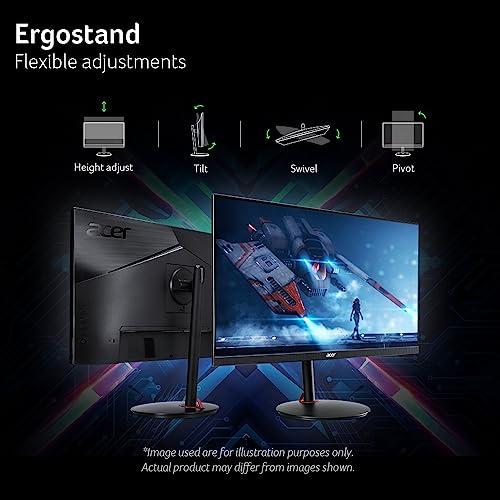
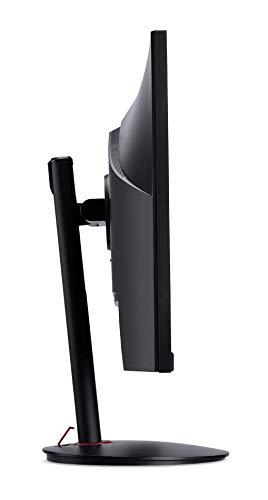
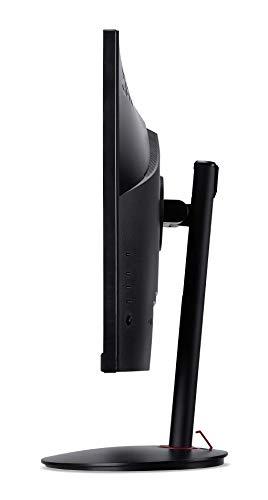
Both monitors include fully adjustable stands, but with different approaches. The Acer Nitro XV1 offers complete 360-degree swivel rotation plus height, tilt, and pivot adjustments. This is genuinely useful – you can easily share your screen with someone sitting beside you or rotate the monitor for portrait mode when reading documents.
However, multiple user reports indicate the Acer's stand feels somewhat wobbly, especially at higher height settings. It's functional but doesn't inspire confidence during adjustments.
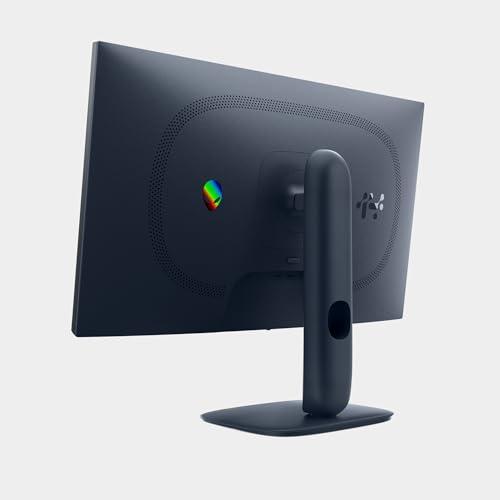
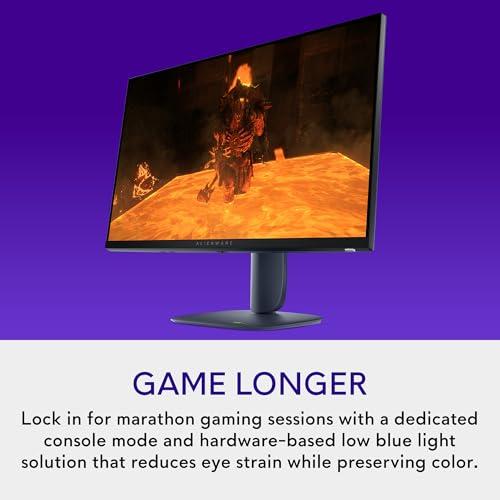
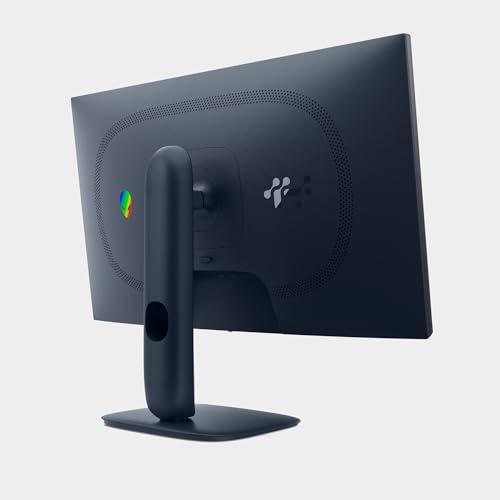
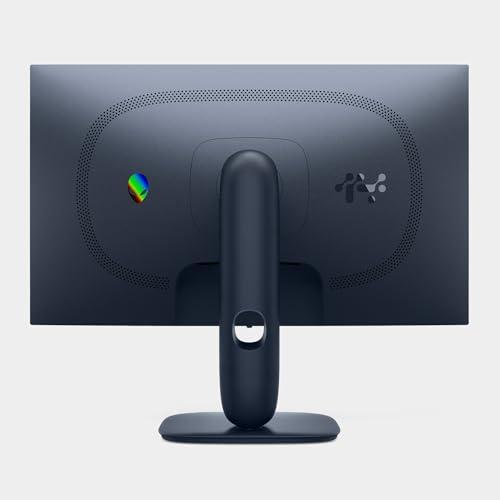
The Alienware 27 provides more limited swivel (±20 degrees) but compensates with superior build quality. The stand feels solid and stable, reflecting Dell's focus on premium construction. Both monitors support VESA 100x100mm mounting if you prefer a monitor arm.
The Acer Nitro XV1 includes built-in 2-watt stereo speakers – not impressive by any measure, but handy for system sounds, video calls, or casual YouTube watching. It also comes with both DisplayPort and HDMI cables, a nice touch that saves you a trip to the electronics store.
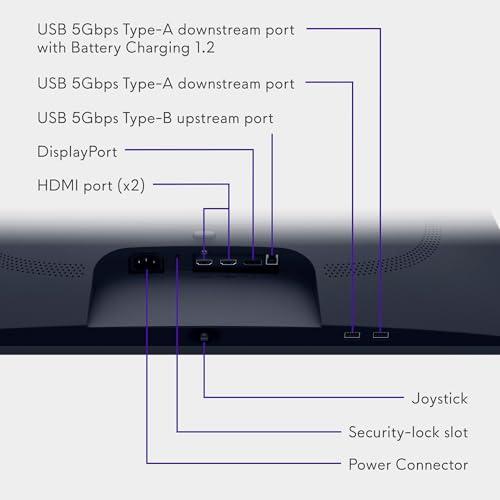
The Alienware 27 skips built-in speakers entirely, focusing purely on display performance. It includes similar connectivity (DisplayPort 1.4 and HDMI 2.1 ports) with slightly newer standards that may provide better long-term compatibility with future devices.
For gaming, most people prefer headphones anyway, so the speaker difference mainly affects convenience rather than core functionality.
While both monitors target gaming, they can serve double duty in home theater setups, particularly for PC-based media centers or console gaming in smaller rooms.
The Acer Nitro XV1's low brightness significantly hurts its home theater appeal. Watching movies in a typical living room with ambient lighting makes the screen appear dim and washed out. The built-in speakers are too weak for anything beyond background music.
The Alienware 27 works better in brighter rooms thanks to its higher brightness, and the HDR 400 certification provides some improvement for movie watching. However, at 27 inches, both monitors are really designed for desktop use rather than couch viewing.
If home theater use is important, you'd be better served by a larger TV or a bigger gaming monitor designed for living room use.
At the time of writing, these monitors target different segments of the 27-inch gaming market. The Acer Nitro XV1 typically positions itself as a value-oriented option, offering high refresh rates and good color quality at a competitive price point. It includes extras like speakers and cables while delivering most of the performance you'd want from a gaming monitor.
The Alienware 27 commands a premium for its superior brightness, build quality, and comprehensive certification. Whether this premium is worthwhile depends on your specific needs and budget flexibility.
For pure gaming performance, the difference is relatively small – both deliver smooth 180Hz gameplay with good color quality. The Alienware's advantages become more apparent in brighter environments, with HDR content, or if build quality concerns you.
The Acer Nitro XV1 makes sense if:
The Alienware 27 is worth the premium if:
Both monitors deliver excellent gaming performance for their respective price points, but they make different tradeoffs. The Acer Nitro XV1 prioritizes value and includes convenient extras, while accepting compromises in brightness and build quality. The Alienware 27 focuses on display performance and premium construction, skipping extras like speakers to deliver a better core experience.
Your choice should depend primarily on your gaming environment and budget flexibility. If you can control lighting and want to maximize value, the Acer delivers most of what you need. If you want the best possible display performance and can invest in the premium, the Alienware provides meaningful improvements that you'll notice every time you use it.
Neither monitor is perfect – true HDR requires much higher brightness, and both would benefit from better contrast. But for 27-inch 1440p gaming in 2024, both represent solid choices that balance performance, features, and pricing in their respective market segments.
| Acer Nitro XV1 27" WQHD 180Hz IPS Gaming Monitor | Alienware 27 QHD 180Hz Gaming Monitor |
|---|---|
| Display Size & Resolution - Core gaming experience foundation | |
| 27" IPS, 2560×1440 (108.79 PPI) | 27" Fast IPS, 2560×1440 (QHD) |
| Refresh Rate - Smoothness in fast-paced games | |
| 180Hz (DisplayPort), 144Hz (HDMI) | 180Hz (DisplayPort), 144Hz (HDMI 2.1) |
| Response Time - Motion blur reduction for competitive gaming | |
| 1ms GtG with VRB strobing, 3 overdrive modes | Multiple modes: 4ms/2ms/1ms GtG with selectable overdrive |
| Peak Brightness - Visibility in bright rooms and HDR performance | |
| 250 nits (struggles in bright environments) | 400 nits (60% brighter, better for daylight use) |
| HDR Support - Enhanced contrast and color depth | |
| HDR10 basic support (limited by low brightness) | VESA DisplayHDR 400 certified (meaningful HDR improvement) |
| Color Gamut - Vibrancy and accuracy for games and content | |
| 95% DCI-P3, ~130% sRGB equivalent | 95% DCI-P3, up to 99% sRGB |
| Adaptive Sync - Eliminates screen tearing and stuttering | |
| AMD FreeSync Premium, unofficial G-Sync Compatible | G-Sync Compatible certified, FreeSync Premium Pro, VESA AdaptiveSync |
| Stand Adjustability - Ergonomic flexibility for comfort | |
| Full adjustment: 120mm height, 360° swivel, ±90° pivot | Comprehensive: 110mm height, ±20° swivel, ±90° pivot |
| Build Quality - Long-term durability and stability | |
| Standard construction, reported stand wobbling | Premium build quality, stable and sturdy |
| Audio Features - Convenience for casual use | |
| Built-in 2×2W speakers included | No built-in speakers (focus on display performance) |
| Connectivity - Future-proofing and device compatibility | |
| 1× DisplayPort 1.2, 2× HDMI 2.0, includes cables | 1× DisplayPort 1.4, 2× HDMI 2.1, USB hub |
| Target User - Best fit based on priorities and budget | |
| Budget-conscious gamers, darker room setups | Premium users wanting better HDR and build quality |
Both the Acer Nitro XV1 and Alienware 27 deliver excellent gaming performance with 180Hz refresh rates and fast response times. The Alienware 27 has a slight edge with official G-Sync certification and better HDR support, while the Acer Nitro XV1 offers great value with similar core gaming performance at a lower price point.
The biggest difference is brightness and HDR capability. The Alienware 27 delivers 400 nits brightness with DisplayHDR 400 certification, while the Acer Nitro XV1 only reaches 250 nits with basic HDR10 support. This makes the Alienware much better for bright rooms and HDR gaming.
Yes, but with different levels of certification. The Acer Nitro XV1 has AMD FreeSync Premium and unofficial G-Sync compatibility, while the Alienware 27 offers official G-Sync Compatible certification, FreeSync Premium Pro, and full VESA AdaptiveSync support for broader compatibility.
Both monitors offer excellent color performance with 95% DCI-P3 coverage. The Acer Nitro XV1 includes more professional color presets like Rec.709 and SMPTE-C, making it slightly better for content creation, while the Alienware 27 focuses on gaming-optimized color modes with up to 99% sRGB accuracy.
Only the Acer Nitro XV1 includes built-in 2×2W stereo speakers, which are adequate for basic audio needs. The Alienware 27 doesn't include speakers, focusing purely on display performance and expecting users to have external audio solutions.
The Alienware 27 is significantly better for bright environments with its 400 nits peak brightness compared to the Acer Nitro XV1's 250 nits. If you game near windows or in well-lit rooms, the Alienware will provide much better visibility and less glare.
Both the Acer Nitro XV1 and Alienware 27 work excellently with PS5 and Xbox Series X/S consoles. The Alienware 27 has HDMI 2.1 ports for better future compatibility, while the Acer uses HDMI 2.0 but still supports all current console features at 1440p resolution.
The Alienware 27 offers superior build quality with a more stable, premium-feeling stand and better overall construction. The Acer Nitro XV1 has functional ergonomics but some users report stand wobbling, though it does offer full 360-degree swivel that the Alienware lacks.
HDR is only meaningful on the Alienware 27 due to its DisplayHDR 400 certification and higher brightness. The Acer Nitro XV1's HDR10 support is limited by its low 250-nit brightness, making HDR content appear dim and less impactful compared to the Alienware's implementation.
The Acer Nitro XV1 typically offers better value with similar core gaming performance, included speakers, and cables at a lower price point. The Alienware 27 commands a premium but justifies it with significantly better brightness, HDR, and build quality for users who prioritize these features.
Both monitors excel for productivity with sharp 1440p resolution and excellent color accuracy. The Acer Nitro XV1 offers full 360-degree swivel and pivot for portrait orientation, making it more versatile for document work. The Alienware 27's higher brightness also helps with productivity in bright office environments.
Choose the Acer Nitro XV1 if you want excellent gaming performance at a lower price, game in darker rooms, and appreciate built-in speakers. Pick the Alienware 27 if you can invest more for better brightness, HDR performance, superior build quality, and game in brighter environments.
We've done our best to create useful and informative comparisons to help you decide what product to buy. Our research uses advanced automated methods to create this comparison and perfection is not possible - please contact us for corrections or questions. These are the sites we've researched in the creation of this article: bestbuy.com - tomshardware.com - displayninja.com - youtube.com - youtube.com - youtube.com - store.acer.com - manuals.plus - displayspecifications.com - pangoly.com - pcpartpicker.com - casariolab.art - store.acer.com - versus.com - youtube.com - bestbuy.com - bestbuy.com - youtube.com - dell.com - tweaktown.com - dell.com - rtings.com - manuals.plus - tomshardware.com - displayspecifications.com - youtube.com - youtube.com - displayspecifications.com - dell.com - dellstore.com - ebay.com

Privacy Policy
Terms and Conditions - Affiliate Policy
Home Security
© Copyright 2008-2026.
11816 Inwood Rd #1211, Dallas, TX 75244