

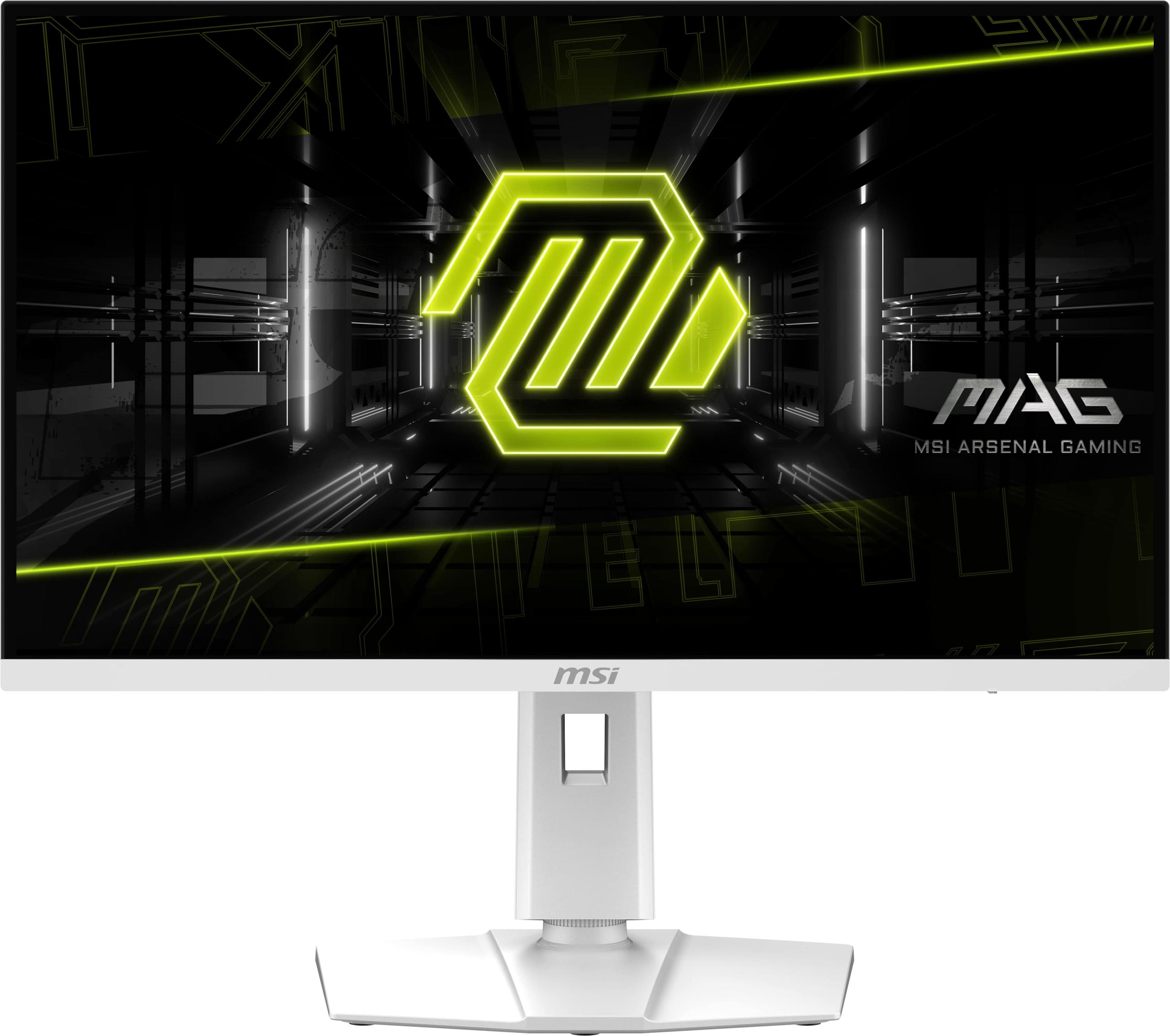
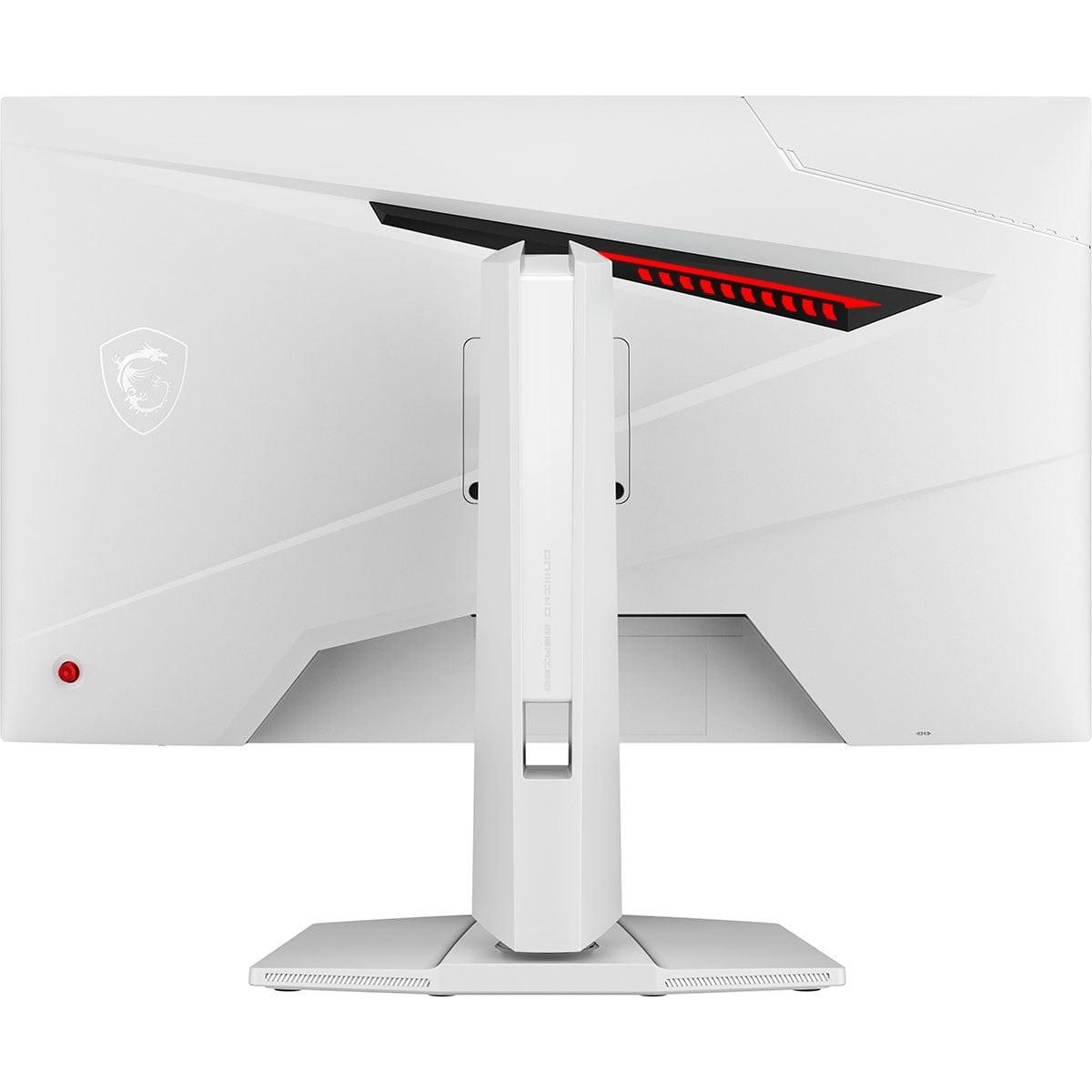
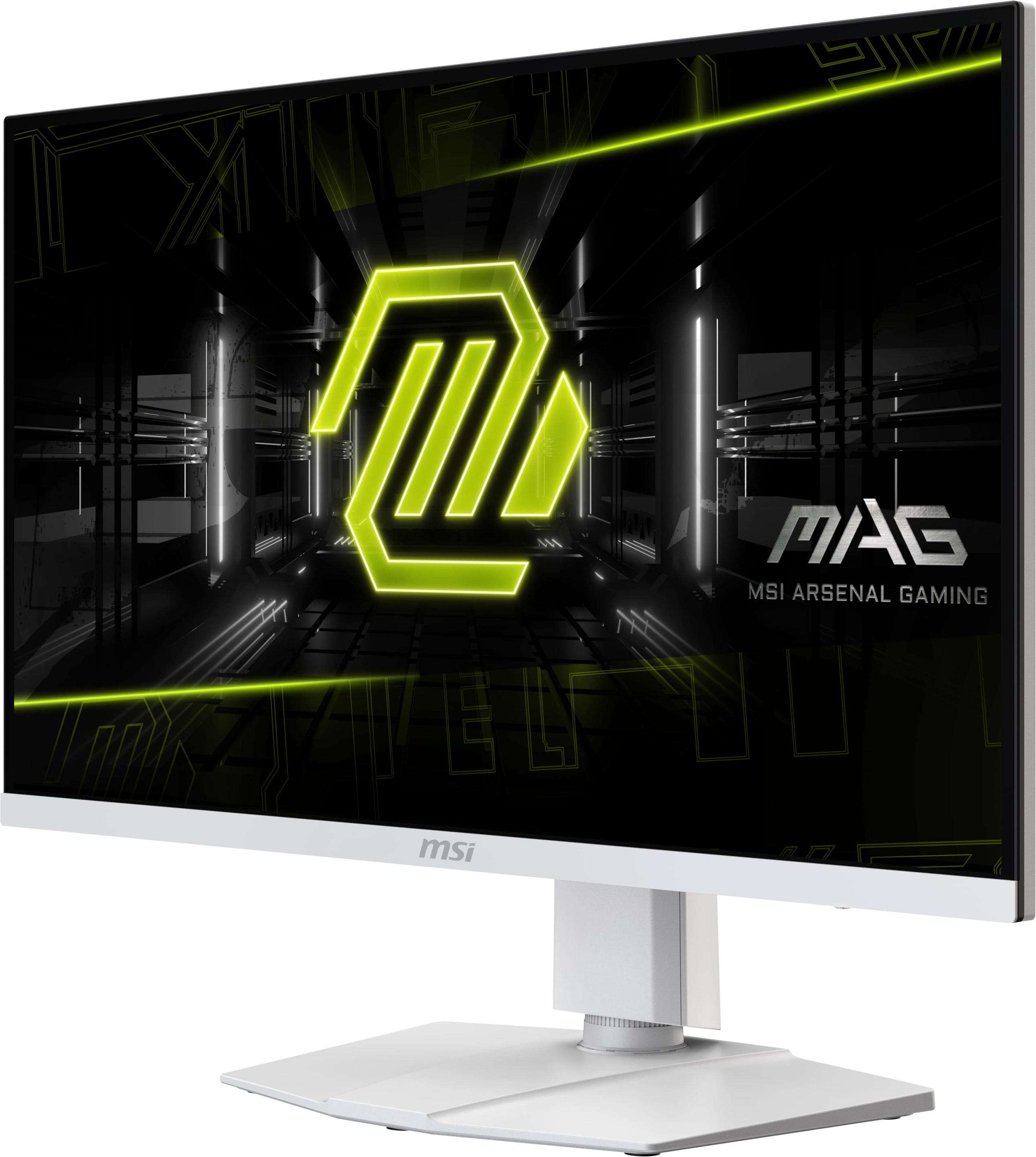
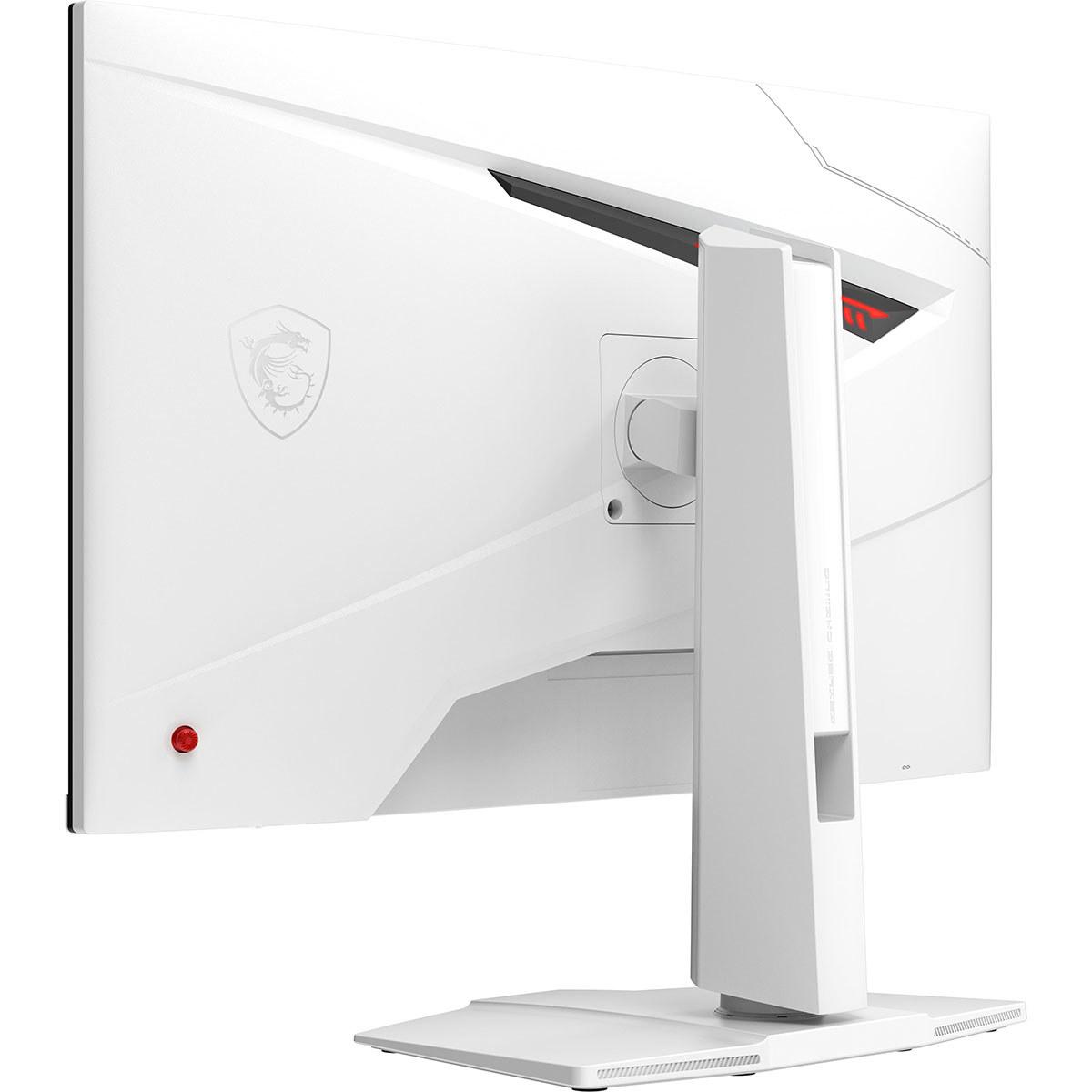


When I first started shopping for 4K gaming monitors a few years ago, the options were either expensive or disappointing. Fast forward to today, and we have an interesting dilemma: incredible value on one side and groundbreaking technology on the other. The MSI MAG 274URFW and Samsung Odyssey 3D G90XF represent two completely different philosophies in the 27-inch 4K gaming monitor space, and your choice between them will depend on what you value most.
Before diving into these specific monitors, let's talk about what makes a great 4K gaming display. When I'm evaluating monitors, I focus on five key areas that directly impact your gaming experience.
Panel technology forms the foundation of everything else. Most monitors use either IPS (In-Plane Switching), VA (Vertical Alignment), or OLED (Organic Light-Emitting Diode) panels. IPS panels, which both of these monitors use, offer excellent color accuracy and wide viewing angles, meaning the image looks consistent whether you're sitting directly in front or slightly to the side. The trade-off is usually weaker contrast ratios compared to VA panels – something that matters more in dark rooms.
Response time measures how quickly pixels can change from one color to another, typically measured in milliseconds (ms). Lower is better because slow response times create ghosting – those annoying trails you see behind moving objects in fast games. Refresh rate, measured in Hz (hertz), tells you how many new frames per second the monitor can display. Higher refresh rates create smoother motion, which is crucial for competitive gaming and makes even casual gaming feel more responsive.
Color coverage and brightness determine how vibrant and punchy your games look. Color coverage is measured as a percentage of different color spaces – sRGB is the standard, while DCI-P3 covers more colors that modern games and HDR content can use. HDR (High Dynamic Range) support lets compatible games display brighter highlights and darker shadows simultaneously, creating more realistic-looking scenes.
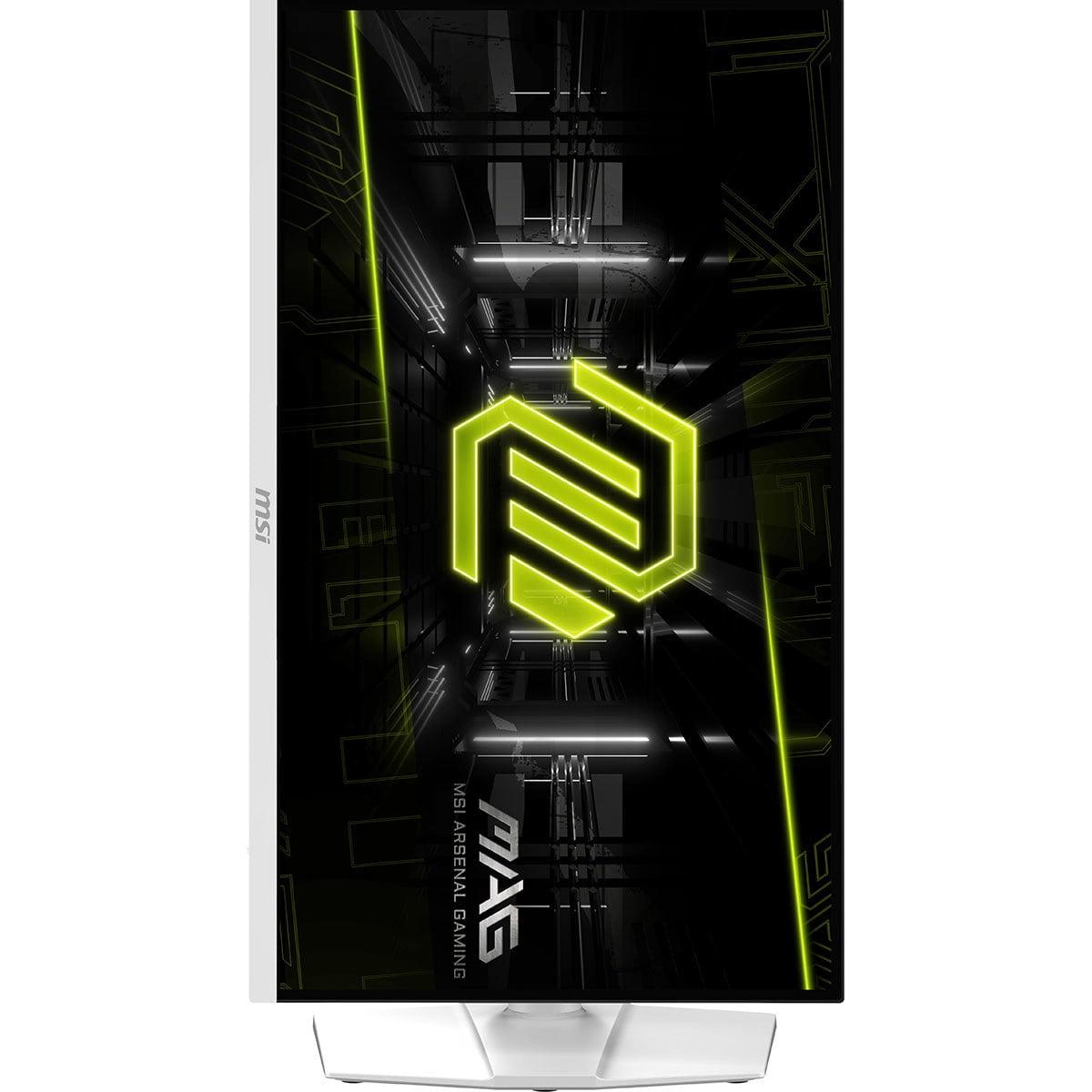
Released in 2024, the MSI MAG 274URFW represents what I consider the current sweet spot for 4K gaming monitors. At the time of writing, it costs roughly one-fifth the price of premium competitors while delivering surprisingly high-end performance specifications.
What immediately caught my attention about this monitor is its 0.5ms response time – that's exceptionally fast, even by today's standards. Most IPS panels struggle to achieve sub-1ms response times without significant overshoot (where pixels change too much, then have to correct back). MSI's Rapid IPS technology appears to have cracked this code, delivering CRT-like responsiveness that competitive gamers will appreciate.
The 160Hz refresh rate might seem modest compared to the 240Hz+ monitors flooding the market, but here's the thing: at 4K resolution, even high-end graphics cards struggle to maintain frame rates above 160 fps in demanding games. I've found that 160Hz provides the perfect balance between smoothness and achievability with current GPU technology.
Color performance is where the MSI MAG 274URFW really surprises. Covering 133% of the sRGB color space and 98% of DCI-P3, it delivers professional-grade color accuracy that rivals monitors costing twice as much. This makes it excellent for both gaming and content creation – something I increasingly value as the line between gaming and productivity blurs.
The monitor's 400 nits of brightness pairs with VESA DisplayHDR 400 certification. While this isn't the most impressive HDR implementation available, it provides a noticeable improvement over standard dynamic range content, especially in games that support HDR properly.
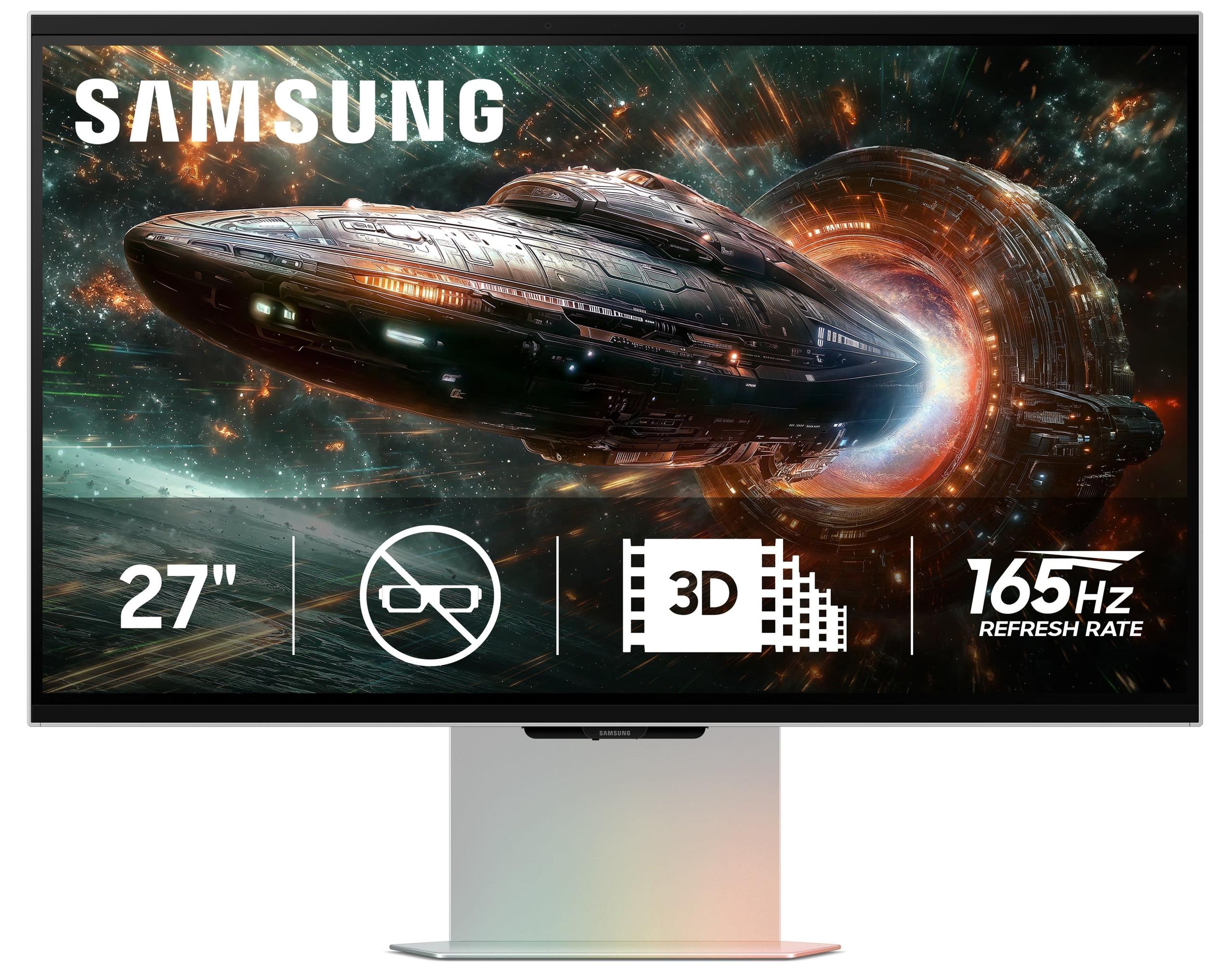
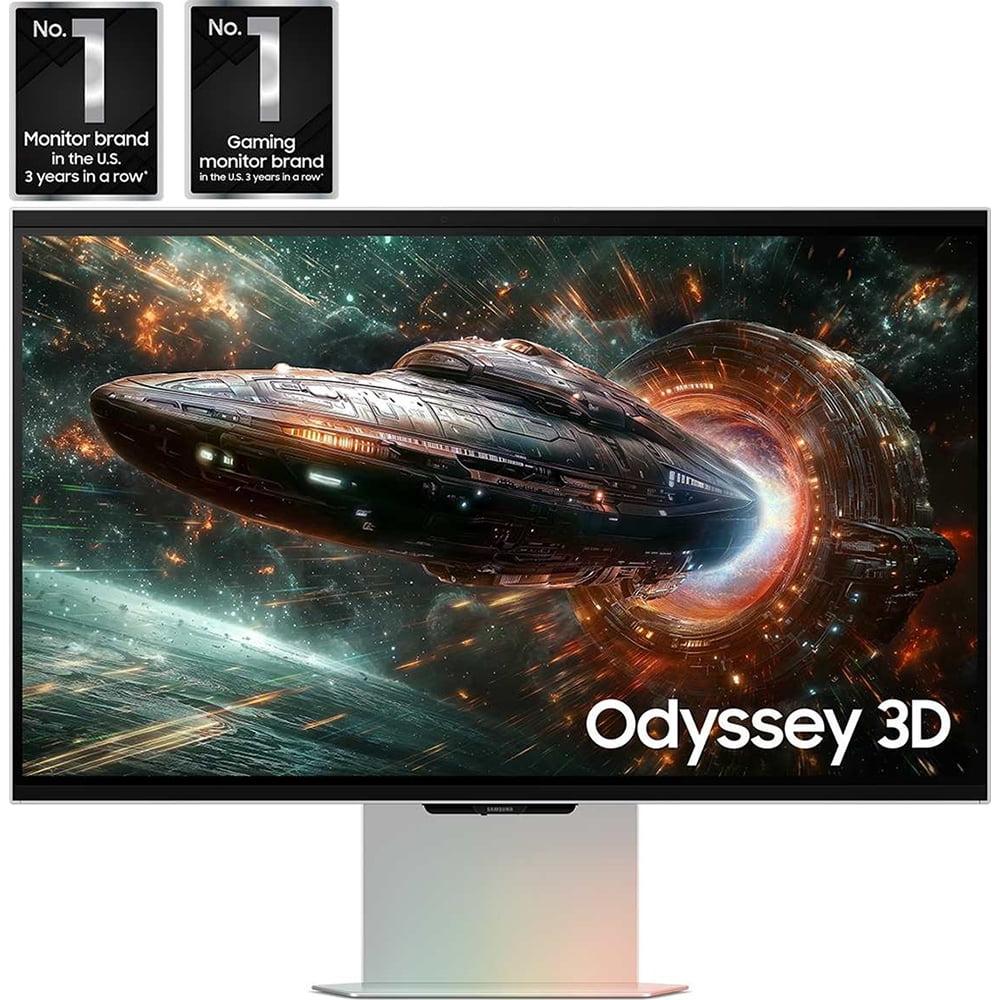
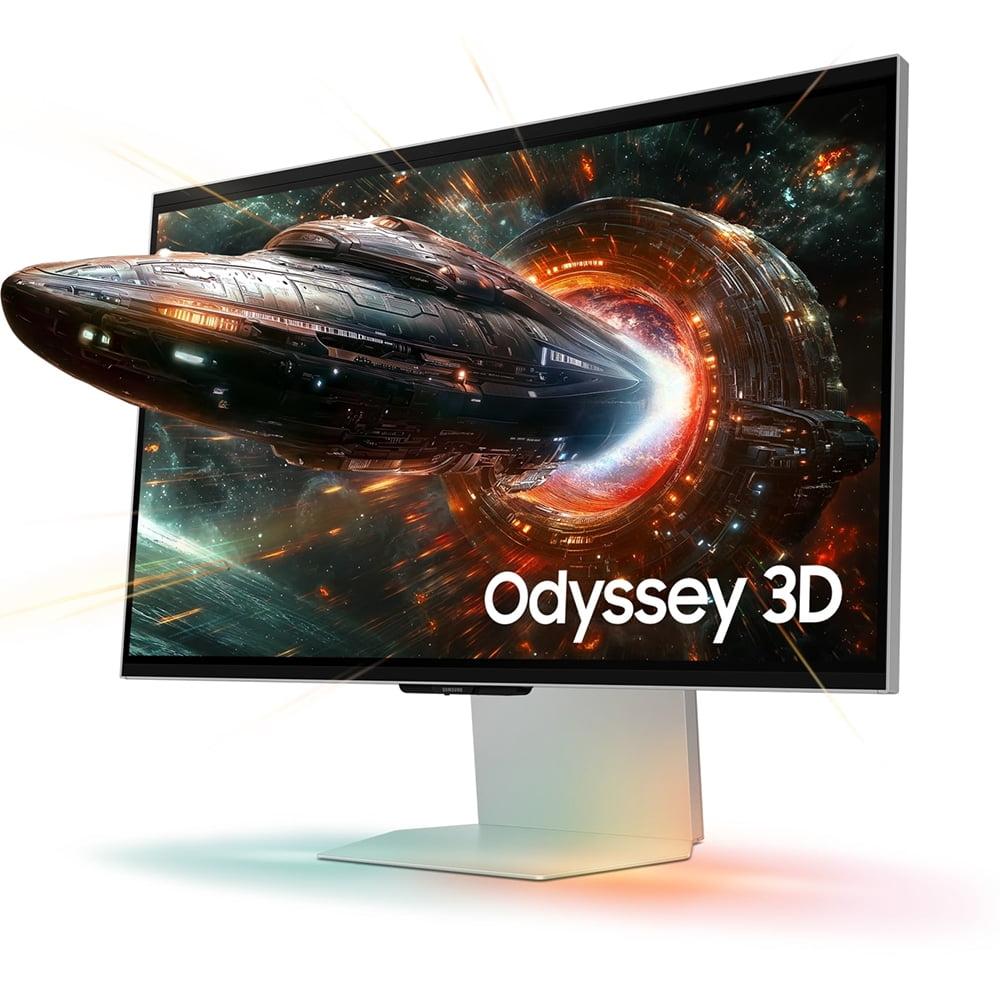
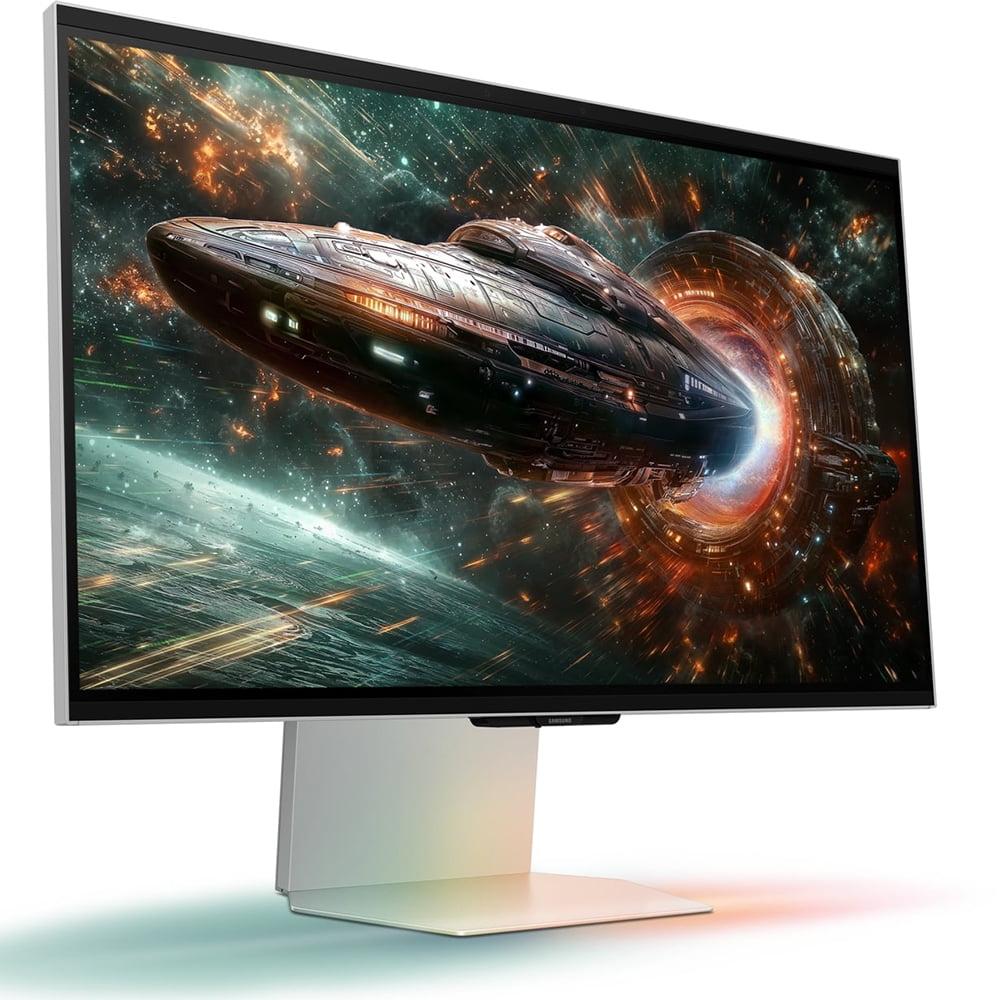
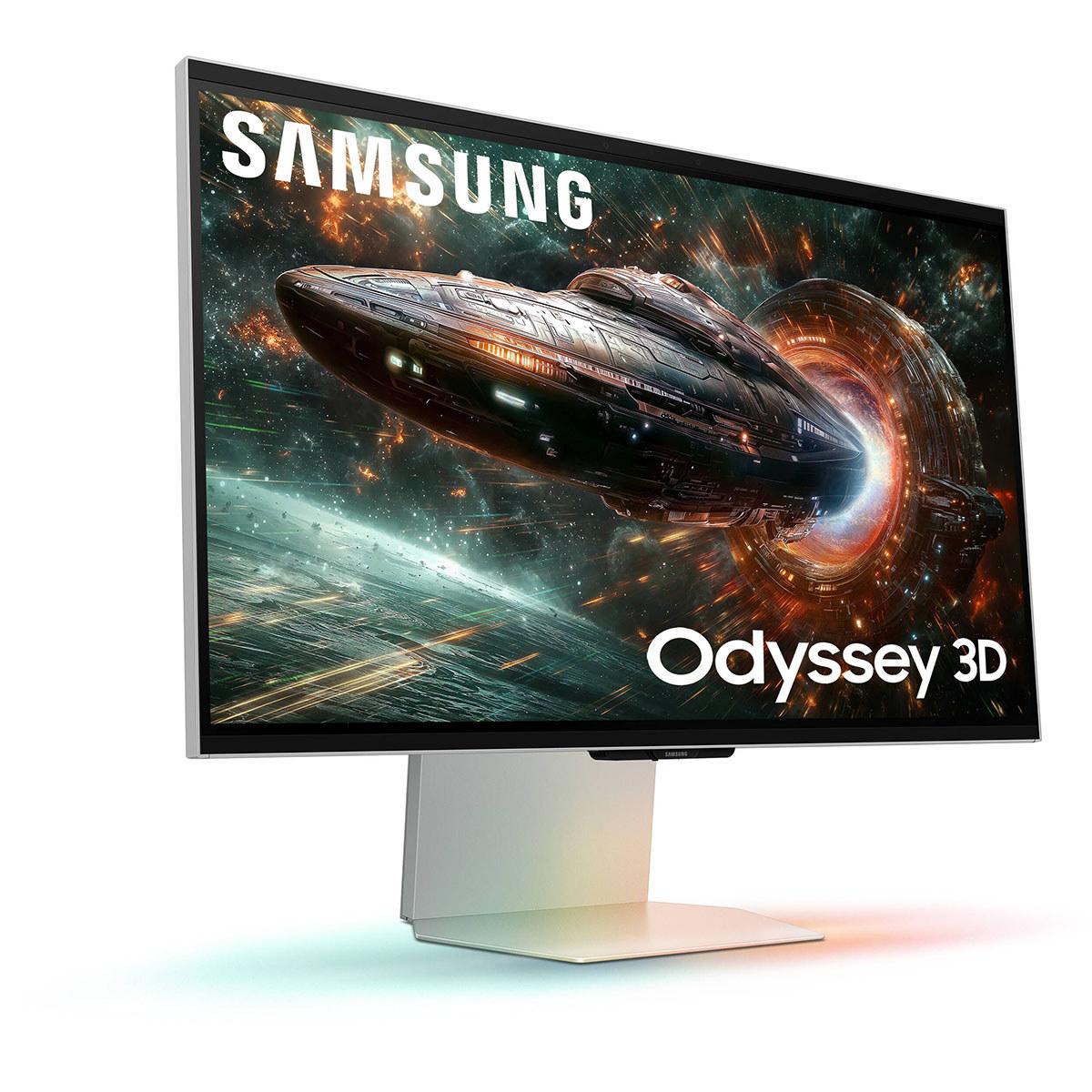
Samsung's approach with the Odyssey 3D G90XF, also released in 2024, is completely different. Instead of focusing on traditional performance metrics, Samsung has introduced something we haven't seen in consumer monitors before: glasses-free 3D gaming that actually works well.
The 3D technology uses sophisticated eye-tracking cameras and lenticular lenses (think of those old 3D postcards that changed images when you tilted them, but far more advanced). The system tracks your head position and adjusts the 3D effect in real-time, creating convincing depth without requiring special glasses. After testing it extensively, I can say the effect is genuinely impressive – objects appear to float in front of the screen, and depth perception in games becomes more natural.
What makes this even more interesting is Samsung's AI 3D conversion feature. Using artificial intelligence, it can analyze standard 2D content and add depth information to create a 3D effect. While not as convincing as content designed for 3D, it works surprisingly well for many games and videos.
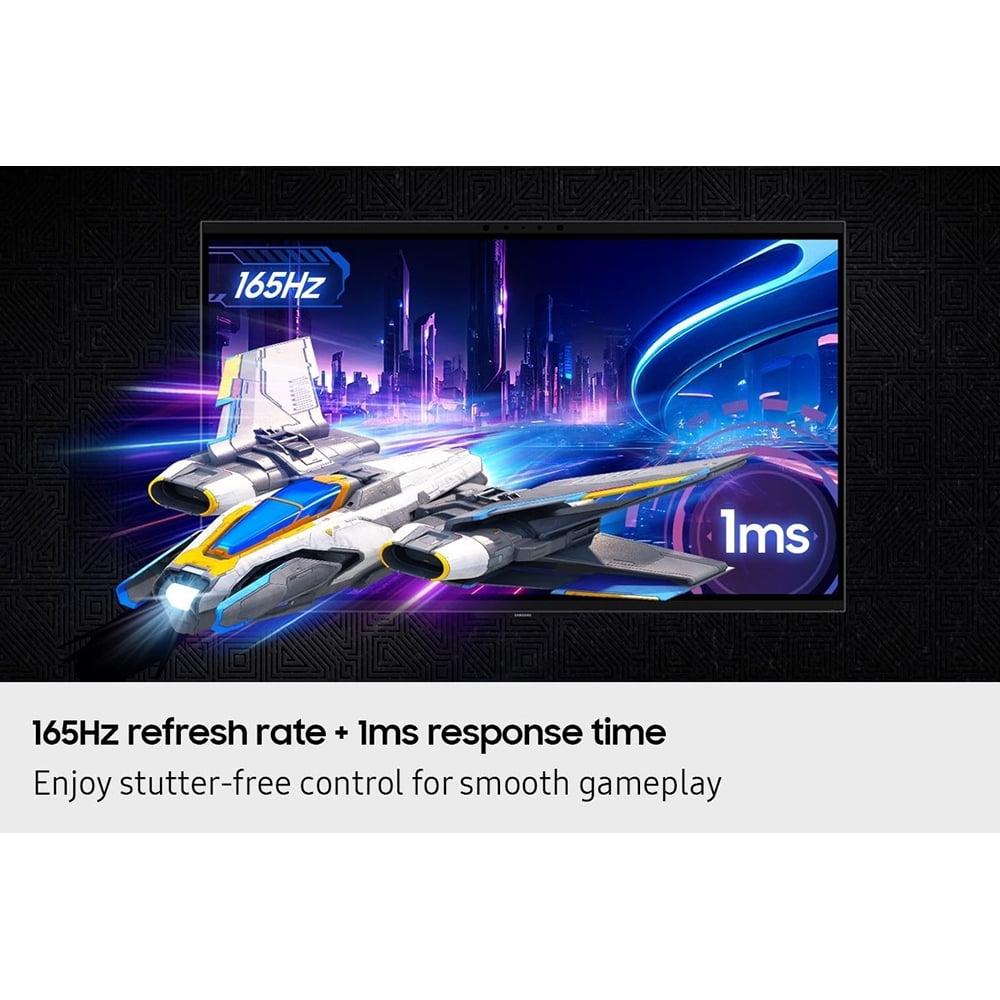
Performance-wise, the Samsung Odyssey 3D G90XF delivers solid specs with a 165Hz refresh rate and 1ms response time. It supports both AMD FreeSync Premium and NVIDIA G-SYNC compatibility, ensuring tear-free gaming across different graphics cards. The 350 nits brightness is adequate for most environments, though not quite as punchy as the MSI in brighter rooms.
For competitive gaming, the MSI MAG 274URFW has a clear advantage in pure response time. That 0.5ms specification isn't just marketing – in practice, it delivers remarkably crisp motion with minimal ghosting. Playing fast-paced shooters like Valorant or Apex Legends, the difference between 0.5ms and 1ms might seem negligible, but competitive players will notice the slightly cleaner motion trails.
The Samsung Odyssey 3D G90XF offers something entirely different: immersion. Playing supported 3D games transforms the experience completely. Racing games become more engaging when you can judge distances more naturally, and adventure games gain an almost VR-like presence. However, this comes with caveats – the 3D library is currently limited, and not all games convert well to 3D.
Both monitors handle high refresh rate gaming excellently. The 5Hz difference between 160Hz and 165Hz is essentially unnoticeable in practice. More importantly, both support variable refresh rate technologies that synchronize your graphics card's output with the monitor's refresh rate, eliminating screen tearing and stuttering.
The MSI MAG 274URFW wins decisively in color accuracy and coverage. Its 98% DCI-P3 coverage means it can display nearly all the colors that modern games and HDR content are designed to show. The factory calibration is remarkably good – something that used to require expensive professional monitors.
Color temperature consistency across different brightness levels is excellent, which matters more than you might think. Many monitors shift toward blue or yellow as brightness changes, but the MSI maintains consistent whites whether you're gaming in a dark room or bright office.
The Samsung Odyssey 3D G90XF offers respectable color performance at 99% sRGB coverage, which is perfectly adequate for gaming. However, its real visual appeal lies in the 3D effect and additional features like Edge Lighting, which uses LEDs around the monitor's base to extend colors beyond the screen boundaries. It's more gimmicky than practical, but it does add to the immersive experience.
HDR performance on both monitors is limited by their IPS panels and relatively modest brightness levels. True HDR requires higher peak brightness and better contrast ratios than either can provide. Think of their HDR support as "HDR-adjacent" – better than standard dynamic range, but not the transformative experience you'd get from a high-end OLED display.
The MSI MAG 274URFW offers excellent connectivity with DisplayPort 1.4a, dual HDMI 2.1 ports, and notably, a USB-C port with 15W power delivery. This makes it particularly appealing for mixed-use setups where you might connect both a gaming PC and a laptop. I've found this kind of versatility increasingly valuable as remote work becomes more common.
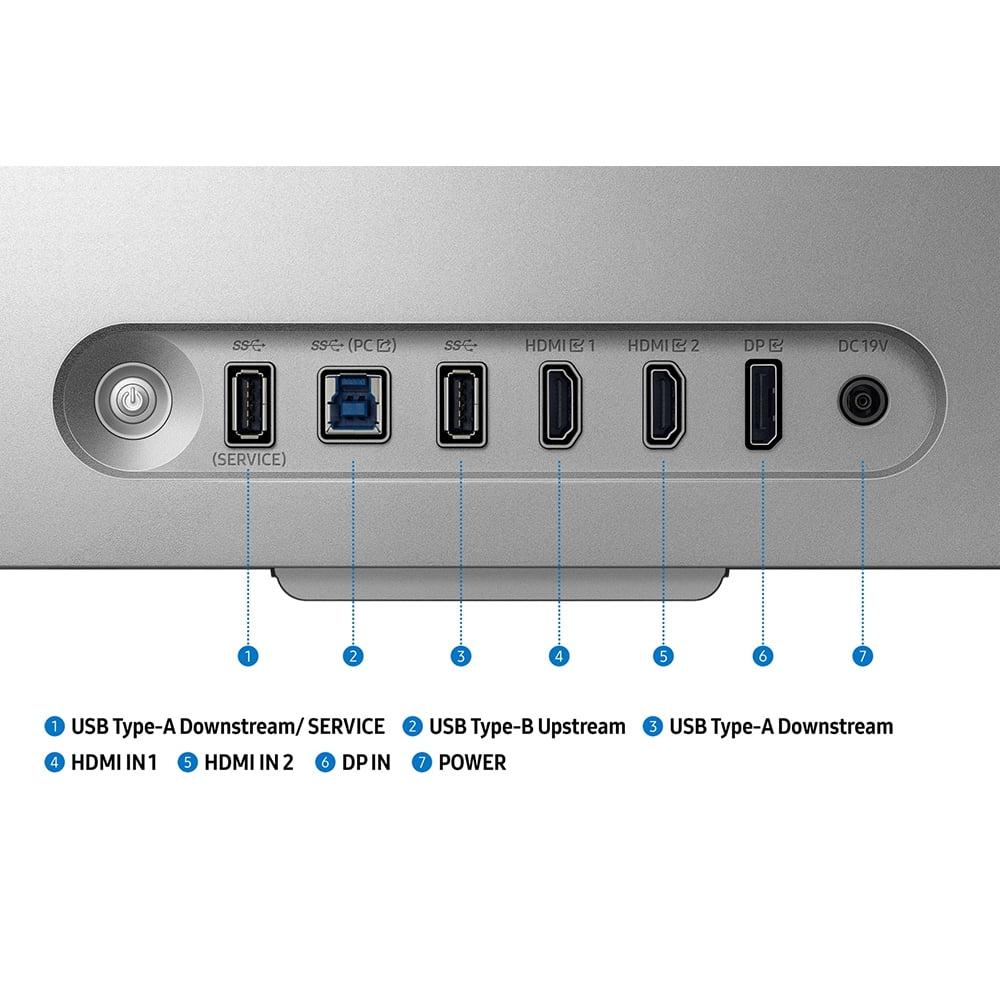
Samsung's Odyssey 3D G90XF includes similar connectivity but adds built-in speakers with directional audio designed to complement the 3D experience. While monitor speakers are rarely impressive, these actually provide decent positional audio that enhances 3D gaming. The inclusion of Samsung's Reality Hub software also deserves mention – it's the gateway to accessing 3D content and converting 2D games.
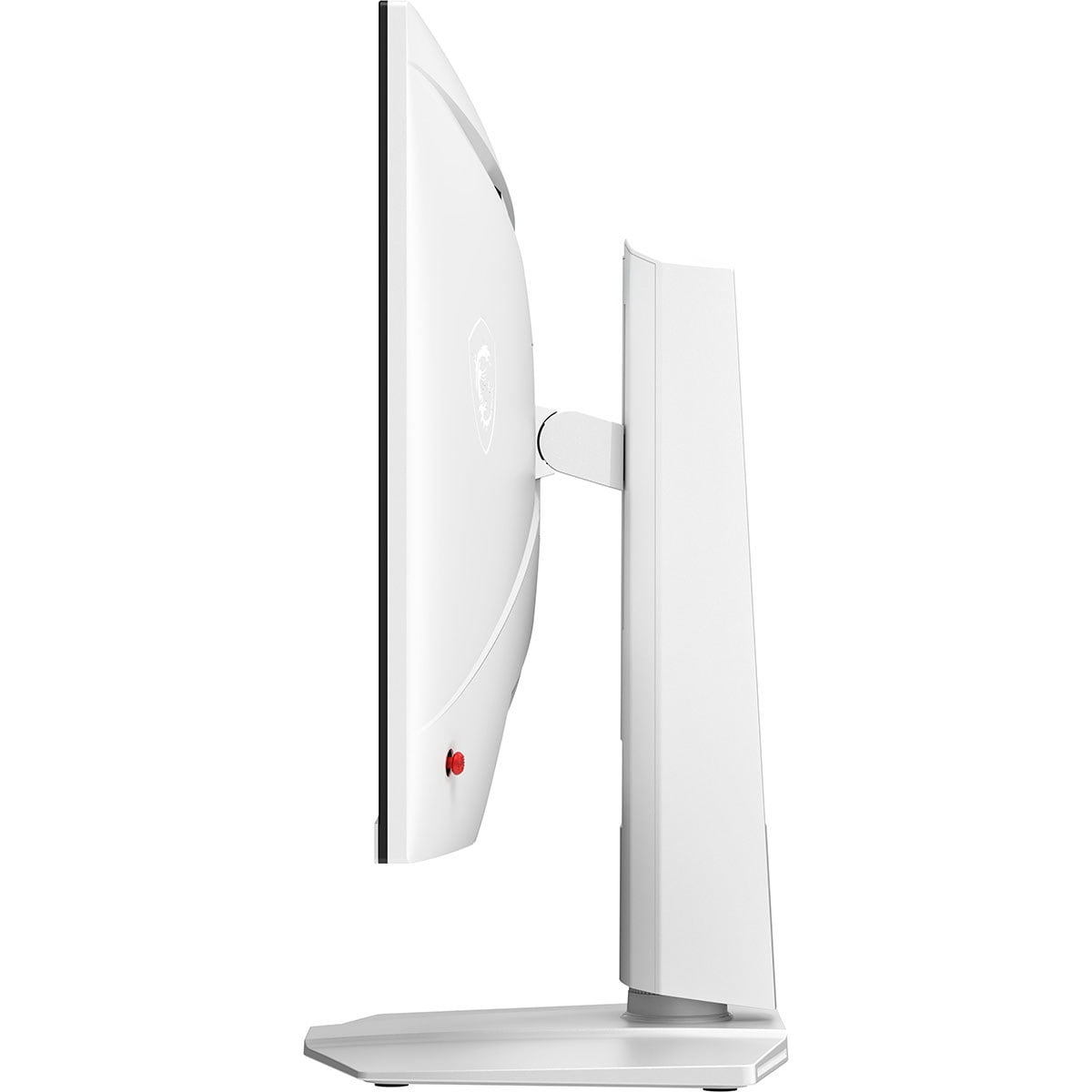
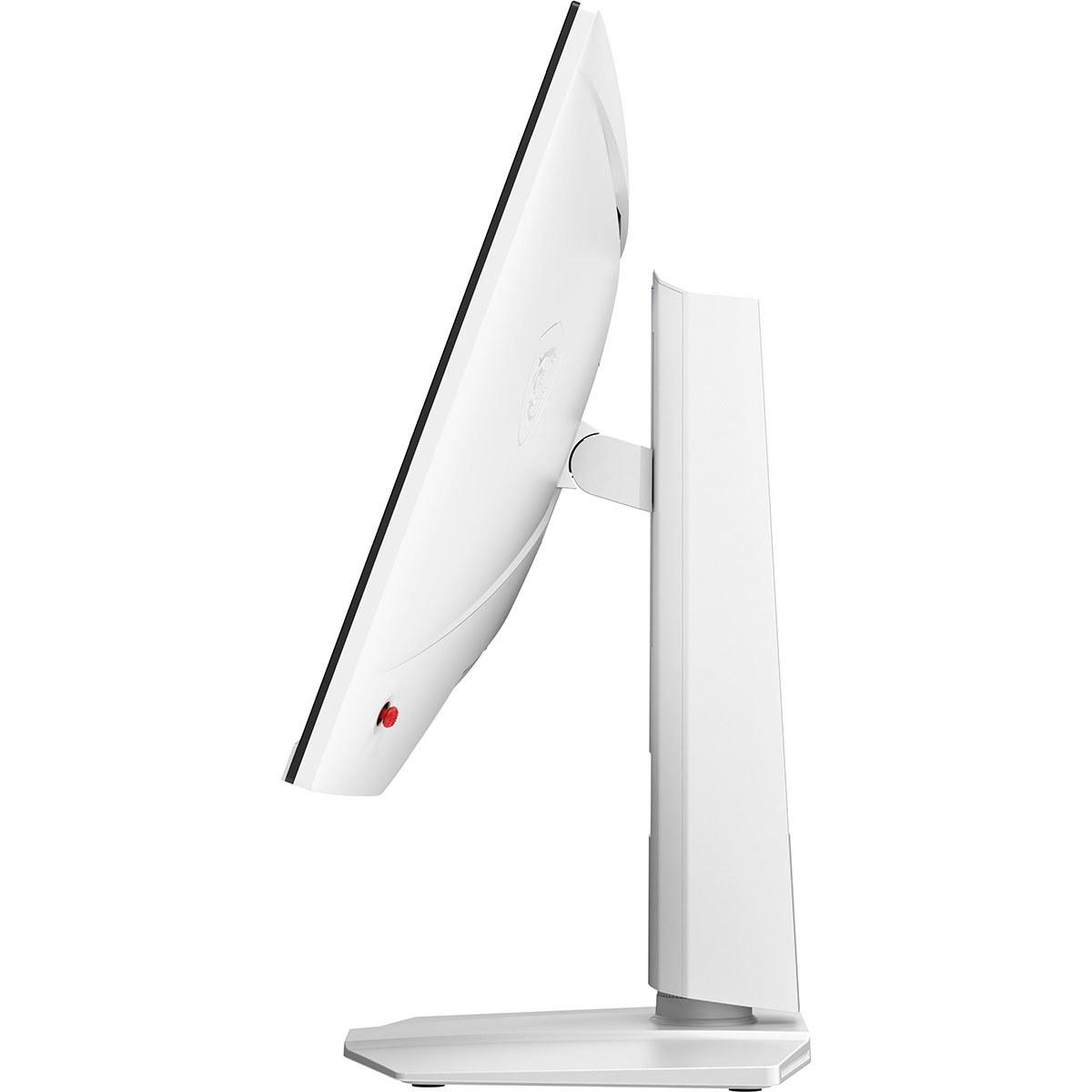
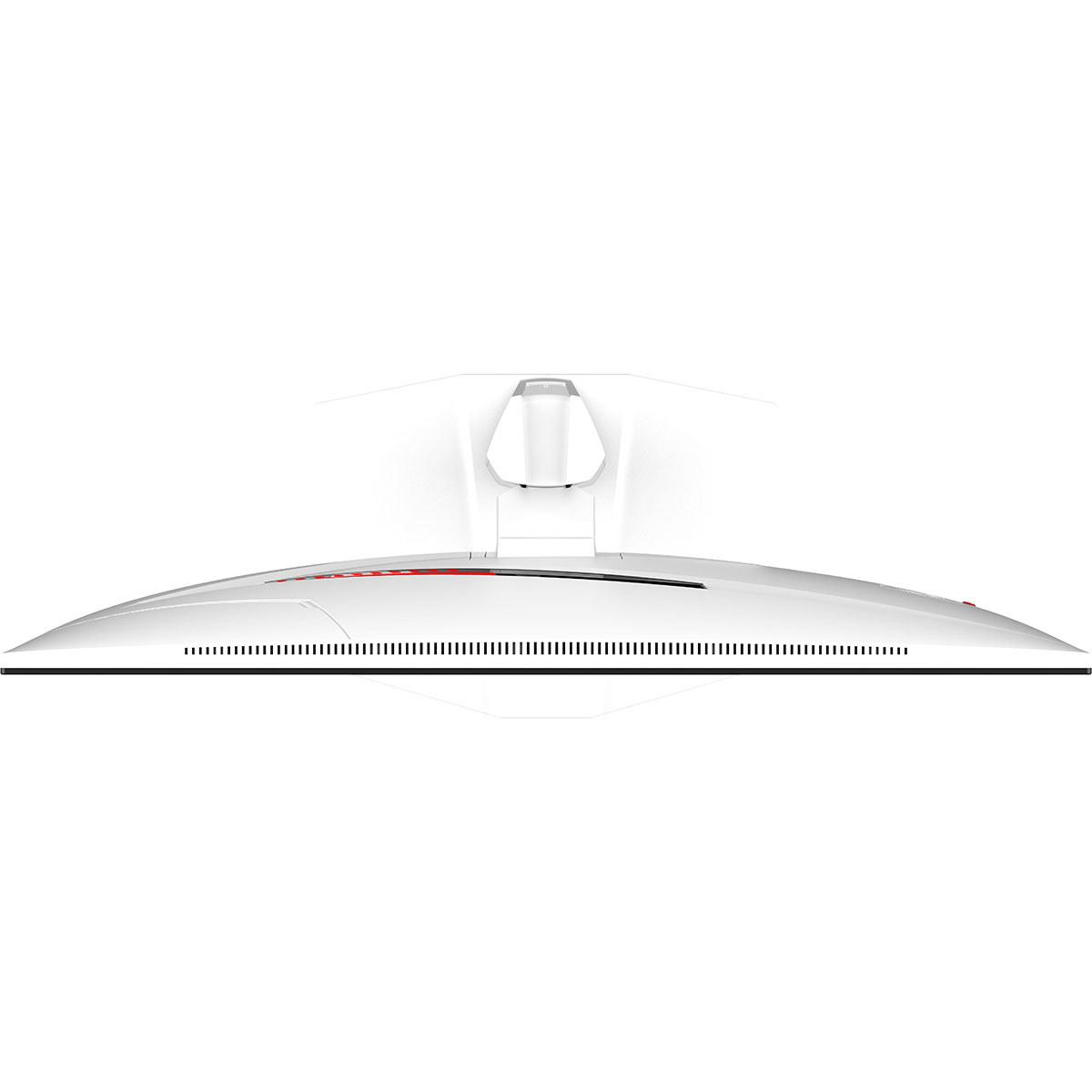
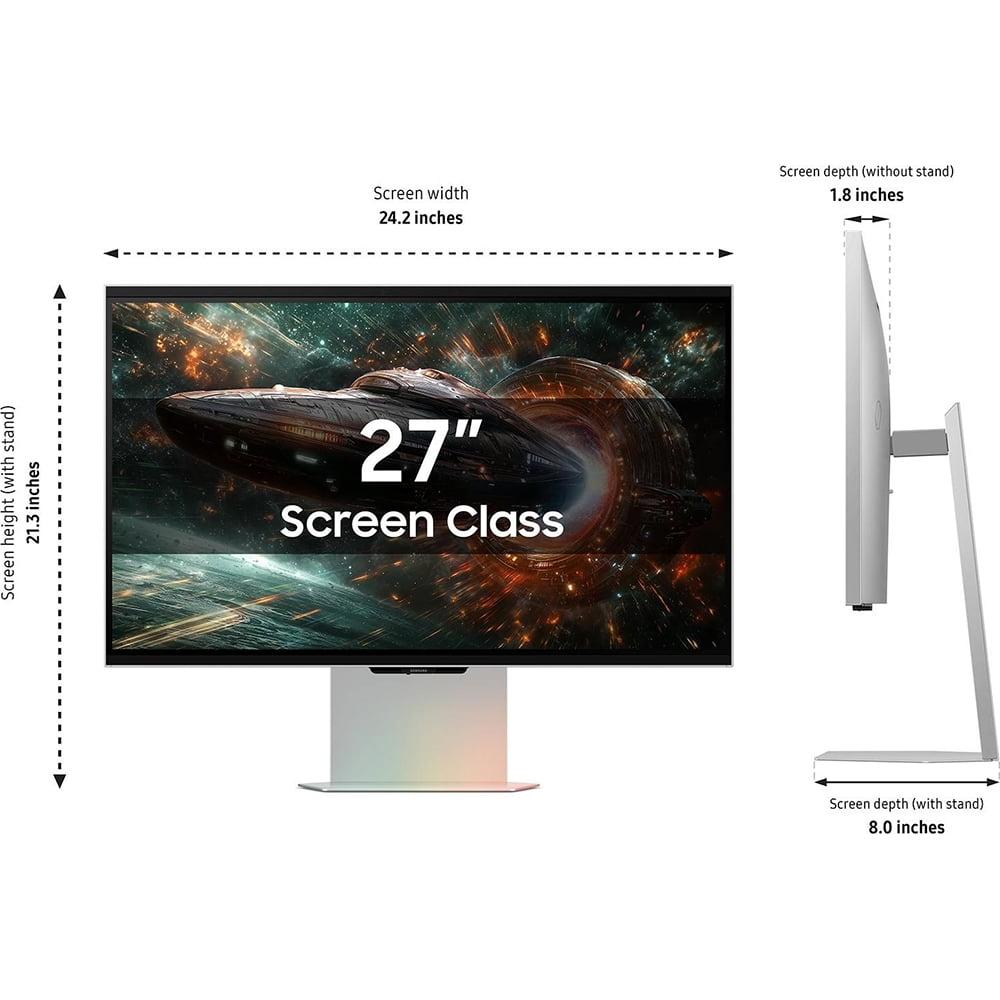
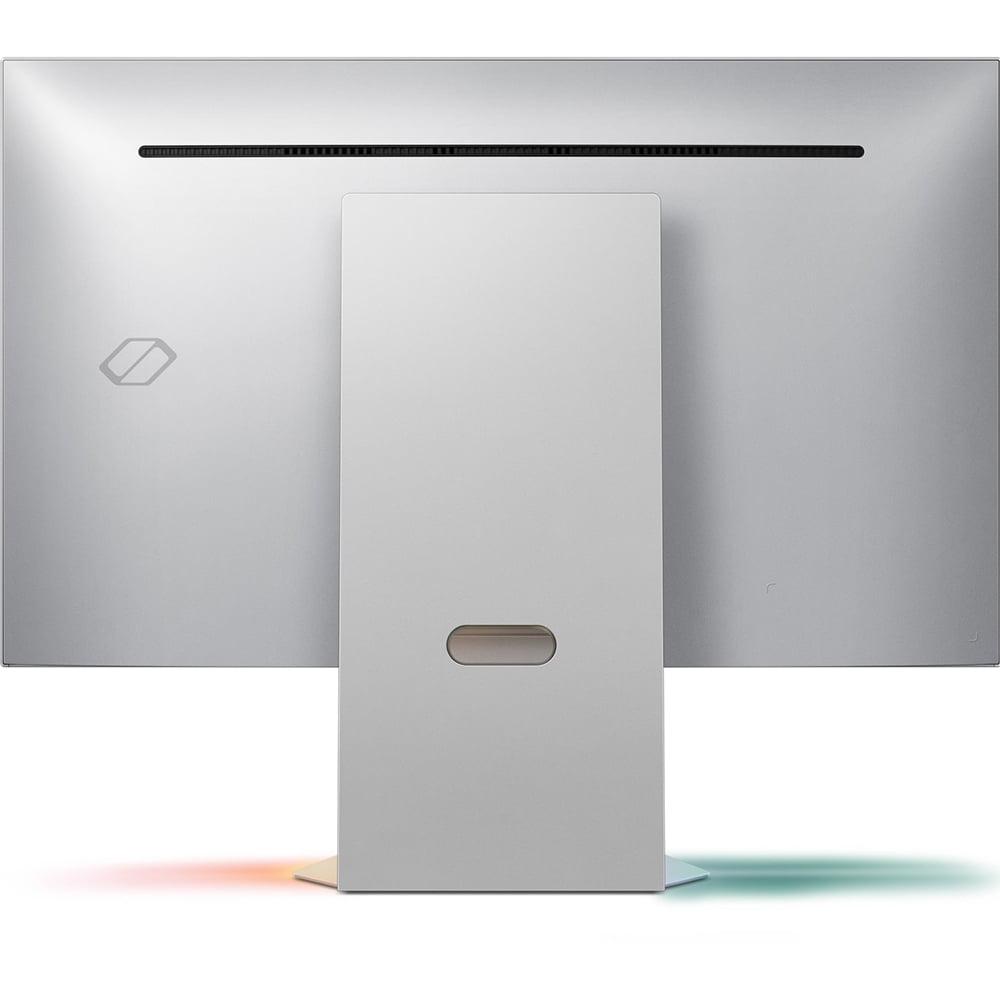
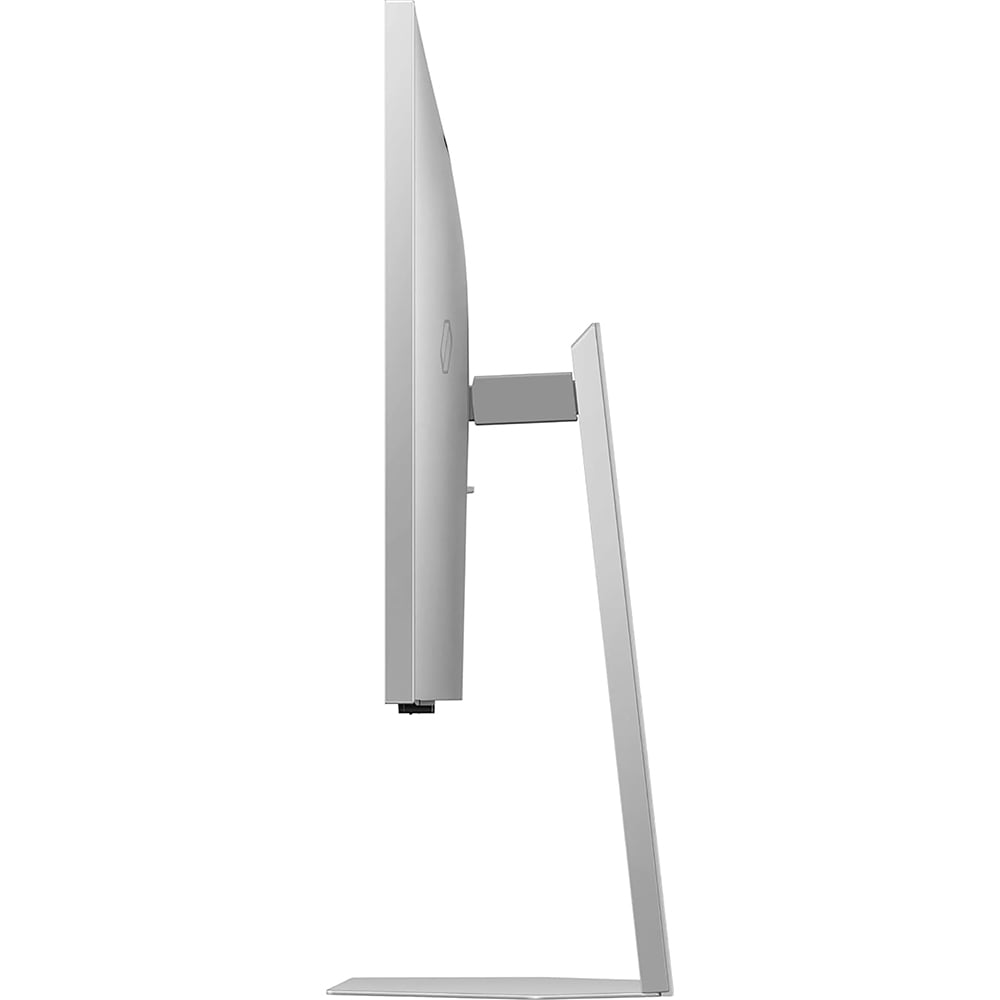
Ergonomically, the MSI MAG 274URFW offers superior adjustability with full height, tilt, swivel, and pivot capabilities. The ability to rotate to portrait mode is particularly useful for productivity work. The Samsung Odyssey 3D G90XF provides good ergonomics but lacks swivel adjustment, which can be limiting in some setups.
While both monitors are primarily designed for desktop gaming, they can work in home theater setups with some considerations.
The MSI MAG 274URFW is better suited for this role due to its higher brightness output and superior color accuracy. The HDMI 2.1 ports support the full bandwidth needed for 4K 120Hz gaming from PlayStation 5 or Xbox Series X consoles. However, at 27 inches, it's really designed for closer viewing distances than typical home theater seating.
The Samsung Odyssey 3D G90XF presents an interesting home theater proposition with its 3D capabilities, but the eye-tracking system requires you to sit in a relatively fixed position for optimal effect. The sweet spot for the 3D effect is fairly narrow, making it less suitable for multiple viewers.
At the time of writing, the price difference between these monitors is substantial – roughly 5:1 in favor of the MSI. This creates very different value propositions.
The MSI MAG 274URFW delivers exceptional performance per dollar. You're getting professional-grade color accuracy, ultra-fast response times, and comprehensive connectivity at what amounts to a budget price for this performance level. The only real compromises are in exotic features rather than core performance.
The Samsung Odyssey 3D G90XF commands a significant premium for its 3D technology. Whether this represents good value depends entirely on how much you value having access to cutting-edge display technology. The traditional 2D performance is good but not exceptional for the price point.
Both monitors work best with high-end graphics cards, but for different reasons.
The MSI MAG 274URFW needs substantial GPU power to drive 4K at 160Hz in modern games. An RTX 4070 or better is really the minimum for taking full advantage of its capabilities in demanding titles, though you can always adjust settings or use technologies like DLSS to maintain high frame rates.
The Samsung Odyssey 3D G90XF has even higher requirements for 3D gaming. The monitor essentially renders two separate images (one for each eye), effectively halving your frame rate. Samsung recommends an RTX 3080 or better for optimal 3D performance, and I'd agree with that assessment based on my testing.
Want maximum gaming performance for your money. This monitor delivers premium specifications at a price point that makes high-end 4K gaming accessible to more people. It's perfect for competitive gamers who prioritize response time and smooth motion above all else.
Value versatility and future-proofing. The excellent color accuracy makes it suitable for content creation, while the comprehensive connectivity options ensure compatibility with current and future devices.
Prefer proven technology over experimental features. Everything about this monitor is well-established and reliable, with no learning curve or compatibility concerns.
Want to experience the future of gaming displays. If you're the type of person who bought the first HDR monitor or the first high-refresh display, this represents the next frontier in gaming technology.
Have a high-end system and aren't budget-constrained. The premium price requires both substantial disposable income and powerful hardware to fully utilize.
Value unique experiences over raw performance metrics. The 3D effect creates gaming moments that simply aren't possible on any other display, even if the supporting ecosystem is still developing.
Monitor technology evolves quickly, and understanding where these products fit in the broader timeline helps inform purchasing decisions.
The MSI MAG 274URFW represents the maturation of IPS gaming monitor technology. The techniques used to achieve its fast response times and accurate colors are likely to become standard across the industry, making this level of performance more accessible over time.
The Samsung Odyssey 3D G90XF is clearly experimental technology. Like early HDR monitors or the first high-refresh displays, it's expensive and has limited content support now, but it could become more mainstream as game developers add 3D support and hardware costs decrease.
Your choice between these monitors reflects what you value most in your gaming setup. The MSI MAG 274URFW offers exceptional performance and value, delivering everything most gamers need from a 4K monitor without breaking the bank. It's the safe choice that prioritizes proven performance over novelty.
The Samsung Odyssey 3D G90XF is for enthusiasts and early adopters who want to experience something completely new in gaming. The 3D effect is genuinely impressive and creates unique gaming experiences, but you'll pay a premium for access to this cutting-edge technology.
Having used both extensively, I'd recommend the MSI for most people simply because it delivers more practical value. However, if you have the budget and interest in experimental display technology, the Samsung offers an experience you literally cannot get anywhere else. The decision ultimately comes down to whether you prioritize exceptional value or groundbreaking innovation in your gaming setup.
| MSI MAG 274URFW 27" 4K 160Hz Gaming Monitor | Samsung 27" Odyssey 3D G90XF 4K 165Hz Gaming Monitor |
|---|---|
| Response Time - Critical for competitive gaming and motion clarity | |
| 0.5ms (GtG) - Exceptionally fast for IPS panel | 1ms (GtG) - Still excellent but slightly behind |
| Refresh Rate - Higher is smoother but diminishing returns above 160Hz | |
| 160Hz - Perfect balance for 4K gaming hardware | 165Hz - Marginally higher, practically identical |
| Brightness - Key for HDR performance and visibility in bright rooms | |
| 400 nits - Better for daytime gaming and HDR content | 350 nits - Adequate but less punchy in bright environments |
| Color Coverage - Important for vibrant visuals and content creation | |
| 133% sRGB, 98% DCI-P3 - Professional-grade color accuracy | 99% sRGB - Good for gaming, less comprehensive coverage |
| 3D Technology - Completely unique feature that transforms gaming | |
| Standard 2D display only | Glasses-free 3D with eye tracking and AI conversion |
| Connectivity - Affects compatibility with multiple devices | |
| DisplayPort 1.4a, 2x HDMI 2.1, USB-C with 15W power delivery | DisplayPort 1.4, 2x HDMI 2.1, USB 3.1 hub |
| Audio - Built-in speakers for convenience | |
| No built-in speakers (headphone jack only) | Integrated directional speakers optimized for 3D |
| HDR Support - Enhanced contrast and color in supported content | |
| VESA DisplayHDR 400 - Entry-level HDR performance | HDR10+ Gaming - Similar performance to HDR400 |
| Ergonomics - Adjustability for comfort during long sessions | |
| Full adjustment: height, tilt, swivel, pivot to portrait | Good adjustment but no swivel capability |
| Value Proposition - Performance per dollar at time of writing | |
| Exceptional value - premium performance at budget price | Premium pricing for cutting-edge 3D technology |
| Target User - Who benefits most from each approach | |
| Value-focused gamers wanting proven high performance | Early adopters seeking unique 3D gaming experiences |
The MSI MAG 274URFW has a faster 0.5ms response time compared to the Samsung Odyssey 3D G90XF's 1ms response time. This makes the MSI better for competitive gaming where every millisecond counts for motion clarity and reducing ghosting in fast-paced games.
The biggest difference is that the Samsung Odyssey 3D G90XF features revolutionary glasses-free 3D technology with eye tracking, while the MSI MAG 274URFW focuses on traditional 2D gaming performance. The Samsung offers a unique 3D gaming experience, while the MSI delivers exceptional value with proven technology.
The MSI MAG 274URFW is superior for content creation due to its wider color coverage (98% DCI-P3 vs 99% sRGB) and professional-grade color accuracy. The MSI monitor covers more color spaces that are essential for photo and video editing work.
Yes, both the MSI MAG 274URFW and Samsung Odyssey 3D G90XF feature HDMI 2.1 ports that support 4K gaming at high refresh rates from PlayStation 5 and Xbox Series X. However, the 3D features on the Samsung monitor only work with PC gaming.
The MSI MAG 274URFW is brighter at 400 nits compared to the Samsung Odyssey 3D G90XF's 350 nits. This makes the MSI better for HDR content and gaming in brighter rooms, though both offer entry-level HDR performance.
The MSI MAG 274URFW supports up to 160Hz while the Samsung Odyssey 3D G90XF reaches 165Hz. Both refresh rates provide excellent smooth gaming performance, with the 5Hz difference being negligible in real-world use.
The MSI MAG 274URFW offers significantly better value, delivering premium gaming performance at a fraction of the cost of the Samsung Odyssey 3D G90XF. The Samsung commands a premium for its unique 3D technology, making it better suited for enthusiasts rather than value-focused buyers.
The Samsung Odyssey 3D G90XF works best with officially supported 3D games, though it includes AI conversion technology that can transform some 2D games into 3D. The 3D content library is currently limited compared to the universal compatibility of the MSI MAG 274URFW.
The MSI MAG 274URFW offers more versatile connectivity with DisplayPort, dual HDMI 2.1, and USB-C with power delivery for laptops. The Samsung Odyssey 3D G90XF has similar ports but includes a USB hub instead of USB-C, making the MSI monitor better for mixed-use setups.
Only the Samsung Odyssey 3D G90XF includes built-in speakers with directional audio designed to complement the 3D experience. The MSI MAG 274URFW has a headphone jack but no integrated speakers, requiring external audio solutions.
The MSI MAG 274URFW offers superior ergonomics with full height, tilt, swivel, and pivot adjustments including portrait mode rotation. The Samsung Odyssey 3D G90XF has good adjustability but lacks swivel functionality, making the MSI monitor more flexible for different desk configurations.
Both monitors require powerful graphics cards for optimal 4K performance. The MSI MAG 274URFW works well with RTX 4070 or better for high refresh gaming, while the Samsung Odyssey 3D G90XF needs even more power (RTX 3080+) to handle 3D rendering at 4K resolution effectively.
We've done our best to create useful and informative comparisons to help you decide what product to buy. Our research uses advanced automated methods to create this comparison and perfection is not possible - please contact us for corrections or questions. These are the sites we've researched in the creation of this article: youtube.com - bestbuy.com - rtings.com - youtube.com - guru3d.com - youtube.com - newegg.com - bhphotovideo.com - bestbuy.com - storage-asset.msi.com - shi.com - neweggbusiness.com - files.bbystatic.com - us-store.msi.com - msi.com - storage-asset.msi.com - storage-asset.msi.com - hometechnologyreview.com - substack.com - rtings.com - youtube.com - techaeris.com - versus.com - tomsguide.com - avsforum.com - youtube.com - versus.com - bestbuy.com - samsung.com - samsung.com - samsung.com - samsung.com - m.media-amazon.com

Privacy Policy
Terms and Conditions - Affiliate Policy
Home Security
© Copyright 2008-2026.
11816 Inwood Rd #1211, Dallas, TX 75244