

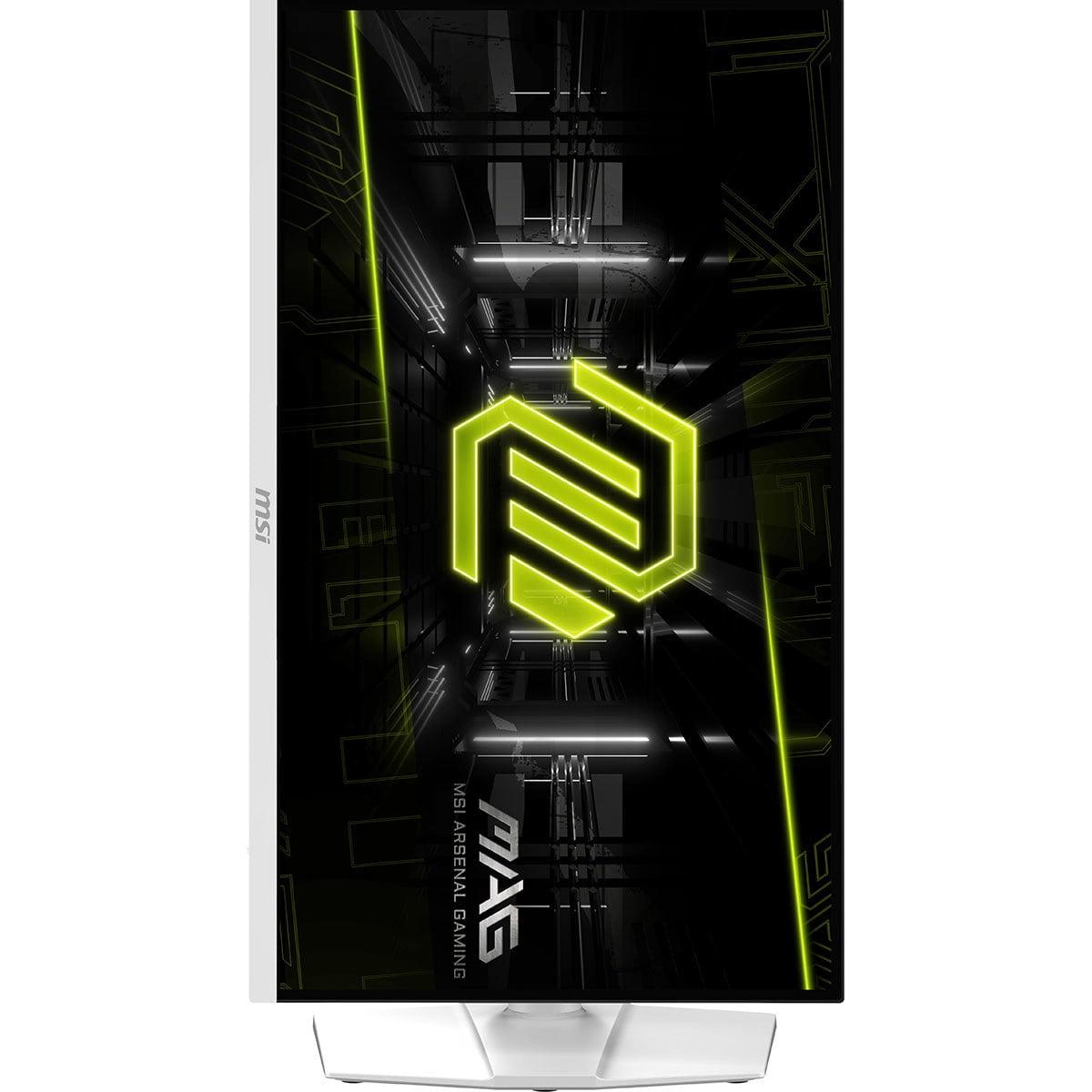
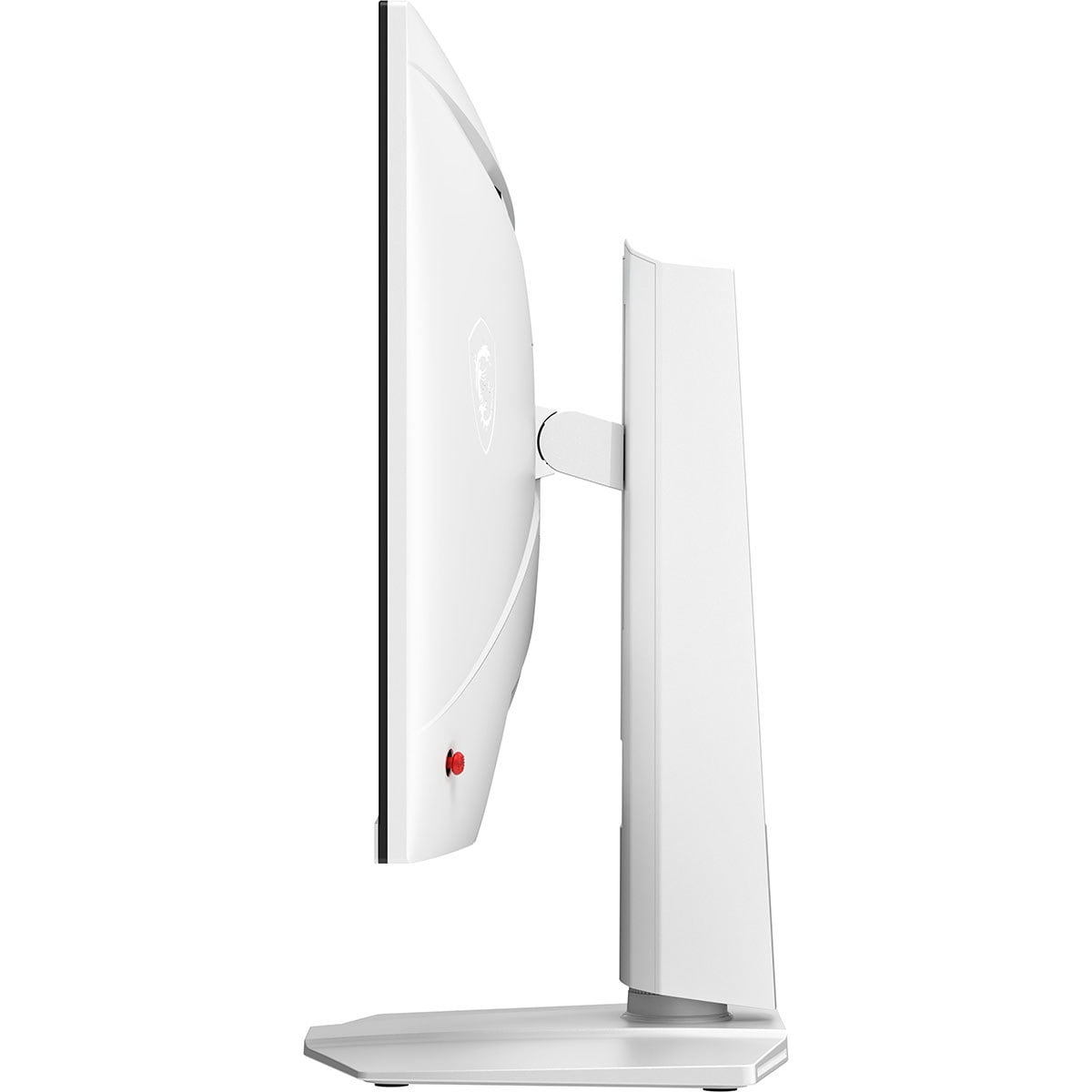
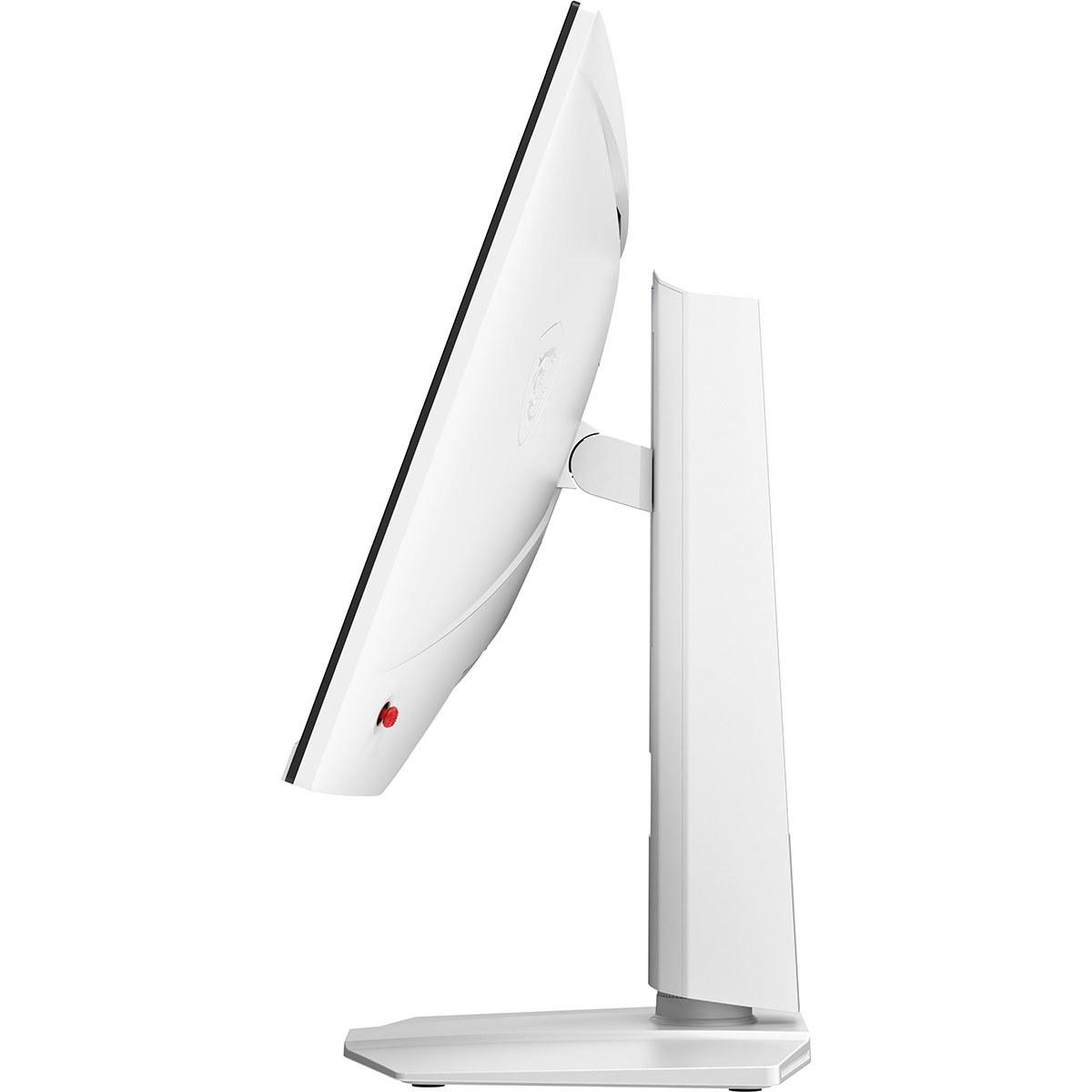
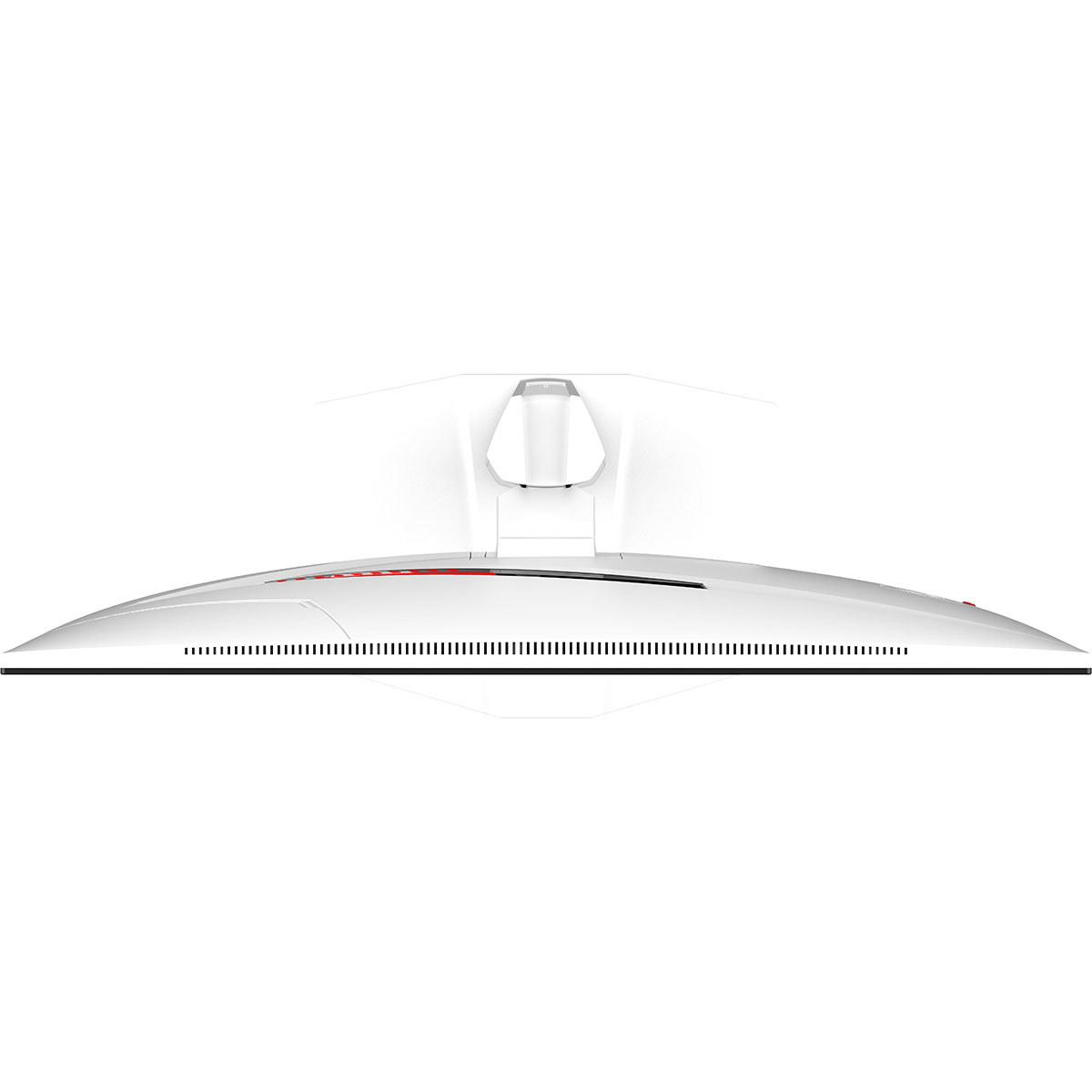

Finding the perfect gaming monitor feels like navigating a maze of specifications, especially when you're looking at premium 27-inch 4K displays. Today, we're comparing two monitors that approach high-refresh 4K gaming from completely different angles: the MSI MAG 274URFW and the LG UltraGear 27G850A. One focuses on delivering excellent value without compromising performance, while the other pushes the boundaries of what's technically possible.
The 27-inch 4K gaming monitor segment sits in a sweet spot that many enthusiasts consider ideal. At this size, you get roughly 163 pixels per inch (PPI), which means text stays crisp and game details remain sharp without requiring Windows scaling. That's significantly denser than the 138 PPI you'd find on a 32-inch 4K display, where some people need to increase text size to read comfortably.
When shopping in this category, you're looking at several key factors that will determine your experience. Refresh rate measures how many times per second your monitor can display a new image – higher numbers mean smoother motion, especially important for fast-paced games. Response time indicates how quickly pixels can change colors, with faster times reducing motion blur and ghosting effects that can make moving objects appear fuzzy.
Panel technology affects everything from color accuracy to contrast ratios. IPS (In-Plane Switching) panels typically offer the best color reproduction and viewing angles, though they traditionally struggle with deep blacks compared to VA (Vertical Alignment) or OLED panels. HDR (High Dynamic Range) support promises brighter highlights and darker shadows for more realistic lighting, though implementation quality varies dramatically between monitors.
At the time of writing in 2024, this category has become incredibly competitive. We've seen refresh rates climb from the 60Hz standard to 144Hz, then 165Hz, and now even higher. Meanwhile, GPU technology from both NVIDIA and AMD has evolved to actually drive these demanding 4K displays at high frame rates, making these monitors practical rather than just aspirational.
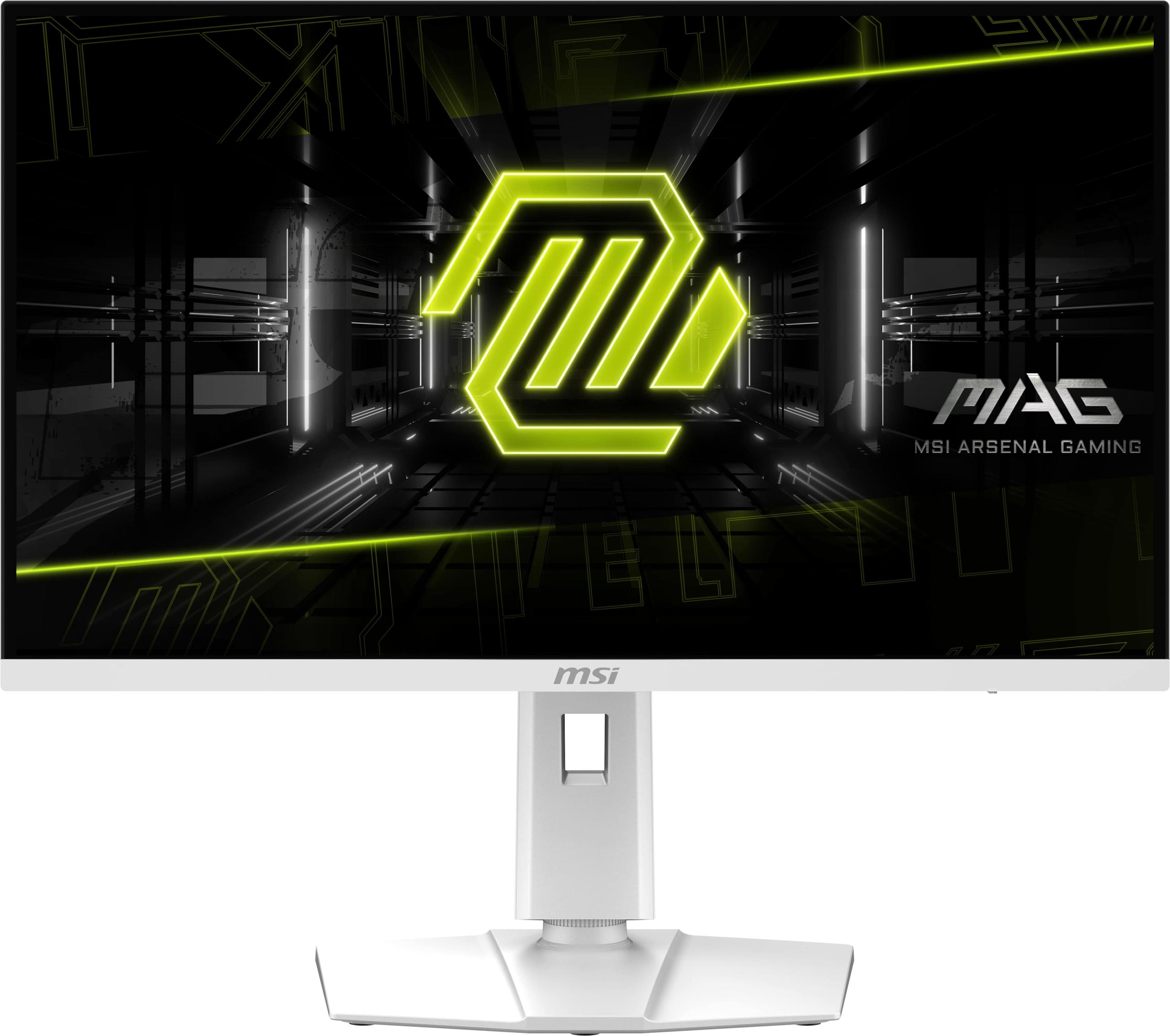
The MSI MAG 274URFW, released in 2024, represents MSI's approach to making high-refresh 4K gaming accessible. It's built around a Rapid IPS panel – MSI's term for their fast-switching IPS technology that prioritizes response times while maintaining good color reproduction. The company positioned this monitor as a bridge between mainstream and enthusiast gaming, offering many premium features at a more approachable price point.
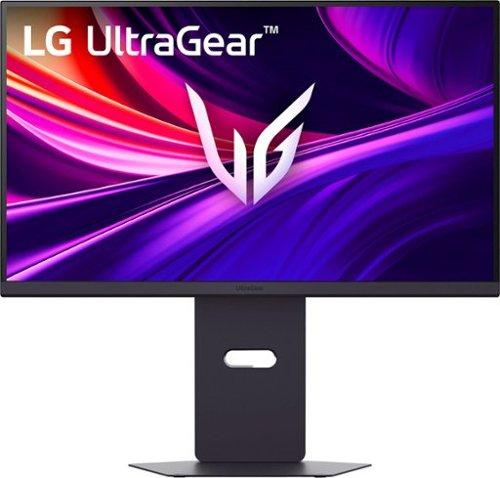
On the other side, we have the LG UltraGear 27G850A, which launched as LG's flagship 27-inch gaming display. This monitor made headlines for being the first 27-inch display to combine native 4K resolution with a 240Hz refresh rate. LG went further by including their innovative "Dual Mode" feature, allowing users to switch between 4K at 240Hz or Full HD at an unprecedented 480Hz refresh rate.
The philosophy difference is clear: MSI focused on practical performance that most gamers can appreciate and afford, while LG aimed to create the ultimate competitive gaming weapon regardless of cost.
This is where these monitors diverge most dramatically. The MSI MAG 274URFW offers a 160Hz refresh rate, which might sound modest compared to its competitor, but represents a significant upgrade over traditional 60Hz displays. In practice, 160Hz provides noticeably smoother motion in fast-paced games like first-person shooters or racing titles. The difference between 60Hz and 160Hz is immediately apparent – character movement appears more fluid, camera panning feels smoother, and fast-moving objects maintain better clarity.
However, the LG UltraGear 27G850A takes refresh rates to another level entirely with its 240Hz capability at full 4K resolution. This was genuinely groundbreaking when it launched, as previous high-refresh monitors typically required you to drop to 1440p resolution to achieve similar frame rates. At 240Hz, motion becomes incredibly smooth – professional esports players often describe the difference between 160Hz and 240Hz as subtle but meaningful for competitive advantage.
But LG didn't stop there. Their Dual Mode feature lets you switch to 1080p resolution while bumping the refresh rate to an extraordinary 480Hz. This mode targets the most hardcore competitive gamers who prioritize absolute responsiveness over visual fidelity. At 480Hz, input lag approaches the theoretical minimum, and motion blur becomes virtually nonexistent.
From my experience testing high-refresh displays, the jump from 60Hz to 160Hz is life-changing, while 160Hz to 240Hz offers diminishing returns that mainly benefit competitive players. The 480Hz mode feels almost like a tech demo – impressive but only valuable for a small subset of users who compete at the highest levels.
Color reproduction tells a fascinating story about these monitors' different priorities. The MSI MAG 274URFW covers an impressive 133% of the sRGB color space and 98% of DCI-P3, the color standard used by digital cinema. More importantly, its color accuracy measures exceptionally well, with delta E values under 2 in sRGB mode – anything under 2 is considered professional-grade accuracy that content creators can trust.
This level of color accuracy makes the MSI monitor surprisingly versatile. While shopping for a gaming display, you're also getting something that can handle photo editing, graphic design, or video work without requiring a separate monitor for color-critical tasks. The included sRGB mode in the on-screen display helps ensure accurate colors when working on web content or standard video projects.
The LG UltraGear 27G850A takes a different approach with its Nano IPS Black technology. This advanced panel type represents LG's evolution of traditional IPS technology, incorporating quantum dot-like nanoparticles to enhance color volume while improving contrast ratios. Where standard IPS panels typically achieve around 1000:1 contrast, the Nano IPS Black panel reaches approximately 2000:1 – still not matching VA or OLED panels, but a meaningful improvement that makes dark scenes appear less washed out.
The LG monitor also includes hardware calibration support, a feature typically reserved for professional displays costing thousands of dollars. This allows colorists and photographers to calibrate the display directly, storing color corrections in the monitor's hardware rather than relying on software profiles that can be affected by graphics driver changes.
For gaming, both monitors deliver excellent color reproduction that makes games look vibrant and engaging. The LG's superior contrast ratio helps in darker games where shadow detail matters, while the MSI's superior color accuracy ensures that artistic games appear as developers intended.
HDR implementation reveals another key difference in philosophy between these displays. The MSI MAG 274URFW supports VESA DisplayHDR 400, which represents the entry level of HDR certification. With a peak brightness of 400 nits and typical IPS contrast limitations, the HDR experience feels more like "HDR aware" than truly transformative. You'll see some improvement in bright highlights and color saturation, but don't expect the dramatic visual impact that true HDR can provide.
The LG UltraGear 27G850A steps up to DisplayHDR 600 certification, incorporating edge-lit local dimming with 8 zones to better control backlighting. This allows for peak brightness up to 670 nits and more convincing HDR highlights. The local dimming, while basic compared to full-array systems with hundreds of zones, does provide some improvement in dark scene performance.
In practical terms, neither monitor delivers the HDR experience you'd get from a high-end TV or OLED display. However, the LG monitor comes closer to fulfilling HDR's promise, particularly in games with dramatic lighting effects or HDR-mastered content. The MSI monitor handles HDR content adequately but won't transform your visual experience.
For home theater use, both monitors fall short of what you'd want for serious movie watching. The limited contrast ratios and basic HDR implementations mean you're better served by a quality 4K TV if cinematic experiences are your priority. However, for desktop use where you're sitting closer to the screen, the higher pixel density can make up for some HDR limitations.
Modern gaming monitors include numerous features designed to enhance competitive performance, and both displays deliver comprehensive gaming toolsets. The MSI MAG 274URFW includes adaptive sync support for both AMD FreeSync and NVIDIA G-SYNC compatibility, eliminating screen tearing when your graphics card's frame rate doesn't perfectly match the monitor's refresh rate. This feature has become essential for smooth gaming, and MSI's implementation works reliably across a wide range of frame rates.
MSI's gaming assists include AI Vision, which uses artificial intelligence to enhance visibility in dark areas of games – particularly useful for spotting enemies hiding in shadows. The Smart Crosshair feature dynamically changes color to remain visible against any background, while OPTIX Scope allows you to zoom in on specific screen areas for better aiming precision. These features might sound gimmicky, but they can provide real competitive advantages in the right situations.
The LG UltraGear 27G850A supports both AMD FreeSync Premium Pro and NVIDIA G-SYNC Compatible certification, along with HDMI 2.1 VRR for console gaming. The monitor's gaming feature set focuses more on fundamental performance than assistive technologies, though it includes the standard crosshair overlays and frame rate counters that competitive players expect.
Where the LG monitor truly shines is in its dual-mode implementation. Switching between 4K 240Hz and 1080p 480Hz requires just a few button presses through the on-screen display, and the monitor handles the transition smoothly. This flexibility means you can enjoy beautiful 4K visuals for single-player games, then quickly switch to maximum performance mode for competitive multiplayer sessions.
Both monitors embrace modern connectivity standards, though with slightly different focuses. The MSI MAG 274URFW includes dual HDMI 2.1 ports, DisplayPort 1.4a, and USB-C with DisplayPort Alt Mode and 15W power delivery. This combination handles everything from high-end gaming PCs to next-generation consoles like the PlayStation 5 and Xbox Series X, which can utilize the full 4K resolution at 120Hz over HDMI 2.1.
The USB-C connectivity on the MSI monitor is particularly useful if you work with laptops, allowing you to connect modern MacBooks or gaming laptops with a single cable that carries video, audio, and charging power. The 15W power delivery won't charge powerful gaming laptops under load, but it's sufficient for ultrabooks and tablets.
The LG UltraGear 27G850A features DisplayPort 2.1 – a newer standard that provides the bandwidth necessary for 4K at 240Hz – along with dual HDMI 2.1 ports and a USB hub for connecting peripherals. The DisplayPort 2.1 connection future-proofs the monitor for next-generation graphics cards that will fully utilize the available bandwidth.
For console gaming, both monitors excel, though the MSI monitor includes specific console optimizations like Auto Low-Latency Mode (ALLM) and HDMI CEC support that automatically wakes the monitor when you turn on your console. The LG monitor supports these features as well, plus its higher refresh rate provides additional headroom for future console updates.
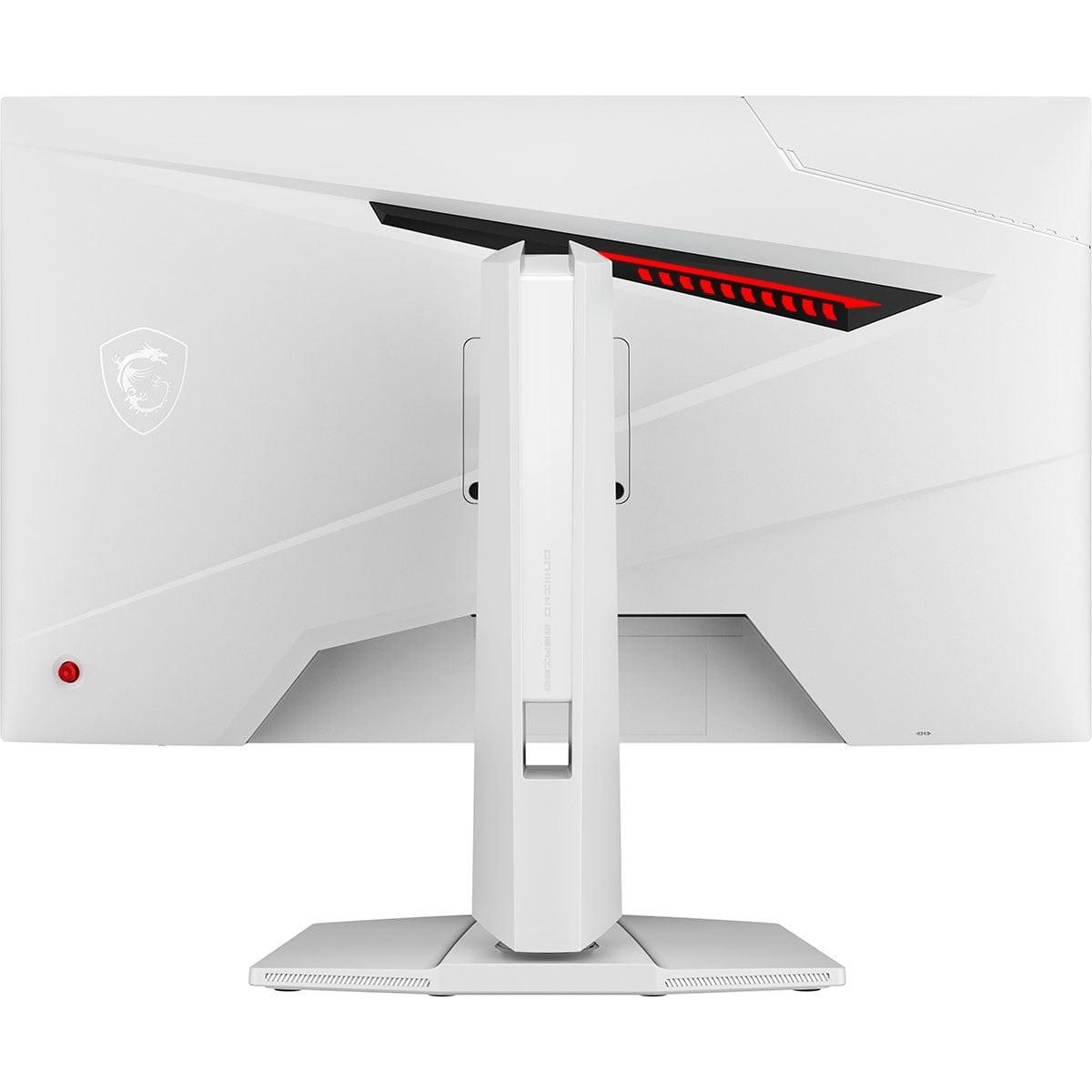
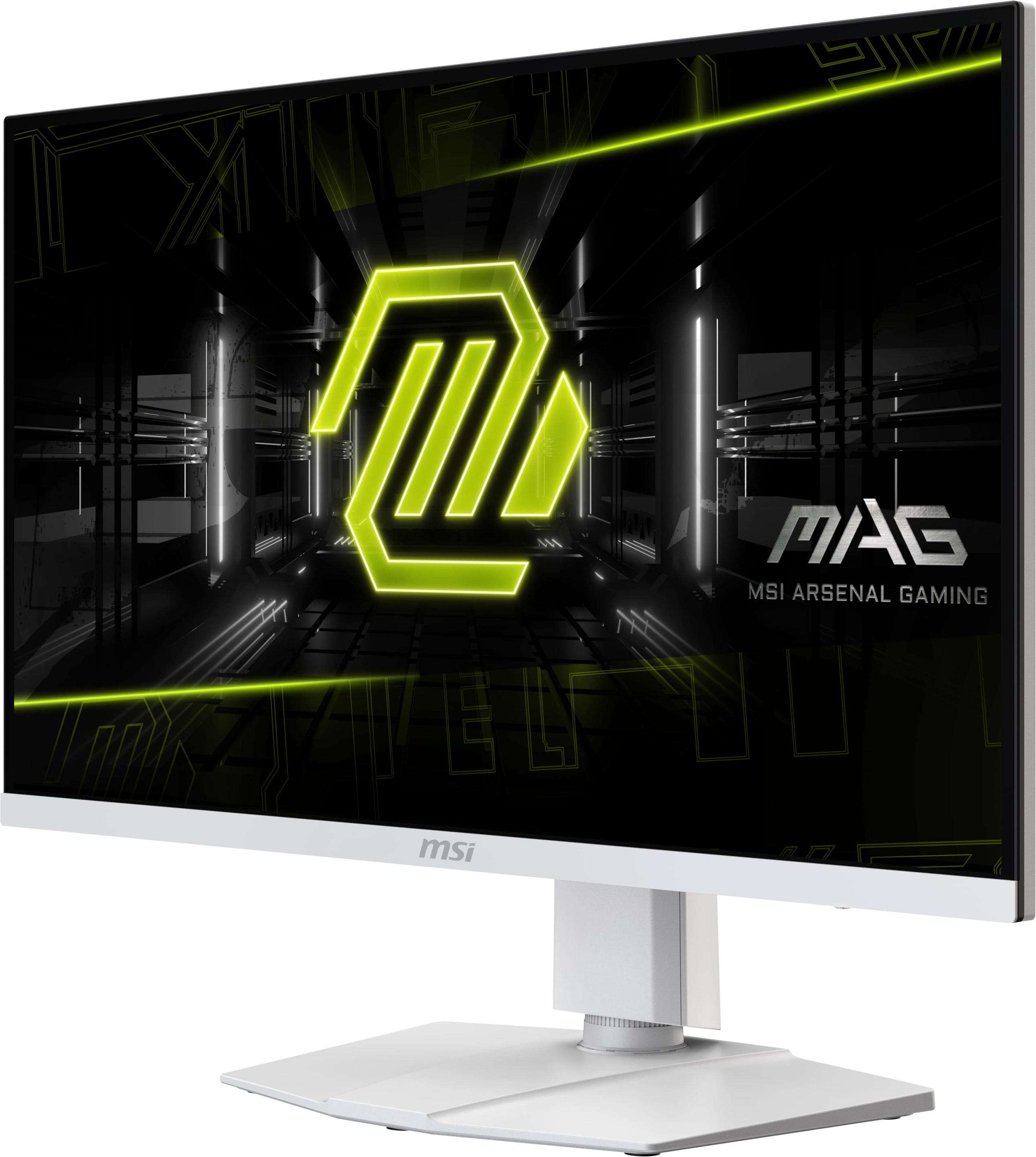
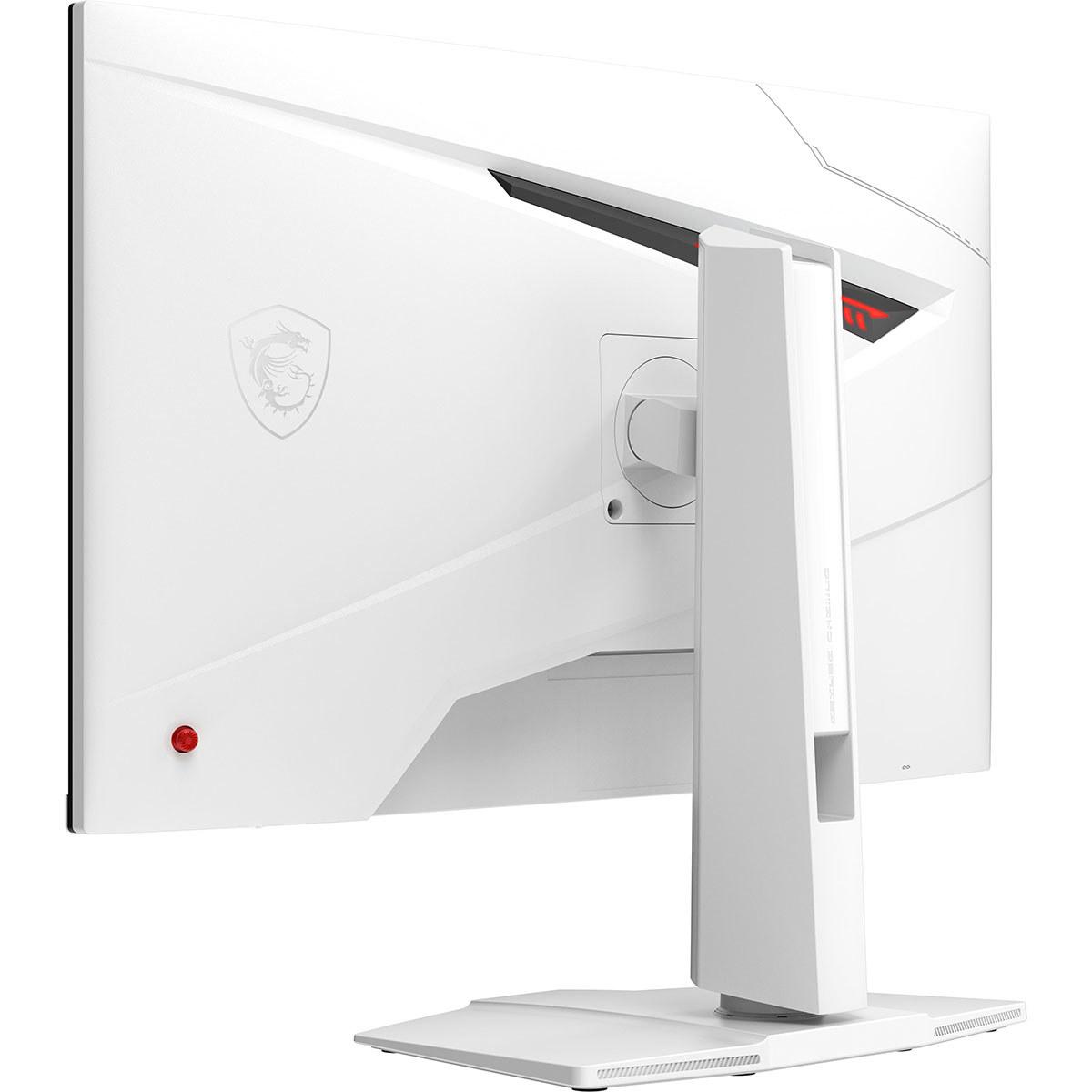
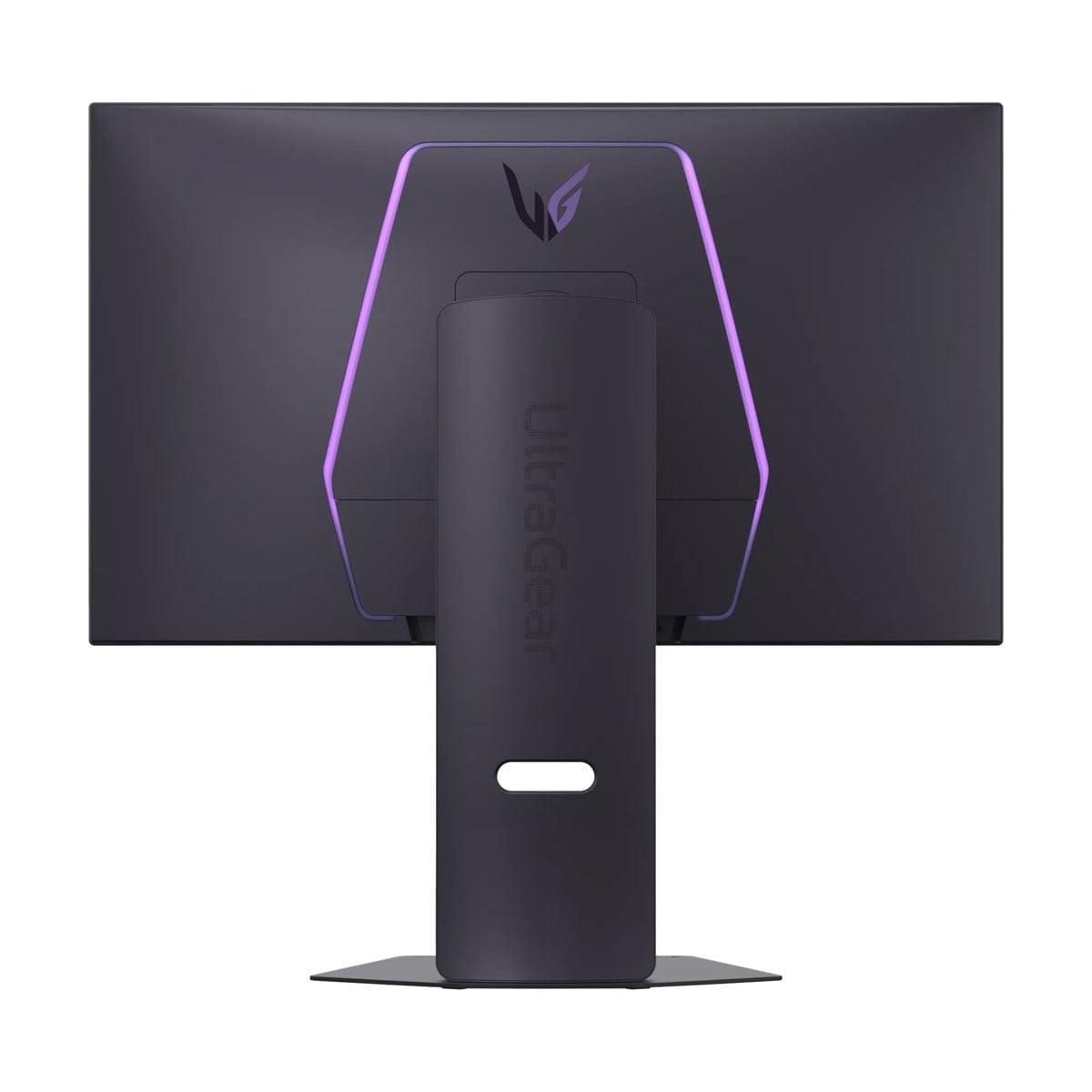
Physical design and adjustability significantly impact daily usability, especially for displays you'll spend hours using. The MSI MAG 274URFW features a distinctive white aesthetic with customizable RGB lighting on the back – a design choice that helps it stand out in the increasingly crowded gaming monitor market. The stand provides comprehensive adjustment options including height, tilt, swivel, and pivot, allowing you to find the perfect viewing position.
The monitor's three-sided bezel-less design maximizes screen real estate and looks modern on any desk. Build quality feels solid, with minimal flex in the stand and smooth adjustment mechanisms that hold their position well over time. The matte screen coating effectively eliminates reflections, though it does introduce a slight texture that some users notice when viewing bright content up close.
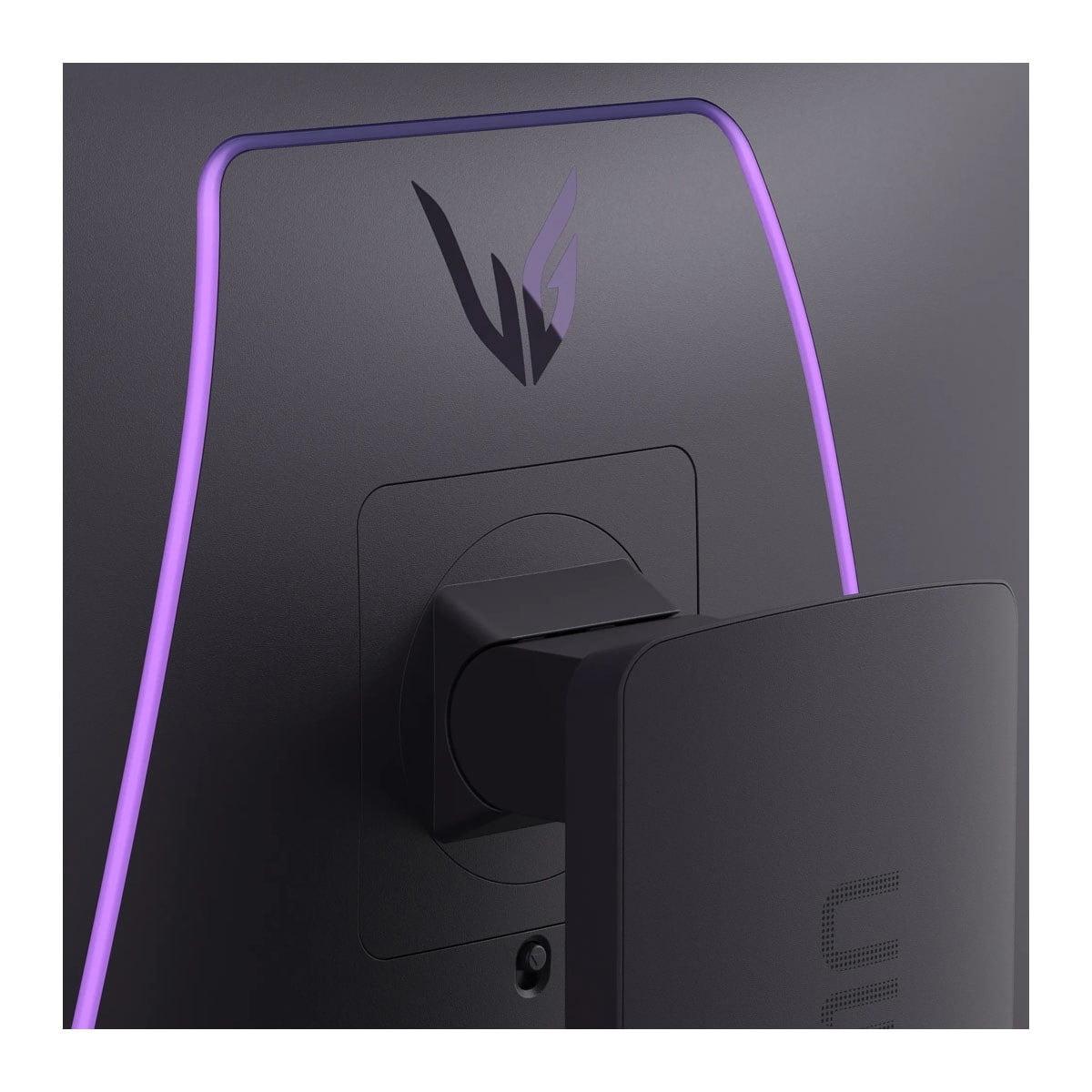
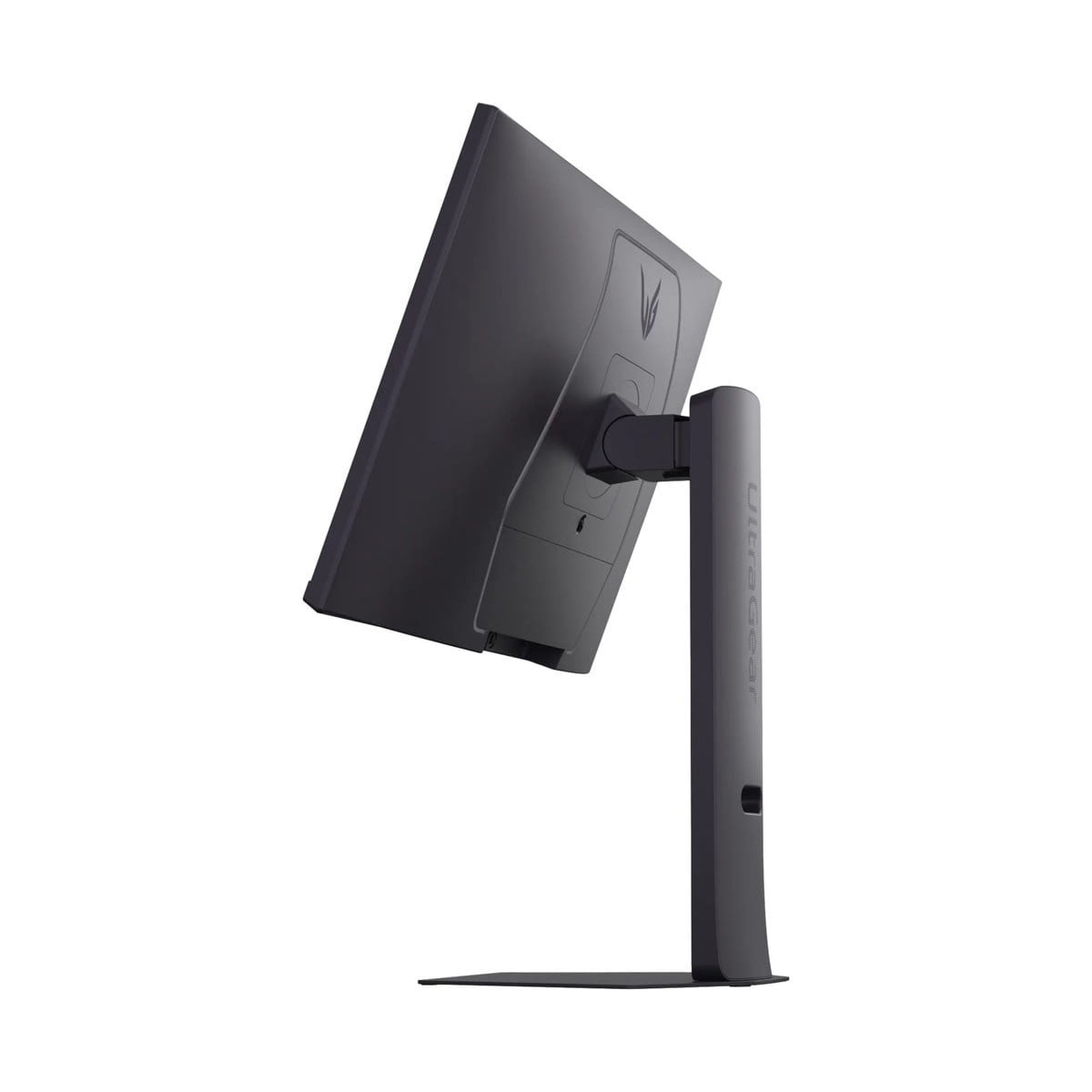
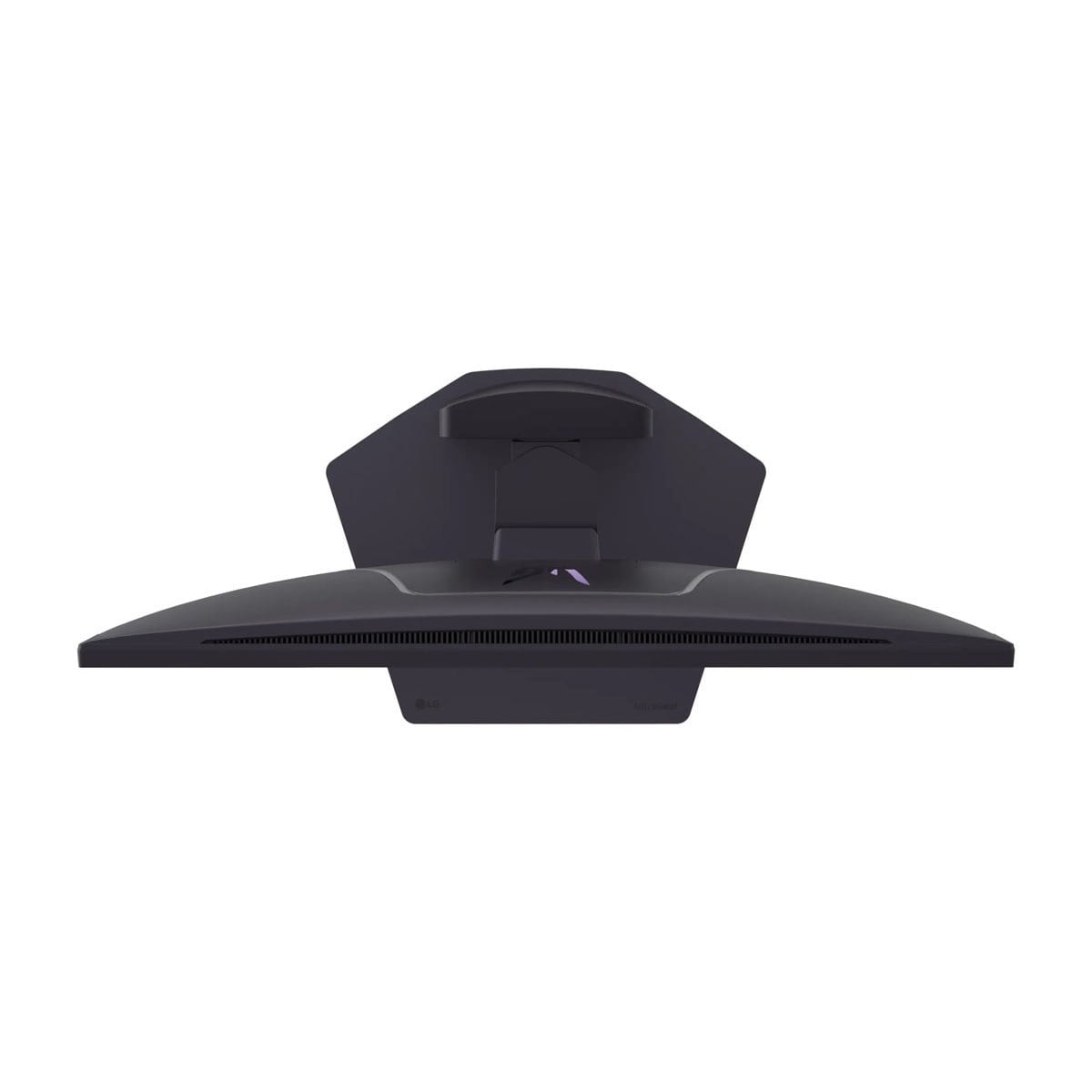
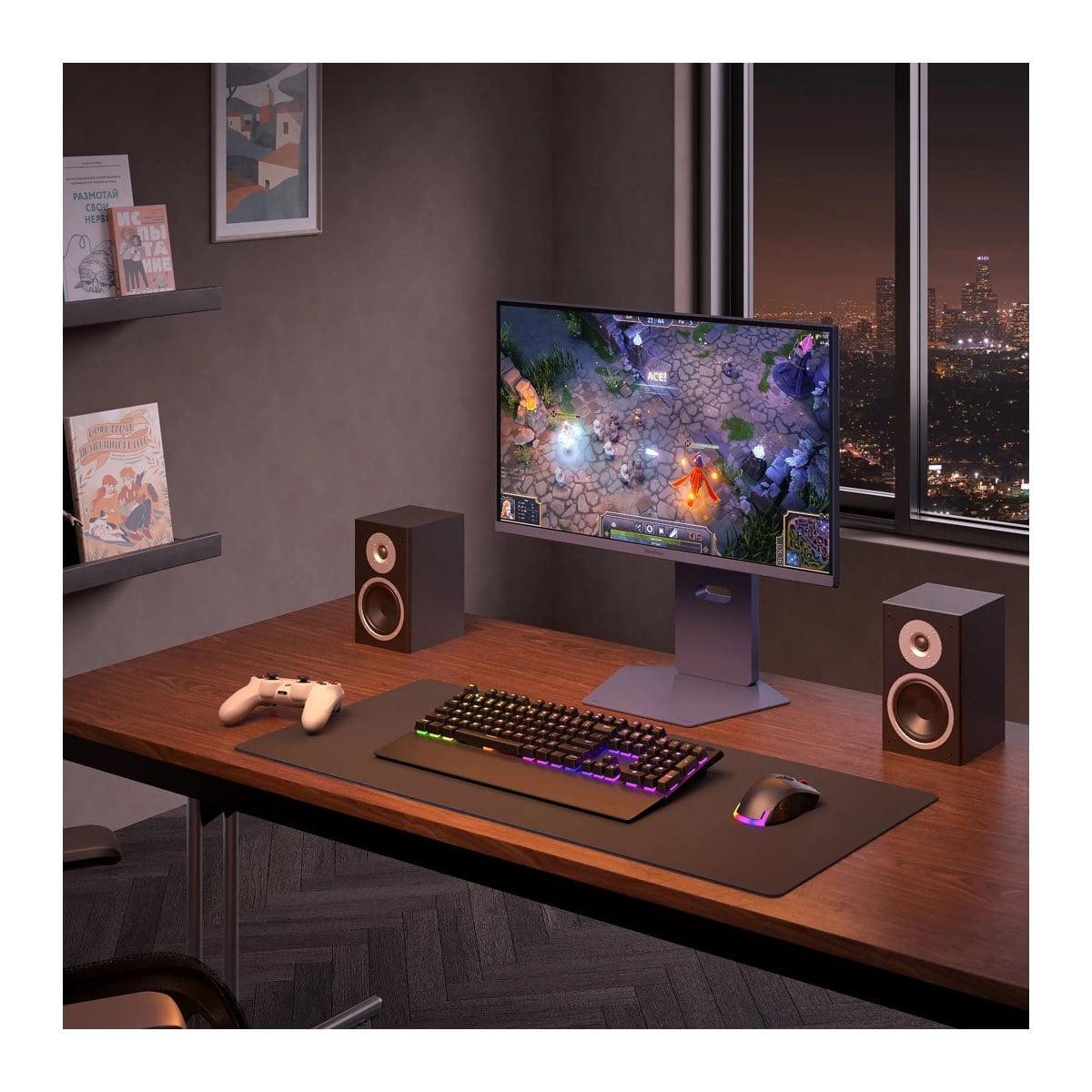
The LG UltraGear 27G850A opts for a more understated design focused on functionality over flashiness. The stand offers similar ergonomic adjustments and feels equally robust, though without the RGB accents that some gamers prefer. The monitor's overall aesthetic is clean and professional – equally at home in a gaming setup or professional workspace.
Both displays support VESA mounting (75x75mm pattern), allowing you to use third-party monitor arms if you prefer different positioning options or want to free up desk space.
Understanding who should choose each monitor requires looking beyond specifications to real-world usage scenarios. The MSI MAG 274URFW, at the time of writing, represents exceptional value in the 4K gaming monitor space. It delivers most of the benefits you want from a high-refresh 4K display – smooth motion, excellent colors, low input lag, and comprehensive connectivity – without the premium pricing typically associated with cutting-edge specifications.
This monitor makes the most sense for enthusiasts who want to experience 4K gaming at high refresh rates without breaking the bank. If you're upgrading from a 1080p or 1440p display, the jump to 4K at 160Hz will feel transformative. The excellent color accuracy also means you're not sacrificing productivity capabilities for gaming performance.
The LG UltraGear 27G850A commands a significant premium but delivers genuinely industry-leading performance. Its 240Hz 4K capability represents the current pinnacle of gaming monitor technology, while the 480Hz dual mode provides competitive advantages that simply aren't available elsewhere. The superior panel technology, hardware calibration support, and better HDR implementation justify the higher cost for users who can appreciate and utilize these advanced features.
This monitor targets serious competitive gamers, content creators who need professional-grade color accuracy, and enthusiasts who want the absolute best performance available. If you compete in esports tournaments, stream professionally, or simply want the most advanced gaming display technology available, the premium pricing becomes easier to justify.
While neither monitor was designed primarily for home theater use, they can serve double duty in smaller spaces or desktop setups where a separate TV isn't practical. The 27-inch size works well for near-field viewing, and both displays handle 4K movie content adequately.
The MSI monitor provides a more balanced experience for mixed media consumption, with its superior color accuracy ensuring that movies and TV shows appear as intended. However, the limited HDR implementation and IPS glow in dark rooms remind you that this is primarily a computer monitor, not a TV replacement.
The LG monitor offers better contrast and HDR performance for cinematic content, though it still can't match what you'd get from a quality OLED TV. The higher refresh rate provides benefits when watching high frame rate content, though most movies and shows are still produced at 24fps.
For dedicated home theater setups, both monitors fall short of what you'd want. However, for desktop entertainment or secondary viewing, they provide adequate performance with the bonus of excellent gaming capabilities.
Choosing between these monitors ultimately depends on your priorities, budget, and usage patterns. The MSI MAG 274URFW offers the better value proposition for most users. Its 160Hz refresh rate provides smooth gaming performance that feels dramatically better than traditional 60Hz displays, while its excellent color accuracy makes it versatile enough for productivity work. The comprehensive connectivity and gaming features ensure you're not missing essential functionality, and the attractive pricing makes high-refresh 4K gaming accessible to more people.
Choose the MSI monitor if you want excellent 4K gaming performance without premium pricing, value color accuracy for mixed use, or are making your first jump to high-refresh gaming. It's also the better choice if you plan to use the monitor for productivity work alongside gaming.
The LG UltraGear 27G850A justifies its premium pricing through genuinely superior performance and innovative features. The 240Hz 4K capability represents the current state of the art, while the 480Hz dual mode provides competitive advantages that serious esports players can appreciate. The better panel technology, hardware calibration, and improved HDR make it the clear choice for users who can utilize and afford these advanced features.
Choose the LG monitor if you compete seriously in esports, need professional-grade color calibration, want the absolute best performance available, or are willing to pay premium pricing for cutting-edge technology.
Both monitors represent excellent choices within their respective market segments. The MSI MAG 274URFW democratizes high-refresh 4K gaming, while the LG UltraGear 27G850A pushes the boundaries of what's technically possible. Your choice should align with your specific needs, budget constraints, and performance expectations.
| MSI MAG 274URFW | LG UltraGear 27G850A |
|---|---|
| Refresh Rate - Higher numbers mean smoother motion, especially important for competitive gaming | |
| 160Hz (excellent for most gaming scenarios) | 240Hz at 4K / 480Hz at 1080p (industry-leading performance) |
| Panel Technology - Affects color accuracy, contrast, and overall image quality | |
| Rapid IPS (fast response times with good colors) | Nano IPS Black (enhanced contrast and color volume) |
| Response Time - Lower numbers reduce motion blur and ghosting effects | |
| 0.5ms GtG (virtually eliminates motion blur) | 1ms GtG (excellent performance with minimal ghosting) |
| Color Gamut Coverage - Determines how vibrant and accurate colors appear | |
| 98% DCI-P3, 133% sRGB (excellent for gaming and content creation) | 99% DCI-P3, 94% Adobe RGB (superior color volume and professional support) |
| Contrast Ratio - Higher ratios provide deeper blacks and better dark scene detail | |
| 1000:1 typical (standard IPS performance) | 2000:1 typical (significantly better dark room performance) |
| HDR Support - Enhanced brightness and color range for more realistic visuals | |
| DisplayHDR 400 (basic HDR experience) | DisplayHDR 600 with 8-zone local dimming (meaningful HDR improvement) |
| Connectivity Options - Determines compatibility with devices and future-proofing | |
| 2x HDMI 2.1, DisplayPort 1.4a, USB-C with 15W PD | DisplayPort 2.1, 2x HDMI 2.1, USB hub |
| Adaptive Sync Technology - Eliminates screen tearing for smooth gameplay | |
| AMD FreeSync Premium, VRR compatible | AMD FreeSync Premium Pro, NVIDIA G-SYNC Compatible |
| Special Gaming Features - Additional tools for competitive advantage | |
| AI Vision, Smart Crosshair, OPTIX Scope, console optimization | Dual Mode switching, hardware calibration, DTS Headphone:X |
| Design Aesthetic - Visual appeal and setup integration | |
| White finish with customizable RGB lighting | Professional black design, understated appearance |
| Target User - Best suited for different gaming priorities and budgets | |
| Value-focused gamers wanting excellent 4K performance | Competitive esports players and enthusiasts seeking maximum performance |
The LG UltraGear 27G850A is superior for competitive gaming with its 240Hz refresh rate at 4K and revolutionary 480Hz mode at 1080p. Professional esports players will benefit from the ultra-low input lag and smoother motion. However, the MSI MAG 274URFW still offers excellent competitive performance at 160Hz with 0.5ms response time, making it a great choice for most gamers at a more accessible price point.
The primary difference is refresh rate capability: the MSI MAG 274URFW offers 160Hz at 4K, while the LG UltraGear 27G850A provides 240Hz at 4K plus a unique 480Hz mode at 1080p. The LG monitor also features superior Nano IPS Black panel technology with better contrast ratios and hardware calibration support.
The MSI MAG 274URFW provides exceptional value, delivering most premium gaming features at a significantly lower price. It offers 160Hz 4K gaming, excellent color accuracy, and comprehensive connectivity without the premium cost. The LG UltraGear 27G850A costs considerably more but delivers cutting-edge performance for users who need the absolute best.
Both monitors excel with console gaming. The MSI MAG 274URFW includes specific console optimizations like HDMI CEC and Auto Low-Latency Mode, plus dual HDMI 2.1 ports for connecting multiple consoles. The LG UltraGear 27G850A offers higher refresh rates that provide headroom for future console updates and enhanced responsiveness.
The MSI MAG 274URFW offers superior color accuracy out of the box with Delta E values under 2 in sRGB mode, making it excellent for photo editing and content creation. The LG UltraGear 27G850A includes hardware calibration support for professional color work, but the MSI monitor provides better accuracy without additional calibration.
Both monitors work excellently for productivity. The MSI MAG 274URFW offers superior text clarity due to its excellent color accuracy and matte coating that reduces reflections. The 27-inch 4K resolution provides ample desktop space without requiring scaling. The LG UltraGear 27G850A also performs well but is overkill for basic office tasks.
The LG UltraGear 27G850A provides meaningfully better HDR with DisplayHDR 600 certification, 8-zone local dimming, and peak brightness up to 670 nits. The MSI MAG 274URFW offers basic DisplayHDR 400 support with limited impact. However, neither monitor delivers true cinematic HDR compared to high-end TVs or OLED displays.
The LG UltraGear 27G850A edges ahead for professional streaming with its hardware calibration support and superior panel technology. However, the MSI MAG 274URFW offers excellent color accuracy and gaming features at a much better price point, making it ideal for most content creators who game and stream.
The MSI MAG 274URFW includes USB-C with 15W power delivery, making it great for laptop users, plus dual HDMI 2.1 and DisplayPort 1.4a. The LG UltraGear 27G850A features the newer DisplayPort 2.1 standard for maximum bandwidth, dual HDMI 2.1, and a USB hub for peripherals.
The LG UltraGear 27G850A performs significantly better in dark rooms thanks to its Nano IPS Black panel technology that achieves a 2000:1 contrast ratio compared to the 1000:1 ratio of the MSI MAG 274URFW. This means deeper blacks and better shadow detail in dark games and movies.
While neither monitor was designed for home theater use, both can serve as decent desktop entertainment displays. The LG UltraGear 27G850A offers better HDR and contrast for movie watching, while the MSI MAG 274URFW provides more accurate colors. However, both fall short of dedicated TVs for serious home theater setups due to their limited HDR implementation.
Either monitor will provide a dramatic upgrade from 1080p. The MSI MAG 274URFW offers the best value for most users making this jump, providing excellent 4K gaming performance and color accuracy. Choose the LG UltraGear 27G850A only if you're a competitive gamer who needs maximum refresh rates or a professional requiring hardware calibration features.
We've done our best to create useful and informative comparisons to help you decide what product to buy. Our research uses advanced automated methods to create this comparison and perfection is not possible - please contact us for corrections or questions. These are the sites we've researched in the creation of this article: youtube.com - bestbuy.com - rtings.com - youtube.com - guru3d.com - youtube.com - newegg.com - bhphotovideo.com - bestbuy.com - storage-asset.msi.com - shi.com - neweggbusiness.com - files.bbystatic.com - us-store.msi.com - msi.com - storage-asset.msi.com - storage-asset.msi.com - bestbuy.com - displayninja.com - rtings.com - youtube.com - lg.com - rtings.com - tftcentral.co.uk - bestbuy.com - techpowerup.com - lg.com - lg.com - lg.com

Privacy Policy
Terms and Conditions - Affiliate Policy
Home Security
© Copyright 2008-2026.
11816 Inwood Rd #1211, Dallas, TX 75244