

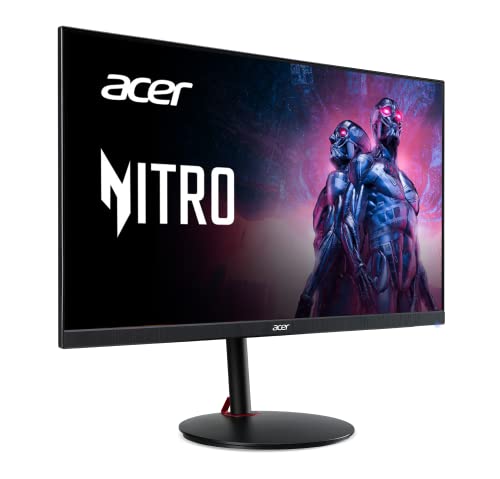
The gaming monitor market has exploded over the past few years, with manufacturers pushing refresh rates higher while display technology continues to evolve. At the center of this evolution sits a fundamental choice: reliable, affordable LCD technology or cutting-edge OLED displays that promise transformative visual experiences—if you're willing to pay for them.
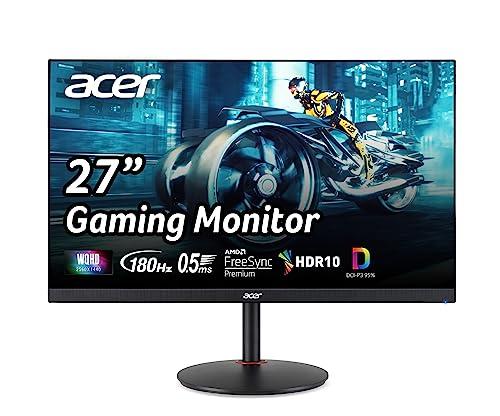
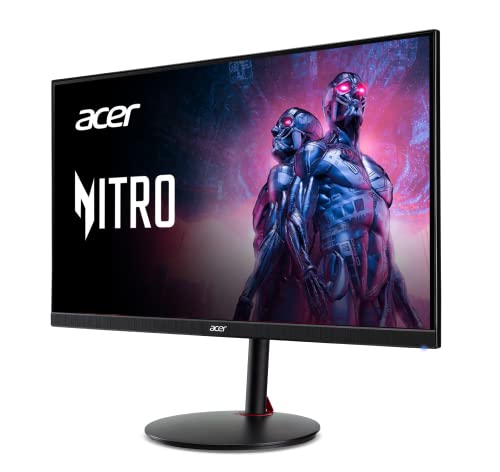
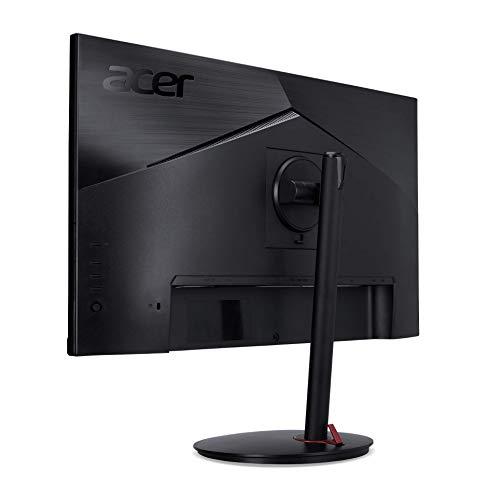
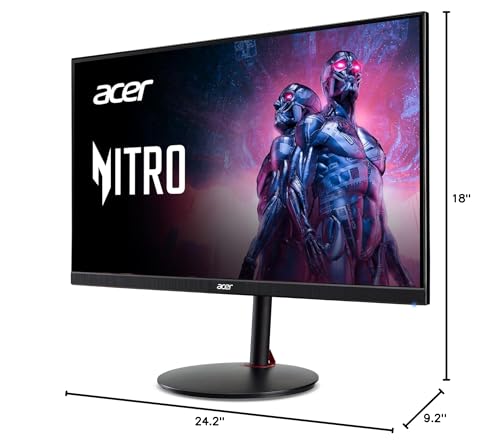
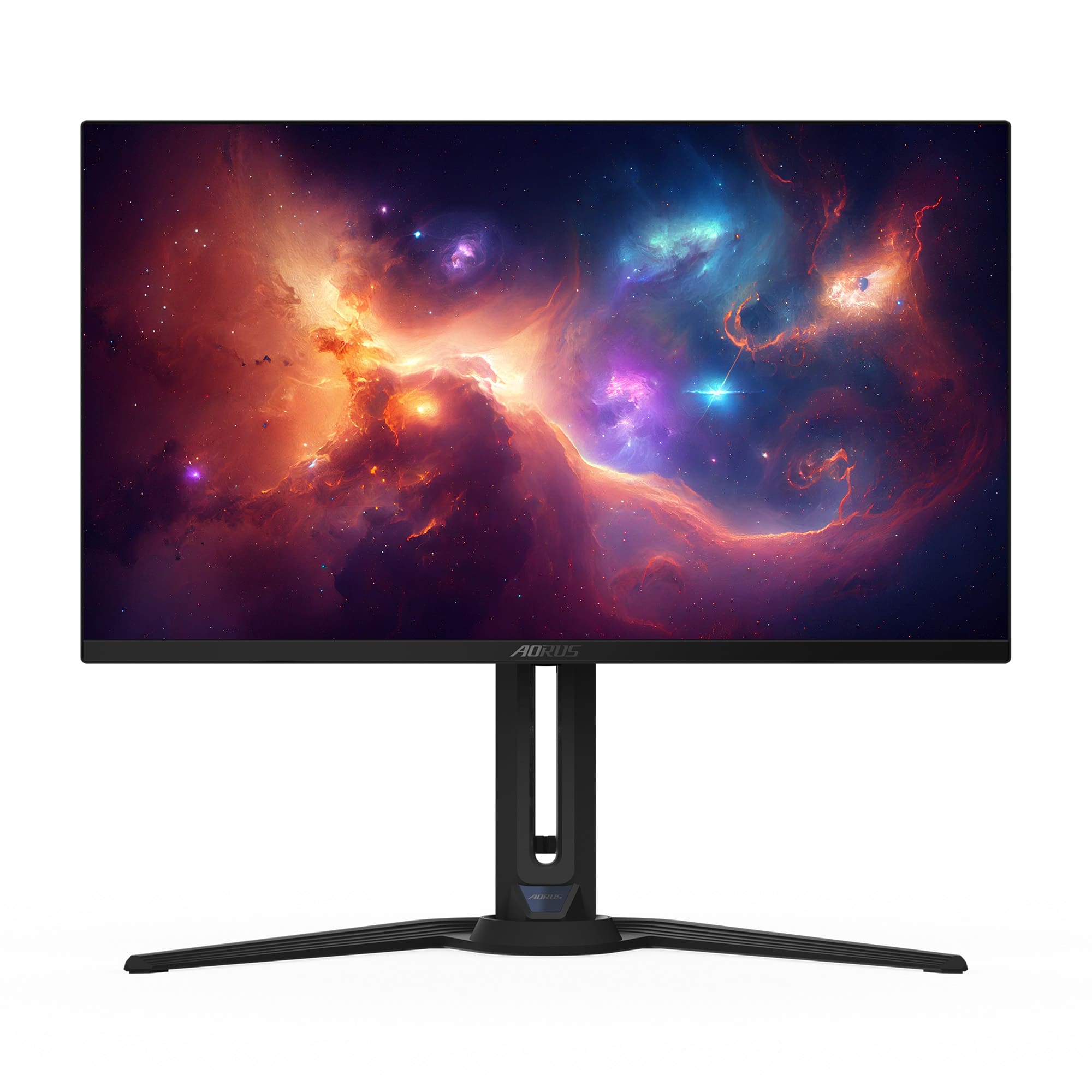
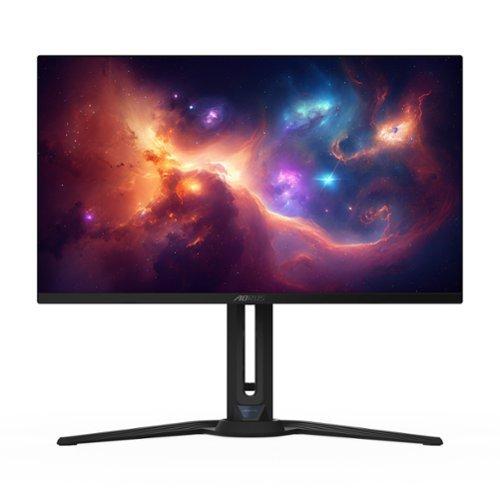
This comparison examines two monitors that represent these different philosophies: the Acer Nitro XV1 27" WQHD 180Hz IPS Gaming Monitor and the Gigabyte AORUS FO27Q2 27" QD-OLED Gaming Monitor. One prioritizes exceptional value, while the other pushes technological boundaries. Understanding their differences helps determine which approach suits your gaming needs and budget.
Gaming monitors serve a specific purpose beyond regular desktop displays. They prioritize refresh rate (how many times per second the screen updates), response time (how quickly pixels change color), and input lag (delay between your controller input and screen response). These factors directly impact competitive performance and visual smoothness.
The category spans from budget-friendly 1080p displays around $150 to premium 4K OLED monitors exceeding $1,000. At the time of writing, quality 1440p gaming monitors typically range from $200-800, with significant performance jumps occurring around the $400 and $600 price points. The Acer Nitro XV1 sits at the budget end of this spectrum, while the Gigabyte AORUS FO27Q2 represents premium territory.
The Acer Nitro XV1 uses IPS (In-Plane Switching) technology, a mature LCD implementation that's dominated gaming monitors for years. IPS panels excel at color consistency—the image looks identical whether you're sitting directly in front or viewing from the side. This technology achieves 178-degree viewing angles both horizontally and vertically, making it ideal for shared gaming sessions or professional work.
IPS panels work by twisting liquid crystals between polarized layers, with a backlight providing illumination. This creates inherent limitations: the backlight can never be completely blocked, resulting in grayish blacks rather than true darkness. The XV1 achieves a typical 1000:1 contrast ratio, meaning whites are 1000 times brighter than blacks—decent for LCD technology but far from perfect.
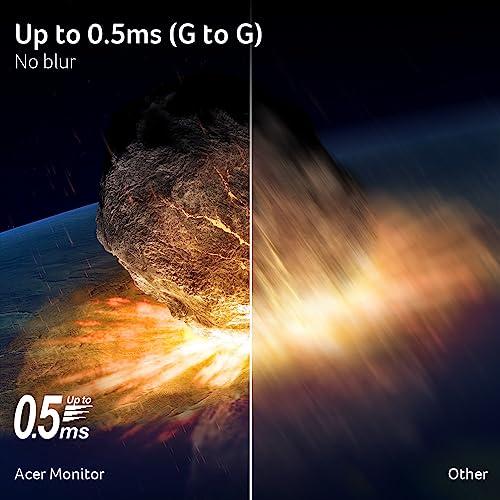
Released in 2024, the XV1 represents refined IPS technology with improved response times compared to older gaming monitors. Where IPS panels once suffered from noticeable ghosting (trailing artifacts behind moving objects), modern implementations like this achieve 1ms gray-to-gray response times that eliminate most motion artifacts.
The Gigabyte AORUS FO27Q2 employs Quantum Dot OLED (QD-OLED) technology, combining self-emissive OLED pixels with quantum dot enhancement. This represents a significant technological leap from traditional displays.
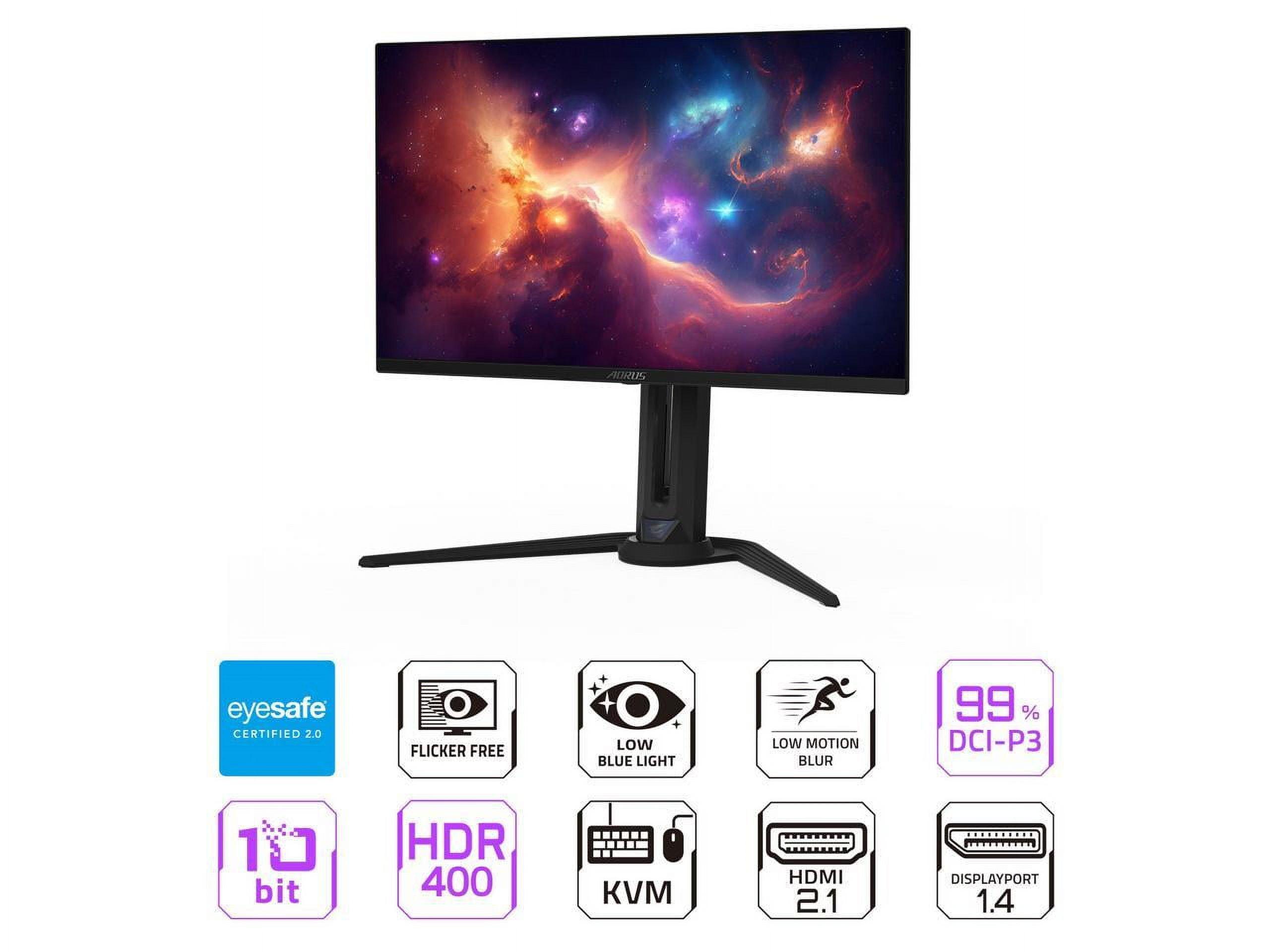
OLED pixels generate their own light and can turn completely off, creating perfect blacks and infinite contrast ratios. When combined with quantum dots—microscopic particles that convert blue light into precise red and green wavelengths—the result is both perfect contrast and exceptional color accuracy. The FO27Q2 covers 99% of the DCI-P3 color space, significantly exceeding standard monitors.
Released in 2024, this monitor reflects the latest QD-OLED improvements, including better text clarity and reduced color fringing compared to first-generation OLED gaming displays from 2022-2023. Samsung's third-generation QD-OLED panels address many early adopter concerns while maintaining the technology's core advantages.
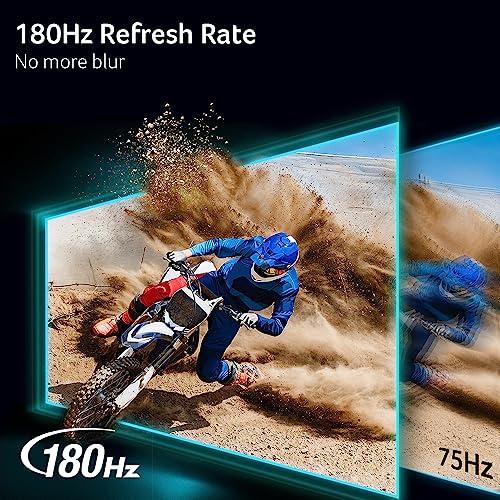
For competitive gaming, motion performance separates good monitors from great ones. The Gigabyte FO27Q2 operates at 240Hz, meaning it refreshes the screen 240 times per second compared to the Acer XV1's 180Hz. This 60Hz difference might seem modest, but it translates to 2.5ms faster frame delivery—meaningful in competitive scenarios where reaction times matter.
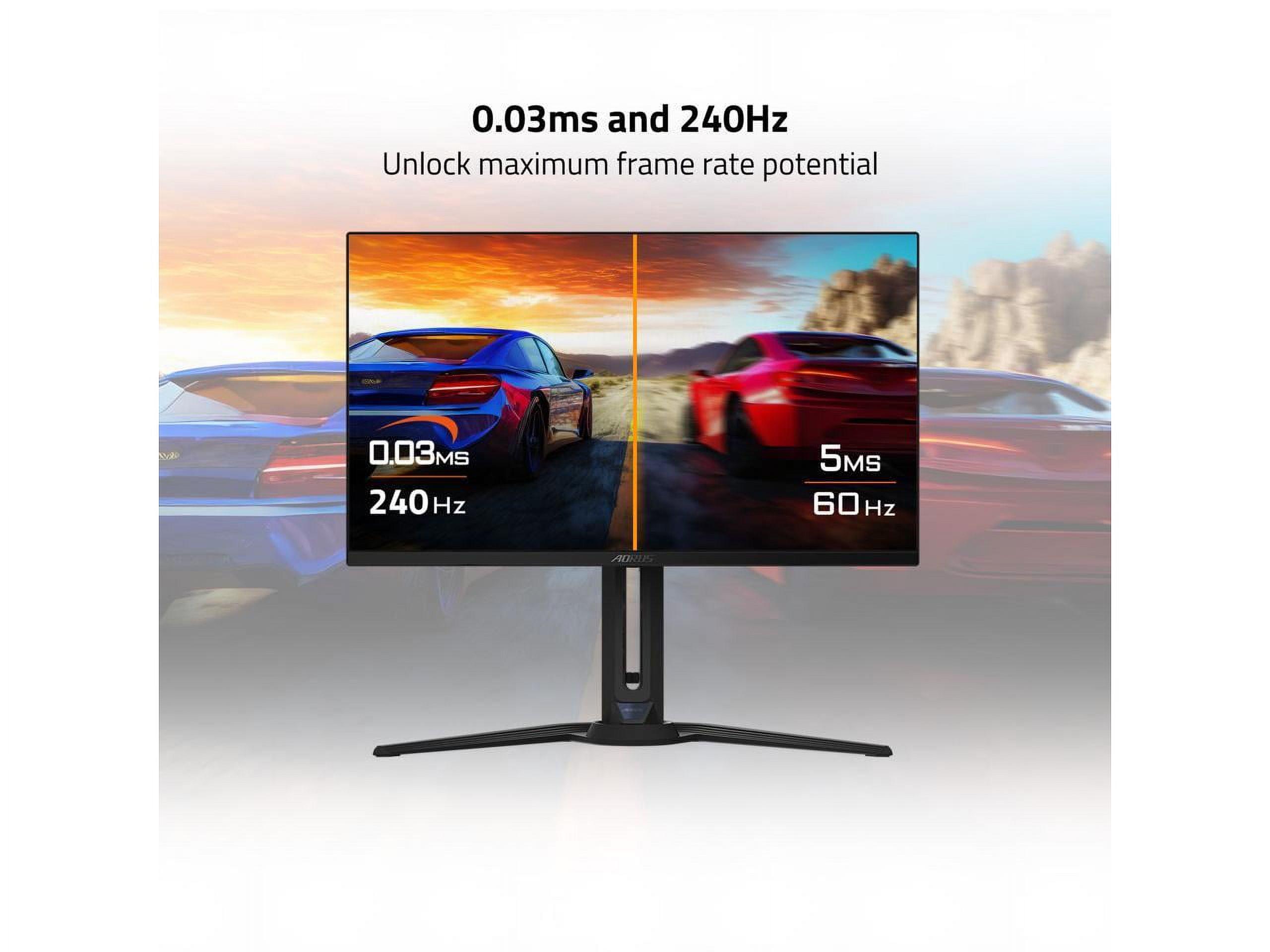
More importantly, response time tells the complete story. The XV1 achieves 1ms gray-to-gray response time, which eliminates visible ghosting during normal gaming. However, the FO27Q2 delivers an extraordinary 0.03ms response time—thirty-three times faster. This near-instantaneous pixel switching means virtually zero motion blur even during rapid camera movements or fast-paced action sequences.
Based on expert testing and user reports, OLED's motion advantages become apparent above 120fps. The FO27Q2 delivers flawless motion clarity that's particularly beneficial in first-person shooters, racing games, and any title requiring precise tracking of moving objects. The XV1 handles motion well for its price range but cannot match OLED's fundamental advantages.
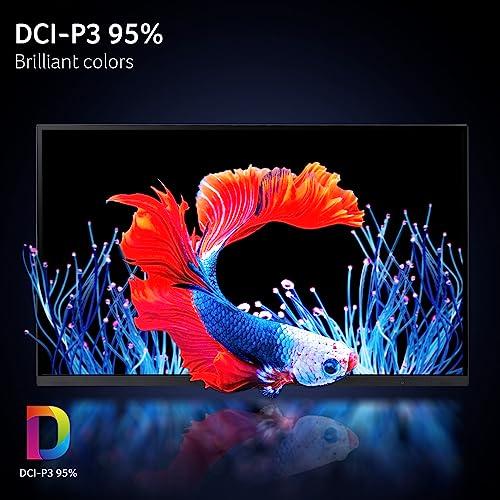
The visual gap between these technologies is substantial. The Acer XV1 produces accurate, consistent colors with good brightness uniformity—exactly what you expect from quality IPS technology. It covers approximately 95% of the DCI-P3 color space and maintains color accuracy across different viewing angles.
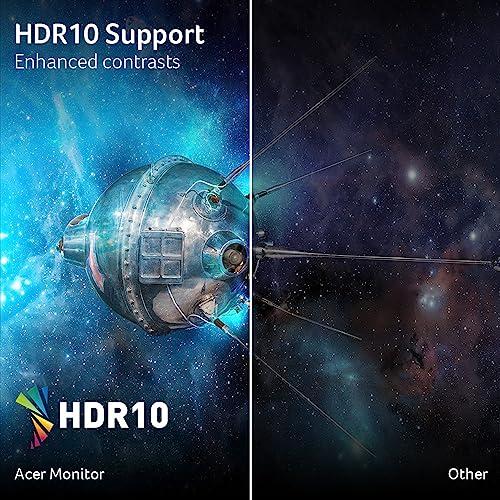
The Gigabyte FO27Q2 operates in a different league entirely. Perfect blacks create infinite contrast, making dark scenes dramatically more immersive. Colors appear more saturated and lifelike thanks to quantum dot enhancement. HDR (High Dynamic Range) content, which displays a wider range of brightness levels, truly shines on OLED technology.
The difference becomes obvious in atmospheric games like horror titles, where shadow details emerge naturally without the grayish blacks that plague LCD displays. Bright highlights in HDR content, such as explosions or sunlight, can reach 1000 nits on the FO27Q2 while maintaining perfect darkness elsewhere on screen—something impossible with LCD backlighting.
Both monitors handle console gaming well, but with different strengths. The Acer XV1 accepts 1440p signals from PlayStation 5 and Xbox Series X, though it's limited to 120Hz maximum through HDMI 2.0 connections. This provides smooth gameplay for most console titles, which typically target 60-120fps anyway.
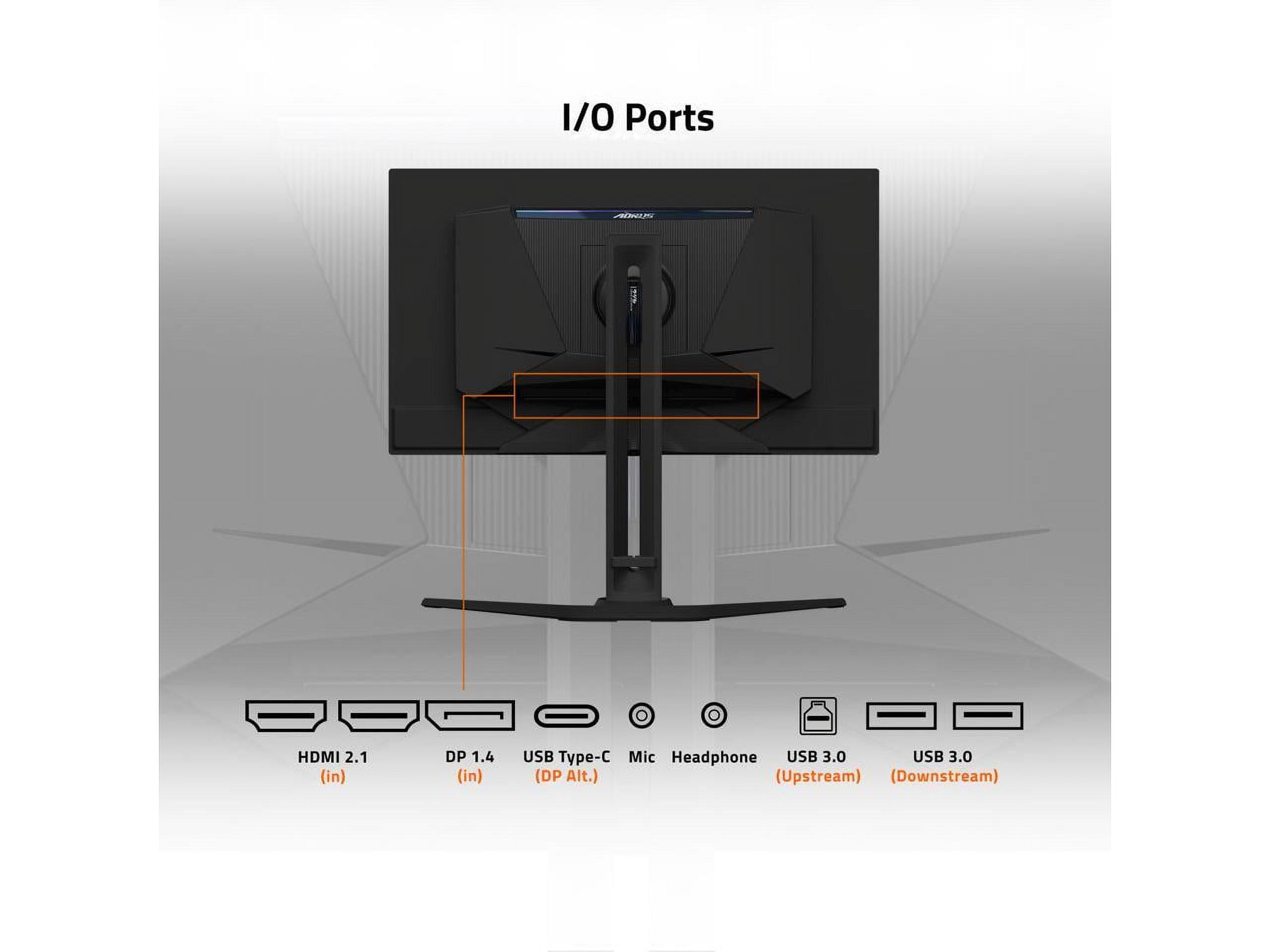
The Gigabyte FO27Q2 includes dual HDMI 2.1 ports, enabling full 1440p at 144Hz from modern consoles. More significantly, its superior motion handling makes 60fps console games appear smoother than on LCD displays. The perfect blacks also enhance cinematic single-player titles common on consoles.
For users combining gaming with movie watching, the technology choice becomes crucial. The XV1 handles standard video content well, but its LCD limitations show during dark movie scenes. Letterboxed content (movies with black bars) displays as gray bars rather than true black, creating a less immersive experience.
The FO27Q2 excels as a dual-purpose gaming and entertainment display. Movies appear with cinema-quality blacks, and HDR content displays as intended. However, OLED panels can suffer from ABL (Automatic Brightness Limiter), which dims the entire screen when displaying very bright scenes to prevent panel damage. This rarely affects gaming but can impact some HDR movie content.
At the time of writing, the price gap between these monitors reflects their technological differences. The Acer XV1 typically costs around $200, while the Gigabyte FO27Q2 commands approximately $700—a 3.5x premium for OLED technology.
This pricing makes the XV1 exceptional value for budget-conscious gamers. You receive 1440p resolution, 180Hz refresh rate, and reliable IPS image quality at an entry-level price point. For many users, especially those with mid-range graphics cards like RTX 4060 or RX 7600, the XV1 provides everything needed for smooth, competitive gaming without overspending on features their hardware cannot fully utilize.
The FO27Q2 targets users with high-end systems and larger budgets. Its premium reflects cutting-edge technology, but that technology delivers tangible benefits for serious gamers and content creators. The question becomes whether those benefits justify the cost difference for your specific use case.
IPS LCD technology offers predictable longevity. The Acer XV1 should provide consistent performance for years without degradation concerns. Backlight uniformity might gradually decrease over time, but this process takes many years of normal use.
OLED technology introduces different considerations. The Gigabyte FO27Q2 includes comprehensive burn-in protection features: pixel shifting, screen savers, logo dimming, and AI-based content monitoring. Gigabyte backs these protections with a three-year warranty covering burn-in damage, addressing the primary concern with OLED adoption.
Modern OLED panels show significantly improved longevity compared to early implementations. However, they still require more careful usage patterns—avoiding static content for extended periods and utilizing the built-in protection features.
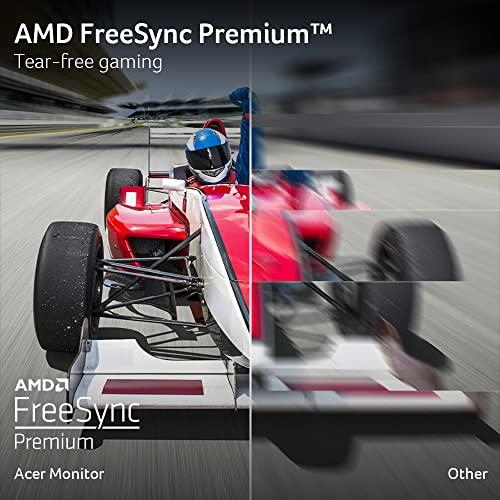
The Acer XV1 focuses on core functionality: reliable image quality, adequate connectivity (DisplayPort and dual HDMI), and basic ergonomic adjustments. It includes AMD FreeSync support for tear-free gaming but lacks advanced gaming features.
The Gigabyte FO27Q2 incorporates extensive gaming enhancements. The Tactical Switch allows instant resolution changes—useful for competitive players who prefer smaller effective screen sizes in shooters. Black eQualizer brightens dark areas without overexposing highlights, providing visibility advantages in atmospheric games. Customizable crosshairs, real-time system monitoring, and extensive color adjustments cater to serious gamers.
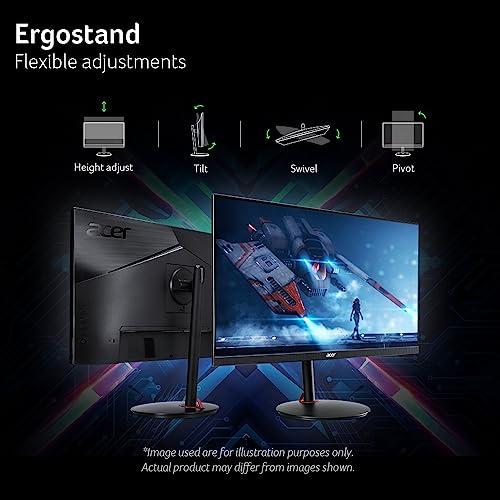
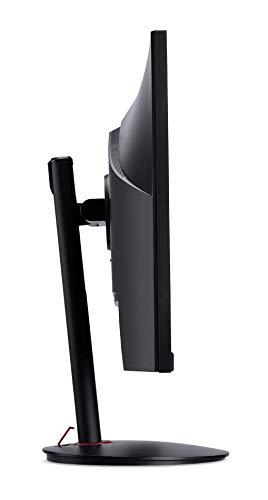
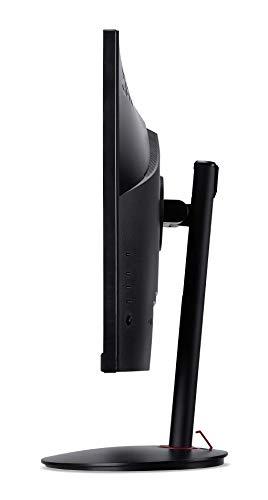
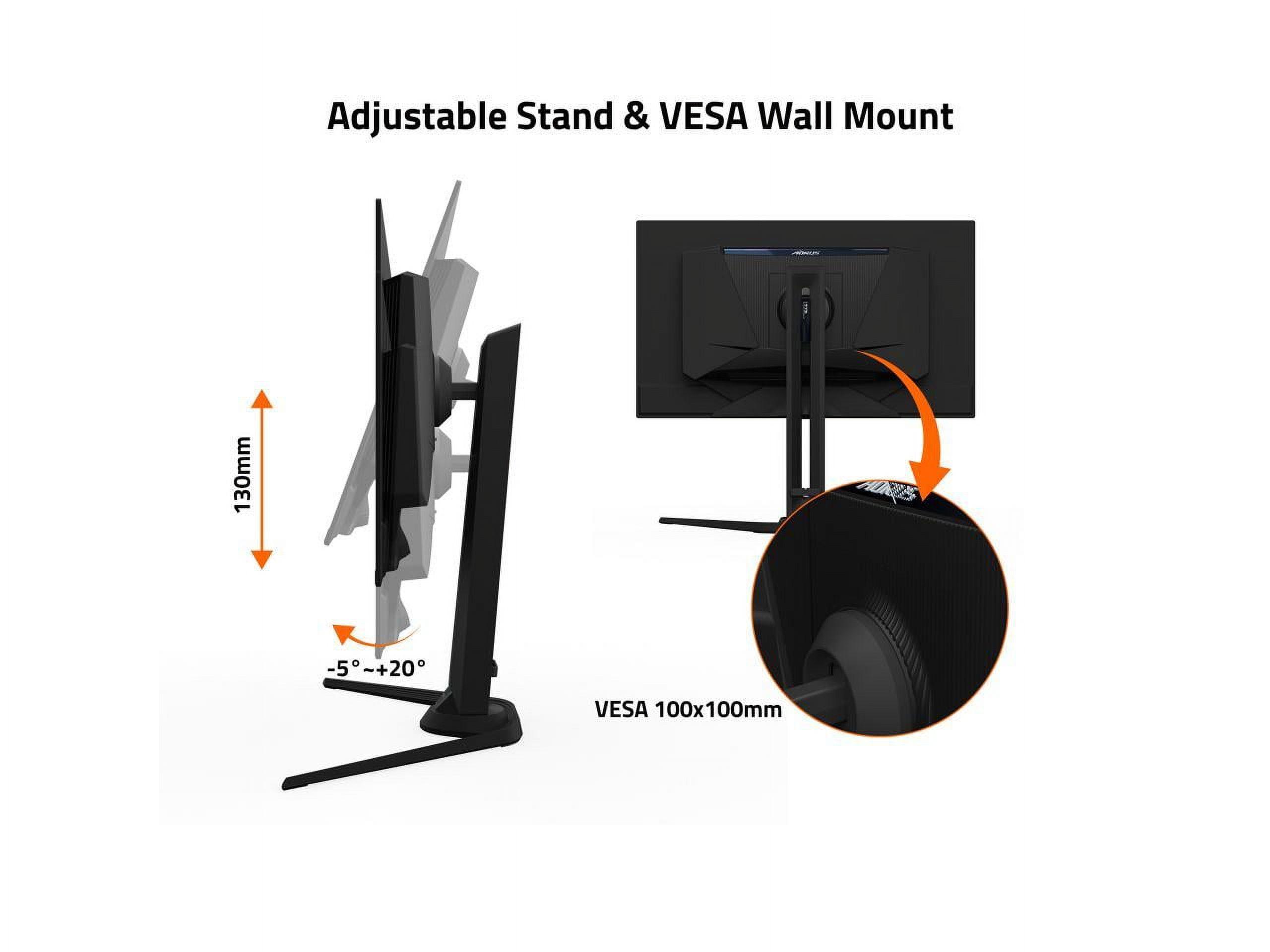
Both monitors offer full ergonomic adjustment including height, tilt, swivel, and pivot capabilities. However, build quality differs significantly. The XV1 uses typical plastic construction that's functional but basic. The FO27Q2 features premium materials with solid aluminum construction that feels substantially more robust.
The difference extends to cable management, button quality, and overall fit and finish. These factors don't affect gaming performance but contribute to long-term satisfaction and desktop aesthetics.
These monitors represent fundamentally different approaches to gaming displays. The Acer Nitro XV1 maximizes value while delivering solid 1440p high-refresh gaming. It's an excellent choice for most gamers, particularly those prioritizing affordability or building their first high-refresh setup.
The Gigabyte AORUS FO27Q2 pushes technological boundaries with transformative OLED technology. Its advantages in motion clarity, visual quality, and gaming features justify the premium for serious enthusiasts and professionals who demand cutting-edge performance.
Neither choice is objectively superior—they serve different needs and budgets. The XV1 proves that excellent gaming experiences don't require premium pricing, while the FO27Q2 demonstrates what's possible when budget constraints don't limit technological ambition. Your choice should align with your gaming priorities, hardware capabilities, and financial comfort level.
For most gamers upgrading from older displays, the Acer XV1 provides everything needed for smooth, competitive gaming at an accessible price. For those seeking the absolute best visual and competitive experience, the Gigabyte AORUS FO27Q2 represents the current pinnacle of gaming monitor technology—if you're willing to invest in that excellence.
| Acer Nitro XV1 27" WQHD 180Hz IPS Gaming Monitor | Gigabyte AORUS FO27Q2 27" QD-OLED Gaming Monitor |
|---|---|
| Panel Technology - Determines visual quality, contrast, and color accuracy | |
| IPS LCD with LED backlight | QD-OLED (Quantum Dot OLED) |
| Refresh Rate - Higher numbers mean smoother motion in fast games | |
| 180Hz (good for competitive gaming) | 240Hz (excellent for esports and high-end gaming) |
| Response Time - Lower is better for eliminating motion blur | |
| 1ms GTG (solid performance for IPS) | 0.03ms GTG (industry-leading, virtually instant) |
| Contrast Ratio - Higher ratios create more realistic dark scenes | |
| 1000:1 (typical LCD limitation) | Infinite (perfect blacks, OLED advantage) |
| Peak Brightness - Important for HDR content and bright room usage | |
| 250 cd/m² (adequate for most conditions) | 1000 cd/m² HDR / 250 cd/m² SDR (excellent HDR performance) |
| Color Gamut Coverage - Wider coverage means more vibrant, accurate colors | |
| 95% DCI-P3 (good color reproduction) | 99% DCI-P3 (exceptional color accuracy) |
| HDR Support - Enables enhanced contrast and color in compatible content | |
| HDR10 (basic HDR capability) | HDR10, DisplayHDR True Black 400 (true HDR experience) |
| Connectivity - Determines console and device compatibility | |
| 1x DisplayPort 1.2, 2x HDMI 2.0 | 1x DisplayPort 1.4, 2x HDMI 2.1, USB-C |
| Console Gaming Support - Maximum refresh rates with PS5/Xbox Series X | |
| 120Hz at 1440p (good console performance) | 144Hz at 1440p (optimal console experience) |
| Adaptive Sync - Prevents screen tearing for smoother gameplay | |
| AMD FreeSync Premium, G-Sync Compatible | AMD FreeSync Premium Pro, G-Sync Compatible |
| Build Quality and Ergonomics - Affects long-term durability and comfort | |
| Plastic construction, full adjustment | Premium aluminum build, full adjustment |
| Special Gaming Features - Extra tools for competitive advantage | |
| Basic gaming presets | Tactical Switch, Black eQualizer, crosshairs, KVM |
| Warranty Coverage - Protection against defects and panel issues | |
| Standard manufacturer warranty | 3-year warranty including burn-in protection |
| Value Proposition - Best suited for which type of gamer | |
| Budget-conscious gamers wanting 1440p high-refresh | Enthusiasts wanting cutting-edge OLED technology |
The Gigabyte AORUS FO27Q2 is superior for competitive gaming with its 240Hz refresh rate and 0.03ms response time compared to the Acer Nitro XV1's 180Hz and 1ms response time. The faster response eliminates motion blur and input lag, providing a competitive advantage in esports titles.
The Acer Nitro XV1 uses IPS LCD technology with consistent colors and wide viewing angles but limited contrast. The Gigabyte AORUS FO27Q2 features QD-OLED technology that delivers perfect blacks, infinite contrast, and more vibrant colors by combining self-emissive pixels with quantum dot enhancement.
The Acer Nitro XV1 provides exceptional value for budget-conscious gamers, delivering solid 1440p 180Hz performance at an affordable price. The Gigabyte AORUS FO27Q2 costs significantly more but justifies the premium with cutting-edge OLED technology and professional-grade features.
Both monitors support console gaming, but the Gigabyte FO27Q2 offers better compatibility with dual HDMI 2.1 ports enabling 1440p at 144Hz. The Acer Nitro XV1 is limited to 120Hz through HDMI 2.0, which is still excellent for most console games.
The Gigabyte AORUS FO27Q2 excels for entertainment with perfect blacks, HDR support, and cinema-quality contrast that makes movies more immersive. The Acer Nitro XV1 handles video content adequately but shows gray blacks instead of true darkness during dark scenes.
The Acer Nitro XV1 uses LCD technology with no burn-in risk. The Gigabyte AORUS FO27Q2 includes comprehensive OLED care features and a three-year burn-in warranty to address potential concerns, making modern OLED technology much more reliable than earlier versions.
The Gigabyte FO27Q2 delivers superior color accuracy with 99% DCI-P3 coverage and factory calibration, making it suitable for professional work. The Acer Nitro XV1 offers good color consistency typical of IPS panels but cannot match OLED's color volume and accuracy.
The Acer Nitro XV1 provides standard gaming connectivity with DisplayPort and dual HDMI ports. The Gigabyte AORUS FO27Q2 offers more versatility with DisplayPort, dual HDMI 2.1, USB-C with display capability, and KVM switching for multi-device setups.
The Acer Nitro XV1 is ideal for newcomers to high refresh gaming, offering a significant upgrade from standard displays without the complexity or cost of premium features. It provides an excellent introduction to 1440p 180Hz gaming at an accessible price point.
The Acer XV1 works well with mid-range cards like RTX 4060 or RX 7600 that can drive 1440p at 100-180fps. The Gigabyte AORUS FO27Q2 benefits from high-end graphics cards like RTX 4070 and above to fully utilize its 240Hz refresh rate and advanced features.
The Gigabyte FO27Q2 features premium aluminum construction and superior materials compared to the Acer Nitro XV1's plastic build. Both offer full ergonomic adjustment, but the OLED monitor feels more robust and includes better cable management.
The Acer Nitro XV1 focuses on essential gaming functionality with FreeSync support and basic presets. The Gigabyte AORUS FO27Q2 includes advanced features like Tactical Switch for resolution changes, Black eQualizer for shadow detail, customizable crosshairs, and real-time system monitoring for competitive advantages.
We've done our best to create useful and informative comparisons to help you decide what product to buy. Our research uses advanced automated methods to create this comparison and perfection is not possible - please contact us for corrections or questions. These are the sites we've researched in the creation of this article: bestbuy.com - tomshardware.com - displayninja.com - youtube.com - youtube.com - youtube.com - store.acer.com - manuals.plus - displayspecifications.com - pangoly.com - pcpartpicker.com - casariolab.art - store.acer.com - versus.com - youtube.com - tomshardware.com - pangoly.com - youtube.com - pangoly.com - rtings.com - displayninja.com - gigabyte.com - youtube.com - creativebloq.com - techpowerup.com - newegg.com - gigabyte.com - icecat.in - microcenter.com - aorus.com - bhphotovideo.com - provantage.com - bestbuy.com - displayspecifications.com - tomshardware.com - gigabyte.com - computronicsmultivision.com - gigabyte.com

Privacy Policy
Terms and Conditions - Affiliate Policy
Home Security
© Copyright 2008-2026.
11816 Inwood Rd #1211, Dallas, TX 75244