

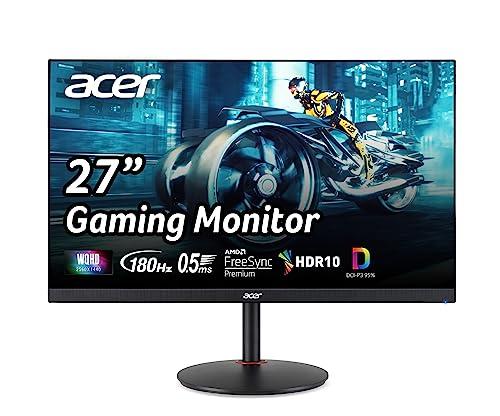
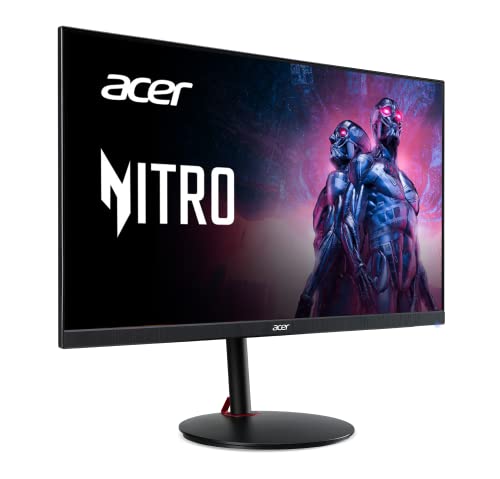
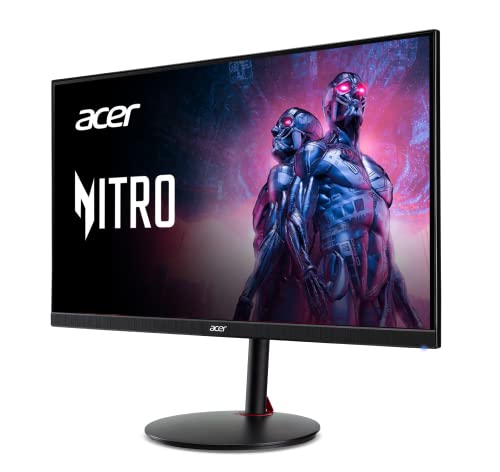
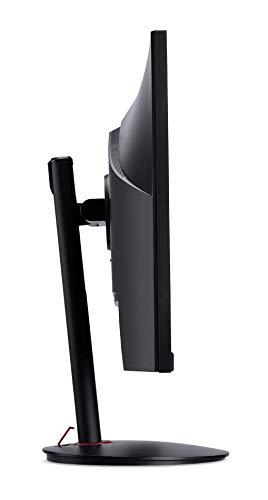
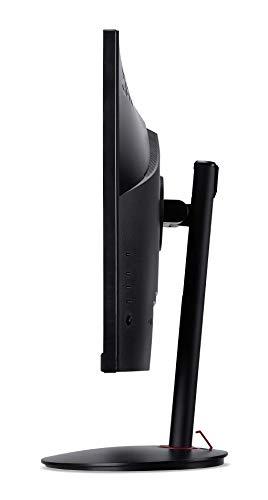
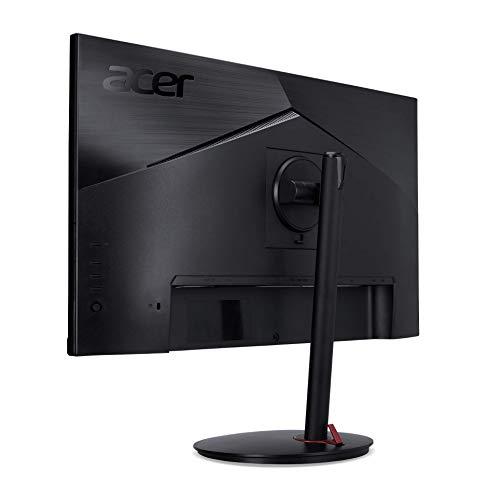
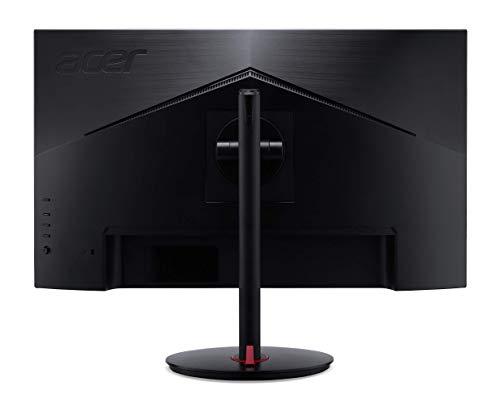
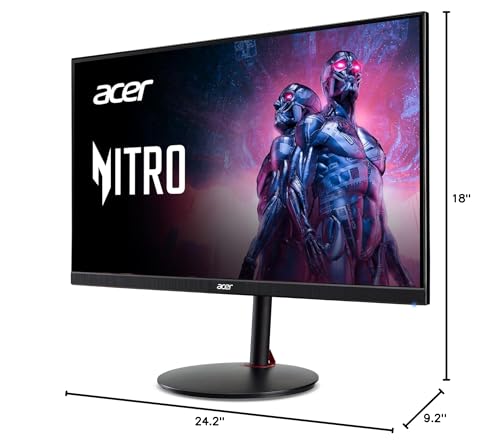
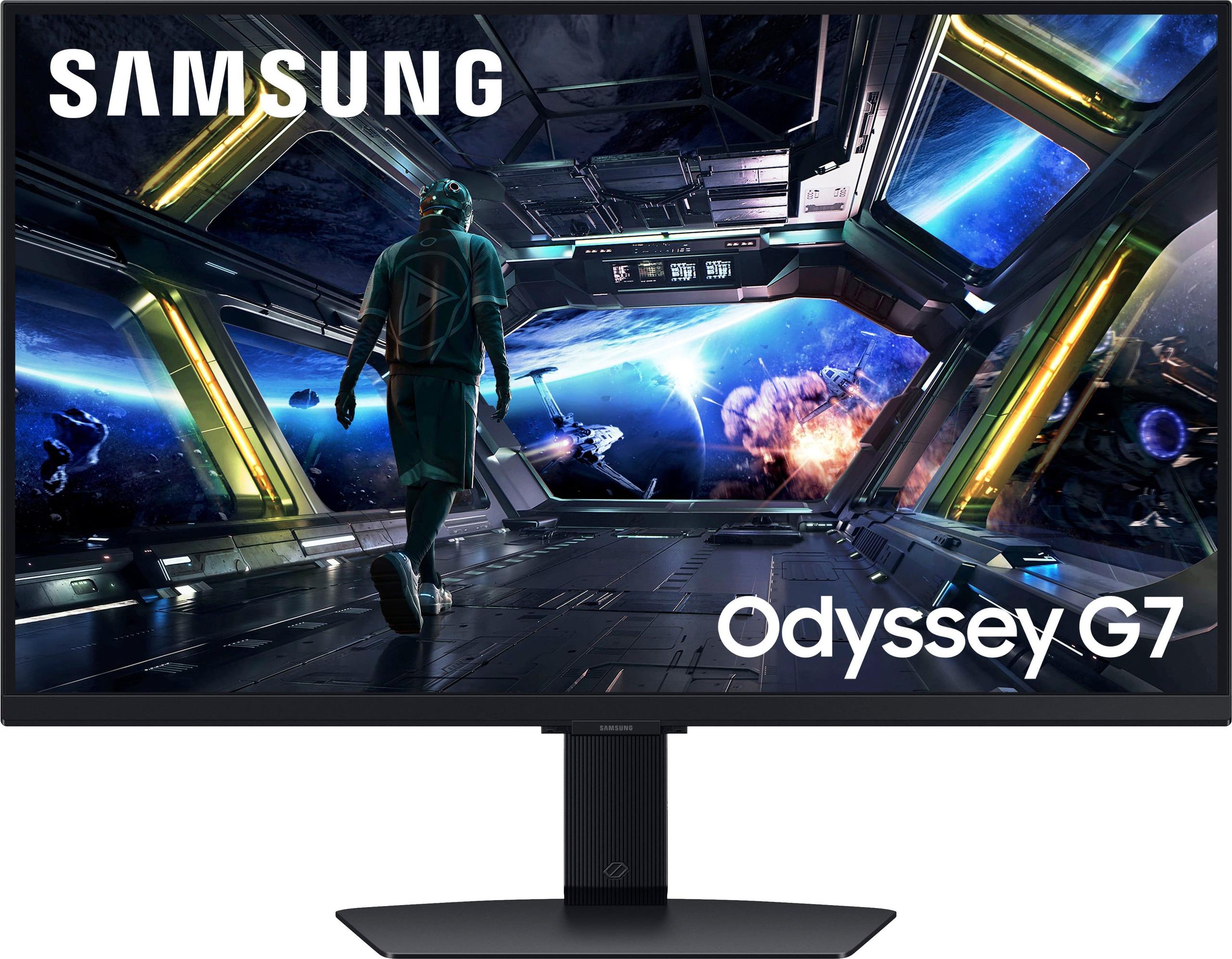
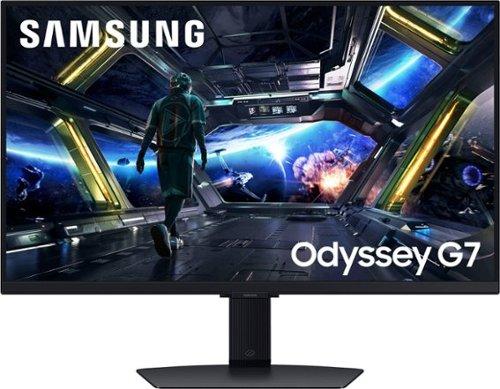
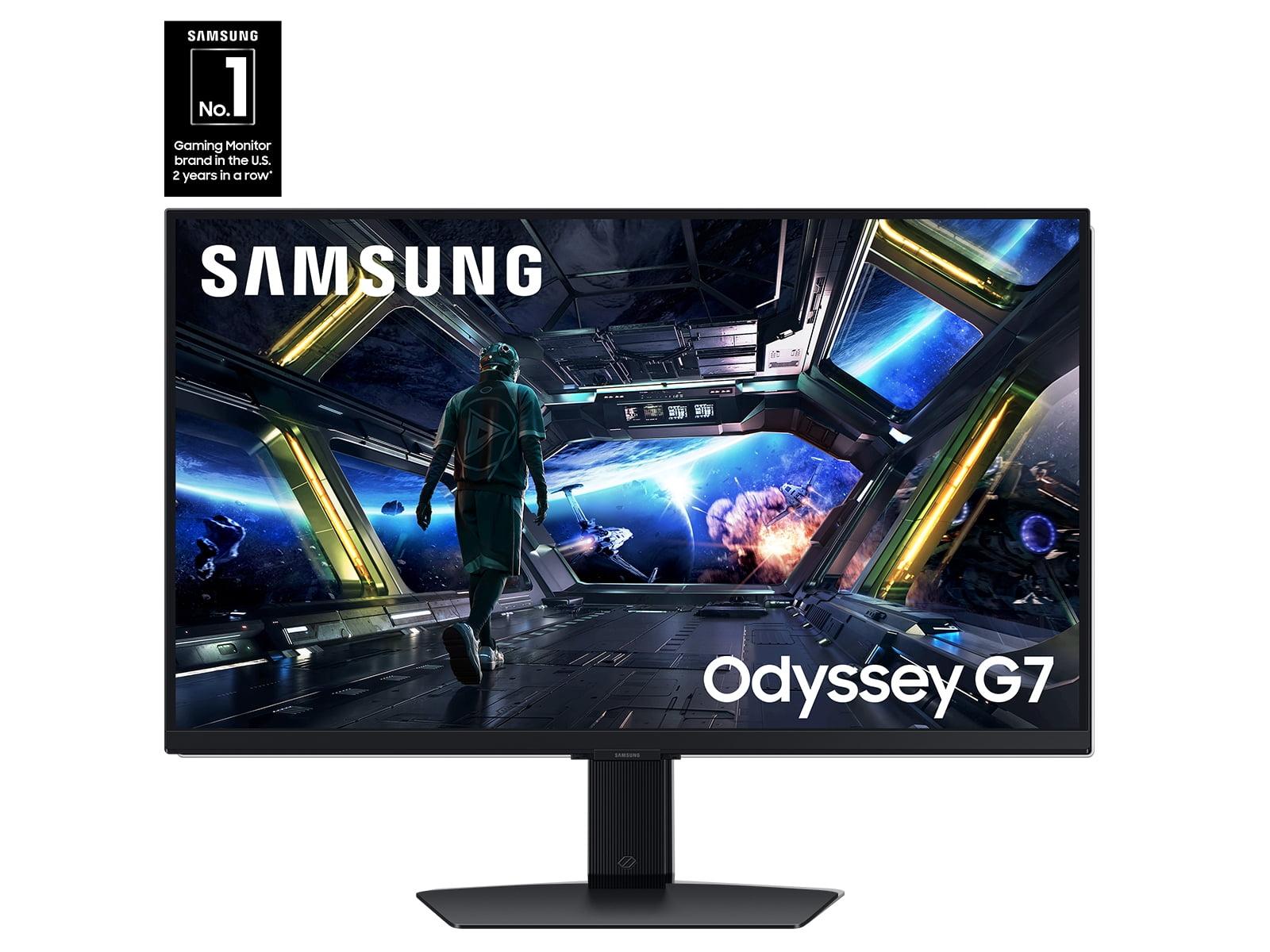
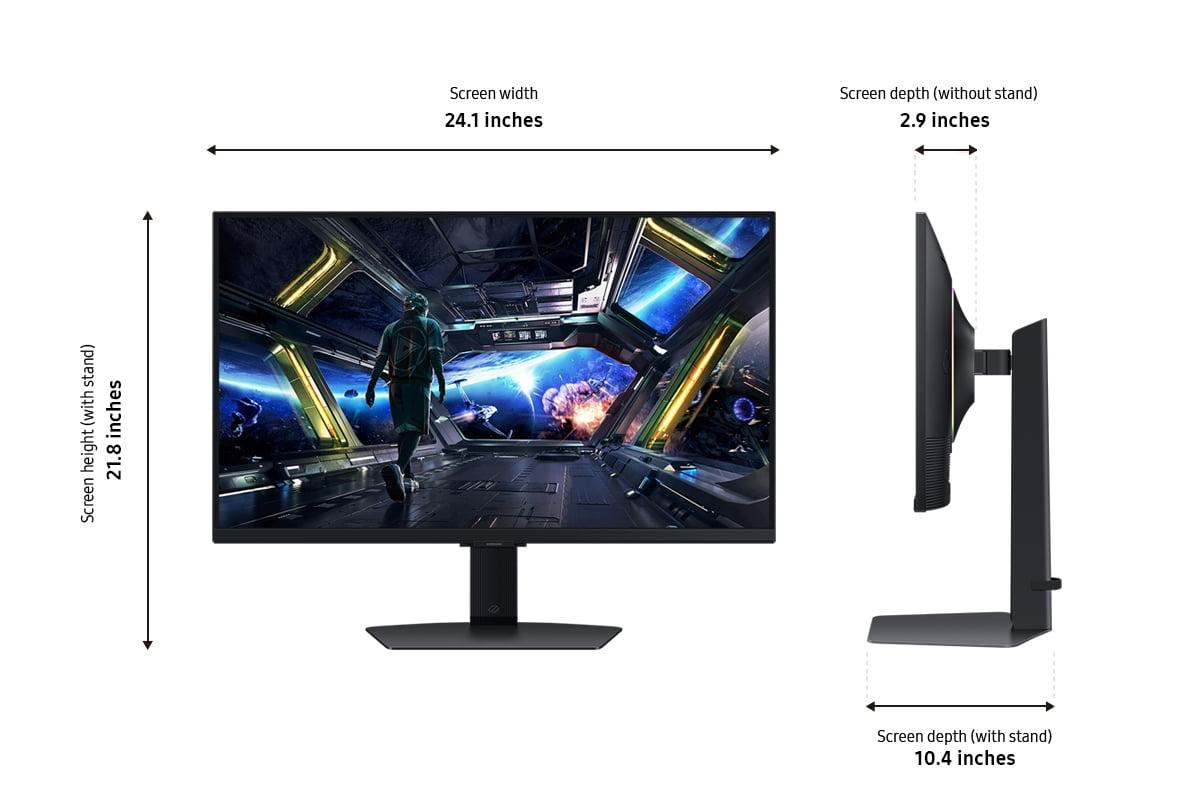
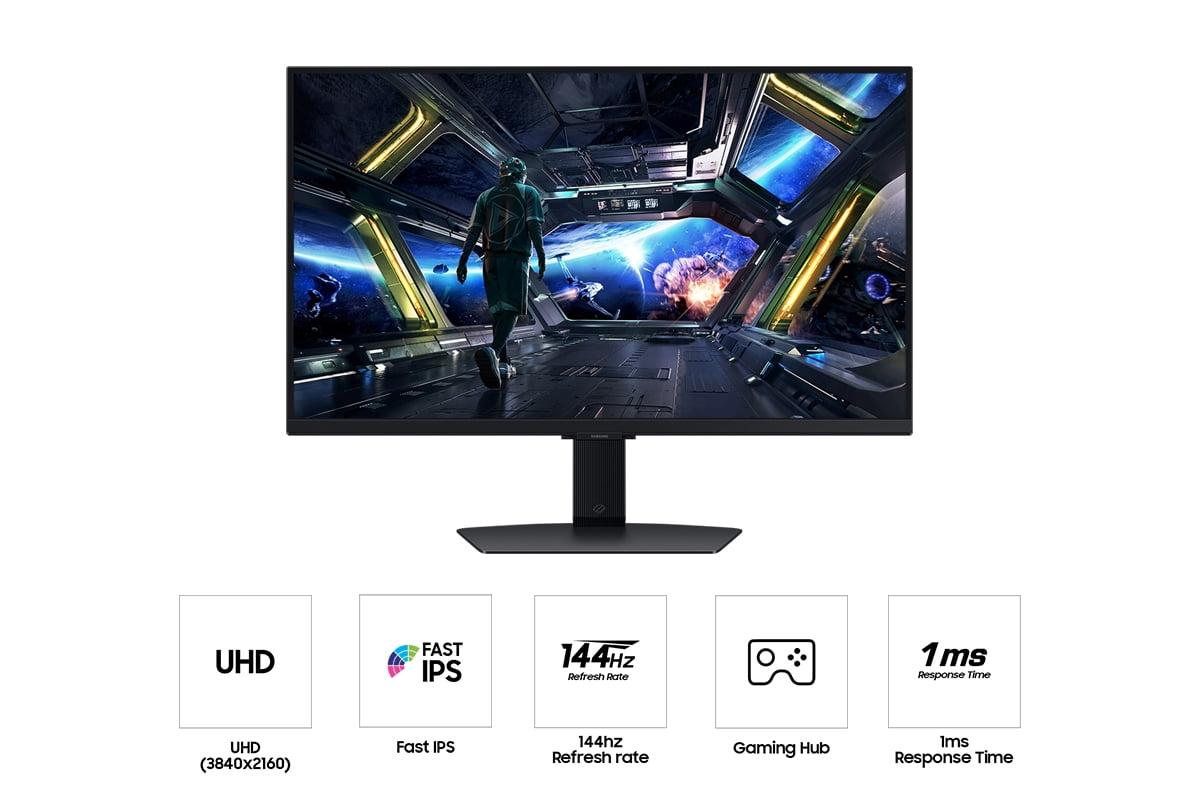
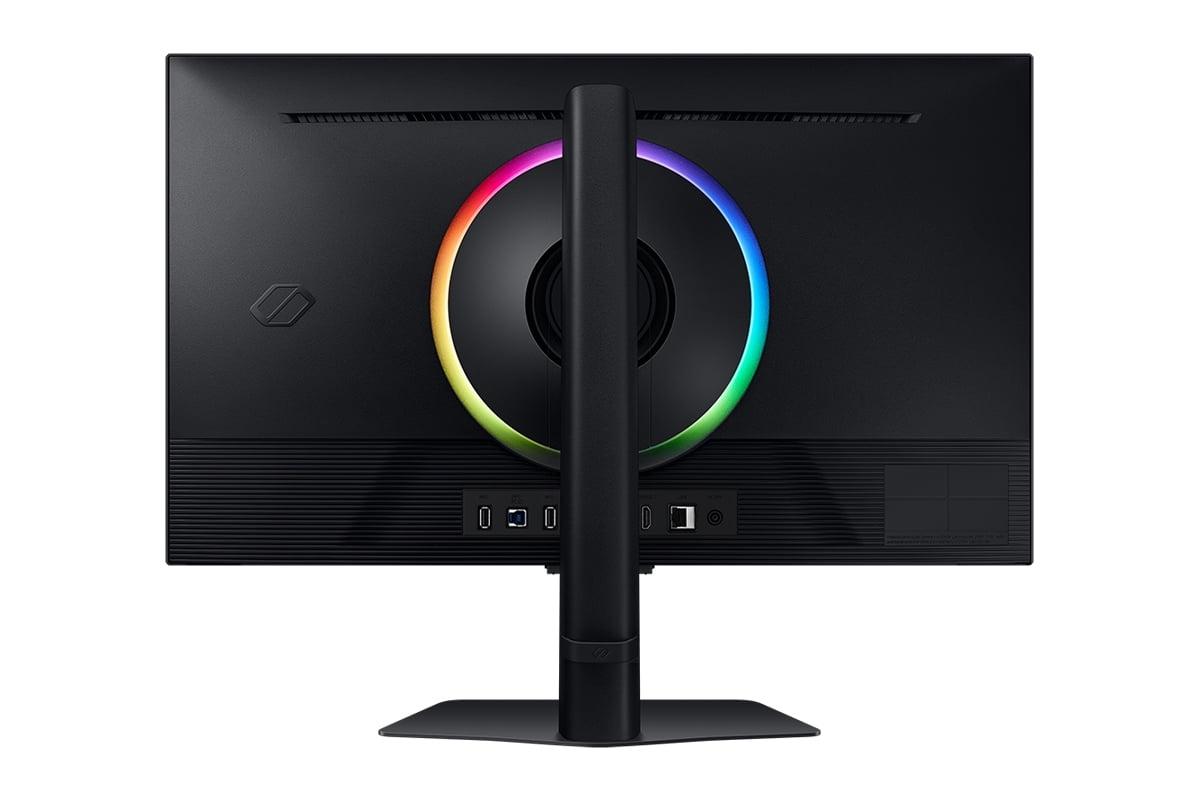
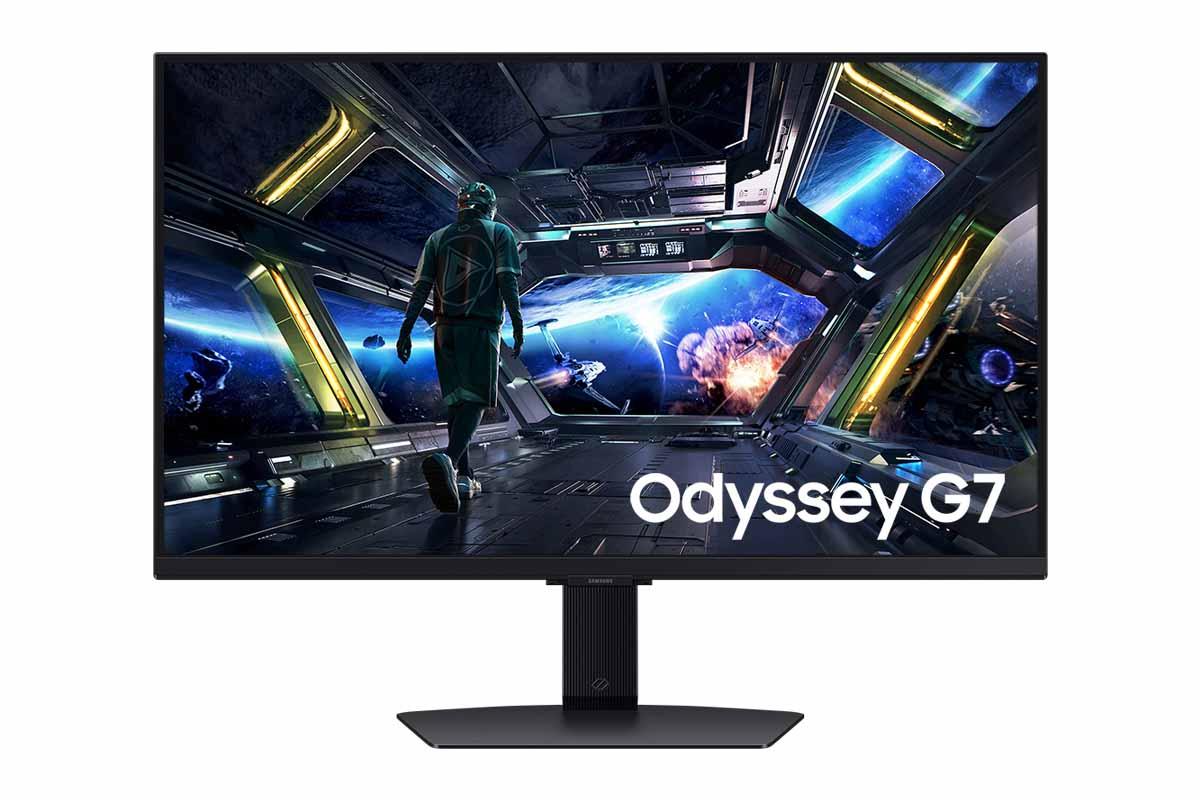
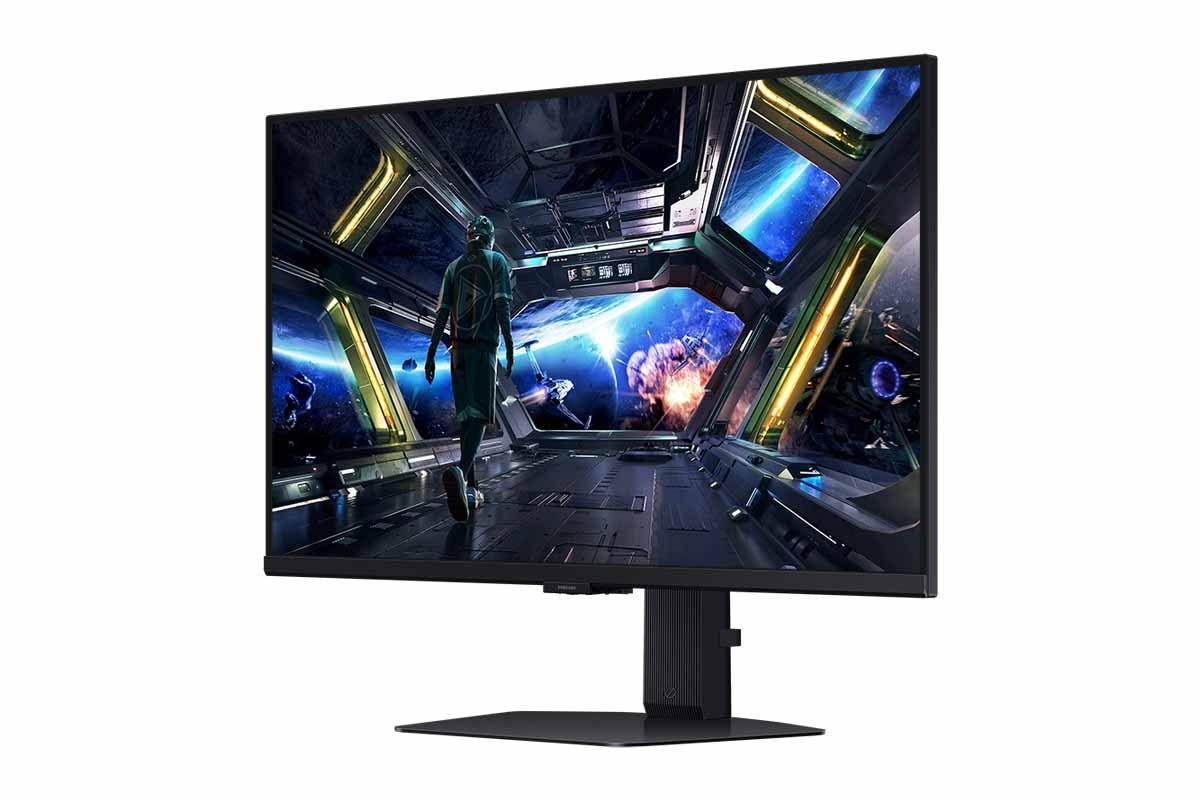
When shopping for a gaming monitor in 2024, you'll quickly discover that the market has split into two distinct camps: those prioritizing silky-smooth high refresh rates and others chasing the crystal-clear detail of 4K resolution. The Acer Nitro XV1 27" WQHD 180Hz and Samsung 27" Odyssey G7 G70D 4K UHD represent these two philosophies perfectly, each taking a different approach to delivering an excellent gaming experience.
Both monitors launched in recent years during the golden age of gaming display technology—the Acer arriving as part of the budget-friendly high refresh rate wave, while the Samsung emerged in 2024 as part of the smart monitor revolution that's been transforming how we think about display devices. Understanding which approach works better for your specific gaming needs requires diving deep into what makes each monitor tick.
Gaming monitors differ from regular displays in several crucial ways that directly impact your gaming performance. The most important specifications—refresh rate, response time, and input lag—work together to create what we call "gaming responsiveness."
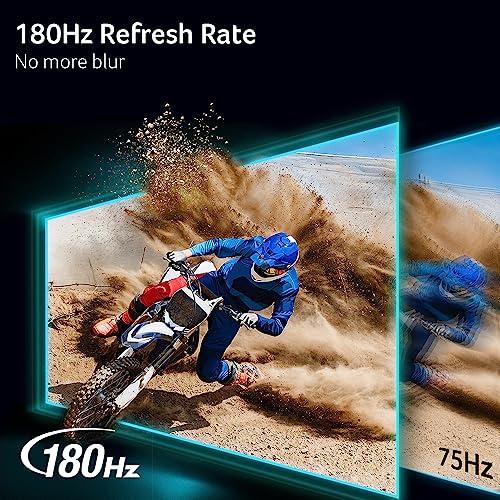
Refresh rate measures how many times per second your monitor can display a new image, measured in Hertz (Hz). A 60Hz monitor shows 60 frames per second, while a 180Hz monitor can display 180 frames per second if your graphics card can keep up. Higher refresh rates make motion appear smoother, especially in fast-paced games where you're tracking moving targets or navigating quickly through environments.
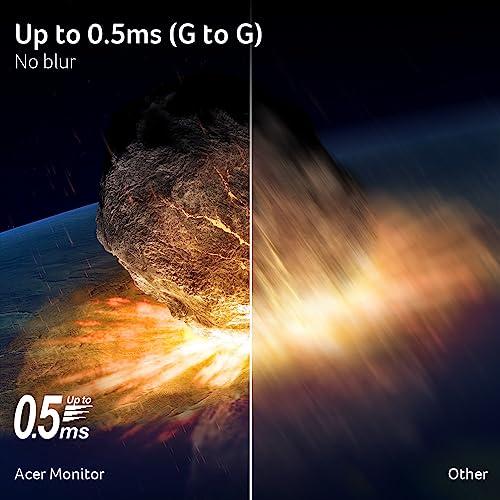
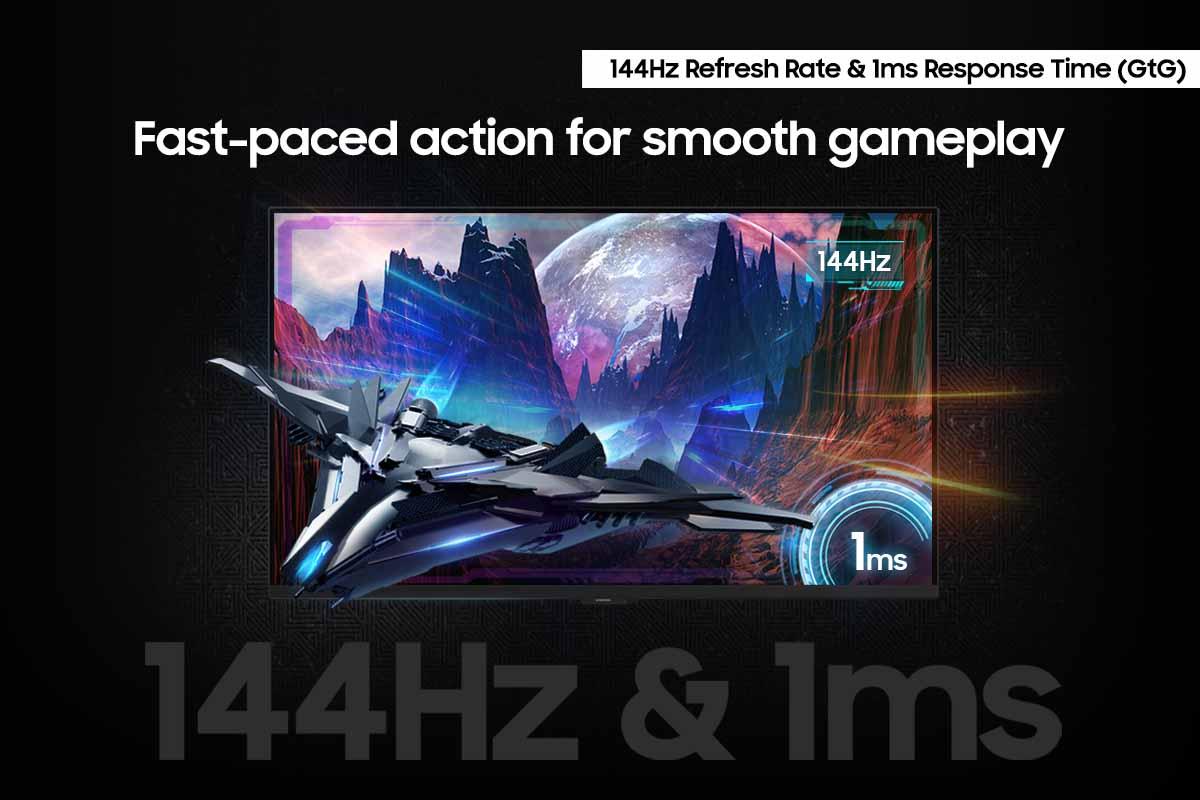
Response time indicates how quickly pixels can change from one color to another, typically measured in milliseconds (ms). Lower response times reduce "ghosting"—those blurry trails that follow moving objects on cheaper displays. Both the Acer Nitro XV1 and Samsung Odyssey G7 achieve the coveted 1ms response time that serious gamers demand.
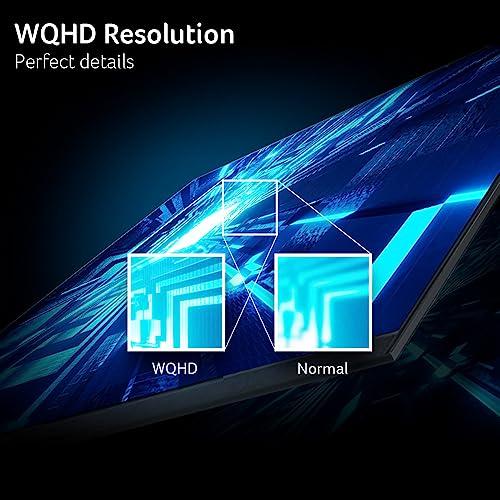
The resolution question becomes more complex when you factor in your graphics card's capabilities. Higher resolutions require exponentially more processing power, which means the difference between smooth 180fps gaming at 1440p and struggling to maintain 60fps at 4K with the same graphics card.
The Acer Nitro XV1 represents the "frame rate first" philosophy that's dominated competitive gaming for the past several years. At 2560×1440 resolution with a 180Hz refresh rate, this monitor prioritizes motion smoothness over pixel density—a choice that makes tremendous sense for certain types of gaming.
The 180Hz refresh rate provides a noticeable advantage over the more common 144Hz displays, particularly in competitive first-person shooters like Counter-Strike 2 or Valorant. Those extra 36 frames per second might seem minor on paper, but they translate to about 0.6ms less input lag per frame—small margins that can make the difference between landing a crucial shot and missing it entirely.
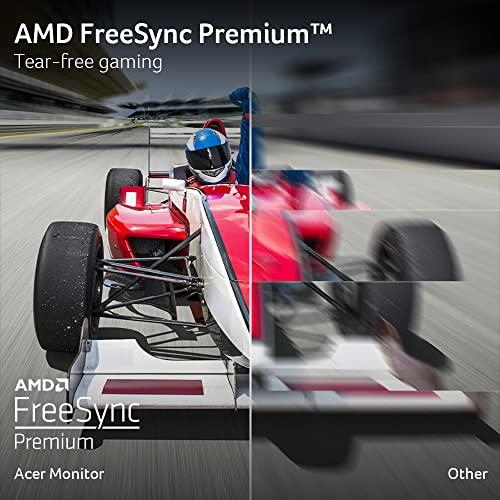
What sets the Acer Nitro XV1 apart is its AMD FreeSync Premium implementation, which operates across a wide 40-180Hz range. This variable refresh rate (VRR) technology synchronizes your monitor's refresh rate with your graphics card's frame output, eliminating screen tearing and stuttering. The wide range means even if your frame rate drops to 45fps in a demanding scene, FreeSync can still provide smooth motion through Low Framerate Compensation (LFC), which duplicates frames to maintain sync.
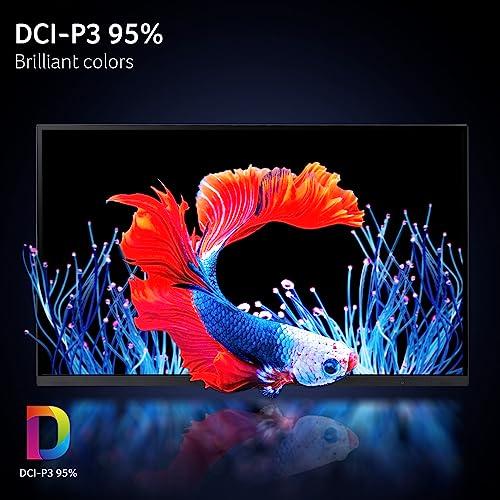
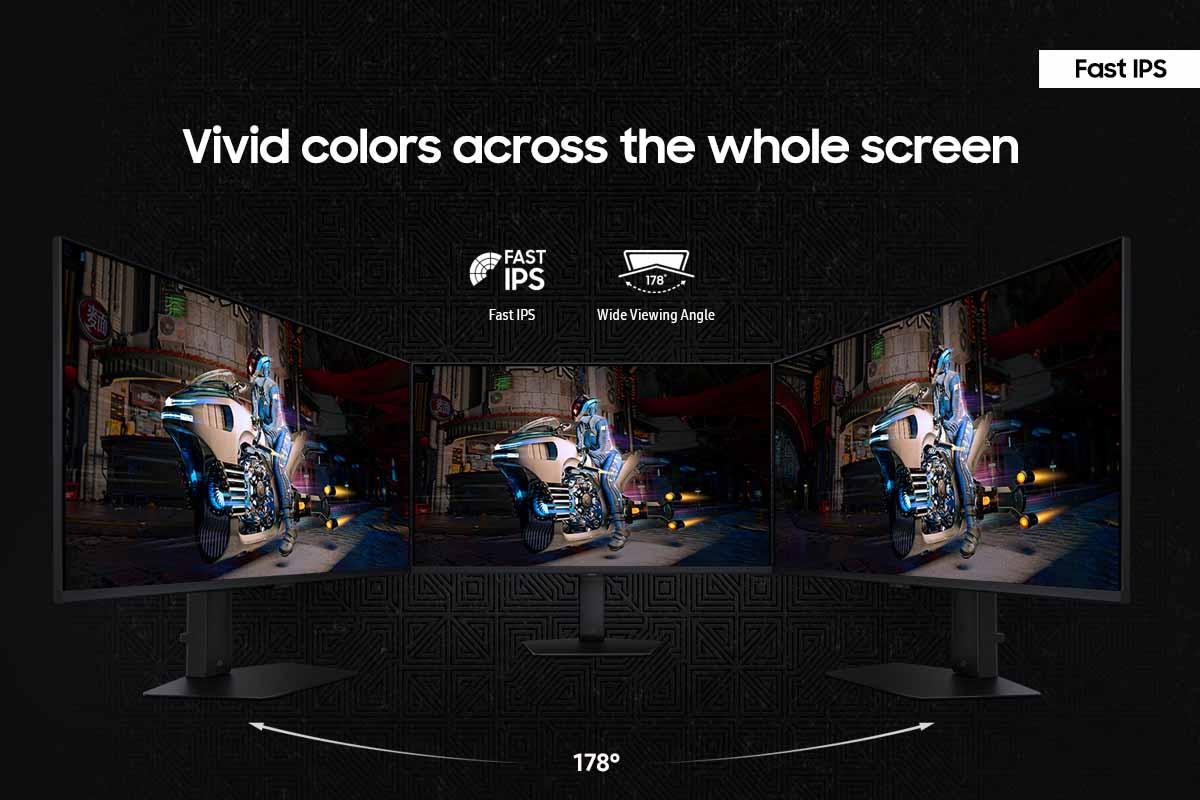
The IPS panel technology delivers excellent color accuracy and viewing angles—crucial for content creation or when friends gather around to watch your gameplay. The 95% DCI-P3 color coverage exceeds standard sRGB monitors, providing vibrant colors that make games pop without the over-saturation issues that plagued older gaming panels.
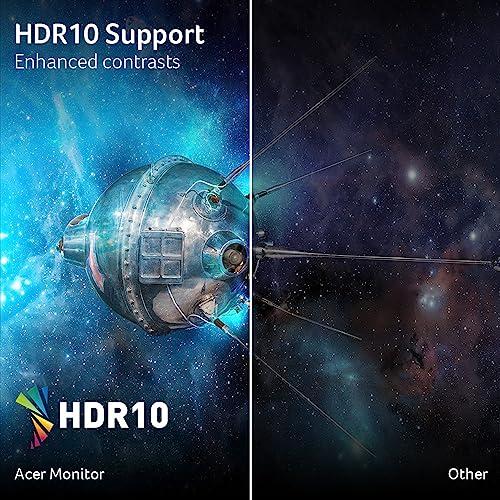
However, the Acer Nitro XV1's 250 cd/m² brightness feels modest by today's standards. In bright rooms, you might find yourself squinting at darker game scenes, and HDR content lacks the punch you'd get from brighter displays. The monitor's strength lies clearly in fast-paced gaming rather than cinematic experiences.
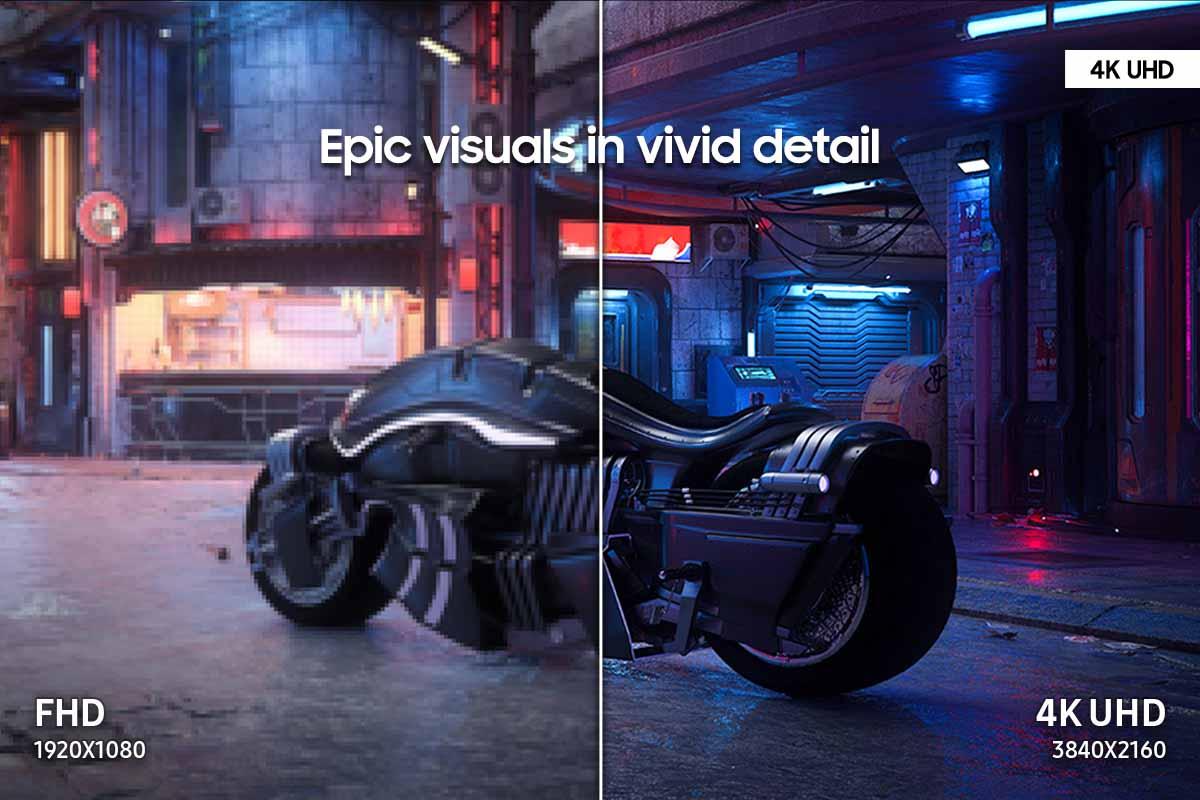
The Samsung Odyssey G7 G70D takes the opposite approach, betting that resolution matters more than refresh rate for most gaming scenarios. At 3840×2160 pixels, this 4K display provides 78% more pixels than the Acer's 1440p panel, resulting in dramatically sharper text, more detailed game textures, and an overall more immersive visual experience.
The difference becomes immediately apparent when you see both monitors side by side. Text looks crisp and clear on the Samsung Odyssey G7 at native scaling, while fine details in games—like distant enemy players in battle royales or intricate environmental textures in single-player adventures—appear noticeably sharper and more defined.
Samsung's NQM AI Processor deserves special mention as it actively upscales lower-resolution content to near-4K quality. This means older games or console titles running at 1080p or 1440p still benefit from improved sharpness and clarity, something the Acer Nitro XV1 cannot match.
The 144Hz refresh rate, while lower than the Acer's 180Hz, still provides excellent motion handling that feels smooth and responsive for the vast majority of gaming scenarios. Unless you're competing at the highest levels of esports, the difference between 144Hz and 180Hz proves negligible in real-world gaming.
Where the Samsung Odyssey G7 truly distinguishes itself is in HDR performance. The VESA DisplayHDR 400 certification and 350 cd/m² peak brightness provide a noticeably better HDR experience than budget monitors, though it still falls short of true cinematic HDR displays that reach 1000+ nits.
The most significant philosophical difference between these monitors lies in Samsung's smart TV integration. The Samsung Odyssey G7 runs a full Tizen operating system, complete with Netflix, YouTube, Amazon Prime Video, and other streaming apps built directly into the monitor.
This smart functionality transforms the monitor from a simple display into an entertainment hub. You can stream movies without powering on your PC, access cloud gaming services like Xbox Game Pass Ultimate or NVIDIA GeForce Now directly through the monitor, and even browse the web using the included remote control.
The Gaming Hub feature provides instant access to multiple cloud gaming platforms, effectively turning the monitor into a gaming console that requires only an internet connection. For many users, this eliminates the need for dedicated streaming devices like Roku or Apple TV, potentially offsetting some of the monitor's premium pricing.
The Acer Nitro XV1, in contrast, operates as a traditional "dumb" monitor that requires external devices for any smart functionality. While this keeps costs down and reduces potential points of failure, it means you'll need separate streaming devices and cannot access cloud gaming services directly.
The performance differences between these monitors become most apparent when examining specific gaming scenarios. For competitive esports titles like CS2, Valorant, or Apex Legends, the Acer Nitro XV1's higher refresh rate provides measurable advantages. Professional players often report that they can track enemy movements more precisely at higher refresh rates, and the reduced input lag helps with reaction times.
However, the advantage diminishes significantly in slower-paced games. Strategy games, RPGs, and single-player adventures benefit far more from the Samsung Odyssey G7's 4K resolution, where you can appreciate detailed environments, read small text clearly, and enjoy more immersive visuals overall.
Console gaming presents an interesting case study. Both PlayStation 5 and Xbox Series X support 4K gaming at up to 120Hz, but they struggle to maintain consistent frame rates at maximum resolution in demanding titles. The Samsung Odyssey G7 can display these 4K/120Hz signals through its HDMI 2.1 ports, while the Acer Nitro XV1 would need to downscale the resolution to maintain high refresh rates.
For PC gaming, your graphics card becomes the limiting factor. Mid-range cards like the RTX 4060 or RX 7700 XT can easily drive the Acer Nitro XV1 at high refresh rates but struggle to maintain smooth frame rates at 4K resolution on the Samsung Odyssey G7. High-end cards like the RTX 4080 or better can handle 4K gaming comfortably, making the Samsung's resolution advantage more accessible.
The smart features and 4K resolution make the Samsung Odyssey G7 surprisingly capable as a home theater display, despite its 27-inch size. The built-in streaming apps, remote control, and decent built-in speakers (10W total) create a complete entertainment experience that works well for bedroom setups or smaller viewing spaces.
The monitor's color accuracy and HDR support provide good movie and TV show quality, though the modest peak brightness limits its HDR impact compared to dedicated home theater displays. The flat IPS panel eliminates the viewing angle issues that plagued Samsung's earlier curved gaming monitors, making it suitable for multi-person viewing.
The Acer Nitro XV1, while capable of displaying 4K content when connected to appropriate sources, lacks the smart features and optimized movie-watching experience that modern users expect from home theater displays.
At the time of writing, the Acer Nitro XV1 typically costs about 40% less than the Samsung Odyssey G7, making it one of the best values in high-refresh gaming monitors. The price difference reflects not just the resolution gap but also the extensive smart features and premium build quality of the Samsung.
For budget-conscious gamers or those building their first serious gaming setup, the Acer Nitro XV1 delivers exceptional performance per dollar. The money saved could go toward a better graphics card or other gaming peripherals, potentially providing greater overall system improvement.
The Samsung Odyssey G7 commands its premium through versatility and future-proofing. The 4K resolution remains relevant longer than high refresh rates, and the smart features eliminate the need for additional devices. When factoring in the cost of separate streaming devices and the convenience of an all-in-one solution, the Samsung's value proposition becomes more compelling.
Samsung's integration of AI upscaling technology represents a significant advancement in monitor capabilities. The NQM AI Processor actively analyzes incoming content and enhances it in real-time, providing benefits that extend beyond gaming into productivity and media consumption.
The Acer Nitro XV1, while lacking advanced processing features, benefits from proven IPS panel technology and mature AMD FreeSync implementation. Sometimes, simpler technology proves more reliable long-term, with fewer potential points of failure.
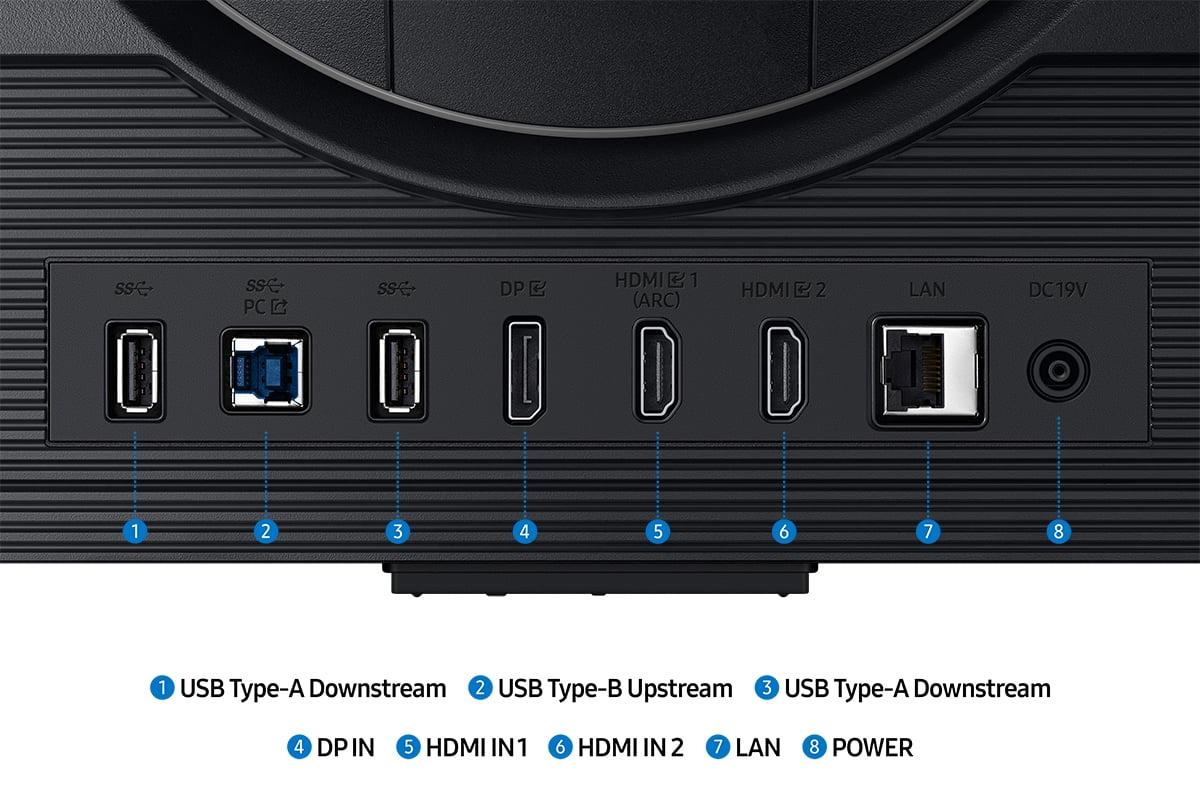
Both monitors support the latest connectivity standards relevant to their design goals, but the Samsung Odyssey G7 includes more future-proof features like HDMI 2.1 and built-in wireless connectivity that may prove valuable as gaming and entertainment ecosystems continue evolving.
The choice between these monitors ultimately depends on your specific gaming priorities and setup requirements. The Acer Nitro XV1 excels for competitive gamers who prioritize response time and smooth motion over visual fidelity. If you spend most of your time in fast-paced multiplayer games and want maximum bang for your buck, the Acer delivers exceptional value.
Choose the Samsung Odyssey G7 if you value visual quality and versatility over pure gaming performance. The 4K resolution benefits extend beyond gaming into productivity work, content creation, and entertainment consumption. The smart features and premium build quality justify the higher cost for users wanting a do-everything display.
Consider your graphics card capabilities carefully. If you're running mid-range hardware, the Acer Nitro XV1 allows you to maximize frame rates and enjoy smooth gaming at high refresh rates. Owners of high-end graphics cards can take full advantage of the Samsung Odyssey G7's 4K resolution while still maintaining good frame rates.
Both monitors represent excellent choices within their respective categories, offering different paths to gaming excellence. Your personal preferences for competitive performance versus visual quality should guide your final decision, along with consideration of how you plan to use the monitor beyond gaming.
| Acer Nitro XV1 27" WQHD 180Hz IPS Gaming Monitor | Samsung 27" Odyssey G7 G70D 4K UHD IPS Gaming Monitor |
|---|---|
| Resolution - Higher resolution means sharper images but requires more GPU power | |
| 2560 x 1440 (WQHD) - Easier to drive at high frame rates | 3840 x 2160 (4K UHD) - 78% more pixels for sharper detail |
| Refresh Rate - Higher rates provide smoother motion, crucial for competitive gaming | |
| 180Hz - Excellent for esports and competitive gaming | 144Hz - Smooth for most gaming scenarios |
| Panel Technology - Both use IPS for excellent colors and viewing angles | |
| Fast IPS with 95% DCI-P3 color coverage | Fast IPS with 99% sRGB coverage and better factory calibration |
| Response Time - Lower is better for reducing motion blur | |
| 1ms (GtG) - Excellent for fast-paced gaming | 1ms (GtG) - Equally responsive |
| Adaptive Sync - Eliminates screen tearing and stuttering | |
| AMD FreeSync Premium (40-180Hz range) | AMD FreeSync Premium Pro with wider feature set |
| HDR Support - Enhanced contrast and brightness for supported content | |
| HDR10 with 250 cd/m² peak brightness | VESA DisplayHDR 400 with 350 cd/m² - noticeably better HDR |
| Smart Features - Built-in apps and streaming without external devices | |
| None - traditional monitor requiring external devices | Full Tizen OS with Netflix, YouTube, Gaming Hub, and remote control |
| Connectivity - Ports available for gaming consoles and PCs | |
| 1x DisplayPort 1.2, 2x HDMI 2.0 | 1x DisplayPort 1.4, 2x HDMI 2.1 - better for next-gen consoles |
| Audio - Built-in speakers for basic audio needs | |
| 2x 2W stereo speakers | 2-channel 10W speakers with better quality |
| Ergonomics - Stand adjustability for comfortable viewing | |
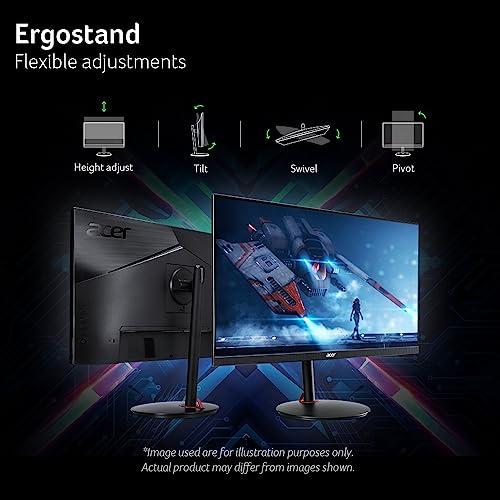
| Height, tilt, swivel, and pivot adjustment | Height, tilt, swivel, and pivot with premium build quality |
| Special Gaming Features - Tools designed specifically for gaming advantage | |
| Basic gaming presets and crosshair overlays | Dynamic Black Equalizer, Game Mode presets, Auto Source Switch+ |
| AI Processing - Enhanced image quality through intelligent upscaling | |
| None | NQM AI Processor upscales lower-res content to near-4K quality |
| Target Audience - Who benefits most from each monitor's strengths | |
| Competitive gamers, budget-conscious users, mid-range GPU owners | Content creators, console gamers, users wanting all-in-one entertainment hub |
The Acer Nitro XV1 27" WQHD 180Hz is better for competitive gaming due to its higher 180Hz refresh rate compared to the Samsung Odyssey G7's 144Hz. The extra 36Hz provides smoother motion tracking and slightly lower input lag, which can make a difference in fast-paced esports titles like Counter-Strike 2 or Valorant.
The primary difference is resolution versus refresh rate. The Acer Nitro XV1 offers 1440p resolution at 180Hz, prioritizing smooth motion, while the Samsung Odyssey G7 delivers 4K resolution at 144Hz, focusing on visual clarity and detail.
The Samsung Odyssey G7 G70D has superior picture quality with its 4K resolution providing 78% more pixels than the Acer Nitro XV1's 1440p display. The Samsung also offers better HDR performance with VESA DisplayHDR 400 certification and higher peak brightness.
The Acer Nitro XV1 works well with mid-range graphics cards like RTX 4060 or RX 7600, while the Samsung Odyssey G7 requires high-end GPUs like RTX 4070 Super or better to fully utilize its 4K resolution at good frame rates.
The Acer Nitro XV1 typically offers better value for budget-conscious gamers, delivering excellent high refresh rate performance at a lower cost. The Samsung Odyssey G7 provides better long-term value through its 4K resolution, smart features, and premium build quality.
Both monitors work with consoles, but the Samsung Odyssey G7 is better suited for PS5 and Xbox Series X with its HDMI 2.1 ports supporting 4K at 120Hz. The Acer Nitro XV1 can display console games but may require resolution downscaling for higher refresh rates.
Only the Samsung Odyssey G7 G70D includes smart TV functionality with built-in Tizen OS, Netflix, YouTube, and other streaming apps. The Acer Nitro XV1 is a traditional monitor without smart features, requiring external streaming devices.
Both the Acer Nitro XV1 and Samsung Odyssey G7 offer identical 1ms response times, providing equally fast pixel transitions and minimal motion blur for gaming.
The Samsung Odyssey G7 is superior for content creation due to its 4K resolution providing sharper text and more detailed images. The higher pixel density makes it ideal for photo editing, video work, and productivity tasks where clarity matters.
Yes, both monitors support adaptive sync technology. The Acer Nitro XV1 features AMD FreeSync Premium with a 40-180Hz range, while the Samsung Odyssey G7 offers FreeSync Premium Pro with additional gaming enhancements.
The Samsung Odyssey G7 G70D offers superior connectivity with DisplayPort 1.4, dual HDMI 2.1 ports, and USB hub functionality. The Acer Nitro XV1 provides basic connectivity with DisplayPort 1.2 and HDMI 2.0 ports.
The Samsung Odyssey G7 excels for movie watching with its built-in streaming apps, 4K resolution, better HDR support, and included remote control. The Acer Nitro XV1 can display movies but lacks smart features and optimal brightness for cinematic content.
We've done our best to create useful and informative comparisons to help you decide what product to buy. Our research uses advanced automated methods to create this comparison and perfection is not possible - please contact us for corrections or questions. These are the sites we've researched in the creation of this article: bestbuy.com - tomshardware.com - displayninja.com - youtube.com - youtube.com - youtube.com - store.acer.com - manuals.plus - displayspecifications.com - pangoly.com - pcpartpicker.com - casariolab.art - store.acer.com - versus.com - youtube.com - bestbuy.com - typectechreviews.com - rtings.com - rtings.com - youtube.com - youtube.com - samsung.com - samsung.com - samsung.com - bhphotovideo.com - samsung.com - samsung.com - versus.com - abt.com - abt.com - bestbuy.com - bhphotovideo.com - youtube.com - abt.com

Privacy Policy
Terms and Conditions - Affiliate Policy
Home Security
© Copyright 2008-2026.
11816 Inwood Rd #1211, Dallas, TX 75244