

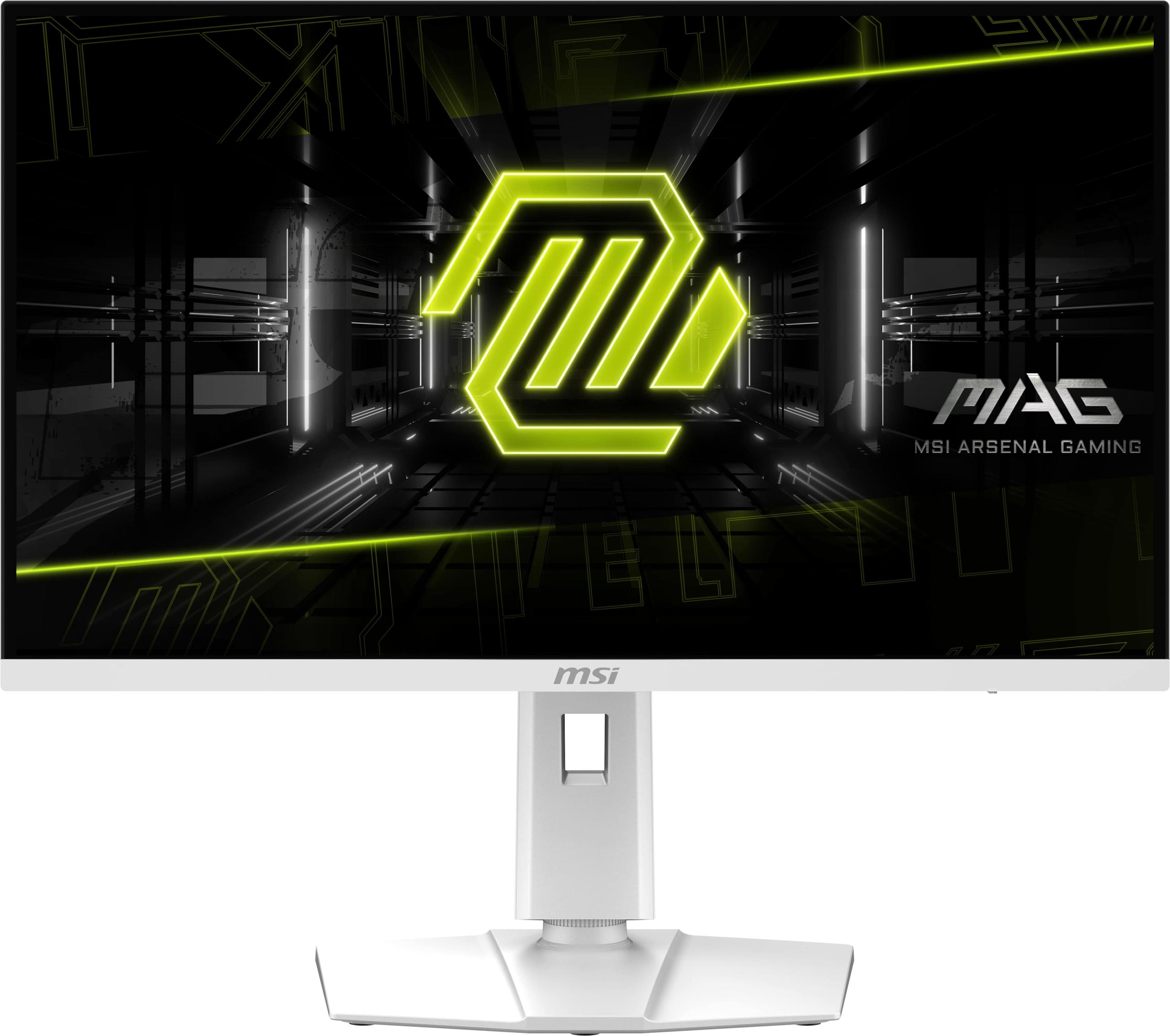
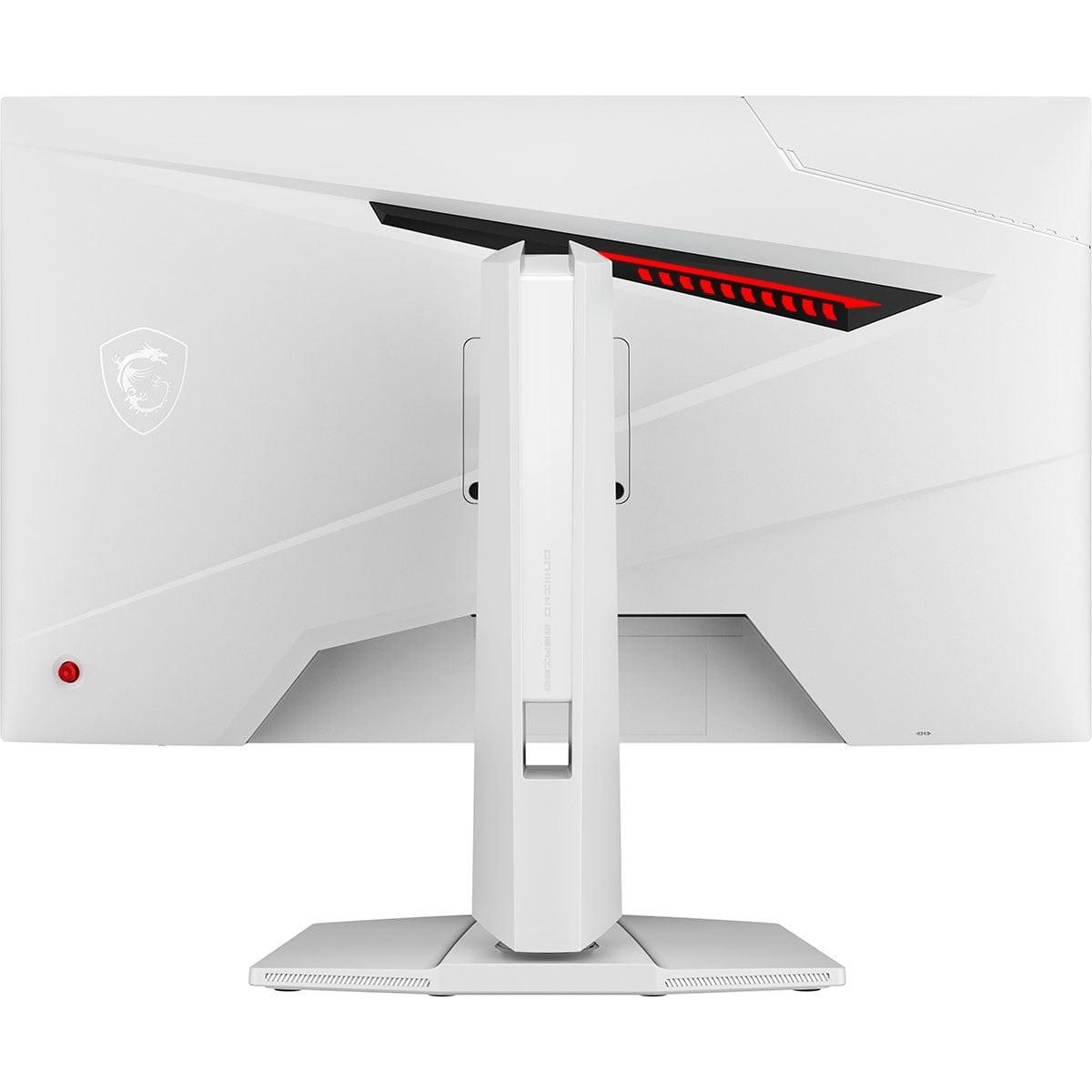
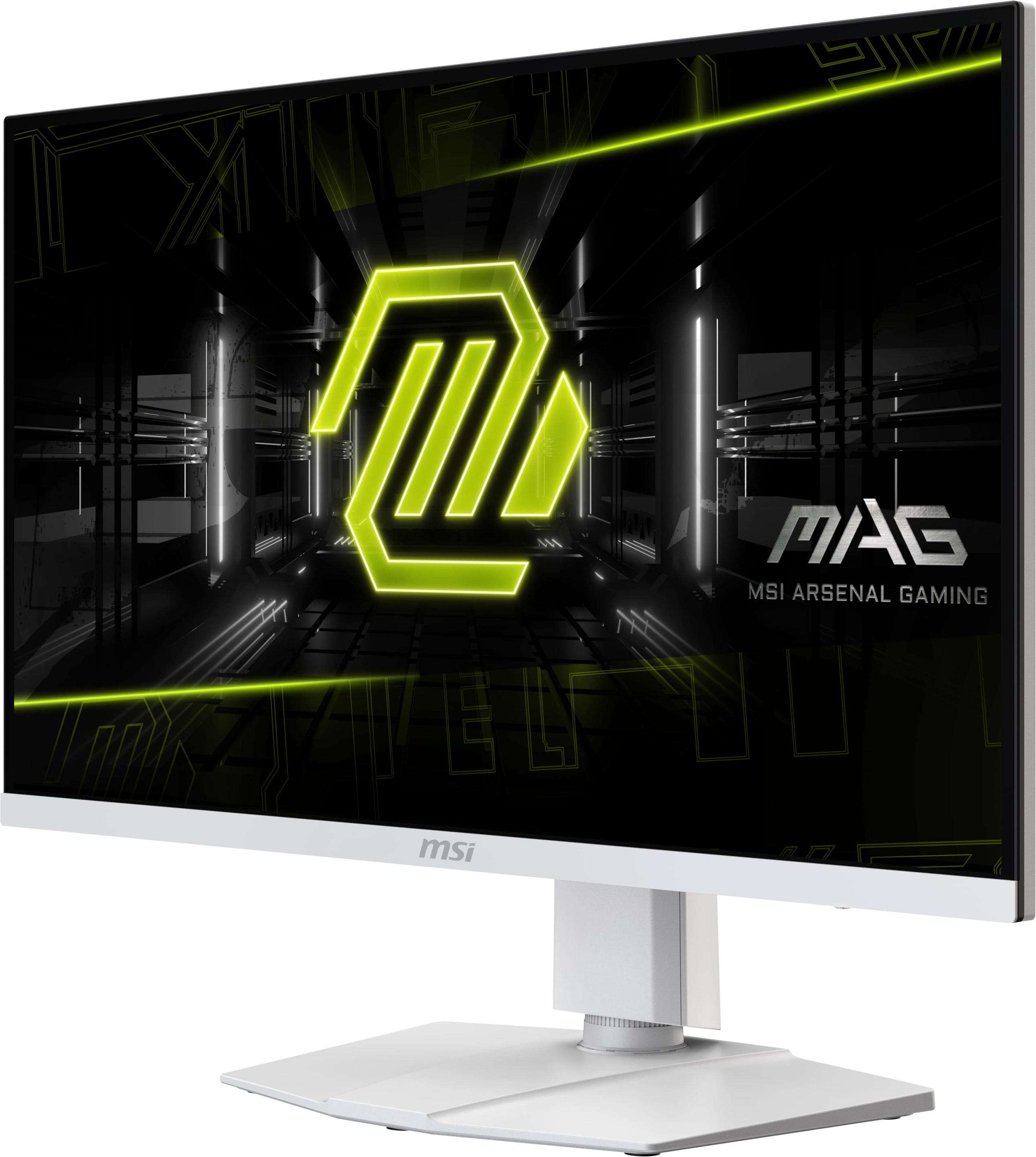
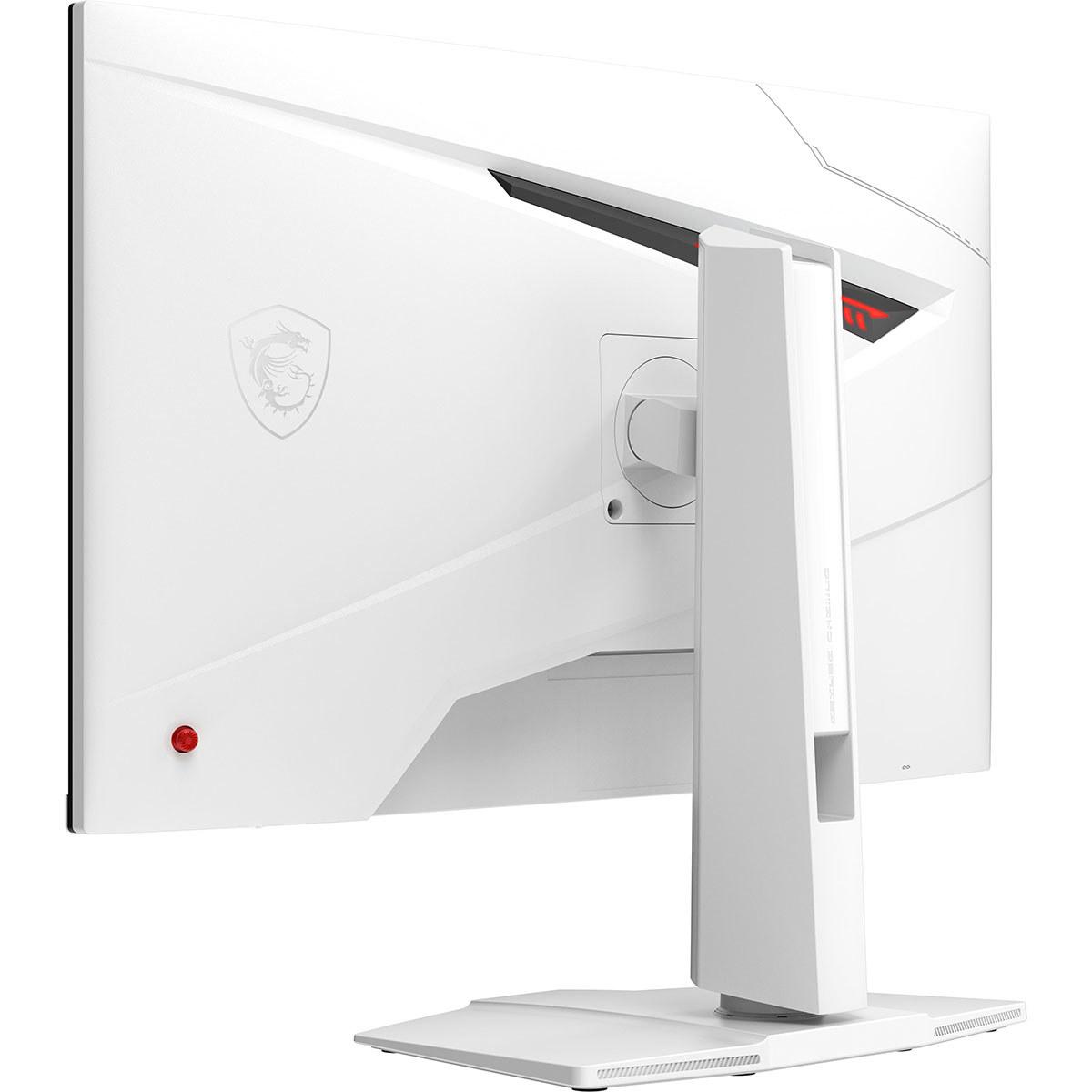
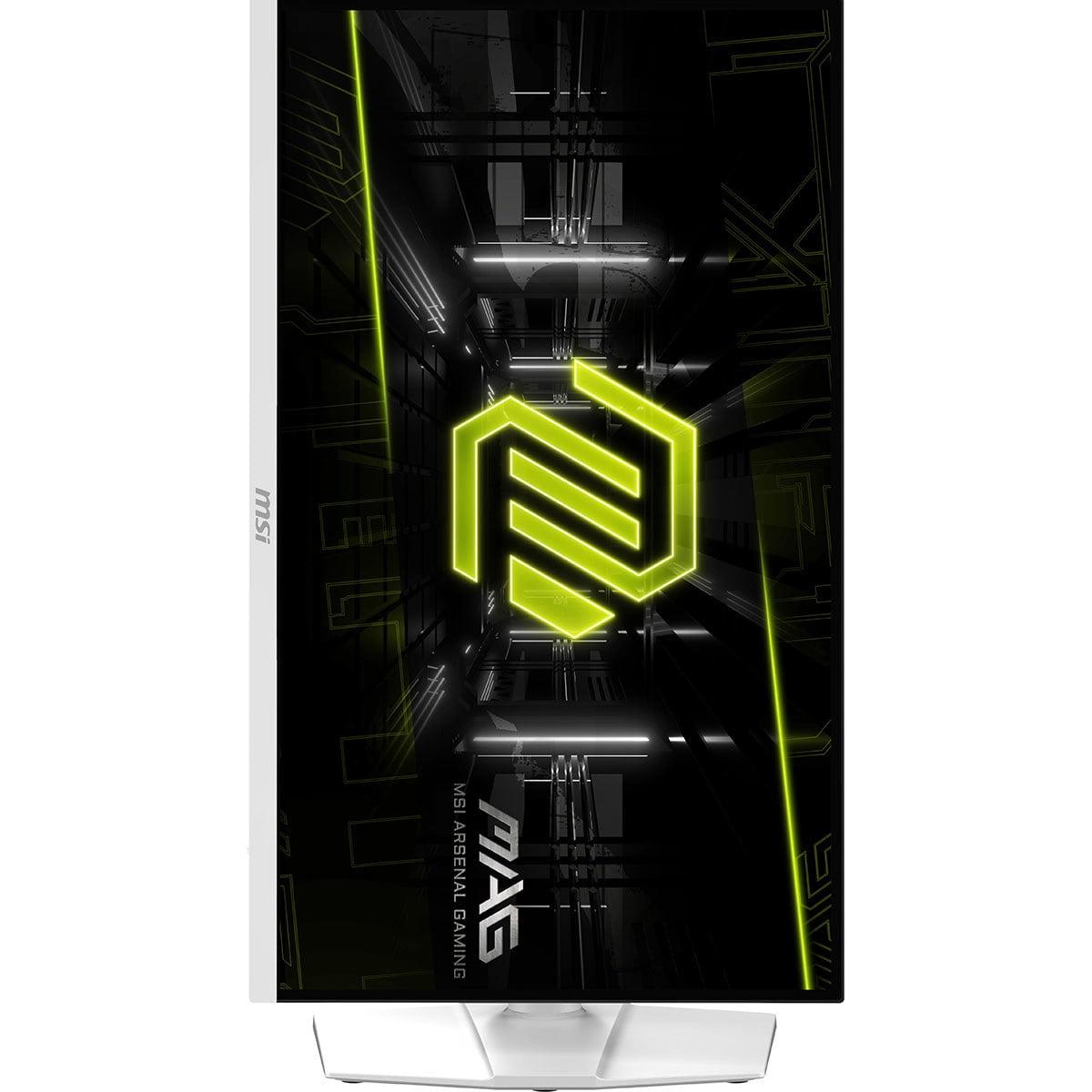
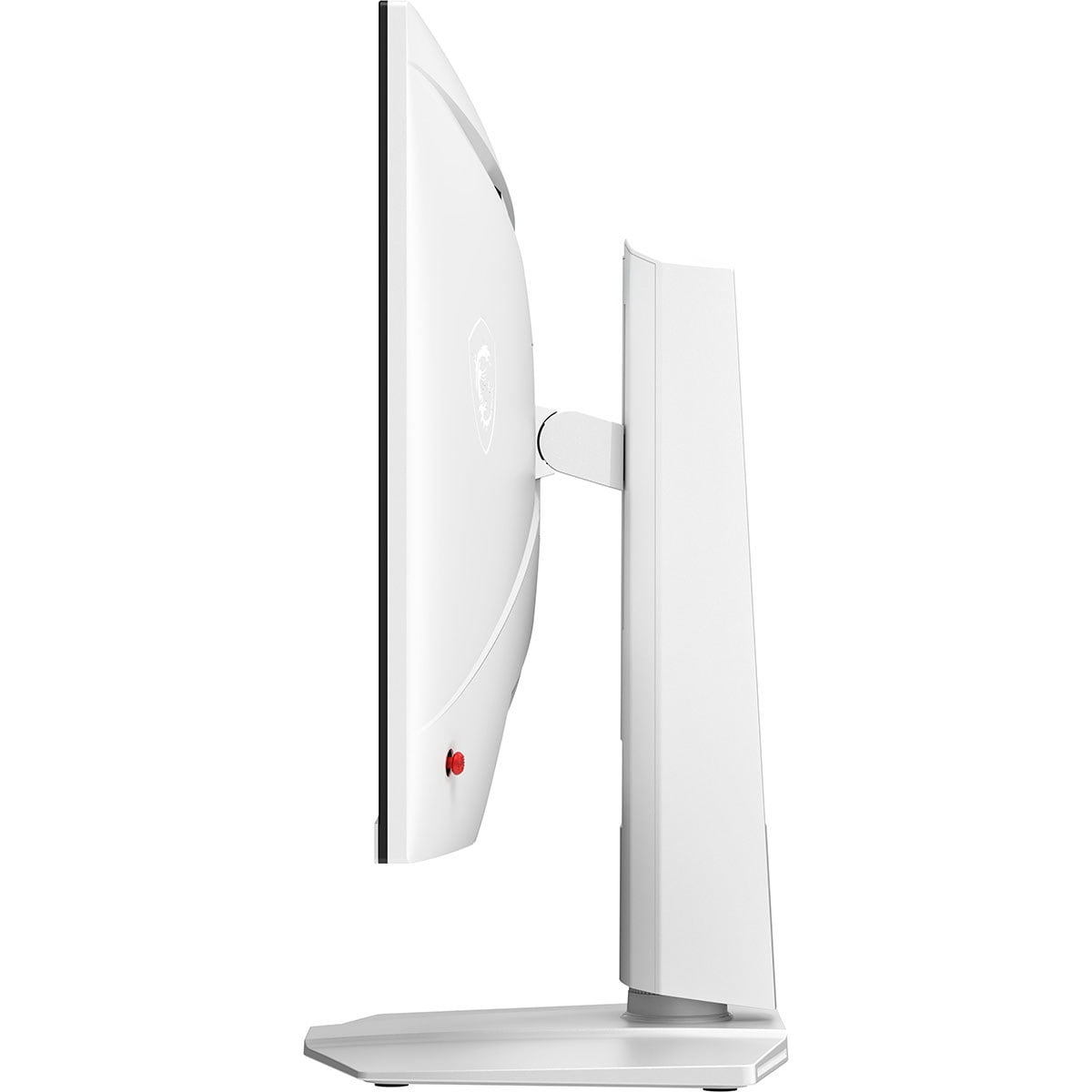
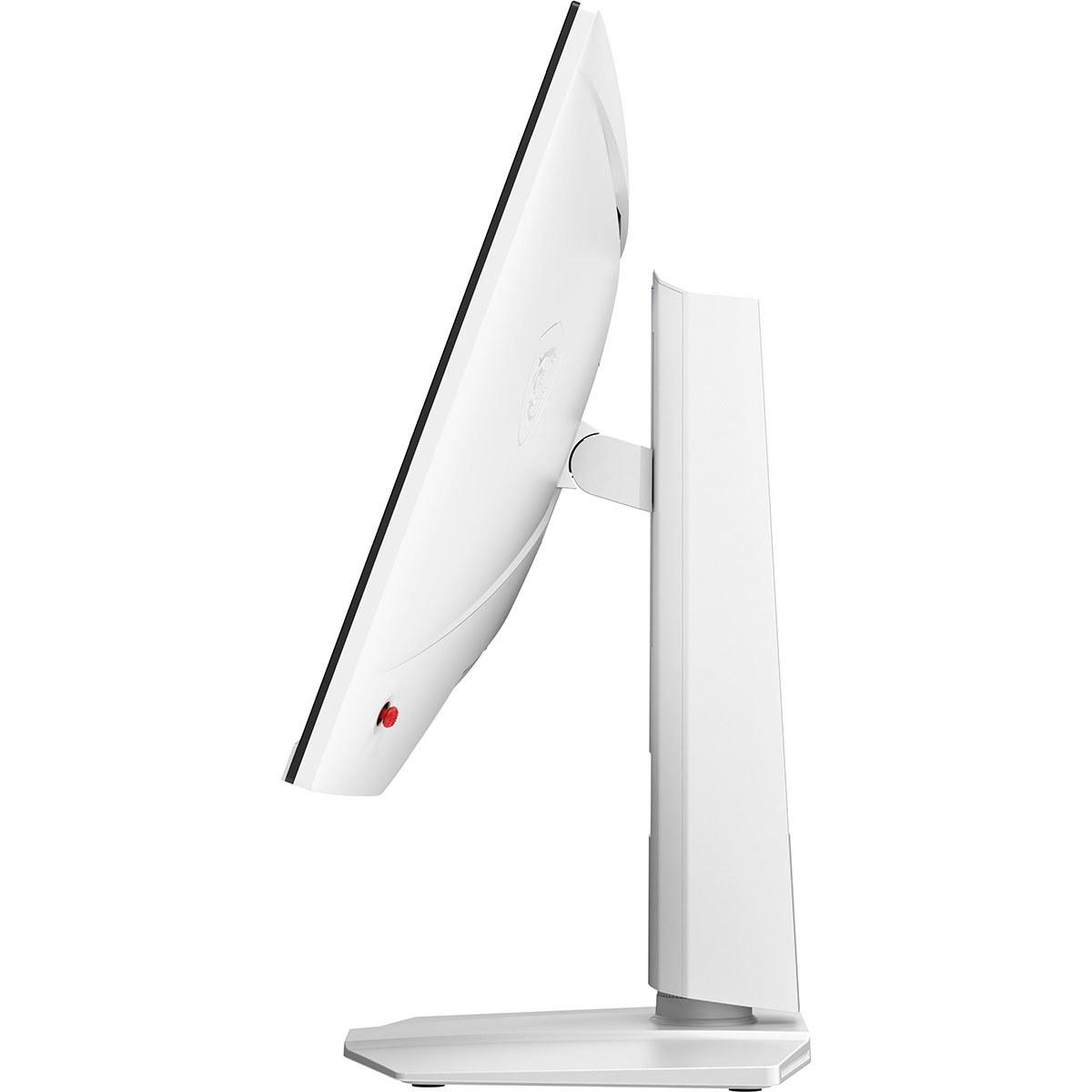
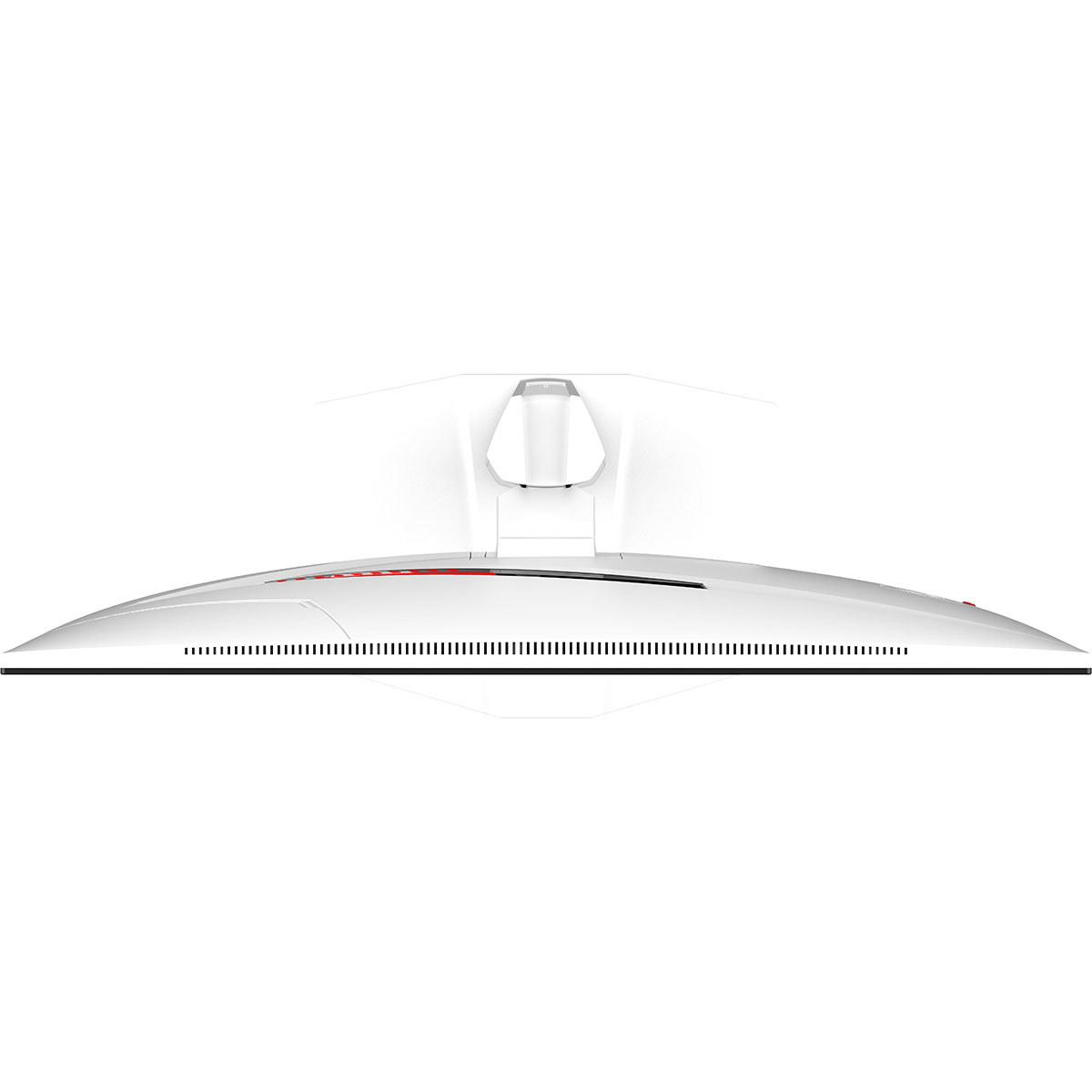
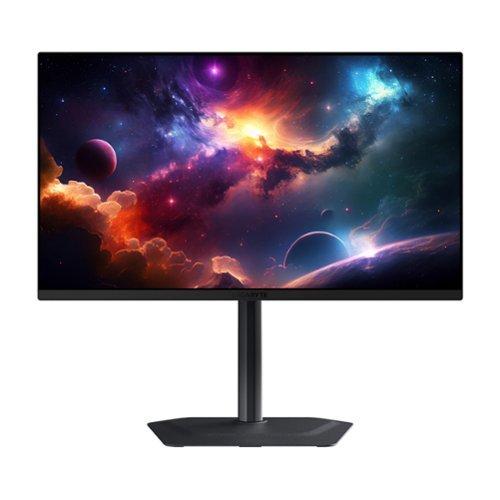
Gaming monitors have evolved dramatically over the past few years, transforming from simple displays into sophisticated gaming tools that can make or break your experience. Today, we're comparing two monitors that represent completely different philosophies in gaming display technology: the MSI MAG 274URFW, a 4K powerhouse that delivers incredible sharpness at an accessible price, and the GIGABYTE MO27Q2, which uses cutting-edge OLED technology to create the most vibrant gaming visuals you've ever seen.
These aren't just different brands competing in the same space—they represent two fundamentally different approaches to what makes a great gaming monitor. One prioritizes pixel-perfect clarity and value, while the other focuses on revolutionary display technology and competitive gaming performance.
Before diving into these specific monitors, it's worth understanding what separates gaming displays from regular monitors. Gaming monitors prioritize three key performance areas: refresh rate (how many times per second the screen updates), response time (how quickly pixels can change colors), and input lag (the delay between your controller input and what appears on screen).
Modern gaming monitors also need to handle multiple types of content well. You might be playing a fast-paced shooter one moment, enjoying a cinematic single-player game the next, and then streaming a movie afterward. The best monitors excel across all these scenarios while offering features that enhance your gaming experience.
Display technology has become increasingly important too. Traditional LCD panels with LED backlights dominated for years, but newer technologies like OLED (Organic Light-Emitting Diode) and QD-OLED (Quantum Dot OLED) are changing the game entirely. These self-emitting display technologies can turn individual pixels completely off, creating perfect blacks and incredible contrast that LCD simply cannot match.
The MSI MAG 274URFW, released in 2024, represents the "high resolution, high value" approach. It uses a proven IPS (In-Plane Switching) panel—a type of LCD technology known for consistent colors and wide viewing angles—to deliver 4K UHD resolution at 160Hz refresh rates. This monitor asks the question: "What if you could get future-proof 4K gaming without breaking the bank?"
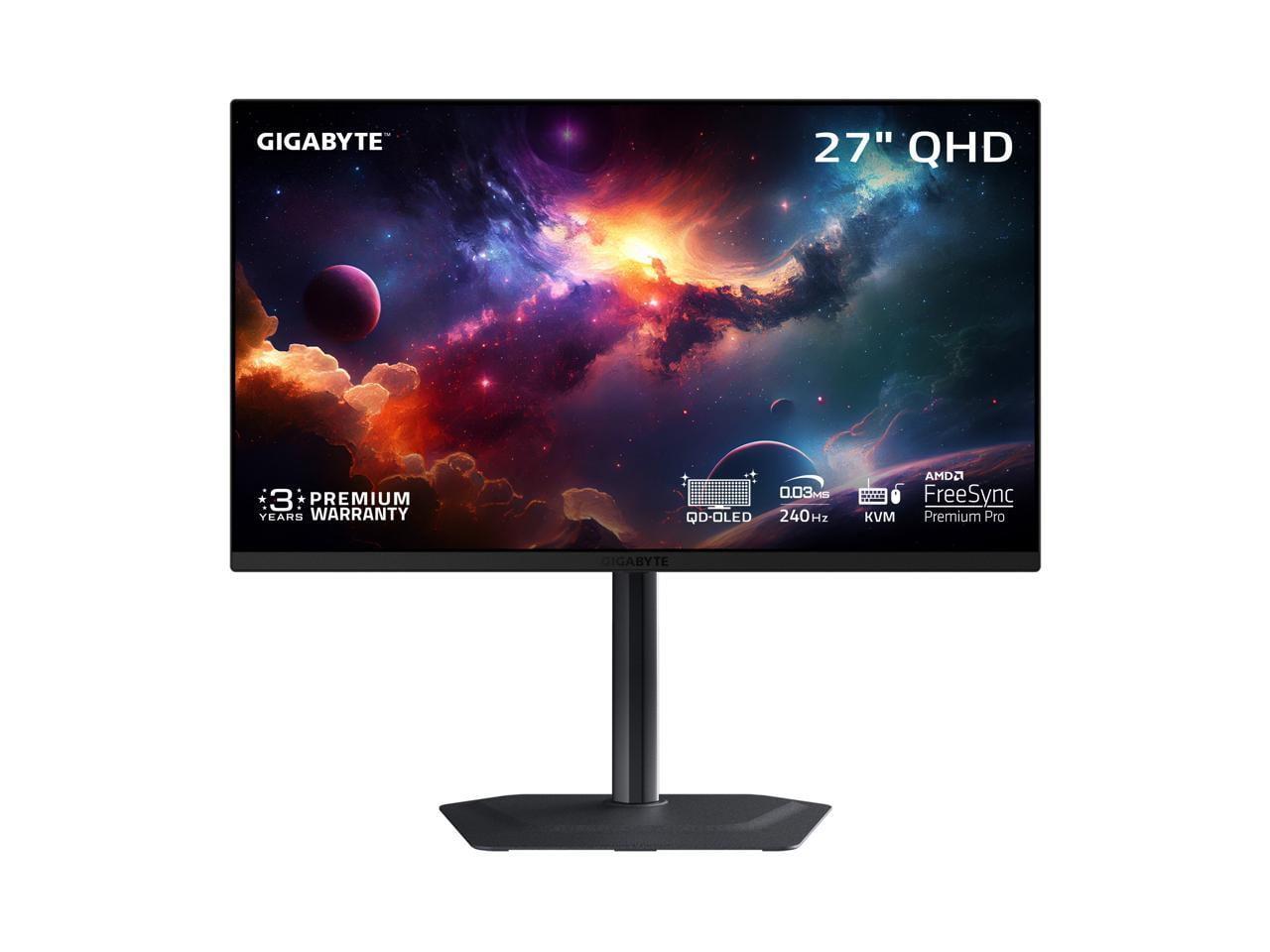
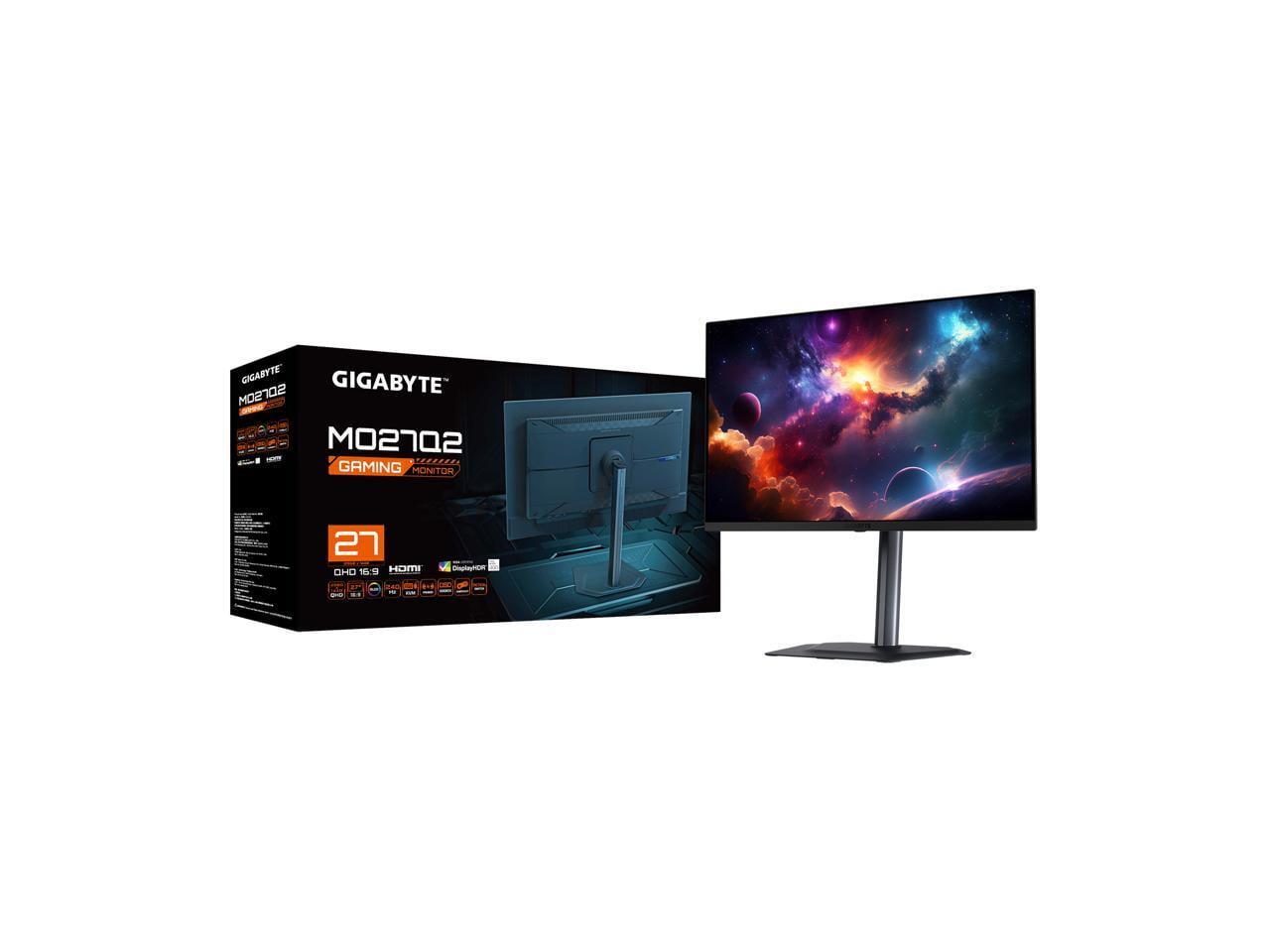
Meanwhile, the GIGABYTE MO27Q2, also arriving in 2024, takes a completely different approach with its QD-OLED panel. This technology combines quantum dots (tiny crystals that emit pure colors when hit with light) with OLED's perfect black levels. Instead of pushing resolution to the extreme, it focuses on delivering the most visually stunning gaming experience possible at 2560×1440 resolution with a blazing-fast 240Hz refresh rate.
Here's where these monitors diverge most dramatically. The MSI MAG 274URFW delivers 4K UHD resolution—that's 3840×2160 pixels, or about 8.3 million individual dots of light creating your image. On a 27-inch screen, this works out to 163 pixels per inch (PPI), making text incredibly sharp and game details remarkably clear.
I've spent considerable time with 4K gaming monitors, and the difference is immediately noticeable. In games like Cyberpunk 2077 or Red Dead Redemption 2, you can make out fine details in distant buildings, read small text without squinting, and appreciate the full artistic vision of game developers. The extra resolution also makes the monitor excellent for productivity work—you can fit more content on screen, and everything looks crisp and professional.
The GIGABYTE MO27Q2 takes a different approach with its 2560×1440 QHD resolution, delivering about 109 PPI. While this might sound like a step backward, there's strategic thinking here. QHD resolution offers an excellent balance between sharpness and performance. Your graphics card doesn't have to work as hard to push high frame rates, meaning you can actually take advantage of that 240Hz refresh rate even with mid-range hardware.
The resolution difference becomes most apparent when doing productivity tasks. The 4K MSI monitor gives you significantly more screen real estate—you can have multiple windows open comfortably, and text remains sharp even when scaled down. However, for pure gaming, especially competitive titles where frame rate matters more than pixel-perfect detail, the QHD resolution of the GIGABYTE might actually be preferable.
This is where things get really interesting. The MSI MAG 274URFW uses a Rapid IPS panel, which is an evolution of traditional IPS technology optimized for faster response times. IPS panels work by twisting liquid crystals between two polarized layers, with LED backlights providing illumination. The result is consistent colors across the entire screen and excellent viewing angles, but contrast is limited because the backlight is always on—blacks appear more like dark gray.
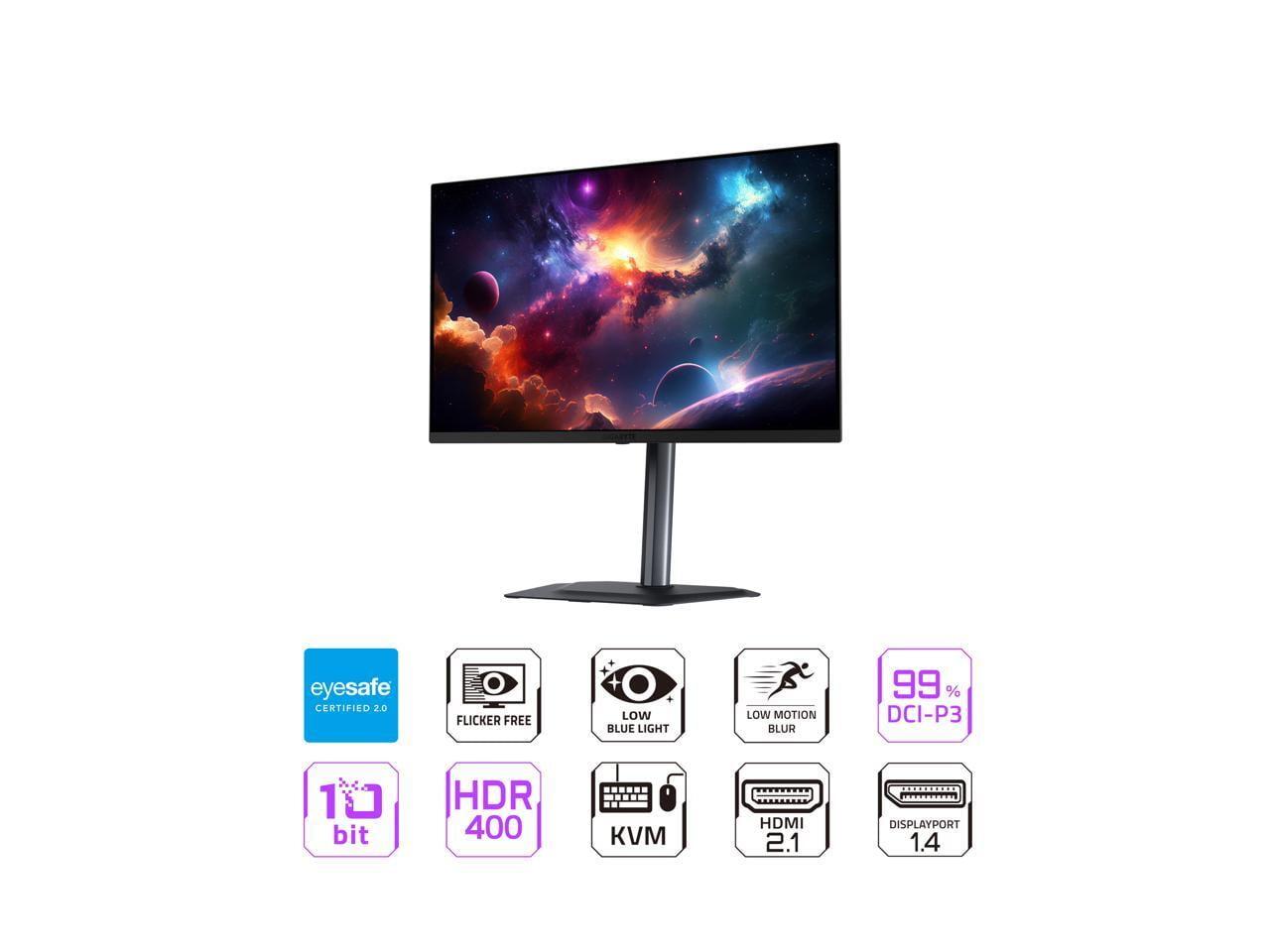
The GIGABYTE MO27Q2 uses QD-OLED technology, which is genuinely revolutionary. Instead of a backlight, each pixel produces its own light. When a pixel needs to be black, it simply turns off completely, creating perfect darkness. Quantum dots then convert blue OLED light into pure red and green colors, resulting in a color gamut that covers 99% of the DCI-P3 color space (the standard used in movie theaters).
Having used both technologies extensively, the difference is striking. The OLED monitor produces colors that seem to glow from within the screen. HDR content looks genuinely impressive, with bright explosions that pop against inky black space backgrounds. The contrast ratio of 1.5 million to 1 isn't just a specification—it's something you see and feel when gaming.
However, OLED technology comes with trade-offs. The GIGABYTE monitor typically operates at around 250 nits brightness in normal use, while the MSI display can sustain 400 nits. In bright rooms with lots of ambient light, the IPS panel maintains better visibility and doesn't suffer from the reflections that can affect OLED's glossy surface.
Both monitors excel at gaming but in different ways. The MSI MAG 274URFW offers a 160Hz refresh rate with 0.5ms response time. This means the screen updates 160 times per second, and pixels can change colors in half a millisecond. For most gamers, including competitive players, this provides incredibly smooth motion with minimal ghosting or blur.
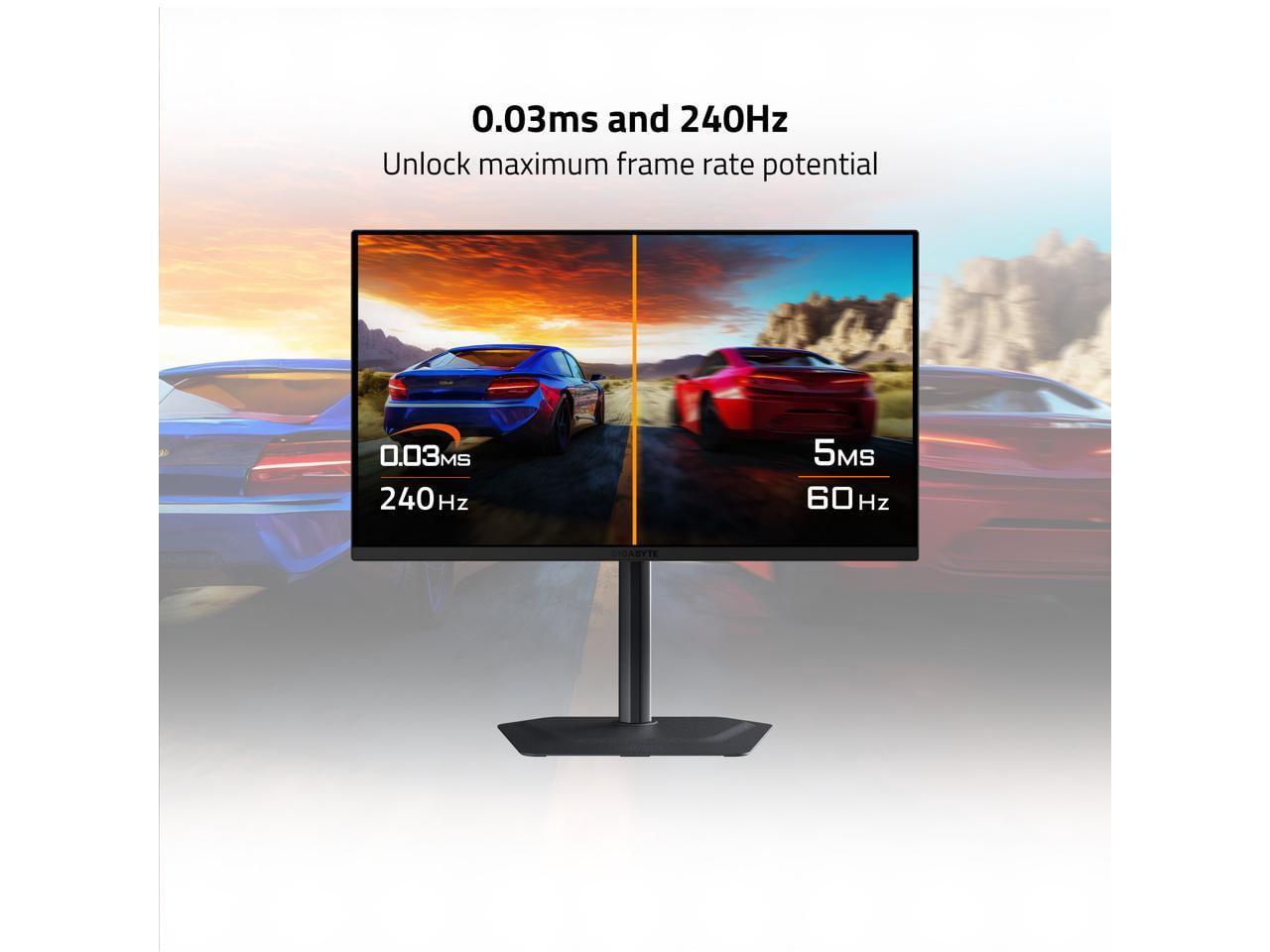
The GIGABYTE MO27Q2 pushes even further with 240Hz refresh rate and an almost impossible-to-believe 0.03ms response time. The higher refresh rate means potentially smoother motion in fast-paced games, while the OLED technology's near-instantaneous pixel response eliminates virtually all motion blur. When playing games like Counter-Strike 2 or Valorant, the difference in motion clarity is noticeable, especially when tracking fast-moving targets.
However, there's a practical consideration here. To fully utilize 240Hz, you need to maintain 240 frames per second in games. At 4K resolution, even high-end graphics cards struggle to reach these frame rates in demanding titles. The MSI monitor's 4K resolution paired with 160Hz creates a scenario where you're more likely to be GPU-limited than refresh-limited.
The GIGABYTE monitor's QHD resolution makes those high frame rates much more achievable. A mid-range graphics card like an RTX 4070 can easily push 240fps in competitive games at 1440p, but would struggle to maintain even 100fps at 4K in the same titles.
Both monitors support adaptive sync technologies—AMD FreeSync and NVIDIA G-SYNC compatibility—which synchronize the display's refresh rate with your graphics card's output. This eliminates screen tearing (when parts of different frames appear simultaneously) and reduces stuttering when frame rates fluctuate.
HDR (High Dynamic Range) represents one of the most significant advances in display technology in recent years. It allows displays to show brighter whites, darker blacks, and more vivid colors than standard dynamic range content. However, not all HDR implementations are equal.
The MSI MAG 274URFW features VESA DisplayHDR 400 certification, meaning it can produce at least 400 nits of peak brightness and covers specific color gamut requirements. With its IPS panel covering 98% of DCI-P3 and 133% of sRGB color spaces, it delivers accurate, vibrant colors suitable for both gaming and content creation. The higher sustained brightness helps HDR content look more impactful in bright scenes, though dark scene performance is limited by the IPS panel's contrast ratio.
The GIGABYTE MO27Q2 carries VESA DisplayHDR True Black 400 certification—the "True Black" designation is crucial. This certification requires displays to produce true black levels (less than 0.0005 nits), which only OLED technology can achieve. While its peak brightness is lower than the MSI monitor, the perfect blacks create a perceived contrast that makes HDR content more dramatic and immersive.
In practice, HDR gaming on the OLED monitor feels more cinematic. Games like The Witcher 3 or Horizon Zero Dawn showcase stunning sunsets against perfectly black shadows, while bright magical effects seem to float above the screen surface. The IPS monitor provides more consistent brightness across all content types but can't match the dramatic contrast that makes HDR truly special.
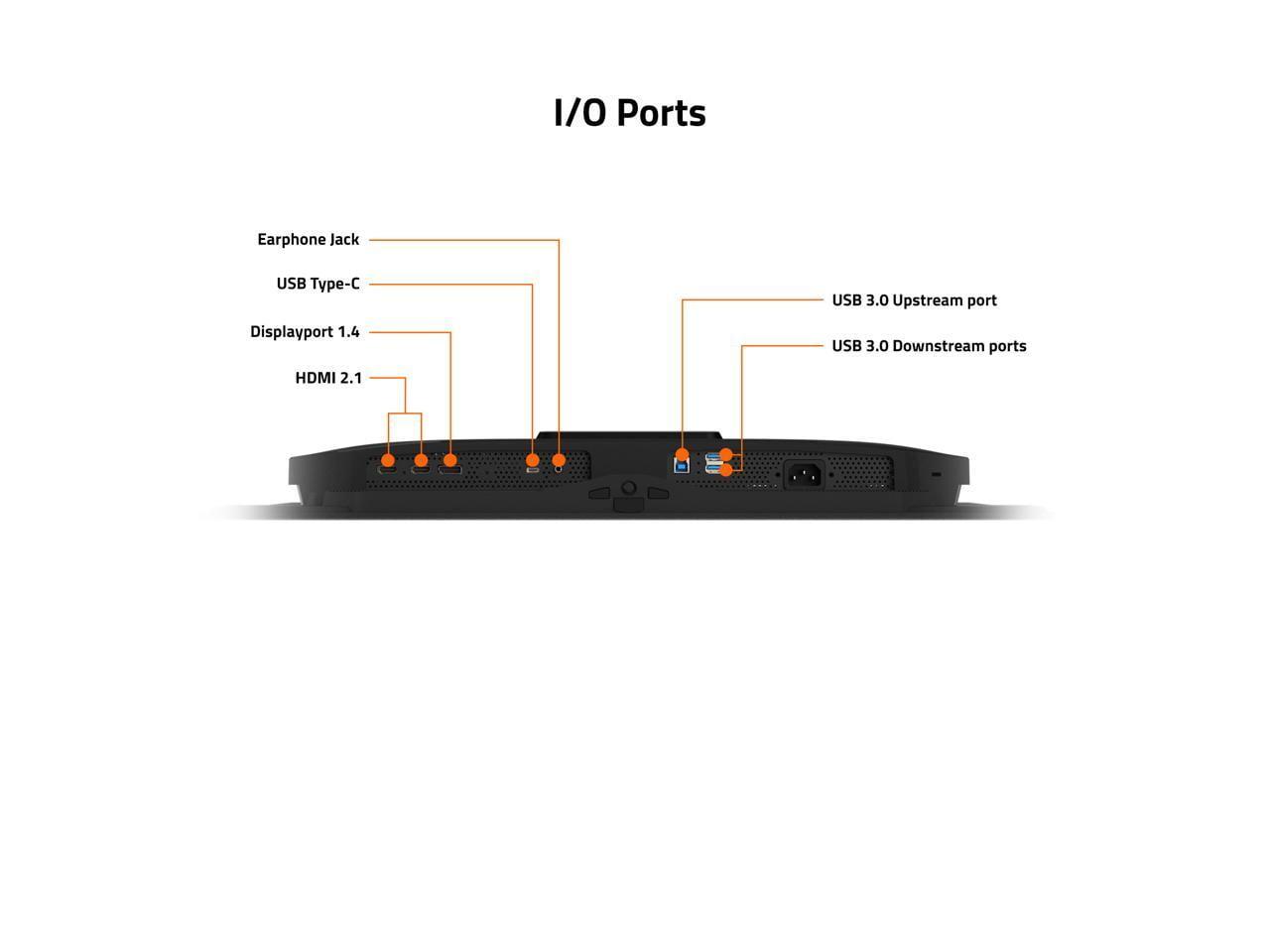
Both monitors arrived in 2024 with comprehensive connectivity reflecting modern gaming needs. Each includes multiple HDMI 2.1 ports, which are essential for next-generation console gaming. HDMI 2.1 provides enough bandwidth for 4K gaming at 120Hz on PlayStation 5 and Xbox Series X, representing a significant upgrade from the HDMI 2.0 ports that limited earlier monitors.
The MSI MAG 274URFW includes gaming-focused features like AI Vision, which uses artificial intelligence to enhance visibility in dark game areas by selectively brightening shadows while maintaining overall image quality. Smart Crosshair overlays customizable crosshairs for games that don't include them, while Optix Scope provides zoom functionality for precision aiming.
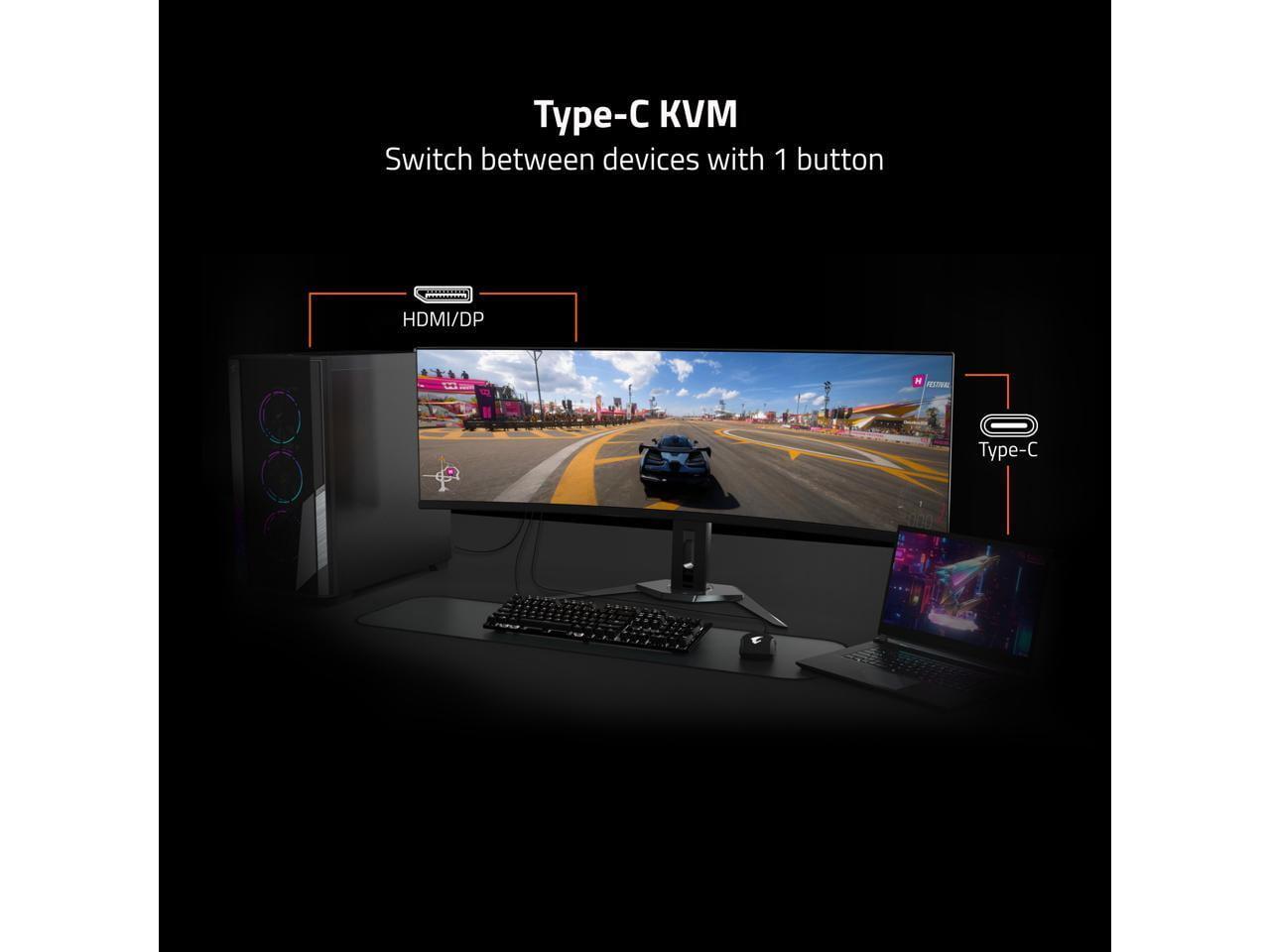
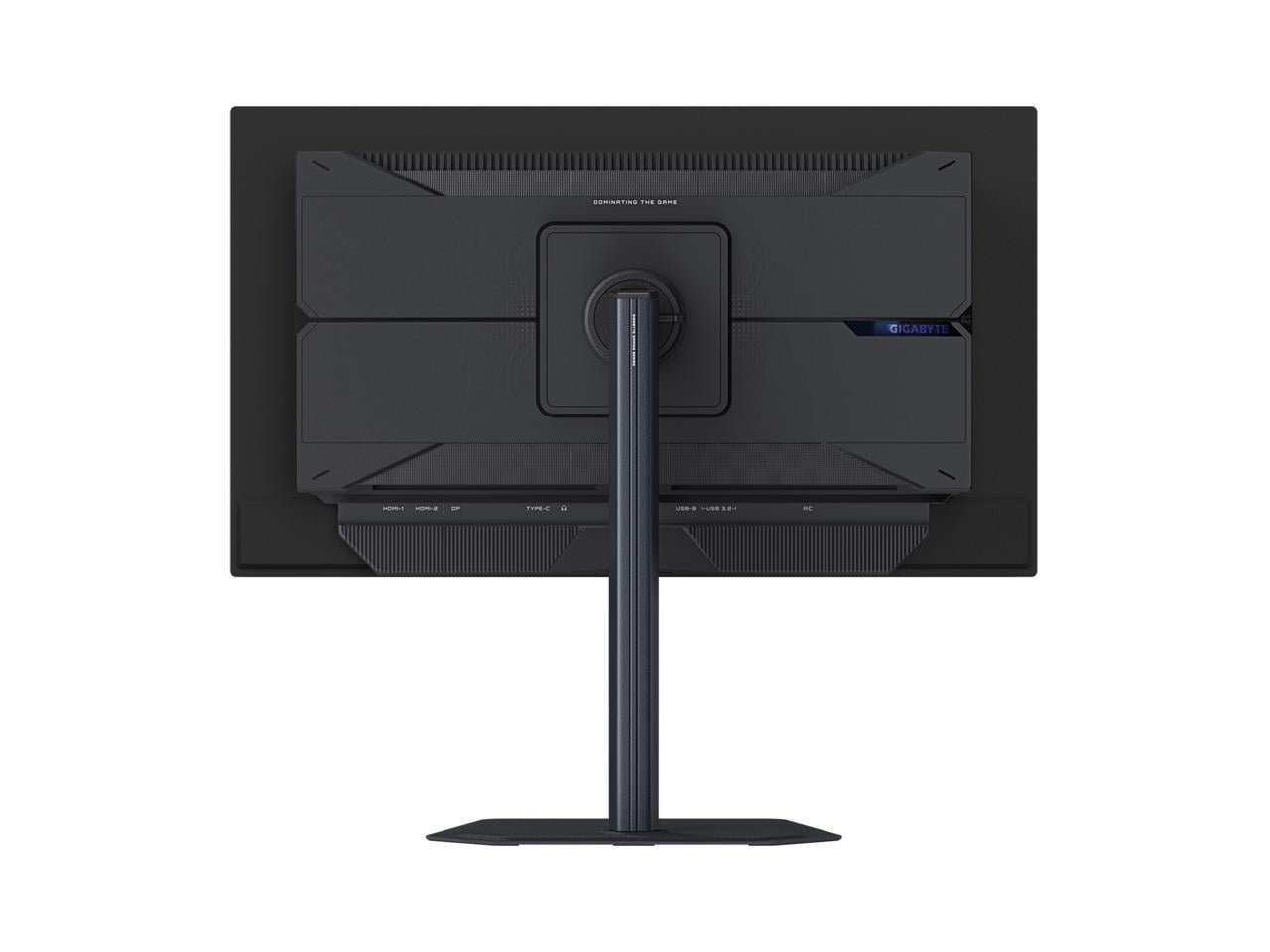
The GIGABYTE MO27Q2 offers unique features leveraging its OLED technology. The Tactical Switch is particularly interesting—it's a physical button that instantly switches between the full 27-inch display and a centered 24-inch area, mimicking the screen size many competitive gamers prefer. The monitor also includes KVM (Keyboard, Video, Mouse) functionality, allowing you to control multiple connected devices with a single keyboard and mouse setup.
Both monitors support Auto Low Latency Mode (ALLM) and Variable Refresh Rate (VRR) for console gaming, ensuring optimal performance whether you're gaming on PC or console.
At the time of writing, these monitors occupy different price tiers, reflecting their distinct approaches to gaming display technology. The MSI MAG 274URFW positions itself as a high-value 4K option, offering future-proof resolution and solid gaming performance at a competitive price point. You're getting a lot of monitor for your money—4K resolution, 160Hz refresh rate, HDR support, and comprehensive connectivity.
The GIGABYTE MO27Q2 commands a premium price that reflects its cutting-edge OLED technology. While more expensive, it delivers a visual experience that's genuinely different from traditional LCD monitors. The question becomes whether that experience justifies the additional cost for your specific gaming needs and budget.
Both monitors can serve double duty in home theater setups, but they excel in different scenarios. The MSI monitor's 4K resolution makes it excellent for watching movies and streaming content at their native resolution. The higher brightness also helps in living rooms with ambient lighting, and the lack of burn-in concerns means you can leave static content on screen without worry.
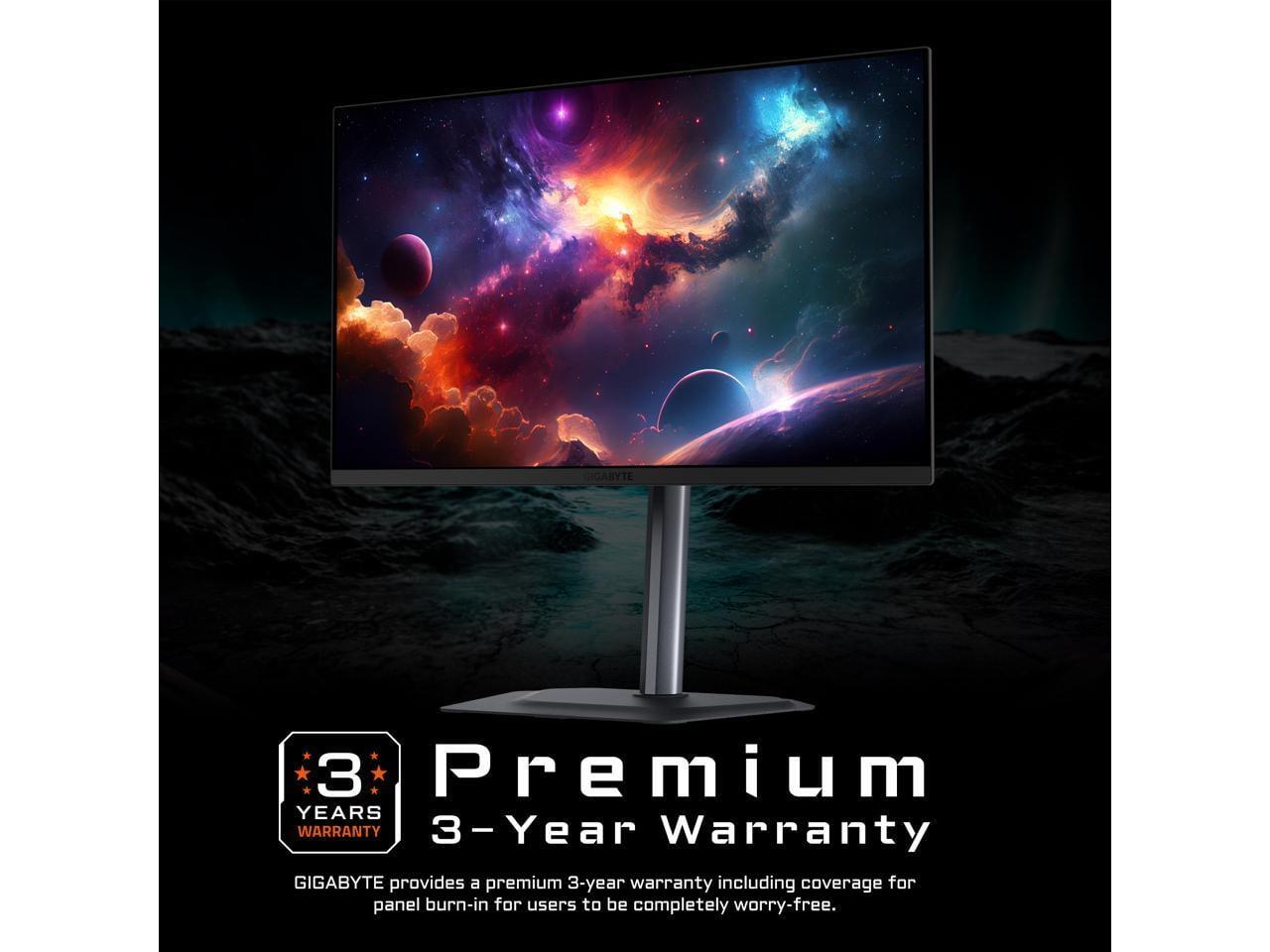
The GIGABYTE MO27Q2 provides a more cinematic viewing experience thanks to its perfect blacks and vibrant colors, especially in darker rooms. However, its lower brightness and potential for burn-in (though protected by AI-based care features and warranty coverage) make it better suited for dedicated gaming areas rather than mixed-use living spaces.
After extensive experience with both types of technology, here's my take on who should choose which monitor.
Choose the MSI MAG 274URFW if you want the sharpest possible gaming experience and excellent value. This monitor makes sense for gamers who play a variety of titles, do productivity work alongside gaming, or want future-proof 4K resolution without paying premium prices. It's particularly appealing if you have a bright gaming setup or want a worry-free ownership experience.
The 4K resolution really shines in single-player games where you can appreciate fine details and don't necessarily need the highest frame rates. Games like Microsoft Flight Simulator, Assassin's Creed, or any beautifully crafted open-world title benefit enormously from the extra pixel density.
Choose the GIGABYTE MO27Q2 if visual quality is your top priority and you're willing to pay for cutting-edge technology. This monitor makes the most sense for competitive gamers who need maximum refresh rates, enthusiasts who want the best possible image quality, or anyone gaming primarily in darker environments where OLED technology can truly shine.
The OLED technology creates gaming experiences that feel more immersive and cinematic. Horror games become genuinely creepier with perfect blacks, while colorful games like Ori and the Will of the Wisps or Gris look absolutely stunning with the enhanced color gamut.
Ultimately, both monitors represent excellent choices within their respective philosophies. The MSI MAG 274URFW delivers exceptional value with future-proof 4K gaming, while the GIGABYTE MO27Q2 provides a premium experience that showcases what's possible with modern display technology. Your choice depends on whether you prioritize resolution and value or cutting-edge visual quality and competitive gaming performance.
| MSI MAG 274URFW | GIGABYTE MO27Q2 |
|---|---|
| Display Technology - Fundamentally different approaches to image quality | |
| Rapid IPS panel with LED backlight | Samsung QD-OLED with self-emitting pixels |
| Resolution - Higher resolution means sharper text and game details | |
| 4K UHD (3840×2160) - 163 PPI | QHD (2560×1440) - 109 PPI |
| Refresh Rate - Higher rates provide smoother motion in fast games | |
| 160Hz (excellent for most gaming) | 240Hz (ideal for competitive esports) |
| Response Time - Lower numbers reduce motion blur and ghosting | |
| 0.5ms GTG (very fast for IPS) | 0.03ms GTG (virtually instantaneous) |
| Contrast Ratio - Higher ratios create more dramatic image depth | |
| 1,000:1 (typical for IPS panels) | 1,500,000:1 (perfect blacks with OLED) |
| Peak Brightness - Higher brightness better for bright rooms and HDR | |
| 400 nits sustained (excellent visibility) | 250 nits typical, 1000 nits peak (dimmer overall) |
| Color Coverage - Wider gamuts display more vivid, accurate colors | |
| 98% DCI-P3, 133% sRGB | 99% DCI-P3 with quantum dot enhancement |
| HDR Certification - Better HDR creates more immersive gaming | |
| VESA DisplayHDR 400 | VESA DisplayHDR True Black 400 |
| Screen Surface - Affects reflection handling and color vibrancy | |
| Matte anti-glare coating | Glossy with anti-reflective treatment |
| Connectivity - HDMI 2.1 essential for console gaming at high refresh rates | |
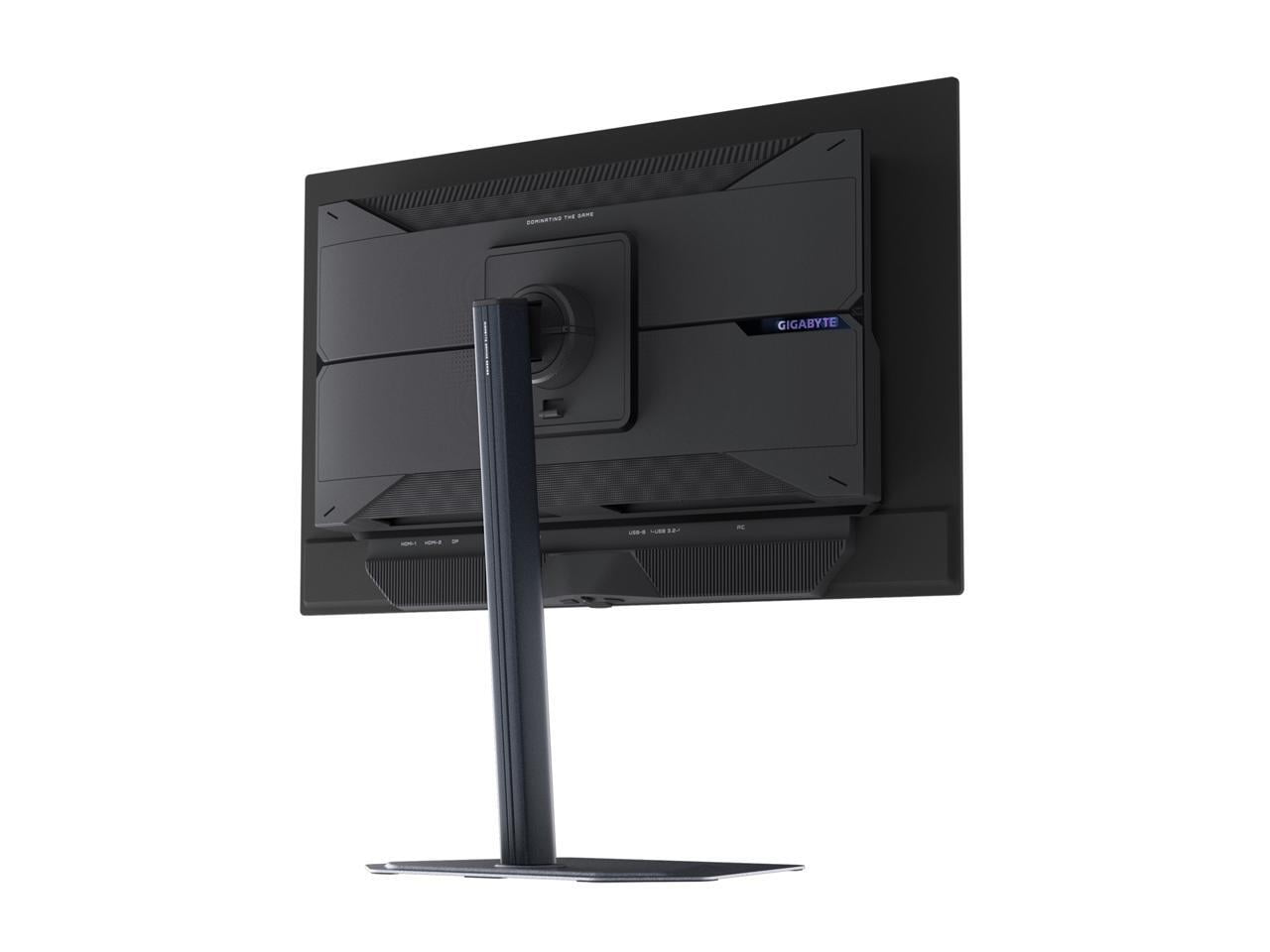
| 2× HDMI 2.1, 1× DisplayPort 1.4a, USB-C | 2× HDMI 2.1, 1× DisplayPort 1.4, USB-C with KVM |
| Gaming Features - Specialized tools for competitive advantage | |
| AI Vision, Smart Crosshair, Optix Scope | Tactical Switch, KVM functionality, built-in speakers |
| Burn-in Risk - OLED panels can develop permanent image retention | |
| No burn-in risk (LCD technology) | Potential burn-in with AI protection and 3-year warranty coverage |
| Power Consumption - Lower usage reduces electricity costs | |
| 65W operating | 41W operating (more efficient OLED) |
| Target Use Case - Different strengths for different gaming styles | |
| 4K gaming, productivity, bright rooms | Competitive gaming, dark rooms, premium visuals |
The MSI MAG 274URFW is specifically designed for 4K gaming with its native 3840×2160 resolution and 160Hz refresh rate. It delivers sharp, detailed visuals that showcase modern games at their highest resolution. The GIGABYTE MO27Q2 uses 2560×1440 resolution, which means it would need to upscale 4K content. For true 4K gaming experience, the MSI MAG 274URFW is the clear winner.
The MSI MAG 274URFW uses IPS (In-Plane Switching) technology with LED backlighting, providing consistent colors and no burn-in risk. The GIGABYTE MO27Q2 features QD-OLED technology where each pixel emits its own light, creating perfect blacks and superior contrast. OLED offers better image quality but comes with potential burn-in concerns, while IPS provides reliability and brightness.
The GIGABYTE MO27Q2 offers a 240Hz refresh rate compared to the MSI MAG 274URFW's 160Hz. Higher refresh rates provide smoother motion and can give competitive gamers an edge in fast-paced esports titles. However, both refresh rates are excellent for gaming, and the difference mainly matters for serious competitive players who can maintain high frame rates.
Both the MSI MAG 274URFW and GIGABYTE MO27Q2 support HDMI 2.1, making them excellent for PlayStation 5 and Xbox Series X gaming. The MSI monitor can display native 4K at 120Hz from consoles, while the GIGABYTE monitor offers superior color and contrast quality with 1440p gaming at high refresh rates.
The MSI MAG 274URFW performs better in bright environments with its 400 nits peak brightness and matte anti-glare coating. The GIGABYTE MO27Q2 typically operates around 250 nits with a glossy surface that can show reflections. For gaming setups with lots of ambient light, the MSI MAG 274URFW maintains better visibility and reduces glare.
Both monitors support HDR but with different approaches. The MSI MAG 274URFW features VESA DisplayHDR 400 certification with higher sustained brightness for bright HDR scenes. The GIGABYTE MO27Q2 has DisplayHDR True Black 400, offering perfect blacks and superior dark scene performance. The OLED monitor provides a more cinematic HDR experience overall.
Value depends on your priorities. The MSI MAG 274URFW typically offers better price-to-resolution ratio with 4K gaming at a competitive price point. The GIGABYTE MO27Q2 commands a premium for its advanced OLED technology and superior image quality. Budget-conscious gamers seeking 4K resolution should consider the MSI monitor.
The GIGABYTE MO27Q2 excels with an ultra-fast 0.03ms response time thanks to OLED technology, virtually eliminating motion blur. The MSI MAG 274URFW offers 0.5ms response time, which is still excellent for gaming. Both monitors provide minimal input lag, but the GIGABYTE monitor has a slight advantage for competitive gaming where every millisecond matters.
The MSI MAG 274URFW is better suited for productivity work due to its 4K resolution providing more screen real estate and sharper text. It covers 98% DCI-P3 and 133% sRGB color spaces with no burn-in concerns for static UI elements. The GIGABYTE MO27Q2 offers superior color accuracy but the lower resolution and potential burn-in make it less ideal for extended productivity work.
Both monitors offer excellent color performance. The MSI MAG 274URFW covers 98% DCI-P3 and 133% sRGB with consistent accuracy across the panel. The GIGABYTE MO27Q2 covers 99% DCI-P3 with quantum dot enhancement, providing more saturated and vibrant colors. For color-critical work, both are capable, but the GIGABYTE monitor offers more vivid gaming visuals.
Both the MSI MAG 274URFW and GIGABYTE MO27Q2 feature comprehensive connectivity including multiple HDMI 2.1 ports, DisplayPort, and USB-C with power delivery. The GIGABYTE monitor adds KVM functionality for controlling multiple devices with one keyboard and mouse, plus built-in speakers. Both offer excellent compatibility with modern gaming systems and laptops.
The MSI MAG 274URFW uses proven IPS technology with no burn-in risk, making it ideal for worry-free long-term use. The GIGABYTE MO27Q2 includes AI-based OLED care features and comes with a 3-year warranty covering burn-in, but OLED panels can potentially develop image retention over time with static content. For maximum longevity without concerns, the MSI MAG 274URFW has an advantage.
We've done our best to create useful and informative comparisons to help you decide what product to buy. Our research uses advanced automated methods to create this comparison and perfection is not possible - please contact us for corrections or questions. These are the sites we've researched in the creation of this article: youtube.com - bestbuy.com - rtings.com - youtube.com - guru3d.com - youtube.com - newegg.com - bhphotovideo.com - bestbuy.com - storage-asset.msi.com - shi.com - neweggbusiness.com - files.bbystatic.com - us-store.msi.com - msi.com - storage-asset.msi.com - storage-asset.msi.com - gigabyte.com - youtube.com - newegg.com - mezha.media - tech-critter.com - gigabyte.com - forum.pcmonitors.info - techspot.com - aorus.com - saltynewsnetwork.com - infiniarc.com - gigabyte.com - bestbuy.com - youtube.com - gigabyte.com - gigabyte.com - displayspecifications.com - aorus.com - gigabyte.com - gigabyte.com

Privacy Policy
Terms and Conditions - Affiliate Policy
Home Security
© Copyright 2008-2026.
11816 Inwood Rd #1211, Dallas, TX 75244