



When I first started testing 4K gaming monitors seriously in 2023, the landscape felt pretty straightforward. You had expensive OLED panels that looked incredible but cost a fortune, and more affordable LCD options that got the job done without breaking the bank. Fast forward to 2024, and we're seeing some fascinating developments that have really shaken up the market.
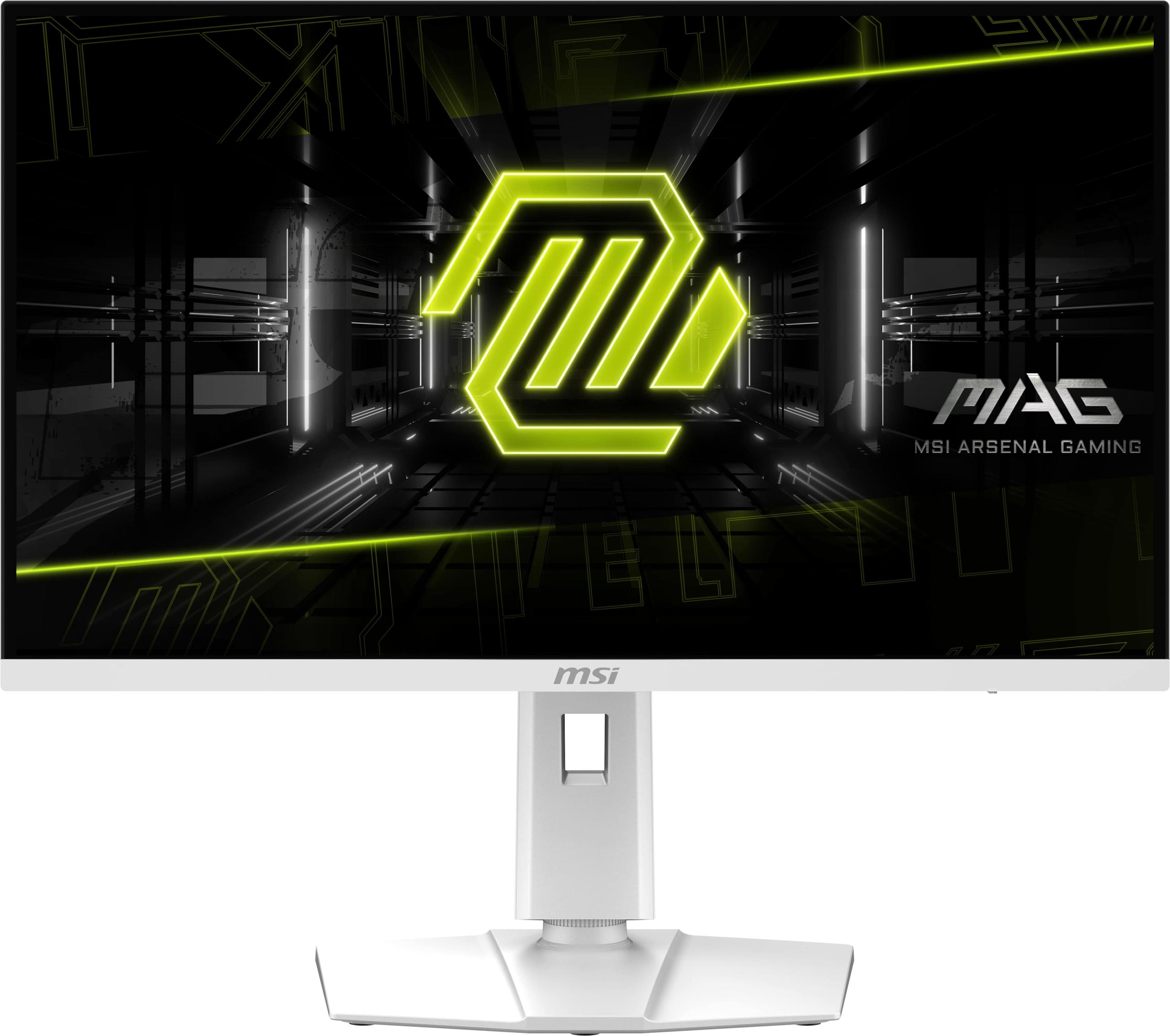
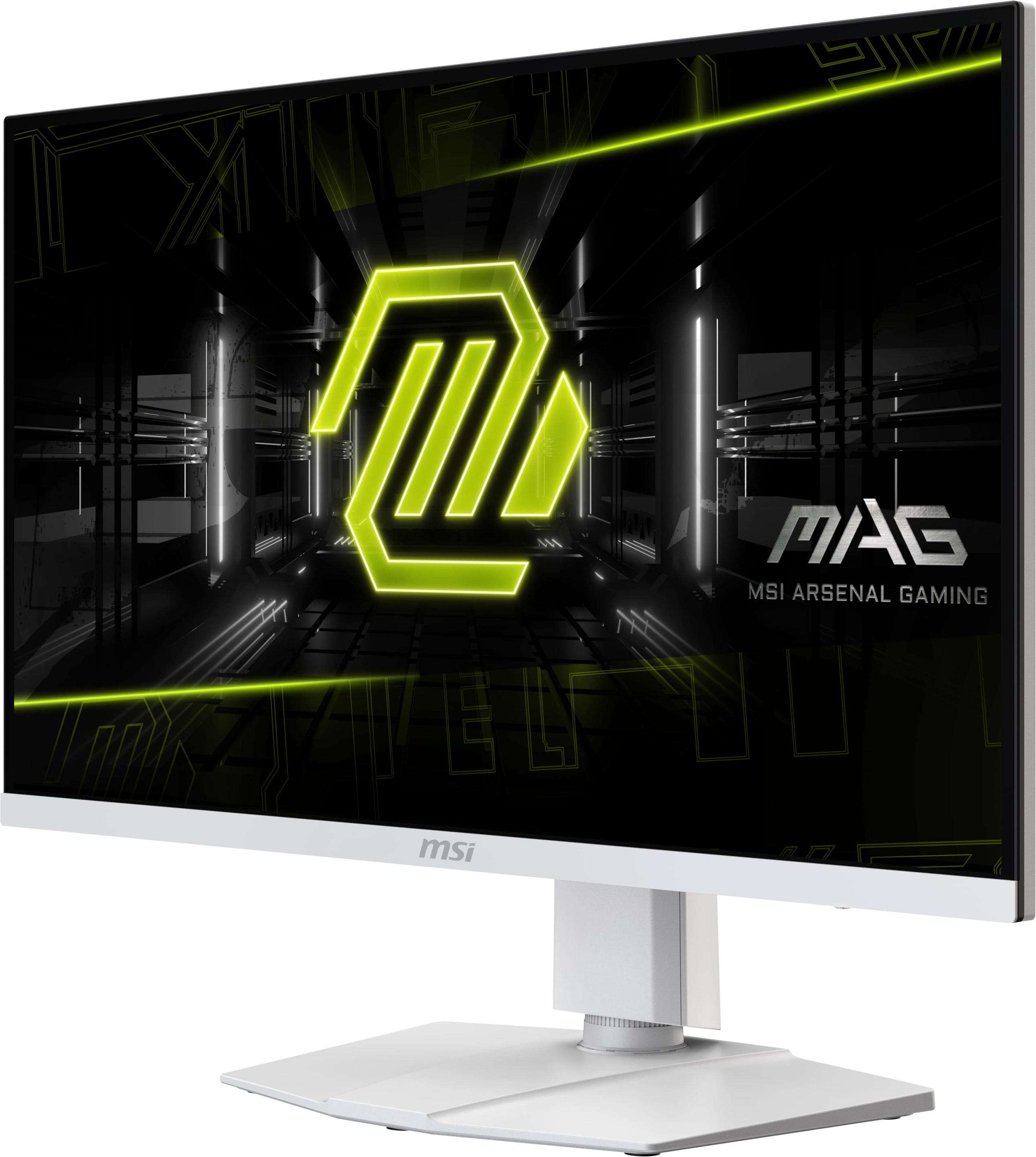
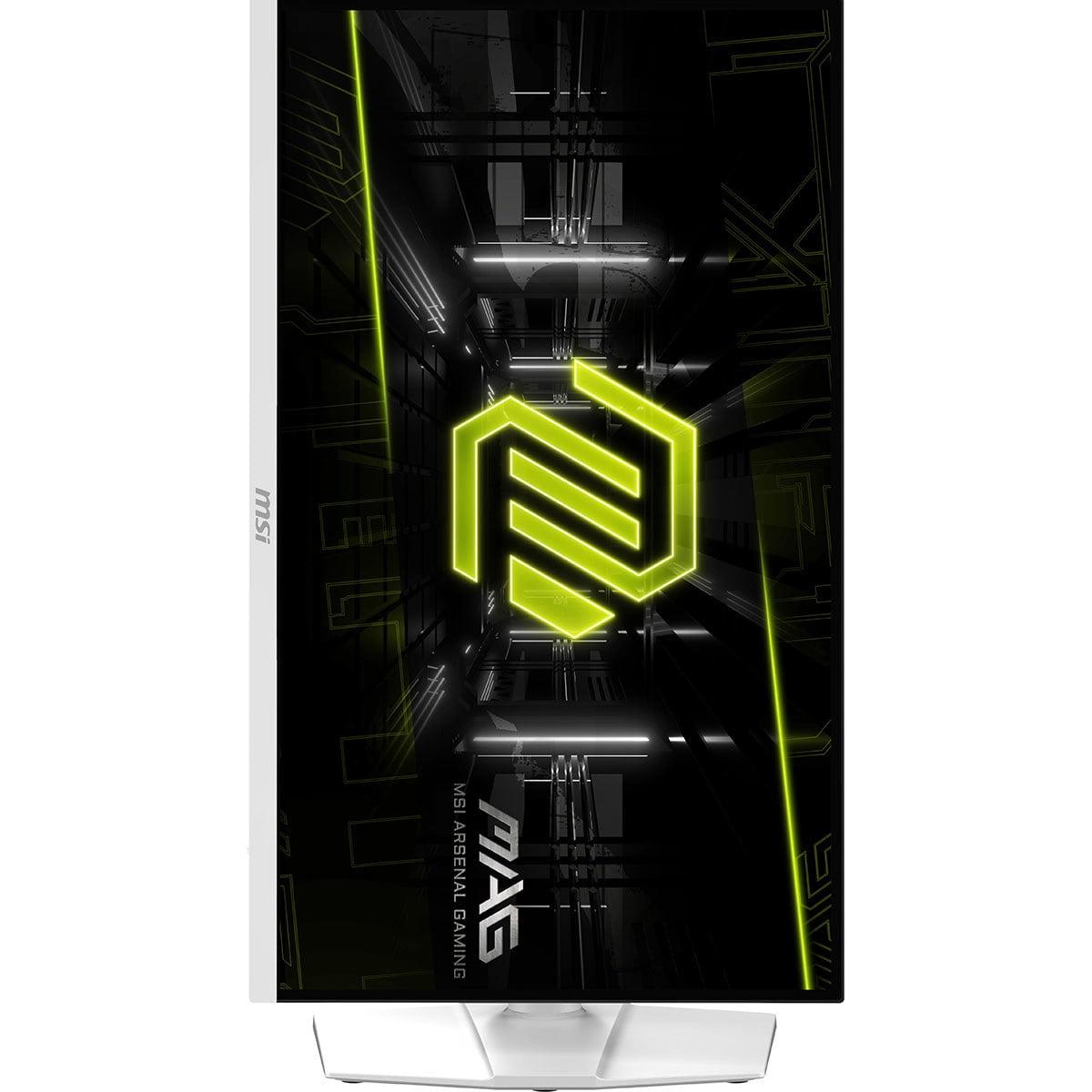
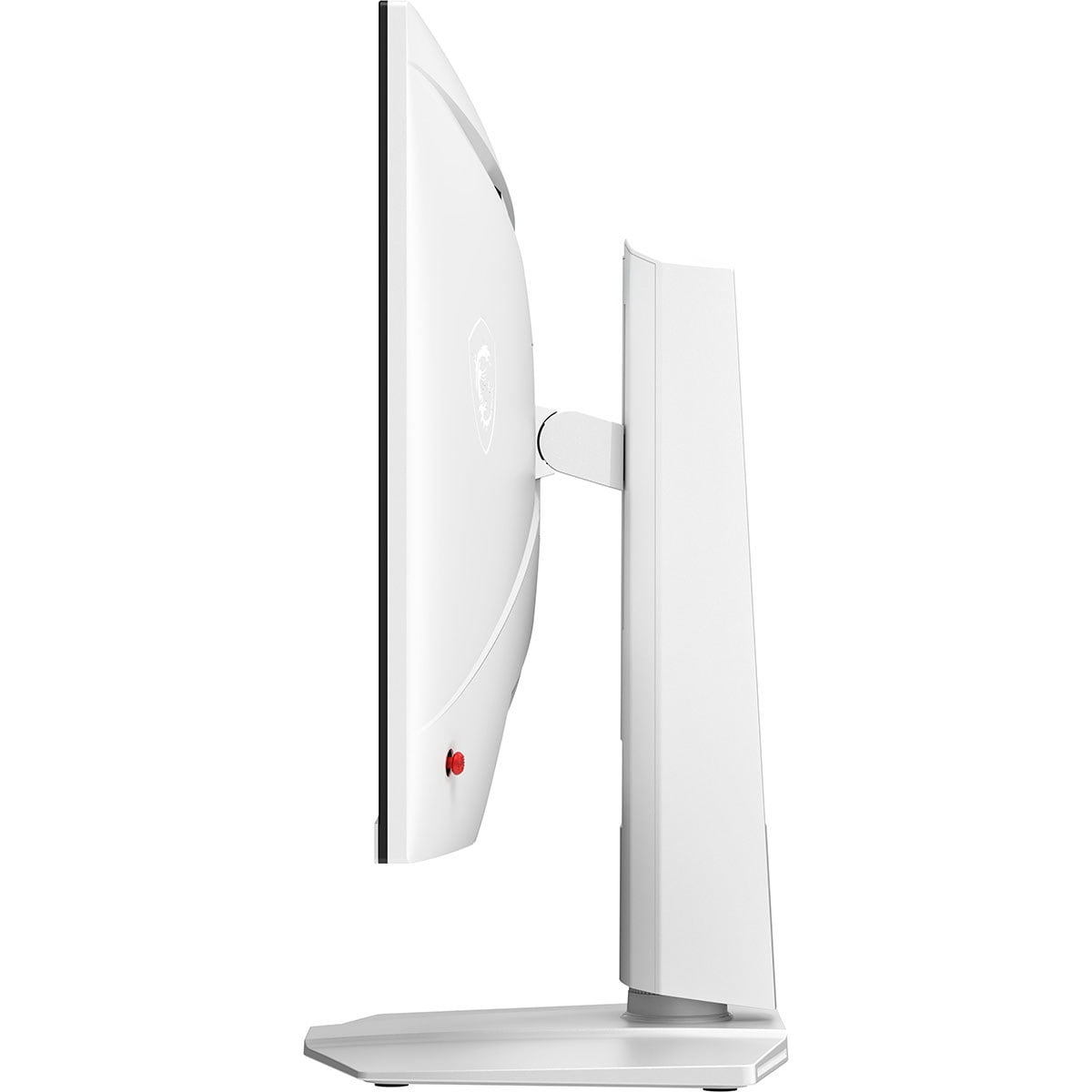
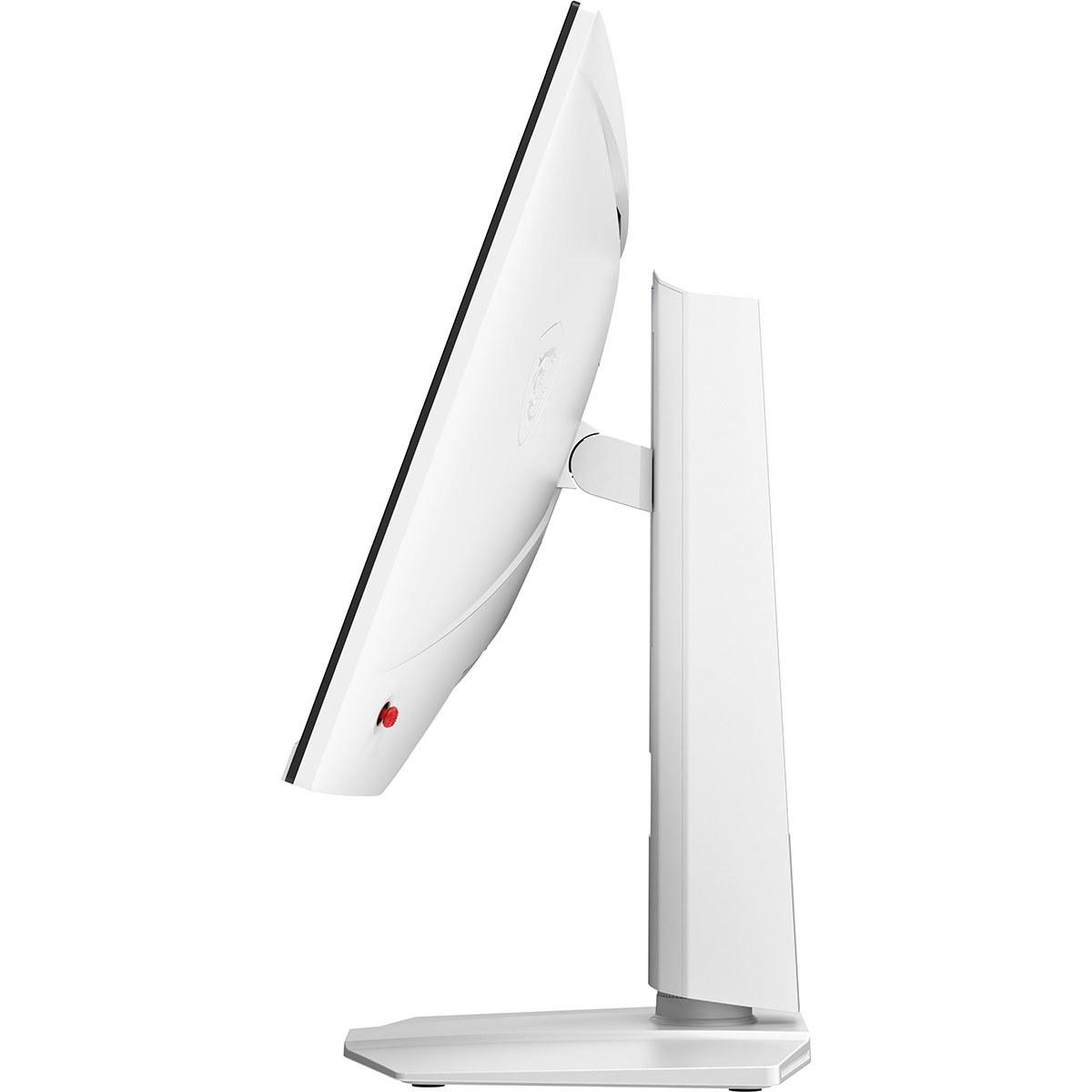
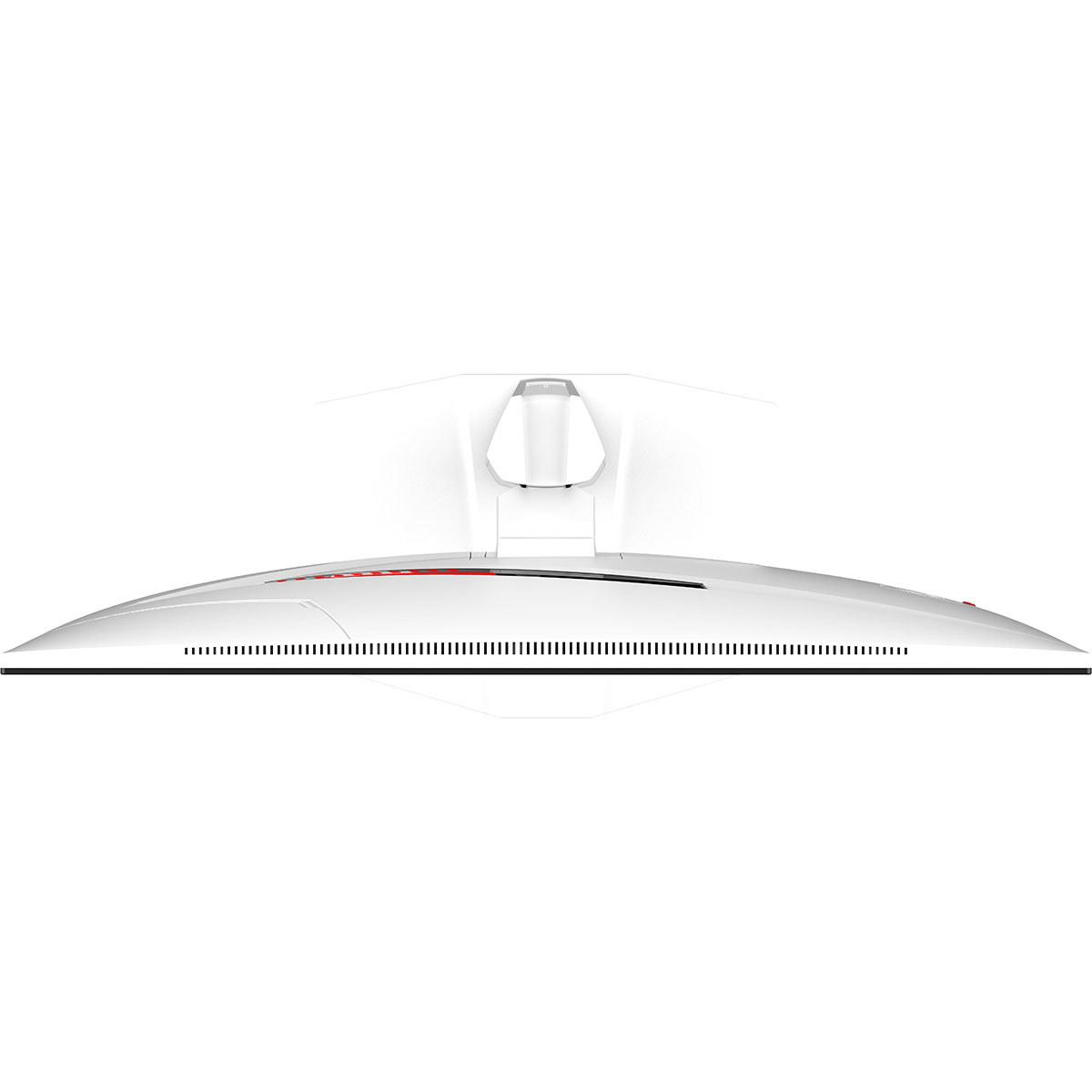
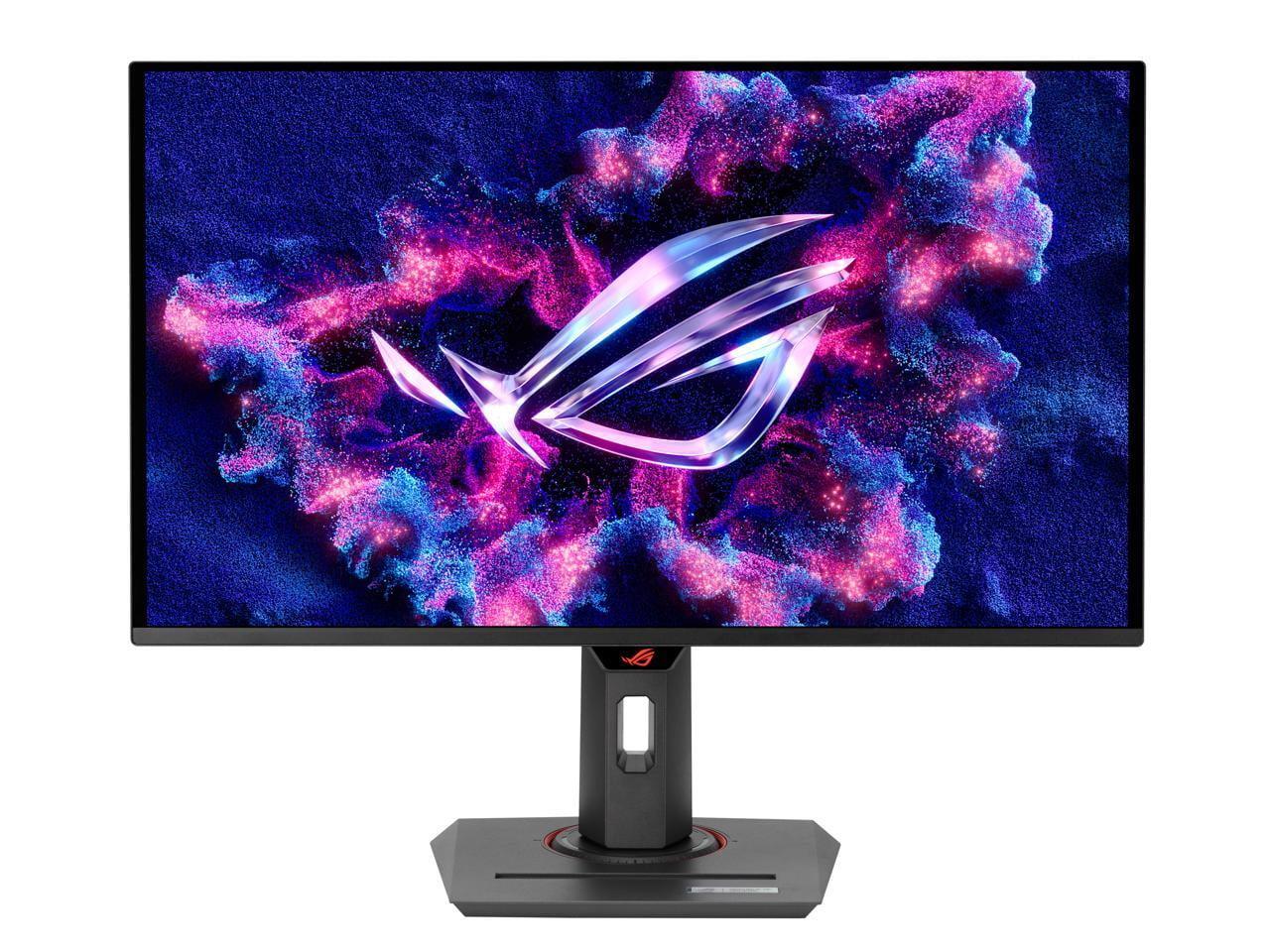
Today I'm comparing two monitors that perfectly illustrate this divide: the MSI MAG 274URFW and the ASUS ROG Strix OLED XG27UCDMG. At the time of writing, these two sit at completely opposite ends of the price spectrum while both delivering genuine 4K gaming experiences. The question isn't which one is "better" – it's which approach makes sense for your specific needs and budget.
Before diving into these specific models, let's talk about what actually matters in a 4K gaming monitor. Resolution is just the starting point – we're looking at 3840 x 2160 pixels, which is four times more detail than standard 1080p displays. But cramming all those pixels into a 27-inch screen creates unique challenges and opportunities.
The most critical considerations revolve around panel technology, which fundamentally determines how those pixels actually display images. Then you have refresh rate (how many times per second the screen updates), response time (how quickly individual pixels can change colors), and increasingly important factors like HDR support and color accuracy.
What's become clear through my testing is that contrast ratio – the difference between the darkest blacks and brightest whites a screen can produce – often matters more for visual impact than pure resolution numbers. This is where the fundamental technology differences between our two monitors become crucial.
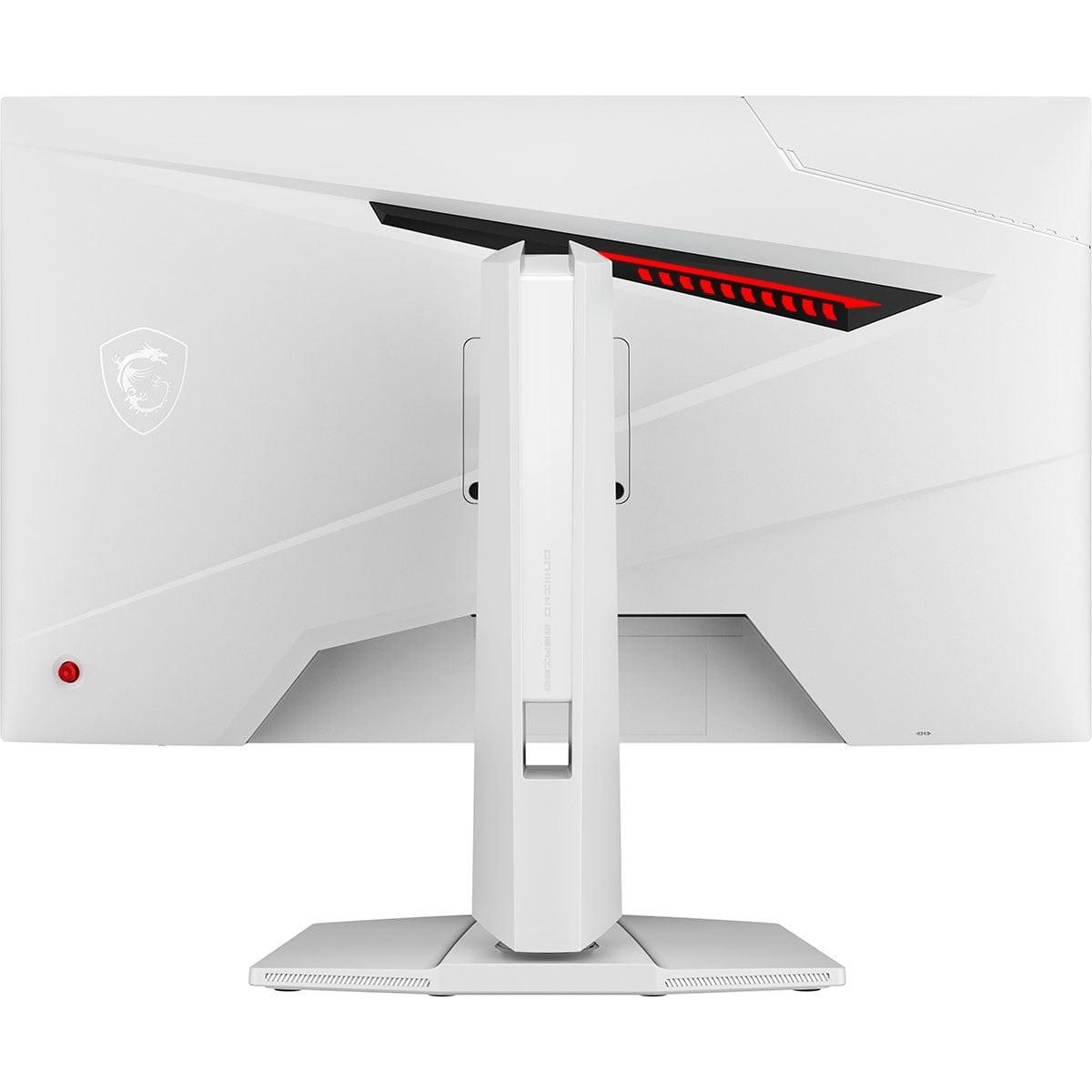
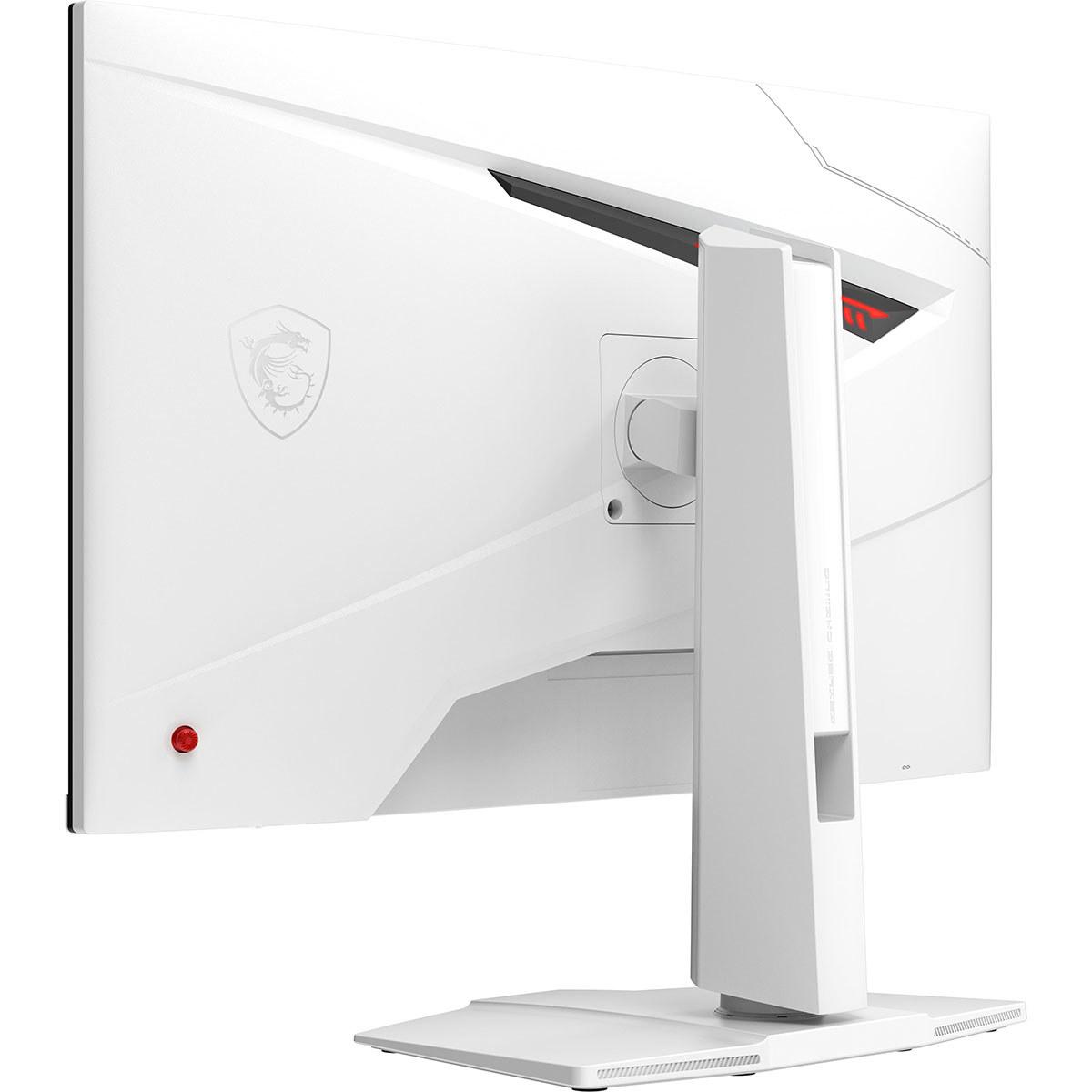
The MSI MAG 274URFW, released in 2024, represents the "democratization" of 4K gaming. MSI took their proven Rapid IPS technology – an enhanced version of traditional LCD panels – and optimized it specifically for high refresh rate gaming while keeping costs reasonable. The result is a monitor that, at the time of writing, costs roughly one-third the price of premium OLED alternatives while still delivering 160Hz refresh rates and solid gaming performance.
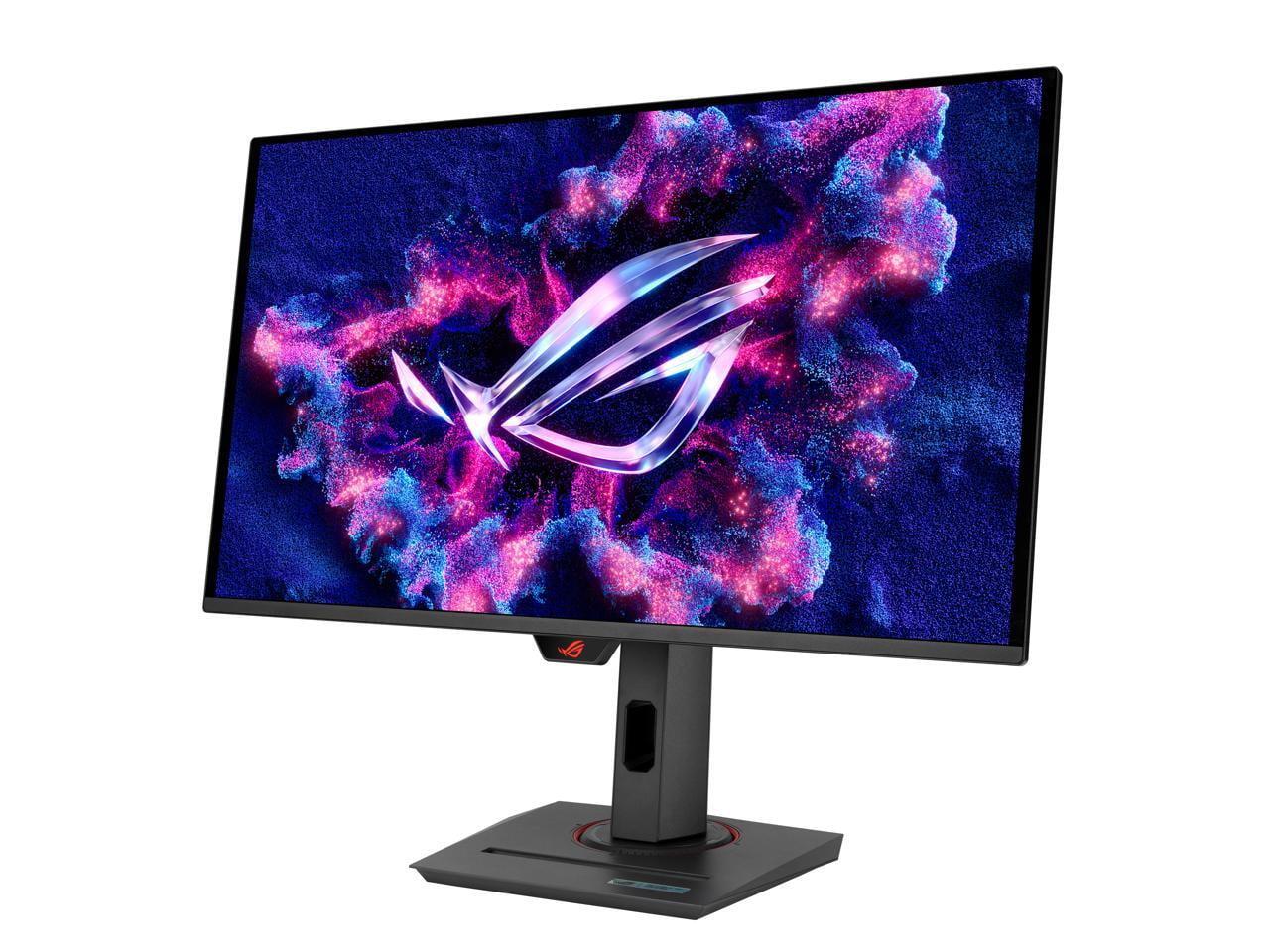
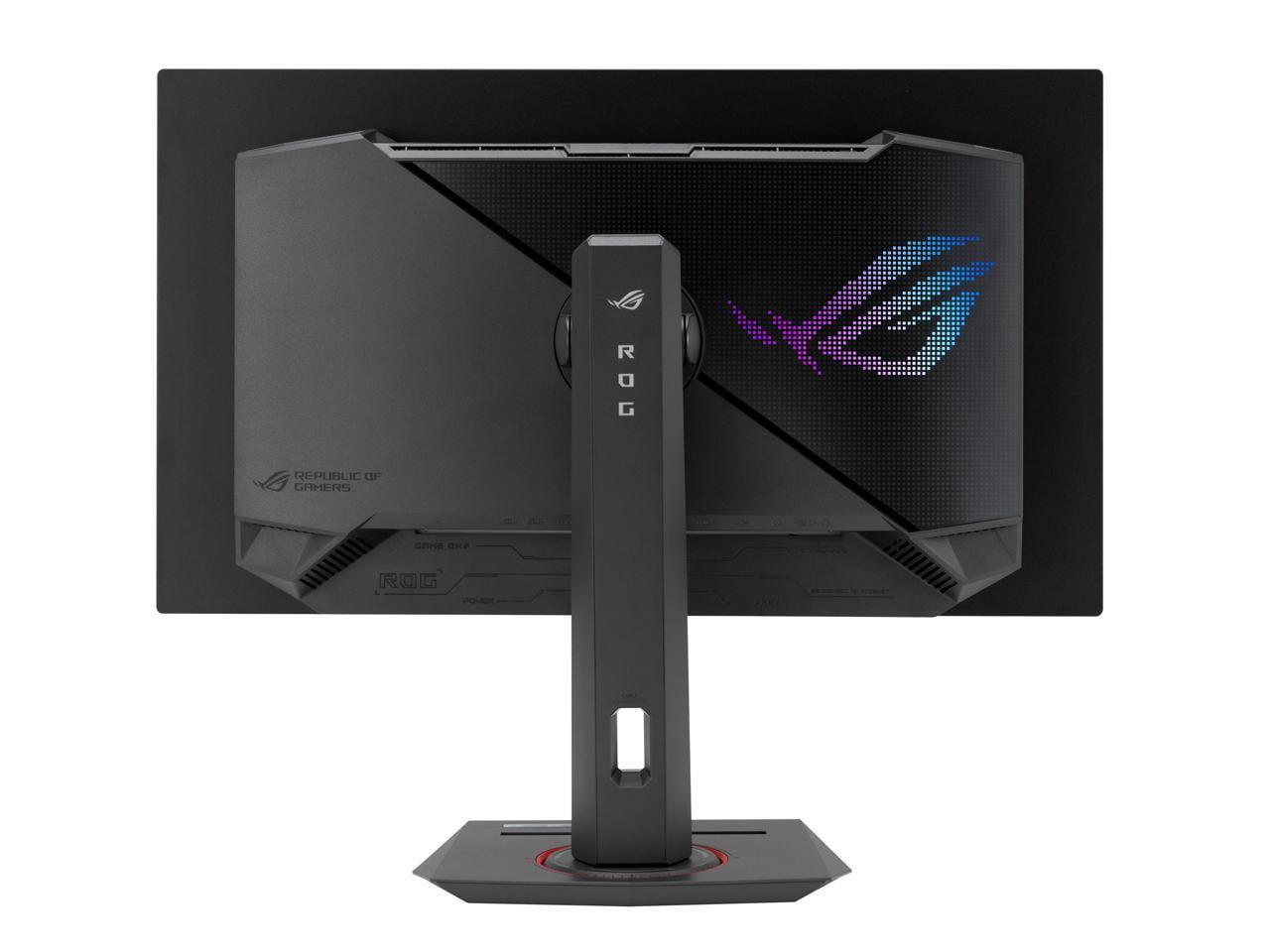
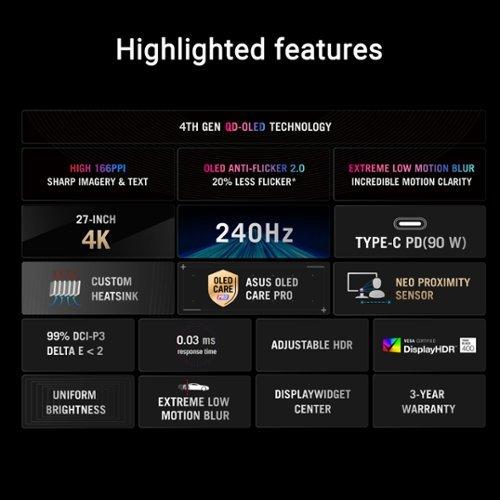
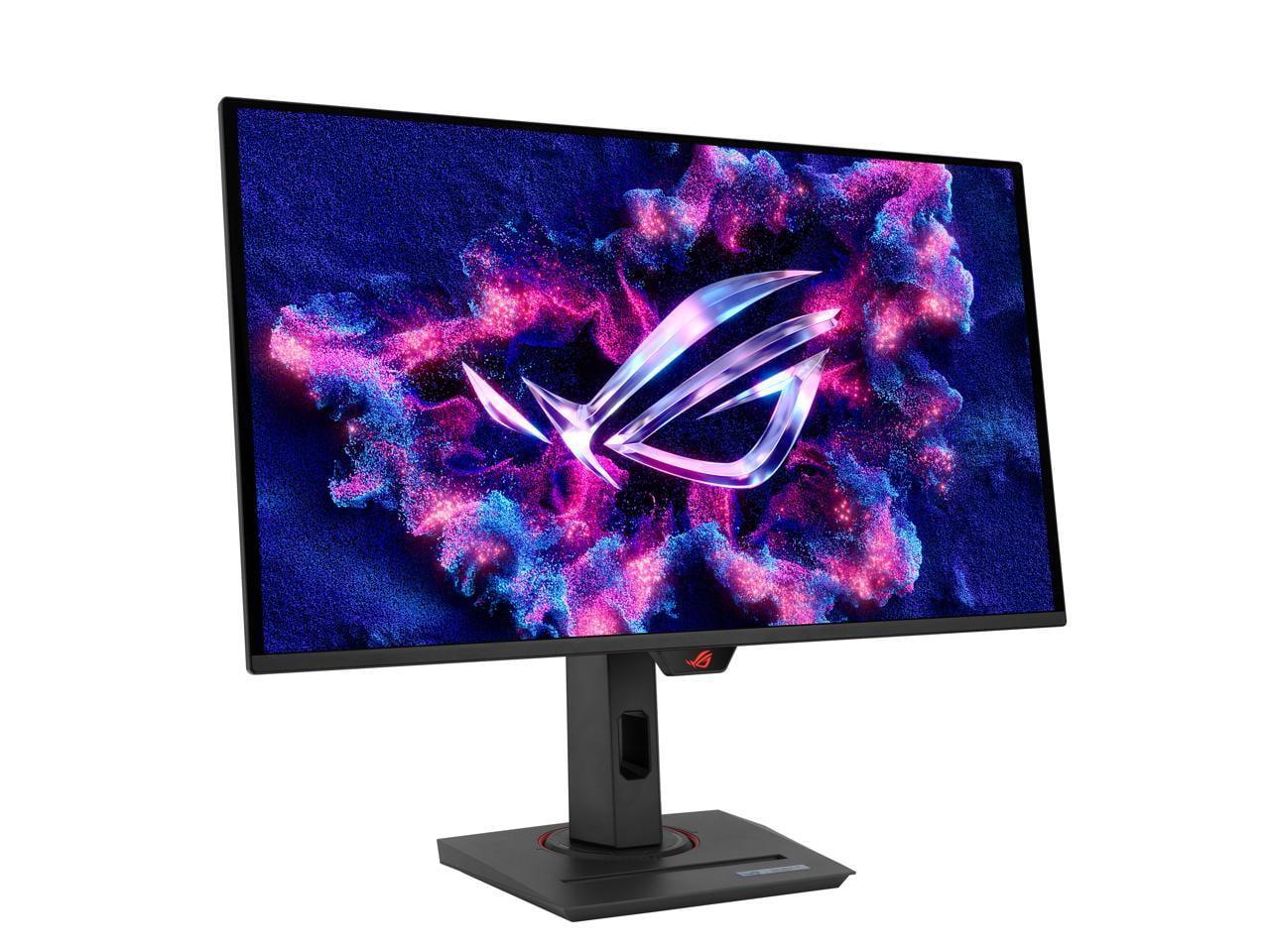
On the flip side, the ASUS ROG Strix OLED XG27UCDMG embodies the "no compromises" approach. Released in early 2024, it features fourth-generation QD-OLED technology – essentially the latest evolution of OLED displays with quantum dot enhancement for improved brightness and color accuracy. This monitor pushes refresh rates to 240Hz while delivering contrast performance that LCD technology simply cannot match.
The technology gap here is massive. We're talking about fundamentally different ways of creating images on screen, and the visual differences are immediately apparent when you see them side by side.
Let me explain what makes these technologies so different, because this is where your money really goes.
The MSI MAG 274URFW uses what's called Rapid IPS technology. Traditional IPS (In-Plane Switching) panels work by twisting liquid crystal molecules to control light passing through color filters. The "Rapid" designation means MSI has optimized the crystal response times and added overdrive circuits to minimize motion blur. Behind all this sits a LED backlight that illuminates the entire panel.
This approach has some real advantages. IPS panels are incredibly reliable – I've been using IPS monitors for over a decade without any degradation issues. They maintain consistent brightness levels, don't suffer from burn-in (permanent image retention), and typically offer excellent viewing angles. The MSI monitor covers 98% of the DCI-P3 color space, which is more than adequate for gaming and most content creation work.
However, IPS technology has one fundamental limitation: it cannot produce true black. Even when displaying a completely black image, the backlight still shines through slightly, creating what we call "IPS glow." The MSI's contrast ratio of 1000:1 means the brightest whites are only 1000 times brighter than the darkest blacks – which sounds like a lot but really isn't when you compare it to real-world lighting conditions.
The ASUS ROG Strix OLED, by contrast, uses QD-OLED technology where each individual pixel generates its own light. When a pixel needs to display black, it simply turns off completely. This creates theoretically infinite contrast ratios – true blacks alongside incredibly bright highlights.
The "QD" stands for Quantum Dot, which is a layer that enhances color accuracy and brightness compared to traditional OLED panels. Fourth-generation QD-OLED, which the ASUS monitor uses, addresses previous concerns about text clarity and overall sharpness that plagued earlier OLED computer monitors.
In practical terms, this means the ASUS display can show you details in dark game scenes that the MSI simply cannot reproduce. When you're exploring a dimly lit dungeon or watching a movie with dramatic lighting, those deep shadows actually look deep instead of grayish.
Here's where things get interesting from a pure gaming standpoint. The MSI MAG 274URFW operates at 160Hz with a 0.5ms gray-to-gray response time, while the ASUS OLED pushes to 240Hz with an incredible 0.03ms response time.
Let me put these numbers in perspective. Response time measures how quickly a pixel can change from one color to another – crucial for preventing motion blur in fast-moving games. Anything under 5ms is generally considered good for gaming, so both monitors excel here. The ASUS's 0.03ms response time is essentially instantaneous from a human perception standpoint.
Refresh rate tells you how many new frames the monitor can display per second. Higher refresh rates create smoother motion, reduce input lag (the delay between your actions and seeing results on screen), and can provide competitive advantages in fast-paced games.
In my testing with competitive shooters like Counter-Strike and Valorant, the difference between 160Hz and 240Hz is noticeable but not transformative. The jump from 60Hz to 160Hz feels massive – everything becomes more fluid and responsive. Going from 160Hz to 240Hz provides further improvements, but the law of diminishing returns definitely applies.
However, there's more to gaming performance than just raw numbers. The ASUS monitor supports both AMD FreeSync Premium Pro and NVIDIA G-SYNC compatibility, while the MSI focuses on AMD FreeSync Premium. These adaptive sync technologies synchronize your graphics card's output with the monitor's refresh rate, eliminating screen tearing and stuttering.
Both monitors include HDMI 2.1 ports, which is crucial for console gaming. This means full compatibility with PlayStation 5 and Xbox Series X, including support for 4K gaming at up to 120Hz (the maximum these consoles currently support).
This is where the technology gap becomes most apparent. HDR (High Dynamic Range) promises more realistic lighting with brighter highlights and deeper shadows, but it requires serious contrast performance to deliver on that promise.
The MSI MAG 274URFW carries VESA DisplayHDR 400 certification, which indicates it can reach 400 nits of brightness and cover certain color standards. However, with its 1000:1 contrast ratio, it cannot create the dramatic lighting differences that make HDR content truly impactful. HDR games and movies will look better than standard content, but you won't get that "wow factor" where highlights seem to pop off the screen.
The ASUS ROG Strix OLED, meanwhile, achieves VESA DisplayHDR 400 True Black certification – a much more stringent standard. It can reach 1000 nits peak brightness for highlights while simultaneously displaying perfect blacks. This creates genuine HDR experiences where bright explosions, sunlight, or fire effects have real visual impact.
I've spent considerable time testing HDR gaming on both monitors, and the difference is substantial. Games like Cyberpunk 2077, with its dramatic neon-lit nighttime scenes, showcase the ASUS monitor's capabilities beautifully. The neon signs genuinely seem to glow against pitch-black backgrounds, creating depth and atmosphere that the MSI display simply cannot match.
For color accuracy, both monitors perform well, but the ASUS edges ahead with 99% DCI-P3 coverage and Delta E values under 2 (Delta E measures color accuracy – anything under 2 is considered excellent for professional work). The MSI achieves 98% DCI-P3 coverage, which is still very good for gaming and casual content creation.
Both monitors recognize that modern setups involve multiple devices, but they take different approaches to connectivity.
The MSI MAG 274URFW focuses on essential connections done well. You get DisplayPort 1.4a for your main gaming PC, two HDMI 2.1 ports for consoles or secondary devices, and a USB-C port with 15W power delivery. The power delivery isn't enough for laptop charging but works fine for smaller devices. MSI also includes their AI Vision technology, which uses algorithms to enhance visibility in dark game scenes – a software solution to partially address the contrast limitations of IPS technology.
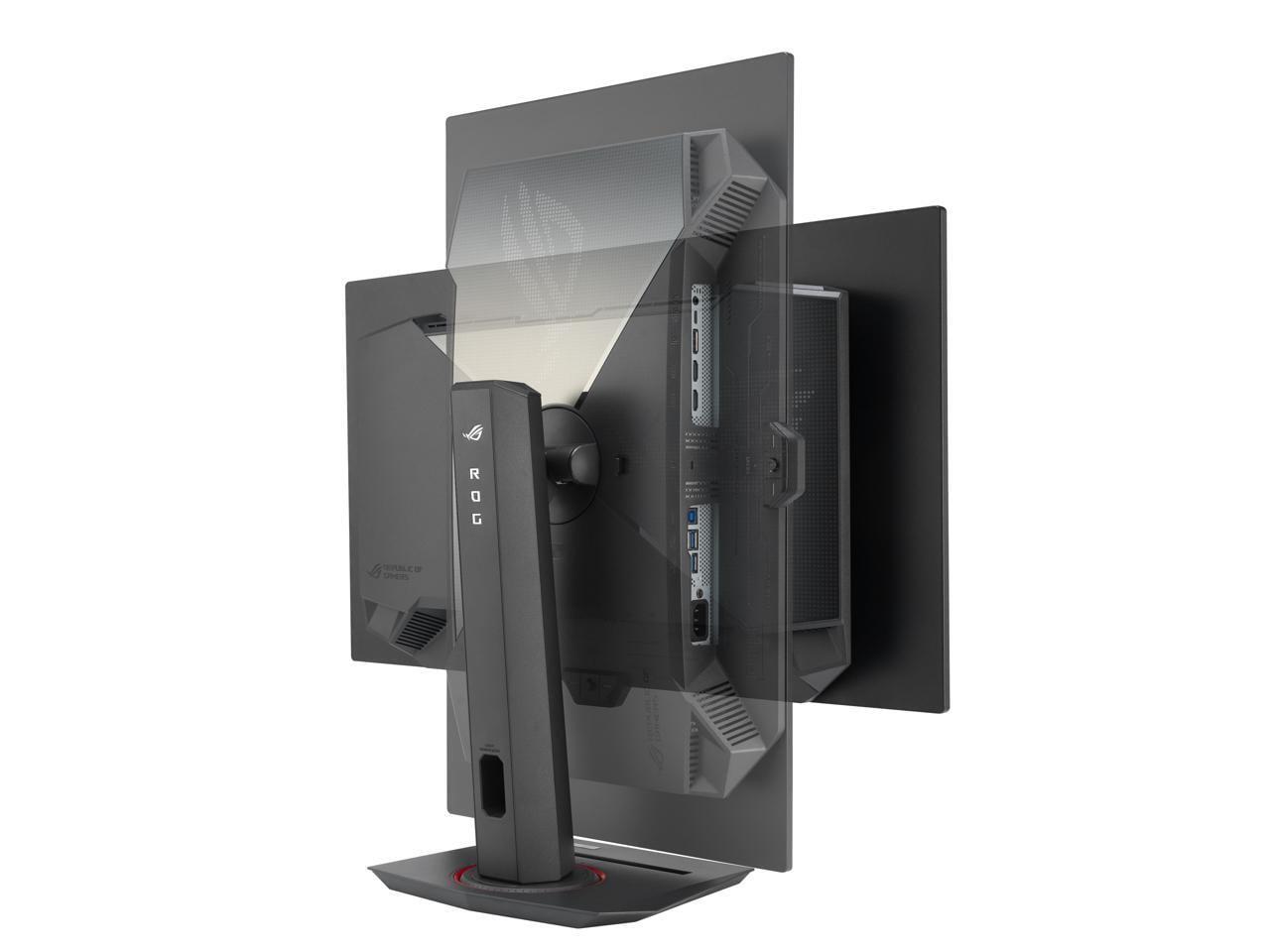
The ASUS ROG Strix OLED takes a more comprehensive approach. Beyond the standard DisplayPort and HDMI 2.1 connections, it offers USB-C with 90W power delivery – enough to charge most gaming laptops while providing video input. The monitor also includes KVM (Keyboard, Video, Mouse) switching, letting you control multiple connected devices with a single keyboard and mouse setup.
One unique feature of the ASUS monitor is its Neo Proximity Sensor, part of the OLED Care Pro suite. This sensor detects when you step away from the monitor and automatically switches to a black screen, reducing power consumption and minimizing the risk of burn-in – a potential concern with OLED technology where static images can cause permanent damage over time.
Let's address the biggest concern people have about OLED technology: burn-in. This occurs when static images (like desktop taskbars, game UI elements, or network logos) remain on screen for extended periods, potentially causing permanent ghost images.
Modern OLED monitors like the ASUS ROG Strix OLED include numerous protection features: pixel shifting (slightly moving the image to prevent static elements), automatic screen savers, taskbar detection, and periodic pixel cleaning cycles. ASUS backs their OLED panels with a three-year warranty that includes burn-in coverage, showing confidence in the technology's reliability.
In my experience using OLED monitors for both gaming and productivity work, burn-in concerns are often overstated for normal use patterns. If you're gaming, watching movies, and doing typical computer tasks with varied content, modern OLED panels handle this well. However, if you plan to leave static spreadsheets or trading interfaces up for 8+ hours daily, traditional LCD technology like the MSI monitor remains the safer choice.
The MSI MAG 274URFW completely sidesteps these concerns. IPS panels don't suffer from burn-in, maintain consistent brightness throughout their lifespan, and typically last many years without degradation. For users who want a "set it and forget it" experience, this reliability advantage is significant.
Both monitors work well as compact home theater displays, but they serve different roles. The MSI MAG 274URFW excels as a bright room display – its 400 nits sustained brightness and matte anti-glare coating handle ambient light well. For casual movie watching and gaming in living room settings, it provides a good balance of size, performance, and value.
The ASUS ROG Strix OLED transforms into something special for dedicated home theater use. In dim or dark rooms, its perfect blacks and HDR capabilities create a cinematic experience that rivals much larger displays. The infinite contrast ratio makes every shadow and highlight pop with realism that LCD technology cannot match.
However, the ASUS monitor's glossy screen can be problematic in bright rooms, reflecting ambient light and reducing contrast. It's best suited for controlled lighting environments where you can appreciate its superior image quality.
At the time of writing, energy costs vary significantly by region, but efficiency differences are worth considering. The MSI MAG 274URFW consumes approximately 65W during normal operation, while the ASUS ROG Strix OLED requires about 80W. Over a year of typical use, this represents a noticeable but not dramatic difference in electricity costs.
OLED technology's power consumption varies significantly with content brightness – displaying mostly dark content uses very little power, while bright white backgrounds consume maximum energy. IPS panels like the MSI's maintain relatively consistent power draw regardless of displayed content.
After extensive testing with both monitors, here's my assessment of who each serves best:
Choose the MSI MAG 274URFW if you:
The MSI represents exceptional value for money. At the time of writing, it costs roughly one-third the price of comparable OLED options while delivering 90% of the gaming experience. For most users, especially those new to 4K gaming, it provides everything needed for an excellent experience.
Choose the ASUS ROG Strix OLED XG27UCDMG if you:
The ASUS monitor delivers a genuinely premium experience that justifies its higher cost for users who can appreciate and utilize its advanced capabilities.
These monitors represent two fundamentally different value propositions in the 4K gaming space. The MSI MAG 274URFW democratizes 4K gaming, bringing high refresh rate 4K experiences to mainstream pricing. The ASUS ROG Strix OLED XG27UCDMG pushes the boundaries of what's possible, delivering reference-quality image performance for enthusiasts willing to pay premium prices.
Neither choice is wrong – they serve different needs and budgets effectively. The massive price difference reflects genuine technology differences that translate into real-world performance gaps, particularly in contrast, HDR capability, and motion clarity.
For most gamers, especially those upgrading from 1080p or older 4K displays, the MSI provides an outstanding entry point into modern 4K gaming. For enthusiasts seeking the absolute best visual experience and who can justify the premium pricing, the ASUS OLED represents the current state of the art in 4K gaming displays.
The choice ultimately comes down to your priorities: exceptional value and proven reliability, or cutting-edge technology and uncompromising image quality. Both paths lead to great 4K gaming experiences – just at very different price points.
| MSI MAG 274URFW | ASUS ROG Strix OLED XG27UCDMG |
|---|---|
| Panel Technology - Fundamentally determines image quality and longevity | |
| Rapid IPS LCD with LED backlight (proven reliability, no burn-in risk) | 4th-gen QD-OLED (superior contrast and colors, requires burn-in care) |
| Refresh Rate - Higher rates provide smoother motion and competitive advantage | |
| 160Hz (excellent for most gaming, exceeds console capabilities) | 240Hz (premium smoothness for competitive esports) |
| Response Time - Lower values reduce motion blur in fast games | |
| 0.5ms GtG (very fast, eliminates noticeable blur) | 0.03ms GtG (essentially instantaneous) |
| Contrast Ratio - Most critical factor for dramatic visuals and HDR | |
| 1,000:1 typical (decent but limited black depth) | 1,500,000:1 infinite contrast (true blacks, dramatic HDR) |
| Peak Brightness - Affects HDR impact and bright room usability | |
| 400 nits sustained (good for bright rooms, limited HDR) | 1,000 nits peak HDR (genuine HDR experience, may struggle in very bright rooms) |
| Color Gamut - Determines color richness and accuracy | |
| 98% DCI-P3, 133% sRGB (excellent for gaming and casual creation) | 99% DCI-P3, 145% sRGB, Delta E <2 (professional-grade accuracy) |
| HDR Certification - Indicates true HDR capability | |
| VESA DisplayHDR 400 (basic HDR, limited impact due to contrast) | VESA DisplayHDR 400 True Black (genuine HDR with perfect blacks) |
| Power Consumption - Affects long-term operating costs | |
| 65W typical (consistent, energy efficient) | 80W typical (varies with content brightness) |
| USB-C Power Delivery - Laptop charging and single-cable convenience | |
| 15W (charges phones/tablets, not laptops) | 90W (charges gaming laptops while providing video) |
| Advanced Features - Premium conveniences and gaming enhancements | |
| AI Vision, Smart Crosshair, RGB lighting | KVM switching, Neo Proximity Sensor, OLED Care Pro, Aura Sync RGB |
| Warranty Coverage - Protection for your investment | |
| 3 years standard (no burn-in concerns with IPS) | 3 years including burn-in coverage (shows ASUS confidence in OLED reliability) |
| Burn-in Risk - Long-term reliability consideration | |
| None (IPS technology immune to permanent image retention) | Possible with static content (modern protections minimize risk) |
| Best Use Cases - Who should consider each option | |
| Budget-conscious gamers, console gaming, bright rooms, reliability priority | Enthusiasts, competitive gaming, dark room cinematic use, multi-device setups |
The ASUS ROG Strix OLED XG27UCDMG offers superior gaming performance with its 240Hz refresh rate and 0.03ms response time compared to the MSI MAG 274URFW's 160Hz and 0.5ms response time. However, the MSI monitor provides excellent gaming performance for most users at a significantly lower price point, making it better value for casual and competitive gamers alike.
The MSI MAG 274URFW uses IPS LCD technology with consistent brightness and no burn-in risk, while the ASUS ROG Strix OLED uses OLED technology that produces perfect blacks and infinite contrast but requires careful management to prevent burn-in. OLED delivers dramatically better image quality, especially for HDR content, but IPS offers worry-free reliability.
The ASUS ROG Strix OLED XG27UCDMG significantly outperforms the MSI MAG 274URFW in HDR. The ASUS achieves VESA DisplayHDR 400 True Black certification with 1,000 nits peak brightness and infinite contrast, creating genuine HDR experiences. The MSI monitor has basic DisplayHDR 400 certification but lacks the contrast needed for impactful HDR visuals.
Yes, both the MSI MAG 274URFW and ASUS ROG Strix OLED XG27UCDMG excel for console gaming. Both feature HDMI 2.1 ports supporting 4K at up to 120Hz for PlayStation 5 and Xbox Series X. The MSI monitor's 160Hz capability already exceeds current console limits, making the ASUS's 240Hz less relevant for console-only gaming.
The MSI MAG 274URFW offers superior long-term reliability due to its IPS technology, which doesn't suffer from burn-in and maintains consistent performance over many years. The ASUS ROG Strix OLED includes burn-in protection features and a 3-year warranty covering burn-in, but OLED panels inherently require more careful usage to prevent permanent image retention.
Both monitors handle productivity well, but serve different needs. The MSI MAG 274URFW is ideal for extended work sessions with its consistent brightness, anti-glare coating, and no burn-in concerns with static content. The ASUS ROG Strix OLED offers superior text clarity and color accuracy for creative work, but requires screen savers and varied content to prevent burn-in.
The MSI MAG 274URFW performs better in bright rooms with its 400 nits sustained brightness and anti-glare matte coating that reduces reflections. The ASUS ROG Strix OLED XG27UCDMG has a glossy screen that can reflect ambient light, though it compensates with higher peak brightness for HDR content. For bright office or living room use, the MSI is more practical.
Yes, both monitors support adaptive sync technologies. The MSI MAG 274URFW features AMD FreeSync Premium, while the ASUS ROG Strix OLED XG27UCDMG supports both AMD FreeSync Premium Pro and NVIDIA G-SYNC compatibility. Both eliminate screen tearing and provide smooth gameplay across variable frame rates from compatible graphics cards.
The ASUS ROG Strix OLED XG27UCDMG provides more comprehensive connectivity with USB-C supporting 90W power delivery, KVM switching, and additional USB ports. The MSI MAG 274URFW offers essential connections including dual HDMI 2.1, DisplayPort, and USB-C with 15W power delivery. The ASUS is better for complex multi-device setups, while the MSI covers basic connectivity needs effectively.
Both work well for entertainment, but the ASUS ROG Strix OLED XG27UCDMG excels for cinematic content with its perfect blacks, infinite contrast, and genuine HDR capability creating movie theater-like experiences in dark rooms. The MSI MAG 274URFW provides solid movie viewing with good colors and brightness, making it better suited for casual viewing in various lighting conditions.
The MSI MAG 274URFW is more energy efficient, consuming approximately 65W during typical use with consistent power draw regardless of content. The ASUS ROG Strix OLED XG27UCDMG uses about 80W on average, but power consumption varies significantly based on content brightness - dark scenes use very little power while bright content maximizes consumption.
Choose the MSI MAG 274URFW if you want excellent 4K gaming performance at a budget-friendly price point with proven reliability. Select the ASUS ROG Strix OLED XG27UCDMG if you have a premium budget and want the absolute best image quality, contrast, and gaming performance available. The MSI offers outstanding value, while the ASUS justifies its higher cost with superior technology and features.
We've done our best to create useful and informative comparisons to help you decide what product to buy. Our research uses advanced automated methods to create this comparison and perfection is not possible - please contact us for corrections or questions. These are the sites we've researched in the creation of this article: youtube.com - bestbuy.com - rtings.com - youtube.com - guru3d.com - youtube.com - newegg.com - bhphotovideo.com - bestbuy.com - storage-asset.msi.com - shi.com - neweggbusiness.com - files.bbystatic.com - us-store.msi.com - msi.com - storage-asset.msi.com - storage-asset.msi.com - bestbuy.com - rog.asus.com - forum.pcmonitors.info - rog.asus.com - windowscentral.com - versus.com - youtube.com - youtube.com - rtings.com - rtings.com - rog.asus.com - rog.asus.com - rog.asus.com - tenforums.com - rog.asus.com - techpowerup.com - bestbuy.com - newegg.com - displayspecifications.com - youtube.com - tftcentral.co.uk - displayninja.com

Privacy Policy
Terms and Conditions - Affiliate Policy
Home Security
© Copyright 2008-2026.
11816 Inwood Rd #1211, Dallas, TX 75244