

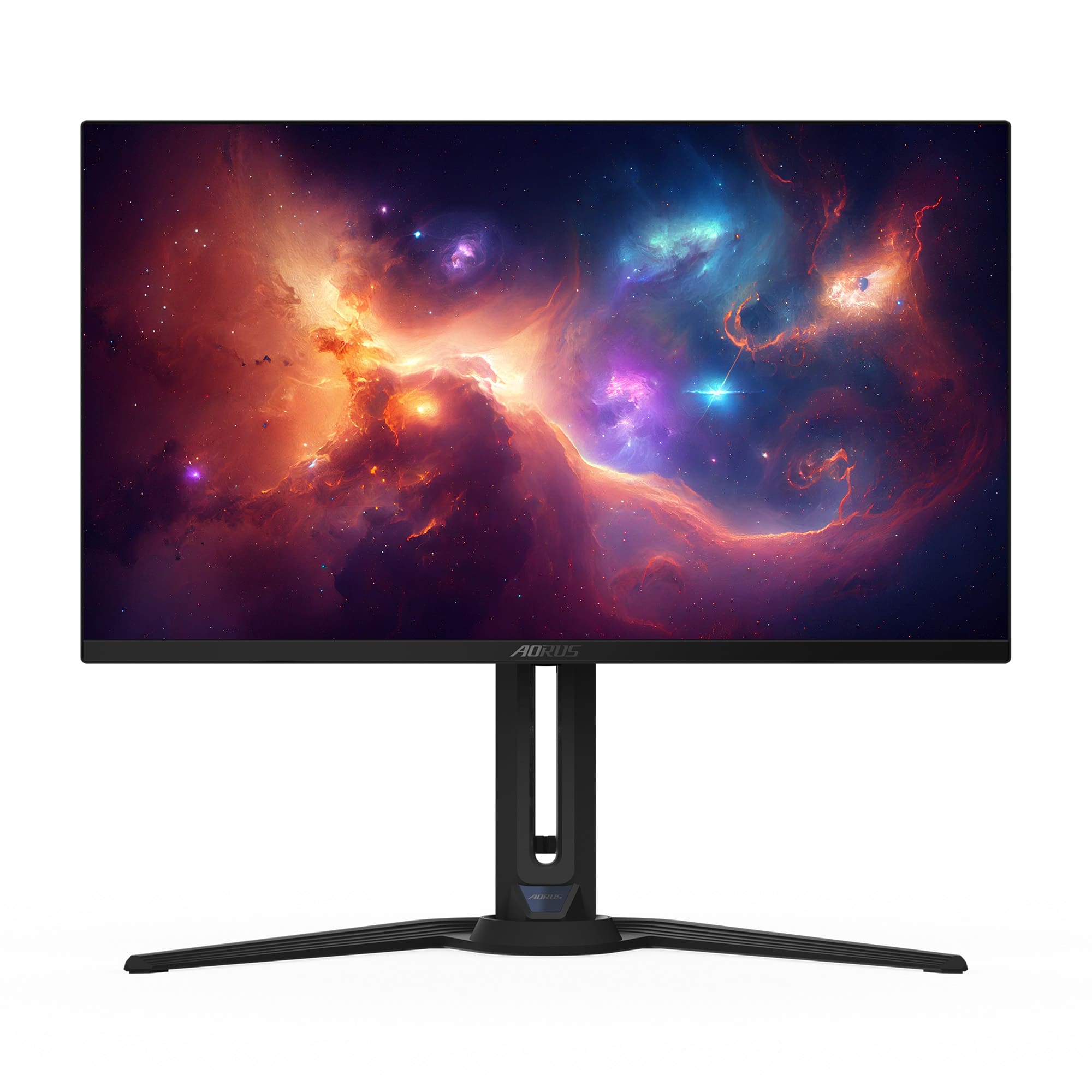
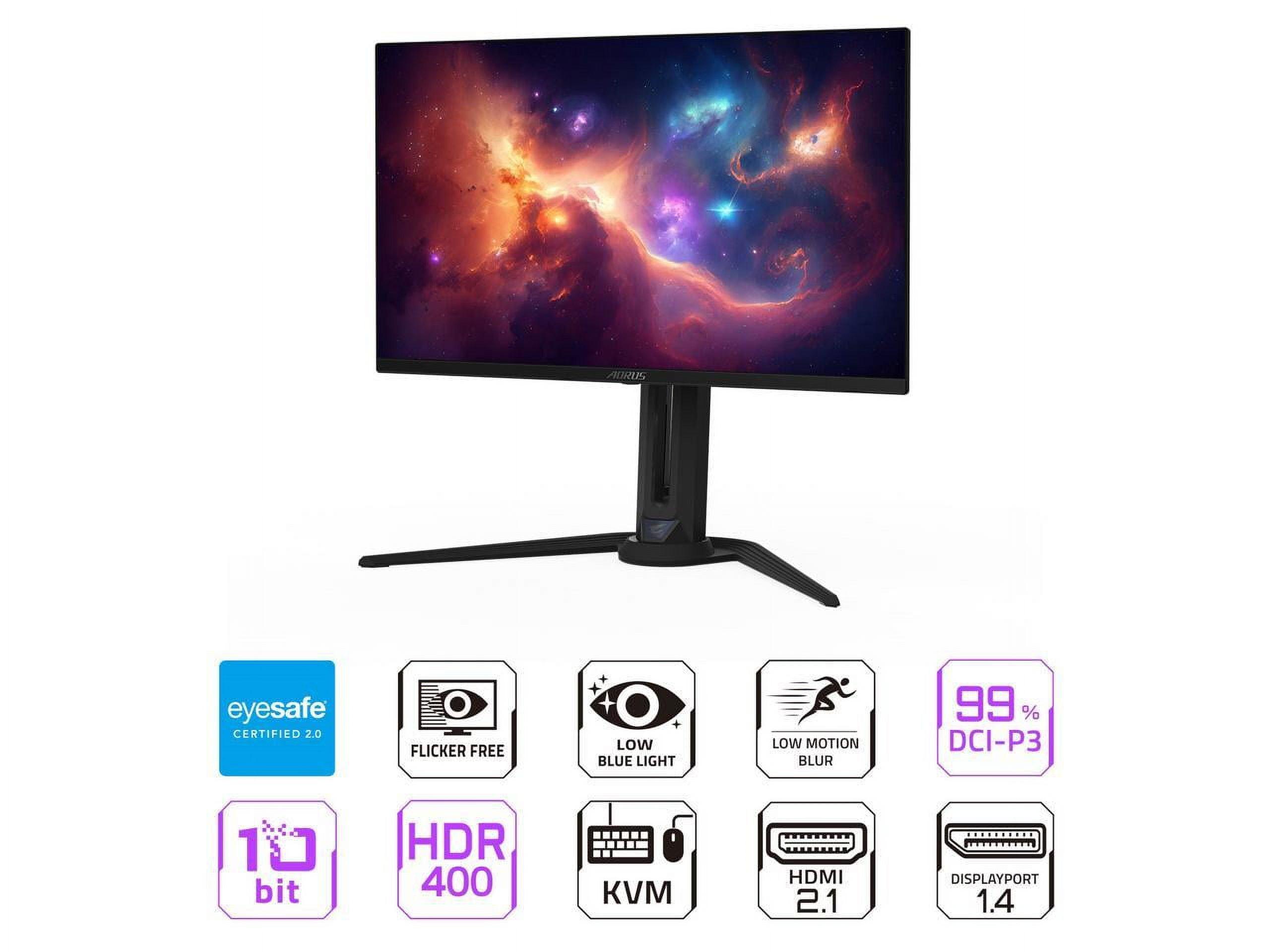
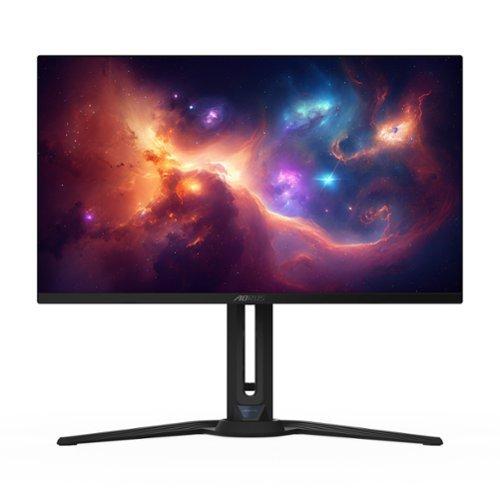

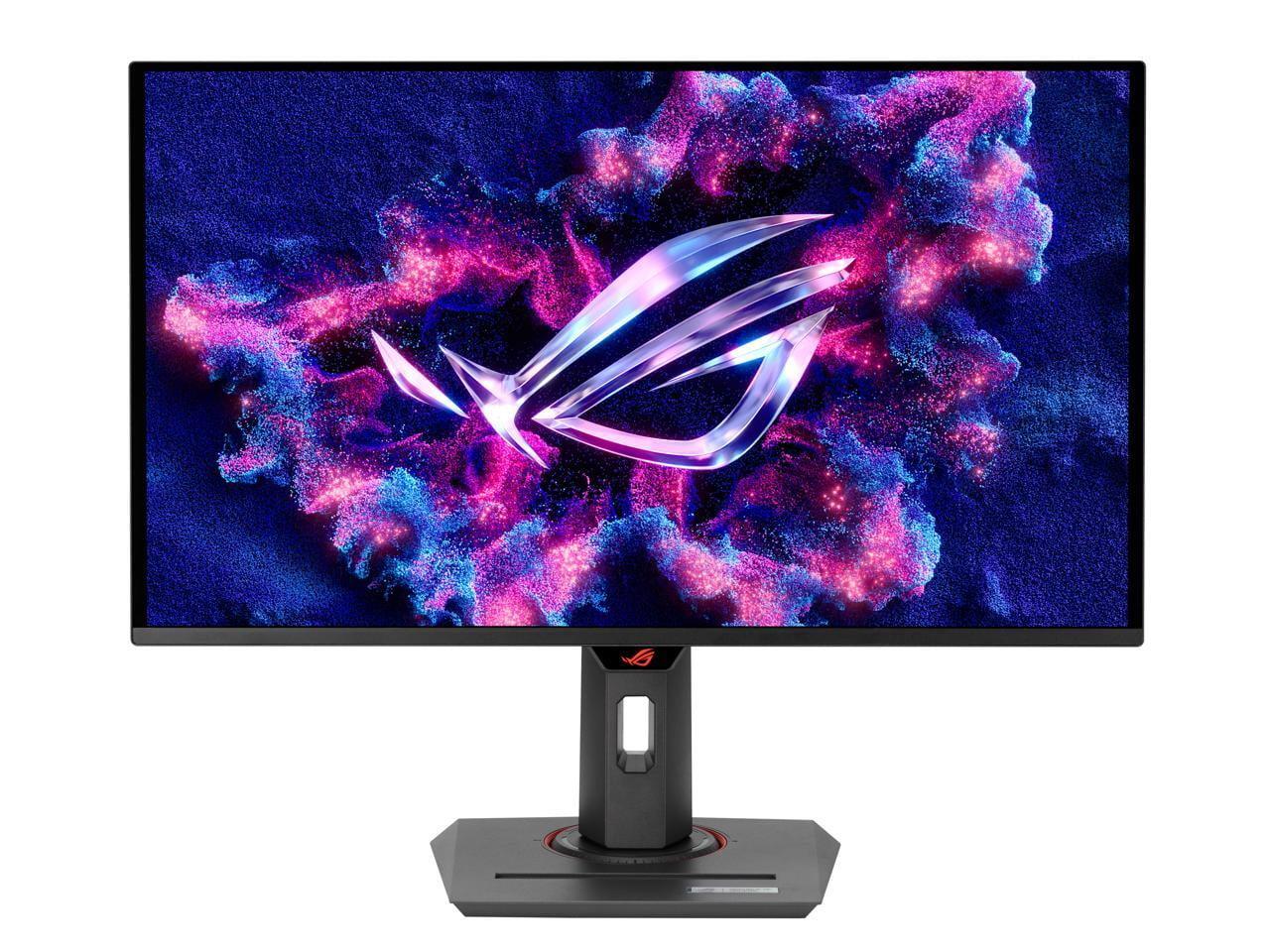
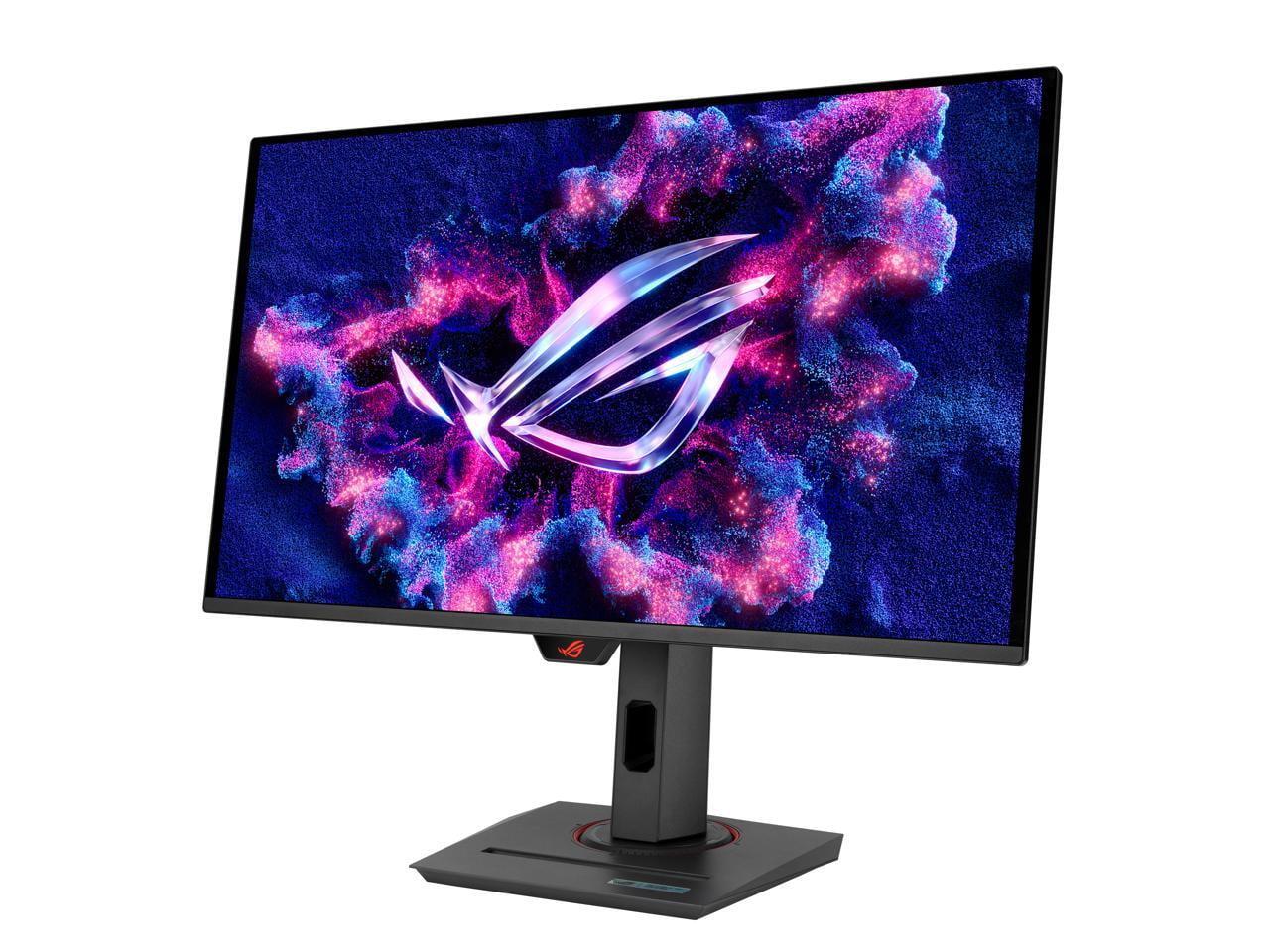
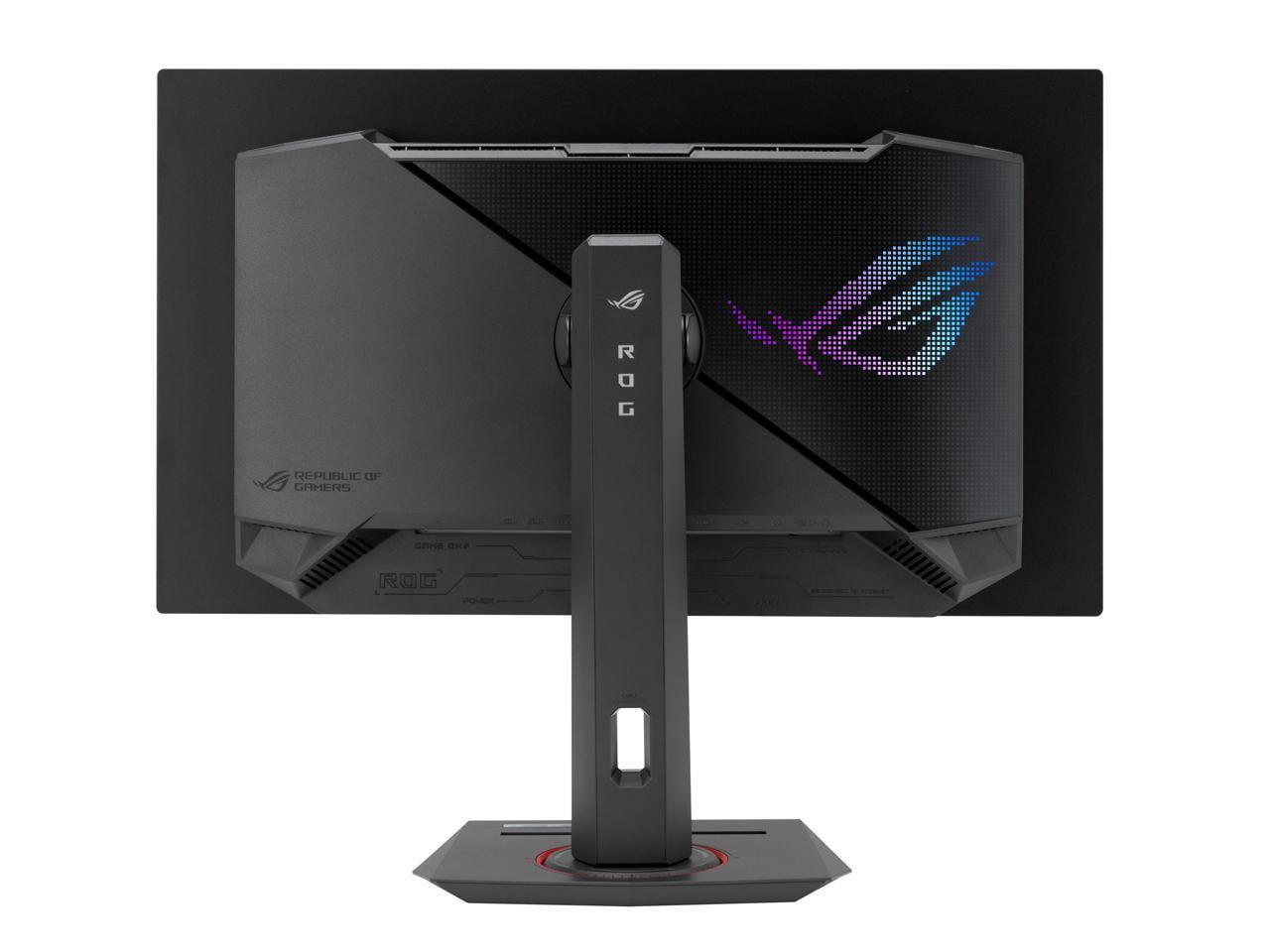

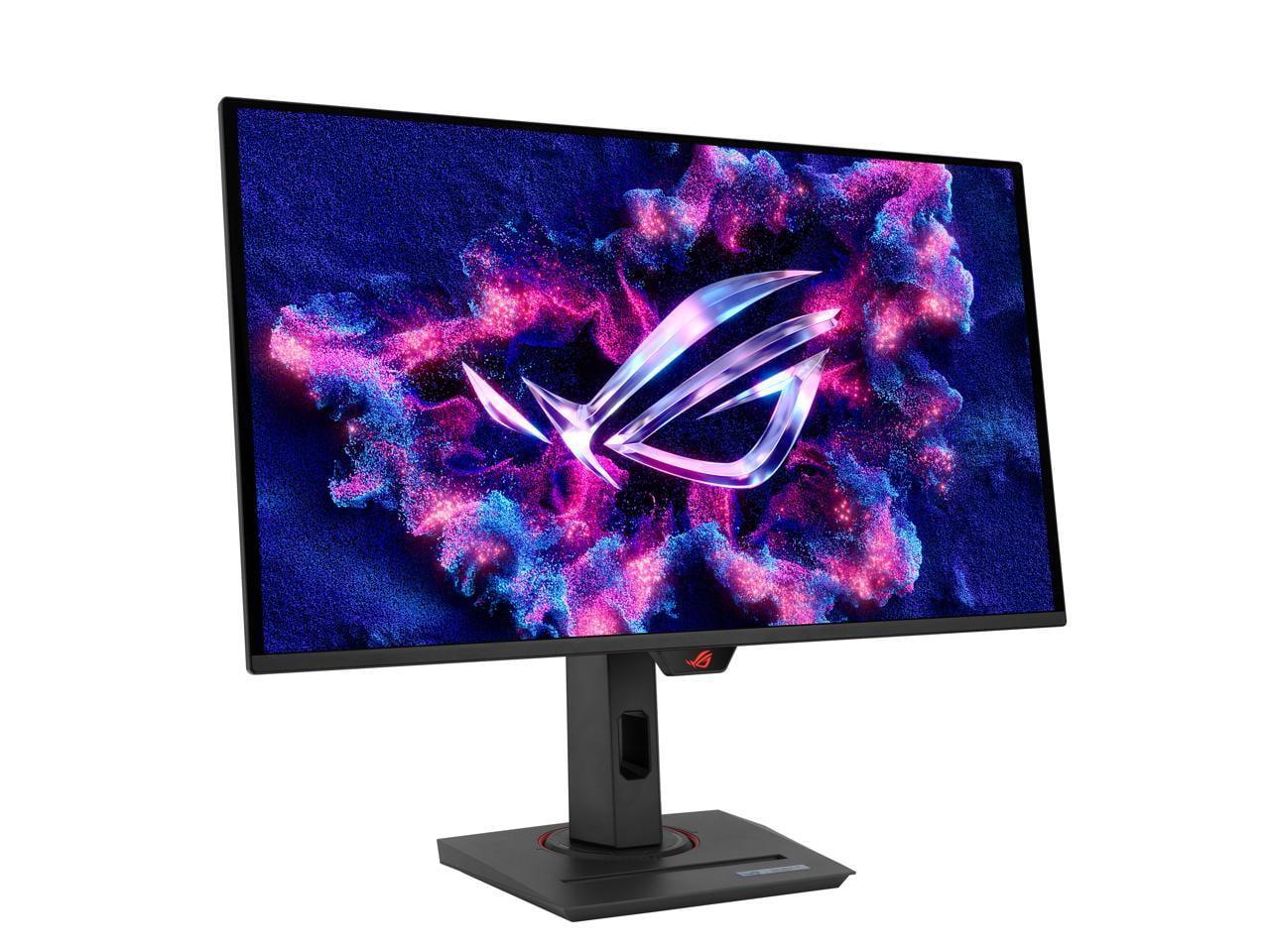
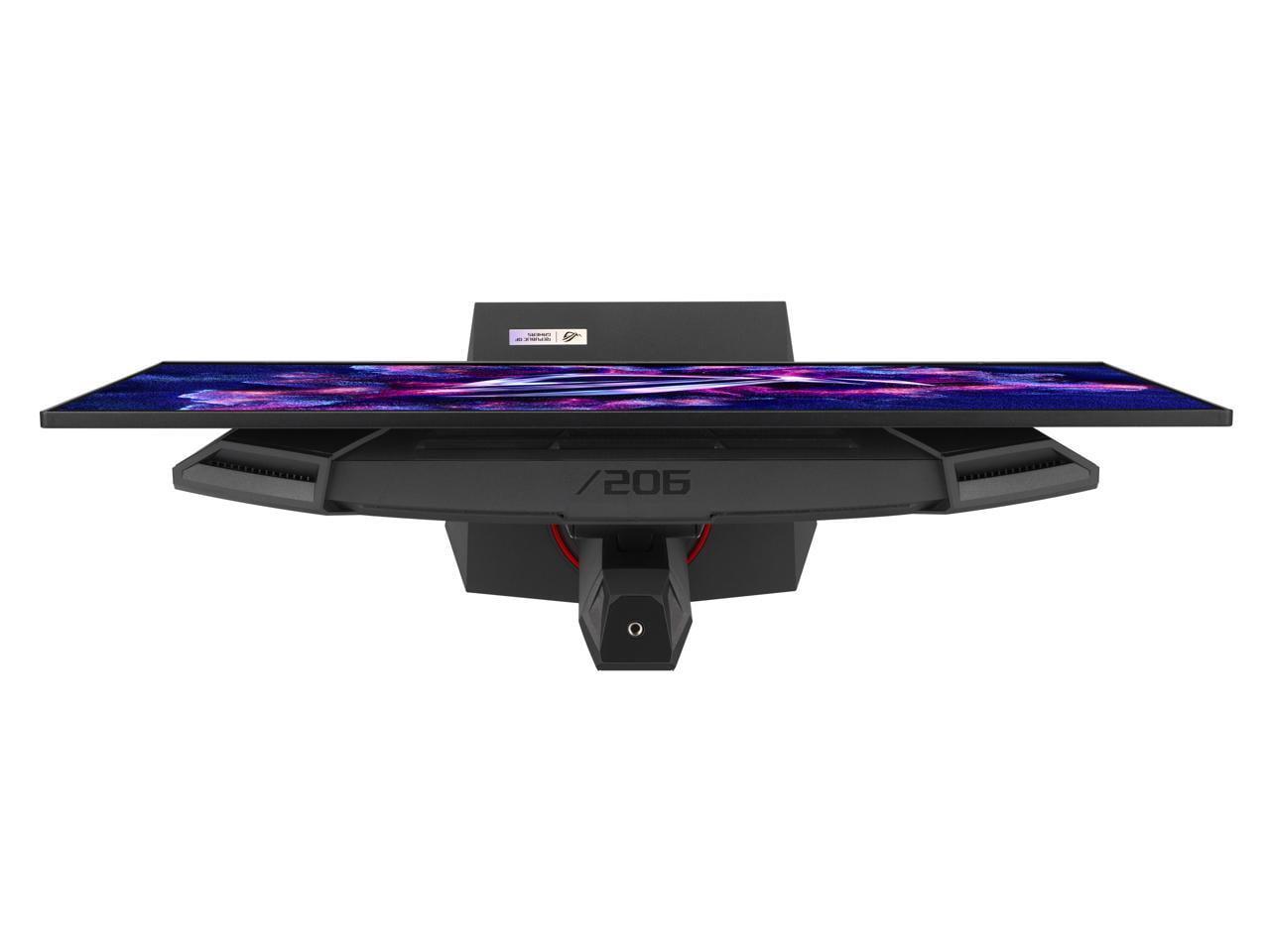
If you're shopping for a premium gaming monitor in 2024, you've probably encountered the dazzling world of OLED displays. Two monitors that perfectly illustrate the current state of this technology are the Gigabyte AORUS FO27Q2 and the ASUS ROG Strix OLED XG27UCDMG. At the time of writing, these represent two distinct approaches to 27-inch QD-OLED gaming: the value-focused 1440p experience versus the premium 4K solution.
Both monitors showcase what happens when cutting-edge OLED technology meets serious gaming performance, but they target different needs and budgets. The fundamental question isn't which monitor is "better"—it's which one fits your specific gaming setup and priorities.
Before diving into comparisons, let's understand what makes these monitors special. QD-OLED (Quantum Dot Organic Light-Emitting Diode) technology combines the best aspects of two display innovations. OLED panels create perfect blacks by completely turning off individual pixels, while Quantum Dot technology enhances color volume and brightness. The result? Displays with infinite contrast ratios, vibrant colors that practically leap off the screen, and response times so fast they're measured in hundredths of milliseconds.
When Samsung introduced this technology, it solved many traditional OLED weaknesses. Earlier OLED monitors often struggled with text clarity due to their subpixel arrangements, but QD-OLED panels, especially newer generations, have largely addressed these issues. Both the AORUS FO27Q2 and ASUS XG27UCDMG benefit from these improvements, though to different degrees.
The monitor category itself has evolved rapidly. Just a few years ago, 27-inch OLED gaming monitors were either unavailable or prohibitively expensive. Now, we're seeing multiple options at various price points, with manufacturers pushing both resolution and refresh rates to new heights.
The most significant distinction between these monitors lies in their resolution capabilities. The AORUS FO27Q2 delivers 2560×1440 (QHD) resolution, while the ASUS XG27UCDMG pushes 3840×2160 (4K) pixels. This isn't just a numbers game—the resolution difference fundamentally changes how you'll use these monitors.
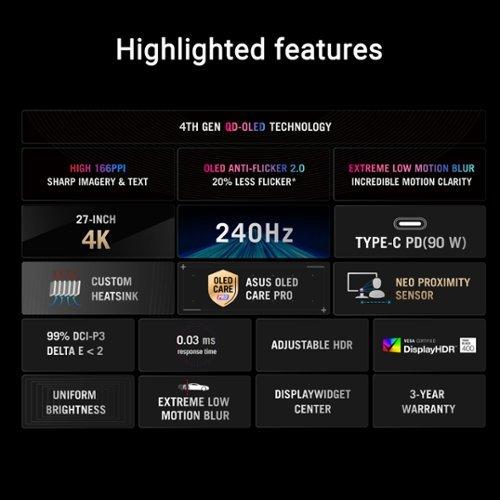
At 27 inches, 1440p provides a pixel density of about 109 pixels per inch (PPI), which offers excellent gaming visuals without overwhelming your graphics card. Text remains sharp for most users, though those coming from 4K displays might notice the difference during productivity tasks. The 4K panel in the ASUS monitor delivers approximately 166 PPI, creating noticeably sharper text and more detailed game environments.
From a gaming performance perspective, this resolution difference is crucial. Running games at 4K requires significantly more GPU horsepower than 1440p. To maintain 240Hz performance—which both monitors support—you'll need a high-end graphics card for the ASUS XG27UCDMG, while the AORUS FO27Q2 can achieve smooth high-refresh gaming with more mainstream GPU options.
I've spent considerable time gaming on both resolutions, and while 4K undeniably looks sharper, the performance impact is real. If you're primarily focused on competitive gaming where frame rates matter more than pixel density, 1440p often provides a better balance of visual quality and performance.
The ASUS XG27UCDMG features fourth-generation QD-OLED technology, representing the latest advancement in this display tech. This newer generation addresses several issues that plagued earlier OLED panels, particularly around text clarity and panel longevity. The improved subpixel arrangement virtually eliminates the color fringing that some users noticed on first-generation QD-OLED displays.
The AORUS FO27Q2 uses standard QD-OLED technology, which still delivers excellent gaming performance but may not have the same level of text clarity refinement. For gaming, this difference is minimal—both panels produce stunning visuals with infinite contrast and vibrant colors. However, if you plan to use your monitor for productivity work or text-heavy applications, the fourth-generation panel offers a noticeable improvement.
Both monitors achieve the same core OLED benefits: perfect blacks, exceptional color accuracy (both cover 99% of the DCI-P3 color gamut), and blazing-fast response times. The color volume—how bright and saturated colors can get—is excellent on both displays, making HDR content truly pop.
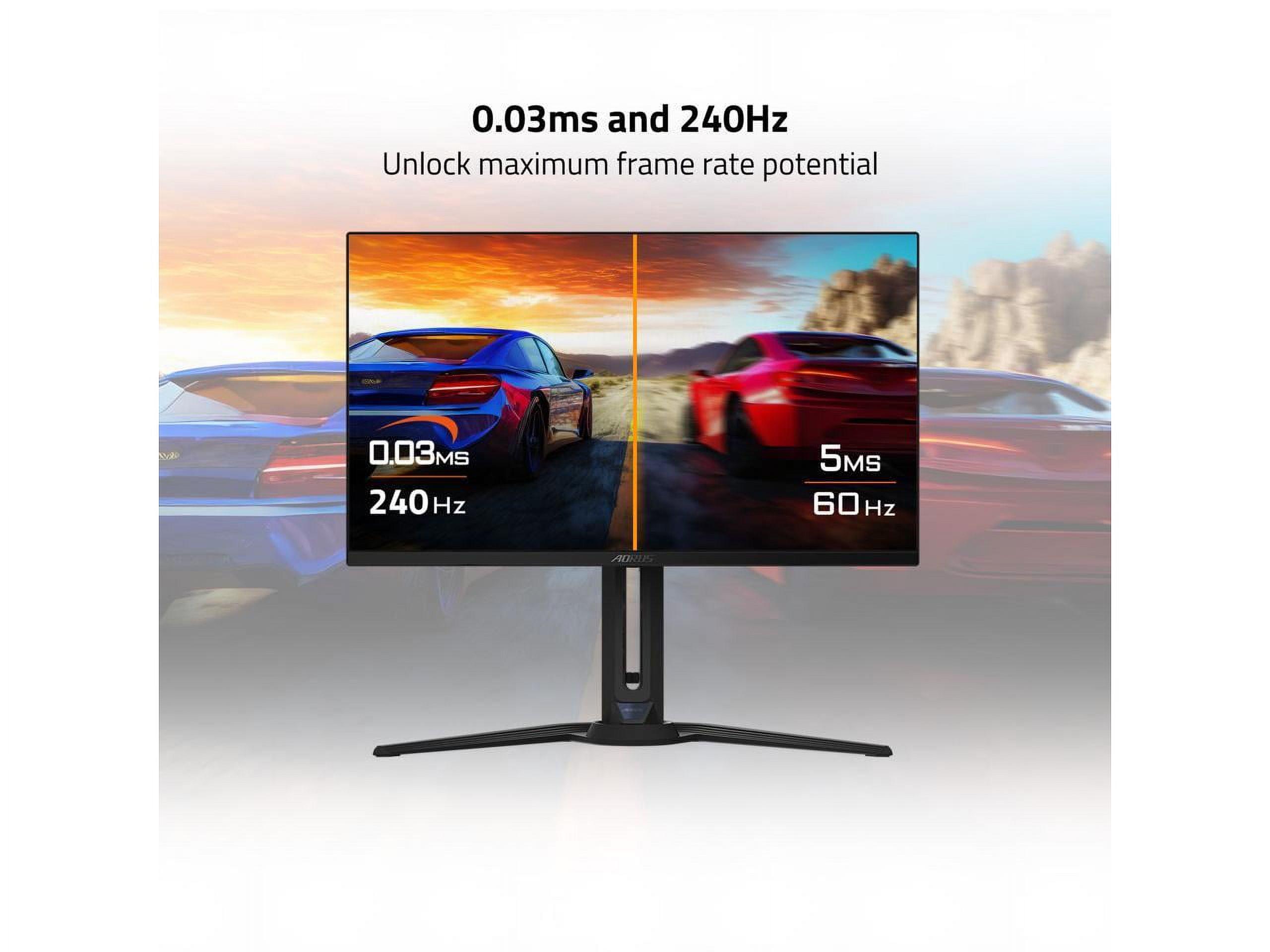
When it comes to pure gaming performance, both monitors are nearly identical in their core specifications. They both offer 240Hz refresh rates with 0.03ms gray-to-gray response times, support for AMD FreeSync Premium Pro, and NVIDIA G-SYNC compatibility. These specs put them among the fastest gaming monitors available.
However, the ASUS XG27UCDMG introduces OLED Anti-Flicker 2.0 technology, which addresses one of the most common complaints about OLED gaming monitors. VRR (Variable Refresh Rate) flicker occurs when your frame rate fluctuates, causing noticeable brightness variations, particularly in darker game scenes. The advanced luminance compensation algorithm in the ASUS monitor reduces this flicker by about 20% compared to standard implementations.
Having experienced VRR flicker on various OLED monitors, I can attest that it's genuinely distracting during gameplay. Games with varying lighting conditions—think exploring dark caves then stepping into bright sunlight—can trigger noticeable brightness fluctuations. The Anti-Flicker 2.0 technology makes a meaningful difference in these scenarios.
The AORUS FO27Q2 takes a different approach to gaming optimization with its Tactical Switch feature. This physical button allows instant resolution changes, letting you switch to a centered 24-inch view for competitive gaming. This feature appeals to esports players who prefer smaller display areas for better focus and potentially higher frame rates.
Both monitors excel in motion clarity, which is crucial for competitive gaming. The 0.03ms response time isn't just marketing speak—it represents pixel-perfect motion reproduction without the trailing or smearing that can affect gameplay precision. Whether you're tracking enemies in first-person shooters or following fast-moving objects in racing games, both displays deliver exceptional clarity.
Input lag—the delay between your mouse click and the corresponding action on screen—is equally impressive on both monitors. Modern OLED panels have largely eliminated the input lag concerns that once plagued display technology, making these monitors suitable for the most demanding competitive scenarios.
The 240Hz refresh rate provides significant benefits beyond just smooth motion. Higher refresh rates reduce the time between frame updates, making your inputs feel more responsive. This is particularly noticeable in fast-paced games where split-second reactions matter.
Both monitors support HDR10 and achieve DisplayHDR 400 True Black certification, but OLED's natural advantages make HDR performance exceptional on both displays. Unlike LCD monitors that rely on backlighting zones, OLED pixels emit their own light, creating true blacks alongside bright highlights. This results in HDR content that looks dramatically more realistic than traditional monitors.
Peak brightness reaches 1,000 nits on both monitors for HDR content, which is bright enough for impressive highlights while maintaining the infinite contrast that makes OLED special. Games like Cyberpunk 2077, with their mix of neon-bright cityscapes and deep shadows, showcase these monitors' HDR capabilities beautifully.
The color accuracy on both displays makes them suitable for content creation beyond gaming. With Delta E values under 2, both monitors can handle photo editing and color-critical work, though the higher resolution of the ASUS XG27UCDMG provides more screen real estate for detailed work.
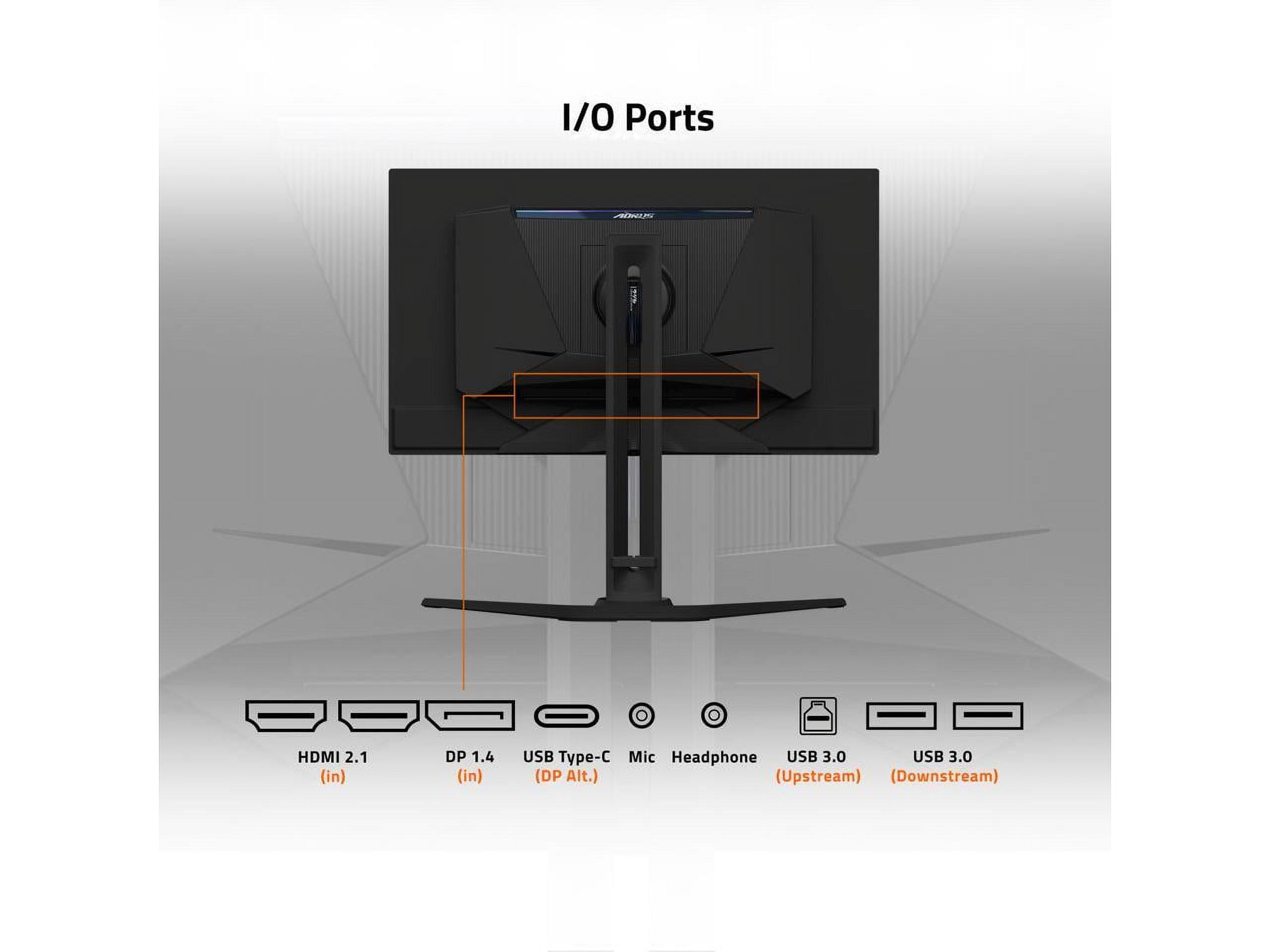
Modern gaming setups often involve multiple devices, and both monitors address this with comprehensive connectivity options. However, the ASUS XG27UCDMG takes a significant lead in USB-C implementation. Its 90W Power Delivery capability means you can connect a laptop with a single cable, handling both video and charging simultaneously. This makes it particularly appealing for users who switch between desktop gaming and laptop productivity work.
The AORUS FO27Q2 offers USB-C connectivity but with only 18W power delivery—insufficient for charging most modern laptops. This limitation makes it less suitable for integrated laptop workflows, though it still provides good connectivity for gaming consoles and desktop systems.
Both monitors include KVM (Keyboard, Video, Mouse) switching, allowing you to control multiple connected devices with a single keyboard and mouse setup. This feature has become increasingly valuable as more people maintain both gaming PCs and work laptops.
An interesting difference lies in audio solutions. The AORUS FO27Q2 includes built-in 5W stereo speakers along with dedicated headphone and microphone jacks, providing a complete audio solution out of the box. The ASUS XG27UCDMG omits built-in speakers entirely, requiring external audio equipment. For some users, this represents additional cost and desk clutter; for others, it avoids compromising audio quality with mediocre built-in speakers.
OLED burn-in remains a consideration, though modern panels and protective features have largely minimized this concern. Both monitors implement comprehensive OLED care systems, but with different approaches.
The AORUS FO27Q2 uses AI-based OLED Care with features like pixel shifting, automated screen savers, and intelligent brightness management. These systems work automatically to prevent static content from causing permanent image retention.
The ASUS XG27UCDMG introduces OLED Care Pro with a unique Neo Proximity Sensor. This sensor detects when you've stepped away from your desk and automatically switches the display to black, reducing pixel wear during inactive periods. Combined with traditional burn-in prevention features, this provides robust protection for your investment.
Both manufacturers back their confidence with three-year warranties that include burn-in coverage—a significant improvement over early OLED monitor warranties that often excluded panel defects.
While primarily gaming monitors, both displays work well in home theater setups, though with important considerations. The 27-inch size works best for desktop or close-range viewing rather than traditional living room distances. However, the exceptional contrast and color accuracy make them excellent for movie watching and streaming content.
The ASUS XG27UCDMG has advantages for home theater use due to its 4K resolution, which matches most modern streaming content and Blu-ray discs. The higher resolution provides better detail for movies and shows, while the OLED panel delivers the deep blacks that make cinematic content truly immersive.
Both monitors support multiple HDR formats, though neither includes Dolby Vision support—a limitation for some premium streaming content. However, the HDR10 support handles most content excellently, and the OLED panel's natural contrast advantages often outweigh the missing Dolby Vision features.
At the time of writing, these monitors represent different value propositions within the premium OLED space. The AORUS FO27Q2 positions itself as the accessible entry point to high-end OLED gaming, delivering about 95% of the premium experience while requiring a significantly smaller financial commitment.
The price difference between these monitors can fund meaningful upgrades elsewhere in your gaming setup. The savings from choosing the AORUS monitor could contribute toward a better graphics card, which might provide more tangible gaming improvements than the resolution upgrade.
However, the ASUS XG27UCDMG justifies its premium through genuine technological improvements. The fourth-generation panel, advanced anti-flicker technology, and 90W USB-C charging provide real benefits that extend beyond just higher resolution. For users who value these features or require 4K resolution for their workflow, the premium can be justified.
The decision between these monitors ultimately depends on your specific needs and priorities. Choose the AORUS FO27Q2 if you're focused on competitive gaming performance, prefer to allocate more budget toward your graphics card, or appreciate the included audio solution and tactical gaming features.
The ASUS XG27UCDMG makes sense if you need 4K resolution for productivity work, value the advanced anti-flicker technology for VRR gaming, or require the 90W USB-C charging for laptop integration. It's also the better choice if you're building a premium setup where the latest display technology justifies the investment.
For most gamers, particularly those focused on competitive play, the AORUS FO27Q2 provides exceptional value. The 1440p resolution remains excellent for gaming, and the money saved can improve other components that might have greater performance impact.
However, if you're building a high-end system where budget is less constrained, or if you need the monitor for both gaming and professional work, the ASUS XG27UCDMG offers meaningful advantages that justify its premium pricing.
Both monitors represent the current state-of-the-art in OLED gaming displays, just targeted at different segments of the enthusiast market. Whichever you choose, you're getting access to display technology that was unimaginable just a few years ago—and that's pretty exciting regardless of resolution.
| Gigabyte AORUS FO27Q2 | ASUS ROG Strix OLED XG27UCDMG |
|---|---|
| Resolution - Determines image sharpness and GPU requirements | |
| 2560×1440 (QHD) - Easier to drive at high refresh rates | 3840×2160 (4K) - Sharper text and game details, needs powerful GPU |
| Panel Technology - Affects text clarity and longevity | |
| Standard QD-OLED - Excellent gaming performance | 4th-gen QD-OLED - Improved text clarity and panel lifespan |
| Refresh Rate & Response Time - Critical for competitive gaming | |
| 240Hz, 0.03ms GTG - Identical ultra-fast performance | 240Hz, 0.03ms GTG - Identical ultra-fast performance |
| Anti-Flicker Technology - Reduces VRR brightness fluctuations | |
| Standard implementation - Noticeable flicker in dark scenes | OLED Anti-Flicker 2.0 - 20% reduction in VRR flicker |
| USB-C Power Delivery - Important for laptop workflows | |
| 18W - Insufficient for laptop charging | 90W - Full laptop charging with single cable |
| Audio Solution - Affects desk setup and additional costs | |
| Built-in 5W stereo speakers + headphone/mic jacks | No built-in speakers - Requires external audio setup |
| Gaming Features - Competitive gaming advantages | |
| Tactical Switch for instant resolution changes | Advanced gaming modes with DisplayWidget Center |
| OLED Care - Burn-in protection for longevity | |
| AI-based OLED Care with pixel shifting | OLED Care Pro with Neo Proximity Sensor auto-detection |
| Color Accuracy - Important for content creation | |
| 99% DCI-P3, 10-bit color depth | 99% DCI-P3, 145% sRGB, 10-bit color depth |
| HDR Support - Enhanced gaming and media experience | |
| HDR10, DisplayHDR 400 True Black, 1000 nits peak | HDR10, DisplayHDR 400 True Black, 1000 nits peak |
| Connectivity - Multi-device setup flexibility | |
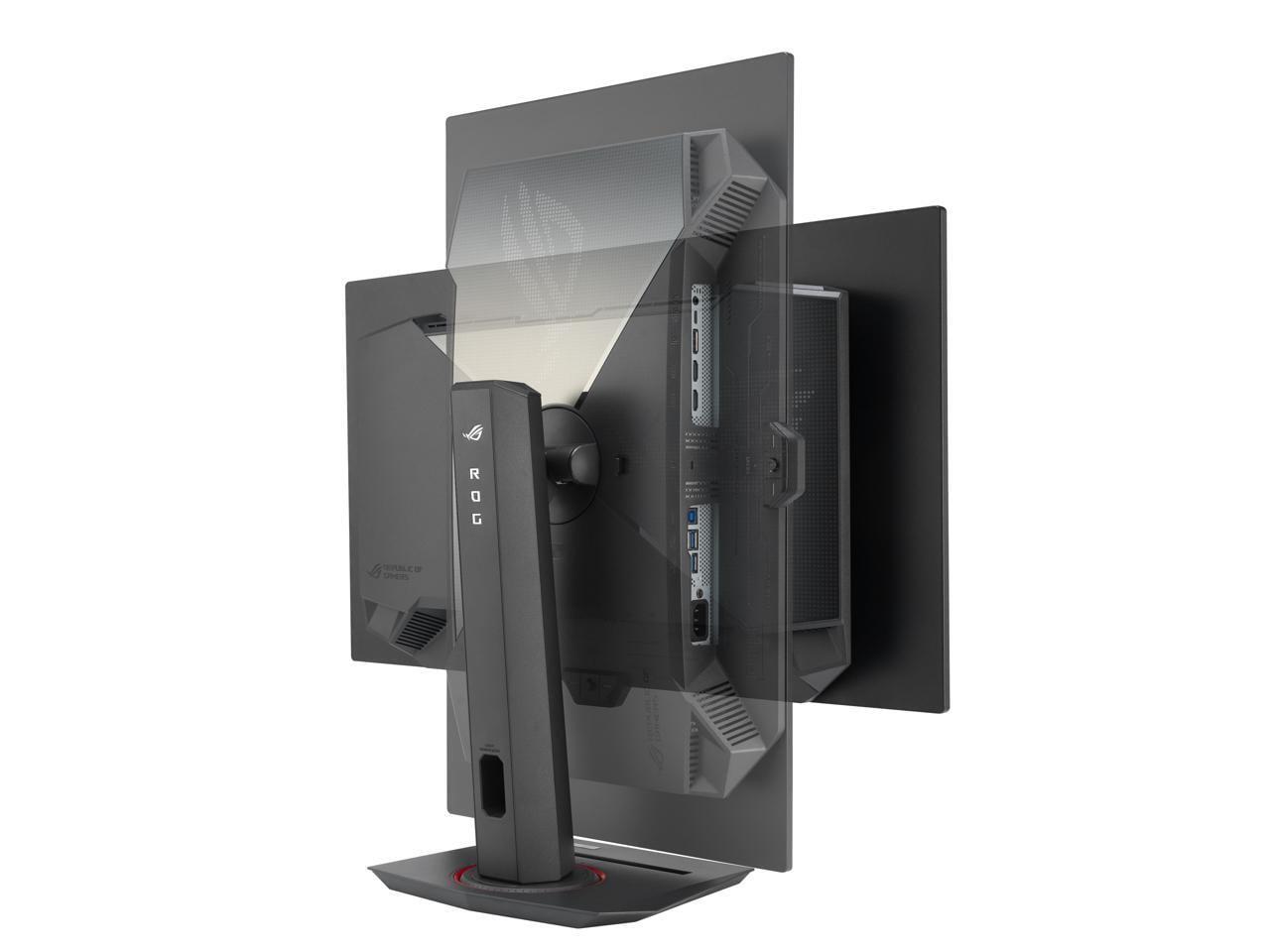
| 2×HDMI 2.1, 1×DP 1.4, USB-C, KVM switch | 2×HDMI 2.1, 1×DP 1.4, USB-C, KVM switch |
| Warranty Coverage - Protection for premium investment | |
| 3 years including burn-in coverage | 3 years including burn-in coverage |
The primary difference is resolution: the Gigabyte AORUS FO27Q2 offers 1440p (QHD) gaming while the ASUS ROG Strix OLED XG27UCDMG delivers 4K resolution. The ASUS monitor also features newer 4th-generation QD-OLED technology with improved text clarity and anti-flicker capabilities, while the Gigabyte model focuses on value and competitive gaming features.
The Gigabyte AORUS FO27Q2 has advantages for competitive gaming due to its 1440p resolution being easier to drive at 240Hz, plus unique features like the Tactical Switch for instant resolution changes. Both monitors offer identical 240Hz refresh rates and 0.03ms response times, but the AORUS FO27Q2 allows more budget for a powerful graphics card.
Only the ASUS ROG Strix OLED XG27UCDMG supports native 4K gaming at 3840×2160 resolution. The Gigabyte AORUS FO27Q2 maxes out at 1440p resolution, which is still excellent for gaming but provides less detail than 4K.
The ASUS ROG Strix OLED XG27UCDMG offers superior text clarity due to its 4K resolution and 4th-generation QD-OLED panel technology. The higher pixel density and improved subpixel arrangement make text appear much sharper compared to the AORUS FO27Q2.
The ASUS ROG Strix OLED XG27UCDMG provides 90W USB-C power delivery, which can charge most laptops through a single cable. The Gigabyte AORUS FO27Q2 only offers 18W power delivery through USB-C, which is insufficient for laptop charging.
The Gigabyte AORUS FO27Q2 provides better value for most gamers, delivering excellent OLED performance at a lower price point. The money saved compared to the ASUS XG27UCDMG can be invested in a better graphics card or other components for improved overall gaming performance.
The Gigabyte AORUS FO27Q2 includes built-in 5W stereo speakers plus dedicated headphone and microphone jacks. The ASUS ROG Strix OLED XG27UCDMG has no built-in speakers, requiring external audio equipment.
Both monitors include comprehensive burn-in protection with 3-year warranties covering panel defects. The AORUS FO27Q2 uses AI-based OLED Care, while the ASUS XG27UCDMG features OLED Care Pro with a Neo Proximity Sensor that automatically turns the screen black when you're away.
Both the Gigabyte AORUS FO27Q2 and ASUS ROG Strix OLED XG27UCDMG offer excellent HDR performance with DisplayHDR 400 True Black certification and 1000 nits peak brightness. However, the 4K resolution of the ASUS monitor provides better detail for movies and streaming content.
The Gigabyte AORUS FO27Q2 can achieve 240Hz gaming with mid-range cards like RTX 4070 or RX 7800 XT. The ASUS ROG Strix OLED XG27UCDMG requires high-end GPUs like RTX 4080 or RX 7900 XTX for smooth 4K gaming at high refresh rates.
The ASUS ROG Strix OLED XG27UCDMG features advanced OLED Anti-Flicker 2.0 technology that reduces VRR brightness fluctuations by 20%. The Gigabyte AORUS FO27Q2 uses standard OLED implementation, which may show more noticeable flicker in dark gaming scenes with variable frame rates.
The ASUS ROG Strix OLED XG27UCDMG excels in multi-device setups thanks to its 90W USB-C charging, comprehensive connectivity, and superior text clarity for productivity work. The Gigabyte AORUS FO27Q2 works well for gaming-focused setups but lacks the laptop integration capabilities of the ASUS model.
We've done our best to create useful and informative comparisons to help you decide what product to buy. Our research uses advanced automated methods to create this comparison and perfection is not possible - please contact us for corrections or questions. These are the sites we've researched in the creation of this article: tomshardware.com - pangoly.com - youtube.com - pangoly.com - rtings.com - displayninja.com - gigabyte.com - youtube.com - creativebloq.com - techpowerup.com - newegg.com - gigabyte.com - icecat.in - microcenter.com - aorus.com - bhphotovideo.com - provantage.com - bestbuy.com - displayspecifications.com - tomshardware.com - gigabyte.com - computronicsmultivision.com - gigabyte.com - bestbuy.com - rog.asus.com - forum.pcmonitors.info - rog.asus.com - windowscentral.com - versus.com - youtube.com - youtube.com - rtings.com - rtings.com - rog.asus.com - rog.asus.com - rog.asus.com - tenforums.com - rog.asus.com - techpowerup.com - bestbuy.com - newegg.com - displayspecifications.com - youtube.com - tftcentral.co.uk - displayninja.com

Privacy Policy
Terms and Conditions - Affiliate Policy
Home Security
© Copyright 2008-2026.
11816 Inwood Rd #1211, Dallas, TX 75244