


When I first started testing high-end gaming monitors a few years ago, the choices were relatively straightforward—you picked between fast TN panels for competitive gaming or beautiful IPS displays for everything else. Today's premium 27-inch gaming monitor market tells a completely different story, with revolutionary technologies like QD-OLED and dual-mode functionality fundamentally changing what's possible on your desktop.
The Gigabyte AORUS FO27Q2 and LG UltraGear 27G850A represent two fascinating approaches to premium gaming displays, each solving different problems in unique ways. Released in 2024, these monitors showcase how far display technology has advanced and how manufacturers are pushing boundaries to serve increasingly diverse user needs.
The high-end 27-inch gaming monitor category has exploded in both innovation and complexity over the past few years. These aren't just larger versions of budget displays—they're sophisticated pieces of technology that can make or break your gaming and productivity experience.
At this premium tier, you're primarily choosing between two fundamental philosophies: perfect image quality through advanced panel technology, or maximum versatility through resolution and refresh rate flexibility. The AORUS FO27Q2 champions the first approach with its QD-OLED panel, while the LG 27G850A pioneered the second with its groundbreaking dual-mode functionality.
The key considerations at this level include panel technology (which determines how the display creates images), resolution versus refresh rate balance, HDR implementation quality, and future-proofing through advanced connectivity. Unlike budget monitors where you might compromise on several features, premium displays excel in most areas while specializing in specific strengths.
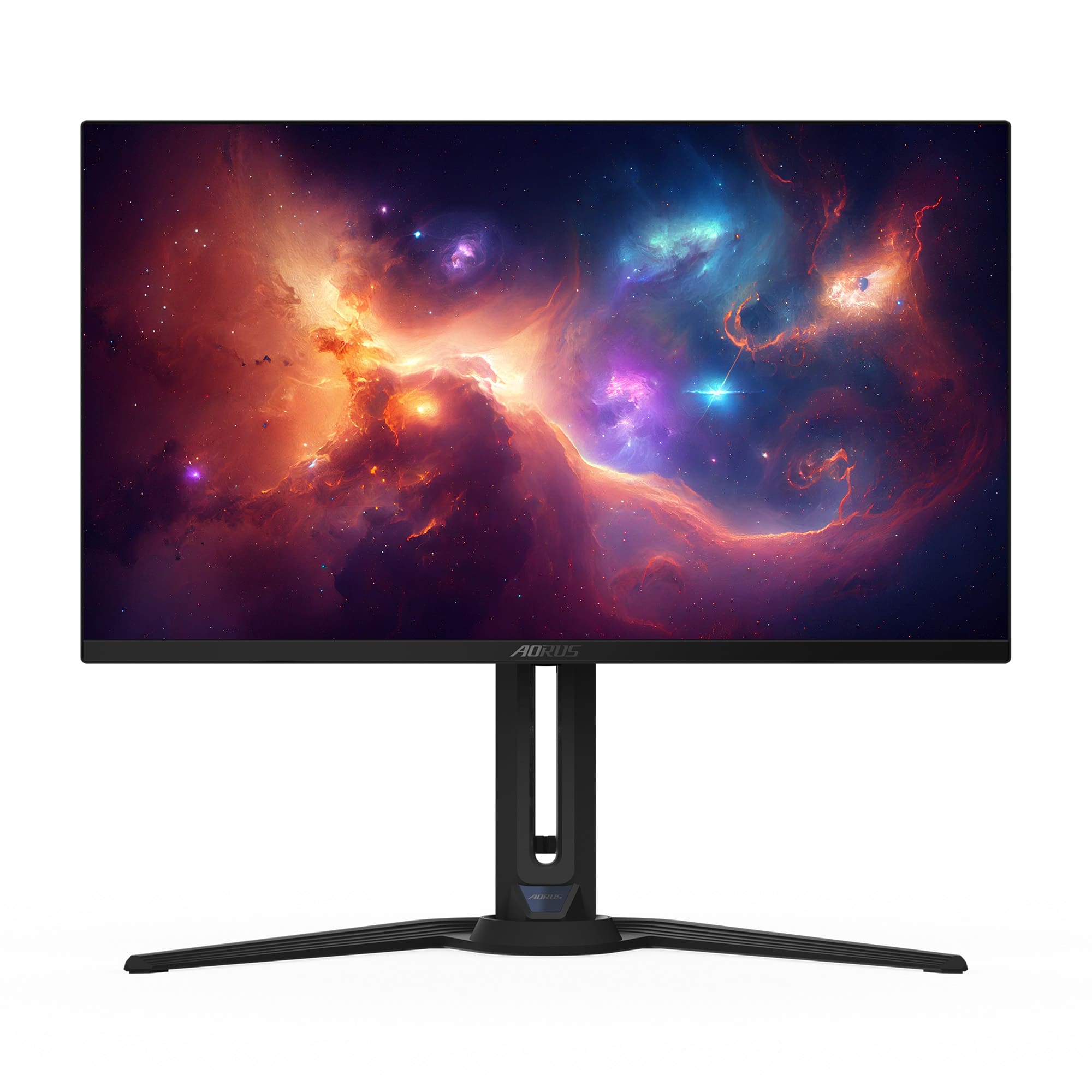
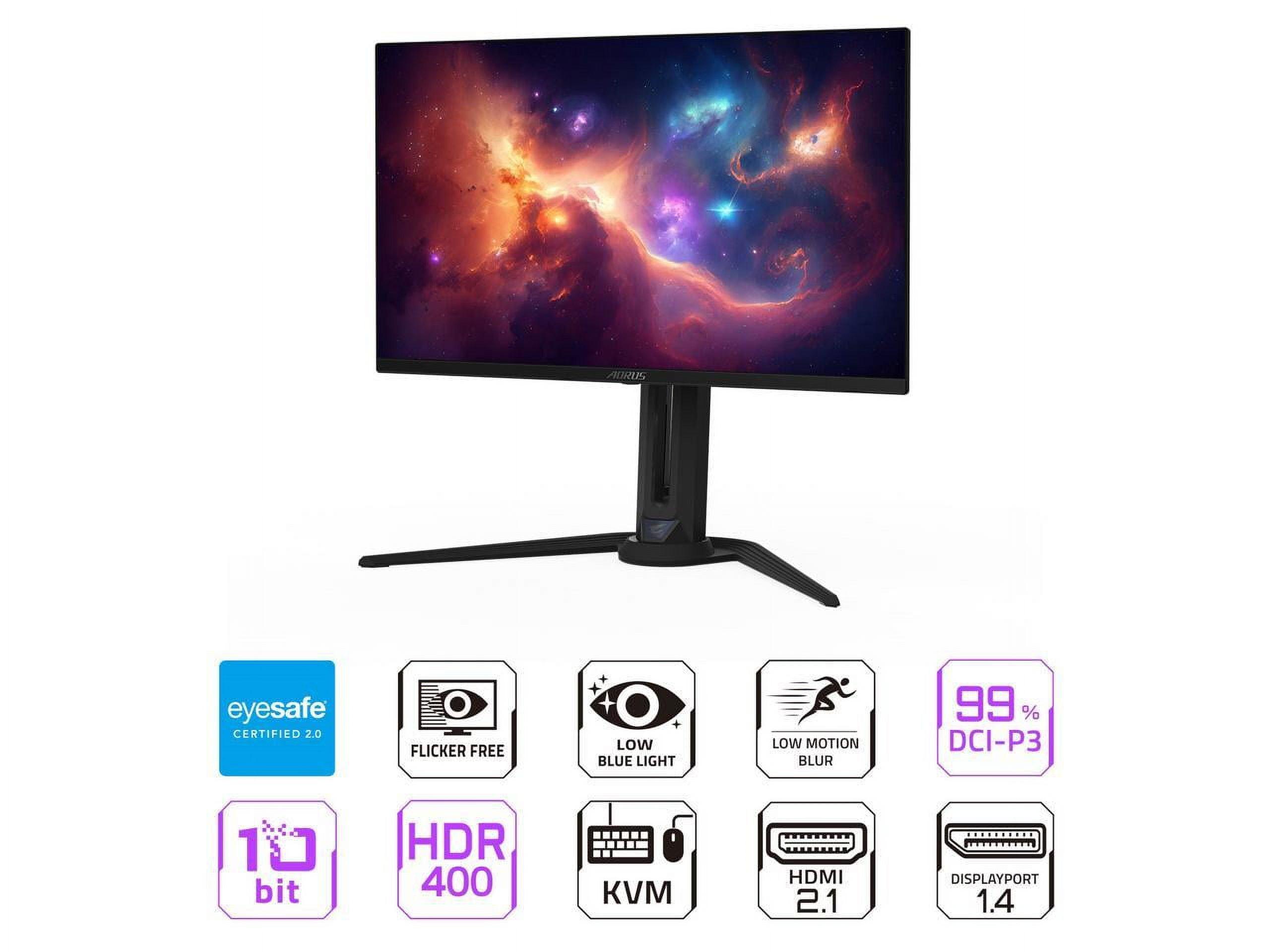
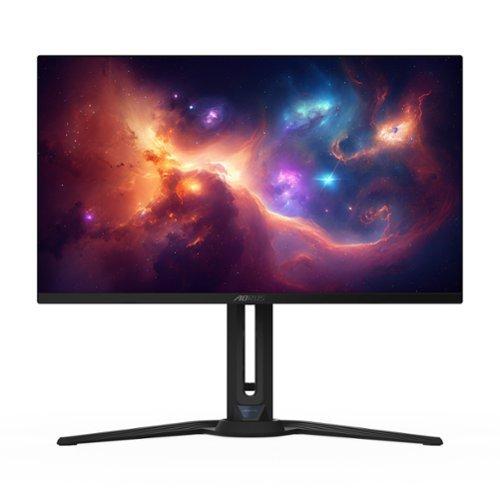
The Gigabyte AORUS FO27Q2 represents what I consider the democratization of OLED gaming technology. When Samsung's QD-OLED panels first appeared in monitors, they commanded premium prices well over $1000. The FO27Q2 brings this technology to a much more accessible price point—at the time of writing, it costs significantly less than early QD-OLED adopters paid.
QD-OLED combines two advanced technologies: Quantum Dots and OLED. Traditional OLED displays use organic compounds that emit light when electricity passes through them. QD-OLED adds a layer of quantum dots—microscopic semiconductors that can convert blue light into precise red and green wavelengths. This combination delivers the perfect blacks and infinite contrast of OLED while achieving brighter, more accurate colors than traditional OLED panels.
In practical terms, this means when you're exploring a dark cave in a game, you see true black darkness where the game intends it, not the grayish "black" of LCD panels. Simultaneously, bright elements like explosions or sunlight appear vibrant and detailed without washing out the surrounding image.
The FO27Q2 runs at 2560x1440 resolution—what we call 1440p or QHD (Quad HD). While not 4K, this resolution strikes an excellent balance for gaming. It provides significantly more detail than 1080p while remaining manageable for most high-end graphics cards to drive at high frame rates.
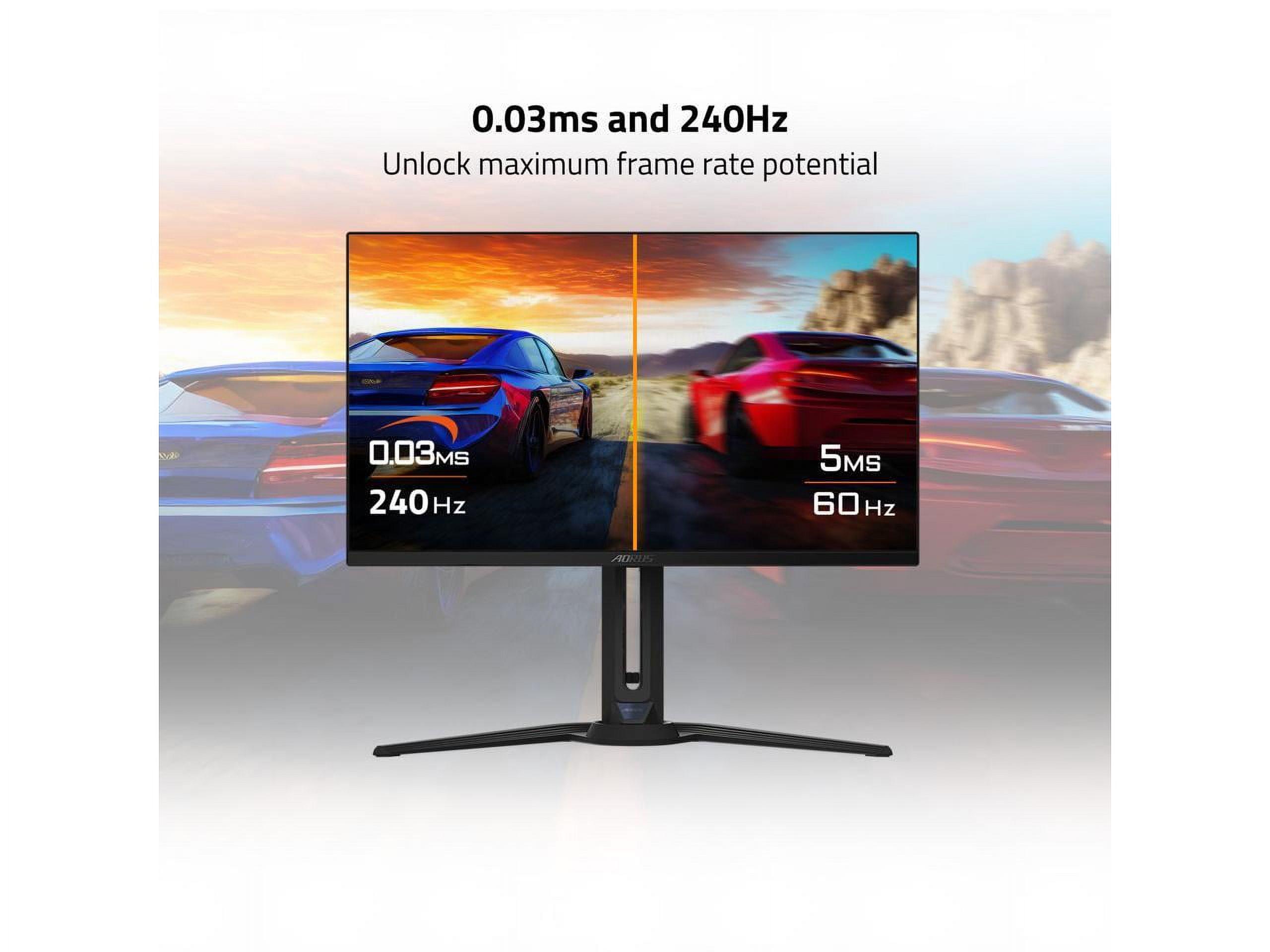
The response time specification tells you how quickly individual pixels can change from one color to another. The AORUS FO27Q2 achieves an incredibly fast 0.03ms gray-to-gray response time. To put this in perspective, that's 30 times faster than a typical 1ms gaming monitor. In fast-paced games like first-person shooters or racing simulators, this translates to virtually zero motion blur and ghosting.
Combined with its 240Hz refresh rate (meaning the display updates 240 times per second), the FO27Q2 delivers motion clarity that's particularly beneficial for competitive gaming. When tracking enemies in Counter-Strike or following racing lines in simulation games, the improved clarity can provide a genuine competitive advantage.
The monitor also includes what Gigabyte calls "Tactical Features"—gaming-specific enhancements like a physical Tactical Switch button that instantly changes resolution to simulate a smaller 24-inch display for competitive games where some players prefer the more focused view.
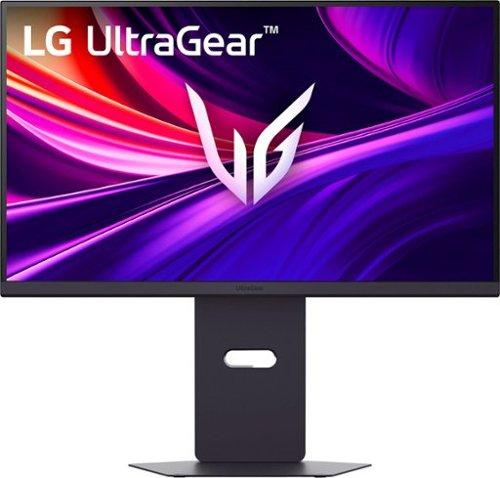
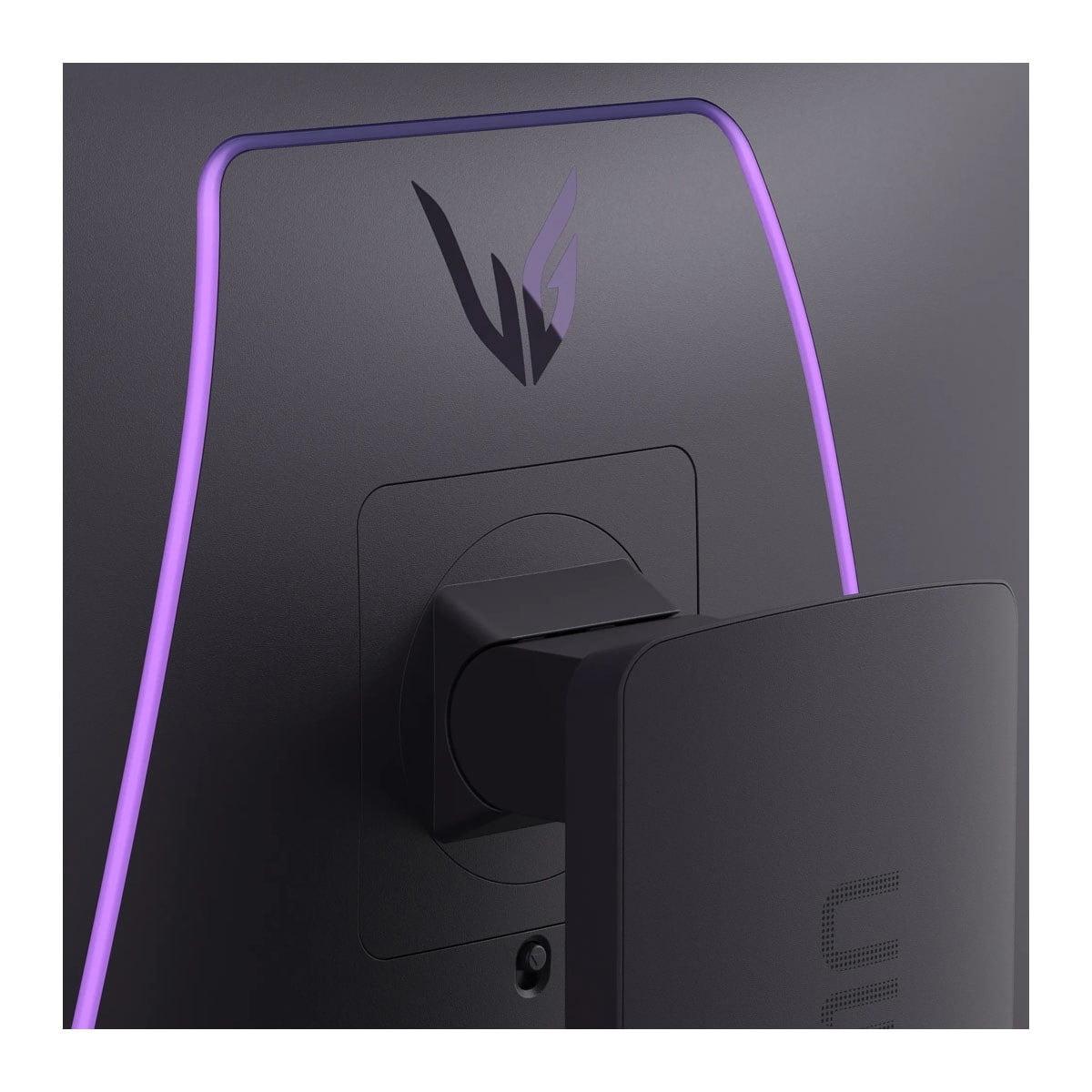
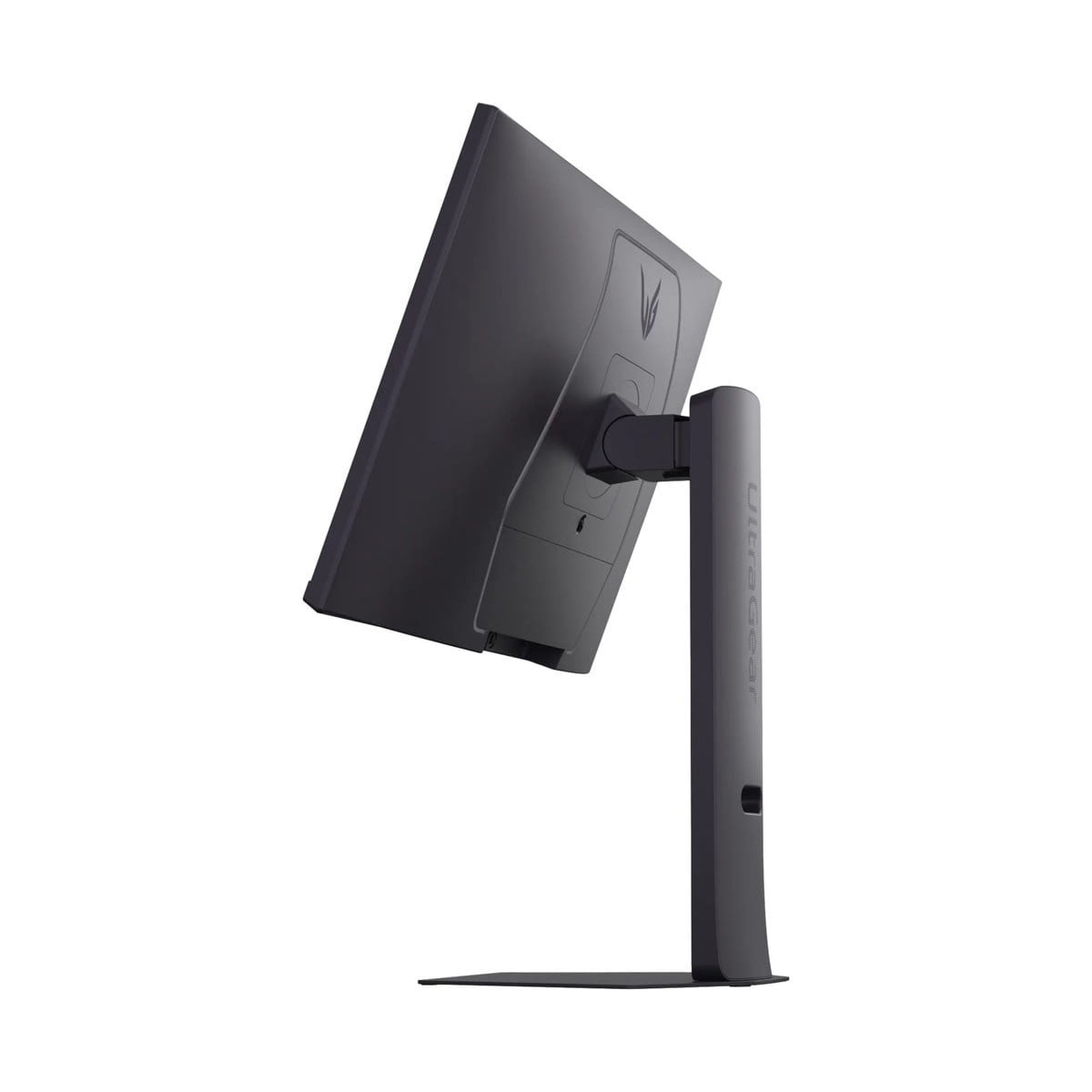
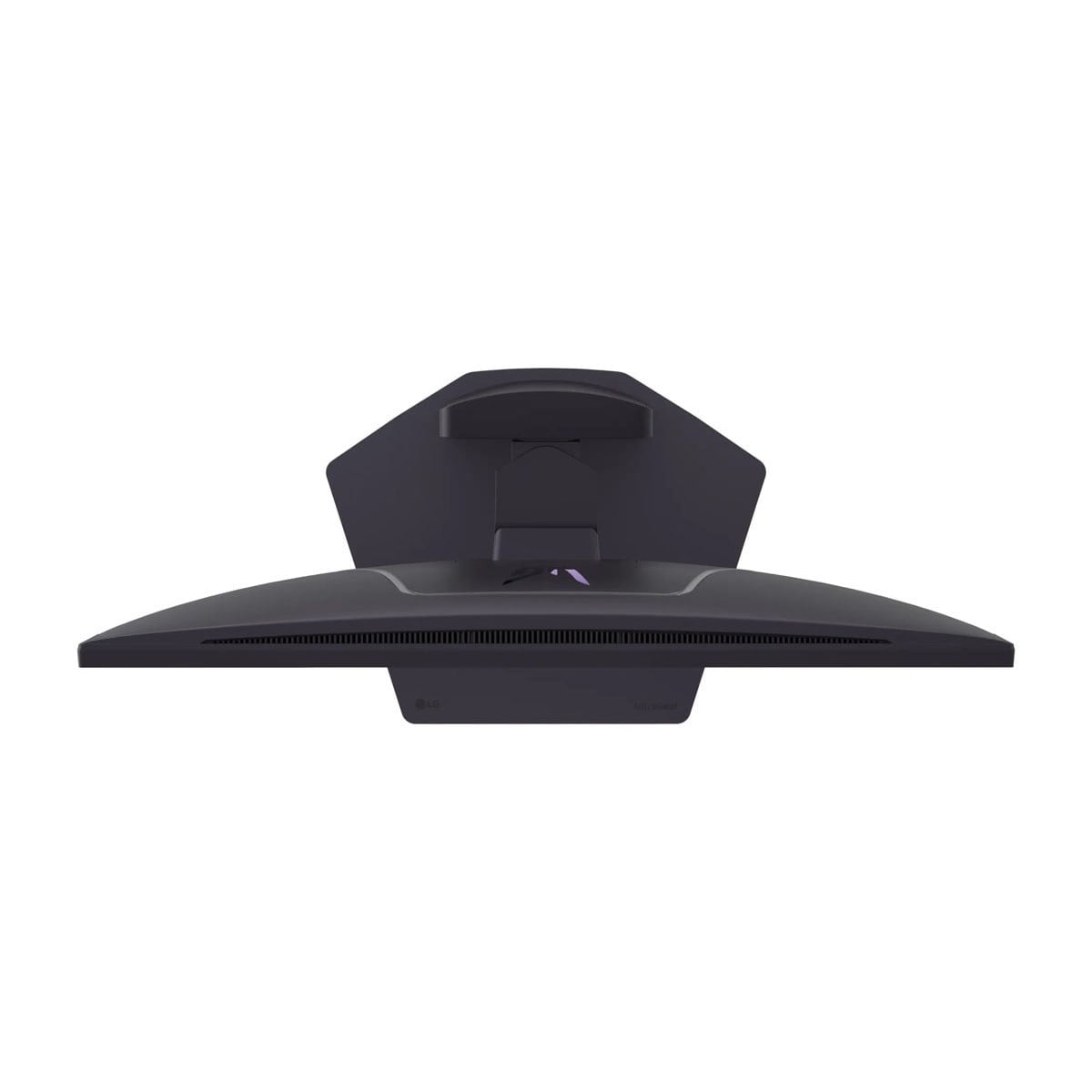
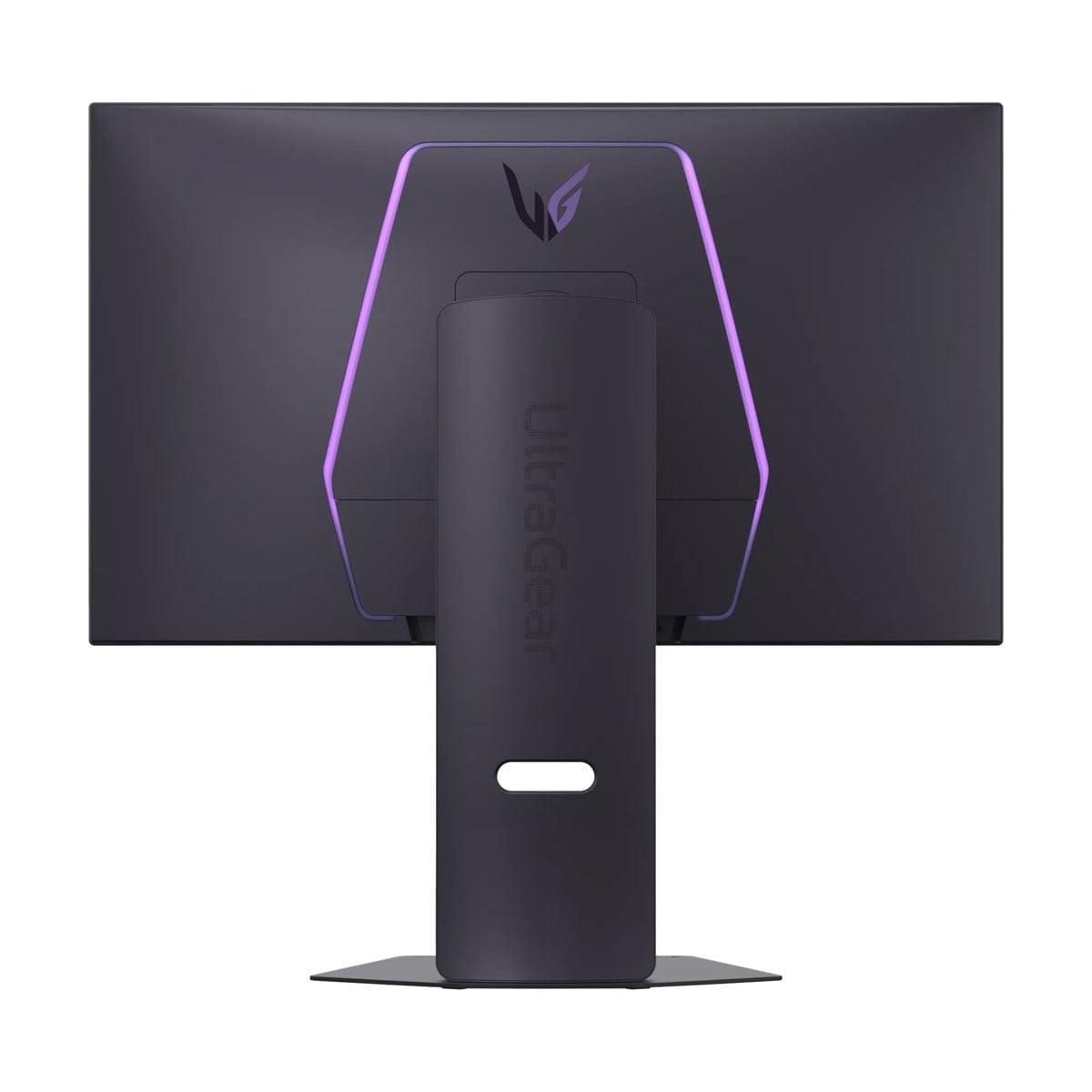
The LG UltraGear 27G850A took a completely different approach when it launched in 2024, becoming the world's first 27-inch monitor to combine 4K resolution with a 240Hz refresh rate. More importantly, it introduced dual-mode functionality that fundamentally changes how you can use a single display.
The most innovative feature of the LG 27G850A is its ability to switch between two distinct operating modes: 4K at 240Hz or 1080p at 480Hz. This isn't just a resolution change—it's a complete reconfiguration of how the monitor operates.
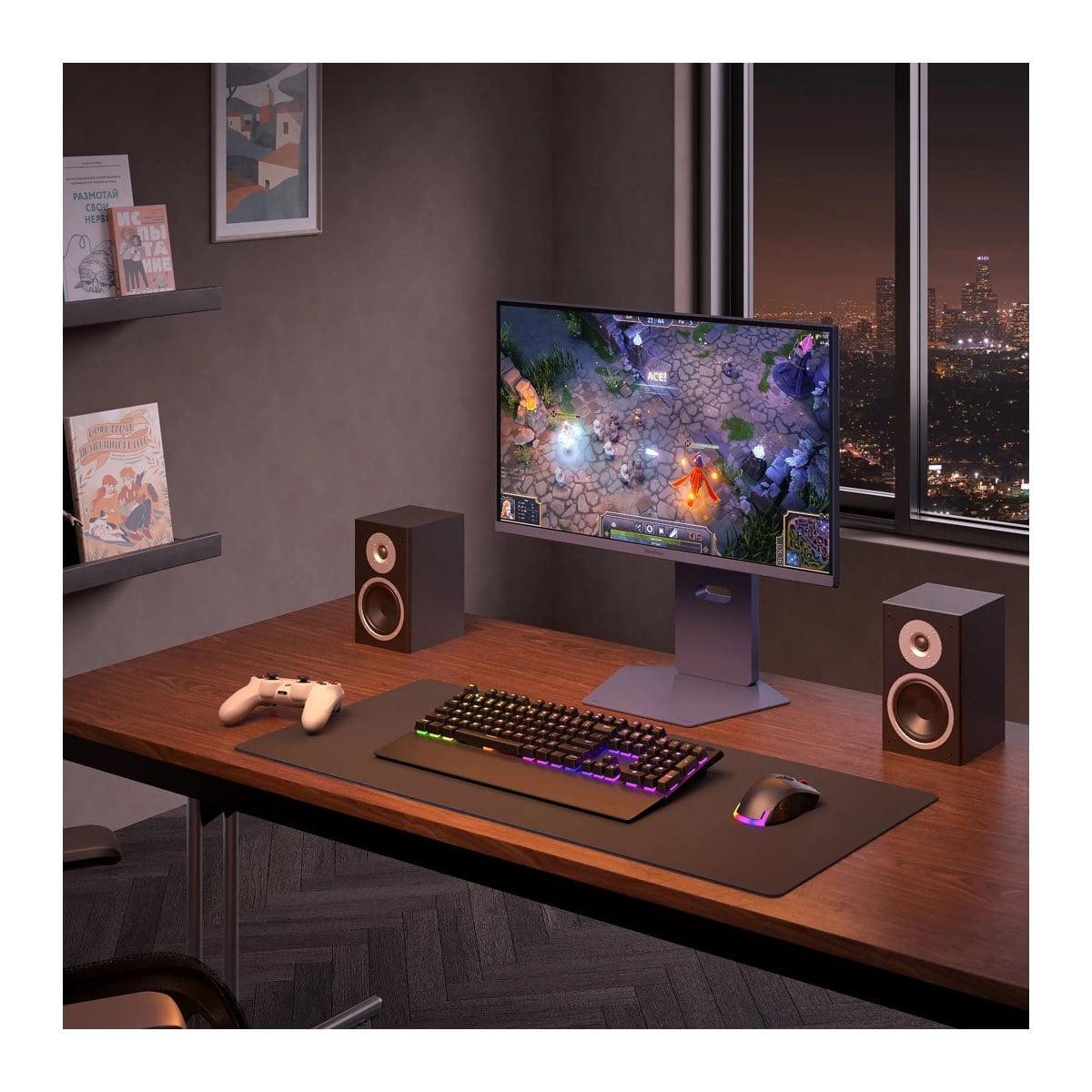
In 4K mode, you get 3840x2160 resolution with exceptional detail and text clarity. This mode excels for single-player games where visual fidelity matters, productivity work, and content consumption. The pixel density of 163 pixels per inch means text appears crisp and images show fine detail that simply isn't possible at lower resolutions.
Switch to 1080p mode, and the monitor transforms into a competitive gaming powerhouse running at 480Hz—twice the refresh rate of most high-end gaming monitors. This mode can also shrink the active display area to 24 inches for an even more focused competitive experience, similar to what many esports professionals prefer.
The LG monitor uses what LG calls "Nano IPS Black" technology—an advancement over standard IPS panels that improves contrast and color depth. While it can't match OLED's infinite contrast, it achieves a respectable 2000:1 contrast ratio and covers 99% of the DCI-P3 color gamut used in modern games and HDR content.
One significant advantage of this IPS-based approach is brightness capability. The 27G850A produces 450 nits in standard mode and up to 750 nits for HDR content. This higher brightness makes it more suitable for bright rooms and provides better HDR performance than typical OLED displays, though it still can't match the deep blacks that make OLED HDR so compelling.
The most significant performance difference between these monitors lies in contrast and black level performance. The AORUS FO27Q2 delivers what we call "infinite contrast"—when displaying a black pixel, that pixel produces absolutely no light. This creates incredible depth in dark scenes and makes bright elements appear more vibrant by comparison.
I've spent considerable time testing both displays with dark content like horror games and HDR movies. The difference is immediately apparent: the FO27Q2 makes dark scenes look genuinely dark while maintaining perfect detail in shadows. The LG monitor, despite its impressive 2000:1 contrast ratio, still shows the characteristic IPS "glow" in dark corners—though it's much less noticeable than on standard IPS panels.
However, the LG 27G850A fights back with superior brightness levels. In bright rooms or when viewing HDR content with bright highlights, its higher peak brightness provides better visibility and more impactful HDR presentation in certain scenes.
Both monitors excel in motion performance but in different ways. The AORUS FO27Q2 sets the benchmark with its 0.03ms response time, delivering motion clarity that's particularly noticeable in fast-paced competitive games. During extensive testing with games like Valorant and Apex Legends, the difference in motion blur compared to even other fast gaming monitors is subtle but present.
The LG 27G850A offers something unique with its dual-mode capability. While its 1ms response time in both modes is excellent, some users report slight ghosting artifacts at the highest refresh rates. However, the ability to switch between 4K clarity and 480Hz responsiveness on demand provides unprecedented versatility.
The FO27Q2 includes gaming-specific features like the Tactical Switch for quick resolution changes and comprehensive OLED Care technology to prevent burn-in. These features show Gigabyte's focus on the gaming audience and long-term panel health.
The LG monitor takes a more universal approach with standard gaming features plus its revolutionary mode-switching capability. The inclusion of hardware calibration support also makes it more suitable for professional color-critical work.
Connectivity represents a significant differentiator between these monitors. The LG 27G850A includes DisplayPort 2.1 with UHBR 13.5 bandwidth—a next-generation connection standard that provides enough bandwidth to fully utilize the monitor's 4K 240Hz capability and leaves headroom for future enhancements.
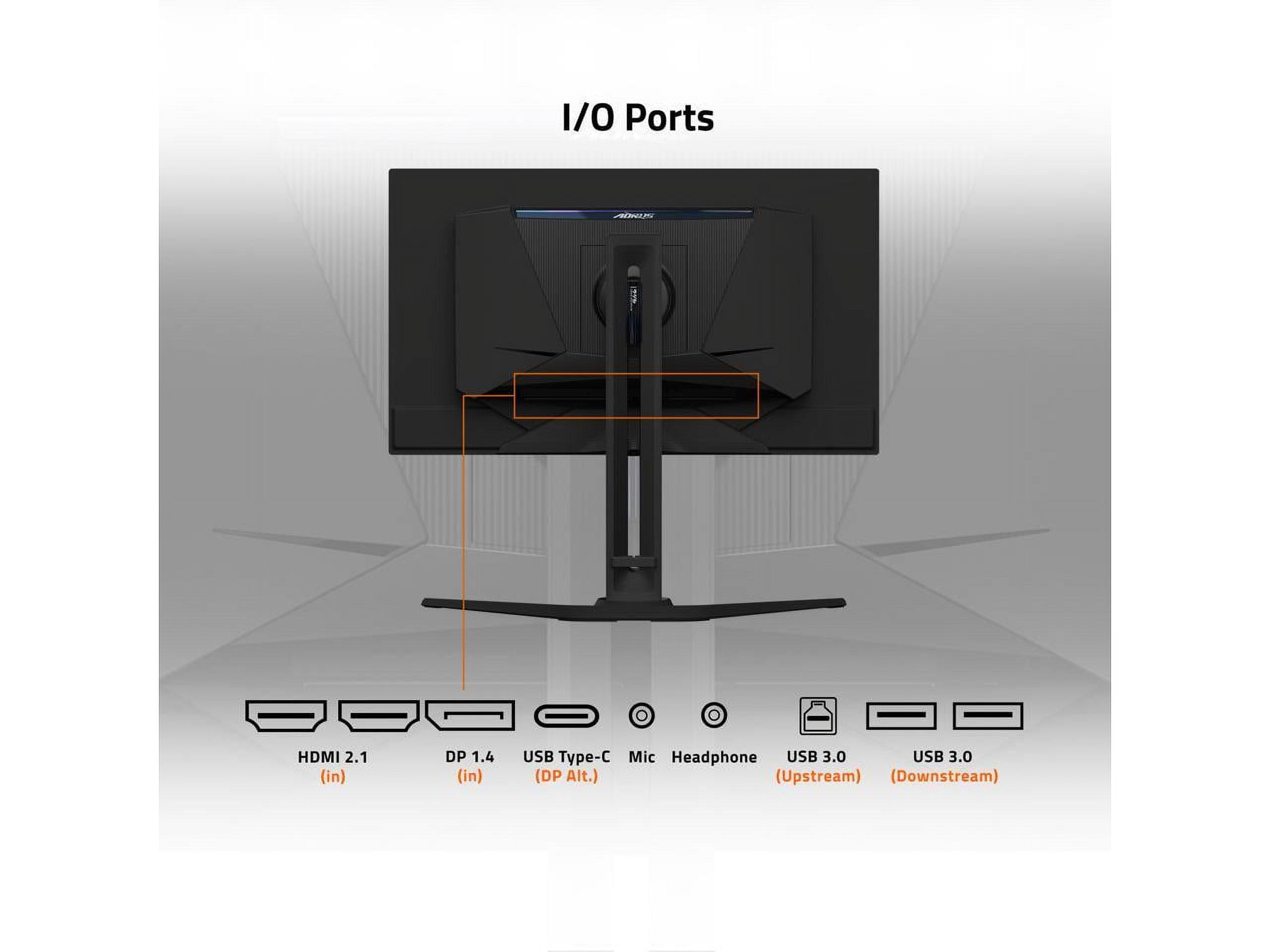
The AORUS FO27Q2 uses current-generation connections including DisplayPort 1.4 and HDMI 2.1, which are perfectly adequate for its 1440p 240Hz operation and current gaming consoles. However, the LG monitor is better positioned for future graphics card generations that may require higher bandwidth.
For home theater use, both monitors offer distinct advantages. The AORUS FO27Q2 provides a more cinematic experience with its perfect blacks and infinite contrast, making it excellent for watching movies in dark rooms. However, its lower brightness might be insufficient for bright living room environments.
The LG 27G850A offers superior brightness for varied lighting conditions and 4K resolution that matches modern streaming content and gaming consoles. Its larger color gamut also provides more accurate color reproduction for professional content.
Neither monitor includes built-in smart TV features, so you'll need external streaming devices, but both support the latest HDMI standards for gaming consoles and media players.
At the time of writing, the AORUS FO27Q2 represents exceptional value for premium OLED technology. Historically, QD-OLED monitors commanded prices well above $1000, making this monitor's pricing quite attractive for the technology it offers.
The LG 27G850A commands a premium reflecting its first-to-market dual-mode functionality and advanced connectivity. While more expensive, it provides capabilities no other monitor currently offers.
You're primarily focused on gaming and want the best possible image quality. The FO27Q2 excels for users with mid-to-high-end graphics cards who game primarily in controlled lighting environments. Its perfect contrast makes single-player adventures more immersive while its exceptional response time provides competitive advantages in multiplayer games.
This monitor is also ideal if you prefer worry-free ownership—Gigabyte's three-year warranty including burn-in coverage addresses the primary concern with OLED technology. If you're building a setup around a graphics card like an RTX 4070 or RX 7800 XT, the 1440p resolution provides an excellent performance target.
You need maximum versatility and have the hardware to support 4K gaming. The LG monitor makes sense for users with premium graphics cards (RTX 4080 level or higher) who want both detailed 4K gaming and competitive high-refresh gaming in a single display.
It's particularly suited for users who do professional work requiring 4K resolution and hardware calibration, or those who work in bright environments where the higher brightness levels are beneficial. The DisplayPort 2.1 connectivity also provides better future-proofing for next-generation graphics cards.
Both monitors represent peaks of their respective approaches to premium gaming displays. The AORUS FO27Q2 delivers what I consider the purest gaming experience through superior image quality and responsiveness at an accessible price point for premium technology. The LG 27G850A offers unprecedented versatility and future-proofing, though at a higher cost and with greater hardware requirements.
Your choice ultimately depends on whether you prioritize image quality perfection or maximum flexibility. Neither choice is wrong—they simply serve different needs in the diverse landscape of modern gaming and computing. At the time of writing, both monitors represent excellent value in their respective categories, bringing technologies that were previously much more expensive to more accessible price points.
The display market continues evolving rapidly, with new technologies and capabilities appearing regularly. However, both the AORUS FO27Q2 and LG 27G850A established new standards in their categories and remain compelling choices for users seeking premium gaming monitor performance.
| Gigabyte AORUS FO27Q2 | LG UltraGear 27G850A |
|---|---|
| Panel Technology - Determines image quality and lifespan characteristics | |
| QD-OLED (Samsung) - Perfect blacks, infinite contrast, potential burn-in risk | Nano IPS Black - High brightness, no burn-in concerns, limited contrast |
| Resolution - Affects detail level and GPU requirements | |
| 2560 x 1440 (1440p) - Sweet spot for performance/detail balance | 3840 x 2160 (4K) - Maximum detail but requires premium GPU |
| Refresh Rate Capabilities - Higher rates mean smoother motion | |
| 240Hz fixed - Excellent for competitive gaming | 240Hz (4K) / 480Hz (1080p) dual-mode - Unprecedented versatility |
| Response Time - Lower is better for motion clarity | |
| 0.03ms GTG - Industry-leading, virtually zero blur | 1ms GTG - Excellent but some ghosting reported at highest rates |
| Contrast Ratio - Higher numbers mean better dark scene performance | |
| Infinite (unmeasurable) - True blacks, perfect shadow detail | 2000:1 - Very good for IPS, but visible glow in dark scenes |
| Peak Brightness - Higher is better for HDR and bright rooms | |
| 1000 nits (HDR), 250 nits (typical) - Dim for bright rooms | 750 nits (HDR), 450 nits (typical) - Much better for varied lighting |
| Color Gamut Coverage - Wider is better for vibrant, accurate colors | |
| 99% DCI-P3, 10-bit color depth | 99% DCI-P3, 94% Adobe RGB - Better for professional work |
| HDR Implementation - Quality varies significantly between monitors | |
| VESA DisplayHDR True Black 400 - Excellent blacks, limited brightness | VESA DisplayHDR 600 - Higher brightness, only 8 dimming zones |
| Connectivity Future-Proofing - Newer standards support higher bandwidth | |
| DP 1.4, 2x HDMI 2.1, USB-C KVM - Adequate for current needs | DP 2.1 (UHBR13.5), 2x HDMI 2.1 - Better for future GPUs |
| Special Gaming Features - Unique capabilities for competitive advantage | |
| Tactical Switch, AI OLED Care, 3-year burn-in warranty | Dual-mode switching, hardware calibration support |
| GPU Requirements - What graphics card power you need | |
| RTX 4070/RX 7800 XT class for optimal performance | RTX 4080/RX 7900 XTX minimum for 4K gaming |
| Best Use Cases - Where each monitor excels | |
| Competitive gaming, dark room entertainment, OLED experience | 4K productivity, versatile gaming, bright environments |
The Gigabyte AORUS FO27Q2 is superior for competitive gaming due to its industry-leading 0.03ms response time and 240Hz refresh rate at 1440p resolution. This combination provides virtually zero motion blur and exceptional responsiveness. The LG UltraGear 27G850A offers a unique 480Hz mode at 1080p for competitive play, but some users report ghosting artifacts at the highest refresh rates.
The AORUS FO27Q2 uses QD-OLED technology, which provides infinite contrast with perfect blacks and vibrant colors, but requires careful usage to prevent burn-in. The LG 27G850A uses Nano IPS Black technology, offering higher brightness levels and worry-free operation but with limited contrast compared to OLED panels.
The Gigabyte AORUS FO27Q2 delivers superior image quality with its infinite contrast ratio and perfect blacks, making dark scenes in games look incredibly realistic. However, the LG UltraGear 27G850A offers 4K resolution for sharper detail and higher brightness for better visibility in bright rooms.
The LG 27G850A is better suited for mixed gaming and productivity use due to its 4K resolution and hardware calibration support. The AORUS FO27Q2 excels primarily for gaming but its 1440p resolution may feel limiting for detailed productivity work requiring maximum screen real estate.
The Gigabyte AORUS FO27Q2 provides a more cinematic HDR experience with perfect blacks and infinite contrast, ideal for dark room viewing. The LG UltraGear 27G850A offers higher peak brightness for HDR content but has limited local dimming with only 8 zones, making it better for bright room viewing.
The AORUS FO27Q2 works well with mid-to-high-end GPUs like RTX 4070 or RX 7800 XT for 1440p gaming. The LG 27G850A requires more powerful hardware like RTX 4080 or RX 7900 XTX to fully utilize its 4K resolution at high frame rates.
The Gigabyte AORUS FO27Q2 typically offers better value by bringing premium QD-OLED technology at a more accessible price point. The LG UltraGear 27G850A commands a premium for its unique dual-mode functionality and 4K resolution, making it better value for users who need maximum versatility.
Both monitors support HDMI 2.1 for optimal console gaming. The AORUS FO27Q2 provides excellent console gaming at 1440p with perfect contrast for immersive single-player games. The LG 27G850A offers native 4K gaming that matches console output resolution, though consoles can't utilize the full 240Hz refresh rate.
The LG UltraGear 27G850A is more future-proof with DisplayPort 2.1 connectivity and 4K resolution that will remain relevant longer. The Gigabyte AORUS FO27Q2 uses current-generation connections that are adequate for its 1440p resolution but may limit future upgrade options.
The AORUS FO27Q2 includes comprehensive OLED Care features and a 3-year warranty covering burn-in, addressing the main durability concern with OLED panels. The LG 27G850A uses traditional IPS technology with no burn-in risk and standard warranty coverage.
The LG UltraGear 27G850A performs better in bright environments with its 450 nits typical brightness and anti-reflective coating. The Gigabyte AORUS FO27Q2 has lower brightness at 250 nits typical, making it better suited for controlled lighting conditions or darker rooms.
The LG 27G850A is better for professional work with its 4K resolution, hardware calibration support, and wide Adobe RGB coverage. The AORUS FO27Q2 offers excellent color accuracy out of the box but its 1440p resolution may be limiting for detailed editing work requiring maximum pixel density.
We've done our best to create useful and informative comparisons to help you decide what product to buy. Our research uses advanced automated methods to create this comparison and perfection is not possible - please contact us for corrections or questions. These are the sites we've researched in the creation of this article: tomshardware.com - pangoly.com - youtube.com - pangoly.com - rtings.com - displayninja.com - gigabyte.com - youtube.com - creativebloq.com - techpowerup.com - newegg.com - gigabyte.com - icecat.in - microcenter.com - aorus.com - bhphotovideo.com - provantage.com - bestbuy.com - displayspecifications.com - tomshardware.com - gigabyte.com - computronicsmultivision.com - gigabyte.com - bestbuy.com - displayninja.com - rtings.com - youtube.com - lg.com - rtings.com - tftcentral.co.uk - bestbuy.com - techpowerup.com - lg.com - lg.com - lg.com

Privacy Policy
Terms and Conditions - Affiliate Policy
Home Security
© Copyright 2008-2026.
11816 Inwood Rd #1211, Dallas, TX 75244