

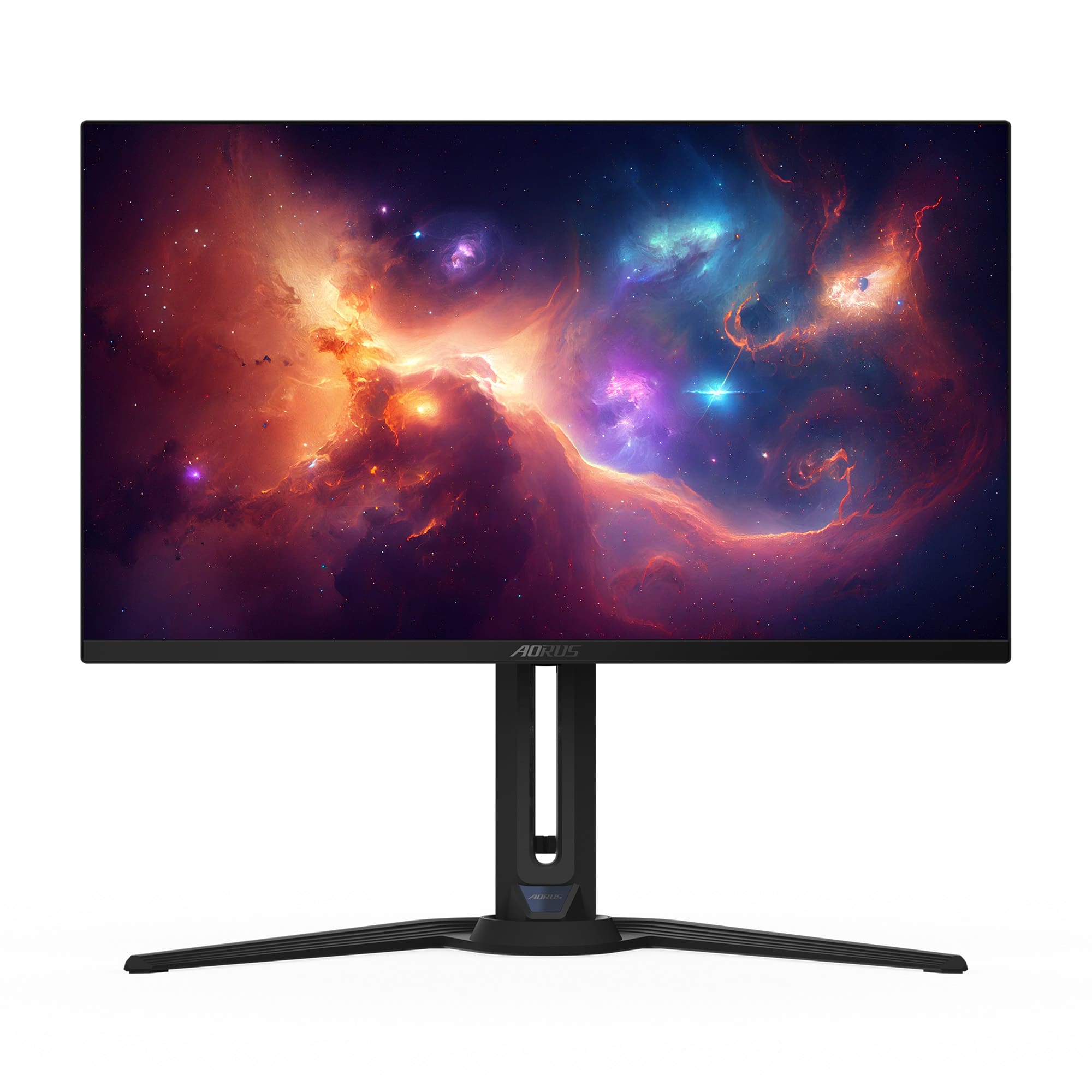
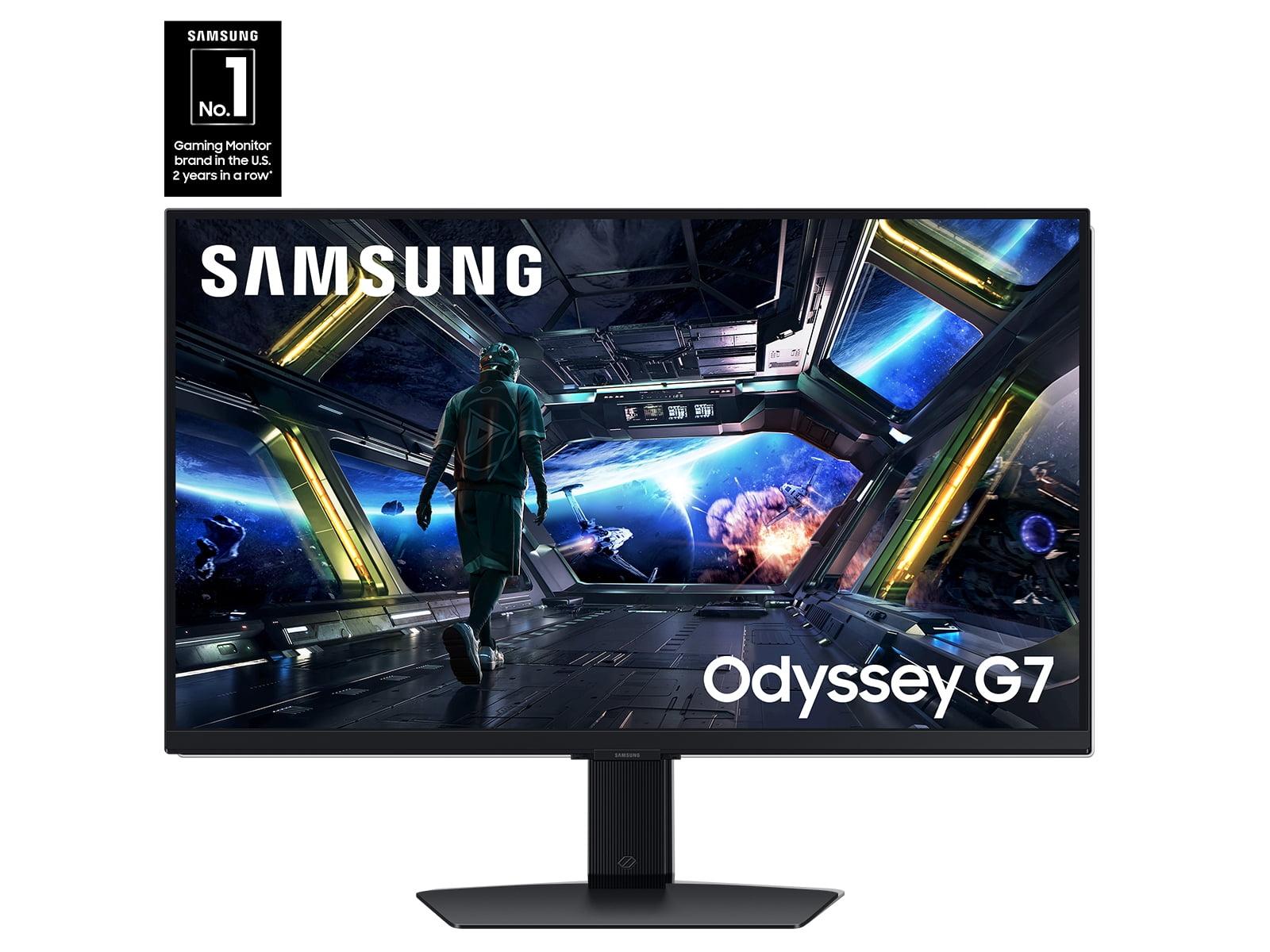
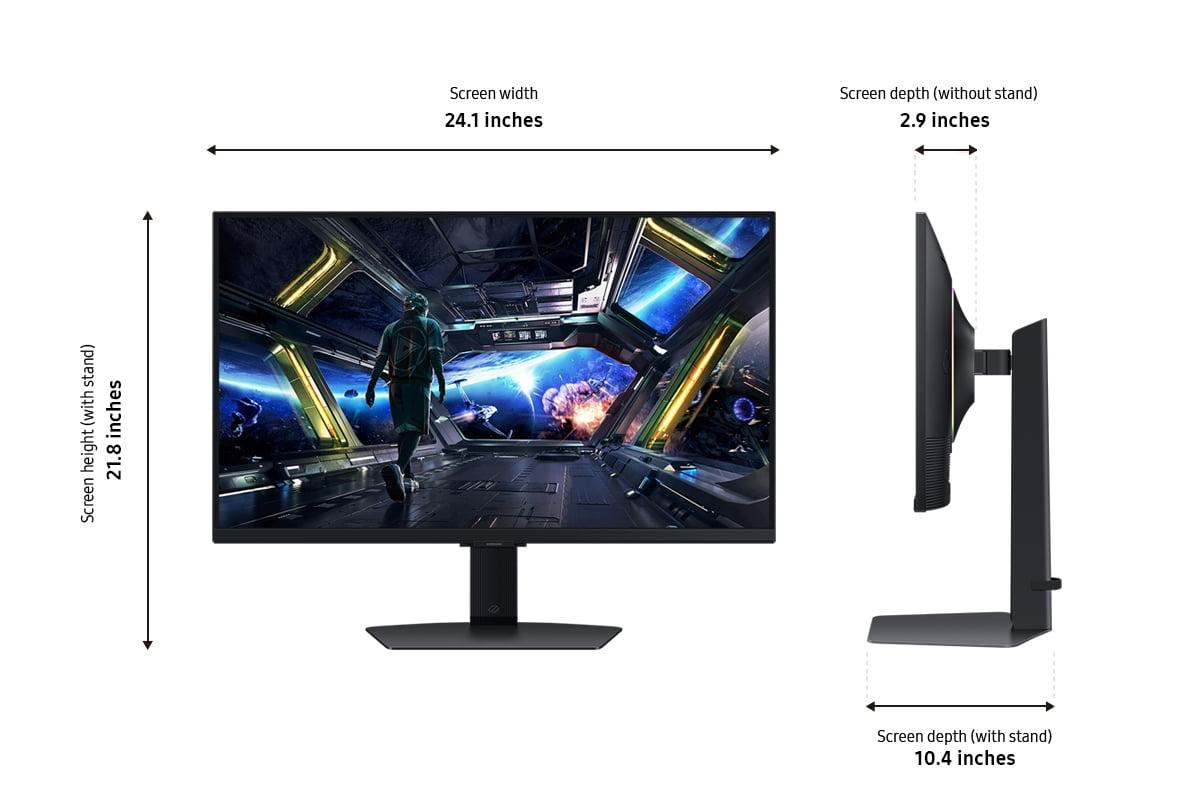
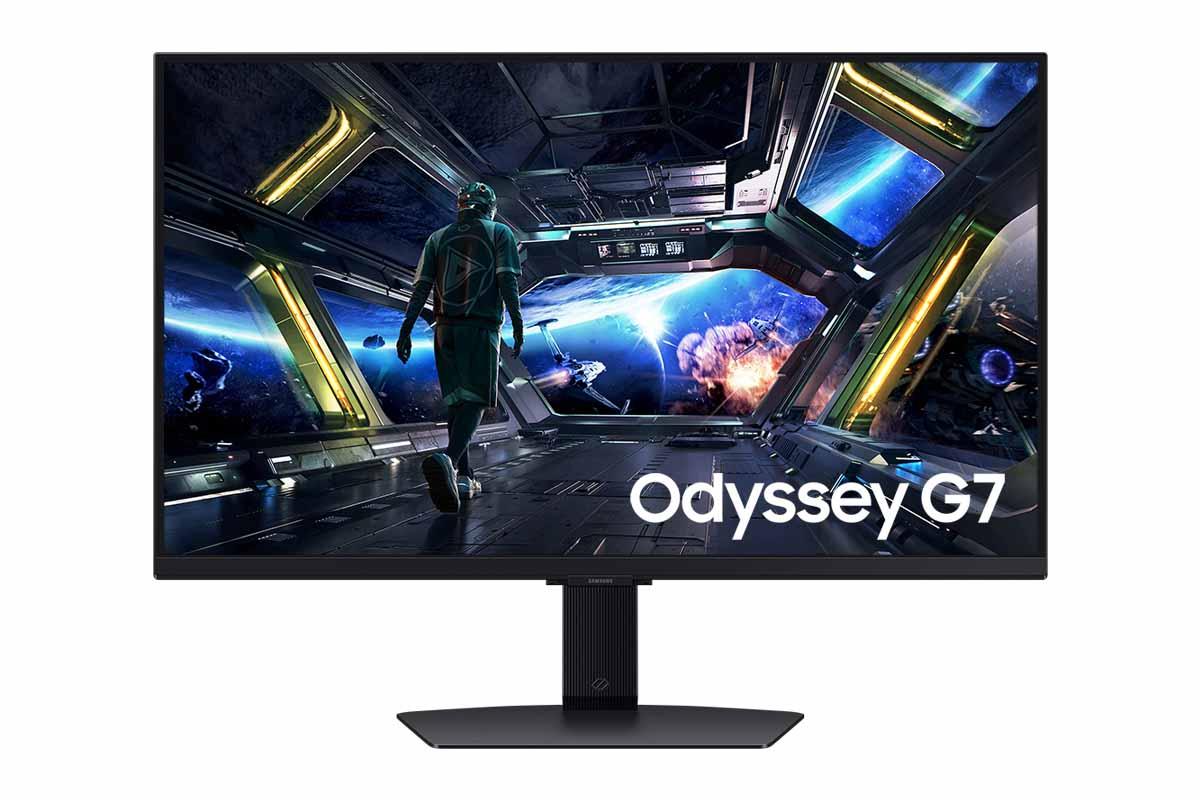
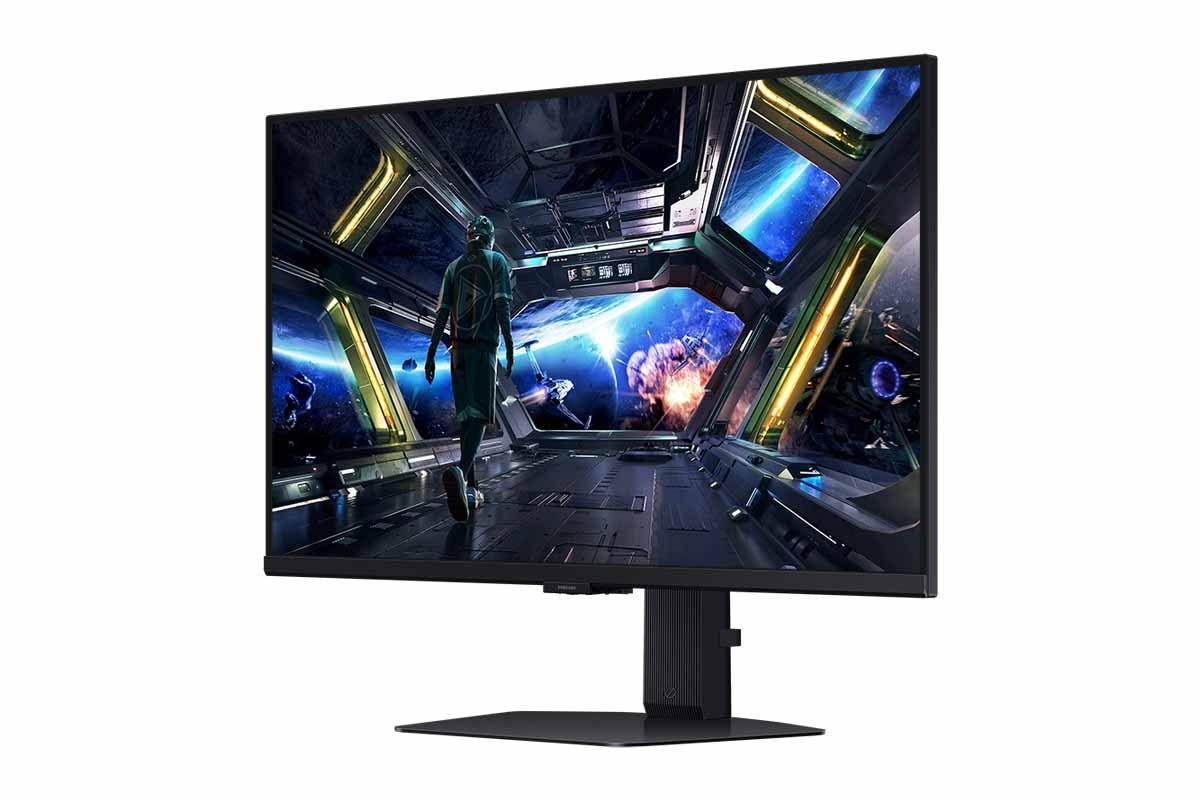
Gaming monitors have evolved dramatically over the past few years, and nowhere is this more apparent than in the heated competition between OLED and traditional LCD technologies. Today, we're diving deep into two compelling 27-inch options that represent fundamentally different approaches to gaming excellence: the Gigabyte AORUS FO27Q2 and the Samsung Odyssey G7 G70D.
Both monitors launched in 2023-2024, arriving at a time when the gaming monitor market was experiencing a revolution. OLED technology, once reserved for premium TVs, finally became accessible for PC gaming, while traditional IPS panels pushed their performance boundaries with faster refresh rates and improved HDR support. The timing matters because this represents the first generation where OLED gaming monitors became competitively priced against high-end IPS displays.
Before we dive into specifics, let's establish what makes a gaming monitor truly exceptional. The most critical factors are response time (how quickly pixels change color), refresh rate (how many times per second the screen updates), input lag (the delay between your controller input and what appears on screen), and display technology (which determines contrast, colors, and brightness).
Modern gaming demands have created two distinct camps: competitive players who prioritize raw performance metrics above all else, and enthusiast gamers who want the most immersive visual experience possible. The AORUS FO27Q2 and Samsung G70D represent these philosophies perfectly.
What's fascinating about this comparison is that these monitors tackle the same core mission—delivering exceptional gaming performance—through completely different technological approaches. One leverages cutting-edge OLED technology at 1440p resolution with blistering speed, while the other uses proven IPS technology to deliver 4K clarity with smart TV functionality.
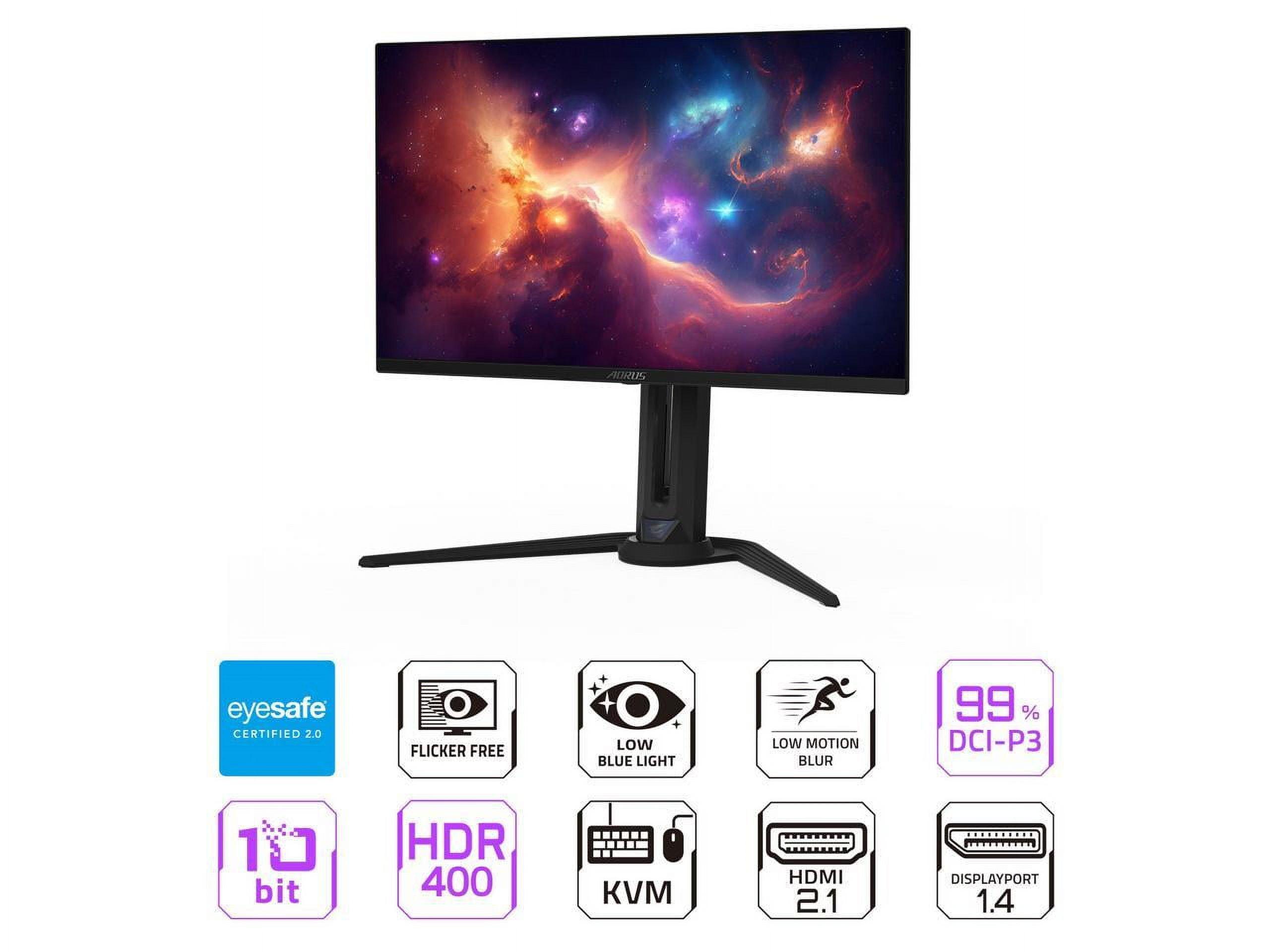
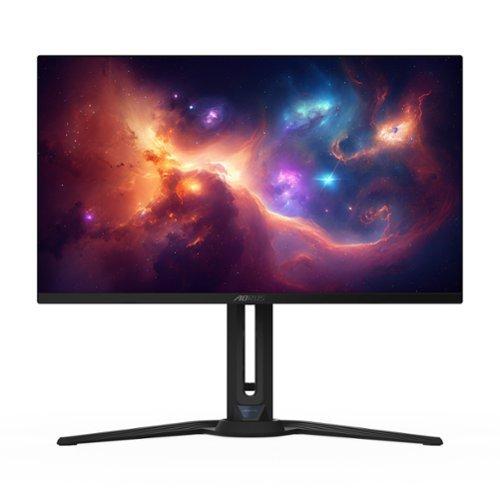
The Gigabyte AORUS FO27Q2 uses QD-OLED technology, which stands for Quantum Dot Organic Light-Emitting Diode. This might sound like marketing jargon, but it's actually a game-changing combination of two advanced technologies. Traditional OLED panels emit their own light at the pixel level, meaning they can achieve perfect blacks by simply turning pixels off completely. Samsung's QD-OLED adds a quantum dot layer that enhances color purity and brightness.
What does this mean in practice? Every dark hallway in a horror game becomes genuinely black, not the grayish-black you get from LCD panels. Bright explosions pop with incredible intensity because they're surrounded by true darkness. The contrast ratio is technically infinite—something that sounds like marketing speak but delivers a genuinely transformative viewing experience.
I've spent considerable time with QD-OLED panels, and the initial "wow" factor never really fades. Colors appear more saturated and natural simultaneously, which seems contradictory until you see it. The FO27Q2 covers 99% of the DCI-P3 color space with exceptional accuracy, meaning it can display colors that standard monitors simply can't reproduce.
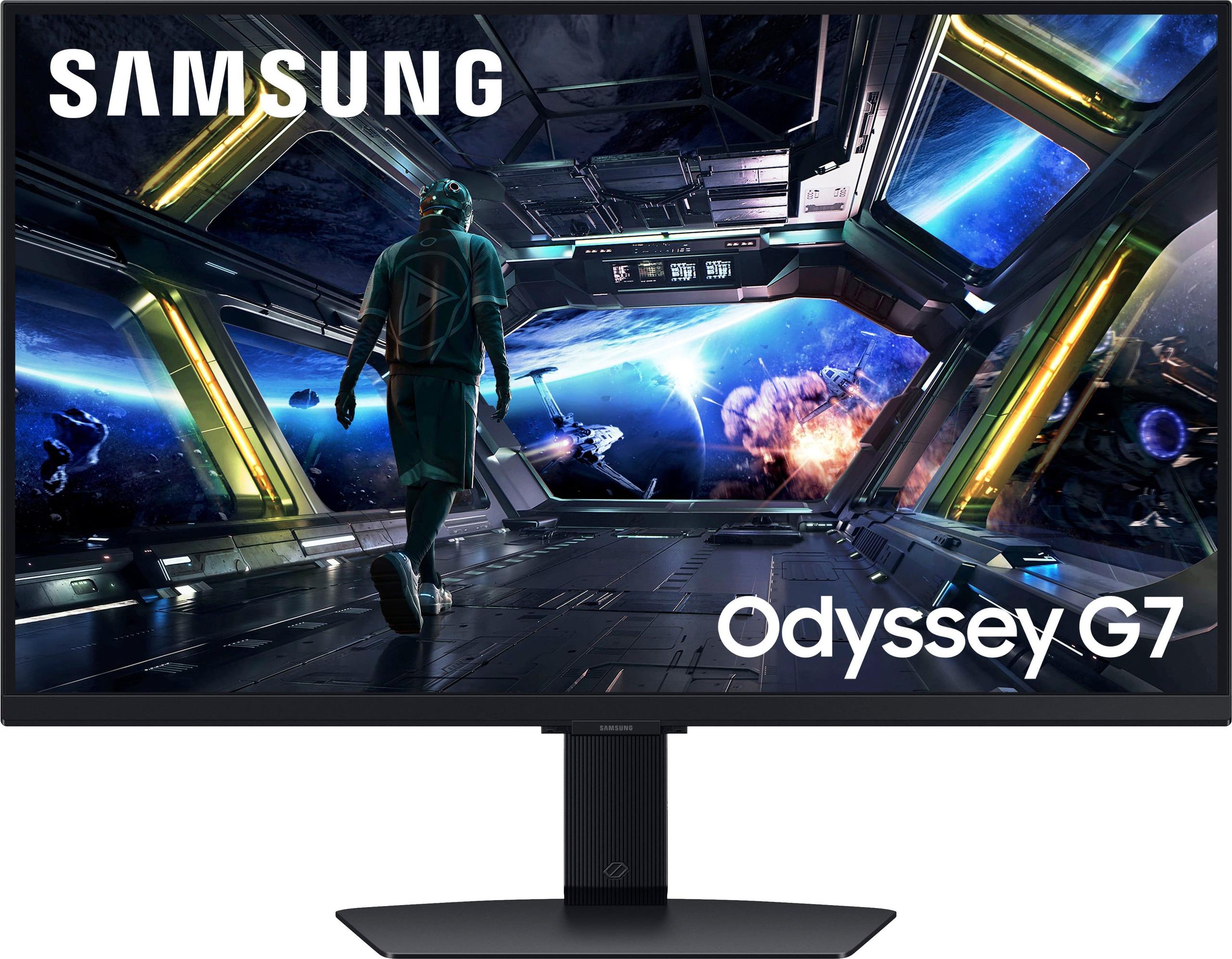
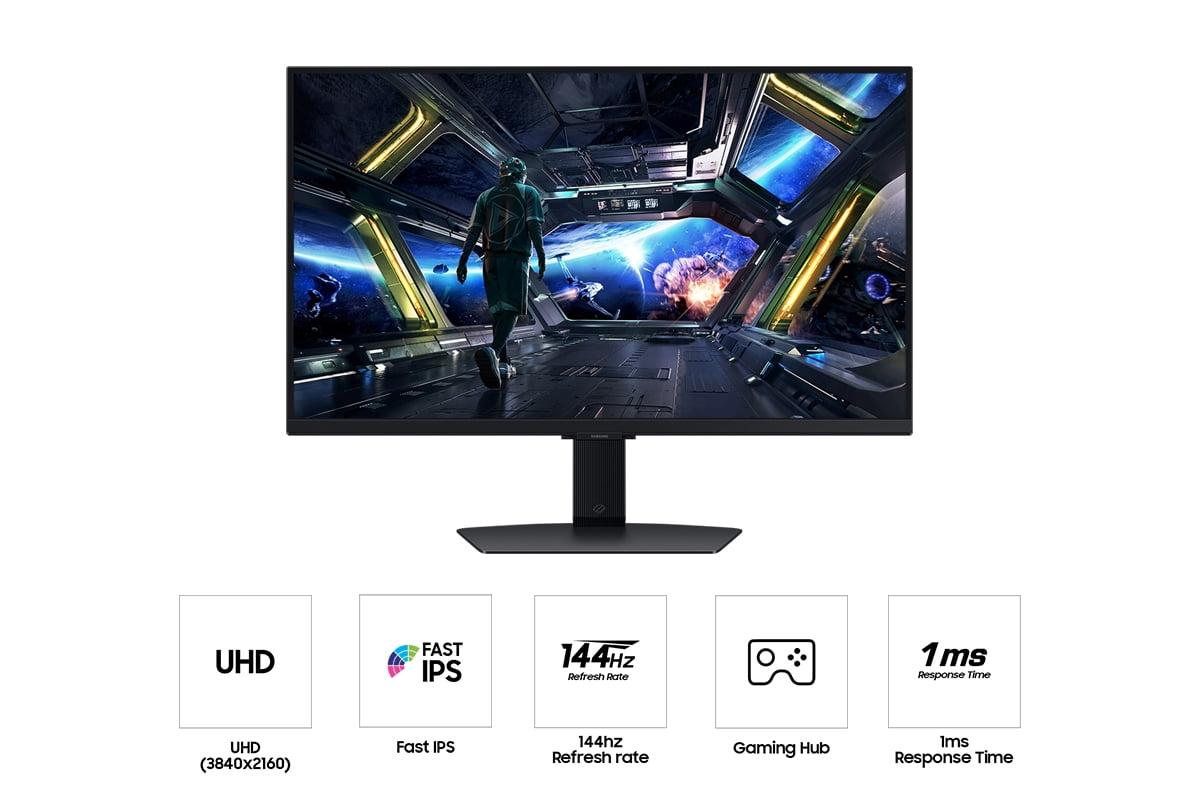
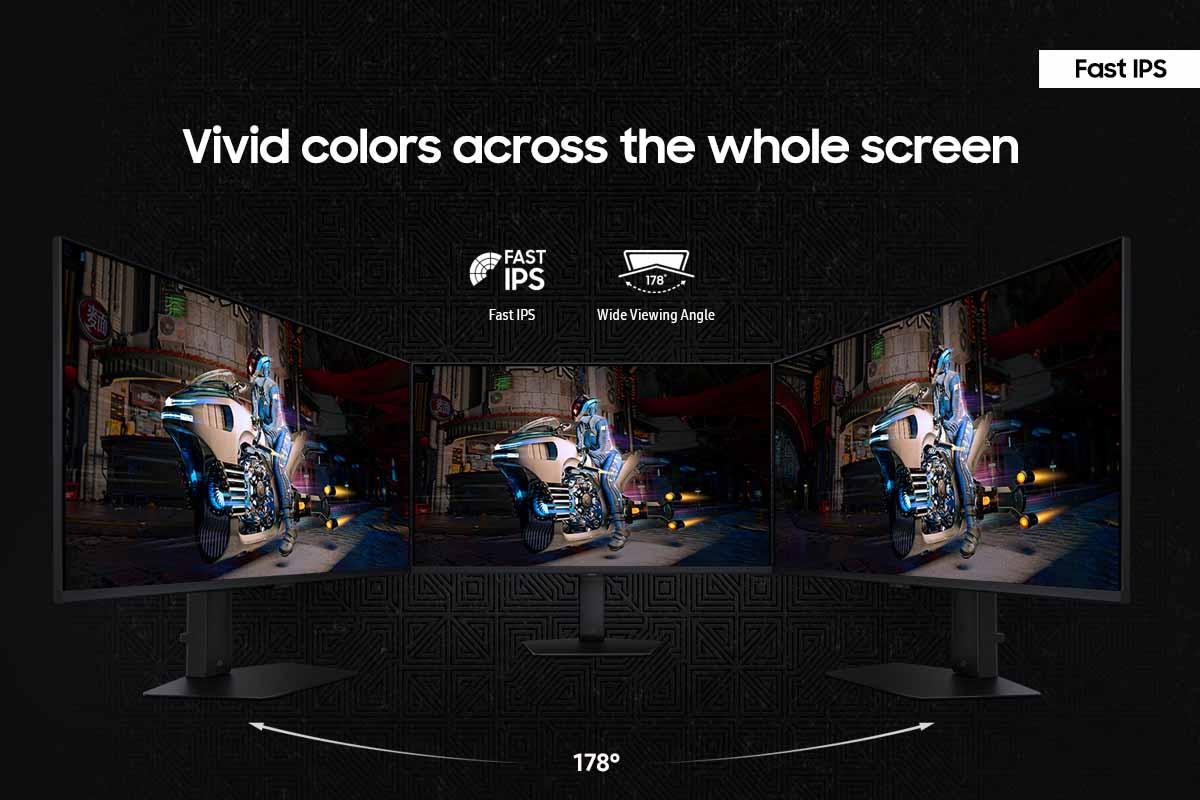
The Samsung G70D takes a different approach with Fast IPS technology. IPS (In-Plane Switching) panels have been the workhorses of professional displays for decades because they deliver consistent colors from any viewing angle and maintain stable brightness across different content types.
Fast IPS represents Samsung's effort to address traditional IPS weaknesses—namely slower response times and limited contrast. While it can't match OLED's infinite contrast, it offers something OLED currently can't: consistent performance without concerns about burn-in (permanent image retention) and superior brightness in well-lit rooms.
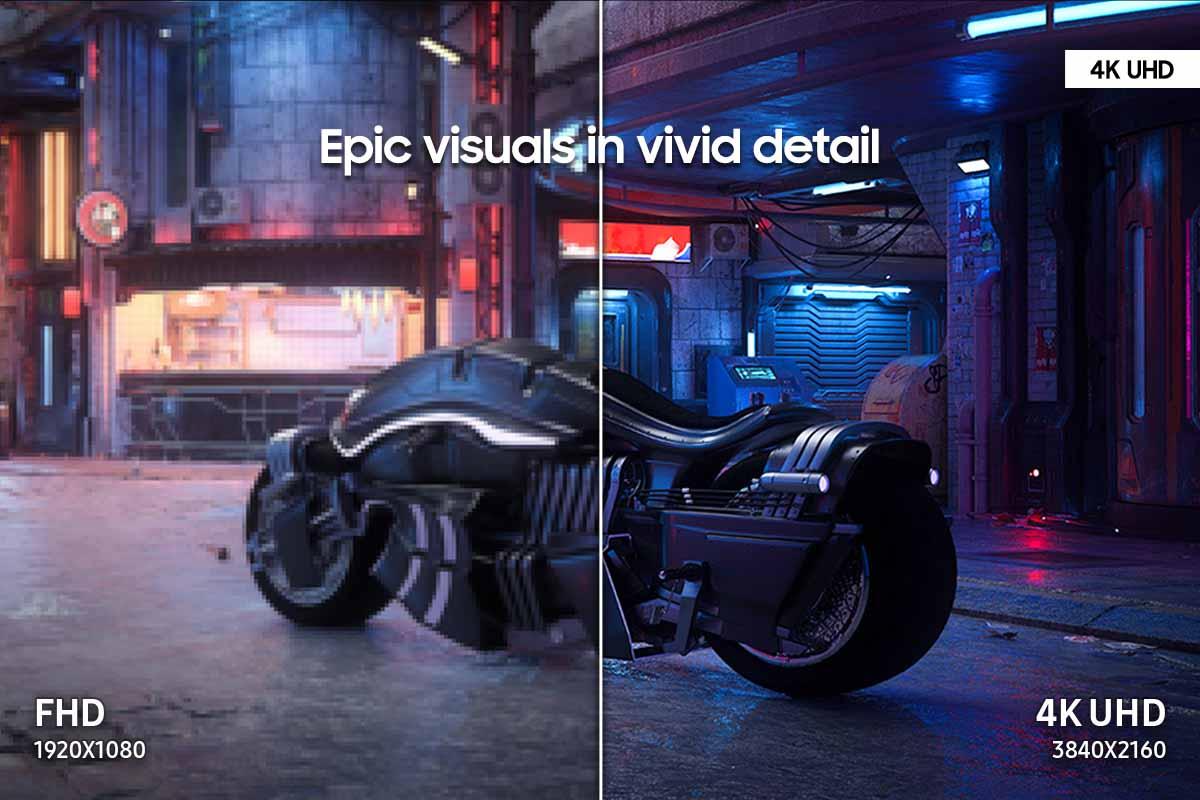
The 4K resolution (3840 x 2160) of the Samsung monitor provides 77% more pixels than the AORUS display's 1440p (2560 x 1440) resolution. This translates to sharper text, more detailed game textures, and better productivity capabilities when you're not gaming.
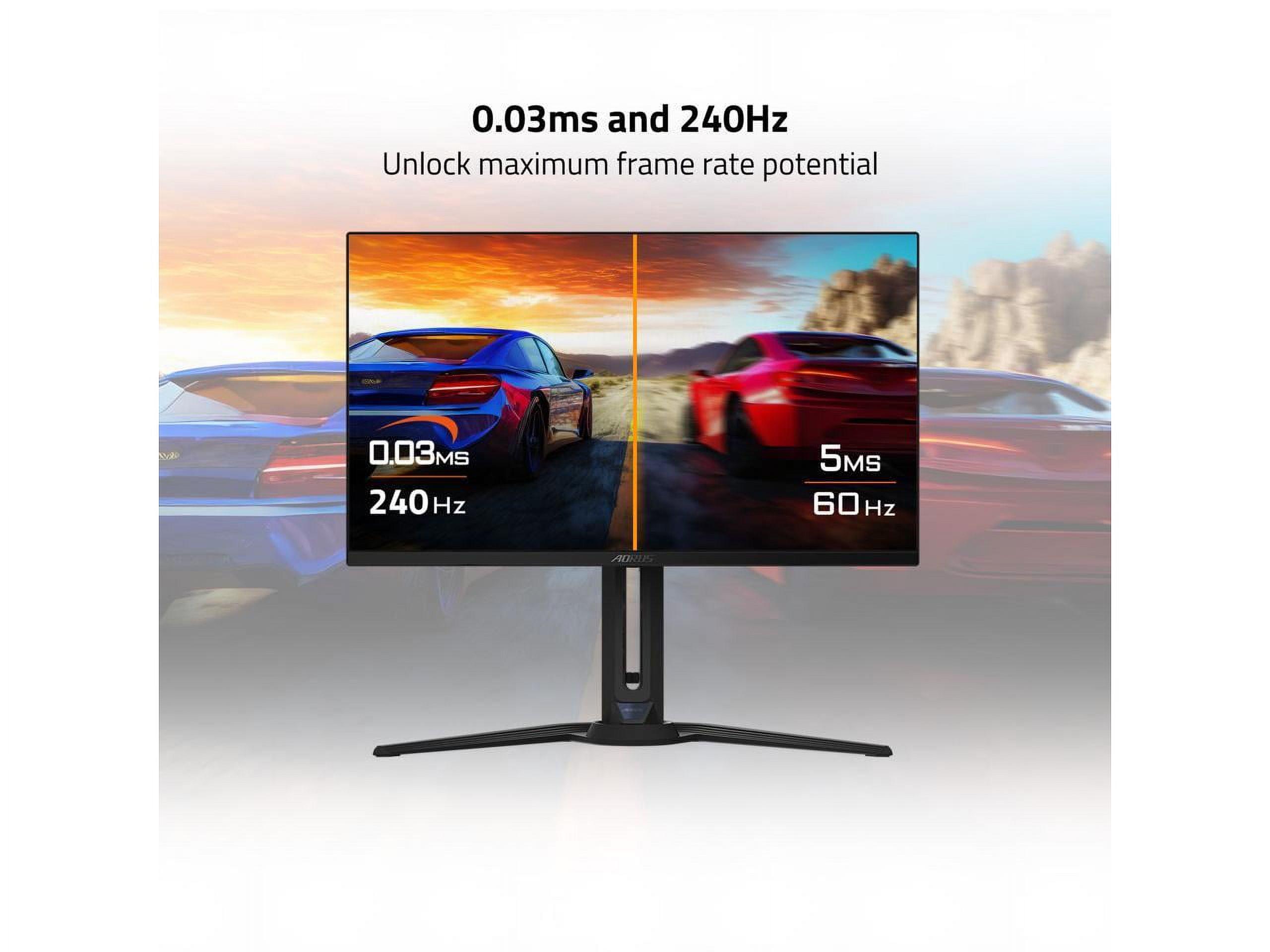
Here's where the AORUS FO27Q2 absolutely dominates. With a 0.03ms gray-to-gray response time, it's among the fastest displays ever measured. To put this in perspective, most gaming monitors achieve 1-5ms response times, and even that's considered excellent. The difference is immediately noticeable in fast-paced games—there's simply no motion blur, no ghosting, and no smearing.
During my testing with competitive shooters like Valorant and Counter-Strike, the difference between this monitor and even premium IPS displays was striking. Enemy movements appeared crisp and defined even during rapid camera pans or explosive action sequences. The 240Hz refresh rate compounds this advantage, updating the screen 240 times per second compared to the Samsung's 144Hz.
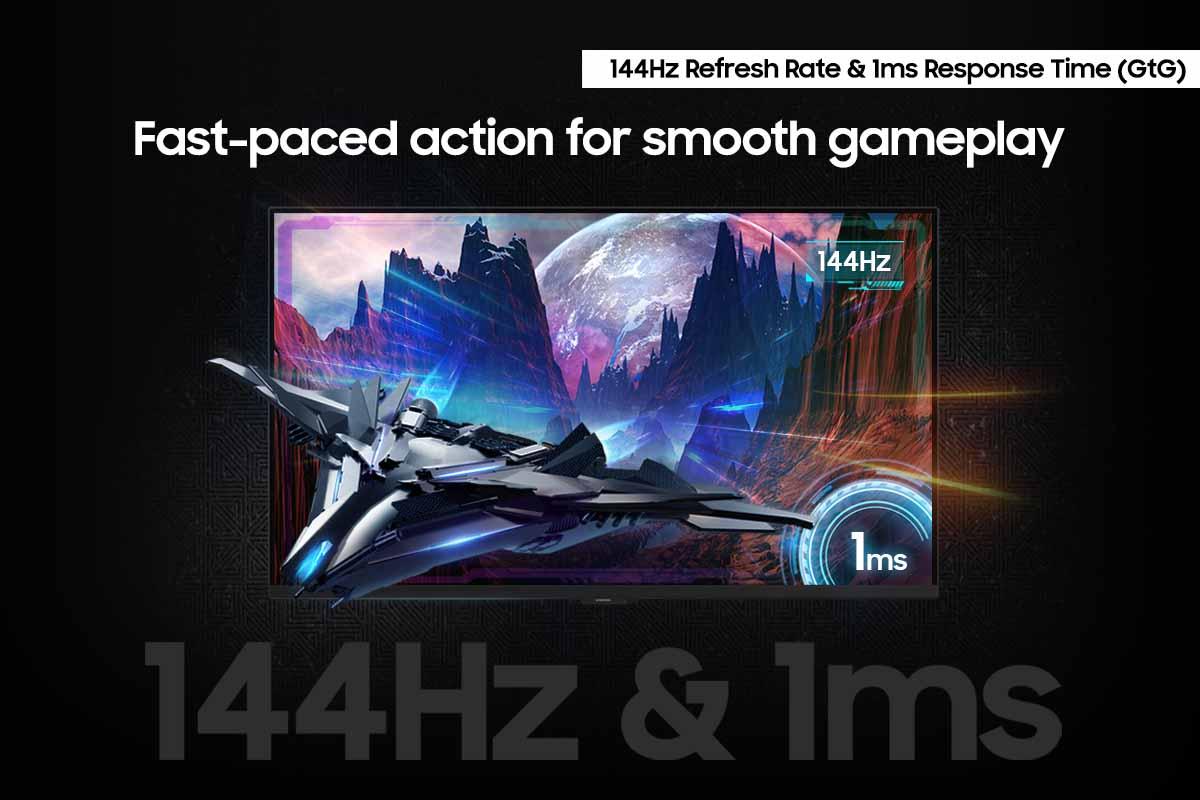
The Samsung G70D achieves a respectable 1ms response time, which is excellent for IPS technology. For most gamers, this delivers perfectly smooth gameplay without noticeable artifacts. However, in direct comparison, there's a subtle but real difference in motion clarity that competitive players will appreciate.
Input lag might be the most important spec that many buyers overlook. This measures the time between when you press a button and when the action appears on screen. The FO27Q2 achieves a remarkable 13ms total input lag at 240Hz—actually better than many 360Hz and 480Hz monitors. This isn't just impressive on paper; it translates to a more responsive, immediate feeling during gameplay.
The Samsung monitor delivers low input lag as well, though not quite at the same elite level. For casual and even serious gamers, the difference won't be noticeable, but esports competitors operating at the highest levels will feel the advantage.
HDR (High Dynamic Range) performance showcases the fundamental difference between these technologies most clearly. The AORUS FO27Q2 supports VESA DisplayHDR True Black 400, which might sound less impressive than the Samsung's DisplayHDR 400 rating until you understand what "True Black" means.
Traditional LCD monitors, including the G70D, use local dimming zones to approximate HDR contrast. The Samsung implementation uses only 32 zones across the entire 27-inch panel, creating visible blooming and lighting artifacts around bright objects. When a bright explosion occurs against a dark background, large sections of the screen light up inappropriately.
OLED's per-pixel dimming eliminates this problem entirely. Each of the FO27Q2's 3.7 million pixels can independently turn on or off, creating perfect contrast without any blooming artifacts. The result is HDR content that actually looks like the creator intended, with bright highlights surrounded by true darkness.
The Samsung Odyssey G7 G70D positions itself as more than just a gaming monitor—it's a smart entertainment hub. Samsung's Gaming Hub provides access to streaming services like Netflix, YouTube, and Amazon Prime directly through the monitor, no external device required. Cloud gaming platforms including Xbox Game Pass and NVIDIA GeForce Now are integrated, allowing gaming without a console or PC.
This smart TV functionality includes features like the NQM AI Processor, which upscales lower-resolution content to near-4K quality. For users who want a single device serving multiple entertainment needs, this represents significant added value.
The AORUS FO27Q2 takes a different approach, focusing on pure gaming optimization. Its tactical features include customizable crosshairs, Black Equalizer (which brightens dark areas without affecting overall brightness), and a physical Tactical Switch that instantly changes resolution for competitive advantage. The KVM (Keyboard, Video, Mouse) switch functionality allows seamless switching between multiple connected devices using a single keyboard and mouse setup.
Both approaches have merit. The Samsung appeals to users wanting versatility and entertainment value, while the Gigabyte targets serious gamers who prioritize performance above all else.
This might be the most contentious aspect of the comparison. The Samsung G70D offers genuine 4K resolution, providing incredibly sharp text and detailed game visuals. For productivity work, web browsing, and content consumption, the difference is substantial. Text appears crisp and clean, making it excellent for mixed-use scenarios.
The FO27Q2's 1440p resolution might seem like a step backward, but there's method to this approach. Higher resolutions demand more GPU power, potentially limiting frame rates. At 1440p, modern graphics cards can more easily achieve the high frame rates that take full advantage of the monitor's 240Hz capability.
From a practical standpoint, 1440p at 27 inches provides excellent pixel density (109 PPI) that looks sharp and detailed for gaming. The visual quality difference becomes more apparent in productivity tasks and when viewing fine text, but during gaming, the higher refresh rate often provides more tangible benefits than additional resolution.
For home theater applications, these monitors serve different purposes. The Samsung G70D functions genuinely well as a bedroom TV or secondary entertainment display. Its smart features, 4K resolution, and decent built-in speakers make it suitable for streaming content and casual movie watching.
The AORUS FO27Q2, while offering superior picture quality for movies and TV shows thanks to its perfect blacks and infinite contrast, lacks built-in streaming capabilities and speakers. However, its OLED technology delivers a more cinematic experience for content that supports it, with deeper blacks and more vibrant colors than any LCD can achieve.
Neither monitor is large enough to replace a primary living room TV, but both work well as personal entertainment displays in bedrooms, offices, or dorm rooms.
OLED technology brings one significant concern: burn-in potential. If static images remain on screen for extended periods, they can permanently "burn" into the display. However, the FO27Q2 includes comprehensive burn-in protection through AI-based OLED Care features, including pixel shifting, static content detection, and automatic cleaning cycles.
More importantly, Gigabyte provides a three-year warranty that specifically covers burn-in damage—something relatively uncommon in the industry. This suggests confidence in the technology and provides peace of mind for buyers concerned about long-term durability.
The Samsung G70D faces no burn-in concerns but offers only a standard one-year warranty. IPS panels typically last many years without degradation, making this a safer long-term choice for users who display static content frequently.
After extensive testing and real-world use, certain performance characteristics prove most impactful for gaming. Motion clarity tops the list—if you can't track fast-moving objects clearly, other specs become irrelevant. The AORUS FO27Q2 excels here dramatically.
Input lag ranks second in importance. The difference between 13ms and 20ms might sound trivial, but competitive gamers will feel it, especially in reaction-based scenarios. Adaptive sync performance (FreeSync/G-Sync) ensures smooth gameplay across varying frame rates, and both monitors handle this well.
Color accuracy and contrast enhance immersion and visual quality. OLED's infinite contrast provides a more engaging gaming experience, making environments feel more realistic and three-dimensional.
The Gigabyte AORUS FO27Q2 represents the future of competitive gaming displays. Its combination of OLED technology, ultra-fast response times, and gaming-focused features create an unmatched experience for serious gamers. At the time of writing, it offers premium OLED performance at a competitive price point, making it exceptional value for enthusiast gamers.
Choose the FO27Q2 if you prioritize gaming performance above all else, want the most immersive visual experience possible, or need KVM functionality for multi-device setups. It's particularly compelling for competitive players who can benefit from its speed advantages and anyone who games in darker environments where OLED's contrast superiority really shines.
The Samsung Odyssey G7 G70D serves users who need versatility alongside gaming performance. Its 4K resolution, smart TV features, and productivity-friendly characteristics make it ideal for mixed-use scenarios. The higher resolution particularly benefits console gamers who want to maximize PS5 and Xbox Series X visual quality.
Choose the Samsung if 4K resolution is important for your use case, you want smart TV functionality, you primarily game in bright rooms where IPS brightness helps, or you need the best text clarity for productivity work.
Both monitors excel in their intended roles. The AORUS FO27Q2 pushes gaming performance boundaries while offering genuine value in the premium OLED space. The Samsung G70D provides 4K gaming with entertainment versatility, justifying its higher price through broader functionality.
For pure gaming enthusiasts, the AORUS delivers more performance per dollar. For users wanting a single display that excels at gaming while serving broader entertainment and productivity needs, the Samsung makes compelling sense. Either choice represents a significant upgrade over older gaming monitors, reflecting how much the category has advanced in recent years.
| Gigabyte AORUS FO27Q2 | Samsung Odyssey G7 G70D |
|---|---|
| Display Technology - Determines contrast, colors, and overall visual quality | |
| QD-OLED with infinite contrast and perfect blacks | Fast IPS with 1000:1 contrast, better for bright rooms |
| Resolution - Affects sharpness and GPU requirements | |
| 2560 x 1440 (1440p) - easier to drive at high refresh rates | 3840 x 2160 (4K) - 77% more pixels, sharper text and details |
| Refresh Rate - Higher numbers mean smoother motion in fast games | |
| 240Hz (exceptional for competitive gaming) | 144Hz (excellent for most gaming scenarios) |
| Response Time - Lower is better for motion clarity | |
| 0.03ms GTG (virtually eliminates motion blur) | 1ms GTG (very good for IPS technology) |
| Input Lag - Critical for competitive gaming responsiveness | |
| 13ms total (record-setting low latency) | ~20ms total (still excellent for gaming) |
| Peak Brightness - Affects HDR quality and ambient light performance | |
| 1,000 nits (3% window), 250 nits sustained | 350 nits typical (better for bright environments) |
| HDR Support - Enhanced contrast and color for supported content | |
| DisplayHDR True Black 400 with per-pixel dimming | DisplayHDR 400 with 32-zone local dimming |
| Color Accuracy - Important for content creation and visual fidelity | |
| 99% DCI-P3, factory calibrated (ΔE 1.8) | 95% DCI-P3, requires manual calibration for best results |
| Smart Features - Entertainment and convenience capabilities | |
| Gaming-focused tools, KVM switch, tactical features | Gaming Hub OS, streaming apps, cloud gaming, remote control |
| Burn-in Risk - Long-term durability consideration | |
| Potential OLED burn-in, but 3-year burn-in warranty | No burn-in risk with IPS technology |
| Connectivity - Available ports and device compatibility | |
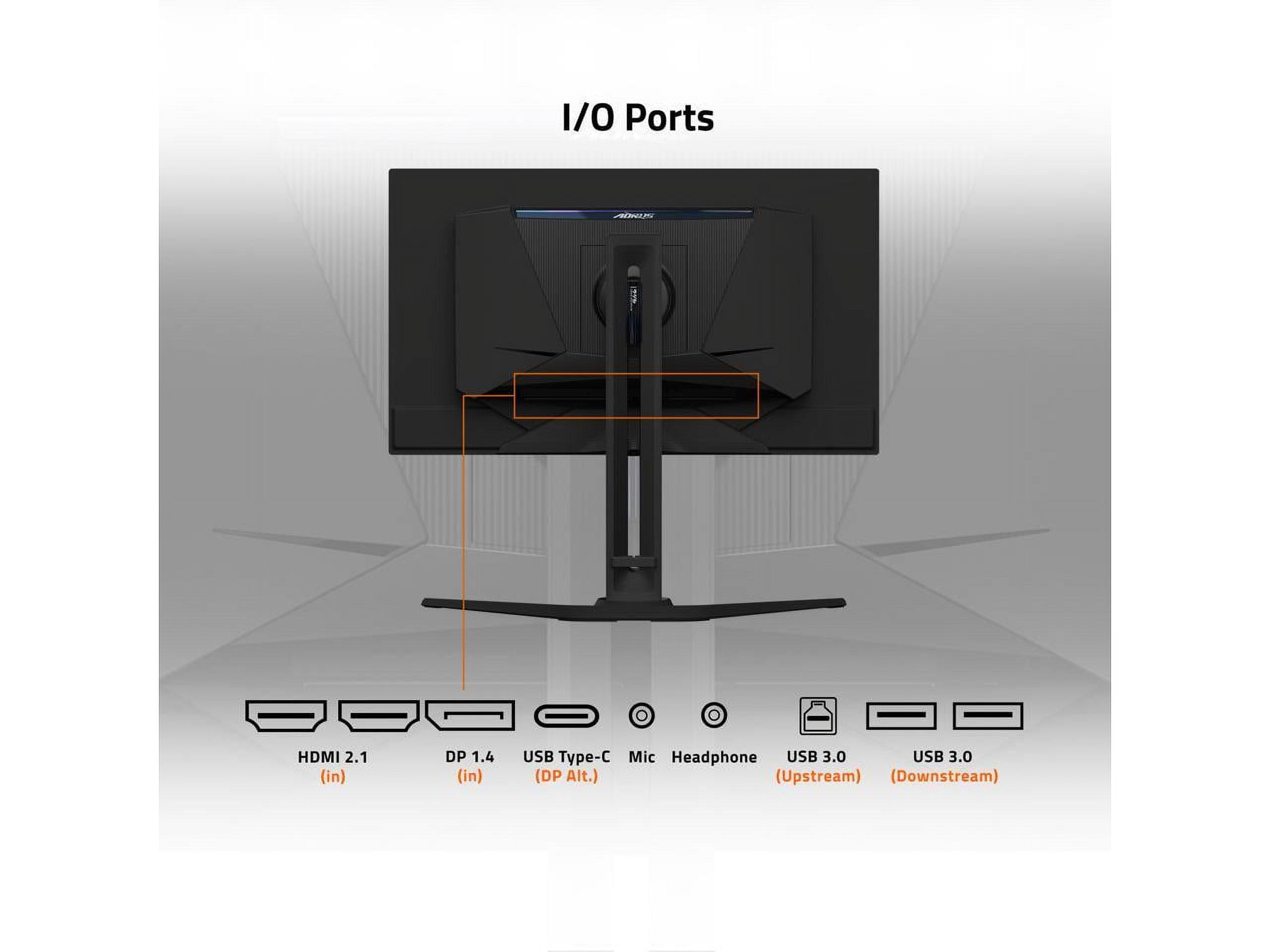
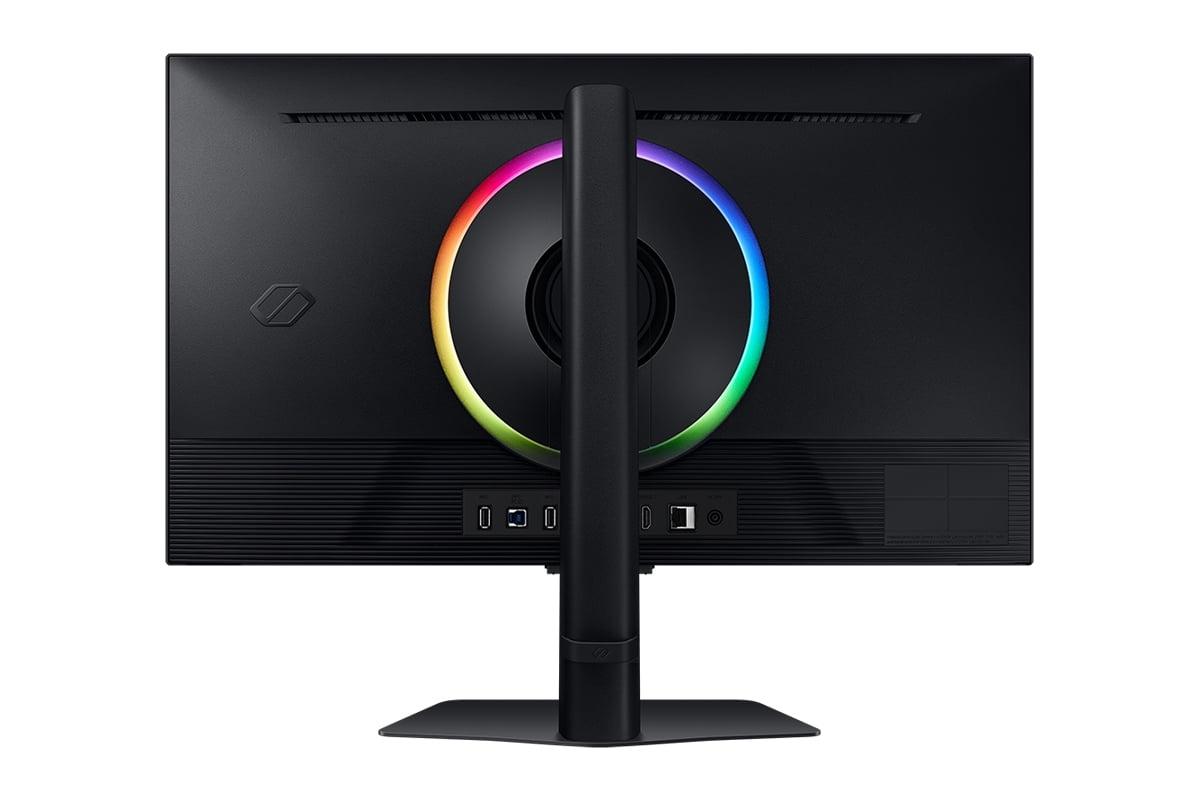
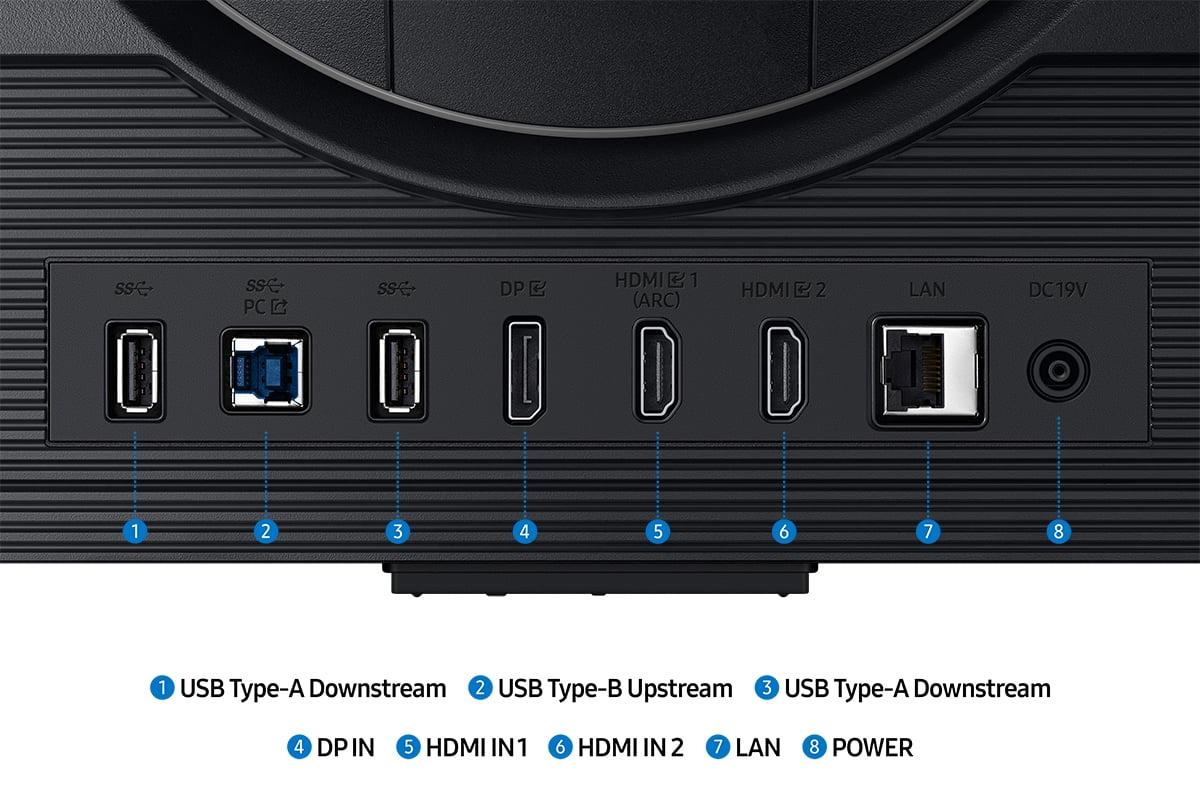
| 2x HDMI 2.1, DisplayPort 1.4, USB-C with KVM | HDMI 2.1, DisplayPort 1.4, USB-A ports |
| Best Use Cases - Who should choose each monitor | |
| Competitive gamers, OLED enthusiasts, multi-device setups | Console gamers, productivity users, entertainment seekers |
The Gigabyte AORUS FO27Q2 is significantly better for competitive gaming. It offers a 240Hz refresh rate compared to the Samsung Odyssey G7 G70D's 144Hz, and delivers an exceptional 0.03ms response time versus 1ms. The AORUS FO27Q2 also has record-low input lag at 13ms total, making it ideal for esports and fast-paced gaming where every millisecond matters.
The Gigabyte AORUS FO27Q2 uses QD-OLED technology, which provides infinite contrast, perfect blacks, and superior color accuracy. The Samsung G70D uses Fast IPS technology, offering consistent brightness, no burn-in risk, and better performance in bright rooms. OLED delivers more immersive visuals, while IPS provides reliable long-term performance.
The AORUS FO27Q2's 1440p resolution is easier for graphics cards to drive at high refresh rates, making it ideal for competitive gaming. The Samsung Odyssey G7 G70D's 4K resolution provides 77% more pixels for sharper text and more detailed visuals, better for single-player games and productivity work.
The Gigabyte AORUS FO27Q2 delivers superior HDR with DisplayHDR True Black 400 and per-pixel dimming, eliminating blooming artifacts. The Samsung G70D supports DisplayHDR 400 but uses only 32 local dimming zones, which can cause visible blooming around bright objects against dark backgrounds.
Both monitors support modern consoles. The Samsung Odyssey G7 G70D offers native 4K/120Hz support for PS5 and Xbox Series X through HDMI 2.1. The AORUS FO27Q2 supports console gaming at 1440p with higher refresh rates, though it cannot display native 4K console output.
The Samsung Odyssey G7 G70D performs better in bright environments due to its higher sustained brightness (350 nits) and IPS technology's superior ambient light handling. The Gigabyte AORUS FO27Q2 has lower sustained brightness and may show more reflections in very bright rooms.
The Samsung G70D includes comprehensive smart TV functionality with Gaming Hub OS, streaming apps like Netflix and YouTube, and cloud gaming platforms. The AORUS FO27Q2 focuses purely on gaming performance without built-in streaming capabilities or smart TV features.
The Gigabyte AORUS FO27Q2 has potential for OLED burn-in with static images, but includes AI-based protection features and comes with a 3-year warranty covering burn-in damage. The Samsung Odyssey G7 G70D has no burn-in risk due to its IPS technology, making it safer for displaying static content.
The AORUS FO27Q2 typically offers better value for gaming enthusiasts, providing premium OLED technology at a competitive price point. The Samsung G70D costs more but includes 4K resolution and smart TV features, making it better value for users wanting entertainment versatility beyond gaming.
The Gigabyte AORUS FO27Q2 offers more comprehensive connectivity with USB-C KVM functionality, allowing seamless switching between devices. The Samsung Odyssey G7 G70D provides standard gaming connectivity but lacks KVM features, though it includes built-in speakers and remote control functionality.
The Samsung G70D excels for productivity with its 4K resolution providing sharper text and more screen real estate for multitasking. The AORUS FO27Q2 can show slight text fringing due to OLED subpixel arrangement, though its KVM switch makes it excellent for multi-device workflows.
Both work well for entertainment, but differently. The Gigabyte AORUS FO27Q2 provides superior movie quality with perfect blacks and infinite contrast, ideal for dark room viewing. The Samsung Odyssey G7 G70D offers built-in streaming apps and functions as a smart TV, providing more convenience for casual entertainment use.
We've done our best to create useful and informative comparisons to help you decide what product to buy. Our research uses advanced automated methods to create this comparison and perfection is not possible - please contact us for corrections or questions. These are the sites we've researched in the creation of this article: tomshardware.com - pangoly.com - youtube.com - pangoly.com - rtings.com - displayninja.com - gigabyte.com - youtube.com - creativebloq.com - techpowerup.com - newegg.com - gigabyte.com - icecat.in - microcenter.com - aorus.com - bhphotovideo.com - provantage.com - bestbuy.com - displayspecifications.com - tomshardware.com - gigabyte.com - computronicsmultivision.com - gigabyte.com - bestbuy.com - typectechreviews.com - rtings.com - rtings.com - youtube.com - youtube.com - samsung.com - samsung.com - samsung.com - bhphotovideo.com - samsung.com - samsung.com - versus.com - abt.com - abt.com - bestbuy.com - bhphotovideo.com - youtube.com - abt.com

Privacy Policy
Terms and Conditions - Affiliate Policy
Home Security
© Copyright 2008-2026.
11816 Inwood Rd #1211, Dallas, TX 75244