

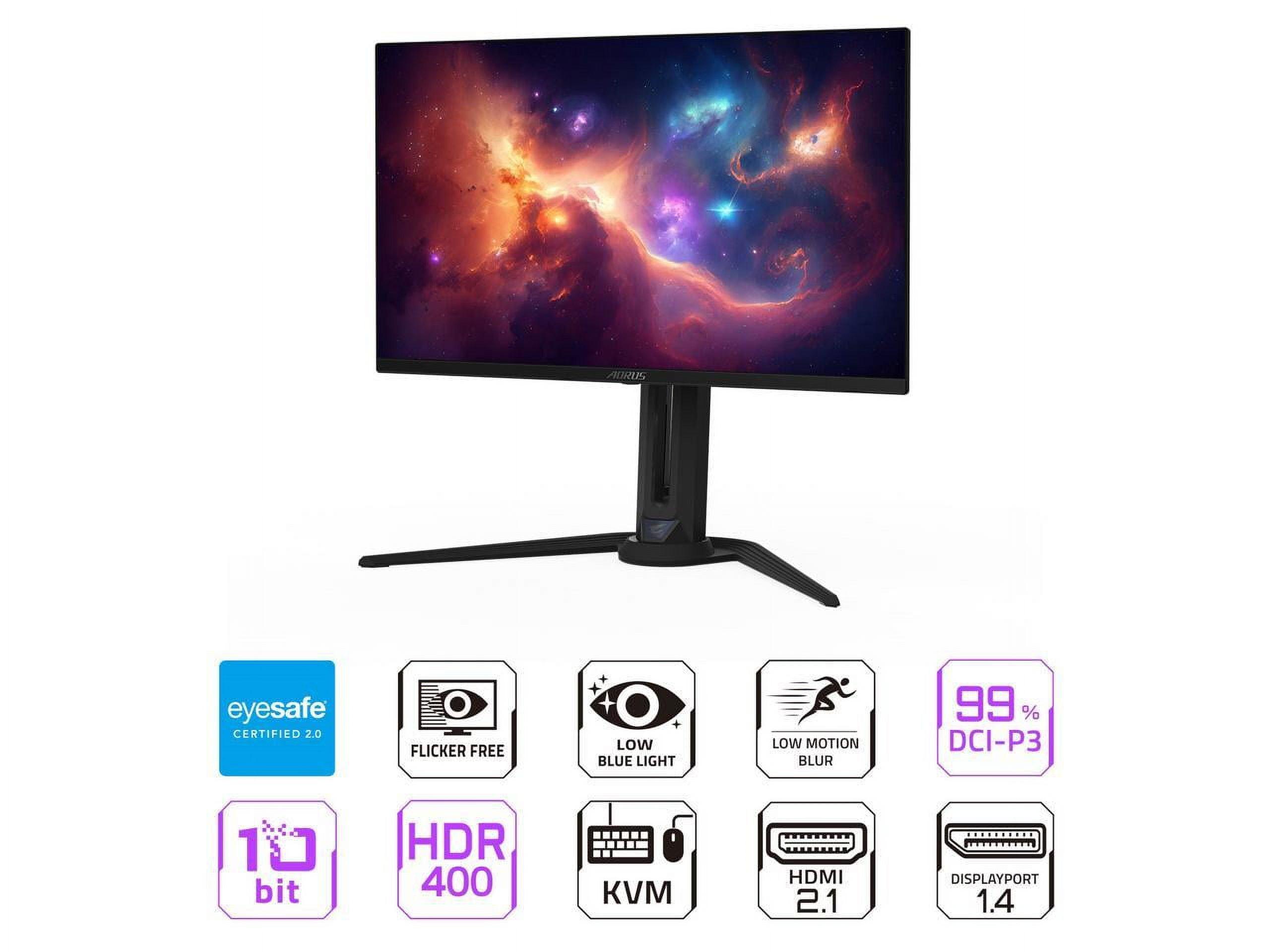
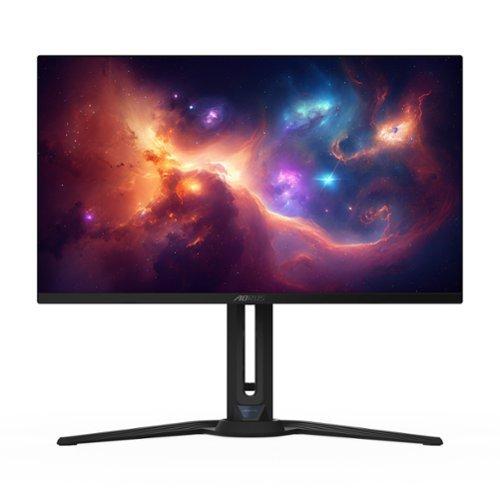
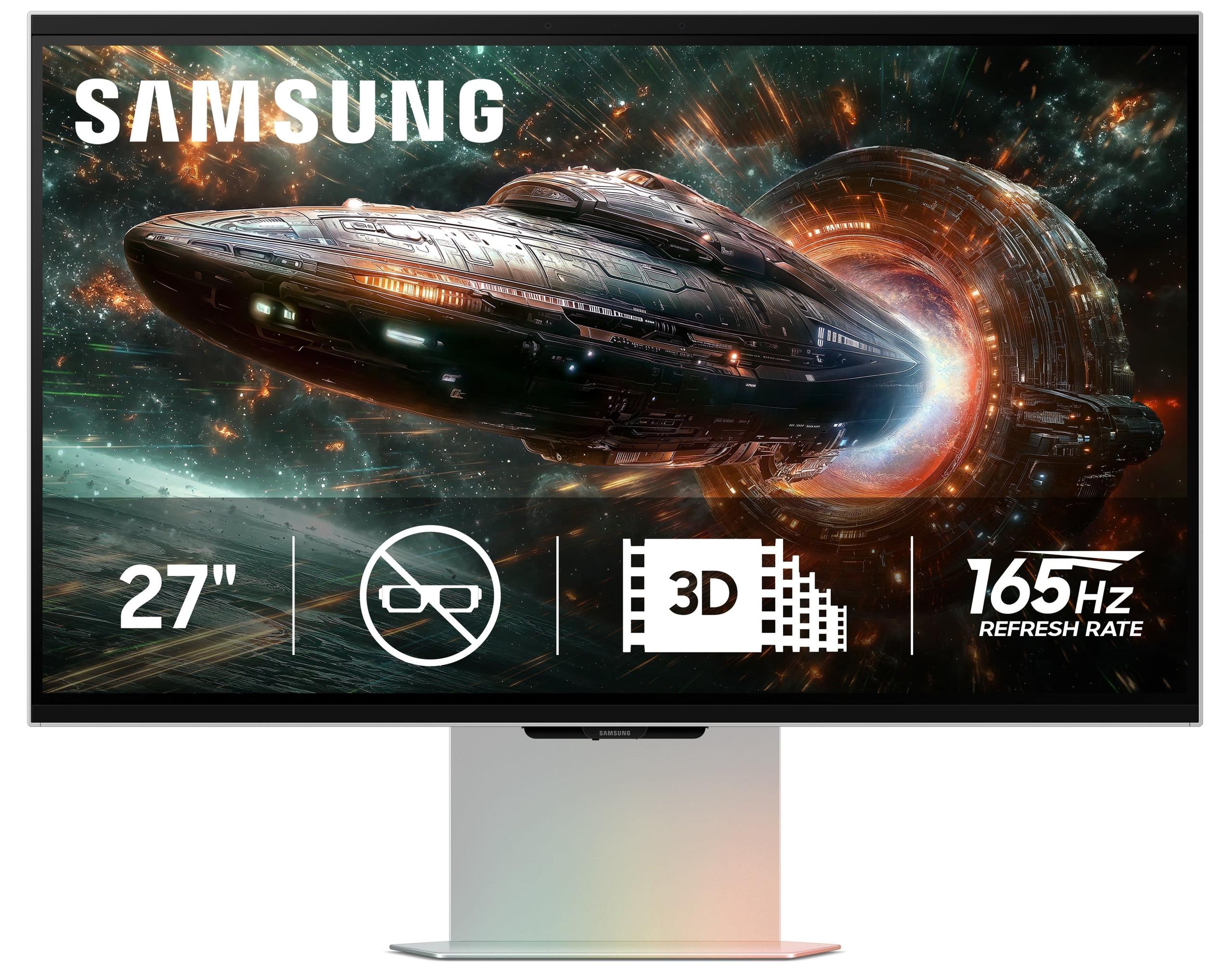
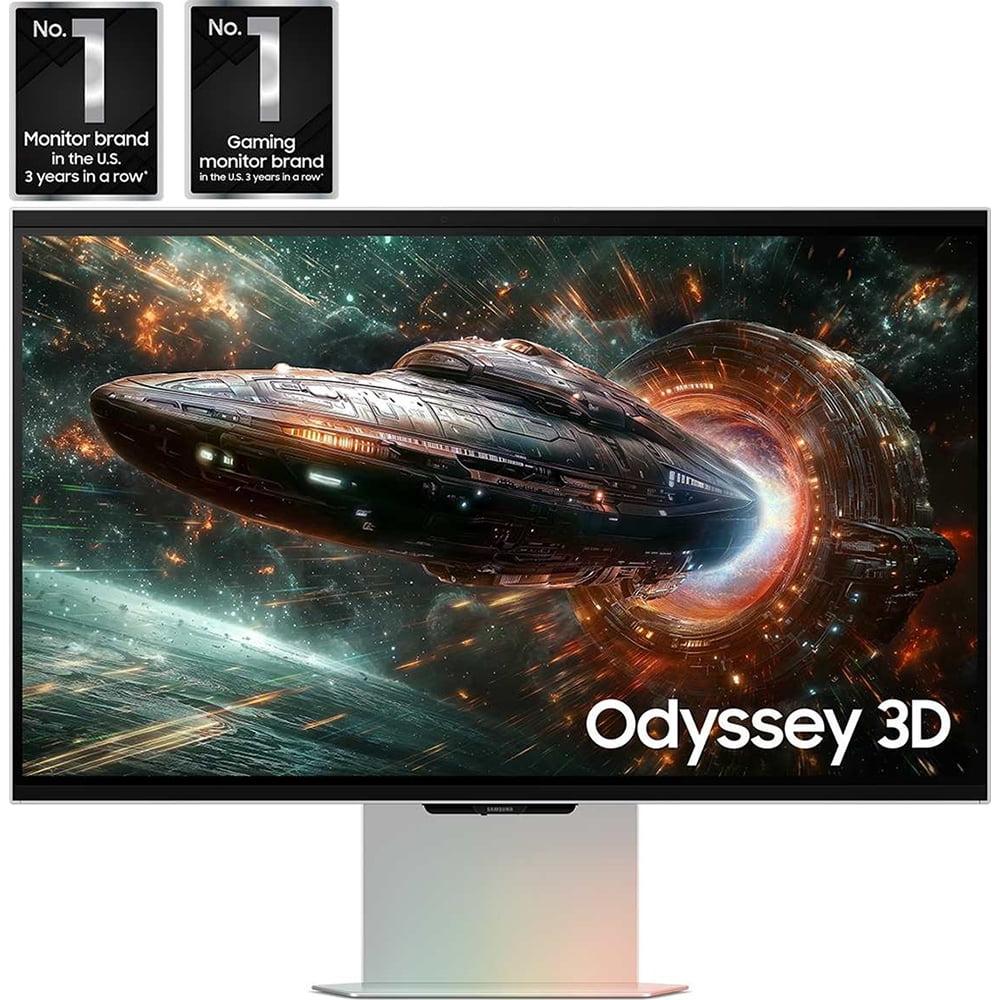
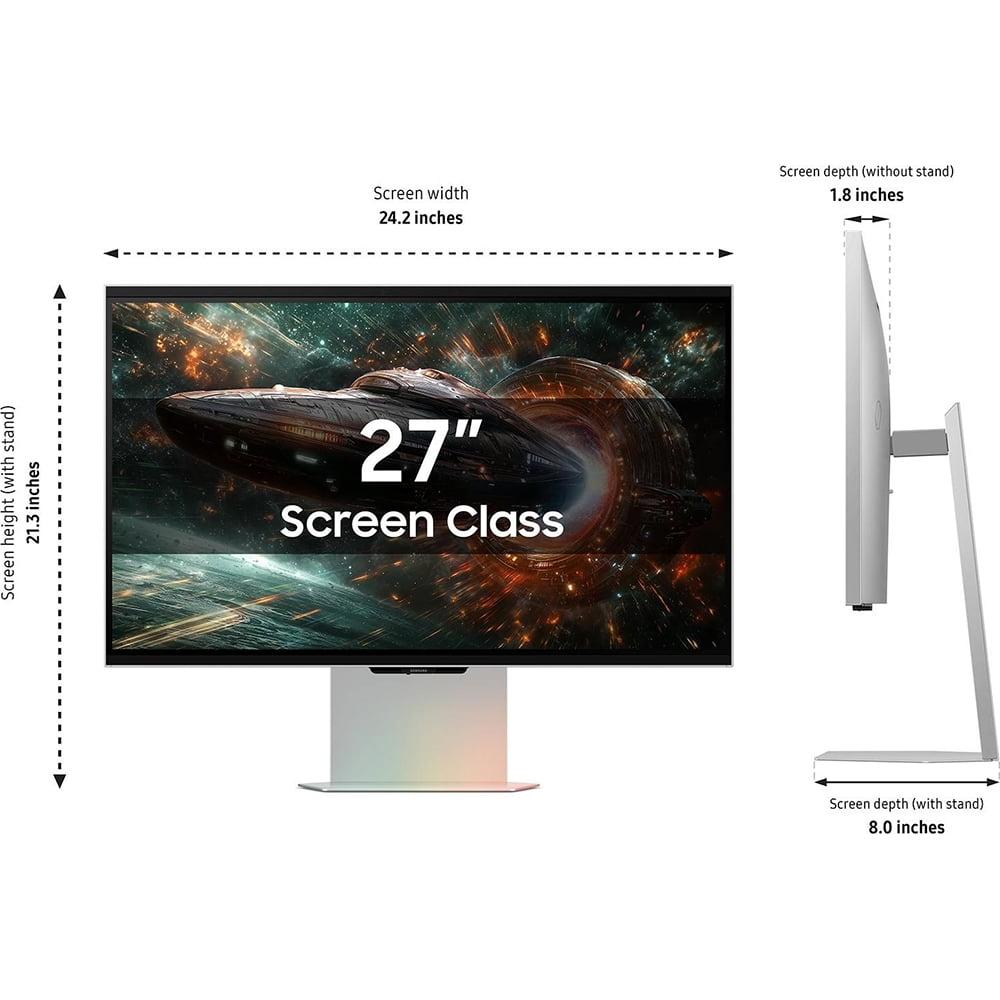
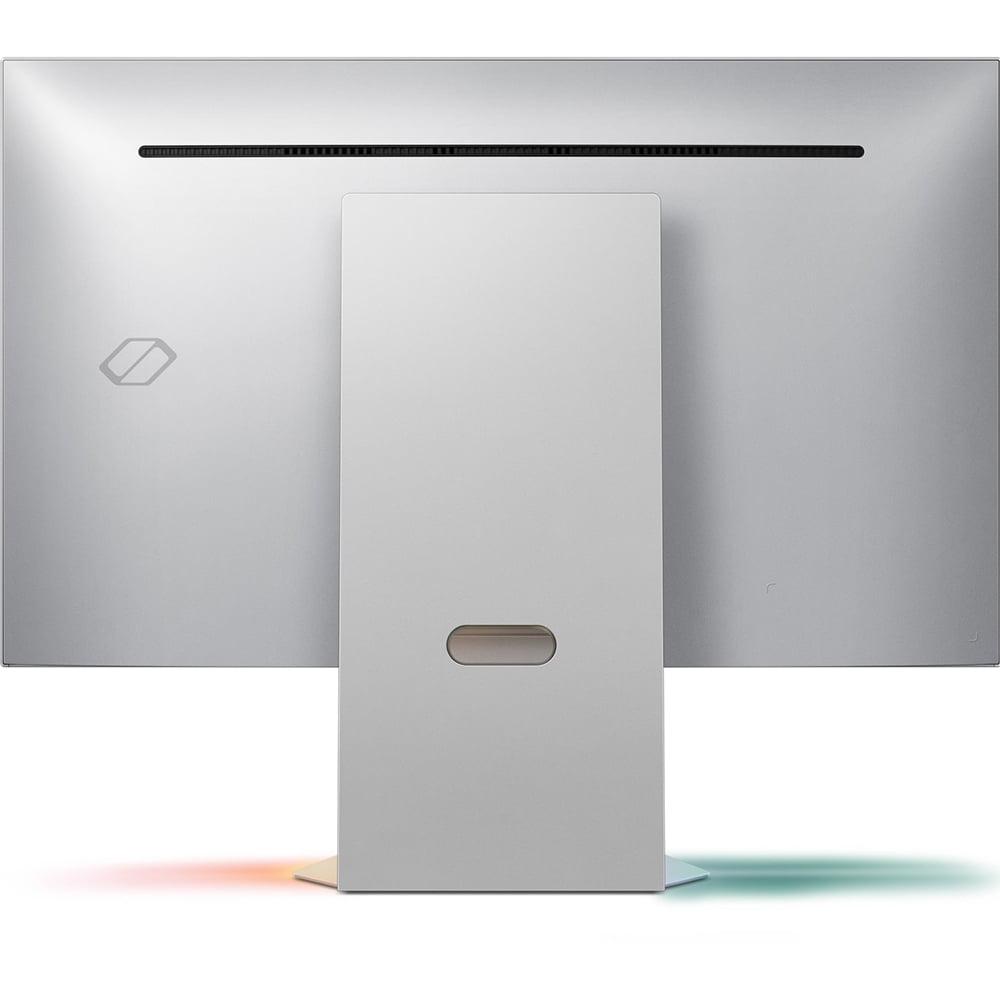
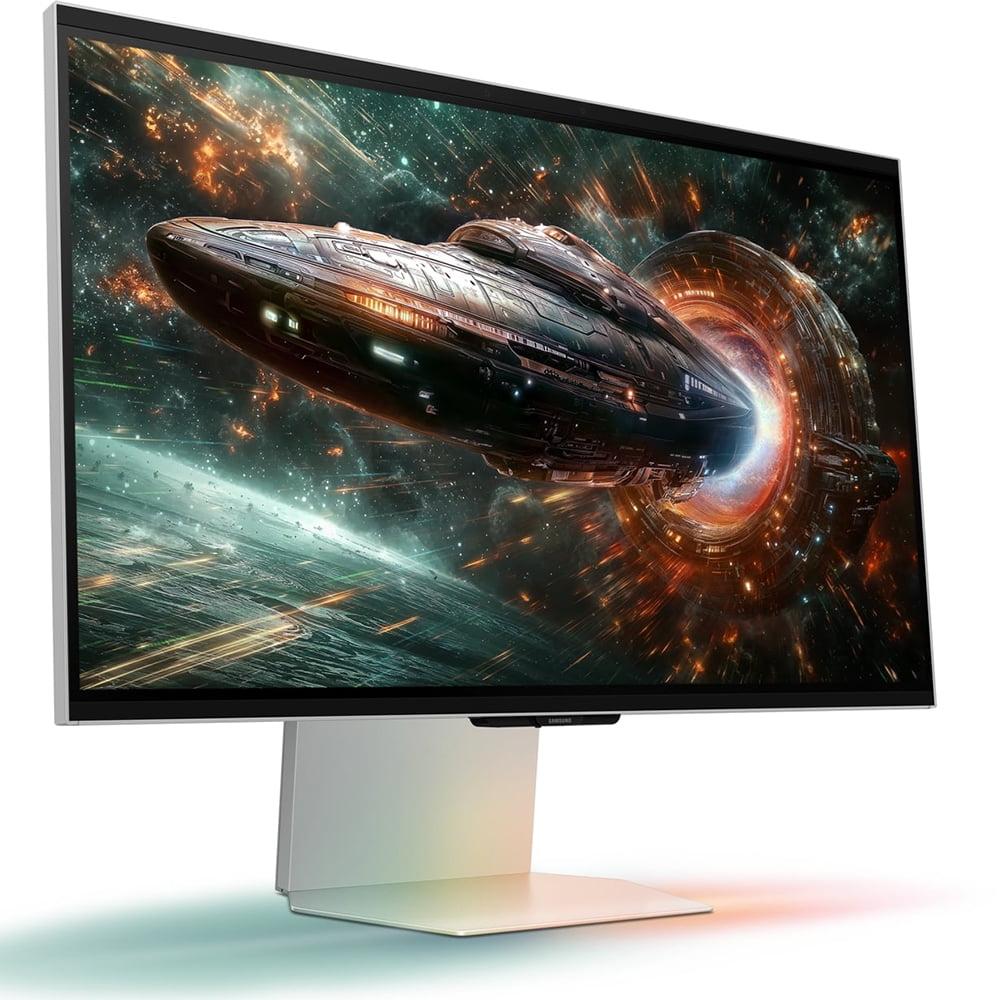

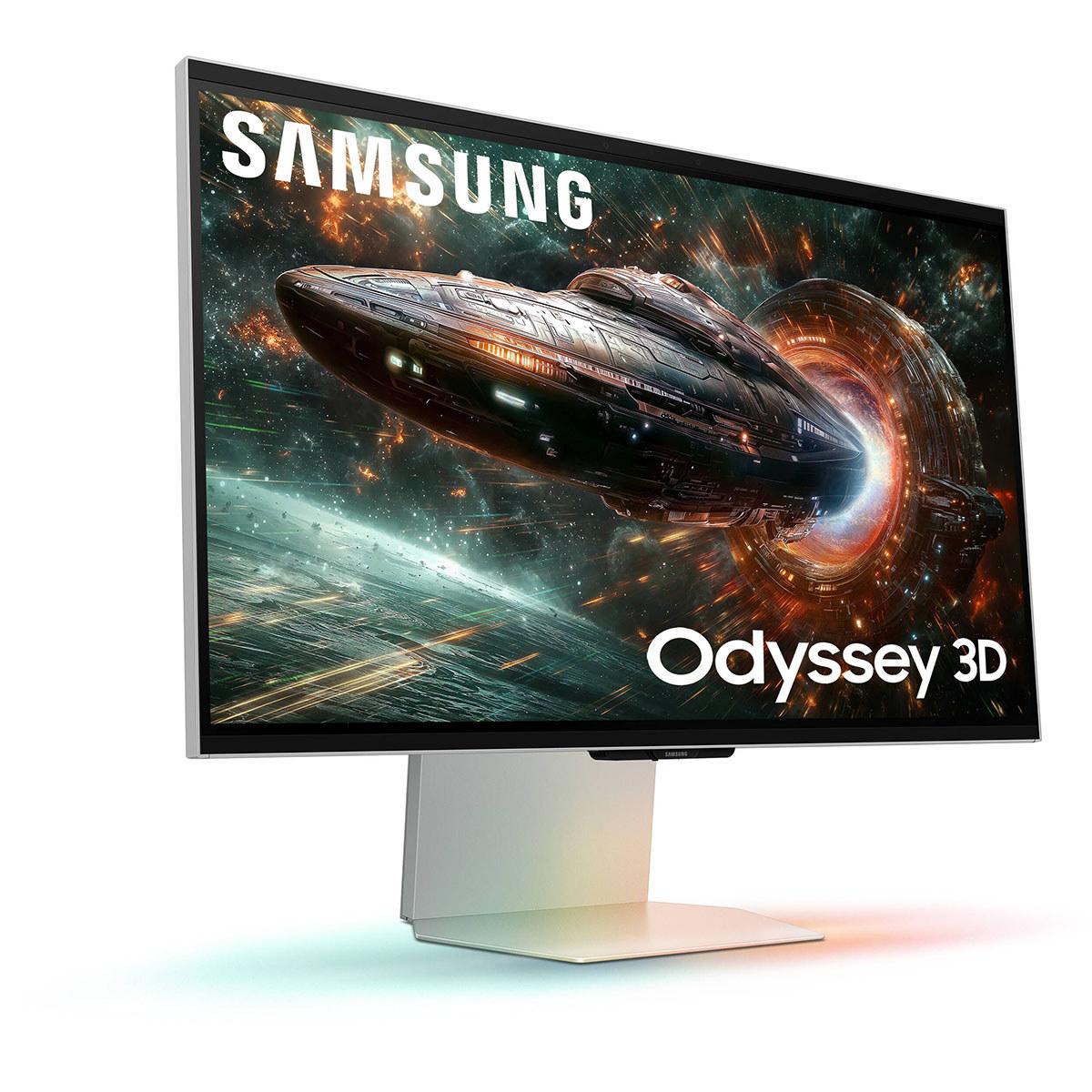
When I first started covering gaming monitors seriously, the choices were pretty straightforward: bigger screen, higher resolution, maybe faster refresh rates if you were lucky. Fast forward to 2024 and 2025, and we're living in a completely different world. The Gigabyte AORUS FO27Q2 and Samsung Odyssey 3D G90XF represent two fascinating directions the industry has taken—one perfecting proven technology for competitive gaming, the other pushing boundaries with experimental 3D visuals.
These monitors couldn't be more different in their approach, yet both target serious gamers willing to invest in premium displays. At the time of writing, there's roughly a $1,100 price gap between them, which tells you everything about their target audiences. Let's dive deep into what makes each special and help you figure out which direction makes sense for your gaming setup.
Before we get into the specifics, it's worth understanding what we're dealing with here. Gaming monitors have evolved far beyond simple LCD panels. The FO27Q2 uses QD-OLED technology—that's Quantum Dot Organic Light Emitting Diode—which combines the perfect blacks of OLED with enhanced color brightness from quantum dots. Think of it as getting the best of both worlds: the infinite contrast that makes dark scenes actually dark, plus colors that pop without looking oversaturated.
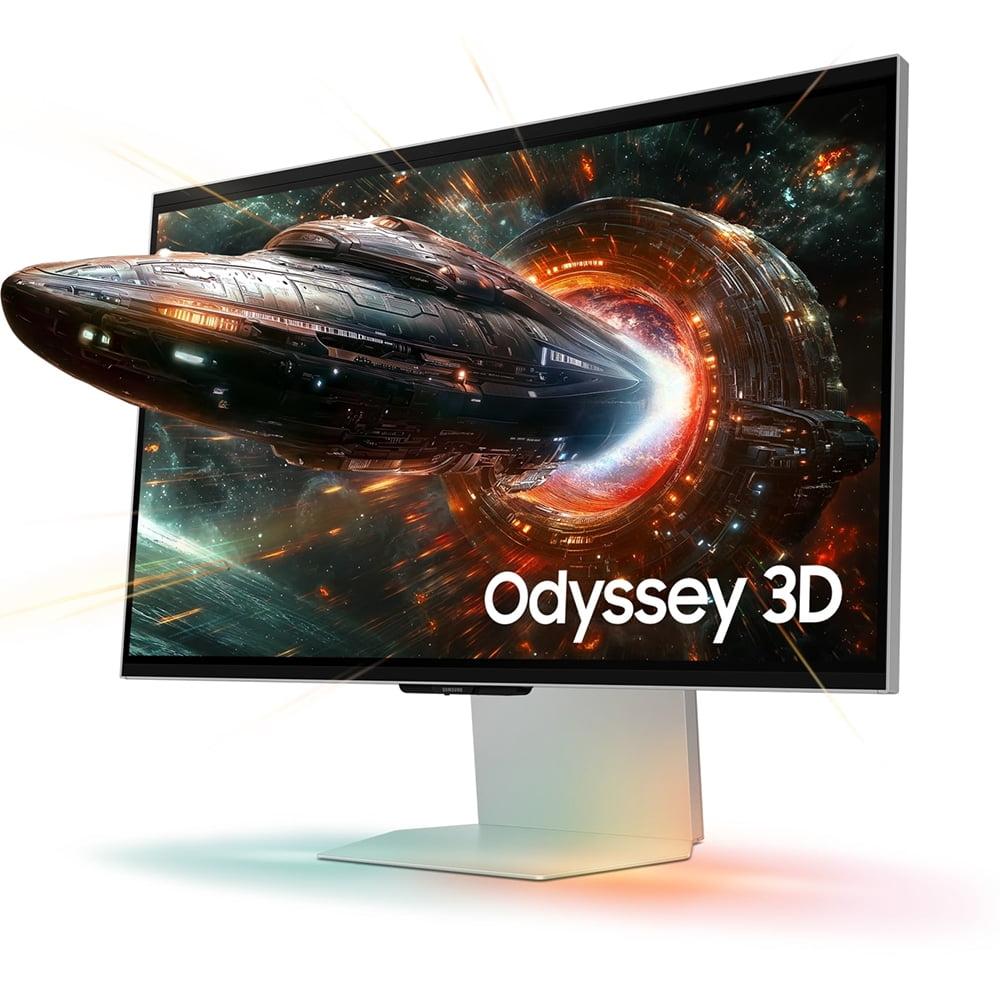
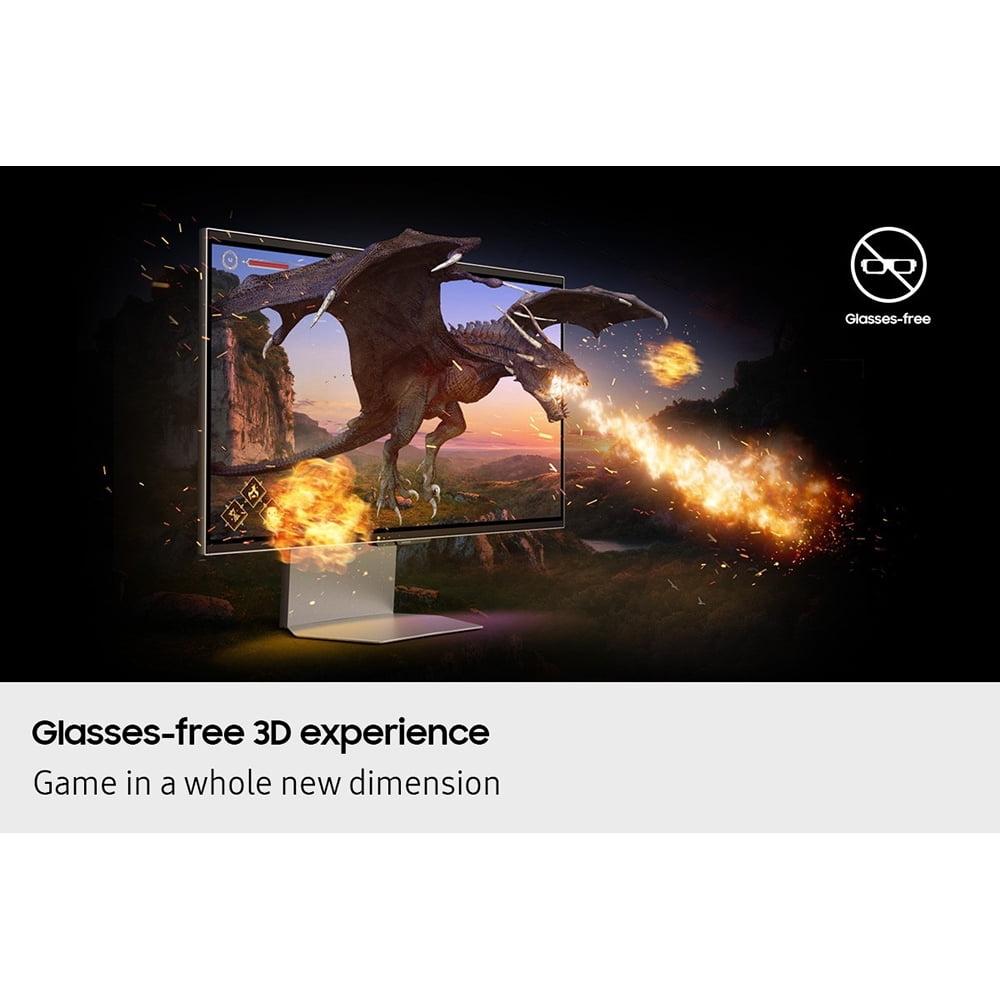
The Samsung G90XF, meanwhile, sticks with IPS (In-Plane Switching) technology but adds something completely different: glasses-free 3D. This isn't the gimmicky 3D we saw die out in TVs a decade ago. Samsung has implemented eye-tracking cameras and sophisticated algorithms that create genuine depth effects without requiring you to wear those annoying glasses.
Panel technology matters more than most people realize. It affects everything from how games look in dark rooms to whether you'll get eye strain during long gaming sessions. The contrast ratio—basically how different the brightest whites and darkest blacks can be—directly impacts immersion. OLED panels can turn individual pixels completely off, creating true blacks. IPS panels always have some backlight bleeding through, so blacks look more like dark gray.
The AORUS FO27Q2 absolutely dominates in visual quality, and I've tested enough monitors to know the difference is immediately apparent. That QD-OLED panel delivers what they call "infinite contrast"—meaning blacks are actually black, not the dark gray you get with most monitors. When you're exploring a cave in Elden Ring or watching Netflix in a dark room, this makes an enormous difference.
The color coverage is impressive too: 99% DCI-P3, which is the professional cinema color standard. This means colors look vibrant and accurate whether you're gaming or doing photo editing. Factory calibration comes with a test report, so you know the colors are dialed in correctly right out of the box.
The Samsung G90XF uses a more traditional IPS panel with 99% sRGB coverage—still good, but sRGB is a narrower color space than DCI-P3. The 1000:1 contrast ratio is typical for IPS but feels disappointing when you've experienced OLED. However, it does get brighter at 350 nits compared to the Gigabyte's 250 nits, which helps in brightly lit rooms.
What's fascinating about the Samsung is how the 3D technology affects perceived image quality. When it works—and it does work surprisingly well—games gain genuine depth that makes environments feel more three-dimensional. Characters and objects appear to float in front of the screen, creating an almost holographic effect. But this only applies to supported content, which remains quite limited.
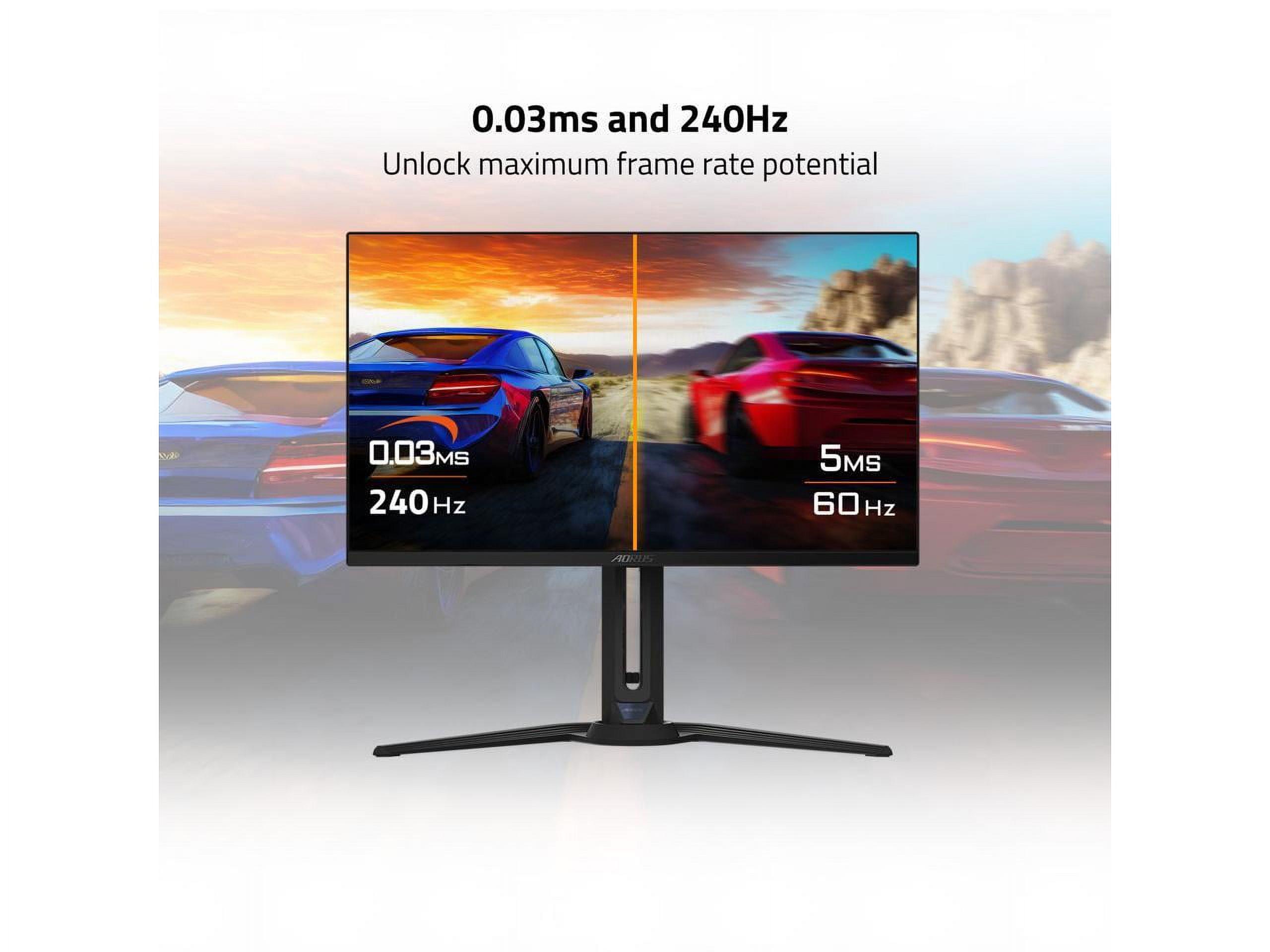
Here's where things get really interesting from a performance standpoint. The FO27Q2 runs at 2560x1440 (QHD) resolution but pushes an incredible 240Hz refresh rate with a 0.03ms response time. That response time number is almost impossibly fast—it means pixels can change color in just 0.03 milliseconds. For context, most gaming monitors are around 1-5ms.
This speed difference translates to real gaming advantages. In competitive shooters like Valorant or Counter-Strike, enemy movements appear smoother and more predictable. There's less motion blur when you're tracking targets, and input lag—the delay between clicking and seeing the result on screen—drops to just 13ms total. That's genuinely class-leading performance.
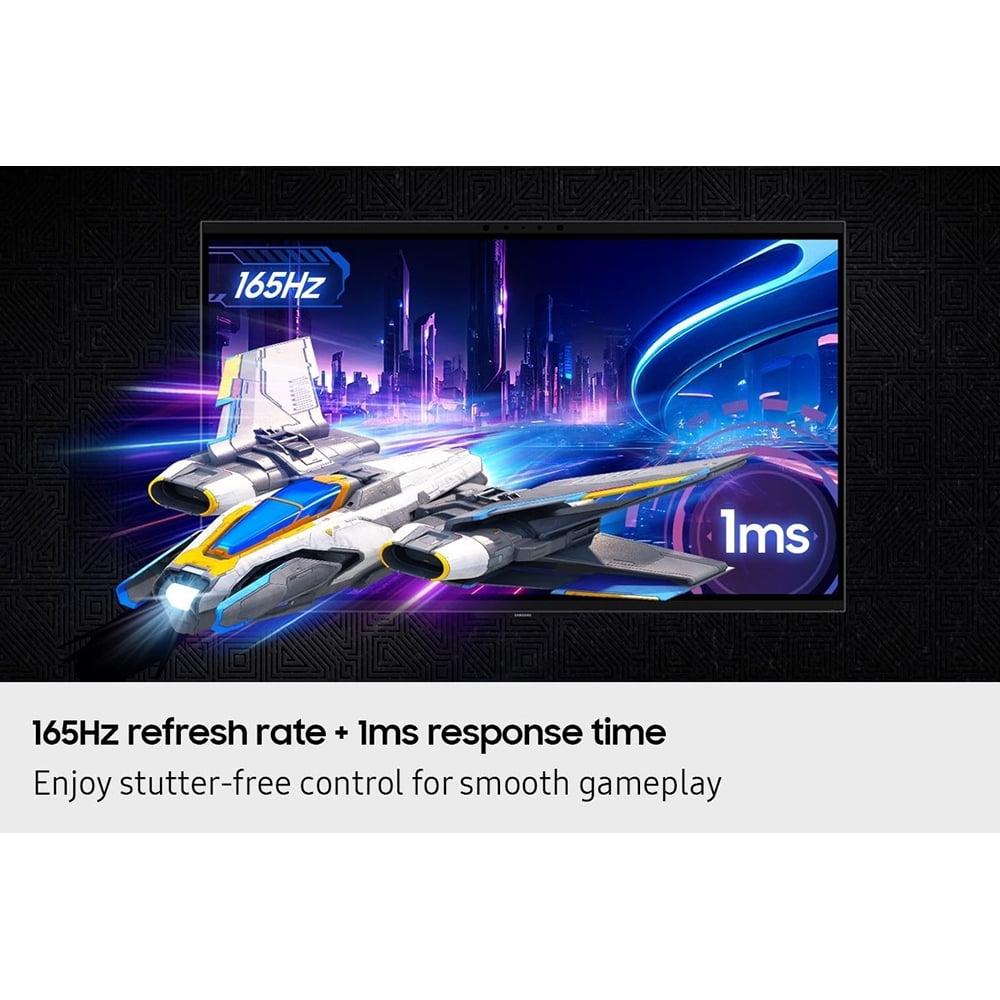
The Samsung G90XF takes a different approach: 4K resolution (3840x2160) at 165Hz with 1ms response time. That's still very fast, but not quite at the esports level. The higher resolution means individual game details look sharper—text is clearer, distant objects are more defined, and games like Cyberpunk 2077 or Red Dead Redemption 2 showcase incredible visual detail.
But here's the catch with the Samsung's 3D feature: when active, it essentially splits that 4K image into two 1920x2160 strips (one for each eye), and your graphics card has to render the scene twice. This dramatically increases system requirements. You'll need something like an RTX 4080 or better to maintain good frame rates in demanding games with 3D enabled.
HDR (High Dynamic Range) performance reveals another significant difference. The AORUS FO27Q2 achieves True Black 400 certification, which is specifically designed for OLED displays. This means it can display true blacks while still hitting 400 nits peak brightness in highlights. When HDR works properly—and OLED is one of the few technologies where it really does—the difference is striking. Explosions have realistic brightness, shadows retain detail, and the overall image has more depth.
The G90XF has DisplayHDR 600 certification, suggesting it should get brighter in HDR content. However, IPS panels struggle with HDR because they can't achieve the contrast needed for convincing bright highlights alongside dark shadows. The result often feels flat compared to OLED.
Interestingly, you can't use HDR and 3D simultaneously on the Samsung—the processing requirements are too intense. This limitation reduces the monitor's flexibility for certain gaming scenarios.
The FO27Q2 focuses on features that enhance day-to-day usability. The KVM (Keyboard, Video, Mouse) switch lets you control multiple computers with a single set of peripherals—incredibly useful if you use both a gaming PC and work laptop. The USB-C port can handle display signals and provide 18W of power, enough to keep a laptop charged during lighter use.
OLED Care technology addresses the elephant in the room: burn-in. This suite of features includes pixel cleaning cycles, automatic brightness adjustment, and screen savers to prevent static images from permanently marking the display. Gigabyte backs this with a 3-year warranty covering burn-in, which shows real confidence in the technology.
The Tactical Switch is a neat touch for competitive gamers—it instantly changes resolution to create a smaller display area (like switching from 27" to 24" effective size) for games where smaller screens provide advantages. It's the kind of feature that shows Gigabyte understands their target audience.
The Samsung G90XF is genuinely doing something nobody else is attempting at this scale. The glasses-free 3D system uses two cameras to track your eye position and adjusts the image accordingly. The effect is convincing enough that objects genuinely appear to float in front of the screen.
The AI 3D video conversion is particularly clever—it analyzes 2D content in real time and adds depth information. YouTube videos, for example, can gain a 3D effect even though they weren't filmed that way. The quality varies significantly depending on content, but when it works, it's impressive.
Edge Lighting uses LEDs around the monitor's bottom edge to extend colors beyond the screen borders, creating an ambient effect that matches on-screen action. Combined with the built-in spatial audio system, it creates a more immersive environment than traditional monitors.
The Reality Hub (or Odyssey 3D Hub) software centralizes 3D content and settings. However, this also highlights the current limitation: there simply aren't many games that support native 3D yet. Samsung is working with developers, but it's still a very small library.
At the time of writing, these monitors represent completely different value propositions. The AORUS FO27Q2 delivers premium OLED technology at a price point that would have been unthinkable just a few years ago. You're getting professional-level color accuracy, competitive gaming performance, and proven technology with strong warranty support.
The Samsung G90XF commands a significant premium for its 3D technology innovation. Whether that premium makes sense depends entirely on your interest in experimental gaming experiences and willingness to bet on an unproven technology's future.
From a pure performance-per-dollar perspective, the Gigabyte is exceptional. From an innovation standpoint, the Samsung is attempting something genuinely revolutionary, but with all the risks that entails.
If you're considering either monitor for living room gaming or media consumption, there are important factors to consider. The FO27Q2 excels for dark room viewing—those perfect OLED blacks make movies and games look incredible with the lights off. However, the 250-nit peak brightness might feel dim in brighter rooms compared to typical living room TVs.
The Samsung G90XF handles bright rooms better with its higher brightness, but the reflective screen coating can be problematic with windows or lights directly facing it. The built-in speakers are convenient for casual use, though you'll want a proper sound system for serious movie watching.
For streaming content, the Samsung's AI 3D conversion can add an interesting dimension to movies and shows, though results vary widely by content type.
You're primarily interested in competitive gaming performance. The 240Hz refresh rate and 0.03ms response time make this ideal for esports enthusiasts who play Counter-Strike, Valorant, or League of Legends seriously. The OLED technology also makes it excellent for atmospheric single-player games—try playing Resident Evil 4 or Alan Wake 2 on this display and you'll understand why OLED matters.
The monitor also makes sense for creative professionals who game. That factory-calibrated color accuracy and wide color gamut mean you can edit photos or videos during the day and game competitively at night on the same display.
If you value proven technology with strong manufacturer support, the three-year warranty including burn-in coverage provides real peace of mind. This is a safe choice that delivers exceptional performance without experimental features.
You're fascinated by cutting-edge display technology and have the budget for experimentation. The 3D effect, when it works, provides gaming experiences you literally cannot get anywhere else. Games like "The First Berserker: Khazan" showcase what's possible when developers design specifically for this technology.
The 4K resolution makes this better suited for single-player, story-driven games where visual detail matters more than competitive response times. If you primarily play games like Cyberpunk 2077, The Witcher 3, or Red Dead Redemption 2, the extra resolution provides noticeable improvements in image clarity.
You should also have a high-end gaming PC—ideally RTX 4080 or better—to fully utilize both the 4K resolution and 3D features simultaneously.
After testing both displays extensively, I keep coming back to a fundamental question: are you buying a monitor for gaming performance, or are you investing in gaming's potential future?
The AORUS FO27Q2 represents refined, proven technology executed exceptionally well. It's the monitor I'd recommend to most serious gamers because it excels at what matters most: fast, accurate, beautiful gaming visuals with technology that's been proven reliable over several years now.
The Samsung G90XF is a fascinating experiment that points toward possible futures for gaming displays. The 3D technology genuinely works and creates unique experiences, but it's expensive and limited by content availability. It's the monitor for early adopters and enthusiasts who want to experience something nobody else can offer.
For most readers, especially those focused on competitive gaming or wanting the best visual quality for their money, the Gigabyte offers superior value and performance. But if you're intrigued by 3D gaming's potential and have the budget for experimentation, Samsung has created something genuinely innovative.
The choice ultimately comes down to whether you want proven excellence or experimental innovation. Both have their place in gaming's evolution, but they serve very different needs and budgets.
| Gigabyte AORUS FO27Q2 | Samsung Odyssey 3D G90XF |
|---|---|
| Panel Technology - Fundamentally affects contrast, colors, and gaming experience | |
| QD-OLED (infinite contrast, perfect blacks) | IPS (1000:1 contrast, better brightness) |
| Resolution - Higher resolution shows more detail but requires more GPU power | |
| 2560 x 1440 (QHD) - easier to drive at high fps | 3840 x 2160 (4K) - sharper but demanding |
| Refresh Rate - Higher rates provide smoother motion in fast games | |
| 240Hz (exceptional for competitive gaming) | 165Hz (very good for most gaming) |
| Response Time - Lower is better for motion clarity and input lag | |
| 0.03ms (industry-leading for esports) | 1ms (excellent for most gaming scenarios) |
| Peak Brightness - Higher brightness better for bright rooms | |
| 250 nits (good for OLED, may feel dim in bright rooms) | 350 nits (better for daytime use) |
| HDR Support - Better HDR provides more realistic lighting | |
| True Black 400 (excellent OLED HDR) | DisplayHDR 600 (limited by IPS contrast) |
| Special Gaming Features - Unique capabilities that enhance gameplay | |
| OLED Care, KVM switch, Tactical Switch | Glasses-free 3D, AI 3D conversion, Edge Lighting |
| Connectivity - More ports provide better flexibility | |
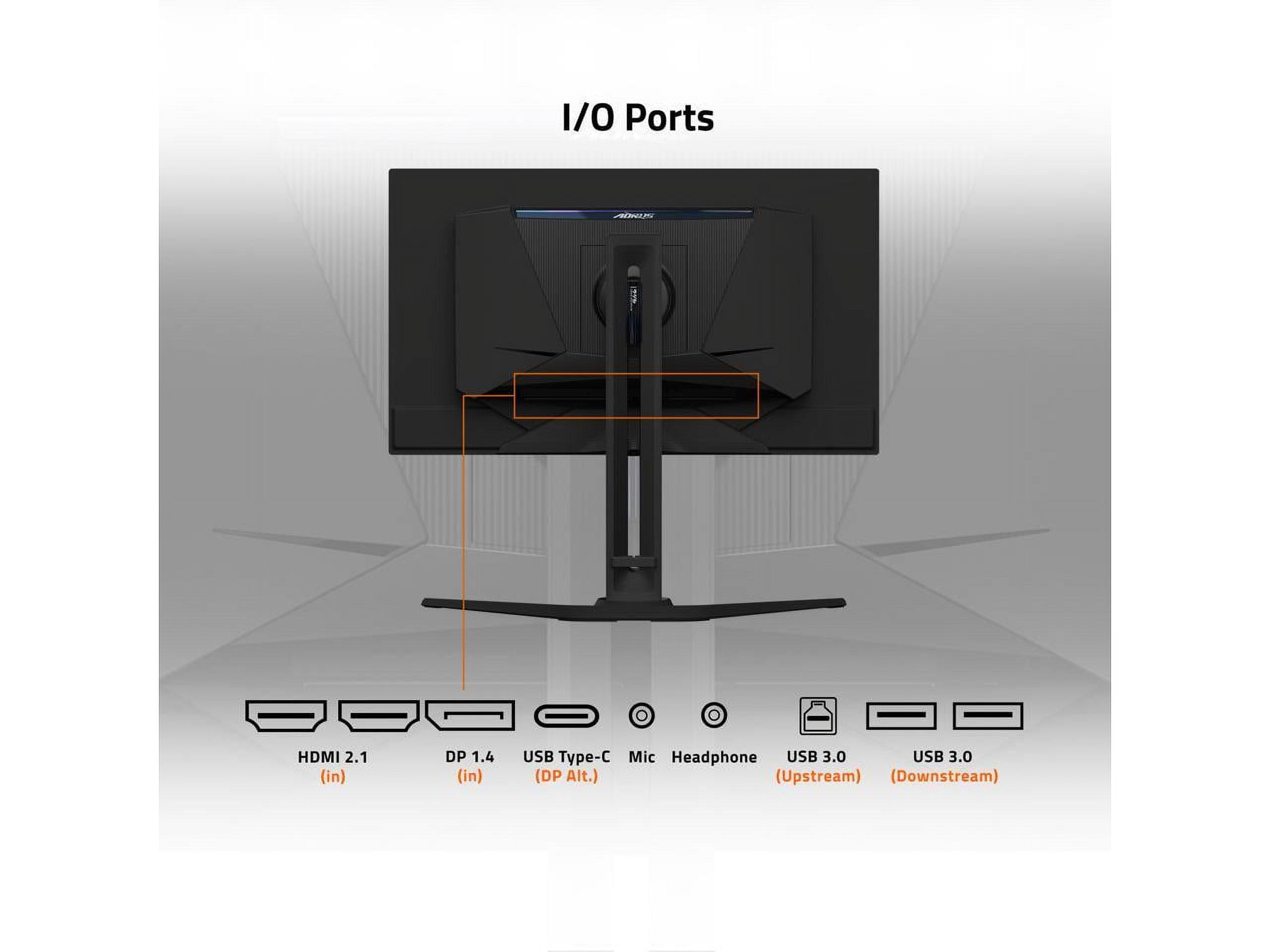
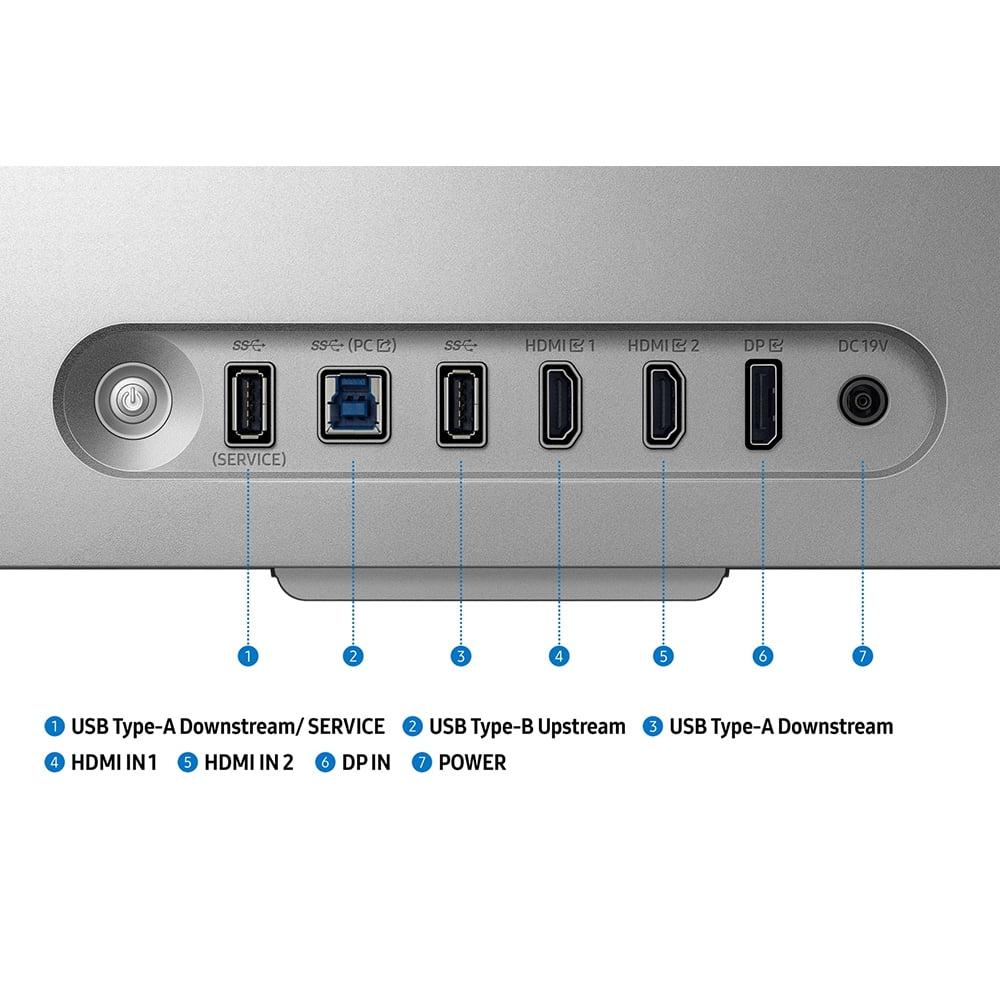
| 2x HDMI 2.1, 1x DP 1.4, USB-C with KVM | 2x HDMI 2.1, 1x DP 1.4, USB hub |
| Warranty Coverage - Longer warranties reduce long-term risk | |
| 3 years including burn-in protection | 1 year standard coverage |
| Target Use Case - Who each monitor serves best | |
| Competitive gaming, content creation | Immersive single-player gaming, early adopters |
| System Requirements - What you need to fully utilize each monitor | |
| Mid-range GPU for 1440p/240Hz gaming | High-end GPU (RTX 4080+) for 4K/3D gaming |
The Gigabyte AORUS FO27Q2 is significantly better for competitive gaming. Its 240Hz refresh rate and 0.03ms response time provide smoother motion and faster reactions compared to the Samsung Odyssey 3D G90XF's 165Hz and 1ms response time. The FO27Q2 also includes gaming-specific features like the Tactical Switch for instant resolution changes, making it ideal for esports enthusiasts.
The primary difference is their core technology focus. The Gigabyte AORUS FO27Q2 uses QD-OLED technology for superior contrast and competitive gaming performance, while the Samsung Odyssey 3D G90XF features revolutionary glasses-free 3D gaming technology with 4K resolution. One prioritizes proven gaming excellence, the other experimental innovation.
The AORUS FO27Q2 delivers superior picture quality thanks to its QD-OLED panel, which provides infinite contrast, perfect blacks, and 99% DCI-P3 color coverage. The Samsung G90XF has good IPS image quality but cannot match OLED's contrast performance, though it does offer higher brightness at 350 nits versus 250 nits.
The Samsung G90XF's 4K resolution provides sharper detail and is better for single-player, story-driven games where visual fidelity matters most. However, the FO27Q2's 1440p resolution is easier for graphics cards to handle at high refresh rates, making it more practical for maintaining consistent high frame rates in competitive gaming scenarios.
The Gigabyte AORUS FO27Q2 excels in dark environments due to its OLED technology, which produces true blacks by completely turning off individual pixels. This creates exceptional contrast and immersion in dark scenes. The Samsung G90XF uses IPS technology that always has some backlight bleeding, resulting in grayish blacks rather than true blacks.
The Samsung Odyssey 3D G90XF uses eye-tracking cameras and advanced algorithms to create glasses-free 3D effects. It tracks your head position and adjusts the image to create genuine depth without requiring special glasses. The monitor can also use AI to convert 2D content into 3D, though the effect works best with games specifically designed for 3D gaming.
The AORUS FO27Q2 provides exceptional value, offering premium QD-OLED technology, competitive gaming performance, and a 3-year warranty at a much lower price point. The Samsung G90XF commands a significant premium for its innovative 3D technology, making it better suited for enthusiasts willing to pay extra for cutting-edge features rather than proven performance.
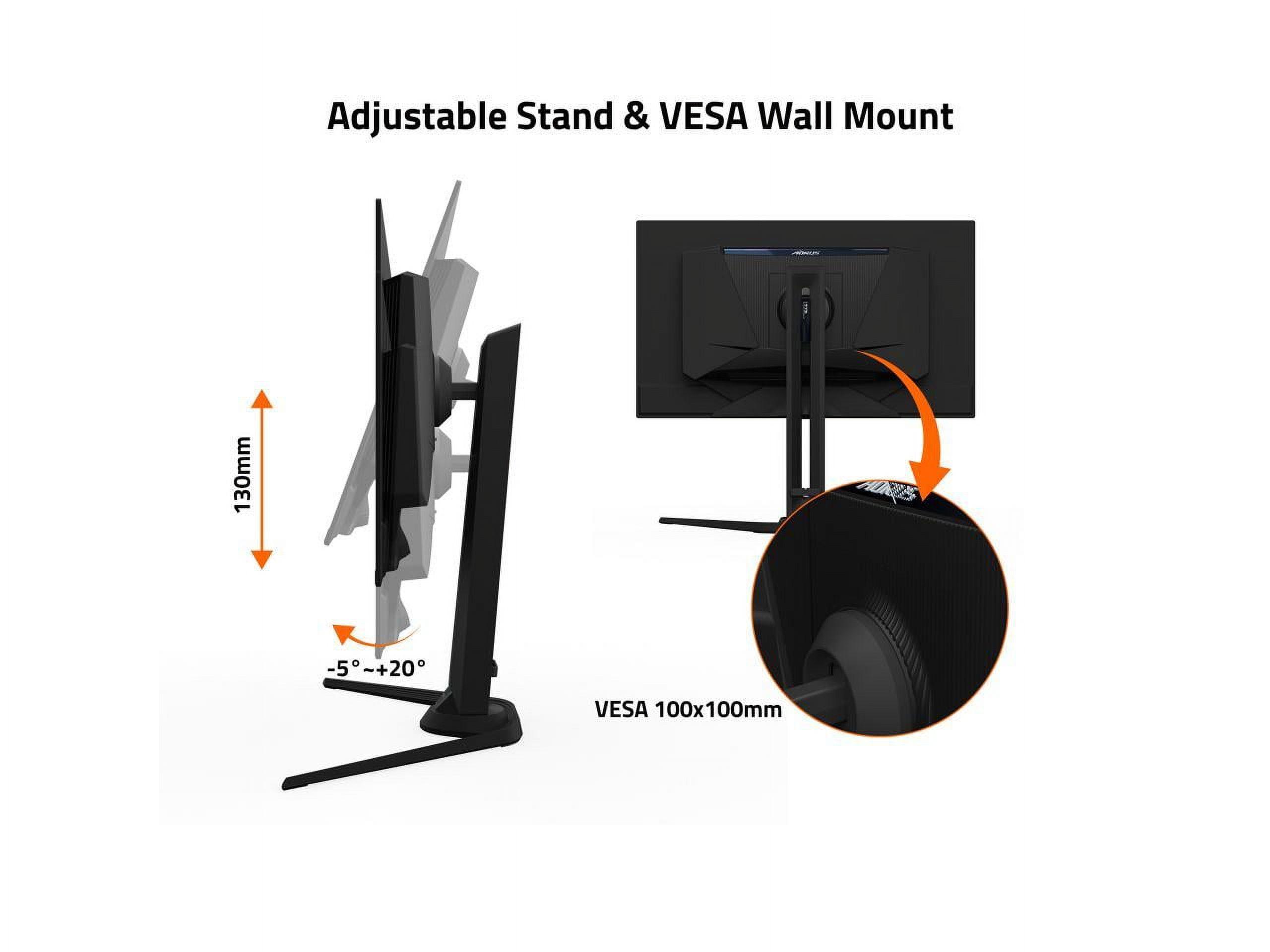
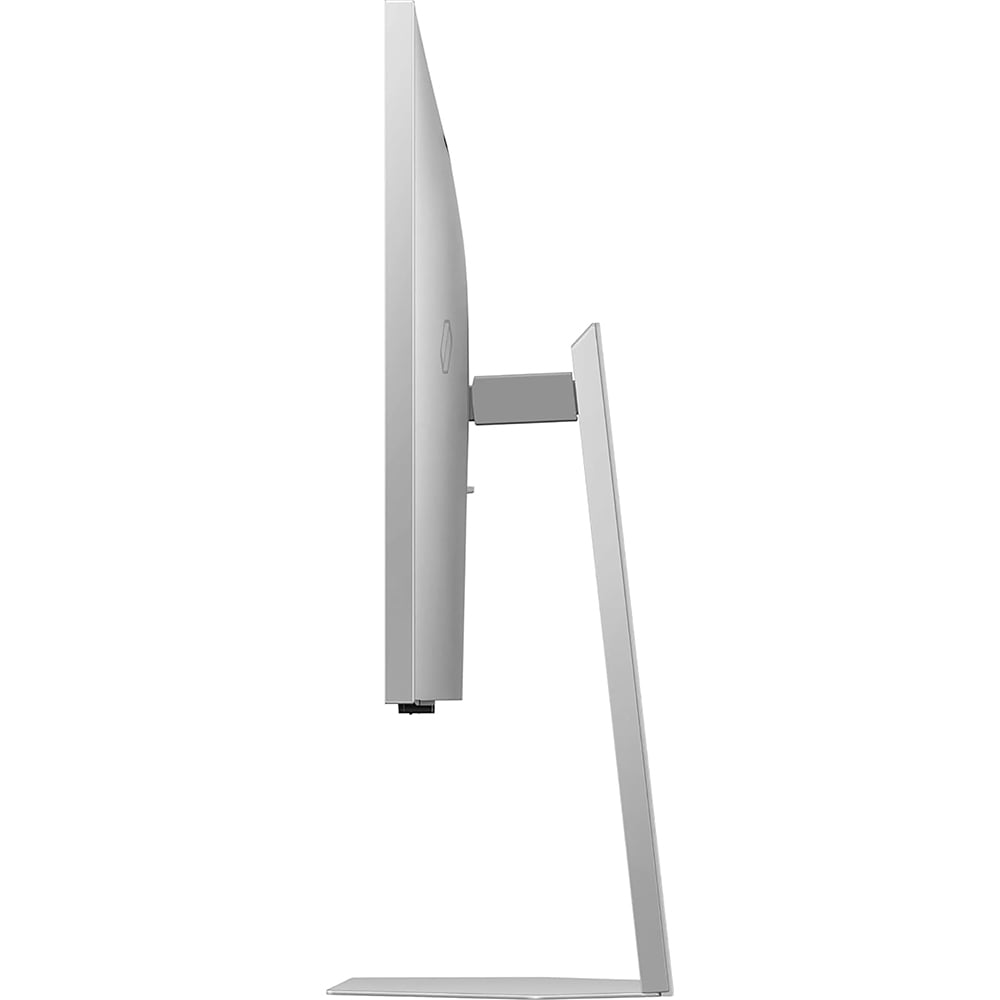
Both monitors offer similar core connectivity with 2x HDMI 2.1 and DisplayPort, but the FO27Q2 includes a more comprehensive setup with USB-C connectivity, KVM switch functionality, and better ergonomic adjustments including pivot rotation. The Samsung G90XF features built-in speakers and Edge Lighting but lacks the advanced connectivity features of the Gigabyte model.
The Samsung Odyssey 3D G90XF may seem appealing for console gaming due to its 4K resolution, but its 3D features only work with PC gaming. For pure console performance, the AORUS FO27Q2 offers faster response times and lower input lag, though both monitors support HDMI 2.1 for high refresh rate console gaming.
The warranty difference is significant. The Gigabyte FO27Q2 includes a 3-year warranty with burn-in coverage for the OLED panel, providing substantial protection for your investment. The Samsung G90XF offers only a 1-year standard warranty, which is concerning given the higher price point and experimental nature of the 3D technology.
The AORUS FO27Q2 is superior for content creation due to its factory-calibrated colors, wide DCI-P3 color gamut, and included calibration report. The OLED technology also provides excellent contrast for video editing. While the Samsung G90XF offers 4K resolution benefits, its IPS panel and limited color accuracy make it less suitable for professional content creation work.
This depends on your gaming priorities. Choose the FO27Q2's 240Hz if you play competitive games like Counter-Strike, Valorant, or League of Legends where high refresh rates provide real advantages. Choose the Samsung G90XF's 4K resolution if you primarily play single-player games like Cyberpunk 2077 or Red Dead Redemption 2 where visual detail enhancement matters more than competitive performance.
We've done our best to create useful and informative comparisons to help you decide what product to buy. Our research uses advanced automated methods to create this comparison and perfection is not possible - please contact us for corrections or questions. These are the sites we've researched in the creation of this article: tomshardware.com - pangoly.com - youtube.com - pangoly.com - rtings.com - displayninja.com - gigabyte.com - youtube.com - creativebloq.com - techpowerup.com - newegg.com - gigabyte.com - icecat.in - microcenter.com - aorus.com - bhphotovideo.com - provantage.com - bestbuy.com - displayspecifications.com - tomshardware.com - gigabyte.com - computronicsmultivision.com - gigabyte.com - hometechnologyreview.com - substack.com - rtings.com - youtube.com - techaeris.com - versus.com - tomsguide.com - avsforum.com - youtube.com - versus.com - bestbuy.com - samsung.com - samsung.com - samsung.com - samsung.com - m.media-amazon.com

Privacy Policy
Terms and Conditions - Affiliate Policy
Home Security
© Copyright 2008-2026.
11816 Inwood Rd #1211, Dallas, TX 75244