

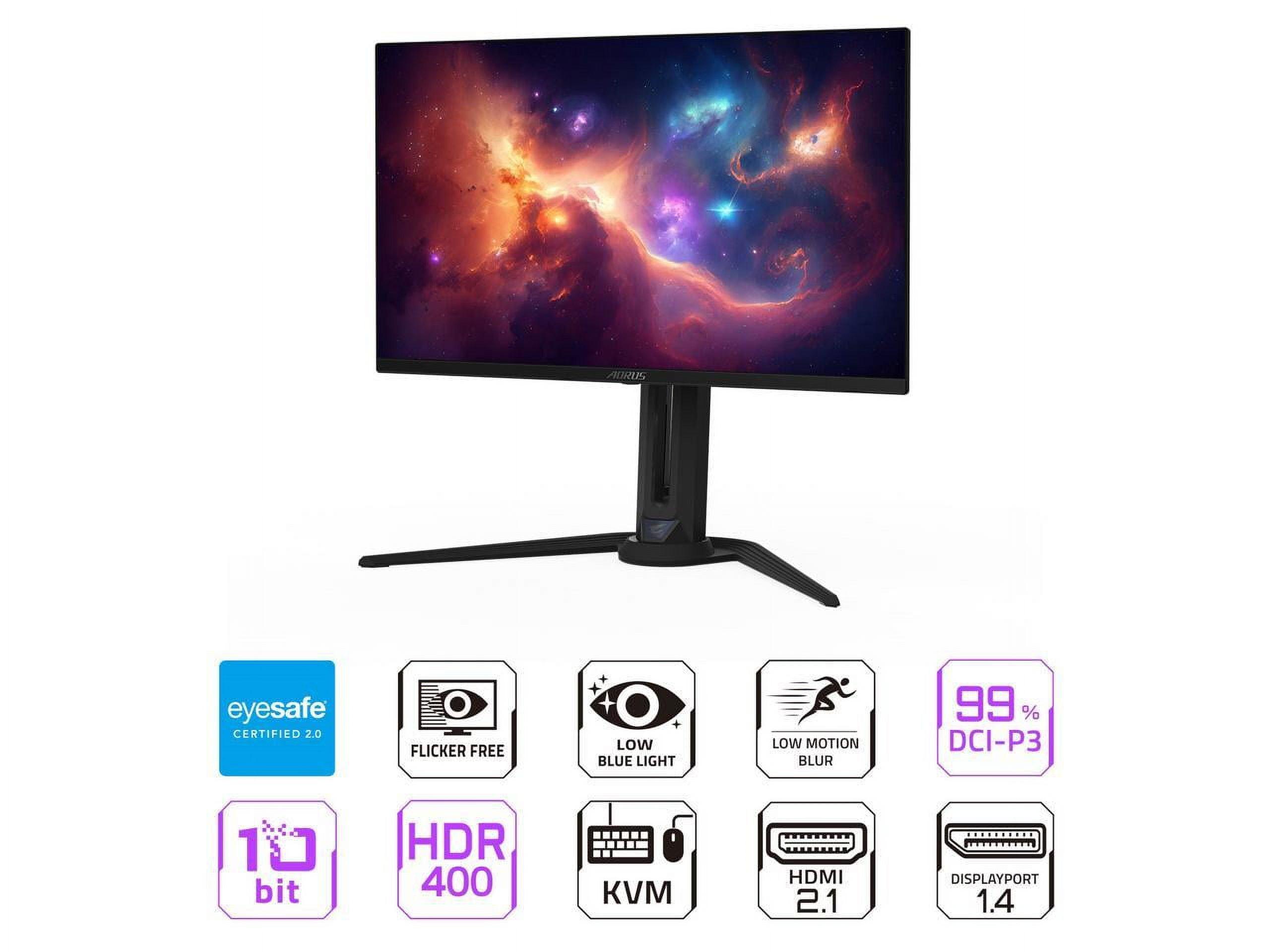
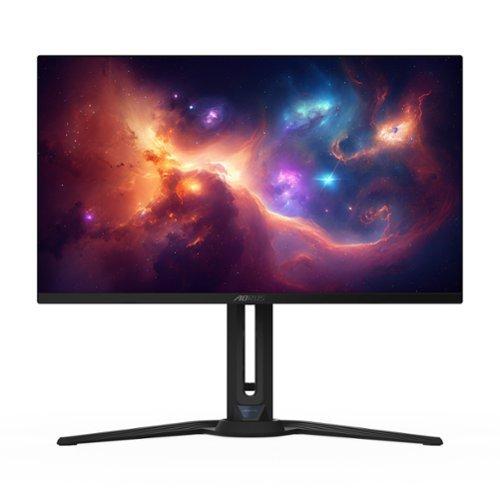
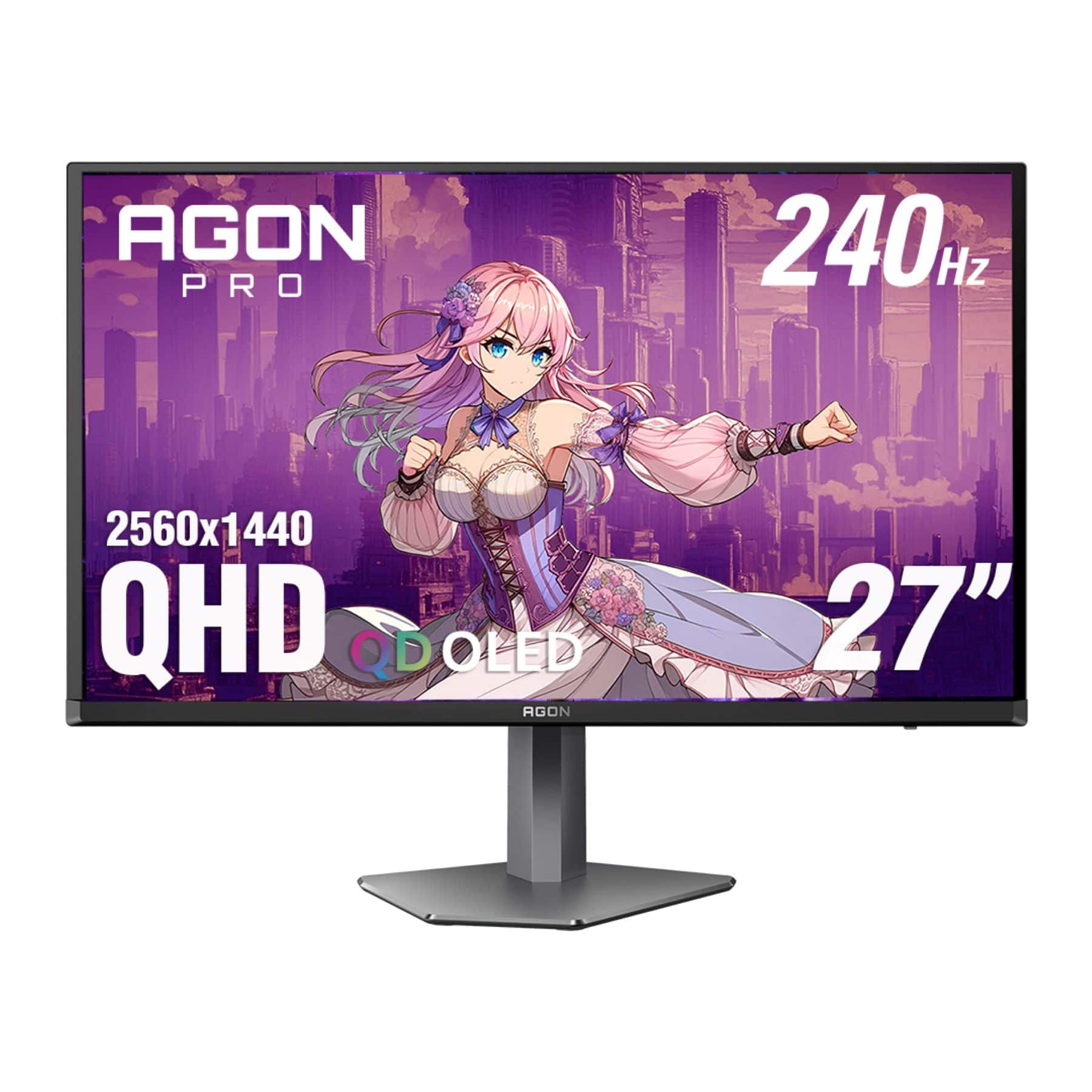
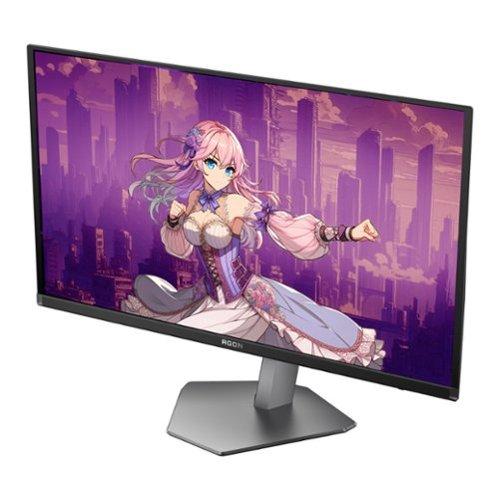
When you're hunting for the ultimate gaming display, the choice between premium monitors can feel overwhelming. Today, we're diving deep into two compelling options in the 27-inch QD-OLED space: the Gigabyte AORUS FO27Q2 and the AOC Agon Pro AG276QZD2. Both promise to deliver that jaw-dropping visual experience that makes games feel more immersive than ever before.
Before we jump into the nitty-gritty comparison, let's talk about what makes these monitors special. QD-OLED (Quantum Dot OLED) technology represents the latest evolution in display innovation, combining the best aspects of two proven technologies. Traditional OLED panels are famous for their perfect blacks – when a pixel is off, it's completely off, creating infinite contrast ratios that make dark scenes in games look incredibly realistic.
Quantum Dots, on the other hand, are microscopic crystals that can produce extremely pure colors when hit with light. By combining these technologies, QD-OLED panels achieve something remarkable: they maintain OLED's perfect blacks while delivering colors that are more vibrant and accurate than either technology could produce alone. Think of it as getting the best of both worlds – the contrast of OLED with the color purity of Quantum Dot displays.
For gamers, this translates to visuals that pop off the screen. Dark areas in games like horror titles or atmospheric adventures maintain their intended mood with true blacks, while bright, colorful scenes in games like Overwatch or Fortnite burst with life. Both the Gigabyte AORUS FO27Q2 and AOC Agon Pro AG276QZD2 leverage this technology, but as we'll see, they implement it quite differently.
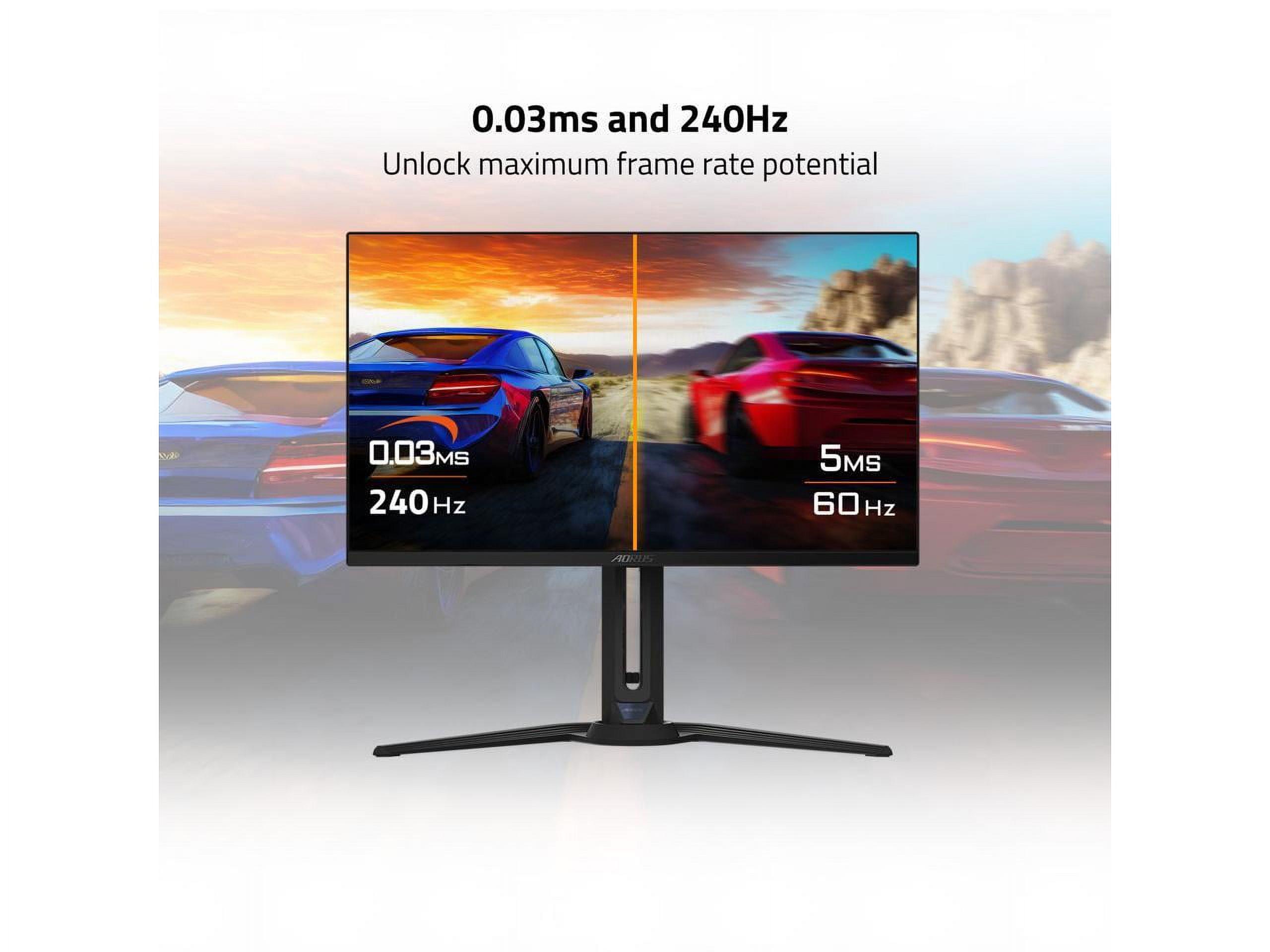
When it comes to gaming monitors, motion clarity is absolutely crucial. This is where response time comes into play – essentially how quickly a pixel can change from one color to another. Both monitors boast an impressive 0.03ms gray-to-gray (GTG) response time, which is practically instantaneous. To put this in perspective, typical gaming LCD monitors might have response times of 1-5ms, while these QD-OLED panels are roughly 30 times faster.
The Gigabyte AORUS FO27Q2 takes this a step further with its VESA Certified ClearMR 13000 rating. This certification is relatively new (introduced in 2022) and measures how well a monitor handles motion blur across different scenarios. A rating of 13000 is exceptional – it means you can track fast-moving objects in competitive games with crystal clarity, whether you're following a rocket in Rocket League or tracking enemies in Call of Duty.
However, where these monitors truly diverge is in consistency. The AOC Agon Pro AG276QZD2 suffers from VRR flicker – a distracting visual artifact that occurs when your graphics card's frame rate fluctuates. Imagine you're playing a demanding game where your frame rate jumps between 180 and 220 FPS; the AOC might exhibit noticeable flickering that can be genuinely distracting during intense gaming sessions. The Gigabyte AORUS FO27Q2, by contrast, handles these frame rate variations much more gracefully.
Input lag is the time between when you click your mouse or press a key and when that action appears on screen. For competitive gamers, this can literally be the difference between victory and defeat. The Gigabyte AORUS FO27Q2 achieves something remarkable here – just 13ms of total input lag at 240Hz. This actually outperforms many monitors with higher refresh rates, including some 360Hz and 480Hz displays.
What makes this even more impressive is the consistency. While the AOC Agon Pro AG276QZD2 achieves similarly low input lag at its maximum 240Hz refresh rate, it stumbles significantly when running at lower refresh rates. At 60Hz or 120Hz – common when gaming on consoles – the AOC's input lag increases noticeably. This inconsistency makes the Gigabyte AORUS FO27Q2 far more versatile for mixed gaming setups.
Here's where the Gigabyte AORUS FO27Q2 really shines. With a Delta E of just 1.8 in sRGB mode, it delivers color accuracy that rivals professional-grade monitors. Delta E measures color accuracy – values below 3 are considered excellent, and below 1 is virtually indistinguishable from perfect. This level of accuracy means the monitor isn't just great for gaming; it's also suitable for photo editing, video creation, and any work where color precision matters.
The monitor achieves 99% coverage of the DCI-P3 color space, which is the standard used in digital cinema. This wide color gamut means games that support HDR (High Dynamic Range) will display colors as the developers intended, with vibrant reds, deep blues, and natural skin tones that look lifelike.
The AOC Agon Pro AG276QZD2, while still delivering good colors, has a notably narrower HDR color gamut. In practical terms, this means HDR games might look somewhat muted compared to what you'd see on the Gigabyte monitor. The difference is particularly noticeable in games with rich, saturated visuals like Cyberpunk 2077 or Horizon Zero Dawn.
HDR (High Dynamic Range) is one of those features that can transform your gaming experience when implemented well. Both monitors support VESA DisplayHDR True Black 400, which is specifically designed for OLED displays and represents a significant step up from standard HDR certifications.
The Gigabyte AORUS FO27Q2 reaches peak brightness levels of 1,000 nits (a unit measuring brightness) in small highlight areas. This might not sound like much compared to some LCD monitors that claim much higher numbers, but OLED works differently. Because OLED can produce perfect blacks, the contrast between bright and dark areas is far more dramatic. When you're exploring a dark cave in Skyrim and emerge into bright sunlight, the transition feels natural and impactful.
The AOC Agon Pro AG276QZD2 struggles more with HDR performance. Its lower peak brightness and narrower color volume mean HDR scenes don't have the same impact. You'll still get the benefit of perfect blacks, but bright highlights won't pop as dramatically, and the overall HDR experience feels somewhat underwhelming compared to what QD-OLED technology is capable of delivering.
The Gigabyte AORUS FO27Q2 includes several features that show it was designed with serious gamers in mind. The Tactical Switch is particularly clever – it's a physical button that lets you instantly change resolution modes. For competitive players, this means you can quickly switch to a 24-inch mode that effectively creates black borders, giving you the feel of a smaller, more focused display without actually changing monitors.
The AI-based OLED Care system is another standout feature. OLED burn-in has been a concern since these panels first appeared, and Gigabyte has implemented an intelligent system that includes pixel shifting, static content detection, and automatic screen savers. These features work together to prevent image retention, giving you peace of mind for long gaming sessions.
The KVM (Keyboard, Video, Mouse) switch functionality is surprisingly useful if you use multiple devices. You can connect both your gaming PC and a work laptop, then switch between them using a single keyboard and mouse setup. This makes the monitor incredibly versatile for users who game and work from the same desk.
The AOC Agon Pro AG276QZD2 takes a different approach, focusing heavily on gaming aesthetics. The customizable RGB LightFX lighting system allows you to sync the monitor's back lighting with other RGB components in your setup. While this doesn't affect performance, it can create an immersive gaming atmosphere, especially in darker rooms.
AOC's G-Menu software deserves mention for its user-friendly approach to monitor settings. Instead of navigating through on-screen display menus with buttons, you can adjust most settings directly from your desktop using your mouse. It's a small convenience that makes tweaking settings much more pleasant.
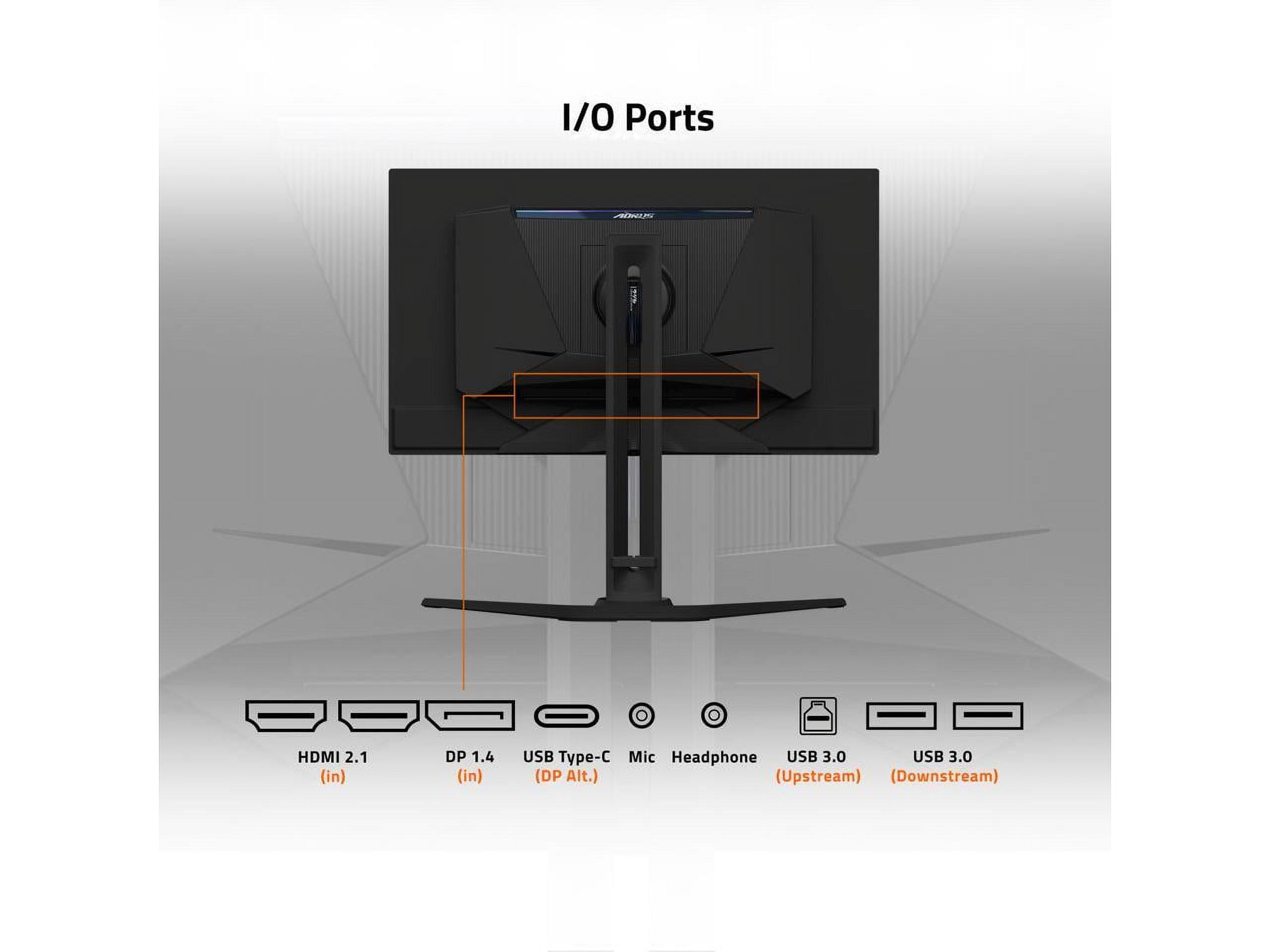
If you game on both PC and consoles, connectivity becomes crucial. The Gigabyte AORUS FO27Q2 includes HDMI 2.1 ports, which support the full bandwidth needed for modern consoles. This means you can get native 2K resolution at 144Hz on PS5 or Xbox Series X, taking full advantage of these consoles' capabilities.
The AOC Agon Pro AG276QZD2 is limited to HDMI 2.0, which restricts console gaming to lower refresh rates at higher resolutions. Combined with its higher input lag at 60Hz and 120Hz refresh rates, this makes it significantly less appealing for console gamers. If you primarily play on PlayStation or Xbox, the Gigabyte monitor is clearly the better choice.
One area where QD-OLED monitors have historically struggled is text rendering. The triangular subpixel arrangement (different from the standard RGB stripe pattern) can cause text to appear slightly fuzzy or colored around the edges. However, the Gigabyte AORUS FO27Q2 exhibits the least noticeable text fringing among QD-OLED panels I've tested. This makes it suitable for office work, coding, or content creation alongside gaming.
At 27 inches with 1440p resolution, you get a pixel density that strikes an excellent balance. Text is sharp enough for professional work, but not so dense that games require excessive GPU power to run smoothly. This resolution also means you won't need to scale interface elements, avoiding the potential compatibility issues that can occur with 4K displays.
While these monitors are designed primarily for desktop gaming, they have potential in home theater setups, particularly for smaller rooms or secondary viewing areas. The perfect blacks and excellent color reproduction make them compelling for movie watching, especially HDR content.
The Gigabyte AORUS FO27Q2's superior HDR performance gives it an edge here. Movies with dramatic lighting – think Blade Runner 2049 or Dune – benefit significantly from the monitor's ability to display true blacks alongside bright highlights. The color accuracy also means films appear as directors intended, with natural skin tones and accurate environmental colors.
However, both monitors are limited by their 27-inch size for traditional home theater use. They work better as near-field displays – perhaps mounted on a wall behind a couch for casual streaming or gaming from a distance.
One concern that continues to follow OLED displays is burn-in – permanent image retention that can occur when static elements remain on screen for extended periods. Both manufacturers address this differently, but Gigabyte's approach is more comprehensive.
The Gigabyte AORUS FO27Q2 includes a three-year warranty that specifically covers burn-in damage, which is remarkable confidence from the manufacturer. The AI-based OLED Care system actively works to prevent burn-in through pixel shifting, static content detection, and automatic maintenance routines.
The AOC Agon Pro AG276QZD2 also offers burn-in warranty coverage, but with more conditions and restrictions. In practical terms, both monitors should last years with normal gaming use, but Gigabyte's more proactive approach to prevention and comprehensive warranty coverage provides better peace of mind.
At the time of writing, these monitors sit in the premium segment of the gaming display market. The AOC Agon Pro AG276QZD2 typically commands a lower price point, making it more accessible for budget-conscious enthusiasts who want to experience QD-OLED technology. However, the performance compromises – particularly the VRR flicker, HDR limitations, and input lag inconsistency – mean you're making meaningful sacrifices for that lower price.
The Gigabyte AORUS FO27Q2 demands a premium, but delivers performance that justifies the cost. The superior color accuracy, consistent input lag, better HDR implementation, and comprehensive feature set make it suitable for both serious gaming and professional work. When you factor in the superior warranty coverage and OLED care features, the long-term value proposition becomes even stronger.
Both monitors represent the current generation of QD-OLED gaming displays, released in 2024 and 2025 respectively. This timing is significant because QD-OLED technology has matured considerably since its introduction in 2022. Early QD-OLED monitors suffered from issues like text clarity problems and burn-in concerns that have largely been addressed in these newer models.
The Gigabyte AORUS FO27Q2 benefits from being a slightly later release, incorporating lessons learned from earlier QD-OLED implementations. The improved text rendering and comprehensive OLED care features reflect this technological evolution.
So, who should choose which monitor? The AOC Agon Pro AG276QZD2 makes sense for PC gamers on a budget who primarily play at high refresh rates and can tolerate some visual inconsistencies. If you love RGB lighting, rarely use lower refresh rates, and prioritize saving money over absolute performance, it's a reasonable choice.
However, the Gigabyte AORUS FO27Q2 is the clear winner for most users. It excels in every meaningful performance metric while offering versatility that extends far beyond gaming. Whether you're a competitive esports player who needs consistent low input lag, a content creator who requires color accuracy, or someone who games on both PC and console, this monitor delivers exceptional performance across all scenarios.
The superior HDR performance, comprehensive OLED care features, excellent warranty coverage, and consistent performance make the Gigabyte AORUS FO27Q2 the better long-term investment. While it costs more upfront, the combination of performance, features, and peace of mind justify the premium for anyone serious about their display quality.
In the rapidly evolving world of gaming monitors, the Gigabyte AORUS FO27Q2 represents what happens when a manufacturer focuses on delivering the best possible experience rather than just hitting a price point. For most users stepping into the world of premium QD-OLED gaming, it's the monitor I'd recommend without hesitation.
| Gigabyte AORUS FO27Q2 | AOC Agon Pro AG276QZD2 |
|---|---|
| Panel Technology - Both use cutting-edge QD-OLED for perfect blacks and vibrant colors | |
| 27" QD-OLED, 2560x1440, infinite contrast | 27" QD-OLED, 2560x1440, infinite contrast |
| Refresh Rate & Response Time - Critical for competitive gaming smoothness | |
| 240Hz, 0.03ms GTG, VESA ClearMR 13000 certified | 240Hz, 0.03ms GTG, experiences VRR flicker |
| Input Lag - Lower numbers mean more responsive gaming | |
| 13ms total (record-breaking), consistent across all refresh rates | Low at 240Hz, but increases significantly at 60Hz/120Hz |
| Color Accuracy - Important for content creation and realistic visuals | |
| Delta E 1.8 (professional-grade), 99% DCI-P3 coverage | Good colors but narrower HDR color gamut than competitors |
| HDR Performance - Makes games more immersive with better contrast | |
| 1,000 nits peak brightness, superior color volume | Lower brightness, limited HDR color range |
| Gaming Features - Specialized tools for competitive advantage | |
| Tactical Switch, KVM functionality, AI OLED Care, crosshairs | RGB LightFX lighting, G-Menu software, built-in speakers |
| Connectivity - Modern ports for consoles and multiple devices | |
| 2x HDMI 2.1, 1x DP 1.4, USB-C with KVM | 2x HDMI 2.0 (limited), 2x DP 1.4, USB hub |
| Console Gaming - How well it works with PS5/Xbox Series X | |
| Excellent: HDMI 2.1 supports native 2K@144Hz with low input lag | Limited: HDMI 2.0 restricts performance, higher lag at lower refresh |
| Text Clarity - Important if you'll use it for work too | |
| Best-in-class for QD-OLED, minimal fringing | Standard QD-OLED text rendering with typical subpixel artifacts |
| Warranty & Protection - Peace of mind for expensive OLED investment | |
| 3-year comprehensive burn-in coverage, AI-based protection | 3-year warranty with burn-in coverage (conditions apply) |
| Best For | |
| Serious gamers wanting the best performance, mixed PC/console use, content creators | Budget-conscious PC gamers who prioritize RGB aesthetics over peak performance |
The Gigabyte AORUS FO27Q2 is superior for competitive gaming due to its record-breaking 13ms input lag and consistent performance across all refresh rates. While both monitors offer 240Hz and 0.03ms response times, the AOC Agon Pro AG276QZD2 suffers from VRR flicker that can be distracting during intense gaming sessions.
The primary difference lies in performance consistency and features. The Gigabyte AORUS FO27Q2 delivers superior color accuracy, better HDR performance, and includes advanced gaming features like KVM switching. The AOC Agon Pro AG276QZD2 focuses more on aesthetics with RGB lighting but has notable performance limitations in HDR and input lag consistency.
The Gigabyte AORUS FO27Q2 is significantly better for console gaming. It features HDMI 2.1 ports that support native 2K@144Hz on PS5 and Xbox Series X, while maintaining low input lag across all refresh rates. The AOC Agon Pro AG276QZD2 is limited to HDMI 2.0 and has higher input lag at console-typical refresh rates.
The Gigabyte AORUS FO27Q2 excels at professional work with its Delta E 1.8 color accuracy and superior text clarity for a QD-OLED panel. While the AOC Agon Pro AG276QZD2 can handle basic content creation, its narrower color gamut and standard QD-OLED text rendering make it less ideal for professional use.
The Gigabyte AORUS FO27Q2 offers significantly better HDR performance with 1,000 nits peak brightness and superior color volume. The AOC Agon Pro AG276QZD2 has a more limited HDR color gamut and lower brightness, resulting in less impactful HDR gaming and movie experiences.
Both monitors offer 3-year warranties with burn-in coverage, but the Gigabyte AORUS FO27Q2 provides more comprehensive protection with its AI-based OLED Care system and fewer warranty conditions. The AOC Agon Pro AG276QZD2 includes basic burn-in coverage but with more restrictions.
While the AOC Agon Pro AG276QZD2 typically costs less upfront, the Gigabyte AORUS FO27Q2 offers better long-term value with superior performance, more features, and comprehensive warranty coverage. The performance gap often justifies the price difference for serious users.
Both monitors can work in smaller home theater setups, but the Gigabyte AORUS FO27Q2 is better suited due to its superior HDR performance and color accuracy. The 27-inch size limits both monitors to near-field viewing or secondary entertainment areas rather than traditional living room setups.
The Gigabyte AORUS FO27Q2 includes more practical gaming features like the Tactical Switch for resolution changes, KVM functionality, and comprehensive tactical overlays. The AOC Agon Pro AG276QZD2 focuses on aesthetic features like RGB lighting and includes built-in speakers for convenience.
The Gigabyte AORUS FO27Q2 offers superior connectivity with HDMI 2.1 ports, USB-C with KVM functionality, and more versatile multi-device support. The AOC Agon Pro AG276QZD2 is limited to HDMI 2.0 but includes a useful USB hub for peripheral connections.
The Gigabyte AORUS FO27Q2 is ideal for mixed gaming setups due to its HDMI 2.1 support, consistent input lag across refresh rates, and KVM functionality for switching between devices. The AOC Agon Pro AG276QZD2 is primarily optimized for PC gaming and struggles with console performance.
The Gigabyte AORUS FO27Q2 has few significant weaknesses aside from lacking RGB lighting that some gamers prefer. The AOC Agon Pro AG276QZD2 has more notable limitations including VRR flicker, inconsistent input lag, limited HDR performance, and HDMI 2.0 restrictions that affect console gaming.
We've done our best to create useful and informative comparisons to help you decide what product to buy. Our research uses advanced automated methods to create this comparison and perfection is not possible - please contact us for corrections or questions. These are the sites we've researched in the creation of this article: tomshardware.com - pangoly.com - youtube.com - pangoly.com - rtings.com - displayninja.com - gigabyte.com - youtube.com - creativebloq.com - techpowerup.com - newegg.com - gigabyte.com - icecat.in - microcenter.com - aorus.com - bhphotovideo.com - provantage.com - bestbuy.com - displayspecifications.com - tomshardware.com - gigabyte.com - computronicsmultivision.com - gigabyte.com - tomshardware.com - techpowerup.com - tomshardware.com - aoc.com - tftcentral.co.uk - aoc.com - rtings.com - bestbuy.com - youtube.com - displayspecifications.com - aoc.com - microcenter.com - guru3d.com

Privacy Policy
Terms and Conditions - Affiliate Policy
Home Security
© Copyright 2008-2026.
11816 Inwood Rd #1211, Dallas, TX 75244