

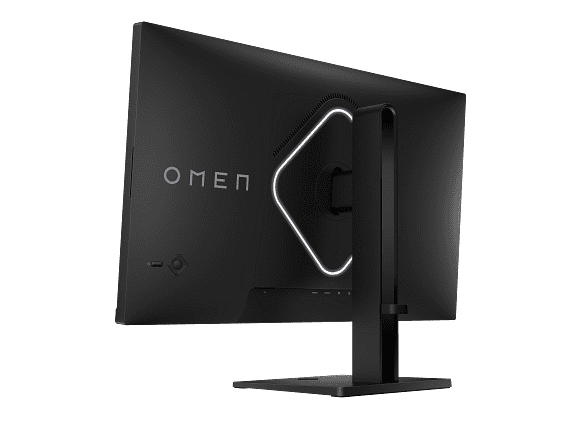
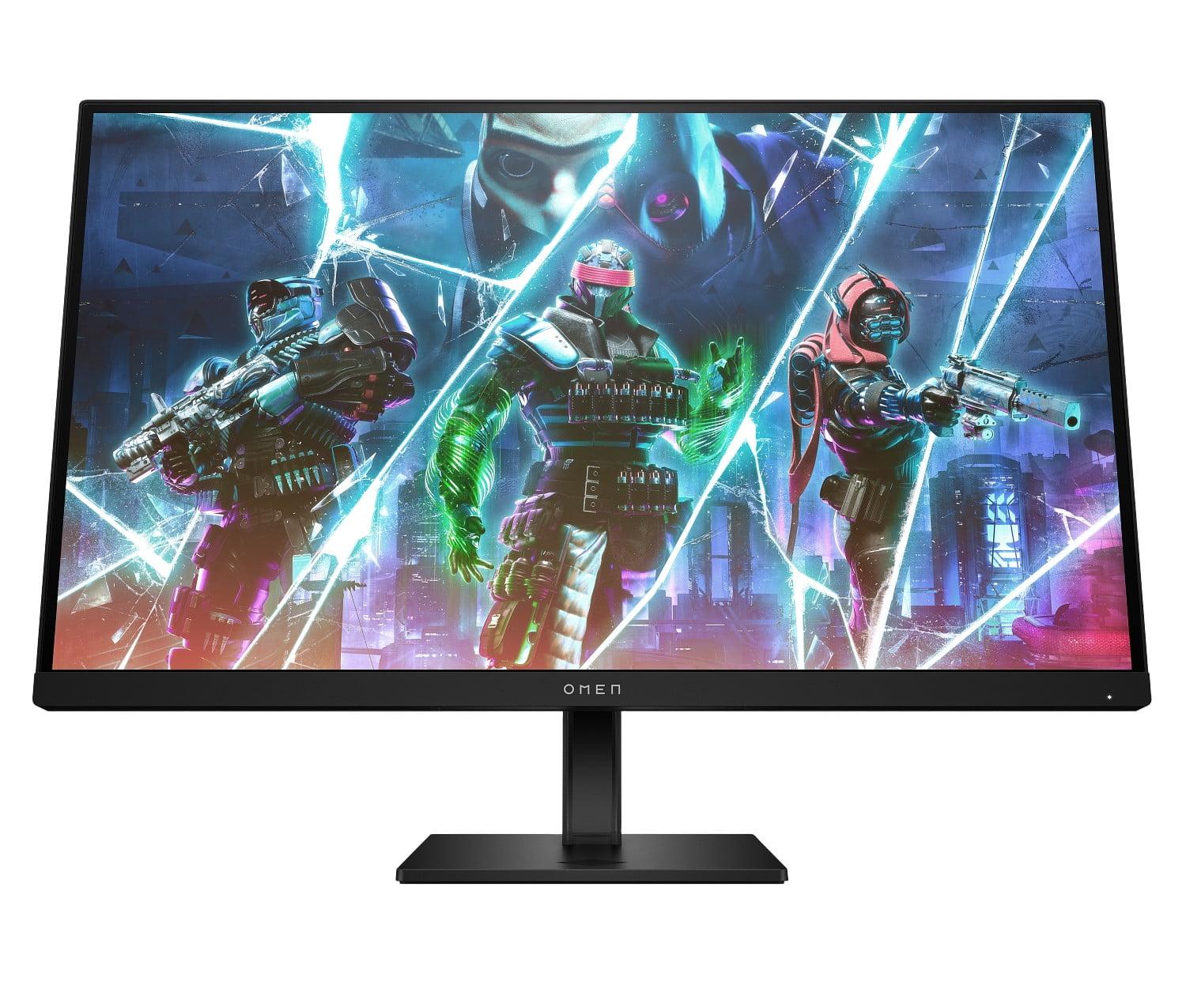
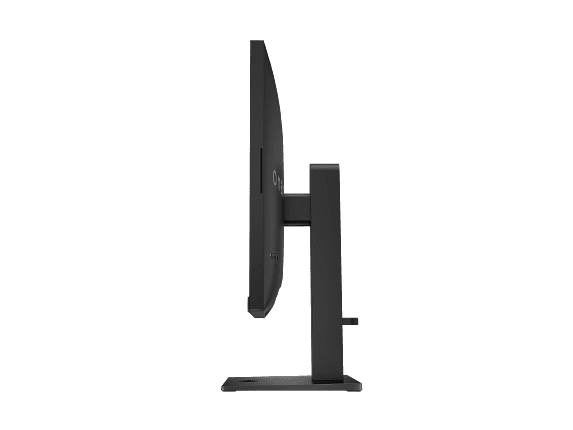

Gaming monitors have evolved dramatically over the past few years, and choosing the right one can make or break your gaming experience. Today, we're comparing two compelling 27-inch options that represent very different philosophies: the HP OMEN 27s and the Gigabyte AORUS FO27Q2. One focuses on competitive esports performance at an accessible price, while the other pushes the boundaries of display technology for premium gaming.
Before diving into the comparison, it's worth understanding what makes a gaming monitor truly great. The most critical factors are refresh rate (how many times per second the screen updates), response time (how quickly pixels change color), input lag (the delay between your actions and what appears on screen), and visual quality. These elements work together to create that seamless, responsive feel that separates gaming monitors from regular displays.
The gaming monitor landscape has seen massive improvements since 2020, with OLED technology finally becoming viable for gaming and refresh rates climbing to 240Hz and beyond. Both monitors we're examining launched in 2023, representing the current state of gaming display technology.
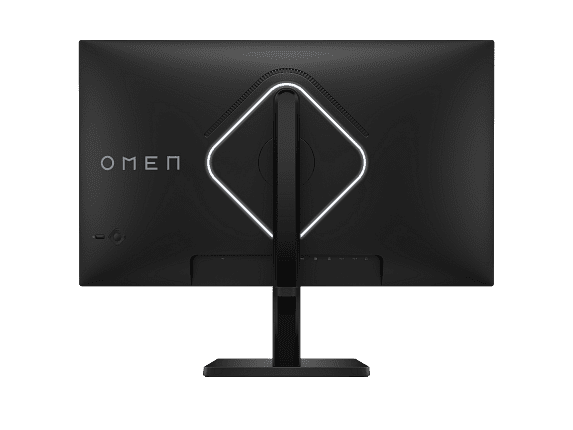
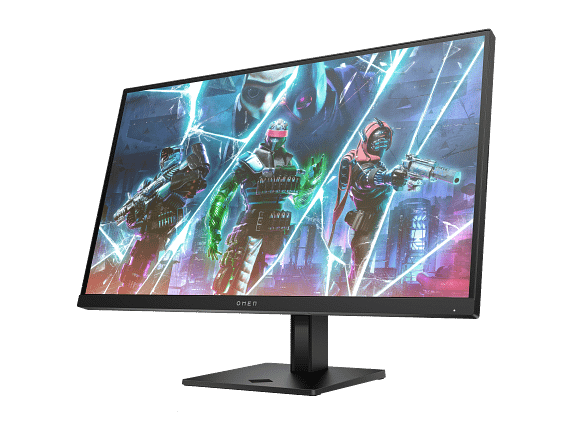
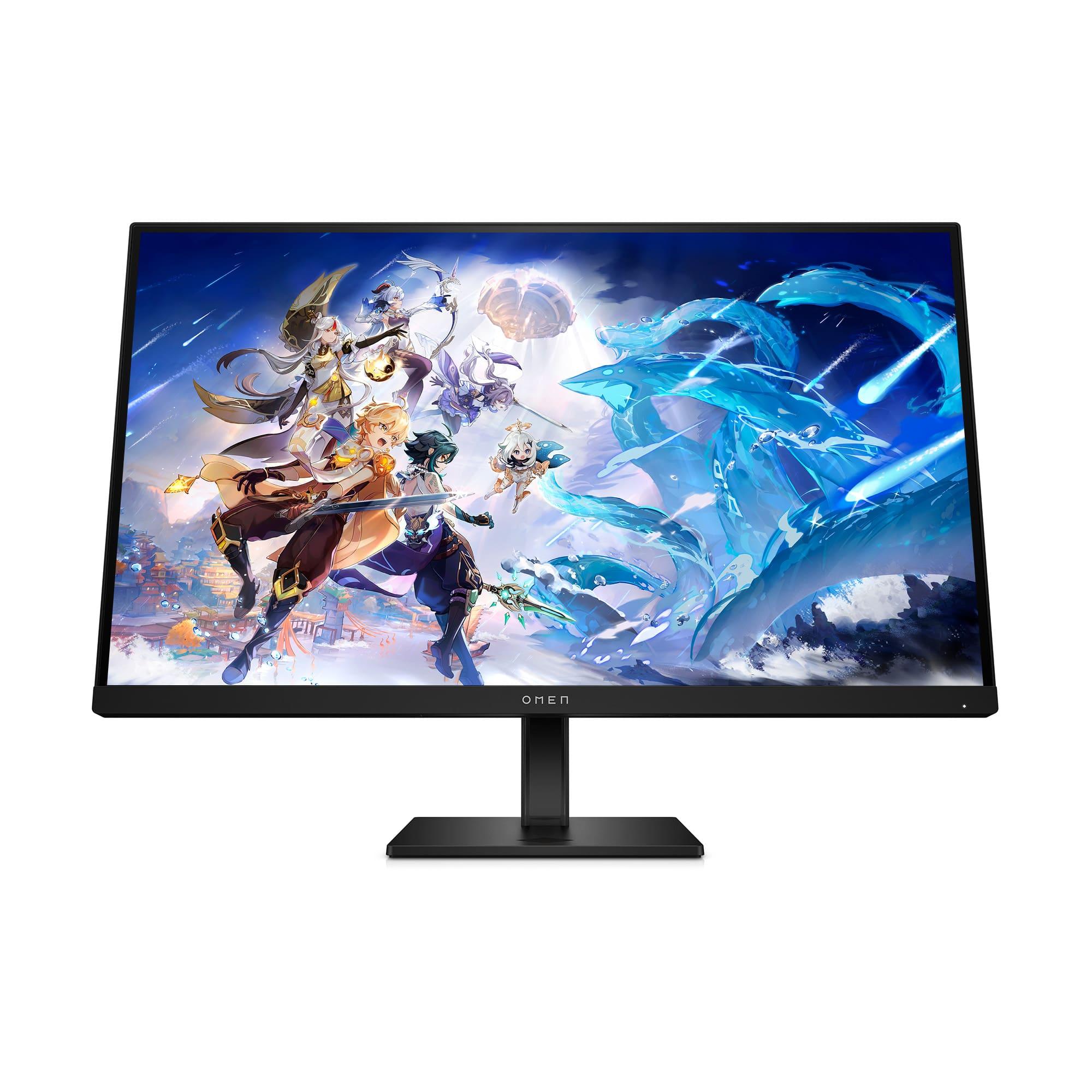
The HP OMEN 27s takes a tried-and-true approach, using IPS (In-Plane Switching) LCD technology with FHD resolution. This panel type has been the go-to choice for gamers who want consistent colors, wide viewing angles, and zero risk of permanent image burn-in. It's designed for competitive gamers who prioritize frame rates over pixel density.
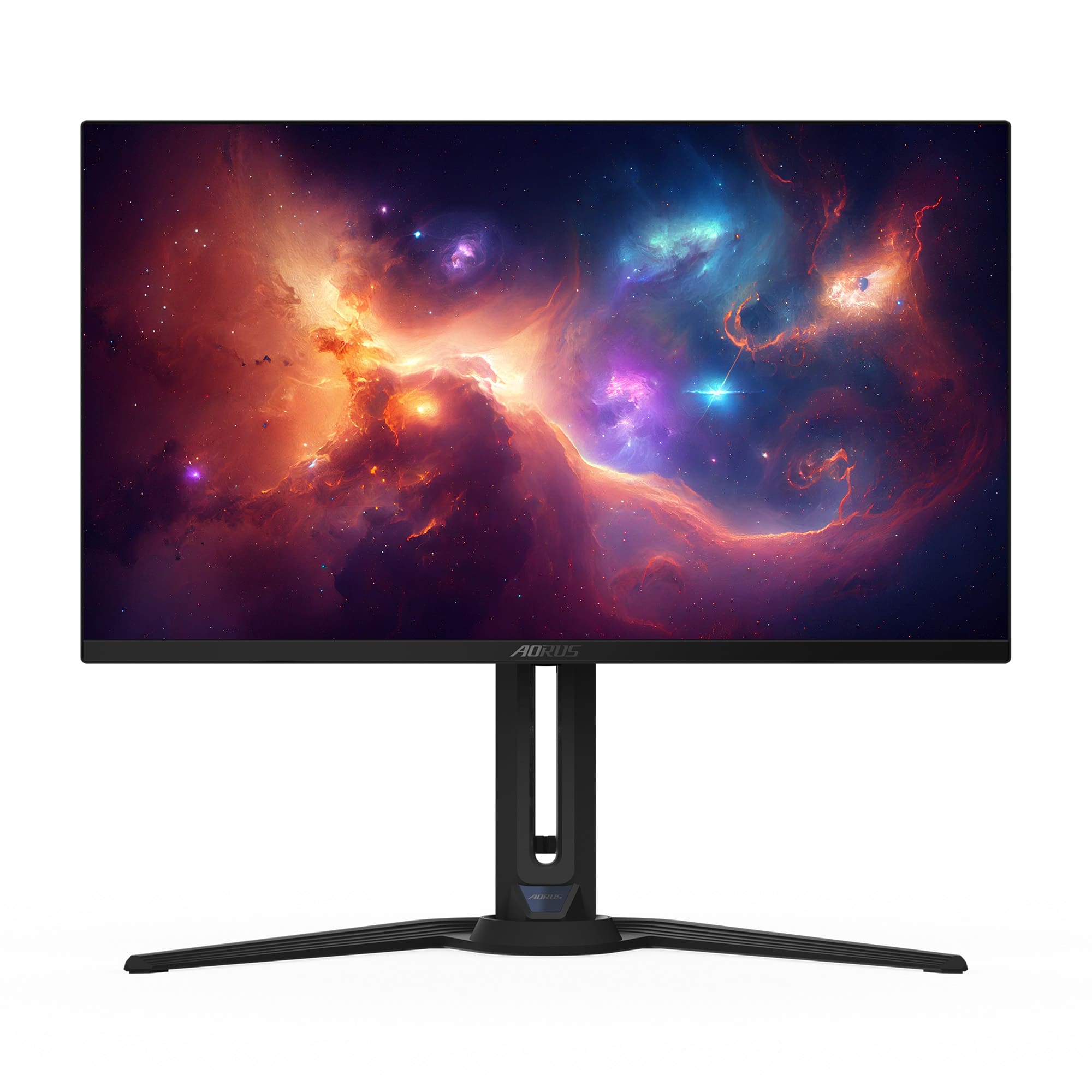
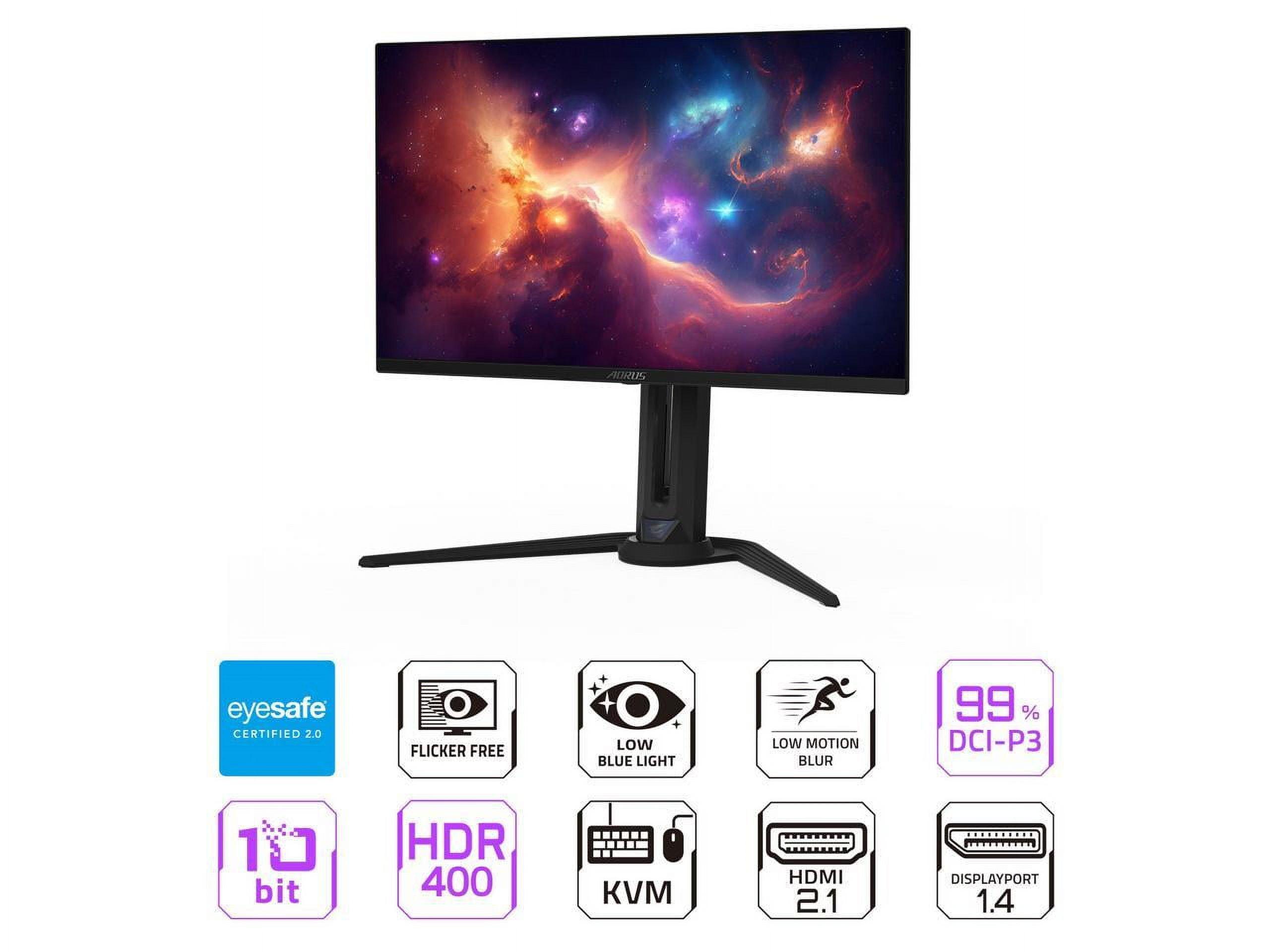
The Gigabyte AORUS FO27Q2, on the other hand, represents the cutting edge with its QD-OLED panel. This technology combines quantum dots (tiny particles that produce pure colors) with OLED (Organic Light-Emitting Diode) technology, where each pixel produces its own light and can turn completely off for perfect blacks.
The fundamental difference between these monitors lies in their display technology, and this choice affects everything else about their performance.
The HP OMEN 27s uses an IPS LCD panel, which has been refined over decades. IPS panels work by twisting liquid crystals to control light from a backlight, creating images with excellent color consistency and wide viewing angles. The contrast ratio sits at 1000:1, which means the brightest whites are 1000 times brighter than the darkest blacks the panel can produce. While this might sound impressive, it's actually quite limited compared to newer technologies.
The AORUS FO27Q2 employs QD-OLED technology, which is fundamentally different. Each pixel is an organic compound that glows when electricity passes through it, meaning there's no backlight needed. When a pixel needs to display black, it simply turns off completely, creating an infinite contrast ratio. The quantum dot layer enhances color production, covering 99% of the DCI-P3 color space with 10-bit color depth, meaning it can display over a billion different colors.
From our research into professional reviews and user experiences, the visual difference is striking. The OLED's perfect blacks make dark game scenes dramatically more immersive, while the enhanced color gamut makes everything appear more vibrant and lifelike. However, OLED panels can suffer from burn-in if static images (like game UI elements) are displayed for extended periods, though modern OLED care features significantly reduce this risk.
Here's where these monitors diverge significantly in their target audience. The HP OMEN 27s uses FHD (1920 x 1080) resolution, while the AORUS FO27Q2 steps up to QHD (2560 x 1440).
FHD on a 27-inch screen results in about 82 pixels per inch, which some users find slightly soft for desktop work but perfectly adequate for gaming. The key advantage is performance: your graphics card doesn't have to work as hard to push high frame rates. If you're running a mid-range GPU like an RTX 4060 or RX 7600, you'll have no trouble hitting 240 FPS in competitive titles like CS2 or Valorant.
QHD resolution provides 77% more pixels than FHD, resulting in noticeably sharper images at 109 pixels per inch. Text appears crisper, game details are more defined, and you get more screen real estate for productivity tasks. However, this comes with a significant performance cost – you'll need a high-end GPU like an RTX 4070 or better to consistently hit high frame rates in demanding games.
Based on professional testing and user feedback, the resolution choice often comes down to your primary use case. Competitive esports players typically prefer FHD for maximum frame rates, while single-player gamers and content creators gravitate toward QHD for the visual improvement.
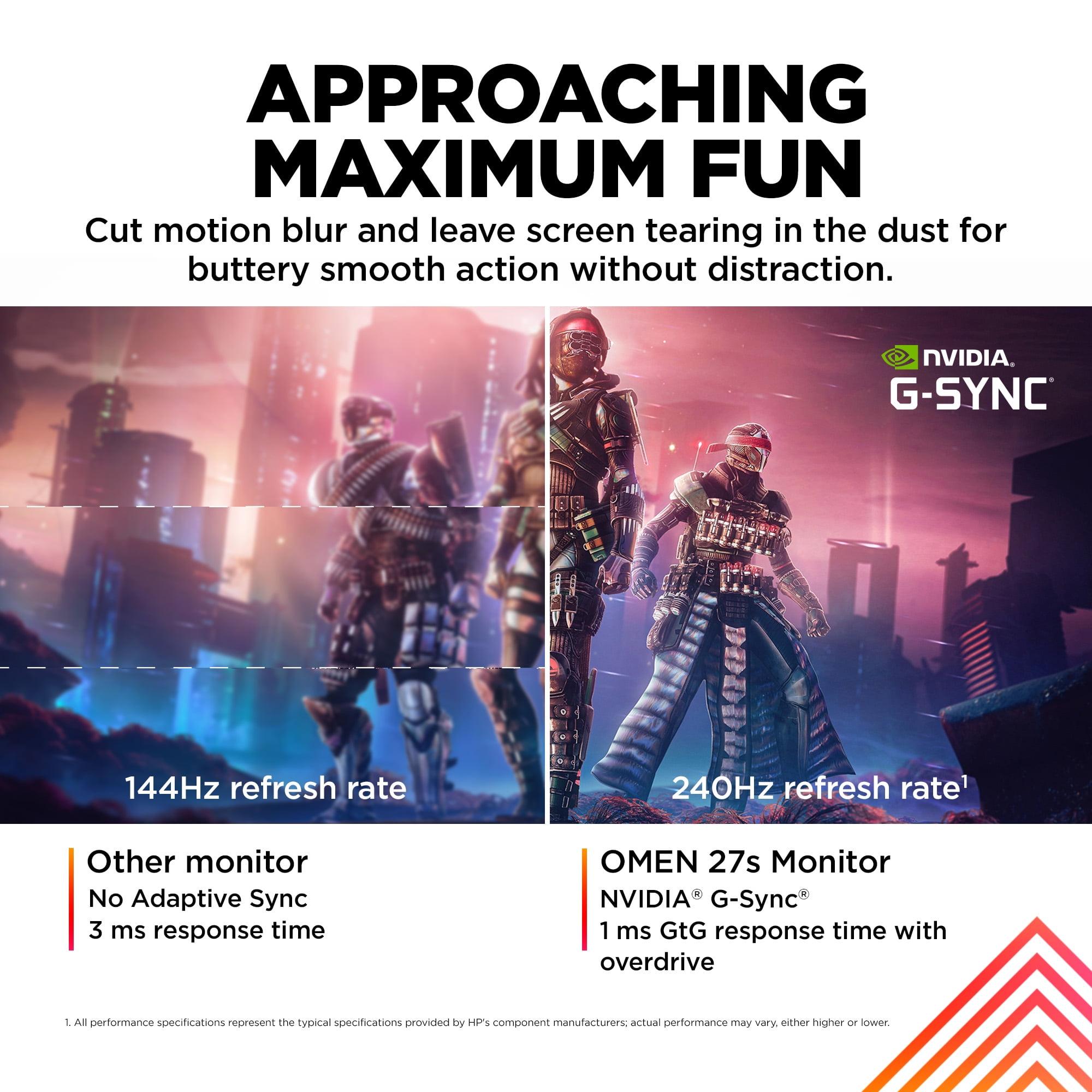
Both monitors share a 240Hz refresh rate, meaning they can display up to 240 frames per second. This is where things get interesting from a technical standpoint.
The HP OMEN 27s achieves a 1ms gray-to-gray (GTG) response time with overdrive enabled. GTG measures how quickly a pixel can change from one shade of gray to another, and 1ms is considered excellent for LCD technology. The monitor also supports both NVIDIA G-Sync and AMD FreeSync, which synchronize the monitor's refresh rate with your graphics card's output to eliminate screen tearing.
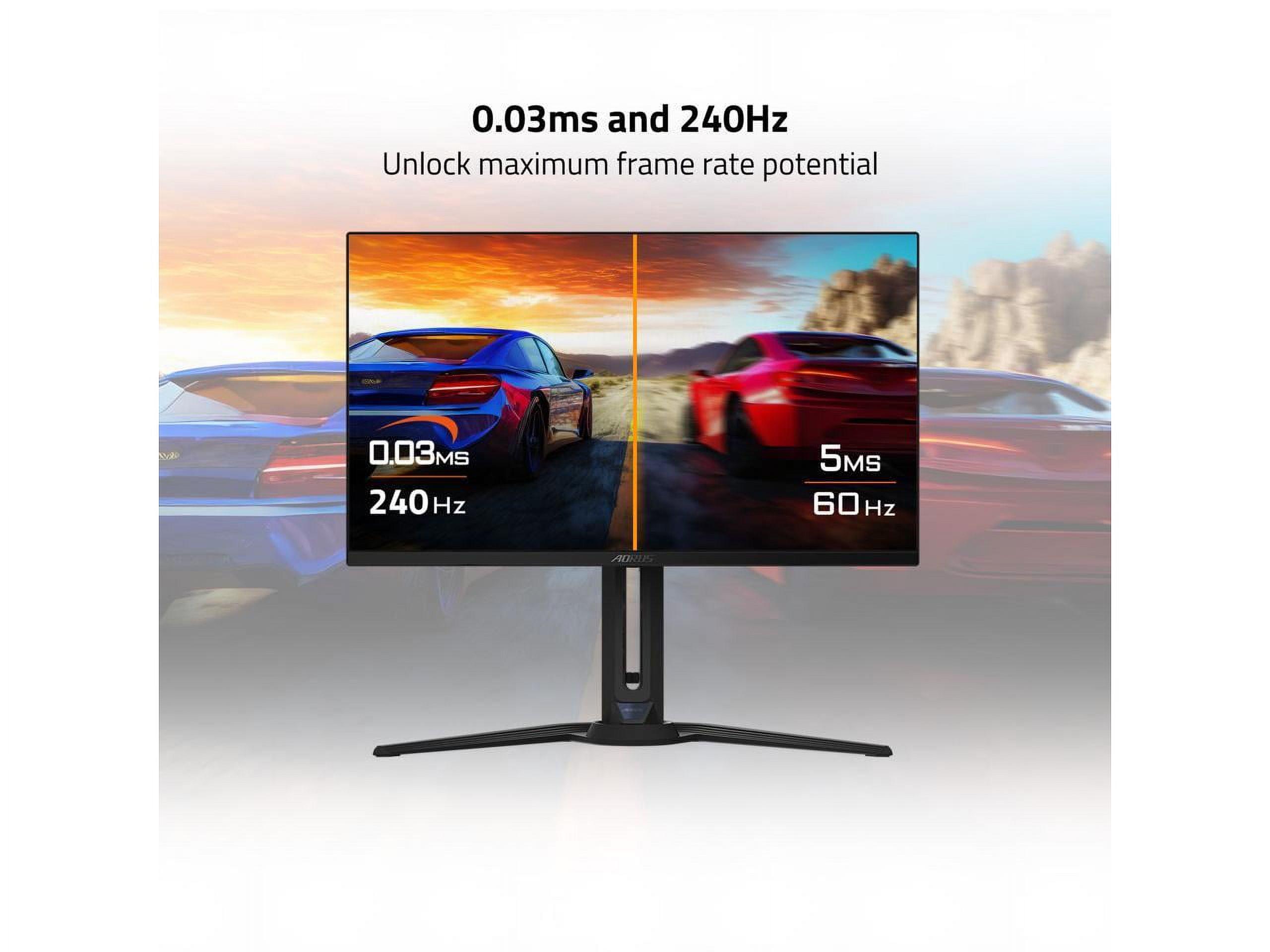
The AORUS FO27Q2 takes responsiveness to another level entirely with its 0.03ms GTG response time. This isn't marketing fluff – OLED pixels can change states almost instantaneously because they don't rely on liquid crystals physically moving. Professional testing has consistently shown that this monitor achieves some of the lowest input lag measurements ever recorded for a 240Hz display, coming in at just 13ms total system latency.
From a practical gaming perspective, both monitors feel incredibly responsive, but the OLED has a slight edge in motion clarity during fast-paced action. The difference is most noticeable in competitive shooters where tracking fast-moving targets is crucial.
This is where the technology differences become most apparent to the average user.
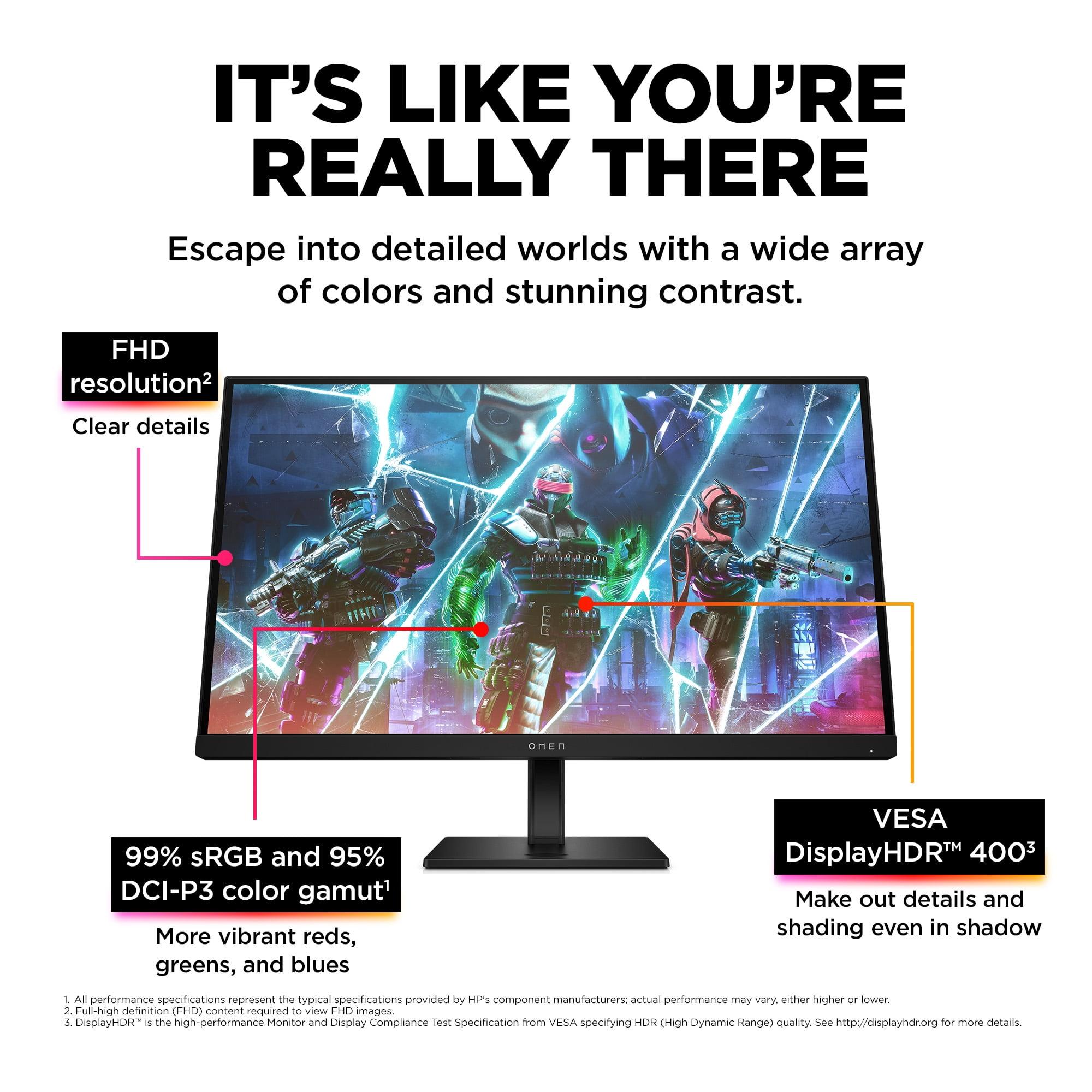
The HP OMEN 27s delivers solid color performance with 99% sRGB and 95% DCI-P3 coverage, plus VESA DisplayHDR 400 certification. The 400 nits of brightness is uniform across the screen, providing consistent visibility in various lighting conditions. The IPS panel ensures colors remain accurate even when viewed from extreme angles, making it great for gaming sessions with friends.
The AORUS FO27Q2 excels in every visual metric. The infinite contrast ratio means dark scenes in games like horror titles or space sims appear dramatically more realistic. Peak brightness reaches 1000 nits in small areas (for HDR highlights) while maintaining 250 nits for full-screen content. The VESA DisplayHDR True Black 400 certification represents a higher standard than regular DisplayHDR 400, specifically designed for displays that can produce true blacks.
User reviews consistently praise the OLED's visual impact, particularly in games with varied lighting conditions. The enhanced contrast makes it easier to spot enemies hiding in shadows, while the superior color reproduction makes vibrant game worlds appear more engaging.
Both monitors include gaming-specific features, but they take different approaches.
The HP OMEN 27s focuses on essential gaming tools through the OMEN Gaming Hub software. You can customize crosshair overlays, adjust response time settings, and access various gaming presets. The interface is straightforward and gets the job done without overwhelming users with options.
The AORUS FO27Q2 goes much further with its tactical features. The standout is the physical Tactical Switch, which lets you instantly change resolution – useful for competitive games where some players prefer a smaller display area for better focus. The monitor includes advanced features like KVM switching (controlling multiple computers with one keyboard and mouse), Picture-in-Picture modes, and an AI-based OLED Care system that automatically manages pixel health to prevent burn-in.
The OLED Care features deserve special mention because they address the main concern people have with OLED technology. The system includes pixel shifting, logo detection and dimming, and automatic cleaning cycles that help maintain panel longevity.
Modern gaming setups often involve multiple devices, and connectivity becomes crucial.
The HP OMEN 27s covers the basics with two HDMI 2.0 ports, one DisplayPort 1.4, and a couple of USB-A ports for peripherals. This setup works fine for most gaming scenarios, though the HDMI 2.0 limitation means you can't get full 4K/120Hz from modern consoles.
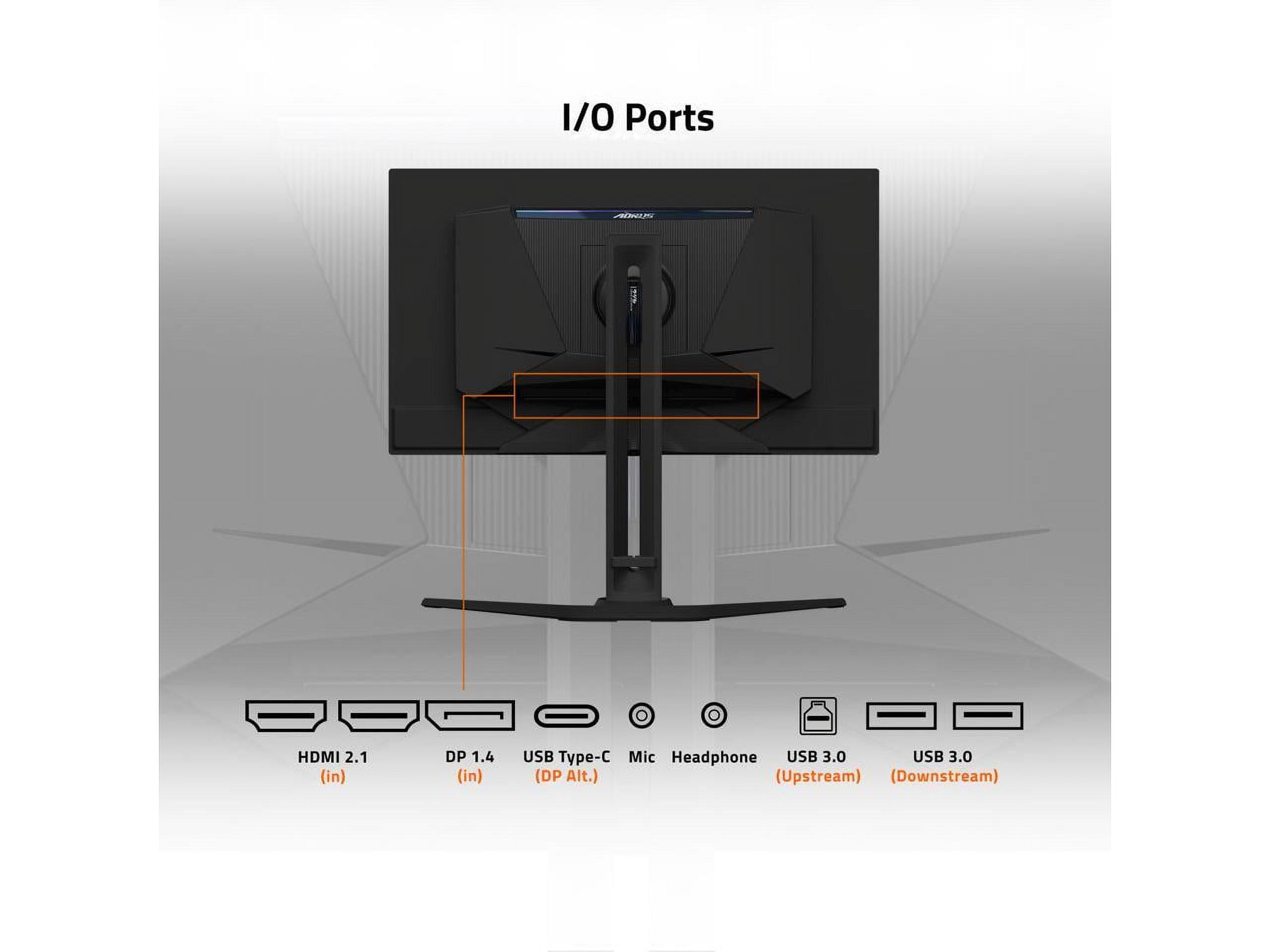
The AORUS FO27Q2 offers more modern connectivity with two HDMI 2.1 ports, DisplayPort 1.4, and USB-C with DisplayPort Alt Mode. The HDMI 2.1 support is particularly valuable for console gamers, enabling full 4K/120Hz output from PlayStation 5 or Xbox Series X. The USB-C port adds laptop compatibility, and the KVM functionality makes it easy to switch between different input sources while maintaining the same keyboard and mouse setup.
While both are primarily gaming monitors, their suitability for home theater use varies significantly.
The HP OMEN 27s works adequately for casual movie watching, but the limited contrast ratio means dark scenes won't have the depth you'd want for a cinematic experience. The FHD resolution also feels dated for film content in 2024.
The AORUS FO27Q2 excels as a home theater display despite its 27-inch size. The infinite contrast ratio and HDR support provide a genuinely cinematic experience, and the QHD resolution handles 1440p content beautifully while upscaling 1080p content effectively. The wide color gamut ensures movies appear as directors intended.
At the time of writing, the HP OMEN 27s typically costs around $150-200 less than the AORUS FO27Q2, making it an attractive option for budget-conscious gamers. The price difference represents good value if you prioritize competitive gaming performance over visual fidelity.
However, the AORUS FO27Q2 offers significantly more advanced technology and features for the premium. The three-year warranty that includes burn-in protection provides peace of mind that partially justifies the higher cost. From a longevity perspective, the higher resolution and advanced features likely mean the OLED will remain relevant longer as gaming technology advances.
The OLED's potential for burn-in remains a consideration, though modern implementations have largely mitigated this concern through various protective features. Based on user reports from early adopters, burn-in issues appear rare with normal gaming use.
For competitive esports titles like CS2, Valorant, or Rocket League, both monitors perform excellently, but they suit different preferences. The HP OMEN 27s maximizes frame rates with its FHD resolution, often hitting 240+ FPS on mid-range hardware. The lower resolution also means enemies appear larger and potentially easier to spot.
The AORUS FO27Q2 provides superior motion clarity and faster response times, which can give competitive players a slight edge. However, you'll need powerful hardware to maintain high frame rates at QHD resolution.
For AAA single-player games, the AORUS FO27Q2 clearly wins. Games like Cyberpunk 2077, The Witcher 3, or recent Call of Duty titles look dramatically better with the OLED's contrast and color reproduction. The higher resolution also reveals more detail in complex game environments.
Strategy and simulation games benefit greatly from the AORUS FO27Q2's higher resolution, providing more screen real estate for complex interfaces and detailed unit information.
Choose the HP OMEN 27s if you're primarily focused on competitive gaming, have a limited budget, or run mid-range hardware that struggles with higher resolutions. It's also the safer choice if you're concerned about OLED technology's long-term reliability or plan to use the monitor for work tasks with static elements like spreadsheets or code editors.
The AORUS FO27Q2 makes sense for enthusiast gamers who want the best possible visual experience, play a variety of game types, and have the hardware to drive QHD at high frame rates. It's also excellent for users who want a premium display that works well for both gaming and entertainment.
Both monitors excel in their respective categories, but they serve different needs. The HP OMEN 27s represents excellent value for competitive gaming, offering proven performance at an accessible price point. The AORUS FO27Q2 showcases the future of gaming displays, delivering superior image quality and cutting-edge features for those willing to invest in premium technology.
Ultimately, your choice should align with your gaming priorities, hardware capabilities, and budget. Both monitors will serve you well, but understanding their strengths will help you pick the one that best matches your gaming lifestyle.
| HP OMEN 27s FHD 240Hz Gaming Monitor | Gigabyte AORUS FO27Q2 27" QD-OLED Gaming Monitor |
|---|---|
| Panel Technology - Determines contrast, colors, and burn-in risk | |
| IPS LCD (proven, no burn-in risk) | QD-OLED (cutting-edge, potential burn-in) |
| Resolution - Affects sharpness and GPU requirements | |
| 1920 x 1080 (FHD, easier on GPU) | 2560 x 1440 (QHD, 77% more pixels) |
| Response Time - Critical for motion clarity in fast games | |
| 1ms GTG with overdrive | 0.03ms GTG (33x faster) |
| Contrast Ratio - Determines depth of blacks and image pop | |
| 1000:1 (typical LCD limitation) | Infinite (true blacks, perfect contrast) |
| Brightness - Affects HDR performance and room compatibility | |
| 400 nits uniform | 250 nits full-screen / 1000 nits peak |
| Color Coverage - Important for vibrant gaming visuals | |
| 99% sRGB, 95% DCI-P3 | 99% DCI-P3, 10-bit color depth |
| HDR Support - Enhances contrast in supported games | |
| VESA DisplayHDR 400 | VESA DisplayHDR True Black 400 |
| HDMI Connectivity - Critical for console gaming | |
| 2x HDMI 2.0 (limited to 1080p/240Hz) | 2x HDMI 2.1 (supports 4K/120Hz consoles) |
| Advanced Features - Gaming-specific enhancements | |
| Custom crosshair, G-Sync compatible | Tactical Switch, KVM, OLED Care, PiP/PbP |
| Warranty Coverage - Protection for your investment | |
| 1 year standard warranty | 3 years including burn-in protection |
| Best For - Primary use case recommendation | |
| Competitive esports, budget-conscious gamers | Premium gaming, mixed use, enthusiasts |
The HP OMEN 27s is generally better for competitive esports due to its FHD resolution, which allows for higher frame rates on mid-range hardware. The lower resolution also makes enemies appear larger on screen. However, the Gigabyte AORUS FO27Q2 offers faster 0.03ms response times and lower input lag, which can provide a slight competitive edge for players with high-end systems.
The primary difference is display technology: the HP OMEN 27s uses traditional IPS LCD technology with FHD resolution, while the AORUS FO27Q2 features cutting-edge QD-OLED technology with QHD resolution. This means the AORUS FO27Q2 delivers superior contrast, colors, and image quality, but at a higher cost and with potential burn-in concerns.
The HP OMEN 27s provides excellent value for budget-conscious gamers and competitive esports players who prioritize frame rates over visual fidelity. The AORUS FO27Q2 offers premium features and superior image quality that justify its higher cost for enthusiast gamers who want the best possible visual experience.
The HP OMEN 27s works well with mid-range GPUs like RTX 4060 or RX 7600, easily hitting 240 FPS in competitive games. The Gigabyte AORUS FO27Q2 requires more powerful hardware like RTX 4070 or better to maintain high frame rates at its QHD resolution in demanding games.
The AORUS FO27Q2 is superior for console gaming due to its HDMI 2.1 ports that support 4K/120Hz from PlayStation 5 and Xbox Series X. The HP OMEN 27s has HDMI 2.0 ports that limit console output and don't take full advantage of modern console capabilities.
The HP OMEN 27s has no burn-in risk since it uses LCD technology. The AORUS FO27Q2 uses OLED technology which can potentially suffer burn-in from static images, but includes AI-based OLED Care features and a 3-year warranty covering burn-in protection to minimize this risk.
The Gigabyte AORUS FO27Q2 significantly outperforms the HP OMEN 27s in both areas. The OLED panel delivers infinite contrast with perfect blacks, 99% DCI-P3 color coverage, and 10-bit color depth. The OMEN 27s offers good but limited color performance with 1000:1 contrast ratio typical of LCD panels.
The HP OMEN 27s includes 2x HDMI 2.0, 1x DisplayPort 1.4, and USB-A ports. The AORUS FO27Q2 provides more advanced connectivity with 2x HDMI 2.1, 1x DisplayPort 1.4, USB-C with DisplayPort Alt Mode, and KVM switching functionality for multi-device setups.
The AORUS FO27Q2 is clearly superior for AAA gaming due to its higher QHD resolution, infinite contrast ratio, and superior color reproduction. Games like Cyberpunk 2077 and The Witcher 3 look dramatically better on the OLED panel compared to the HP OMEN 27s.
The AORUS FO27Q2 offers better productivity features with its higher resolution providing more screen real estate, USB-C connectivity for laptops, and KVM switching. However, the HP OMEN 27s may be safer for work with static elements like spreadsheets due to its zero burn-in risk.
The Gigabyte AORUS FO27Q2 delivers superior motion performance with its 0.03ms response time compared to the HP OMEN 27s's 1ms response time. Professional testing shows the AORUS FO27Q2 achieves some of the lowest input lag measurements ever recorded for gaming monitors.
The HP OMEN 27s includes a standard 1-year warranty covering manufacturing defects. The AORUS FO27Q2 provides a comprehensive 3-year warranty that specifically covers OLED burn-in protection, offering significantly better long-term peace of mind for the premium investment.
We've done our best to create useful and informative comparisons to help you decide what product to buy. Our research uses advanced automated methods to create this comparison and perfection is not possible - please contact us for corrections or questions. These are the sites we've researched in the creation of this article: bestbuy.com - hp.com - shi.com - hp.com - bestbuy.com - hp.com - tomshardware.com - hp.com - rtings.com - hp.com - displayspecifications.com - support.hp.com - publicsector.shidirect.com - objects.icecat.biz - files.bbystatic.com - hp.com - displayspecifications.com - tomshardware.com - pangoly.com - youtube.com - pangoly.com - rtings.com - displayninja.com - gigabyte.com - youtube.com - creativebloq.com - techpowerup.com - newegg.com - gigabyte.com - icecat.in - microcenter.com - aorus.com - bhphotovideo.com - provantage.com - bestbuy.com - displayspecifications.com - tomshardware.com - gigabyte.com - computronicsmultivision.com - gigabyte.com

Privacy Policy
Terms and Conditions - Affiliate Policy
Home Security
© Copyright 2008-2026.
11816 Inwood Rd #1211, Dallas, TX 75244