

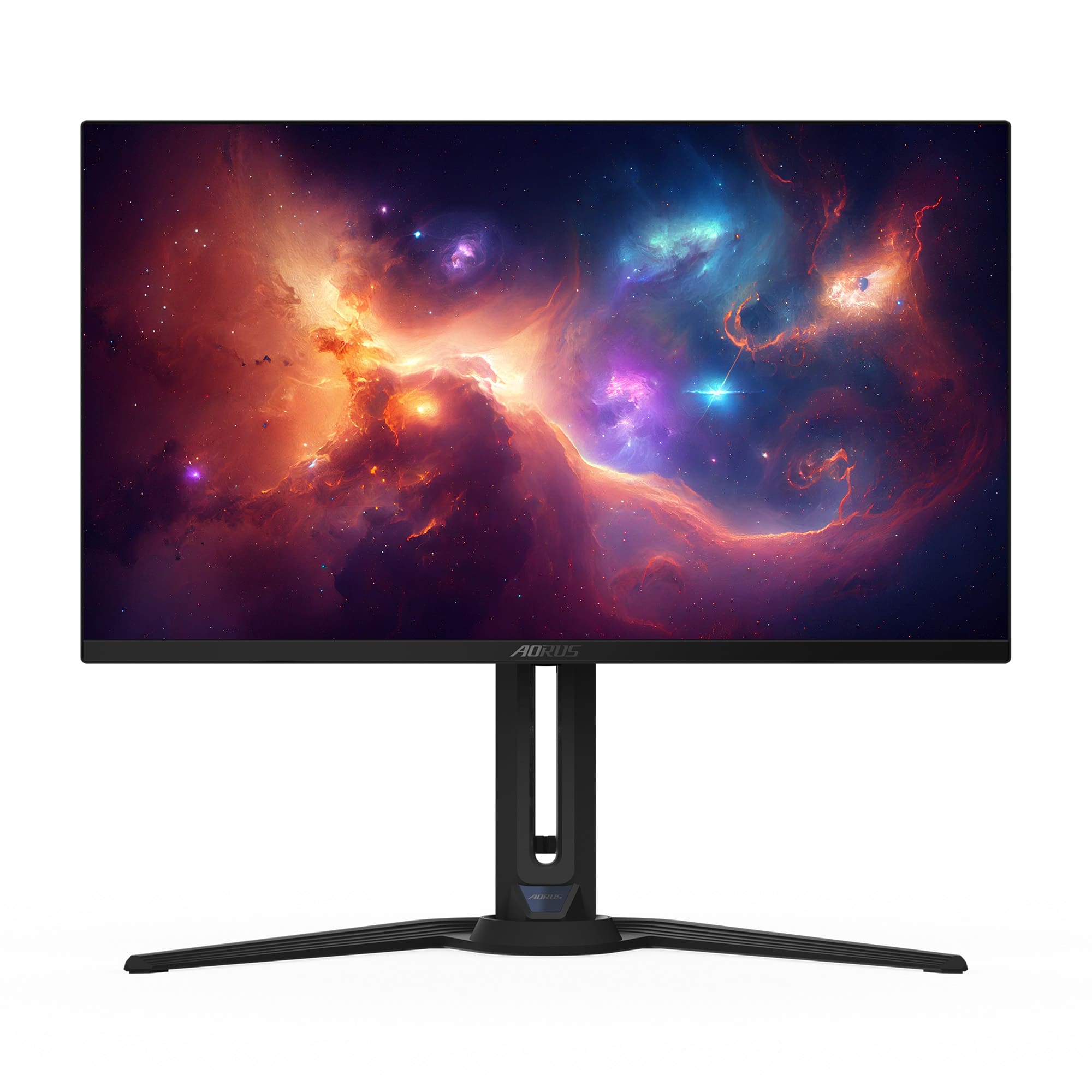
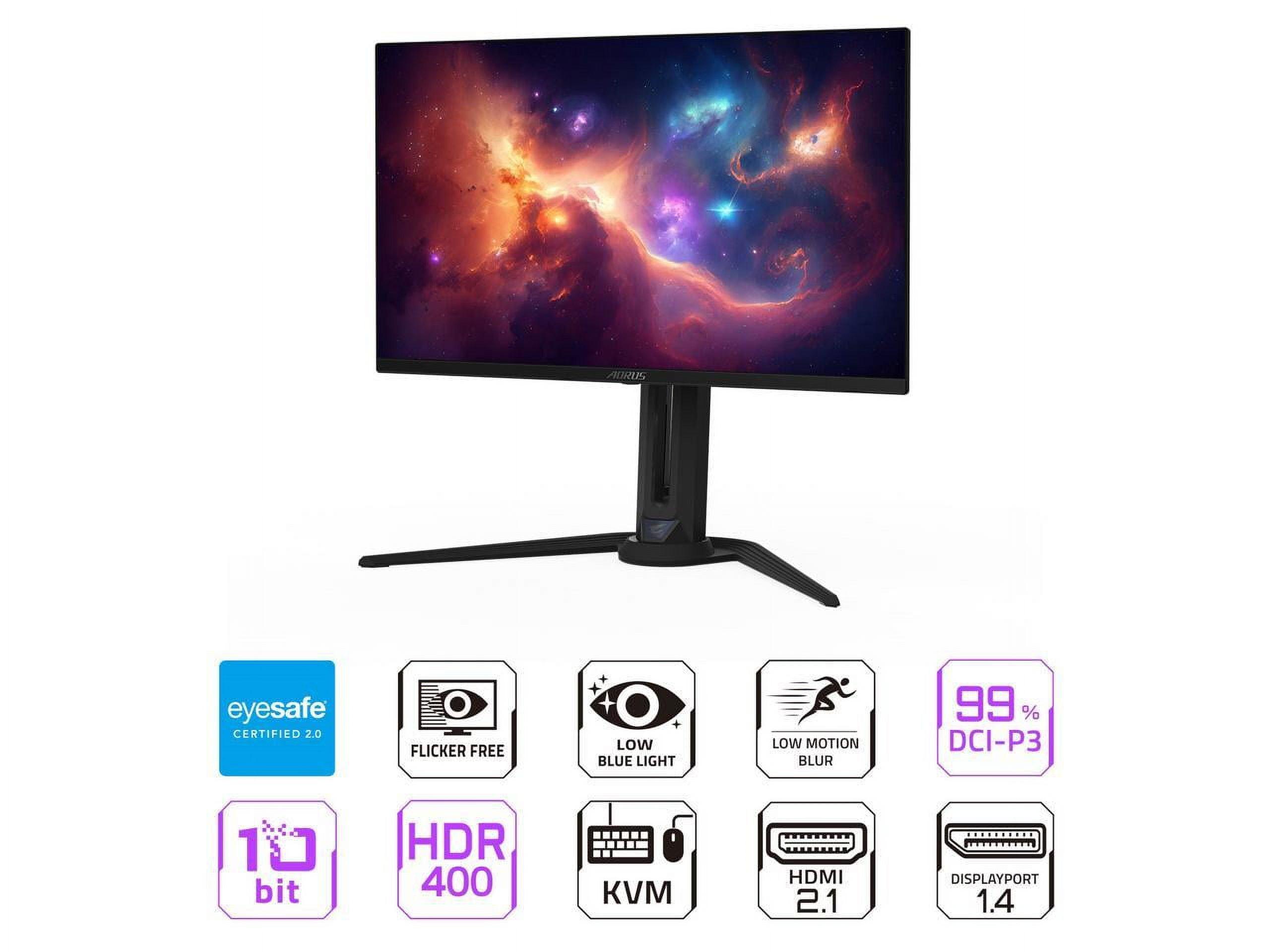
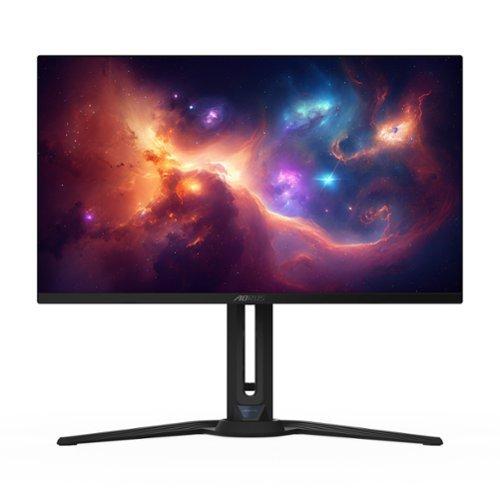

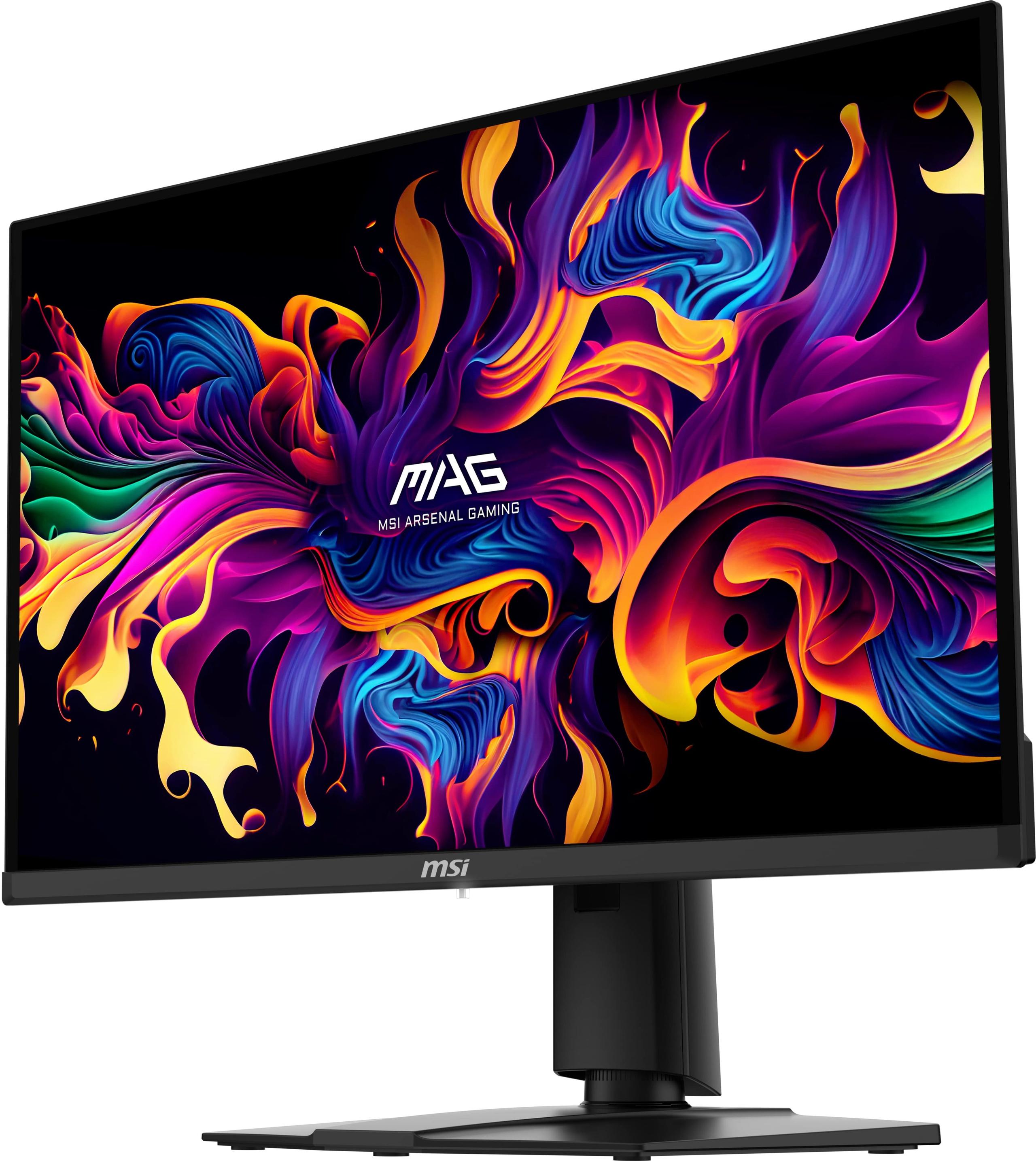
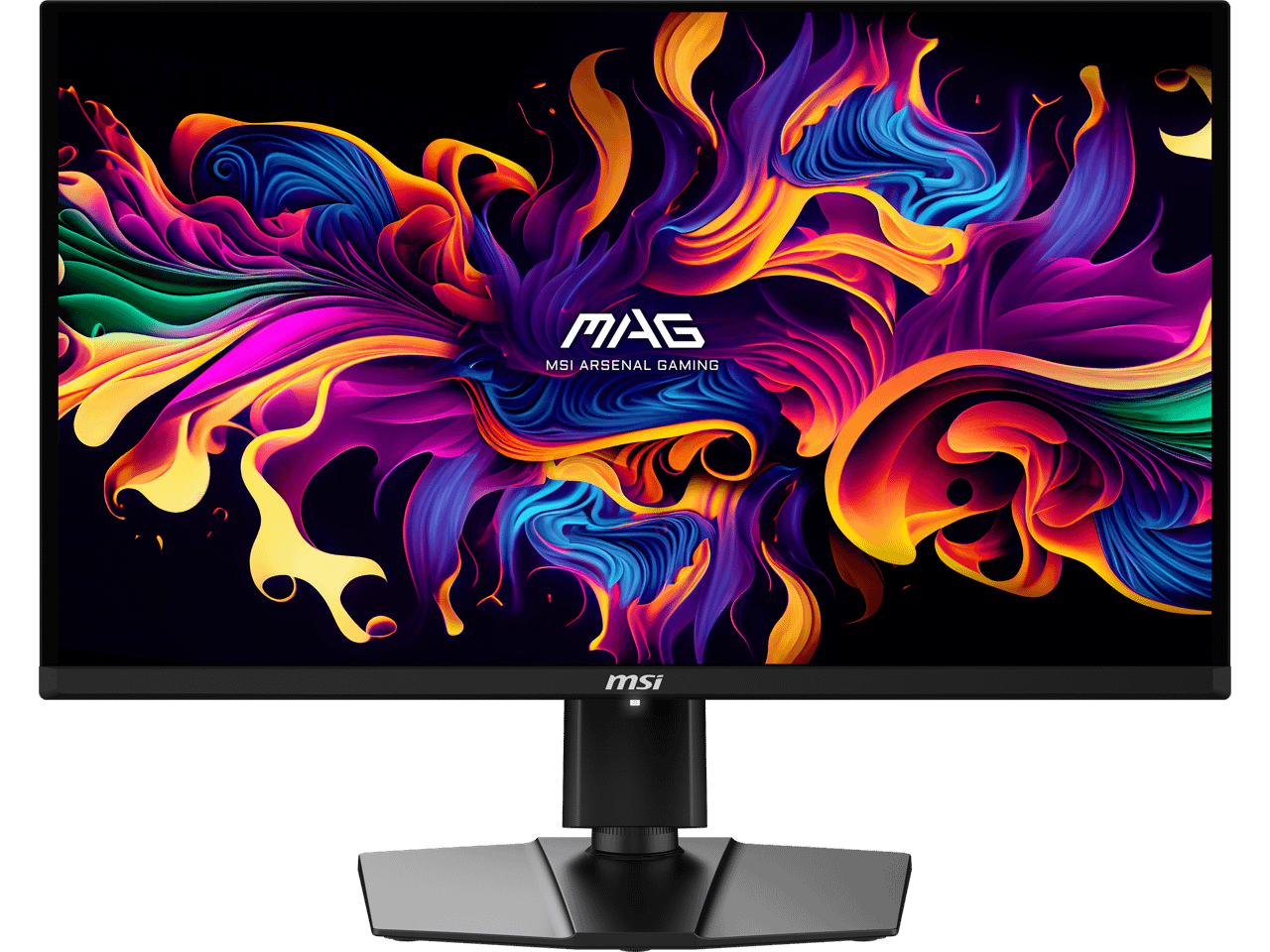
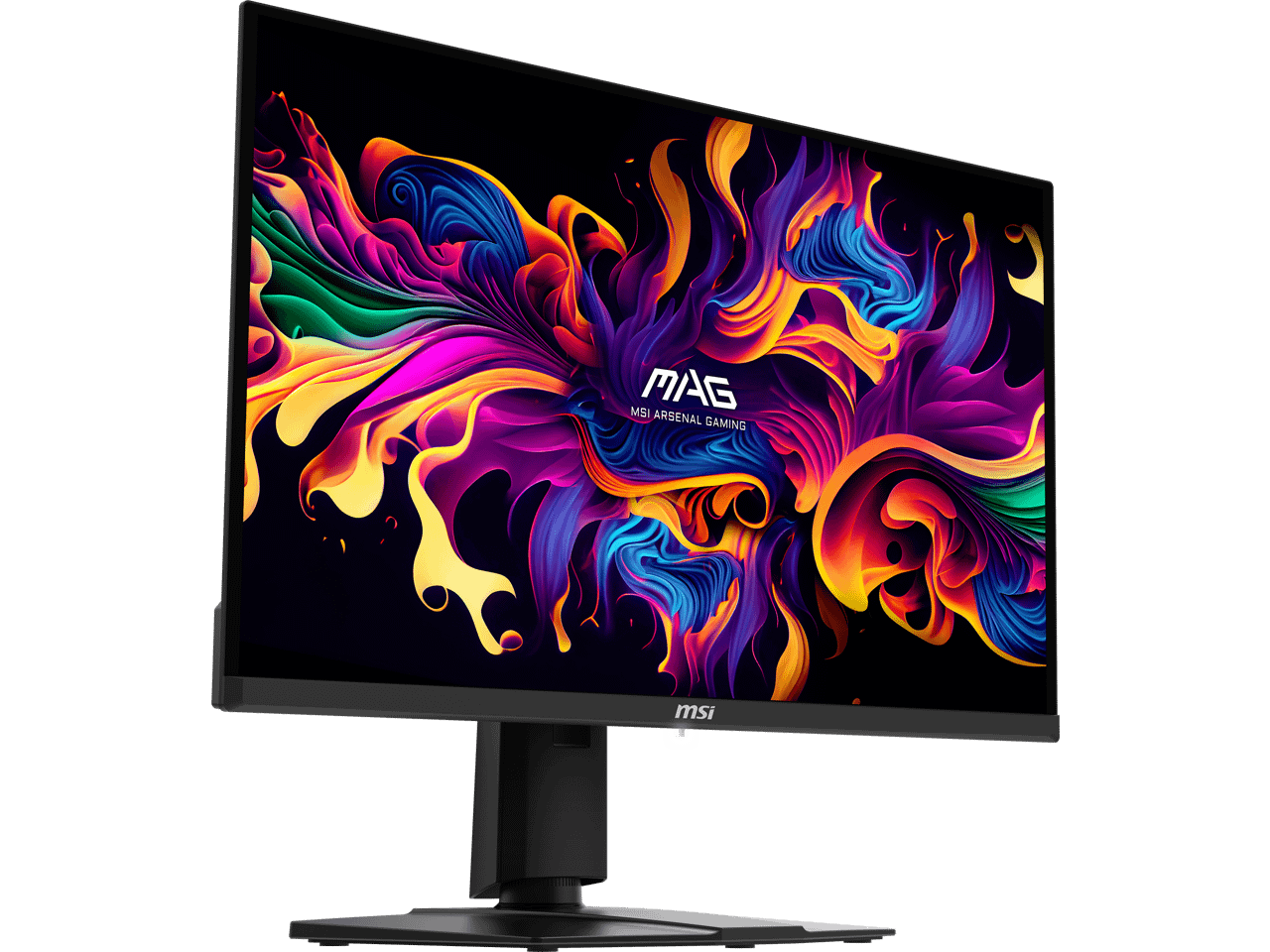
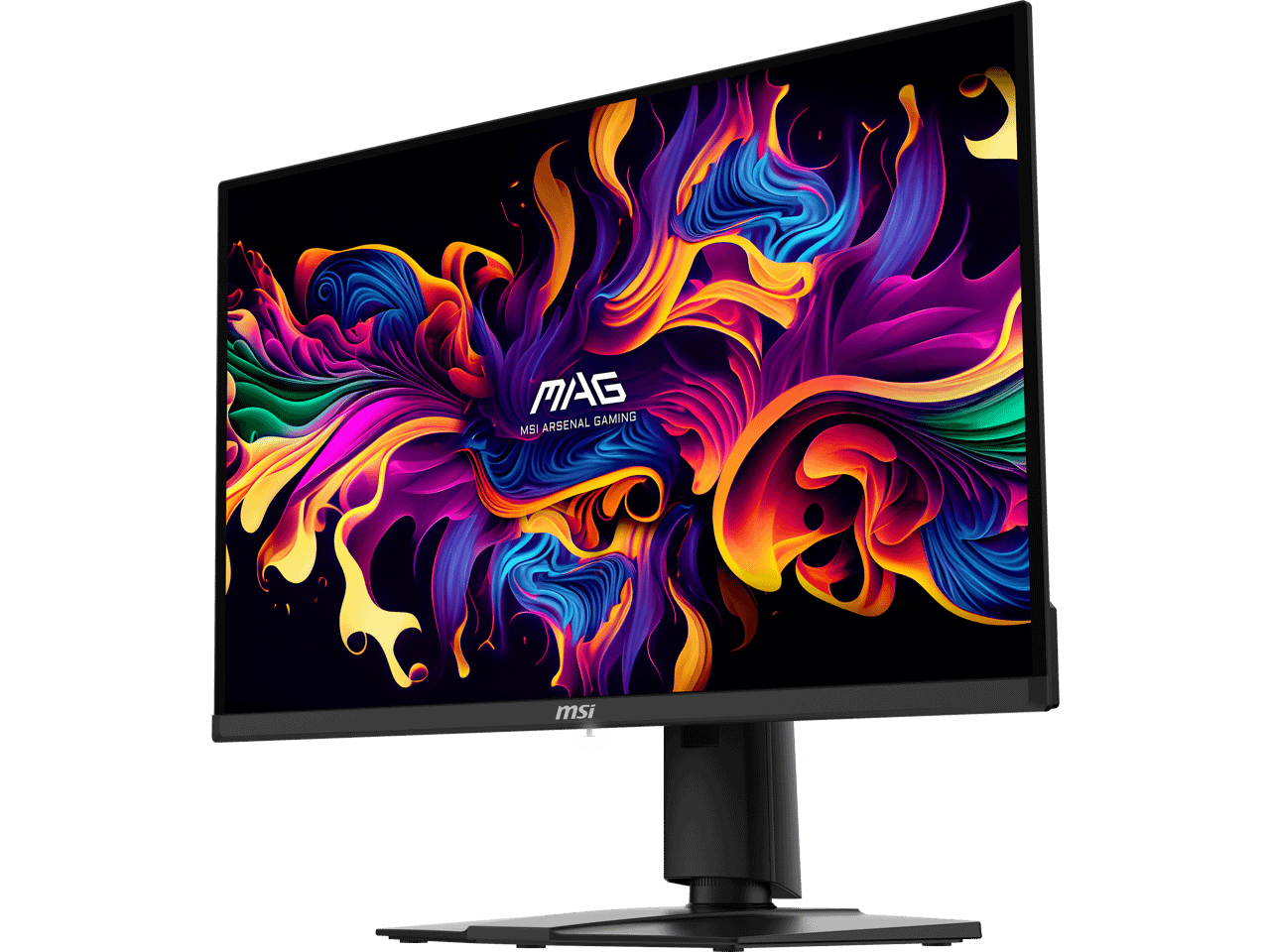


Gaming monitors have come a long way in the past few years, but nothing has been quite as revolutionary as QD-OLED technology. If you're looking at 27-inch gaming monitors and have narrowed it down to the Gigabyte AORUS FO27Q2 and the MSI MAG 271QP QD-OLED X24, you're already in premium territory – these aren't your typical budget displays.
Both monitors represent what happens when cutting-edge panel technology meets serious gaming ambitions. But while they share the same screen size and core technology, they take notably different approaches to what a gaming monitor should be. Let me walk you through everything you need to know to make the right choice.
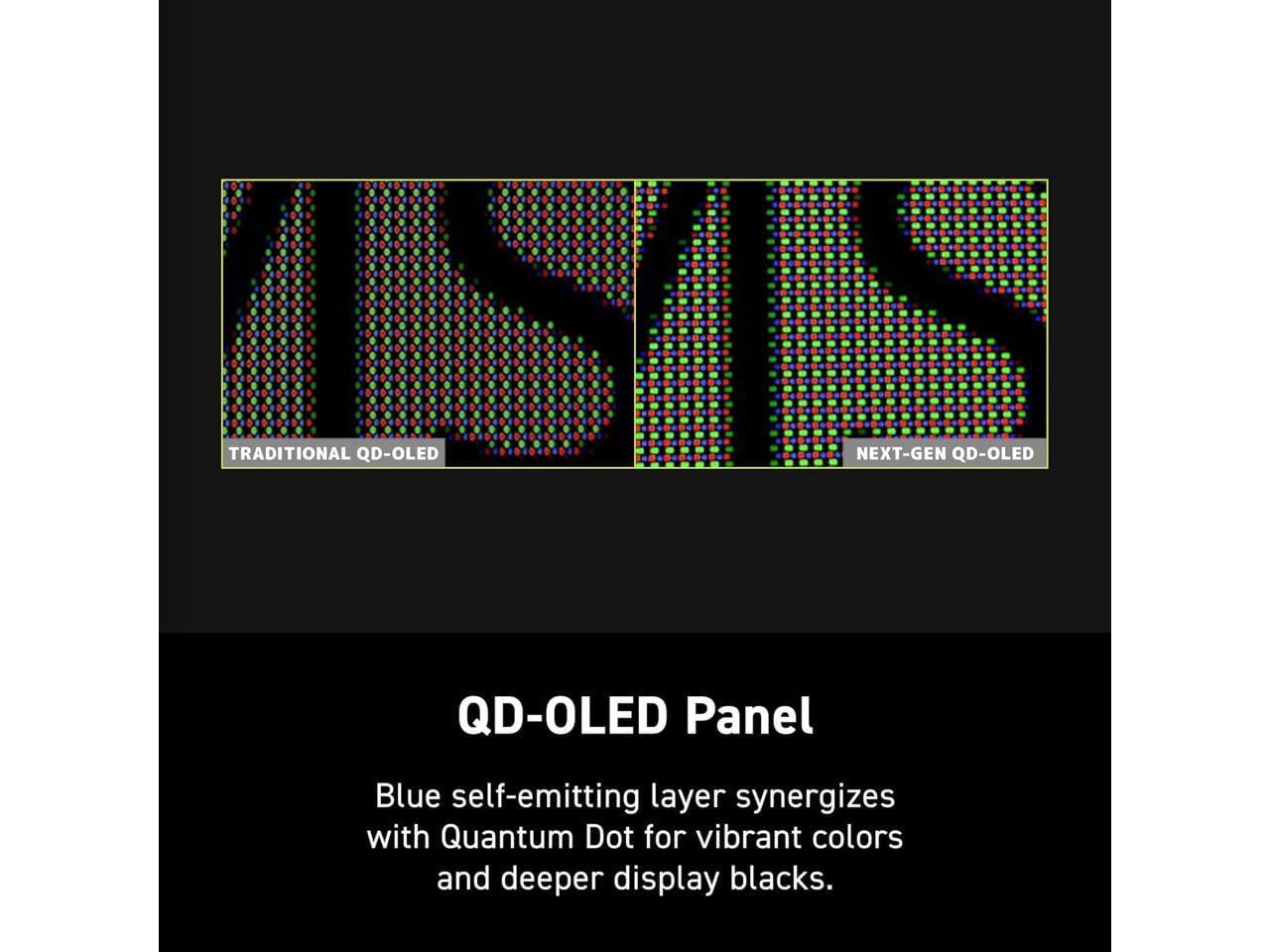
Before diving into the specifics, let's talk about what makes these monitors special. QD-OLED stands for Quantum Dot Organic Light Emitting Diode – essentially, it combines two premium display technologies into one panel. Traditional OLED gives you perfect blacks because each pixel can turn completely off, while Quantum Dots boost color vibrancy and brightness.
The result? You get infinite contrast (literally – when a pixel is off, it produces zero light), incredibly vibrant colors that make games pop off the screen, and response times so fast they're practically instantaneous. It's like the difference between watching a movie on your phone versus seeing it in IMAX – both show the same content, but the experience is completely different.
What really sets QD-OLED apart from regular OLED panels is how it handles brightness and color volume. Where traditional OLEDs might struggle with bright scenes, QD-OLED maintains its color accuracy even when pushing higher brightness levels. This matters tremendously for gaming, where you might go from a dark cave to a bright outdoor scene in seconds.
The Gigabyte AORUS FO27Q2 and MSI MAG 271QP both launched in 2024, representing the second generation of consumer QD-OLED gaming monitors. The first generation, which appeared in late 2022 and 2023, was impressive but had some growing pains – issues with text clarity, aggressive automatic brightness limiting, and concerns about long-term reliability.
By 2024, manufacturers had refined the technology significantly. Both of these monitors benefit from improved panel coatings that reduce the purple tint issues that plagued early QD-OLEDs, better heat management to prevent thermal throttling, and more sophisticated OLED care systems to minimize burn-in risks.
The timing is important because it means you're getting mature technology rather than being an early adopter. The panel suppliers – primarily Samsung Display for QD-OLED – had worked out most of the kinks by this point.
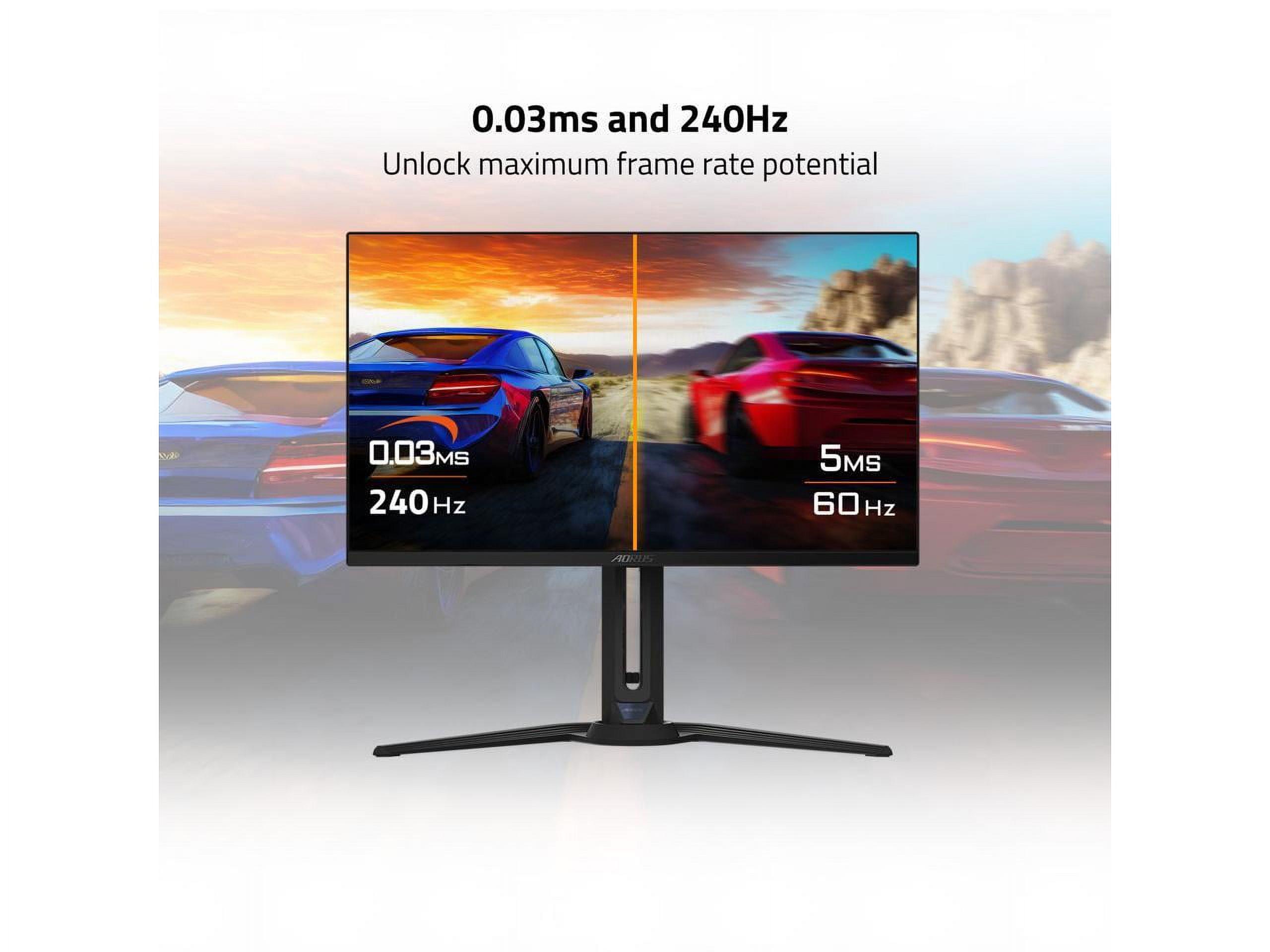
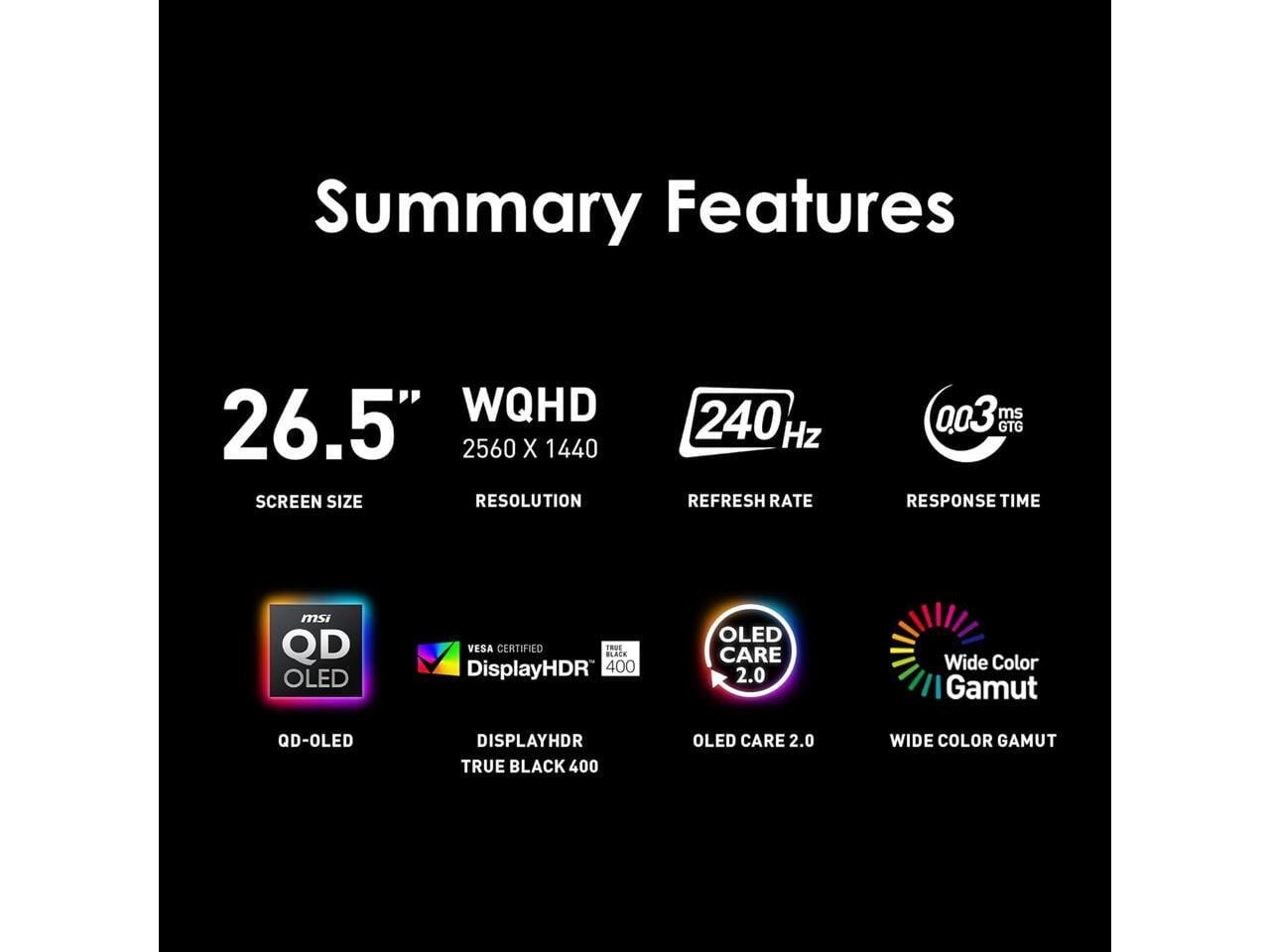
Both monitors claim a 0.03ms gray-to-gray (GTG) response time, which is essentially instantaneous. To put this in perspective, a typical LCD gaming monitor might achieve 1-5ms, while these QD-OLEDs are roughly 30 times faster. In practice, this means zero ghosting or trailing behind fast-moving objects – crucial for competitive shooters where tracking enemies smoothly can make the difference between winning and losing a round.
The Gigabyte FO27Q2 has a slight edge in total input lag, measuring around 13ms from when your graphics card sends a frame to when it appears on screen. This beats many 360Hz and even 480Hz monitors, which is remarkable for a 240Hz display. The MSI MAG 271QP performs similarly but might be a few milliseconds behind – still excellent, but the Gigabyte has the measurable advantage here.
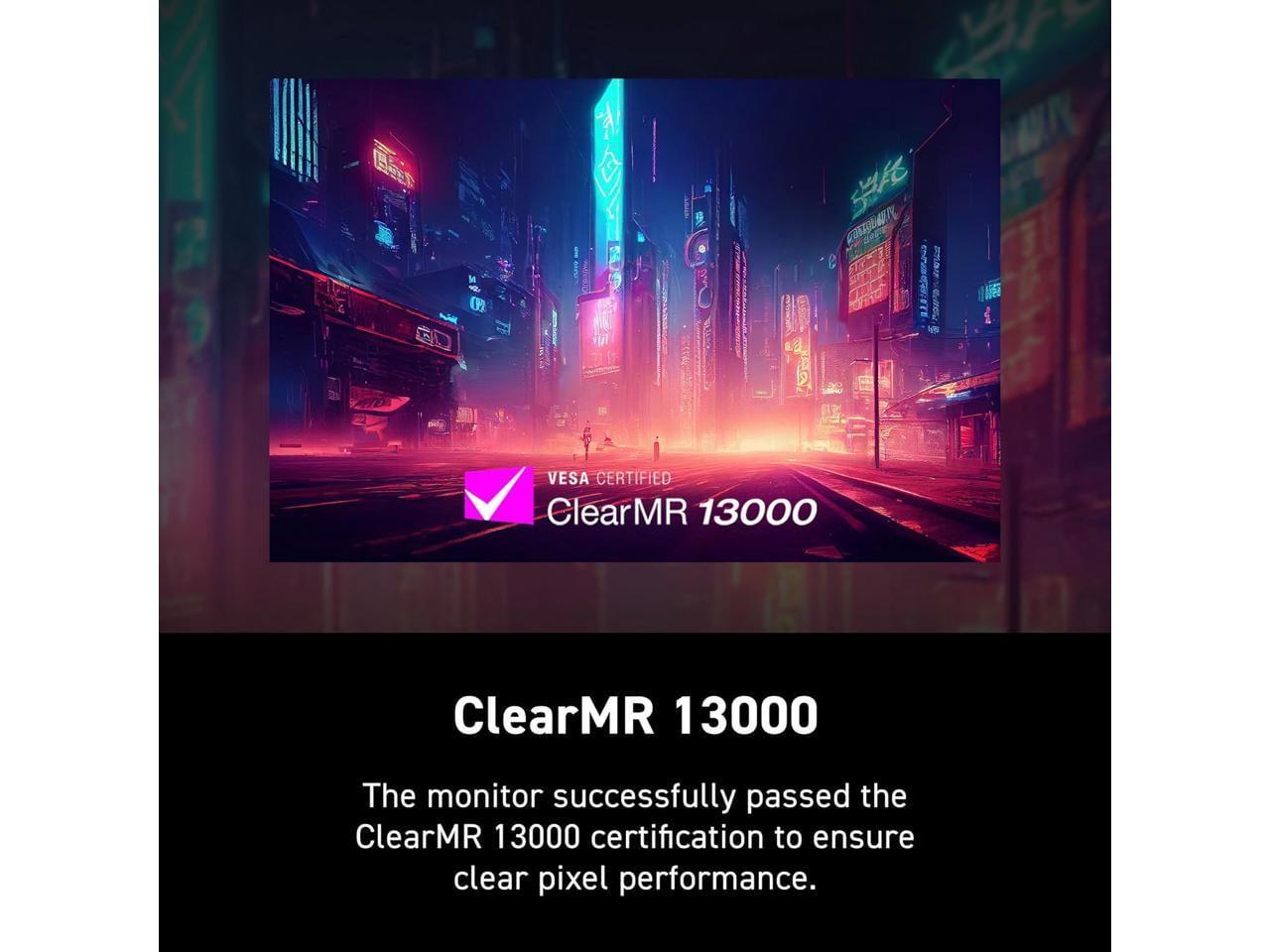
Both monitors carry VESA ClearMR 13000 certification, which is a standardized way of measuring motion clarity. The "13000" rating is exceptional – for comparison, most gaming monitors fall between 3000-7000. This certification means you can trust that motion will look crystal clear even in the fastest-paced games.
Here's where things get interesting. The Gigabyte FO27Q2 comes factory calibrated with a Delta E deviation of just 1.8 in sRGB mode. Delta E measures color accuracy – anything under 2.0 is considered professional-grade accuracy. This means the Gigabyte could genuinely work for photo editing or video work alongside gaming.
The MSI MAG 271QP achieves Delta E ≤2, which is still excellent but not quite as precise. Both monitors cover 99% of the DCI-P3 color space (the standard for HDR content) and well over 100% of sRGB, meaning colors will look more vibrant and lifelike than on standard monitors.
In practical terms, this translates to games that look significantly more immersive. The deep space scenes in games like Starfield truly look black rather than dark gray, while explosions and fire effects have a punch that's hard to describe until you see it. It's one of those "you can't go back" upgrades.
Both monitors support VESA DisplayHDR True Black 400, which is specifically designed for OLED displays. Unlike regular HDR certifications that focus on peak brightness, True Black 400 recognizes that OLED's strength is in contrast rather than raw brightness.
Peak brightness reaches 1000 nits in small highlights (like the sun reflecting off a car), while full-screen brightness settles around 250 nits. This might sound low compared to some LCD monitors that can push 400+ nits across the whole screen, but remember – it's about contrast, not just brightness. A 250 nit white next to a true black looks far more impressive than a 400 nit white next to a gray that's trying to be black.
The HDR experience on both monitors is genuinely transformative for supported games. The difference between shadows and highlights becomes dramatic, and details in both dark and bright areas remain visible simultaneously. Games like Cyberpunk 2077, with its mix of neon lights and dark alleyways, showcase this technology beautifully.
The Gigabyte AORUS FO27Q2 takes a "kitchen sink" approach to gaming features. The standout is the Tactical Switch – a physical button that instantly changes resolution settings. For competitive players, this means you can quickly switch to a 24-inch view mode (keeping the same 27-inch panel but using only the center portion) for games where you want a smaller, more focused view.
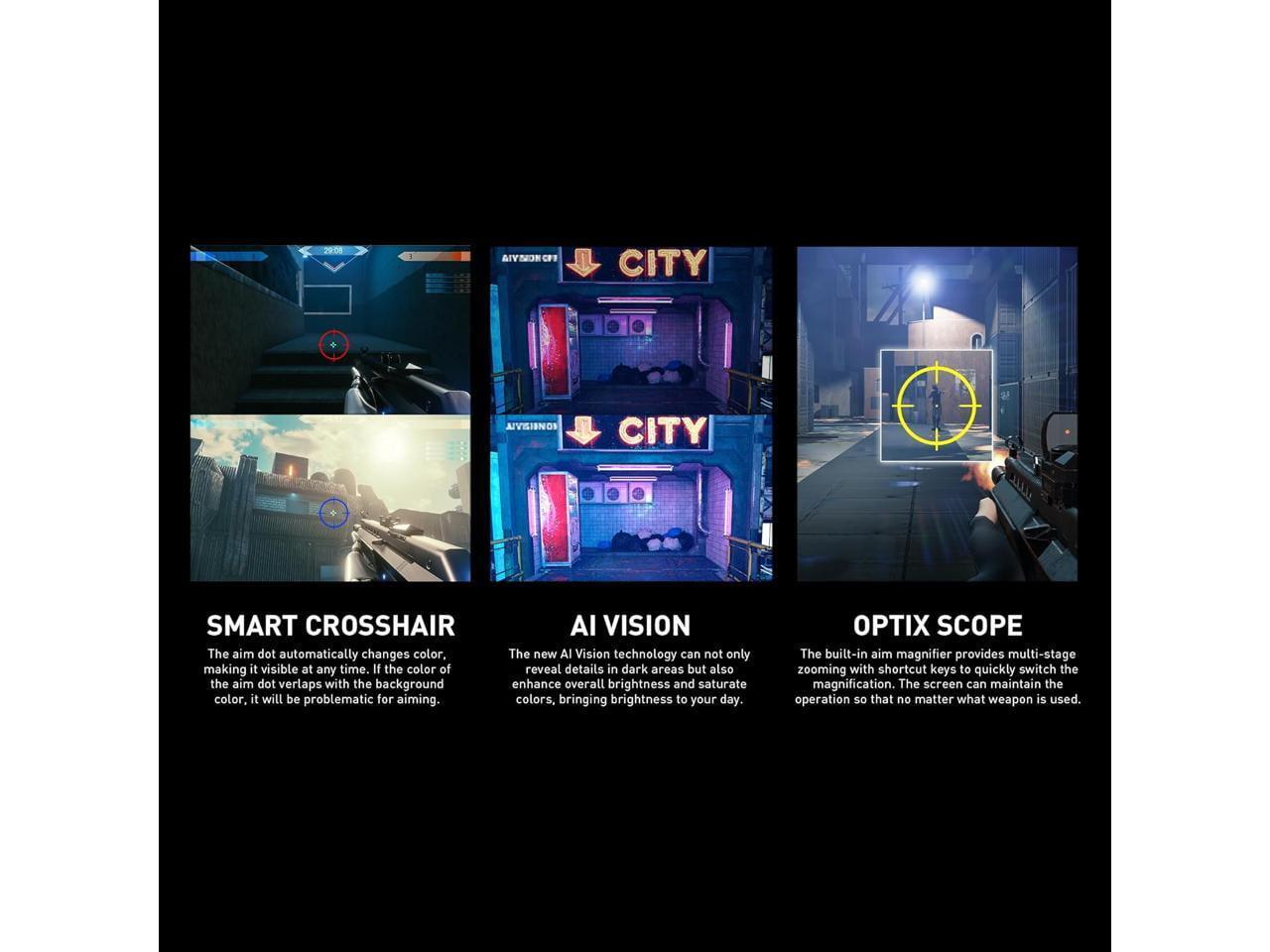
The monitor also includes comprehensive tactical features like customizable crosshairs, Black eQualizer (which brightens dark areas without affecting the overall image), and an on-screen dashboard that can display real-time system stats like CPU temperature and frame rates. These aren't gimmicks – competitive players genuinely use these tools.
The KVM (Keyboard, Video, Mouse) switch functionality lets you control multiple devices with one keyboard and mouse setup. If you have both a gaming PC and a work laptop, you can seamlessly switch between them without changing cables or input devices.
The MSI MAG 271QP takes a more focused approach with its Gaming Intelligence suite. Rather than trying to be everything to everyone, MSI concentrates on core gaming optimizations. The result is a cleaner, more streamlined experience that doesn't overwhelm you with options but still provides the essential tools serious gamers need.
MSI's approach appeals to users who want excellent performance without complexity. The monitor handles the technical stuff automatically while letting you focus on gaming.
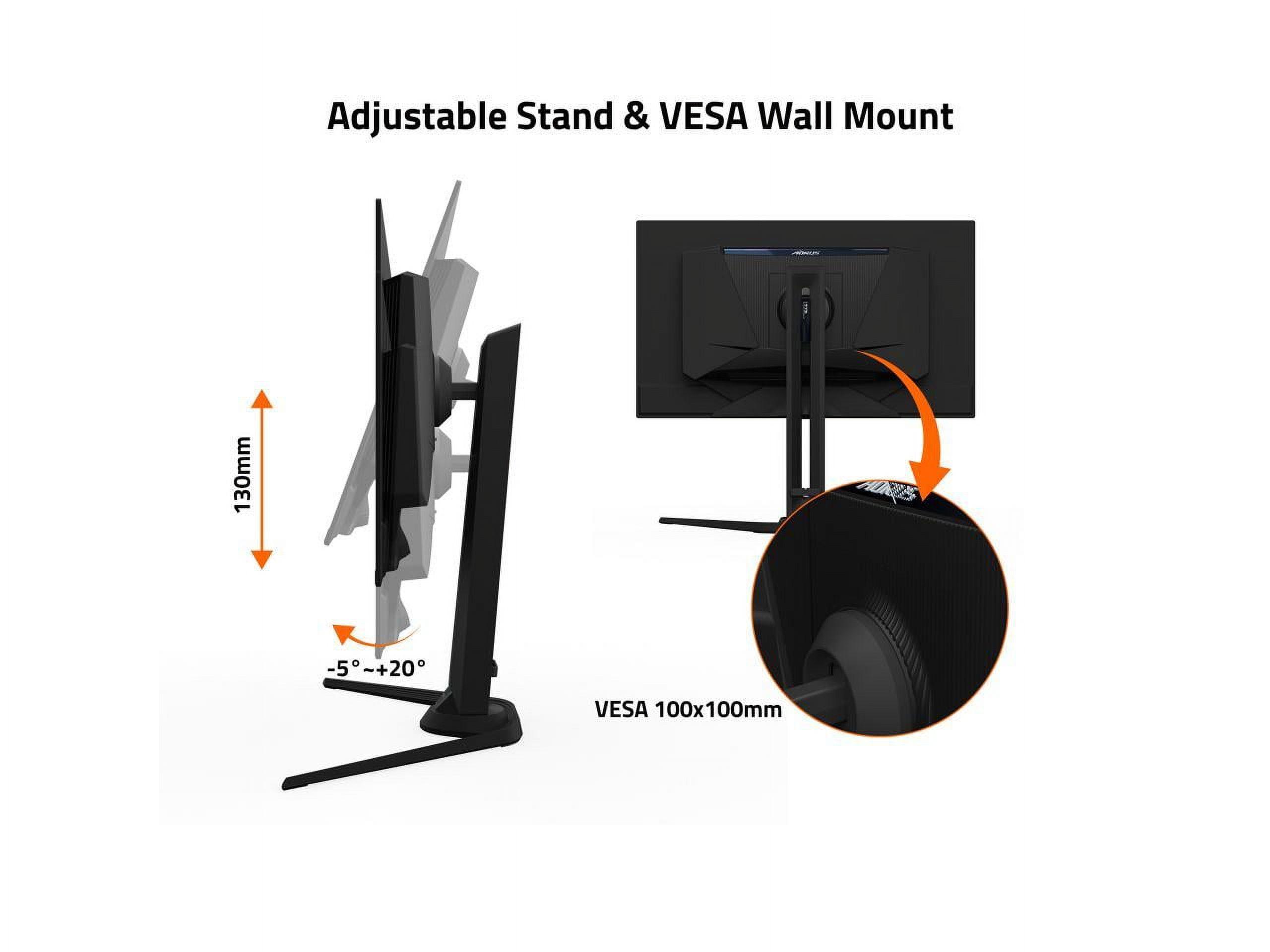
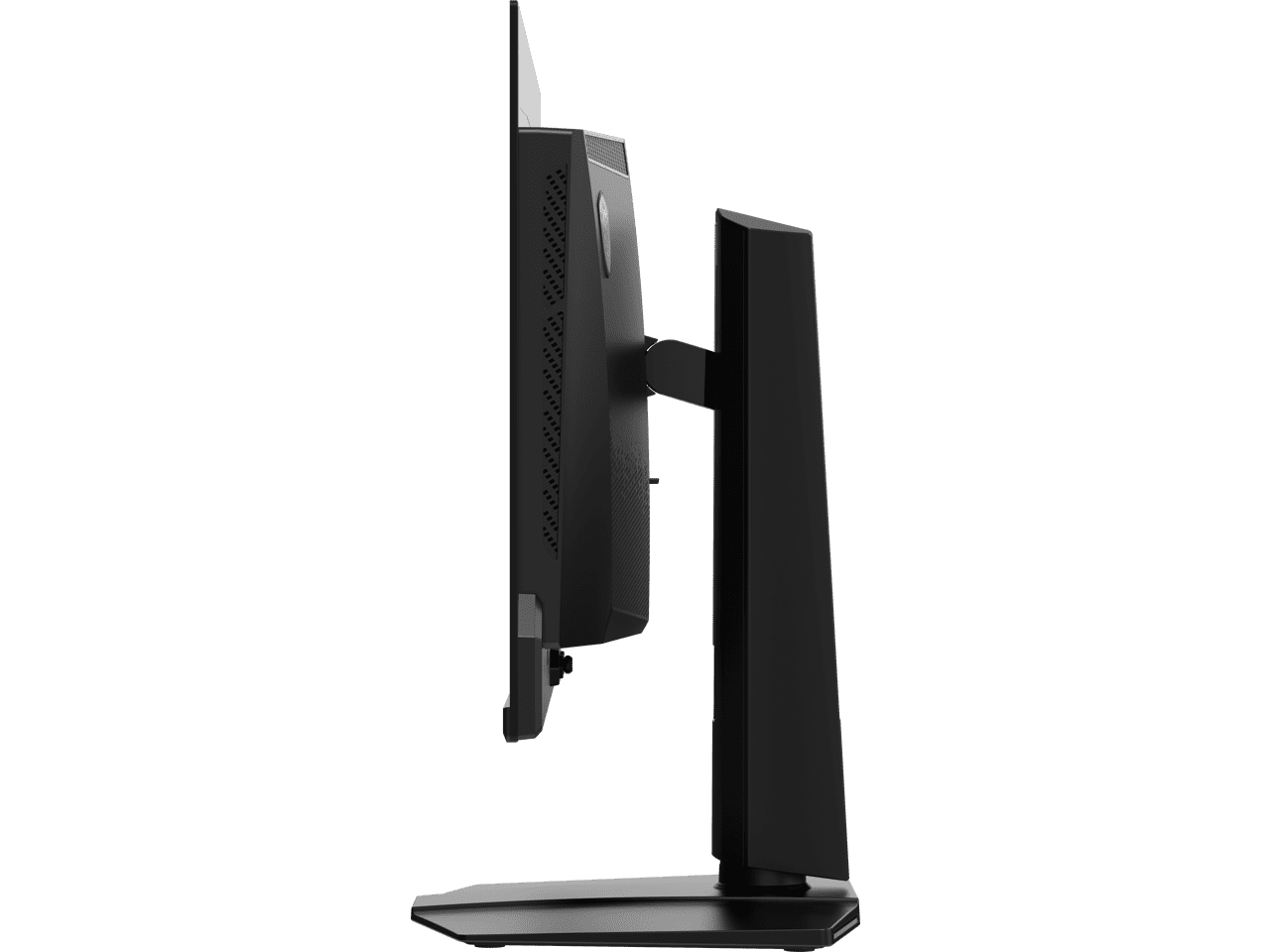
The Gigabyte FO27Q2 feels more premium in hand. The stand adjustment is smoother, the materials feel more solid, and the overall fit and finish is a step above. It offers 130mm of height adjustment compared to the MSI's 110mm, which might matter if you have an unusual desk setup.
Both monitors include full ergonomic adjustment – height, tilt, swivel, and pivot – along with VESA mounting compatibility. The difference is in execution rather than features. The Gigabyte's adjustments feel more refined, while the MSI's are perfectly functional but more basic.
Neither monitor includes RGB lighting, which I actually appreciate. When you're staring at a display that produces its own perfect lighting, decorative LEDs just become distracting.
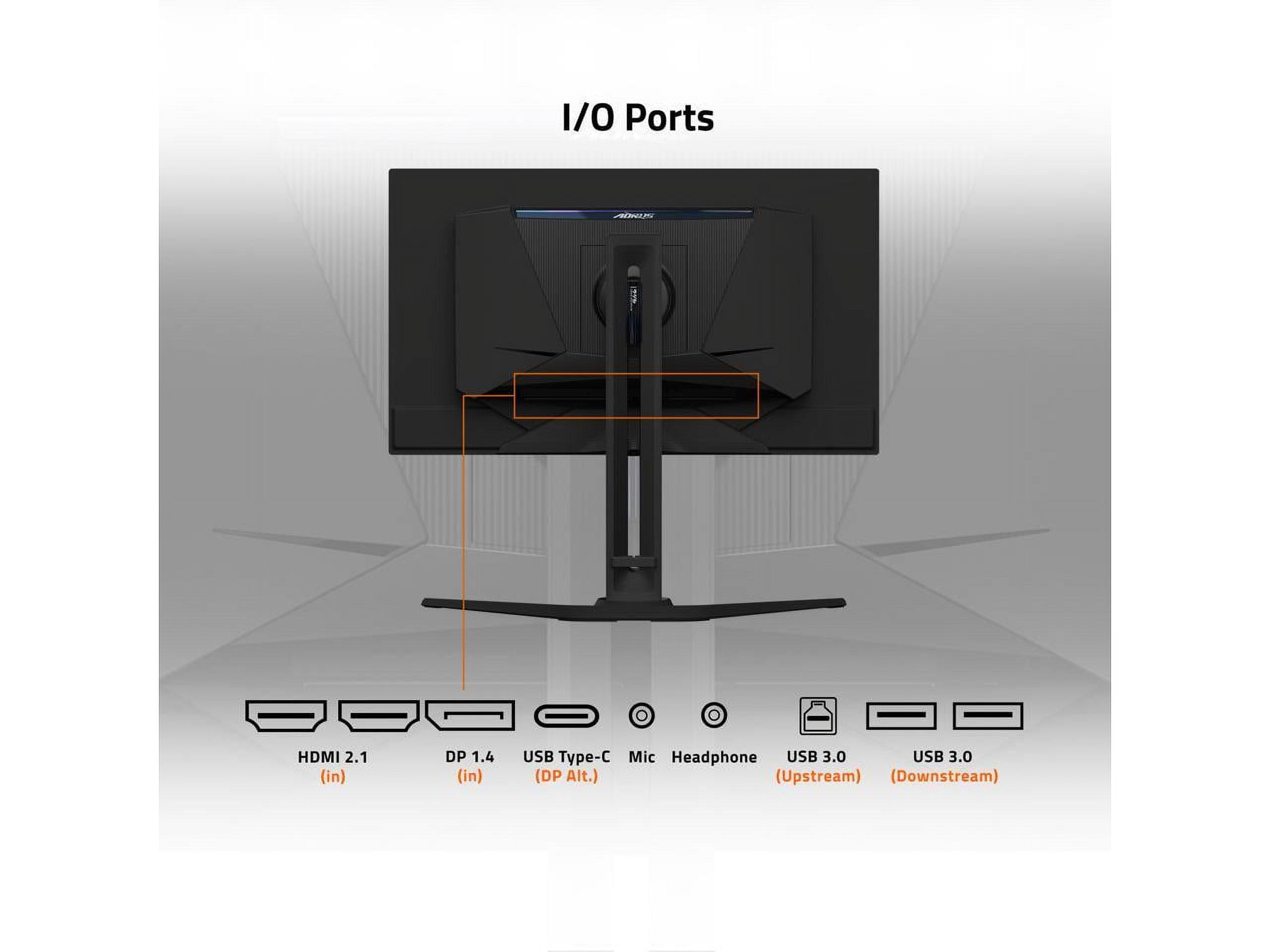
This is one of the biggest distinctions between these monitors. The Gigabyte FO27Q2 includes USB-C with DisplayPort alternate mode, meaning you can connect a laptop with a single cable for both video and data. Combined with the KVM functionality, this makes it genuinely useful for mixed gaming/productivity setups.
The MSI MAG 271QP sticks with traditional gaming connectivity – two HDMI 2.1 ports and one DisplayPort 1.4. This is perfectly adequate for gaming but limits flexibility for other use cases.
Both monitors support the latest consoles at their maximum 120Hz output via HDMI 2.1, and both can push 240Hz over DisplayPort from a gaming PC.
OLED burn-in is the elephant in the room with any OLED display. Both manufacturers take this seriously, but with different approaches.
The Gigabyte FO27Q2 uses AI-based OLED Care that intelligently shifts pixels, dims static elements, and runs cleaning cycles when needed. It's mostly automated and unobtrusive.
The MSI MAG 271QP includes OLED Care 2.0 with multi-logo detection, which can identify and dim static elements like game HUDs or Windows taskbars before they cause problems.
Both monitors include 3-year warranties that explicitly cover burn-in – something that wasn't common just a few years ago. This warranty coverage is crucial for peace of mind with OLED technology.
While both monitors are designed for gaming, they're surprisingly capable as small home theater displays. The perfect blacks and vibrant colors make movie watching genuinely enjoyable, especially in darker rooms.
The Gigabyte FO27Q2 has an edge here due to its superior color calibration and additional connectivity options. If you're planning to use the monitor for both gaming and media consumption, the Gigabyte's extra features make more sense.
However, 27 inches is still relatively small for serious home theater use. These monitors work well for desktop viewing or small room setups, but they can't replace a proper TV for couch viewing.
At the time of writing, the MSI MAG 271QP typically costs 15-20% less than the Gigabyte FO27Q2. This isn't a small difference – it's enough to potentially influence your decision significantly.
The MSI represents better pure gaming value. You get the same core panel technology, the same gaming performance, and the same 3-year burn-in warranty for less money. If you're building a dedicated gaming setup and don't need the extra connectivity or productivity features, the MSI makes financial sense.
The Gigabyte justifies its premium through additional features, better build quality, and superior versatility. If you value the KVM functionality, need USB-C connectivity, or want the most refined gaming features available, the extra cost becomes worthwhile.
The MSI MAG 271QP makes sense for pure gaming enthusiasts who want to maximize performance per dollar. If you have a single gaming PC, don't need extensive connectivity, and prioritize image quality over additional features, this is your monitor. It's also the better choice if you're budget-conscious but still want premium QD-OLED technology.
The Gigabyte AORUS FO27Q2 targets users who need versatility alongside gaming performance. If you switch between multiple devices, do any productivity work that benefits from color accuracy, or simply want the most features available in this category, the Gigabyte justifies its premium pricing.
For competitive esports players, the Gigabyte FO27Q2 has a slight edge due to its lower input lag and tactical features like the physical resolution switch. For casual gamers who want an amazing visual experience without complexity, the MSI MAG 271QP provides the same core benefits with a more straightforward approach.
Both monitors represent the current state of the art in gaming display technology. You really can't go wrong with either choice – the differences are about matching features to your specific needs rather than one being clearly superior to the other.
If I had to choose for my own setup, I'd lean toward the Gigabyte AORUS FO27Q2 because I value the flexibility and premium features. The KVM functionality alone would be worth the price difference for my multi-device setup. But if I were building a dedicated gaming rig and wanted to maximize the budget available for other components, the MSI MAG 271QP would be the smarter financial choice.
The most important thing to remember is that either monitor will transform your gaming experience if you're coming from a traditional LCD. The jump to QD-OLED technology is significant enough that both options will feel like major upgrades, regardless of which specific model you choose.
| Gigabyte AORUS FO27Q2 | MSI MAG 271QP QD-OLED X24 |
|---|---|
| Panel Technology - Both use cutting-edge QD-OLED for perfect blacks and vibrant colors | |
| 27" QD-OLED, 2560x1440 | 27" QD-OLED, 2560x1440 |
| Refresh Rate & Response Time - Critical for competitive gaming smoothness | |
| 240Hz, 0.03ms GTG | 240Hz, 0.03ms GTG |
| Input Lag - Lower is better for competitive advantage | |
| 13ms total (industry-leading for OLED) | ~15-16ms total (still excellent) |
| Color Accuracy - Important for content creation and visual quality | |
| Delta E 1.8 (professional-grade, includes calibration report) | Delta E ≤2 (excellent out-of-box accuracy) |
| Gaming Features - Specialized tools for competitive players | |
| Physical Tactical Switch, KVM, crosshairs, Black eQualizer, system dashboard | Gaming Intelligence suite, essential gaming optimizations |
| Connectivity - Determines device compatibility and workflow flexibility | |
| 2x HDMI 2.1, 1x DisplayPort 1.4, USB-C with KVM, USB hub | 2x HDMI 2.1, 1x DisplayPort 1.4a (no USB-C) |
| OLED Care & Warranty - Protection against burn-in concerns | |
| AI-based OLED Care, 3-year warranty including burn-in | OLED Care 2.0 with multi-logo detection, 3-year burn-in warranty |
| Build Quality & Ergonomics - Affects long-term comfort and durability | |
| Premium materials, 130mm height adjustment, refined stand | Functional design, 110mm height adjustment, solid build |
| Peak Brightness - Affects HDR impact and bright room usability | |
| 1000 nits (3% APL), 250 nits full screen | 1000 nits (3% APL), 250 nits full screen |
| Target User - Who benefits most from each monitor's approach | |
| Multi-device users, competitive gamers wanting premium features, productivity hybrid use | Pure gaming focus, budget-conscious buyers seeking maximum panel quality per dollar |
| Value Proposition - Cost vs features at time of writing | |
| Premium pricing justified by extensive features and versatility | Better gaming-focused value, typically 15-20% less expensive |
The primary difference is in features and target audience. The Gigabyte AORUS FO27Q2 offers premium features like USB-C connectivity, KVM switch functionality, and advanced tactical gaming tools, while the MSI MAG 271QP QD-OLED X24 focuses on delivering excellent gaming performance at a more affordable price point with essential features only.
The Gigabyte AORUS FO27Q2 has a slight edge for competitive gaming with its lower 13ms input lag and physical Tactical Switch that allows instant resolution changes. However, both monitors offer identical 240Hz refresh rates and 0.03ms response times, so the MSI MAG 271QP is also excellent for competitive play.
Both monitors use QD-OLED panels with identical specifications for brightness, contrast, and color gamut. The Gigabyte FO27Q2 has slightly better factory calibration (Delta E 1.8 vs ≤2), making it marginally more accurate out of the box, but both deliver stunning image quality with perfect blacks and vibrant colors.
The MSI MAG 271QP QD-OLED X24 typically offers better value for pure gaming, costing 15-20% less while providing the same core panel performance. The Gigabyte AORUS FO27Q2 justifies its premium pricing through additional features like KVM functionality and USB-C connectivity.
The Gigabyte AORUS FO27Q2 is better suited for mixed gaming and productivity use thanks to its KVM switch, USB-C connectivity, and professional-grade color accuracy. The MSI MAG 271QP can handle productivity tasks but lacks the connectivity options that make workflow switching convenient.
The Gigabyte FO27Q2 offers superior connectivity with USB-C, KVM switch, and USB hub functionality alongside standard gaming ports. The MSI MAG 271QP QD-OLED X24 provides essential gaming connectivity (2x HDMI 2.1, DisplayPort) but lacks USB-C and advanced switching features.
Yes, both the Gigabyte AORUS FO27Q2 and MSI MAG 271QP support console gaming at 120Hz via HDMI 2.1 with features like Variable Refresh Rate (VRR) and Auto Low Latency Mode (ALLM) for optimal PlayStation 5 and Xbox Series X performance.
Both monitors include comprehensive OLED care systems and 3-year warranties covering burn-in. The Gigabyte FO27Q2 uses AI-based OLED Care with intelligent pixel management, while the MSI MAG 271QP QD-OLED X24 features OLED Care 2.0 with multi-logo detection and static content protection.
Both monitors offer identical HDR performance with VESA DisplayHDR True Black 400 certification and 1000 nits peak brightness. The Gigabyte AORUS FO27Q2 has a slight advantage due to better color calibration, making it marginally superior for HDR content consumption and movie watching.
QD-OLED monitors, including both the Gigabyte FO27Q2 and MSI MAG 271QP, perform best in controlled lighting conditions. While they have anti-reflective coatings, they may show some reflections in very bright rooms compared to high-brightness LCD monitors.
For a dedicated single-PC gaming setup, the MSI MAG 271QP QD-OLED X24 offers excellent value with all the performance benefits of QD-OLED technology at a lower cost. The Gigabyte AORUS FO27Q2 is worth considering if you want premium features and the best possible competitive gaming performance.
Both monitors share typical QD-OLED limitations like potential burn-in concerns (mitigated by warranties) and reduced contrast in very bright rooms. The main trade-off is that the Gigabyte FO27Q2 costs more for features some users won't need, while the MSI MAG 271QP lacks connectivity flexibility for multi-device setups.
We've done our best to create useful and informative comparisons to help you decide what product to buy. Our research uses advanced automated methods to create this comparison and perfection is not possible - please contact us for corrections or questions. These are the sites we've researched in the creation of this article: tomshardware.com - pangoly.com - youtube.com - pangoly.com - rtings.com - displayninja.com - gigabyte.com - youtube.com - creativebloq.com - techpowerup.com - newegg.com - gigabyte.com - icecat.in - microcenter.com - aorus.com - bhphotovideo.com - provantage.com - bestbuy.com - displayspecifications.com - tomshardware.com - gigabyte.com - computronicsmultivision.com - gigabyte.com - bestbuy.com - youtube.com - xda-developers.com - newegg.com - notebookcheck.net - displayninja.com - ign.com - rtings.com - cdw.com - microcenter.com - bestbuy.com - us.msi.com - colamco.com - msi.com - msi.com - displayspecifications.com - msi.com - storage-asset.msi.com - msi.com - us.msi.com - displayspecifications.com

Privacy Policy
Terms and Conditions - Affiliate Policy
Home Security
© Copyright 2008-2026.
11816 Inwood Rd #1211, Dallas, TX 75244