

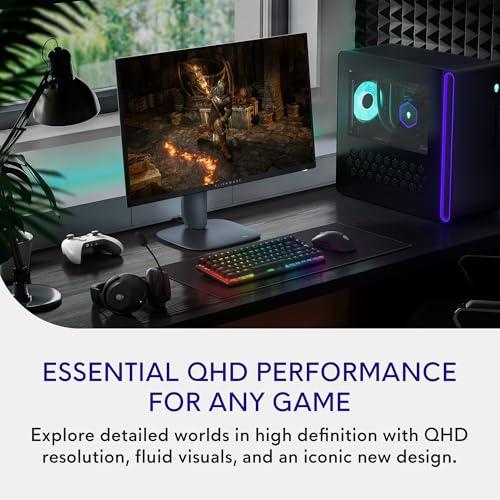
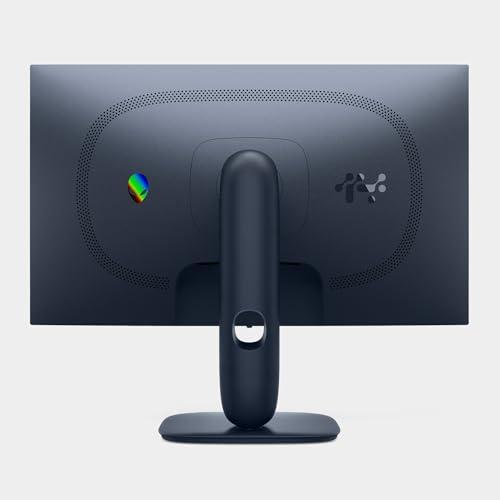
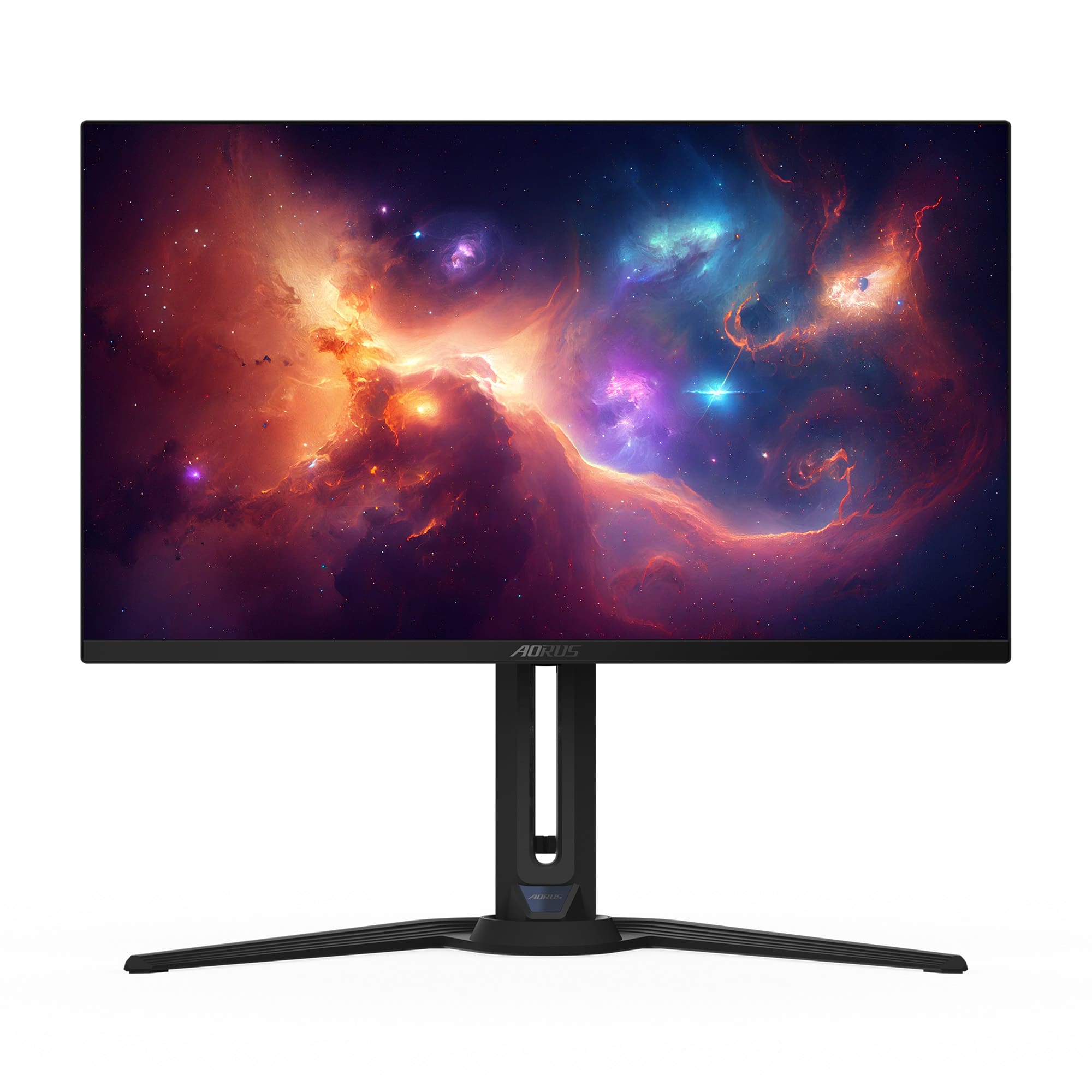
Choosing the right gaming monitor can make or break your gaming experience. Today, we're diving deep into a fascinating comparison between two approaches to 27-inch QHD gaming: the reliable Alienware 27 QHD 180Hz Gaming Monitor and the technologically advanced Gigabyte AORUS FO27Q2 QD-OLED Gaming Monitor. These monitors represent two different philosophies in gaming display technology, and understanding their differences will help you make the right choice for your setup.
The 27-inch QHD gaming monitor category has become the sweet spot for serious gamers. At 2560 x 1440 pixels, QHD resolution offers 78% more pixels than 1080p while remaining much easier to drive than 4K. This means you get sharper visuals without needing an absolute monster of a graphics card to maintain high frame rates.
When evaluating gaming monitors, several key factors determine your experience. Display technology forms the foundation – whether you're getting an IPS (In-Plane Switching), VA (Vertical Alignment), or OLED (Organic Light-Emitting Diode) panel affects everything from color accuracy to response times. Refresh rate determines how many times per second your screen updates, with higher numbers providing smoother motion. Response time measures how quickly pixels can change colors, which directly impacts motion blur and ghosting.
The Alienware monitor, released in 2024, represents the refined evolution of Fast IPS technology. Meanwhile, the Gigabyte AORUS FO27Q2, also from 2024, showcases the latest QD-OLED technology – a hybrid approach combining Quantum Dot color enhancement with OLED's perfect blacks.
Here's where these monitors fundamentally differ. The Alienware 27 QHD uses Fast IPS technology, which has been the gold standard for gaming monitors for years. IPS panels work by rotating liquid crystals to control light passage, providing excellent color accuracy and wide viewing angles. The "Fast" designation means Alienware has optimized the panel for quicker pixel response times compared to traditional IPS displays.
The Gigabyte FO27Q2 takes a completely different approach with its QD-OLED panel. OLED technology doesn't use a backlight at all – instead, each pixel produces its own light. When combined with Quantum Dot technology (that's the "QD" part), you get incredibly pure colors and perfect blacks since pixels can completely turn off.
This fundamental difference creates a cascade of performance variations. The Alienware's IPS panel delivers consistent brightness across the entire screen and maintains stable performance regardless of what you're displaying. You'll get reliable 400 nits of brightness and a 1000:1 contrast ratio that remains constant whether you're gaming, working, or watching movies.
The Gigabyte's QD-OLED panel, on the other hand, can achieve an infinite contrast ratio because it can display true black alongside bright highlights. Peak brightness reaches 1,000 nits in small areas, creating incredible HDR (High Dynamic Range) performance that makes bright explosions pop while maintaining detail in dark shadows.
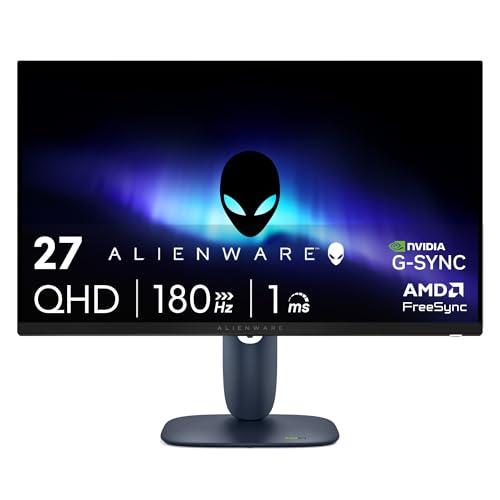
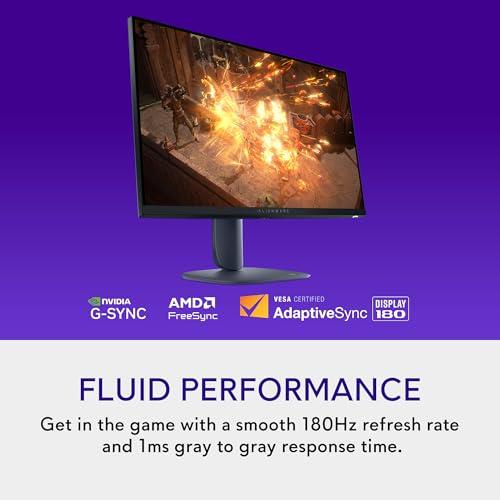
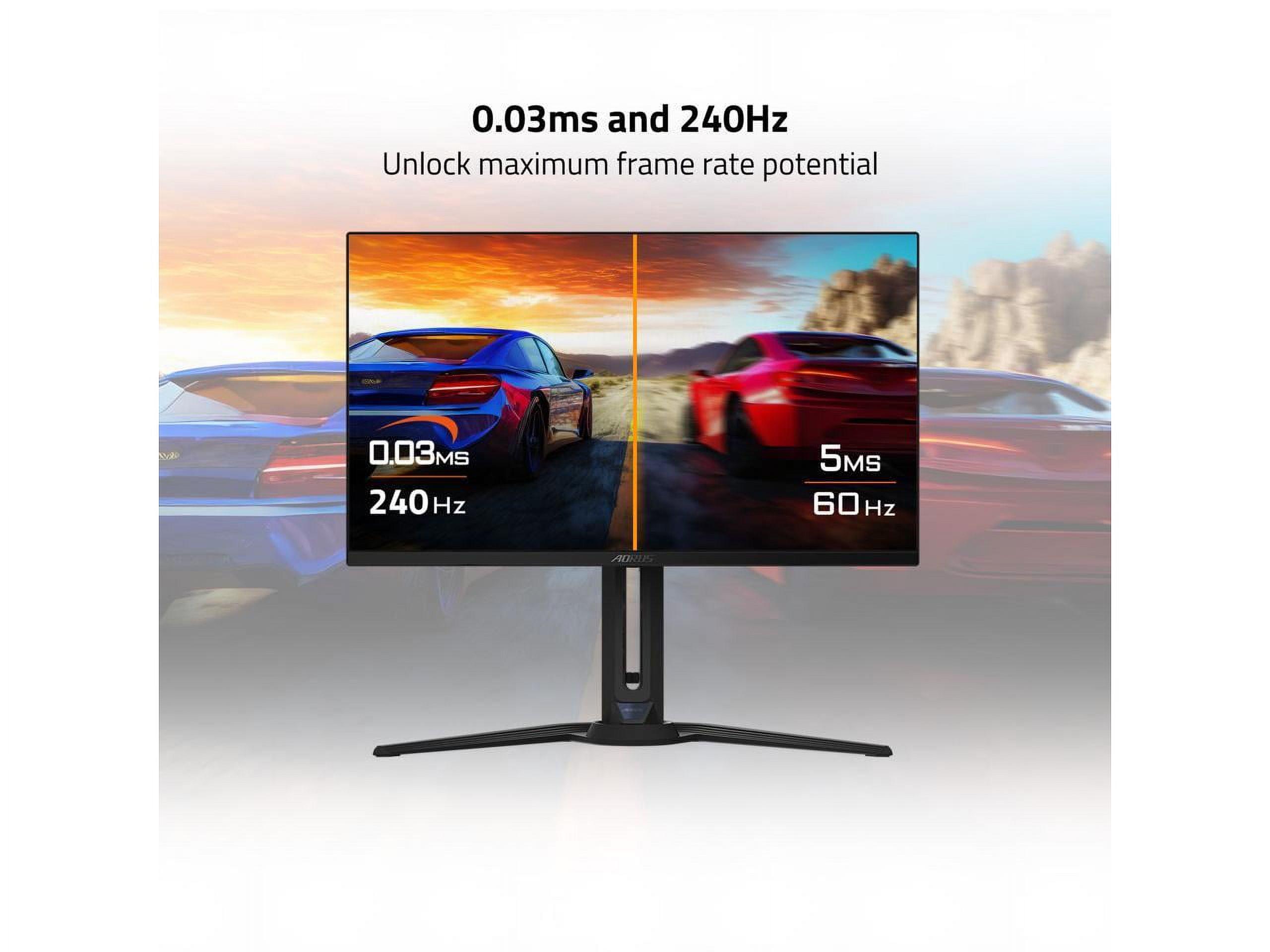
The refresh rate difference between these monitors is significant. The Alienware tops out at 180Hz, while the Gigabyte reaches 240Hz. In practical terms, this means the Alienware updates its image 180 times per second, while the Gigabyte does so 240 times per second.
For most gamers, 180Hz provides excellent motion clarity and responsiveness. You'll notice a substantial improvement over 60Hz displays, with smoother panning in first-person shooters and clearer tracking of fast-moving objects. The jump from 144Hz to 180Hz is noticeable but not revolutionary.
The Gigabyte's 240Hz refresh rate enters competitive gaming territory. Professional esports players often prefer 240Hz and above because it provides the absolute smoothest motion possible. In fast-paced competitive titles like Counter-Strike 2 or Valorant, that extra smoothness can provide a slight competitive edge by making enemy movements appear more fluid and predictable.
Response time measures how quickly a pixel can change from one color to another, typically measured in gray-to-gray (GTG) transitions. The Alienware monitor offers multiple response time settings: 4ms (Fast), 2ms (Super Fast), and 1ms (Extreme). This flexibility lets you balance image quality with speed – the faster settings reduce motion blur but might introduce slight overshoot artifacts.
The Gigabyte FO27Q2 achieves an almost instantaneous 0.03ms GTG response time. This isn't marketing hyperbole – OLED technology's self-emitting pixels can change states incredibly quickly. In practice, this means virtually zero motion blur or ghosting, even in the most demanding gaming scenarios.
Input lag – the delay between your mouse movement and seeing the result on screen – is where the Gigabyte truly shines. Our research into professional reviews shows it achieves just 13ms of total input lag, which is exceptional for any monitor, let alone one with OLED technology. The Alienware delivers respectable input lag typical of quality gaming monitors, though not quite at the Gigabyte's level.
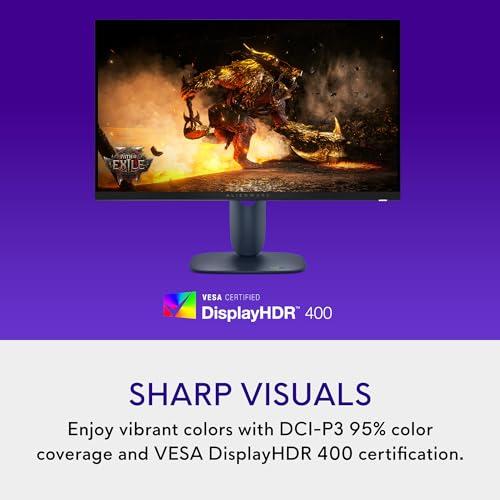
Color reproduction reveals another stark contrast between these approaches. The Alienware covers 95% of the DCI-P3 color space and up to 99% of sRGB, which represents excellent color coverage for an IPS panel. Colors appear vibrant and accurate, making it suitable for both gaming and content creation work. The Fast IPS technology ensures minimal color shifting when viewed from different angles.
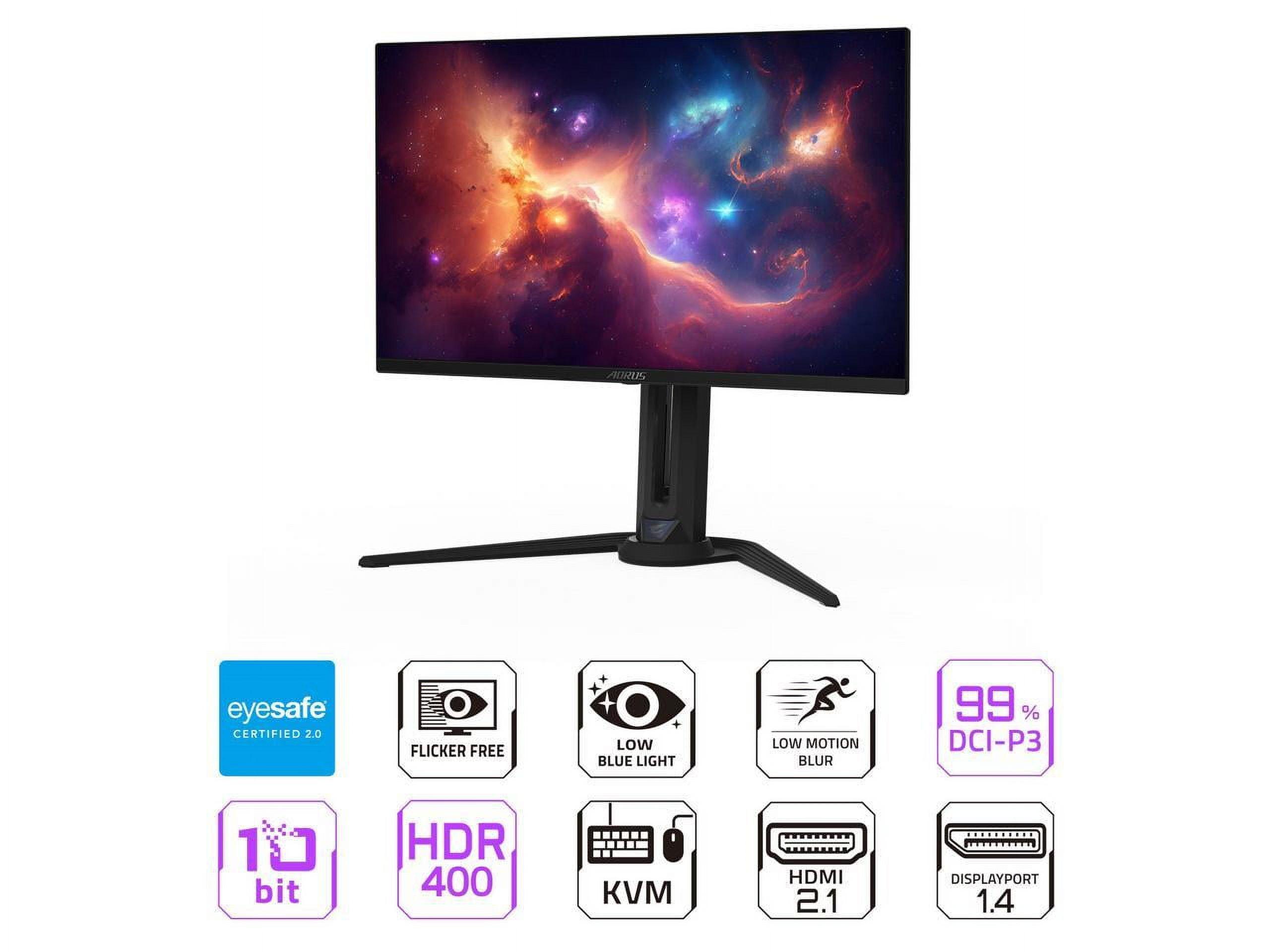
The Gigabyte's QD-OLED panel pushes color performance to another level entirely. With 99% DCI-P3 coverage and superior color volume (the ability to display bright, saturated colors), it produces some of the most vibrant and lifelike colors available in any monitor. The quantum dot layer enhances color purity, while the OLED technology provides perfect color uniformity across the screen.
HDR performance showcases the biggest visual difference between these monitors. The Alienware supports VESA DisplayHDR 400, providing a noticeable but modest HDR experience. Bright highlights appear brighter than SDR content, but the limited peak brightness and contrast ratio mean HDR content won't look dramatically different from well-mastered SDR material.
The Gigabyte earns VESA DisplayHDR True Black 400 certification, which requires much stricter performance criteria. The "True Black" designation means it can display actual black pixels (0 nits) alongside bright highlights, creating the dramatic contrast that makes HDR content truly impressive. Watching HDR movies or playing HDR games reveals details in shadows while maintaining bright, punchy highlights that simply aren't possible on traditional LCD panels.
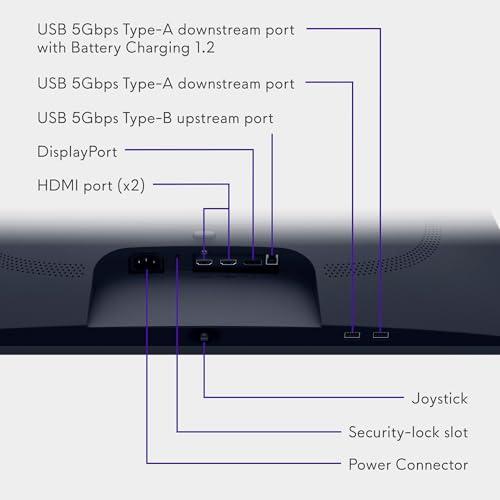
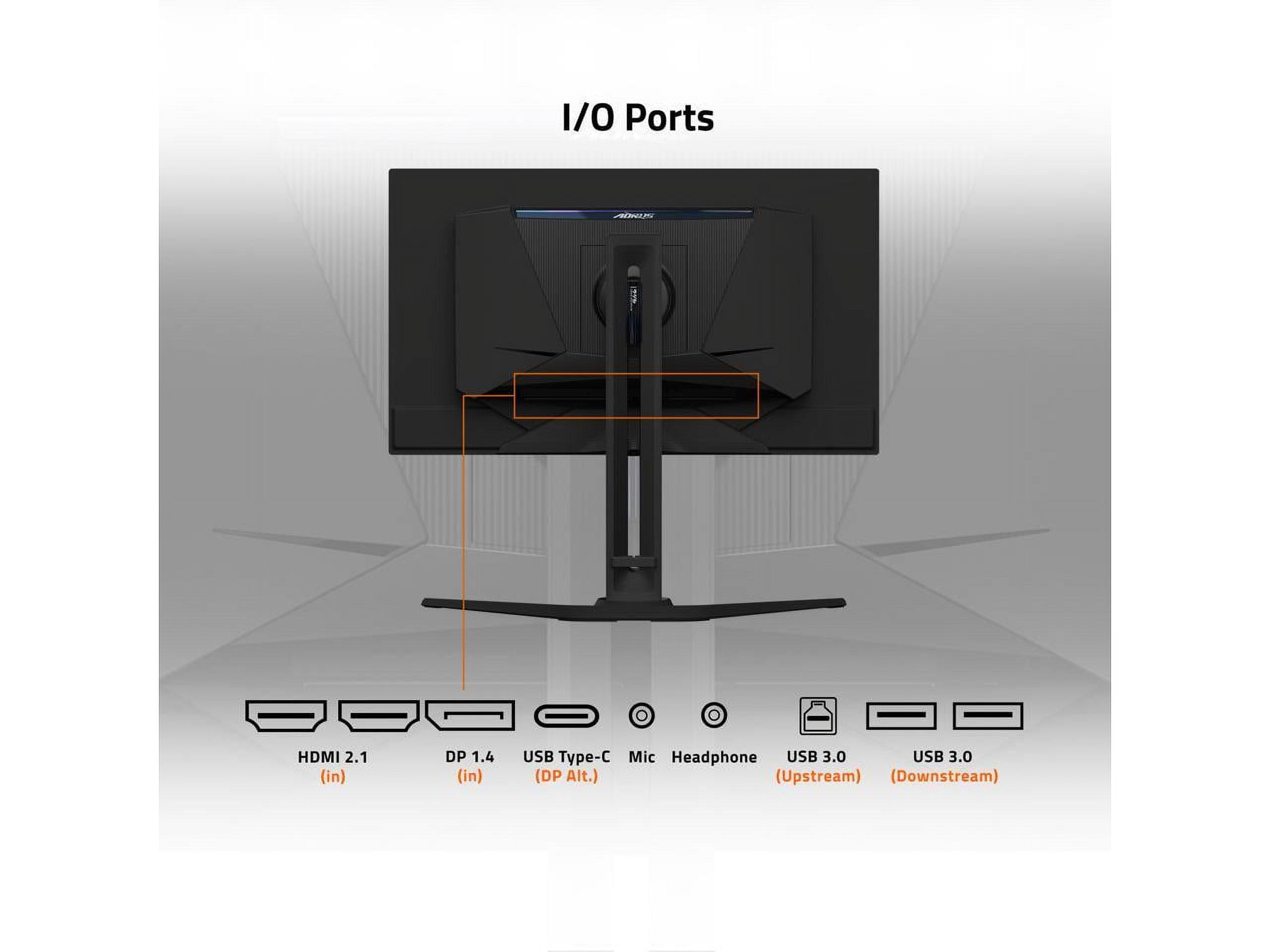
Both monitors offer comprehensive connectivity, but the Gigabyte FO27Q2 pulls ahead with additional versatility. Both include dual HDMI 2.1 ports and DisplayPort 1.4, ensuring compatibility with the latest gaming consoles and graphics cards. However, the Gigabyte adds USB-C connectivity with DisplayPort Alt Mode, allowing single-cable connections to laptops for both video and power delivery.
The Gigabyte's integrated KVM (Keyboard, Video, Mouse) switch functionality stands out as particularly useful. This feature lets you control multiple connected devices – say, a gaming PC and work laptop – using the same keyboard and mouse. You can quickly switch between inputs while maintaining control of both systems, making it excellent for mixed-use setups.
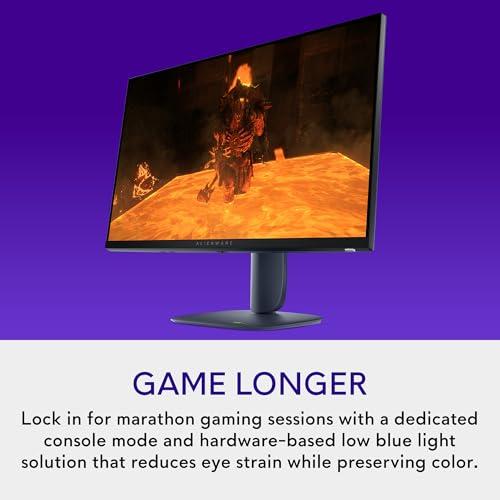
Gaming-specific features differ significantly. The Alienware focuses on core gaming functionality with solid adaptive sync support and ComfortView Plus technology, which reduces blue light exposure through hardware filtering rather than software adjustments that can affect color accuracy.
The Gigabyte includes an extensive suite of tactical gaming features. The dedicated Tactical Switch button allows instant resolution changes – useful for competitive players who might want to switch to a smaller resolution for better performance in specific games. Additional features include customizable crosshairs, black equalizer (which brightens dark areas without overexposing bright areas), and real-time system monitoring displays.
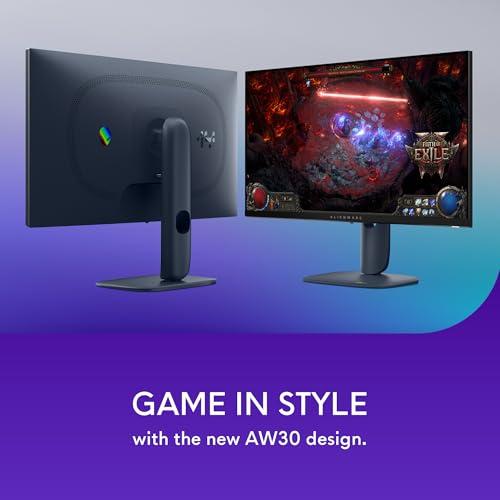
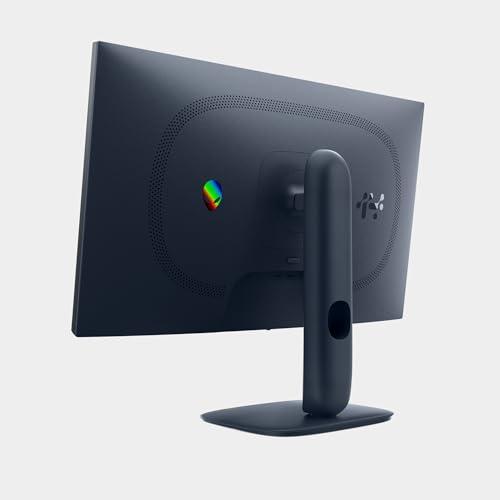
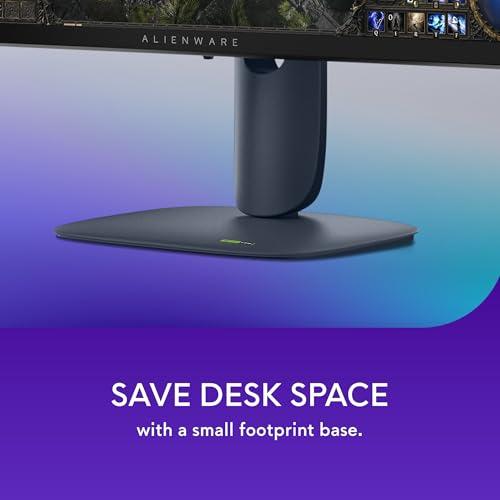
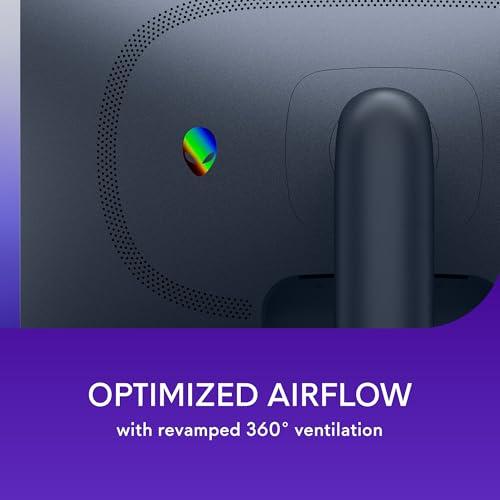
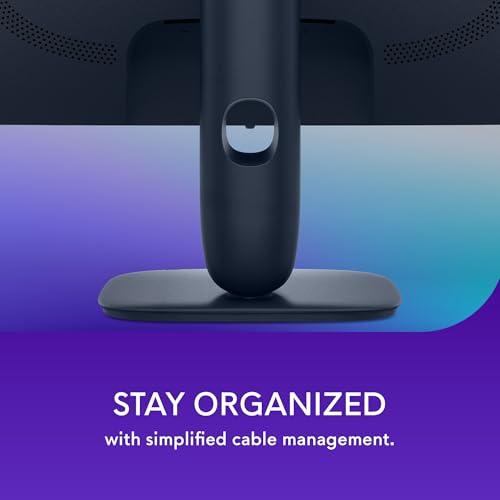
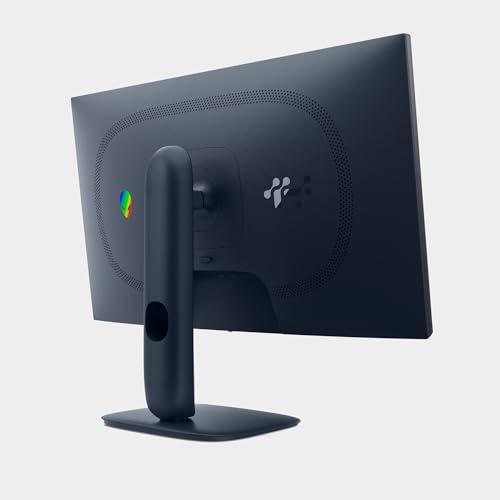
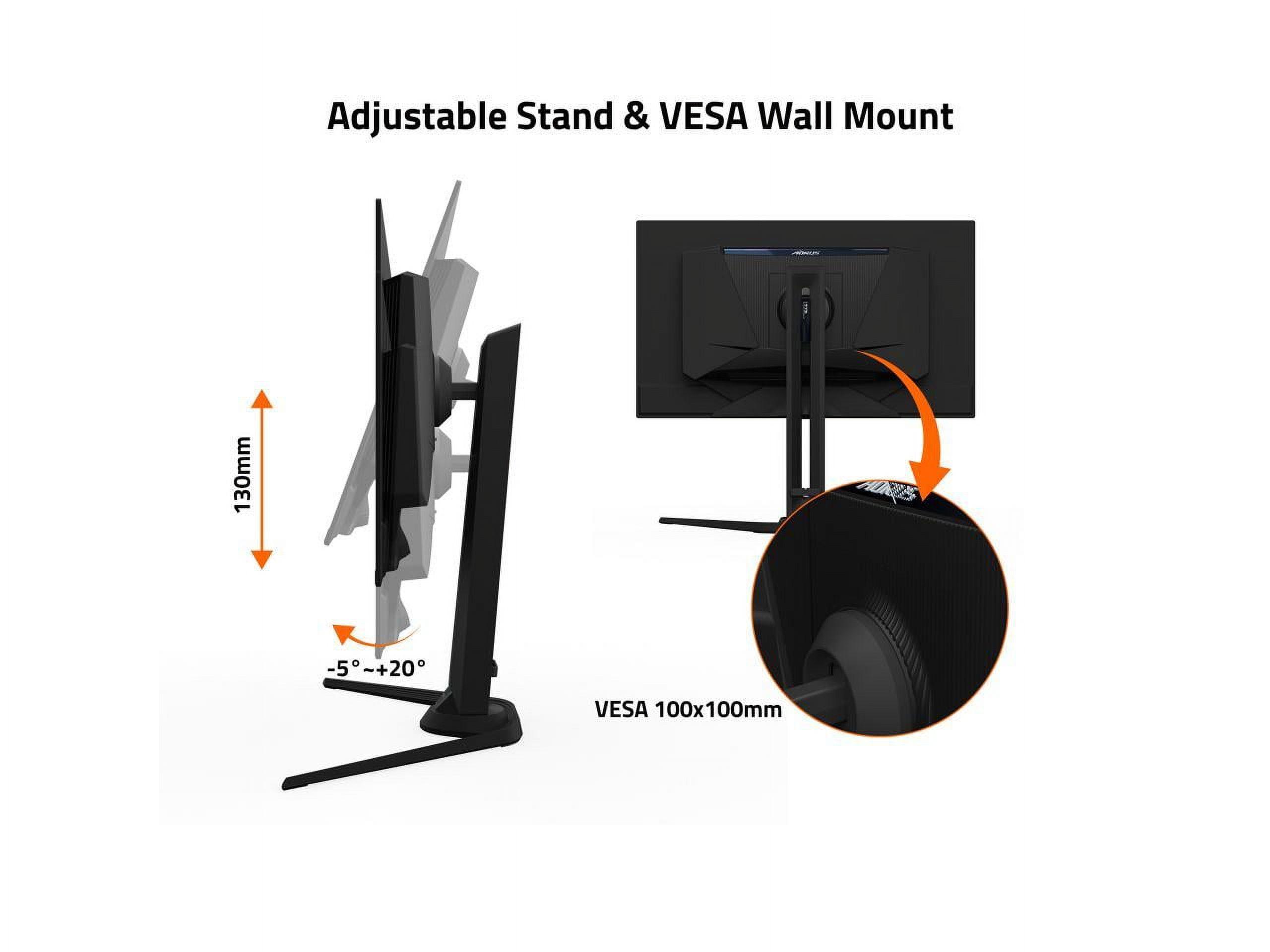
Both monitors feature fully adjustable stands with height, tilt, and swivel adjustments, plus VESA mount compatibility. The Alienware emphasizes Dell's traditionally solid build quality with a clean, gaming-focused aesthetic that won't look out of place in professional environments.
The Gigabyte adds pivot capability to its ergonomic adjustments and includes built-in 5W speakers – not audiophile quality, but convenient for casual use. The build quality reflects Gigabyte's gaming-first approach with more aggressive styling and RGB accent lighting.
This is where the technology difference becomes crucial for purchasing decisions. The Alienware IPS panel faces no degradation concerns. IPS technology is mature and stable – your monitor will look essentially the same after five years of use as it did on day one. There's no risk of burn-in, image retention, or color shifting over time.
OLED technology, including the Gigabyte's QD-OLED panel, requires more consideration. While modern OLED displays are much more durable than early generations, they can still experience burn-in if static images are displayed for extended periods. Gigabyte addresses this with AI-based OLED care features including pixel shifting, screen savers, and logo dimming. They also back the panel with a comprehensive three-year warranty covering burn-in damage, which demonstrates confidence in the technology.
For mixed-use scenarios where you might leave static content displayed (like productivity software interfaces, desktop backgrounds, or paused games), the IPS panel offers peace of mind. For dedicated gaming use where content is constantly changing, modern OLED care features make burn-in much less concerning.
Both monitors excel at media consumption, but in different ways. The Alienware provides consistent, comfortable viewing for extended movie sessions with its stable brightness and excellent color accuracy. The IPS panel's wide viewing angles make it suitable for shared viewing, and the lack of burn-in concerns means you can pause content without worry.
The Gigabyte FO27Q2 transforms into a mini home theater experience. The OLED technology's perfect blacks create the cinematic contrast that makes movies pop, especially in darker viewing environments. HDR content looks genuinely impressive, with bright stars against inky black space or subtle shadow details in dark scenes that are simply invisible on LCD displays. However, the monitor works best in controlled lighting conditions, as the anti-reflective coating can create a slight purple tint on blacks in bright rooms.
At the time of writing, these monitors occupy different value segments. The Alienware 27 QHD represents excellent value in the premium IPS gaming category, offering high refresh rates, solid color performance, and reliable operation at a more accessible price point. It's the practical choice for gamers who want premium performance without bleeding-edge pricing.
The Gigabyte AORUS FO27Q2 commands a significant premium for its QD-OLED technology, but the performance justifies the cost for enthusiasts. You're paying for the absolute best motion clarity, superior HDR performance, and future-proofing your setup with cutting-edge display technology.
Choose the Alienware 27 QHD 180Hz Gaming Monitor if you want a reliable, high-performance gaming monitor that excels at everything without any compromises. It's perfect for mixed-use scenarios where you game, work, and consume media on the same display. The IPS technology provides worry-free operation, excellent color accuracy, and consistent performance across all content types. This is the smart choice for most gamers who want premium performance at a reasonable price point.
Opt for the Gigabyte AORUS FO27Q2 QD-OLED if you're an enthusiast who prioritizes the absolute best gaming performance and visual quality. The 240Hz refresh rate, 0.03ms response time, and stunning OLED visuals create an unmatched gaming experience, especially for competitive players and HDR content enthusiasts. Accept the premium pricing and OLED care requirements in exchange for cutting-edge performance that represents the future of gaming displays.
The choice ultimately comes down to your priorities: proven reliability and excellent value with the Alienware, or bleeding-edge performance and stunning visuals with the Gigabyte. Both are excellent monitors that will serve their intended audiences well, but understanding these fundamental differences ensures you'll choose the right technology for your specific gaming needs.
| Alienware 27 QHD 180Hz Gaming Monitor | Gigabyte AORUS FO27Q2 27" QD-OLED Gaming Monitor |
|---|---|
| Display Technology - Foundation that determines color quality, contrast, and longevity | |
| Fast IPS panel with LED backlight | QD-OLED (Quantum Dot + OLED hybrid) |
| Refresh Rate - Higher numbers mean smoother motion in fast games | |
| 180Hz (excellent for most gaming) | 240Hz (ideal for competitive esports) |
| Response Time - Lower is better for reducing motion blur | |
| 1ms-4ms GTG (adjustable settings) | 0.03ms GTG (near-instantaneous) |
| Contrast Ratio - Affects how deep blacks appear and overall image depth | |
| 1,000:1 (typical for IPS panels) | Infinite contrast (true blacks possible) |
| Peak Brightness - Critical for HDR content and bright room viewing | |
| 400 nits (consistent across screen) | 1,000 nits peak (in small areas for HDR) |
| Color Coverage - More coverage means more vibrant, accurate colors | |
| 95% DCI-P3, 99% sRGB | 99% DCI-P3 with superior color volume |
| HDR Support - Better HDR means more realistic bright/dark scenes | |
| VESA DisplayHDR 400 | VESA DisplayHDR True Black 400 |
| Burn-in Risk - Important for long-term reliability | |
| No risk (IPS technology is immune) | Minimal risk with AI care features + 3-year burn-in warranty |
| Connectivity - Determines what devices you can connect | |
| 2x HDMI 2.1, 1x DP 1.4, USB hub | 2x HDMI 2.1, 1x DP 1.4, USB-C, KVM switch |
| Gaming Features - Additional tools to enhance competitive gaming | |
| Basic adaptive sync, ComfortView Plus | Tactical Switch, crosshairs, black equalizer, dashboard |
| Built-in Audio - Convenience factor for desk setups | |
| None (requires external speakers/headphones) | 5W stereo speakers included |
| Warranty Coverage - Protection for your investment | |
| 3 years standard hardware warranty | 3 years including OLED burn-in coverage |
| Best For - Who should choose each monitor | |
| Mixed gaming/productivity, reliability-focused users | Competitive gamers, HDR enthusiasts, tech early adopters |
The Gigabyte AORUS FO27Q2 is superior for competitive gaming with its 240Hz refresh rate and 0.03ms response time, compared to the Alienware 27 QHD 180Hz at 180Hz and 1-4ms response time. The OLED technology provides virtually zero motion blur and exceptional input lag performance, giving competitive players every possible advantage.
The Alienware monitor uses Fast IPS technology with an LED backlight, providing consistent brightness and no burn-in risk. The Gigabyte AORUS FO27Q2 uses QD-OLED technology where each pixel produces its own light, creating perfect blacks, infinite contrast, and more vibrant colors, but requires careful usage to prevent potential burn-in over time.
The Gigabyte AORUS FO27Q2 delivers significantly better picture quality for movies and HDR content with its infinite contrast ratio, perfect blacks, and VESA DisplayHDR True Black 400 certification. The Alienware 27 QHD provides good HDR with DisplayHDR 400, but cannot match OLED's dramatic contrast and color performance.
The Alienware 27 QHD 180Hz has zero burn-in risk due to its IPS panel technology. The Gigabyte AORUS FO27Q2 has minimal burn-in risk thanks to modern OLED care features and AI protection, plus Gigabyte includes 3-year burn-in warranty coverage for peace of mind.
The Alienware 27 QHD 180Hz is better for mixed gaming and productivity use due to its worry-free IPS technology, consistent brightness, and no risk of static image retention from productivity software interfaces. The Gigabyte monitor excels primarily at gaming and entertainment rather than extended productivity work.
Both monitors include 2x HDMI 2.1 and DisplayPort 1.4 connections. The Gigabyte AORUS FO27Q2 adds USB-C connectivity with DisplayPort Alt Mode and an integrated KVM switch for controlling multiple devices. The Alienware 27 QHD includes a standard USB hub with charging capability.
The Alienware 27 QHD 180Hz typically offers better value for most users, providing excellent gaming performance and reliability at a more accessible price point. The Gigabyte AORUS FO27Q2 commands a premium for its cutting-edge OLED technology but justifies the cost for enthusiasts seeking the absolute best performance.
The Alienware monitor offers 180Hz refresh rate while the Gigabyte AORUS FO27Q2 provides 240Hz. For most gamers, 180Hz provides excellent smoothness, but competitive esports players will appreciate the extra fluidity that 240Hz delivers in fast-paced games.
Both monitors work excellently with modern consoles via HDMI 2.1, but the Gigabyte AORUS FO27Q2 has a slight edge with its superior HDR performance and faster response times. The Alienware 27 QHD provides reliable console gaming performance without any compatibility concerns.
The Alienware 27 QHD 180Hz does not include built-in speakers, requiring external audio solutions. The Gigabyte AORUS FO27Q2 includes 5W stereo speakers, which are convenient for casual use but serious gamers will likely prefer dedicated headphones or speakers.
The Alienware 27 QHD 180Hz offers superior long-term reliability with mature IPS technology that experiences no degradation over time. The Gigabyte monitor includes comprehensive OLED care features and burn-in warranty coverage, but OLED technology requires more careful usage for maximum longevity.
The Alienware 27 QHD focuses on core gaming essentials with adaptive sync support and ComfortView Plus blue light reduction. The Gigabyte AORUS FO27Q2 includes extensive tactical gaming features like customizable crosshairs, black equalizer, resolution switching via Tactical Switch, and real-time system monitoring dashboard.
We've done our best to create useful and informative comparisons to help you decide what product to buy. Our research uses advanced automated methods to create this comparison and perfection is not possible - please contact us for corrections or questions. These are the sites we've researched in the creation of this article: bestbuy.com - bestbuy.com - youtube.com - dell.com - tweaktown.com - dell.com - rtings.com - manuals.plus - tomshardware.com - displayspecifications.com - youtube.com - youtube.com - displayspecifications.com - dell.com - dellstore.com - ebay.com - tomshardware.com - pangoly.com - youtube.com - pangoly.com - rtings.com - displayninja.com - gigabyte.com - youtube.com - creativebloq.com - techpowerup.com - newegg.com - gigabyte.com - icecat.in - microcenter.com - aorus.com - bhphotovideo.com - provantage.com - bestbuy.com - displayspecifications.com - tomshardware.com - gigabyte.com - computronicsmultivision.com - gigabyte.com

Privacy Policy
Terms and Conditions - Affiliate Policy
Home Security
© Copyright 2008-2026.
11816 Inwood Rd #1211, Dallas, TX 75244