



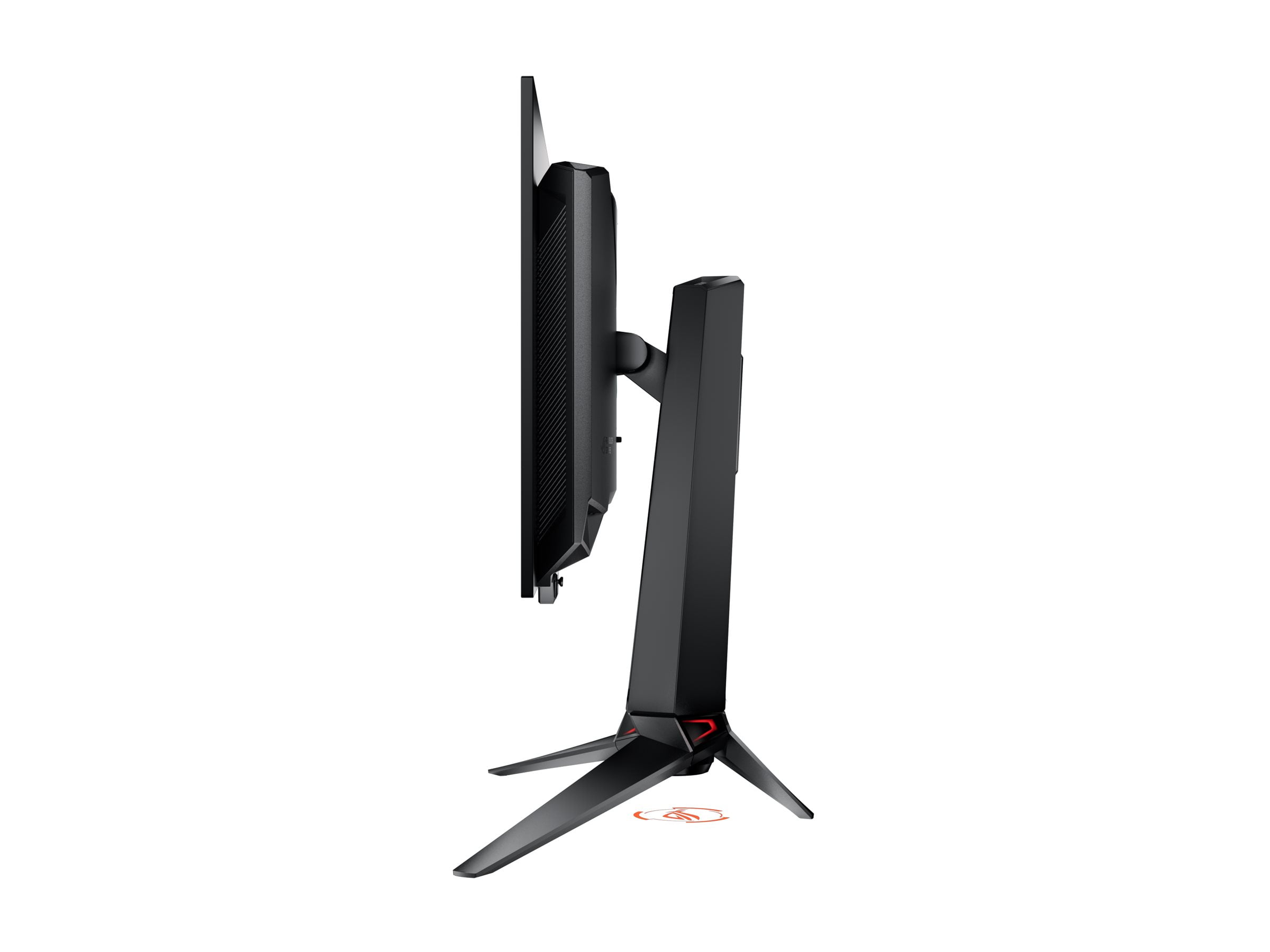
When shopping for a gaming monitor in 2025, you're facing one of the most exciting yet confusing times in display technology. The market has split dramatically between affordable monitors that deliver excellent gaming performance and premium displays incorporating cutting-edge panel technology that would have been science fiction just a few years ago. Today, we're comparing two monitors that perfectly represent this divide: the Alienware 27 QHD 180Hz Gaming Monitor and the ASUS ROG Swift OLED PG27UCDM.
These monitors couldn't be more different in their approach. The Alienware AW2725DM represents the sweet spot of gaming performance—delivering everything competitive gamers need without breaking the bank. Meanwhile, the ASUS ROG Swift OLED PG27UCDM pushes the absolute boundaries of what's possible in display technology, incorporating innovations that redefine what we expect from gaming monitors.
Before diving into specifics, let's establish what makes a gaming monitor special. Unlike regular monitors designed for office work, gaming displays prioritize responsiveness and smooth motion above all else. The three most critical specifications are refresh rate (how many times per second the image updates), response time (how quickly pixels change color), and input lag (the delay between your controller input and seeing the result on screen).
Refresh rate, measured in hertz (Hz), determines motion smoothness. Most standard monitors refresh 60 times per second, but gaming monitors typically range from 120Hz to 480Hz. Higher refresh rates create noticeably smoother motion, especially in fast-paced games where tracking moving objects is crucial. Response time, measured in milliseconds (ms), affects motion blur—faster response times mean clearer moving images without ghosting trails.
The panel technology itself dramatically impacts image quality. IPS (In-Plane Switching) panels offer vibrant colors and wide viewing angles but with limited contrast ratios. OLED (Organic Light Emitting Diode) panels can turn individual pixels completely off, creating perfect blacks and infinite contrast ratios, but historically suffered from burn-in concerns where static images could permanently damage the display.
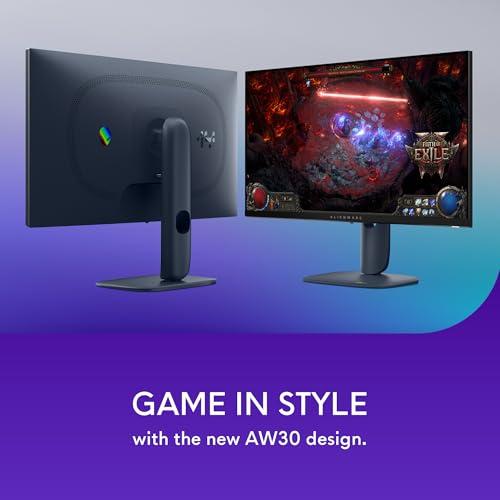
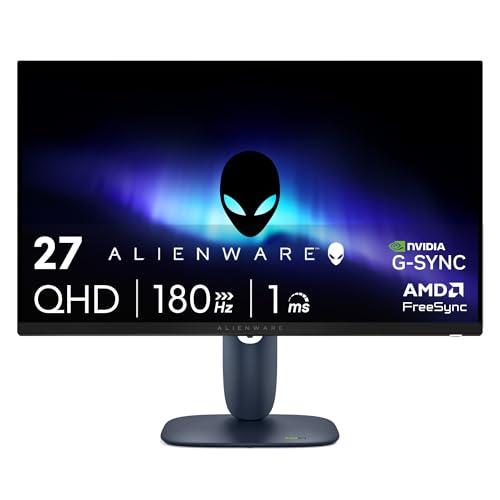
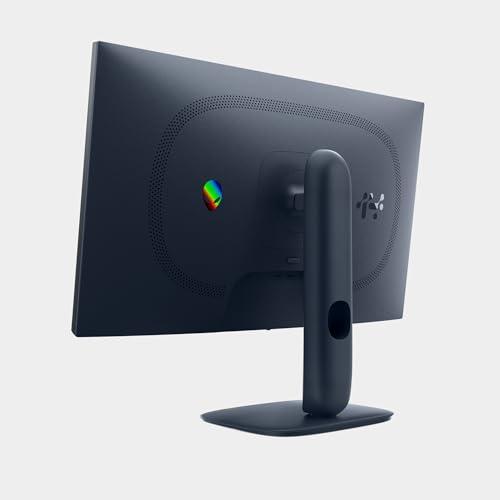
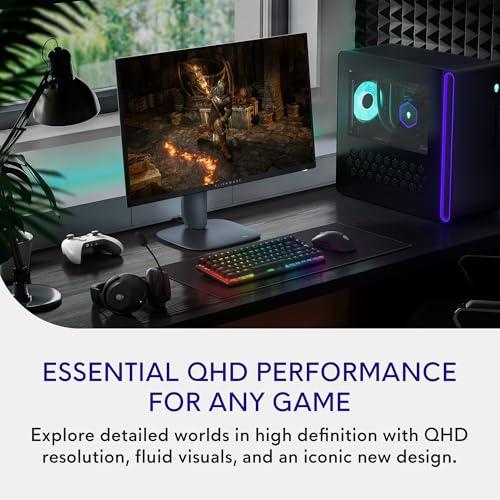
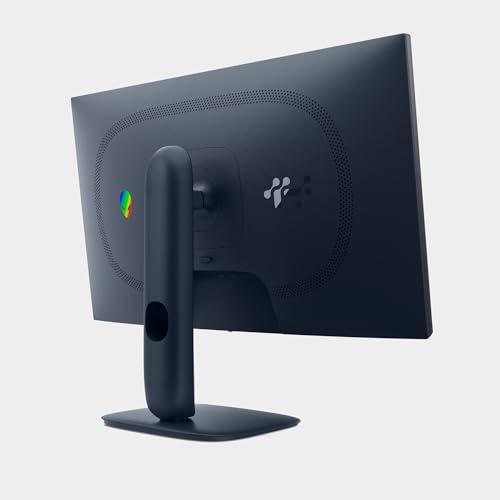
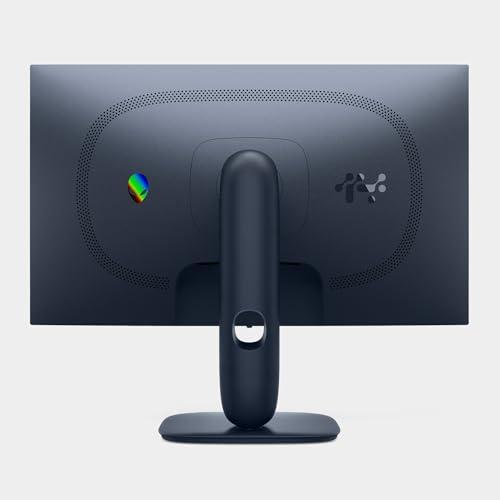
The Alienware AW2725DM, released in 2024, represents the culmination of mature IPS gaming monitor technology. At the time of writing, it's priced significantly lower than premium alternatives while delivering performance that satisfies most competitive gamers. It features a 27-inch Fast IPS panel with QHD resolution (2560×1440 pixels) and a 180Hz refresh rate.
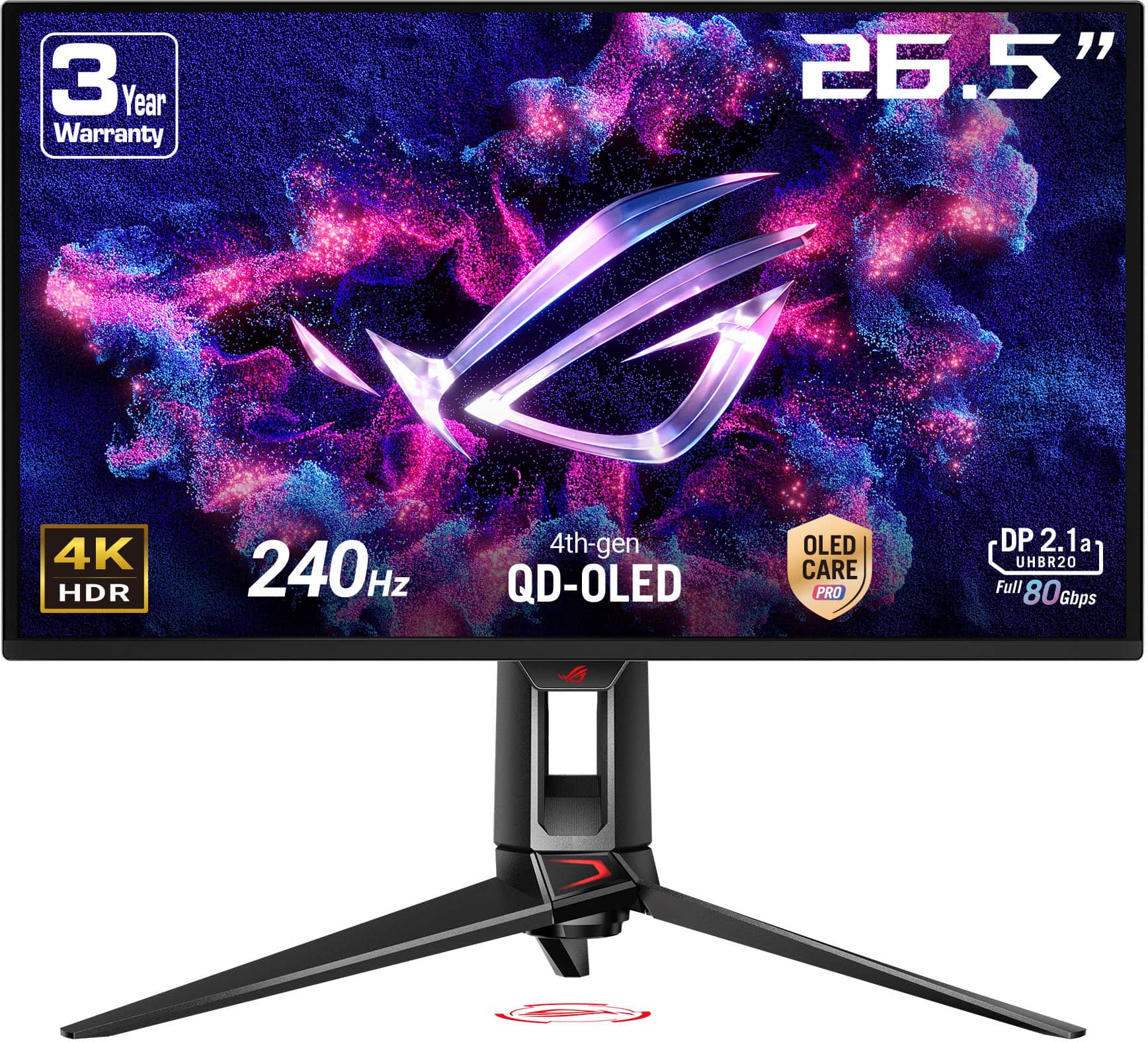
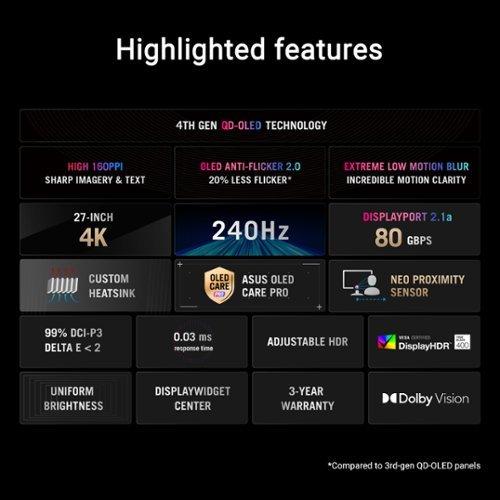
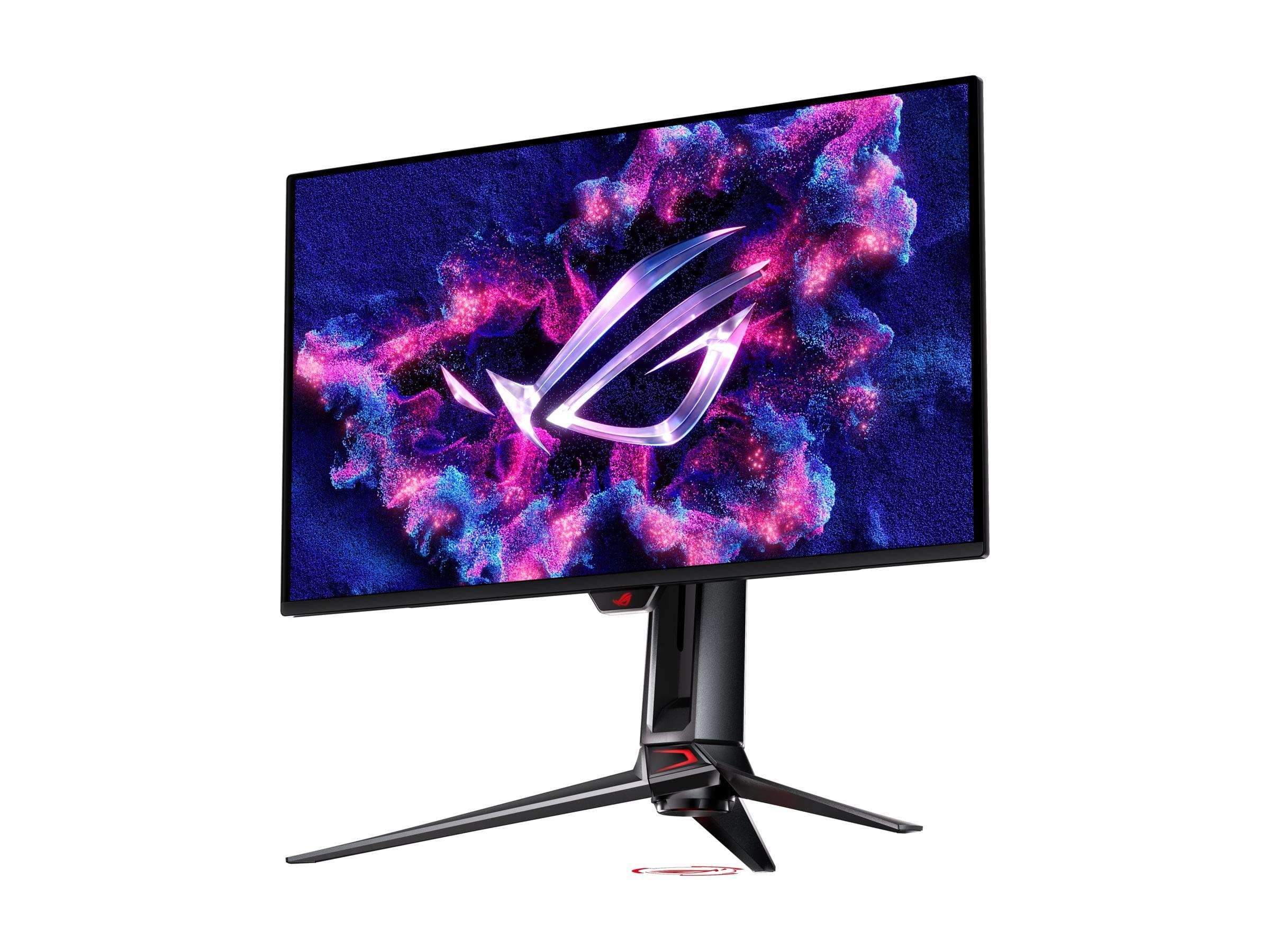
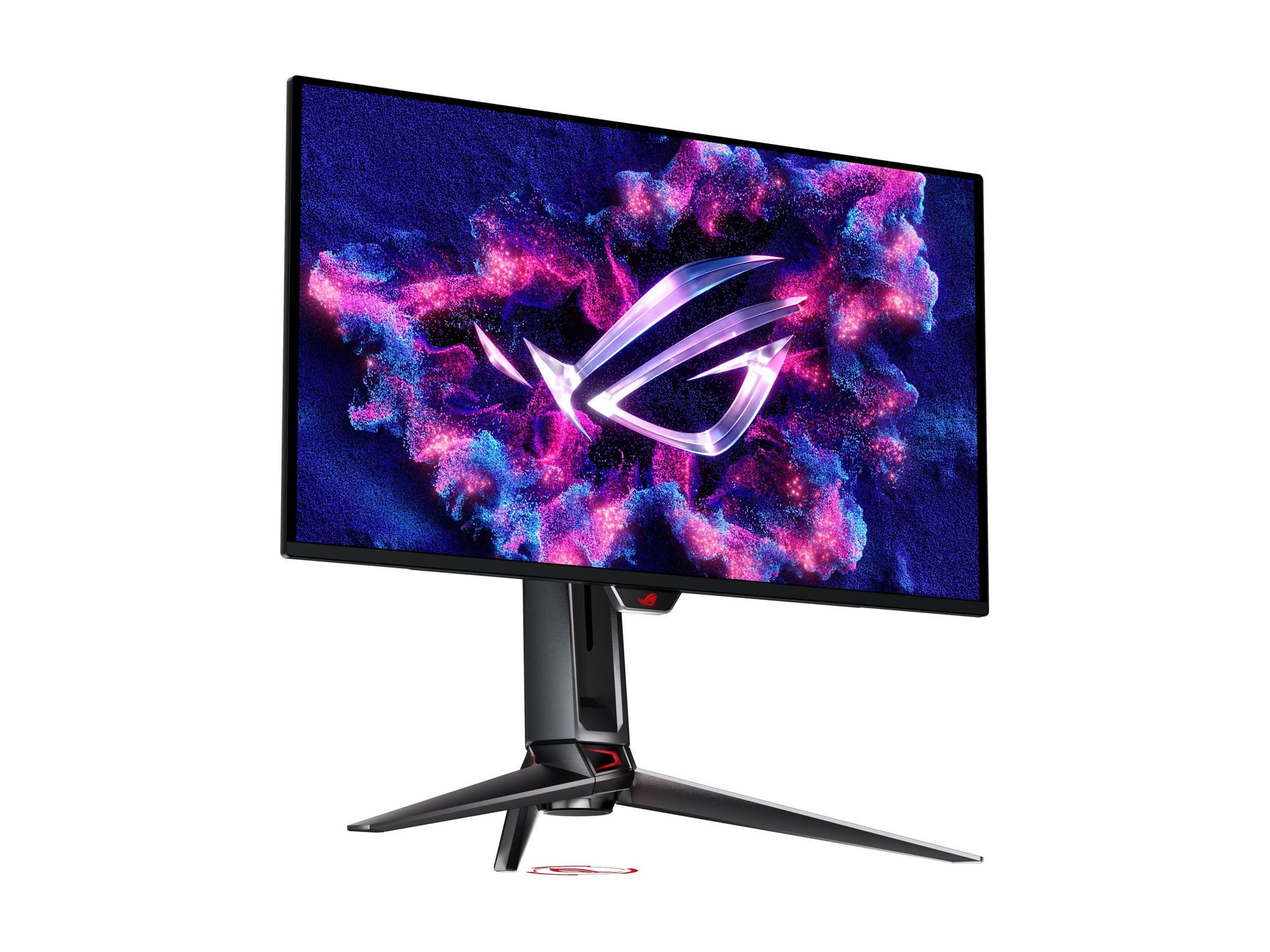
The ASUS ROG Swift OLED PG27UCDM, unveiled at CES 2025, showcases bleeding-edge display technology. It's the world's first 27-inch 4K OLED gaming monitor capable of 240Hz refresh rates, incorporating fourth-generation QD-OLED (Quantum Dot OLED) technology that addresses many traditional OLED limitations. At the time of writing, it commands premium pricing that places it among the most expensive gaming monitors available.
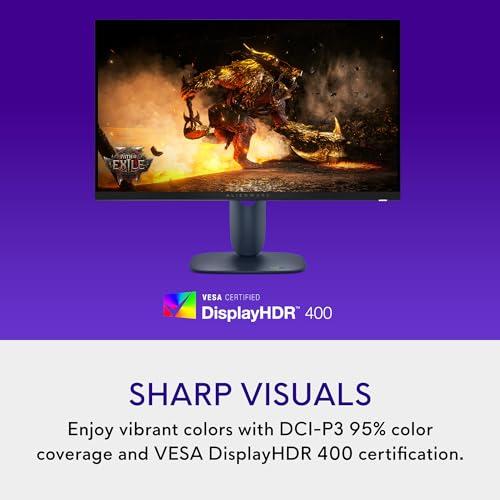
The visual difference between these monitors is immediately apparent. The Alienware monitor delivers excellent image quality for an IPS panel, with vibrant colors covering 95% of the DCI-P3 color gamut (a professional color standard that encompasses more vivid colors than traditional sRGB). Its 400 nits of brightness and VESA DisplayHDR 400 certification provide decent HDR (High Dynamic Range) performance, though nothing extraordinary.
However, the ASUS OLED monitor operates in a different league entirely. OLED technology's ability to completely turn off individual pixels creates true blacks that IPS panels simply cannot achieve. Where the Alienware's contrast ratio sits around 1000:1 (typical for IPS), the ASUS achieves an infinite contrast ratio. This translates to dramatically more realistic images, especially in dark scenes where shadows retain detail while bright highlights pop with intensity.
The resolution difference is equally significant. QHD resolution provides sharp imagery that's less demanding on graphics hardware, making it easier to achieve high frame rates. However, 4K resolution on a 27-inch display creates a pixel density of approximately 163 pixels per inch, compared to QHD's 109 PPI. This higher density means noticeably crisper text and finer detail in games, particularly beneficial for competitive titles where spotting distant enemies matters.
Color accuracy represents another major distinction. The ASUS monitor achieves factory-calibrated Delta E values below 2, meaning colors appear virtually identical to their intended appearance. This precision makes it suitable for content creation work beyond gaming. The Alienware delivers good color reproduction for gaming but lacks this professional-grade accuracy.
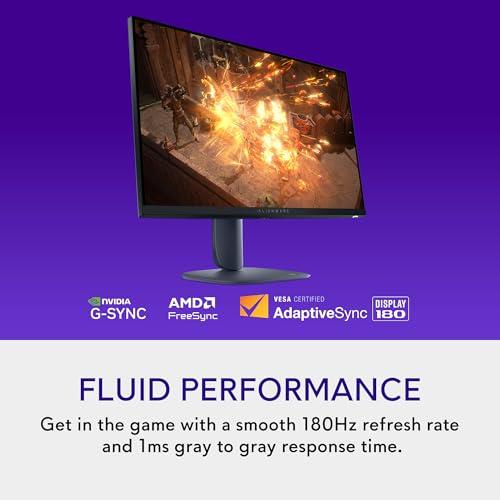
Both monitors excel in gaming performance, but with different strengths. The Alienware AW2725DM offers a 180Hz refresh rate that creates smooth motion in competitive games. Its 1ms response time (when using the fastest overdrive setting) minimizes motion blur, though this setting can introduce slight visual artifacts. More conservative settings provide cleaner images with 2-4ms response times.
The ASUS OLED monitor pushes performance to theoretical limits with its 240Hz refresh rate and extraordinary 0.03ms response time. This response time is over 30 times faster than the Alienware's fastest setting, creating motion clarity that's imperceptible to human vision. The combination enables tracking fast-moving objects with unprecedented precision.
However, raw specifications don't tell the complete story. OLED panels can exhibit VRR (Variable Refresh Rate) flicker when frame rates fluctuate, particularly noticeable in dark scenes. ASUS implemented OLED Anti-Flicker 2.0 technology to reduce this issue by 20% compared to previous generations, though it hasn't eliminated the problem entirely.
Both monitors support G-SYNC Compatible and AMD FreeSync technologies, which synchronize the monitor's refresh rate with your graphics card's output to eliminate screen tearing. The Alienware monitor supports VRR across a 48-180Hz range, while the ASUS display maintains synchronization across its full 1-240Hz range.
HDR performance highlights the fundamental differences between these technologies. The Alienware monitor meets VESA DisplayHDR 400 standards, providing brighter highlights than standard monitors but lacking the contrast range for truly impressive HDR experiences. IPS technology's limited contrast ratio means dark scenes appear grayish rather than truly black.
The ASUS OLED monitor earns VESA DisplayHDR 400 True Black certification, a more stringent standard requiring perfect blacks alongside bright highlights. More impressively, it supports Dolby Vision, an advanced HDR format that dynamically adjusts brightness and color on a scene-by-scene basis. When watching HDR content or playing compatible games, the difference is striking—shadows retain detail while explosions and bright lights create genuine visual impact.
For home theater use, the ASUS monitor functions excellently as a premium display for streaming HDR content, though its smaller 27-inch size limits its appeal compared to larger TV alternatives. The perfect blacks and Dolby Vision support create a cinematic experience that rivals dedicated home theater displays, albeit at a smaller scale.
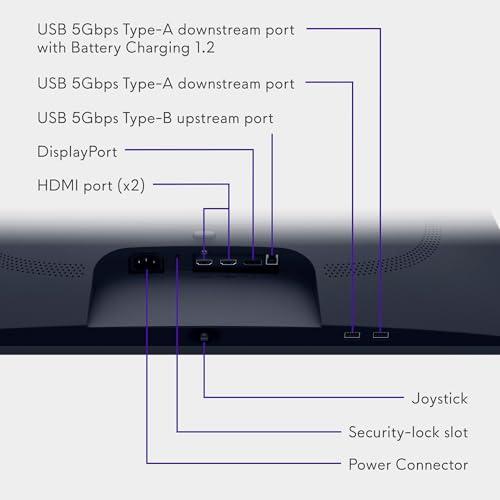
Connectivity reveals another significant difference. The Alienware monitor includes two HDMI 2.1 ports and one DisplayPort 1.4 connection, adequate for current gaming hardware. It supports QHD gaming at 144Hz over HDMI and full 180Hz performance via DisplayPort.
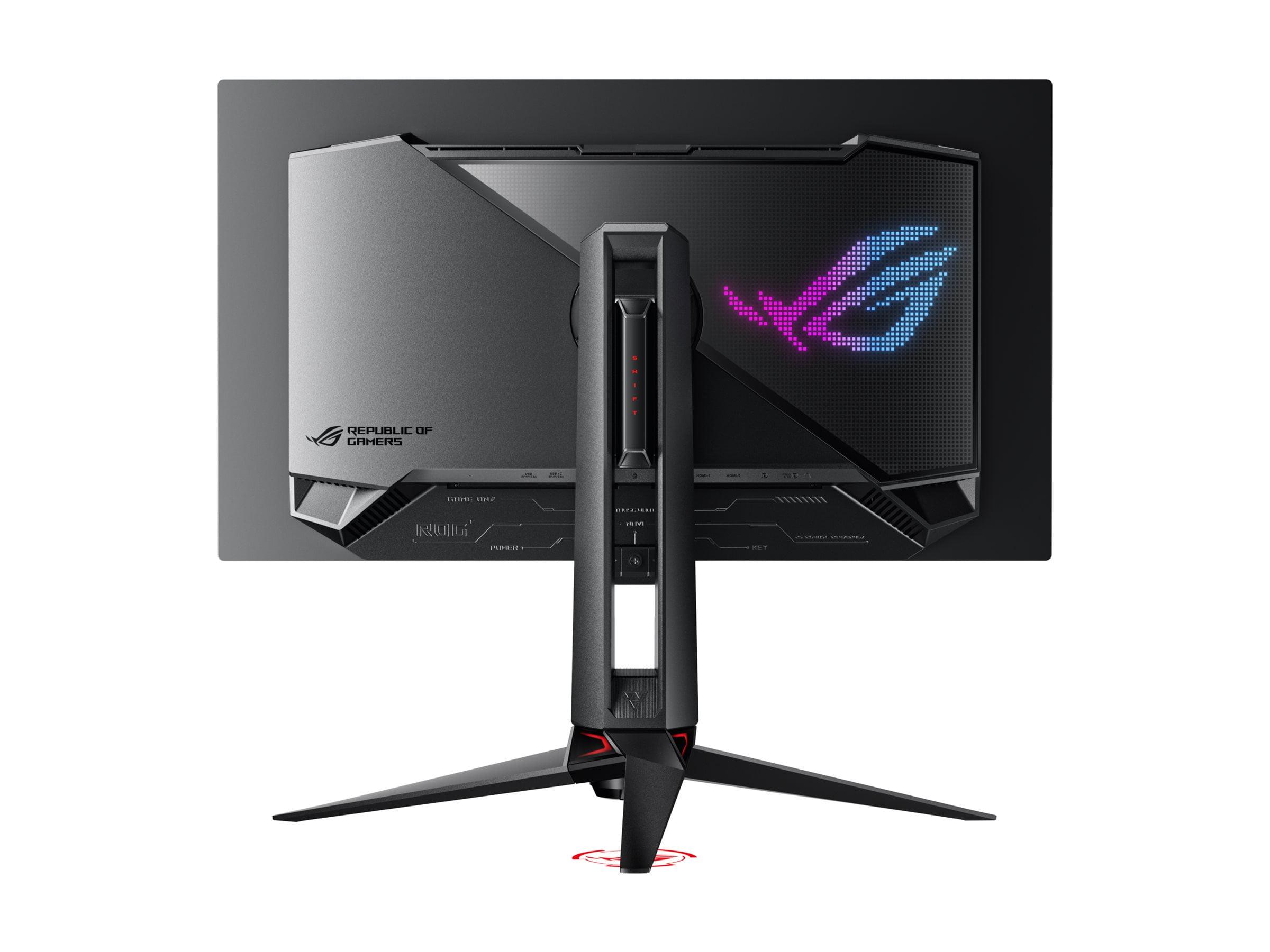
The ASUS monitor incorporates DisplayPort 2.1a with full 80Gbps bandwidth, enabling uncompressed 4K 240Hz signals that current DisplayPort 1.4 connections cannot achieve. This future-proofs the monitor for next-generation graphics cards expected to fully utilize this bandwidth. Additionally, it includes USB-C connectivity with 90W Power Delivery, allowing single-cable connections to laptops while providing charging capability.
The ASUS monitor incorporates several innovative features addressing OLED limitations. The Neo Proximity Sensor automatically detects when users step away from the monitor, switching to a black screen to reduce burn-in risk. While this sounds helpful, our research indicates the sensor can be overly sensitive, occasionally triggering during intense gaming sessions when players remain perfectly still.
ASUS's OLED Care Pro suite includes additional protective measures like automatic pixel cleaning cycles and screen movement features that slightly shift static interface elements to prevent burn-in. These represent genuine technological advances, though they also highlight OLED's ongoing concerns about long-term durability.
Both monitors include comprehensive gaming features through their respective software suites. The Alienware monitor provides standard gaming enhancements like crosshair overlays and frame rate counters. The ASUS display includes these plus more advanced features like KVM (Keyboard, Video, Mouse) switching for multi-device setups and extensive color calibration tools.
For competitive esports titles like Counter-Strike or Valorant, both monitors excel but with different advantages. The Alienware monitor's 180Hz refresh rate provides smooth tracking for fast movements, while its lower QHD resolution enables higher frame rates on mid-range graphics cards. Competitive players often prefer higher frame rates over visual fidelity, making this monitor's performance characteristics well-suited to their needs.
The ASUS OLED monitor's 240Hz refresh rate and 0.03ms response time represent the ultimate in competitive performance, though achieving 240fps at 4K resolution requires flagship graphics hardware. The perfect blacks also provide tactical advantages in darker game areas where enemies might hide in shadows.
For single-player games emphasizing visual storytelling, the roles reverse. The ASUS monitor's OLED technology creates dramatic contrast that enhances atmospheric games like horror titles or cinematic adventures. The 4K resolution reveals fine details in game environments that QHD resolution cannot match.
At the time of writing, these monitors serve distinctly different market segments. The Alienware AW2725DM represents exceptional value for performance-focused gaming, delivering 90% of competitive gaming benefits at a fraction of premium monitor costs. It's ideal for gamers prioritizing frame rates over absolute visual quality, or those building complete gaming systems where monitor costs must remain reasonable.
The ASUS ROG Swift OLED PG27UCDM commands premium pricing that, at the time of writing, approaches the cost of entire mid-range gaming systems. This pricing reflects its cutting-edge technology and positions it as an aspirational purchase for enthusiasts who demand the absolute best display technology available.
Choose the Alienware AW2725DM if you're building a competitive gaming setup on a reasonable budget. Its 180Hz performance satisfies the vast majority of gamers while leaving budget for other system components. It's particularly appealing for esports enthusiasts using mid-range graphics cards (RTX 4060/RX 7600 class) where QHD resolution enables consistently high frame rates.
The ASUS ROG Swift OLED PG27UCDM makes sense for enthusiasts with high-end graphics hardware (RTX 4080/RX 7900 XTX or better) who can fully utilize its 4K 240Hz capabilities. It's also compelling for content creators needing color accuracy, or gamers who equally value cinematic single-player experiences and competitive multiplayer gaming.
Consider the ASUS monitor if you frequently consume HDR content, as its Dolby Vision support and perfect blacks create a home theater experience that justifies the premium for multimedia enthusiasts. However, remember that OLED technology still carries burn-in risks with extended static content display, though modern protective features significantly reduce these concerns.
These monitors represent two valid but very different approaches to gaming displays. The Alienware AW2725DM proves that exceptional gaming performance doesn't require premium pricing, delivering smooth, responsive gameplay that satisfies most users' needs. The ASUS ROG Swift OLED PG27UCDM showcases what's possible when cost isn't the primary constraint, creating a display experience that redefines expectations for gaming monitors.
Your choice ultimately depends on priorities and budget. If you want great gaming performance without sacrificing funds for other components, the Alienware delivers outstanding value. If you demand the absolute best display technology and have premium hardware to match, the ASUS OLED monitor provides an experience that's genuinely difficult to fault—once you've seen OLED gaming, returning to traditional LCD technology feels like a significant compromise.
Both monitors represent their respective philosophies extremely well, making either choice defensible depending on your specific needs and budget constraints.
| Alienware 27 QHD 180Hz Gaming Monitor | ASUS ROG Swift OLED PG27UCDM |
|---|---|
| Panel Technology - Determines contrast, colors, and longevity | |
| Fast IPS (reliable, no burn-in risk) | 4th-gen QD-OLED (perfect blacks, burn-in possible) |
| Resolution - Balances visual clarity with performance demands | |
| QHD 2560×1440 (easier to drive, lower GPU requirements) | 4K 3840×2160 (sharper text/details, needs high-end GPU) |
| Refresh Rate - Higher numbers mean smoother motion | |
| 180Hz (excellent for competitive gaming) | 240Hz (ultimate smoothness, diminishing returns above 180Hz) |
| Response Time - Lower is better for motion clarity | |
| 1ms GTG (very fast, slight overdrive artifacts possible) | 0.03ms GTG (imperceptibly fast, perfect motion clarity) |
| Contrast Ratio - Affects image depth and realism | |
| 1000:1 (typical IPS limitation) | Infinite (true blacks, dramatic visual improvement) |
| HDR Support - Enhanced brightness and color range | |
| VESA DisplayHDR 400 (basic HDR) | DisplayHDR 400 True Black + Dolby Vision (excellent HDR) |
| Color Accuracy - Important for content creation and visual fidelity | |
| Standard gaming colors (good for gaming) | Delta E < 2, 99% DCI-P3 (professional-grade accuracy) |
| Connectivity - Future-proofing and device compatibility | |
| DisplayPort 1.4, 2× HDMI 2.1 (adequate for current hardware) | DisplayPort 2.1a, USB-C 90W PD, KVM switch (future-ready) |
| Unique Features - Technology differentiators | |
| Standard gaming OSD, adjustable stand | Neo Proximity Sensor, OLED Care Pro, Anti-Flicker 2.0 |
| Target Price Range - Value proposition at time of writing | |
| Budget-friendly (exceptional performance per dollar) | Premium pricing (cutting-edge technology commands high cost) |
| Best For - Ideal user scenarios | |
| Competitive gaming, budget builds, reliable daily use | Enthusiasts, content creators, cinematic gaming, future-proofing |
The Alienware 27 QHD 180Hz Gaming Monitor offers excellent competitive gaming performance with its 180Hz refresh rate and 1ms response time at a budget-friendly price point. However, the ASUS ROG Swift OLED PG27UCDM provides superior competitive performance with 240Hz refresh rate and 0.03ms response time. For most competitive gamers, the Alienware monitor delivers 90% of the benefits at a fraction of the cost, making it the better value choice.
The primary difference is panel technology and resolution. The Alienware 27 QHD 180Hz Gaming Monitor uses Fast IPS technology with QHD (1440p) resolution, focusing on reliable gaming performance at an affordable price. The ASUS ROG Swift OLED PG27UCDM features cutting-edge QD-OLED technology with 4K resolution, delivering perfect blacks and infinite contrast but at premium pricing.
The ASUS ROG Swift OLED PG27UCDM has dramatically better picture quality due to its OLED panel technology. It offers perfect blacks, infinite contrast ratio, and 99% DCI-P3 color coverage with professional-grade accuracy. The Alienware monitor provides good IPS picture quality with vibrant colors, but cannot match OLED's contrast and color performance.
The Alienware 27 QHD 180Hz Gaming Monitor works well with mid-range graphics cards like RTX 4060 or RX 7600, as QHD resolution is easier to drive at high frame rates. The ASUS ROG Swift OLED PG27UCDM requires high-end graphics hardware like RTX 4080 or better to fully utilize its 4K 240Hz capabilities.
The Alienware 27 QHD 180Hz Gaming Monitor offers exceptional value, delivering excellent gaming performance at a budget-friendly price point. The ASUS ROG Swift OLED PG27UCDM provides cutting-edge technology but commands premium pricing that may not justify the cost for most users seeking gaming performance.
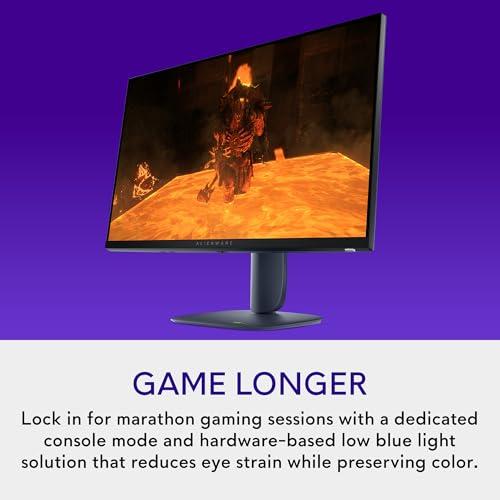
The Alienware 27 QHD 180Hz Gaming Monitor uses IPS technology with no burn-in risk, making it worry-free for extended gaming sessions. The ASUS ROG Swift OLED PG27UCDM uses OLED technology which can experience burn-in with prolonged static images, though ASUS includes OLED Care Pro features to minimize this risk.
The ASUS ROG Swift OLED PG27UCDM excels for content creation with factory-calibrated color accuracy (Delta E < 2), 99% DCI-P3 coverage, and 4K resolution for detailed work. The Alienware monitor provides adequate colors for gaming but lacks the professional-grade accuracy needed for serious content creation.
The ASUS ROG Swift OLED PG27UCDM delivers excellent HDR with VESA DisplayHDR 400 True Black certification and Dolby Vision support, creating dramatic contrast with perfect blacks. The Alienware 27 QHD 180Hz Gaming Monitor offers basic HDR400 support but cannot achieve the contrast range needed for impressive HDR experiences due to IPS panel limitations.
The ASUS ROG Swift OLED PG27UCDM offers superior connectivity with DisplayPort 2.1a, USB-C with 90W Power Delivery, KVM switch, and comprehensive USB hub functionality. The Alienware monitor provides adequate connectivity with DisplayPort 1.4 and HDMI 2.1 ports suitable for current gaming hardware.
The ASUS ROG Swift OLED PG27UCDM achieves an extraordinary 0.03ms response time, virtually eliminating motion blur entirely. The Alienware 27 QHD 180Hz Gaming Monitor offers 1ms response time in its fastest mode, which is still excellent for gaming but not quite as imperceptible as the OLED panel.
The ASUS ROG Swift OLED PG27UCDM provides a superior single-player gaming experience with perfect blacks that enhance atmospheric games, 4K resolution for detailed environments, and excellent HDR performance. The Alienware monitor delivers good visuals for single-player games but cannot match the cinematic impact of OLED technology.
Choose the Alienware 27 QHD 180Hz Gaming Monitor if you want excellent gaming performance without premium pricing, especially for competitive gaming or when building a complete system on budget. Select the ASUS ROG Swift OLED PG27UCDM if you have high-end hardware, demand cutting-edge display technology, and can justify the premium cost for the best possible visual experience.
We've done our best to create useful and informative comparisons to help you decide what product to buy. Our research uses advanced automated methods to create this comparison and perfection is not possible - please contact us for corrections or questions. These are the sites we've researched in the creation of this article: bestbuy.com - bestbuy.com - youtube.com - dell.com - tweaktown.com - dell.com - rtings.com - manuals.plus - tomshardware.com - displayspecifications.com - youtube.com - youtube.com - displayspecifications.com - dell.com - dellstore.com - ebay.com - tomshardware.com - thepcenthusiast.com - rtings.com - youtube.com - rtings.com - rog.asus.com - tweaktown.com - youtube.com - youtube.com - versus.com - rog.asus.com - rog.asus.com - newegg.com - rog.asus.com - cdw.com - pcmonitors.info - displayspecifications.com - rog.asus.com - bhphotovideo.com - techpowerup.com - shi.com - bhphotovideo.com

Privacy Policy
Terms and Conditions - Affiliate Policy
Home Security
© Copyright 2008-2026.
11816 Inwood Rd #1211, Dallas, TX 75244