

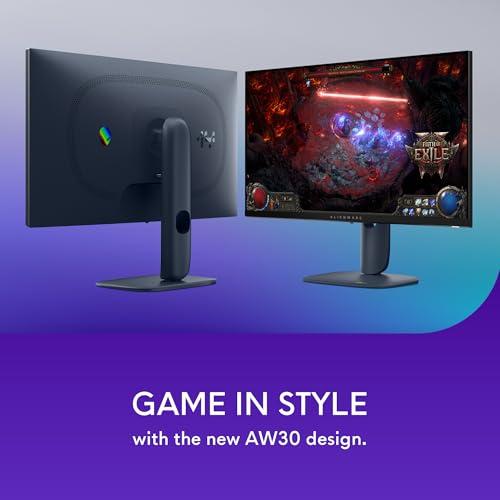
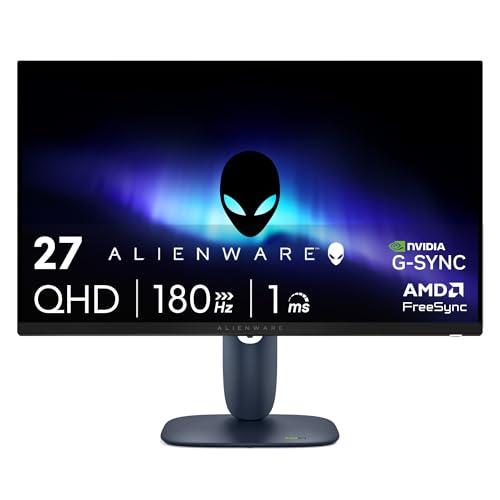
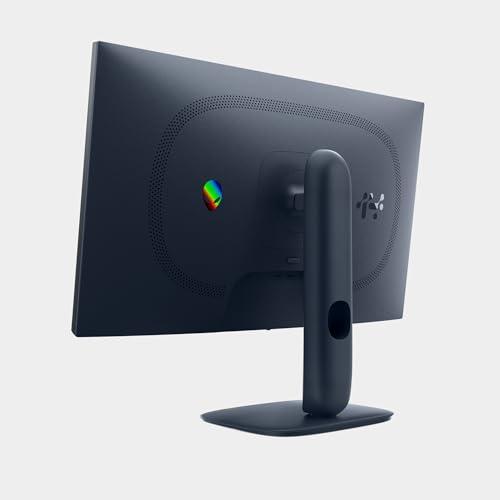
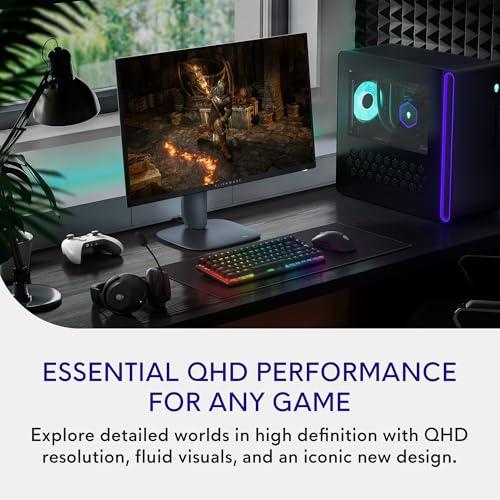
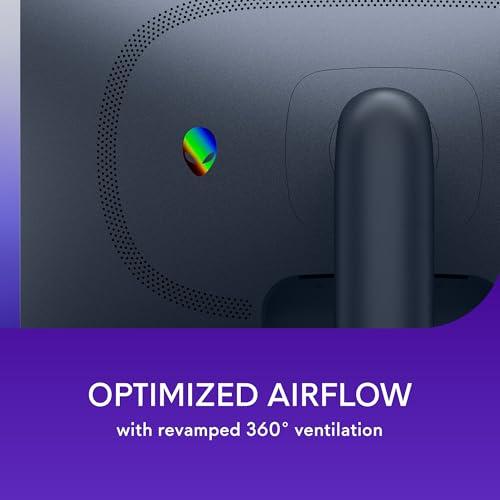
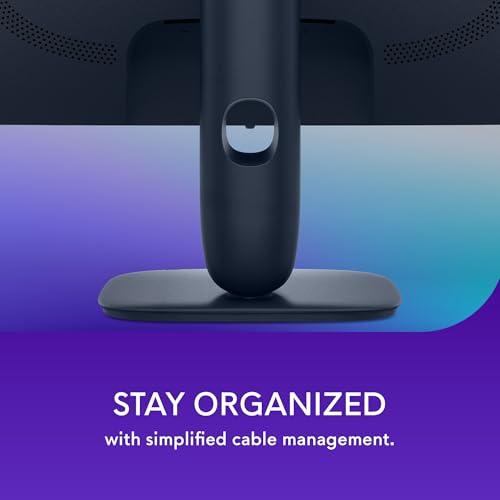
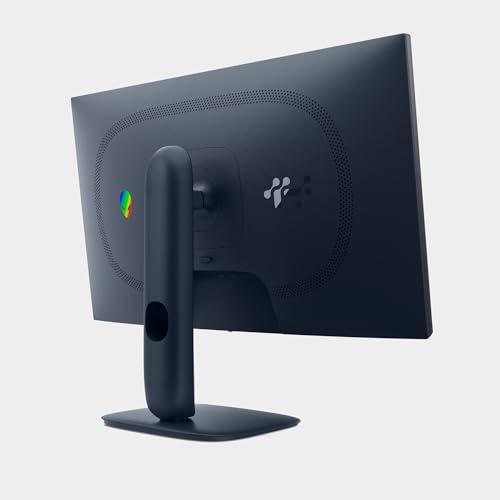
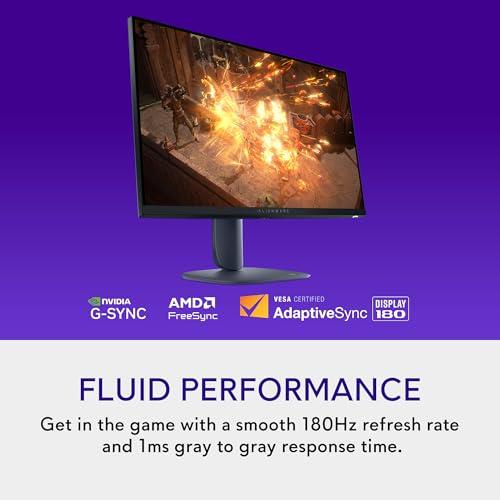
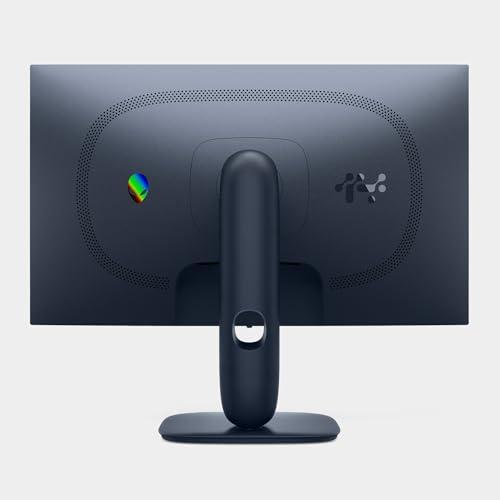
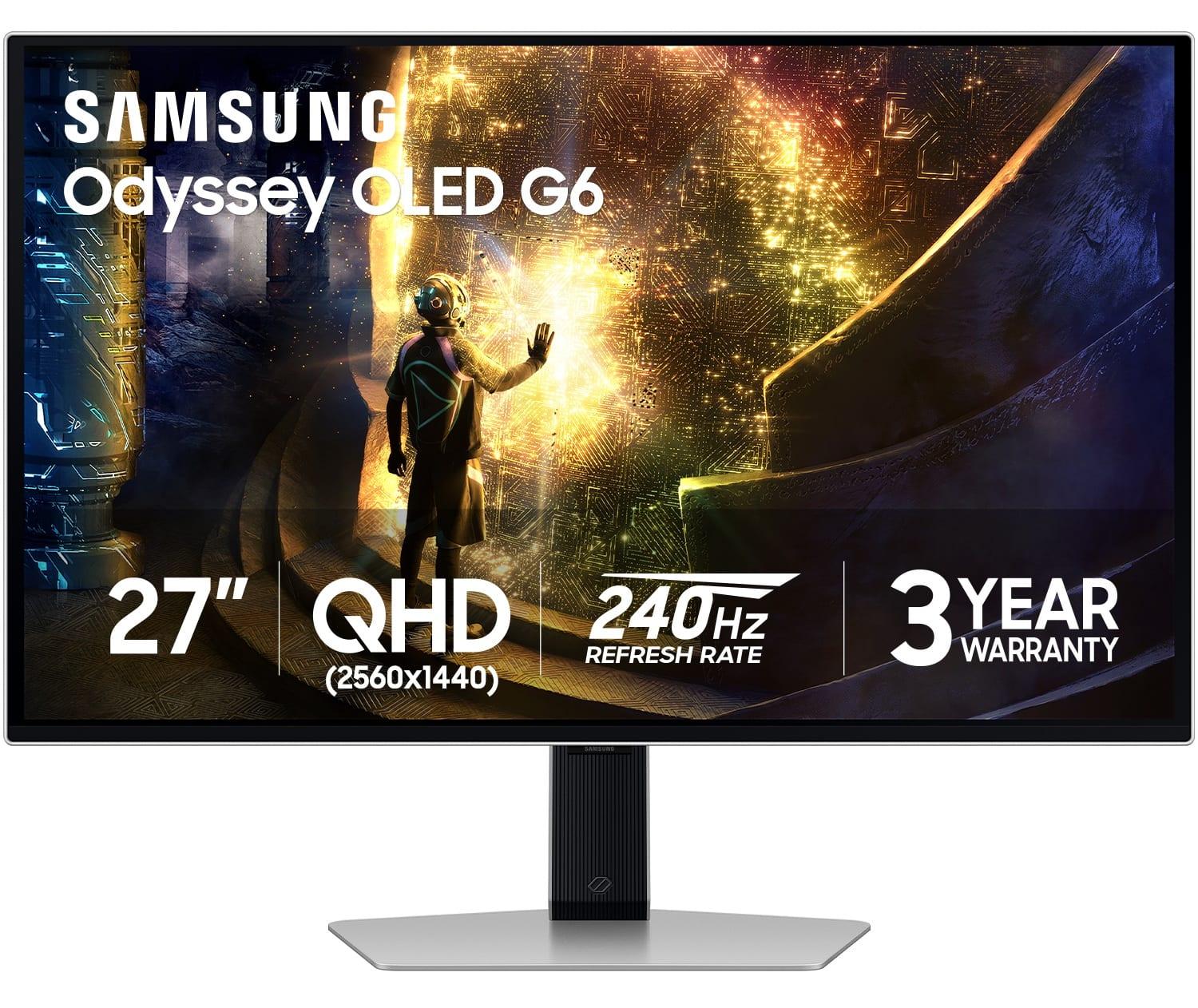
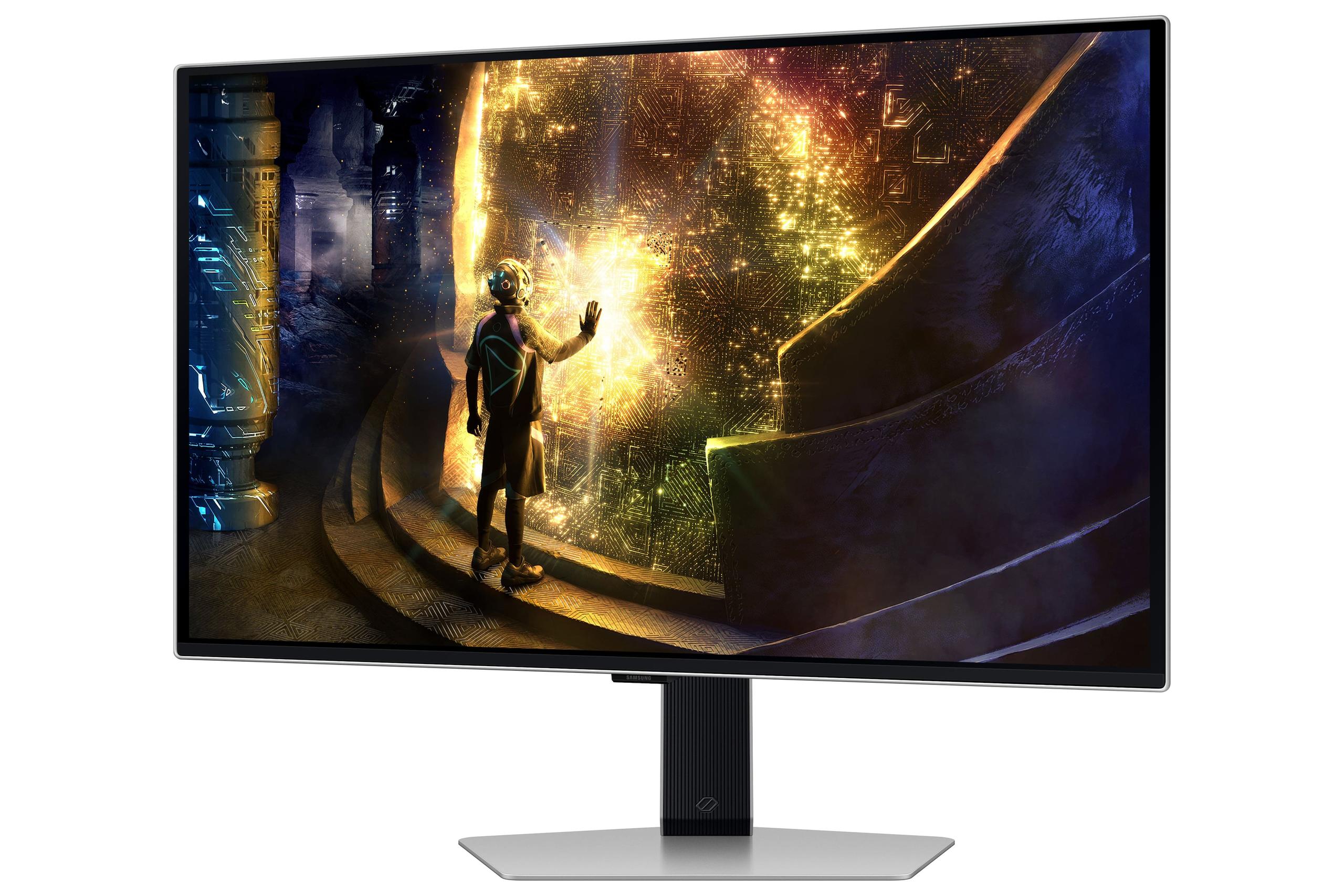
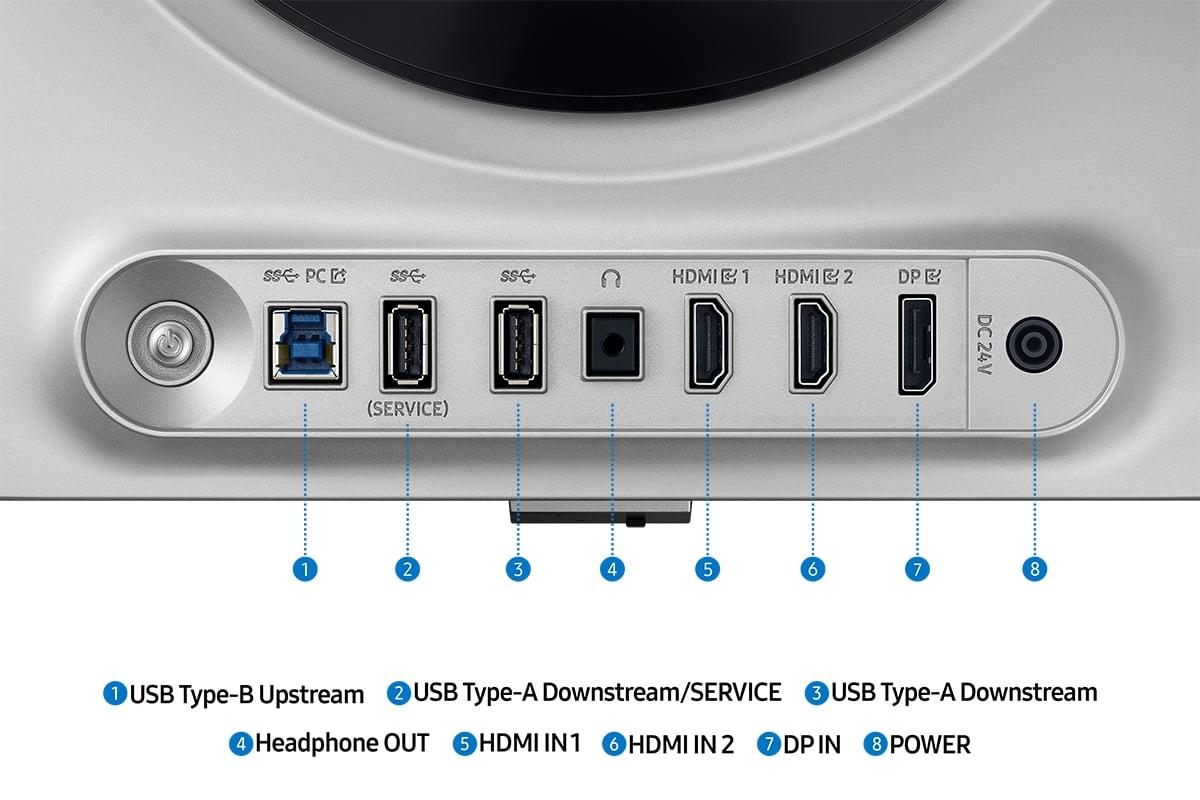
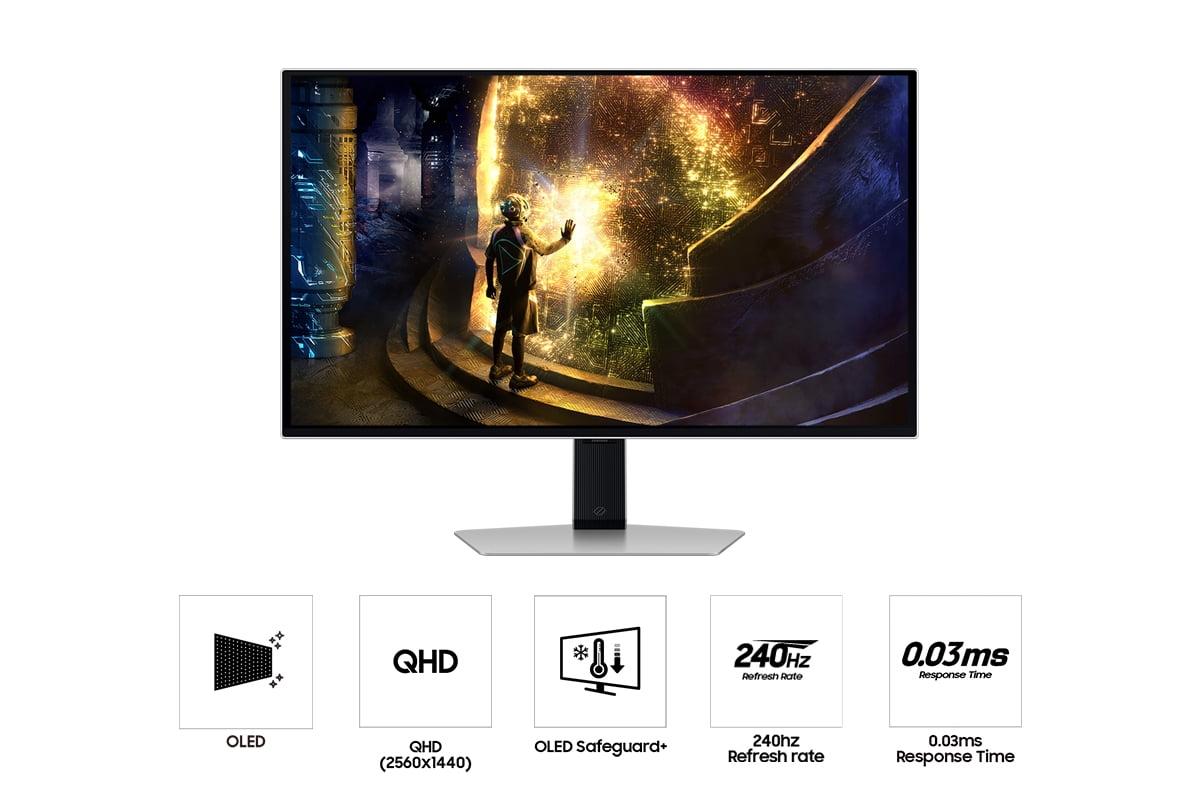
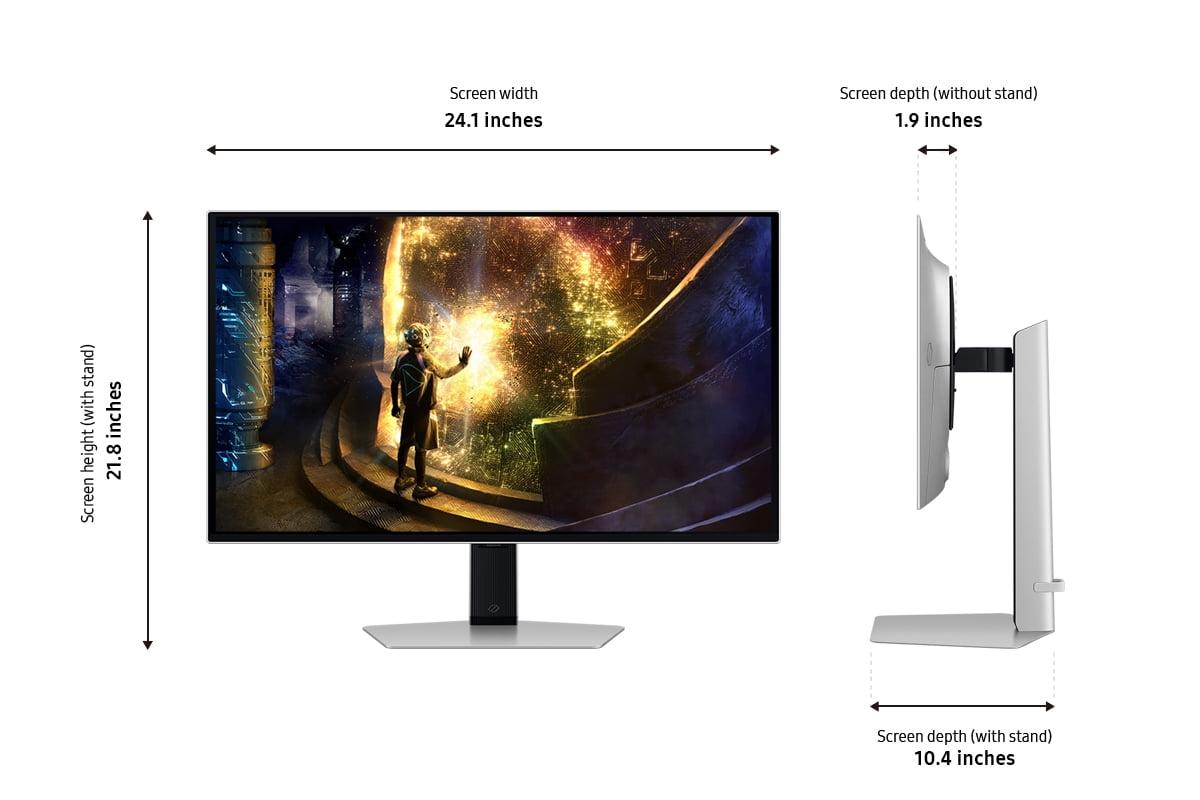


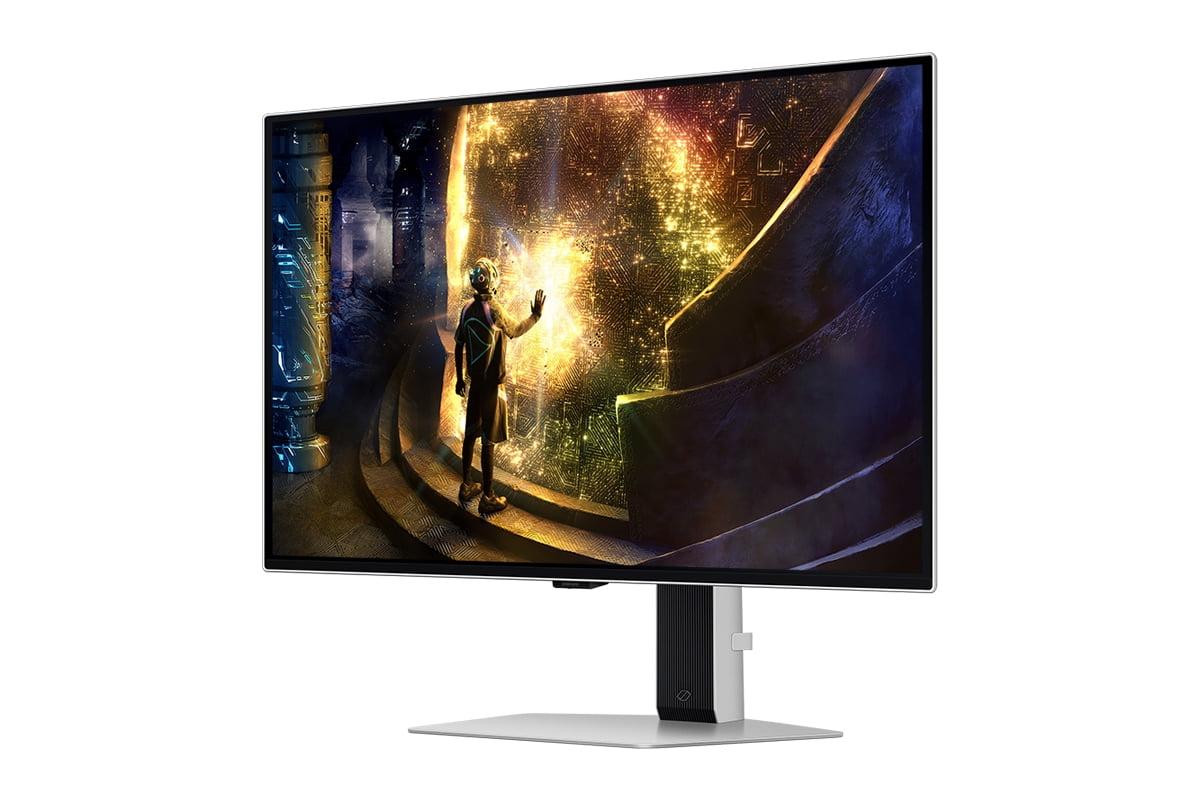
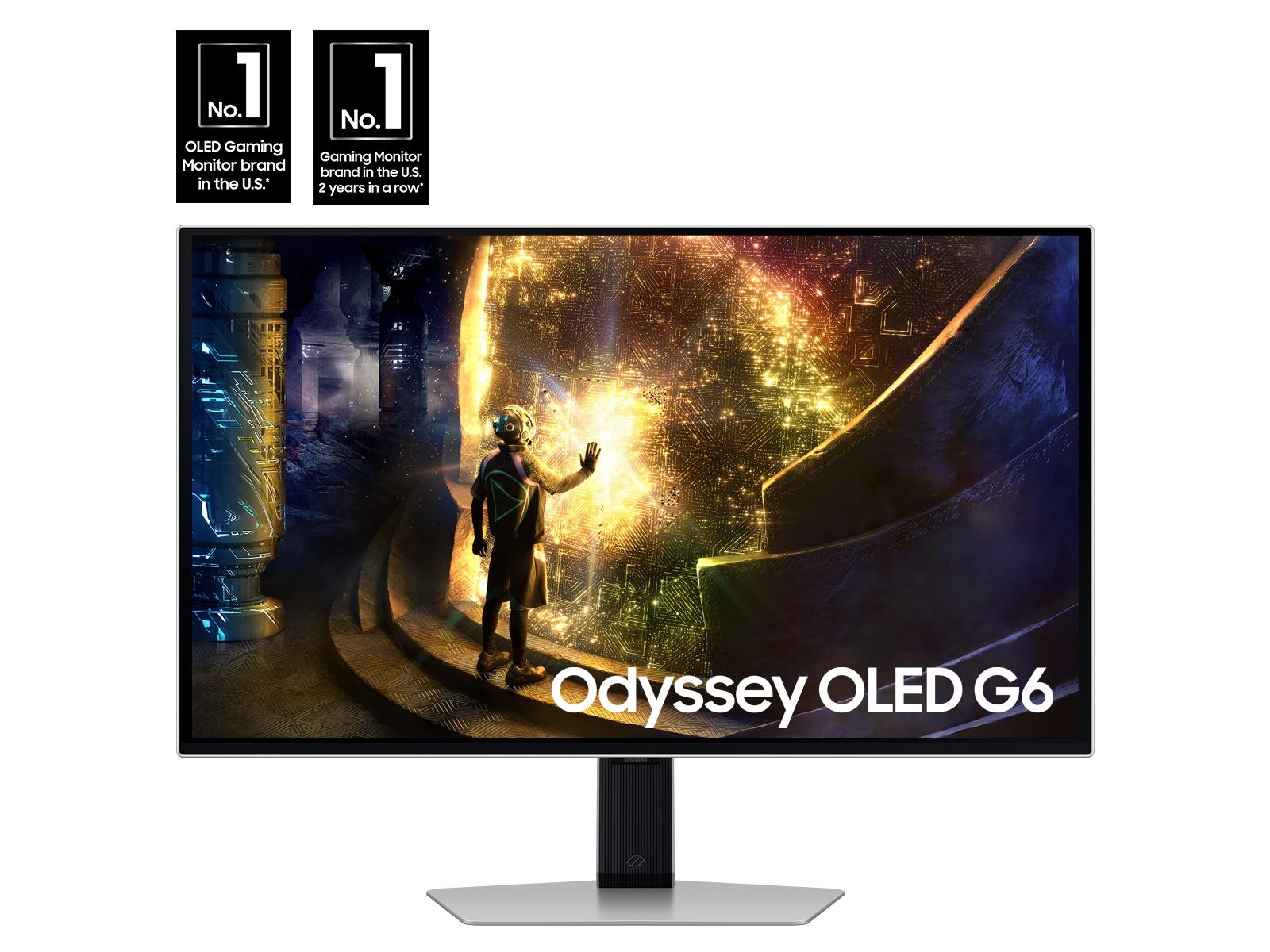
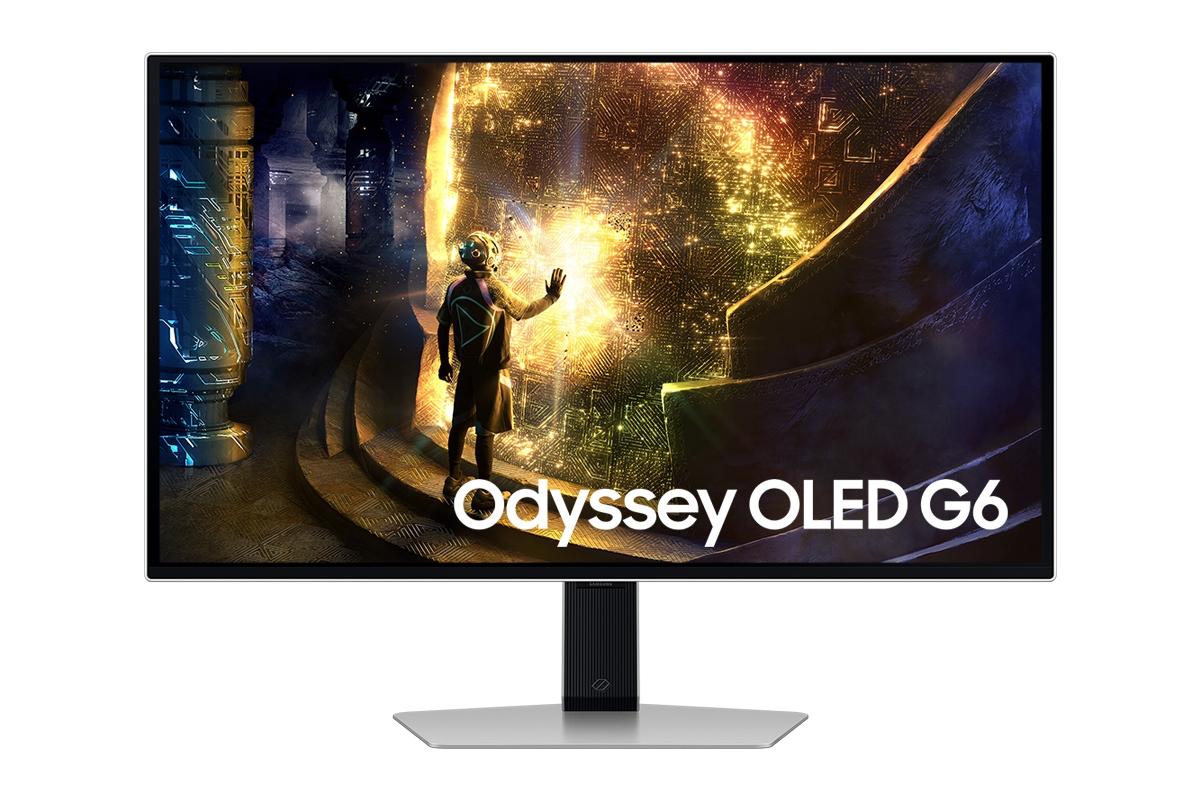
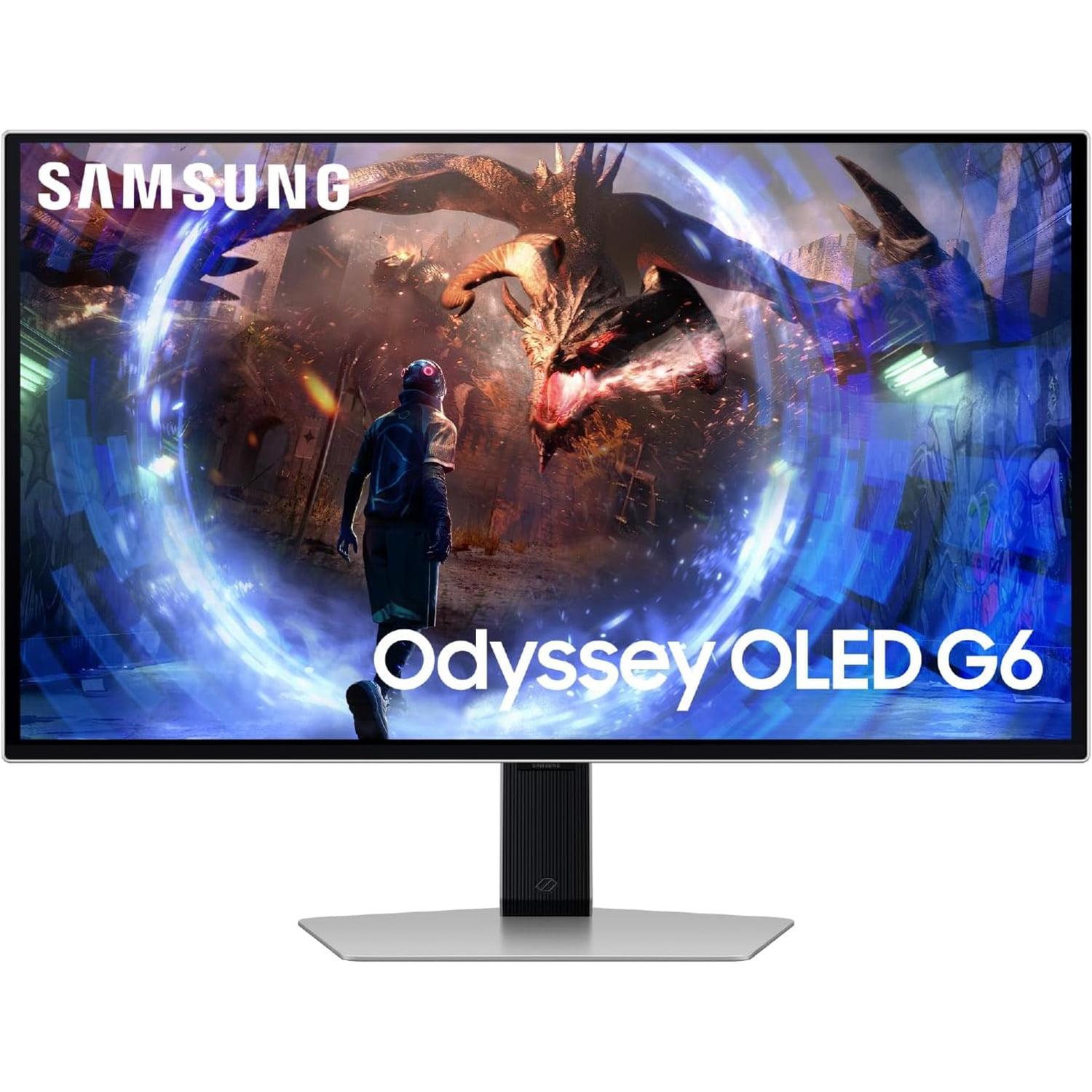
When you're shopping for a gaming monitor in 2024, you're looking at one of the most exciting times in display technology. Two monitors that perfectly represent this evolution are the Alienware 27 QHD 180Hz Gaming Monitor and the Samsung 27" Odyssey OLED G6 QHD 360Hz Gaming Monitor. These displays showcase fundamentally different approaches to gaming performance, and understanding their differences will help you make the right choice for your setup.
The gaming monitor market has transformed dramatically since these products launched. The Alienware AW2725DM arrived in 2023 as part of the mainstream high-refresh gaming monitor wave, while the Samsung Odyssey OLED G6 launched in 2024, representing the cutting edge of OLED gaming technology. At the time of writing, they sit in distinctly different price categories—the Alienware positions itself as an excellent value option, while the Samsung commands a significant premium for its advanced technology.
Before diving into these specific monitors, let's establish what matters most in gaming displays. The primary considerations that directly impact your gaming experience include refresh rate (how many times per second the screen updates), response time (how quickly pixels can change color), panel technology (the underlying display method), and adaptive sync capabilities (technology that prevents screen tearing).
Modern gaming monitors have moved far beyond the basic 60Hz displays of the past. Today's high-performance gaming requires displays that can keep up with fast graphics cards and deliver smooth, responsive gameplay. The difference between a mediocre gaming monitor and an excellent one often comes down to these technical specifications working together harmoniously.
Panel technology forms the foundation of any monitor's performance. Traditional LCD panels use a backlight behind the entire screen, while newer OLED panels light up individual pixels. This fundamental difference creates cascading effects on contrast, brightness, response times, and overall image quality.
The most significant difference between the Alienware monitor and the Samsung OLED display lies in their underlying panel technology. The Alienware uses a Fast IPS (In-Plane Switching) LCD panel with LED backlighting—a mature, proven technology that balances performance with reliability. IPS panels excel at color accuracy and maintain consistent image quality when viewed from different angles, making them excellent all-around performers.
The Samsung Odyssey OLED G6 employs quantum dot OLED (QD-OLED) technology, which represents a significant leap forward in display capabilities. Instead of using a backlight, each pixel generates its own light. This allows for perfect blacks (pixels can turn completely off) and creates an infinite contrast ratio. When you see a starfield in a space game on an OLED display, the black space truly appears black, not the grayish-black you get from LCD backlighting.
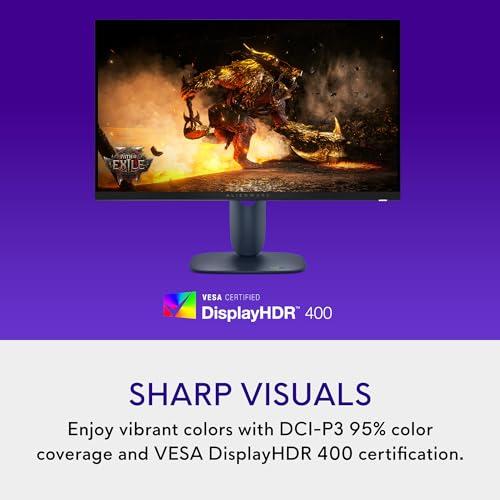
This technological difference becomes immediately apparent in real-world usage. The Alienware's IPS panel delivers consistent, bright images with excellent color reproduction covering 95% of the DCI-P3 color space (a professional standard for digital cinema). Its 400-nit brightness capability makes it suitable for various lighting conditions, including bright rooms with windows.
The Samsung's OLED panel, while limited to 250 nits of sustained brightness, produces colors that appear more vibrant and lifelike due to its perfect black levels. The contrast between bright and dark elements in games becomes dramatically more pronounced. In atmospheric games like horror titles or space simulators, this difference is transformative.
Refresh rate and response time work together to determine how smooth and responsive your gaming experience feels. The Alienware display operates at 180Hz, meaning it can display up to 180 unique frames per second. This represents a substantial improvement over standard 60Hz monitors and provides noticeably smoother motion in fast-paced games.
The Samsung OLED monitor doubles this performance with its 360Hz refresh rate. For competitive gamers, this difference is significant. In esports titles like Valorant, Counter-Strike 2, or Apex Legends, the additional frames can provide a competitive advantage by reducing motion blur and delivering more up-to-date visual information.
Response time measures how quickly pixels can change from one color to another, typically measured in milliseconds (ms) from gray-to-gray (GTG). The Alienware offers response times ranging from 1ms to 4ms depending on the overdrive setting you choose. Overdrive technology pushes pixels to change faster, but aggressive settings can introduce ghosting artifacts—visual trails behind moving objects.
The Samsung's 0.03ms response time is remarkable, essentially eliminating ghosting entirely. OLED technology enables this performance because individual pixels can change states almost instantaneously without waiting for liquid crystals to physically rotate, as in LCD panels.
From our research into user experiences and expert reviews, the motion clarity difference between these monitors is substantial. Competitive gamers consistently report that the Samsung's combination of 360Hz refresh rate and near-zero response time provides a noticeable advantage in tracking fast-moving targets and executing precise movements.
High Dynamic Range (HDR) technology expands the range between the darkest and brightest parts of an image, creating more realistic and immersive visuals. Both monitors support HDR, but their implementations differ significantly.
The Alienware monitor carries VESA DisplayHDR 600 certification, indicating it can reach peak brightness levels of 600 nits in HDR content. This higher brightness capability allows for more impactful HDR highlights—think sunlight reflecting off metal surfaces or explosions in action games. The sustained brightness advantage makes it better suited for HDR content in bright rooms.
The Samsung OLED display uses HDR10 and HDR10+ Gaming with what's called "True Black" HDR implementation. Instead of relying primarily on brightness to create dynamic range, it leverages its perfect black levels. This approach excels in darker scenes and creates more dramatic contrast in atmospheric games. The OLED's ability to completely turn off pixels means shadow details remain visible while maintaining true blacks.
For home theater use, both monitors offer compelling but different experiences. The Alienware's higher brightness makes it more versatile for mixed lighting conditions, while the Samsung's OLED panel provides the cinematic experience that enthusiasts prize. If you plan to use your monitor for both gaming and movie watching, the Samsung edges ahead for dark room viewing, while the Alienware proves more adaptable to various environments.
Modern gaming monitors include specialized features designed to enhance competitive and casual gaming experiences. Both displays support adaptive sync technologies—systems that synchronize the monitor's refresh rate with your graphics card's output to eliminate screen tearing and reduce stuttering.
The Alienware display supports both AMD FreeSync Premium Pro and NVIDIA G-SYNC Compatible modes, ensuring broad compatibility with different graphics cards. Its variable refresh rate (VRR) range works effectively across a wide spectrum of frame rates, making it suitable for various gaming scenarios.
The Samsung OLED monitor includes AMD FreeSync Premium Pro and adds VRR Control technology to reduce flicker that can occur during variable refresh rate operation—a common OLED challenge that Samsung has actively addressed. The monitor also includes unique gaming features like Virtual Aim Point (an on-screen crosshair) and specialized color modes for players with color vision differences.
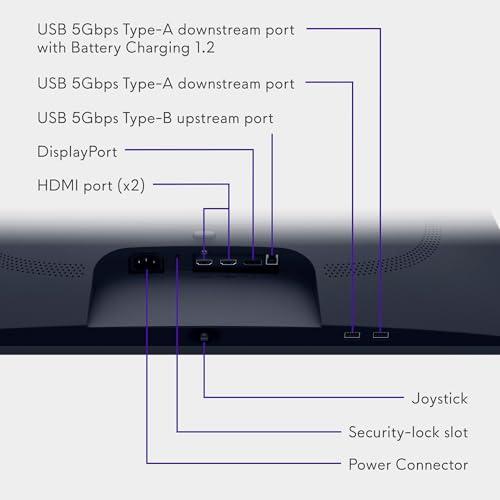
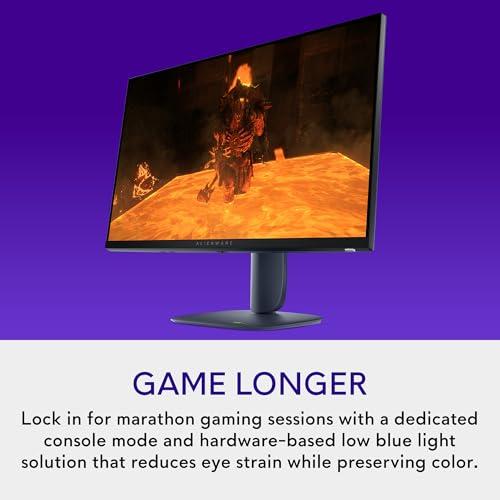
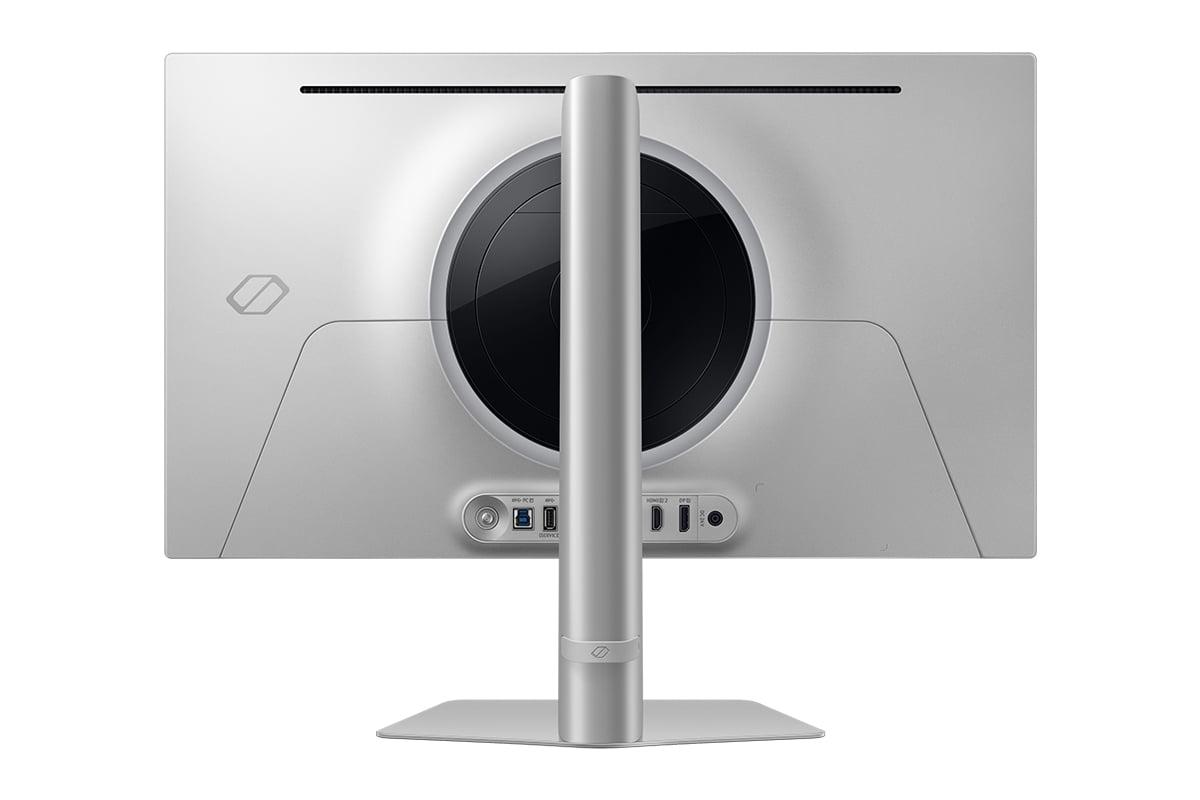
Console gaming compatibility has become increasingly important as PlayStation 5 and Xbox Series X support high refresh rates. The Alienware handles console gaming well with HDMI 2.1 support enabling VRR up to 144Hz. The Samsung's full HDMI 2.1 implementation can theoretically support higher refresh rates from future console updates.
Panel longevity represents a crucial factor in monitor selection. IPS LCD technology, like that in the Alienware monitor, has decades of proven reliability. These panels rarely experience image retention or burn-in, making them essentially worry-free for mixed usage scenarios.
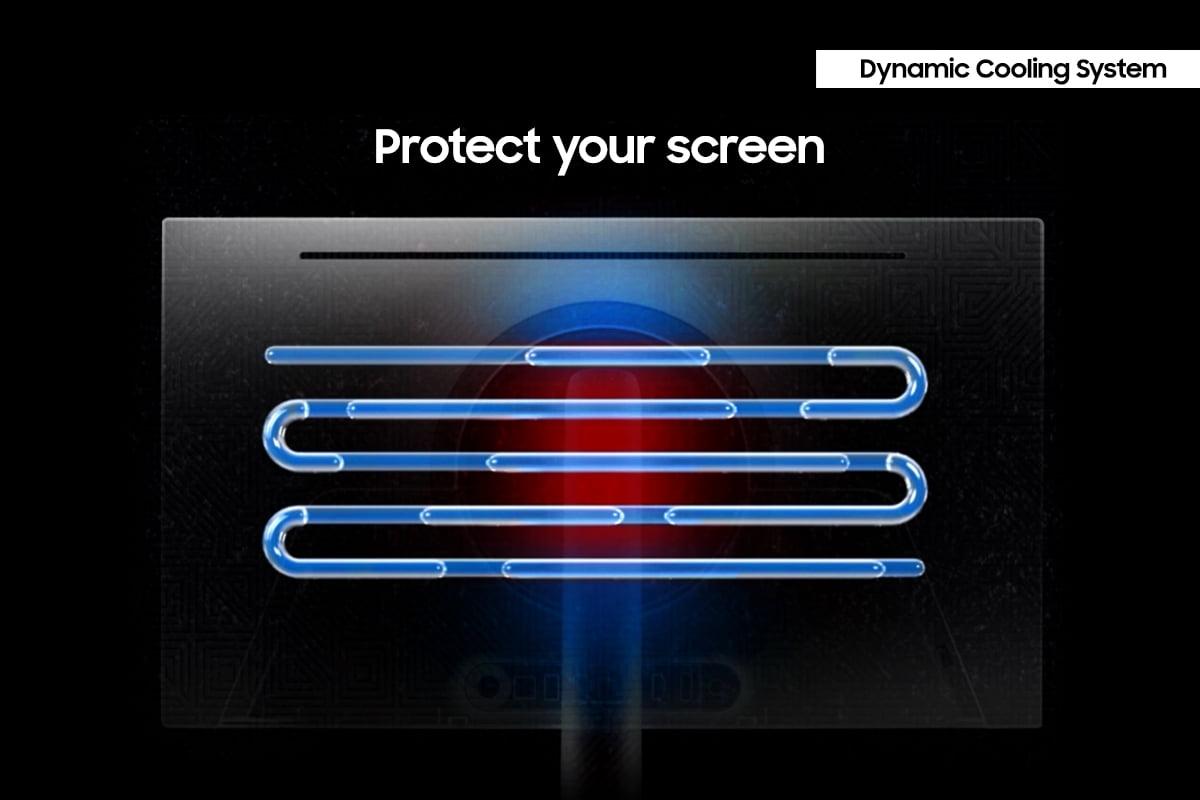
OLED technology in the Samsung display has historically faced concerns about burn-in—permanent image retention from static elements like taskbars or game interfaces. However, Samsung has implemented comprehensive protection systems including a Dynamic Cooling System with heat pipes and thermal modulation algorithms. The company's OLED Safeguard+ technology actively monitors and prevents static image retention.
Our evaluation of user reports and expert long-term testing suggests that modern OLED gaming monitors, when used normally, experience minimal burn-in issues. Samsung backs this confidence with burn-in protection covered under warranty for normal usage scenarios.
Power consumption differs significantly between these technologies. The Alienware operates at approximately 26 watts during typical use, while the Samsung consumes around 140 watts due to the energy requirements of OLED pixel illumination. This difference might impact your electricity bill over time and requires consideration if you leave your monitor on frequently.
Competitive esports gaming represents where the Samsung OLED monitor truly shines. The combination of 360Hz refresh rate and 0.03ms response time provides measurable advantages in reaction-based scenarios. Professional and semi-professional players often report improved tracking accuracy and reduced motion blur in fast-paced competitive titles.
For casual and single-player gaming, both monitors excel but offer different experiences. The Alienware display provides excellent performance across all game types with its reliable 180Hz refresh rate and good color accuracy. Its higher brightness capability makes it more versatile for gaming sessions at different times of day.
The Samsung's OLED technology transforms atmospheric and story-driven games. The perfect black levels create incredible immersion in games with dramatic lighting, from horror titles to space exploration games. HDR implementation on OLED provides a more cinematic experience that enhances the storytelling aspects of modern games.
Racing and flight simulation gaming benefits from both monitors' high refresh rates, but the Samsung's motion clarity advantage becomes particularly apparent when tracking fast-moving objects across the screen. The reduced motion blur helps with precision driving and flying in simulation titles.
At the time of writing, these monitors occupy different market segments that reflect their technological approaches. The Alienware monitor positions itself as a high-performance gaming display that doesn't require premium pricing. It delivers approximately 90% of top-tier gaming performance while remaining accessible to mainstream gamers.
The Samsung OLED display commands a significant price premium—roughly double the Alienware's cost—but provides cutting-edge technology that represents the future direction of premium gaming displays. This pricing reflects both the advanced OLED manufacturing costs and the monitor's position as a flagship gaming product.
For budget-conscious gamers, the Alienware offers exceptional value. You get professional-grade 1440p gaming performance, reliable build quality, and comprehensive features without paying for bleeding-edge technology. This allows you to allocate more budget toward graphics card upgrades that directly impact gaming performance.
Competitive gamers and enthusiasts willing to pay for marginal performance improvements will find the Samsung's advantages compelling. The 360Hz refresh rate and OLED visual quality provide tangible benefits in competitive scenarios and create a more immersive gaming experience overall.
The Alienware 27 QHD 180Hz Gaming Monitor suits gamers who want excellent performance without premium pricing. Choose this monitor if you game in bright rooms, prefer proven technology, or want a display that excels at both gaming and productivity tasks. It's ideal for mainstream gamers upgrading from 60Hz displays who want a significant performance improvement without breaking the bank.
The Samsung 27" Odyssey OLED G6 QHD 360Hz Gaming Monitor targets competitive players and visual quality enthusiasts. Select this display if you compete in esports, prioritize the best possible image quality, or want cutting-edge technology. It's perfect for dedicated gaming setups in controlled lighting environments where its OLED advantages can shine.
For mixed usage scenarios, the Alienware proves more versatile due to its higher brightness and mature panel technology. For pure gaming experiences, especially in atmospheric single-player games or competitive multiplayer titles, the Samsung provides superior performance that justifies its premium pricing.
Both monitors represent excellent choices within their respective market segments. The Alienware monitor delivers outstanding value by providing professional gaming performance at mainstream pricing. Its reliable IPS technology, good brightness levels, and comprehensive feature set make it an excellent choice for most gaming scenarios.
The Samsung OLED monitor pushes the boundaries of gaming display technology with its revolutionary panel technology and ultra-high refresh rate. While it requires a significant investment, the performance advantages in competitive gaming and visual quality improvements in atmospheric games justify the premium for the right users.
Consider your gaming priorities, room lighting, budget constraints, and whether you compete seriously in esports. The technology gap between these monitors is significant, but so is the price difference. Choose based on whether the Samsung's advantages align with your specific gaming needs and whether you can justify the premium for cutting-edge OLED technology.
Both monitors will provide years of excellent gaming performance, but they excel in different scenarios. The Alienware offers broader appeal and better value, while the Samsung provides the ultimate gaming experience for those willing to invest in the latest display technology.
| Alienware 27 QHD 180Hz Gaming Monitor | Samsung 27" Odyssey OLED G6 QHD 360Hz Gaming Monitor |
|---|---|
| Panel Technology - Fundamental difference that affects all visual performance | |
| Fast IPS LCD with LED backlighting (proven, reliable technology) | QD-OLED with per-pixel lighting (cutting-edge with perfect blacks) |
| Refresh Rate - Higher numbers mean smoother motion in competitive gaming | |
| 180Hz (excellent for most gaming, significant upgrade from 60Hz) | 360Hz (elite esports performance, double the smoothness) |
| Response Time - Lower latency reduces ghosting and motion blur | |
| 1-2ms GTG (very good, minimal ghosting in fast games) | 0.03ms GTG (virtually eliminates all motion blur) |
| Brightness - Higher values better for bright rooms and HDR content | |
| 400 nits standard, 600 nits HDR peak (excellent for bright environments) | 250 nits sustained (adequate for controlled lighting) |
| Contrast Ratio - Higher ratios create more dramatic visual depth | |
| 1,000:1 (typical for LCD, good but limited dark scene detail) | 1,000,000:1 (infinite contrast with perfect blacks) |
| Color Coverage - Wider gamuts display more vibrant, accurate colors | |
| 95% DCI-P3 (excellent color accuracy for gaming and content) | Full spectrum OLED (superior color reproduction and vibrancy) |
| HDR Support - Enhanced dynamic range for more realistic visuals | |
| VESA DisplayHDR 600 (bright highlights, good for mixed lighting) | HDR10/HDR10+ Gaming with True Black (cinematic contrast) |
| Adaptive Sync - Eliminates screen tearing for smoother gameplay | |
| AMD FreeSync Premium Pro, G-SYNC Compatible | AMD FreeSync Premium Pro with VRR Control |
| Power Consumption - Affects electricity costs and heat generation | |
| 26W (energy efficient, minimal heat output) | 140W (higher consumption due to OLED technology) |
| Build Quality - Affects durability and long-term reliability | |
| Proven IPS longevity, no burn-in risk, highly adjustable stand | OLED Safeguard+ burn-in protection, premium materials |
| Target Use Case - Best scenarios for each monitor | |
| Mainstream gaming, productivity, bright rooms, budget-conscious | Competitive esports, visual enthusiasts, controlled lighting |
| Value Proposition - Performance relative to investment required | |
| Exceptional value delivering 90% of premium performance | Premium investment for cutting-edge technology and elite performance |
The Samsung 27" Odyssey OLED G6 QHD 360Hz Gaming Monitor is significantly better for competitive gaming due to its 360Hz refresh rate and 0.03ms response time. This combination provides twice the smoothness of the Alienware 27 QHD 180Hz Gaming Monitor and virtually eliminates motion blur, giving competitive players a measurable advantage in fast-paced esports titles like Valorant, CS2, and Apex Legends.
The primary difference is panel technology: the Alienware monitor uses traditional IPS LCD technology, while the Samsung OLED display features quantum dot OLED technology. This means the Samsung offers perfect blacks, infinite contrast, and superior color reproduction, while the Alienware provides higher brightness, proven reliability, and better value for money.
The Alienware 27 QHD 180Hz Gaming Monitor is much better for bright rooms with its 400-600 nits brightness capability compared to the Samsung's 250 nits. The Alienware's higher brightness makes it more suitable for gaming near windows or in well-lit environments, while the Samsung OLED monitor performs best in controlled or dimmer lighting conditions.
Yes, both monitors support console gaming with HDMI 2.1 connectivity. The Alienware display handles PlayStation 5 and Xbox Series X gaming well with VRR support up to 144Hz, while the Samsung OLED G6 offers full HDMI 2.1 implementation that can potentially support even higher refresh rates from future console updates.
The Alienware 27 QHD 180Hz Gaming Monitor offers exceptional value, delivering approximately 90% of premium gaming performance at roughly half the cost of the Samsung. The Samsung monitor commands a significant premium for its cutting-edge OLED technology and 360Hz performance, making it worthwhile only for competitive gamers or visual quality enthusiasts.
The Alienware IPS monitor has no burn-in risk due to its LCD technology. The Samsung OLED display includes comprehensive burn-in protection through OLED Safeguard+ technology, thermal management systems, and warranty coverage for normal usage. Modern OLED monitors have significantly reduced burn-in concerns compared to earlier generations.
The Samsung 27" Odyssey OLED G6 excels in atmospheric single-player games due to its perfect black levels, infinite contrast, and superior HDR implementation. Dark scenes in horror games or space titles look dramatically better on OLED. However, the Alienware monitor still provides excellent gaming visuals with reliable performance across all game types.
The Samsung OLED monitor offers 360Hz compared to the Alienware's 180Hz refresh rate. This difference is most noticeable in competitive gaming where the additional frames provide smoother motion and reduced input lag. For casual gaming, both refresh rates deliver smooth gameplay well above standard 60Hz displays.
The Samsung OLED display has superior color accuracy with full spectrum OLED technology that produces more vibrant and lifelike colors. The Alienware monitor offers excellent color reproduction with 95% DCI-P3 coverage, which is very good for gaming and general use, but cannot match OLED's natural color advantages.
The Alienware 27 QHD monitor consumes only 26 watts during typical use, making it very energy efficient. The Samsung OLED G6 requires approximately 140 watts due to OLED technology's power requirements. This difference could impact electricity costs over time, especially if you leave your monitor on frequently.
The Alienware IPS monitor uses proven LCD technology with decades of reliability data and minimal risk of panel degradation. The Samsung OLED monitor represents newer technology with comprehensive protection systems, but OLED panels are still evolving. Both come with 3-year warranties, but the Alienware offers more predictable long-term performance.
Choose the Alienware 27 QHD 180Hz Gaming Monitor if you want excellent gaming performance at great value, game in bright rooms, or prefer proven technology. Select the Samsung 27" Odyssey OLED G6 if you compete in esports, prioritize visual quality above all else, game in controlled lighting, and can justify the premium investment for cutting-edge display technology.
We've done our best to create useful and informative comparisons to help you decide what product to buy. Our research uses advanced automated methods to create this comparison and perfection is not possible - please contact us for corrections or questions. These are the sites we've researched in the creation of this article: bestbuy.com - bestbuy.com - youtube.com - dell.com - tweaktown.com - dell.com - rtings.com - manuals.plus - tomshardware.com - displayspecifications.com - youtube.com - youtube.com - displayspecifications.com - dell.com - dellstore.com - ebay.com - bestbuy.com - gamesradar.com - gamesradar.com - versus.com - lowyat.net - youtube.com - player2.net.au - versus.com - rtings.com - youtube.com - samsung.com - files.bbystatic.com - bestbuy.com - samsung.com - samsung.com - bestbuy.com - de.shi.com - bhphotovideo.com - pangoly.com - youtube.com

Privacy Policy
Terms and Conditions - Affiliate Policy
Home Security
© Copyright 2008-2026.
11816 Inwood Rd #1211, Dallas, TX 75244