



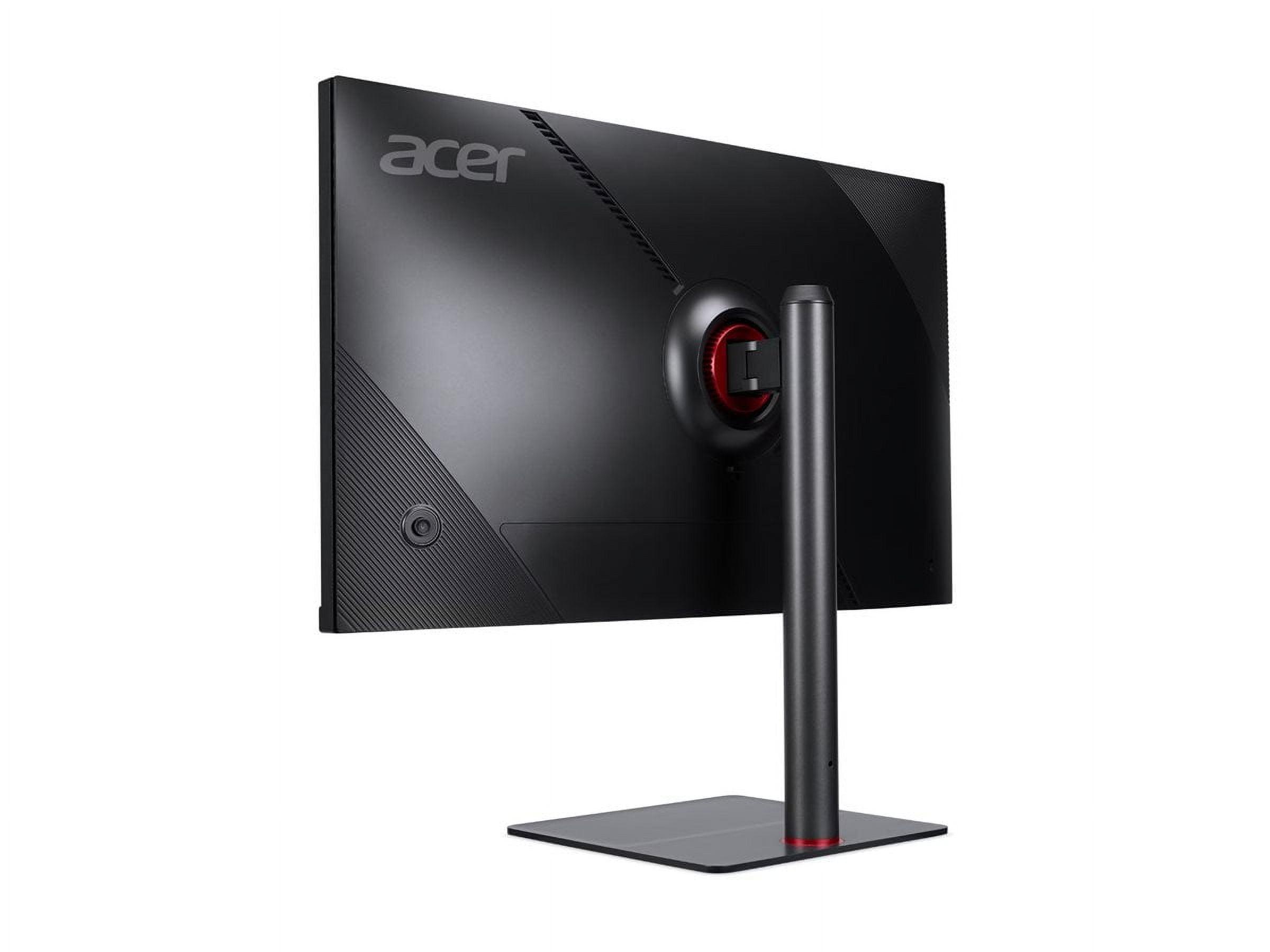
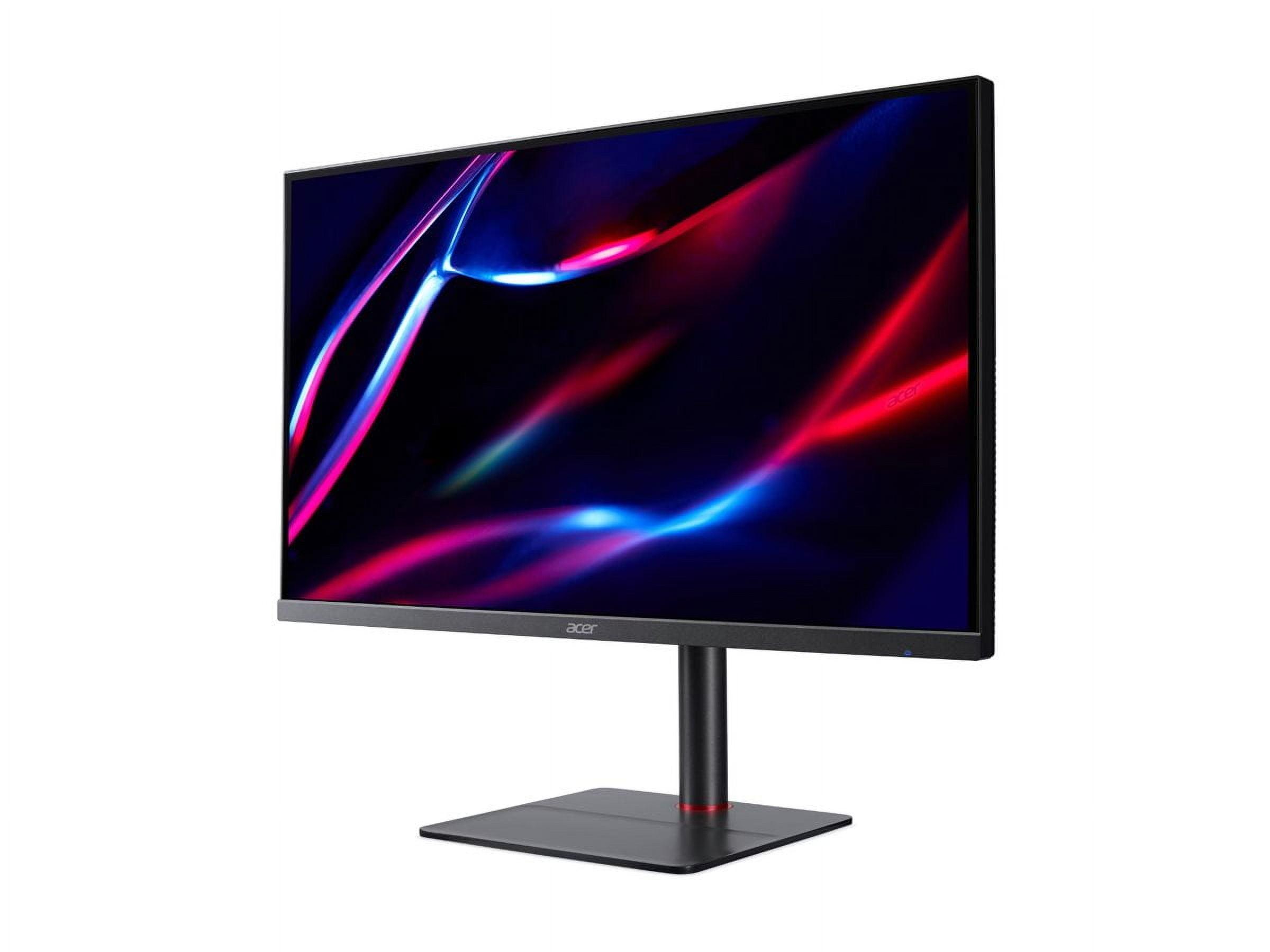
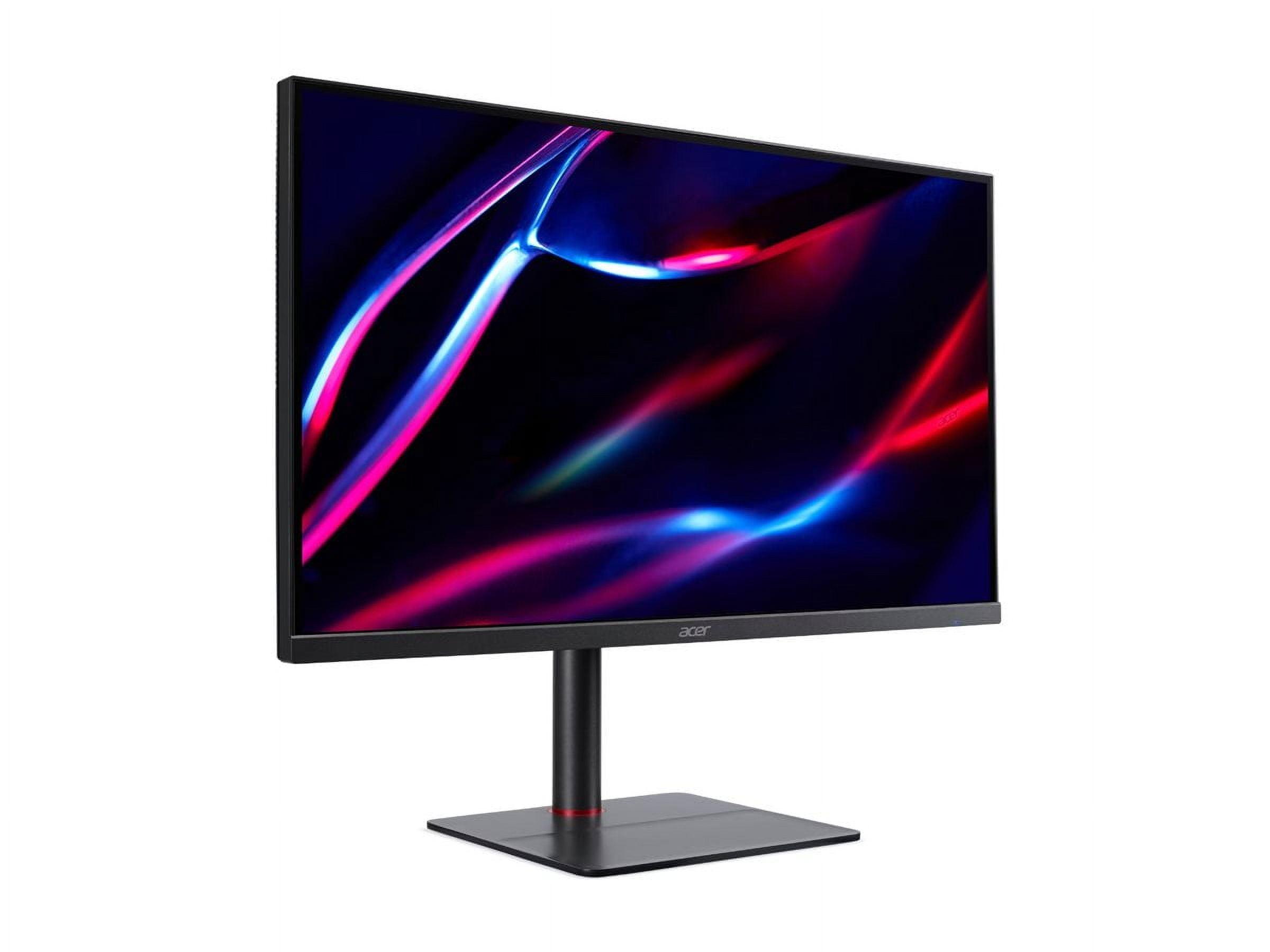
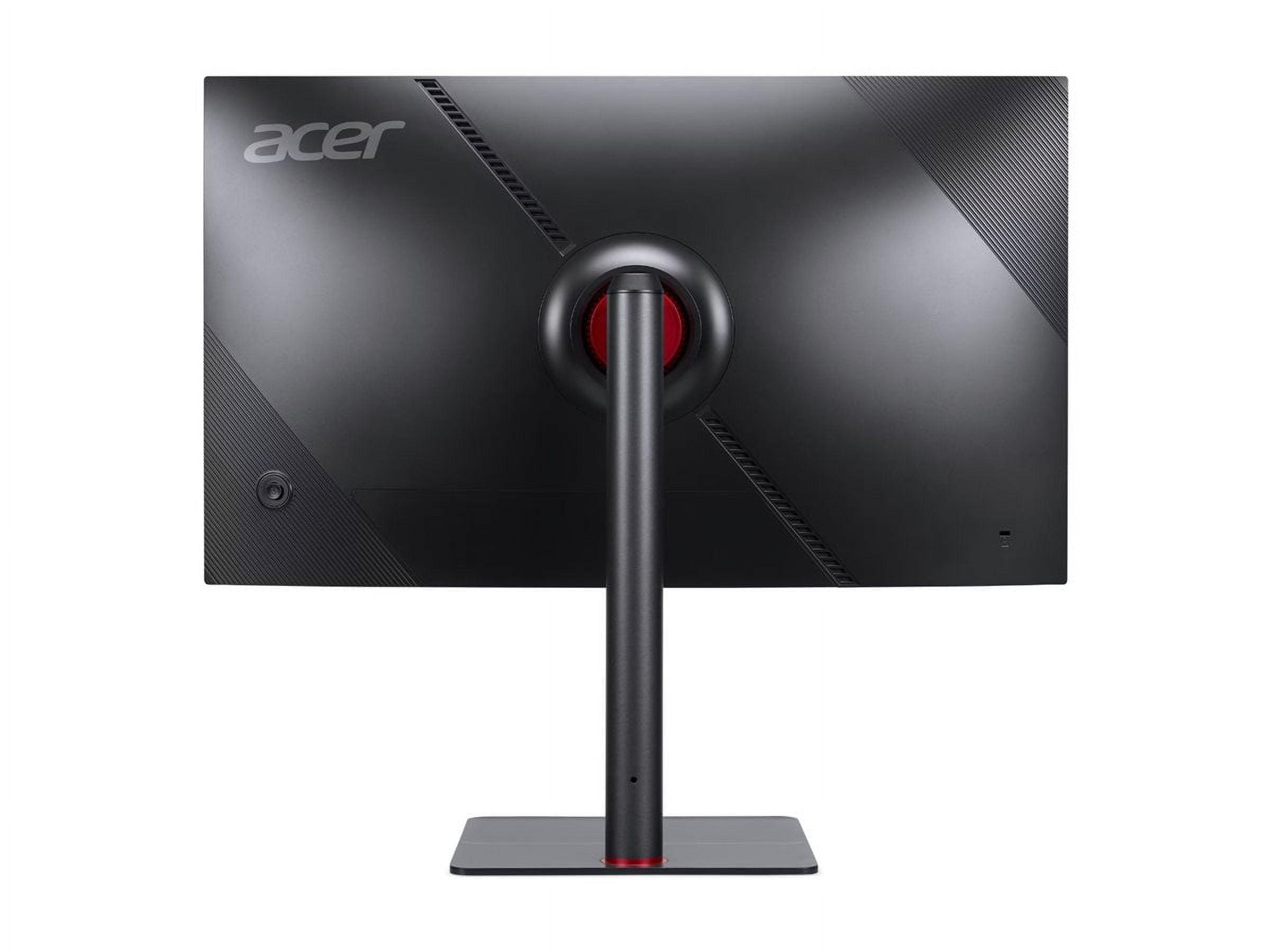
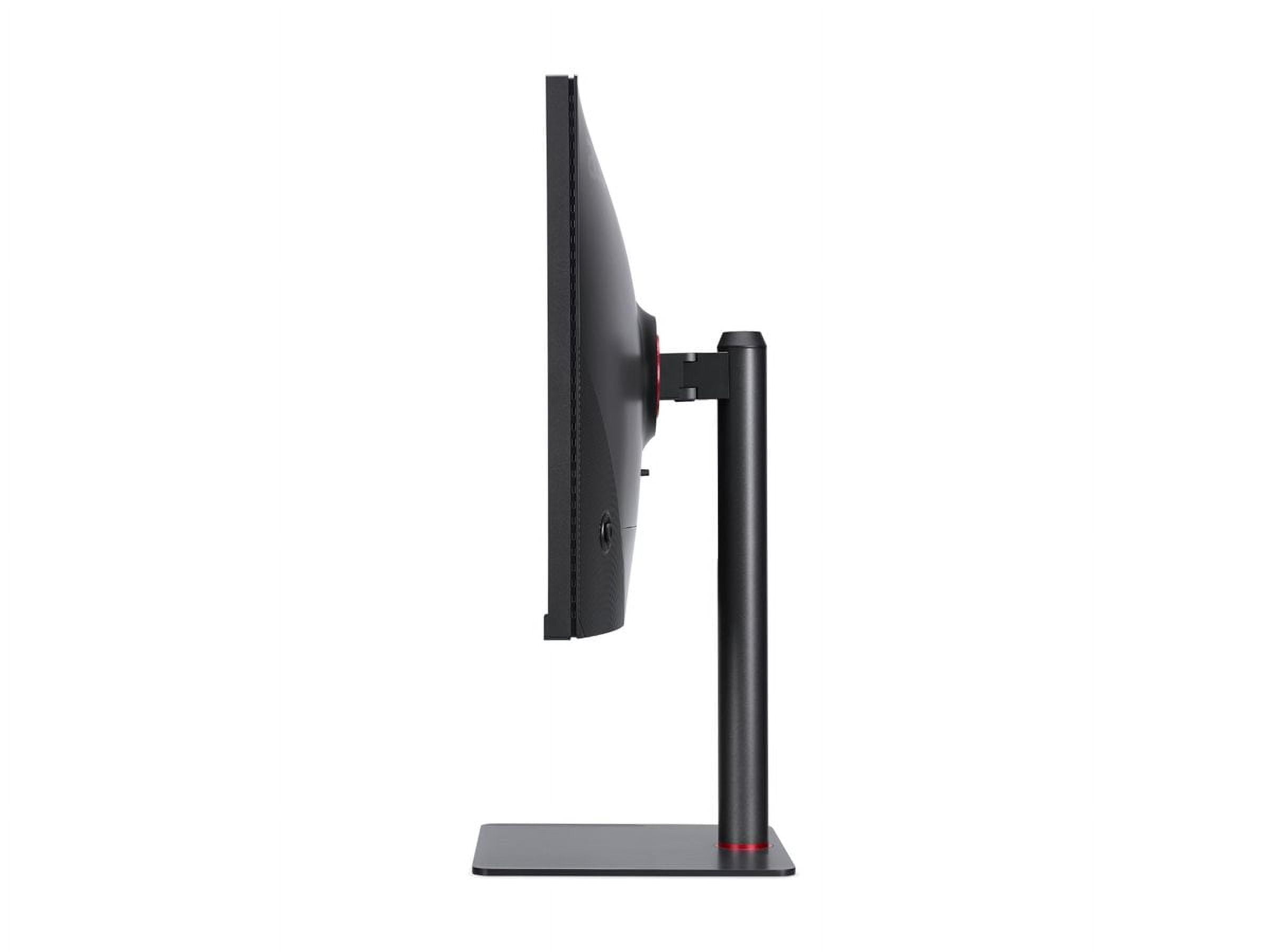
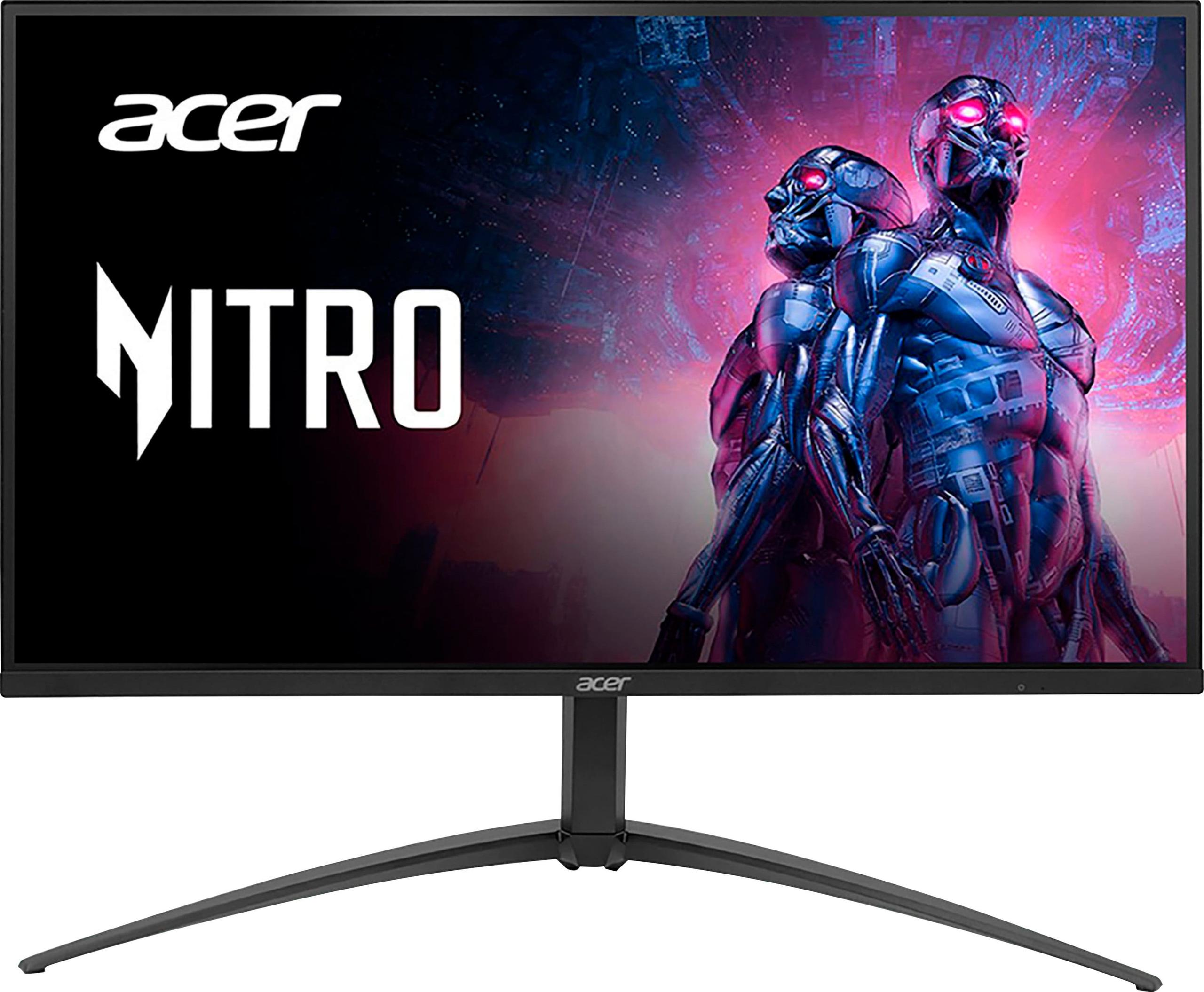
Choosing the right gaming monitor in 2024 feels like navigating a maze of acronyms, refresh rates, and marketing claims. Today we're comparing two fundamentally different approaches to the 27-inch gaming monitor space: the Alienware 27 QHD 180Hz Gaming Monitor and the Acer Nitro XV275K P3 27" Mini LED 4K UHD Gaming Monitor. At the time of writing, these monitors represent distinct philosophies—one prioritizing competitive performance at an accessible price point, the other delivering premium visual quality with cutting-edge display technology.
Before diving into specifics, it's worth understanding what actually matters in a gaming monitor. The display is your window into virtual worlds, and different gamers have wildly different priorities. Competitive esports players obsess over input lag (the delay between your mouse click and seeing the result on screen) and refresh rates, while single-player enthusiasts care more about visual fidelity and HDR performance.
Resolution, refresh rate, and panel technology form the holy trinity of gaming monitor specs. Higher resolutions like 4K provide sharper images but demand more graphics processing power. Refresh rate—measured in Hz—determines how many times per second your monitor can display a new image. A 60Hz monitor refreshes 60 times per second, while a 180Hz monitor does it three times faster, resulting in dramatically smoother motion.
Panel technology affects everything from color accuracy to viewing angles. IPS (In-Plane Switching) panels generally offer the best color reproduction and viewing angles, though historically they've been slower than TN (Twisted Nematic) panels. Fast IPS technology, found in both monitors we're examining, bridges this gap by offering IPS benefits with gaming-appropriate response times.
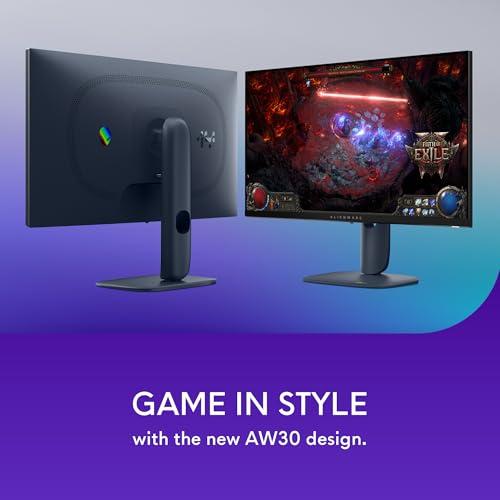
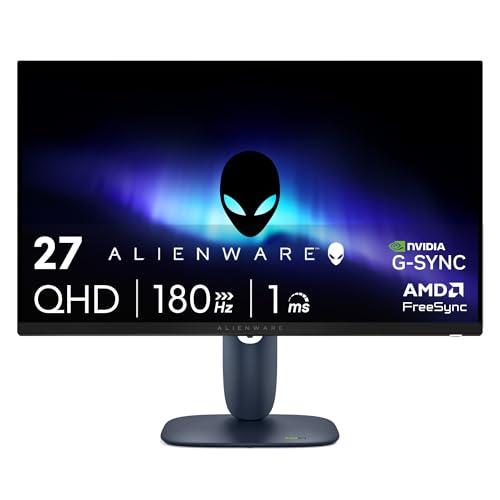
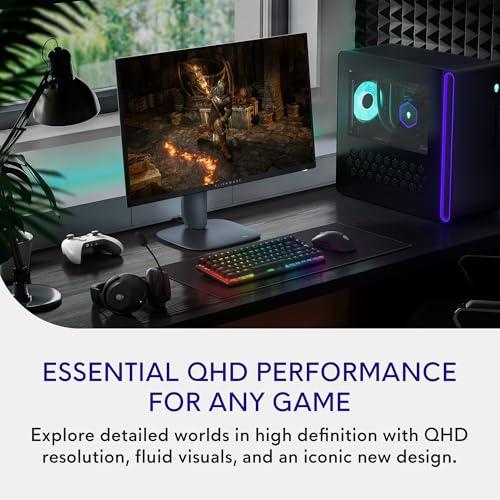
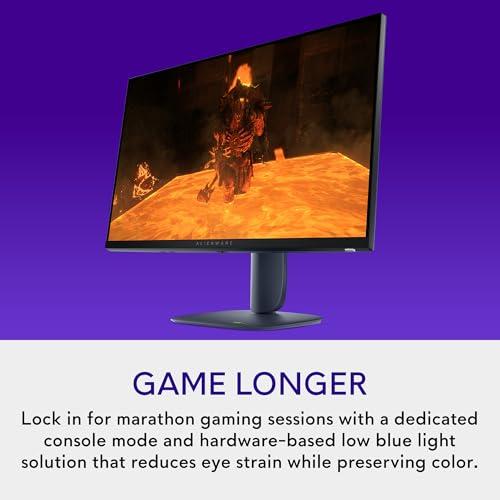
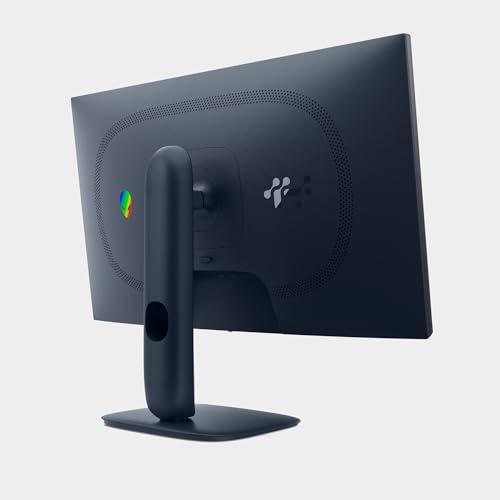
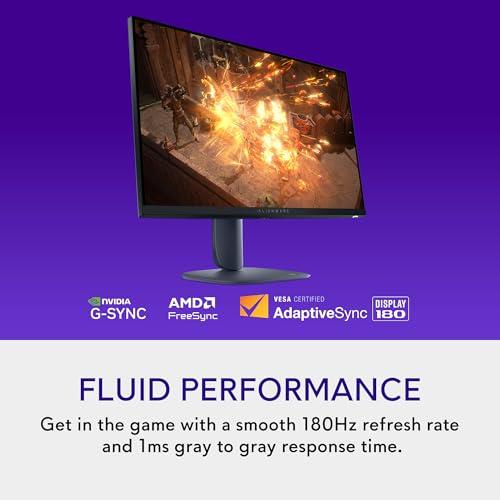
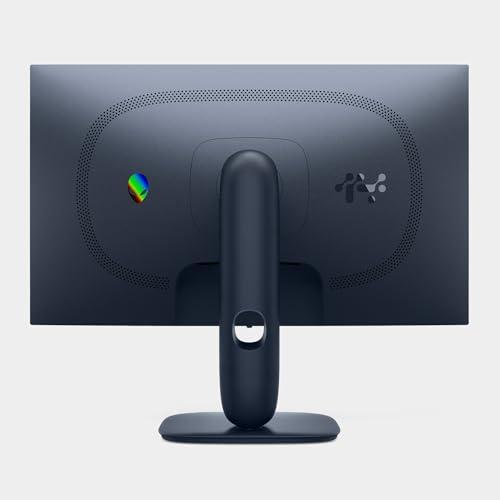
The Alienware 27 QHD 180Hz Gaming Monitor, released in 2023, represents the "fast and affordable" approach. It delivers 1440p resolution (2560×1440 pixels) with a blazing-fast 180Hz refresh rate. This monitor prioritizes competitive gaming performance while maintaining reasonable GPU requirements and pricing.
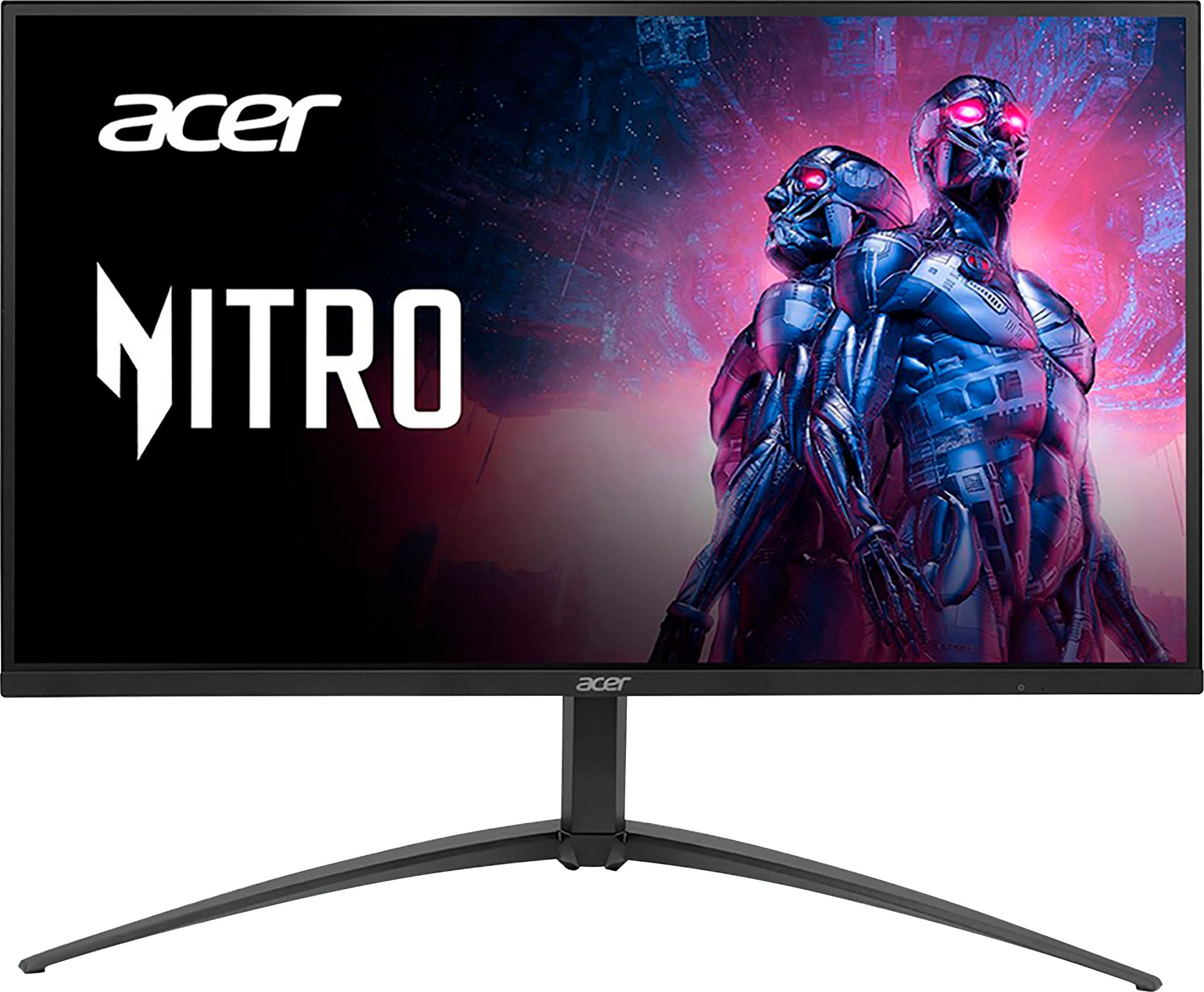
The Acer Nitro XV275K P3, also arriving in 2023, takes the "premium visual experience" route. It packs 4K resolution (3840×2160 pixels) with Mini LED backlighting technology, delivering exceptional HDR performance despite a slightly lower 160Hz refresh rate.
Both monitors emerged during a period of significant gaming monitor innovation. 2023 marked a turning point where Mini LED technology became more accessible, while high refresh rate 1440p monitors reached mainstream pricing. The graphics card market had also matured, with AMD's RX 7000 series and NVIDIA's RTX 40 series providing better performance per dollar than previous generations.
The resolution difference between these monitors is immediately apparent. The Acer Nitro XV275K P3's 4K resolution provides 78% more pixels than the Alienware's 1440p display. This translates to noticeably sharper text, more detailed game textures, and better overall image clarity. If you've ever compared a 1080p monitor to a 4K display, you understand the difference—though the jump from 1440p to 4K is less dramatic than 1080p to 1440p.
However, pixel density tells only part of the story. The Alienware monitor compensates with its higher 180Hz refresh rate versus the Acer's 160Hz. While this 20Hz difference might seem minimal, it represents about 12% faster screen updates, which can matter in competitive gaming scenarios where every millisecond counts.
Both monitors use Fast IPS panels, which combine the color accuracy and viewing angles of traditional IPS with response times suitable for gaming. The Alienware offers multiple response time settings: 4ms (Fast) for optimal image quality with minimal artifacts, 2ms (Super Fast) for balanced performance, and 1ms (Extreme) for maximum speed with potential minor ghosting. This flexibility lets users tune performance based on their preferences and game types.
The Acer XV275K P3 maintains consistent 1ms GtG (Gray-to-Gray) response times across its settings, though our research suggests some users experience slightly more motion blur compared to the fastest settings on competitive-focused monitors. For most gaming scenarios, both monitors deliver adequate motion clarity.
Here's where these monitors diverge dramatically. HDR (High Dynamic Range) technology expands the range between the darkest blacks and brightest whites your monitor can display, creating more realistic and immersive visuals.
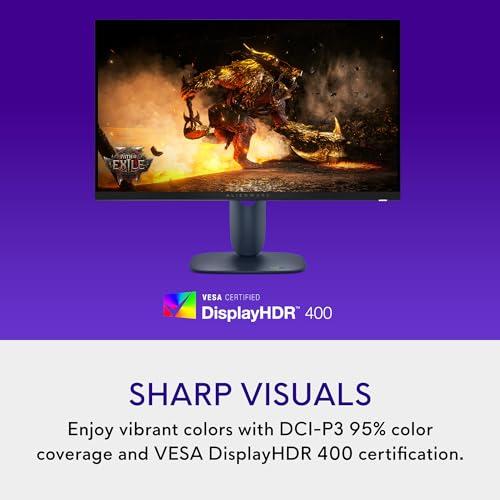
The Alienware monitor carries VESA DisplayHDR 400 certification, indicating it can reach 400 nits of peak brightness. While functional, this represents basic HDR implementation. The traditional LED backlighting means the entire screen brightens or dims together, limiting the dramatic contrast improvements HDR promises. It's HDR in name more than transformative visual experience.
The Acer XV275K P3 features VESA DisplayHDR 1000 certification with 576-zone Mini LED local dimming. This is where things get interesting. Mini LED technology uses hundreds of tiny LED zones that can independently brighten or dim, allowing bright highlights to coexist with deep shadows on the same screen. The 1000-nit peak brightness capability means HDR content genuinely pops with bright highlights that approach the intensity of real-world lighting.
Our evaluation of user feedback reveals the Acer's HDR creates genuinely impressive visuals in games like Cyberpunk 2077 or movie content, while the Alienware's HDR feels more like a subtle enhancement. However, Mini LED isn't perfect—some users report "blooming" where bright objects create subtle halos in surrounding dark areas, though the 576 zones minimize this effect compared to displays with fewer dimming zones.
The performance equation differs significantly between these monitors based on your gaming priorities and hardware setup.
The Alienware 27 QHD monitor excels in competitive gaming scenarios. Its 180Hz refresh rate combined with 1440p resolution means mid-range graphics cards like an RTX 4060 or RX 7600 XT can achieve high frame rates in esports titles. Counter-Strike 2, Valorant, and League of Legends can easily hit 180+ FPS, fully utilizing the monitor's capabilities. The lower pixel count also reduces GPU strain, allowing higher frame rates in demanding AAA games.
Input lag measurements from professional reviewers consistently show the Alienware delivering excellent responsiveness across its refresh rate range. The variable refresh rate implementation works smoothly with both NVIDIA and AMD graphics cards, eliminating screen tearing without introducing noticeable input delay.
The Acer XV275K P3 targets a different gaming experience. Its 4K resolution provides stunning visual fidelity in single-player games where immersion matters more than competitive edge. Games like Red Dead Redemption 2, The Witcher 3, or Microsoft Flight Simulator showcase dramatically improved detail levels compared to 1440p displays.
However, driving 4K at high refresh rates demands serious graphics horsepower. Even high-end GPUs like the RTX 4070 Super struggle to maintain 100+ FPS in demanding games at maximum settings. Users often need to choose between visual quality and frame rate, or invest in premium graphics cards like the RTX 4080 or RX 7900 XTX.
The Acer monitor's input lag performance varies with refresh rate—excellent at 120Hz and above but increasing noticeably at 60Hz. This could affect console gaming experiences where frame rates fluctuate or cap at 60 FPS.
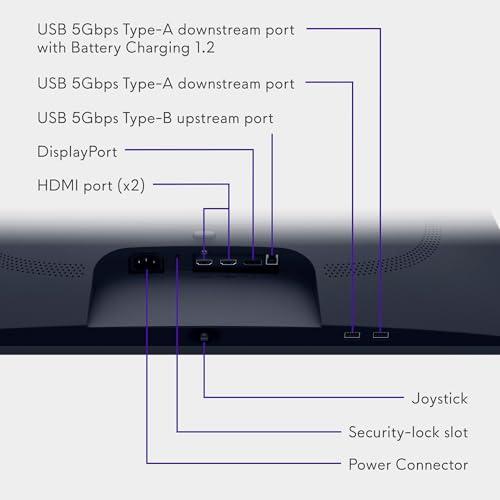
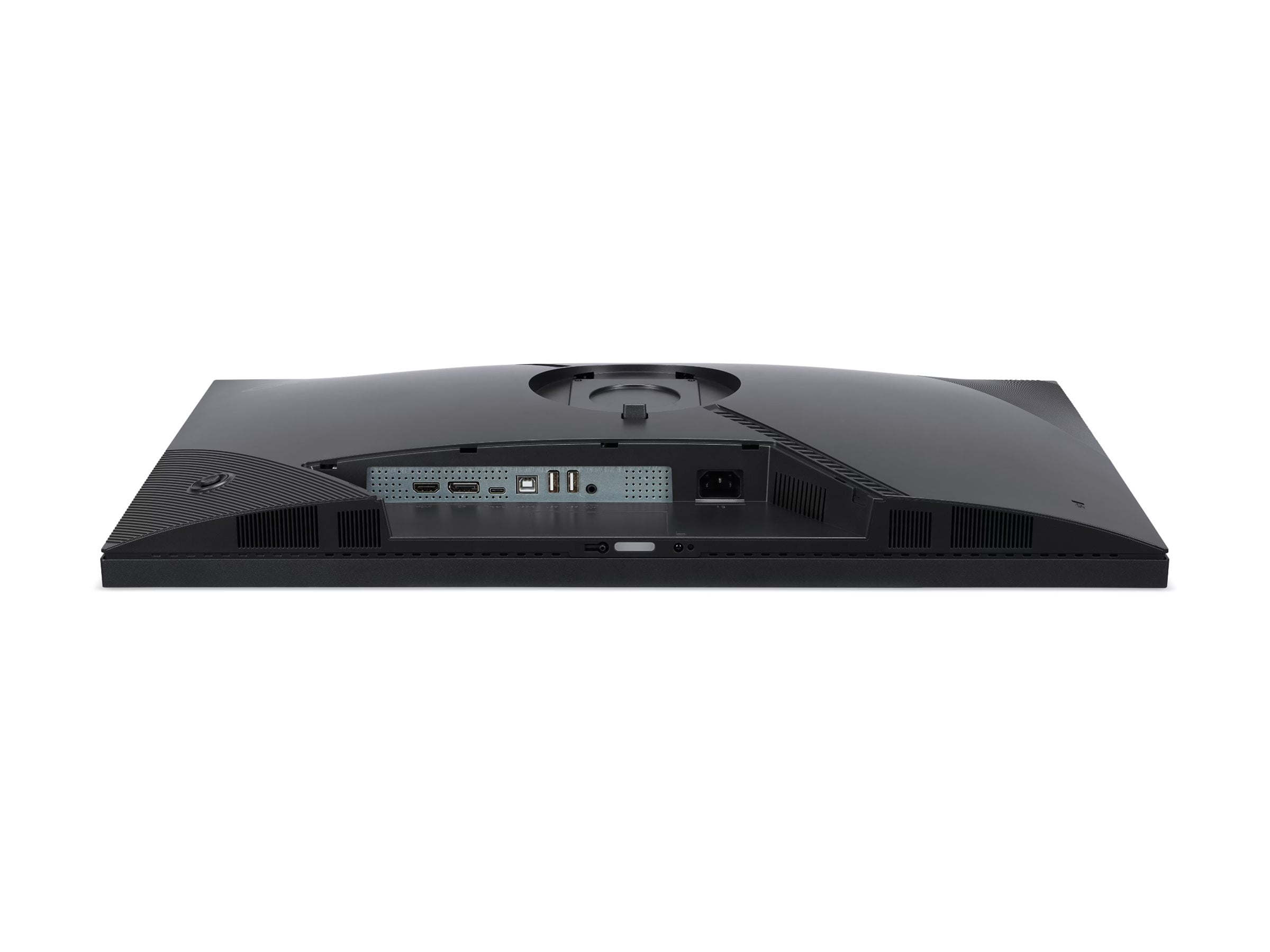
Both monitors offer comprehensive connectivity, but the Acer XV275K P3 edges ahead with more versatile options. Both include dual HDMI 2.1 ports and DisplayPort 1.4, ensuring compatibility with modern graphics cards and gaming consoles.
The Acer's USB-C port with 90W Power Delivery stands out as genuinely useful for laptop users. This single-cable solution can charge your laptop while providing display output and USB hub functionality—perfect for hybrid work/gaming setups. The Alienware includes USB ports but lacks the integrated charging capability.
Neither monitor includes built-in speakers, which is increasingly common in gaming-focused displays where users typically prefer dedicated audio solutions. The Acer does include a headphone jack, while the Alienware requires audio output from your source device.
Both monitors feature fully adjustable stands with height, tilt, swivel, and pivot adjustments. The Acer XV275K P3 offers slightly more adjustment range, particularly in height (150mm vs 110mm) and swivel (±25° vs ±20°).
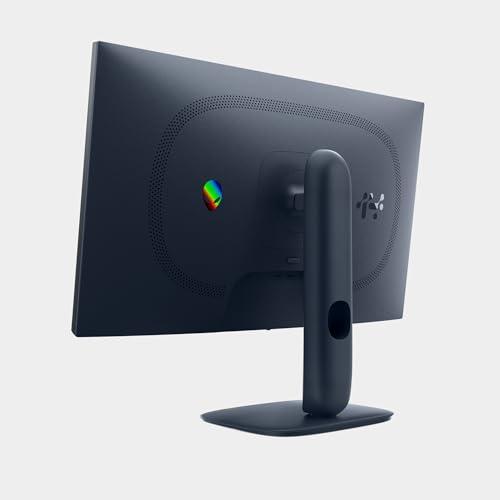
Build quality appears solid on both monitors based on user reports, though some Alienware units exhibit minor backlight bleed—a common IPS panel characteristic that's generally only noticeable in dark scenes. The Acer includes RGB accent lighting and anti-glare coating, while the Alienware focuses on a cleaner, more professional aesthetic.
User feedback suggests the Acer's OSD (On-Screen Display) navigation can be frustrating, relying on physical buttons rather than the joystick controls found on many modern monitors. Some users also report firmware bugs where settings reset when switching inputs or toggling HDR mode.
At the time of writing, these monitors occupy different value segments. The Alienware 27 QHD offers exceptional performance per dollar for competitive gamers, delivering high refresh rate gaming without requiring premium graphics hardware. A reasonably powerful gaming system with an RTX 4060 or similar can fully utilize this monitor's capabilities.
The Acer XV275K P3 commands a premium but delivers features typically found in much more expensive displays. Mini LED technology and true 4K resolution create a more future-proof investment, though realizing its potential requires high-end graphics hardware.
GPU requirements tell much of the story. The Alienware monitor works excellently with $300-500 graphics cards, while the Acer really shines with $600+ GPUs. Factor this hardware requirement into your total system cost when comparing these monitors.
For users considering these monitors in home theater or living room gaming setups, the Acer XV275K P3 presents a more compelling case. Its superior HDR performance and 4K resolution work well with streaming content and console gaming. The wide color gamut support (99% Adobe RGB, 98% DCI-P3) ensures movie content displays with intended color accuracy.
The Alienware monitor's basic HDR implementation and 1440p resolution feel less impressive on a larger viewing setup where the visual quality differences become more apparent. However, its lower input lag and higher refresh rate benefit fast-paced console gaming.
Choose the Alienware 27 QHD 180Hz Gaming Monitor if you prioritize competitive gaming performance and want maximum value. It excels for esports titles, works with mid-range hardware, and delivers smooth gameplay without breaking the bank. This monitor suits gamers who play primarily online competitive games and want every possible advantage in reaction-based scenarios.
The Acer Nitro XV275K P3 makes sense for enthusiasts wanting premium visual quality and future-proofing. Its Mini LED HDR performance transforms single-player gaming experiences, while 4K resolution ensures crisp text and detailed visuals for years to come. Choose this if you have high-end graphics hardware, enjoy visually demanding games, or need the monitor for content creation alongside gaming.
Consider your entire system when making this choice. A $200 monitor paired with a $600 graphics card might provide better overall gaming experience than a $300 monitor with a $400 graphics card, depending on your priorities.
Both monitors represent solid choices within their respective niches. The Alienware maximizes competitive gaming value, while the Acer delivers premium visual experiences. Your gaming preferences, hardware budget, and performance priorities should guide this decision more than raw specifications alone.
The monitor market continues evolving rapidly, with OLED gaming monitors becoming more accessible and graphics cards growing more powerful. Both monitors should serve well for several years, but they target fundamentally different gaming philosophies. Choose based on whether you value competitive performance or visual fidelity—you'll be happy with either decision when properly matched to your gaming style and hardware capabilities.
| Alienware 27 QHD 180Hz Gaming Monitor | Acer Nitro XV275K P3 27" Mini LED 4K UHD Gaming Monitor |
|---|---|
| Resolution - Higher resolution means sharper images but requires more GPU power | |
| 2560 x 1440 (QHD) - Sweet spot for gaming performance | 3840 x 2160 (4K UHD) - Maximum sharpness, needs high-end GPU |
| Refresh Rate - Higher rates provide smoother motion in fast games | |
| 180Hz - Excellent for competitive gaming | 160Hz - Very smooth, slight disadvantage in esports |
| Panel Technology - Affects color quality and response speed | |
| Fast IPS with LED backlighting | Fast IPS with 576-zone Mini LED backlighting |
| Response Time - Lower is better for reducing motion blur | |
| 1ms (Extreme), 2ms (Super Fast), 4ms (Fast) - Multiple options | 1ms GtG - Consistent across all modes |
| HDR Performance - Better HDR creates more realistic lighting and contrast | |
| VESA DisplayHDR 400 (400 nits) - Basic HDR experience | VESA DisplayHDR 1000 (1000 nits) - True HDR with local dimming |
| Color Coverage - Important for accurate colors in games and content | |
| 99% sRGB, 95% DCI-P3 - Good for gaming | 99% Adobe RGB, 98% DCI-P3 - Professional-grade accuracy |
| Adaptive Sync - Eliminates screen tearing across different frame rates | |
| G-SYNC Compatible, FreeSync, VESA AdaptiveSync | FreeSync Premium Pro, G-SYNC Compatible, HDMI VRR |
| Connectivity - More ports provide better device compatibility | |
| 2x HDMI 2.1, 1x DisplayPort 1.4, USB hub | 2x HDMI 2.1, 1x DisplayPort 1.4, USB-C with 90W PD, USB hub |
| Ergonomics - Adjustability affects long-term comfort | |
| Height (110mm), tilt, swivel (±20°), pivot | Height (150mm), tilt, swivel (±25°), pivot |
| GPU Requirements - What graphics card you need for optimal performance | |
| RTX 4060/RX 7600 XT for high refresh gaming | RTX 4070 Super/RX 7800 XT minimum for 4K gaming |
| Best Use Case - Which gaming style benefits most | |
| Competitive esports and high-refresh gaming | Single-player AAA games and content creation |
| Value Proposition - Performance per dollar at time of writing | |
| Excellent performance for competitive gaming budgets | Premium features justify higher cost for visual enthusiasts |
The Alienware 27 QHD 180Hz Gaming Monitor is superior for competitive gaming due to its higher 180Hz refresh rate compared to the Acer Nitro XV275K P3's 160Hz. The lower 1440p resolution also allows mid-range graphics cards to achieve higher frame rates in esports titles like Counter-Strike 2 and Valorant, giving competitive players the smoothest possible gameplay experience.
The primary difference is resolution and display technology. The Alienware monitor offers 1440p resolution with traditional LED backlighting, while the Acer XV275K P3 features 4K resolution with advanced 576-zone Mini LED backlighting. This makes the Alienware better for high refresh rate gaming and the Acer better for visual quality and HDR content.
The Acer Nitro XV275K P3 has significantly better HDR performance with VESA DisplayHDR 1000 certification and 576-zone local dimming, reaching 1000 nits peak brightness. The Alienware 27 QHD monitor only offers basic HDR with DisplayHDR 400 certification at 400 nits, providing a much less impressive HDR experience.
The Alienware 27 QHD 180Hz Gaming Monitor works well with mid-range GPUs like RTX 4060 or RX 7600 XT for high refresh rate gaming. However, the Acer XV275K P3 requires high-end graphics cards like RTX 4070 Super or better to fully utilize its 4K resolution at high frame rates, making it more expensive to implement properly.
The Acer Nitro XV275K P3 excels in single-player gaming thanks to its 4K resolution, exceptional HDR performance, and superior color accuracy. Games like Cyberpunk 2077 and Red Dead Redemption 2 look dramatically better on the Acer monitor compared to the Alienware's 1440p display, though you'll need a powerful GPU to drive it effectively.
Both monitors work well with PS5 and Xbox Series X consoles. The Acer XV275K P3 is better suited for console gaming due to its 4K resolution matching console capabilities and superior HDR performance. The Alienware monitor still works with consoles but doesn't take full advantage of their 4K output capabilities.
The Alienware 27 QHD 180Hz Gaming Monitor typically offers better value for competitive gamers and those with mid-range systems, delivering excellent gaming performance without requiring expensive graphics cards. The Acer XV275K P3 provides better value for enthusiasts who want premium visual quality and have high-end hardware to support 4K gaming.
Both monitors feature 2x HDMI 2.1 and 1x DisplayPort 1.4 connections. However, the Acer XV275K P3 includes additional USB-C connectivity with 90W power delivery, making it more versatile for laptop users. The Alienware monitor has USB ports but lacks the integrated charging capability of the Acer model.
The Acer Nitro XV275K P3 offers superior color accuracy with 99% Adobe RGB and 98% DCI-P3 coverage, plus factory calibration achieving Delta E < 2. The Alienware 27 QHD monitor provides good color coverage at 99% sRGB and 95% DCI-P3, making the Acer better for content creation and color-critical work.
The Alienware monitor lacks built-in speakers and offers only basic HDR performance. The Acer XV275K P3 has more significant drawbacks including cumbersome OSD navigation, some Mini LED blooming in dark scenes, and firmware bugs where settings may reset. Both monitors may exhibit typical IPS panel characteristics like minor backlight bleed.
The Acer Nitro XV275K P3 is significantly better for home theater applications due to its 4K resolution, exceptional HDR performance, and wide color gamut support for movie content. The Alienware 27 QHD monitor's basic HDR and 1440p resolution are less suitable for premium home entertainment experiences.
The Alienware 27 QHD 180Hz Gaming Monitor offers a 180Hz refresh rate compared to the Acer XV275K P3's 160Hz. While both provide smooth gaming, the Alienware's higher refresh rate gives a slight advantage in competitive scenarios. However, the 20Hz difference is less noticeable than the resolution and HDR quality differences between these two monitors.
We've done our best to create useful and informative comparisons to help you decide what product to buy. Our research uses advanced automated methods to create this comparison and perfection is not possible - please contact us for corrections or questions. These are the sites we've researched in the creation of this article: bestbuy.com - bestbuy.com - youtube.com - dell.com - tweaktown.com - dell.com - rtings.com - manuals.plus - tomshardware.com - displayspecifications.com - youtube.com - youtube.com - displayspecifications.com - dell.com - dellstore.com - ebay.com - bestbuy.com - rtings.com - reviewed.com - displayninja.com - youtube.com - displayninja.com - youtube.com - dpreview.com - acer.com - buy.bluum.com - shi.com - camcor.com - newegg.com - provantage.com - displayspecifications.com - colamco.com - displayspecifications.com - walmart.com - bestbuy.com

Privacy Policy
Terms and Conditions - Affiliate Policy
Home Security
© Copyright 2008-2026.
11816 Inwood Rd #1211, Dallas, TX 75244