




Choosing a gaming monitor in 2024 has become surprisingly complex. While the fundamentals—resolution, refresh rate, and response time—remain crucial, manufacturers are pushing boundaries with experimental technologies that promise to revolutionize how we experience games. This creates an interesting dilemma: should you invest in proven, high-performance technology or take a leap into the future with experimental features?
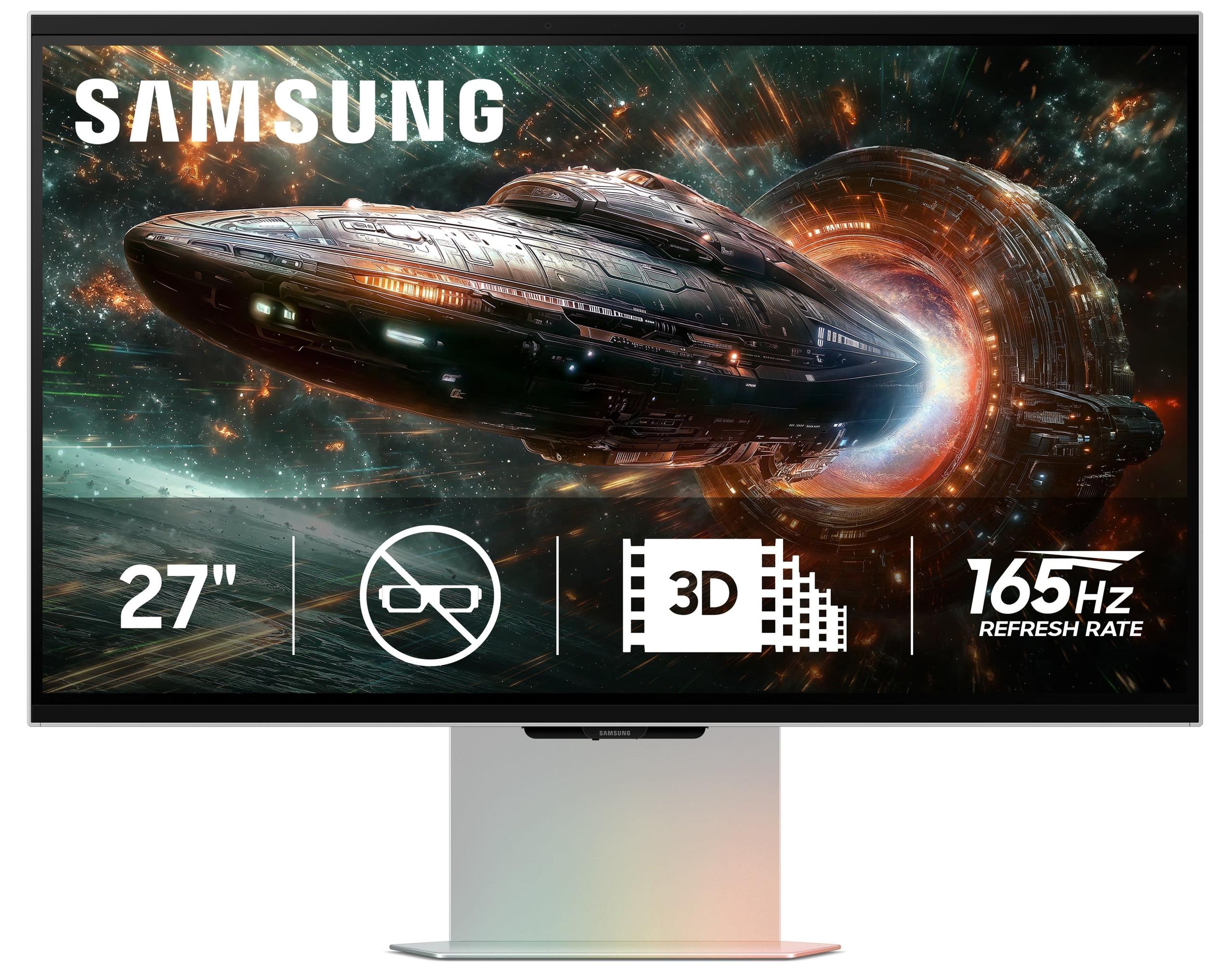
Today, we're comparing two monitors that represent opposite ends of this spectrum: the Alienware 27 QHD 180Hz Gaming Monitor and the Samsung 27" Odyssey 3D G90XF 4K 165Hz Gaming Monitor. At the time of writing, these monitors have vastly different price points—the Alienware costs roughly what you'd spend on a nice dinner for two, while the Samsung costs about as much as a decent used car. This price gap immediately tells us we're looking at fundamentally different products serving different audiences.
Before diving into specifics, let's establish what makes a gaming monitor great. The most critical factor is refresh rate—measured in Hertz (Hz)—which determines how many times per second your monitor can display a new image. Higher refresh rates create smoother motion, reduce blur, and provide competitive advantages in fast-paced games. Think of it like the difference between watching a flipbook with 60 pages versus 180 pages; the higher number creates much smoother animation.
Response time, measured in milliseconds (ms), indicates how quickly pixels can change from one color to another. Lower is better here—1ms response time means less ghosting (where fast-moving objects leave trails) compared to 5ms response time. For competitive gaming, every millisecond matters.
Resolution determines image sharpness. QHD (2560×1440 pixels) offers a sweet spot between performance and visual quality, while 4K (3840×2160 pixels) provides cinema-quality sharpness but demands significantly more graphics processing power.
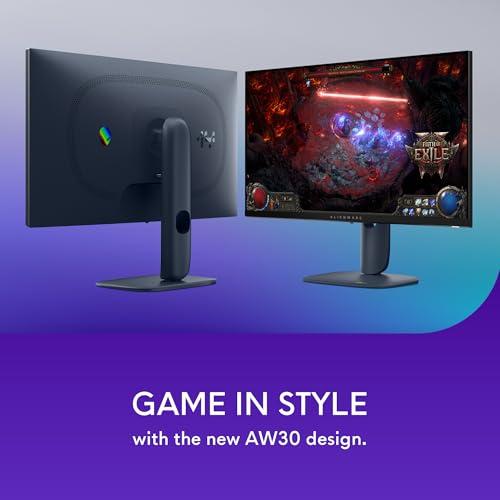
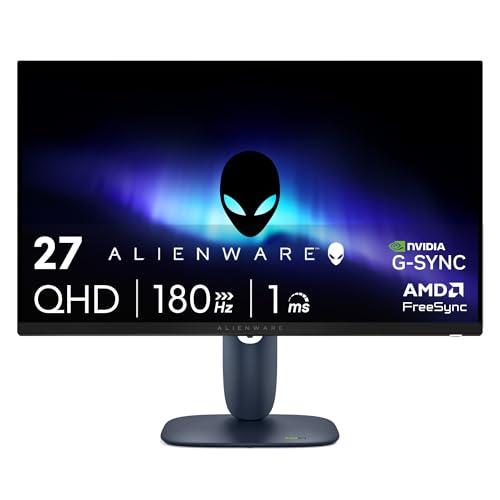
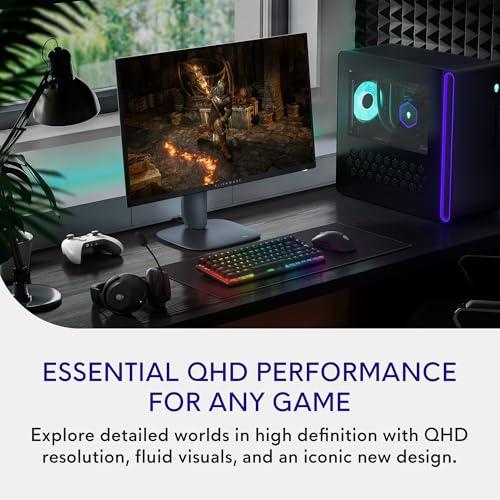
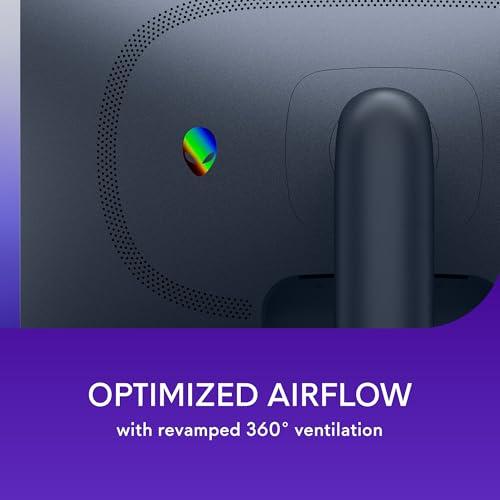
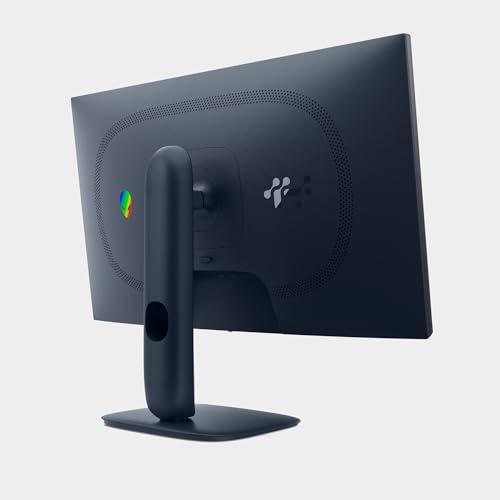
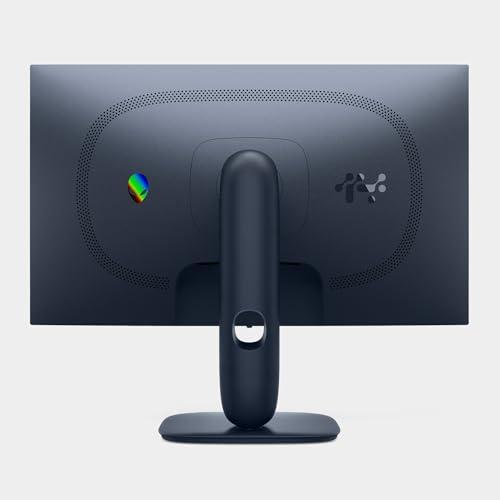
The Alienware 27 QHD 180Hz Gaming Monitor, released in 2023, represents the evolution of competitive gaming displays. This monitor embodies what we've learned works exceptionally well: a Fast IPS panel that delivers vibrant colors with wide viewing angles, combined with a blazing-fast 180Hz refresh rate and multiple response time settings.
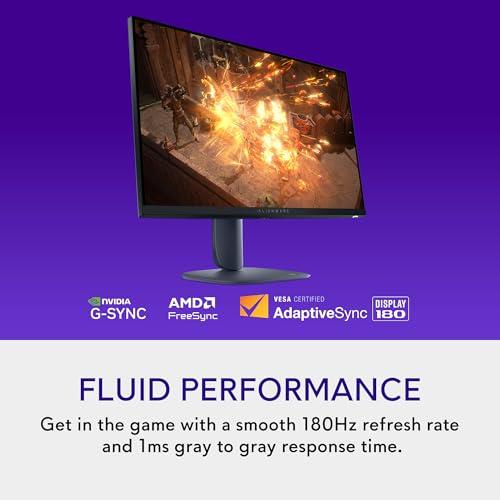
What sets this monitor apart in its price category is the Fast IPS technology. Traditional IPS panels were known for excellent colors but slower response times. Fast IPS maintains those beautiful, accurate colors while achieving the rapid pixel switching speeds that competitive gamers demand. The Alienware monitor offers three response time modes: 4ms for optimal image quality, 2ms for balanced performance, and 1ms for maximum speed. This flexibility lets you prioritize either image quality or competitive edge depending on what you're playing.
The adaptive sync support is comprehensive, working with both NVIDIA G-SYNC Compatible and AMD FreeSync Premium Pro technologies. Adaptive sync eliminates screen tearing—those jarring horizontal lines that appear when your graphics card and monitor fall out of sync—creating seamless gameplay regardless of whether your frame rate is 60fps or 180fps.
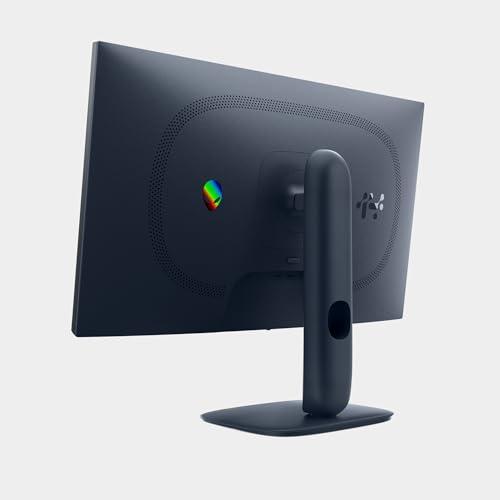
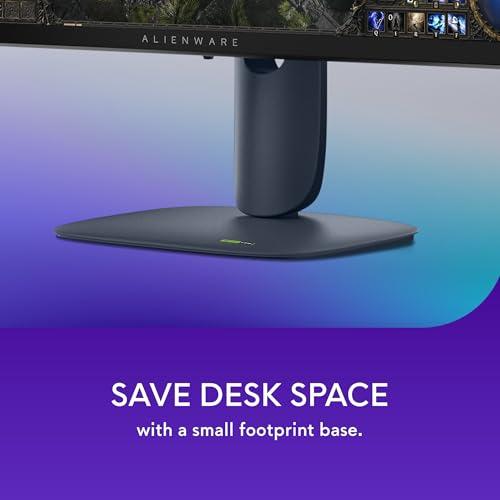
From our research into user experiences, the Alienware monitor consistently delivers on its promises. Users report excellent color reproduction that makes games look vibrant without being oversaturated, and the 180Hz refresh rate provides noticeably smoother motion compared to standard 144Hz displays. The build quality impresses with a fully adjustable stand offering height, tilt, swivel, and pivot adjustments—crucial for long gaming sessions where comfort matters.
However, the monitor has clear limitations. There are no built-in speakers, which means you'll need separate audio equipment. Some users report minor backlight bleeding, a common issue with IPS panels where light leaks around the edges, though most find it negligible during actual gameplay.
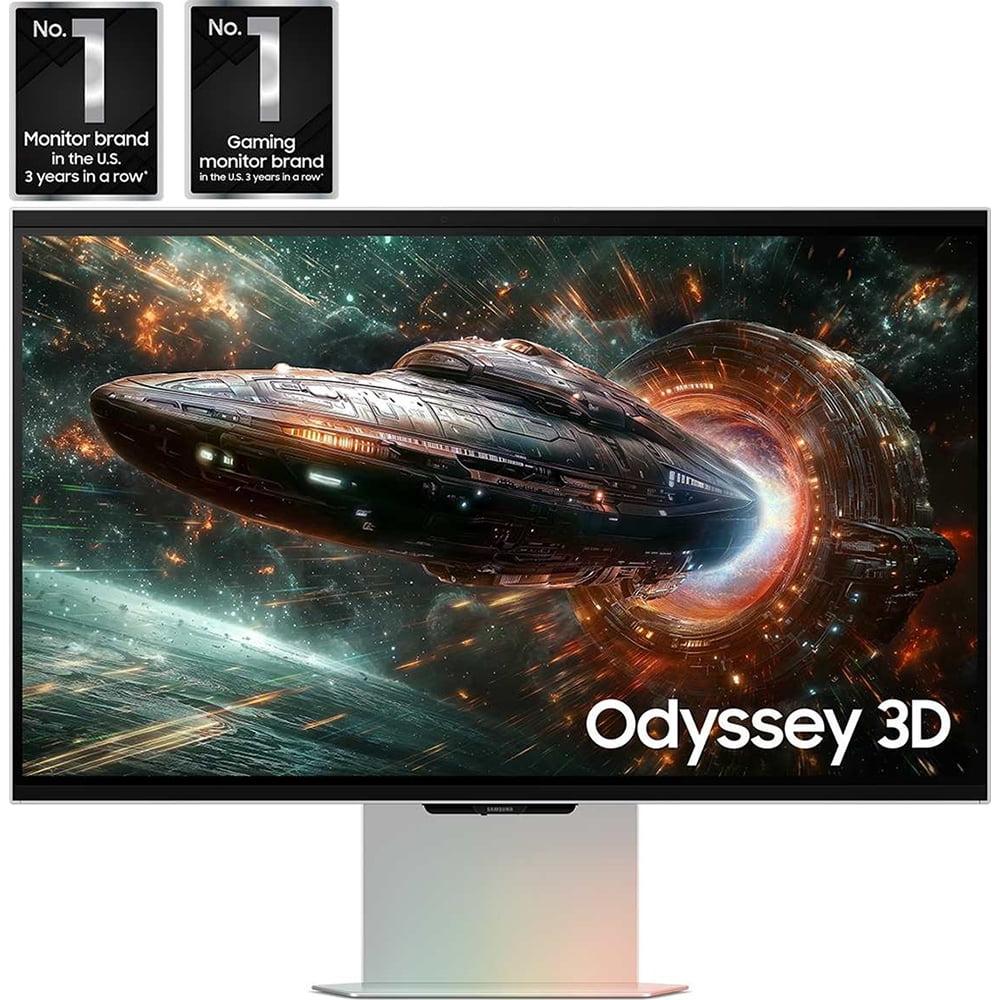
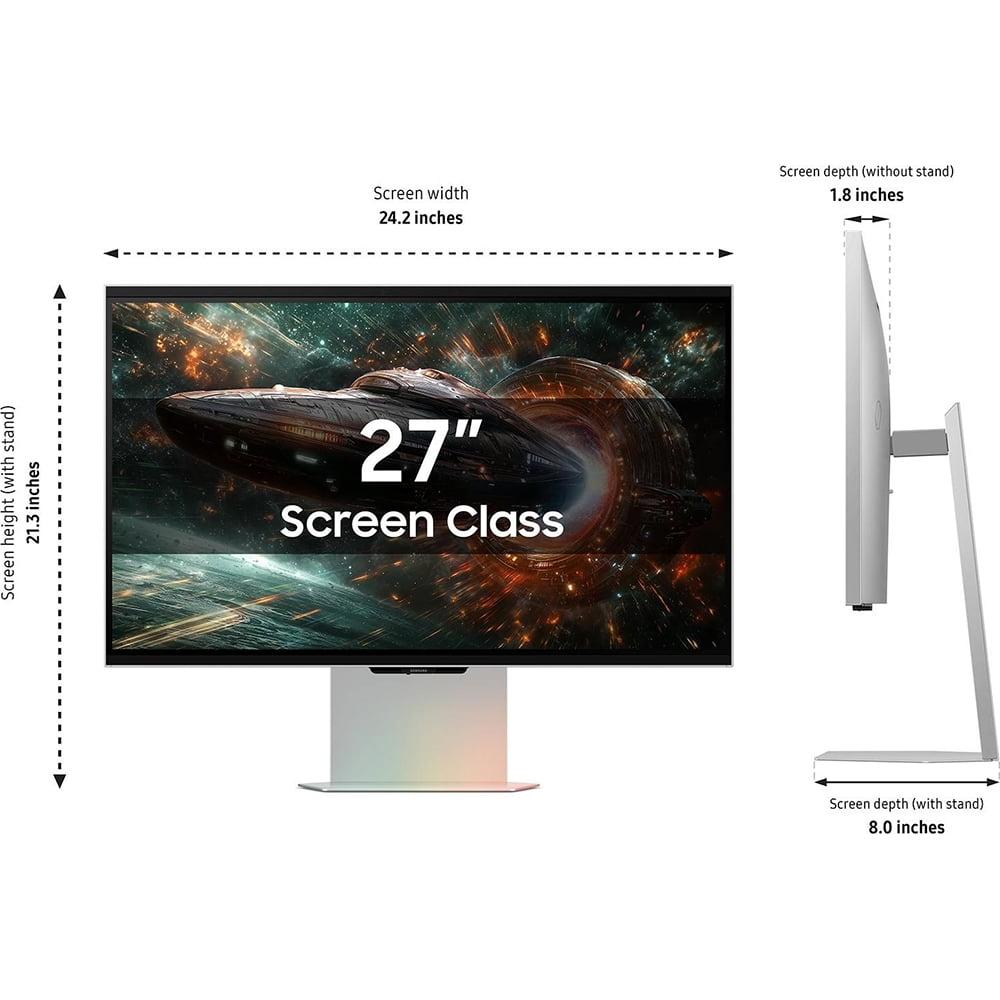
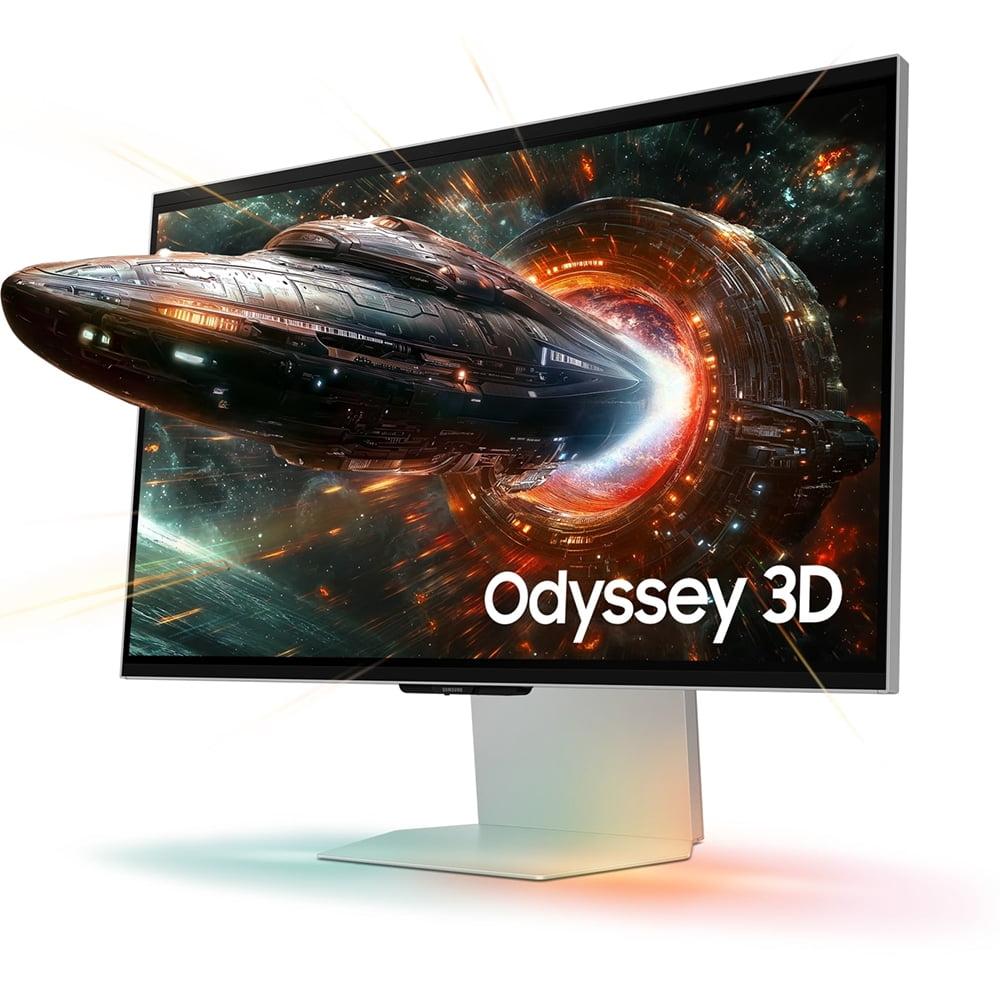
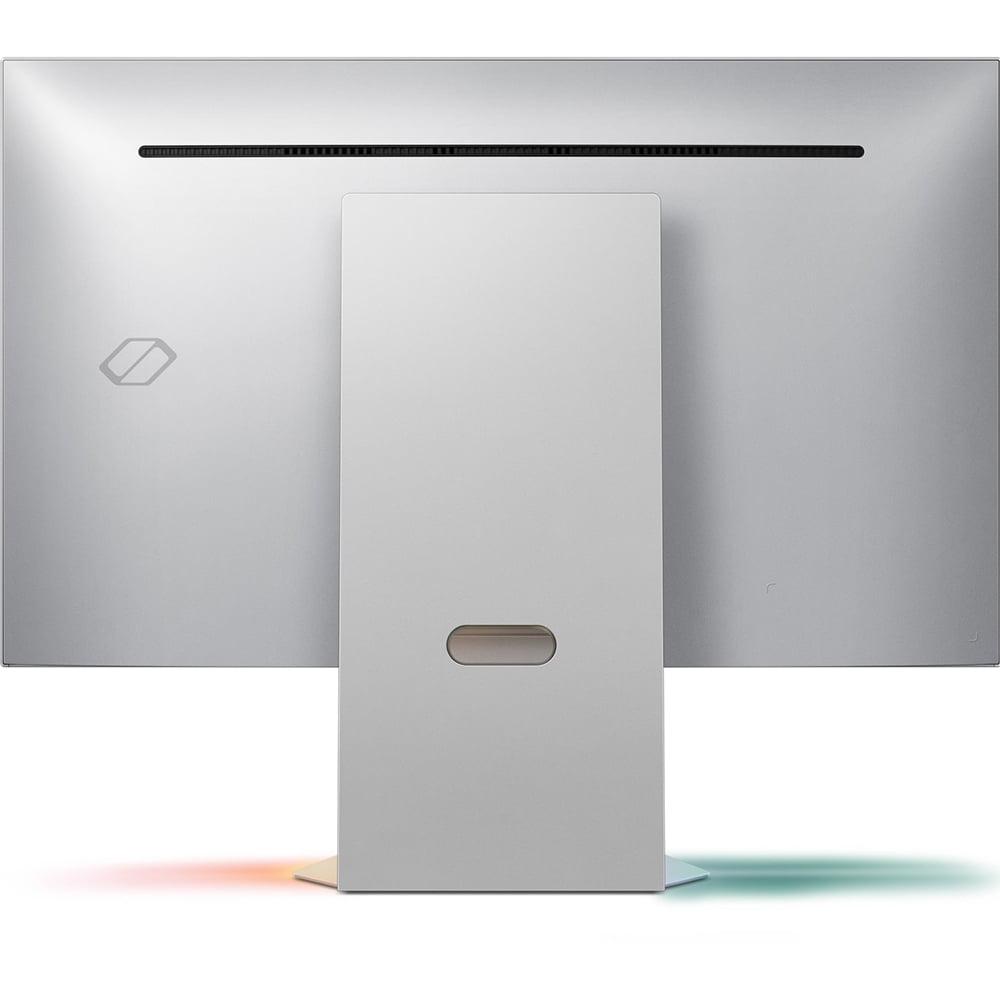
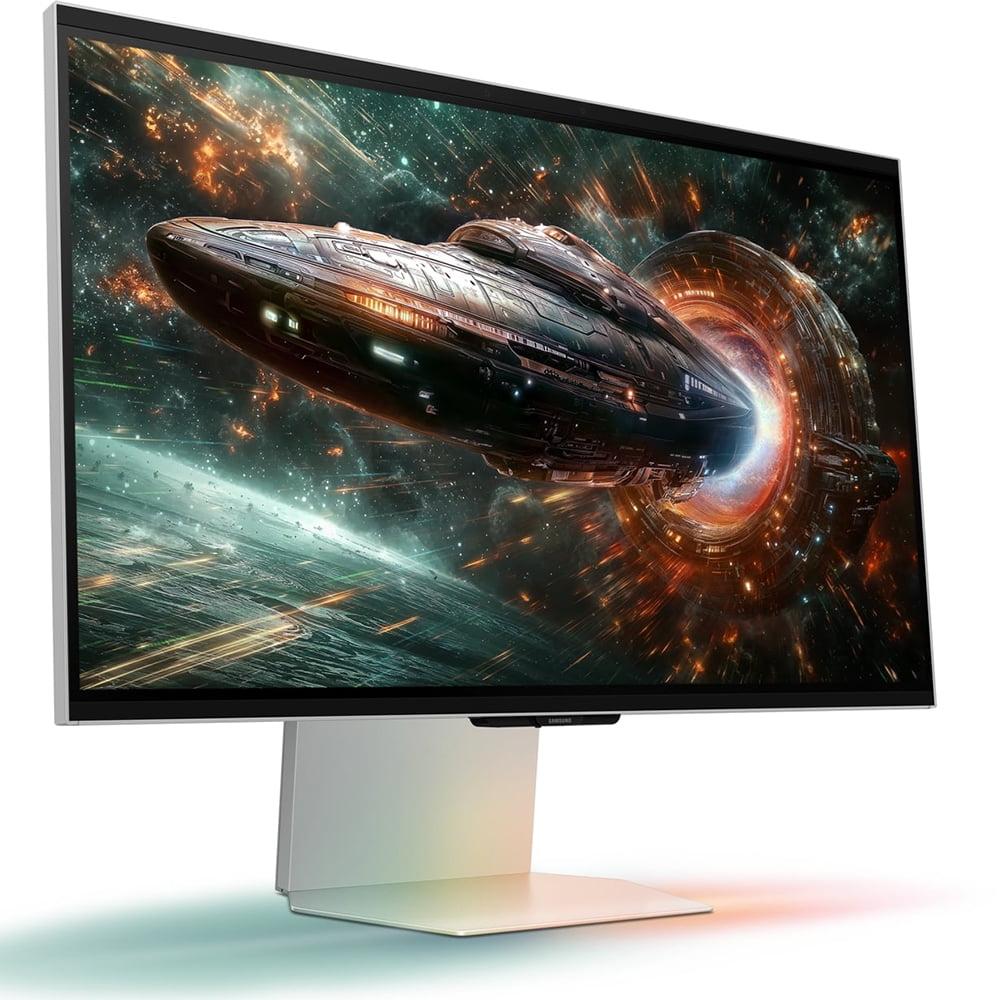
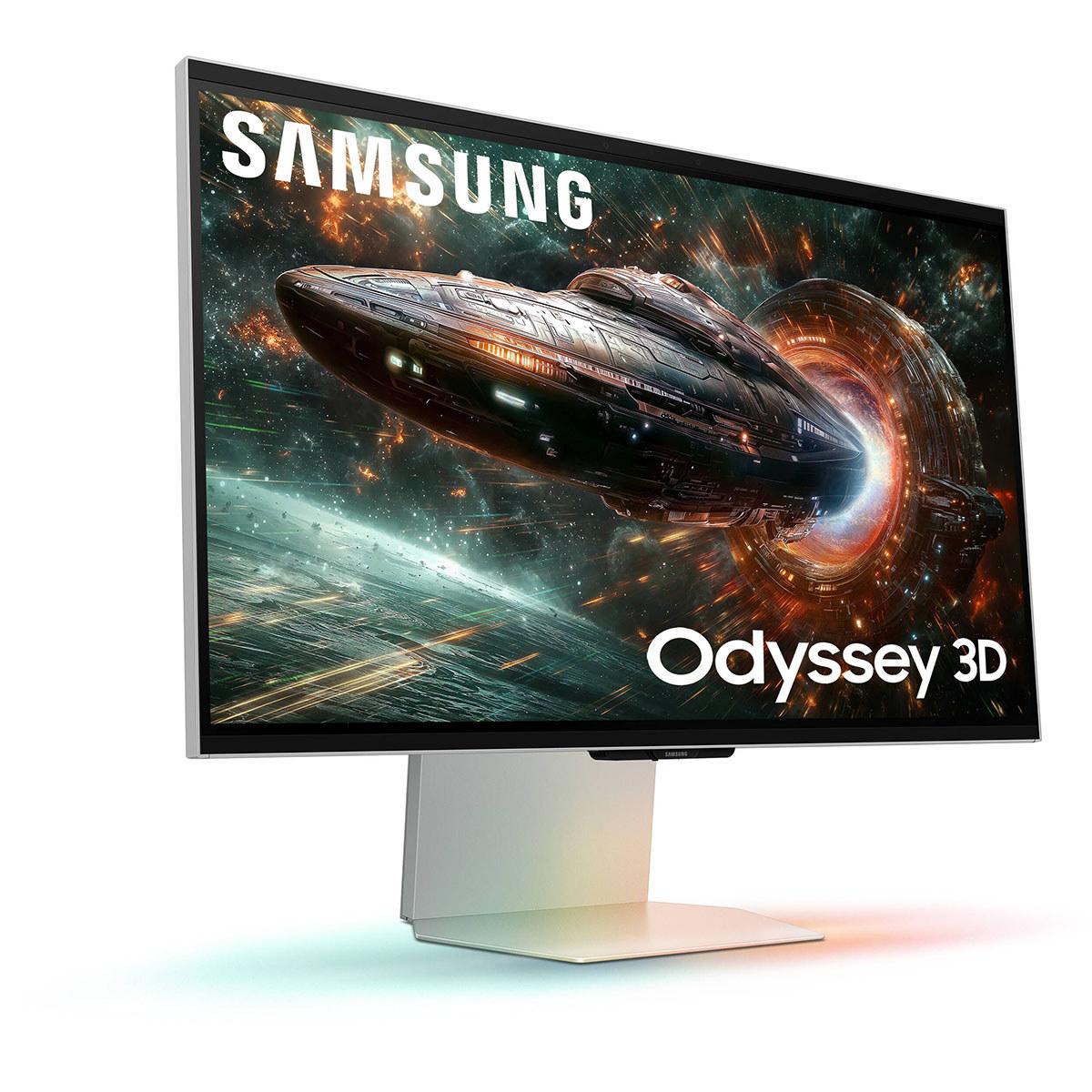
The Samsung 27" Odyssey 3D G90XF, launched in 2024, represents something genuinely revolutionary in consumer displays. This isn't just another gaming monitor—it's Samsung's attempt to bring glasses-free 3D technology to mainstream gaming, something that's been promised for years but never successfully delivered at this quality level.
The glasses-free 3D technology works through a combination of eye-tracking cameras and sophisticated algorithms that create depth perception without special eyewear. The monitor tracks your head position using dual cameras and adjusts the 3D effect accordingly, creating what many describe as holographic visuals where game characters and environments appear to project out from the screen. This represents a significant advancement over previous 3D attempts that required uncomfortable active-shutter glasses or provided inconsistent viewing experiences.
The AI 3D Video Conversion feature uses artificial intelligence to analyze standard 2D video content and add depth information in real-time. While not as convincing as native 3D content, this technology allows you to experience your existing video library in a new dimension. The effectiveness varies significantly depending on the source material—content with clear foreground and background separation works much better than flat, uniform scenes.
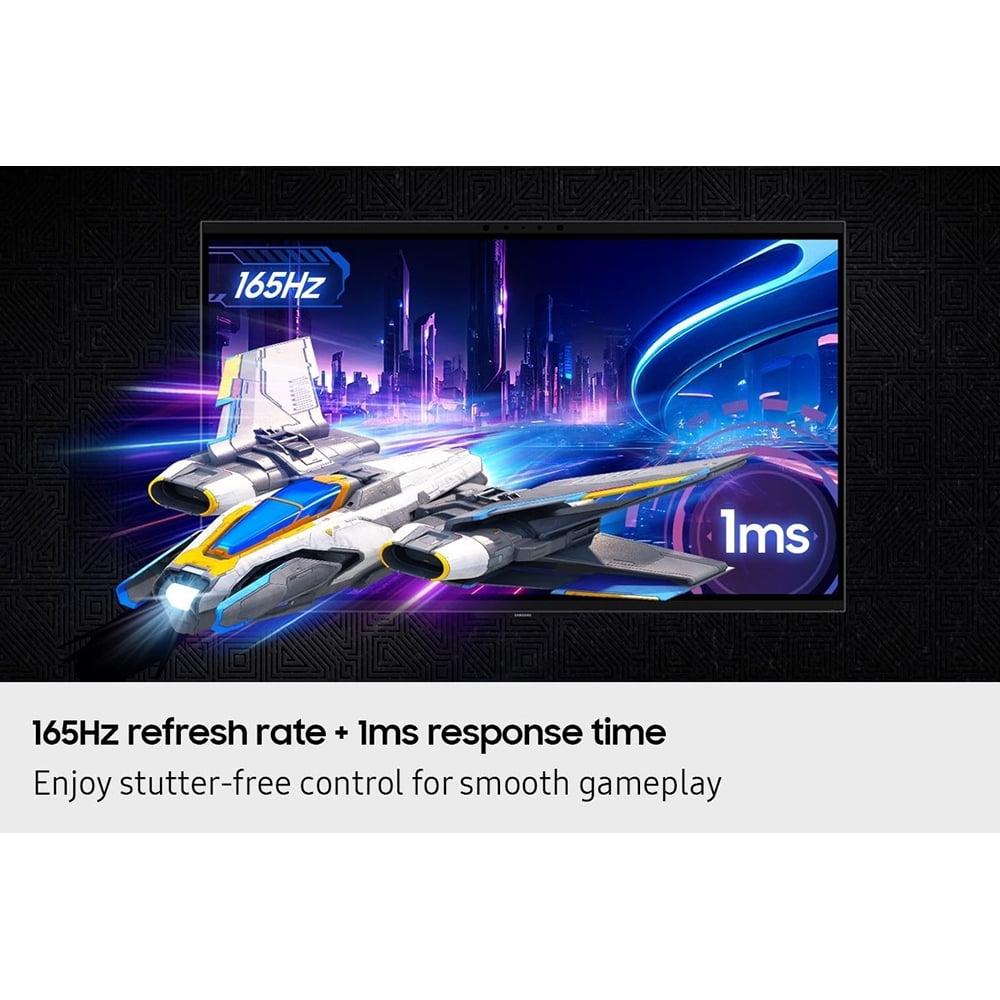
What makes the Samsung monitor particularly interesting is its 4K resolution combined with 165Hz refresh rate. This combination was challenging to achieve until recent advances in DisplayPort technology and display controllers. The result is incredibly sharp visuals that maintain smooth motion, though you'll need a high-end graphics card to fully utilize this capability.
The monitor includes HDR10+ Gaming support, which dynamically adjusts brightness and contrast based on game content. Unlike static HDR that applies the same settings throughout, HDR10+ can make explosions blindingly bright while keeping shadow details visible, creating more realistic and immersive visuals.
For competitive gaming—think Counter-Strike, Valorant, or Rocket League—the Alienware monitor holds clear advantages. The 180Hz refresh rate provides a tangible edge over 165Hz, and more importantly, its QHD resolution allows mid-range graphics cards to achieve these high frame rates consistently.
In competitive gaming, maintaining consistent frame rates above your refresh rate is crucial for minimizing input lag. A GTX 4060 or RTX 3060 can easily push 180+ fps in esports titles at 1440p resolution, but would struggle to maintain even 100fps at 4K resolution in the same games. This means the Alienware monitor's lower resolution actually becomes an advantage for serious competitive players.
The multiple response time settings also matter more than you might expect. The fastest 1ms setting introduces slight overshoot (where pixels change too quickly, creating inverse ghosting), but provides the absolute minimum input lag. The 2ms "Super Fast" setting offers the best balance for most users, while the 4ms "Fast" setting prioritizes image quality over pure speed.
For story-driven games, open-world adventures, and cinematic experiences, the Samsung monitor offers compelling advantages when its 3D technology works properly. Games like Cyberpunk 2077, Red Dead Redemption 2, or any title with rich environmental details benefit enormously from 4K resolution. The difference in visual clarity is immediately apparent—text is crisp, distant objects remain detailed, and the overall image quality approaches what you'd see in a movie theater.
However, the 3D functionality introduces significant complexity. Currently, only about 14 games support native 3D, including titles like Lies of P, Palworld, and Dragon Ball Z: Kakarot. When it works, the 3D effect is genuinely impressive—characters appear to have physical presence, and environments gain convincing depth. But the limited game library means most of your gaming time will be spent in traditional 2D mode.
The system requirements present another consideration. While the Alienware monitor pairs excellently with mainstream gaming PCs, the Samsung display demands high-end hardware. For 4K gaming at 165fps, you're looking at RTX 4080 or better territory, and 3D gaming requires even more processing power since the monitor essentially renders two slightly different images simultaneously.
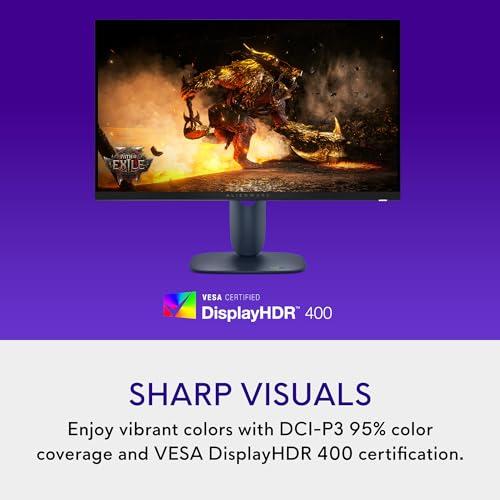
Both monitors excel at color reproduction, but serve different use cases. The Alienware monitor offers excellent gaming-focused color tuning with vibrant, engaging visuals that make games pop without sacrificing accuracy. It covers 95% of the DCI-P3 color gamut and up to 99% sRGB, providing professional-grade color accuracy suitable for content creation work.
The Samsung monitor takes this further with its 4K resolution making it genuinely suitable for video editing, graphic design, and other professional applications. The higher pixel density means more workspace and finer detail work, though the glossy screen finish can create reflection issues in bright rooms—something content creators often struggle with.
For gaming setups that double as home entertainment systems, both monitors present interesting possibilities with significant trade-offs. The Alienware monitor works well for streaming content and casual viewing, though its 27-inch size and lack of built-in speakers require additional equipment for a proper living room setup.
The Samsung monitor offers more compelling home theater potential with its 4K resolution perfect for streaming high-quality content, built-in speakers, and unique 3D video conversion. The AI-powered conversion can add depth to movies and shows, creating a novel viewing experience. However, the premium pricing makes dedicated home theater equipment more sensible for most people.
Gaming monitor technology has progressed rapidly since 2020. High refresh rate displays have become mainstream, with 144Hz now considered entry-level for gaming monitors. The Alienware monitor represents the maturation of this technology—180Hz isn't drastically faster than 144Hz, but it's the natural progression toward even higher refresh rates we're seeing in 2024.
The Samsung monitor represents a different evolutionary path entirely. While other manufacturers focused on pushing refresh rates higher (we're now seeing 480Hz OLED monitors), Samsung invested in stereoscopic 3D technology. This approach carries more risk but potentially greater reward if 3D gaming gains traction.
OLED technology has emerged as another significant development, offering perfect blacks and incredible contrast ratios. However, OLED gaming monitors remain expensive and carry burn-in risks with static gaming UI elements. Both monitors here use IPS technology, which offers good color accuracy, wide viewing angles, and long-term reliability without burn-in concerns.
The decision between these monitors depends entirely on your priorities and gaming preferences. The Alienware 27 QHD 180Hz Gaming Monitor serves competitive gamers, value-conscious buyers, and anyone who wants proven, reliable performance. It delivers excellent gaming experience across all titles without compatibility concerns or specialized hardware requirements.
Choose the Alienware monitor if you primarily play competitive games, want maximum value for your money, or prefer technology that works consistently across your entire game library. It's also the better choice for users with mid-range gaming PCs who want to maximize performance without upgrading their entire system.
The Samsung 27" Odyssey 3D G90XF appeals to early adopters, enthusiasts with high-end systems, and users who value unique experiences over pure practicality. The 3D technology is genuinely impressive when it works, but the limited software support and premium pricing make it a specialty purchase rather than a mainstream recommendation.
Choose the Samsung monitor if you're fascinated by 3D technology, own a high-end gaming PC, need 4K resolution for content creation, or want to experience something truly unique in gaming displays. However, be prepared for the current limitations in 3D game support and the possibility that this technology may not gain widespread adoption.
Based on our research and analysis of user experiences, the Alienware 27 QHD 180Hz Gaming Monitor represents the better choice for most gamers. It delivers exceptional performance, proven reliability, and outstanding value while working flawlessly with every game in your library.
The Samsung monitor showcases fascinating technology that could represent the future of gaming displays, but it's currently more of a premium tech demonstration than a practical gaming solution. If 3D gaming takes off and developer support expands significantly, this assessment could change. Until then, the Alienware monitor offers a more complete, satisfying gaming experience for the vast majority of users.
The technology gap between these monitors highlights an important principle in gaming hardware: sometimes the most impressive specifications don't translate to the best user experience. The Alienware monitor succeeds by executing established technology exceptionally well, while the Samsung monitor pioneers new territory with mixed practical results. Your choice should depend on whether you prioritize proven performance or cutting-edge experimentation.
| Alienware 27 QHD 180Hz Gaming Monitor | Samsung 27" Odyssey 3D G90XF 4K 165Hz Gaming Monitor |
|---|---|
| Display Resolution - Higher resolution means sharper images but requires more GPU power | |
| QHD 2560×1440 (ideal for competitive gaming with mid-range GPUs) | 4K UHD 3840×2160 (premium sharpness, needs high-end graphics cards) |
| Refresh Rate - Higher rates create smoother motion and competitive advantages | |
| 180Hz (slight edge for esports, works with mainstream GPUs) | 165Hz (excellent for gaming, the 15Hz difference is negligible) |
| Response Time - Lower times reduce ghosting in fast-moving scenes | |
| 1ms GtG with multiple modes (4ms/2ms/1ms for quality vs speed) | 1ms GtG (optimized for gaming performance) |
| Panel Technology - Affects color accuracy, viewing angles, and contrast | |
| Fast IPS (excellent colors, wide viewing angles, no burn-in risk) | IPS (great colors and viewing angles, glossy finish creates reflections) |
| Special Features - Unique capabilities that set each monitor apart | |
| Standard gaming features, proven technology | Glasses-free 3D with eye tracking, AI 2D-to-3D conversion |
| 3D Gaming Support - Revolutionary but limited feature | |
| None (works with 100% of games in standard 2D) | Native 3D support for ~14 games, AI conversion for others |
| HDR Support - Enhanced contrast and brightness for supported content | |
| VESA DisplayHDR 400 (decent HDR for the price range) | HDR10+ Gaming (dynamic HDR adjustment, cannot use with 3D simultaneously) |
| Adaptive Sync - Eliminates screen tearing across different GPU brands | |
| NVIDIA G-SYNC Compatible, AMD FreeSync Premium Pro | NVIDIA G-SYNC Compatible, AMD FreeSync Premium |
| System Requirements - Graphics power needed for optimal performance | |
| RTX 3060/4060 class for 180fps gaming (very accessible) | RTX 4080+ recommended for 4K gaming, even higher for 3D |
| Color Accuracy - Important for content creation and image quality | |
| 95% DCI-P3, 99% sRGB (excellent for gaming and content work) | 99% sRGB, professional-grade color accuracy |
| Audio Solution - Built-in sound capabilities | |
| No built-in speakers (requires external audio) | Integrated dual speakers with directional spatial audio |
| Stand Adjustability - Ergonomic flexibility for comfort | |
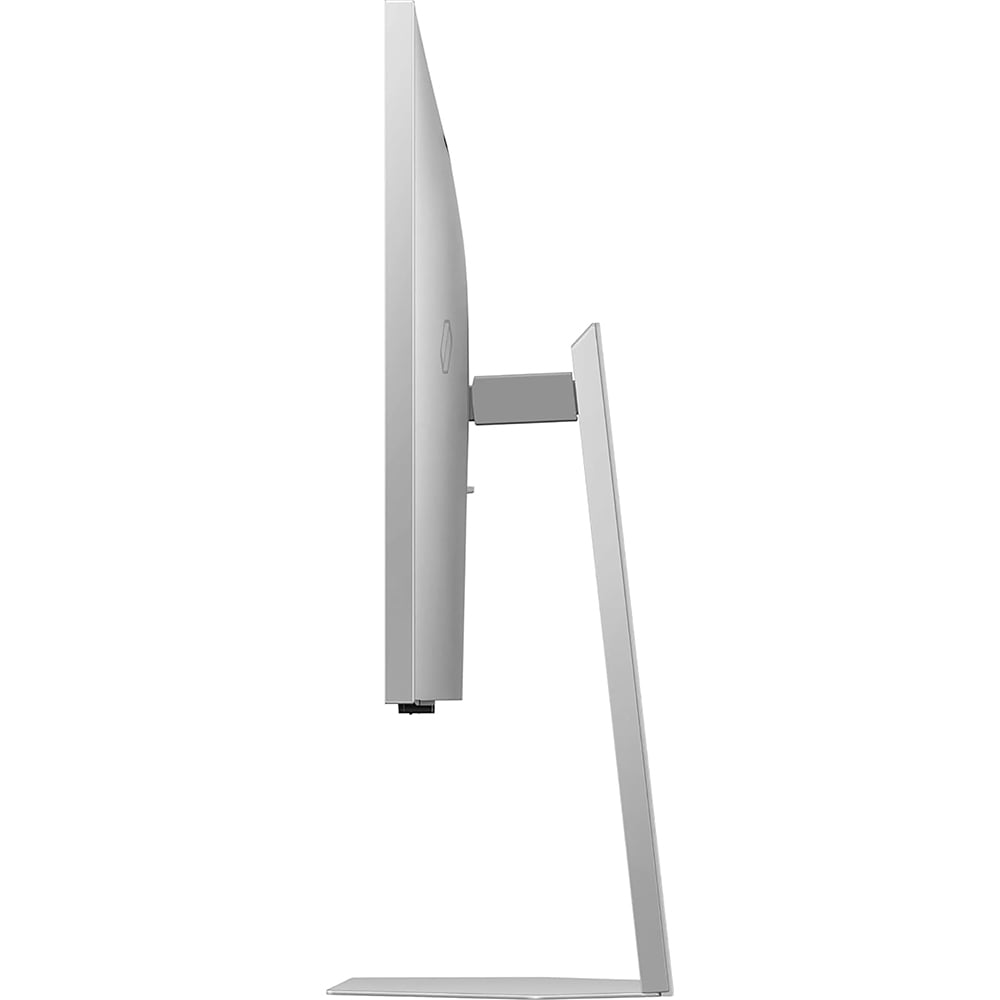
| Height, tilt, swivel, pivot (full adjustment range) | Height, tilt, pivot (no swivel adjustment) |
| Target User - Who each monitor serves best | |
| Competitive gamers, value-focused buyers, mid-range PC owners | Early adopters, premium enthusiasts, high-end PC owners |
| Game Compatibility - How well it works across your game library | |
| Universal compatibility with all games and consoles | Limited 3D library, requires PC for 3D features |
The Alienware 27 QHD 180Hz Gaming Monitor is superior for competitive gaming. Its 180Hz refresh rate provides a slight advantage over the Samsung Odyssey 3D monitor's 165Hz, and the QHD resolution allows mid-range graphics cards to achieve higher frame rates consistently. The Alienware monitor works with all competitive games without compatibility issues, while the Samsung's 3D features don't benefit esports titles.
The Samsung 27" Odyssey 3D G90XF delivers significantly sharper images with its 4K resolution compared to the Alienware monitor's QHD resolution. The Samsung provides 2.25 times more pixels, making text crisper and fine details clearer. However, both use IPS panels with excellent color accuracy, so the main difference is sharpness rather than color quality.
The Alienware 27 QHD 180Hz Gaming Monitor works well with mid-range graphics cards like RTX 3060 or RTX 4060. The Samsung Odyssey 3D monitor requires much more powerful hardware—at least RTX 4080 for smooth 4K gaming and even higher specs for 3D gaming. This makes the Alienware much more accessible for most gaming setups.
The Samsung 27" Odyssey 3D G90XF uses eye-tracking cameras and advanced algorithms to create glasses-free 3D visuals. The monitor tracks your head position and adjusts the 3D effect accordingly, creating holographic-like images that appear to project from the screen. However, only about 14 games currently support native 3D, limiting its practical use compared to the Alienware monitor.
The Alienware 27 QHD 180Hz Gaming Monitor provides exceptional value, offering high-performance gaming features at a fraction of the cost of the Samsung Odyssey 3D monitor. The Samsung costs significantly more primarily for its experimental 3D technology, which has limited software support. For traditional gaming, the Alienware delivers better performance per dollar spent.
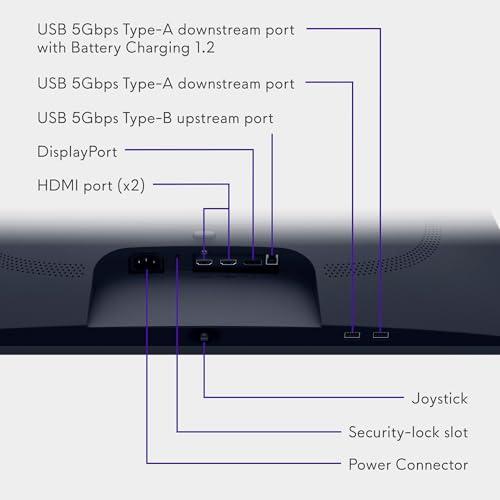
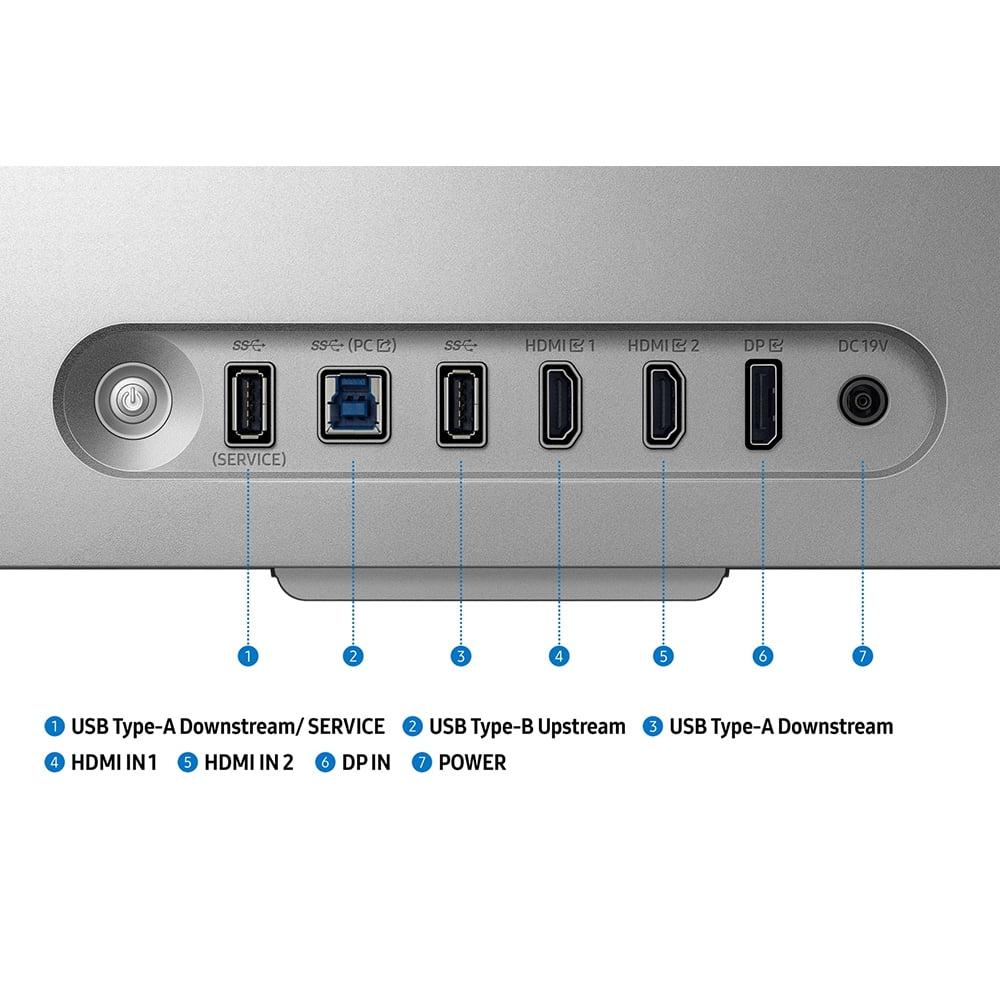
Yes, both monitors work with gaming consoles like PlayStation 5 and Xbox Series X through HDMI connections. However, the Samsung monitor's 3D features only work with PC gaming—consoles cannot utilize the 3D technology. The Alienware 27 QHD monitor provides a more straightforward console gaming experience with excellent performance across all platforms.
The Samsung 27" Odyssey 3D G90XF is better suited for professional work due to its 4K resolution, which provides more screen real estate and finer detail for video editing and graphic design. Both monitors offer excellent color accuracy, but the Samsung's higher resolution makes it more versatile for creative professionals. The Alienware monitor works well for content creation but is primarily optimized for gaming.
The Samsung Odyssey 3D monitor includes built-in dual speakers with directional spatial audio that enhances the 3D experience. The Alienware 27 QHD monitor does not have built-in speakers, requiring separate audio equipment. This is a notable convenience advantage for the Samsung monitor.
Both monitors offer 1ms response time (gray-to-gray), making them equally responsive for gaming. However, the Alienware 27 QHD 180Hz Gaming Monitor provides multiple response time modes (1ms, 2ms, 4ms) allowing you to balance speed versus image quality. The Samsung monitor focuses on a single optimized 1ms setting.
The Samsung 27" Odyssey 3D G90XF offers superior movie watching with its 4K resolution, built-in speakers, and AI-powered 3D conversion that can add depth to regular video content. The Alienware monitor provides good streaming quality but lacks the resolution and audio features that make the Samsung more suitable for entertainment use.
The Alienware 27 QHD 180Hz Gaming Monitor has universal compatibility with all games, operating systems, and devices. The Samsung Odyssey 3D monitor has excellent 2D compatibility but limited 3D game support—only about 14 titles currently support native 3D. The 3D features also require specific PC hardware and don't work with consoles.
This depends on your perspective. The Samsung 27" Odyssey 3D G90XF represents cutting-edge technology that could become more relevant as 3D gaming develops, and its 4K resolution aligns with industry trends. However, the Alienware 27 QHD 180Hz Gaming Monitor uses proven, mature technology that will remain relevant for years and works with current gaming standards. For most users, the Alienware offers more practical future-proofing.
We've done our best to create useful and informative comparisons to help you decide what product to buy. Our research uses advanced automated methods to create this comparison and perfection is not possible - please contact us for corrections or questions. These are the sites we've researched in the creation of this article: bestbuy.com - bestbuy.com - youtube.com - dell.com - tweaktown.com - dell.com - rtings.com - manuals.plus - tomshardware.com - displayspecifications.com - youtube.com - youtube.com - displayspecifications.com - dell.com - dellstore.com - ebay.com - hometechnologyreview.com - substack.com - rtings.com - youtube.com - techaeris.com - versus.com - tomsguide.com - avsforum.com - youtube.com - versus.com - bestbuy.com - samsung.com - samsung.com - samsung.com - samsung.com - m.media-amazon.com

Privacy Policy
Terms and Conditions - Affiliate Policy
Home Security
© Copyright 2008-2026.
11816 Inwood Rd #1211, Dallas, TX 75244