

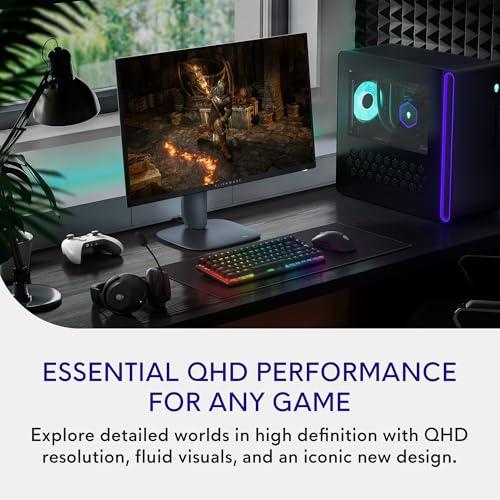
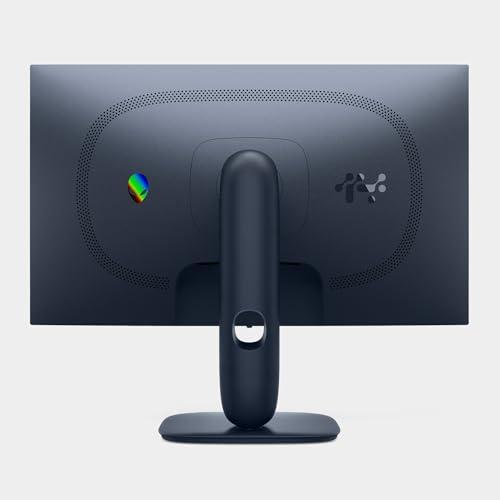

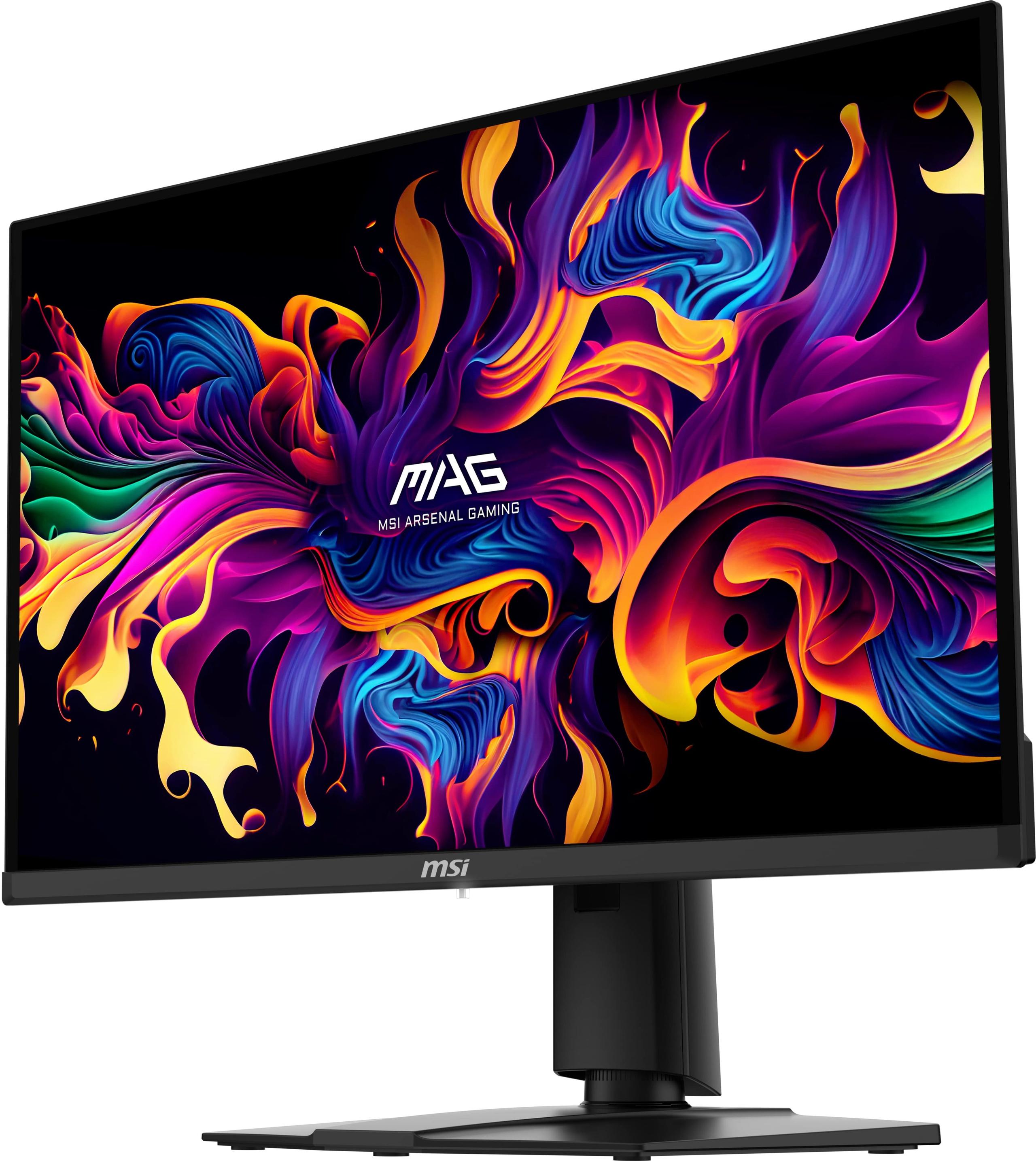
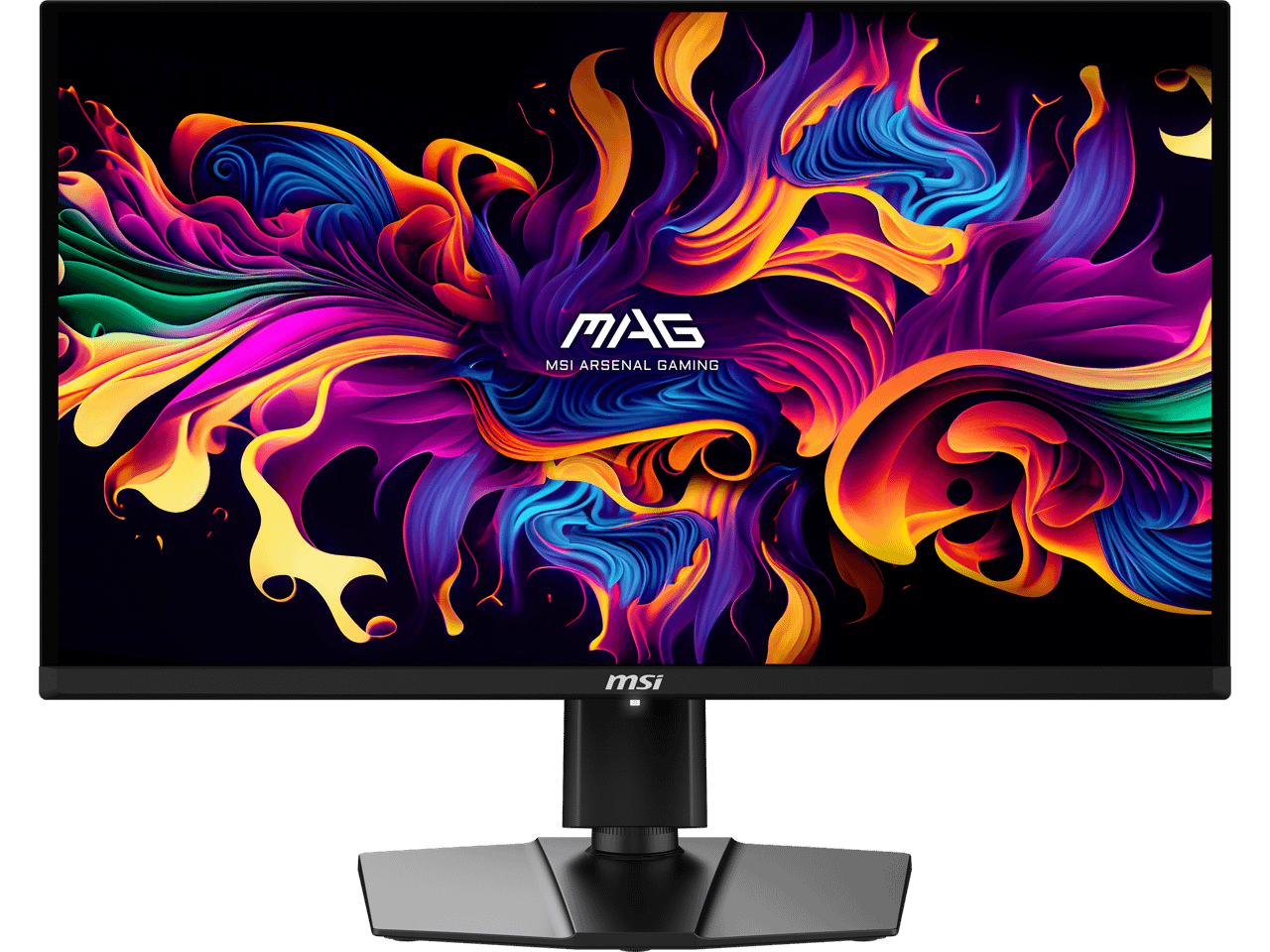
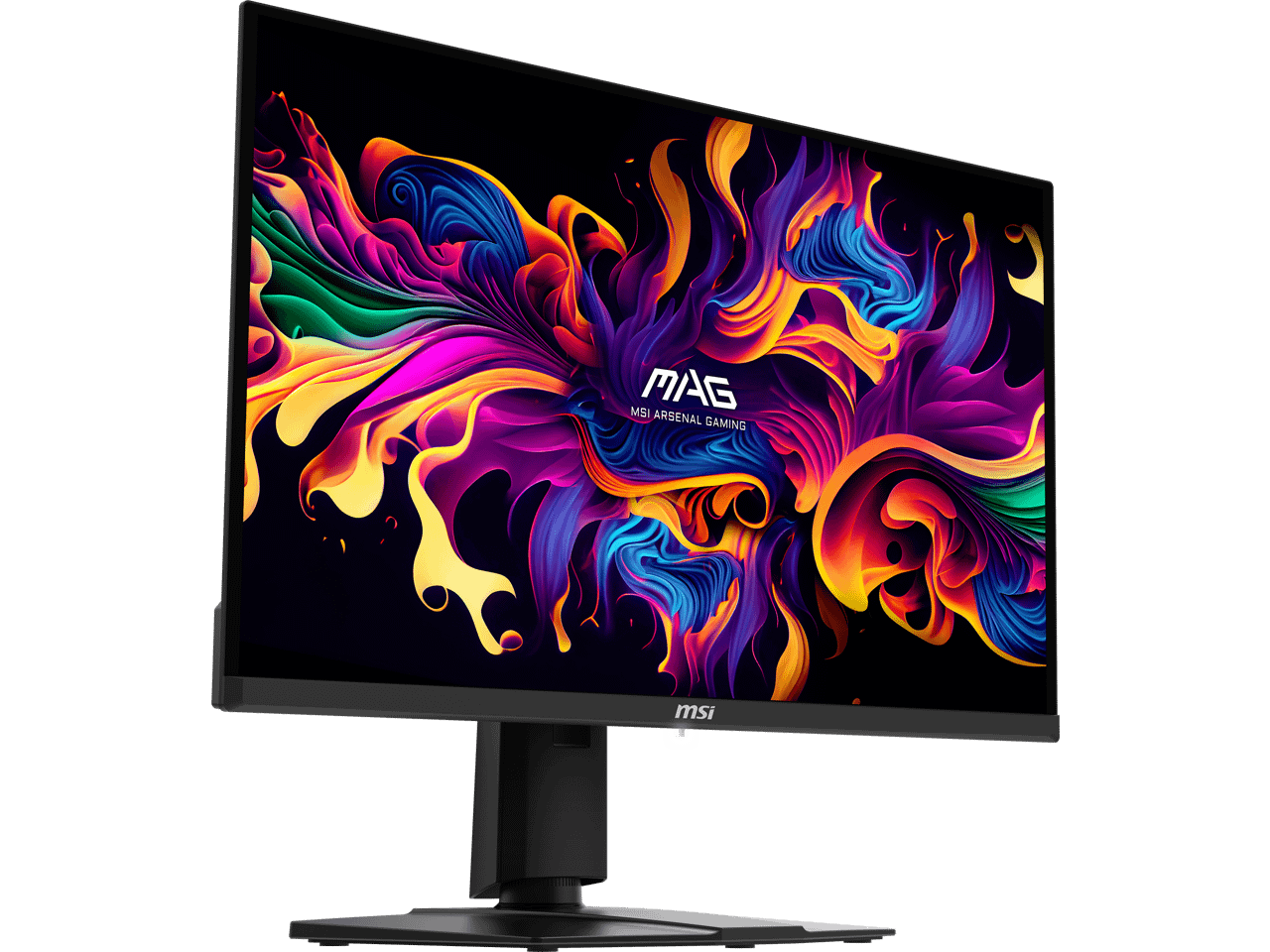

When shopping for a new gaming monitor in 2024, you'll quickly discover that the 27-inch QHD (2560 x 1440 resolution) category has become incredibly competitive. Two monitors that perfectly illustrate the current market divide are the Alienware 27 QHD 180Hz Gaming Monitor and the MSI MAG 271QP QD-OLED X24. These represent fundamentally different philosophies: proven IPS technology at an accessible price versus cutting-edge OLED tech at a premium.
Gaming monitors aren't just regular computer screens with flashy designs. They're engineered specifically to minimize the delay between when your graphics card sends an image and when your eyes see it. This involves several key technologies working together.
Refresh rate measures how many times per second your monitor can display a new image, expressed in Hertz (Hz). A 60Hz monitor updates 60 times per second, while a 240Hz monitor updates 240 times. Higher refresh rates create smoother motion, especially noticeable when tracking fast-moving objects in games like first-person shooters or racing games.
Response time indicates how quickly individual pixels can change from one color to another, typically measured in milliseconds (ms). Faster response times reduce "ghosting" – those annoying trails you sometimes see behind moving objects. For competitive gaming, every millisecond matters.
Input lag represents the total delay from when your mouse or keyboard sends a command to when you see the result on screen. Gaming monitors minimize this through specialized processing and direct communication with your graphics card.
The panel technology itself – whether IPS, OLED, or VA – determines the fundamental characteristics of color accuracy, contrast ratio, and viewing angles. Each has distinct advantages and trade-offs that significantly impact your gaming and viewing experience.
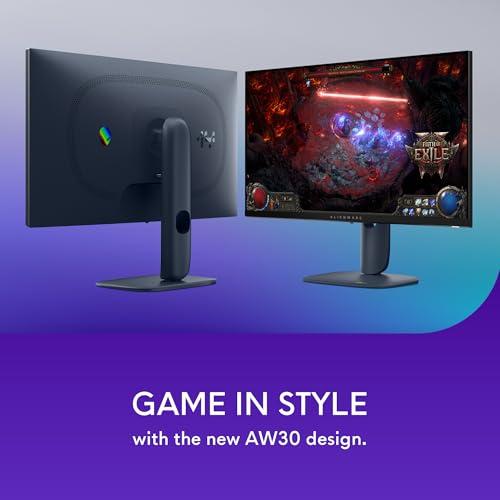
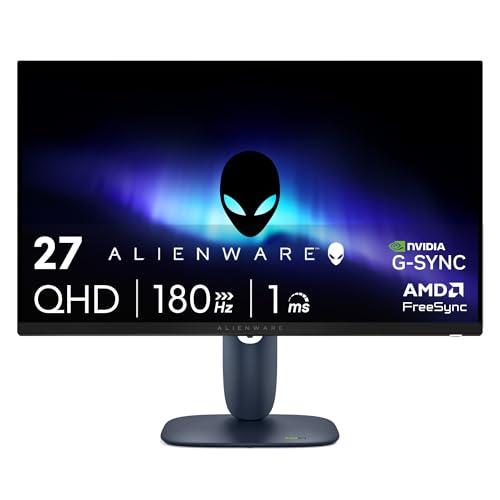
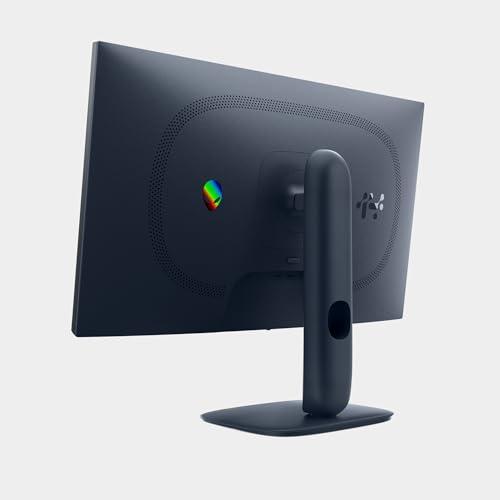
Released in 2024, the Alienware 27 QHD 180Hz Gaming Monitor takes a time-tested approach using Fast IPS (In-Plane Switching) panel technology. At the time of writing, it positions itself as a premium yet accessible option, typically priced significantly lower than OLED alternatives while delivering solid gaming performance.
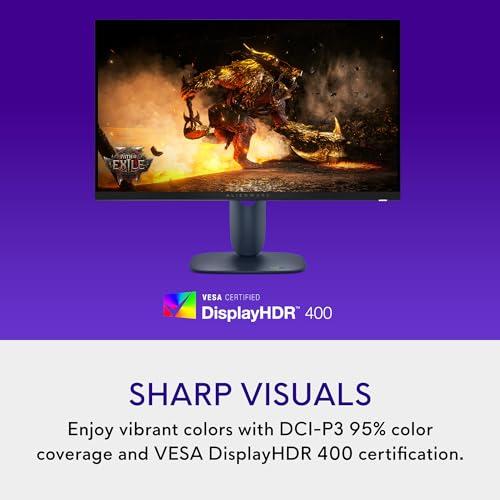
The Fast IPS panel provides excellent color accuracy right out of the box, supporting up to 99% of the sRGB color space and 95% DCI-P3 coverage. For context, sRGB represents the standard color range for web content and most games, while DCI-P3 covers a wider range used in HDR content and modern films. The monitor achieves a respectable 400 nits peak brightness and includes VESA DisplayHDR 400 certification, meaning it can display basic HDR content with improved contrast and color depth compared to standard displays.
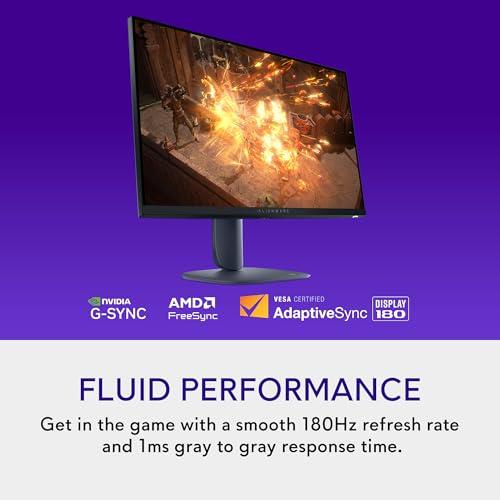
What sets the Alienware monitor apart is its practical approach to refresh rates. It delivers 180Hz over DisplayPort 1.4 connection – a sweet spot that provides noticeably smoother gaming than standard 144Hz monitors without the premium cost of 240Hz+ displays. When connected via HDMI, it operates at 144Hz, which still represents excellent performance for console gaming or systems with HDMI-only graphics outputs.
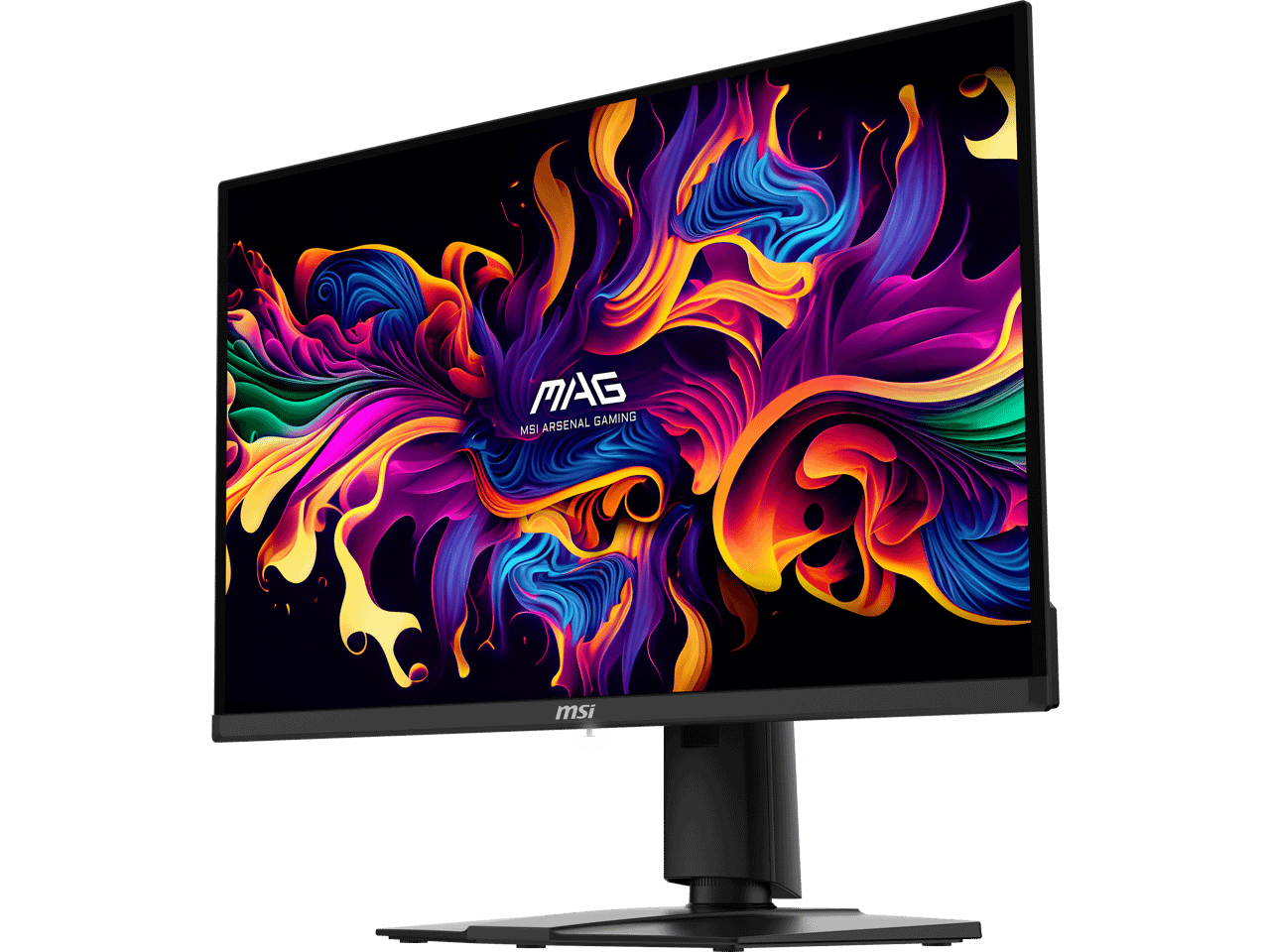
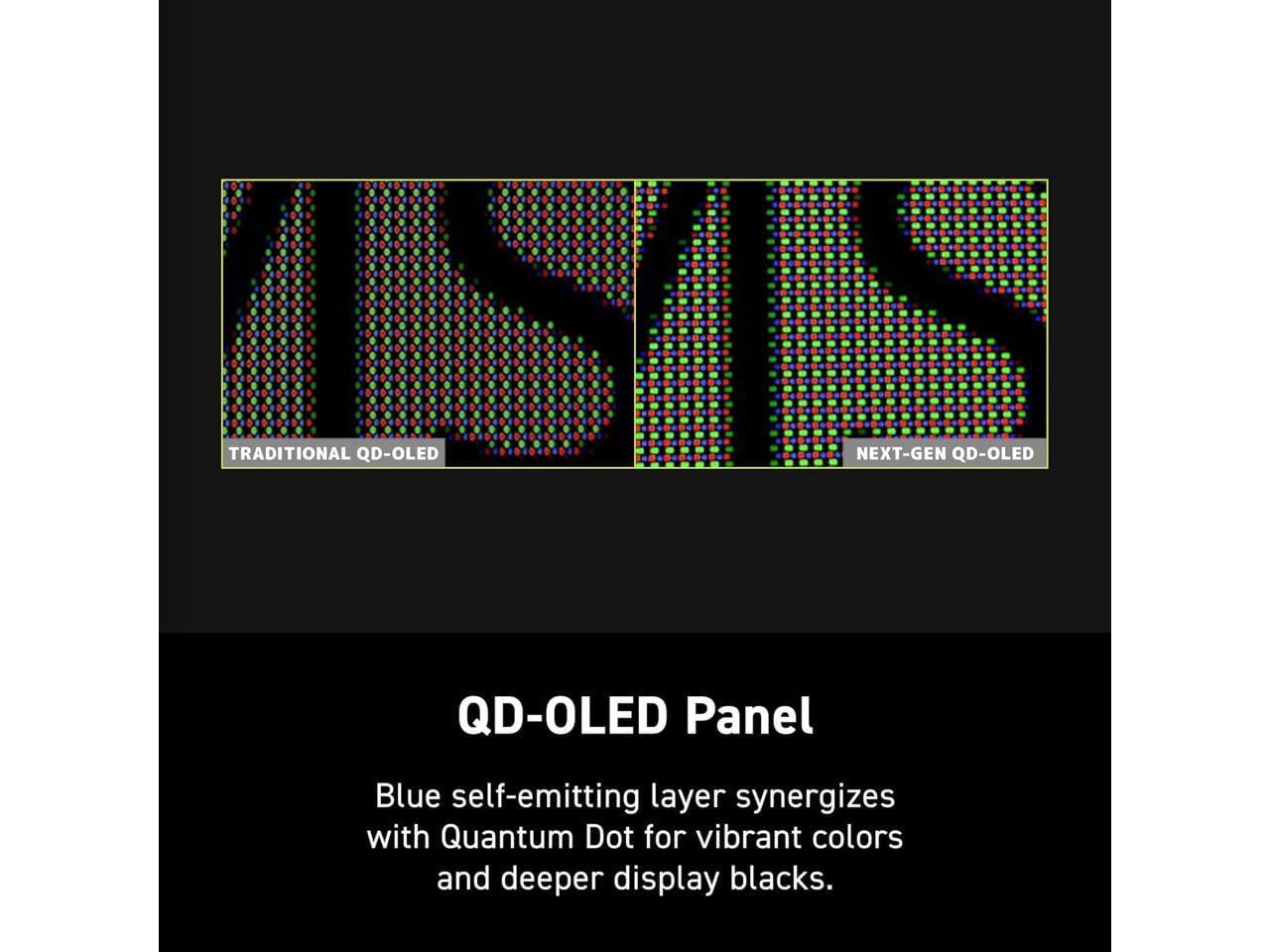
The MSI MAG 271QP QD-OLED X24, also released in 2024, represents the latest evolution in display technology. QD-OLED combines the perfect blacks and infinite contrast of OLED (Organic Light-Emitting Diode) technology with Quantum Dot enhancement for superior color reproduction. At the time of writing, it commands a significant premium over IPS alternatives – often double the price – but delivers genuinely transformative visual quality.
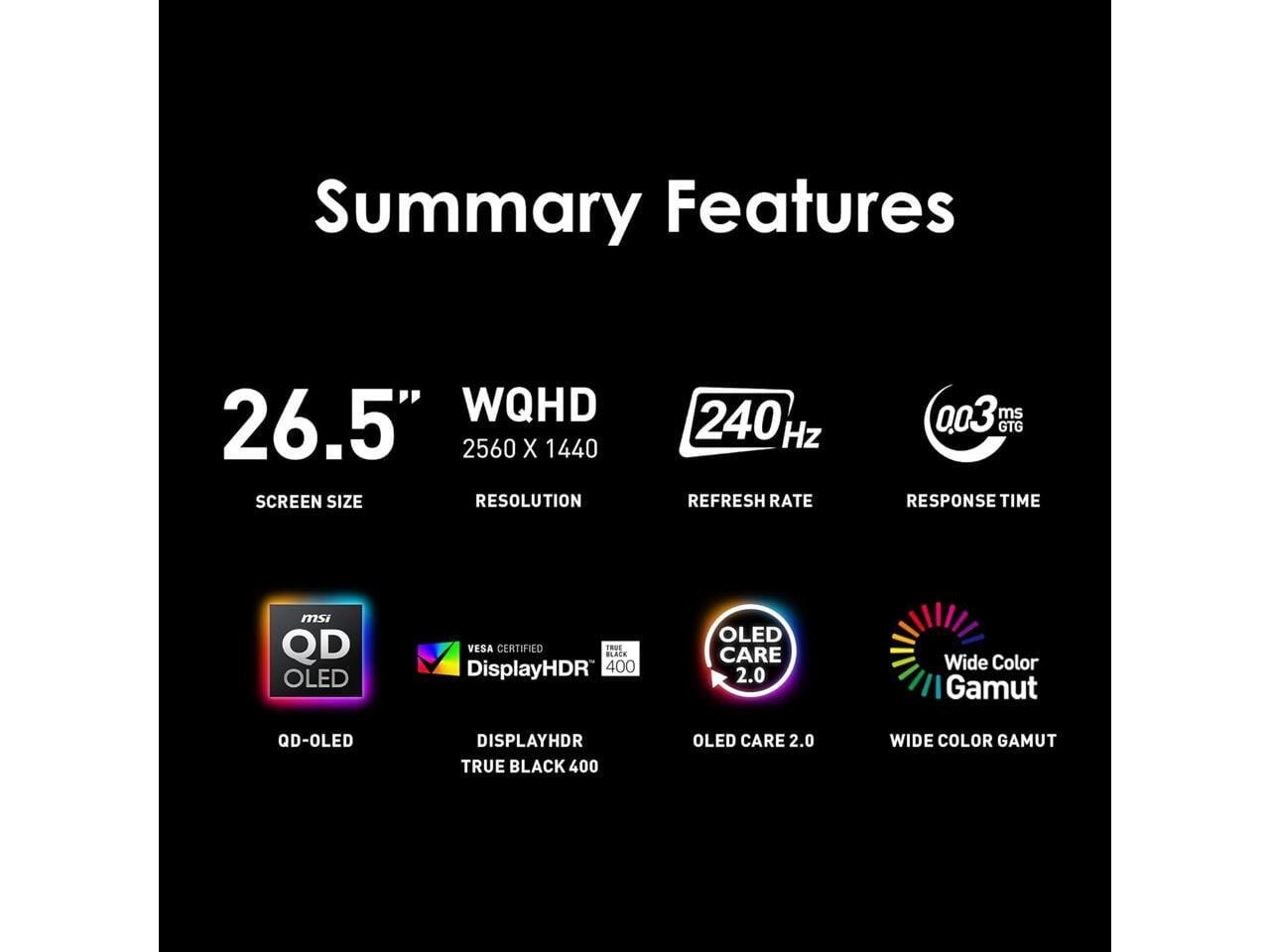
The QD-OLED panel achieves specifications that were impossible just a few years ago: a 1,500,000:1 contrast ratio (compared to the Alienware's 1000:1), 98% Adobe RGB color coverage, and an astounding 138% sRGB coverage. That last number means it can display colors far more vivid and saturated than what traditional monitors can produce, making games appear more lifelike and immersive.
Perhaps most impressively, the MSI monitor delivers a 0.03ms response time – essentially instantaneous pixel response that eliminates all ghosting. Combined with its 240Hz refresh rate, this creates the smoothest, most responsive gaming experience currently available in the consumer market.
For competitive gaming, motion clarity separates good monitors from great ones. The MSI QD-OLED holds a clear advantage here with its 240Hz refresh rate versus the Alienware's 180Hz. While both represent significant improvements over standard 60Hz displays, that extra 60Hz refresh provides measurably smoother tracking in fast-paced games.
Based on extensive user feedback and professional reviews, the difference becomes most apparent in competitive shooters like Valorant, Counter-Strike, or Apex Legends. Players report better target tracking and reduced motion blur when quickly turning or following moving enemies. The 0.03ms response time of the MSI monitor virtually eliminates the pixel lag that can cause trailing artifacts during rapid movements.
However, the Alienware monitor shouldn't be dismissed. Its 180Hz refresh rate with 1ms response time (in Extreme mode) still provides excellent competitive performance. For most gamers – even those who play competitively – the difference between 180Hz and 240Hz is noticeable but not game-changing. The law of diminishing returns applies strongly here: the jump from 60Hz to 180Hz is far more impactful than from 180Hz to 240Hz.
This is where OLED technology truly shines. The MSI QD-OLED produces images with depth and vibrancy that traditional LCD panels simply cannot match. True black levels mean that dark scenes in games like horror titles or space simulators appear genuinely black rather than the dark gray of LCD backlighting. This creates a sense of depth and immersion that transforms the gaming experience.
The expanded color gamut translates to more realistic skin tones, more vibrant environments, and better color accuracy in games that support wide color gamuts. HDR content particularly benefits from OLED technology, with the MSI monitor achieving VESA DisplayHDR True Black 400 certification – a more demanding standard that requires true black levels alongside high peak brightness.
The Alienware IPS panel delivers solid visual quality with accurate colors and good brightness uniformity. IPS technology provides consistent colors across wide viewing angles, making it excellent for productivity work alongside gaming. While it can't match OLED's contrast, it avoids potential burn-in issues and maintains consistent performance in bright rooms.
Both monitors support next-generation console features through HDMI 2.1 connectivity. The MSI monitor particularly excels here with its 48Gbps bandwidth HDMI ports, supporting full 2560 x 1440 resolution at 240Hz with Variable Refresh Rate (VRR) and Auto Low Latency Mode (ALLM) – features that eliminate input lag and screen tearing on PlayStation 5 and Xbox Series X.
The Alienware monitor provides excellent console compatibility as well, though its HDMI ports max out at 144Hz. For console gaming, this limitation is less significant since most console games target 60-120fps at QHD resolution. Both monitors handle console HDR content well, though the MSI's OLED panel provides superior HDR impact with its true blacks and higher peak brightness in highlights.
Gaming monitors increasingly serve double duty as media consumption displays, and this use case reveals interesting differences between our contenders. The MSI QD-OLED excels as a home theater display thanks to its perfect blacks and excellent HDR performance. Movies and TV shows appear with cinema-like depth and color accuracy that rivals dedicated home theater projectors.
The OLED panel handles dark movie scenes exceptionally well – think of the candlelit scenes in Game of Thrones or the space sequences in Interstellar. Where LCD displays show gray-ish blacks that reduce immersion, the MSI monitor delivers true blacks that disappear into the surrounding darkness.
However, OLED technology does have limitations in bright rooms. The panel's peak brightness of 250 nits in full-screen content can appear dim compared to the Alienware's consistent 400 nits, especially when watching HDR content in daylight conditions. For dedicated home theater setups with controlled lighting, this isn't an issue, but for mixed-use rooms, it's worth considering.
The Alienware monitor provides more consistent brightness across different lighting conditions and doesn't suffer from the potential burn-in concerns that can affect OLED displays when showing static content like TV channel logos or interface elements.
Both monitors incorporate technologies designed to extend their useful lifespan and maintain performance over time. The MSI QD-OLED includes MSI's OLED Care 2.0 suite, which actively manages potential burn-in through pixel shifting, panel refresh cycles, and intelligent detection of static elements like taskbars or game UI elements. This represents a significant advancement over early OLED displays that were more susceptible to image retention.
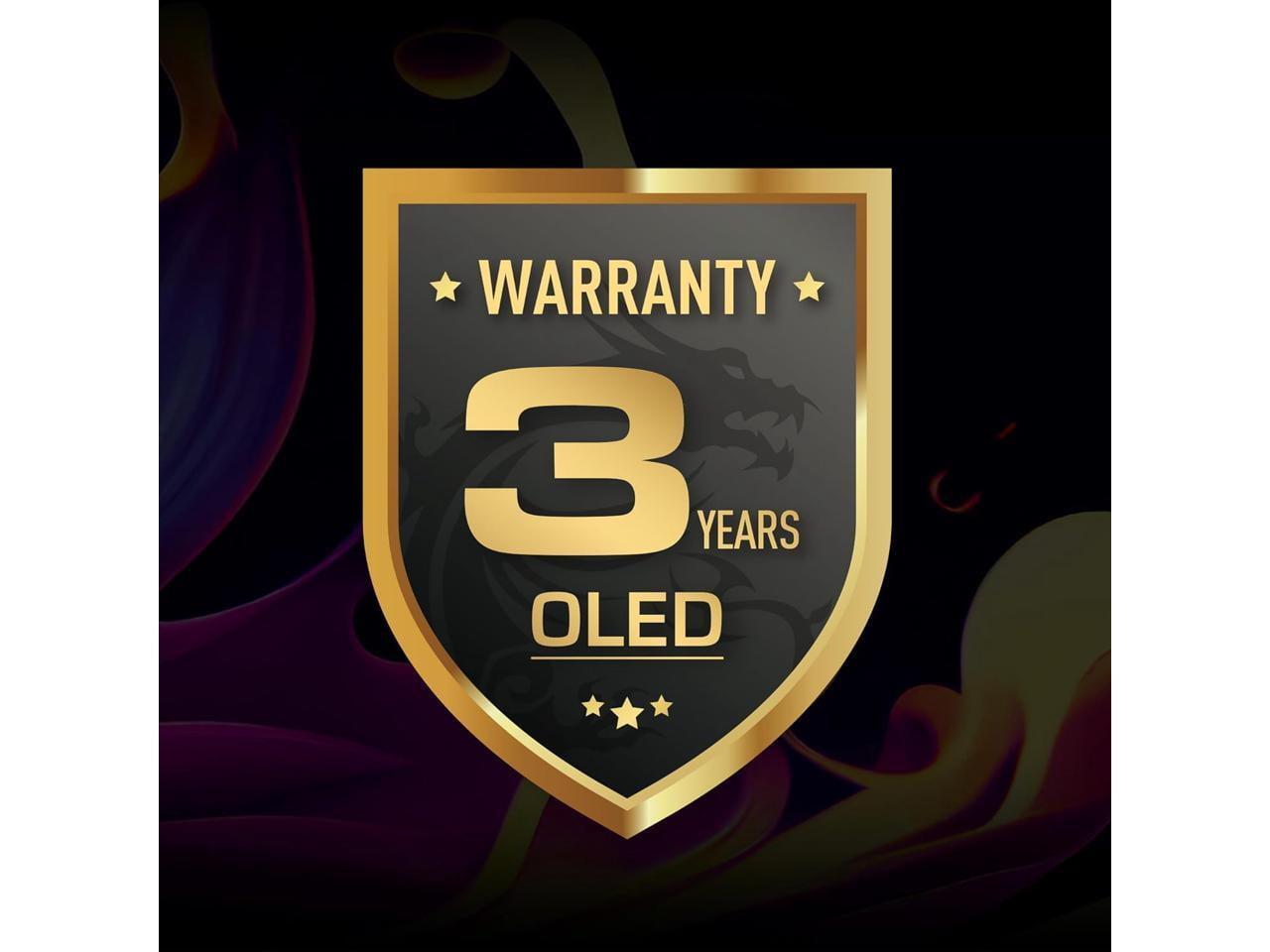
The three-year burn-in warranty included with the MSI monitor demonstrates the manufacturer's confidence in these protective technologies. Based on user reports and professional testing of similar QD-OLED panels from 2023-2024, burn-in concerns appear largely mitigated for normal gaming use, though users who display static content for extended periods should still exercise caution.
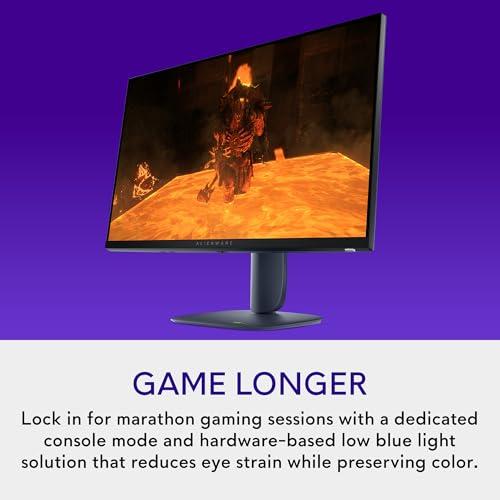
The Alienware monitor takes a different approach to longevity through proven IPS technology. While it lacks the visual drama of OLED, IPS panels have demonstrated excellent long-term reliability and color stability over years of use. The monitor includes ComfortView Plus – a hardware-based blue light reduction system that maintains color accuracy while reducing eye strain during extended gaming sessions.
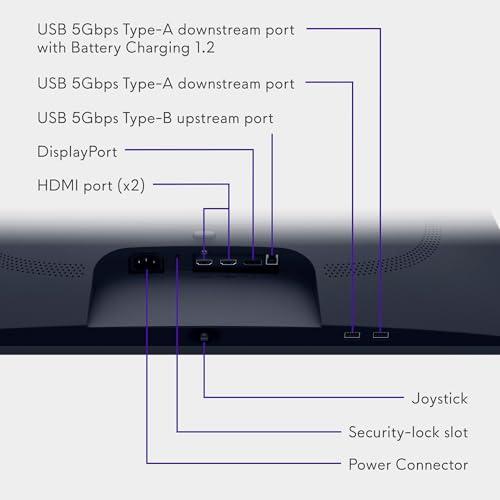
Both monitors provide modern connectivity suited for current and next-generation hardware. The Alienware monitor includes two HDMI 2.1 ports and DisplayPort 1.4, plus USB 3.2 hub functionality for connecting peripherals directly to the monitor. This USB connectivity proves particularly useful for gaming setups where desk space is limited.
The MSI monitor focuses purely on display connectivity with two HDMI 2.1 ports (with full 48Gbps bandwidth) and DisplayPort 1.4a. While it lacks USB hub functionality, it includes basic built-in speakers – something the Alienware monitor omits entirely.
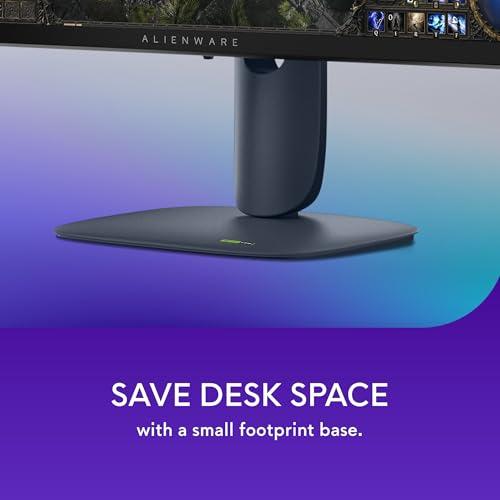
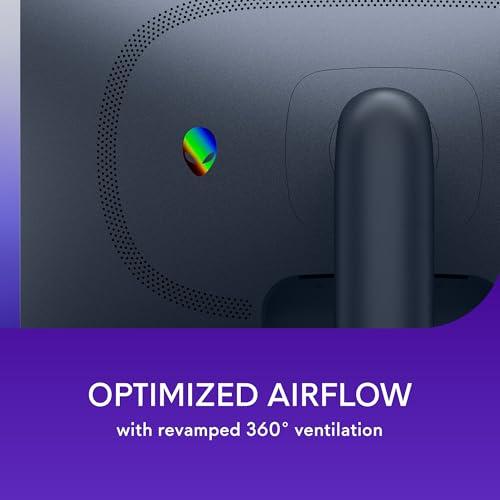
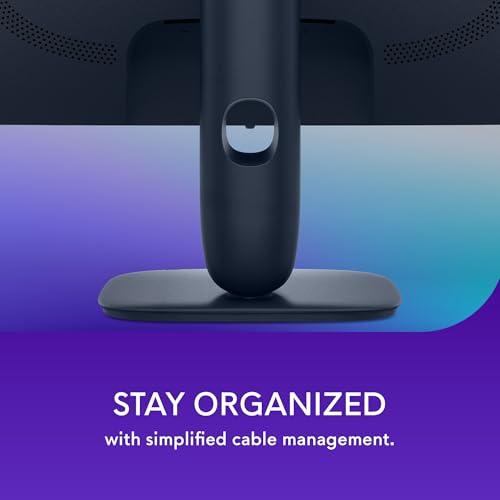
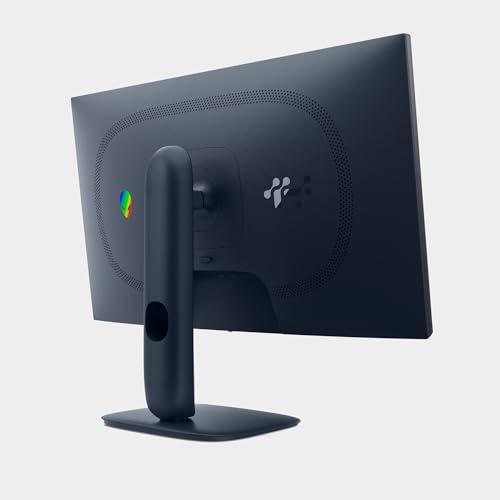
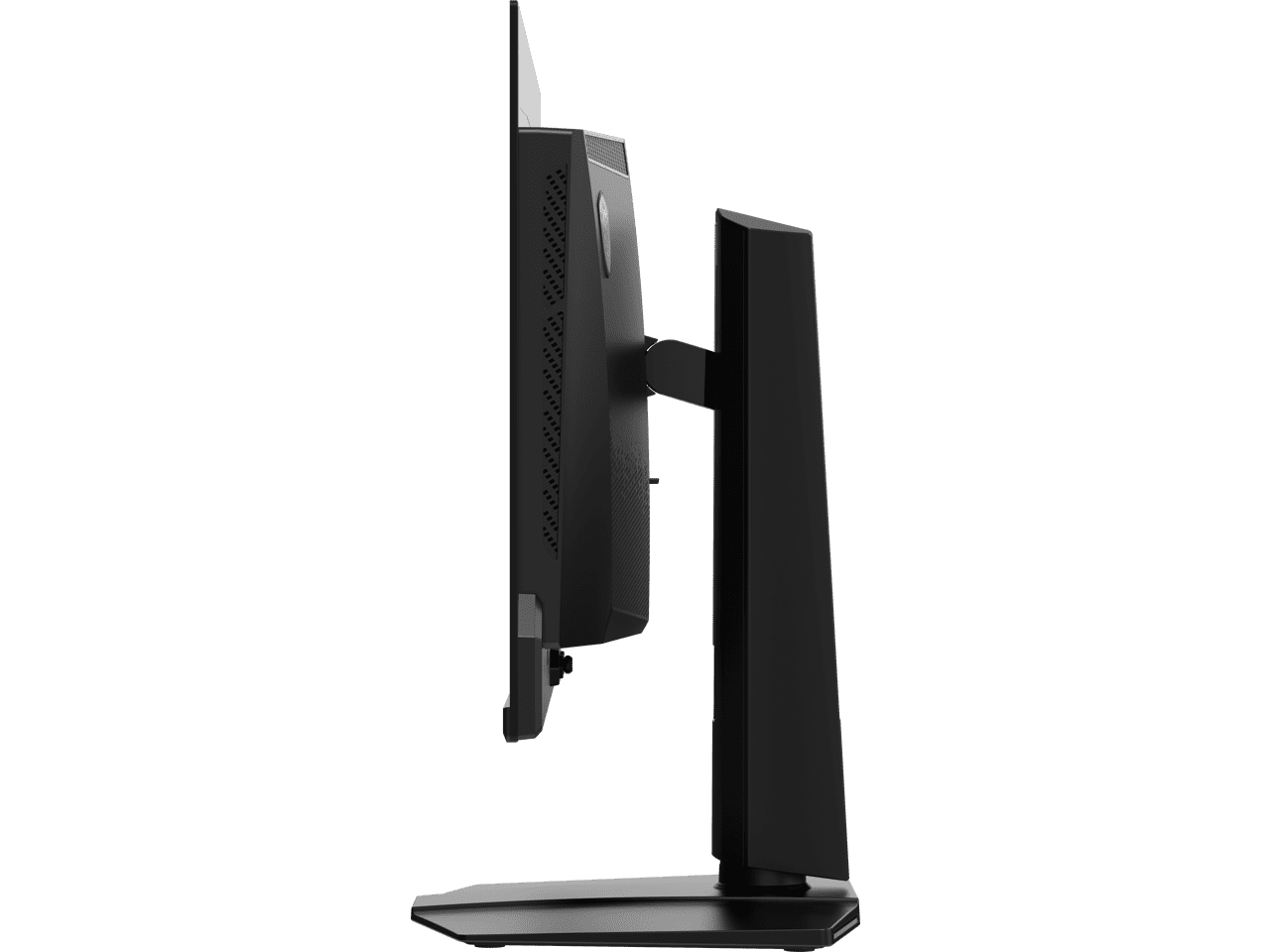
From an ergonomics standpoint, both monitors provide comprehensive adjustment options including height, tilt, swivel, and pivot adjustments. The Alienware's stand design accommodates its larger power brick and cable management, while the MSI monitor requires careful heat dissipation due to its OLED panel – though both achieve fanless operation.
At the time of writing, these monitors represent distinctly different value propositions. The Alienware 27 QHD 180Hz Gaming Monitor typically costs roughly half the price of the MSI QD-OLED, making it one of the best price-to-performance options in the 27-inch QHD gaming category.
For budget-conscious gamers or those upgrading from 1080p or lower refresh rate displays, the Alienware monitor delivers transformative improvements in smoothness and visual quality without requiring a premium investment. It's particularly well-suited for mixed-use scenarios where the display serves both gaming and productivity functions.
The MSI QD-OLED justifies its premium pricing through measurably superior performance metrics and visual quality that represents the current state-of-the-art in gaming monitor technology. However, this premium is only worthwhile if you can fully utilize its capabilities and appreciate the visual improvements it provides.
Choose the Alienware 27 QHD 180Hz Gaming Monitor if you:
Choose the MSI MAG 271QP QD-OLED X24 if you:
Both monitors excel in their intended roles, but they serve different types of users. The Alienware monitor represents practical excellence – delivering 90% of the premium gaming experience at roughly 50% of the cost. It's the monitor most gamers should buy because it provides transformative performance improvements without requiring significant financial sacrifice.
The MSI QD-OLED represents aspirational excellence – pushing the boundaries of what's possible in gaming monitor technology. It's the monitor serious enthusiasts and competitive gamers should consider when budget allows and when they can fully appreciate its advantages.
The good news is that both monitors represent significant improvements over older display technology, and either choice will enhance your gaming experience considerably. Your decision ultimately comes down to how much you value cutting-edge performance versus practical value – and both approaches have merit in today's diverse gaming landscape.
| Alienware 27 QHD 180Hz Gaming Monitor | MSI MAG 271QP QD-OLED X24 |
|---|---|
| Panel Technology - Determines color quality, contrast, and burn-in risk | |
| Fast IPS (proven reliability, no burn-in concerns) | QD-OLED (superior contrast and colors, potential burn-in) |
| Refresh Rate - Higher rates provide smoother motion in fast games | |
| 180Hz (excellent for most gamers, great value) | 240Hz (premium smoothness for competitive gaming) |
| Response Time - Lower is better for eliminating ghosting | |
| 1ms GTG (very good, some ghosting in fastest modes) | 0.03ms GTG (virtually instantaneous, no visible ghosting) |
| Peak Brightness - Important for HDR and bright room viewing | |
| 400 nits (good for mixed lighting conditions) | 1000 nits peak/250 nits sustained (excellent HDR, dim in bright rooms) |
| Contrast Ratio - Affects depth and realism of dark scenes | |
| 1000:1 (typical LCD limitation, grayish blacks) | 1,500,000:1 (true blacks, cinema-like depth) |
| Color Gamut Coverage - Wider coverage means more vibrant colors | |
| 99% sRGB, 95% DCI-P3 (accurate, suitable for gaming/work) | 138% sRGB, 99% DCI-P3 (exceptionally wide, oversaturated for some content) |
| HDR Certification - Indicates quality of high dynamic range support | |
| VESA DisplayHDR 400 (basic HDR improvement) | VESA DisplayHDR True Black 400 (superior HDR with true blacks) |
| Connectivity Options - Determines compatibility with devices | |
| 2x HDMI 2.1, 1x DP 1.4, USB 3.2 hub (versatile connectivity) | 2x HDMI 2.1, 1x DP 1.4a (gaming-focused, no USB hub) |
| Built-in Audio - Convenience feature for simple setups | |
| No speakers (requires external audio solution) | Basic speakers included (adequate for casual use) |
| Burn-in Protection - Critical for OLED longevity | |
| Not applicable (IPS technology immune to burn-in) | MSI OLED Care 2.0 with 3-year burn-in warranty |
| Price Category - Value positioning at time of writing | |
| Budget-friendly premium (excellent price-to-performance) | High-end premium (cutting-edge tech commands premium) |
| Best For - Primary use case recommendations | |
| Mixed gaming/productivity, bright rooms, value-conscious buyers | Competitive gaming, dark rooms, visual quality enthusiasts |
The MSI MAG 271QP QD-OLED X24 is superior for competitive gaming with its 240Hz refresh rate and 0.03ms response time, providing smoother motion and virtually eliminating ghosting. The Alienware 27 QHD 180Hz Gaming Monitor still offers excellent competitive performance at 180Hz with 1ms response time, making it a great value option for most competitive players.
The key difference is panel technology: the Alienware monitor uses Fast IPS technology offering reliable performance and good value, while the MSI monitor uses premium QD-OLED technology delivering superior contrast, color accuracy, and faster response times at a significantly higher cost.
The MSI MAG 271QP QD-OLED X24 has dramatically better picture quality with true blacks, 1,500,000:1 contrast ratio, and 138% sRGB color coverage compared to the Alienware's 1000:1 contrast and 99% sRGB. The OLED technology creates more vibrant, realistic images with superior HDR performance.
The Alienware 27 QHD 180Hz Gaming Monitor has no burn-in risk since it uses IPS technology. The MSI QD-OLED monitor has potential burn-in risk but includes MSI OLED Care 2.0 protection features and a 3-year burn-in warranty to mitigate this concern.
The Alienware monitor offers better value for money, typically costing significantly less while delivering excellent gaming performance. The MSI monitor provides premium performance that justifies its higher cost for enthusiasts who prioritize cutting-edge display technology.
The Alienware 27 QHD 180Hz Gaming Monitor performs better in bright rooms with consistent 400 nits brightness and no reflection issues. The MSI MAG 271QP QD-OLED X24 can appear dim in bright conditions due to its 250 nits sustained brightness, making it better suited for darker gaming environments.
Both monitors work excellently for console gaming with HDMI 2.1 support. The MSI monitor has a slight edge with full 48Gbps bandwidth and superior HDR performance, while the Alienware monitor provides great console gaming at a more affordable price point.
The Alienware monitor is better for mixed gaming and productivity use with its IPS panel providing consistent brightness, accurate colors, and no burn-in concerns when displaying static content like spreadsheets. The MSI monitor excels visually but requires caution with static content due to potential burn-in.
The Alienware 27 QHD 180Hz Gaming Monitor supports up to 180Hz via DisplayPort and 144Hz via HDMI. The MSI MAG 271QP QD-OLED X24 supports up to 240Hz via both DisplayPort and HDMI 2.1, providing the smoothest possible gaming experience.
The Alienware monitor offers more versatile connectivity with two HDMI 2.1 ports, DisplayPort 1.4, and USB 3.2 hub functionality for connecting peripherals. The MSI monitor focuses on display connections with two HDMI 2.1 ports and DisplayPort 1.4a, plus basic built-in speakers.
The MSI MAG 271QP QD-OLED X24 provides superior HDR with VESA DisplayHDR True Black 400 certification, true blacks, and up to 1000 nits peak brightness. The Alienware monitor offers basic HDR400 support that improves contrast but can't match the MSI's OLED HDR performance.
For your first high refresh rate upgrade, the Alienware 27 QHD 180Hz Gaming Monitor is the better choice, offering a dramatic improvement over 60Hz displays at an accessible price. The MSI monitor is worth considering if you want the absolute best performance and can justify the premium cost for cutting-edge OLED technology.
We've done our best to create useful and informative comparisons to help you decide what product to buy. Our research uses advanced automated methods to create this comparison and perfection is not possible - please contact us for corrections or questions. These are the sites we've researched in the creation of this article: bestbuy.com - bestbuy.com - youtube.com - dell.com - tweaktown.com - dell.com - rtings.com - manuals.plus - tomshardware.com - displayspecifications.com - youtube.com - youtube.com - displayspecifications.com - dell.com - dellstore.com - ebay.com - bestbuy.com - youtube.com - xda-developers.com - newegg.com - notebookcheck.net - displayninja.com - ign.com - rtings.com - cdw.com - microcenter.com - bestbuy.com - us.msi.com - colamco.com - msi.com - msi.com - displayspecifications.com - msi.com - storage-asset.msi.com - msi.com - us.msi.com - displayspecifications.com

Privacy Policy
Terms and Conditions - Affiliate Policy
Home Security
© Copyright 2008-2026.
11816 Inwood Rd #1211, Dallas, TX 75244