

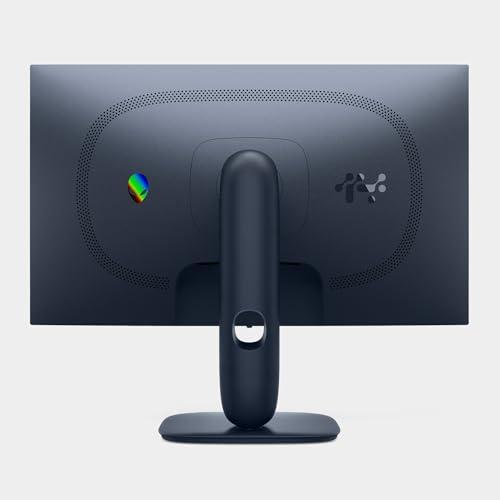
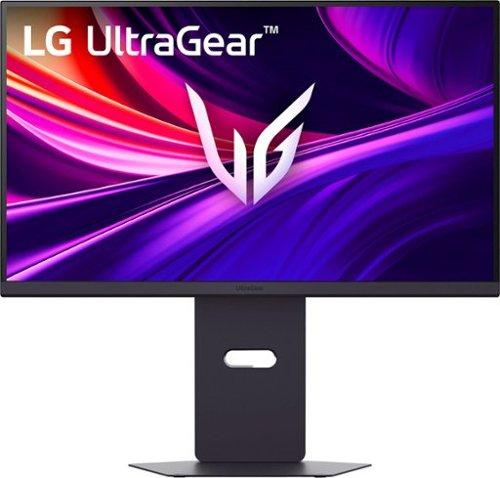
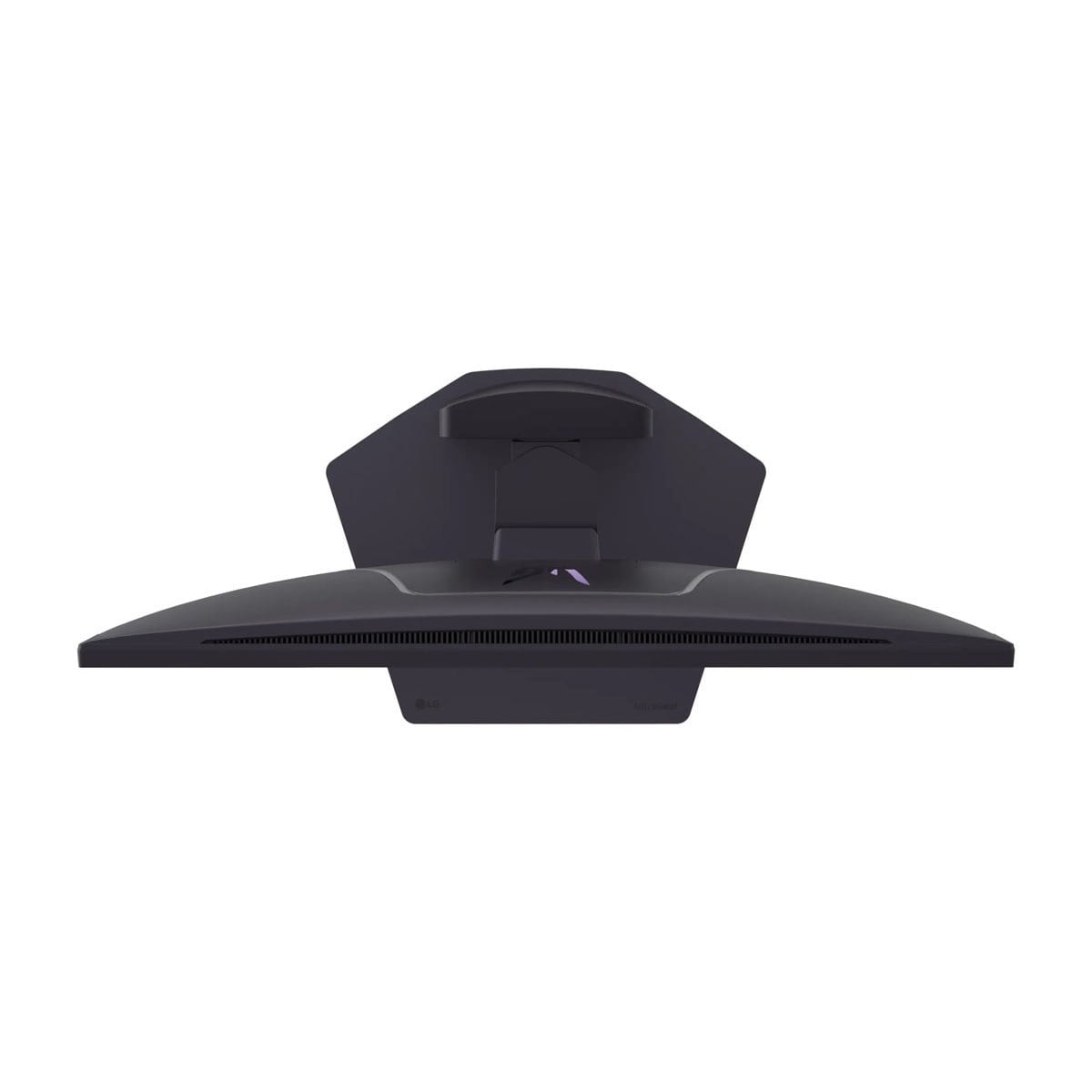
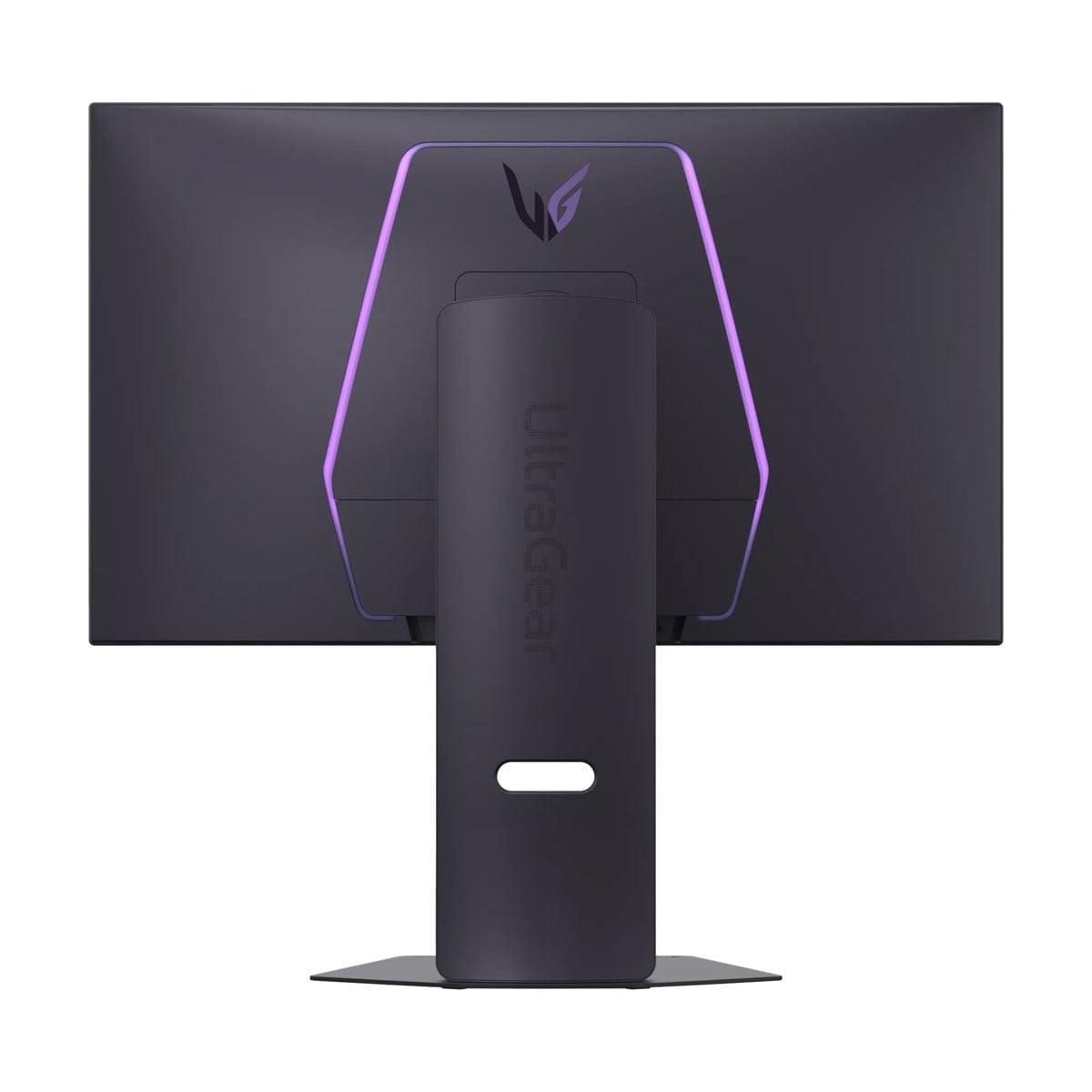

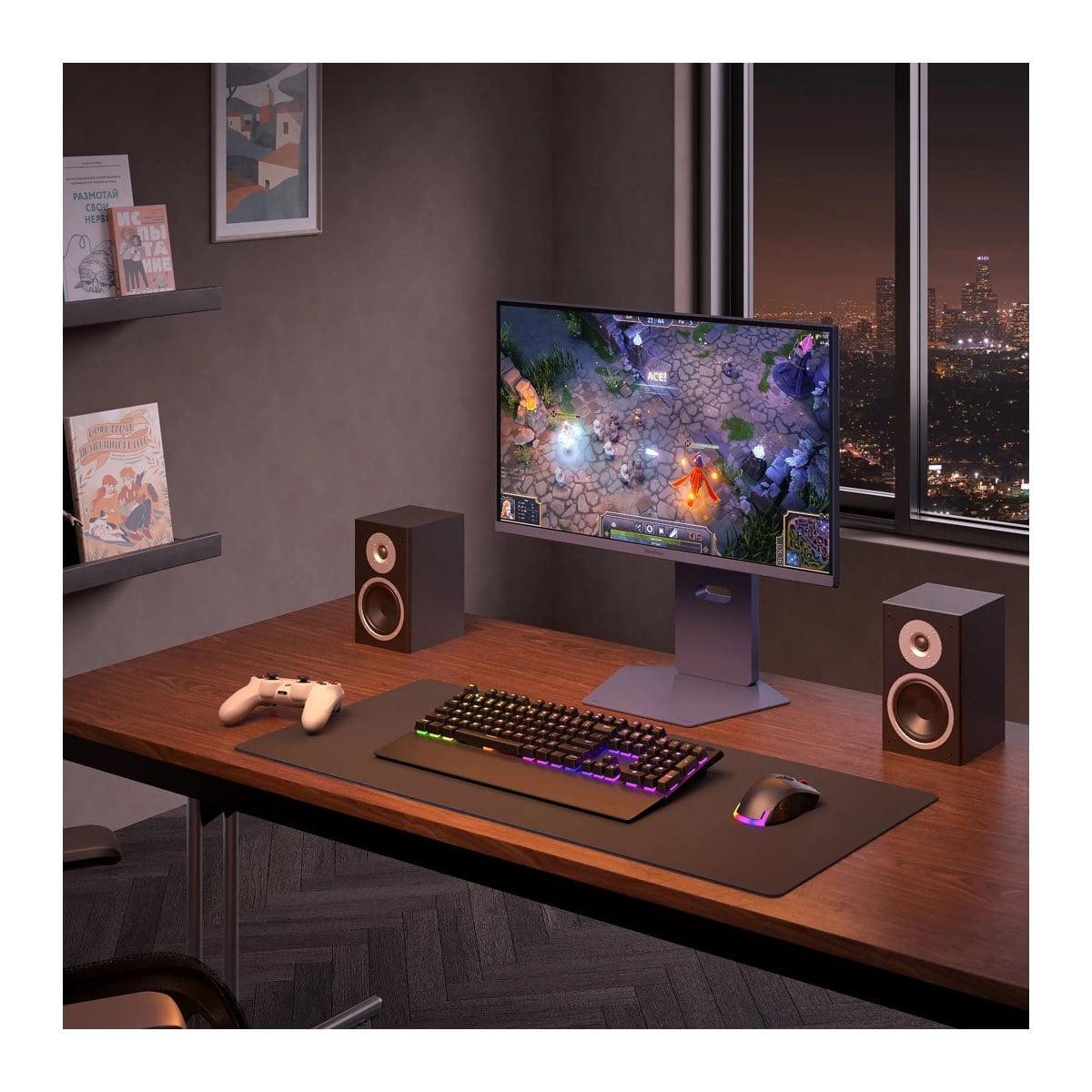
Gaming monitors have come a long way since the days when 60Hz was considered fast and 1080p was cutting-edge. Today's displays push the boundaries of what's possible, delivering refresh rates that would have seemed impossible just a few years ago. If you're shopping for a new gaming monitor, you've probably come across two compelling options that represent very different philosophies: the Alienware 27 QHD 180Hz Gaming Monitor and the LG UltraGear 27" 4K 240Hz Dual Mode Gaming Monitor.
These monitors embody the classic dilemma facing gamers today: do you prioritize exceptional value with strong performance, or do you go all-out for the absolute best technology available? The answer isn't straightforward, and it largely depends on your gaming habits, hardware setup, and budget considerations.
Before diving into specifics, it's worth understanding what makes gaming monitors different from regular displays. Gaming monitors prioritize three key elements: refresh rate (how many times per second the screen updates), response time (how quickly pixels can change colors), and input lag (the delay between your actions and what appears on screen). These factors combine to create what gamers call "responsiveness" – that crucial feeling that your actions are instantly reflected on screen.
The panel technology also plays a huge role. IPS (In-Plane Switching) panels offer excellent color reproduction and wide viewing angles, while maintaining reasonable speed. The newer "IPS Black" technology found in the LG UltraGear takes this further by improving contrast ratios – essentially making blacks look darker and colors more vibrant.
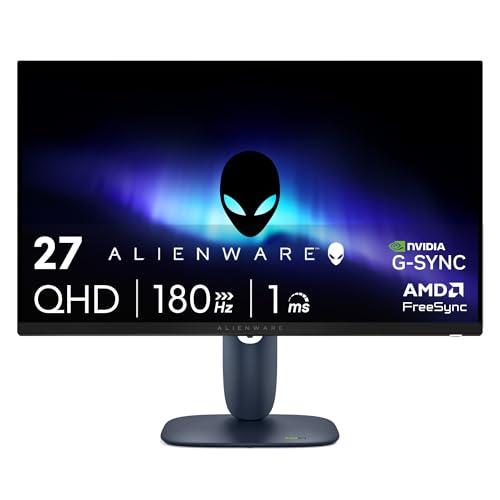
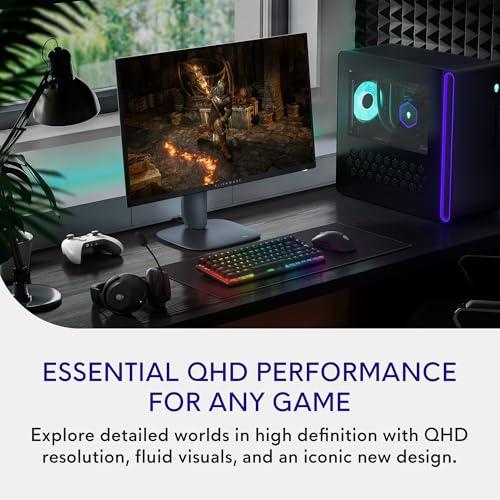
The most obvious difference between these monitors is resolution. The Alienware monitor uses QHD resolution (2560 x 1440 pixels), while the LG display pushes all the way to 4K (3840 x 2160 pixels). This isn't just a numbers game – it fundamentally changes how games look and how your graphics card needs to work.
QHD resolution sits in what many consider the sweet spot for gaming. It provides noticeably sharper visuals than 1080p without the massive performance hit of 4K. When you're playing a game at QHD, text is crisp, details are well-defined, and your graphics card doesn't need to work as hard. This means you can maintain higher frame rates, which is crucial for competitive gaming or simply enjoying smooth motion.
4K resolution, on the other hand, delivers stunning detail that's immediately apparent. Character models look more realistic, distant objects remain sharp, and the overall image quality approaches what you'd see in high-end photography. However, this comes at a significant cost to performance. Rendering 4K requires about 77% more processing power than QHD, which means you need a substantially more powerful graphics card to maintain the same frame rates.
Based on our research into user experiences and expert evaluations, the 4K advantage becomes most noticeable in slower-paced games where you have time to appreciate visual details. Racing games, RPGs, and exploration titles benefit tremendously from the extra resolution. Fast-paced competitive games, however, often see diminishing returns since you're focused on movement and reaction rather than fine details.
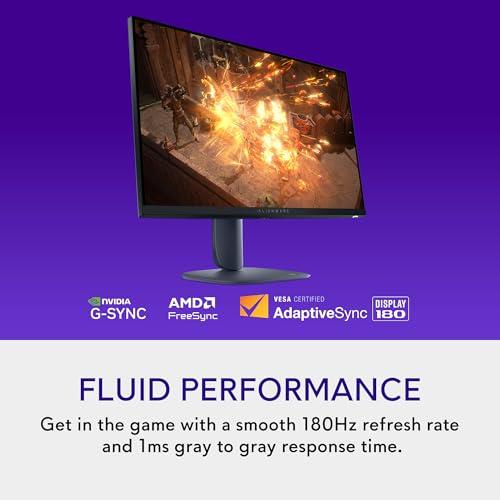
This is where things get particularly interesting. The Alienware monitor offers a 180Hz refresh rate, which means the screen updates 180 times per second. That's already exceptionally fast – three times faster than standard 60Hz displays. Most gamers find the jump from 60Hz to 144Hz or higher to be transformational, making motion appear smoother and reducing the blur that can occur during fast camera movements.
The LG monitor takes this to another level entirely with 240Hz at full 4K resolution, plus a unique "Dual Mode" that can push 480Hz when running at 1080p resolution. This dual capability represents a significant technological achievement. DisplayPort 2.1 connectivity makes this possible by providing enough bandwidth to handle these massive amounts of data.
The practical benefits of these ultra-high refresh rates become more subtle as the numbers increase. While the jump from 60Hz to 120Hz is dramatic, the difference between 180Hz and 240Hz requires a trained eye to spot. The 480Hz mode, however, offers theoretical advantages for competitive esports players who need every possible edge. Some professional gamers swear by these ultra-high refresh rates, claiming they can perceive enemies slightly sooner or track fast-moving targets more accurately.
Our evaluation of community feedback suggests that most casual gamers won't notice substantial differences beyond 144-180Hz, but competitive players often appreciate every additional hertz they can get. The LG monitor's flexibility to switch between resolution and refresh rate modes is genuinely innovative, allowing you to prioritize visual quality for single-player games and maximum speed for competitive multiplayer.
Both monitors claim 1ms response times, but the implementation differs. Response time measures how quickly a pixel can change from one color to another, typically measured as "gray-to-gray" (GtG). Lower numbers mean less motion blur and ghosting during fast scenes.
The Alienware monitor offers multiple response time modes: 4ms for the best image quality with minimal artifacts, 2ms for a balance between speed and quality, and 1ms for maximum responsiveness. This flexibility lets you tune the display based on what you're playing. Story-driven games might benefit from the 4ms mode's cleaner image, while competitive shooters call for the 1ms setting.
The LG monitor maintains its 1ms response time across both its 240Hz and 480Hz modes, which is technically impressive. However, user reports suggest some ghosting can occur behind fast-moving objects, particularly at the highest refresh rates. This trade-off between ultimate speed and perfect image quality is common in cutting-edge displays.
From a practical standpoint, both monitors deliver motion clarity that's excellent for gaming. The differences become academic unless you're playing at the highest competitive levels where every advantage matters.
The visual quality differences between these monitors are significant and immediately noticeable. The LG monitor uses Nano IPS Black technology, which achieves a 2000:1 contrast ratio – double that of the Alienware's 1000:1 Fast IPS panel. This translates to deeper blacks and more vibrant colors, creating images that appear more three-dimensional and lifelike.
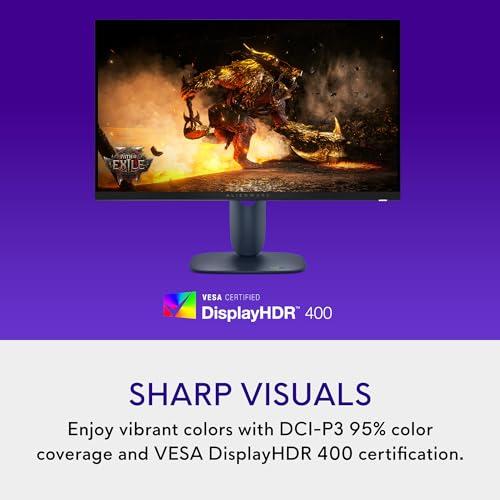
Color coverage also favors the LG display, which reproduces 99% of the DCI-P3 color space compared to the Alienware's 95% coverage. DCI-P3 is the color standard used in digital cinema, so higher coverage means colors appear more saturated and accurate. For content creation or photography work, this difference becomes crucial.
Both monitors support HDR (High Dynamic Range), but here's where the specs tell only part of the story. The LG monitor features VESA DisplayHDR 600 certification with edge-lit local dimming, allowing it to reach peak brightness levels of 670 nits. The Alienware supports HDR400, reaching 400 nits with no local dimming.
However, our research into user experiences reveals that neither monitor delivers truly impressive HDR performance compared to OLED or high-end VA panels. The LG's HDR is noticeably better than the Alienware's, but both fall short of the dramatic contrast and brightness that make HDR content truly spectacular. This is a limitation of current IPS technology rather than a specific failing of these monitors.
When evaluating real-world gaming performance, the choice between these monitors often comes down to your graphics card capability and game preferences. The Alienware monitor pairs beautifully with mid-range to high-end GPUs like the RTX 4070 or RX 7800 XT. These cards can comfortably push 120-180 fps at QHD resolution in most games with high settings, meaning you're actually utilizing that 180Hz refresh rate.
The LG monitor demands significantly more graphics horsepower. To truly benefit from 4K at 240Hz, you need an RTX 4080 or better – and even then, many games will require settings compromises to reach those frame rates. The dual-mode capability helps here, allowing you to drop to 1080p for competitive games where you want maximum frame rates.
Both monitors support adaptive sync technologies (G-SYNC Compatible, FreeSync) that eliminate screen tearing by synchronizing the monitor's refresh rate with your graphics card's output. This technology works seamlessly on both displays, ensuring smooth gameplay even when frame rates fluctuate.
For competitive gaming, particularly first-person shooters and battle royale games, the choice becomes nuanced. The LG monitor's 480Hz mode at 1080p offers theoretical advantages for professional esports players, but the Alienware's 180Hz at QHD provides excellent responsiveness while maintaining better visual quality for target identification at distance.
While primarily gaming monitors, both displays handle entertainment content differently. The LG monitor's 4K resolution makes it excellent for streaming movies and shows, providing crisp detail that rivals dedicated 4K TVs. The superior color reproduction and contrast also enhance cinematic content.
The Alienware monitor's QHD resolution is perfectly adequate for most streaming content, though 4K sources will be downscaled. Where it falls short is in HDR movie content, where the limited brightness and contrast become more apparent during dark scenes or bright highlights.
Neither monitor includes speakers, which is typical for gaming-focused displays. You'll need separate audio solutions for entertainment use.
The Alienware monitor represents mature, refined technology that was released in 2024. It builds on years of Fast IPS development to deliver reliable, well-balanced performance. Since its release, similar QHD 144-180Hz monitors have become increasingly common, driving down prices and making this performance level more accessible.
The LG monitor, also introduced in 2024, represents the cutting edge of gaming monitor technology. It's among the first 27-inch displays to combine 4K resolution with 240Hz refresh rate, and the dual-mode capability is genuinely innovative. However, being at the technology frontier means paying premium prices for features that may become more common and affordable over time.
DisplayPort 2.1 connectivity on the LG monitor provides excellent future-proofing, ensuring it can handle next-generation graphics cards and gaming consoles. The Alienware's DisplayPort 1.4 is adequate for current needs but may become limiting for future high-bandwidth applications.
At the time of writing, these monitors occupy very different market segments. The Alienware monitor offers exceptional value, delivering premium gaming performance at a relatively accessible price point. It represents what many consider the optimal balance between features, performance, and cost.
The LG monitor commands a significant premium – roughly three times the cost of the Alienware – for its cutting-edge capabilities. This pricing reflects both the advanced technology and the limited production volumes of such specialized displays.
When considering total system cost, the Alienware monitor enables high-refresh gaming with more modest graphics card investments. The LG monitor requires both the display investment and a high-end GPU to fully realize its potential, making it a choice for enthusiasts with larger budgets.
The Alienware 27 QHD 180Hz Gaming Monitor makes sense for the majority of gamers. It delivers smooth, responsive gaming with excellent visual quality at a price that doesn't require significant compromises elsewhere in your build. If you're upgrading from a 1080p display, the improvement in both resolution and refresh rate will be immediately apparent and satisfying.
Choose the Alienware if you want excellent gaming performance without breaking the bank, your GPU is roughly RTX 4070 tier or below, or you prioritize getting the most performance per dollar spent.
The LG UltraGear 27" 4K 240Hz Dual Mode Gaming Monitor is for enthusiasts who want the absolute best available technology and have both the budget and hardware to support it. The 4K detail is stunning in appropriate content, the dual-mode flexibility is genuinely useful, and the overall feature set represents the pinnacle of current gaming monitor technology.
Choose the LG monitor if you have a high-end GPU and want to fully utilize it, visual quality is your top priority, you do content creation work requiring high resolution and color accuracy, or you're building a no-compromise gaming setup where budget is less constrained.
Both monitors will serve their intended audiences well, but they target very different needs and budgets. The Alienware proves that you don't need to spend a fortune for exceptional gaming performance, while the LG demonstrates what's possible when cost is less of a concern. Your choice should align with your hardware, budget, and gaming priorities.
| Alienware 27 QHD 180Hz Gaming Monitor | LG UltraGear 27" 4K 240Hz Dual Mode Gaming Monitor |
|---|---|
| Resolution - Affects image sharpness and GPU performance demands | |
| 2560 x 1440 (QHD) - Sweet spot for performance | 3840 x 2160 (4K) - 77% more pixels, requires high-end GPU |
| Refresh Rate - Higher numbers mean smoother motion | |
| 180Hz - Excellent for competitive gaming | 240Hz at 4K, 480Hz at 1080p - Cutting-edge performance |
| Panel Technology - Impacts color accuracy and contrast | |
| Fast IPS, 1000:1 contrast, 95% DCI-P3 | Nano IPS Black, 2000:1 contrast, 99% DCI-P3 |
| Response Time - Lower means less motion blur | |
| 1ms-4ms (selectable modes for speed vs quality) | 1ms GTG across all modes |
| HDR Support - Better contrast and colors in compatible content | |
| DisplayHDR 400, 400 nits peak brightness | DisplayHDR 600, 670 nits peak with edge-lit dimming |
| Connectivity - Future-proofing and bandwidth capability | |
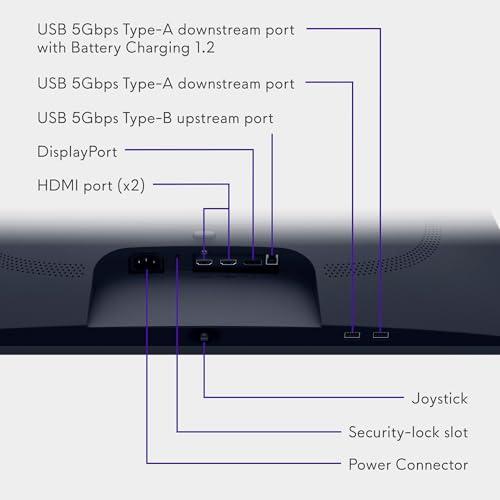
| DisplayPort 1.4, 2x HDMI 2.1 | DisplayPort 2.1, 2x HDMI 2.1 - Better future-proofing |
| Adaptive Sync - Eliminates screen tearing | |
| G-SYNC Compatible, FreeSync Premium Pro | G-SYNC Compatible, FreeSync Premium Pro |
| Recommended GPU Minimum - For high refresh rate gaming | |
| RTX 4060 / RX 7700 XT and up | RTX 4080 / RX 7900 XTX minimum for 4K high-refresh |
| Build Quality - Stand adjustability and design | |
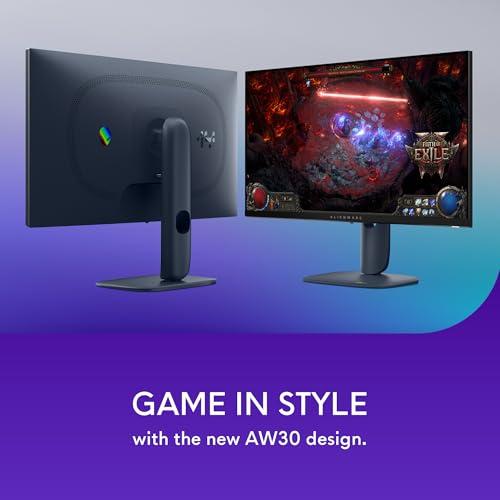
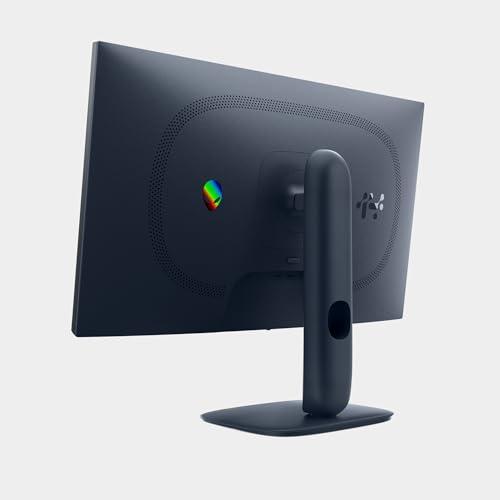
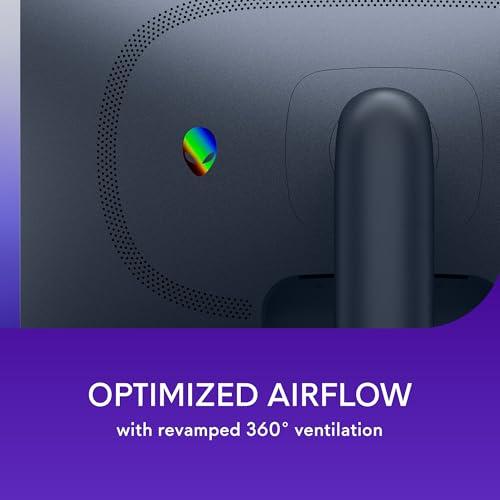
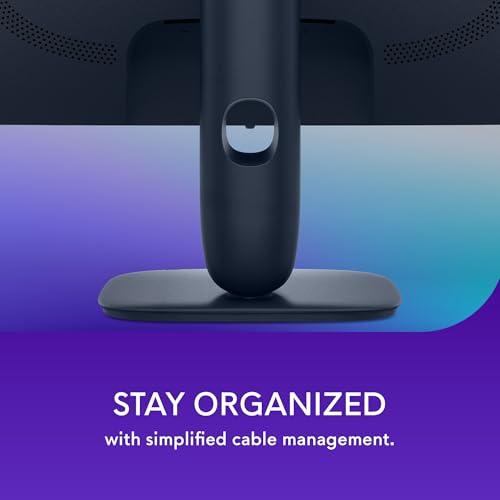
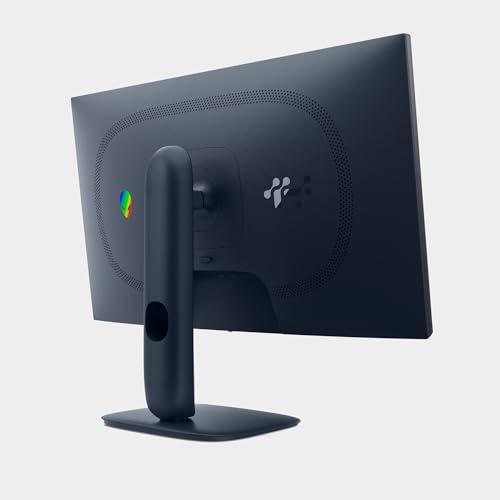
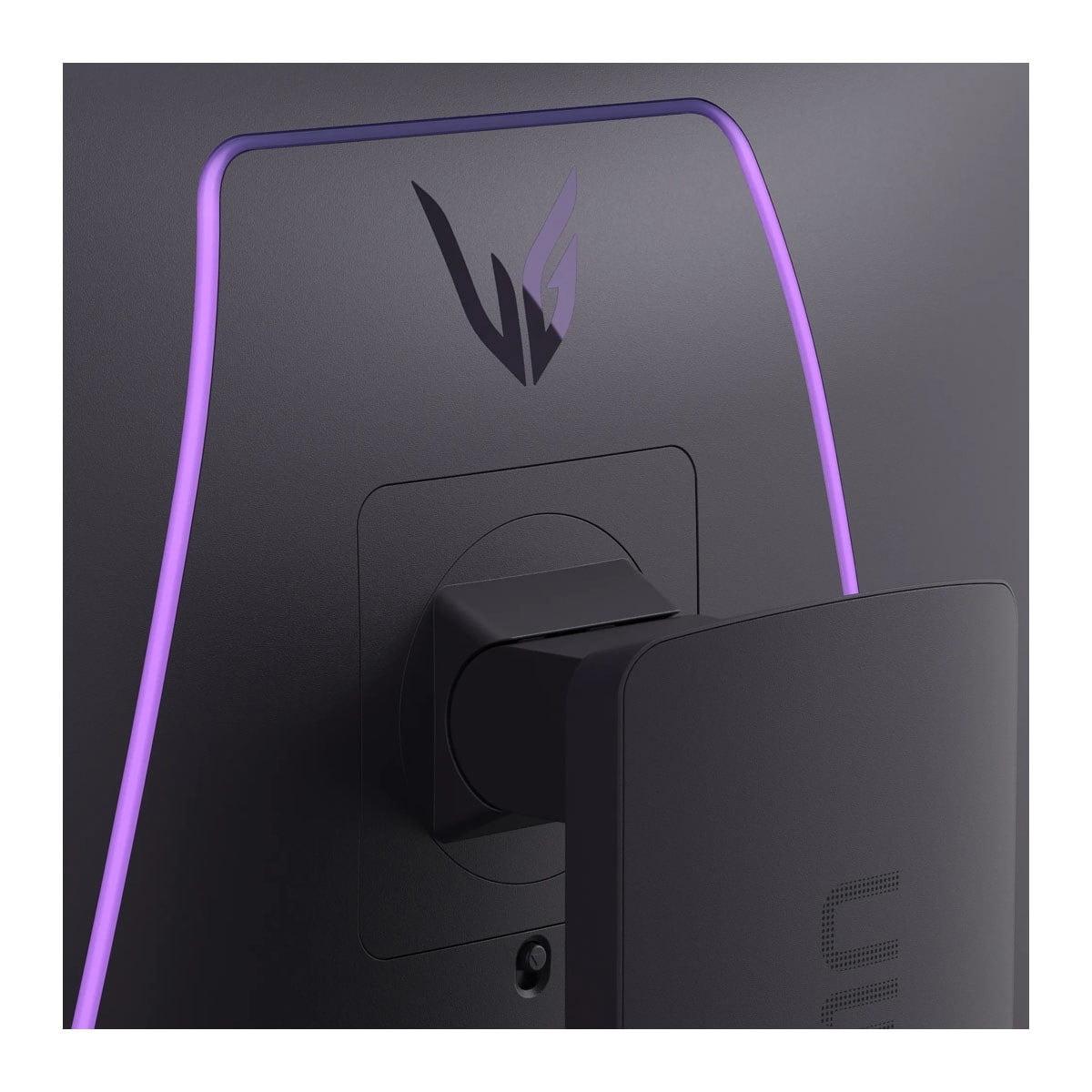
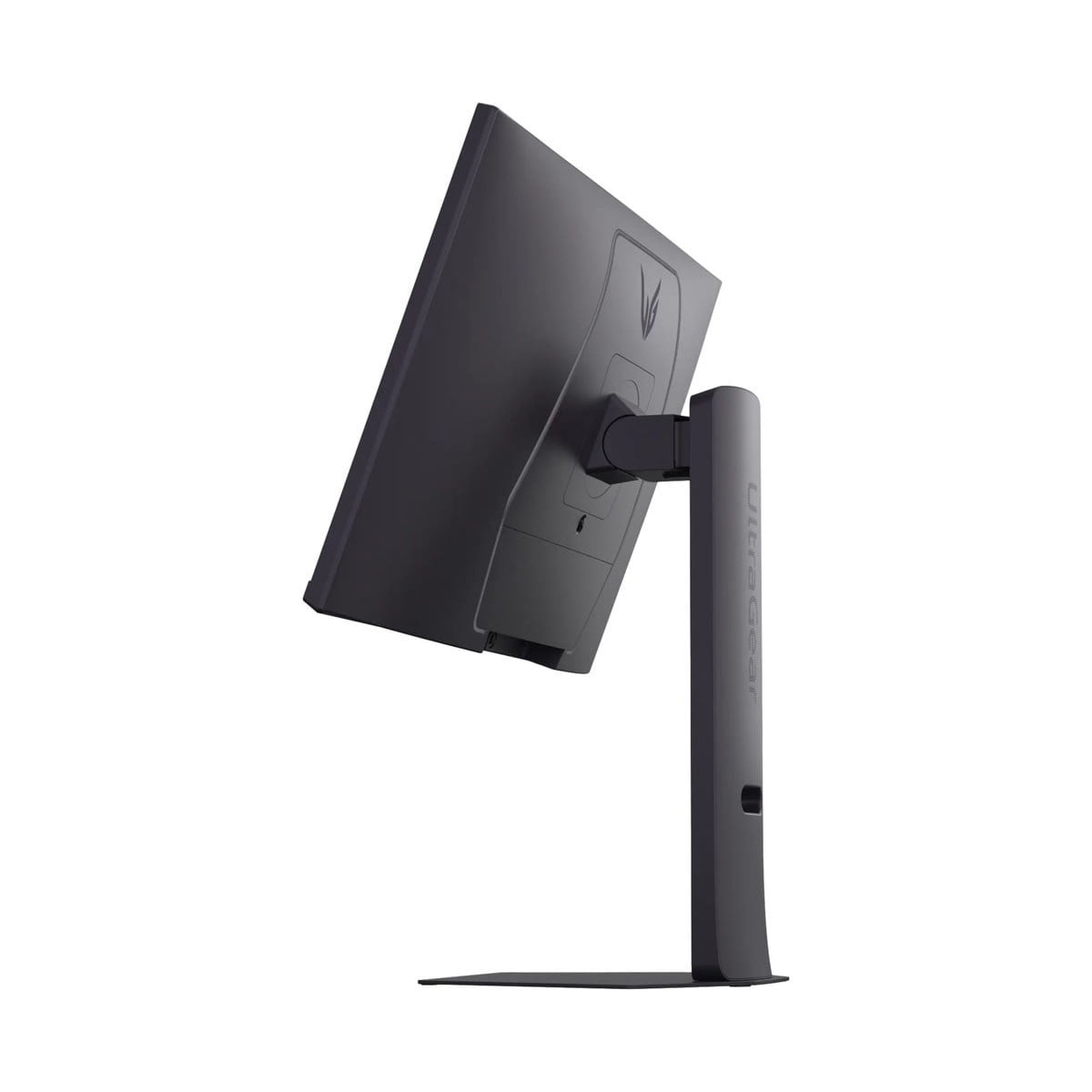
| Premium ergonomic stand, AlienFX RGB lighting | Professional ergonomic stand, minimal gaming aesthetics |
| Value Proposition - Performance per dollar spent | |
| Exceptional value - 85% of premium performance at budget price | Premium pricing for cutting-edge technology and features |
The LG UltraGear 27" 4K 240Hz Dual Mode Gaming Monitor has the edge for competitive gaming with its 480Hz mode at 1080p resolution, offering the fastest possible response times. However, the Alienware 27 QHD 180Hz Gaming Monitor provides excellent competitive performance at 180Hz while maintaining better visual quality at QHD resolution, making it a strong choice for most competitive gamers.
The LG UltraGear delivers significantly sharper 4K resolution with 77% more pixels than the Alienware's QHD display. The LG also features superior Nano IPS Black technology with double the contrast ratio (2000:1 vs 1000:1) and better color coverage, resulting in more vibrant and detailed images.
The LG UltraGear 27" 4K 240Hz Dual Mode Gaming Monitor demands a high-end GPU like RTX 4080 or better to fully utilize its 4K 240Hz capabilities. The Alienware 27 QHD 180Hz Gaming Monitor works well with mid-range cards like RTX 4070 or RX 7800 XT, making it more accessible for budget-conscious builds.
The LG UltraGear excels for movie watching with its native 4K resolution and superior HDR 600 support, delivering crisp detail that rivals dedicated 4K TVs. The Alienware monitor handles streaming content well at QHD resolution but lacks the visual impact for premium movie experiences, especially in HDR content.
The Alienware 27 QHD 180Hz Gaming Monitor provides exceptional value, delivering about 85% of premium gaming performance at a fraction of the cost. The LG UltraGear commands a significant premium for cutting-edge technology that requires expensive supporting hardware to fully utilize.
Yes, both the Alienware and LG UltraGear feature HDMI 2.1 ports that support modern gaming consoles with variable refresh rate (VRR). However, the LG's 4K resolution better matches console capabilities, while the Alienware's QHD resolution will upscale console output.
The LG UltraGear 27" 4K 240Hz Dual Mode Gaming Monitor is superior for professional work with its 4K resolution, 99% DCI-P3 color coverage, and hardware calibration support. The Alienware monitor is adequate for casual content work but lacks the resolution and color accuracy needed for professional applications.
The LG UltraGear offers 240Hz at 4K and an impressive 480Hz at 1080p, while the Alienware provides 180Hz at QHD. In practice, most gamers will notice diminishing returns beyond 144-180Hz, making the Alienware's refresh rate excellent for the majority of users, with the LG offering advantages mainly for esports professionals.
The LG UltraGear delivers notably better HDR with DisplayHDR 600 certification, 670 nits peak brightness, and edge-lit local dimming. The Alienware monitor supports basic HDR 400 with 400 nits brightness. However, neither monitor offers truly impressive HDR performance compared to OLED displays.
The LG UltraGear 27" 4K 240Hz Dual Mode Gaming Monitor features future-proof DisplayPort 2.1 connectivity alongside dual HDMI 2.1 ports. The Alienware 27 QHD 180Hz Gaming Monitor uses DisplayPort 1.4 with dual HDMI 2.1 ports, which is adequate for current needs but may be limiting for future applications.
The LG UltraGear excels as a multi-purpose display with its 4K resolution for productivity, excellent color accuracy for content creation, and cutting-edge gaming performance. The Alienware monitor works well for gaming and general use but is more specialized toward gaming rather than professional applications.
Yes, your graphics card should heavily influence your choice. If you have an RTX 4070 or lower, the Alienware 27 QHD 180Hz Gaming Monitor will provide better performance utilization. If you own an RTX 4080 or higher, the LG UltraGear allows you to fully leverage your GPU's capabilities at 4K resolution.
We've done our best to create useful and informative comparisons to help you decide what product to buy. Our research uses advanced automated methods to create this comparison and perfection is not possible - please contact us for corrections or questions. These are the sites we've researched in the creation of this article: bestbuy.com - bestbuy.com - youtube.com - dell.com - tweaktown.com - dell.com - rtings.com - manuals.plus - tomshardware.com - displayspecifications.com - youtube.com - youtube.com - displayspecifications.com - dell.com - dellstore.com - ebay.com - bestbuy.com - displayninja.com - rtings.com - youtube.com - lg.com - rtings.com - tftcentral.co.uk - bestbuy.com - techpowerup.com - lg.com - lg.com - lg.com

Privacy Policy
Terms and Conditions - Affiliate Policy
Home Security
© Copyright 2008-2026.
11816 Inwood Rd #1211, Dallas, TX 75244