

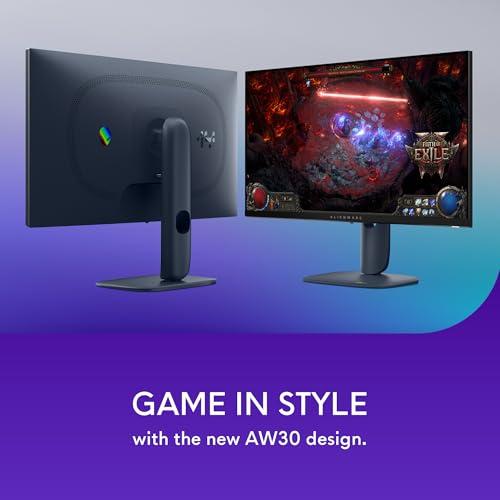
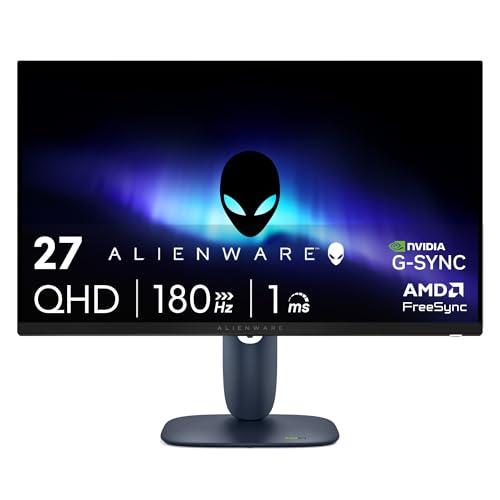
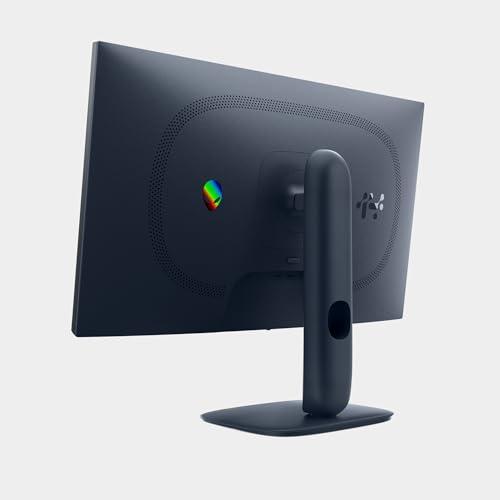
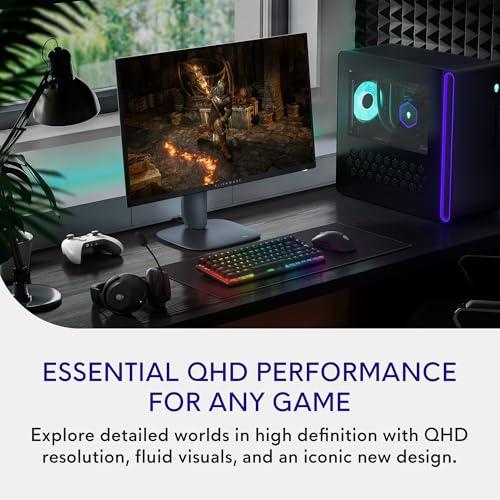


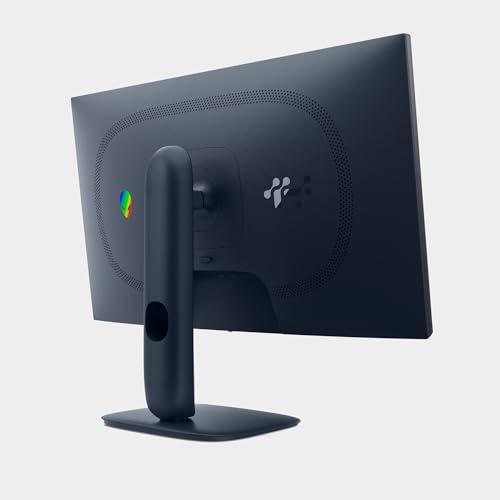
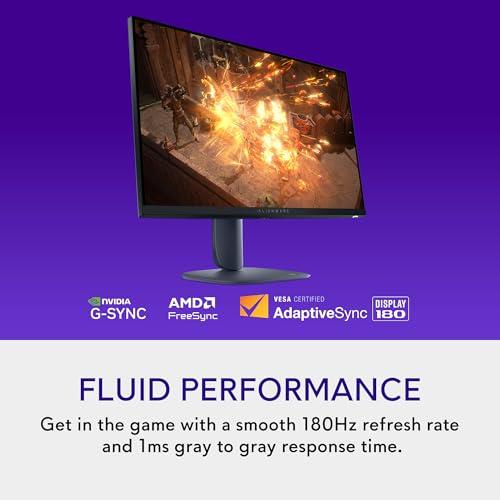
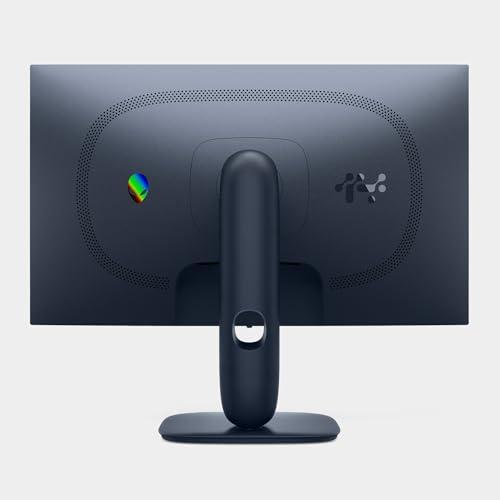
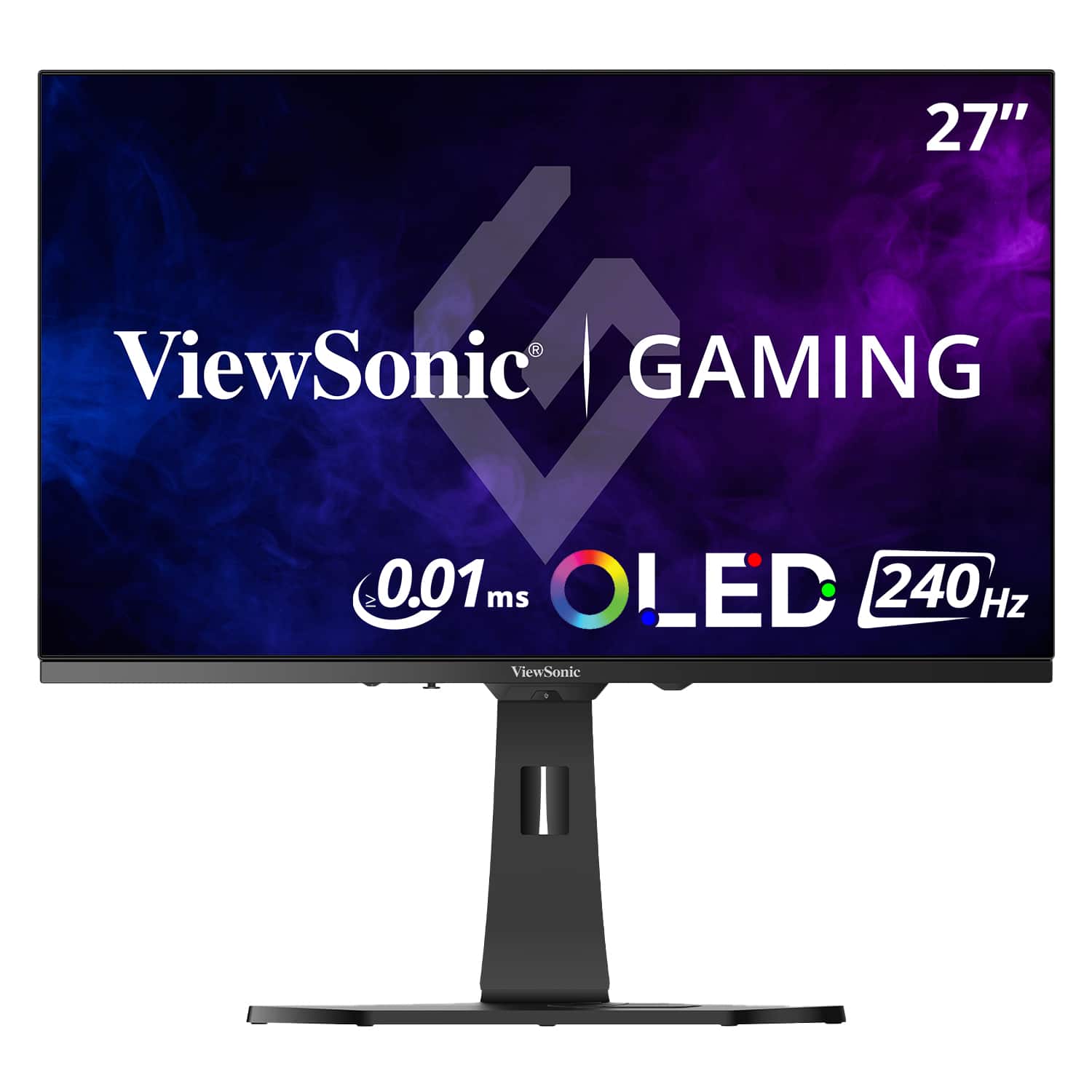
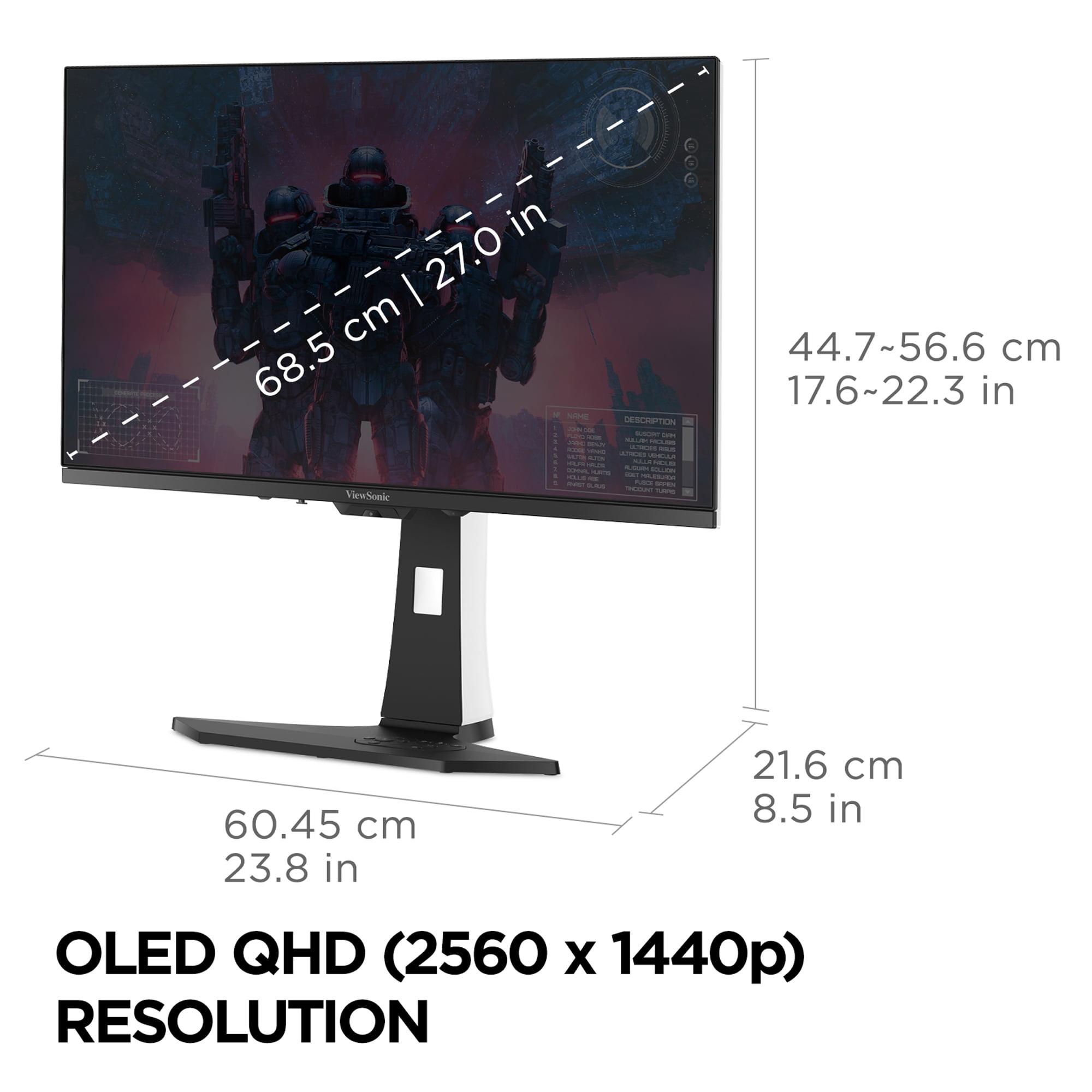
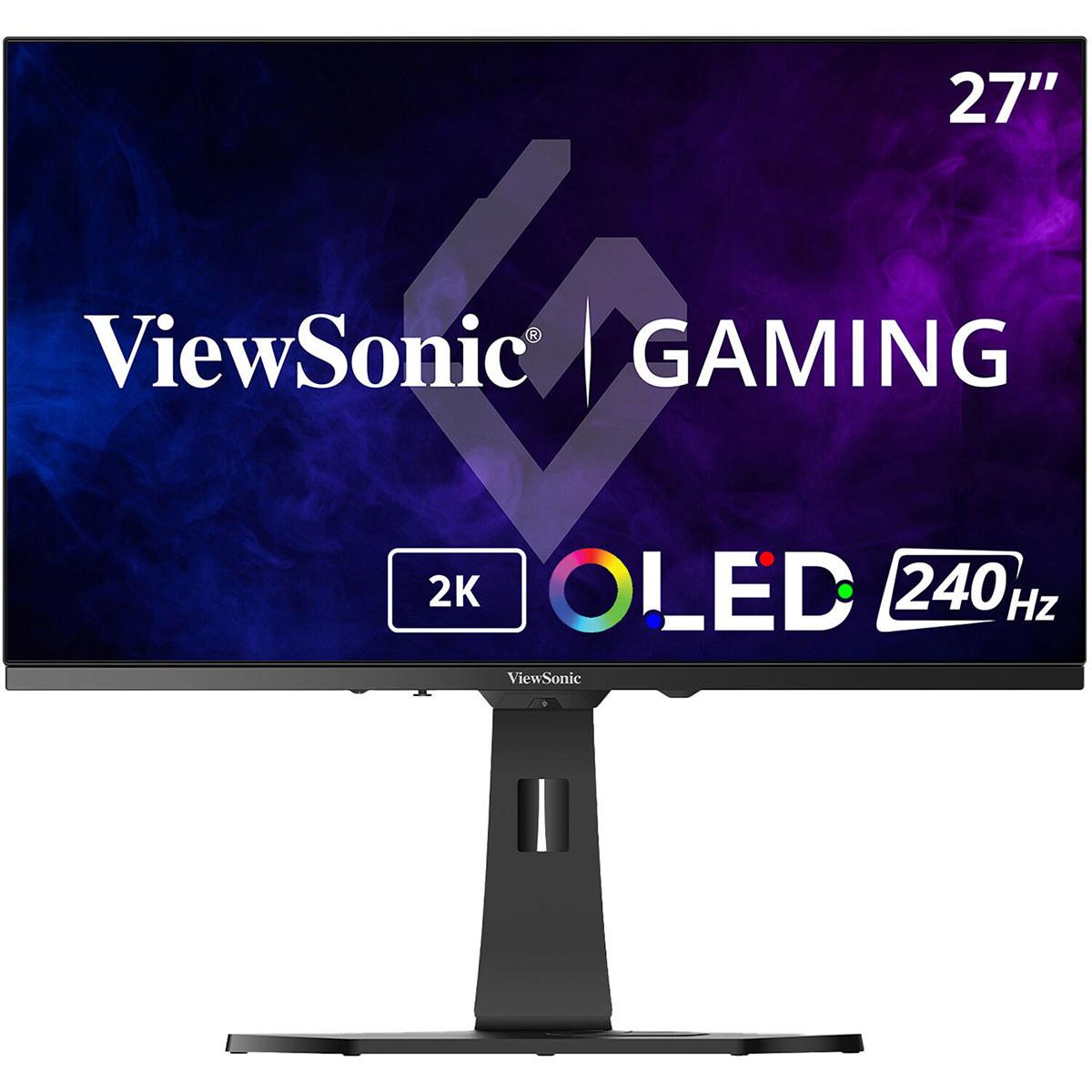
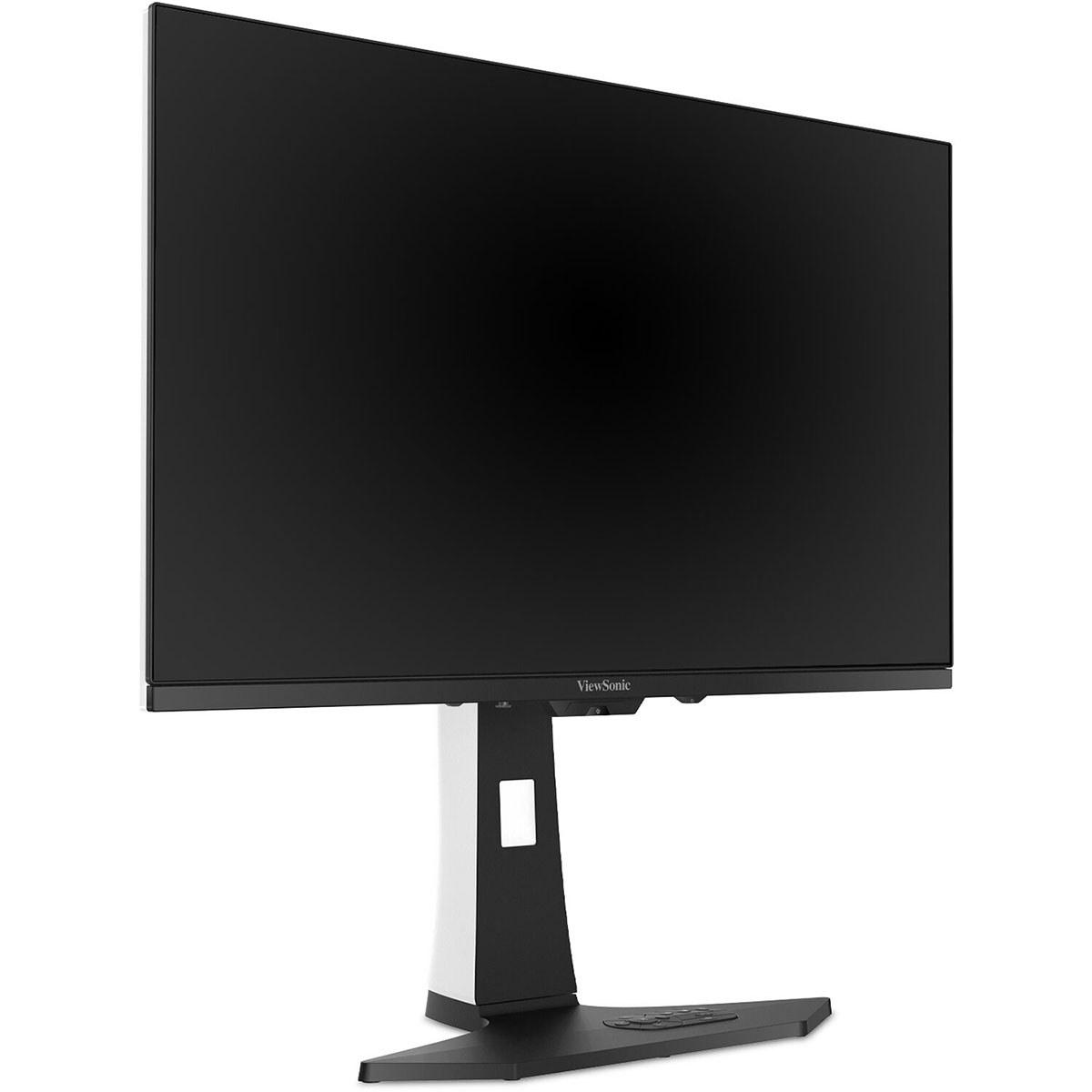
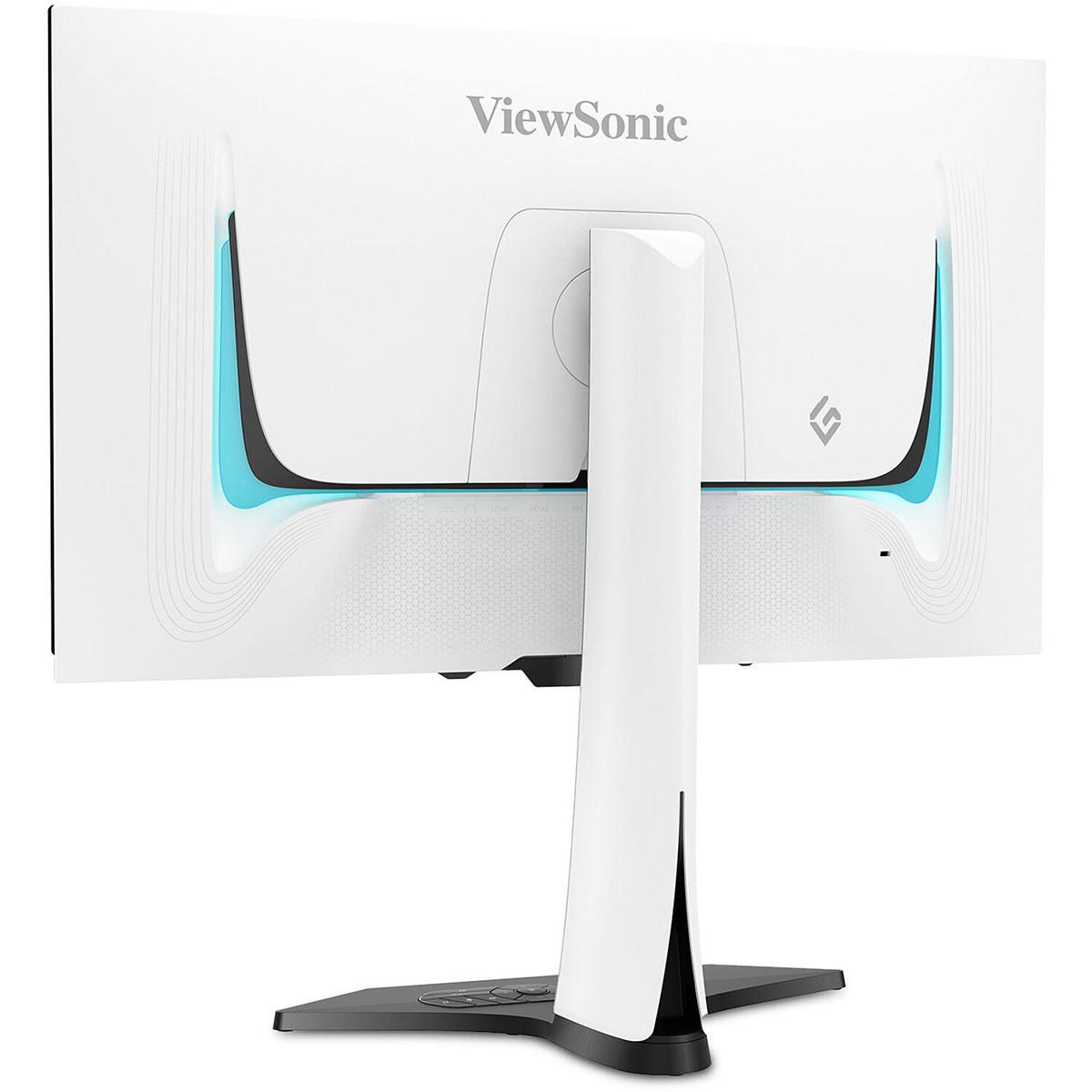
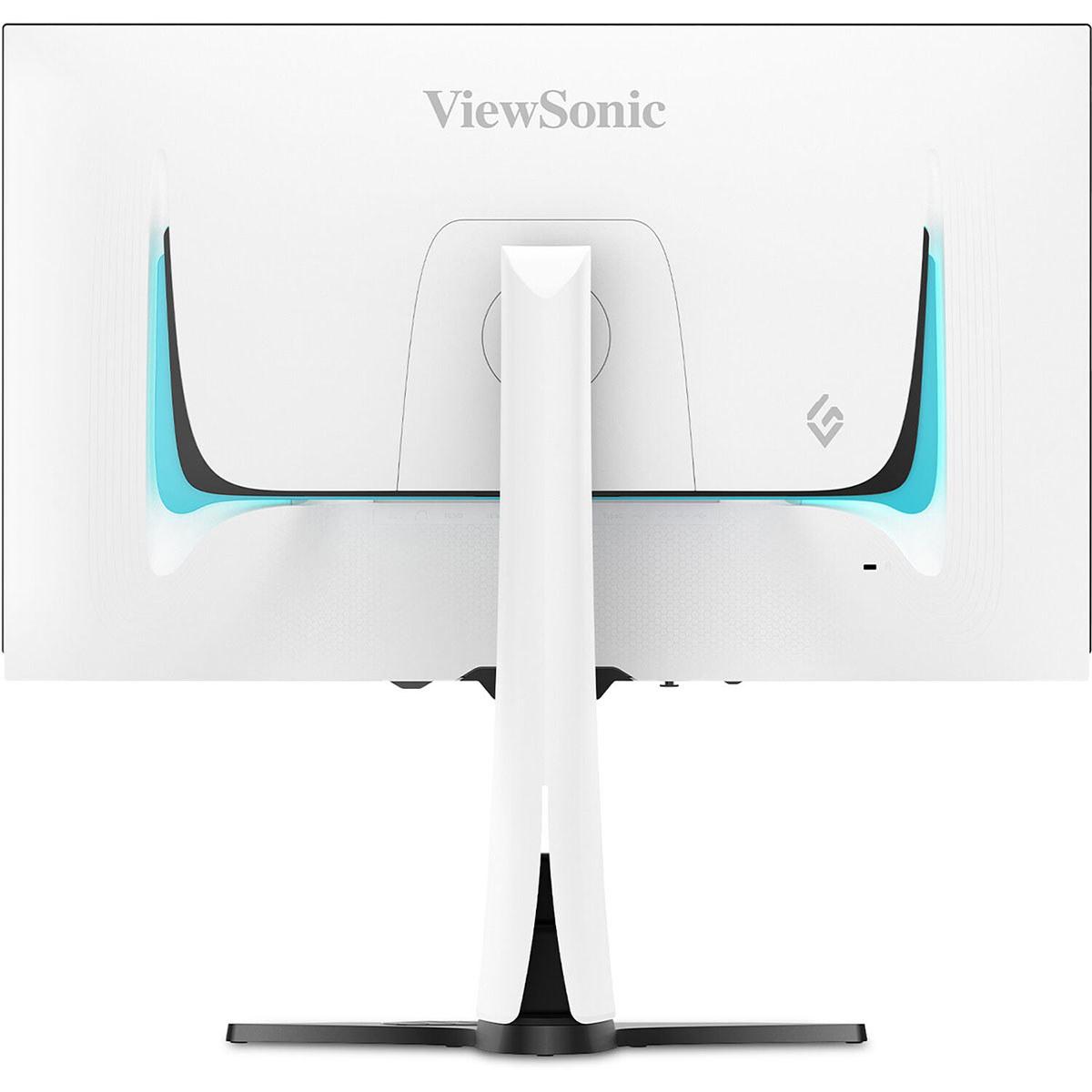
The 27-inch QHD gaming monitor market has become incredibly competitive, with manufacturers pushing both traditional LCD technology and cutting-edge OLED displays to new heights. Two monitors that perfectly illustrate this divide are the Alienware AW2725DM and the ViewSonic XG272-2K-OLED—representing budget-conscious performance and premium display technology respectively.
Both monitors target the 1440p gaming sweet spot, where you get significantly sharper visuals than 1080p without the demanding hardware requirements of 4K. However, they take dramatically different approaches to achieve gaming excellence, with price points that reflect their distinct philosophies.
The most fundamental difference between these monitors lies in their display technology. The Alienware AW2725DM uses a Fast IPS (In-Plane Switching) panel, while the ViewSonic XG272-2K-OLED employs OLED (Organic Light Emitting Diode) technology. These aren't just marketing terms—they represent completely different approaches to creating images on your screen.
Traditional LCD panels like the IPS in the Alienware monitor work by shining a backlight through liquid crystals that twist to block or allow light through colored filters. Even when displaying black, some backlight leaks through, which limits how dark the darkest parts of the image can get. IPS panels excel at color accuracy and viewing angles, making them reliable workhorses for both gaming and productivity tasks.
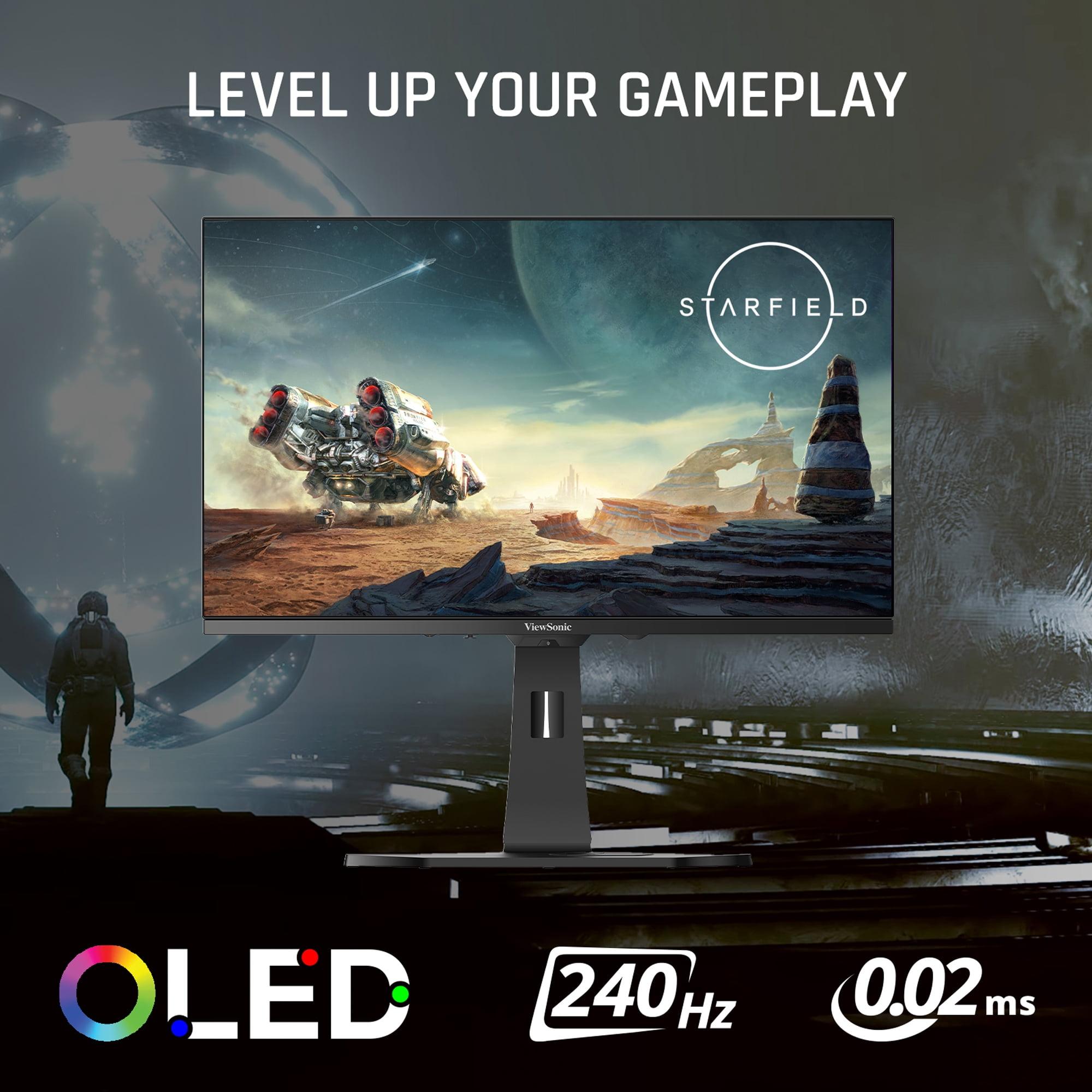
OLED technology in the ViewSonic monitor works fundamentally differently. Each pixel contains organic compounds that emit their own light when electricity passes through them. When displaying black, these pixels simply turn off completely, creating true blacks that LCD technology cannot match. This results in what's called an infinite contrast ratio—the difference between the brightest and darkest parts of the image.
Numbers tell the story clearly here. The Alienware AW2725DM delivers a 1000:1 contrast ratio, which is typical for IPS panels and perfectly adequate for most gaming scenarios. The ViewSonic XG272-2K-OLED measures at 150,000:1, though in practical terms, OLED's contrast is essentially infinite since it can produce perfect blacks.
This contrast difference becomes immediately apparent in dark gaming scenes. Playing atmospheric games like Resident Evil or exploring shadowy areas in The Witcher 3 reveals details in the ViewSonic monitor that simply disappear into grayish blacks on traditional LCD displays. It's the difference between seeing subtle texture details in a dark dungeon versus having those areas appear as flat, washed-out regions.
Both monitors exceed the 144Hz threshold that most competitive gamers consider the minimum for serious play, but they take different approaches. The Alienware AW2725DM tops out at 180Hz, while the ViewSonic XG272-2K-OLED reaches 240Hz.
For context, refresh rate measures how many times per second your monitor can display a new image. Higher rates reduce motion blur and make fast movements appear smoother. The jump from 60Hz to 144Hz is dramatic and immediately noticeable. The improvement from 144Hz to 180Hz is still significant, while the difference between 180Hz and 240Hz becomes more subtle and mainly benefits the most competitive players.
In our evaluation of user experiences and expert reviews, the consensus suggests that most gamers will notice the Alienware's 180Hz performance as smooth and responsive for competitive titles like Valorant or Counter-Strike 2. The ViewSonic's extra 60Hz provides an edge for professional esports players but offers diminishing returns for casual competitive gaming.
Response time measures how quickly individual pixels can change from one color to another, typically measured in gray-to-gray (GTG) transitions. Slower response times create ghosting—visible trails behind moving objects that can be distracting in fast-paced games.
The Alienware AW2725DM offers multiple response time settings: 4ms for the best image quality, 2ms for balanced performance, and 1ms in extreme mode that may introduce slight overshoot artifacts. These times are excellent for IPS technology and will satisfy the vast majority of gamers.
The ViewSonic XG272-2K-OLED delivers a 0.02ms response time—essentially instantaneous pixel switching. This isn't just a numbers game; OLED's near-zero response time eliminates ghosting entirely and provides motion clarity that's simply impossible with LCD technology. For competitive first-person shooters or fighting games where tracking fast-moving targets is crucial, this advantage is tangible and measurable.
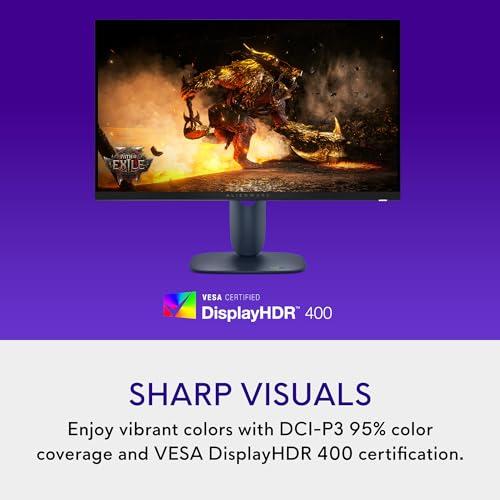
Both monitors deliver excellent color reproduction, but through different strengths. The Alienware AW2725DM covers 95% of the DCI-P3 color space and up to 99% sRGB, providing vibrant and accurate colors that work well for gaming and general use. The Fast IPS technology ensures consistent colors across different viewing angles, making it suitable for shared gaming sessions or productivity work.
The ViewSonic XG272-2K-OLED pushes color performance further with 97% DCI-P3 coverage and 10-bit color depth, supporting over a billion different colors. More importantly, OLED's per-pixel light control allows for more precise color reproduction and better color volume—the ability to display saturated colors at both high and low brightness levels.
HDR (High Dynamic Range) support varies significantly between these monitors. The Alienware AW2725DM features VESA DisplayHDR 400 certification with 400 nits peak brightness. While this enables basic HDR functionality, the limited contrast ratio of IPS technology means HDR improvements are modest compared to what's possible with better display technologies.
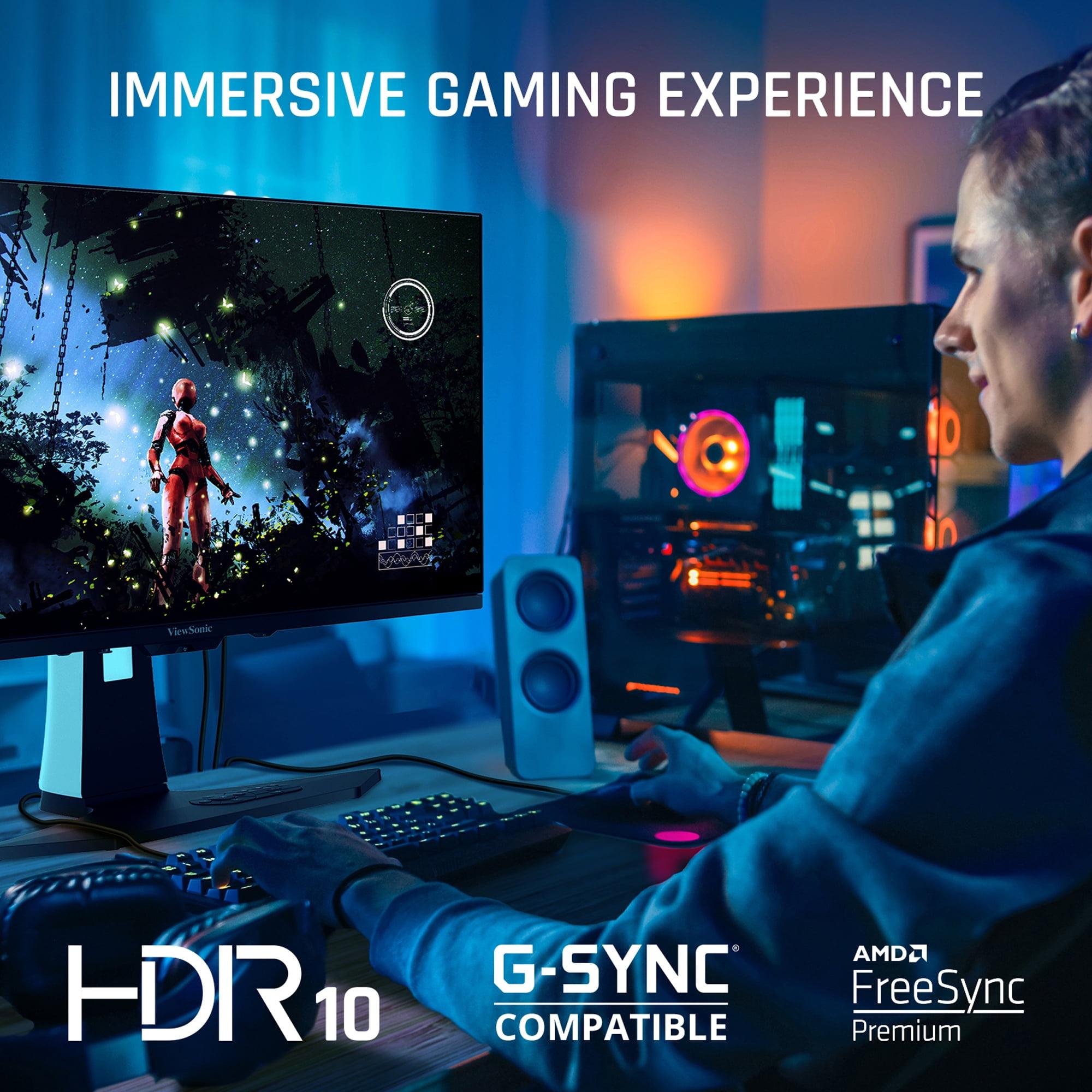
The ViewSonic XG272-2K-OLED supports HDR10 with 450 nits brightness, and crucially, its infinite contrast ratio makes HDR content significantly more impactful. HDR games like Cyberpunk 2077 or Horizon Zero Dawn display with dramatically improved shadow detail and more realistic lighting on the OLED panel.
For competitive titles like Valorant, CS2, Overwatch 2, and League of Legends, both monitors excel but serve different priorities. The Alienware AW2725DM provides the core performance metrics that matter most: low input lag, high refresh rates, and minimal ghosting. The 180Hz refresh rate ensures smooth tracking of fast-moving targets, while the 1-2ms response time keeps ghosting minimal.
The ViewSonic XG272-2K-OLED takes competitive performance further with its 240Hz refresh rate and near-zero response time. In practice, this translates to slightly better target tracking and marginally faster visual feedback. However, the performance difference becomes meaningful primarily at very high skill levels where every millisecond advantage counts.
For story-driven games, RPGs, and atmospheric titles, the monitors serve different needs entirely. The Alienware monitor provides sharp 1440p visuals with good color accuracy, making games like The Witcher 3 or Red Dead Redemption 2 look crisp and engaging.
The ViewSonic OLED transforms immersive gaming through its superior contrast and color performance. Dark areas in games reveal subtle details that enhance atmosphere and gameplay. The infinite contrast makes nighttime scenes in open-world games genuinely dark rather than washed-out gray, while bright highlights pop with intensity that IPS panels cannot match.
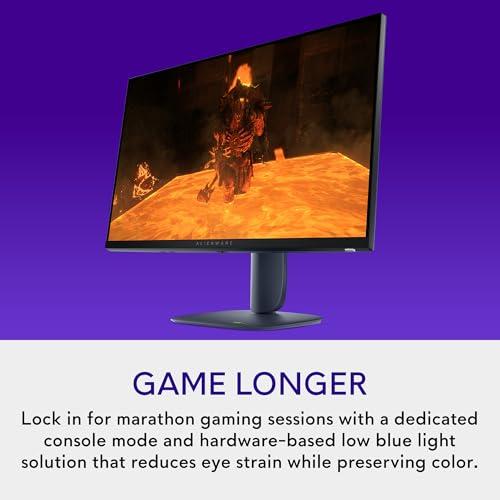
While primarily gaming monitors, both can serve multimedia duties, though with important caveats. The Alienware AW2725DM lacks built-in speakers, requiring external audio solutions. Its IPS panel provides consistent brightness and color accuracy for movie watching, though the limited contrast ratio means dark movie scenes won't have the depth of dedicated home theater displays.
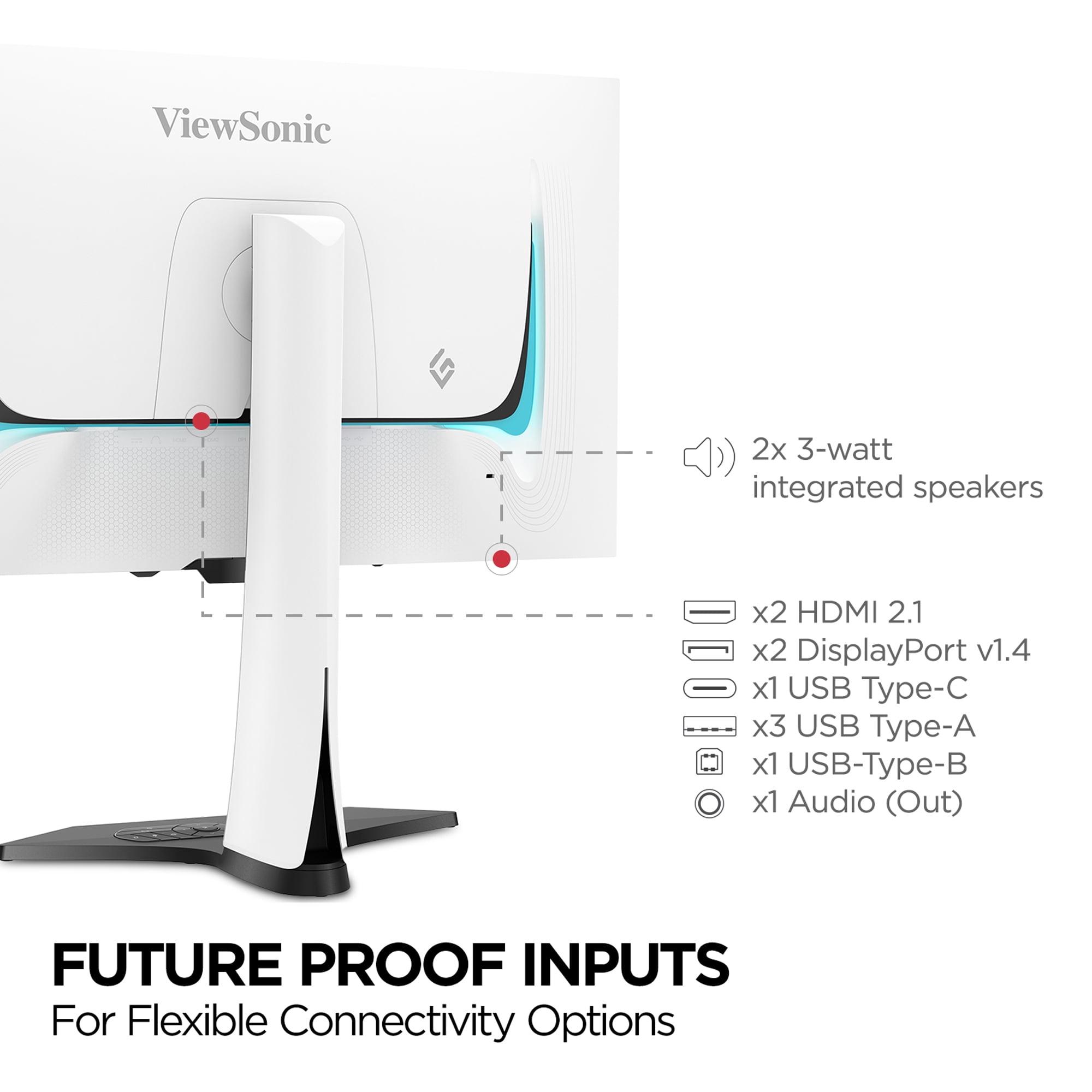
The ViewSonic XG272-2K-OLED includes 3W built-in speakers—adequate for basic audio but not replacement-level for dedicated speakers or headphones. Its OLED technology excels for movie content, providing cinema-like contrast and deep blacks that enhance the viewing experience significantly. However, extended viewing of content with static elements (like news tickers or UI elements) raises burn-in concerns that don't exist with LCD technology.
At the time of writing, these monitors occupy vastly different price segments. The Alienware AW2725DM represents exceptional value in the sub-$200 gaming monitor space, delivering performance that would have cost significantly more just a few years ago. It's positioned as a mainstream competitive gaming solution that prioritizes essential performance metrics while maintaining affordability.
The ViewSonic XG272-2K-OLED sits in premium territory at nearly five times the cost, targeting enthusiasts willing to pay substantially more for cutting-edge display technology. The price reflects both the OLED panel's manufacturing costs and its position as a flagship product showcasing the latest gaming display innovations.
The Alienware monitor, released in 2024, represents the maturation of Fast IPS technology. Compared to gaming monitors from 2020-2021, it offers significantly improved response times and higher refresh rates at budget price points, reflecting the industry's push to make competitive gaming performance more accessible.
The ViewSonic OLED monitor, also launched in 2024, represents the gaming industry's embrace of OLED technology that was previously limited to premium TVs. OLED gaming monitors have evolved rapidly since their introduction, with improved burn-in resistance, higher brightness levels, and gaming-specific features like the Black Frame Insertion technology found in this model.
Long-term reliability differs significantly between these technologies. The Alienware IPS monitor faces minimal degradation concerns beyond potential backlight aging over many years of use. Some units may exhibit backlight bleed, particularly noticeable in dark scenes, but this doesn't worsen over time and doesn't affect functionality.
The ViewSonic OLED includes comprehensive burn-in prevention technologies, including pixel shifting, static content detection, and automatic dimming during idle periods. While modern OLED panels have significantly improved burn-in resistance compared to earlier generations, the risk still exists with prolonged display of static elements like game HUDs or productivity applications.
The Alienware AW2725DM makes sense for the majority of gamers upgrading from 60Hz or 1080p displays. It provides all the performance benefits of high refresh rate gaming without premium pricing. It's particularly well-suited for users who game and work on the same display, mixed-use scenarios where burn-in risks matter, and budget-conscious competitive gamers who prioritize performance per dollar.
The ViewSonic XG272-2K-OLED targets a more specific audience: enthusiast gamers who prioritize ultimate image quality, competitive players where marginal performance gains matter, and users whose primary monitor use is gaming rather than productivity work. The premium pricing makes sense only if OLED's advantages align with your specific needs and budget allows for the investment.
The choice ultimately comes down to whether OLED's superior contrast, faster response times, and premium features justify the significant price difference. For most users stepping up from older gaming monitors, the Alienware AW2725DM provides transformative performance improvements at an accessible price point.
The ViewSonic XG272-2K-OLED serves users who want the absolute best gaming display technology available and are willing to pay premium prices for marginal but measurable improvements. It's the choice for those who view their monitor as a long-term investment in their gaming setup and prioritize cutting-edge technology over value optimization.
Both monitors excel in their respective market segments, representing different philosophies about gaming display performance. The Alienware proves that excellent gaming performance doesn't require premium pricing, while the ViewSonic demonstrates what's possible when cost isn't the primary constraint.
| Alienware AW2725DM | ViewSonic XG272-2K-OLED |
|---|---|
| Panel Technology - Determines contrast, color accuracy, and response time capabilities | |
| Fast IPS (LED backlit) | OLED (per-pixel lighting) |
| Contrast Ratio - Higher ratios mean deeper blacks and more immersive visuals | |
| 1,000:1 (typical for IPS panels) | 150,000:1 (essentially infinite with true blacks) |
| Refresh Rate - Higher rates reduce motion blur and improve competitive gaming | |
| 180Hz (excellent for most competitive gaming) | 240Hz (marginal benefit for ultra-competitive play) |
| Response Time - Lower times eliminate ghosting in fast-paced games | |
| 1-4ms GTG (adjustable, minimal ghosting) | 0.02ms GTG (virtually eliminates all ghosting) |
| Color Gamut - Wider coverage means more vibrant and accurate colors | |
| 95% DCI-P3, 99% sRGB | 97% DCI-P3, 10-bit color depth |
| HDR Support - Enhanced dynamic range for more realistic lighting | |
| VESA DisplayHDR 400 (400 nits, limited by IPS contrast) | HDR10 (450 nits, benefits from infinite contrast) |
| Connectivity - More ports offer greater flexibility for multiple devices | |
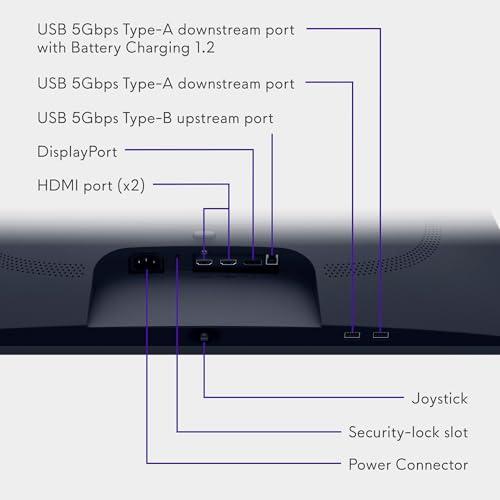
| 2x HDMI 2.1, 1x DisplayPort 1.4 | 2x HDMI 2.1, 2x DisplayPort 1.4, USB-C |
| Built-in Audio - Convenience feature for users without external speakers | |
| None (requires external speakers/headphones) | 2x 3W speakers (basic but functional) |
| Ergonomics - Important for comfort during long gaming sessions | |
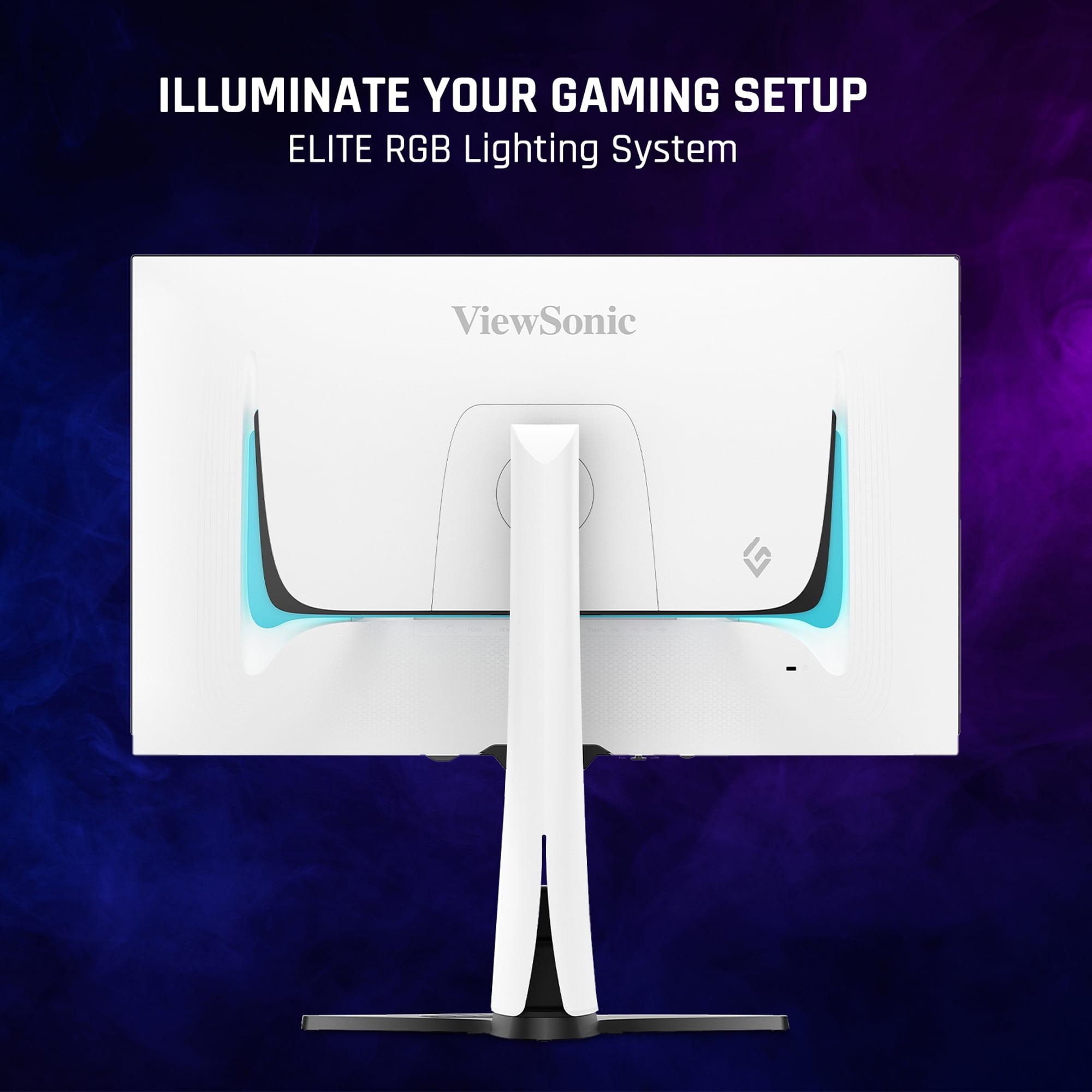
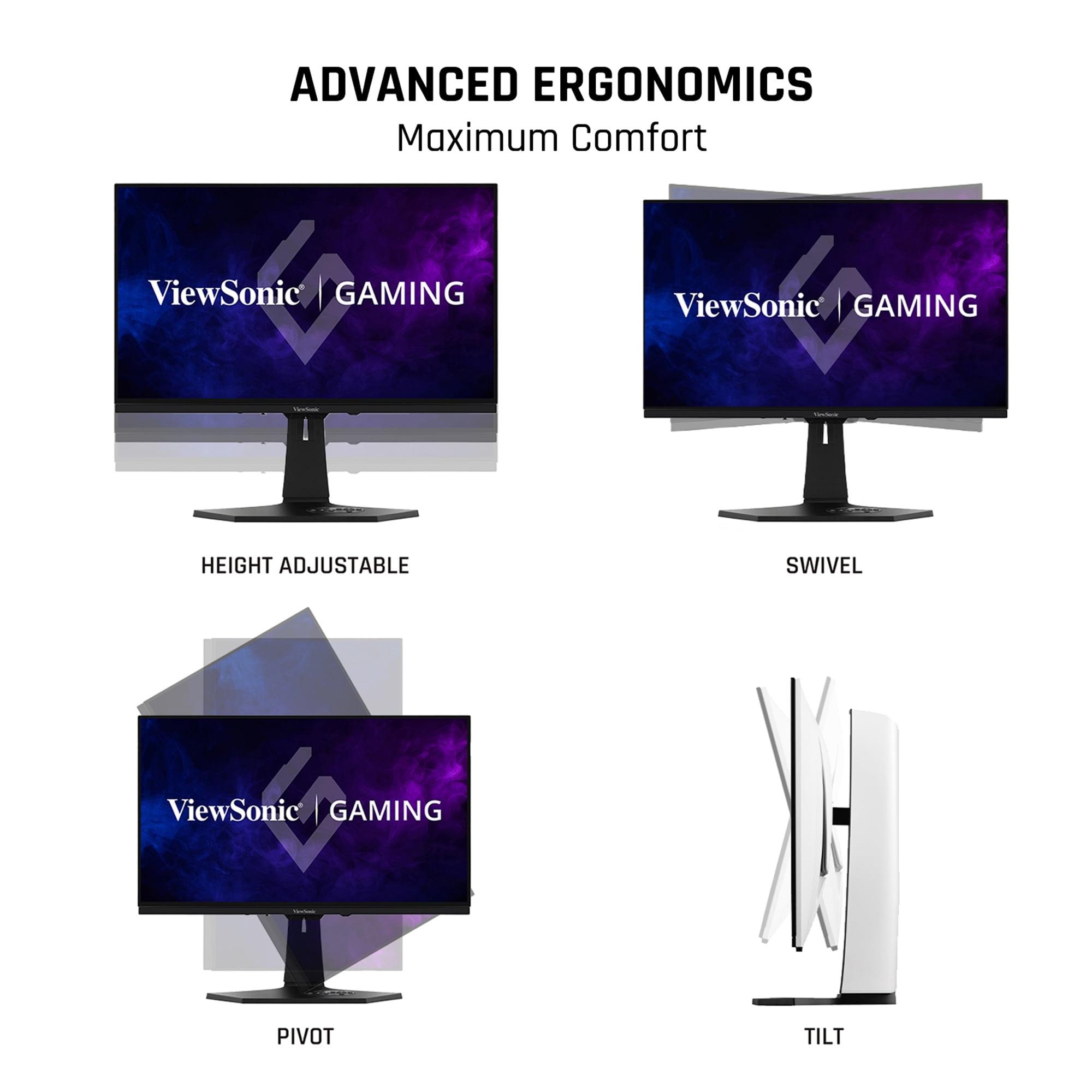
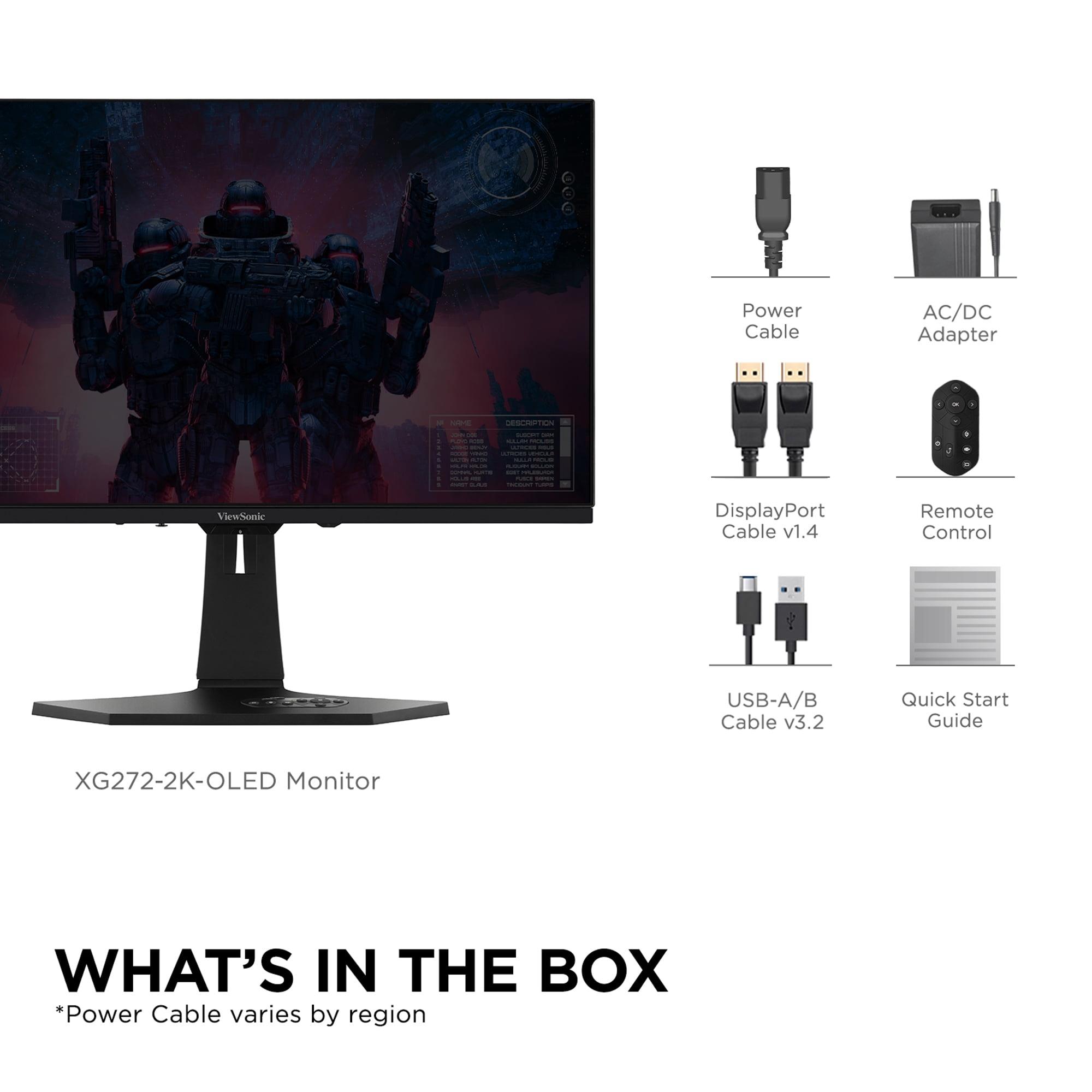
| Full adjustability (height, tilt, swivel, pivot) | Full adjustability plus RGB lighting and remote |
| Burn-in Risk - Permanent image retention from static content | |
| None (IPS panels immune to burn-in) | Possible with static content (advanced prevention included) |
| Value Proposition - Performance delivered relative to cost | |
| Exceptional price-to-performance for mainstream gaming | Premium pricing for cutting-edge OLED technology |
Both the Alienware AW2725DM and ViewSonic XG272-2K-OLED excel at competitive gaming, but serve different skill levels. The Alienware monitor offers 180Hz refresh rate and 1-2ms response time, which is more than sufficient for most competitive players. The ViewSonic OLED provides 240Hz and 0.02ms response time, offering marginal advantages that mainly benefit professional esports players where every millisecond counts.
The Alienware AW2725DM uses Fast IPS technology with LED backlighting, providing good color accuracy and no burn-in risk. The ViewSonic XG272-2K-OLED uses OLED technology where each pixel produces its own light, delivering perfect blacks, infinite contrast, and superior color vibrancy, but with potential burn-in concerns from static content.
The Alienware AW2725DM delivers exceptional value, providing high-end gaming performance at a budget-friendly price point. The ViewSonic XG272-2K-OLED costs significantly more but offers premium OLED technology and cutting-edge performance that justifies the price for enthusiast gamers willing to invest in the best display technology available.
The Alienware monitor handles movies adequately but lacks built-in speakers and has limited contrast for dark scenes. The ViewSonic XG272-2K-OLED excels for movie watching with its infinite contrast ratio, deep blacks, and built-in speakers, though concerns about burn-in from static movie UI elements should be considered for extended viewing.
Both monitors offer excellent color accuracy, with the Alienware AW2725DM covering 95% DCI-P3 and 99% sRGB. The ViewSonic XG272-2K-OLED slightly edges ahead with 97% DCI-P3 coverage and 10-bit color depth, providing more vibrant colors and better color volume across different brightness levels.
The Alienware AW2725DM has minimal durability concerns beyond potential backlight bleed common in IPS panels. The ViewSonic XG272-2K-OLED includes advanced burn-in prevention technologies but still carries some risk of permanent image retention with prolonged display of static content like game HUDs or desktop icons.
The ViewSonic XG272-2K-OLED significantly outperforms in dark environments due to its perfect blacks and infinite contrast ratio, making dark game scenes more immersive and revealing hidden details. The Alienware monitor shows grayish blacks typical of IPS panels, which can wash out atmospheric gaming experiences in dark rooms.
Yes, both support HDR content. The Alienware AW2725DM features VESA DisplayHDR 400 certification with 400 nits brightness, providing basic HDR functionality. The ViewSonic XG272-2K-OLED offers HDR10 support with 450 nits and benefits from OLED's infinite contrast for dramatically better HDR performance and more realistic lighting effects.
The ViewSonic XG272-2K-OLED offers more comprehensive connectivity with 2x HDMI 2.1, 2x DisplayPort 1.4, and USB-C with power delivery. The Alienware AW2725DM provides standard gaming connectivity with 2x HDMI 2.1 and 1x DisplayPort 1.4, which is sufficient for most gaming setups but less flexible for multi-device configurations.
The Alienware AW2725DM works excellently for mixed gaming and productivity use with no burn-in risks from static UI elements. The ViewSonic monitor can handle productivity tasks but requires careful management of static content to prevent burn-in, making it better suited for primarily gaming applications rather than extensive office work.
Both monitors support console gaming through HDMI 2.1 ports. The Alienware AW2725DM provides excellent performance for PS5 and Xbox Series X gaming at 1440p. The ViewSonic XG272-2K-OLED offers superior visual quality for console gaming with better contrast and colors, plus built-in speakers eliminate the need for external audio solutions.
For most gamers, the Alienware's 180Hz refresh rate provides smooth, responsive gameplay that's more than adequate for competitive and casual gaming. The ViewSonic's 240Hz offers diminishing returns unless you're a professional esports player where the marginal smoothness improvement and reduced input lag can provide a competitive edge worth the premium cost.
We've done our best to create useful and informative comparisons to help you decide what product to buy. Our research uses advanced automated methods to create this comparison and perfection is not possible - please contact us for corrections or questions. These are the sites we've researched in the creation of this article: bestbuy.com - bestbuy.com - youtube.com - dell.com - tweaktown.com - dell.com - rtings.com - manuals.plus - tomshardware.com - displayspecifications.com - youtube.com - youtube.com - displayspecifications.com - dell.com - dellstore.com - ebay.com - tomshardware.com - viewsonic.com - cgmagonline.com - bhphotovideo.com - forums.blurbusters.com - pangoly.com - youtube.com - rtings.com - youtube.com - bhphotovideo.com - viewsonic.com - assetserver.net - viewsonic.com - viewsonic.com - colamco.com - viewsonic.com - store.connectcause.com - displayspecifications.com - bhphotovideo.com - manuals.viewsonic.com - viewsonic.com - pangoly.com - visioncomputers.com - bestbuy.com

Privacy Policy
Terms and Conditions - Affiliate Policy
Home Security
© Copyright 2008-2026.
11816 Inwood Rd #1211, Dallas, TX 75244