

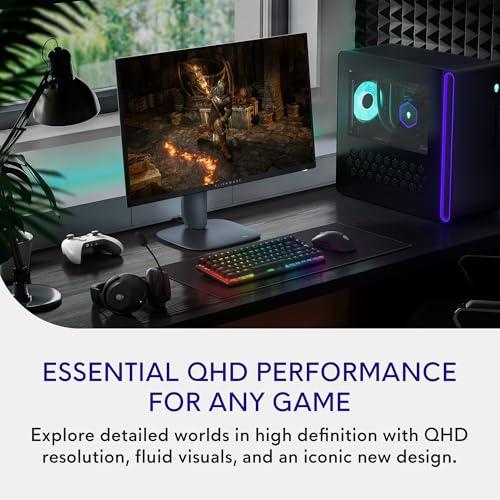
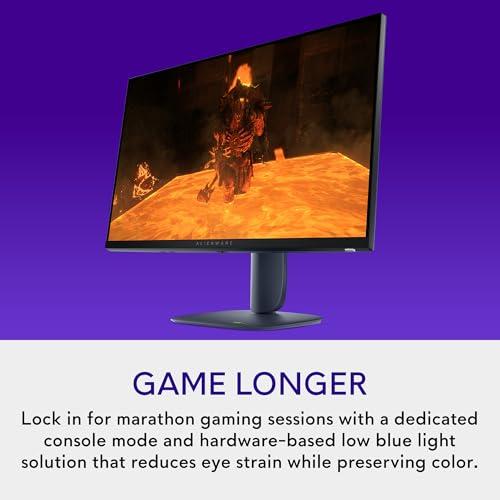
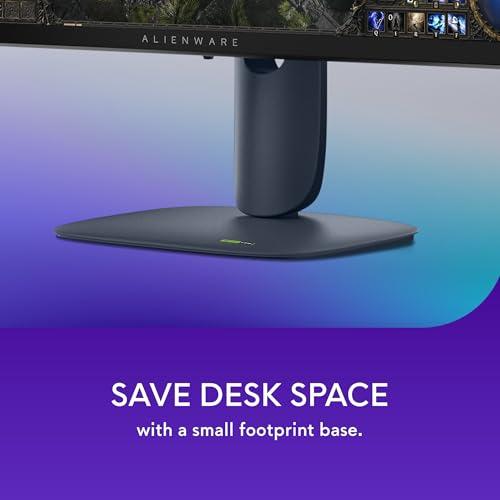
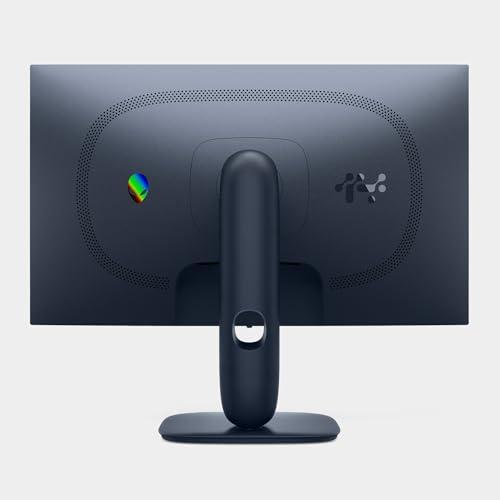
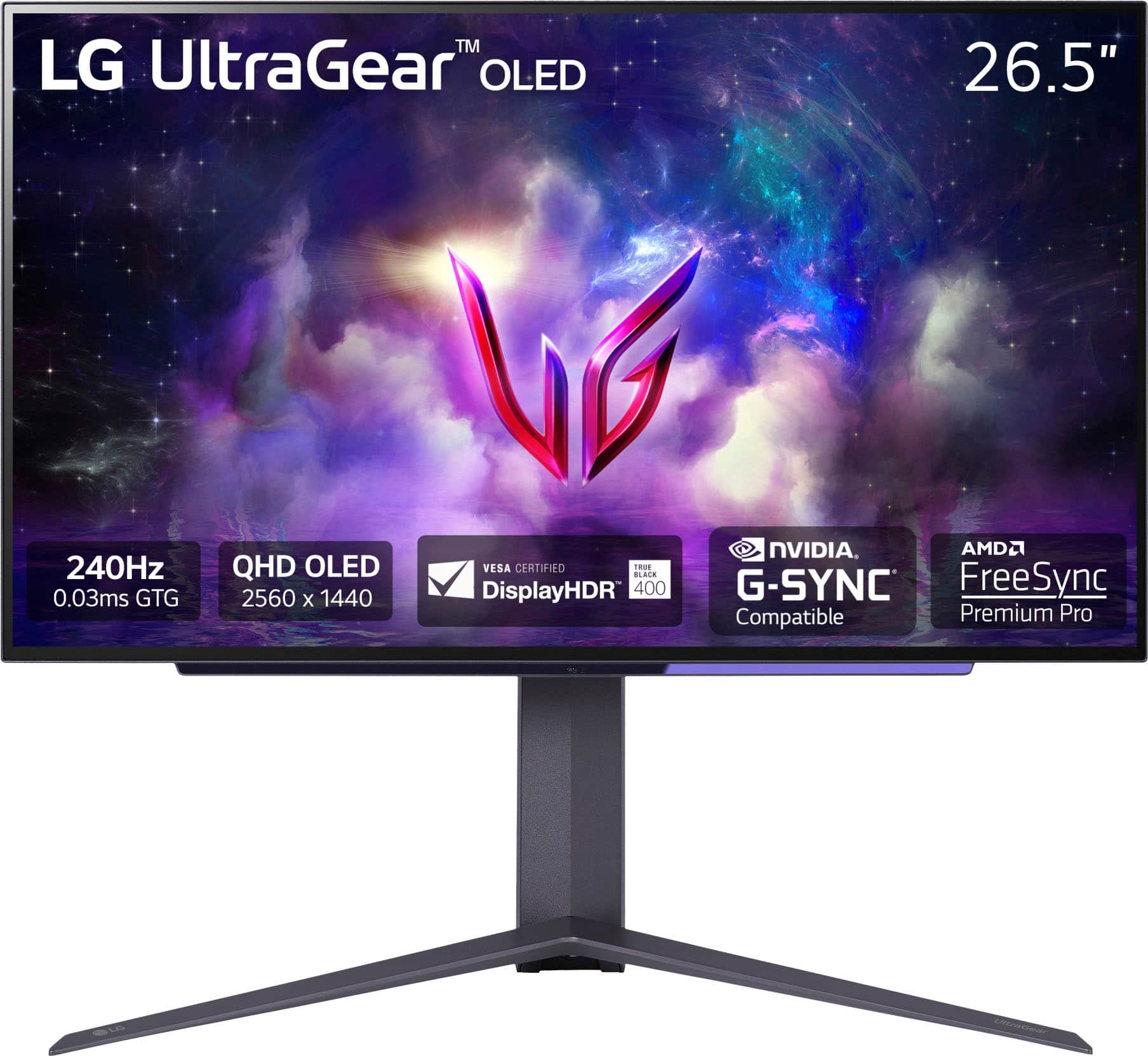
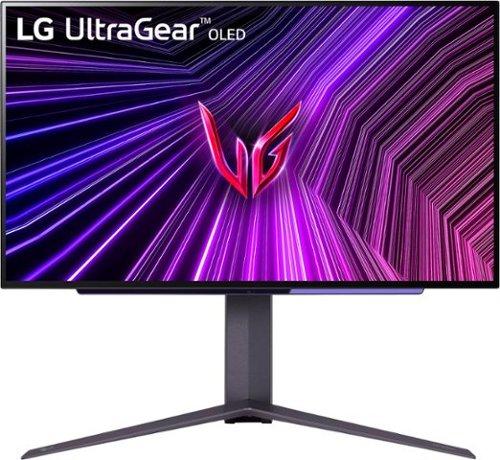
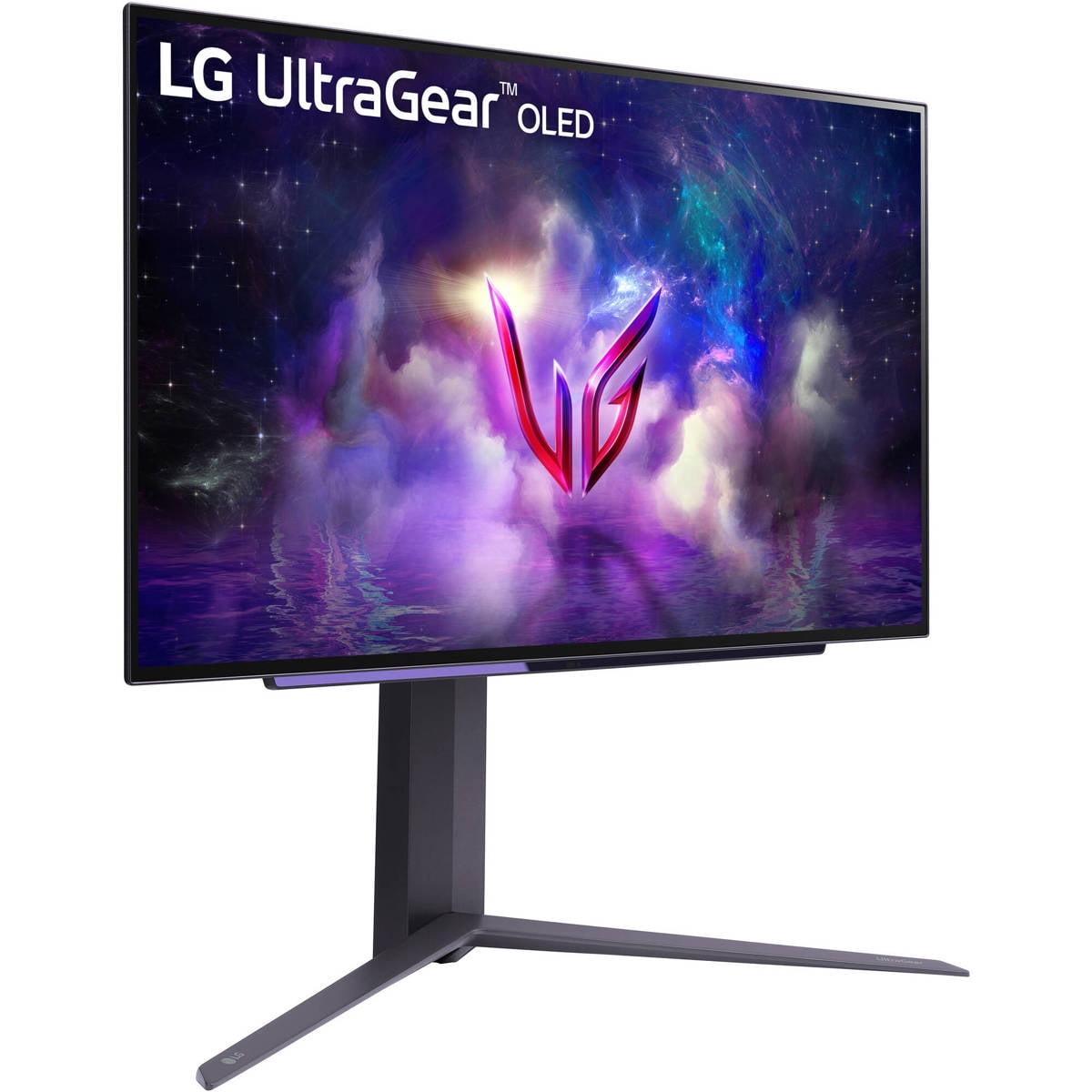
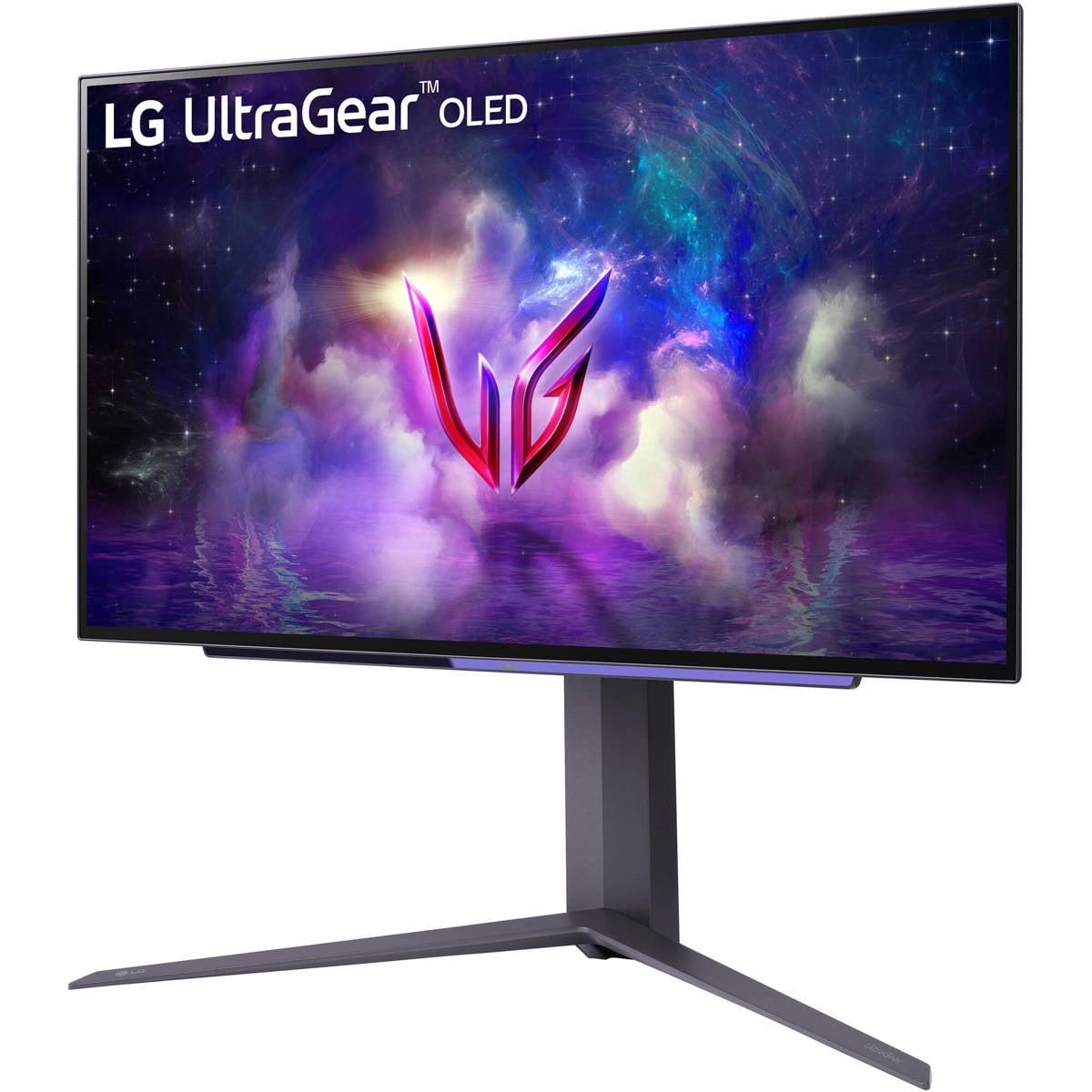
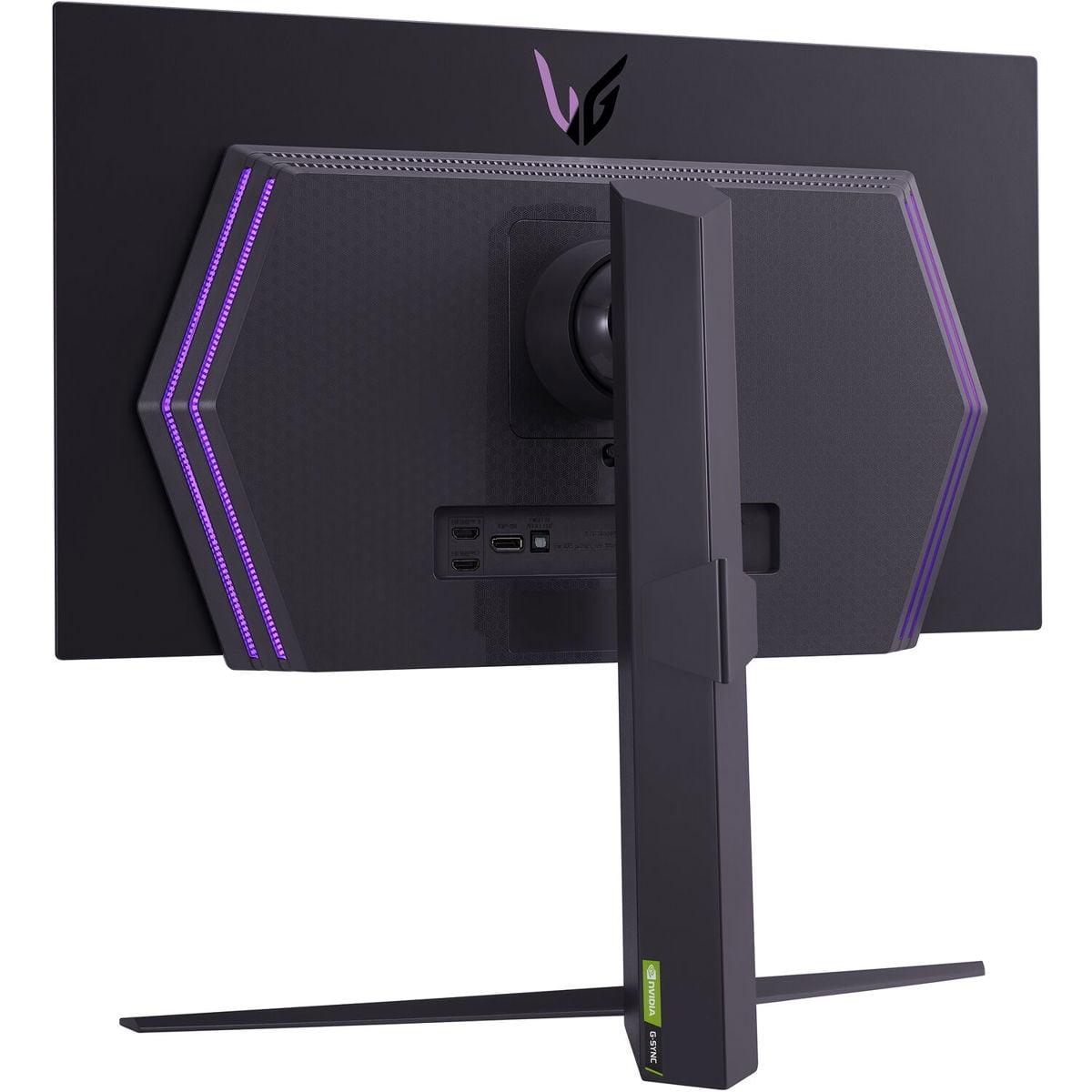
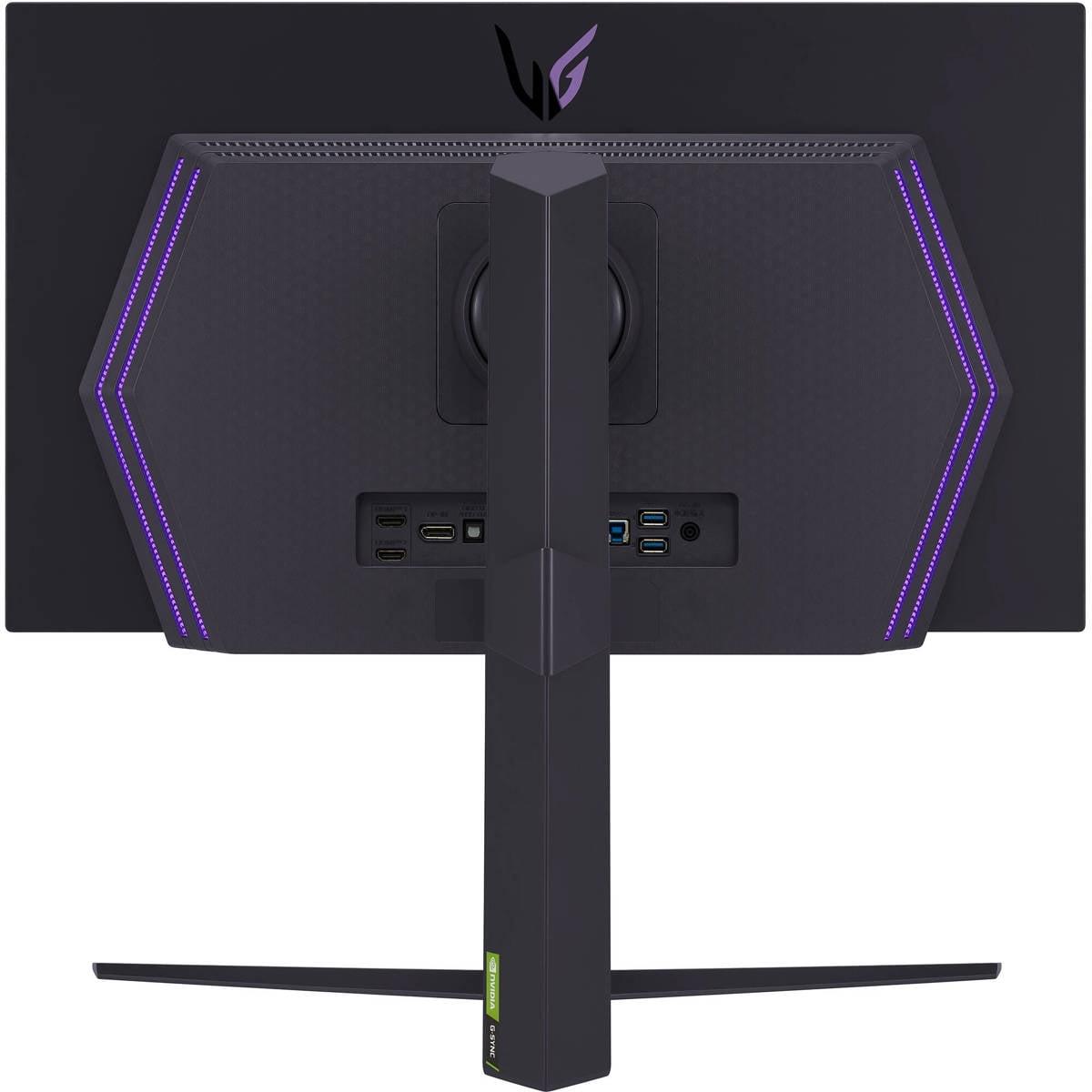
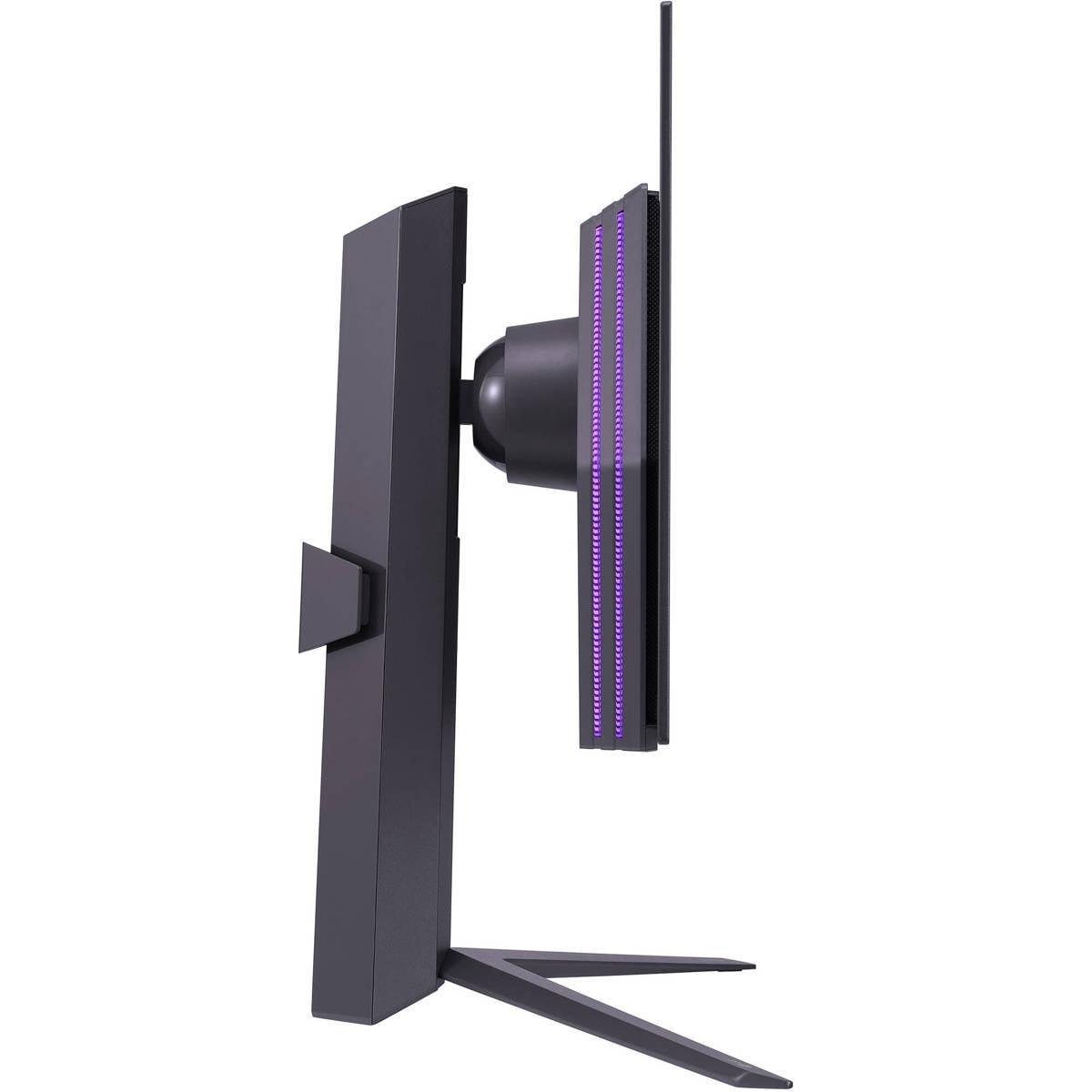


The gaming monitor market has transformed dramatically over the past few years. What once required choosing between basic 1080p displays or expensive professional monitors now offers incredible performance across multiple price tiers. Today's comparison highlights this evolution perfectly: the Alienware 27 QHD 180Hz Gaming Monitor represents exceptional value in the mid-range segment, while the LG UltraGear 27" OLED QHD 240Hz Gaming Monitor showcases the latest premium technology. Understanding which approach serves your gaming needs better requires diving deep into what makes these monitors tick.
Gaming monitors prioritize performance characteristics that matter most during gameplay: refresh rate (how many times per second the screen updates), response time (how quickly pixels change colors), and input lag (the delay between your actions and seeing results on screen). These specifications directly impact competitive performance and overall gaming experience.
The refresh rate, measured in Hertz (Hz), determines motion smoothness. Higher refresh rates display more frames per second, reducing motion blur and creating fluid movement. A 60Hz monitor shows 60 frames per second, while 180Hz displays 180 frames—the difference is immediately noticeable in fast-paced games.
Response time measures how quickly pixels transition between colors, typically from gray to gray (GtG). Lower response times prevent ghosting—the trailing effect you see when objects move quickly across the screen. Modern gaming monitors achieve response times between 0.03ms and 5ms, with faster being better for competitive gaming.
Panel technology fundamentally determines display characteristics. IPS (In-Plane Switching) panels offer excellent color accuracy and wide viewing angles but traditionally compromise on contrast and speed. OLED (Organic Light-Emitting Diode) panels feature self-illuminating pixels that can turn completely off, creating perfect blacks and infinite contrast ratios.
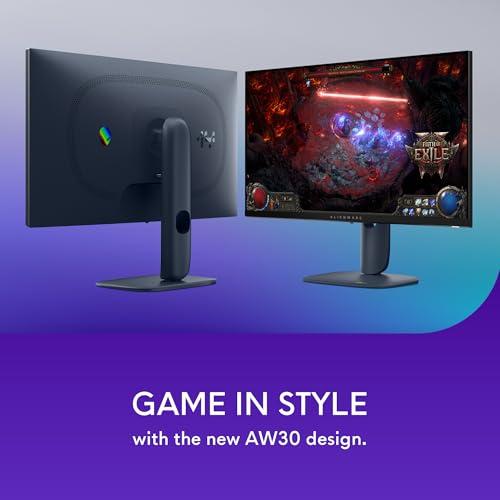
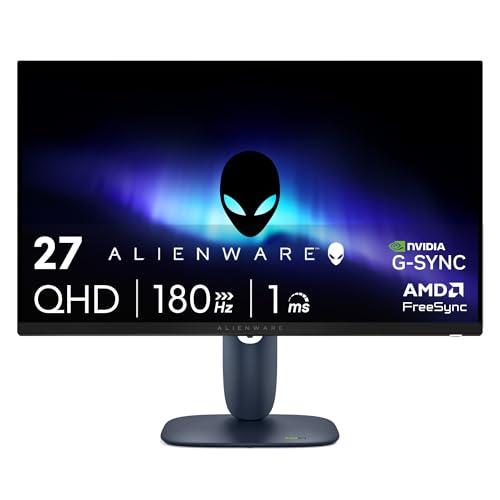
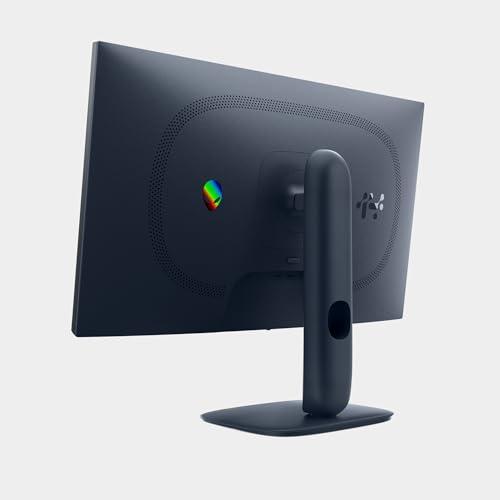
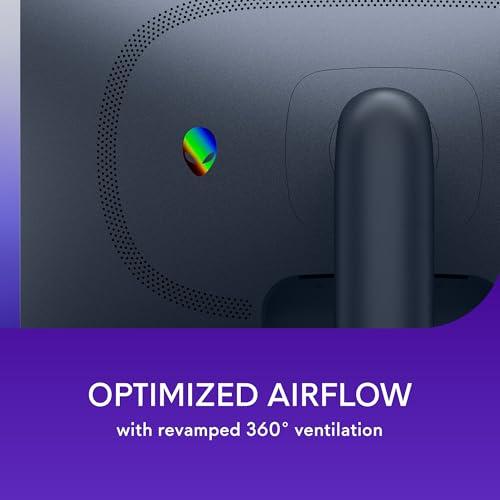
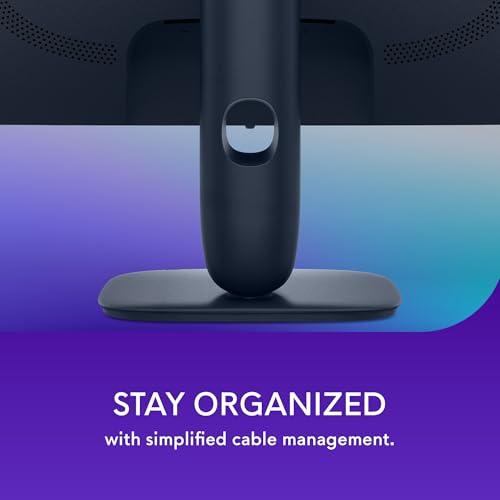
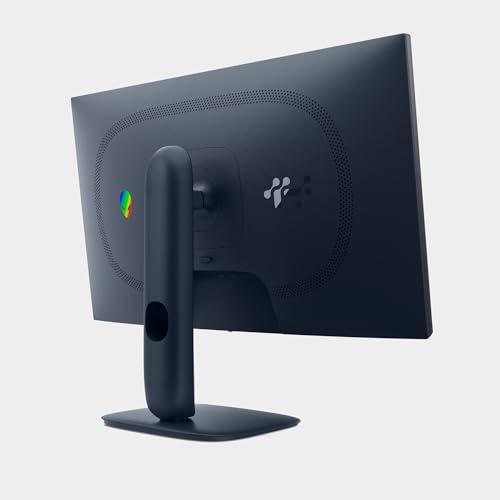
The Alienware 27 QHD 180Hz Gaming Monitor, released in 2024, represents the sweet spot for mainstream gaming. Dell positioned this monitor to deliver premium features at an accessible price point, targeting gamers who want significant upgrades from basic displays without paying flagship prices.
At the time of writing, the Alienware monitor costs roughly one-third the price of comparable OLED alternatives while delivering about 75% of their performance—an exceptional value proposition. Its Fast IPS panel achieves 180Hz refresh rates with 1ms response times, specifications that would have cost over $500 just two years ago.
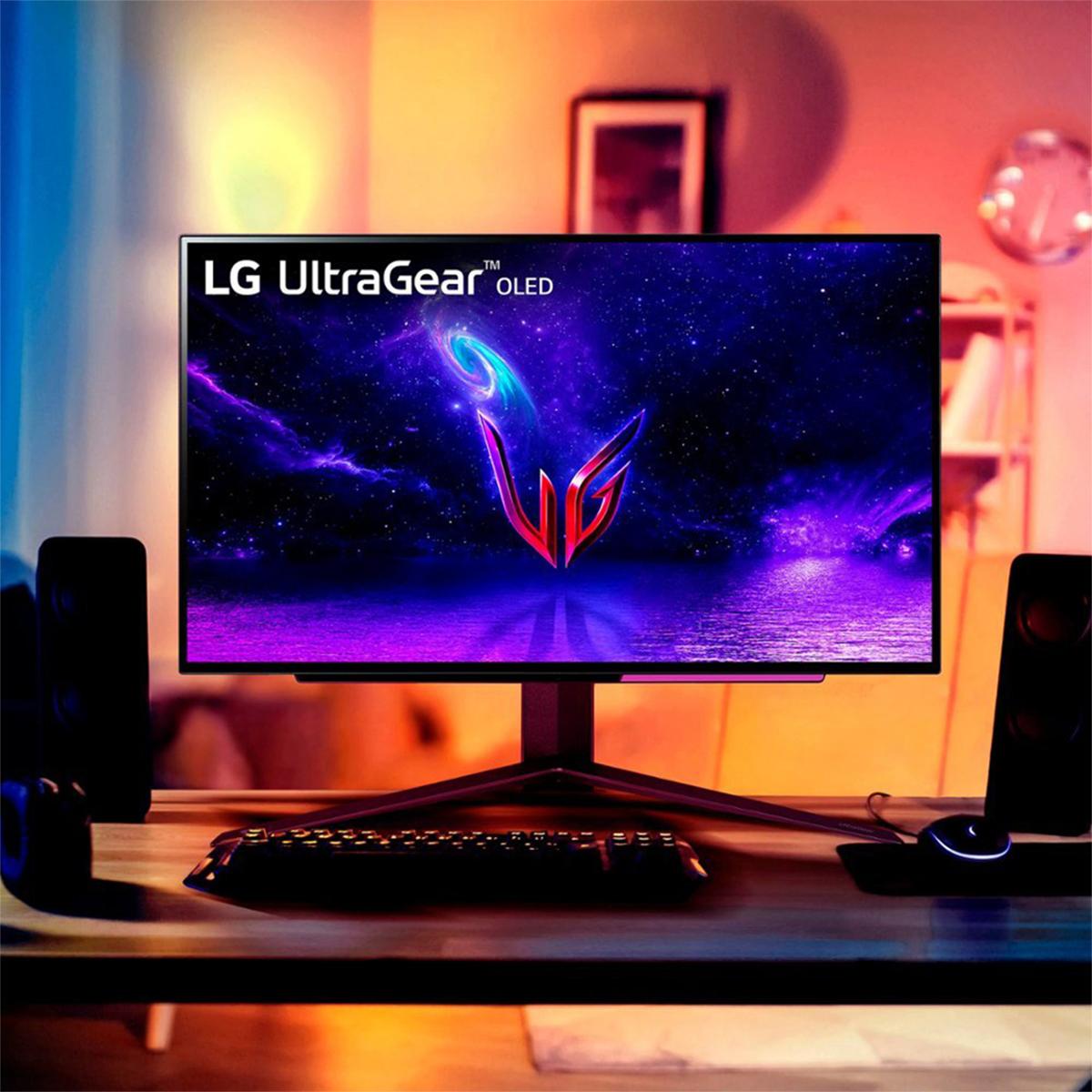
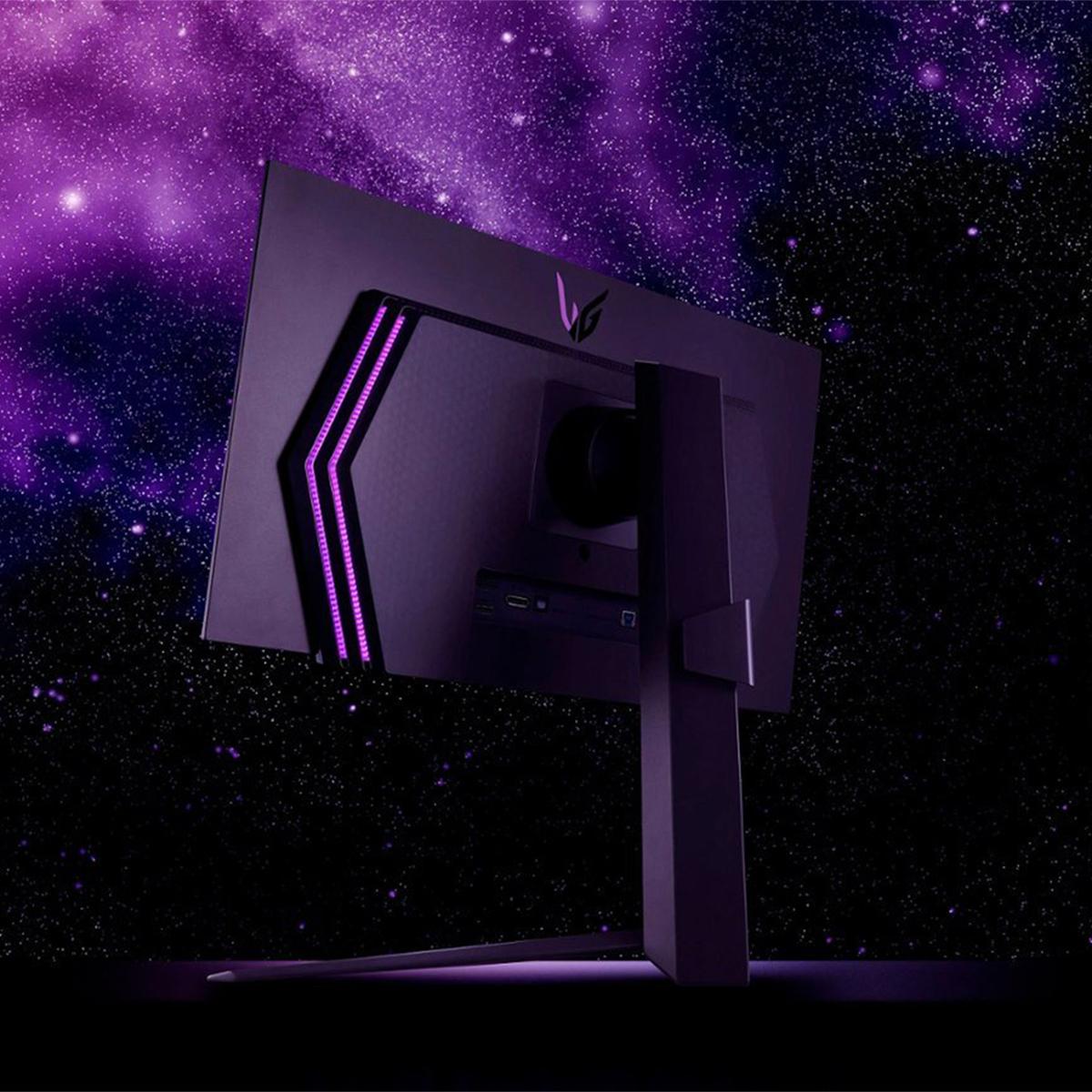
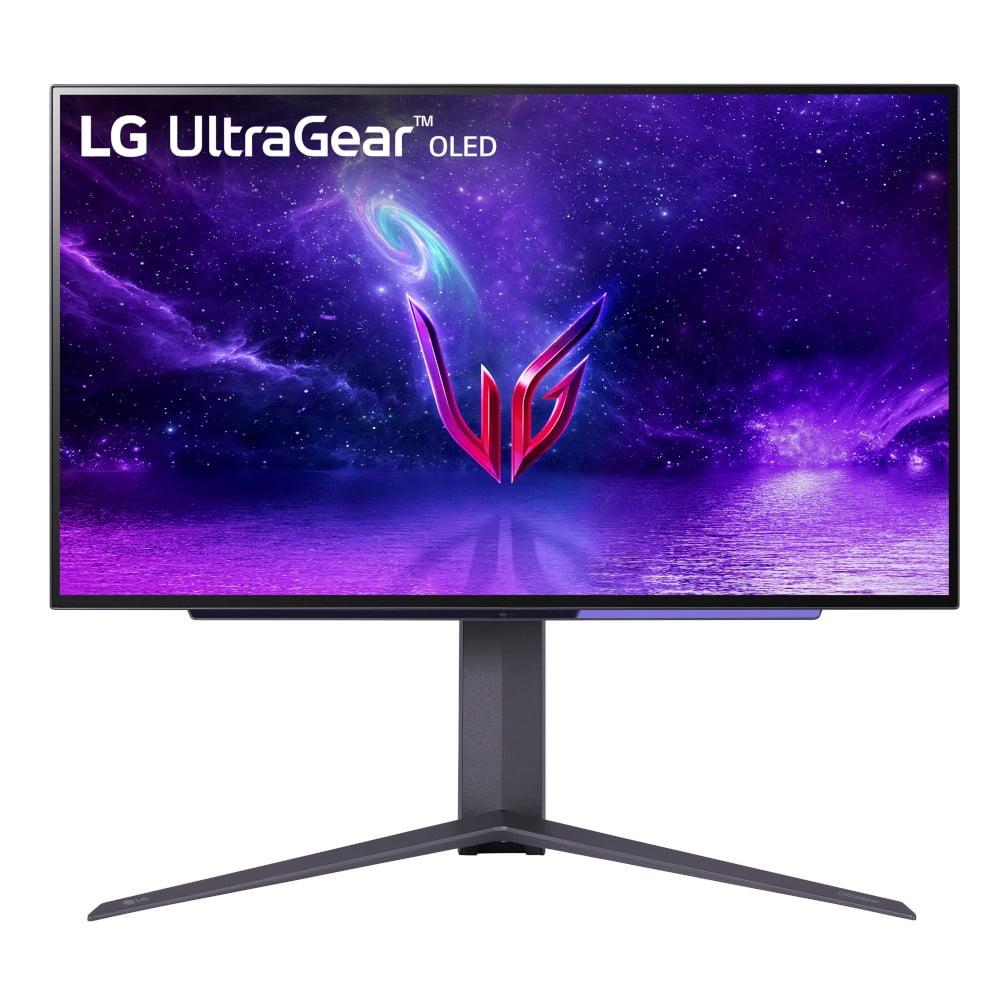
The LG UltraGear 27" OLED, also from 2024, showcases cutting-edge OLED technology adapted for gaming. LG's decision to bring OLED panels to gaming monitors represents a significant technological shift, as these displays were previously limited to TVs and professional applications due to cost and durability concerns.
This LG monitor costs approximately 3.5 times more than the Alienware at the time of writing, reflecting the premium nature of OLED technology and the advanced engineering required for 240Hz operation. The price differential highlights the fundamental choice between proven value and technological leadership.
The Alienware monitor utilizes Fast IPS technology, an evolution of traditional IPS panels optimized for gaming. Fast IPS maintains the color accuracy and viewing angle advantages of standard IPS while achieving response times previously only possible with TN (Twisted Nematic) panels.
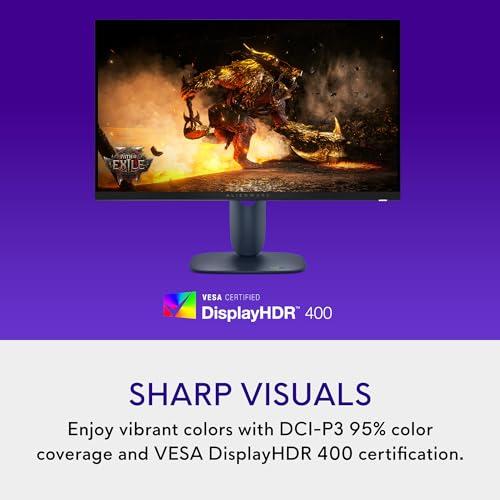
This implementation delivers 95% DCI-P3 color coverage, meaning it can display 95% of the colors used in digital cinema standards. For gaming, this translates to vibrant, accurate colors that make games look as developers intended. The 1000:1 contrast ratio, while modest compared to OLED, provides sufficient depth for most gaming scenarios.
The panel's 400 nits brightness proves adequate for various lighting conditions, from dimly lit gaming caves to moderately bright rooms. DisplayHDR 400 certification enables basic HDR (High Dynamic Range) content, which expands the range between the darkest blacks and brightest whites for more realistic visuals.
The LG monitor represents a paradigm shift with its OLED panel technology. Unlike traditional LCD panels that require backlighting, OLED pixels generate their own light. This fundamental difference creates several advantages: perfect blacks (pixels can turn completely off), infinite contrast ratios, and superior color accuracy.
The 1,500,000:1 contrast ratio isn't just a specification—it's transformative for gaming experiences. Dark scenes in horror games become truly atmospheric, while bright explosions pop with intensity impossible on traditional monitors. The 98.5% DCI-P3 coverage surpasses most gaming monitors, delivering color accuracy that rivals professional displays.
However, OLED technology comes with trade-offs. The LG monitor achieves only 200 nits peak brightness, less than half the Alienware's output. This limitation makes OLED displays better suited for darker gaming environments where their contrast advantages shine brightest.
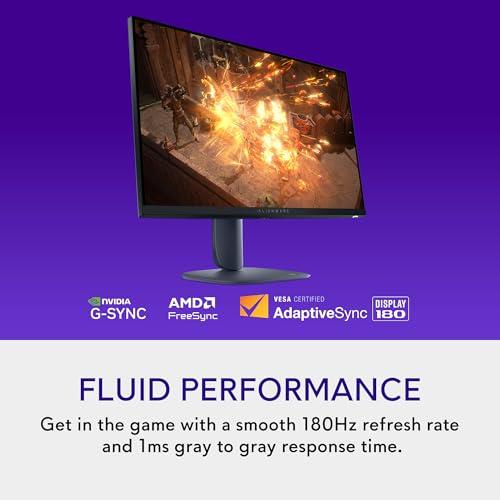
The Alienware monitor delivers 180Hz refresh rates that transform gaming compared to traditional 60Hz displays. This specification means compatible games can display up to 180 frames per second, creating noticeably smoother motion. For context, most modern graphics cards can achieve 100-180fps in popular esports titles at 1440p resolution, making 180Hz perfectly matched to realistic performance expectations.
The LG OLED monitor pushes this further with 240Hz capability. This higher refresh rate benefits scenarios where graphics cards consistently exceed 180fps—primarily competitive esports titles like Valorant, Counter-Strike, or Overwatch played at reduced graphical settings for maximum frame rates.
The performance difference between 180Hz and 240Hz is subtle but measurable. Competitive players often notice improved tracking of fast-moving targets and slightly reduced motion blur. However, for casual gaming or single-player experiences, 180Hz provides 90% of the smoothness benefits at significantly lower cost.
Response time represents perhaps the most significant technical difference between these monitors. The Alienware monitor achieves 1ms response time in Extreme mode, with more conservative 2ms and 4ms options for users who prefer image quality over pure speed. These multiple options reflect real-world trade-offs—faster response times sometimes introduce overshoot artifacts where pixels briefly display incorrect colors during transitions.
The LG OLED monitor achieves an extraordinary 0.03ms response time naturally, without requiring aggressive overdrive settings. This specification isn't marketing hyperbole—OLED pixels change states almost instantaneously because they don't rely on liquid crystal rotation like LCD panels.
This response time advantage manifests most clearly in fast-paced competitive gaming. Moving from cover to cover in first-person shooters, the OLED panel renders motion with crystal clarity while LCD panels might show subtle ghosting trails. For competitive players seeking every possible advantage, this difference can be meaningful.
Esports titles benefit most from high refresh rates and low response times. Games like Valorant, Apex Legends, and Rocket League reward precise timing and fast reactions. The LG monitor's combination of 240Hz refresh rate and 0.03ms response time creates the most responsive gaming experience currently available.
However, the Alienware monitor shouldn't be dismissed for competitive gaming. Its 180Hz refresh rate and 1ms response time deliver 85% of the competitive advantages at roughly 30% of the cost. Unless you're competing at professional levels where microsecond advantages matter, the Alienware provides sufficient performance for high-level play.
Story-driven games and cinematic experiences benefit differently from monitor technology. The LG OLED's perfect blacks and infinite contrast create unmatched atmosphere in games like Alan Wake 2, Cyberpunk 2077, or any title with dramatic lighting. Dark scenes maintain detail without gray-black compromises, while bright elements pop with intensity.
The Alienware monitor excels in bright, colorful games where its superior brightness and vibrant IPS colors shine. Titles like Forza Horizon or Overwatch look excellent, with consistent color performance across different viewing angles.
At the time of writing, the Alienware monitor represents exceptional value in the gaming monitor market. Its combination of 1440p resolution, 180Hz refresh rate, and quality IPS panel would have cost significantly more just two years ago. The monitor delivers premium gaming performance at a price point that makes sense for mainstream gaming builds.
The LG OLED monitor commands a premium that reflects its cutting-edge technology. OLED panels remain expensive to manufacture, especially at gaming-optimized refresh rates. The price differential—roughly 3.5x at the time of writing—raises important questions about diminishing returns.
For most gamers, the Alienware monitor provides the better value proposition. Its performance disadvantages compared to OLED are relatively minor for casual and semi-competitive gaming, while its price advantage is substantial. However, for users prioritizing ultimate performance or visual quality above all else, the LG monitor justifies its premium.
OLED technology introduces unique ownership considerations. While modern OLED panels include burn-in mitigation features, prolonged display of static elements (like taskbars or game HUDs) can potentially cause permanent image retention. The LG monitor includes OLED Care features to minimize these risks, but users must remain conscious of usage patterns.
IPS panels like the Alienware monitor don't suffer from burn-in concerns, making them more suitable for mixed usage scenarios. Gamers who also use their monitors for productivity work, web browsing, or content creation might prefer the peace of mind that IPS technology provides.
Budget-conscious gamers who want significant performance upgrades without premium pricing will find exceptional value in the Alienware monitor. Its 180Hz refresh rate and quality IPS panel deliver smooth gaming experiences that satisfy all but the most demanding competitive players.
Versatile users who game, work, and consume content on the same display benefit from IPS technology's consistency and brightness. The monitor performs well in various lighting conditions and doesn't require special usage considerations.
Gamers upgrading from basic displays will notice dramatic improvements in motion smoothness and color quality. The Alienware monitor provides a substantial upgrade path without requiring graphics card changes or premium investments.
Competitive esports players who demand every possible performance advantage benefit from the LG monitor's 0.03ms response time and 240Hz refresh rate. These specifications provide measurable improvements in fast-paced competitive scenarios.
Visual quality enthusiasts who prioritize image fidelity above budget considerations will appreciate OLED's perfect blacks and infinite contrast. Single-player gaming experiences become more immersive with superior display technology.
Dedicated gaming setups where burn-in concerns are manageable benefit from OLED advantages. Users with separate work monitors or those who primarily game rather than browse or work can maximize OLED benefits while minimizing risks.
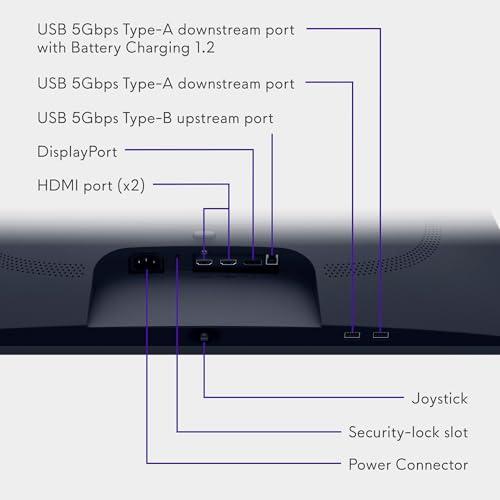
Both monitors support modern gaming requirements with comprehensive connectivity options. HDMI 2.1 ports enable full-resolution, high-refresh-rate gaming with next-generation consoles, while DisplayPort connections maximize PC gaming performance.
Adaptive sync technologies (AMD FreeSync and NVIDIA G-SYNC Compatible) eliminate screen tearing across variable frame rates, ensuring smooth gameplay regardless of graphics card brand. Both monitors support these features effectively, though the LG OLED includes more advanced VRR (Variable Refresh Rate) implementations.
For users considering these monitors in home theater or living room gaming setups, several factors become relevant. The LG OLED monitor excels in darker environments where its contrast advantages shine brightest. Its superior HDR performance makes movies and cinematic games more engaging.
However, the Alienware monitor might suit brighter living spaces better due to its higher brightness output. Neither monitor includes built-in speakers, requiring external audio solutions for home theater applications.
The choice between these monitors ultimately depends on your priorities, budget, and usage patterns. The Alienware 27 QHD 180Hz Gaming Monitor delivers outstanding value, providing premium gaming performance at mainstream pricing. Its Fast IPS panel, 180Hz refresh rate, and comprehensive features satisfy the vast majority of gaming scenarios without compromising reliability or requiring usage considerations.
The LG UltraGear 27" OLED QHD 240Hz Gaming Monitor represents technological leadership with performance advantages that matter most to competitive players and visual quality enthusiasts. Its OLED panel creates gaming experiences impossible with traditional LCD technology, justifying its premium pricing for users who prioritize performance over budget constraints.
For most readers, I'd recommend the Alienware monitor as the sensible choice that maximizes performance per dollar while providing room in the budget for other gaming upgrades. However, if budget isn't the primary concern and you want the absolute best gaming monitor technology currently available, the LG OLED monitor delivers uncompromising performance that showcases the future of gaming displays.
The gaming monitor market continues evolving rapidly, with both value and premium segments offering compelling options. These two monitors represent their respective categories exceptionally well, ensuring satisfaction regardless of which path you choose.
| Alienware 27 QHD 180Hz Gaming Monitor | LG UltraGear 27" OLED QHD 240Hz Gaming Monitor |
|---|---|
| Panel Technology - Fundamentally determines image quality and performance characteristics | |
| Fast IPS with consistent colors and wide viewing angles | OLED with perfect blacks and infinite contrast ratio |
| Refresh Rate - Higher rates provide smoother motion in fast-paced games | |
| 180Hz (excellent for most gaming scenarios) | 240Hz (ideal for competitive esports at high frame rates) |
| Response Time - Lower times reduce ghosting and motion blur | |
| 1ms GtG (very fast, with multiple overdrive options) | 0.03ms (virtually instantaneous, 33x faster than Alienware) |
| Brightness - Affects visibility in different lighting conditions | |
| 400 nits (suitable for various room lighting) | 200 nits (best in darker environments) |
| Contrast Ratio - Determines depth between darkest blacks and brightest whites | |
| 1,000:1 (good depth for IPS technology) | 1,500,000:1 (infinite contrast creates perfect blacks) |
| Color Coverage - More coverage means more vibrant and accurate colors | |
| 95% DCI-P3 (excellent color reproduction) | 98.5% DCI-P3 (superior color accuracy) |
| HDR Support - Enables expanded dynamic range for compatible content | |
| DisplayHDR 400 (basic HDR enhancement) | Superior HDR performance despite lower peak brightness |
| Connectivity - Determines compatibility with gaming systems and devices | |
| 2x HDMI 2.1, 1x DisplayPort 1.4, USB 3.2 ports | Standard gaming connectivity with HDMI 2.1 support |
| Adaptive Sync - Eliminates screen tearing and stuttering | |
| AMD FreeSync Premium Pro, NVIDIA G-SYNC Compatible | AMD FreeSync Premium, NVIDIA G-SYNC Compatible |
| Durability Considerations - Important for long-term ownership | |
| No burn-in risk, suitable for mixed usage | OLED burn-in risk requires careful usage patterns |
| Price Category - Value proposition at time of writing | |
| Budget-friendly premium performance | Premium OLED technology investment |
| Best For - Ideal user scenarios | |
| Mainstream gamers wanting excellent value | Competitive players and visual quality enthusiasts |
The Alienware 27 QHD 180Hz Gaming Monitor provides exceptional value, delivering premium gaming performance at a budget-friendly price point. With 180Hz refresh rate and Fast IPS technology, it offers about 75% of premium monitor performance at roughly one-third the cost. The LG UltraGear 27" OLED QHD 240Hz Gaming Monitor commands a premium price for cutting-edge OLED technology and 240Hz performance, making it better suited for users who prioritize ultimate performance over budget considerations.
The Alienware monitor uses Fast IPS technology, which provides excellent color accuracy, wide viewing angles, and consistent brightness without burn-in concerns. The LG OLED monitor features self-emissive pixels that create perfect blacks, infinite contrast ratios, and superior color depth, but requires careful usage to avoid potential burn-in from static images. OLED delivers better visual quality while IPS offers worry-free operation.
For competitive esports, the LG UltraGear 27" OLED has advantages with its 240Hz refresh rate and 0.03ms response time, providing the fastest possible motion clarity. However, the Alienware 27 QHD 180Hz Gaming Monitor delivers 85% of the competitive benefits at a much lower cost, with 180Hz and 1ms response time being sufficient for all but professional-level competition.
The Alienware monitor offers 180Hz while the LG monitor provides 240Hz. For most gaming scenarios, 180Hz delivers excellent smoothness and the difference to 240Hz is subtle. The higher refresh rate primarily benefits competitive players who consistently achieve frame rates above 180fps in esports titles.
The Alienware 27 QHD 180Hz Gaming Monitor excels in bright environments with 400 nits brightness, making it suitable for various lighting conditions. The LG UltraGear 27" OLED produces only 200 nits, performing best in darker gaming environments where its superior contrast can shine without brightness limitations.
The LG OLED monitor achieves an extraordinary 0.03ms response time naturally, while the Alienware monitor delivers 1ms response time with overdrive settings. This 33x difference in response time creates virtually eliminating motion blur on the OLED, though the 1ms performance of the Alienware remains excellent for most gaming needs.
Both monitors offer excellent color reproduction, with the LG UltraGear 27" OLED providing 98.5% DCI-P3 coverage compared to 95% on the Alienware monitor. The OLED's infinite contrast ratio creates superior HDR performance despite lower peak brightness, while the Alienware's DisplayHDR 400 certification provides solid HDR enhancement for the price point.
The Alienware 27 QHD 180Hz Gaming Monitor uses proven IPS technology without burn-in risks, making it ideal for mixed usage including gaming, work, and web browsing. The LG OLED monitor includes burn-in mitigation features but requires careful usage patterns to avoid permanent image retention from static elements like taskbars or game HUDs.
Both monitors support console gaming with HDMI 2.1 connectivity. The LG UltraGear 27" OLED maximizes next-gen console performance with 240Hz capability and superior motion clarity. The Alienware monitor provides excellent console gaming at 180Hz with better brightness for living room setups.
The Alienware 27 QHD 180Hz Gaming Monitor includes 2x HDMI 2.1 ports, 1x DisplayPort 1.4, and USB 3.2 connectivity for comprehensive device support. The LG monitor offers standard gaming connectivity with HDMI 2.1 support. Both support AMD FreeSync and NVIDIA G-SYNC Compatible technologies for tear-free gaming.
For cinematic gaming experiences, the LG UltraGear 27" OLED excels with perfect blacks and infinite contrast that create unmatched atmosphere in dark scenes and dramatic lighting. The Alienware monitor performs excellently in bright, colorful games with its superior brightness and vibrant IPS colors, making both suitable depending on game types and room lighting.
Choose the Alienware 27 QHD 180Hz Gaming Monitor if you want excellent gaming performance at great value, need brightness for various lighting conditions, or use your monitor for mixed purposes. Select the LG UltraGear 27" OLED QHD 240Hz Gaming Monitor if you prioritize ultimate visual quality, compete at high levels in esports, or game primarily in darker environments where OLED advantages shine brightest.
We've done our best to create useful and informative comparisons to help you decide what product to buy. Our research uses advanced automated methods to create this comparison and perfection is not possible - please contact us for corrections or questions. These are the sites we've researched in the creation of this article: bestbuy.com - bestbuy.com - youtube.com - dell.com - tweaktown.com - dell.com - rtings.com - manuals.plus - tomshardware.com - displayspecifications.com - youtube.com - youtube.com - displayspecifications.com - dell.com - dellstore.com - ebay.com - bestbuy.com - bestbuy.com - youtube.com - rtings.com - youtube.com - youtube.com - lg.com - bhphotovideo.com - bestbuy.com - forum.beyond3d.com - youtube.com - lg.com - lg.com - lg.com - techpowerup.com - newegg.com - bestbuy.com - pcmonitors.info - lg.com - lg.com

Privacy Policy
Terms and Conditions - Affiliate Policy
Home Security
© Copyright 2008-2026.
11816 Inwood Rd #1211, Dallas, TX 75244