

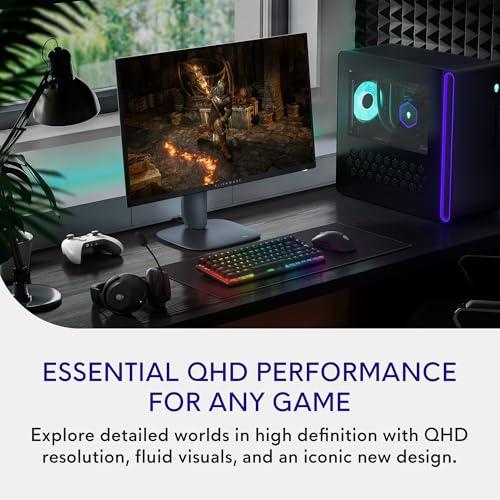


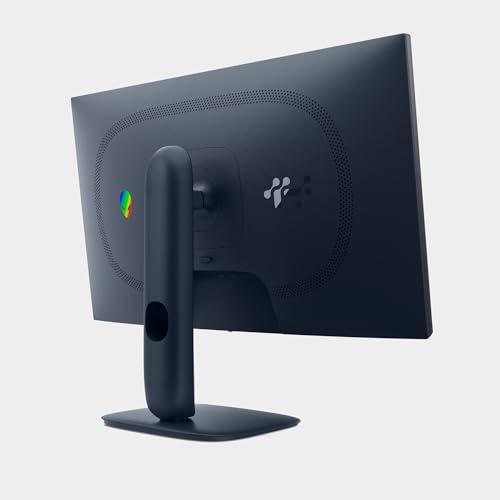
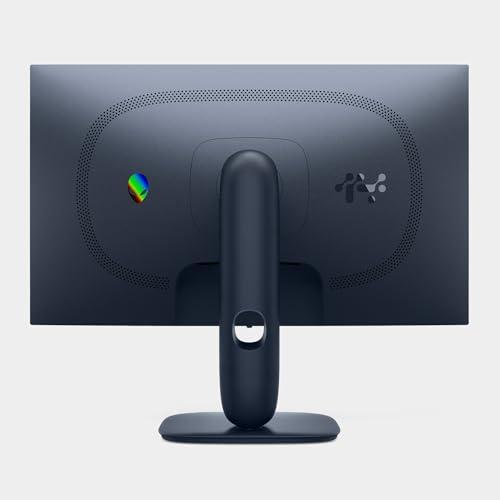

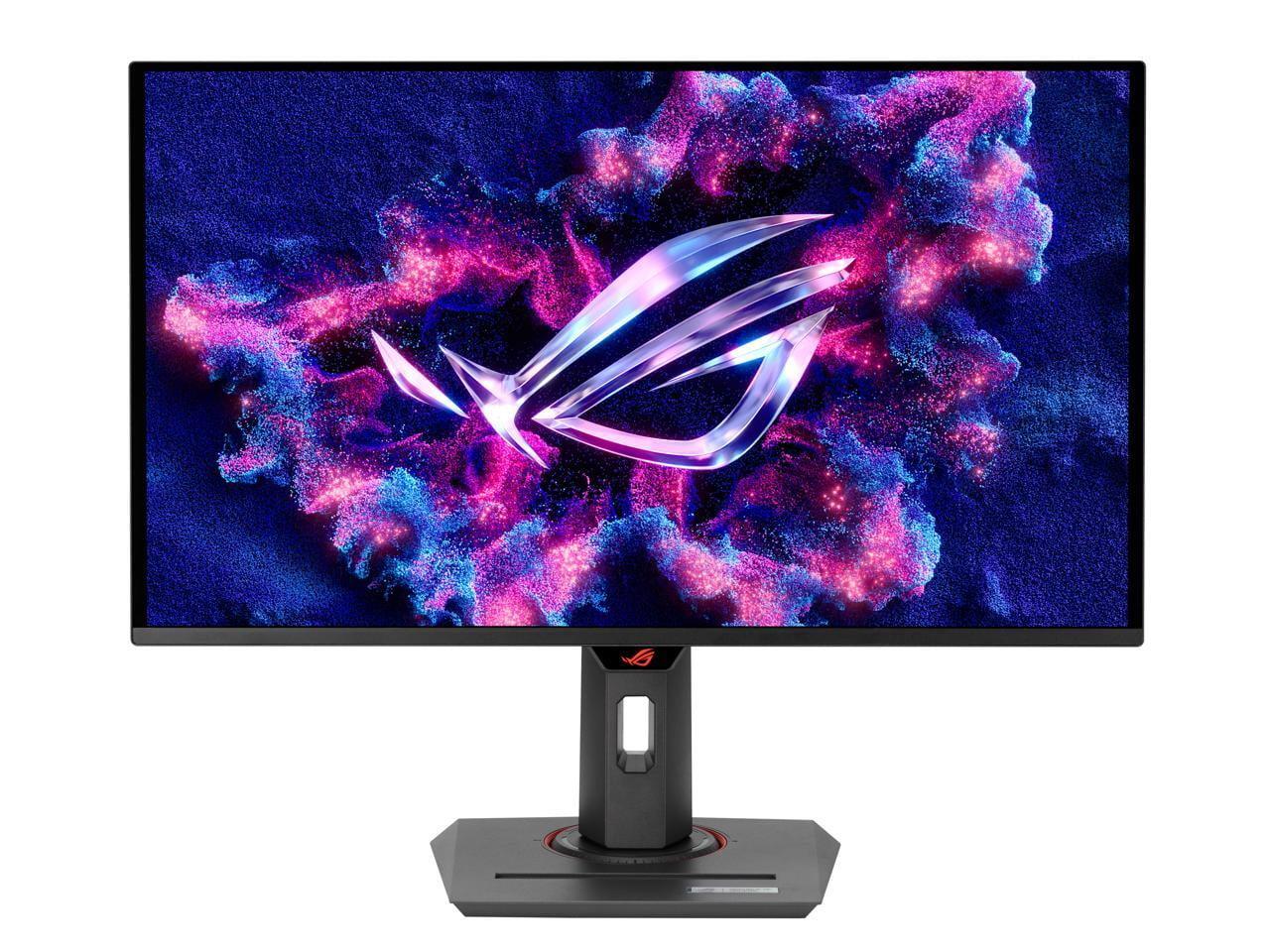
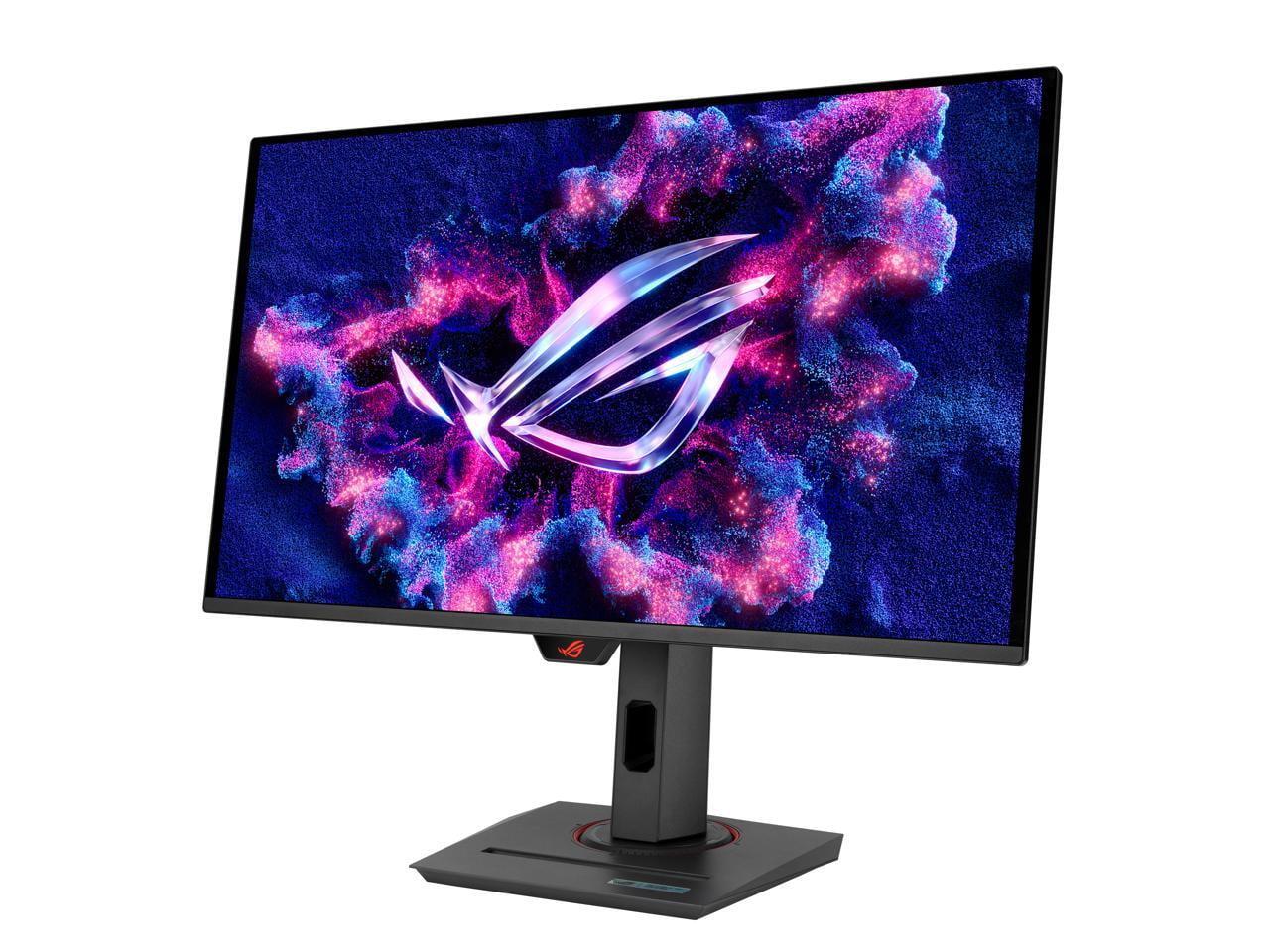
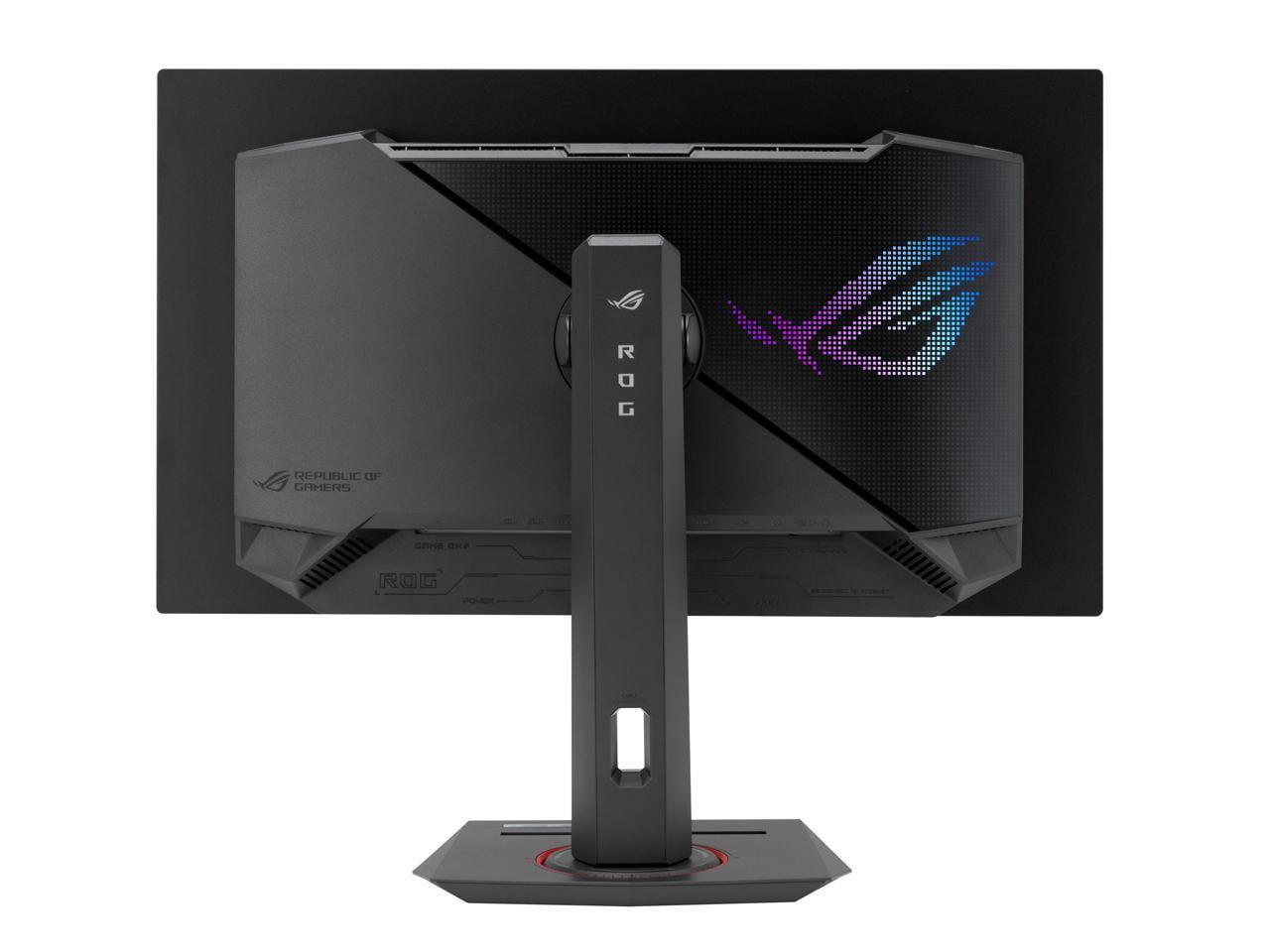

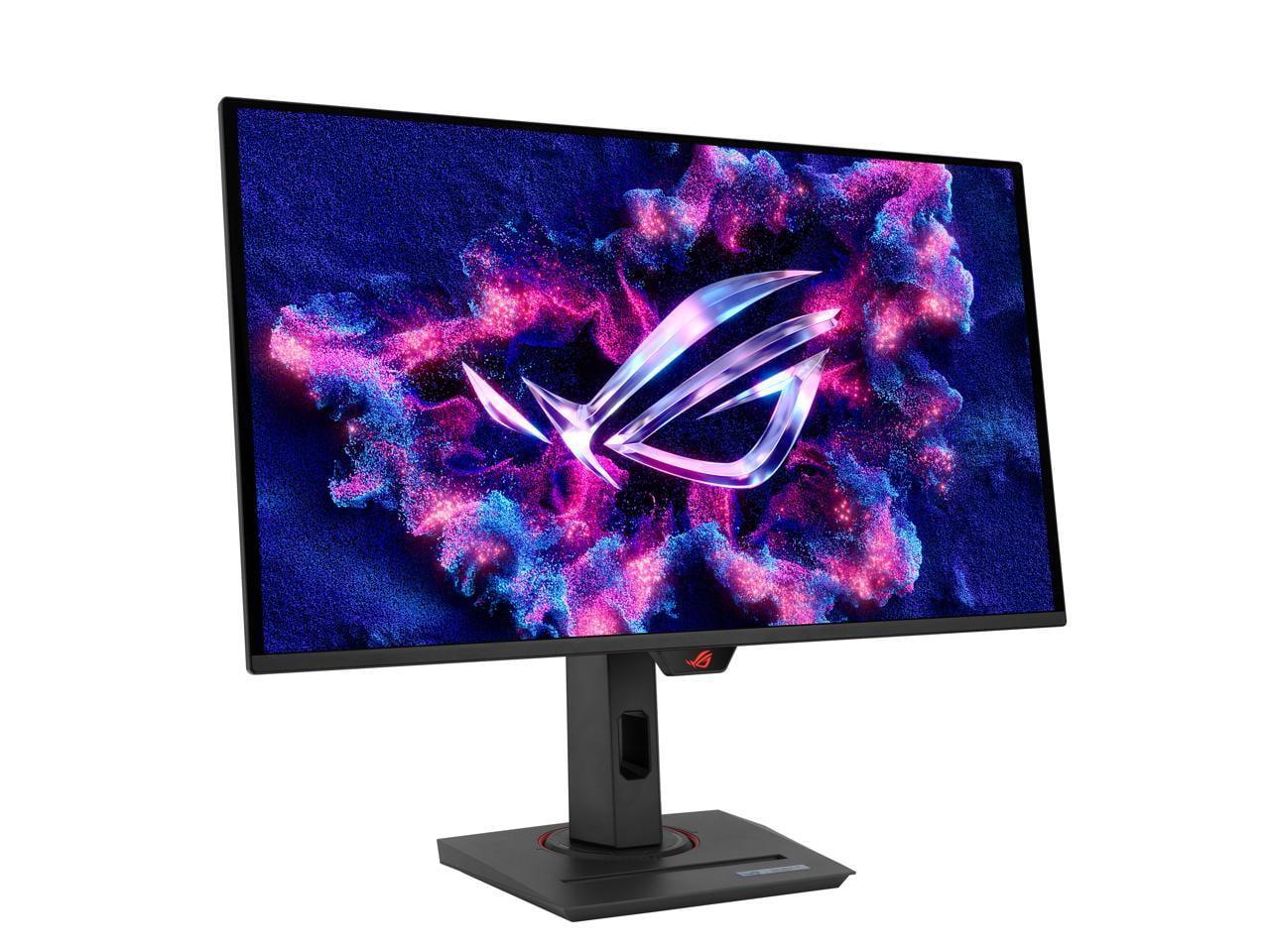
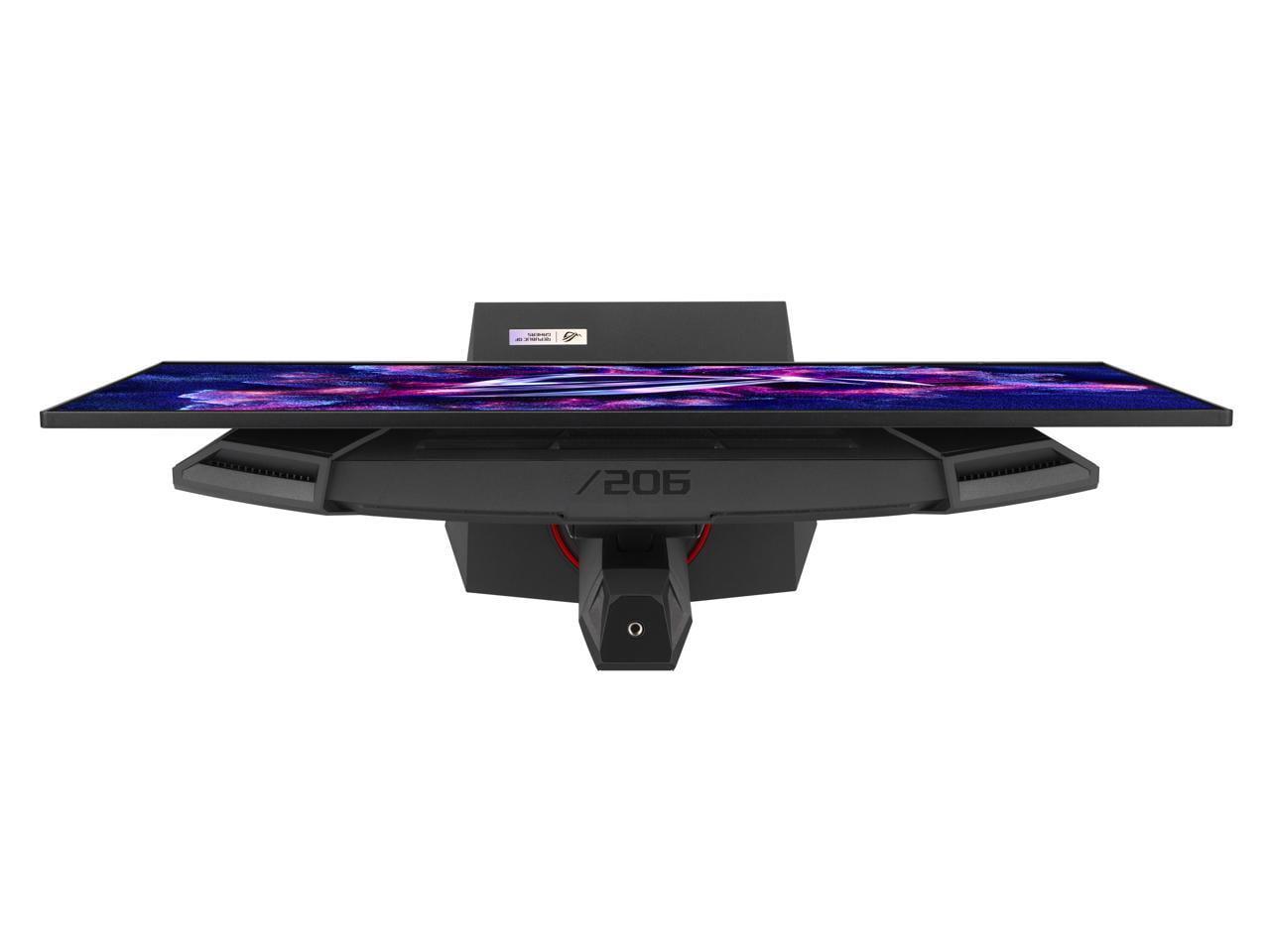
Choosing a gaming monitor in 2025 feels like navigating a maze of acronyms, refresh rates, and price points that span from under $200 to well over $900. Today we're comparing two monitors that represent completely different philosophies: the Alienware 27 QHD 180Hz Gaming Monitor, which delivers exceptional performance at a budget-friendly price, and the ASUS ROG Strix OLED XG27UCDMG, a premium flagship that pushes the boundaries of what's possible in gaming displays.
At the time of writing, these monitors sit roughly $740 apart in pricing—a gap that reflects not just different feature sets, but entirely different approaches to gaming display technology. The Alienware monitor targets mainstream gamers who want smooth, competitive performance without breaking the bank, while the ASUS model caters to enthusiasts and professionals who demand cutting-edge technology regardless of cost.
Before diving into specifics, it's worth understanding what makes a gaming monitor different from a regular display. Gaming monitors prioritize three key elements: refresh rate (how many times per second the screen updates), response time (how quickly pixels can change color), and input lag (the delay between your action and seeing it on screen). These factors directly impact your competitive performance and visual experience.
Panel technology forms the foundation of any monitor's performance. Traditional LCD panels use a backlight that shines through liquid crystals to create images, while OLED panels have pixels that light themselves. This fundamental difference affects everything from contrast ratios to power consumption, and understanding it helps explain why these two monitors perform so differently.
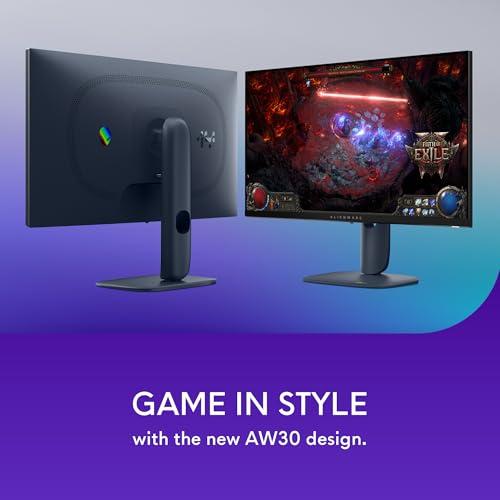
The Alienware AW2725DM uses Fast IPS (In-Plane Switching) technology, which represents the evolution of traditional LCD displays. IPS panels excel at color consistency and viewing angles—you can look at the screen from almost any angle without colors shifting dramatically. The "Fast" designation means Alienware has tuned the panel for quicker pixel response times, reducing the ghosting effect you might see with slower panels.
Fast IPS strikes an excellent balance between performance and reliability. Unlike older TN (Twisted Nematic) panels that offered speed but poor colors, or VA (Vertical Alignment) panels with good contrast but slower response times, Fast IPS gives you vibrant colors, wide viewing angles, and respectable gaming performance. The trade-off is a more modest contrast ratio of 1000:1, meaning the difference between the darkest black and brightest white isn't as dramatic as some other technologies.
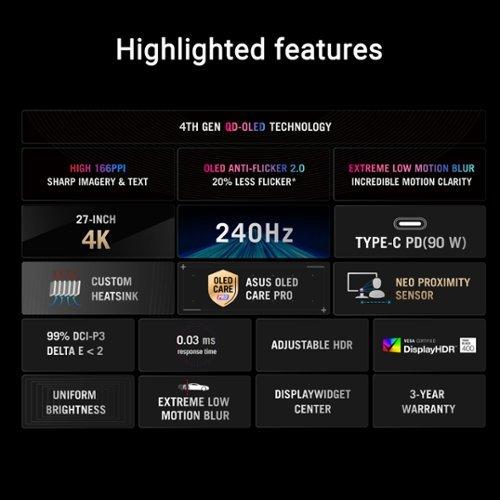
The ASUS XG27UCDMG, meanwhile, uses fourth-generation QD-OLED (Quantum Dot Organic Light-Emitting Diode) technology—essentially the latest evolution in premium display tech. Each pixel produces its own light, eliminating the need for a backlight entirely. This creates perfect blacks (since pixels can turn completely off) and an astronomical contrast ratio of 1,500,000:1.
QD-OLED represents a significant leap forward from earlier OLED generations. Samsung's fourth-generation panels, introduced in 2024, address many previous concerns about text clarity and longevity. The quantum dot layer enhances color reproduction, covering 99% of the DCI-P3 color space (a professional standard used in movie production) and an impressive 145% of sRGB (the standard computer color space).
Here's where these monitors diverge significantly in their target markets. The Alienware monitor runs at QHD resolution (2560×1440 pixels), while the ASUS model pushes full 4K (3840×2160 pixels). This isn't just about numbers—it fundamentally changes how you'll use each monitor.
QHD represents the sweet spot for most gamers in 2025. It's sharp enough that text looks crisp and game details are clearly visible, but not so demanding that you need a $1000+ graphics card to achieve high frame rates. A mid-range GPU like an RTX 4060 Ti or RX 7700 XT can comfortably push high refresh rates at this resolution in most games.
The ASUS monitor's 4K resolution delivers undeniably sharper visuals—individual pixels become virtually invisible at normal viewing distances. Text rendering is exceptionally clean, making this monitor excellent for both gaming and professional work. However, 4K gaming demands serious graphics horsepower. Even high-end cards like the RTX 4080 might require turning down some settings in demanding titles to maintain high frame rates.
This resolution difference creates a cascading effect on your entire setup. Choose the Alienware, and a $400 graphics card delivers excellent performance. Opt for the ASUS, and you're looking at investing in at least a $700+ GPU to truly utilize its capabilities.
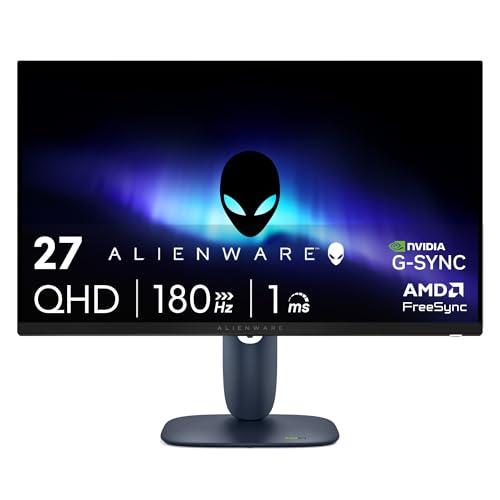
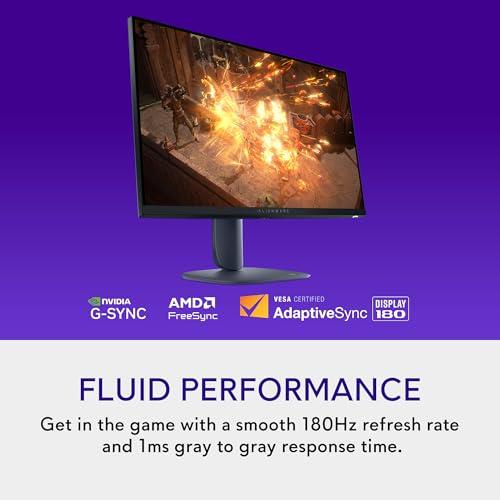
Both monitors excel in motion performance, but they achieve it through different approaches. The Alienware AW2725DM reaches 180Hz—a substantial jump from the standard 60Hz you'll find on basic monitors. This means the screen updates 180 times per second, creating noticeably smoother motion in fast-paced games.
What makes the Alienware particularly appealing is its flexible response time settings. You can choose between 4ms (best image quality), 2ms (balanced), or 1ms (maximum speed) depending on your priorities. The 4ms "Fast" mode actually delivers the best overall experience for most users, as it minimizes the overshoot artifacts that can occur when pushing LCD pixels too aggressively.
The ASUS XG27UCDMG takes motion performance to another level entirely with its 240Hz refresh rate and 0.03ms response time. That response time isn't a typo—OLED pixels can switch colors almost instantaneously, eliminating the ghosting effects that plague even fast LCD panels. The difference is immediately apparent in competitive shooters where tracking fast-moving targets becomes noticeably easier.
For context, traditional monitors update at 60Hz, meaning each frame displays for about 16.7 milliseconds. The Alienware's 180Hz reduces this to 5.6ms per frame, while the ASUS drops it to just 4.2ms. Combined with the near-zero response time, the ASUS creates an almost lagless visual experience that serious competitive players will appreciate.
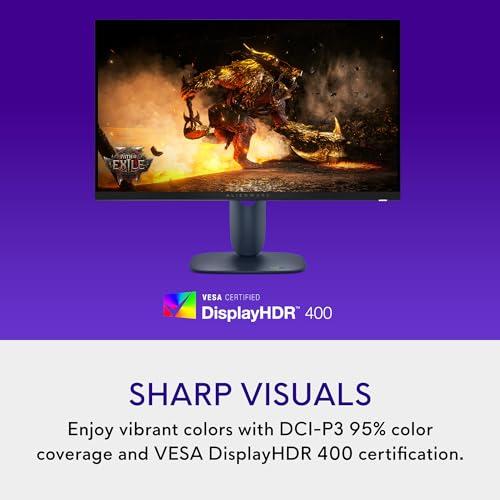
HDR (High Dynamic Range) support varies dramatically between these monitors, reflecting their different market positions. The Alienware monitor achieves VESA DisplayHDR 400 certification, which represents entry-level HDR support. It can display brighter highlights and slightly improved contrast compared to standard monitors, but the effect is subtle rather than transformative.
The limitation comes from the IPS panel's 1000:1 contrast ratio and peak brightness around 400 nits. While adequate for general gaming, true HDR content doesn't achieve the dramatic visual impact you might see in movie theaters or on premium TVs.
The ASUS monitor earns VESA DisplayHDR 400 True Black certification—a much more demanding standard that requires perfect black levels. With peak brightness reaching 1000 nits and that massive contrast ratio, HDR content truly pops. Dark scenes in games like Cyberpunk 2077 or The Witcher 3 reveal shadow details while maintaining deep blacks, creating a more immersive experience.
This OLED advantage extends beyond just HDR. Even standard content benefits from the improved contrast. Dark game scenes that might look washed out on LCD panels maintain their atmospheric tension on the ASUS monitor. The difference is particularly noticeable in horror games or atmospheric titles where lighting plays a crucial role in the experience.
Both monitors support modern adaptive sync technologies—AMD FreeSync and NVIDIA G-SYNC Compatible—which synchronize the monitor's refresh rate with your graphics card's output. This eliminates screen tearing (where the image appears split) and reduces stuttering, creating smoother gameplay even when frame rates fluctuate.
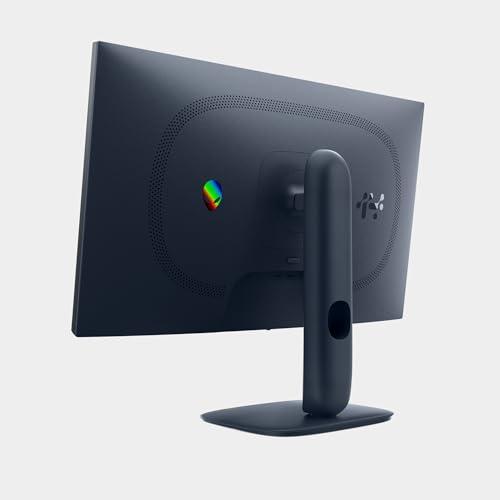
The Alienware AW2725DM keeps things straightforward with solid gaming features and reliable performance. It includes multiple preset modes for different game types and basic ergonomic adjustments, focusing on delivering excellent core performance without unnecessary complexity.
The ASUS XG27UCDMG goes much further with its feature set. The GamePlus overlay provides crosshairs, frame rate counters, and timers directly on screen—useful for competitive gaming. The KVM (Keyboard, Video, Mouse) switch lets you control multiple computers with a single keyboard and mouse setup, perfect for content creators or professionals who work with multiple systems.
One particularly innovative feature is the Neo Proximity Sensor, which automatically detects when you've stepped away from the monitor and switches to a black screen. This helps prevent OLED burn-in (permanent image retention) while also saving power—a clever solution to one of OLED's traditional weaknesses.
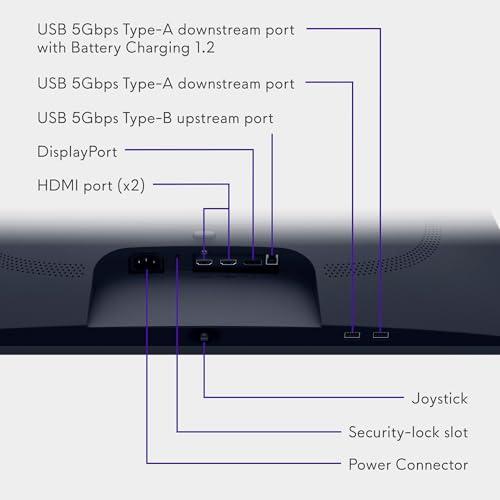
The Alienware monitor provides solid connectivity with DisplayPort 1.4, dual HDMI 2.1 ports, and a basic USB hub. This covers most gaming scenarios effectively, allowing connection to both PC and gaming consoles with room for additional devices.
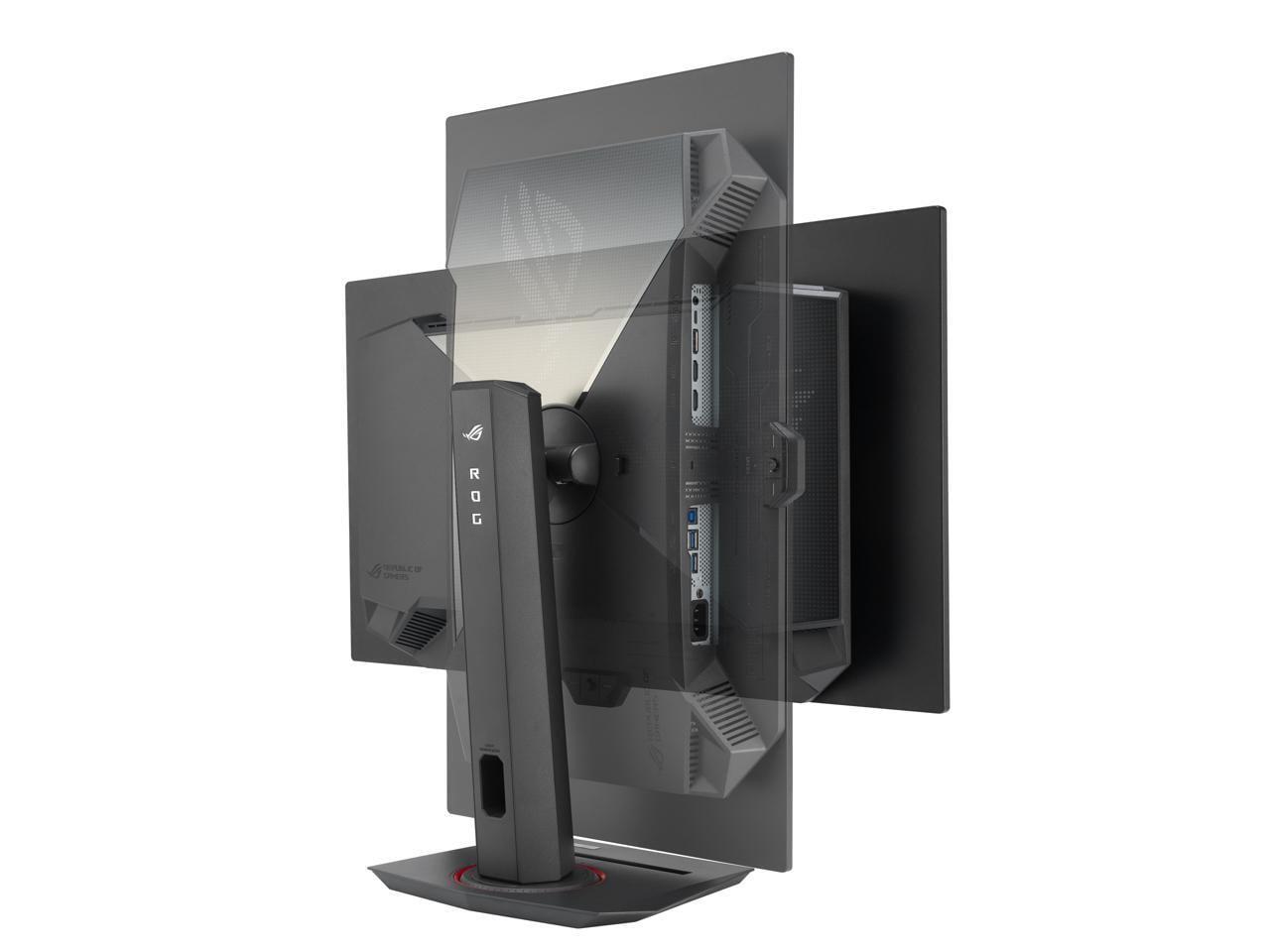
Where the ASUS model truly shines is its USB-C port with 90W Power Delivery. This single cable can handle video, data, and power for laptops, creating a clean, minimal setup. For professionals who use the monitor for both gaming and work, this transforms it into a proper docking station. The 90W output is sufficient to power most gaming laptops while they're connected.
This connectivity difference reflects each monitor's intended use case. The Alienware assumes you'll primarily connect a desktop gaming PC, while the ASUS anticipates users who might switch between gaming desktops, work laptops, and creative workstations throughout the day.
LCD technology in the Alienware monitor offers proven reliability. Barring physical damage, these panels typically last many years without degradation. There's no burn-in risk, no special care requirements, and no concerns about leaving static images displayed.
OLED technology in the ASUS monitor requires more consideration. While fourth-generation QD-OLED panels are much more resilient than early OLED displays, burn-in remains a possibility if static content stays on screen for extended periods. ASUS addresses this with comprehensive OLED Care Pro features, including automatic pixel cleaning routines and that proximity sensor we mentioned earlier.
The ASUS monitor comes with a three-year warranty that specifically covers burn-in—unusual in the industry and demonstrating the manufacturer's confidence in the panel's longevity. However, users still need to be mindful of leaving browser tabs, desktop icons, or game HUDs static for hours at a time.
For movie watching and streaming, these monitors serve different purposes. The Alienware AW2725DM provides a solid entertainment experience with good colors and adequate brightness for most viewing conditions. Its 27-inch size works well for desktop viewing but isn't ideal for couch gaming or movie nights.
The ASUS XG27UCDMG excels as an entertainment display thanks to its OLED technology. The perfect blacks create a cinema-like experience, especially in dark rooms. The 4K resolution ensures Netflix, Disney+, and other streaming services look their absolute best. However, the glossy screen can be problematic in bright rooms with lots of windows.
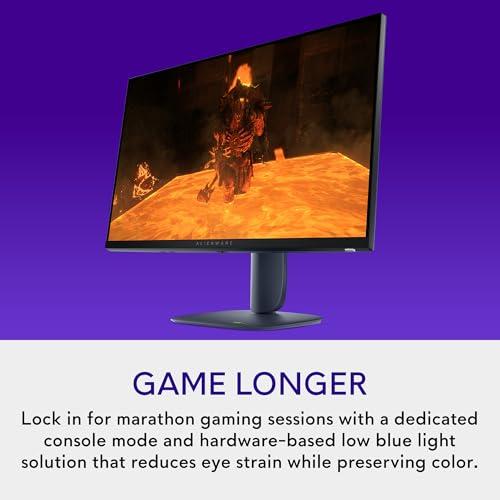
For console gaming, both monitors support HDMI 2.1 features like Variable Refresh Rate, but the ASUS monitor better showcases the visual capabilities of PlayStation 5 and Xbox Series X games, particularly those with HDR support.
The Alienware 27 QHD 180Hz Gaming Monitor represents exceptional value for mainstream gamers. If you're building or upgrading a gaming setup and want smooth, competitive performance without spending flagship money, it's hard to beat. The Fast IPS panel delivers reliable performance, the 180Hz refresh rate provides a significant upgrade from standard monitors, and the QHD resolution hits the sweet spot for most current GPUs.
Choose the Alienware if you're a competitive gamer who prioritizes frame rates over absolute visual quality, if you're working with a mid-range graphics card, or if you prefer proven technology without the complications of OLED ownership. It's also ideal for users who primarily game and don't need advanced productivity features.
The ASUS ROG Strix OLED XG27UCDMG justifies its premium pricing for users who demand the absolute best. The combination of 4K resolution, OLED contrast, and 240Hz refresh rate creates a visual experience that's genuinely transformative. If you've never used a high-quality OLED monitor, the upgrade from LCD is immediately apparent.
Select the ASUS monitor if you have a high-end graphics card and want to utilize its full potential, if you do professional work requiring color accuracy alongside gaming, or if you're willing to invest in cutting-edge technology for long-term satisfaction. It's also the better choice for users who frequently switch between gaming and productivity tasks thanks to its comprehensive connectivity.
The $740 price difference between these monitors isn't just about features—it represents two different philosophies. The Alienware proves that excellent gaming performance doesn't require premium pricing, while the ASUS demonstrates what's possible when cost isn't the primary constraint. Both succeed brilliantly at their intended goals, making the choice ultimately about matching the right tool to your specific needs and budget.
| Alienware 27 QHD 180Hz Gaming Monitor | ASUS ROG Strix OLED XG27UCDMG 27" 4K 240Hz Gaming Monitor |
|---|---|
| Panel Technology - Determines contrast, colors, and longevity | |
| Fast IPS LCD (reliable, no burn-in risk) | 4th-gen QD-OLED (superior contrast, burn-in possible) |
| Resolution - Affects sharpness and GPU requirements | |
| 2560×1440 QHD (great balance for mid-range GPUs) | 3840×2160 4K (sharper but needs high-end GPU) |
| Refresh Rate - Higher numbers mean smoother motion | |
| 180Hz (excellent for competitive gaming) | 240Hz (best-in-class for esports) |
| Response Time - Lower is better for motion clarity | |
| 1ms GtG with overdrive options | 0.03ms GtG (virtually instantaneous) |
| Contrast Ratio - Affects dark scene detail and HDR | |
| 1000:1 typical for IPS panels | 1,500,000:1 perfect OLED blacks |
| Peak Brightness - Important for HDR and bright rooms | |
| 400 nits (adequate for most conditions) | 1000 nits HDR peak (excellent dynamic range) |
| Color Coverage - Wider is better for content creation | |
| 95% DCI-P3, 99% sRGB (good for gaming) | 99% DCI-P3, 145% sRGB (professional grade) |
| HDR Support - Enhanced contrast and brightness | |
| VESA DisplayHDR 400 (basic HDR) | VESA DisplayHDR 400 True Black (premium HDR) |
| Adaptive Sync - Eliminates screen tearing | |
| G-SYNC Compatible, FreeSync Premium | G-SYNC Compatible, FreeSync Premium Pro |
| Connectivity - More ports offer greater flexibility | |
| DisplayPort 1.4, 2×HDMI 2.1, USB hub | DisplayPort 1.4, 2×HDMI 2.1, USB-C with 90W PD |
| Special Features - Value-added functionality | |
| Multiple response time modes, ergonomic stand | OLED Care Pro, proximity sensor, KVM switch |
| Build Quality - Affects durability and adjustability | |
| Sturdy stand with full adjustments, VESA mount | Premium construction with phone holder, VESA mount |
| Warranty Coverage - Peace of mind for expensive purchases | |
| 3-year standard warranty | 3-year warranty including burn-in coverage |
| Target User - Who benefits most from each monitor | |
| Budget-conscious gamers, mid-range GPU owners | Enthusiasts, professionals, high-end GPU owners |
| Value Proposition - Performance per dollar spent | |
| Exceptional price-to-performance ratio | Premium experience with flagship pricing |
The ASUS ROG Strix OLED XG27UCDMG has a slight edge for competitive gaming with its 240Hz refresh rate and 0.03ms response time, providing the absolute fastest motion clarity. However, the Alienware 27 QHD 180Hz Gaming Monitor offers excellent competitive performance at 180Hz with 1ms response time, and many players won't notice the difference. For most competitive gamers, the Alienware monitor provides outstanding performance at a much lower cost.
The biggest differences are panel technology and resolution. The Alienware 27 QHD 180Hz Gaming Monitor uses Fast IPS LCD technology at 1440p resolution, while the ASUS ROG Strix OLED XG27UCDMG features premium QD-OLED technology at 4K resolution. The OLED panel delivers perfect blacks and superior contrast, but costs significantly more and requires a high-end graphics card to fully utilize the 4K resolution.
The Alienware 27 QHD 180Hz Gaming Monitor provides exceptional value, delivering smooth 180Hz gaming performance at an affordable price point. The ASUS ROG Strix OLED XG27UCDMG offers premium features and cutting-edge technology, but at a much higher cost. For most gamers, the Alienware monitor represents better value unless you specifically need 4K resolution or OLED technology.
The Alienware 27 QHD 180Hz Gaming Monitor works well with mid-range graphics cards like RTX 4060 Ti or RX 7700 XT, making it accessible for most gaming setups. The ASUS ROG Strix OLED XG27UCDMG requires a high-end GPU like RTX 4080 or better to take full advantage of its 4K resolution at high refresh rates. Choose the Alienware if you have a mid-range GPU.
The ASUS ROG Strix OLED XG27UCDMG excels for movies and streaming thanks to its OLED technology, which provides perfect blacks and exceptional contrast for a cinema-like experience. The 4K resolution also ensures streaming content looks sharp. The Alienware 27 QHD 180Hz Gaming Monitor provides good movie quality but can't match the OLED's dramatic contrast and HDR performance.
The Alienware 27 QHD 180Hz Gaming Monitor uses proven LCD technology with no burn-in risk and excellent long-term reliability. The ASUS ROG Strix OLED XG27UCDMG uses OLED technology, which can potentially suffer from burn-in with static content, though ASUS includes comprehensive protection features and covers burn-in under warranty. Both monitors offer 3-year warranties for peace of mind.
Both monitors offer solid connectivity, but the ASUS ROG Strix OLED XG27UCDMG has more versatile options with USB-C featuring 90W Power Delivery, making it excellent for laptop users. The Alienware 27 QHD 180Hz Gaming Monitor provides DisplayPort, dual HDMI 2.1, and basic USB connectivity that covers most gaming needs. Choose the ASUS monitor if you need laptop docking capabilities.
Yes, both the Alienware 27 QHD 180Hz Gaming Monitor and ASUS ROG Strix OLED XG27UCDMG support HDMI 2.1 with Variable Refresh Rate, making them compatible with PlayStation 5 and Xbox Series X. The ASUS monitor better showcases next-gen console graphics with its 4K resolution and HDR capabilities, while the Alienware still provides excellent console gaming performance.
The ASUS ROG Strix OLED XG27UCDMG offers superior productivity features with 4K resolution for sharp text, professional color accuracy, and USB-C docking for laptops. The Alienware 27 QHD 180Hz Gaming Monitor provides good productivity performance with crisp 1440p text and wide viewing angles. Choose the ASUS monitor for professional work requiring color accuracy.
The ASUS ROG Strix OLED XG27UCDMG delivers dramatically better HDR with VESA DisplayHDR 400 True Black certification, 1000 nits peak brightness, and perfect contrast ratios. The Alienware 27 QHD 180Hz Gaming Monitor offers basic HDR support with DisplayHDR 400, but the limited contrast of LCD technology means HDR content won't look as impressive as on the ASUS OLED monitor.
The Alienware 27 QHD 180Hz Gaming Monitor is more beginner-friendly with its straightforward LCD technology, no burn-in concerns, and excellent performance that doesn't require an expensive graphics card. The ASUS ROG Strix OLED XG27UCDMG demands more careful usage and a high-end system to fully appreciate its capabilities. New gamers should start with the Alienware monitor.
Neither the Alienware 27 QHD 180Hz Gaming Monitor nor the ASUS ROG Strix OLED XG27UCDMG include built-in speakers, so you'll need separate speakers or headphones for audio. Both monitors focus on display performance rather than audio features. The ASUS monitor does include a headphone jack, while both support audio through their HDMI and DisplayPort connections.
We've done our best to create useful and informative comparisons to help you decide what product to buy. Our research uses advanced automated methods to create this comparison and perfection is not possible - please contact us for corrections or questions. These are the sites we've researched in the creation of this article: bestbuy.com - bestbuy.com - youtube.com - dell.com - tweaktown.com - dell.com - rtings.com - manuals.plus - tomshardware.com - displayspecifications.com - youtube.com - youtube.com - displayspecifications.com - dell.com - dellstore.com - ebay.com - bestbuy.com - rog.asus.com - forum.pcmonitors.info - rog.asus.com - windowscentral.com - versus.com - youtube.com - youtube.com - rtings.com - rtings.com - rog.asus.com - rog.asus.com - rog.asus.com - tenforums.com - rog.asus.com - techpowerup.com - bestbuy.com - newegg.com - displayspecifications.com - youtube.com - tftcentral.co.uk - displayninja.com

Privacy Policy
Terms and Conditions - Affiliate Policy
Home Security
© Copyright 2008-2026.
11816 Inwood Rd #1211, Dallas, TX 75244