

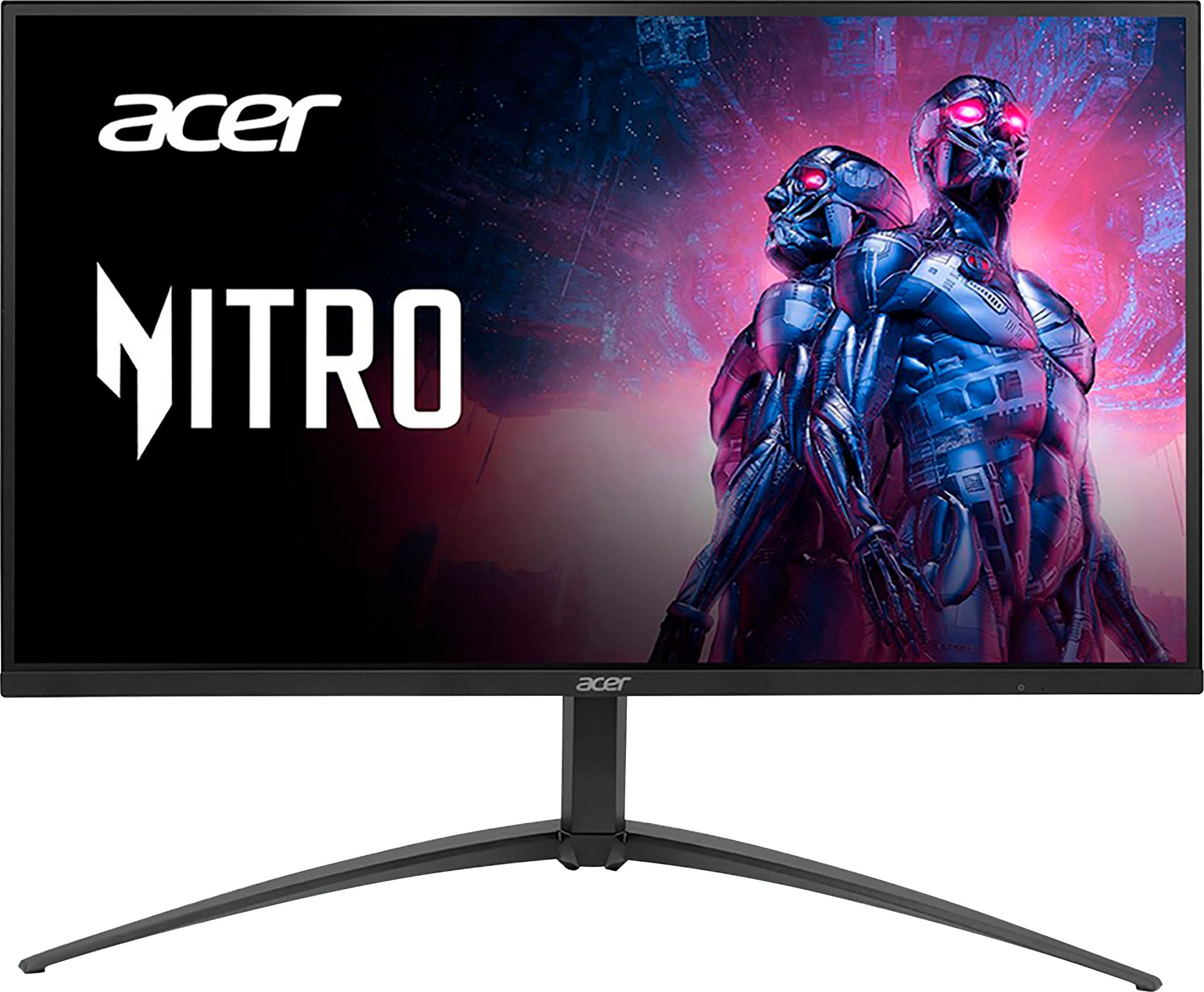
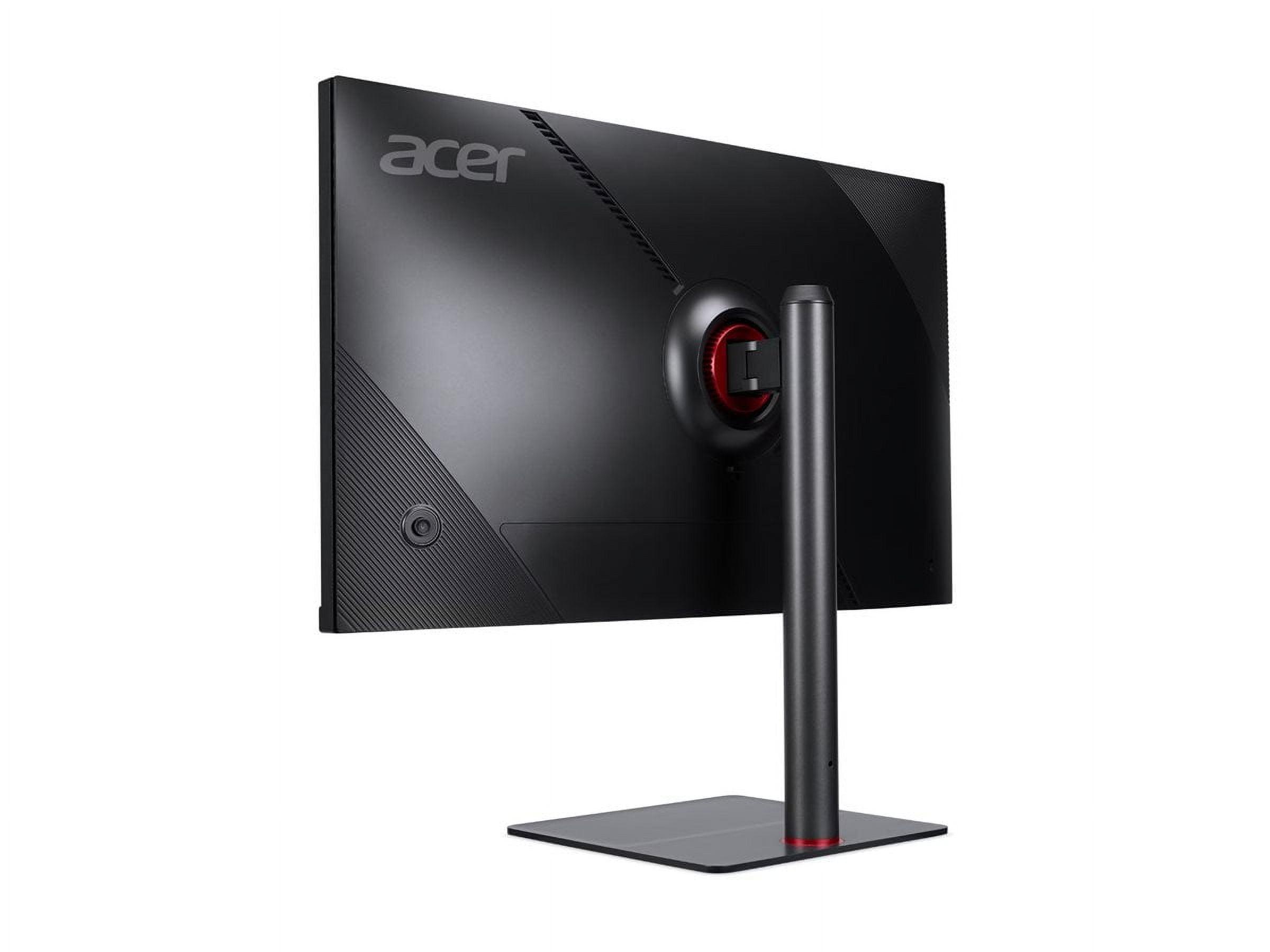
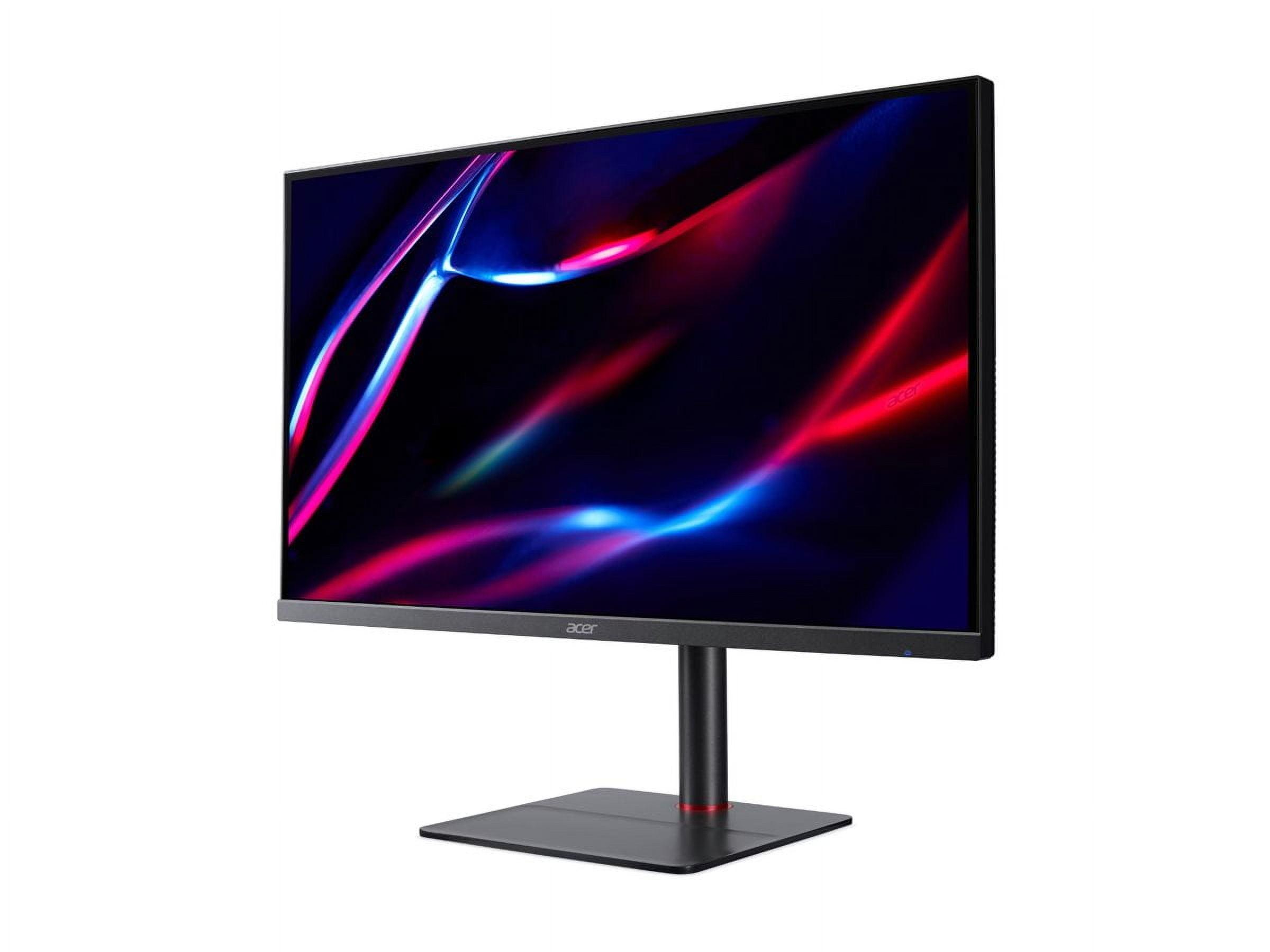
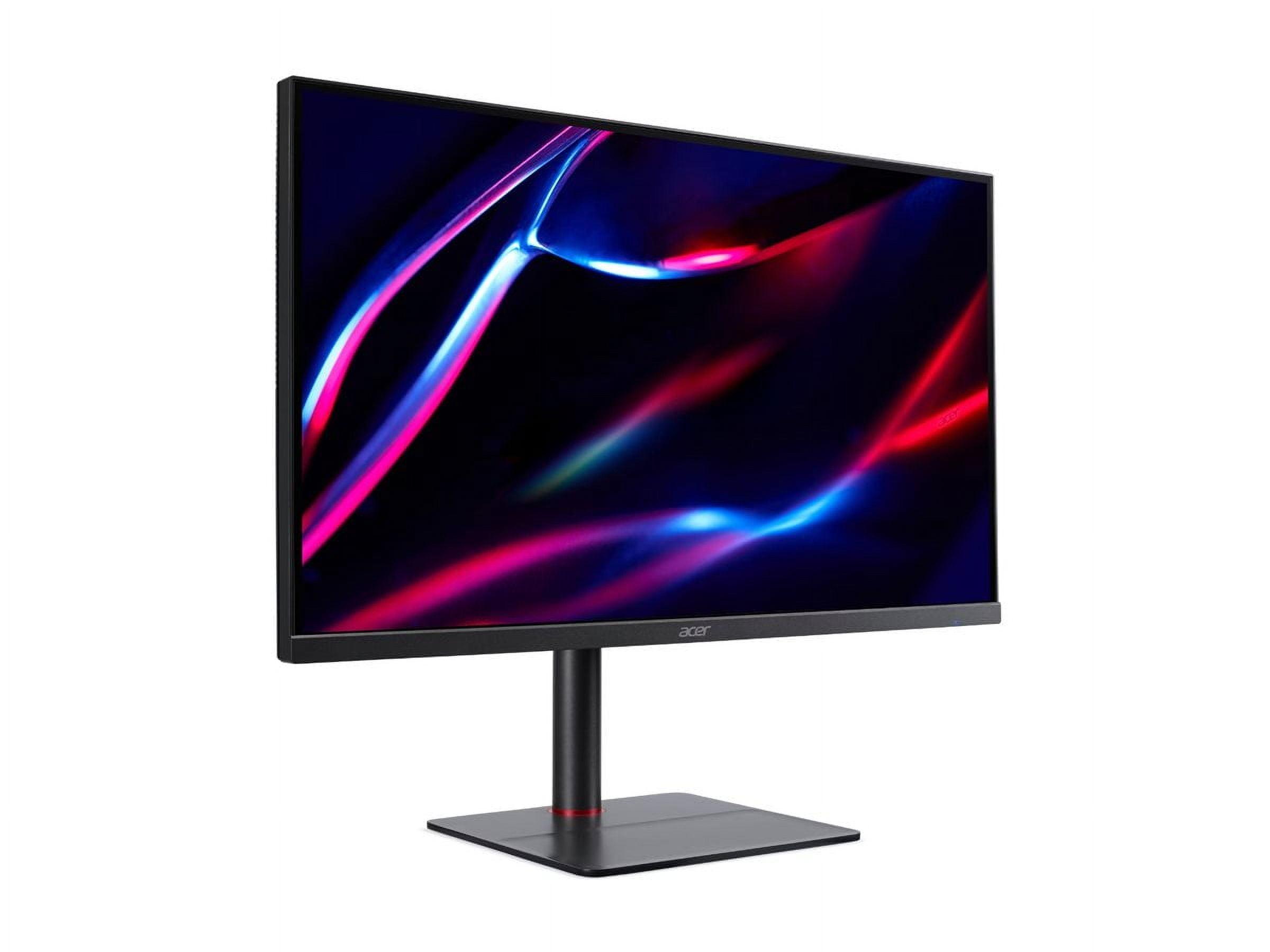
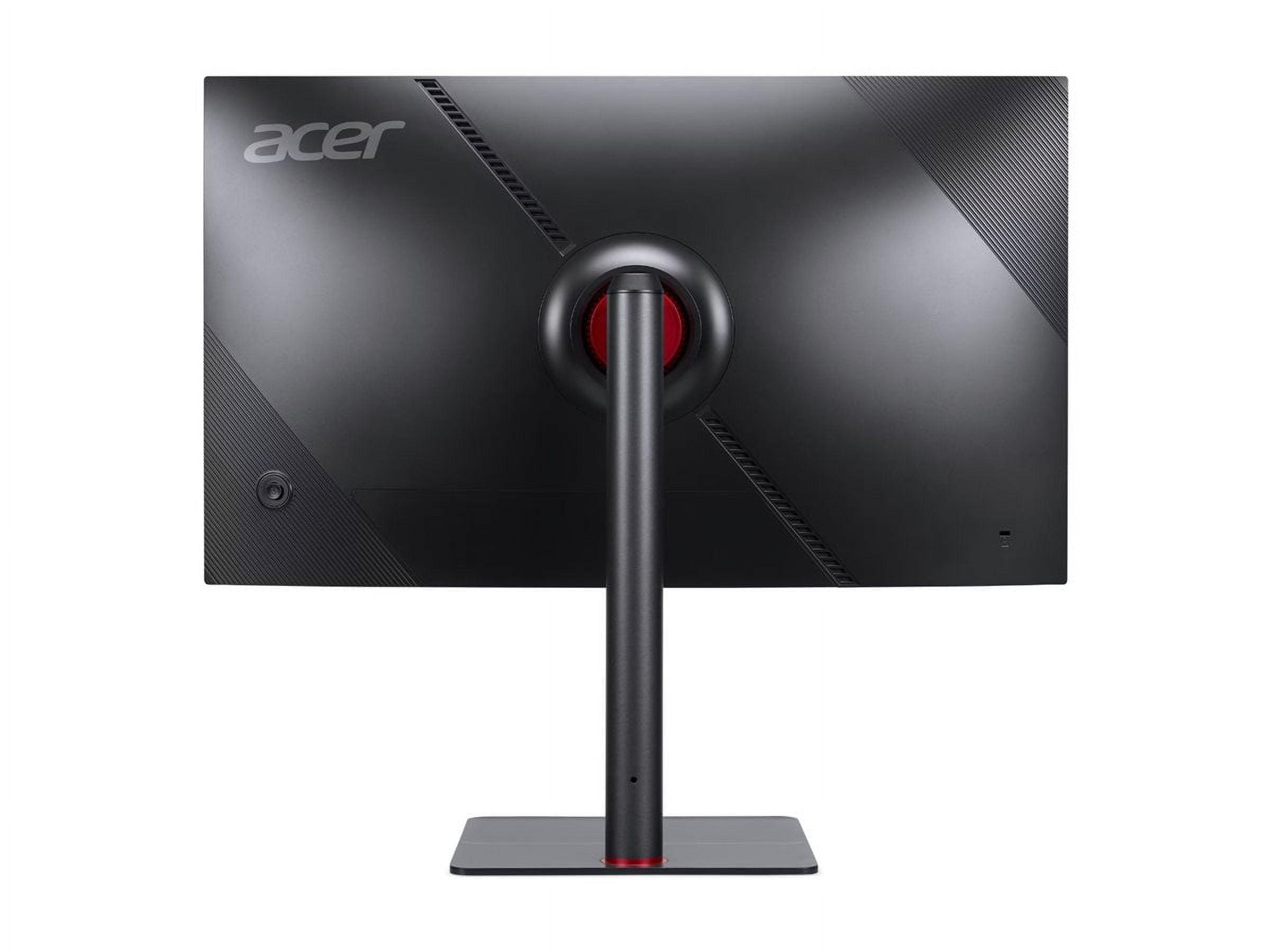
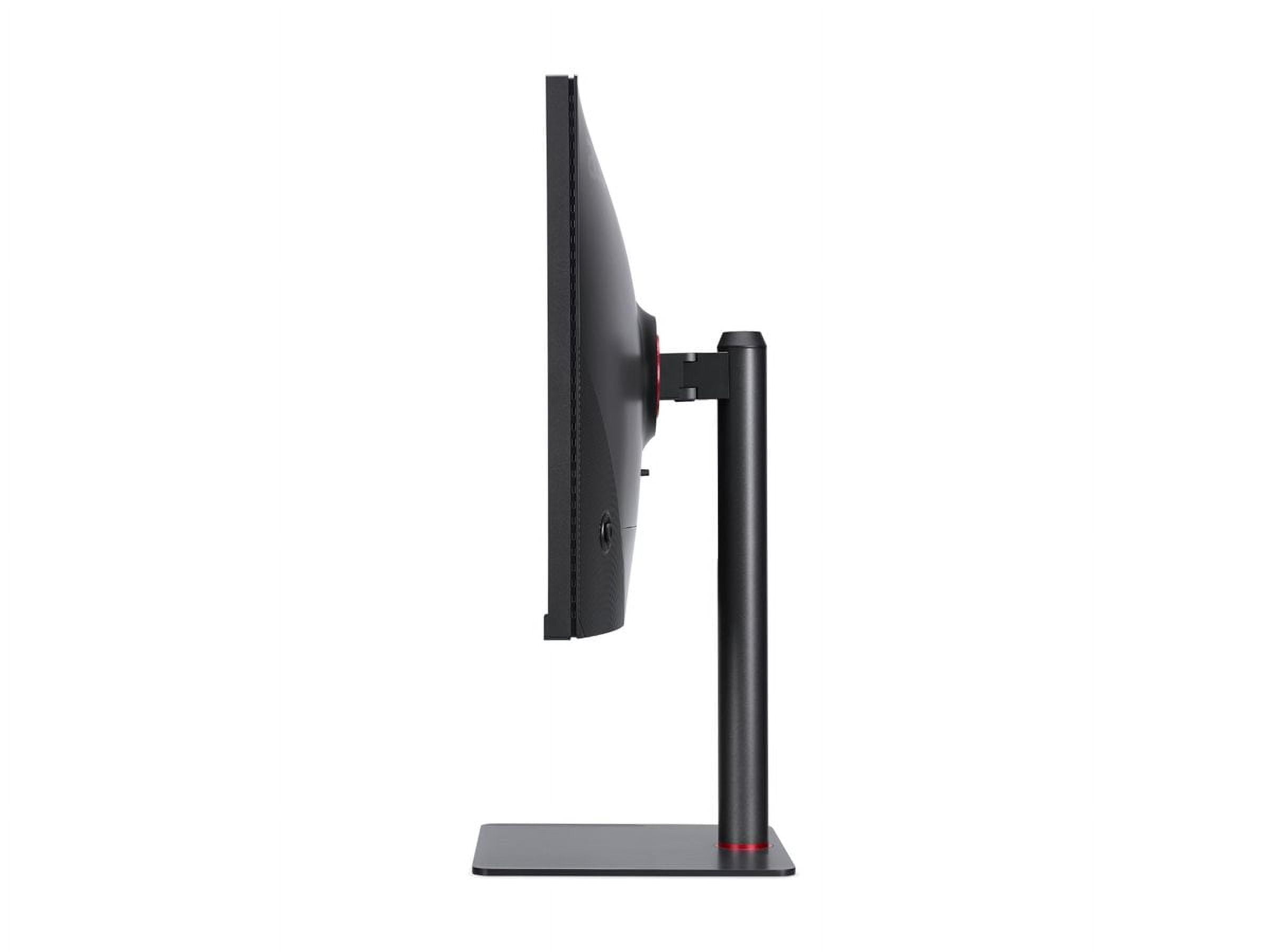
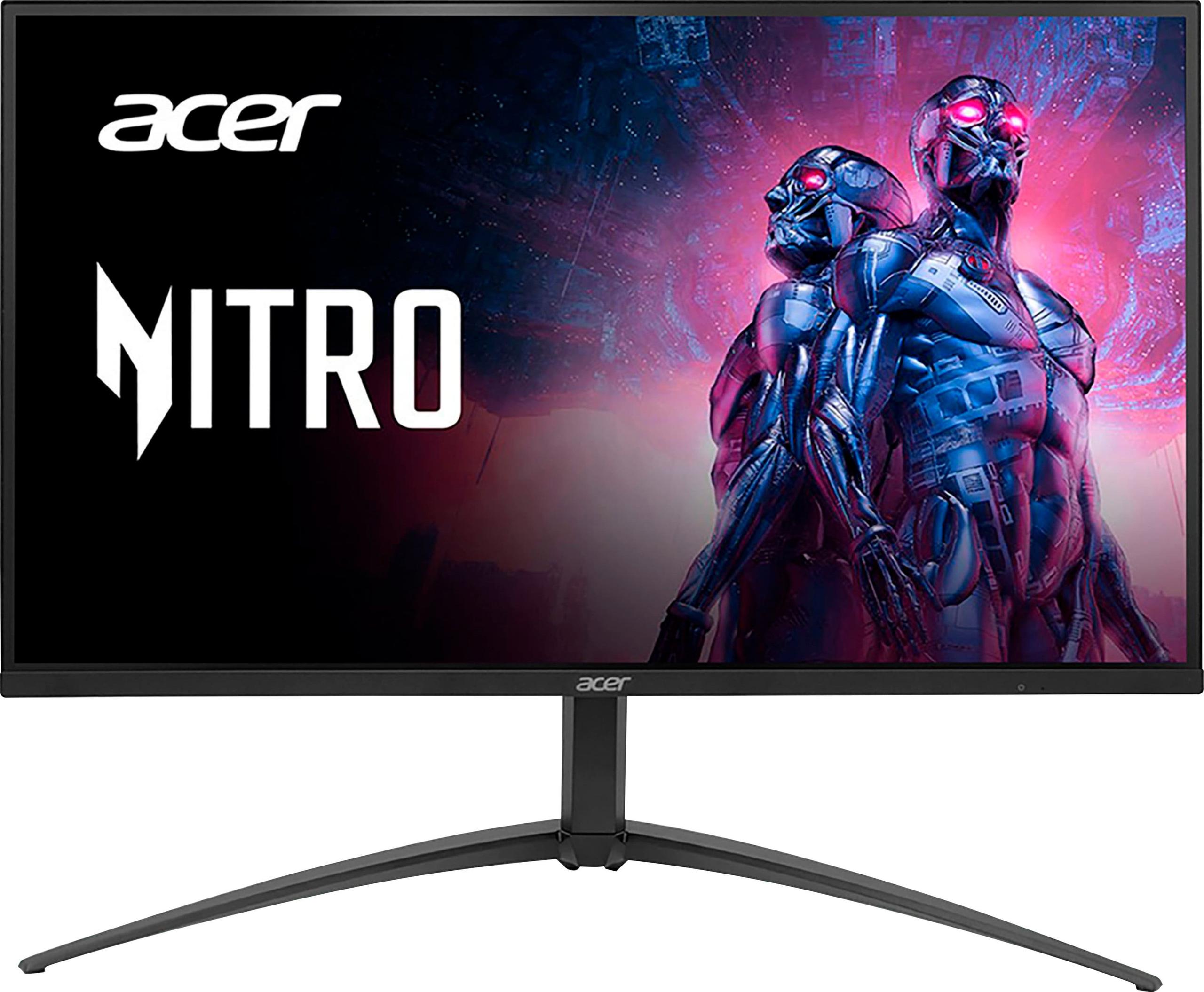

When you're shopping for a gaming monitor, you'll quickly discover that not all displays are created equal. The gaming monitor market has split into two distinct camps: monitors built for breathtaking visuals and immersive experiences, and those engineered purely for competitive advantage. Today, we're comparing two 27-inch monitors that perfectly represent these philosophies—the Acer Nitro XV275K P3 and the BenQ Zowie XL2746K.
Both monitors hit the market at similar price points (at the time of writing), but they couldn't be more different in their approach to gaming. One prioritizes cutting-edge display technology for stunning visuals, while the other focuses laser-sharp on giving competitive players every possible advantage. Let's dive deep into what makes each special and help you figure out which approach fits your gaming style.
The gaming monitor landscape has evolved dramatically over the past few years. Back in 2020, most gaming monitors were relatively straightforward—you picked between faster refresh rates or better colors. But recent technological advances have created distinct categories that serve very different needs.
Visual-first monitors like the Acer Nitro XV275K P3 emphasize display quality through technologies like Mini LED backlighting, HDR support, and high resolutions. These displays excel at making games look spectacular, whether you're exploring the neon-lit streets of Cyberpunk 2077 or taking in the vast landscapes of Horizon Forbidden West.
Competition-focused monitors like the BenQ Zowie XL2746K strip away visual luxuries to maximize performance metrics that matter in esports. Every design decision serves the goal of giving players faster reaction times and clearer motion during intense firefights.
The key considerations when choosing between these approaches include resolution versus refresh rate trade-offs, panel technology impacts, HDR capabilities, input lag optimization, and color accuracy needs. Understanding these factors will help you determine which philosophy aligns with your gaming priorities.
Released in 2023, the Acer Nitro XV275K P3 represents the latest in display technology. At its heart lies a 27-inch IPS (In-Plane Switching) panel that delivers 4K resolution—that's 3840×2160 pixels, or four times the detail of standard 1080p displays.
But the real magic happens behind the screen. The XV275K P3 uses Mini LED backlighting with 576 individual zones that can dim independently. Think of it like having hundreds of tiny flashlights behind your screen that can turn on or off to create perfect blacks next to brilliant whites. This technology, called Full Array Local Dimming (FALD), enables the monitor to achieve HDR-1000 certification, meaning it can display the high dynamic range content that modern games are designed for.
The color performance is equally impressive. With 99% Adobe RGB and 98% DCI-P3 coverage, this monitor displays a wider range of colors than most displays can handle. For context, standard monitors typically cover about 99% of the smaller sRGB color space, so the Acer can show colors that would appear dull or washed out on typical displays.
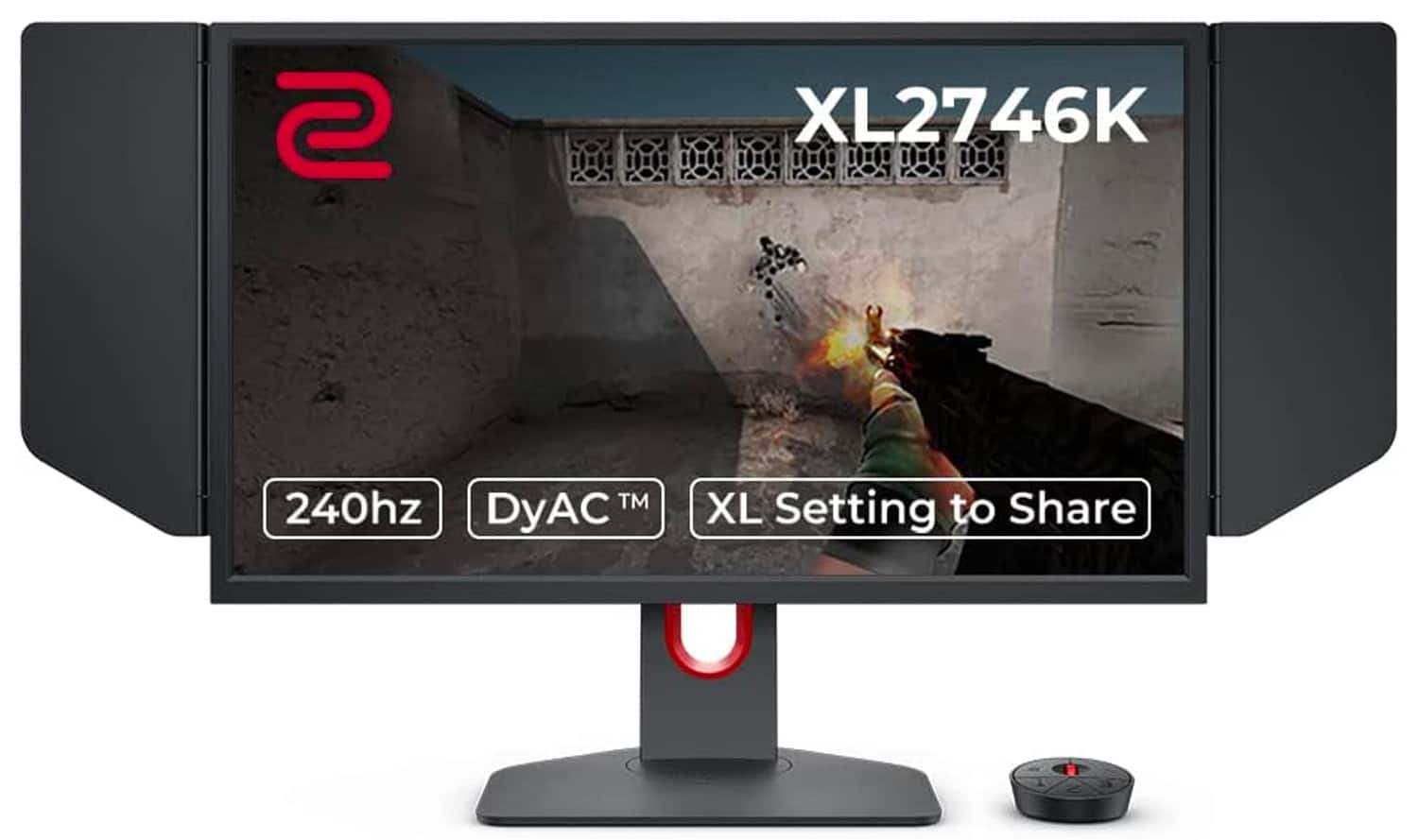
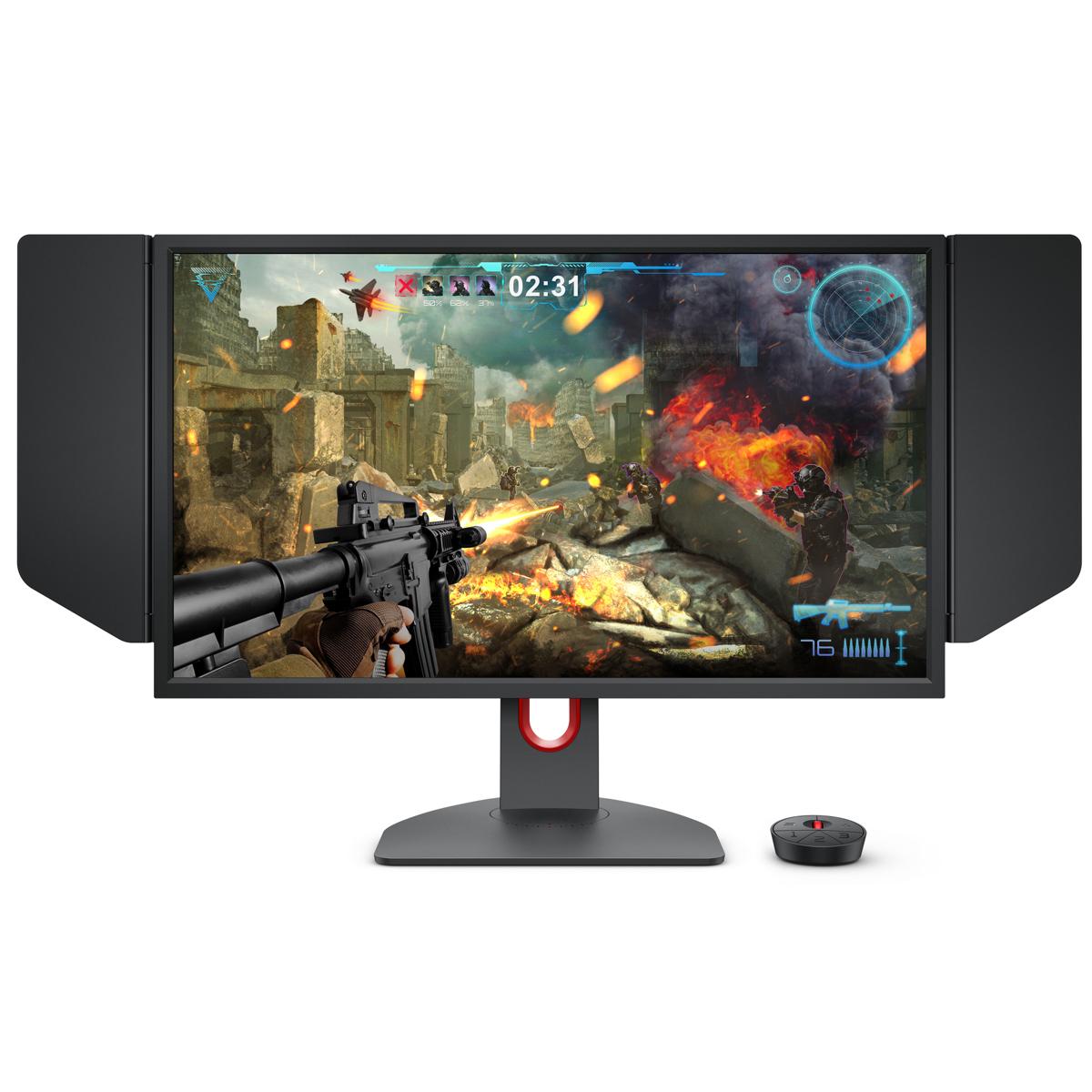
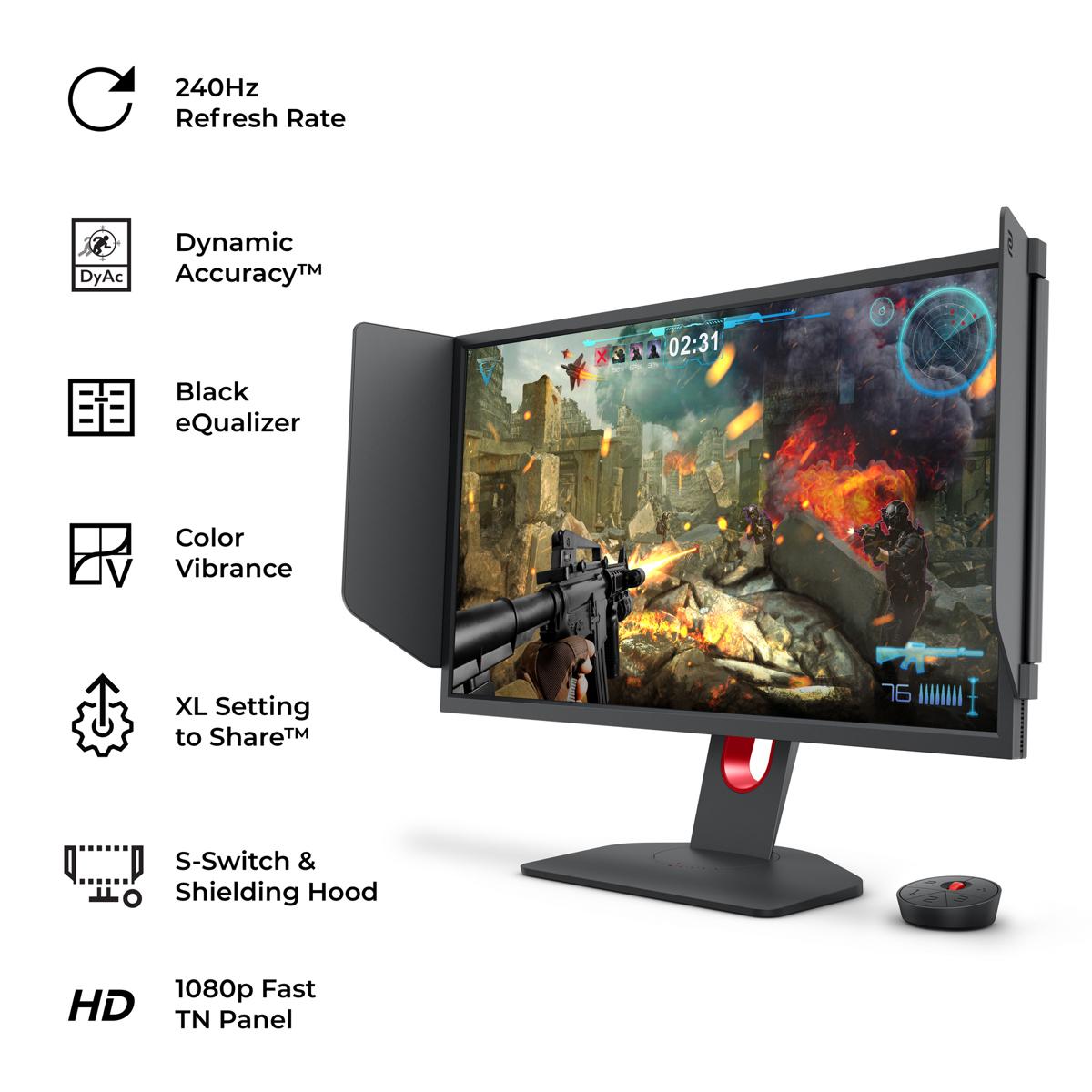
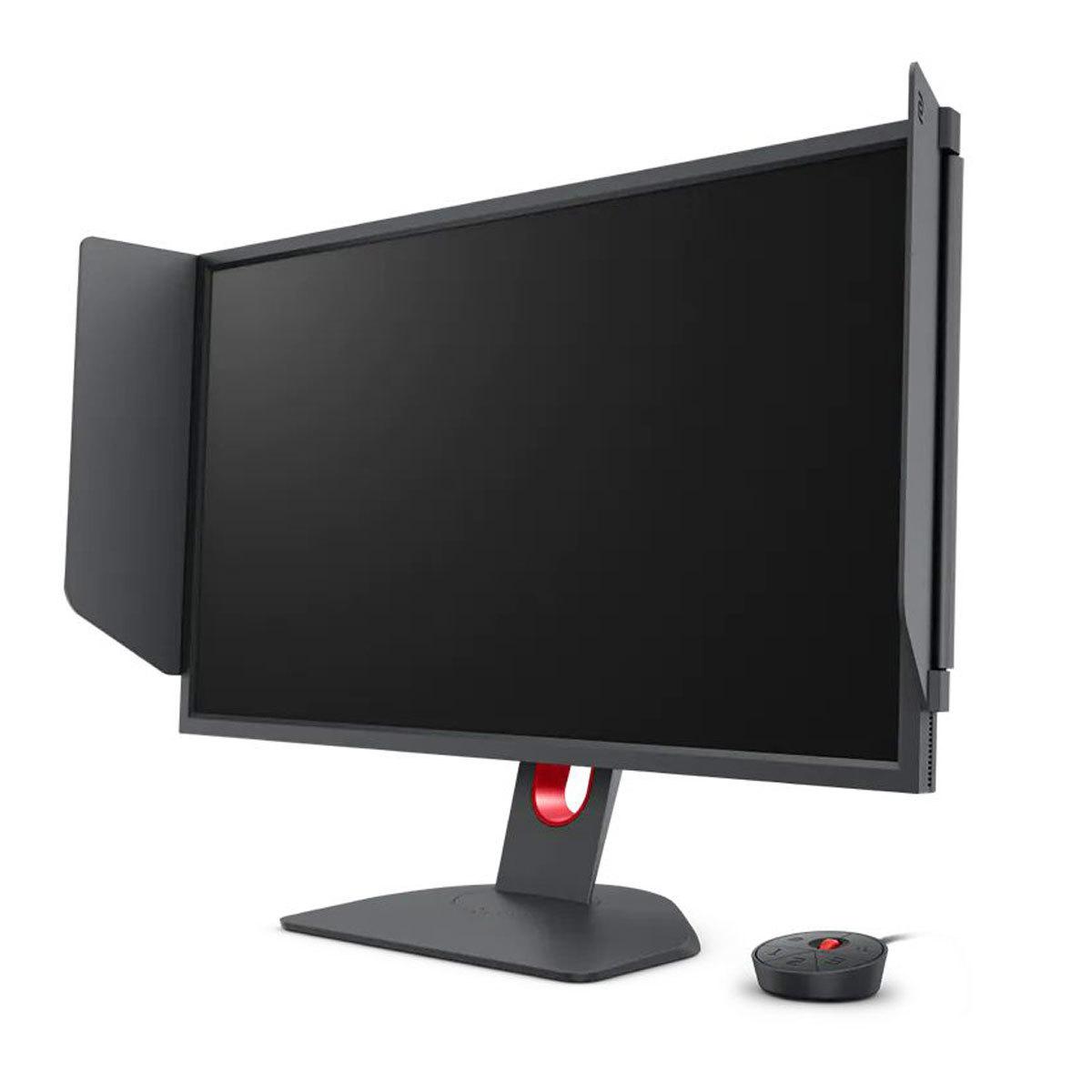
The BenQ Zowie XL2746K, released in 2021, takes a completely different approach. This monitor uses a TN (Twisted Nematic) panel—an older technology that sacrifices color accuracy and viewing angles for raw speed. But for competitive gamers, that trade-off is absolutely worth it.
The headline feature is the 240Hz refresh rate, which means the screen can display 240 unique images every second. To put that in perspective, standard monitors show 60 images per second, and many gaming monitors offer 144Hz. The higher the refresh rate, the smoother motion appears, especially during fast-paced action.
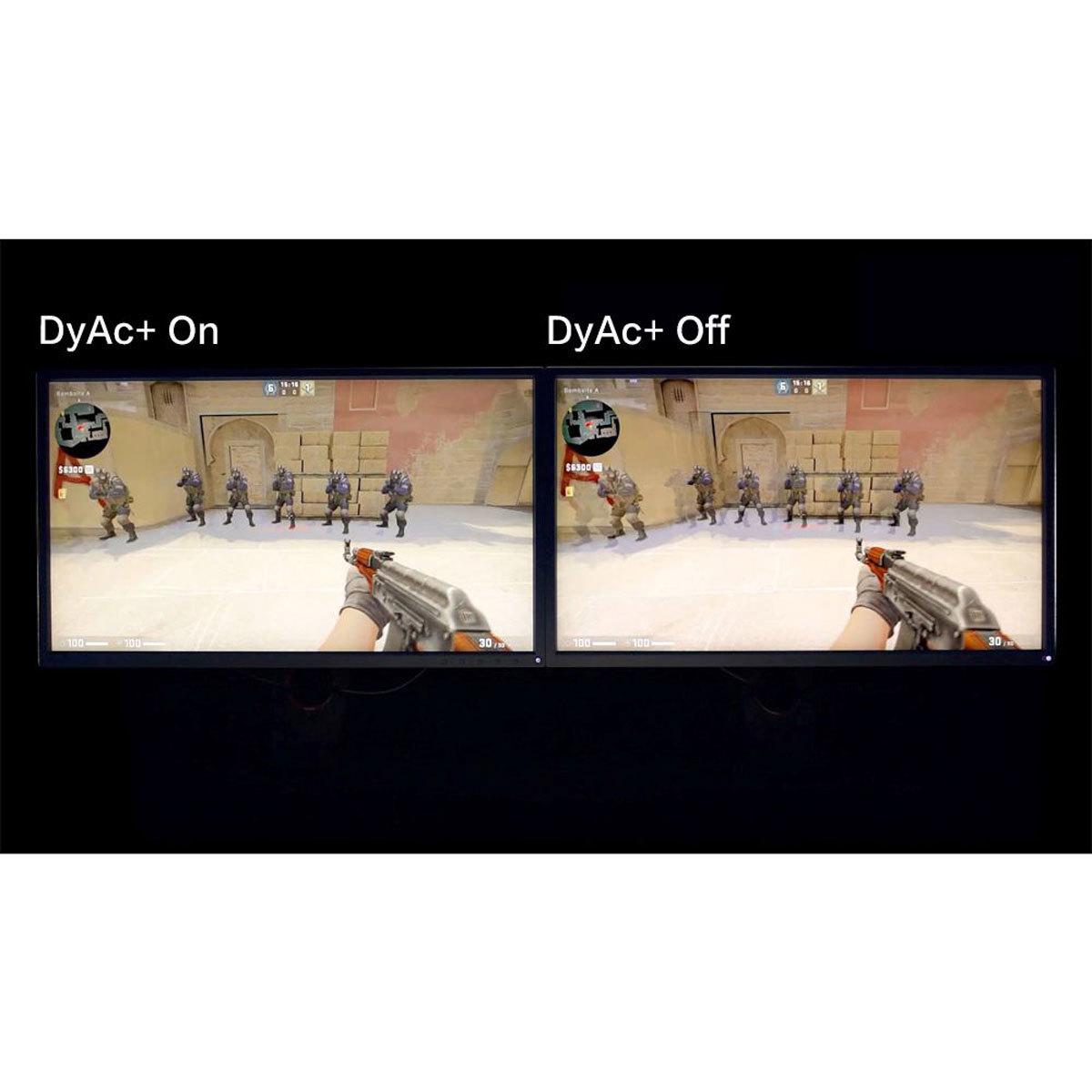
But the BenQ doesn't stop there. It includes DyAc⁺ (Dynamic Accuracy Plus) technology, which is essentially backlight strobing that eliminates motion blur. When you're tracking an enemy player sprinting across your screen, this technology keeps them crystal clear instead of leaving a blurry trail.
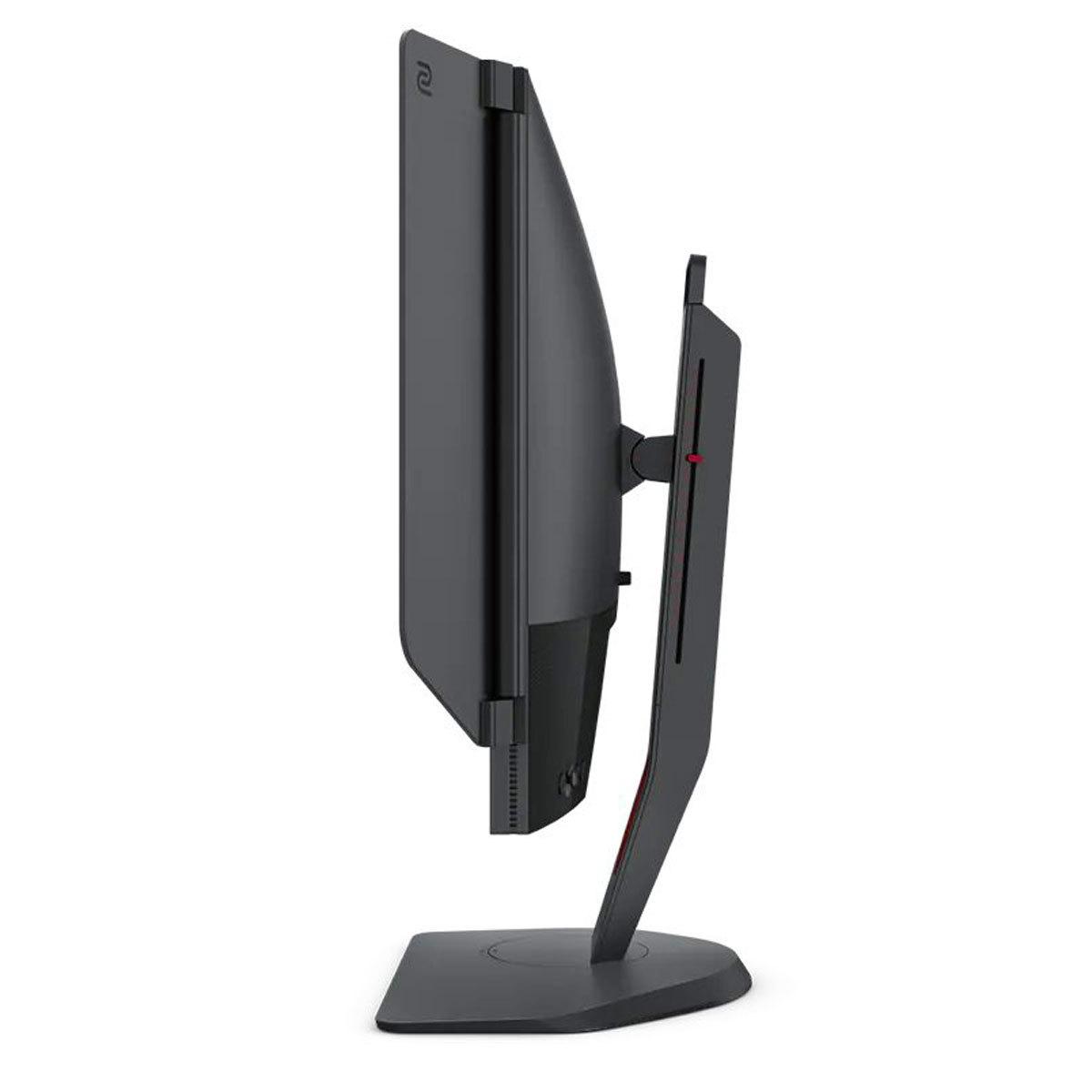
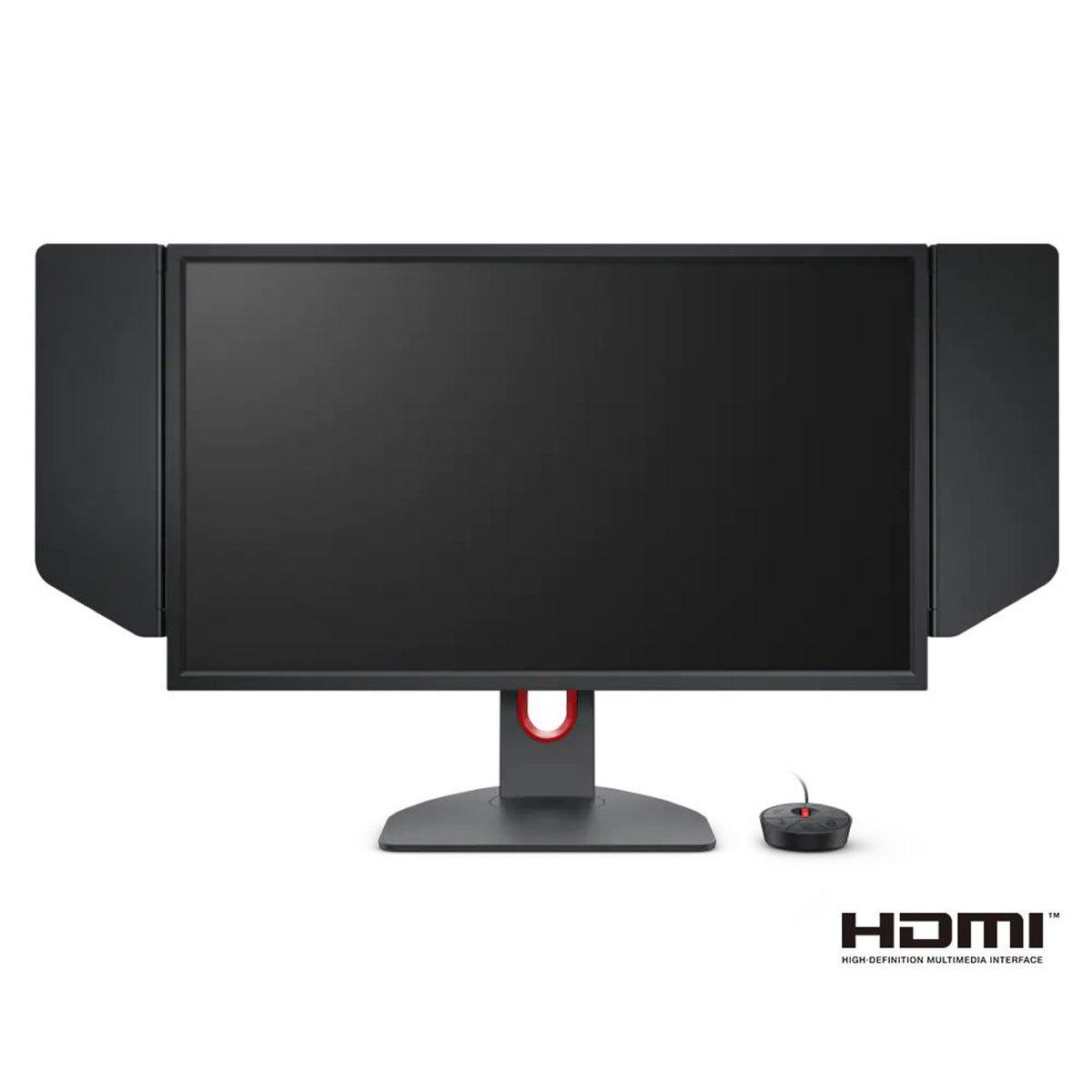
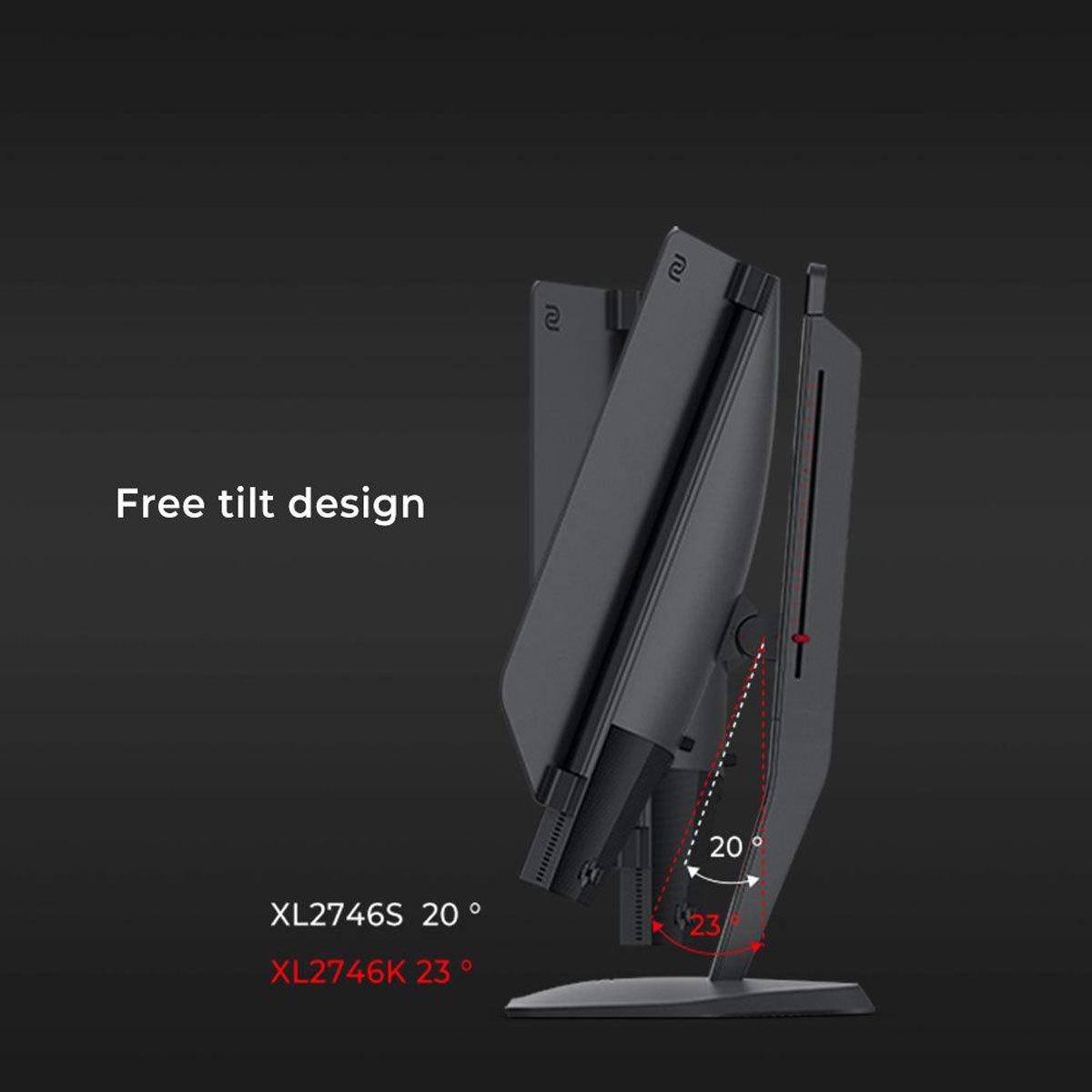
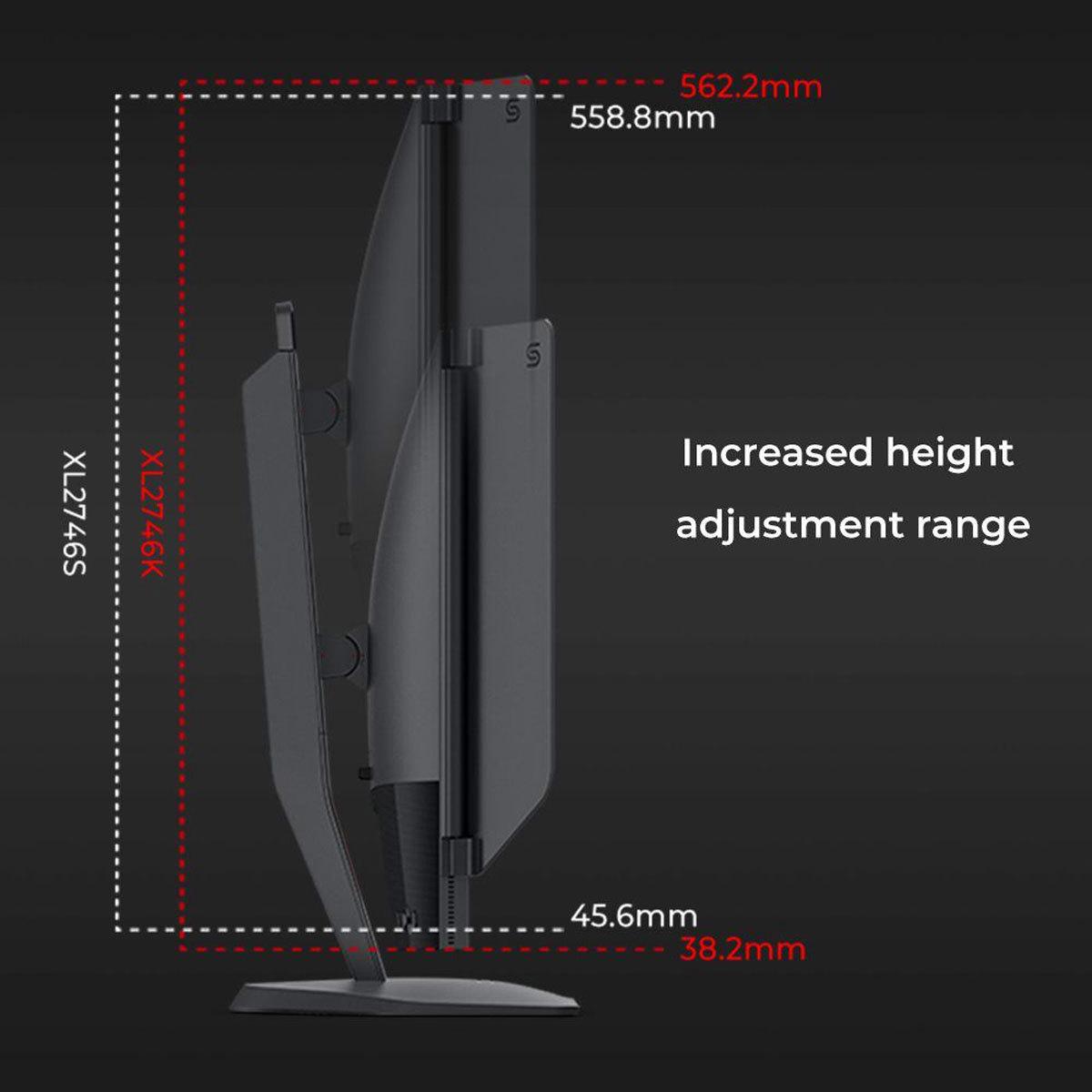
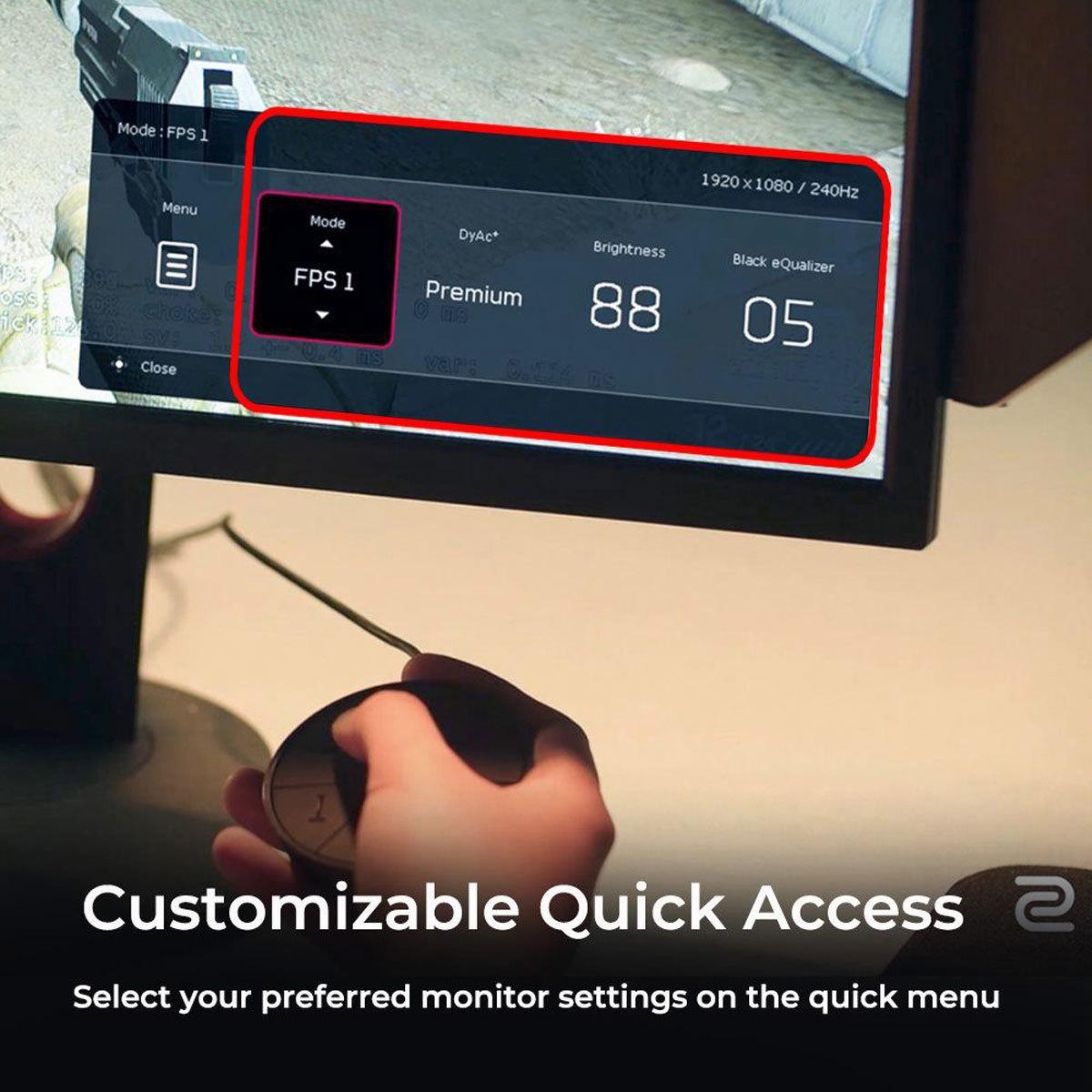
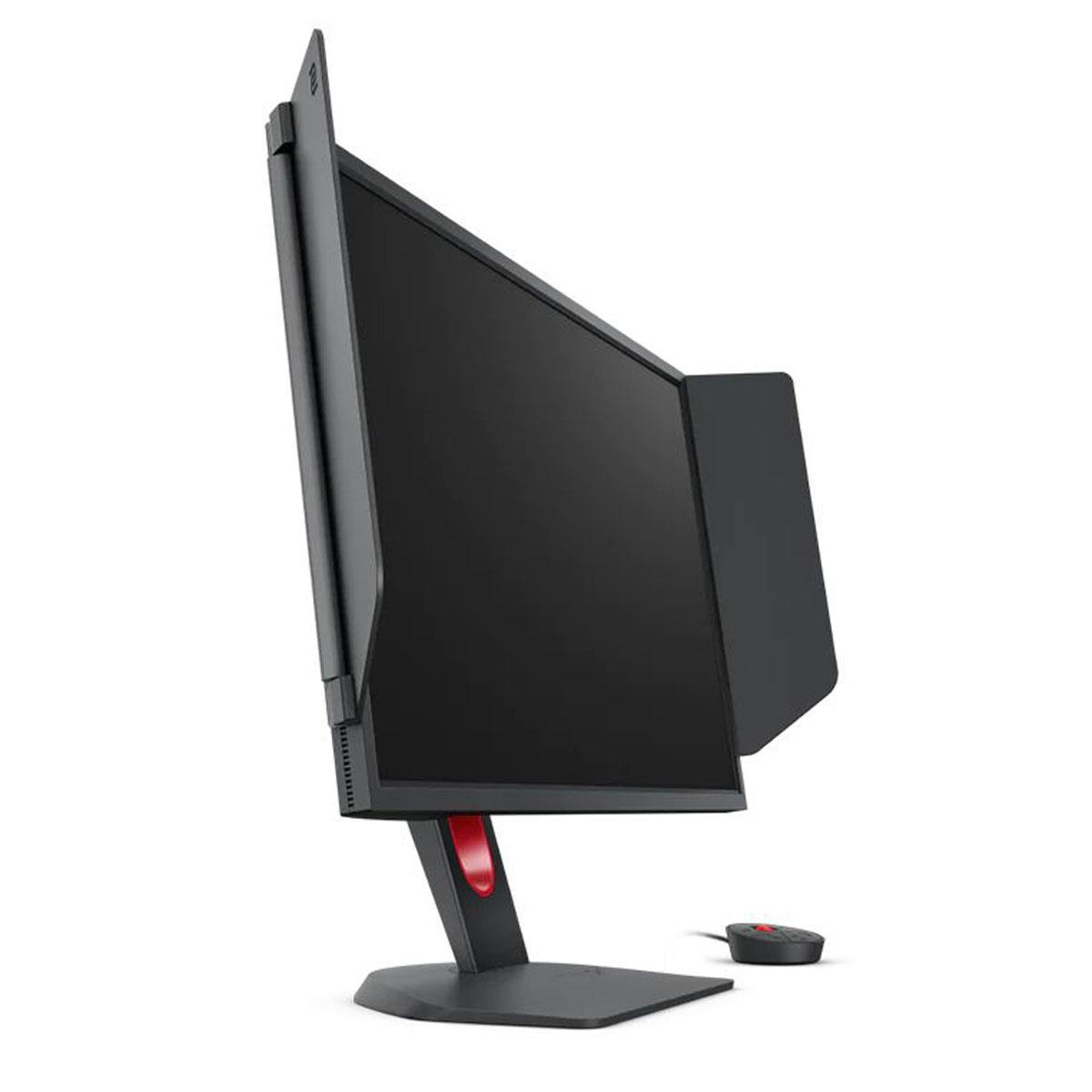
The monitor also includes professional esports features you won't find elsewhere, like the S-Switch controller for quick settings changes and physical markings on the stand to ensure consistent positioning—details that matter when milliseconds determine victory or defeat.
The resolution difference between these monitors is dramatic. The Acer XV275K P3 delivers 4K resolution with 163 pixels per inch, while the BenQ XL2746K offers 1080p with 81 pixels per inch. This means the Acer shows twice as much detail in any given area.
For single-player games, this difference is transformative. Text appears crisp, fine details in game environments become visible, and the overall image quality creates a more immersive experience. I've found that once you've gamed on 4K, returning to 1080p feels noticeably less sharp, especially on a 27-inch screen where individual pixels become more apparent.
However, higher resolution comes with costs. Your graphics card needs to work four times harder to render the same scene in 4K versus 1080p. This can significantly impact frame rates, especially in demanding games. If your GPU struggles to maintain high frame rates at 4K, you might find yourself lowering graphics settings or not fully utilizing the Acer's 160Hz refresh rate.
The panel technology difference explains many of the performance characteristics between these monitors. The Acer's IPS panel offers 178-degree viewing angles, meaning colors stay consistent even when you're not sitting directly in front of the screen. Colors appear vibrant and accurate, making it suitable for both gaming and productivity work.
The BenQ's TN panel prioritizes speed over image quality. Viewing angles are limited to about 170 degrees horizontally and 160 degrees vertically, and colors can shift noticeably when viewed from the side. However, TN panels can switch pixels faster than IPS panels, resulting in less motion blur during fast action.
In practice, the TN panel's limitations aren't deal-breakers for competitive gaming. You'll be sitting directly in front of the monitor, and the speed advantages outweigh the color compromises when you're focused on performance rather than visual quality.
When it comes to motion performance, the BenQ XL2746K holds significant advantages. The 240Hz refresh rate provides noticeably smoother motion than the Acer's 160Hz, especially during fast camera movements or tracking moving targets.
The DyAc⁺ technology in the BenQ deserves special attention. This backlight strobing essentially flashes the backlight in sync with the refresh rate, eliminating the persistence blur that occurs when your eyes track moving objects across the screen. The result is remarkably clear motion that can genuinely improve your ability to track enemies in competitive shooters.
I've tested this technology extensively in games like CS:GO and Valorant, and the difference is immediately apparent. Moving players appear significantly clearer, making it easier to maintain accurate aim during spray patterns or while tracking enemies around corners.
The Acer XV275K P3 offers solid motion performance with its 1ms response time and 160Hz refresh rate, but it can't match the specialized optimization of the BenQ for competitive scenarios. However, for most gaming situations outside of high-level competitive play, the difference may not be noticeable enough to matter.
Both monitors offer low input lag, but they prioritize different aspects of responsiveness. The BenQ XL2746K is specifically tuned for minimal input lag across all refresh rates, with particular optimization at 240Hz where every millisecond counts.
The Acer XV275K P3 provides excellent input lag performance, especially at higher refresh rates, but the 4K resolution means your graphics card needs more time to render each frame. This can indirectly increase your system's overall response time if your GPU becomes the bottleneck.
For competitive gaming, the BenQ has the edge due to its specialized tuning and higher refresh rate. For general gaming, both monitors offer responsiveness that's well beyond what most players can perceive as limiting factors.
Here's where the Acer Nitro XV275K P3 absolutely dominates. The Mini LED backlighting with 576 zones creates contrast ratios that approach OLED-like performance in ideal conditions. Peak brightness can reach 1000 nits in HDR mode, enabling true HDR gaming experiences.
HDR (High Dynamic Range) content displays a wider range of brightness and colors than standard SDR (Standard Dynamic Range) content. When implemented properly, HDR makes bright areas genuinely bright while maintaining deep blacks, creating more realistic lighting that matches what your eyes would see in real life.
The Acer's wide color gamut support means it can display the full range of colors that modern HDR games are designed to show. This creates more vibrant sunsets, more realistic skin tones, and more immersive environmental lighting.
The BenQ XL2746K offers no HDR support and limited color gamut coverage. While colors appear accurate within the sRGB space, you're missing out on the enhanced visual experience that modern games can provide.
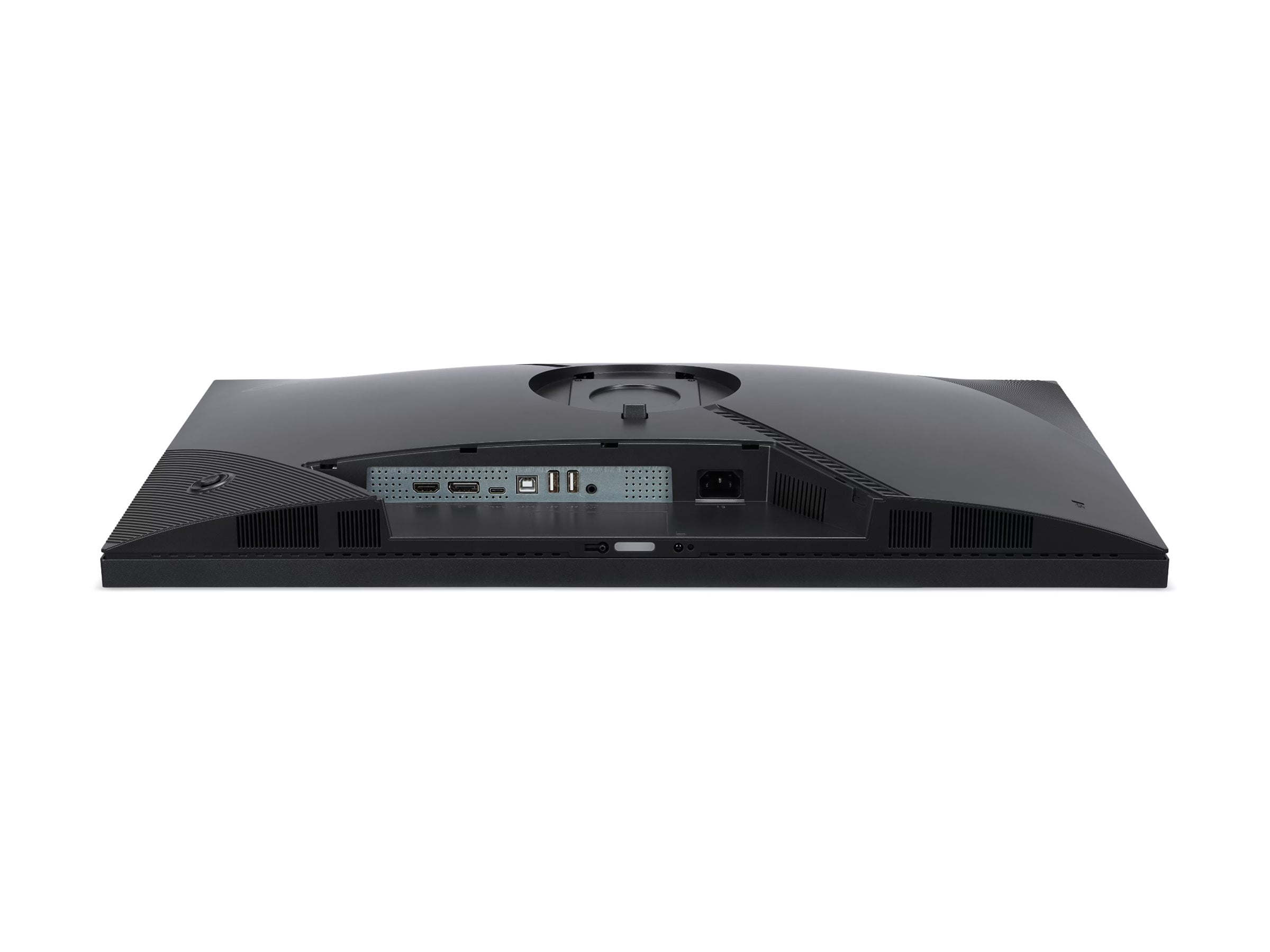
The Acer XV275K P3 excels in connectivity versatility. The USB-C port with 90W Power Delivery is particularly noteworthy—you can connect a laptop with a single cable that handles video, data, and charging simultaneously. This makes it an excellent choice for users who switch between gaming PCs and productivity laptops.
Multiple HDMI 2.1 ports ensure compatibility with the latest gaming consoles, supporting 4K gaming at 120Hz on PlayStation 5 and Xbox Series X. The built-in USB hub adds convenience for connecting peripherals without running cables back to your PC.
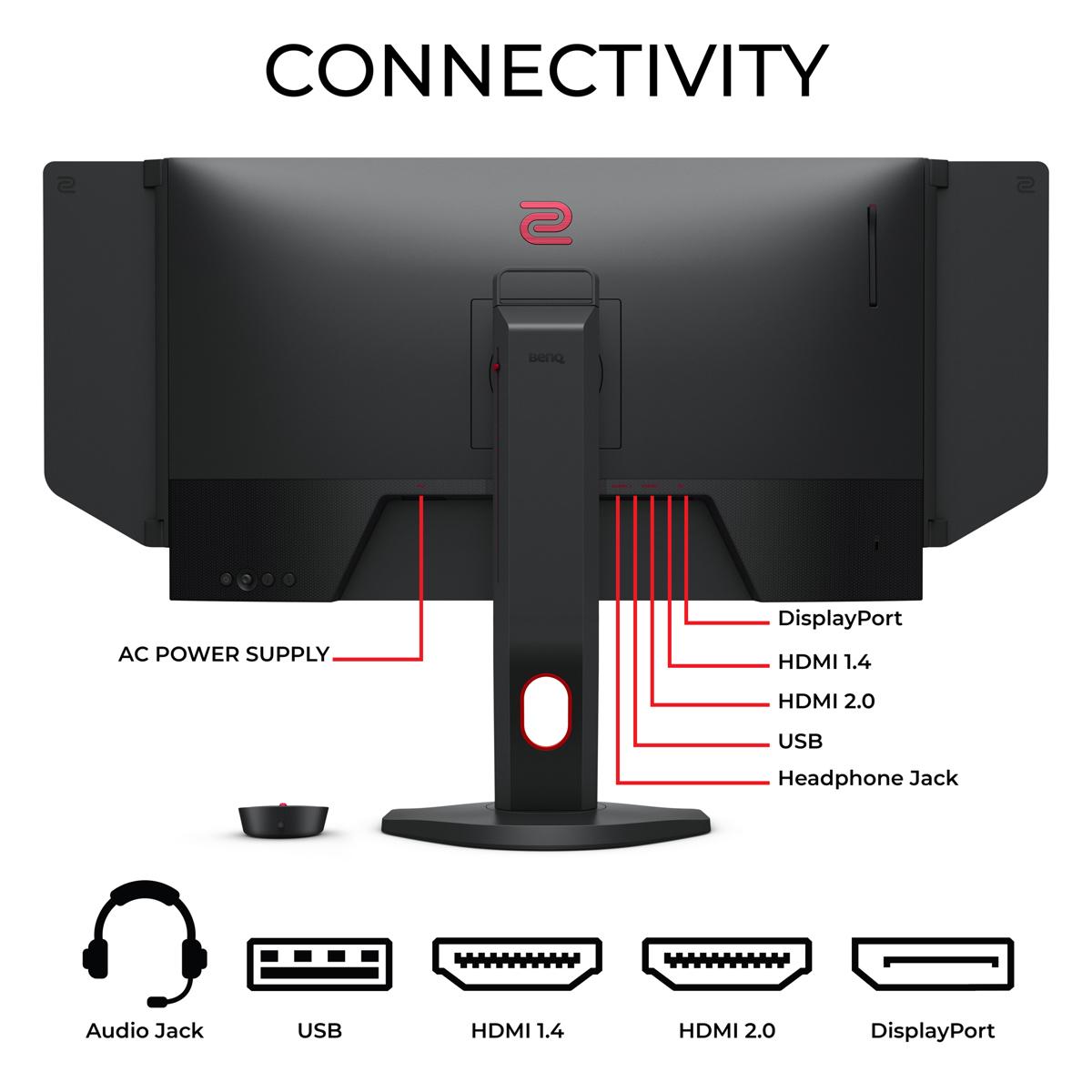
The BenQ XL2746K offers more basic connectivity with multiple HDMI 2.0 ports and DisplayPort 1.2. While adequate for gaming needs, it lacks the modern conveniences and laptop-friendly features of the Acer.
The Acer's 4K resolution and color accuracy make it genuinely useful for productivity work. Text appears crisp, spreadsheets become more readable, and color-critical work like photo editing becomes possible. The wide color gamut and factory calibration mean you can trust the colors you're seeing.
For users who want one monitor that can handle gaming, work, and media consumption, the Acer XV275K P3 offers significantly more versatility. The BenQ XL2746K is purpose-built for gaming and doesn't provide the same level of utility for other tasks.
If you're considering either monitor for living room or home theater use, the Acer Nitro XV275K P3 is the clear choice. The 4K resolution and HDR support make it suitable for streaming 4K content from services like Netflix or Disney+. The wide viewing angles of the IPS panel work better when multiple people are watching from different positions.
The Mini LED backlighting provides the contrast performance needed for cinematic content, with deep blacks during dark movie scenes and bright highlights that pop off the screen. The wide color gamut ensures that HDR movies display their intended color ranges.
The BenQ XL2746K isn't designed for media consumption. The TN panel's limited viewing angles and color reproduction make it less suitable for shared viewing or cinematic content.
At the time of writing, both monitors occupy similar price segments, but they deliver very different value propositions. The Acer Nitro XV275K P3 offers premium display technology that typically costs significantly more in other monitors. Mini LED backlighting, 4K resolution, and HDR-1000 certification represent substantial technological investments.
The BenQ Zowie XL2746K provides specialized competitive gaming features that you simply can't find on general-purpose gaming monitors. The DyAc⁺ technology, professional-grade build quality, and esports-specific optimizations justify its positioning as a specialized tool rather than a general display.
For most users, the Acer offers better long-term value due to its versatility and future-proofing. However, for dedicated competitive players, the BenQ provides advantages that can translate into measurable performance improvements.
You're looking for a monitor that can do it all. The Acer XV275K P3 excels when you want stunning visuals in single-player games, need a productive workspace for work or content creation, and appreciate having the latest display technology. If you play a variety of game genres—from cinematic adventures to competitive shooters—this monitor adapts well to different needs.
The 4K resolution and HDR support make it particularly appealing if you want to experience games as developers intended them to look. Modern titles like Cyberpunk 2077, Horizon Zero Dawn, or Red Dead Redemption 2 truly shine on displays that can showcase their visual artistry.
It's also the smarter choice if you need connectivity flexibility, especially if you use a laptop for work and want a single-cable solution that handles everything.
You're serious about competitive gaming, particularly in first-person shooters like CS:GO, Valorant, or Apex Legends. The BenQ XL2746K provides tangible advantages in scenarios where split-second reactions determine outcomes. The 240Hz refresh rate and DyAc⁺ technology can genuinely improve your ability to track and engage targets.
Professional and aspiring professional players often gravitate toward this monitor specifically because of its proven performance in tournament environments. If you're climbing competitive ladders or participating in organized esports, the specialized features justify the visual quality trade-offs.
The monitor also makes sense if you primarily play competitive games and don't need the versatility for productivity work or media consumption.
These monitors represent two different philosophies about what makes gaming displays great. The Acer Nitro XV275K P3 embraces the latest display technology to create immersive visual experiences, while the BenQ Zowie XL2746K strips away everything non-essential to maximize competitive performance.
For most gamers, the Acer offers better overall value through its combination of cutting-edge technology, versatility, and future-proofing. However, for dedicated competitive players who prioritize performance over everything else, the BenQ provides specialized advantages that general-purpose monitors simply cannot match.
The best choice ultimately depends on whether you prioritize the visual spectacle of modern gaming or the competitive edge that can make the difference between victory and defeat. Both approaches are valid—it's just a matter of understanding which aligns with your gaming priorities and use cases.
| Acer Nitro XV275K P3 | BenQ Zowie XL2746K |
|---|---|
| Display Resolution - Higher resolution means sharper images but requires more GPU power | |
| 3840 x 2160 (4K UHD) - 4x more detail than 1080p | 1920 x 1080 (Full HD) - Standard for competitive gaming |
| Panel Technology - Affects color accuracy, viewing angles, and response speed | |
| IPS with Mini LED backlight - Superior colors and viewing angles | TN - Fastest response times, limited viewing angles |
| Refresh Rate - Higher numbers provide smoother motion in fast-paced games | |
| 160Hz - Smooth for most gaming scenarios | 240Hz - Maximum competitive advantage |
| HDR Support - Enables more realistic brightness and contrast in modern games | |
| HDR-1000 certified with 1000 nits peak brightness | No HDR support - Focus purely on speed |
| Local Dimming - Controls backlight zones for better contrast and deeper blacks | |
| 576 Mini LED zones for precise contrast control | None - Standard backlight only |
| Color Coverage - Wider gamuts show more vibrant and accurate colors | |
| 99% Adobe RGB, 98% DCI-P3 - Excellent for gaming and productivity | ~98% sRGB - Basic but adequate color range |
| Response Time - Lower numbers reduce motion blur during fast action | |
| 1ms GtG - Fast enough for most gaming | Sub-1ms with DyAc⁺ motion blur reduction |
| Connectivity - More options provide greater flexibility for different devices | |
| USB-C with 90W PD, 2x HDMI 2.1, DisplayPort 1.4 | 3x HDMI 2.0, DisplayPort 1.2 - Basic gaming setup |
| Gaming Features - Specialized tools for competitive advantage | |
| VRR support, RGB lighting, crosshair overlays | DyAc⁺ technology, S-Switch controller, shielding hood |
| Best Use Case - Primary intended audience and scenarios | |
| Versatile gaming and productivity with stunning visuals | Dedicated esports and competitive FPS gaming |
The BenQ Zowie XL2746K is specifically designed for competitive gaming with its 240Hz refresh rate and DyAc⁺ motion blur reduction technology. Professional esports players prefer the XL2746K for first-person shooters like CS:GO and Valorant because it provides clearer motion tracking and faster response times than the Acer Nitro XV275K P3.
The primary difference is their focus: the Acer Nitro XV275K P3 prioritizes visual quality with 4K resolution, Mini LED backlighting, and HDR support, while the BenQ Zowie XL2746K focuses on competitive performance with 240Hz refresh rate and specialized esports features. The Acer delivers stunning visuals, while the BenQ maximizes competitive advantage.
The Acer Nitro XV275K P3 offers significantly better picture quality with its 4K resolution, Mini LED backlighting with 576 local dimming zones, HDR-1000 certification, and wide color gamut coverage. The XV275K P3 displays much more detail and vibrant colors compared to the BenQ Zowie XL2746K, which uses a basic TN panel focused on speed rather than visual quality.
The Acer Nitro XV275K P3 is excellent for both gaming and productivity work thanks to its 4K resolution, accurate colors, and USB-C connectivity with power delivery. The BenQ Zowie XL2746K is purpose-built for gaming and has limited productivity features due to its TN panel's poor viewing angles and color accuracy, making the Acer the better choice for mixed use.
The Acer Nitro XV275K P3 is better for console gaming because it supports 4K resolution and HDR, which modern consoles like PS5 and Xbox Series X are designed to output. The XV275K P3 also has HDMI 2.1 ports for full console compatibility, while the BenQ Zowie XL2746K only offers 1080p resolution without HDR support.
The Acer Nitro XV275K P3 requires a much more powerful graphics card due to its 4K resolution, which demands 4x more GPU processing power than 1080p. The BenQ Zowie XL2746K is easier to drive at high frame rates with mid-range graphics cards since it only needs to render 1080p resolution, making the BenQ more accessible for budget-conscious gamers.
Both monitors offer low input lag, but the BenQ Zowie XL2746K has an edge due to its specialized competitive gaming optimization and 240Hz refresh rate. The XL2746K is specifically tuned for minimal input lag, while the Acer Nitro XV275K P3 prioritizes visual quality, though it still provides excellent responsiveness for most gaming scenarios.
Only the Acer Nitro XV275K P3 supports HDR with its DisplayHDR 1000 certification and Mini LED backlighting that can reach 1000 nits peak brightness. The BenQ Zowie XL2746K has no HDR support whatsoever, as it focuses purely on competitive gaming performance rather than visual enhancements, making the Acer the only choice for HDR gaming and media.
The Acer Nitro XV275K P3 is far superior for media consumption with its 4K resolution, HDR support, wide viewing angles, and accurate colors. The XV275K P3 can properly display 4K streaming content from Netflix and other services, while the BenQ Zowie XL2746K is limited to 1080p with poor viewing angles that make it unsuitable for shared viewing.
The BenQ Zowie XL2746K offers specialized esports features like DyAc⁺ motion blur reduction, S-Switch controller for quick settings changes, and a detachable shielding hood. The Acer Nitro XV275K P3 provides crosshair overlays, RGB lighting, and variable refresh rate support, but the BenQ has more unique competitive gaming tools that aren't available on other monitors.
The Acer Nitro XV275K P3 provides superior connectivity with USB-C power delivery (90W), HDMI 2.1 ports, and a built-in USB hub, making it ideal for laptop users and modern devices. The BenQ Zowie XL2746K offers basic connectivity with HDMI 2.0 and DisplayPort, which is adequate for gaming but lacks the versatility of the Acer.
Choose the Acer Nitro XV275K P3 with 4K if you want stunning visual quality in single-player games and have a powerful graphics card. Choose the BenQ Zowie XL2746K with 240Hz if you primarily play competitive esports titles where smooth motion and fast response times matter more than visual fidelity. The Acer is better for versatile gaming, while the BenQ excels in competitive scenarios.
We've done our best to create useful and informative comparisons to help you decide what product to buy. Our research uses advanced automated methods to create this comparison and perfection is not possible - please contact us for corrections or questions. These are the sites we've researched in the creation of this article: bestbuy.com - rtings.com - reviewed.com - displayninja.com - youtube.com - displayninja.com - youtube.com - dpreview.com - acer.com - buy.bluum.com - shi.com - camcor.com - newegg.com - provantage.com - displayspecifications.com - colamco.com - displayspecifications.com - walmart.com - bestbuy.com - rtings.com - youtube.com - bestbuy.com - versus.com - youtube.com - versus.com - forums.blurbusters.com - pcmonitors.info - youtube.com - bhphotovideo.com - zowie.benq.com - bhphotovideo.com - device.report - newegg.com - bestbuy.com - displayspecifications.com - provantage.com - zowie.benq.com - smallonlineshop.com.sg - camcor.com

Privacy Policy
Terms and Conditions - Affiliate Policy
Home Security
© Copyright 2008-2026.
11816 Inwood Rd #1211, Dallas, TX 75244