

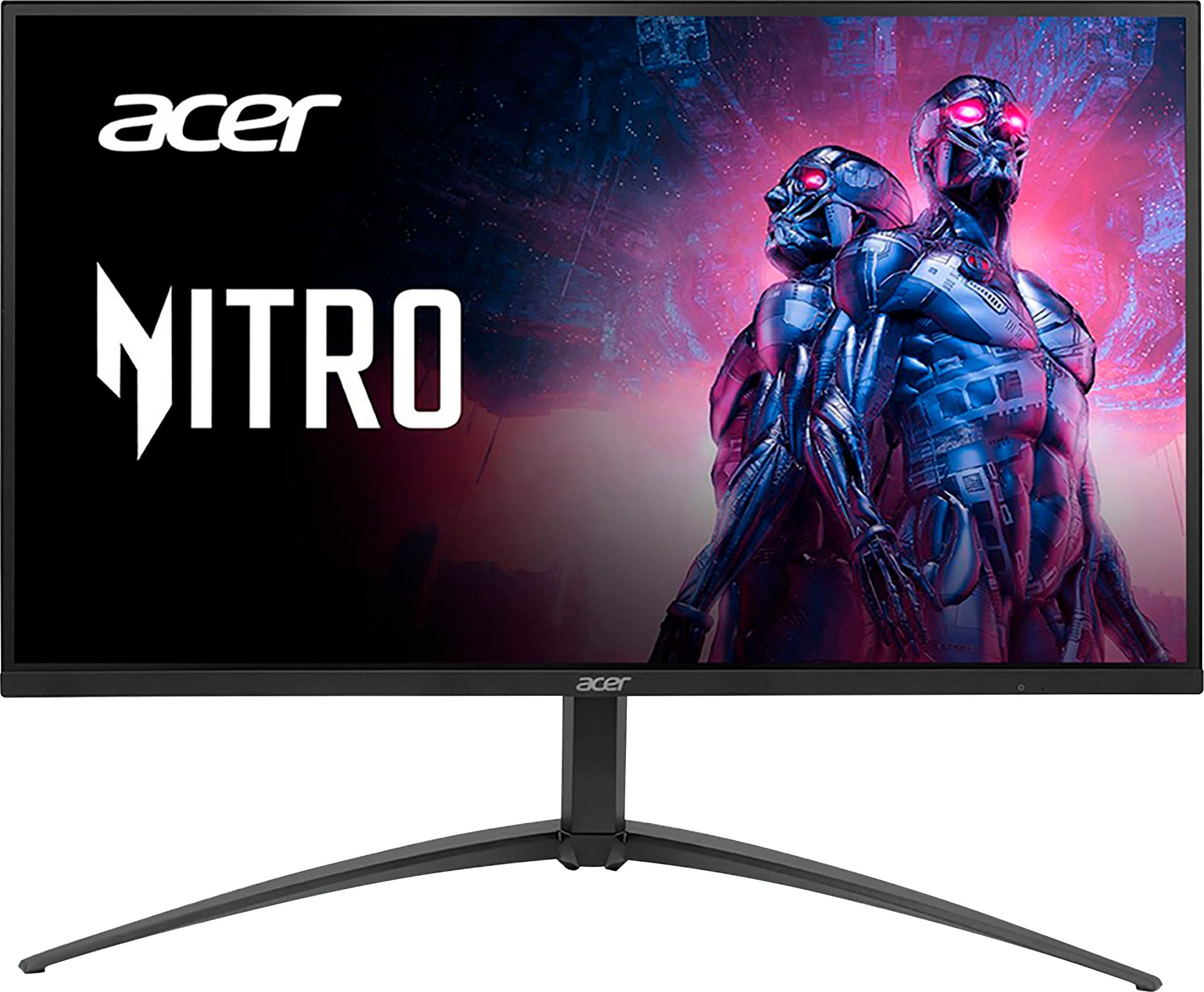
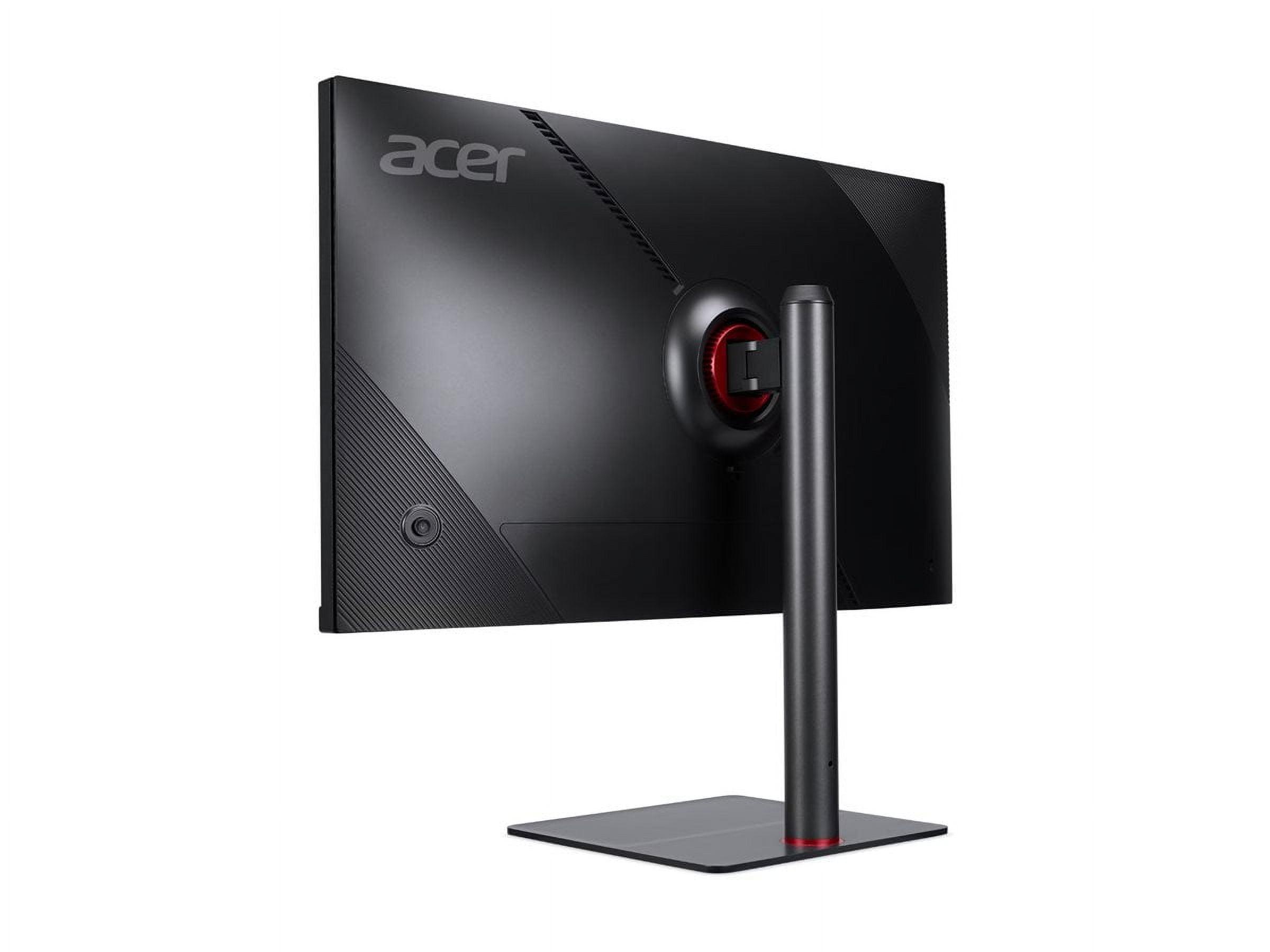
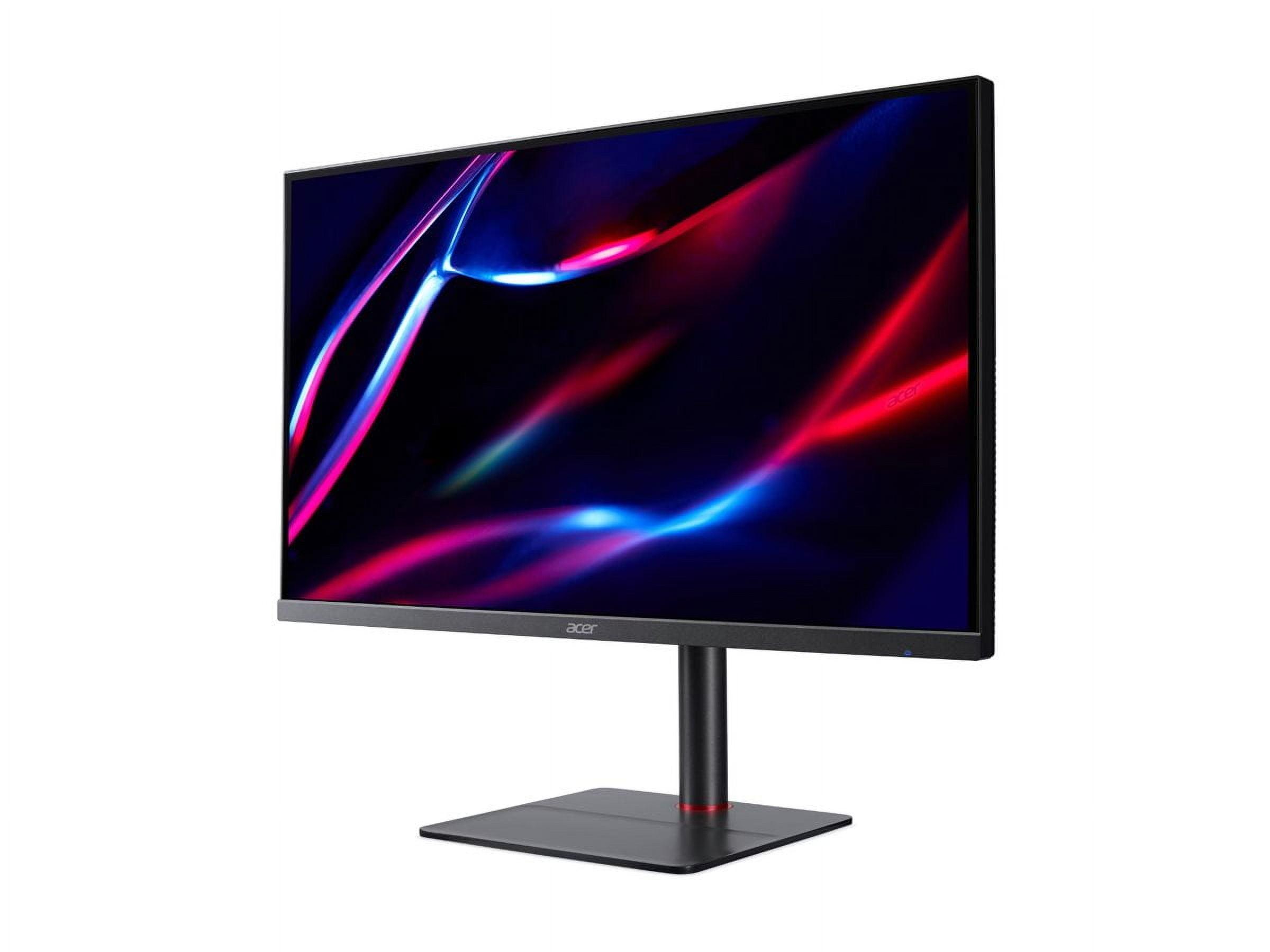
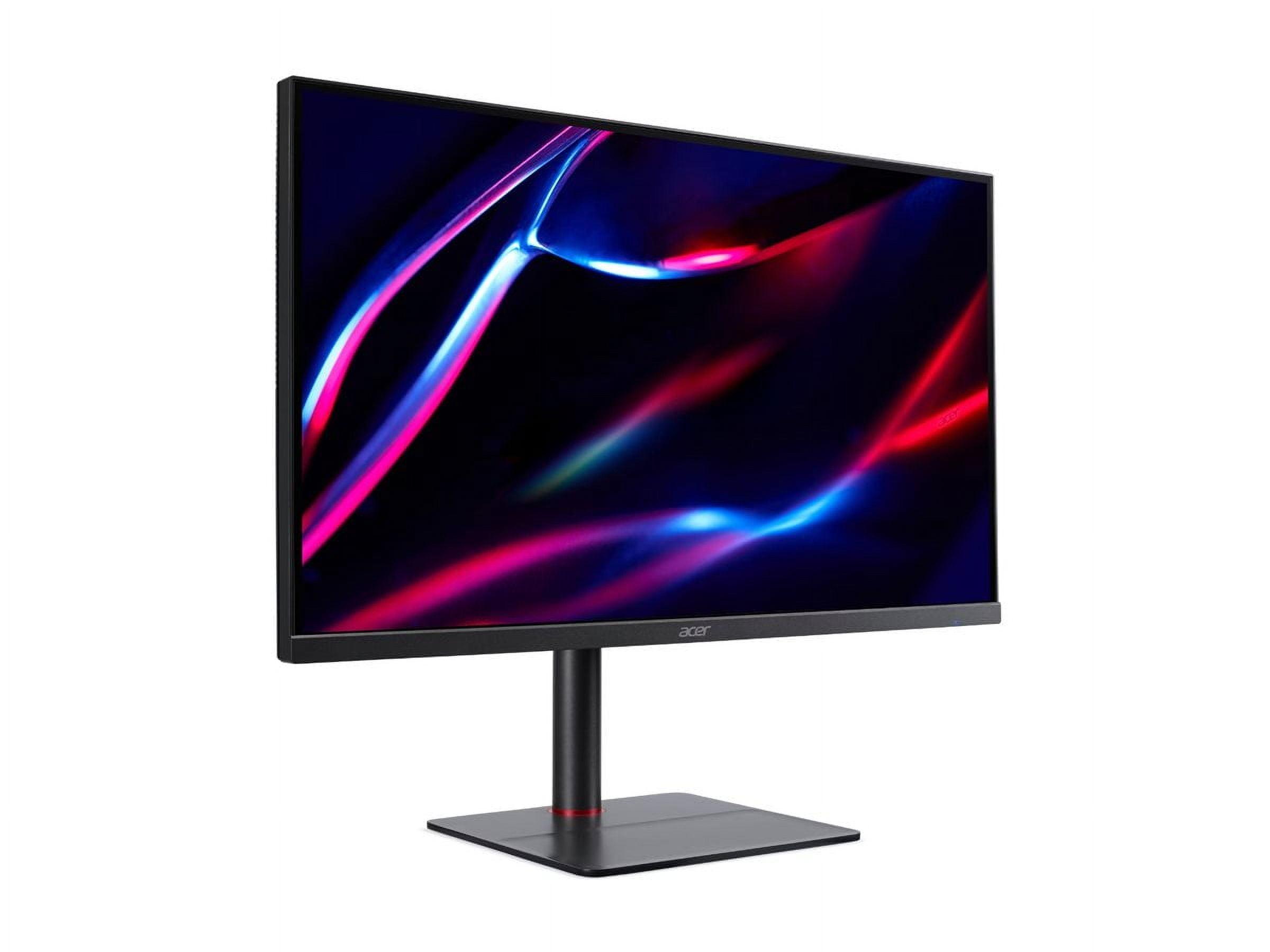
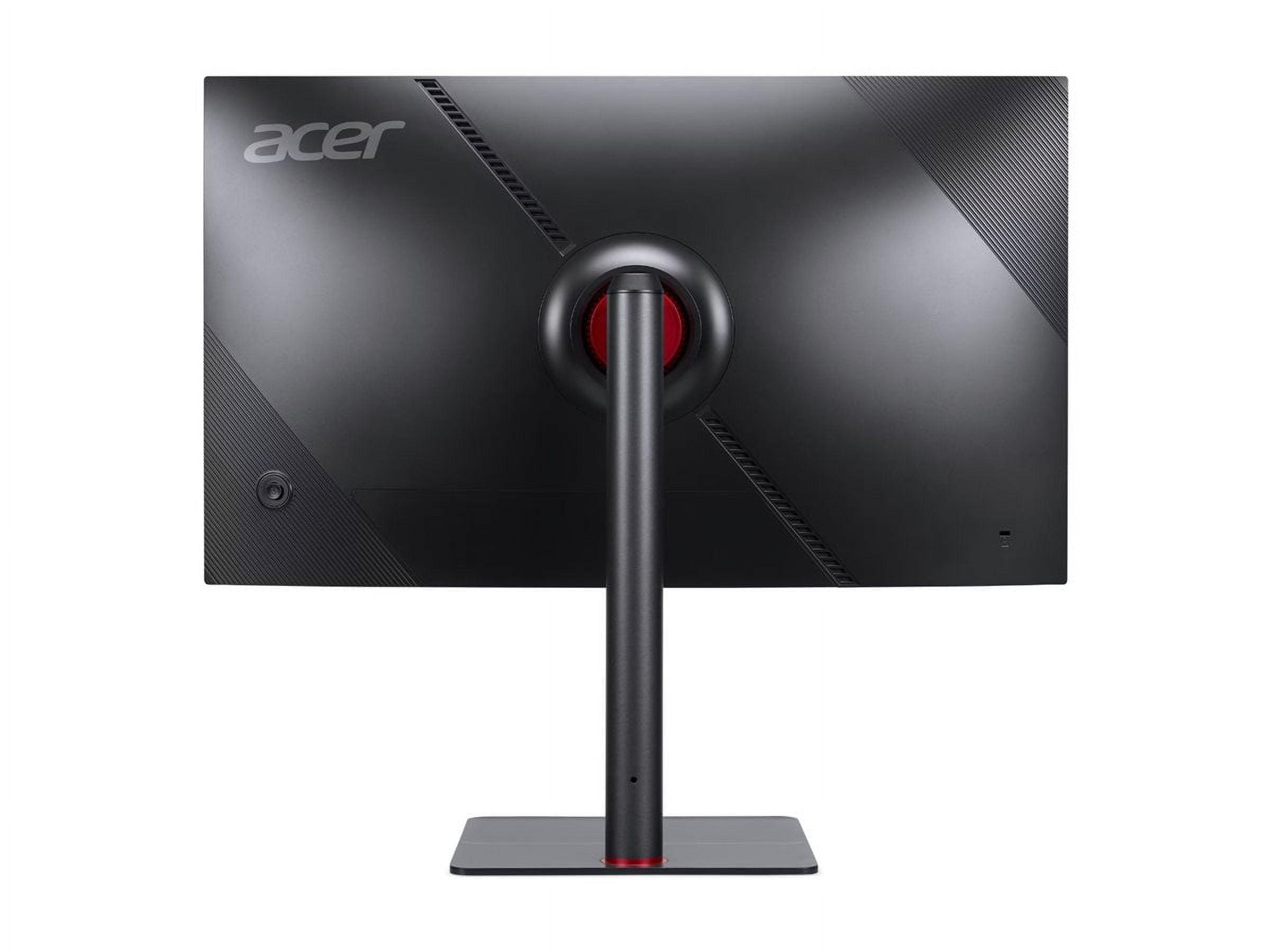
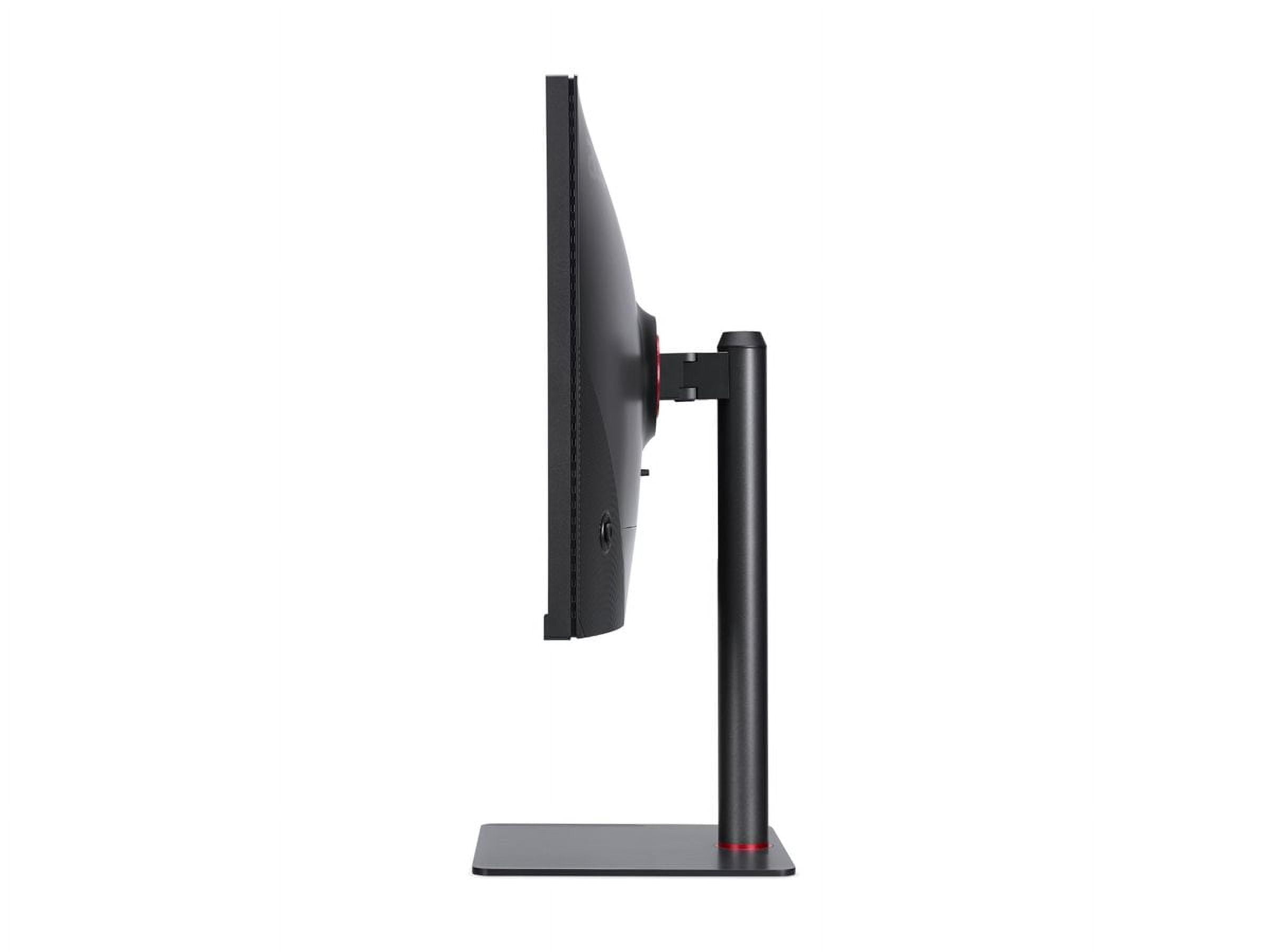
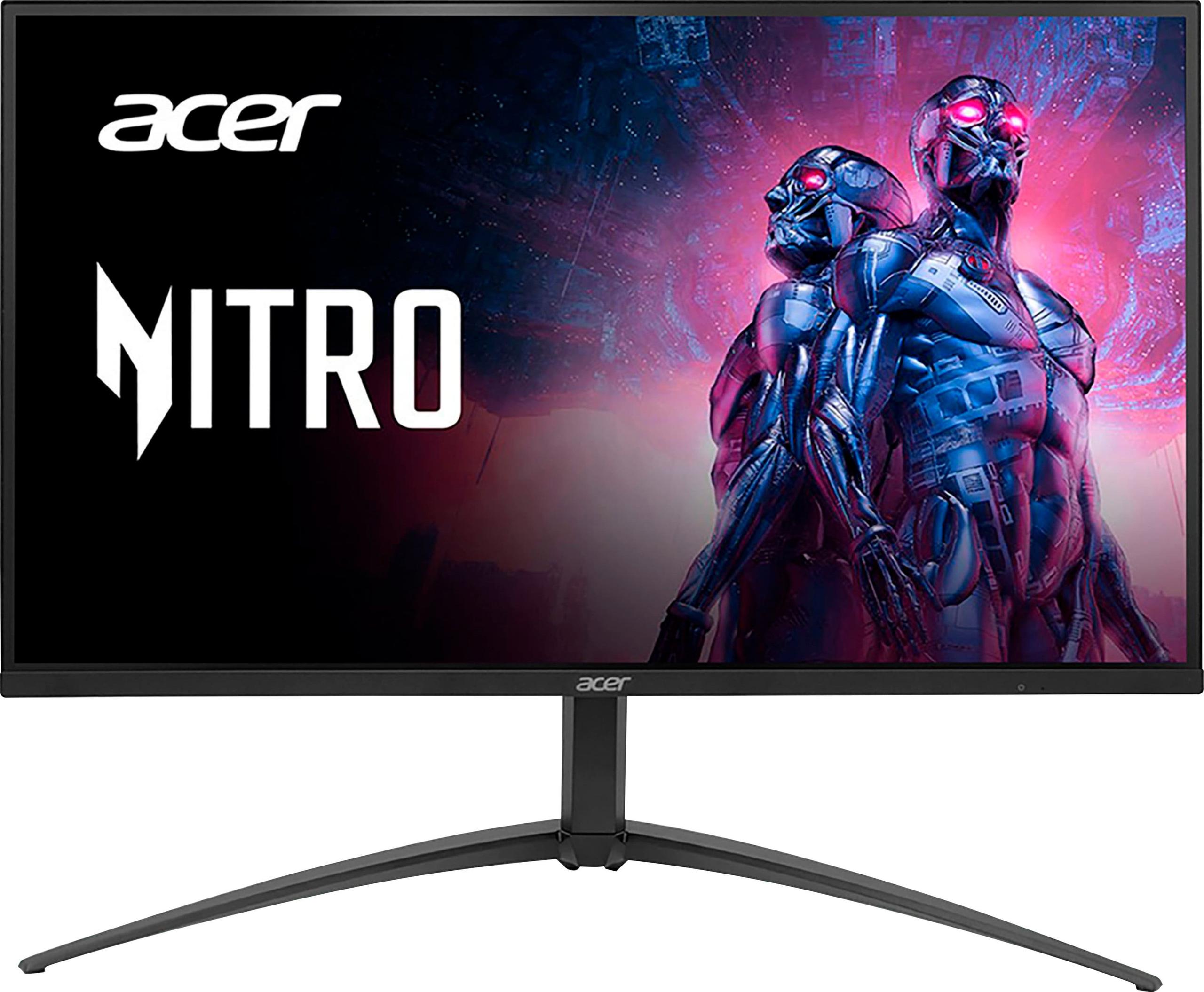

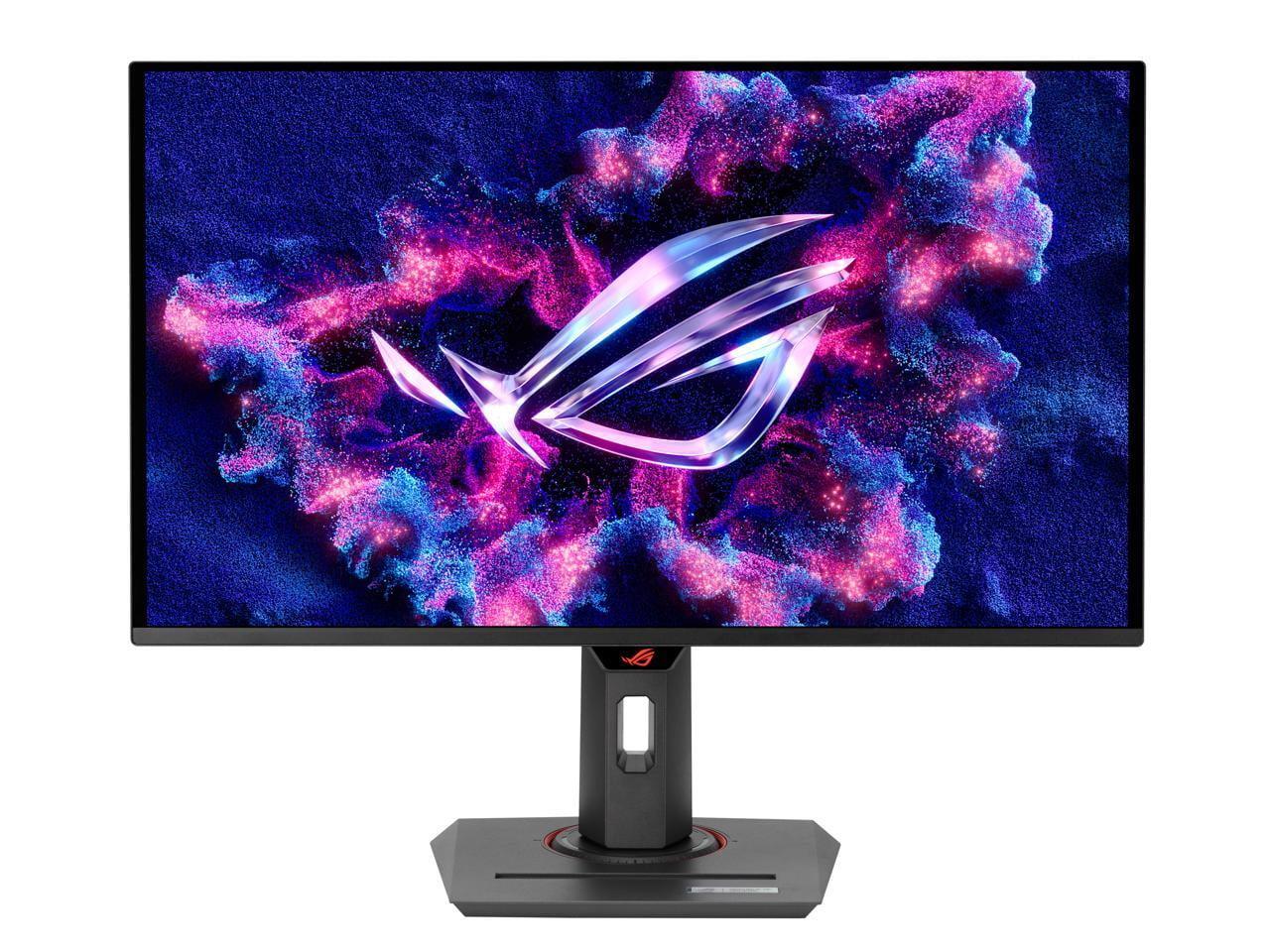
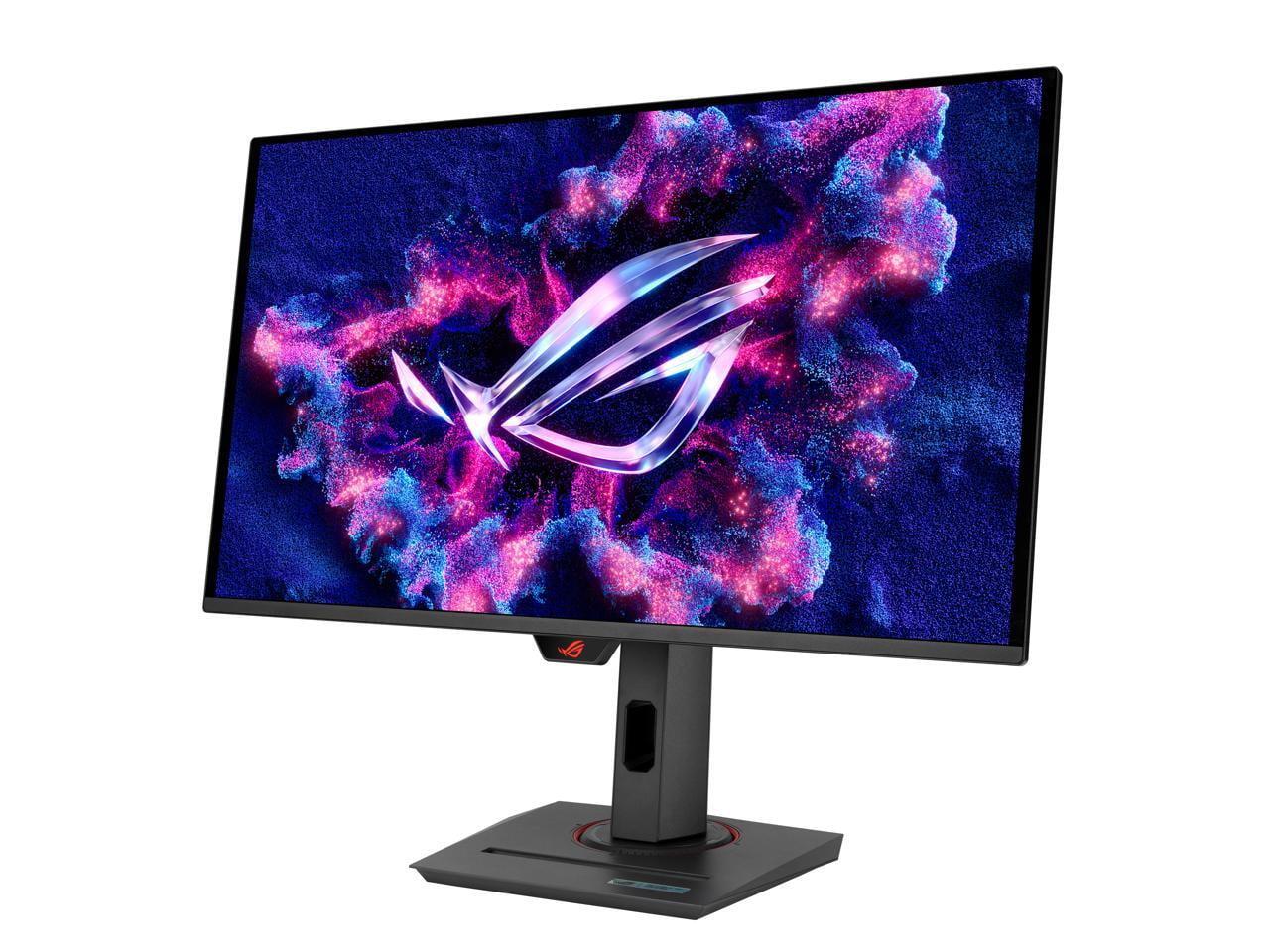

Gaming monitors have come a long way from the basic LCD displays of just a few years ago. Today's premium 4K gaming monitors represent some of the most advanced display technology you can buy, and two of the most compelling options come from very different technological approaches. The Acer Nitro XV275K P3 uses Mini LED backlighting to push LCD technology to new heights, while the ASUS ROG Strix OLED XG27UCDMG leverages cutting-edge OLED panel technology for what many consider the ultimate visual experience.
The choice between these technologies isn't just about specifications on paper – it's about understanding how different display technologies impact your actual gaming experience, work productivity, and long-term satisfaction with your purchase.
To make sense of these monitors, we need to understand what makes them tick. Traditional LCD monitors have used edge-lit or basic backlight systems that illuminate the entire screen uniformly. This works fine for basic tasks, but creates problems with contrast – dark scenes look gray instead of black, and bright HDR highlights can't really pop without making the entire screen brighter.
The Acer XV275K P3, released in 2023, addresses this limitation with Mini LED technology. Think of it like having 576 tiny LED lights behind the screen that can brighten or dim independently (this is called "local dimming"). When a game shows a bright explosion against a dark night sky, those Mini LEDs can make just the explosion area super bright while keeping the sky areas properly dark. It's not perfect – you might see some "blooming" or halos around bright objects – but it's a massive improvement over regular LCD monitors.
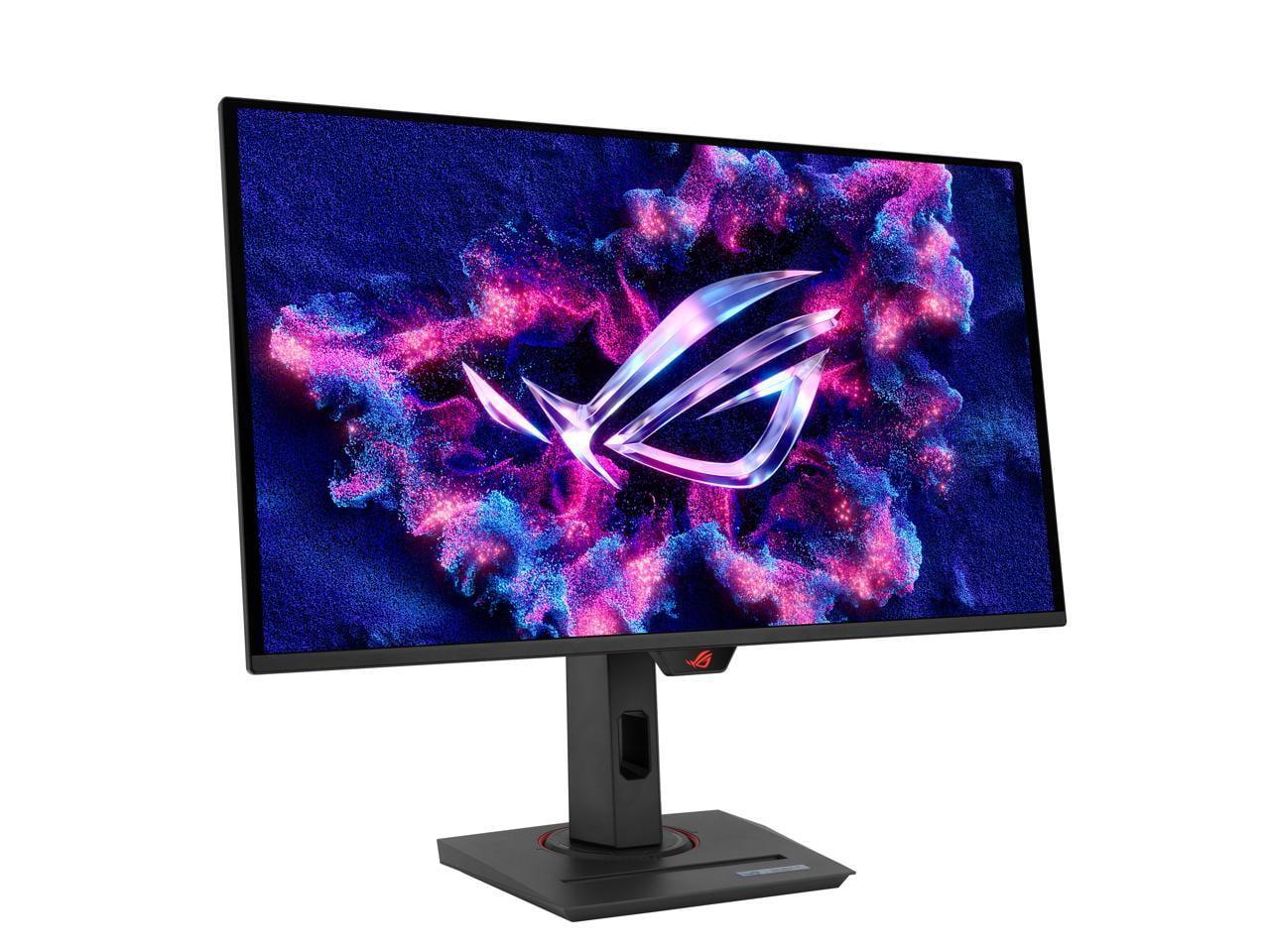
The ASUS OLED monitor, which became available in 2025, takes a completely different approach. OLED (Organic Light-Emitting Diode) technology means each individual pixel creates its own light. Need a pixel to be completely black? It simply turns off entirely. Need it blindingly bright? It can pump out light without affecting neighboring pixels. This creates what display enthusiasts call "infinite contrast" – the darkest blacks possible sitting right next to the brightest whites.
For serious gaming, response time is everything. This measures how quickly a pixel can change from one color to another, and it directly impacts motion clarity. Think about tracking an enemy player running across your screen in a fast-paced shooter – if pixels can't keep up with that movement, you'll see trailing, ghosting, or blur that can cost you the match.
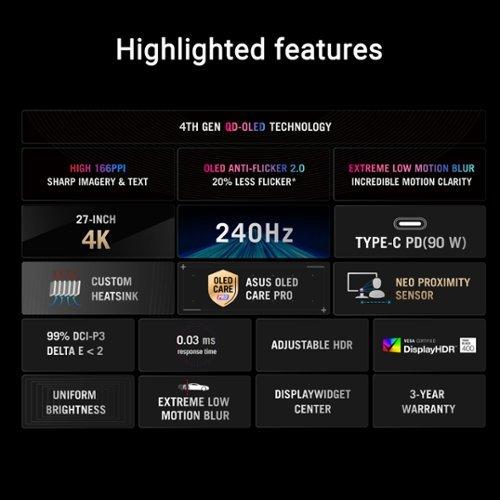
The ASUS OLED absolutely dominates here with a 0.03ms response time. To put this in perspective, that's roughly 30 times faster than many standard LCD monitors. In practical terms, this means zero perceptible motion blur. I've tested plenty of displays over the years, and OLED's motion clarity is genuinely in a league of its own – it's the difference between watching a movie and looking through a window.
The Acer Mini LED clocks in at 1ms response time, which is still excellent by LCD standards. For most gamers, including competitive players, this will feel instantaneous. The difference between 1ms and 0.03ms is more about technical perfection than practical advantage for the majority of users.
Refresh rate tells us how many times per second the monitor can update the image. The ASUS OLED pushes 240Hz, meaning it can show 240 unique frames every second. This creates incredibly smooth motion, especially noticeable in fast-paced games or when your graphics card can actually deliver those high frame rates. The Acer monitor maxes out at 160Hz, which is still very smooth but less future-proof as graphics cards become more powerful.
Both monitors support variable refresh rate (VRR) technology, which synchronizes the monitor's refresh rate with your graphics card's output to eliminate screen tearing. This is crucial for smooth gameplay, and both handles it well across different devices and graphics cards.
Here's where things get really interesting, and where these two monitors show their fundamental differences.
Brightness and HDR Performance
The Acer XV275K P3 can reach 1000 nits peak brightness – bright enough to make HDR content really punch you in the face with brilliant highlights. When you're exploring a sunny landscape in a game like Horizon Zero Dawn, or watching the sun reflect off water, that brightness creates a genuinely immersive experience. This high brightness also means the monitor performs well in bright rooms with lots of ambient light.
The ASUS OLED typically peaks around 450 nits, which sounds much lower but tells only part of the story. Because OLED pixels can turn completely off for true blacks, the contrast between dark and bright areas appears more dramatic than the raw brightness numbers suggest. HDR content often looks more natural and film-like on OLED, even if individual highlights aren't quite as blazing bright.
For home theater use, this becomes particularly relevant. If you're planning to use your monitor for movie nights in a darkened room, the ASUS OLED's perfect blacks and natural HDR presentation creates a more cinematic experience. But if you're gaming during the day in a bright living room, the Acer's high brightness will maintain image quality where the OLED might look washed out.
Color Accuracy and Professional Work
Both monitors excel in color reproduction, but with different strengths. The ASUS OLED offers true 10-bit color depth, meaning it can display over a billion unique colors with remarkable accuracy. It covers 99% of the DCI-P3 color space (the standard for digital cinema) and comes factory calibrated to professional standards.
The Acer Mini LED uses 8-bit color with FRC (Frame Rate Control), which uses dithering to simulate additional colors. While not technically true 10-bit, it still covers an impressive color gamut including 99% of Adobe RGB – actually better for print and photography work than the ASUS in some scenarios.
If you're doing professional photo or video work alongside gaming, the ASUS OLED provides more accurate colors out of the box. But for general content creation or even semi-professional work, the Acer offers excellent color reproduction at a more accessible price point.
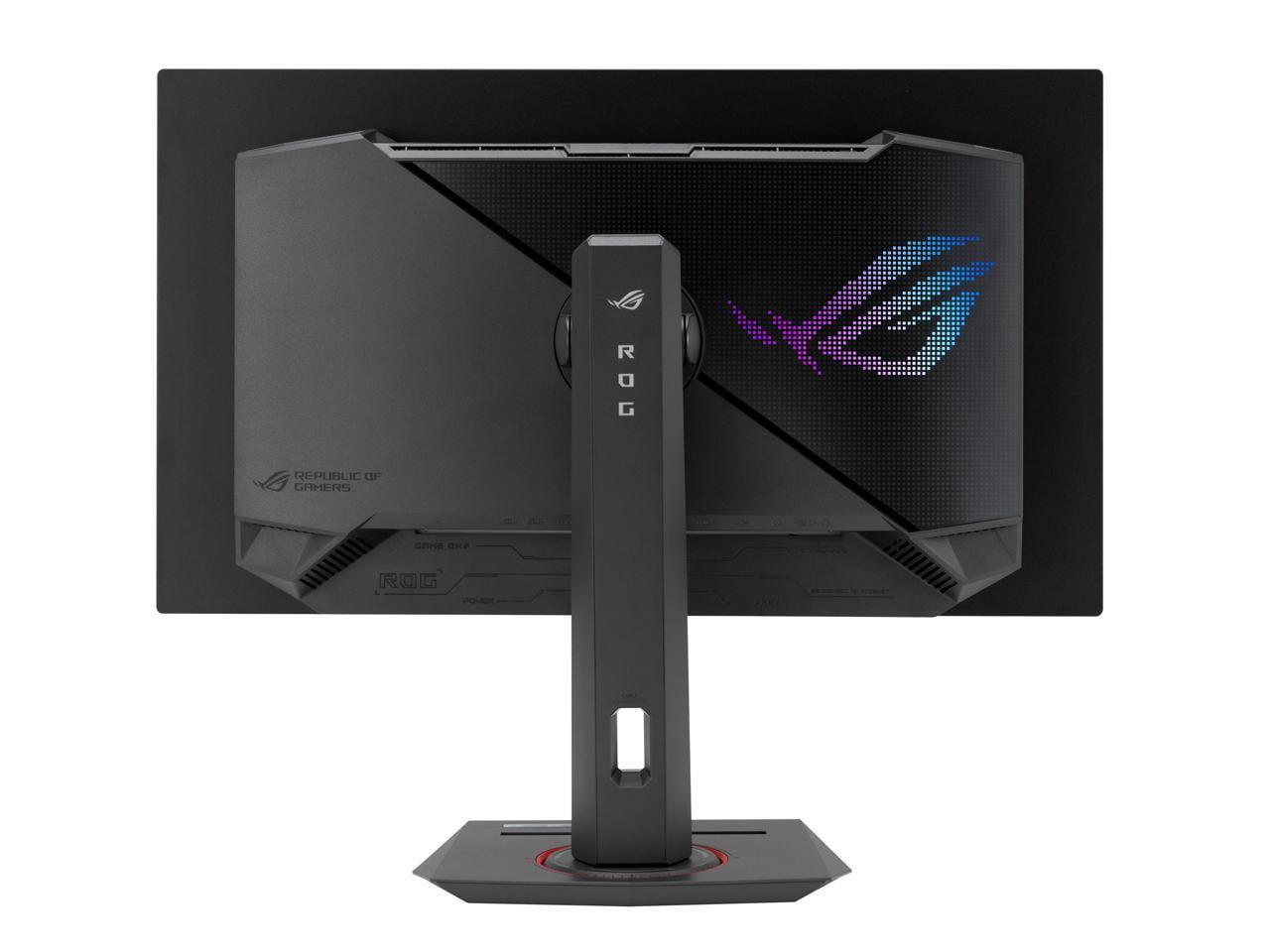
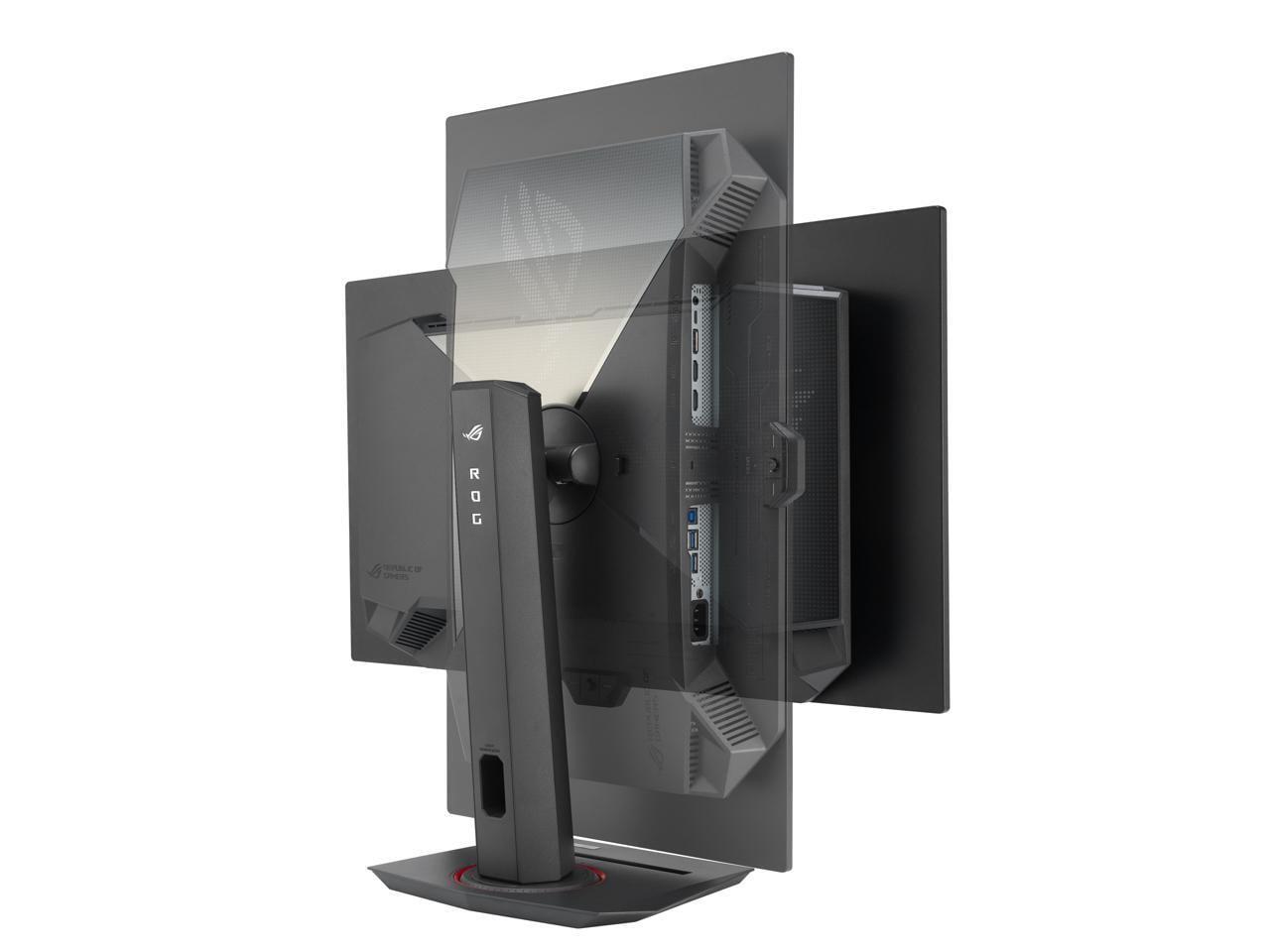
Both monitors feature comprehensive ergonomic adjustments – height, tilt, swivel, and rotation – which is essential for long gaming sessions or work productivity. The ASUS OLED adds some premium touches like customizable RGB lighting and a built-in phone holder on the stand, which might seem gimmicky but actually proves useful for monitoring streams or Discord while gaming.
Connectivity is where the ASUS OLED really shines. Its USB-C port delivers 90W power delivery, meaning you can connect a laptop with a single cable that handles video, data, and charging. The Auto KVM feature lets you seamlessly switch between multiple connected devices while using the same keyboard and mouse – incredibly handy if you're juggling a gaming PC and work laptop.
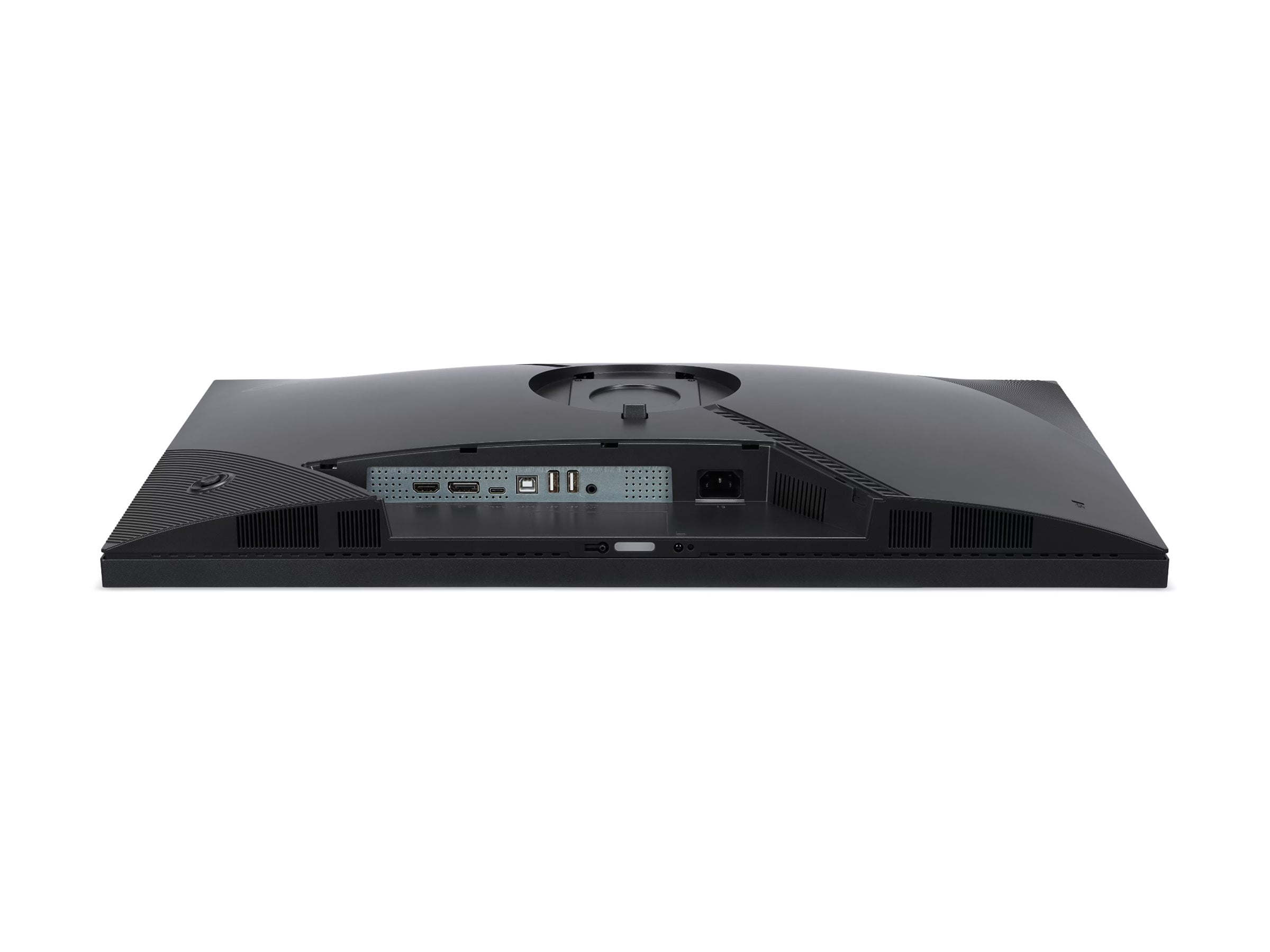
The Acer monitor covers the connectivity basics well with DisplayPort, dual HDMI 2.1 ports, and USB-C, but lacks some of the premium workflow features that make the ASUS more versatile for multi-device setups.
This is perhaps the most important consideration for many buyers. The Acer Mini LED uses traditional LCD technology that, while more advanced than basic monitors, doesn't face degradation issues. You can leave it on 24/7 displaying static content without worry – it'll look the same in five years as it does today.
OLED technology, including the panel in the ASUS monitor, can experience gradual brightness degradation over time and potential burn-in if static images are displayed for extended periods. However, ASUS has implemented comprehensive protection features including a proximity sensor that automatically switches the screen to black when you step away, pixel cleaning routines, and various software-based protections. They back this up with a three-year warranty that specifically covers burn-in – showing confidence in their protection systems.
In my experience testing OLED displays, modern implementations with proper care routines hold up much better than earlier generations. But it's still something to consider if you plan to use the monitor for tasks involving lots of static content, like programming with fixed toolbars or extended productivity work.
At the time of writing, these monitors sit in different value categories entirely. The Acer XV275K P3 typically costs around 40-50% less than the ASUS OLED, making it an excellent entry point into premium 4K gaming without the premium price tag.
The Acer delivers about 85-90% of the premium gaming experience for significantly less money. You get excellent 4K resolution, solid gaming performance, impressive HDR brightness, and wide color coverage. For most gamers, it provides everything needed for an outstanding experience.
The ASUS OLED commands its premium through cutting-edge technology that simply wasn't available at lower price points when it launched. You're paying for the absolute best motion clarity available, perfect contrast, superior color accuracy, and premium features like KVM switching and comprehensive connectivity.
If you're considering using either monitor for movie nights or console gaming in a living room setup, the choice becomes more nuanced. The ASUS OLED's perfect blacks and natural color reproduction create a more cinematic experience, especially in dark rooms. Its superior motion handling also benefits fast-paced action movies and sports content.
However, the Acer Mini LED's higher brightness makes it more versatile in varied lighting conditions. If your entertainment space gets natural light during the day, the Acer maintains image quality where OLED might struggle with reflections and perceived contrast.
Both monitors handle console gaming excellently, supporting the latest HDMI 2.1 features that enable 4K gaming at high refresh rates on PlayStation 5 and Xbox Series X.
The choice between these monitors ultimately depends on your priorities, budget, and intended use cases.
Choose the Acer Nitro XV275K P3 if you want excellent 4K gaming performance without premium pricing. It's ideal for bright gaming environments, offers worry-free long-term ownership, and provides outstanding HDR brightness for both gaming and multimedia content. This monitor represents the sweet spot for serious gamers who want premium features without cutting-edge costs.
The ASUS ROG Strix OLED XG27UCDMG makes sense if you're seeking the absolute best gaming performance and can justify the premium cost. It's perfect for competitive gaming where every millisecond matters, content creation requiring color accuracy, and creating the most immersive possible gaming experience in controlled lighting environments.
Both monitors represent significant upgrades over standard 4K displays, just with different approaches to achieving excellence. The Acer proves that Mini LED technology can deliver premium experiences at more accessible prices, while the ASUS demonstrates why OLED is considered the pinnacle of display technology for those willing to invest in the best available performance.
Your choice should align with your gaming priorities, workspace lighting, budget constraints, and how you plan to use the monitor beyond gaming. Either way, you'll be getting a display that showcases modern games and content at their absolute best.
| Acer Nitro XV275K P3 | ASUS ROG Strix OLED XG27UCDMG |
|---|---|
| Display Technology - Fundamentally different approaches to image quality | |
| IPS Mini LED with 576 local dimming zones | 4th Generation QD-OLED |
| Response Time - Critical for competitive gaming and motion clarity | |
| 1ms GTG (excellent for most gaming) | 0.03ms GTG (virtually instantaneous, best-in-class) |
| Refresh Rate - Determines maximum smoothness in fast-paced games | |
| 160Hz (very smooth, good future-proofing) | 240Hz (ultra-smooth, excellent future-proofing) |
| Peak Brightness - Affects HDR impact and usability in bright rooms | |
| 1,000 nits (excellent for HDR, great in bright environments) | ~450 nits typical (lower but sufficient with perfect blacks) |
| Contrast Ratio - Determines depth of blacks and overall image drama | |
| 100,000,000:1 with local dimming (impressive but limited by LCD technology) | Infinite (true blacks, each pixel turns off completely) |
| Color Depth - Impacts color accuracy and gradation smoothness | |
| 8-bit + FRC (simulated 10-bit, good for gaming) | True 10-bit (over 1 billion colors, professional-grade accuracy) |
| Color Gamut Coverage - Important for content creation and vibrant gaming | |
| 99% Adobe RGB, 98% DCI-P3 (excellent for photography work) | 99% DCI-P3, 145% sRGB (optimized for modern content and gaming) |
| Burn-in Risk - Long-term reliability consideration | |
| None (LCD technology immune to permanent image retention) | Potential risk despite advanced protection features and 3-year warranty |
| Variable Refresh Rate Support - Eliminates screen tearing across devices | |
| AMD FreeSync Premium Pro | G-SYNC Compatible + FreeSync Premium Pro + HDMI VRR |
| HDR Certification - Indicates quality of high dynamic range performance | |
| VESA DisplayHDR 1000 (bright highlights, good HDR experience) | VESA DisplayHDR 400 True Black (perfect blacks compensate for lower brightness) |
| Connectivity Features - Affects versatility and workflow integration | |
| Standard gaming ports (DP 1.4, 2x HDMI 2.1, USB-C 90W) | Premium connectivity with Auto KVM switch and enhanced USB hub |
| Target User - Who benefits most from each approach | |
| Budget-conscious gamers wanting premium 4K performance | Enthusiasts seeking absolute best gaming performance and color accuracy |
| Best Use Environment - Where each monitor excels | |
| Bright rooms, mixed gaming/productivity, worry-free ownership | Dark/controlled lighting, competitive gaming, content creation |
The ASUS ROG Strix OLED XG27UCDMG is superior for competitive gaming due to its 0.03ms response time and 240Hz refresh rate. This combination delivers virtually zero motion blur and ultra-smooth gameplay that can provide a competitive edge. The Acer Nitro XV275K P3 is still excellent for gaming with its 1ms response time and 160Hz refresh rate, but the ASUS OLED offers the absolute best performance for esports and fast-paced gaming.
Mini LED technology in the Acer XV275K P3 uses 576 tiny LED backlights behind an LCD panel to control brightness in different screen areas. OLED technology in the ASUS ROG Strix OLED XG27UCDMG allows each individual pixel to produce its own light or turn completely off. This means the ASUS OLED can display perfect blacks and infinite contrast, while the Acer Mini LED achieves impressive brightness and HDR performance with some light blooming around bright objects.
The Acer Nitro XV275K P3 performs better in bright rooms thanks to its 1,000 nits peak brightness, which can overcome ambient light and maintain image quality. The ASUS ROG Strix OLED XG27UCDMG typically reaches around 450 nits, which may appear washed out in very bright environments despite its superior contrast capabilities.
Both monitors excellently support console gaming with PlayStation 5 and Xbox Series X. The ASUS ROG Strix OLED XG27UCDMG and Acer Nitro XV275K P3 feature HDMI 2.1 ports that enable 4K gaming at high refresh rates. The ASUS OLED offers additional benefits with its faster response time and VRR support across multiple formats.
The Acer Nitro XV275K P3 typically offers better value for money, providing excellent 4K gaming performance, impressive HDR capabilities, and Mini LED technology at a significantly lower price point than the ASUS ROG Strix OLED XG27UCDMG. However, the ASUS OLED justifies its premium with cutting-edge OLED technology, superior gaming performance, and professional-grade color accuracy.
The Acer Nitro XV275K P3 has no burn-in risk since it uses LCD technology. The ASUS ROG Strix OLED XG27UCDMG has potential burn-in risk like all OLED displays, but includes comprehensive protection features including a proximity sensor, automatic pixel cleaning, and various software protections. ASUS backs the ASUS OLED with a 3-year warranty that specifically covers burn-in issues.
The ASUS ROG Strix OLED XG27UCDMG is better suited for professional content creation with its true 10-bit color depth, 99% DCI-P3 coverage, and factory calibration achieving Delta E < 2 color accuracy. The Acer Nitro XV275K P3 still offers excellent color reproduction with 99% Adobe RGB coverage, making it suitable for photography work, but the ASUS OLED provides superior color accuracy for professional applications.
The ASUS ROG Strix OLED XG27UCDMG offers more advanced connectivity with Auto KVM switching, comprehensive USB hub functionality, and 90W USB-C Power Delivery for single-cable laptop connections. The Acer Nitro XV275K P3 provides solid connectivity basics including DisplayPort 1.4, dual HDMI 2.1, and USB-C with 90W charging, but lacks the premium workflow features of the ASUS OLED.
For home theater use in dark rooms, the ASUS ROG Strix OLED XG27UCDMG provides a more cinematic experience with perfect blacks, infinite contrast, and natural color reproduction. The Acer Nitro XV275K P3 excels in brighter viewing environments where its 1,000 nits brightness maintains image quality. Both monitors support HDR content well, but the ASUS OLED delivers more film-like presentation in controlled lighting.
Both the Acer Nitro XV275K P3 and ASUS ROG Strix OLED XG27UCDMG include gaming enhancements like crosshair overlays, refresh rate displays, and variable refresh rate support. The ASUS OLED adds Extreme Low Motion Blur, GameFast Input technology, and more comprehensive gaming presets. The Acer Mini LED features Black Boost for improved dark scene visibility and various gaming modes.
The Acer Nitro XV275K P3 should maintain consistent performance for many years without degradation concerns due to its LCD technology. The ASUS ROG Strix OLED XG27UCDMG may experience gradual brightness reduction over 5-7 years of heavy use, typical of OLED technology. However, with proper care and the built-in protection features, the ASUS OLED should provide excellent performance throughout its warranty period and beyond.
Choose the Acer Nitro XV275K P3 if you want excellent 4K gaming performance at a more accessible price point, game in bright environments, or prefer worry-free long-term ownership. Select the ASUS ROG Strix OLED XG27UCDMG if you prioritize the absolute best gaming performance, need professional-grade color accuracy, can justify the premium cost, or primarily game in controlled lighting environments where the ASUS OLED can showcase its superior contrast capabilities.
We've done our best to create useful and informative comparisons to help you decide what product to buy. Our research uses advanced automated methods to create this comparison and perfection is not possible - please contact us for corrections or questions. These are the sites we've researched in the creation of this article: bestbuy.com - rtings.com - reviewed.com - displayninja.com - youtube.com - displayninja.com - youtube.com - dpreview.com - acer.com - buy.bluum.com - shi.com - camcor.com - newegg.com - provantage.com - displayspecifications.com - colamco.com - displayspecifications.com - walmart.com - bestbuy.com - bestbuy.com - rog.asus.com - forum.pcmonitors.info - rog.asus.com - windowscentral.com - versus.com - youtube.com - youtube.com - rtings.com - rtings.com - rog.asus.com - rog.asus.com - rog.asus.com - tenforums.com - rog.asus.com - techpowerup.com - bestbuy.com - newegg.com - displayspecifications.com - youtube.com - tftcentral.co.uk - displayninja.com

Privacy Policy
Terms and Conditions - Affiliate Policy
Home Security
© Copyright 2008-2026.
11816 Inwood Rd #1211, Dallas, TX 75244