

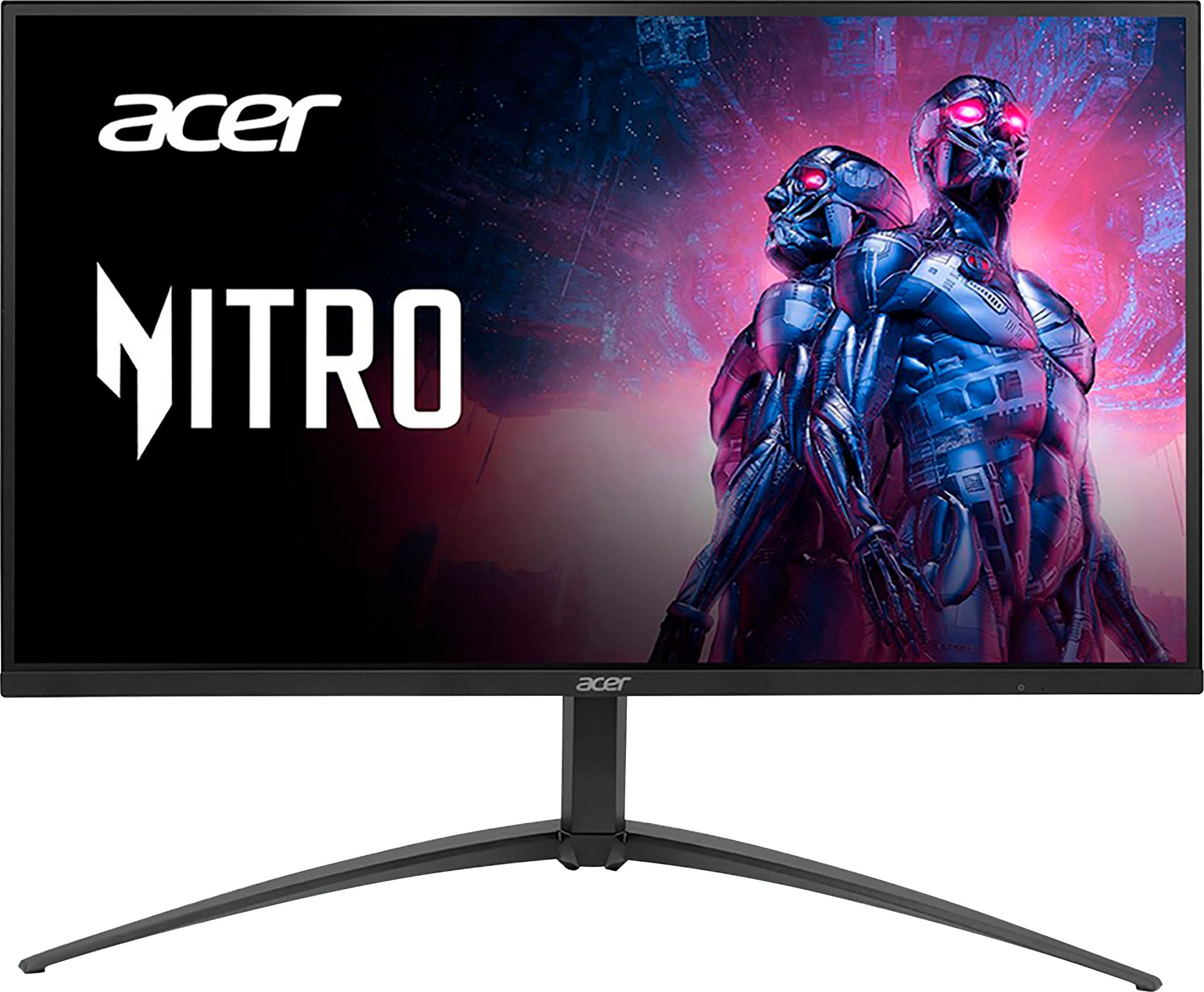
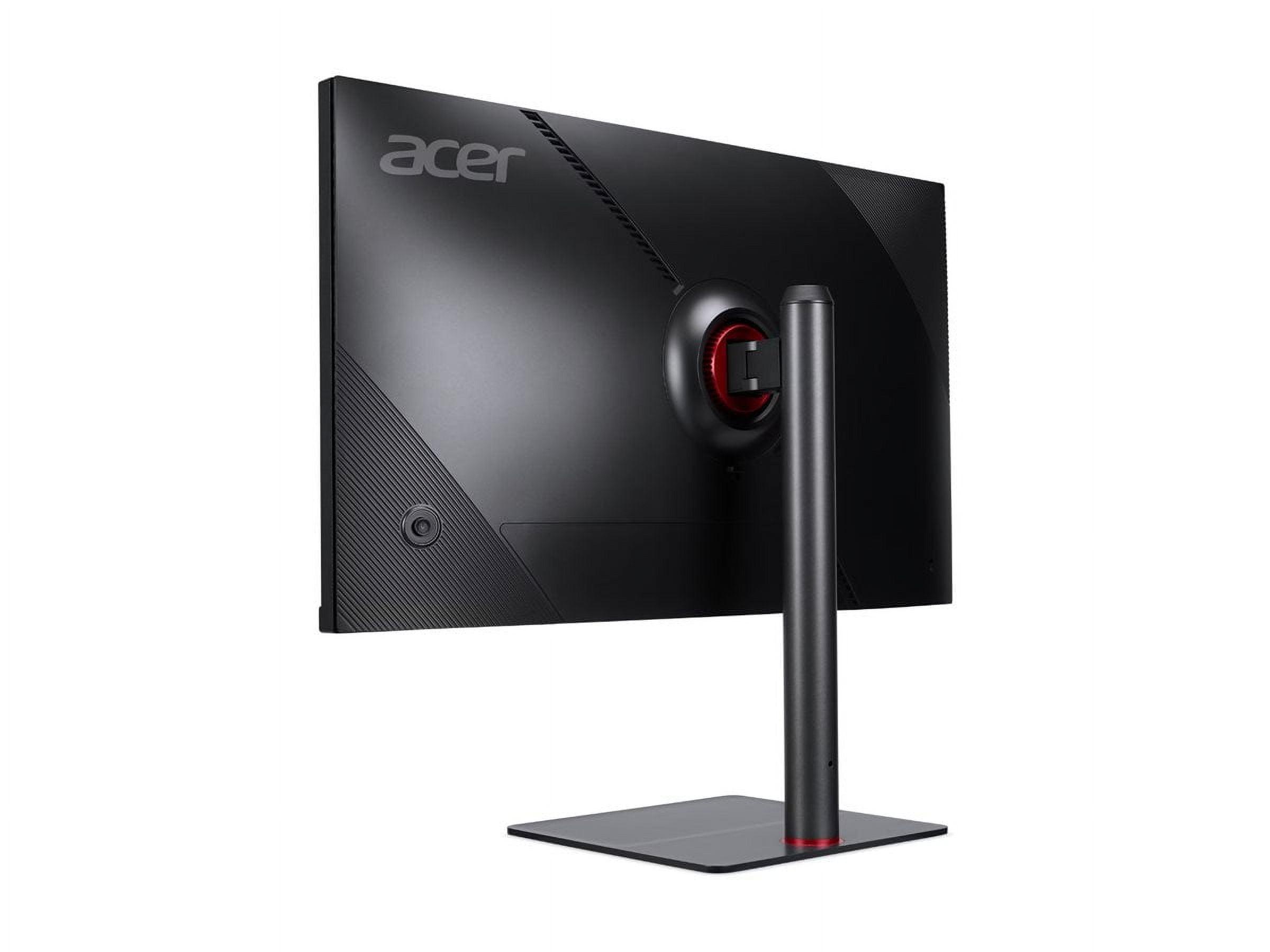
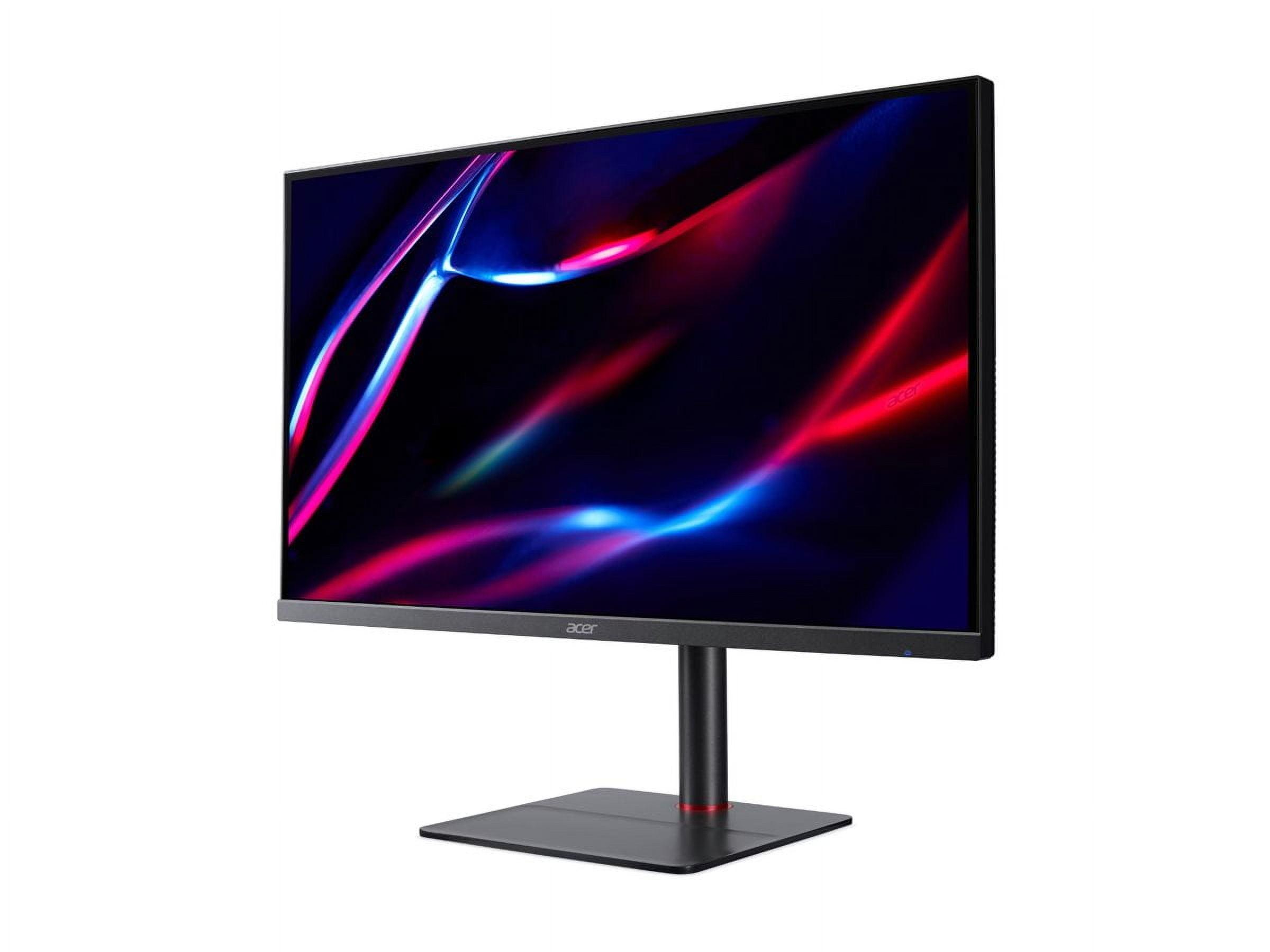
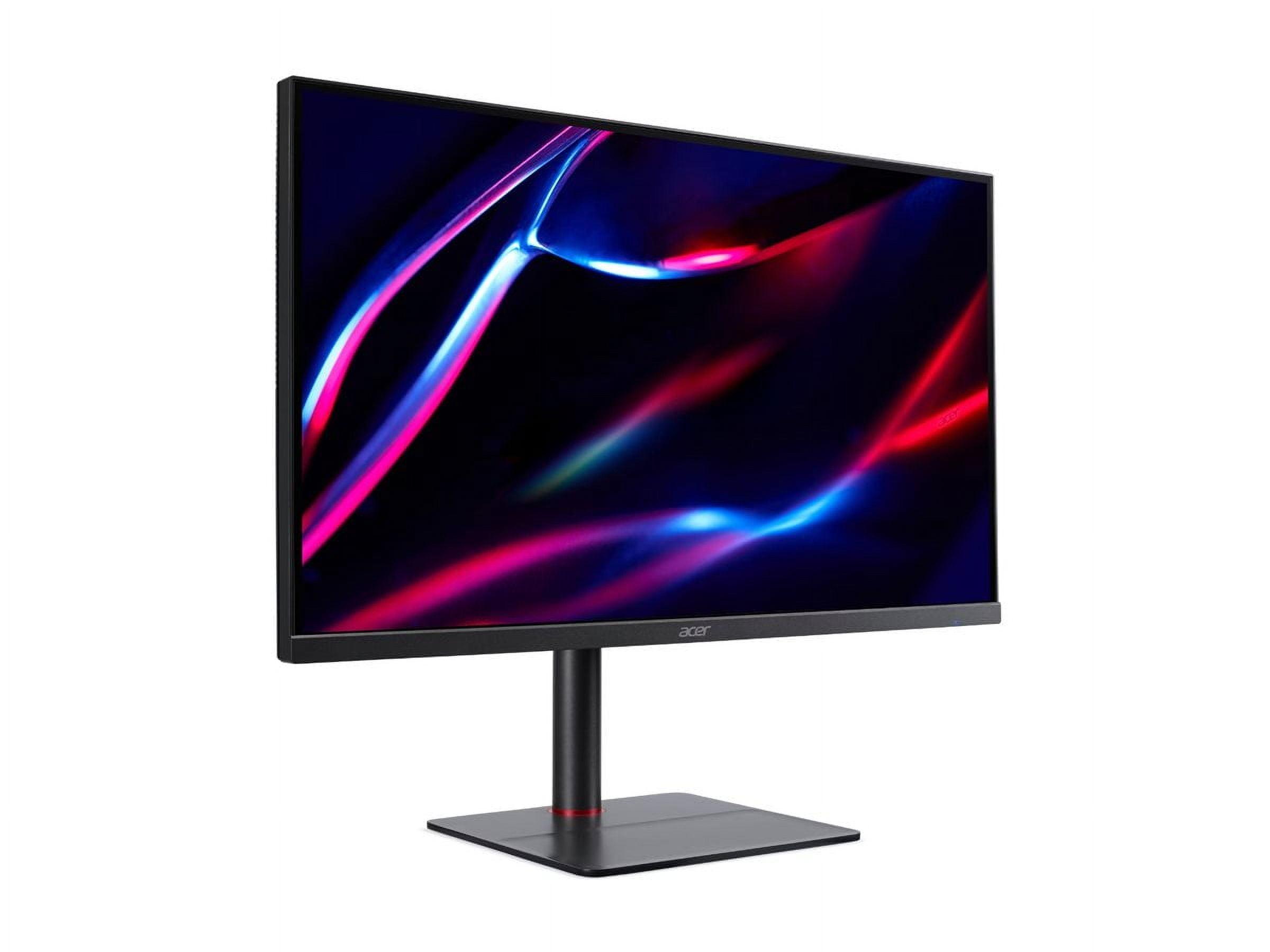
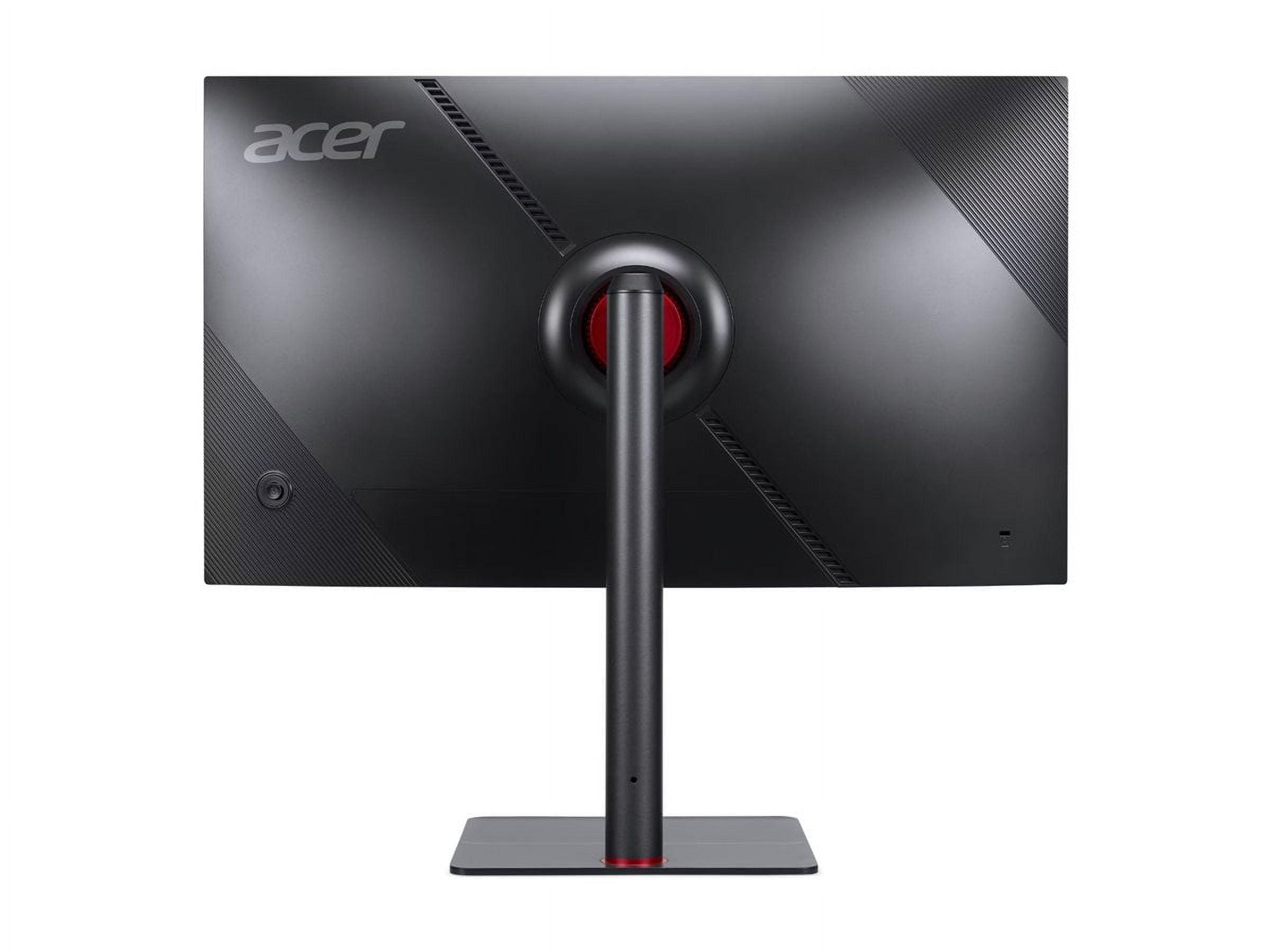
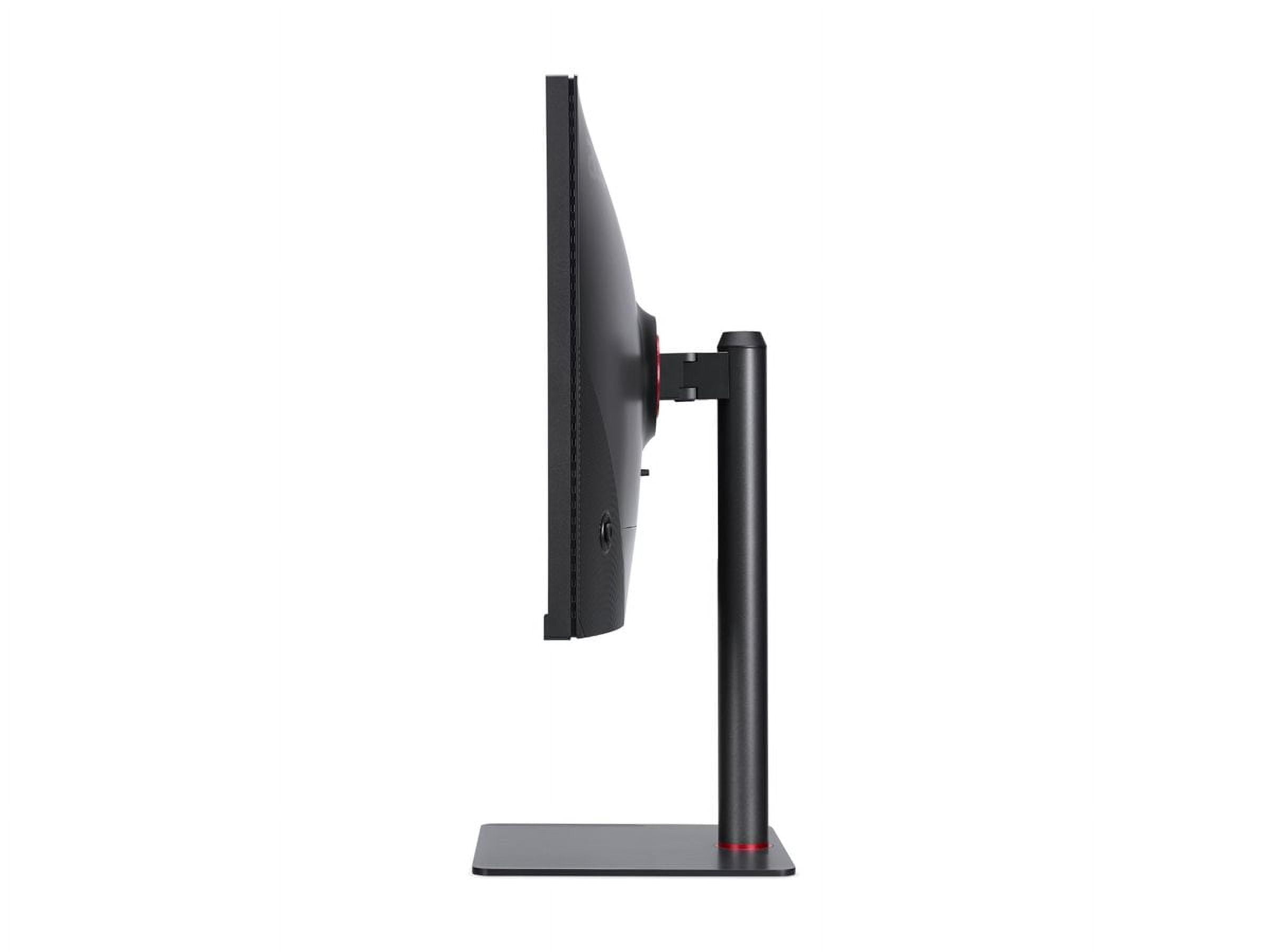
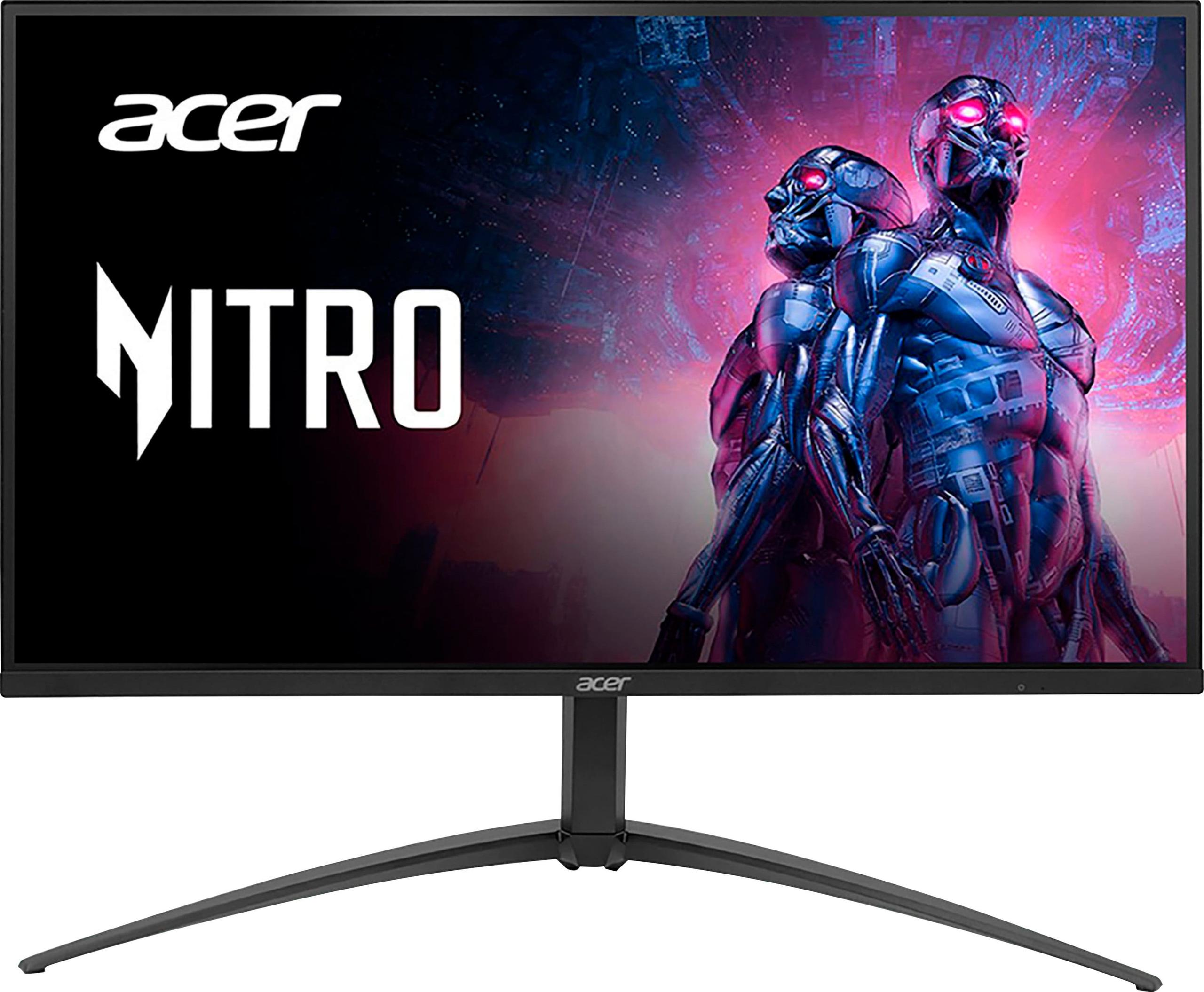
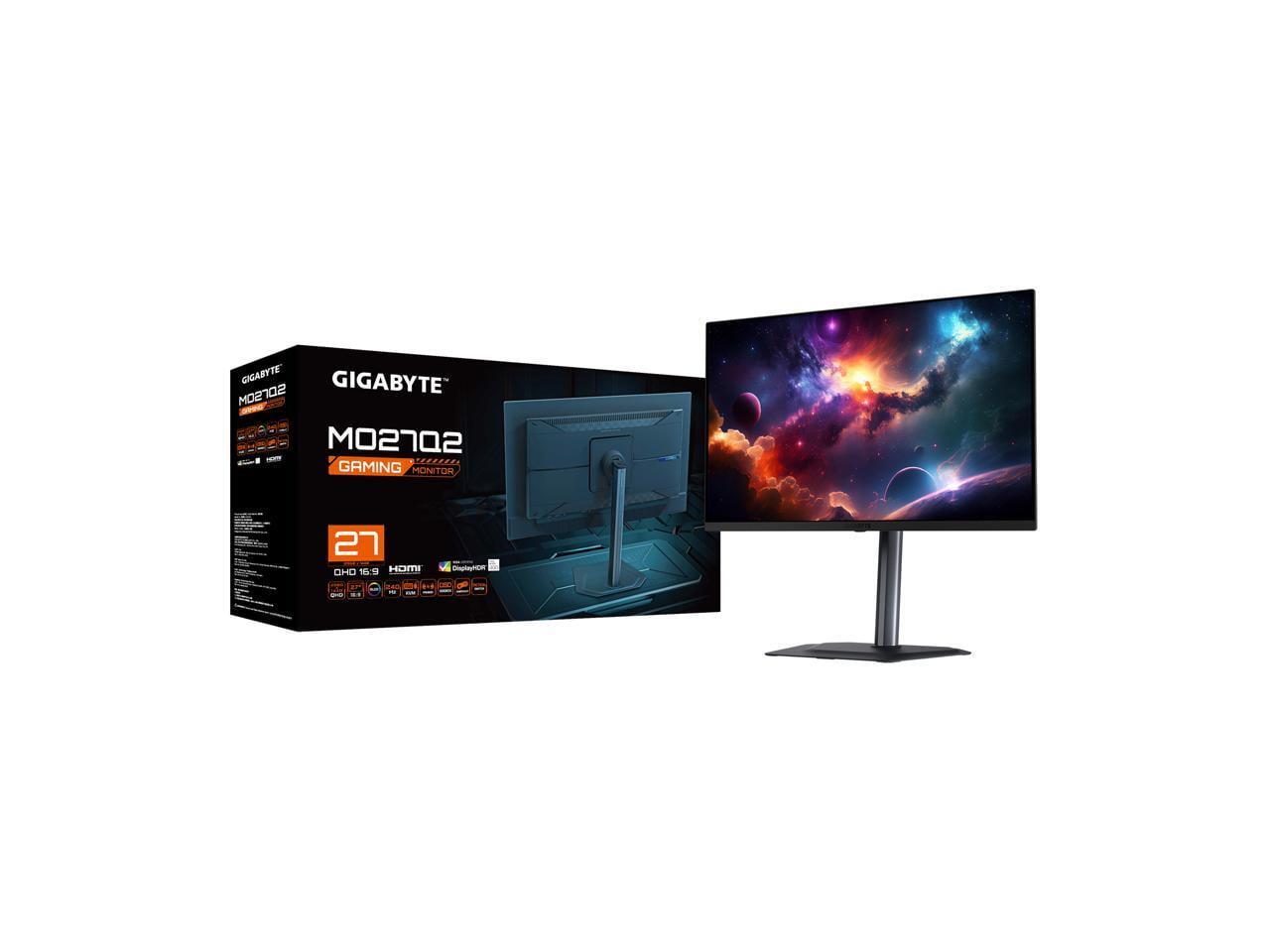
When shopping for a premium gaming monitor in 2024, you're faced with more exciting choices than ever before. Two standout options represent completely different approaches to delivering exceptional gaming experiences: the Acer Nitro XV275K P3 with its 4K Mini LED technology, and the GIGABYTE MO27Q2 featuring cutting-edge QD-OLED display technology.
Both monitors launched in 2024, riding the wave of significant display innovations that have transformed gaming over the past few years. The gaming monitor landscape has evolved dramatically since 2020, with manufacturers finally delivering on promises of true HDR gaming, ultra-high refresh rates, and display technologies that were previously exclusive to premium TVs.
Before diving into specifics, let's establish what makes a gaming monitor truly exceptional. The most critical factors include display technology (which determines how pixels create light and color), resolution (how many pixels fit on the screen), refresh rate (how many times per second the screen updates), and HDR performance (how bright highlights can get and how dark shadows can be).
Modern gaming monitors must balance these characteristics because improving one often means compromising another. Higher resolution provides sharper visuals but demands more graphics processing power. Higher refresh rates create smoother motion but typically require lower resolutions to achieve. Understanding these trade-offs is essential for making the right choice.
The Acer Nitro XV275K P3 and GIGABYTE MO27Q2 represent two distinct philosophies in this balancing act, each excelling in different areas that appeal to different types of gamers.
The Acer Nitro XV275K P3 utilizes Mini LED backlighting, which represents a significant evolution from traditional LED monitors. Instead of using a few dozen LED zones around the screen's edges, Mini LED employs hundreds of tiny LEDs directly behind the LCD panel. In this case, 576 individual zones can brighten or dim independently.
Think of it like having 576 tiny flashlights behind your screen, each capable of turning on or off to create the perfect lighting for different parts of your image. When you're exploring a dark cave in a game with a bright torch, the Mini LED system can make the torch area incredibly bright while keeping the surrounding darkness truly dark.
This technology excels in mixed lighting scenarios—those dramatic moments where bright sunlight streams through a dark forest, or when HDR movie scenes transition from shadowy interiors to brilliant outdoor scenes. The XV275K P3 achieves VESA DisplayHDR 1000 certification, meaning it can produce highlights that are genuinely eye-catching and closer to what you'd see in real life.
However, Mini LED isn't perfect. Since it's still an LCD panel with a backlight, you might notice some "blooming" around bright objects on dark backgrounds—a subtle halo effect that's most noticeable in dark rooms during high-contrast scenes.
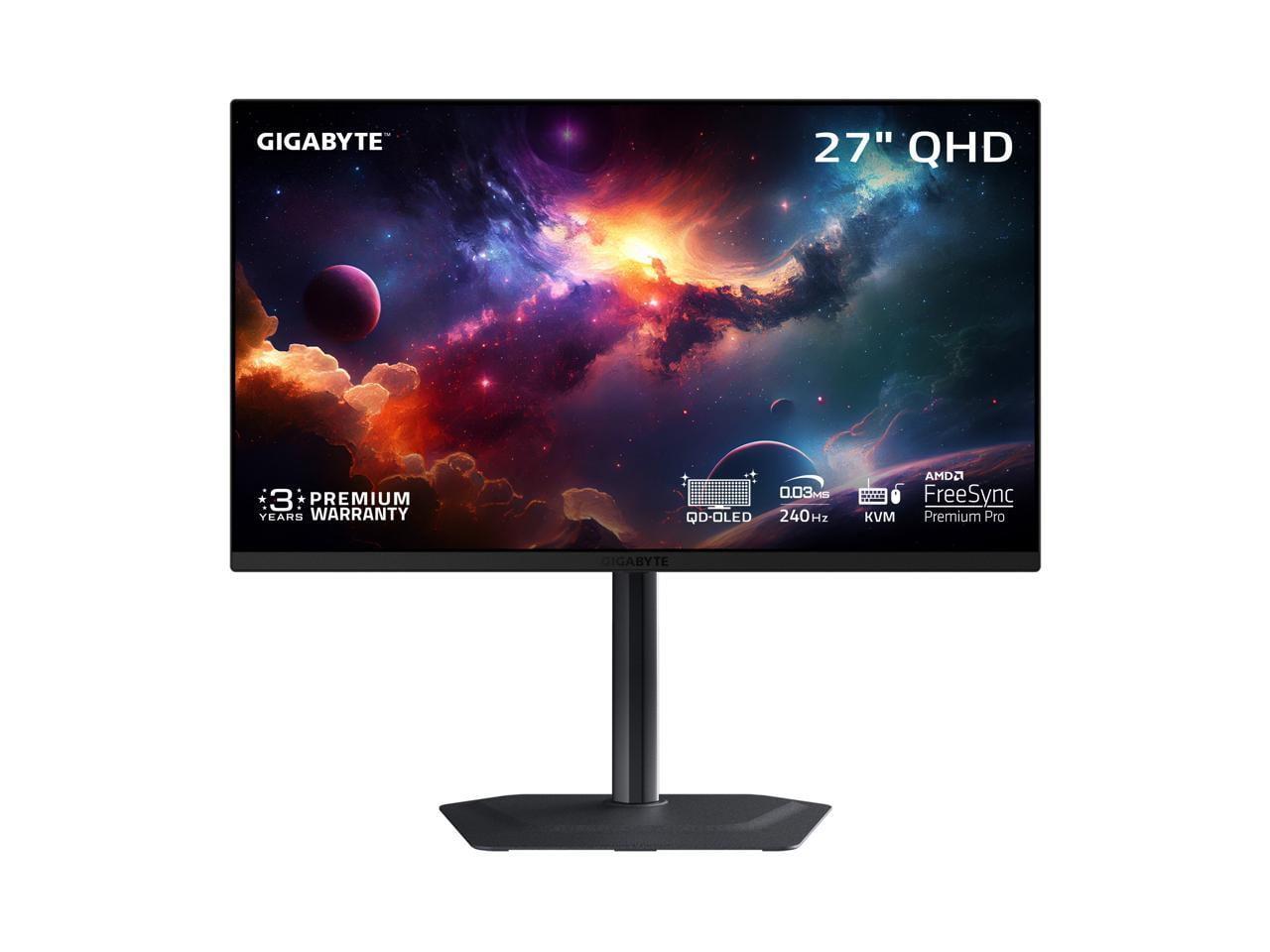
The GIGABYTE MO27Q2 takes a completely different approach with QD-OLED (Quantum Dot Organic Light Emitting Diode) technology. Instead of using a backlight, each pixel produces its own light. When a pixel needs to be black, it simply turns off completely, creating true black rather than the dark gray you get from backlit displays.
The "QD" part stands for Quantum Dots—microscopic semiconductors that can produce very pure colors when excited by light. Samsung's QD-OLED combines blue OLED pixels with quantum dots that convert some of that blue light into red and green, resulting in colors that are more vivid and saturated than traditional displays.
This self-emissive technology creates an infinite contrast ratio since truly black pixels sit immediately next to bright pixels without any interference. When you're playing a space game with bright stars against the blackness of space, or exploring atmospheric horror games with dramatic lighting, the MO27Q2 delivers an almost cinematic experience that draws you deeper into the game world.
The trade-off? QD-OLED displays typically aren't as bright as Mini LED in peak highlights, and there's always the long-term consideration of potential burn-in if static images are displayed for extended periods.
The resolution difference between these monitors is substantial and affects every aspect of your gaming experience. The Acer XV275K P3 displays 3840×2160 pixels (4K UHD), while the GIGABYTE MO27Q2 shows 2560×1440 pixels (QHD or 1440p).
At 4K resolution, the XV275K P3 packs 163 pixels into every inch of screen space. This pixel density means text appears razor-sharp, game textures reveal incredible detail, and user interfaces look crisp and professional. When you're exploring the detailed world of Cyberpunk 2077 or admiring the intricate armor designs in Elden Ring, 4K resolution reveals details that simply aren't visible at lower resolutions.
The benefit extends beyond gaming. If you use your monitor for productivity work, content creation, or streaming movies, 4K provides a noticeably superior experience. You can fit more windows on screen comfortably, and modern 4K content from Netflix or YouTube looks properly detailed rather than upscaled.
However, 4K gaming demands serious graphics processing power. Even high-end graphics cards like the RTX 4070 or RX 7800 XT can struggle to maintain high frame rates in the latest games at maximum settings. You'll often need to use technologies like NVIDIA DLSS or AMD FSR (AI-powered upscaling techniques that render games at lower resolutions internally while outputting to 4K) to achieve smooth performance.
The GIGABYTE MO27Q2 uses 2560×1440 resolution, which has become the preferred choice for competitive gamers. With 109 pixels per inch, it's still significantly sharper than 1080p displays but much easier for graphics cards to drive at high frame rates.
QHD strikes an excellent balance for most gaming scenarios. You get noticeably better detail than 1080p without the crushing performance requirements of 4K. Mid-range graphics cards can comfortably push high frame rates at 1440p, making it easier to take advantage of high refresh rate displays.
For competitive gaming, this resolution advantage translates directly into performance. When every frame matters in fast-paced shooters or MOBAs, the ability to maintain consistent high frame rates often trumps the visual benefits of higher resolution.
Refresh rate, measured in Hz (hertz), indicates how many times per second your monitor can display a new image. Traditional monitors refresh at 60Hz, but gaming monitors have pushed this boundary dramatically higher.
The GIGABYTE MO27Q2 operates at 240Hz, meaning it can display 240 unique frames every second. The Acer XV275K P3 reaches 160Hz. While both are significantly smoother than standard displays, that 80Hz difference becomes meaningful in competitive scenarios.
Higher refresh rates reduce input lag (the delay between your action and seeing the result on screen) and make motion appear more fluid. In fast-paced games like Valorant, Counter-Strike, or Rocket League, the difference between 160Hz and 240Hz can provide a genuine competitive advantage. Your eyes can track moving targets more easily, and the reduced motion blur helps you spot enemies more quickly.
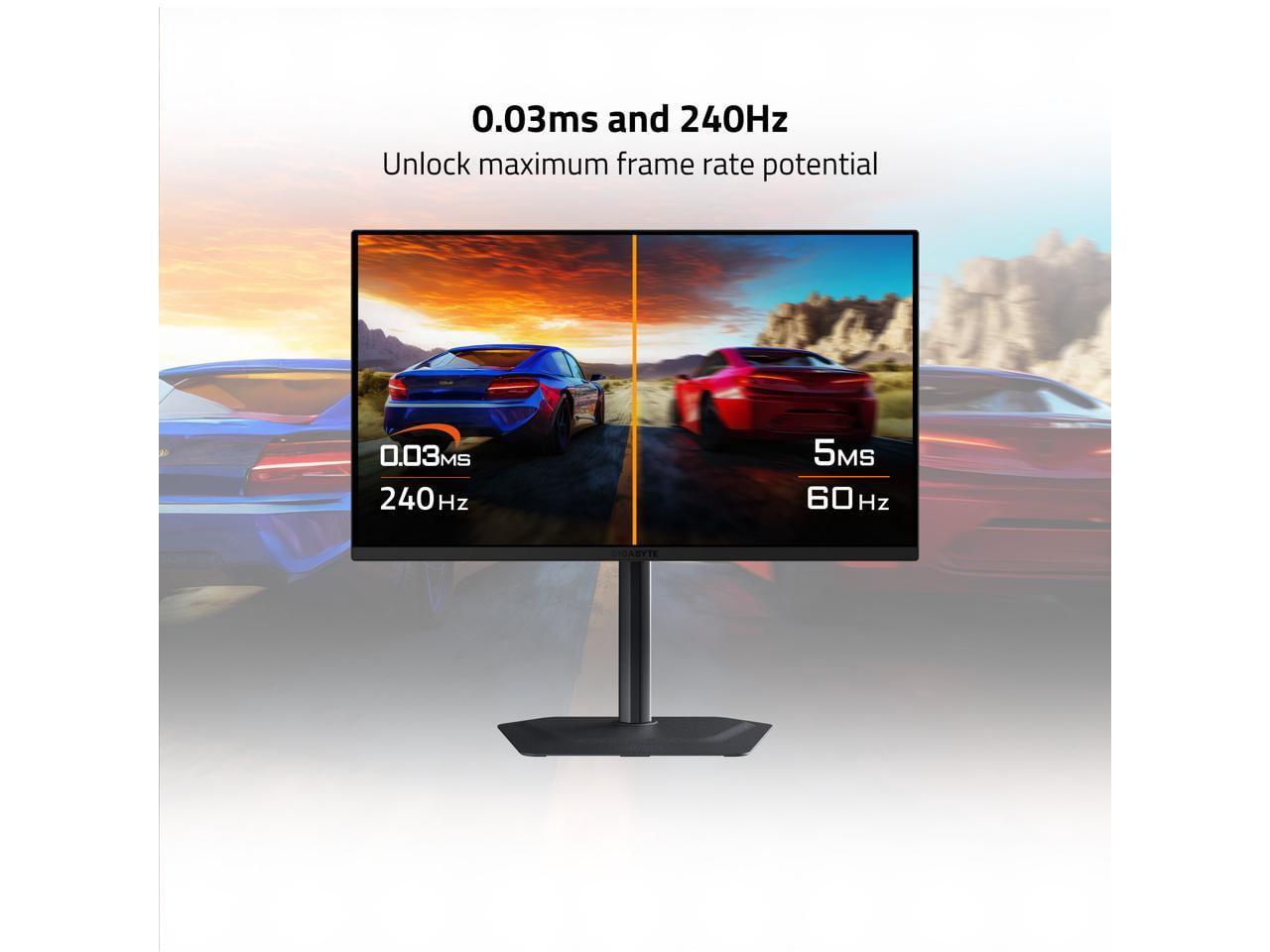
Both monitors boast exceptional response times—how quickly pixels can change from one color to another. The XV275K P3 achieves 1ms GTG (Gray-to-Gray), while the MO27Q2 claims an incredibly fast 0.03ms GTG response time.
OLED technology inherently provides faster pixel response since pixels simply turn on or off rather than rotating liquid crystals behind a backlight. This translates to virtually zero motion blur and exceptional clarity during fast action sequences.
However, real-world gaming rarely shows dramatic differences between 1ms and 0.03ms response times. Both monitors will feel immediately responsive, and most gamers won't perceive a meaningful difference in typical gaming scenarios.
HDR (High Dynamic Range) represents one of the most significant improvements in display technology over the past decade. Traditional SDR (Standard Dynamic Range) displays can show brightness levels from pure black to about 100 nits (a measure of brightness). HDR expands this range dramatically, potentially reaching 1000 nits or more for highlights while maintaining deeper blacks.
In gaming terms, HDR means explosions look genuinely bright, sunlight streaming through windows appears realistic, and shadow details remain visible even in dark scenes. However, HDR implementation varies significantly between displays, and not all HDR is created equal.
The Acer XV275K P3 achieves VESA DisplayHDR 1000 certification, indicating it can produce sustained brightness of 1000 nits across 10% of the screen area. With its 576-zone local dimming system, bright areas of the image can reach impressive peak brightness while darker zones dim appropriately.
This implementation excels in mixed lighting scenarios common in modern games. When you're playing Horizon Forbidden West and the sun sets behind mountains while campfires illuminate the foreground, the XV275K P3 can simultaneously display bright sky colors and deep shadow detail with impressive dynamic range.
The local dimming algorithm intelligently adjusts these zones in real-time, though occasionally you might notice slight blooming around very bright objects on dark backgrounds. This is most apparent during movie scenes with bright text on black backgrounds, but rarely distracts during actual gaming.
The GIGABYTE MO27Q2 earns VESA DisplayHDR True Black 400 certification, which prioritizes perfect black levels over peak brightness. While it can't match the Mini LED's peak brightness, its infinite contrast ratio creates a different but equally compelling HDR experience.
OLED HDR excels in atmospheric gaming. Horror games, space exploration titles, and cinematic adventures benefit enormously from true black levels. When you're playing Alien: Isolation in a dark room, the MO27Q2 creates an immersive experience where dark corridors appear genuinely black while maintaining visible detail in shadows.
The trade-off is lower peak brightness, which can make HDR highlights less impactful in bright room conditions. However, many gamers prefer the infinite contrast approach, especially those who game primarily in controlled lighting environments.
The resolution difference creates the most significant performance impact between these monitors. 4K gaming on the XV275K P3 requires approximately 2.25 times more graphics processing power than 1440p gaming on the MO27Q2.
In practical terms, this means a graphics card that comfortably runs games at 240fps at 1440p might struggle to maintain 100fps at 4K with the same settings. For competitive gamers with high-end hardware, the MO27Q2 makes it easier to take full advantage of the 240Hz refresh rate.
However, the XV275K P3 offers more flexibility through its resolution. You can choose to run games at native 4K for single-player experiences where visual quality matters most, then drop to 1440p for competitive gaming where frame rate takes priority.
Both monitors support modern adaptive sync technologies. The XV275K P3 includes AMD FreeSync Premium Pro, while the MO27Q2 offers FreeSync Premium Pro as well. Both are certified as NVIDIA G-SYNC Compatible, ensuring smooth performance across different graphics card brands.
For console gamers, both monitors provide excellent experiences with PlayStation 5 and Xbox Series X|S, though with different strengths. The XV275K P3 can display native 4K console games at up to 120Hz, taking full advantage of next-generation console capabilities. The MO27Q2 excels with its VRR (Variable Refresh Rate) support and superior motion clarity, even when displaying 4K content downsampled to 1440p.
The GIGABYTE MO27Q2 includes several features specifically designed for competitive gaming. Its Tactical Switch is particularly innovative—a dedicated hardware button that instantly switches between full 27-inch 1440p mode and a cropped 24-inch 1080p mode. This allows esports professionals to enjoy the larger screen for general use while switching to the smaller, more focused display area during competitive matches.
Additional gaming features include customizable crosshair overlays, gaming timers, and specialized picture modes for different game genres. The Black Equalizer 2.0 feature brightens dark areas without overexposing bright areas, helping spot enemies hiding in shadows.
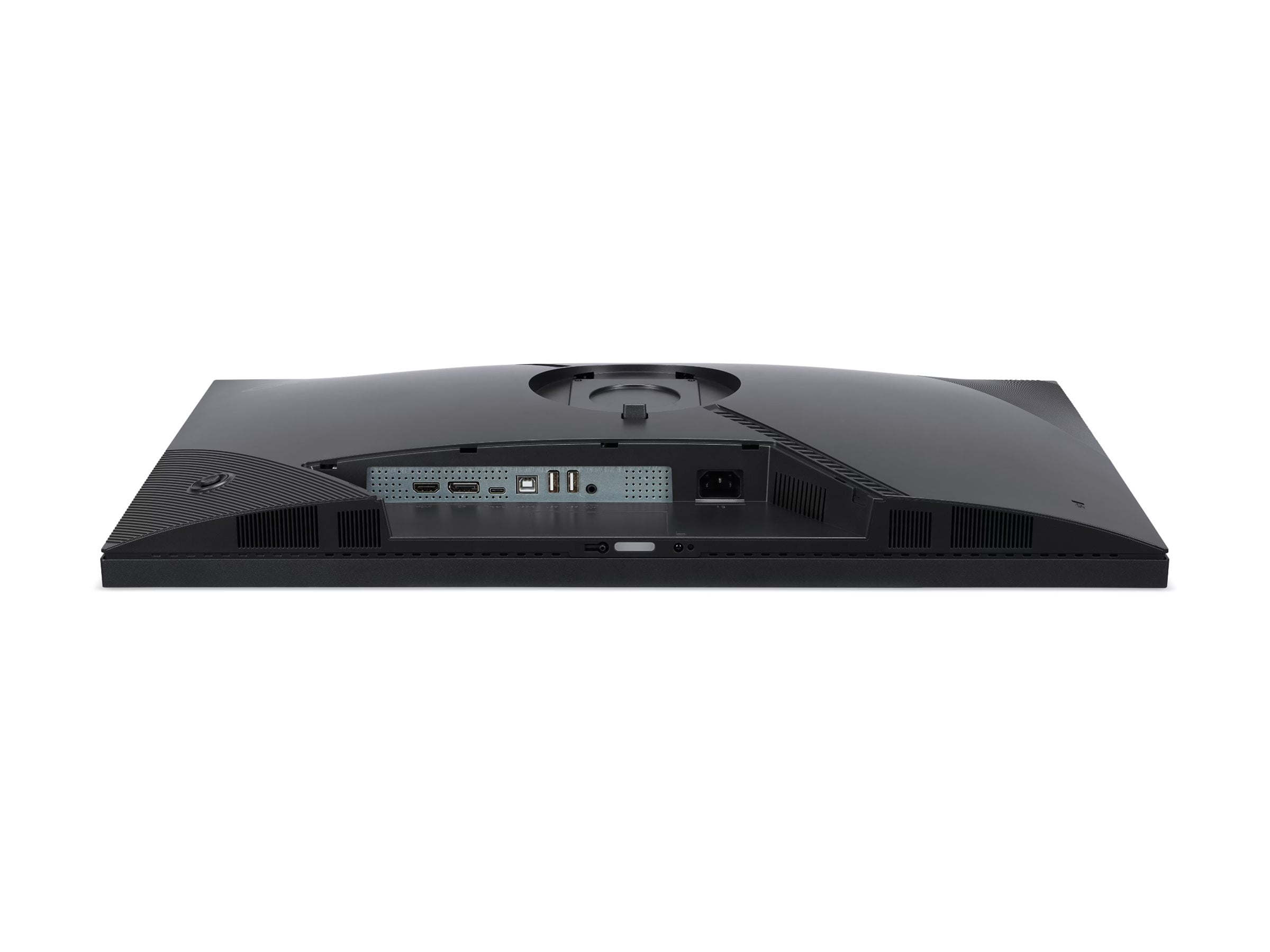
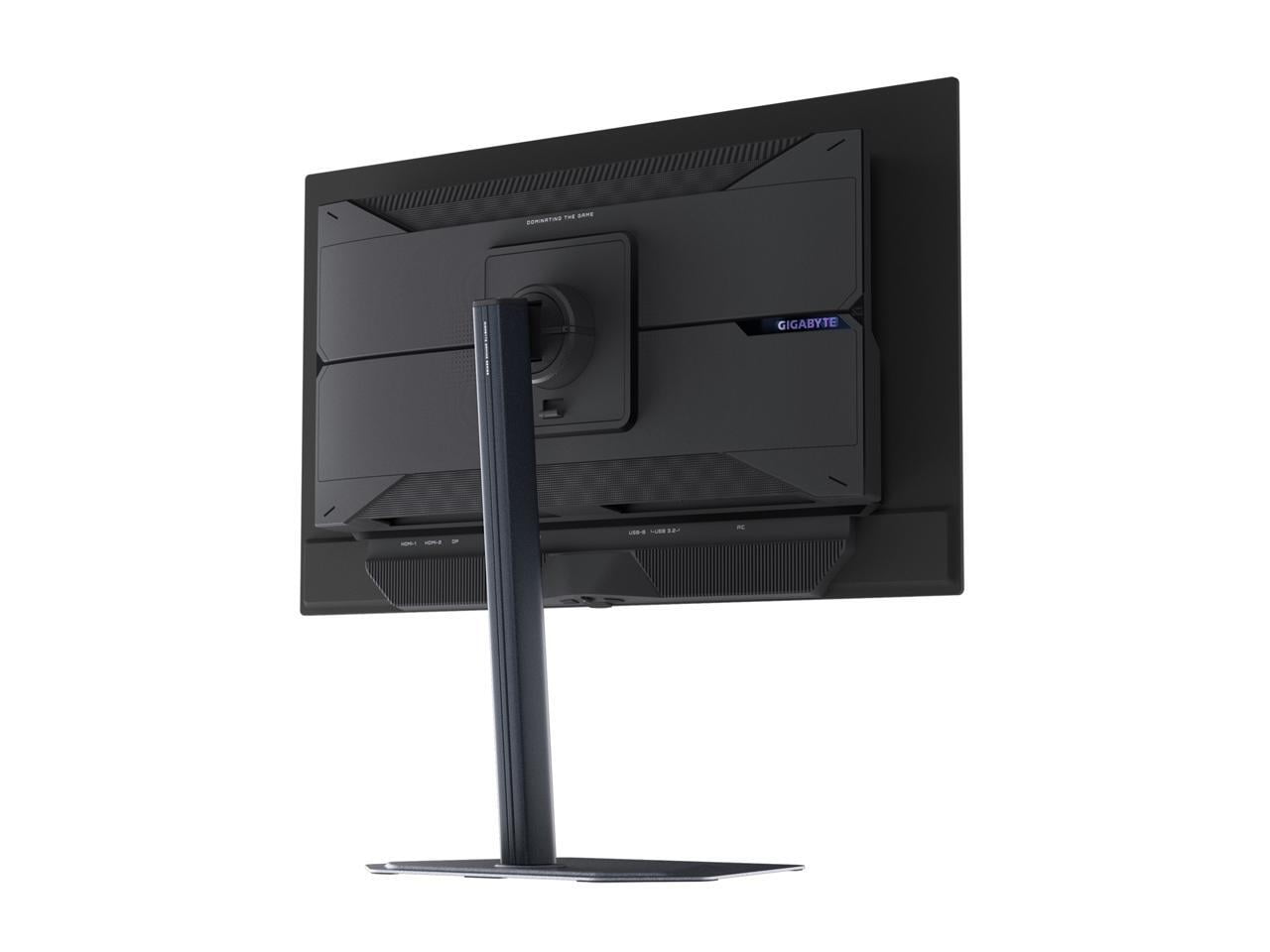
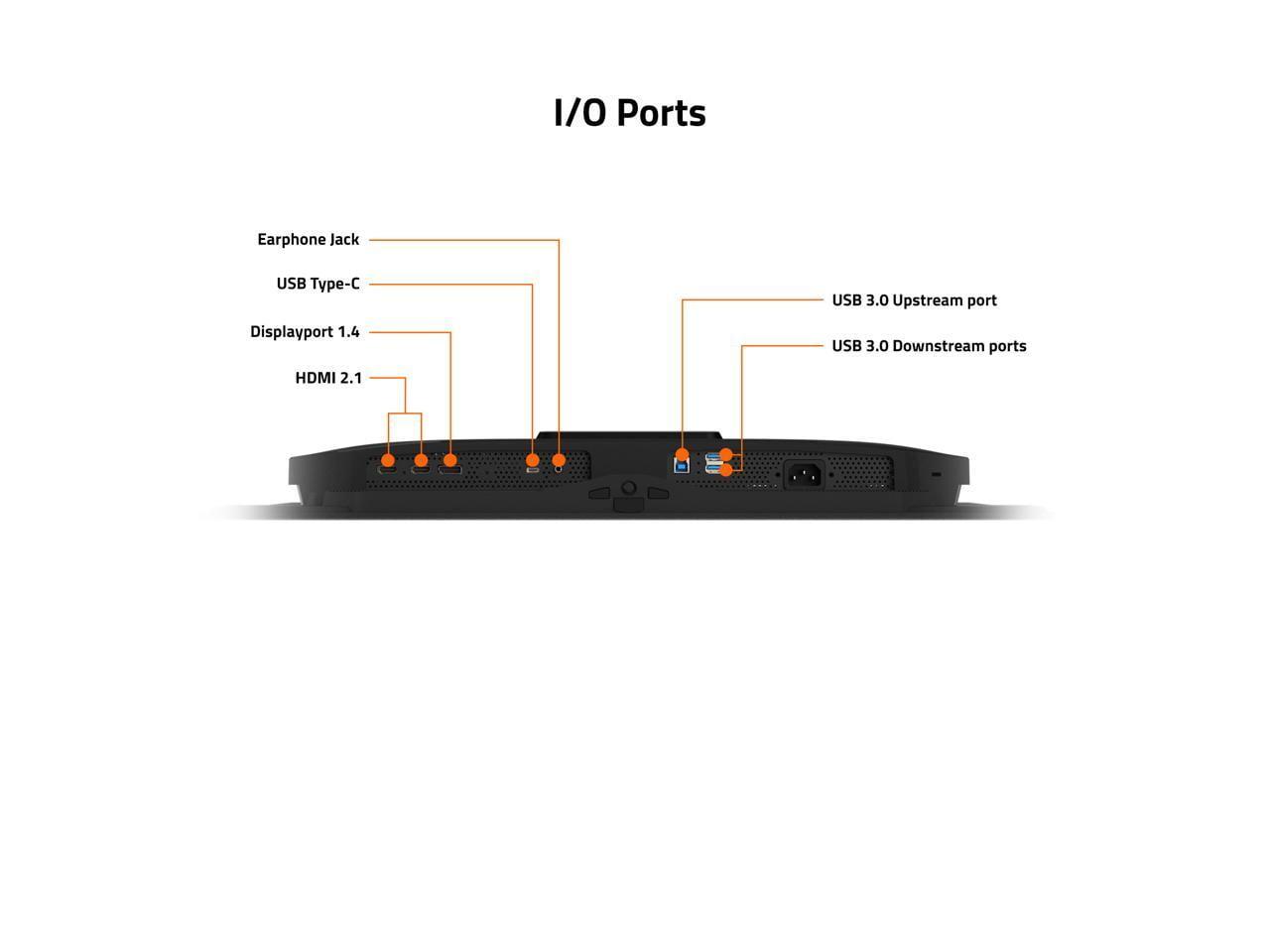
The XV275K P3 excels in connectivity options, featuring two HDMI 2.1 ports, DisplayPort 1.4, and USB-C with 90W Power Delivery. This makes it excellent for users who switch between gaming PCs, laptops, and consoles regularly. The USB-C port can charge laptops while displaying video, creating a clean single-cable solution for hybrid work-gaming setups.
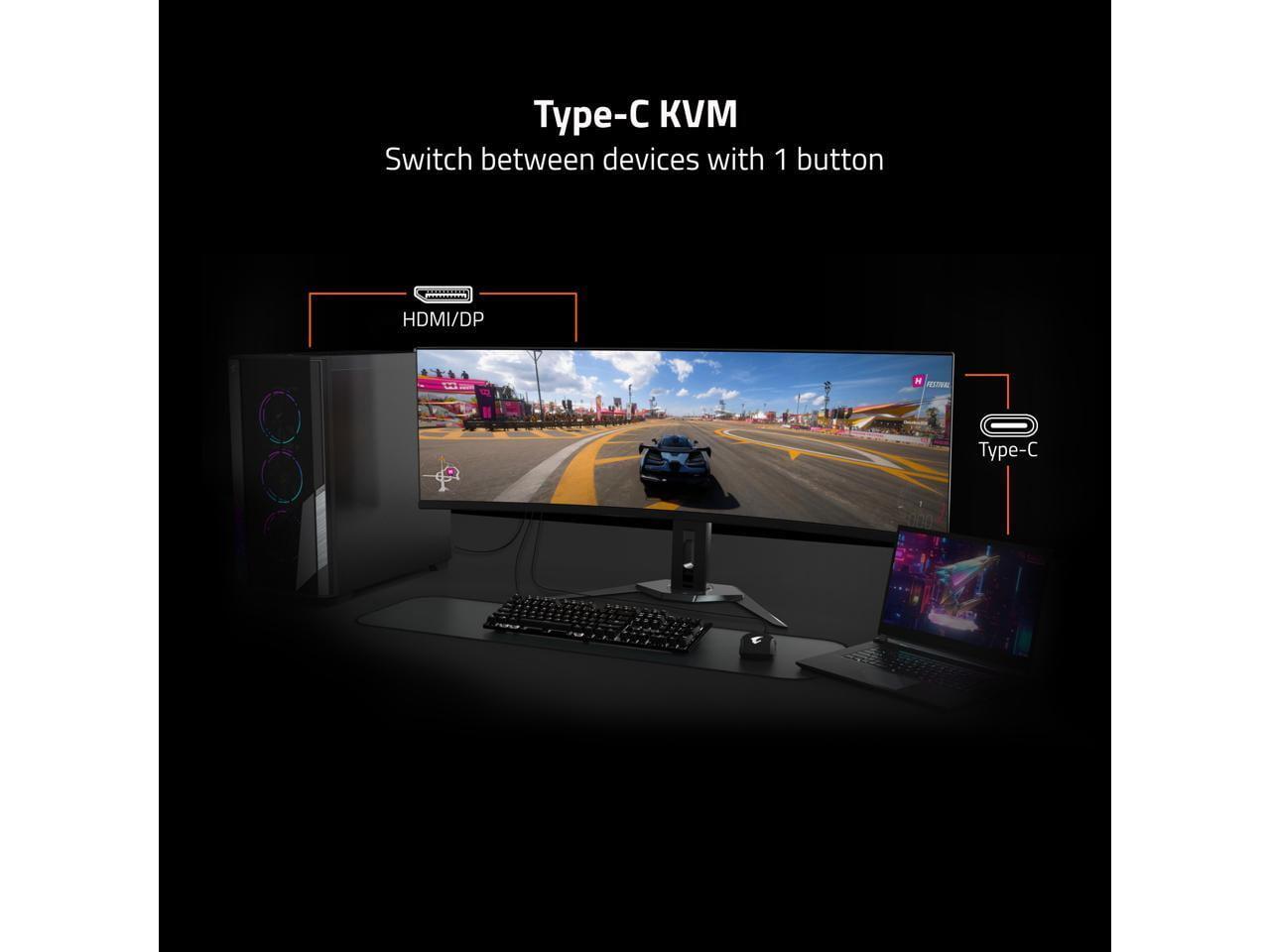
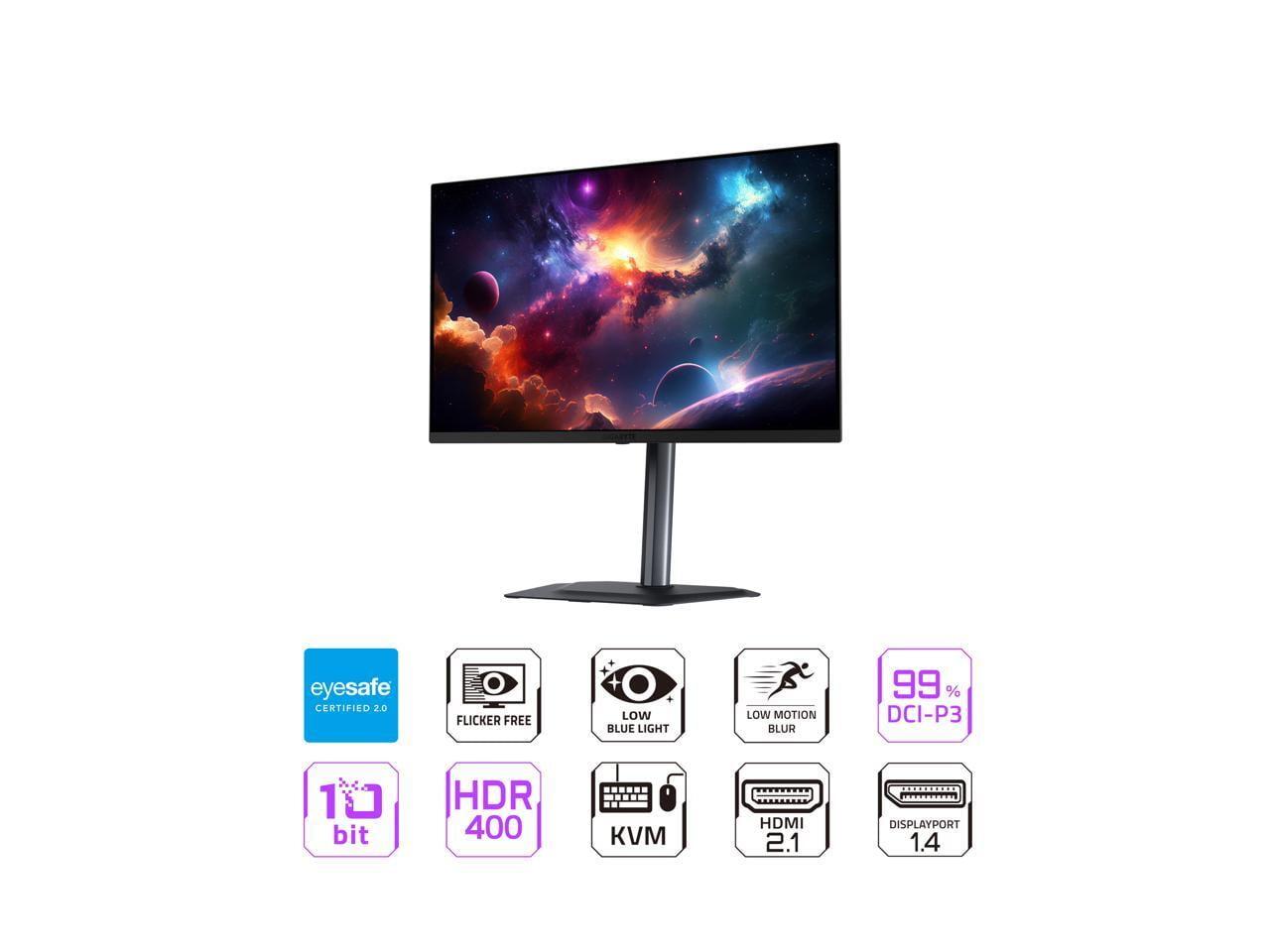
Both monitors include KVM switching capabilities, allowing you to control multiple devices with a single keyboard and mouse. This feature has become increasingly valuable as more people maintain both gaming PCs and work laptops at the same desk.
If you're considering either monitor for living room or home theater use, several factors become important. The Acer XV275K P3 performs better in bright rooms thanks to its higher peak brightness and anti-glare coating. Its 4K resolution also matches modern streaming content and console games perfectly.
The GIGABYTE MO27Q2 creates a more cinematic experience in controlled lighting conditions. Its perfect black levels and vibrant colors make it exceptional for movie watching and atmospheric gaming, though reflections on the glossy screen can be distracting in bright rooms.
Both monitors include decent built-in speakers, though serious home theater enthusiasts will want to connect external audio systems for the best experience.
Consider the long-term implications of your choice. Mini LED technology in the XV275K P3 doesn't suffer from burn-in concerns, making it safer for varied use cases including productivity work with static UI elements.
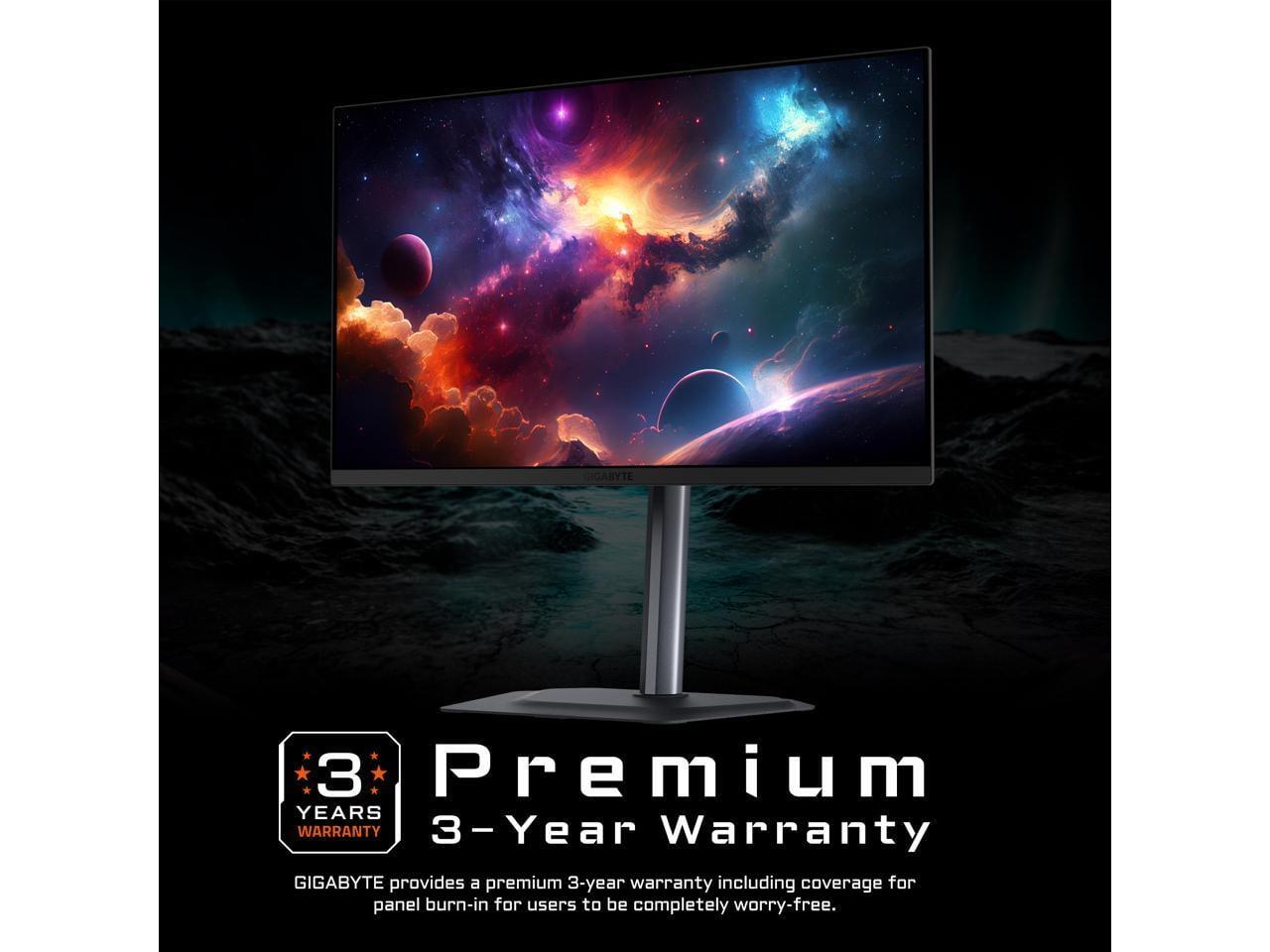
The MO27Q2 includes AI-based OLED care features and comes with a three-year warranty covering burn-in, but OLED technology still requires more careful use to maximize lifespan. If you frequently leave static images on screen or use the monitor for extended productivity work, this becomes a meaningful consideration.
You prioritize visual clarity and versatility above all else. The 4K resolution provides future-proofing as games and content increasingly target higher resolutions. If you split time between gaming and productivity work, need a monitor that performs well in bright rooms, or want the best value proposition (4K typically costs more than 1440p), the XV275K P3 represents an excellent choice.
This monitor particularly appeals to single-player gamers who value image quality, console gamers who want to take full advantage of 4K gaming, and anyone who uses their monitor for content creation or professional work alongside gaming.
You're primarily focused on competitive gaming performance and want the absolute best motion clarity money can buy. The 240Hz refresh rate and near-instant response times provide genuine advantages in fast-paced competitive games. If you game primarily in dark or controlled lighting environments where OLED's perfect blacks can shine, prioritize motion performance over resolution, or want the most vivid, saturated colors possible, the MO27Q2 is likely your best choice.
This monitor appeals most to esports enthusiasts, competitive gamers, and those who primarily play fast-paced action games where motion clarity trumps resolution.
At the time of writing, pricing between these monitors remains competitive, with neither offering a clear value advantage. Your choice should focus on which strengths align better with your specific gaming preferences and use cases rather than purely on cost considerations.
Both monitors represent the cutting edge of 2024 gaming display technology, ensuring excellent performance regardless of your choice. The decision ultimately comes down to whether you prioritize the crystal-clear detail of 4K Mini LED or the smooth motion and perfect contrast of QHD QD-OLED technology.
| Acer Nitro XV275K P3 | GIGABYTE MO27Q2 |
|---|---|
| Display Resolution - Higher resolution means sharper text and more detailed gaming visuals | |
| 3840 × 2160 (4K UHD) - 2.25x more pixels than QHD | 2560 × 1440 (QHD) - Easier to drive at high frame rates |
| Panel Technology - Fundamentally affects contrast, colors, and burn-in risk | |
| Mini LED IPS with 576 local dimming zones - Bright HDR, no burn-in concerns | QD-OLED - Perfect blacks, infinite contrast, potential burn-in |
| Refresh Rate - Higher rates provide smoother motion in competitive gaming | |
| 160Hz - Excellent for most gaming scenarios | 240Hz - Significant advantage for competitive esports |
| Peak Brightness - Critical for HDR impact and bright room visibility | |
| 1000 nits (DisplayHDR 1000) - Excellent for bright rooms and HDR highlights | 250 nits typical (DisplayHDR True Black 400) - Better for dark room gaming |
| Response Time - How quickly pixels change color, affects motion blur | |
| 1ms GTG - Fast enough for competitive gaming | 0.03ms GTG - Near-instantaneous pixel response |
| Color Coverage - Wider gamuts produce more vivid, lifelike colors | |
| 99% Adobe RGB, 98% DCI-P3 - Excellent for content creation | 99% DCI-P3 - Vibrant gaming colors with quantum dot enhancement |
| Contrast Ratio - Higher ratios create more dramatic shadows and highlights | |
| 100,000,000:1 dynamic with local dimming - Deep blacks with bright highlights | 1,500,000:1 infinite native - Perfect blacks, no backlight bleed |
| Connectivity - More ports provide better flexibility for multiple devices | |
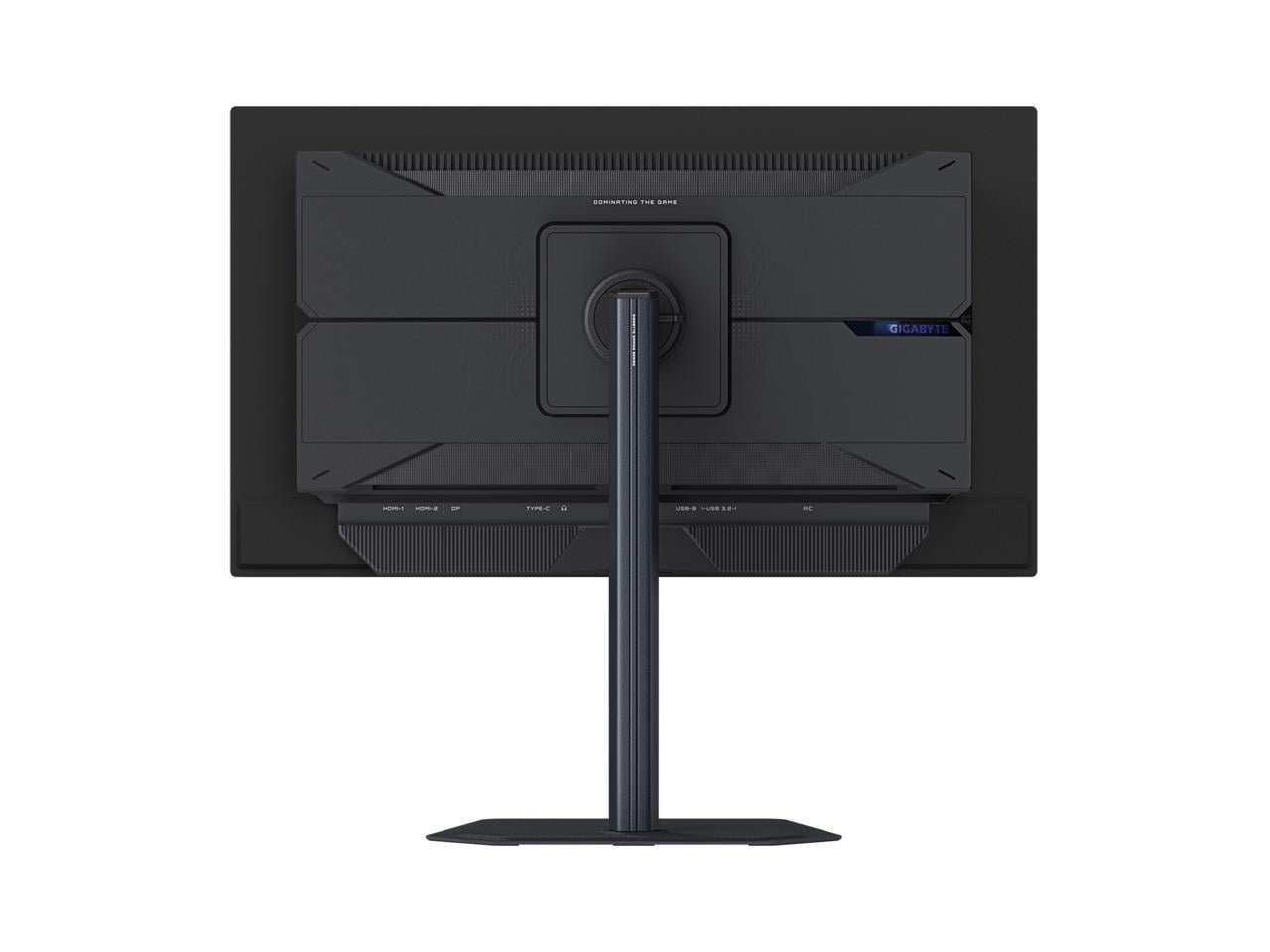
| 2× HDMI 2.1, 1× DP 1.4, USB-C (90W PD), USB hub | 2× HDMI 2.1, 1× DP 1.4, USB-C (18W PD), KVM switch |
| Adaptive Sync Support - Eliminates screen tearing across different GPU brands | |
| AMD FreeSync Premium Pro, NVIDIA G-SYNC Compatible | AMD FreeSync Premium Pro, NVIDIA G-SYNC Compatible |
| Pixel Density - Higher PPI creates sharper text and UI elements | |
| 163 PPI - Crystal clear text and detailed interfaces | 109 PPI - Good clarity, less demanding on GPU |
| HDR Certification - Indicates real-world HDR performance capabilities | |
| VESA DisplayHDR 1000 - Bright, impactful HDR in most lighting conditions | VESA DisplayHDR True Black 400 - Cinematic HDR best in dark rooms |
| Warranty Coverage - Important protection for premium display investments | |
| 3 years standard warranty | 3 years including OLED burn-in protection |
| Special Features - Unique capabilities that enhance specific use cases | |
| USB-C laptop charging, extensive color modes, RGB lighting | Tactical Switch (27" to 24" mode), KVM switching, OLED care algorithms |
The Acer Nitro XV275K P3 is specifically designed for 4K gaming with its native 3840×2160 resolution and 160Hz refresh rate. The GIGABYTE MO27Q2 runs at 1440p resolution, so it cannot display native 4K gaming. If you want true 4K gaming visuals, the Acer XV275K P3 is the clear choice.
Mini LED in the Acer Nitro XV275K P3 uses 576 tiny LEDs behind an LCD panel for precise backlighting control and bright HDR performance. QD-OLED in the GIGABYTE MO27Q2 has self-lighting pixels that can turn completely off for perfect blacks and infinite contrast. Mini LED offers brighter highlights, while QD-OLED provides better contrast and deeper blacks.
The GIGABYTE MO27Q2 offers a 240Hz refresh rate compared to the Acer XV275K P3's 160Hz. This 80Hz difference provides smoother motion and reduced input lag in fast-paced competitive games like Counter-Strike or Valorant. For serious esports gaming, the GIGABYTE MO27Q2 has the advantage.
Yes, both the Acer Nitro XV275K P3 and GIGABYTE MO27Q2 support next-gen console gaming with HDMI 2.1 ports and VRR (Variable Refresh Rate). The XV275K P3 can display native 4K console games, while the MO27Q2 excels with superior motion clarity for 120Hz gaming.
The Acer Nitro XV275K P3 performs better in bright rooms with its 1000-nit peak brightness and anti-glare coating. The GIGABYTE MO27Q2 has a glossy screen that can show reflections and lower overall brightness. For daytime gaming or well-lit spaces, choose the Acer XV275K P3.
Both monitors offer similar connectivity with HDMI 2.1 and DisplayPort, but the Acer XV275K P3 provides 90W USB-C Power Delivery for laptop charging, while the GIGABYTE MO27Q2 includes a KVM switch for easier device switching. The XV275K P3 is better for laptop users, while the MO27Q2 suits multi-device setups.
HDR performance depends on your preferences. The Acer Nitro XV275K P3 achieves DisplayHDR 1000 certification with brighter highlights and more impactful peak brightness. The GIGABYTE MO27Q2 offers DisplayHDR True Black 400 with perfect blacks and infinite contrast. Choose the XV275K P3 for bright HDR highlights or the MO27Q2 for dramatic contrast.
Only the GIGABYTE MO27Q2 has potential burn-in concerns due to its OLED technology, though it includes AI-based protection features and a 3-year burn-in warranty. The Acer Nitro XV275K P3 uses Mini LED technology with no burn-in risk, making it safer for productivity work with static elements.
The Acer Nitro XV275K P3 is superior for content creation with its 4K resolution, 99% Adobe RGB coverage, factory calibration, and no burn-in concerns. The higher pixel density makes text sharper and provides more screen real estate. The GIGABYTE MO27Q2 is primarily gaming-focused with lower resolution for professional work.
The Acer Nitro XV275K P3 requires high-end graphics cards (RTX 4070 or better) for smooth 4K gaming at high settings. The GIGABYTE MO27Q2 works well with mid-range to high-end cards since 1440p is easier to drive at 240Hz. Budget-conscious gamers might find the MO27Q2 more accessible.
The GIGABYTE MO27Q2 excels in motion clarity with its 0.03ms response time and 240Hz refresh rate, providing virtually zero motion blur. The Acer Nitro XV275K P3 offers excellent 1ms response times but can't match OLED's instant pixel switching. For the clearest motion, choose the GIGABYTE MO27Q2.
Value depends on your priorities. The Acer Nitro XV275K P3 typically costs less while offering higher 4K resolution, making it better value for resolution per dollar. The GIGABYTE MO27Q2 costs more but provides premium QD-OLED technology and 240Hz performance. Consider the XV275K P3 for versatile value or the MO27Q2 for gaming-focused premium features.
We've done our best to create useful and informative comparisons to help you decide what product to buy. Our research uses advanced automated methods to create this comparison and perfection is not possible - please contact us for corrections or questions. These are the sites we've researched in the creation of this article: bestbuy.com - rtings.com - reviewed.com - displayninja.com - youtube.com - displayninja.com - youtube.com - dpreview.com - acer.com - buy.bluum.com - shi.com - camcor.com - newegg.com - provantage.com - displayspecifications.com - colamco.com - displayspecifications.com - walmart.com - bestbuy.com - gigabyte.com - youtube.com - newegg.com - mezha.media - tech-critter.com - gigabyte.com - forum.pcmonitors.info - techspot.com - aorus.com - saltynewsnetwork.com - infiniarc.com - gigabyte.com - bestbuy.com - youtube.com - gigabyte.com - gigabyte.com - displayspecifications.com - aorus.com - gigabyte.com - gigabyte.com

Privacy Policy
Terms and Conditions - Affiliate Policy
Home Security
© Copyright 2008-2026.
11816 Inwood Rd #1211, Dallas, TX 75244